Social & External
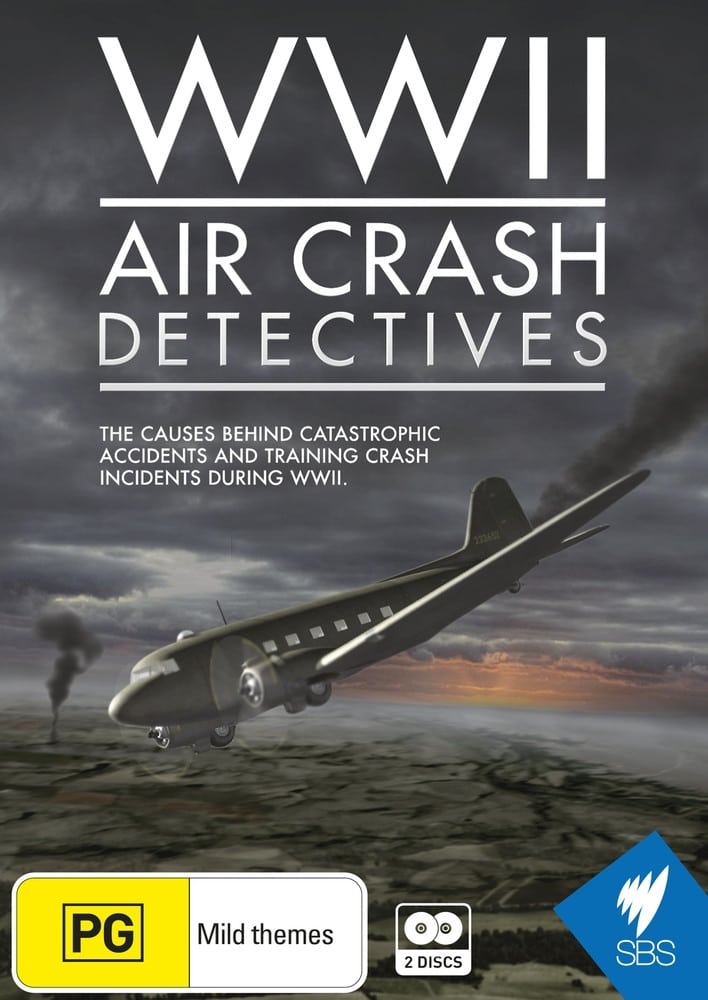
Garth Barnard has a lifelong passion and unshakeable resolve to investigate how thousands of young Airmen from the Second World War died in catastrophic air accidents and training crashes.
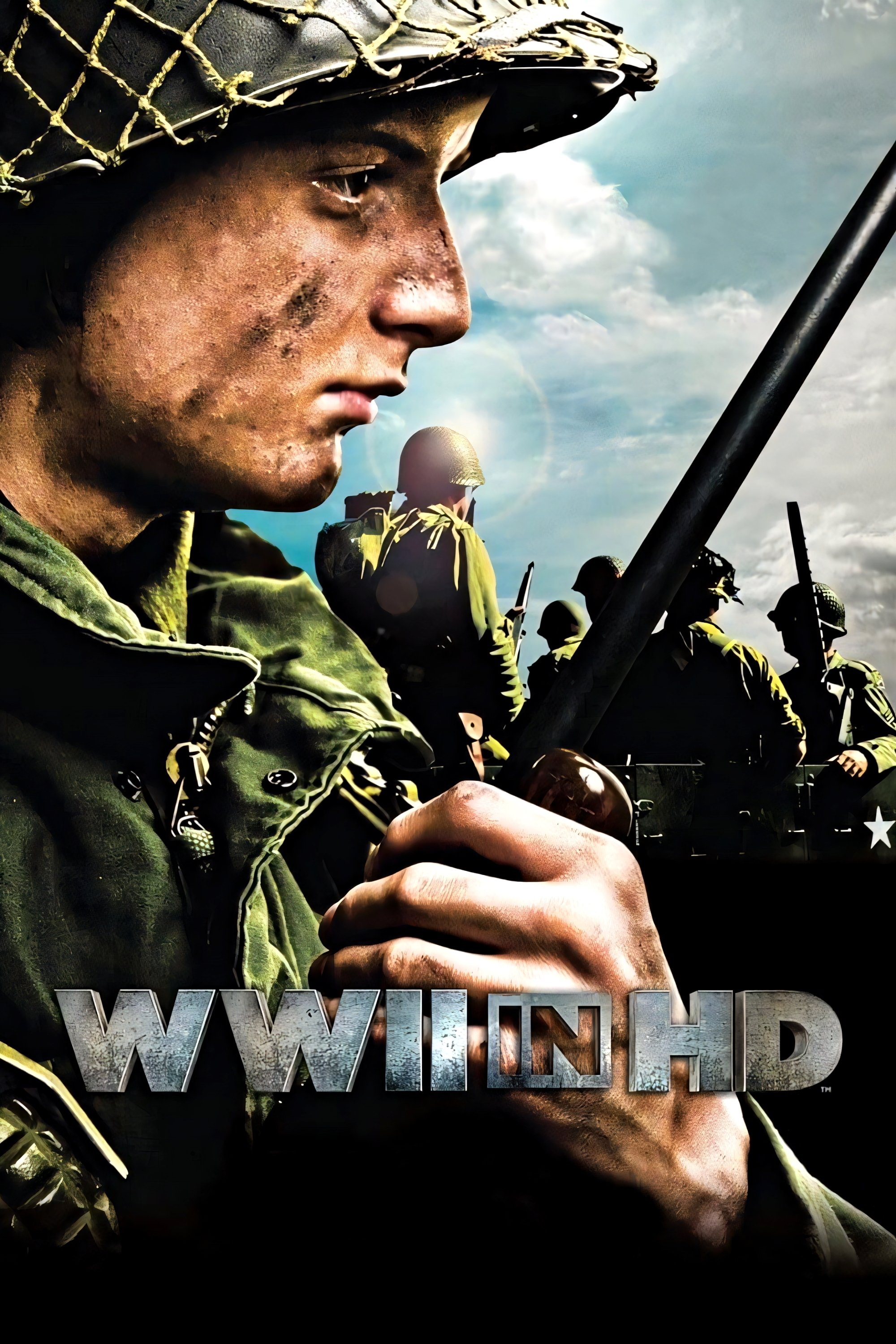
WWII in HD is a 10-part American documentary television miniseries that originally aired from November 15 to November 19, 2009 on the History Channel. The program focuses on the firsthand experiences of twelve American service members during World War II, including an Army nurse, a member of the Tuskegee Airmen, a second generation Japanese American and prisoner of war, and an Austrian Jewish immigrant. The twelve members recorded their time in both theaters and some had later interviews; found footage from the battlefield was paired with the stories of the twelve service members. The episodes premiered on five consecutive days, with two episodes per day. The series is narrated by Gary Sinise and was produced by Lou Reda Productions in Easton, Pennsylvania, United States.
This series takes viewers deep into the heart of battle, to reveal the critical turning points in some of WWII's most decisive confrontations.
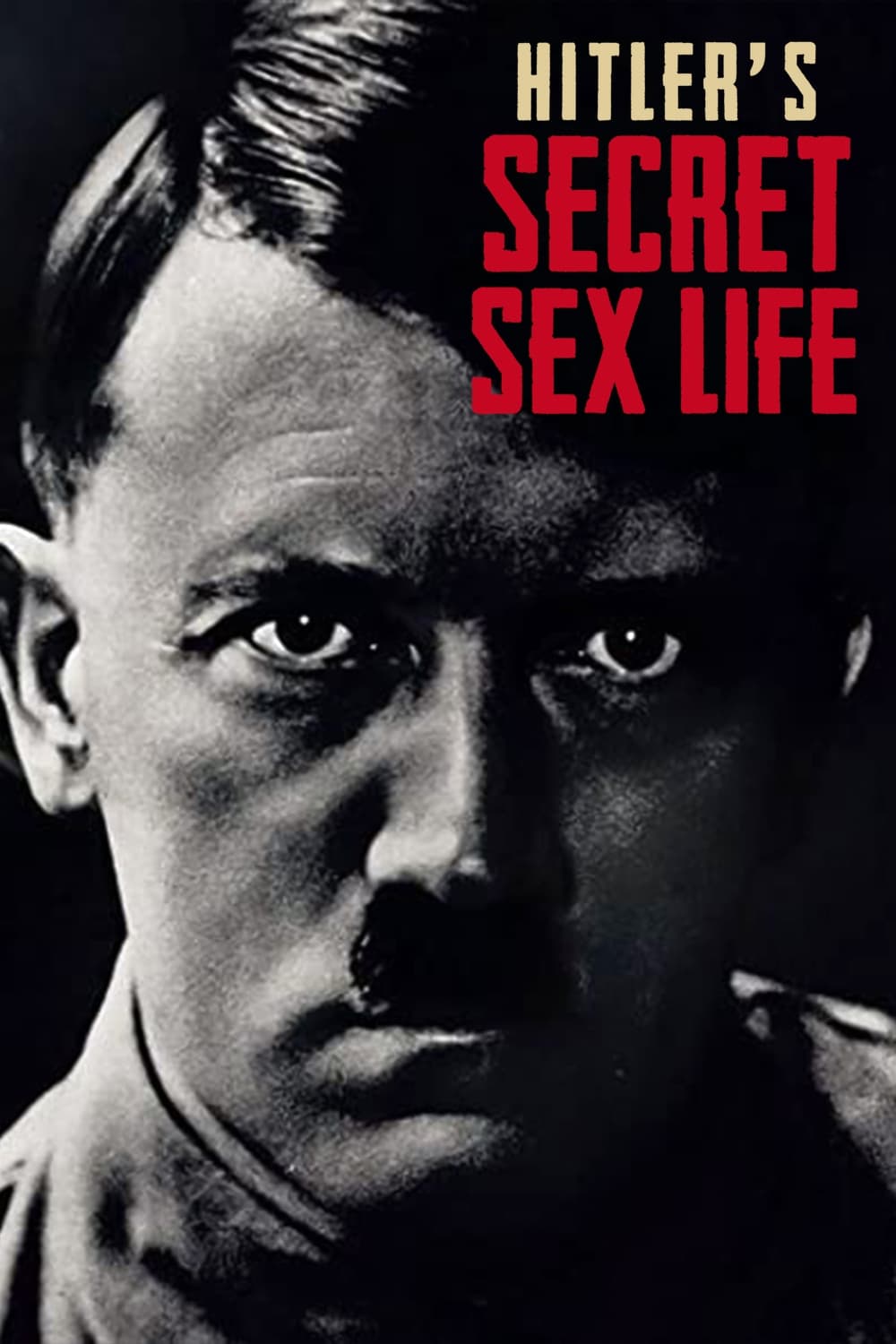
Hitler’s Secret Sex Life exposes the myriad of rumours, theories and disputed historical accounts of Adolf Hitler's sexual psychology. There is no shortage of experts on Hitler's sex life who consider his predictions to be a barometer of the dictator's twisted psyche. Each episode will address a specific time period of Hitler's alleged and proven sex life and explores the role it played in shaping his behaviour.
On 23 August 1939, the world was shocked to discover that Hitler and Stalin, the most intractable of their enemies at the time, had signed a pact that allowed them to divide Poland between them and gave the Nazi leader complete freedom to concentrate his forces in the West, against France and the United Kingdom. Through this agreement, Europe was to be thrown into war. For a long time, the relationship between Hitler and Stalin was ignored: their mutual fascination, their moves to get closer, the marks of confidence they exchanged and all the benefits they derived from the German-Soviet pact, before resuming their war to the death in June 41 with the "Barbarossa" operation.
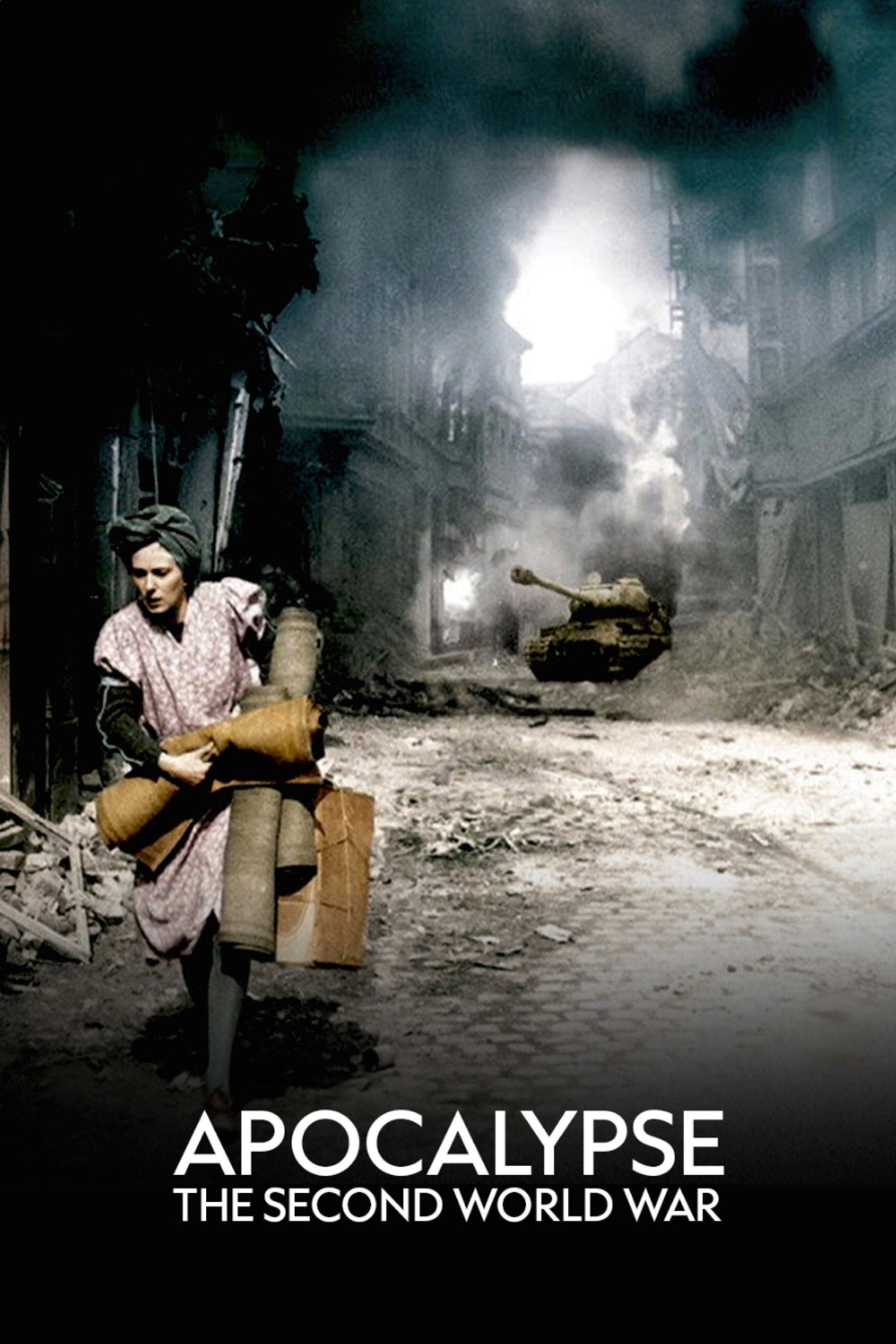
A six-part French documentary about the Second World War composed exclusively of actual footage of the war as filmed by war correspondents, soldiers, resistance fighters and private citizens. The series is shown in color, with the black and white footage being fully colorized, save for some original color footage. The only exception to the treatment are most Holocaust scenes, which are presented in the original black and white.
An investigation into the nature, details and reasons for the collaboration, from 1940 to 1944, during World War II, between the Vichy regime, established in the south of France and headed by Marshal Pétain, and Nazi Germany.
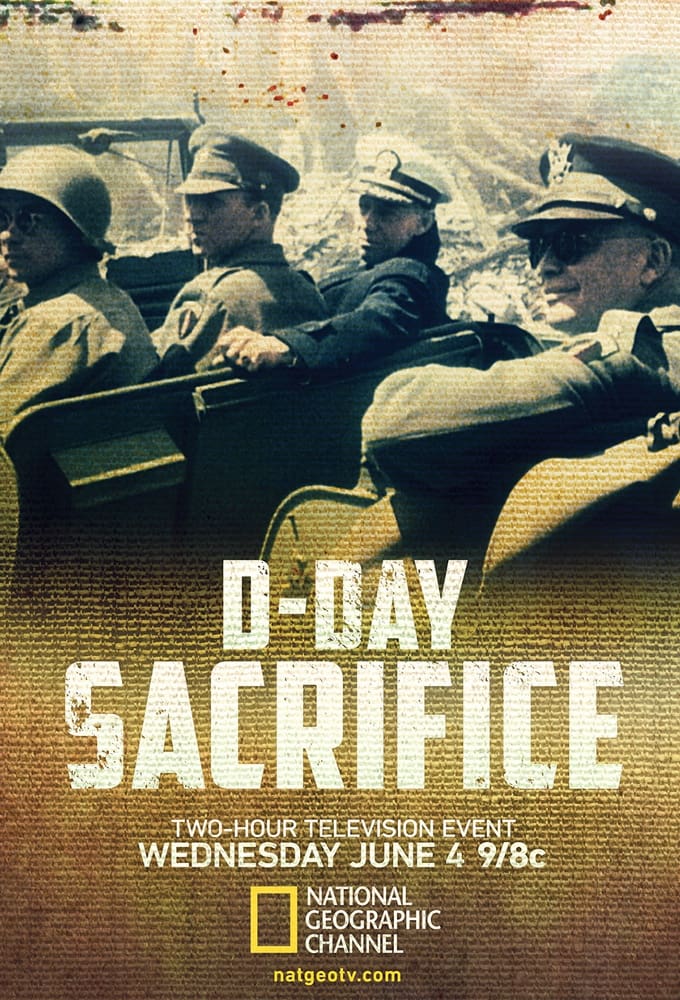
Comprised entirely of re-mastered and colorised archive footage from World War II, much of it never before seen, Sacrifice recounts the story of D-Day through the testimonies of those who lived it. These important historical days are seen through the eyes of French civilians and members of the military fighting on both sides. The testimonies of famous individuals like Dwight D. Eisenhower and Erwin Rommel are intertwined with those of anonymous soldiers and citizens, such as film director Samuel Fuller and Eisenhower's chauffeur, Kay Summersby. From the preparations for D-Day all the way through to the liberation of Paris, the accounts of these men and women provide a moving and invaluable retelling of this pivotal time in history.
"Die Kinder der Flucht" is a three-part German docudrama that portrays the harrowing experiences of children and young people during the final months of World War II and its aftermath in Eastern Europe. The series weaves together dramatized reenactments, archival footage, and poignant interviews with real-life survivors to tell three distinct yet interconnected stories of displacement, survival, and resilience.
Historian James Holland goes inside the Nazi war machine, exploring the extraordinary weapons produced under the Third Reich, in a series that includes rare archive material
A close look at the engineers who designed powerful military technology for the Nazis and who also encouraged a technological revolution that would forever change warfare.
In this four-part documentary series, leading Hollywood actors undertake a fascinating journey into their family's past by re-tracing the footsteps of their grandparents during World War Two. We follow the moving, personal stories of Helena Bonham Carter, Mark Rylance, Kristin Scott Thomas, and Carey Mulligan as they travel to historic locations, from the beaches of Dunkirk to prisoner of war camps in Asia, to learn about the war their grandparents experienced. All of the actors have unanswered questions about the scars war left on their grandparents, and in each episode one of the actors explore how six years changed the lives of their family and the world forever while learning about the life and death decisions that their grandparents faced.
Communism spread to all of the continents of the word, lasting through four generations and over seven decades. Hundreds of millions of men and women were affected by this political system, one of the most unjust and bloodiest in history. Using newly discovered propaganda films and archival photos, these four episodes explore the mysteries of this totalitarian political machine that lured its share of important followers into the fold. Known as the red church, communism seduced its ardent followers like some earthly religion.
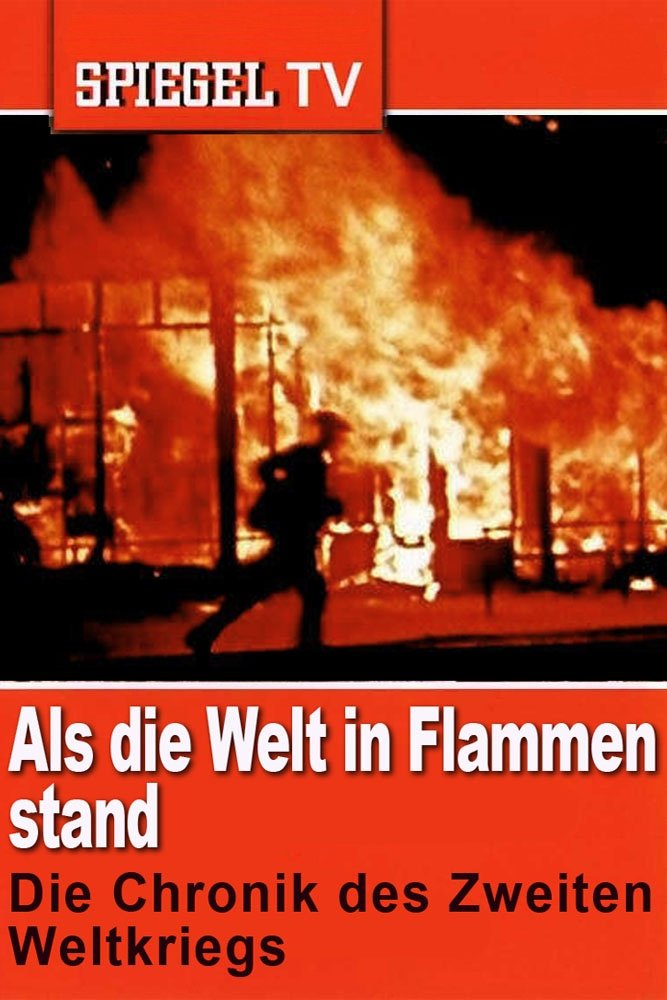
The Second World War began on September 1, 1939, with the invasion of Poland and ended on May 8, 1945, as a global catastrophe with over 50 million deaths and devastated cities. Hitler’s expansion plans and Japan’s imperial ambitions led to bloody battles such as Stalingrad and Iwo Jima, the bombing of German cities, and the atomic bombings of Hiroshima and Nagasaki. SPIEGEL-TV author Michael Kloft recounts the war’s chronology and presents rare, partly unpublished footage from both the front lines and the home front, beyond propaganda. He is supported by experts Antony Beevor, Jörg Friedrich, and Rolf-Dieter Müller, who provide insights into military strategies and personal stories. Together, they create a comprehensive portrait of the Second World War.
Stories about the impact of World War I around the regions.
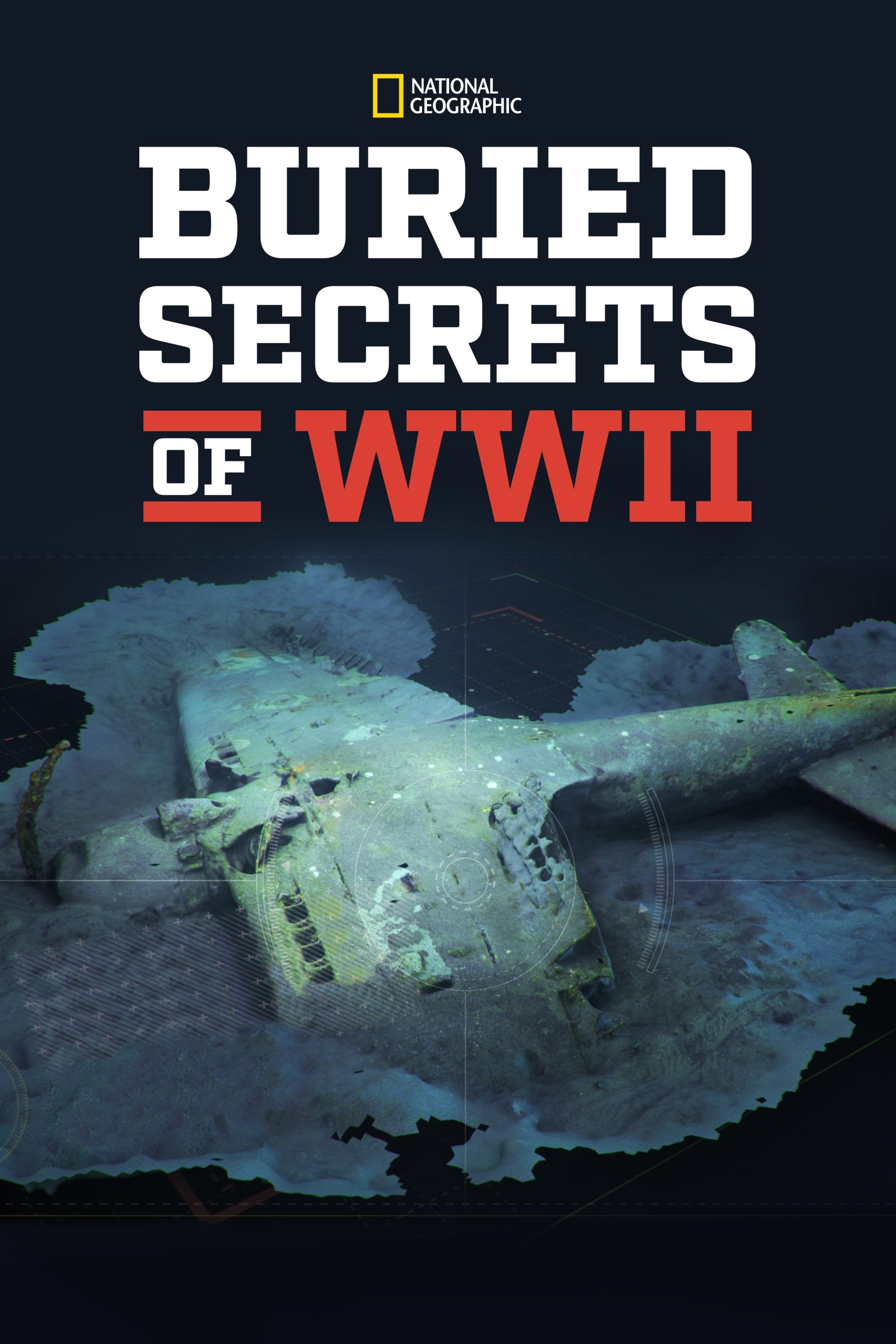
Remote sensing techniques tell the stories of WWII battles and campaigns, the details of which have been lost in the fog of war, misinterpreted or overtaken by the landscape.
How did 20th Century Europe's most liberal democracy fall into the hands of fascists? From Hitler's political scheming that turned Germany's parliament into a House of Cards, his War on Truth leading to book burning, and his scapegoating of minorities, this series explores in extraordinary detail the events leading up to the outbreak of World War II.
Series charting the history of the warship.
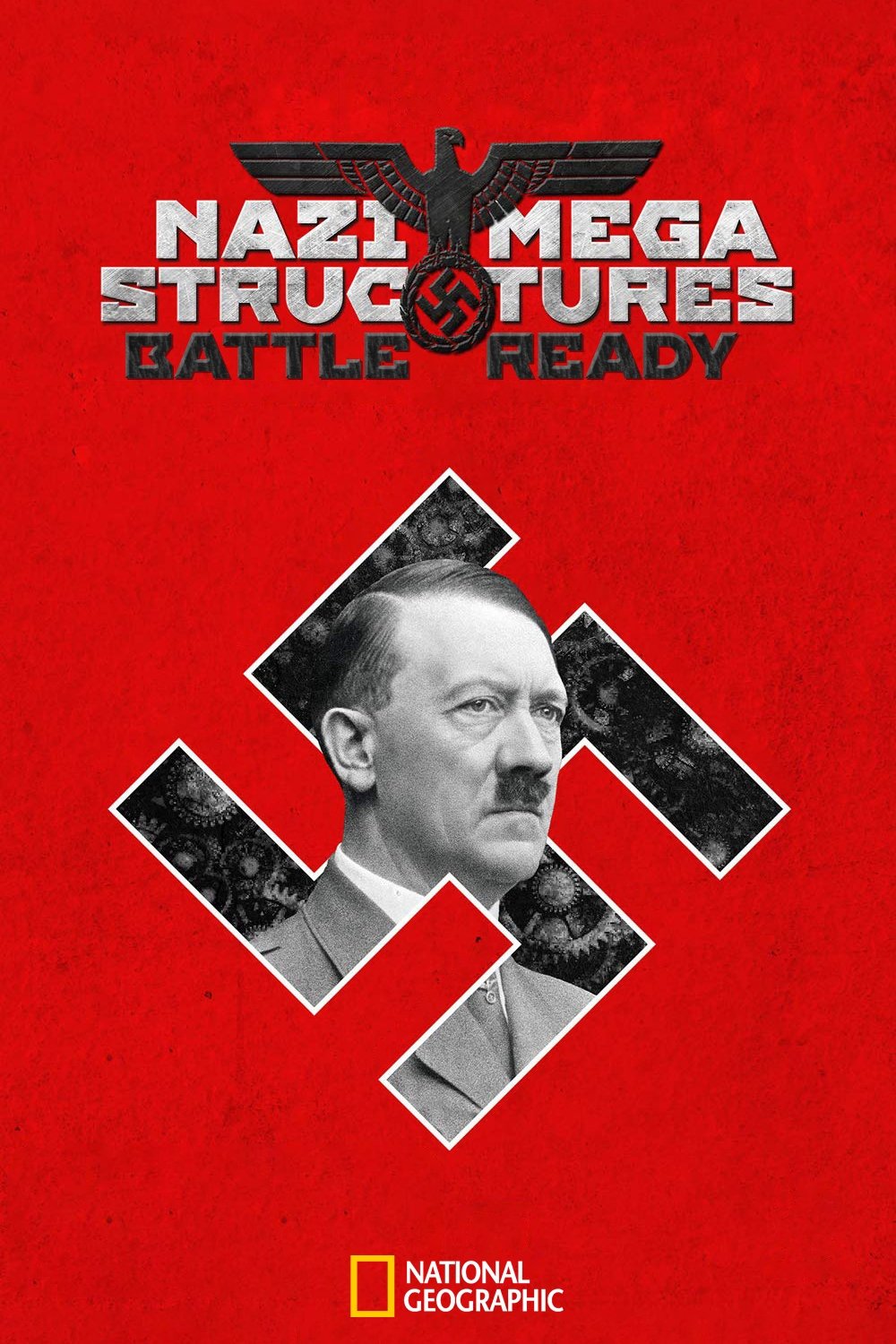
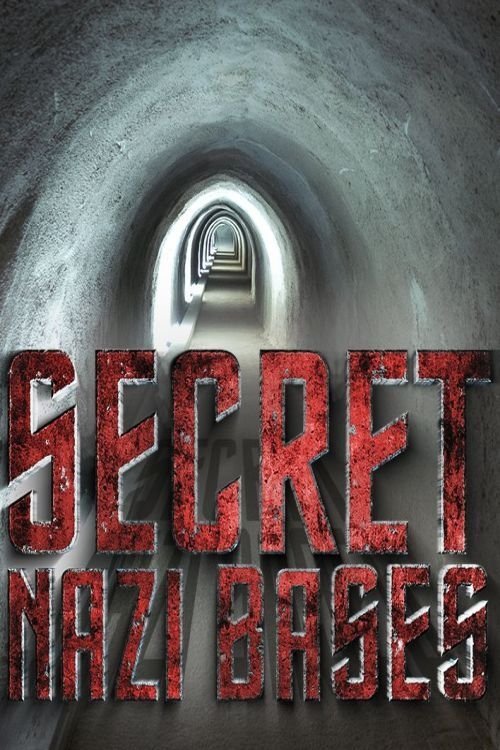
From tunnels to towers, artillery sites, resistance nests and communication centers, Nazi Germany left their footprint throughout the world. To this day, silent remains still exist, sentinels guarding clues about plots that Hitler was unable to carry out. The collapse of the Third Reich left as many secrets as it did relics. Still today, remnants of the Nazi's schemes lie concealed in structures scattered across the globe. Skeletons of projects give way to mysteries. Conspiracies abound about science fiction scenarios. The Nazis were nothing if not methodical, and a deeper look reveals even darker plans. From tunnels to towers, artillery sites and communication centers; the remains of these schemes lie waiting to reveal truths about the Fuhrer's tactics and dreams in Secret Nazi Bases. What did Hitler have planned?
A documentary series that gives a historical account of the events of World War II, from its roots in the 1920s to the aftermath and the lives it profoundly influenced.
Explores WWII from Germany's invasion of Poland through the atomic age, examining pivotal battles, wartime leaders like Churchill and Roosevelt, and the human cost of total war.
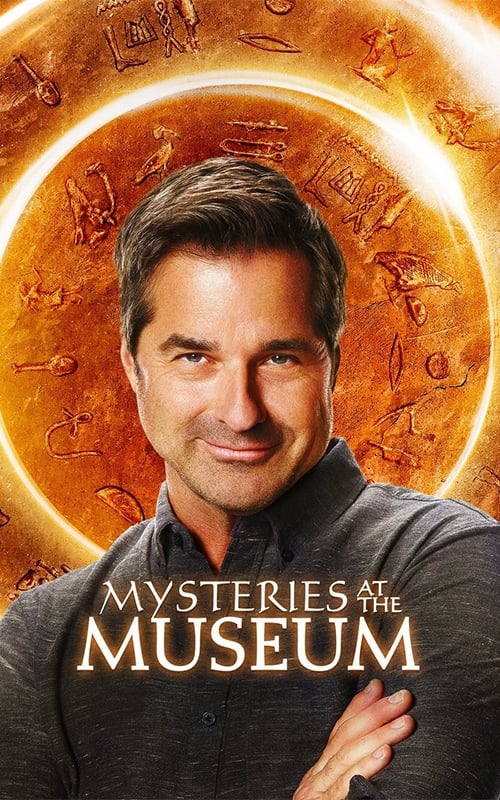
Don Wildman unearths relics from the world's greatest institutions to reveal secrets from the past. He examines each artifact to illuminate history's most incredible triumphs, sensational crimes and bizarre encounters.
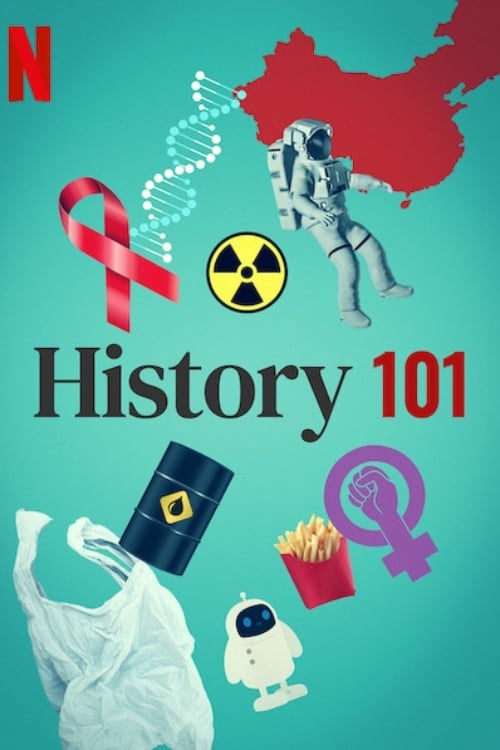
Infographics and archival footage deliver bite-size history lessons on scientific breakthroughs, social movements and world-changing discoveries.
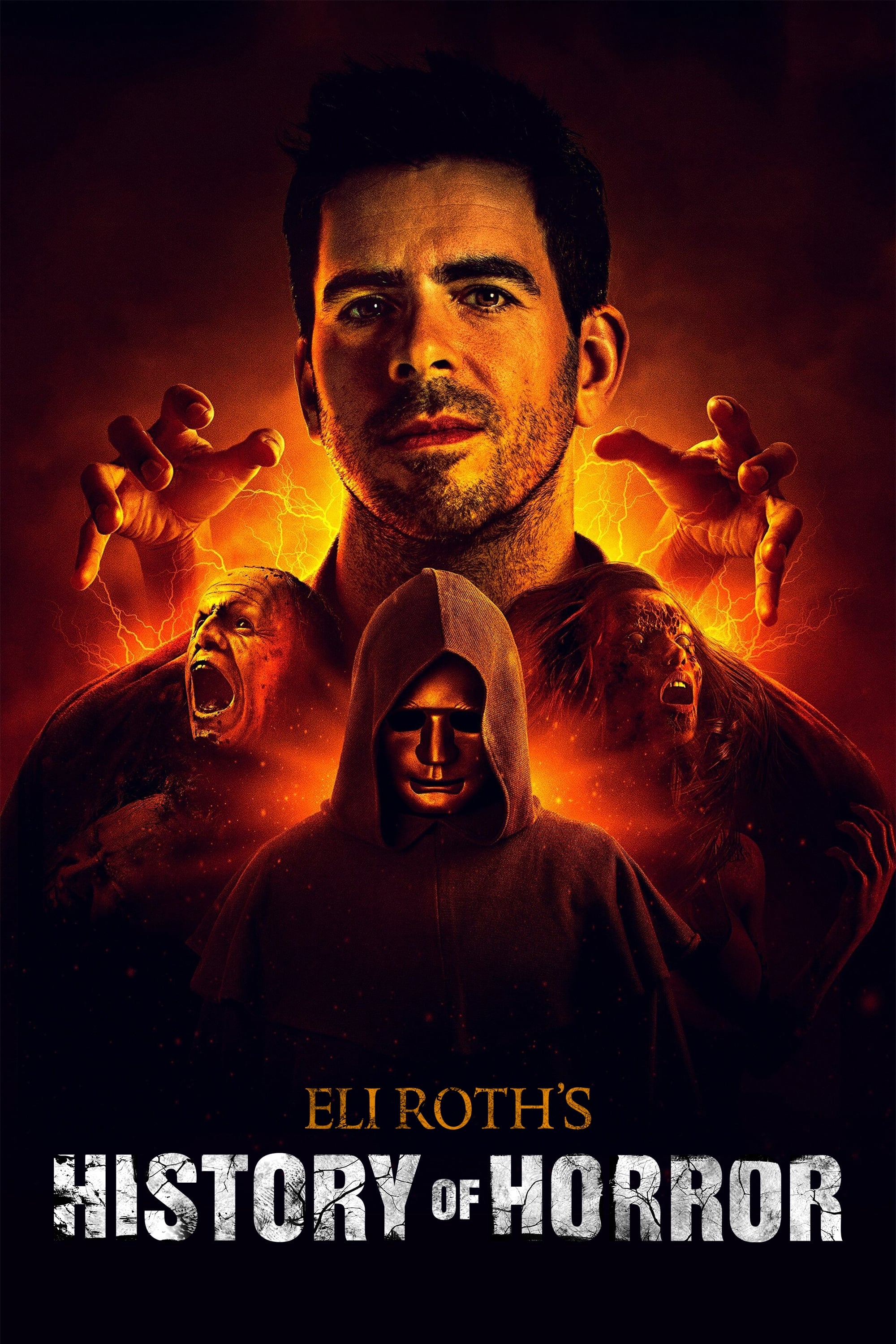
An in-depth look at the history and pop cultural significance of horror films.
An insider's look at the engineering and scientific miracles behind the things that form the modern world.
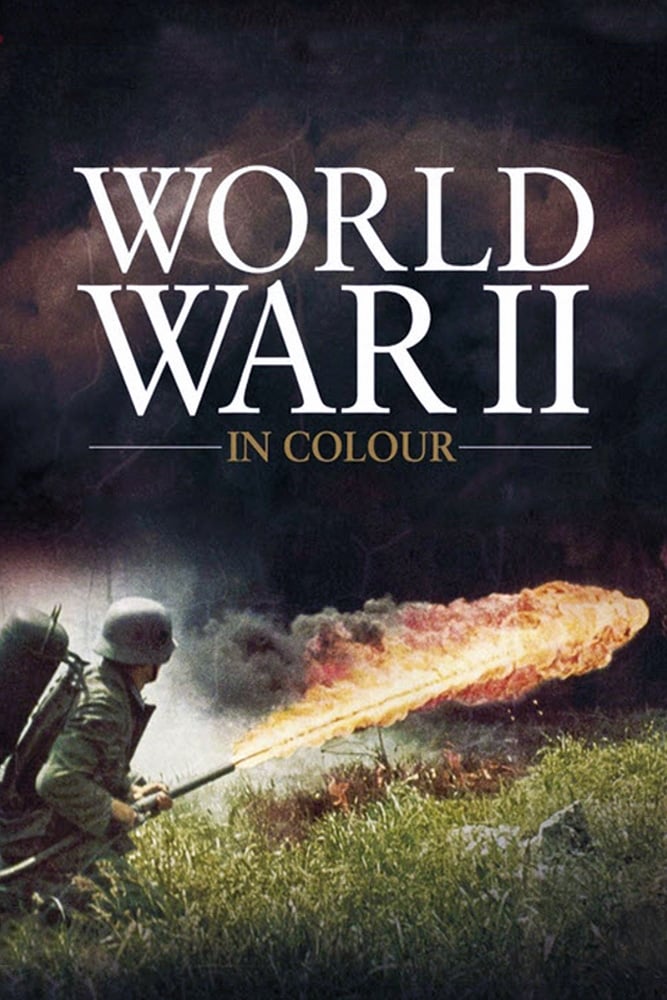
World War II In Colour is a 13-episode television documentary miniseries recounting the events of World War II narrated by Robert Powell. The show covers the Western Front, Eastern Front, and the Pacific War. It is on syndication in America on the Military Channel. This series is in full color, combining both original and colorized footage.
Using highly advanced colourisation techniques, critical moments from World War II, from Stalingrad to The Battle of Britain, are shown in a whole new light.
Motoring programme featuring reviews of and reports about cars of all types.
Learn how popular Disney attractions and destinations came to be, how they have changed over time, and how fans continue to obsess over them.
Doctor Who Confidential is a documentary to complement the revival of the long-running British science fiction television series Doctor Who. Each episode was broadcast on BBC Three on Saturdays, immediately after the broadcast of the weekly television episode on BBC One. The running time of the first two series was 30 minutes, being extended to 45 minutes in the third. BBC Three also broadcast a cut-down edition of the programme, lasting 15 minutes, shown after the repeats on Sundays and Fridays and after the weekday evening repeats of earlier seasons.
30 for 30 is the title for a series of documentary films airing on ESPN, its sister networks, and online highlighting interesting people and events in sports history. This currently includes four "volumes" of 30 episodes each, a 13-episode series under the ESPN Films Presents title in 2011–2012, and a series of 30 for 30 Shorts shown through the ESPN.com website. The series has also expanded to include Soccer Stories, which aired in advance of the 2014 FIFA World Cup, and audio podcasts. This entry refers to the main Volumes of the series presented by ESPN
The history of the sport of baseball in America, told through archival photos, film footage, and the words of those who contributed to the game in each era. Writers, historians, players, baseball personnel, and fans review key events and the significance of the game in America's history.
A series of standalone documentaries powered by the unparalleled journalism and insight of The New York Times, bringing viewers close to the essential stories of our time.
This compelling series investigates the motives and m.o. of female murderers. While males are often driven by anger, impulse and destruction, women usually have more complex, long-term reasons to kill.
Have you ever wondered how the products you use every day are made? How It's Made leads you through the process of how everyday products, such as apple juice, skateboards, engines, contact lenses, and many more objects are manufactured.
What happened to Mica Miller? This documentary series retraces her promising life, toxic marriage and the mysterious circumstances of her death.
TV's most-watched history series brings to life the compelling stories from our past that inform our understanding of the world today.
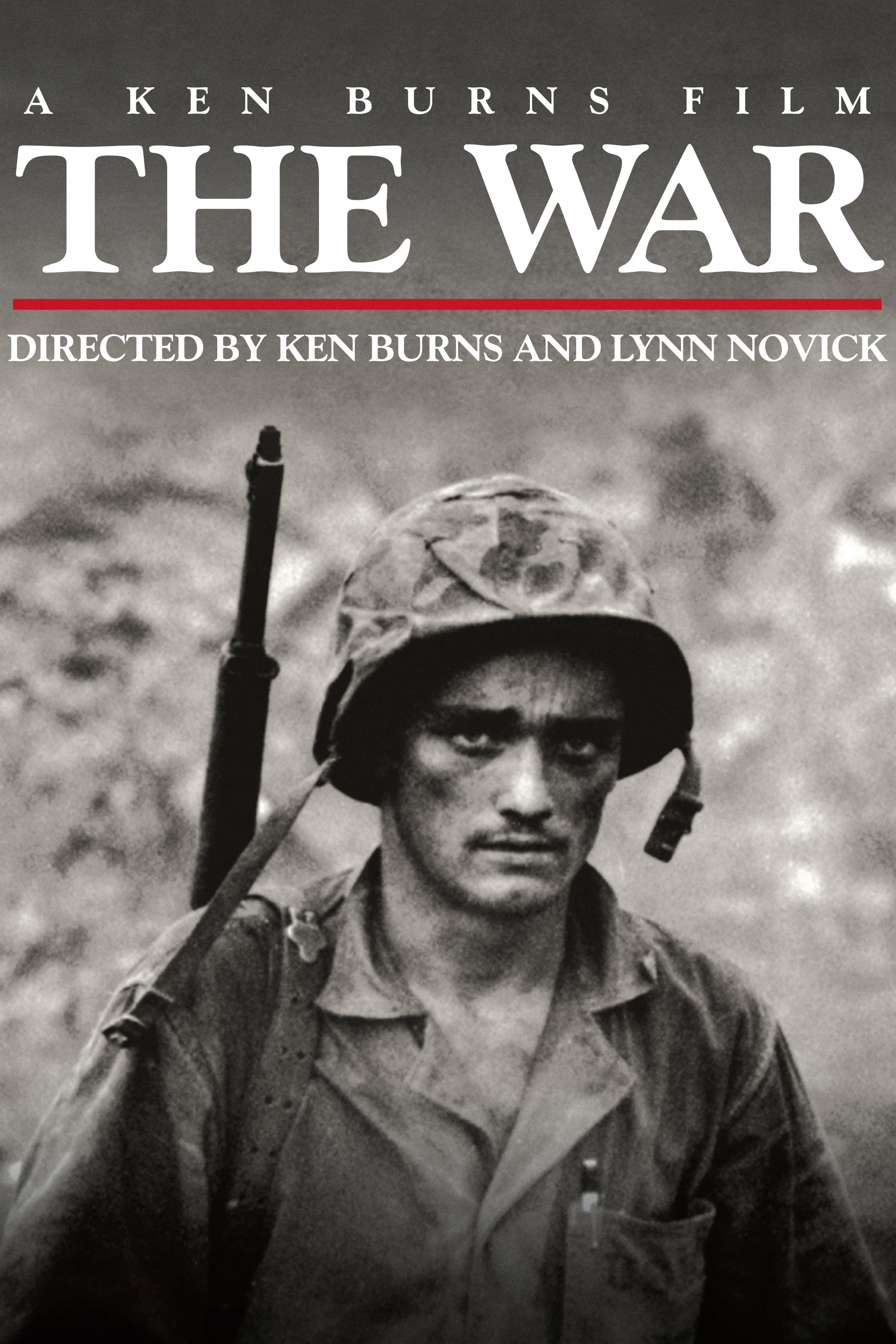
The story of the Second World War through the personal accounts of a handful of men and women from four American towns. The war touched the lives of every family on every street in every town in America and demonstrated that in extraordinary times, there are no ordinary lives.
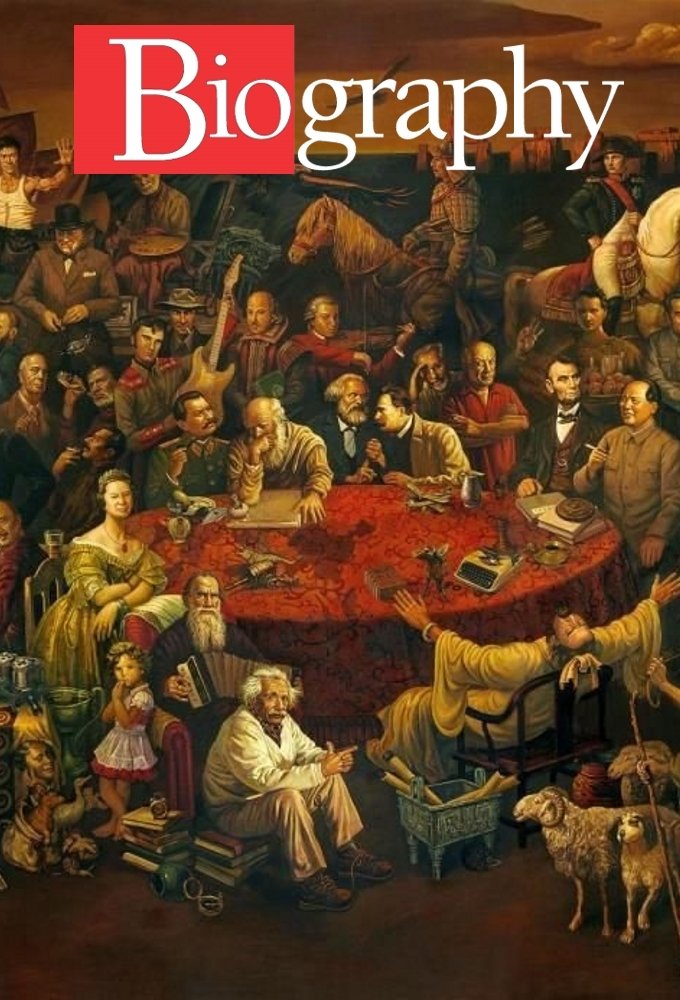
Biography is a documentary television series. It was originally a half-hour filmed series produced for CBS by David Wolper from 1961 to 1964 and hosted by Mike Wallace. The A&E Network later re-ran it and has produced new episodes since 1987. The older version featured historical figures such as Helen Keller and Mark Twain, or long-dead entertainment figures such as Will Rogers or John Barrymore. The A&E series has placed the emphasis on such people as Marilyn Monroe, Elvis Presley, Plácido Domingo, Freddie Mercury, Jacqueline Kennedy Onassis, Eric Clapton, Pope John Paul II, Gene Tierney, Selena, Diego Rivera, Mao Zedong and Queen Elizabeth II, and fictional characters like The Phantom, Superman, Hamlet, Betty Boop, and Santa Claus. The program ended up profiling enough figures that in 1999, A&E spun it off into an entire network, The Biography Channel.