Stream
Social & External
The people behind it
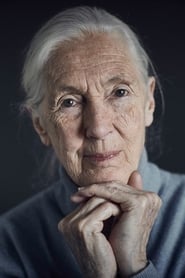
Jane Goodall
Self
A look into the Belgian colonisation of Congo through interviews of both colonials as Congolese people that lived it.
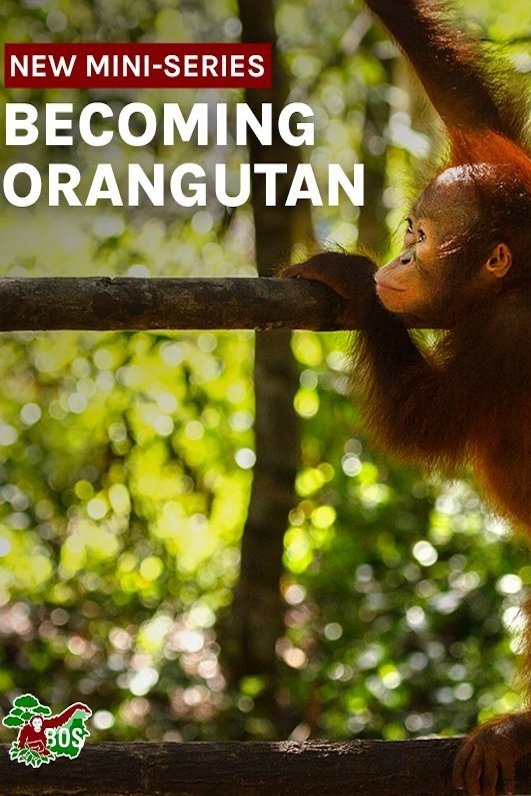
Get an intimate look inside the Orangutan Jungle School in the heart of Borneo. Survey this sanctuary, where orphaned orangutans learn survival skills, make friends, and navigate the journey to adulthood as they prepare to return to the wild.
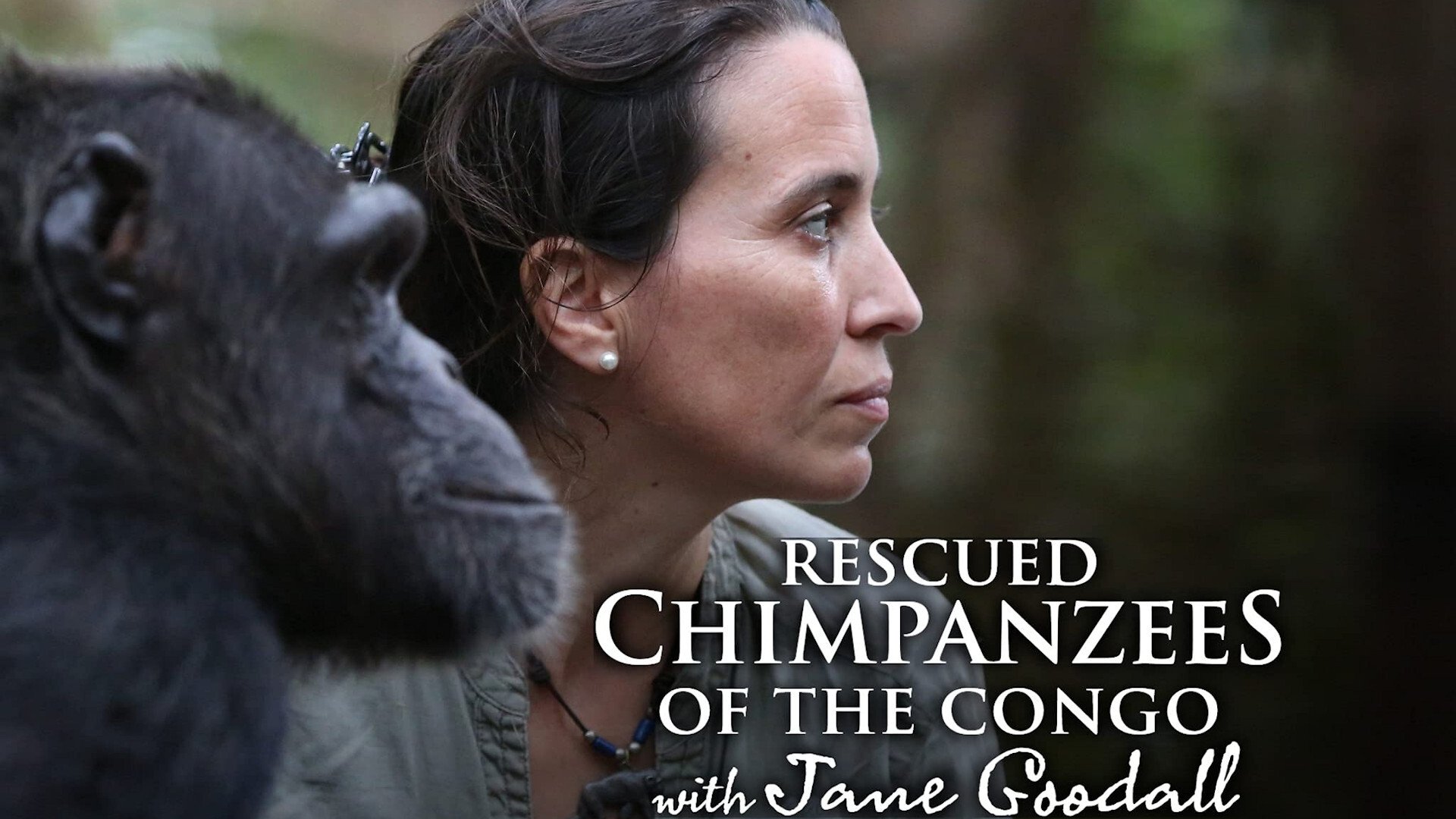
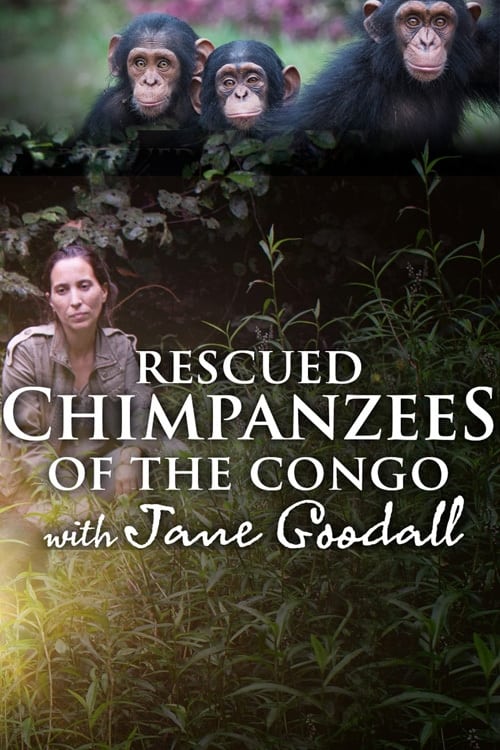
Dr Jane Goodall first began studying the chimpanzees of Gombe, Tanzania in 1960. Her pioneering work forever changed the way we understand the species. The series focuses entirely on the stories of the females of Gombe for the first time.
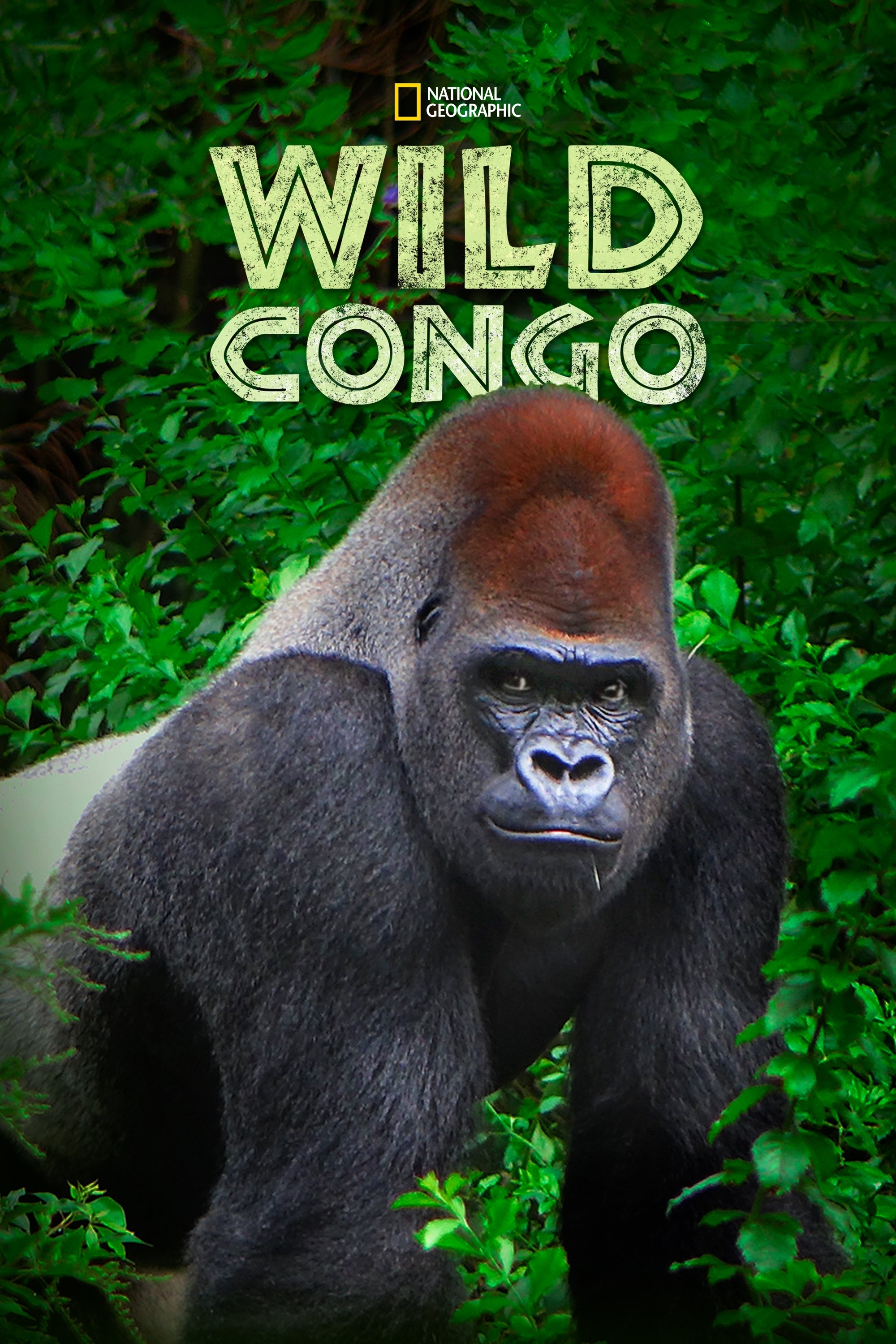
The Congo: more powerful and dangerous than any other river, yet a sanctuary and home for some of the most wonderful creatures on our Earth.
Hugh's Chicken Run was a programme as part of Channel 4's 'Food Fight' series in which celebrity chef Hugh Fearnley-Whittingstall launched the campaign to encourage more consumers to demand free range chicken. Hugh was joined on the campaign by fellow celebrity chef, Jamie Oliver, who chose to highlight the issues in the more graphic Jamie's Fowl Dinners. In the series Hugh set about the highlighting the differences in standards by creating his own intensive and free range chicken farms, as well as mentoring a community project in Axminster. Hugh heralded the campaign a success when he managed to get to the point where the majority of the whole fresh chicken consumed in the town of Axminster was free range. Since then the campaign has gone countrywide with over 128,000 viewers having pledged on the campaign website to only buy free range products. The show has been linked with the large rise in free range products, as well as the drop in demand for intensively reared products during January and February 2008. A poll carried out for the RSPCA, 73% of adults claim that they now only buy birds that have "higher welfare" conditions, such as the RSPCA's freedom food scheme, free range or organic
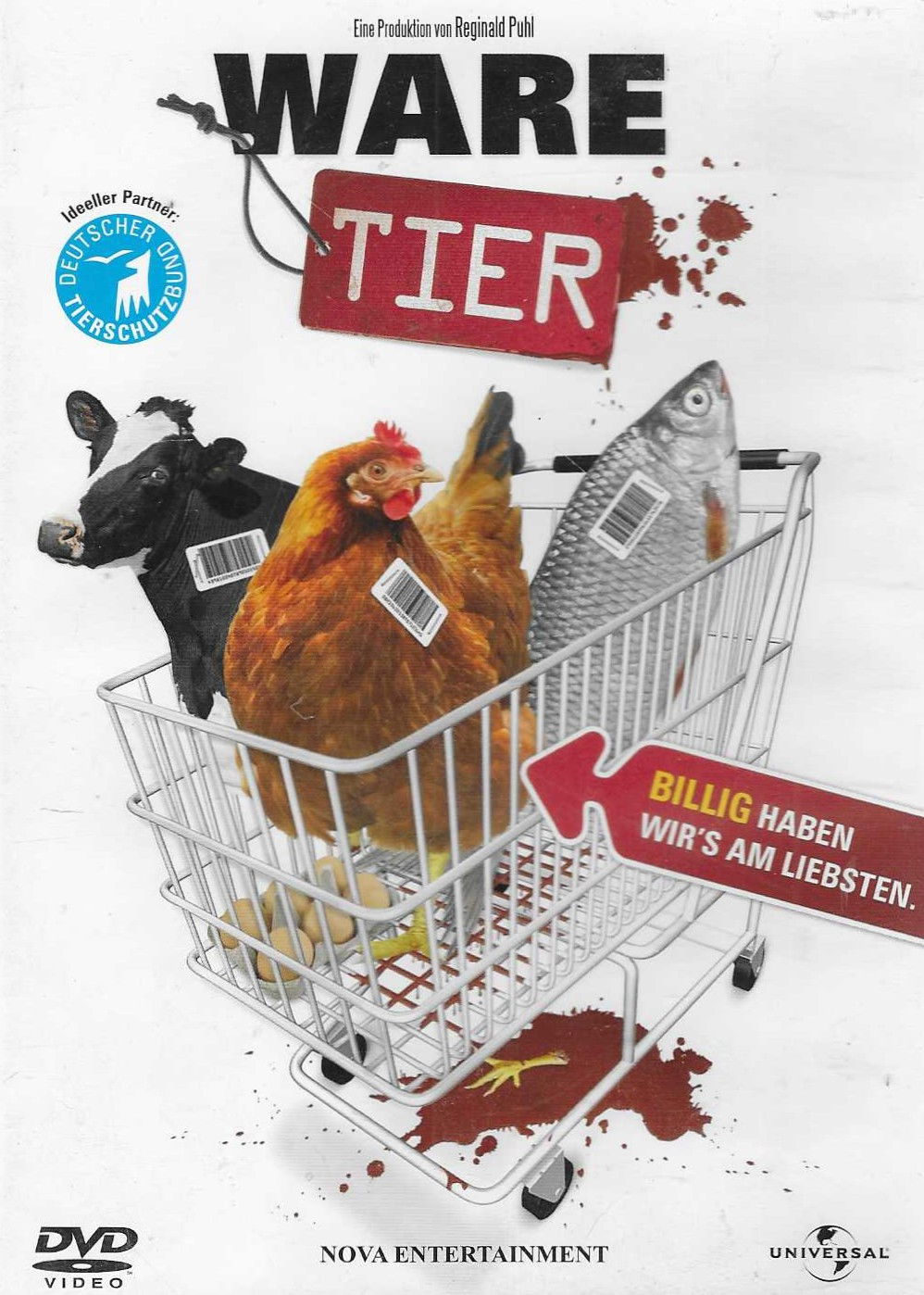
In German kitchens, over 7 billion eggs are cooked every year, more than 2.3 million tons of meat are consumed, 29 billion liters of milk are drunk and more and more fish is being eaten. But where does all this come from? Is the fish caught by a white-bearded captain with a crew of children? Does the chicken live on an idyllic farm with a rooster on the manure? And are pigs actually always happy and cows purple and colorful? The reality is different - a world full of battery hens, huge fish farms and slaughterhouses. Animals are production units - without a soul, without the right to a life. The main thing is cheap. This documentary provides unsparing insights into the depths of the factory farming industry and reveals the true origins of our food, free from suggestive advertising messages.
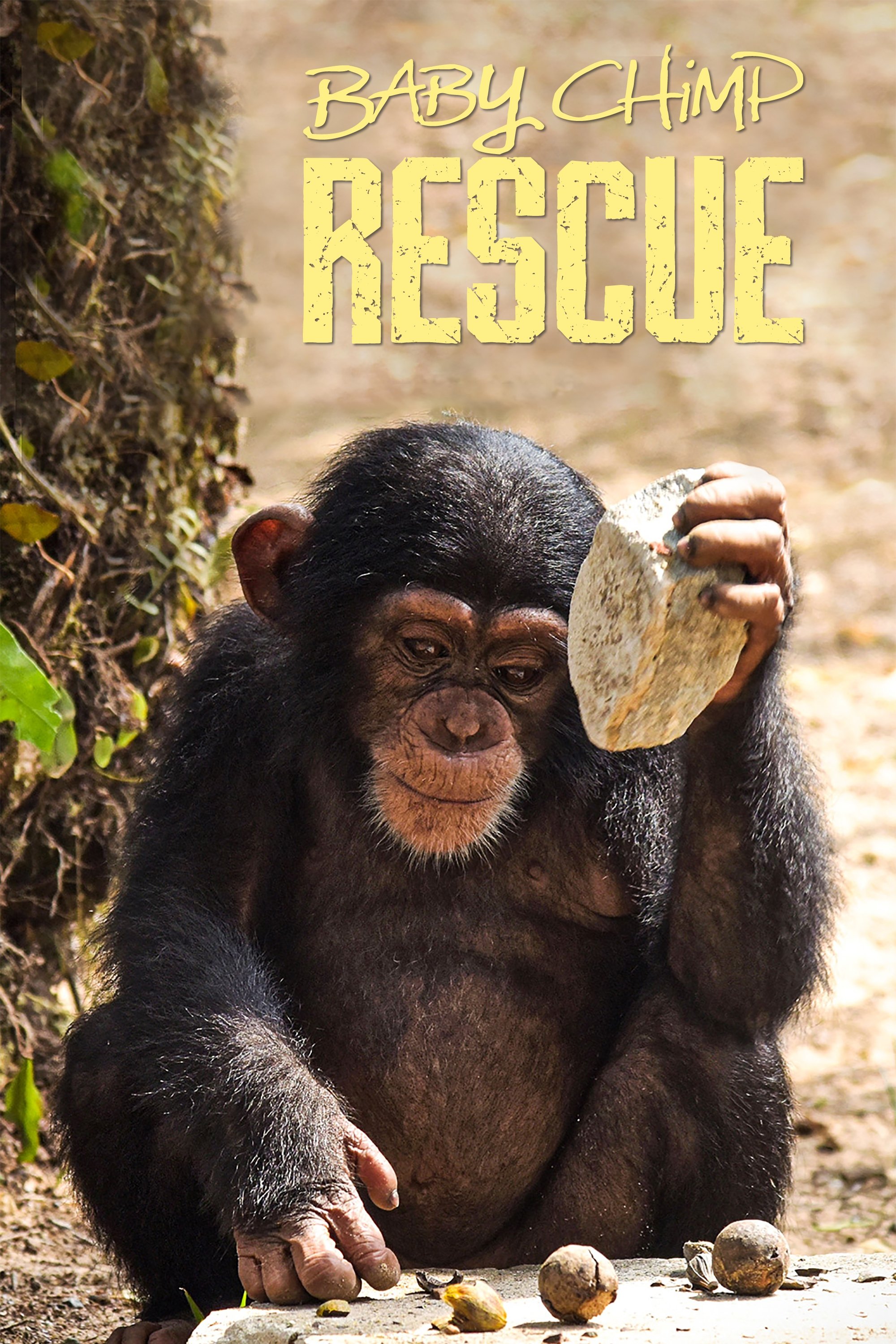
How do you cope when you suddenly become surrogate parents to 21 orphaned chimps? Jim and Jenny Desmond have chimps overrunning their home and even their bed.
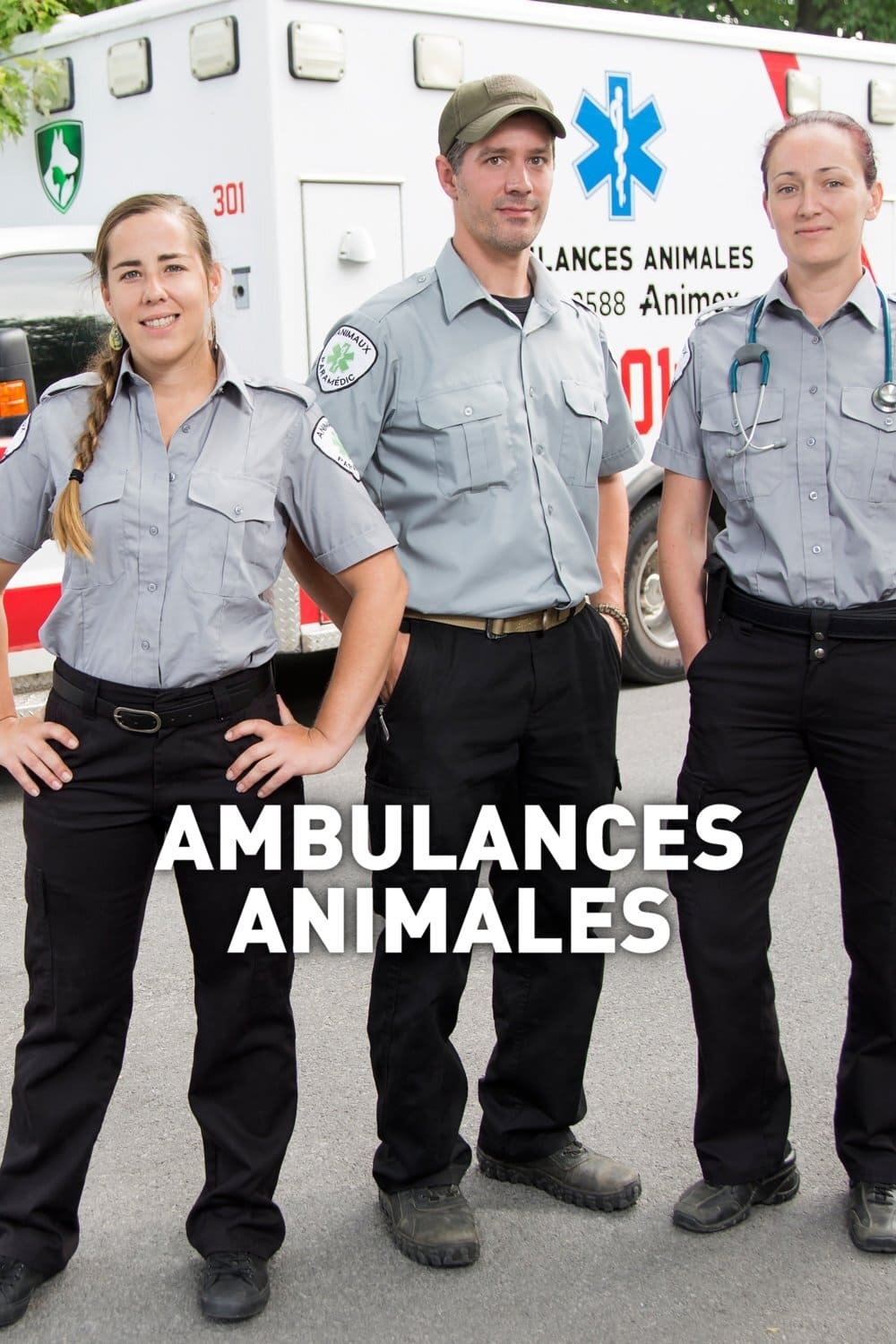
Follow the daily lives of first responders who rescue animals. The series showcases the hectic workdays of animal paramedics, veterinarians, dog handlers, wildlife experts and animal shelter staff members as they respond to emergency calls in the Montreal area. Featuring dramatic rescues, special transportation methods, intensive care or emergency operations.
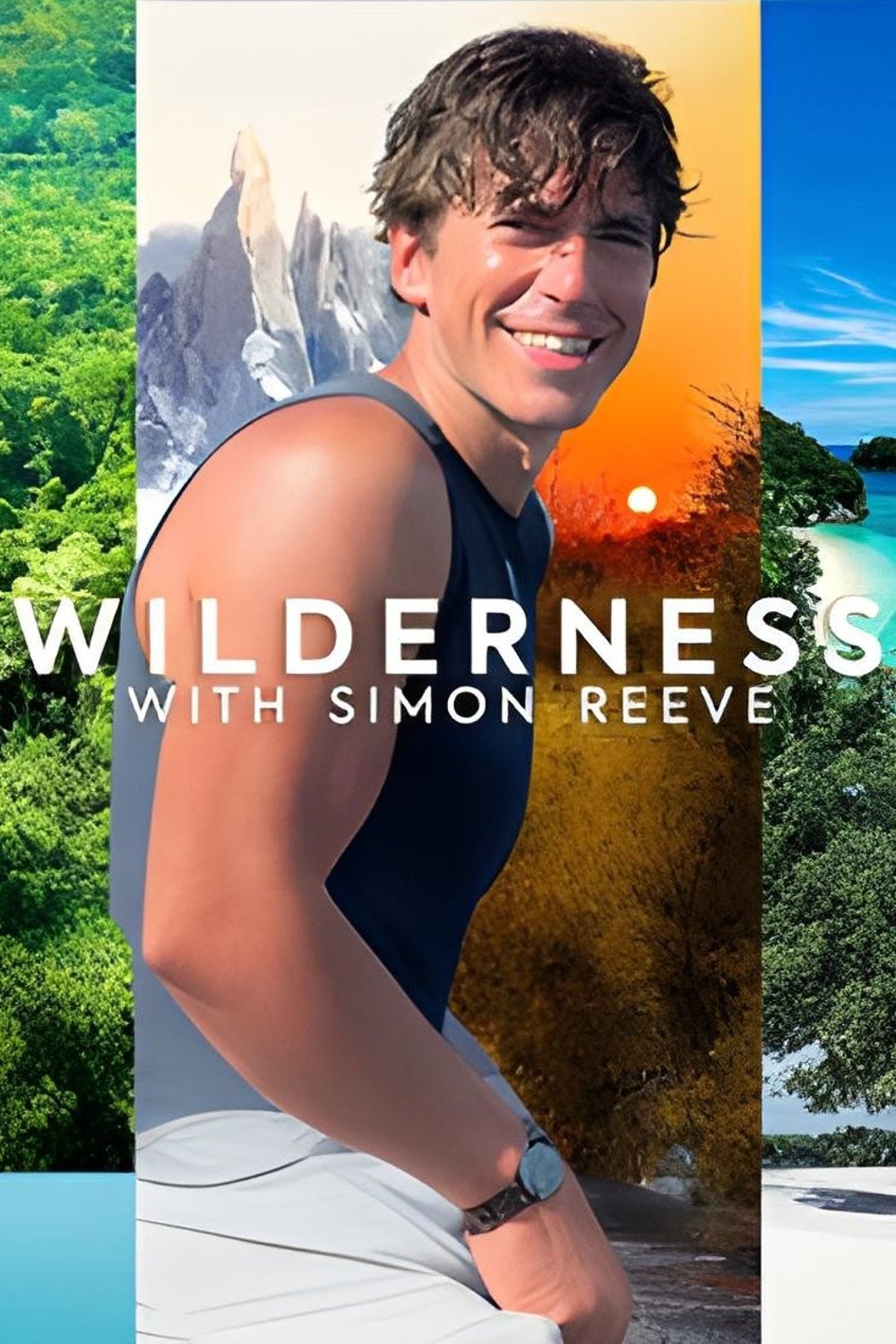
On his toughest journeys yet, Simon Reeve travels through some of the most remote landscapes on Earth in search of the people and the wildlife of the planet’s greatest wildernesses.
Documentary series following the work of the RSPCA, filming as calls come in to the national control centre and following inspectors on the ground as they deal with everything from injured wildlife to neglected pets.
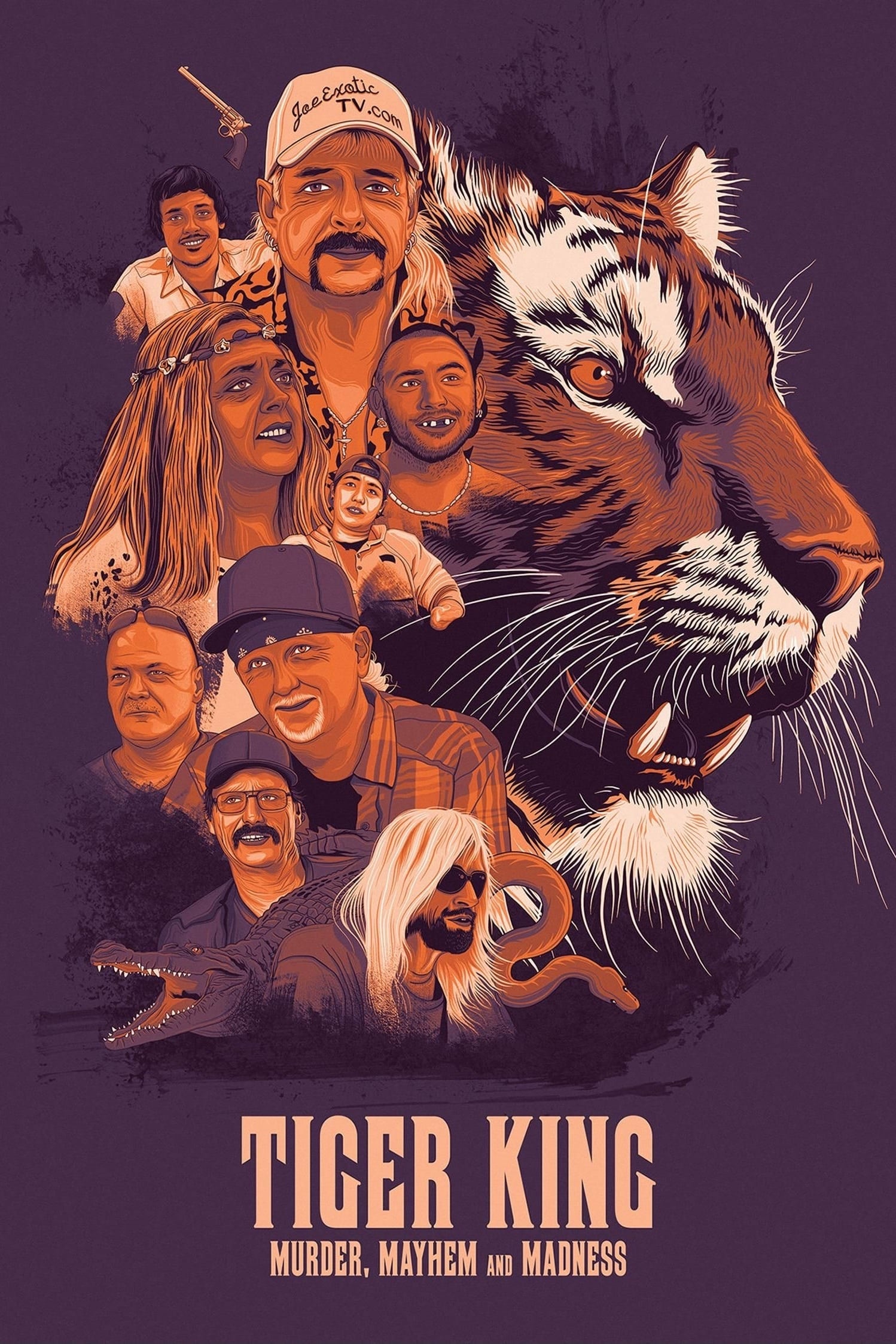
A zoo owner spirals out of control amid a cast of eccentric characters in this true murder-for-hire story from the underworld of big cat breeding.
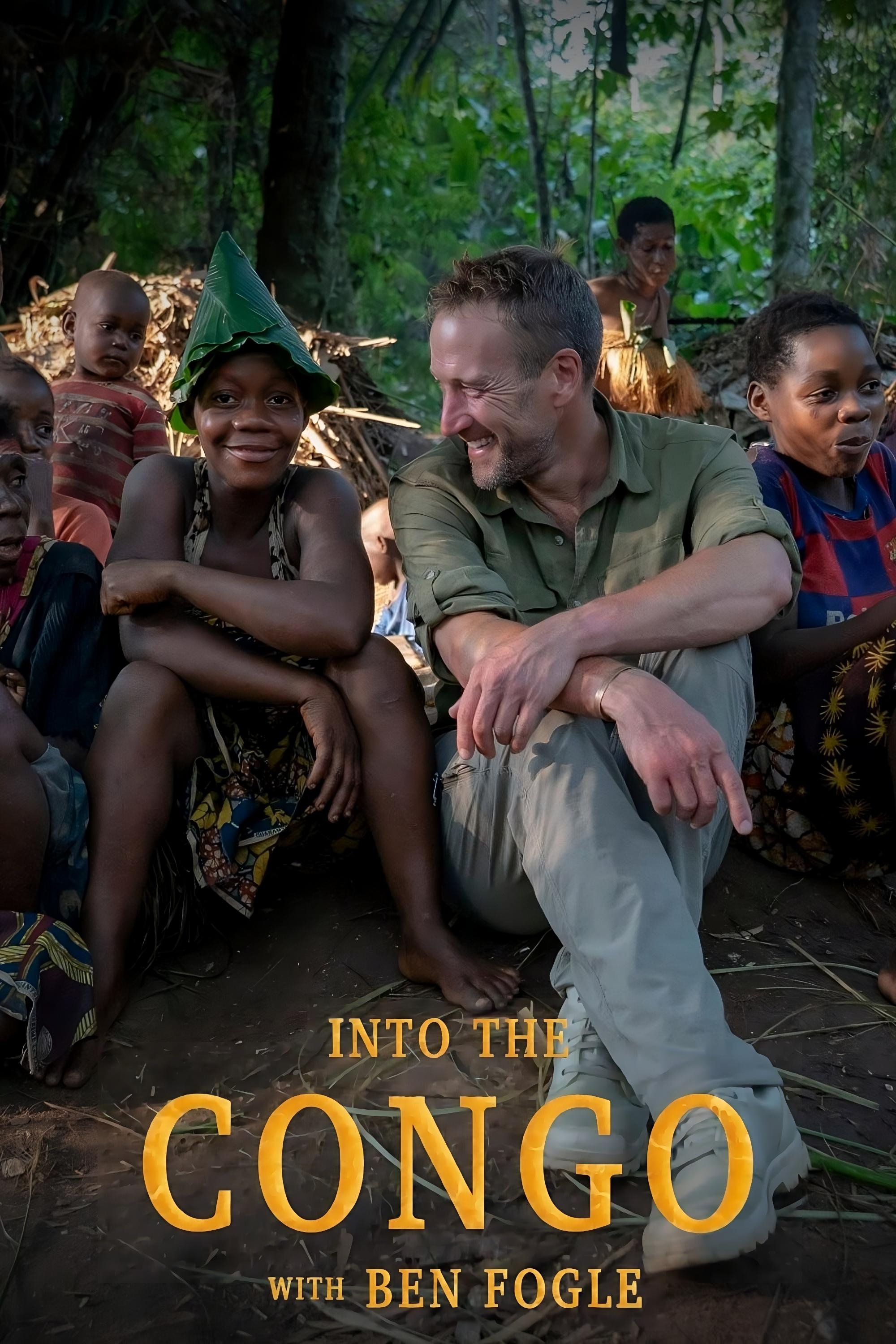
Exploring the remote rainforests of the Congo and meeting the tribes that live there. Ben Fogle experiences the vibrant culture that makes the country the 'beating heart of Africa'. Ben arrives in the capital Brazzaville where he prepares for a two-day journey into the wilderness to visit one of the longest-surviving cultures in the world, the Mbendjele BaYaka tribe living deep in the jungle in traditional huts made from leaves
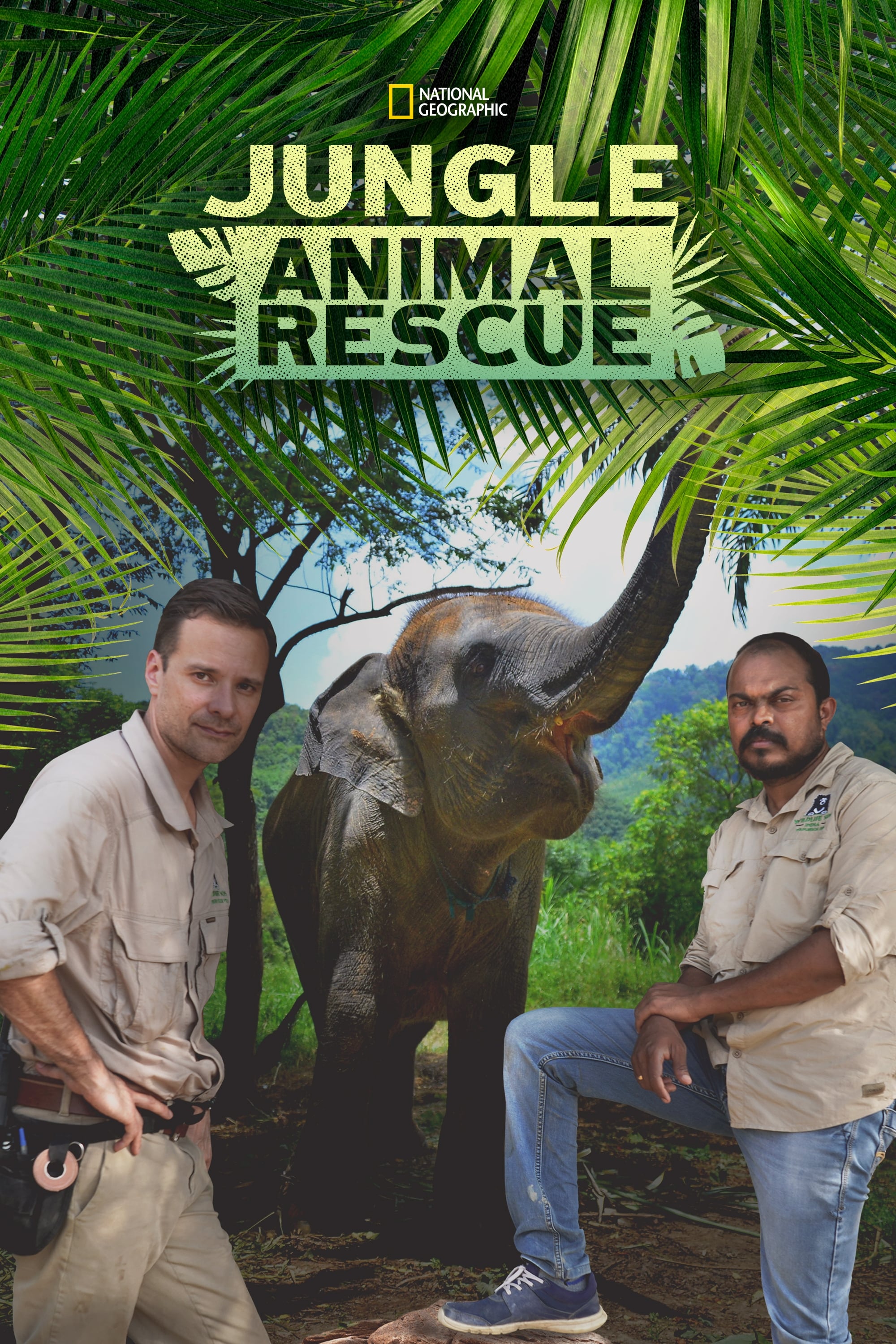
A land of elephants, tigers, leopards and bears, India is one of the most biodiverse countries on earth. But it's also home to 1.3 billion people who increasingly compete with wild animals for living space. Now, a dedicated team of conservationists and vets are on a mission to rescue animals in distress and find a way for India's people and wildlife to coexist in harmony.
Orangutan Island is an American documentary television series, in the style of the successful series Meerkat Manor, that blends more traditional documentary filming with dramatic narration. The series was produced by NHNZ with creator Judith Curran also acting as the series producer. Animal Planet's Martha Ripp is the executive producer of the series, and Lone Drøscher Nielsen of the Borneo Orangutan Survival Foundation, the founder and manager of the Nyaru Menteng Orangutan Reintroduction Project, regularly appears with the orangutans in the show. The series premiered on Animal Planet on November 2, 2007, with new episodes airing Friday nights. A second season began airing in November 2008. The show focuses on a group of orphaned orangutans at the Nyaru Menteng Orangutan Rescue and Rehabilitation Center that are raised to go against their normally independent nature and instead cooperate and live together in a society so they can be left to live wild on their protected island.
The extraordinary staff at the Humane Society of the Pikes Peak Region risk their lives and give their hearts to save all animals big and small.
A vast community of chimpanzees thrives in a forest in Uganda, navigating complex social politics, family dynamics and dangerous territory disputes.
Congo is a 2001 BBC nature documentary series for television on the natural history of the Congo River of Central Africa. In three episodes, the series explores the variety of animals and habitats that are to be found along the river’s 4,700 km reach. Congo was produced for the BBC Natural History Unit and the Discovery Channel by Scorer Associates. The series writer/producer was Brian Leith and the executive producer was Neil Nightingale. Series consultants were Michael Fay, Kate Abernethy, Jonathan Kingdon and Lee White. Little filming was possible in the Democratic Republic of the Congo which encompasses the vast majority of the river's watershed. The reason for this is that the Second Congo War was underway during filming. The series forms part of the Natural History Unit's Continents strand and was preceded by Andes to Amazon in 2000 and Wild Africa later that year in 2001.
Journeying to the far reaches of our planet, this eight part series follows some of the world's most amazing species, telling extraordinary stories that are dramatic, thrilling, funny and sometimes heart-breaking, but always full of hope.
Follow the true stories of five of the world's most celebrated, yet endangered animals; penguins, chimpanzees, lions, painted wolves and tigers. Each in a heroic struggle against rivals and against the forces of nature, these families fight for their own survival and for the future of their dynasties.
A rare look at warring animal clans battling for survival in a remote region of Africa, which is drying up after years of flood-soaked abundance.
Natural World is a nature documentary television series broadcast annually on BBC Two and regarded by the BBC as its flagship natural history brand. It is currently the longest-running series in its genre on British television, with more than 400 episodes broadcast since its inception in 1983. Natural World is produced by the BBC Natural History Unit in Bristol, but individual programmes can be in-house productions, collaborative productions with other broadcasters or films made and distributed by independent production companies and purchased by the BBC. Natural World programmes are often broadcast as PBS Nature episodes in the USA. Since 2008, most Natural World programmes have been shot and broadcast in high definition.
Filmed across six continents, this docuseries uses cutting-edge camera technology to capture animals' nocturnal lives, revealing new behaviours filmed in full color like never before.
PBS' premier science series helps viewers of all ages explore the science behind the headlines. Along the way, NOVA demystifies science and technology, and highlights the people involved in scientific pursuits.
Horizon tells amazing science stories, unravels mysteries and reveals worlds you've never seen before.
Consistently stunning documentaries transport viewers to far-flung locations ranging from the torrid African plains to the chilly splendours of icy Antarctica. The show's primary focus is on animals and ecosystems around the world. A comic book based on the show, meant to be used an as educational tool for kids, was briefly distributed to museums and schools at no cost in the mid-2000s.
David Attenborough celebrates the amazing variety of the natural world in this epic documentary series, filmed over four years across 64 different countries.
Seconds from Disaster is a US/UK-produced documentary television programme that investigates historically relevant man-made and natural disasters of the 20th century. Each episode aims to explain a single incidental by analyzing the causes and circumstances that ultimately effected the disaster. The program uses re-enactments, interviews, testimonies, and CGI to analyze the sequence of events second-by-second for the audience. Narrators for the show are Ashton Smith, Richard Vaughan and Peter Guinness.
Porn has gone mainstream; the question is, can we handle it? This exploration of the intersection of sex and technology is told through the stories of the people whose lives are defined by the current explosion of internet porn-whether they're creating it, consuming it, or both.
Millions of years ago, incredible forces ripped apart the Earth’s crust creating seven extraordinary continents. This documentary series reveals how each distinct continent has shaped the unique animal life found there.
David Attenborough presents a documentary series exploring how animals meet the challenges of surviving in the most iconic habitats on earth.
The remarkable and often perilous story of the journey through life. It is a story that unites each of us with every animal on the planet, because we all set out on this journey from the moment we are born. For animals there is just one goal in life – to continue their bloodline in the form of offspring. This series follows that journey through its six crucial stages: first steps, growing up, finding a home, gaining power, winning a mate and succeeding as a parent.
Australian host Steve Irwin and his wife Terri run a wildlife refuge. Their shared passion is educating the world about wildlife, including the much feared crocodile and numerous venomous snakes. Steve's specialty is the capture and relocation of crocodiles. No animal appears too threatening to Steve, his true respect for animals is the foundation for everything he does.
Explore the surprising things we know (and don’t know) about why people are the way they are through expert interviews, rare footage from historical experiments, and brand-new, ground-breaking demonstrations of human nature at work.
Life's extraordinary journey to conquer, adapt and survive on Earth across billions of years comes alive in this groundbreaking nature docuseries.
Motoring programme featuring reviews of and reports about cars of all types.
Morgan Freeman presents his quest in order to find how most religions perceive life after death, what different civilizations thought about the act of creation and other big questions that mankind has continuously asked.