Social & External
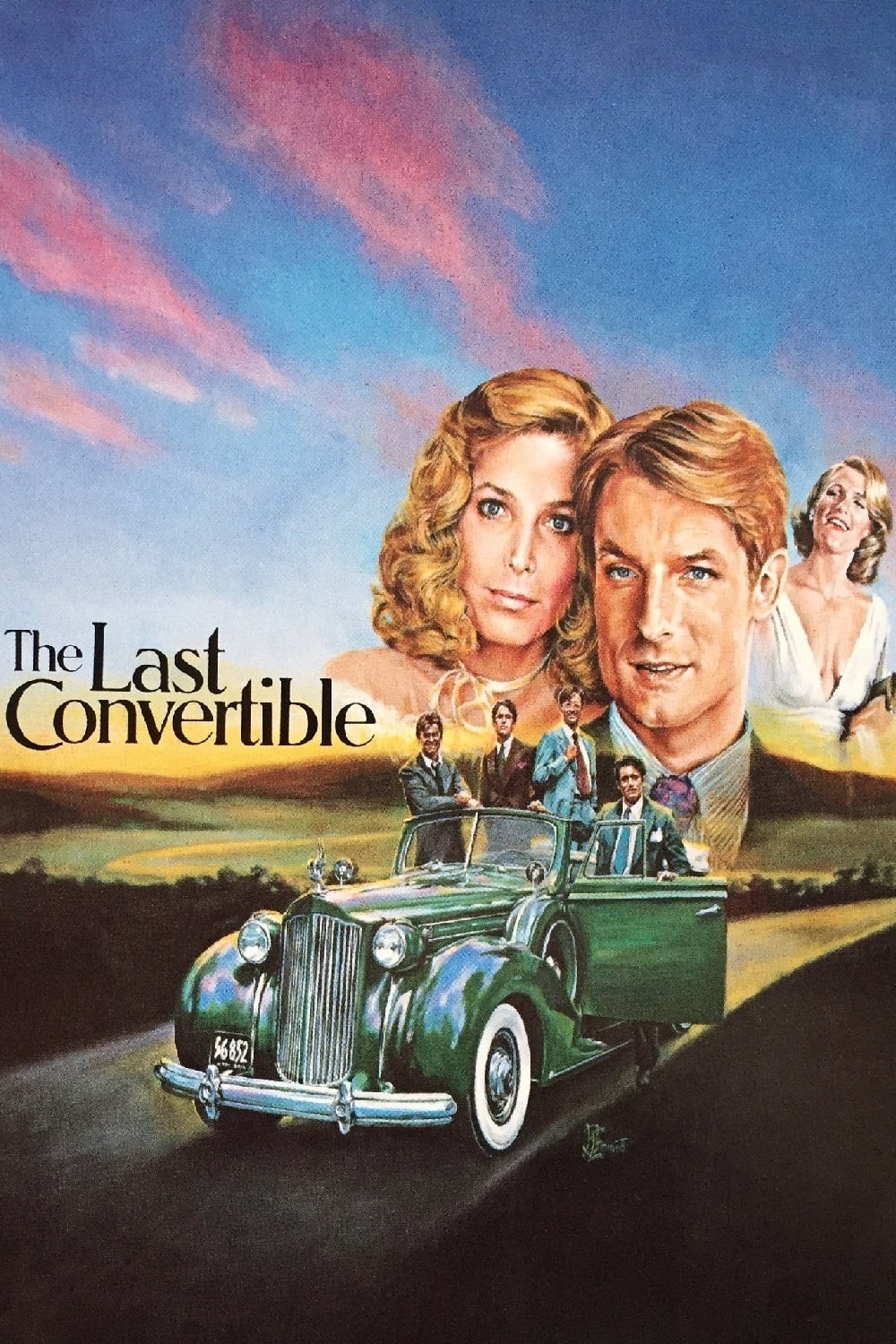
A star-laden adaptation of Anton Myrer's sprawling 1978 novel tracing the lives of five Harvard roommates of the class of '44, following them through the next 30 years. At the center of the story is a green 1939 Packard convertible and Chris Farris, a beautiful Radcliffe girl.
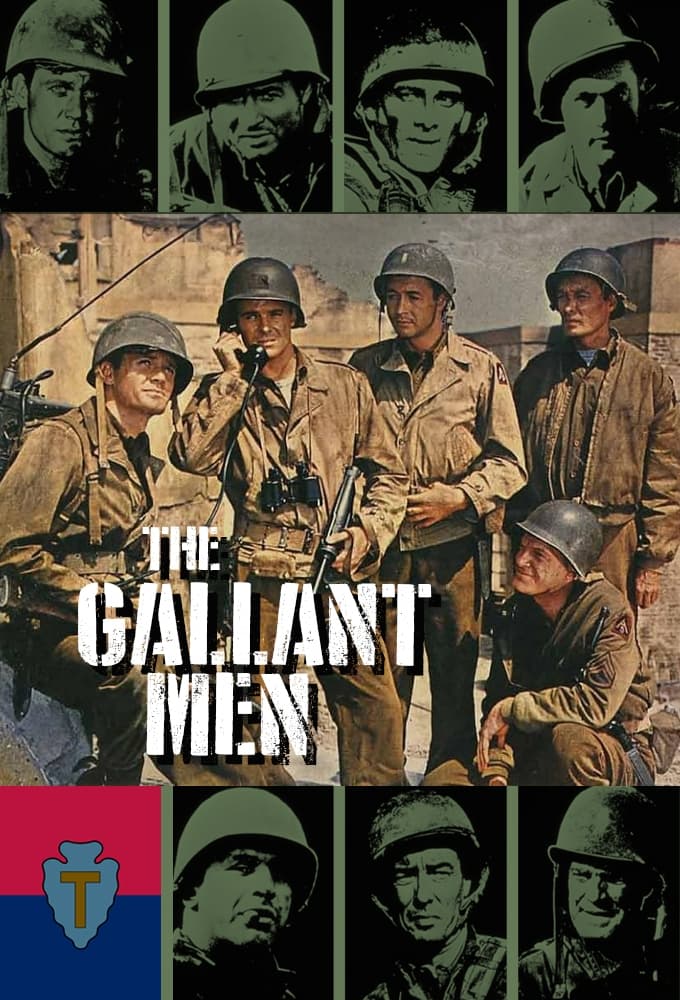
The Gallant Men is a 1962–1963 ABC television series which depicted an infantry company of American soldiers fighting their way through Italy in World War II.
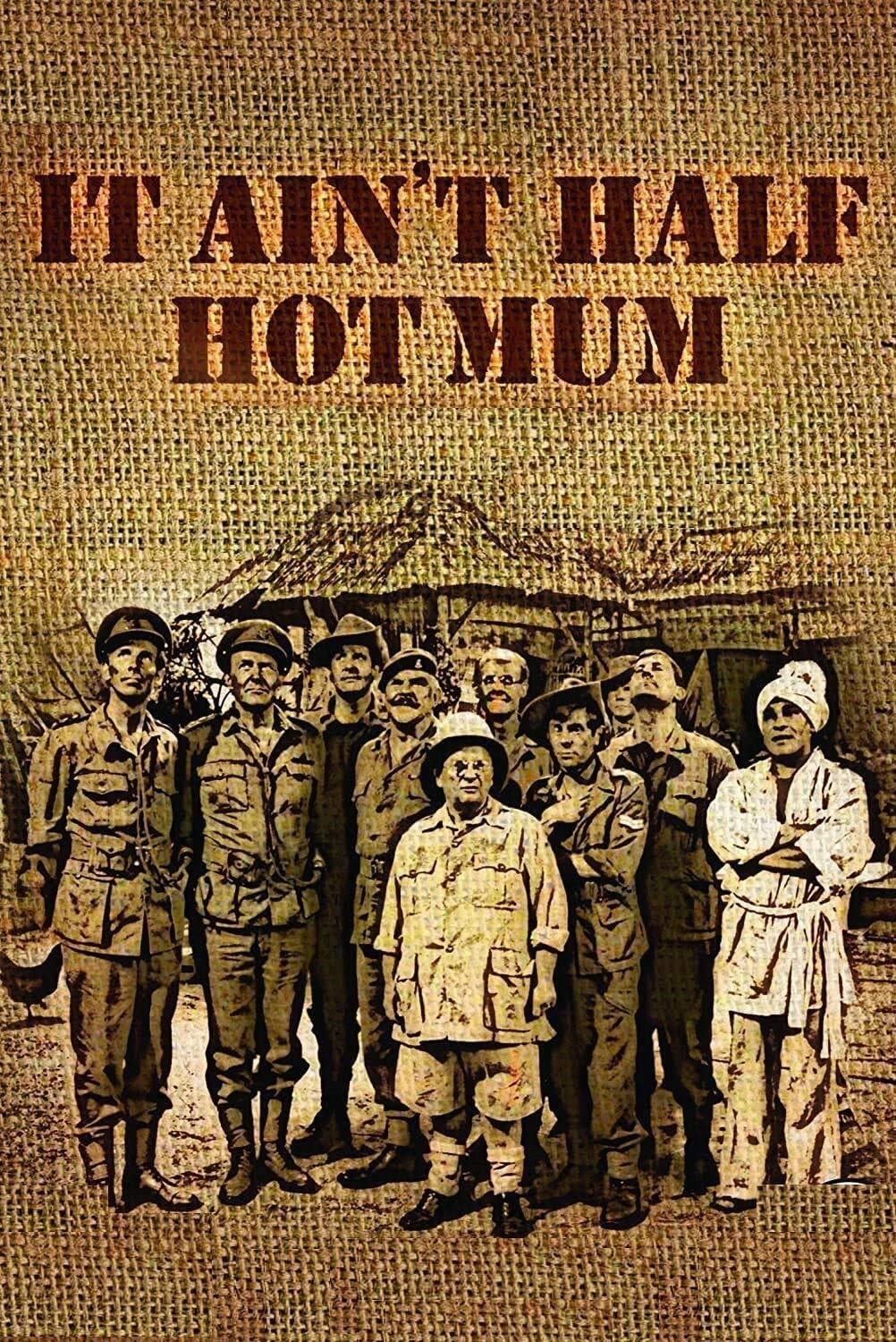
The comic adventures of a group of misfits who form an extremely bad concert party touring the hot and steamy jungles of Burma entertaining the troops during World War II.
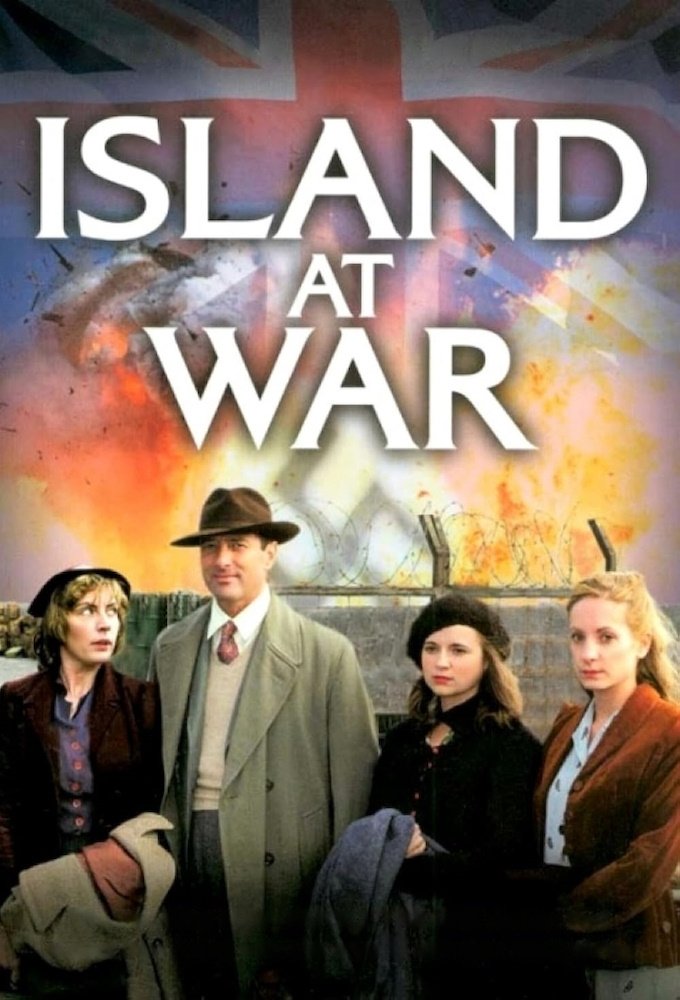
Island at War is a British television series that tells the story of the German Occupation of the Channel Islands. It primarily focuses on three local families: the upper class Dorrs, the middle class Mahys and the working class Jonases, and four German officers. The fictional island of St. Gregory serves as a stand-in for the real-life islands Jersey and Guernsey, and the story is compiled from the events on both islands. Produced by Granada Television in Manchester, Island at War had an estimated budget of £9,000,000 and was filmed on location in the Isle of Man from August 2003 to October 2003. When the series was shown in the UK, it appeared in six 70-minute episodes.
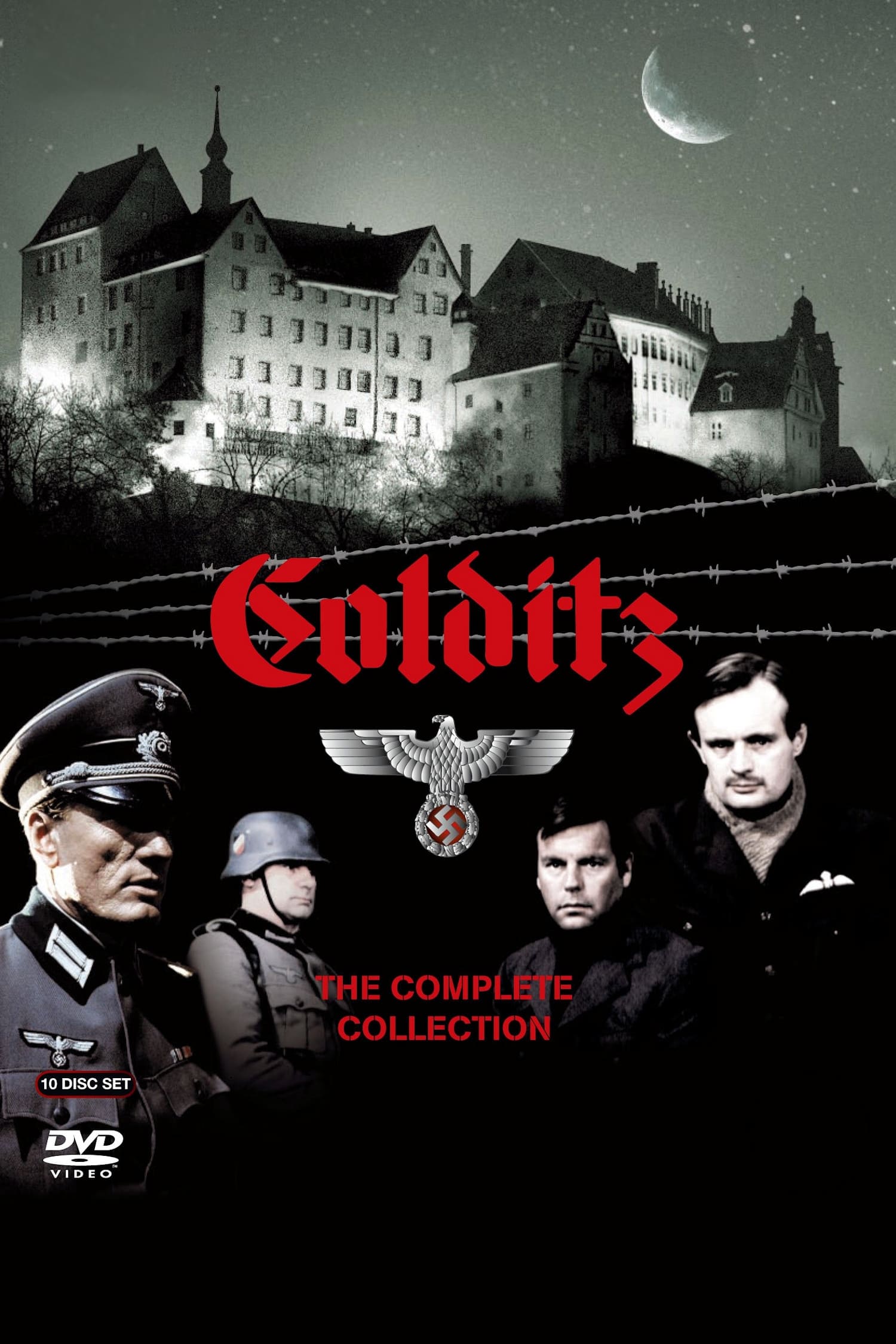
Colditz is a British television series co-produced by the BBC and Universal Studios and screened between 1972 and 1974. The series deals with Allied prisoners of war imprisoned at the supposedly escape-proof Colditz Castle when designated Oflag IV-C during World War II, and their many attempts to escape captivity, as well as the relationships formed between the various nationalities and their German captors.
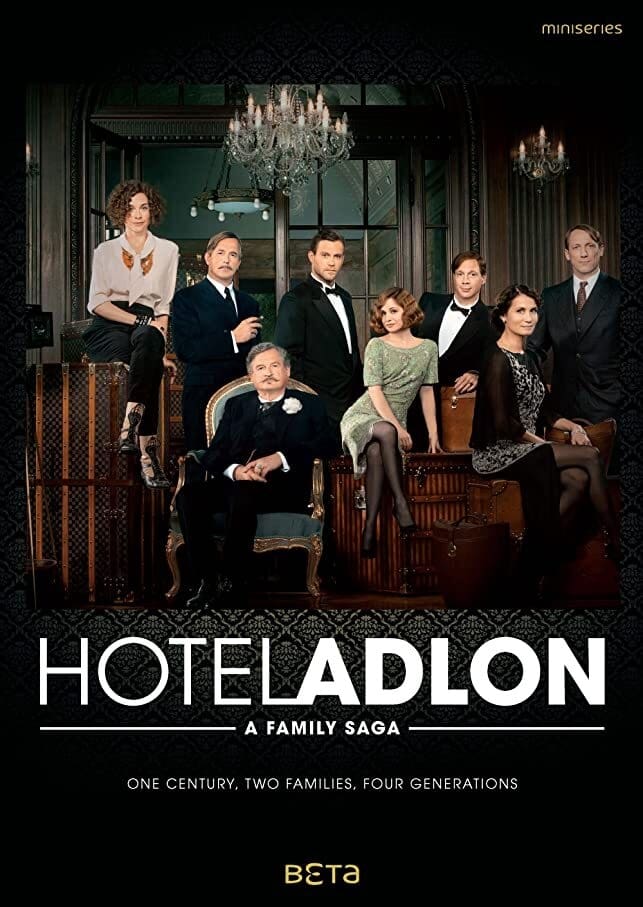
The mini-series follows the construction and history of the famous Adlon hotel in Berlin, as seen through the eyes of Sonja Schadt, the youngest member of the wealthy fictional Schadt family who are friends with the Adlons.
Introducing the Walmington-On-Sea home guard. During WW2, in a fictional British seaside town, a ragtag group of Home Guard local defense volunteers prepare for an imminent German invasion.
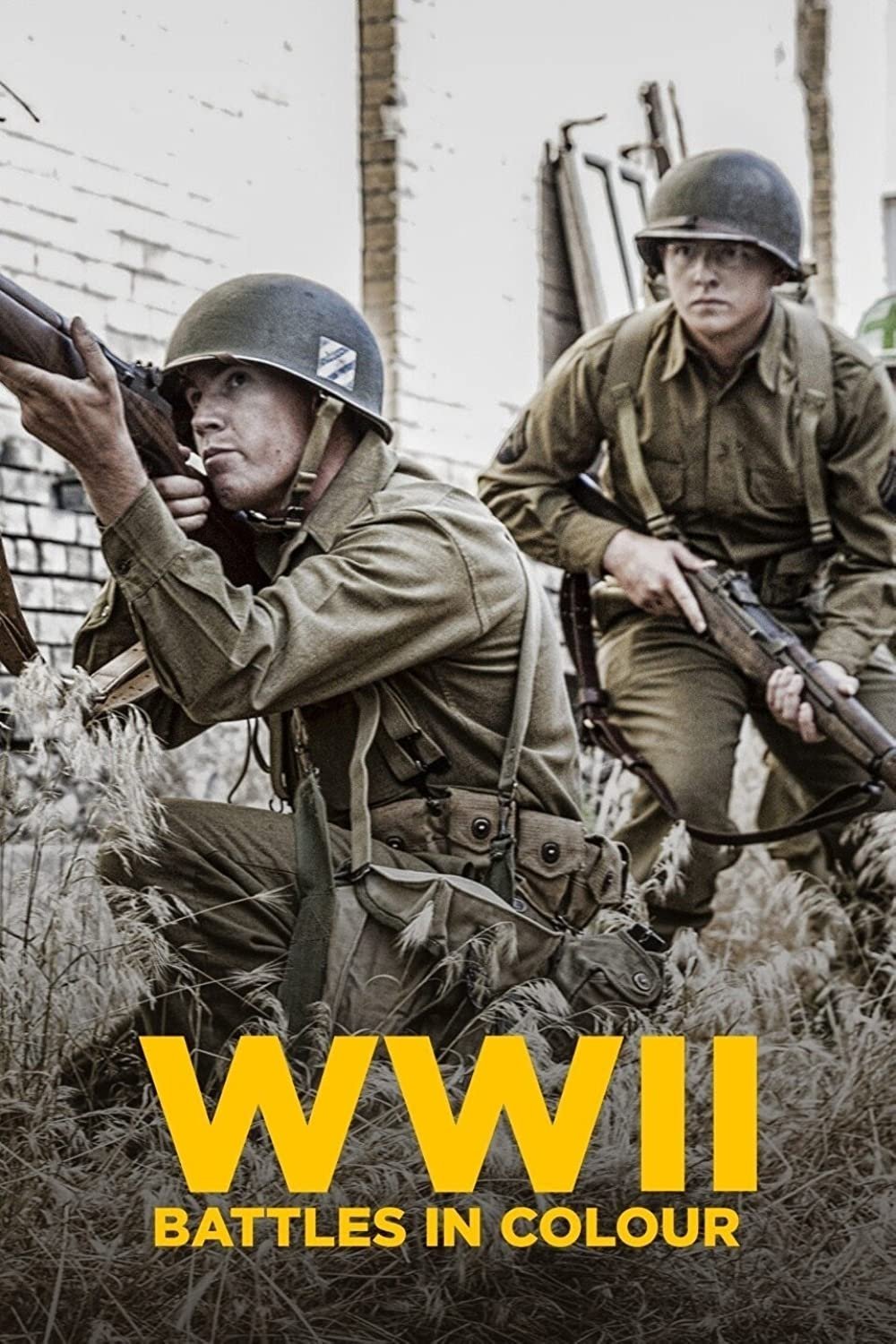
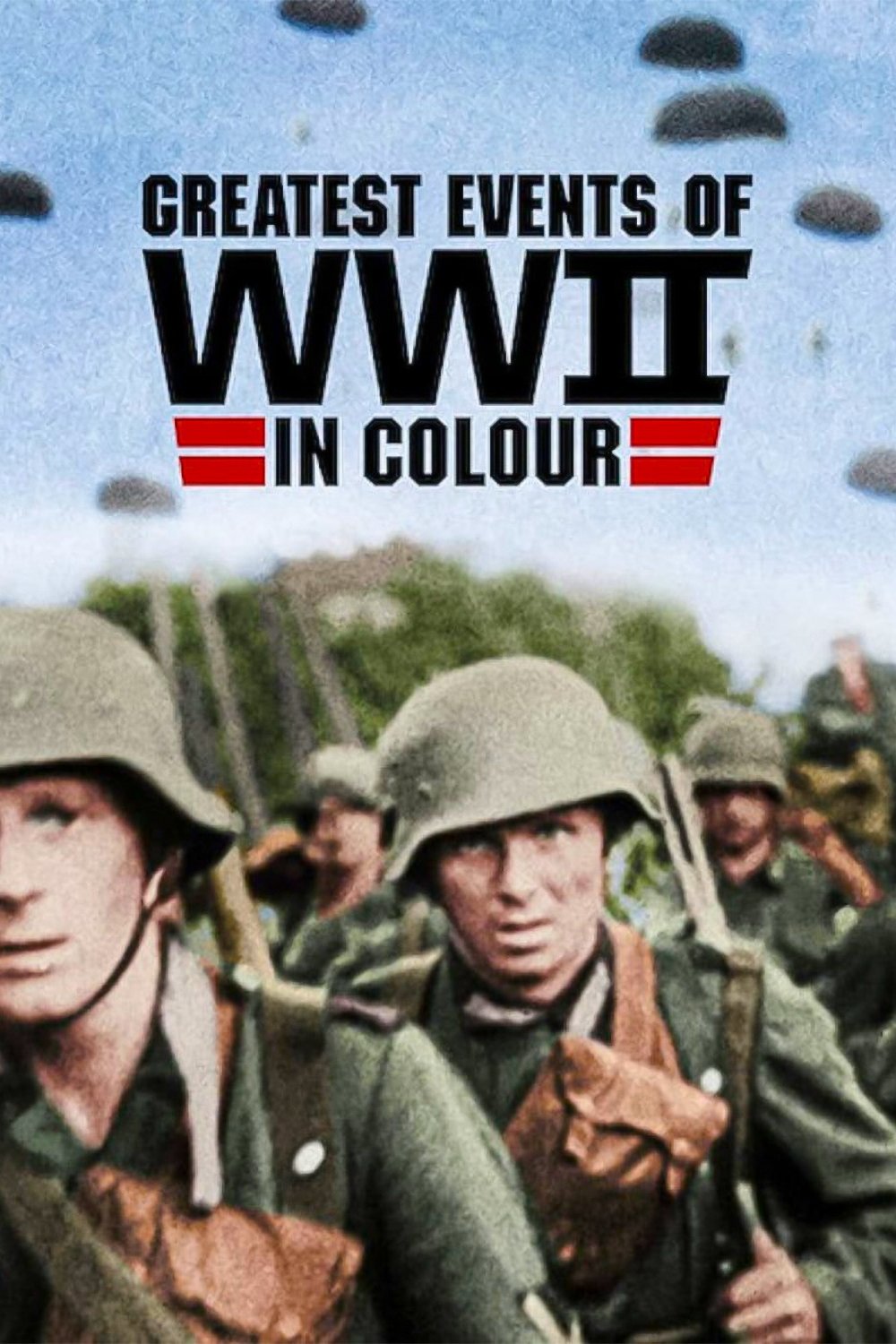
World War II was marked by its epic battles, which decided the fate of nations and changed the course of history. From Germany's Blitzkrieg attacks on Poland that launched the European campaign to the Allied invasion of Berlin that signaled its violent end, we bring these seminal conflicts to life through never-before-seen colorized combat footage. This six-part series puts you in the center of the action through rarely scene films from the frontline plus personal memoirs and oral histories from both sides of the battle lines.
A documentary series that gives a historical account of the events of World War II, from its roots in the 1920s to the aftermath and the lives it profoundly influenced.
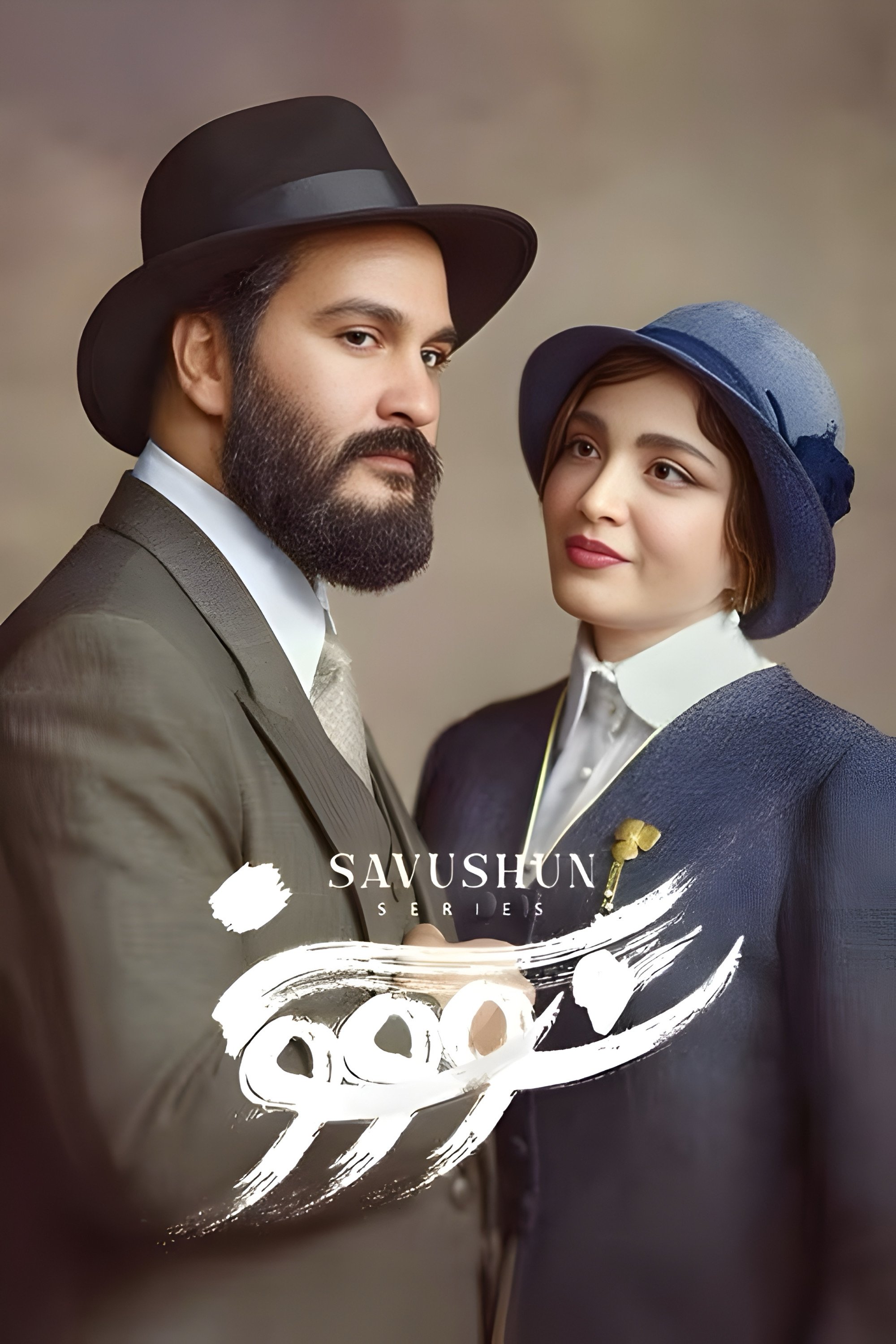
Let's travel to Iran in the final years of World War II. To a story of history, tragedy, love... to mourning Siavash... to Savushun.
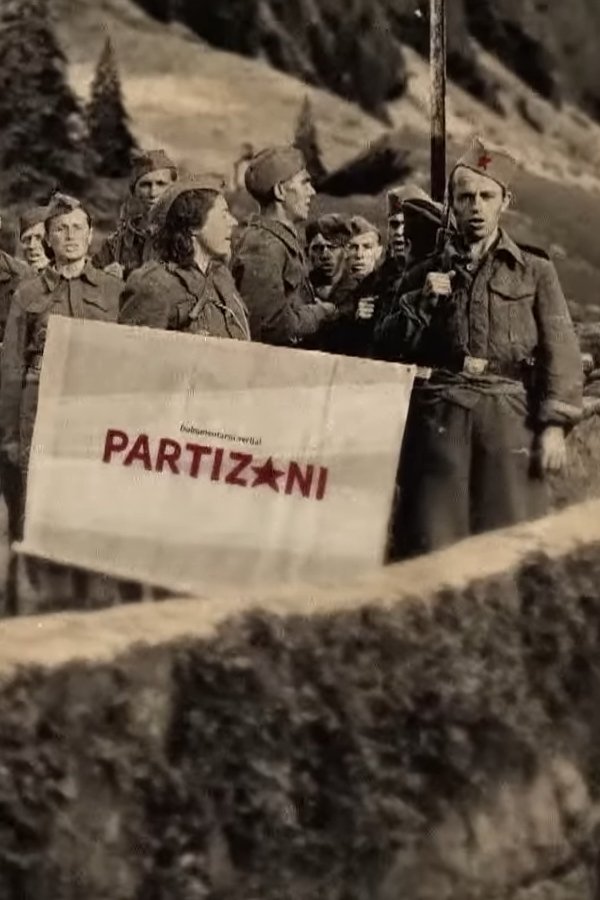
Who were the Yugoslav Partisans? A docuseries about the founding and evolution of the largest armed resistance in Europe during World War II.
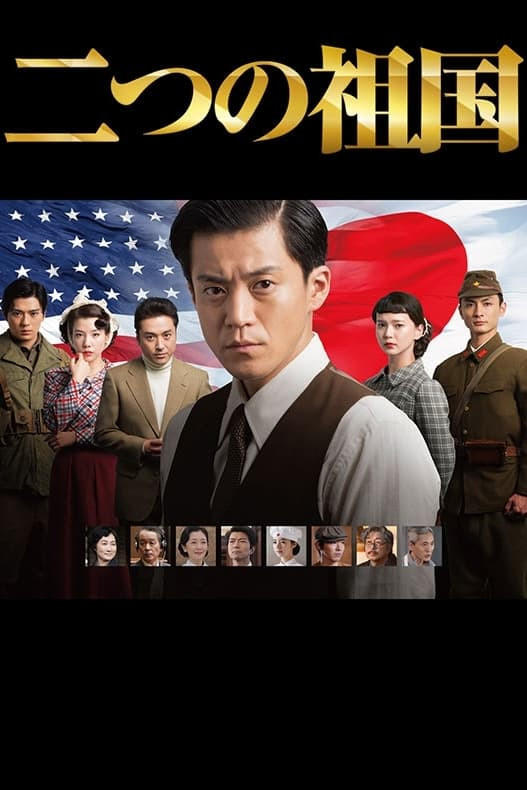
Kenji Amo is a 2nd generation Japanese-American. He was born in America, but went to school in Japan. He returned to America to study at UCLA. Now, Kenji Amo works as a reporter for a newspaper in the Little Tokyo area of Los Angeles. Charlie Tamiya also studied at UCLA with Kenji Amo. Charlie Tamiya has feeling for Nagiko who works with Kenji Amo at the same newspaper company. Knowing that, Kenji Amo holds complicated feelings. At this time, Nagiko's friend Emi Hatanaka asks Kenji Amo to marry her. He accepts her proposal, but the Pacific War begins. Circumstances surrounding Kenji Amo changes.
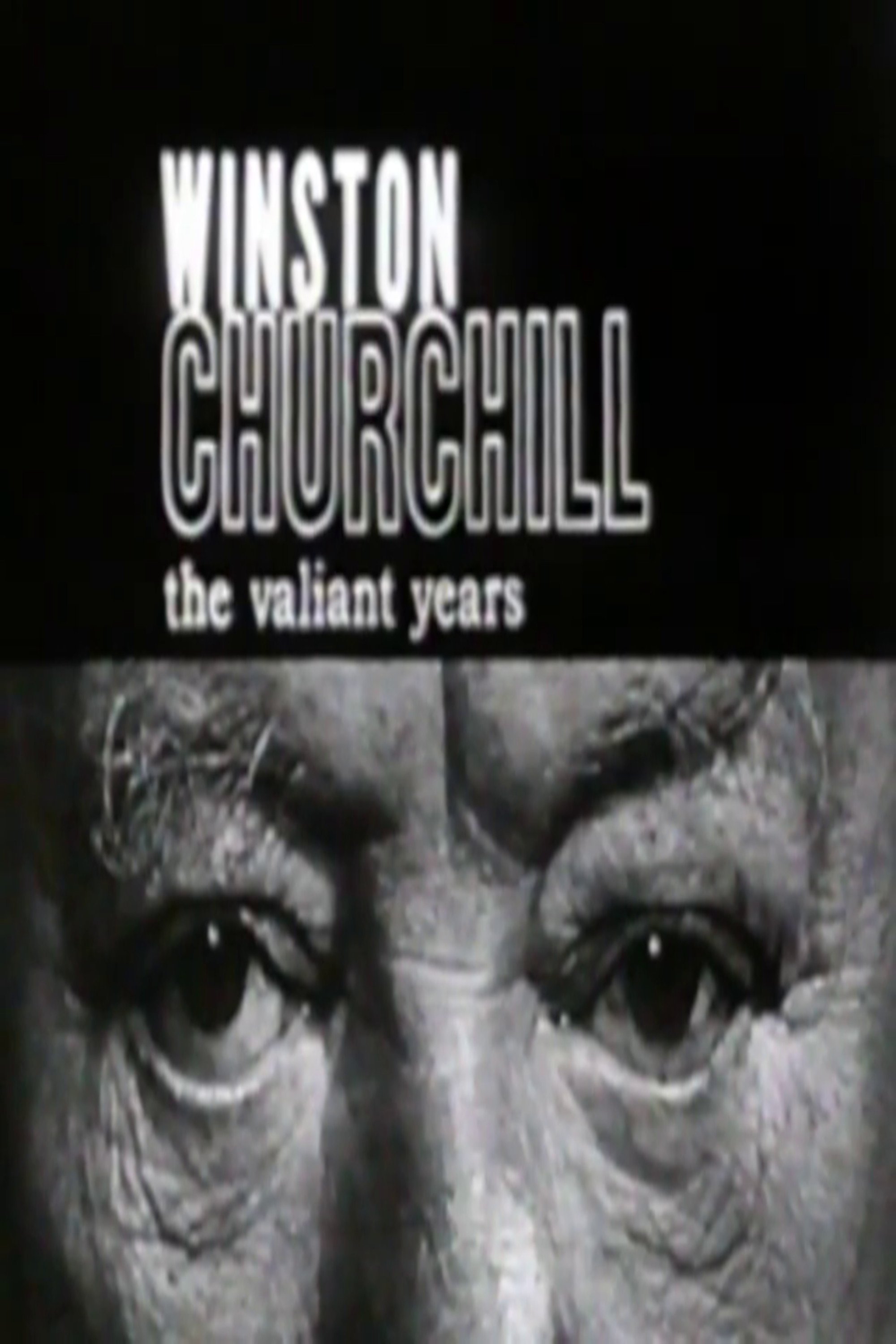
The Valiant Years was a documentary produced by ABC based on the memoirs of Winston Churchill, directed by Anthony Bushell and John Schlesinger, narrated by Gary Merrill and with extracts from the memoirs voiced by Richard Burton. It ran in the United States from 1960 to 1961, in 27 30-minute episodes and was broadcast in the UK by the BBC from February to August 1961. Its incidental music was written by Richard Rodgers, who won an Emmy for it in 1962. Scriptwriters included Victor Wolfson a dramatist and writer, Quentin Reynolds, William L. Shirer an American journalist, war correspondent and historian, and Richard Tregaskis. One of the program's London-based producers was actor Patrick Macnee, just prior to his being cast as secret agent John Steed in the long-running cult TV series The Avengers.,
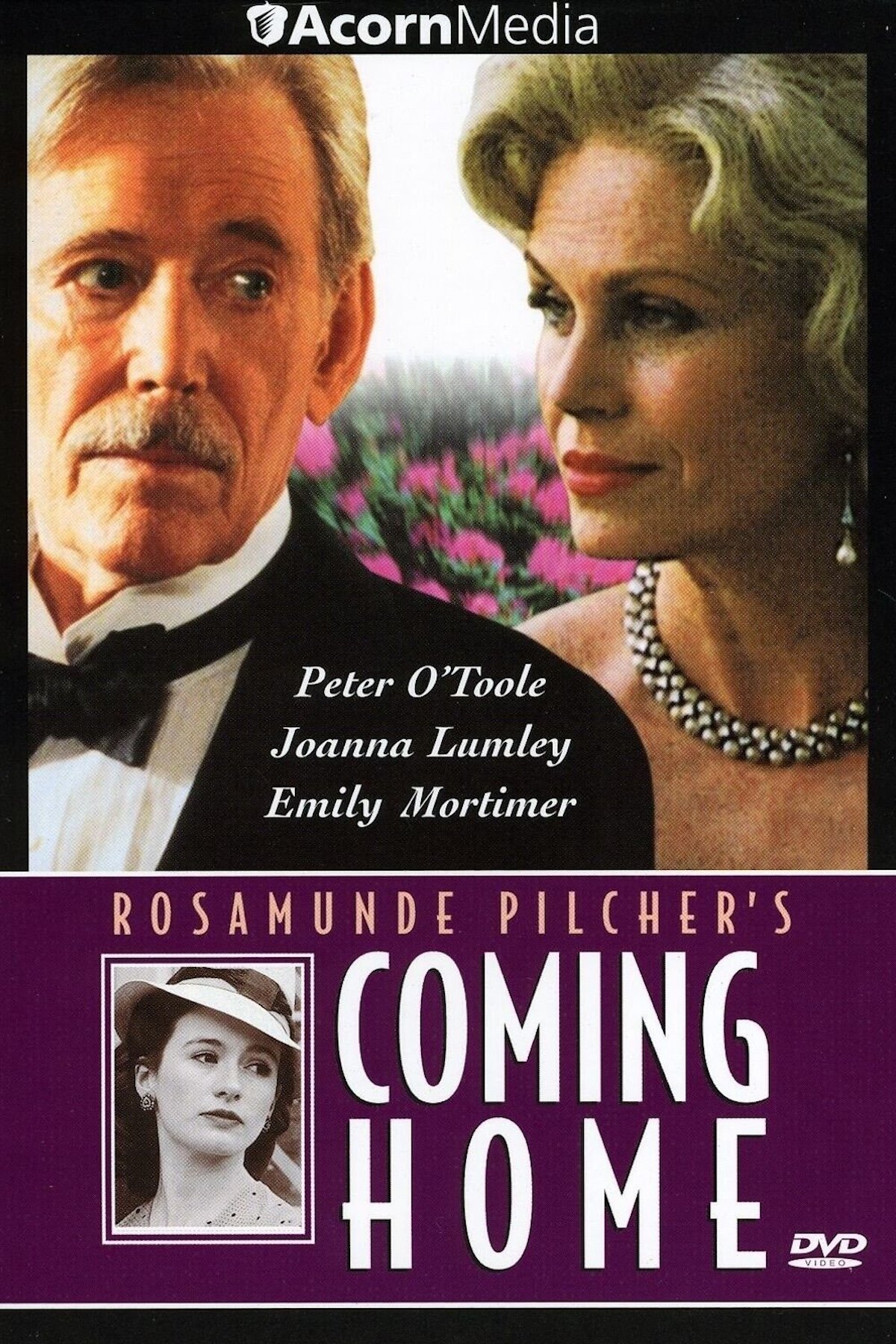
Alone and without her parents, Judith Dunbar spends her school days in a boarding school. When her friend Loveday invites her to Gut Nancherrow one day, it is love at first sight for Judith. The elegant lady of the house Diana, her husband Colonel Cary-Lewis and Loveday's siblings Edward and Athena immediately fall in love with her and treat her like family. But the outbreak of the Second World War put an end to the idyll on Nancherrow overnight. A long, thorny road lies ahead of Judith until she finally finds happiness in a family of her own...
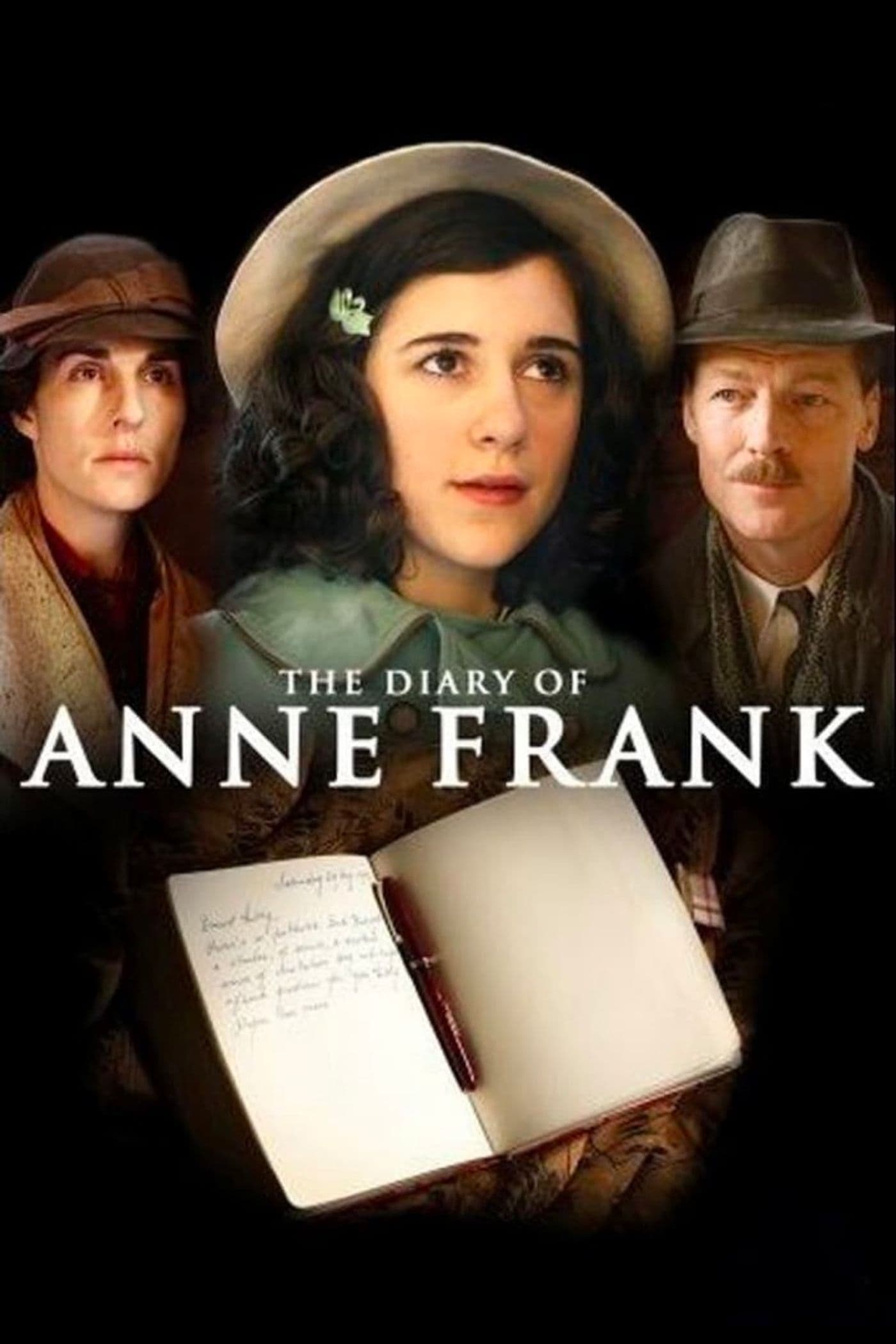
Five-part adaptation of Anne Frank's famous wartime diaries in which a young teenager and her family go into hiding from the Nazis in wartime Amsterdam.
The epic television history of the Second World War’s Eastern Front giving an unprecedented Russian perspective on the war’s most decisive and bloody theater.
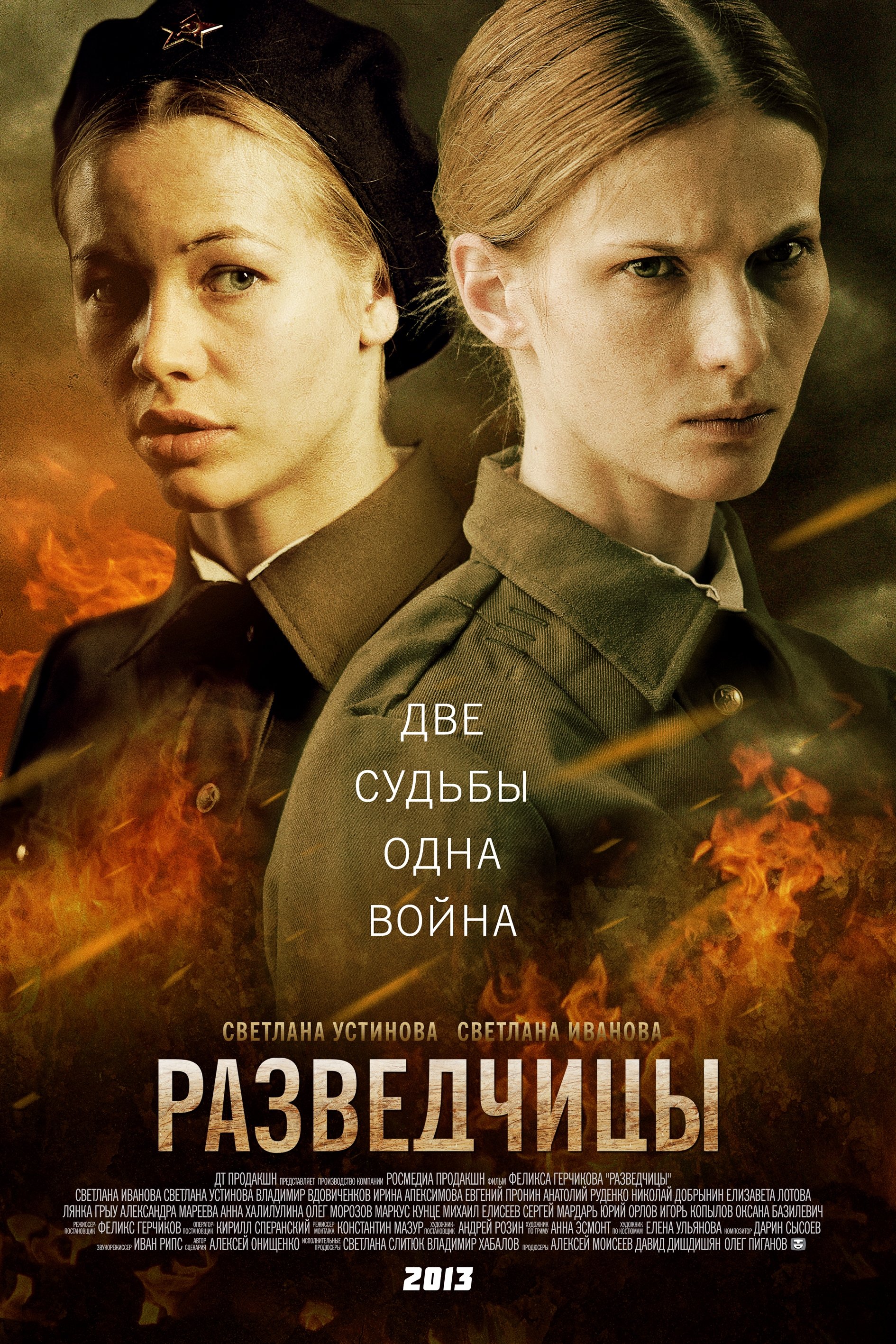
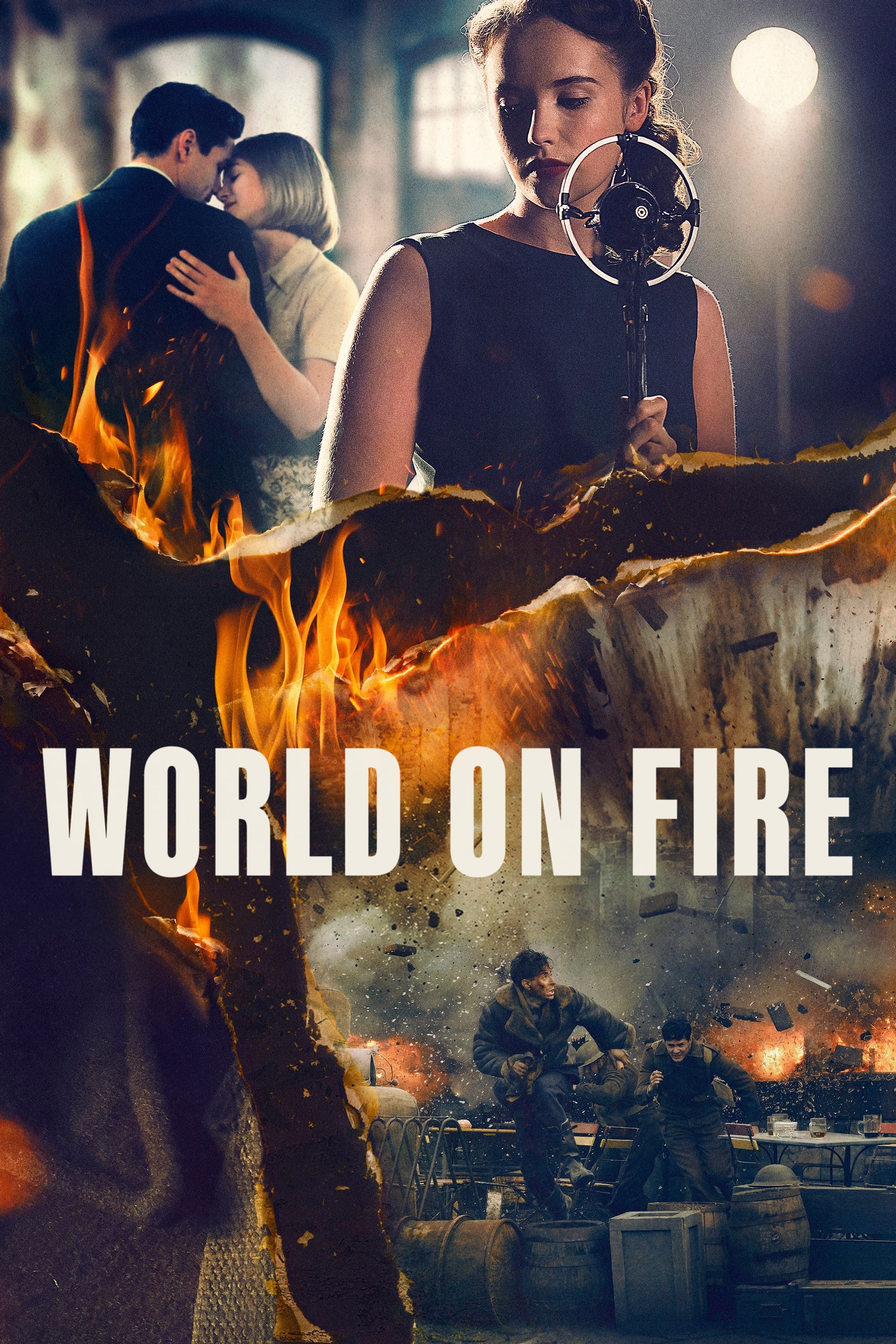
The story of World War II told through the intertwining fates of ordinary people from all sides of this global conflict as they grapple with the effect of the war on their everyday lives.
Using highly advanced colourisation techniques, critical moments from World War II, from Stalingrad to The Battle of Britain, are shown in a whole new light.
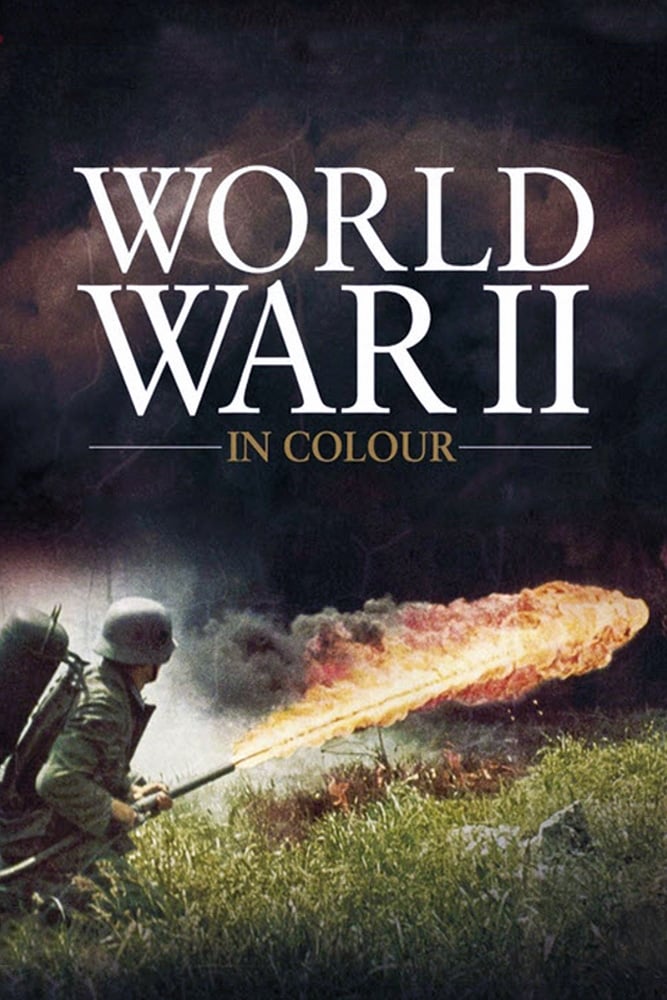
World War II In Colour is a 13-episode television documentary miniseries recounting the events of World War II narrated by Robert Powell. The show covers the Western Front, Eastern Front, and the Pacific War. It is on syndication in America on the Military Channel. This series is in full color, combining both original and colorized footage.
Following the attack on Pearl Harbor, the extended Henry and the Jastrow families experience World War II.
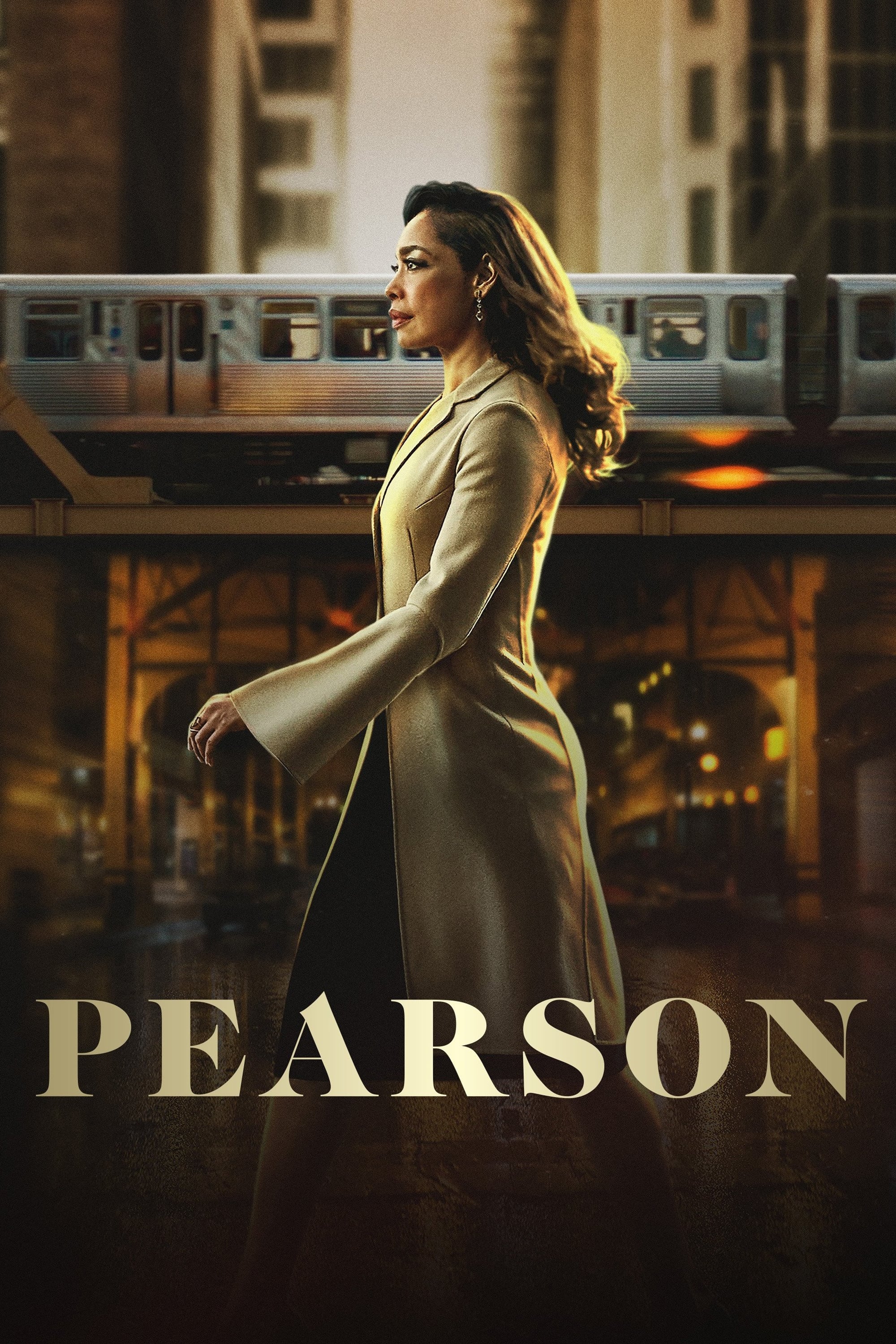
Powerhouse lawyer Jessica Pearson adjusts to the dirty world of Chicago politics.
As WW2 rages around the world, DCS Foyle fights his own war on the home-front as he investigates crimes on the south coast of England. Foyle's War opens in southern England in the year 1940. Later series sees the retired detective working as an MI5 agent operating in the aftermath of the war.
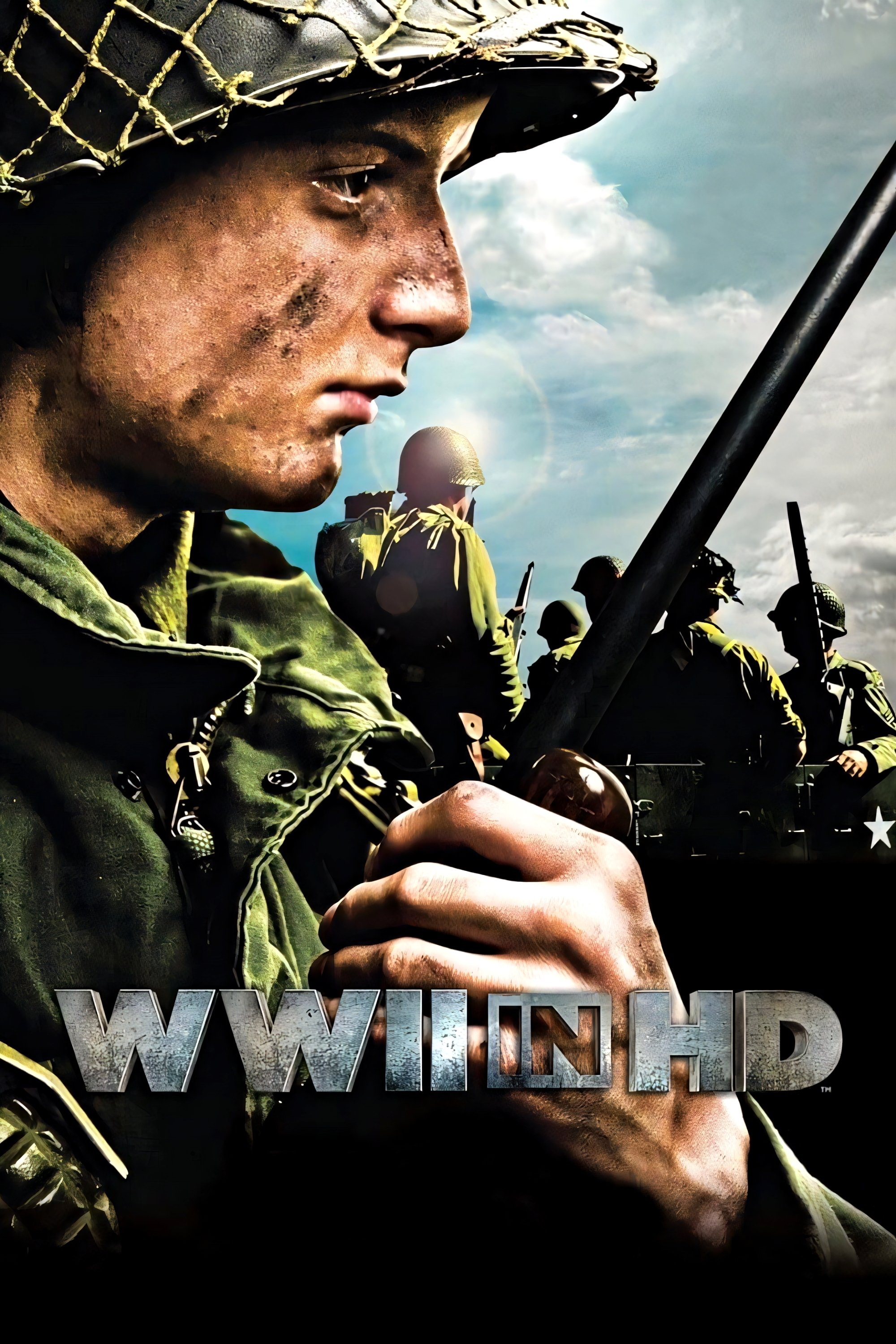
WWII in HD is a 10-part American documentary television miniseries that originally aired from November 15 to November 19, 2009 on the History Channel. The program focuses on the firsthand experiences of twelve American service members during World War II, including an Army nurse, a member of the Tuskegee Airmen, a second generation Japanese American and prisoner of war, and an Austrian Jewish immigrant. The twelve members recorded their time in both theaters and some had later interviews; found footage from the battlefield was paired with the stories of the twelve service members. The episodes premiered on five consecutive days, with two episodes per day. The series is narrated by Gary Sinise and was produced by Lou Reda Productions in Easton, Pennsylvania, United States.
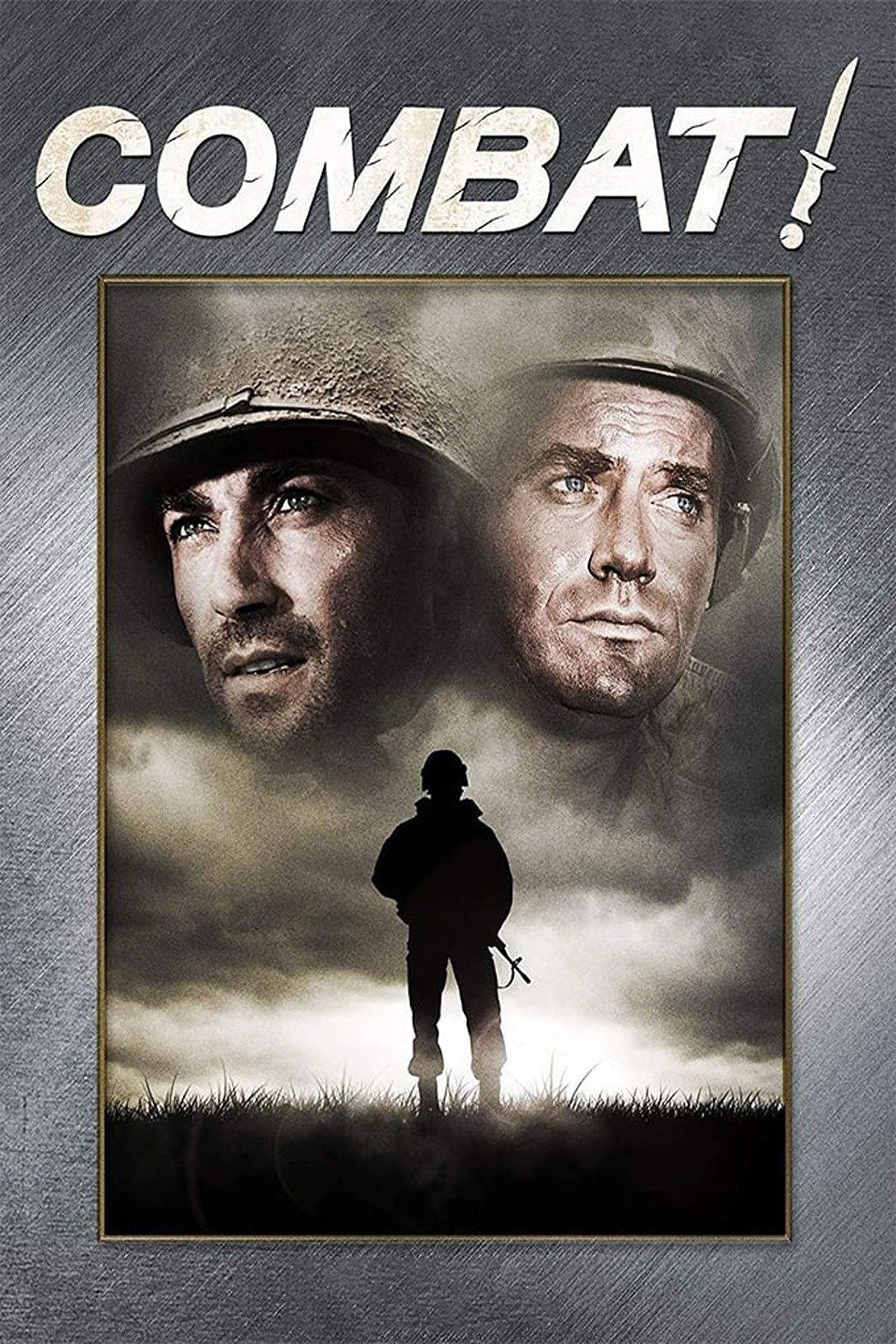
Combat! is an American television program that originally aired on ABC from 1962 until 1967. The show covered the grim lives of a squad of American soldiers fighting the Germans in France during World War II. The program starred Rick Jason as platoon leader Second Lieutenant Gil Hanley and Vic Morrow as Sergeant "Chip" Saunders.
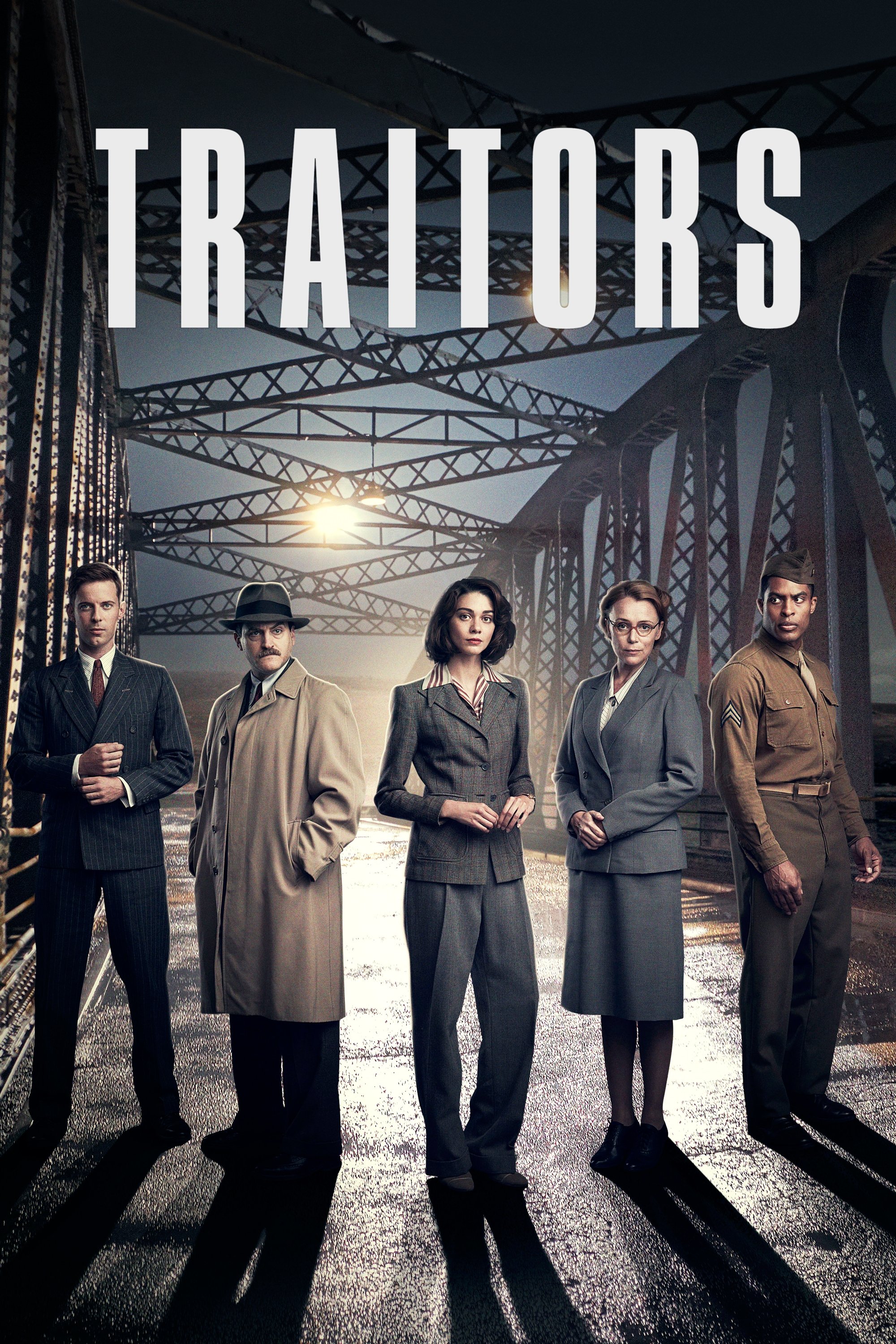
1945 London. Feef is seduced by a rogue American spy into spying on her own country. Her task? To uncover a Russian agent in the heart of the British Government.
An immersive, behind-the-headlines account of the historically turbulent events surrounding the 2016 presidential election and its aftermath, which divided a nation. This two-part biopic tells the story of two powerful figures, Comey and Trump, whose strikingly different personalities, ethics and loyalties put them on a collision course.
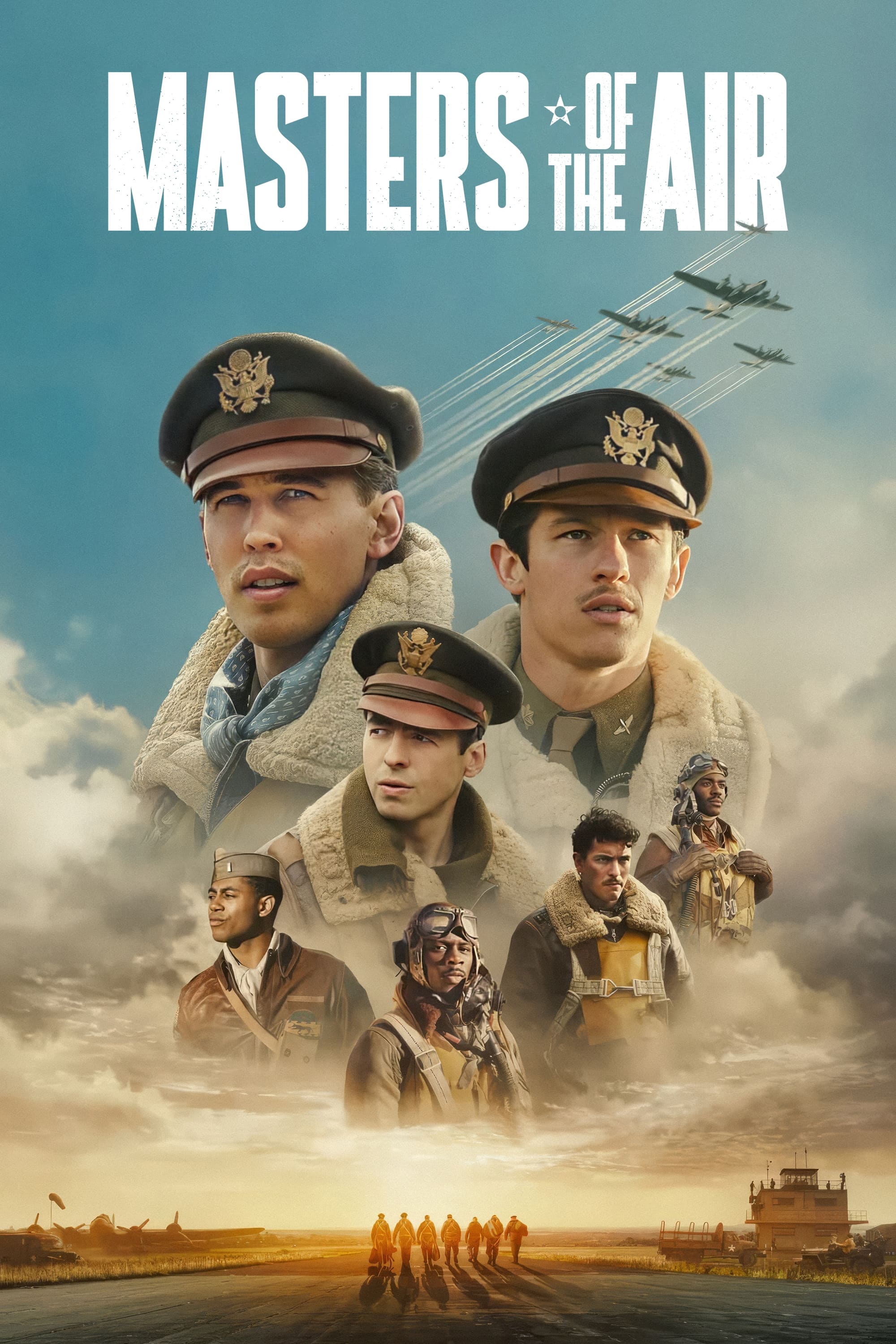
During World War II, airmen risk their lives with the 100th Bomb Group, a brotherhood forged by courage, loss, and triumph.
This series chronicles the adventures--in the air and on the ground--of the men of the 918th Bombardment Group of the U.S. Eighth Air Force. First commanded by irascible General Frank Savage--and later by Colonel Joe Gallagher, the son of a Pentagon General--the Group is stationed in England, and flies long-range bombing missions into German-held Europe.
A documentary news series with a taboo-breaking team who deliver incredible news stories from around the world.
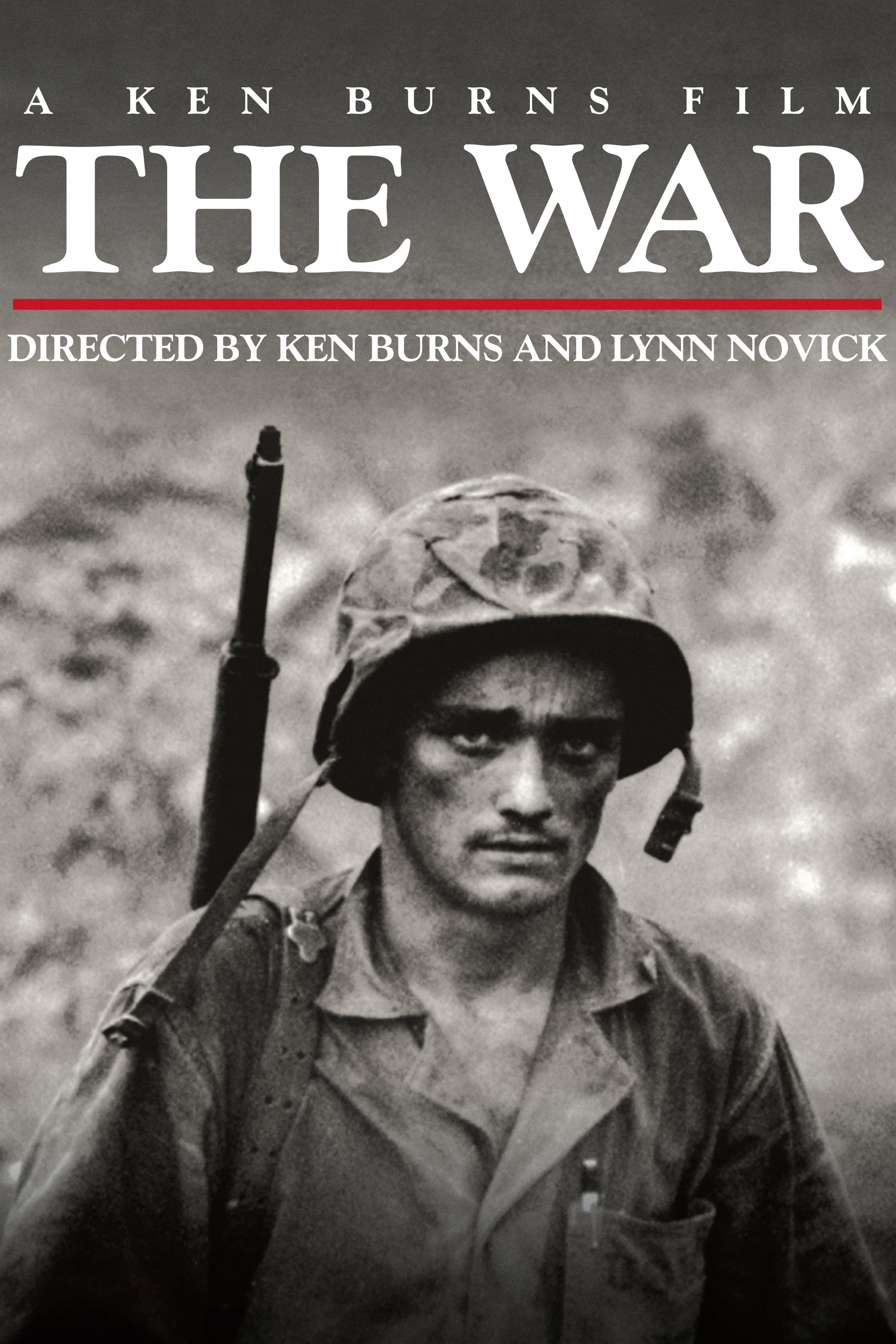
The story of the Second World War through the personal accounts of a handful of men and women from four American towns. The war touched the lives of every family on every street in every town in America and demonstrated that in extraordinary times, there are no ordinary lives.
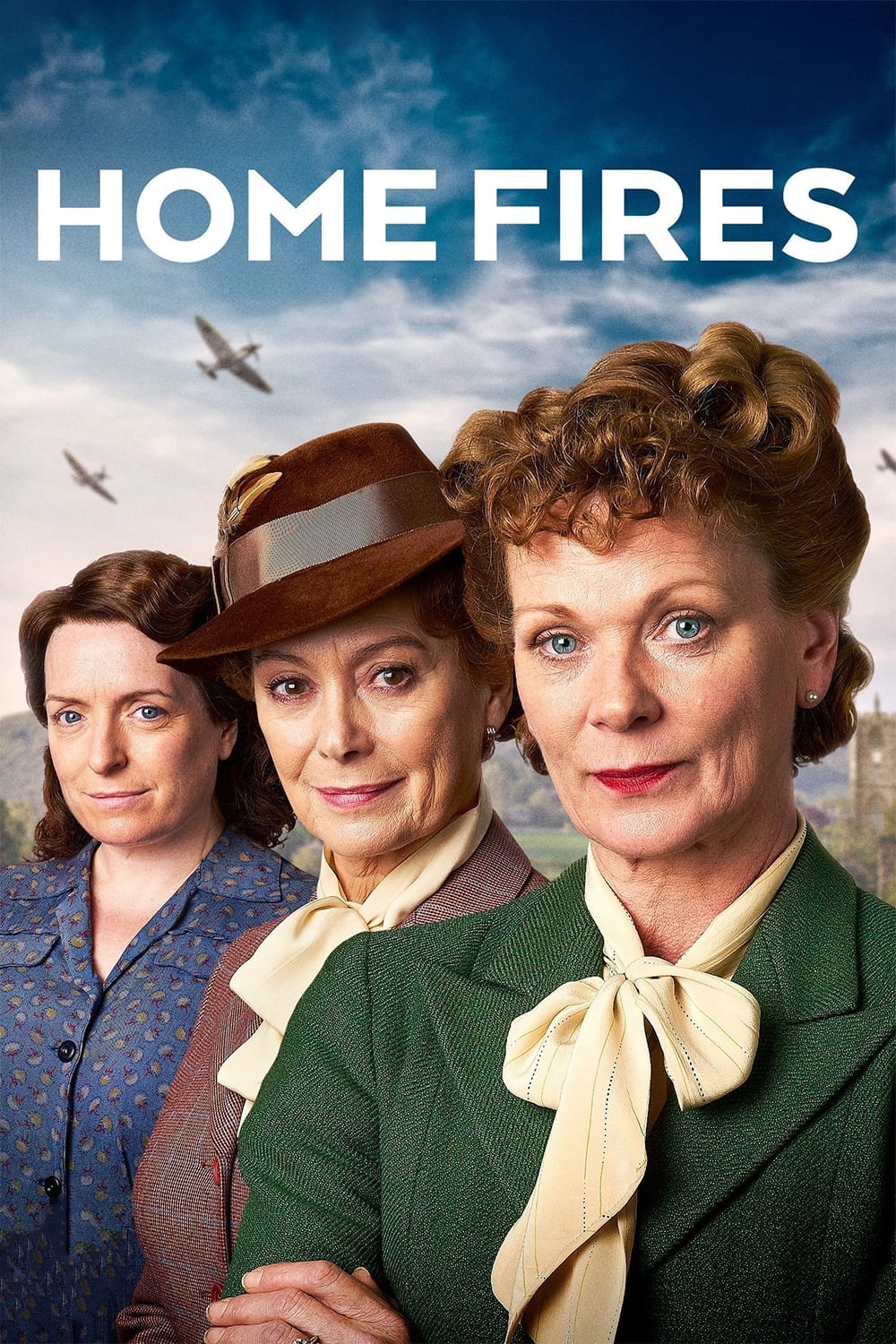
The story of a group of inspirational women in a rural Cheshire community with the shadow of World War II casting a dark cloud over their lives. As the conflict takes hold and separates the women from their husbands, fathers, sons and brothers, the characters find themselves under increasing and extraordinary pressures in a rapidly fragmenting world. By banding together as the Great Paxford Women’s Institute, they help maintain the nation’s fabric in its darkest hour, and discover inner resources that will change their lives forever.
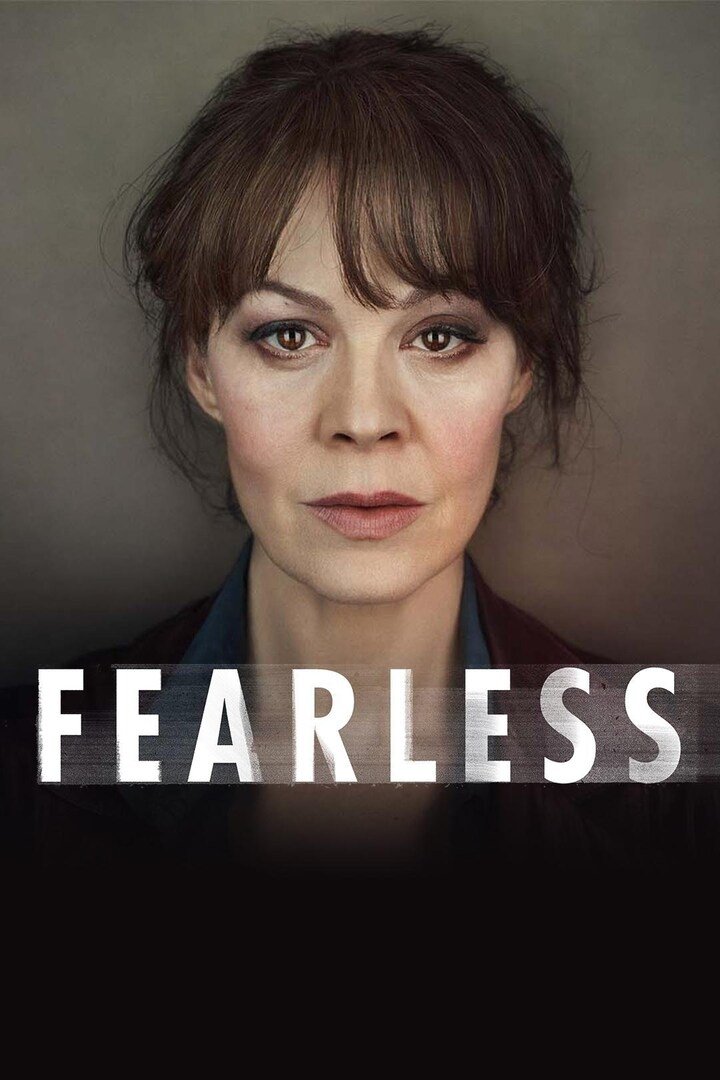
Emma Banville, a human rights lawyer known for defending lost causes, sets out to prove the innocence of Kevin Russell, who was convicted for the murder of a school girl 14 years earlier.
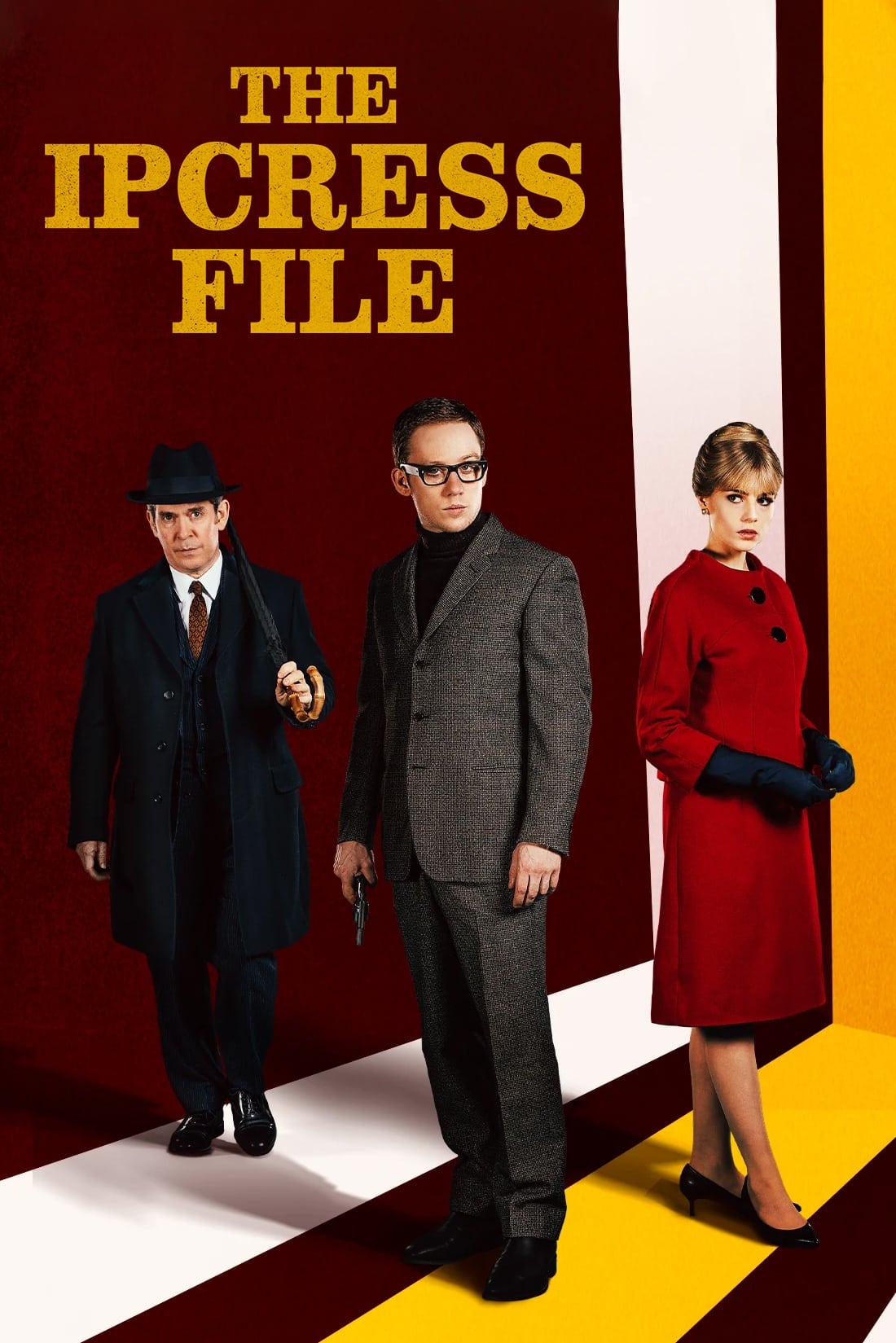
As the Cold War rages, ex-smuggler turned reluctant spy Harry Palmer finds himself at the centre of a dangerous undercover mission, on which he must use his links to find a missing British nuclear scientist.
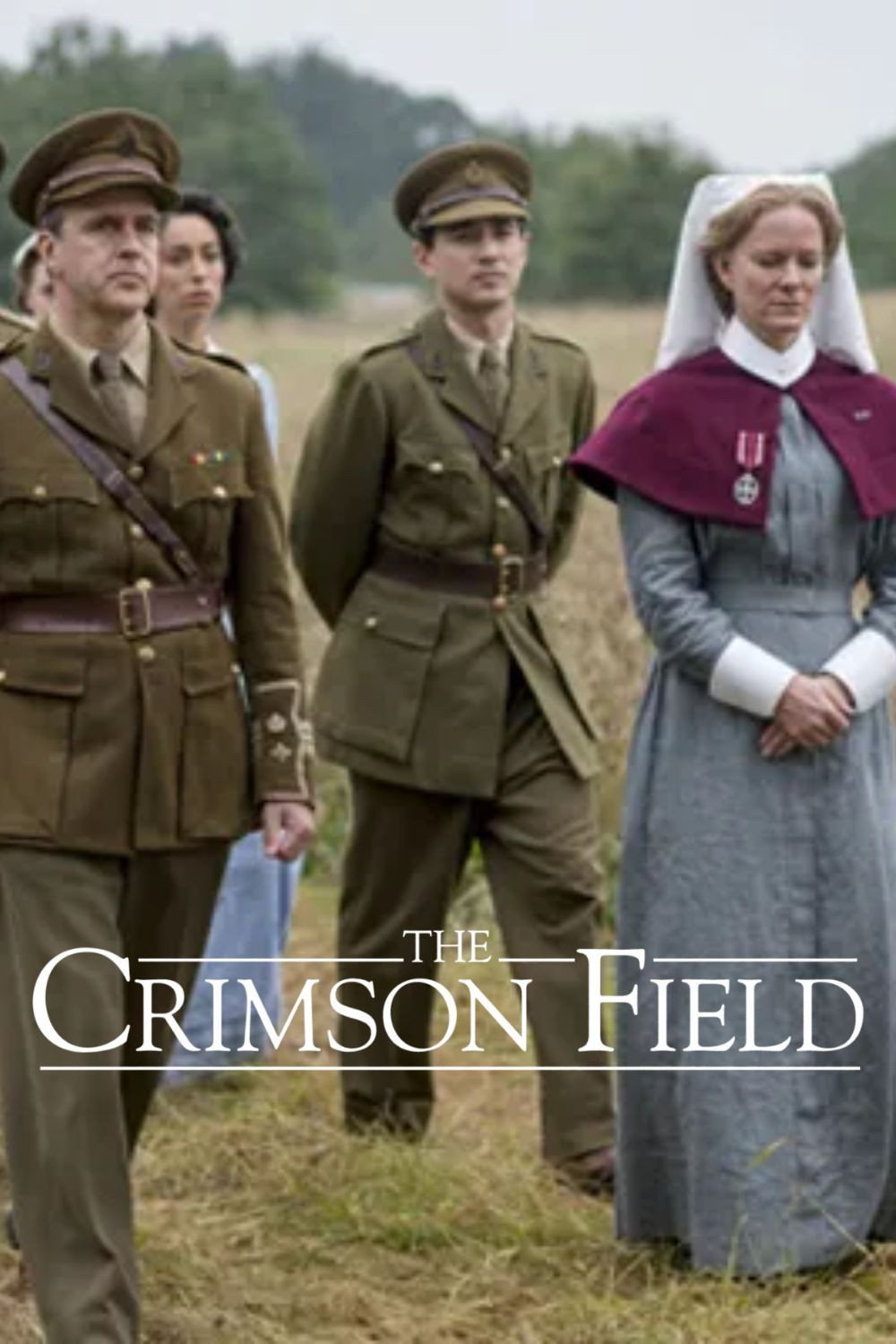
In a tented field hospital on the coast of France, a team of doctors, nurses and women volunteers work together to heal the bodies and souls of men wounded in the trenches.
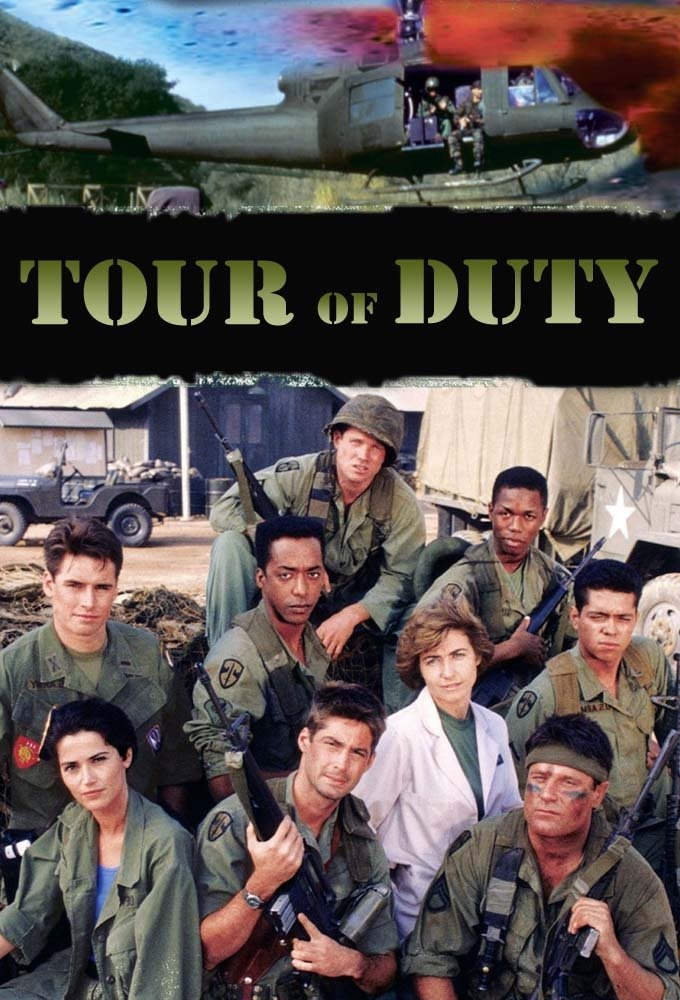
The trials of a U.S. Army platoon serving in the field during the Vietnam War.
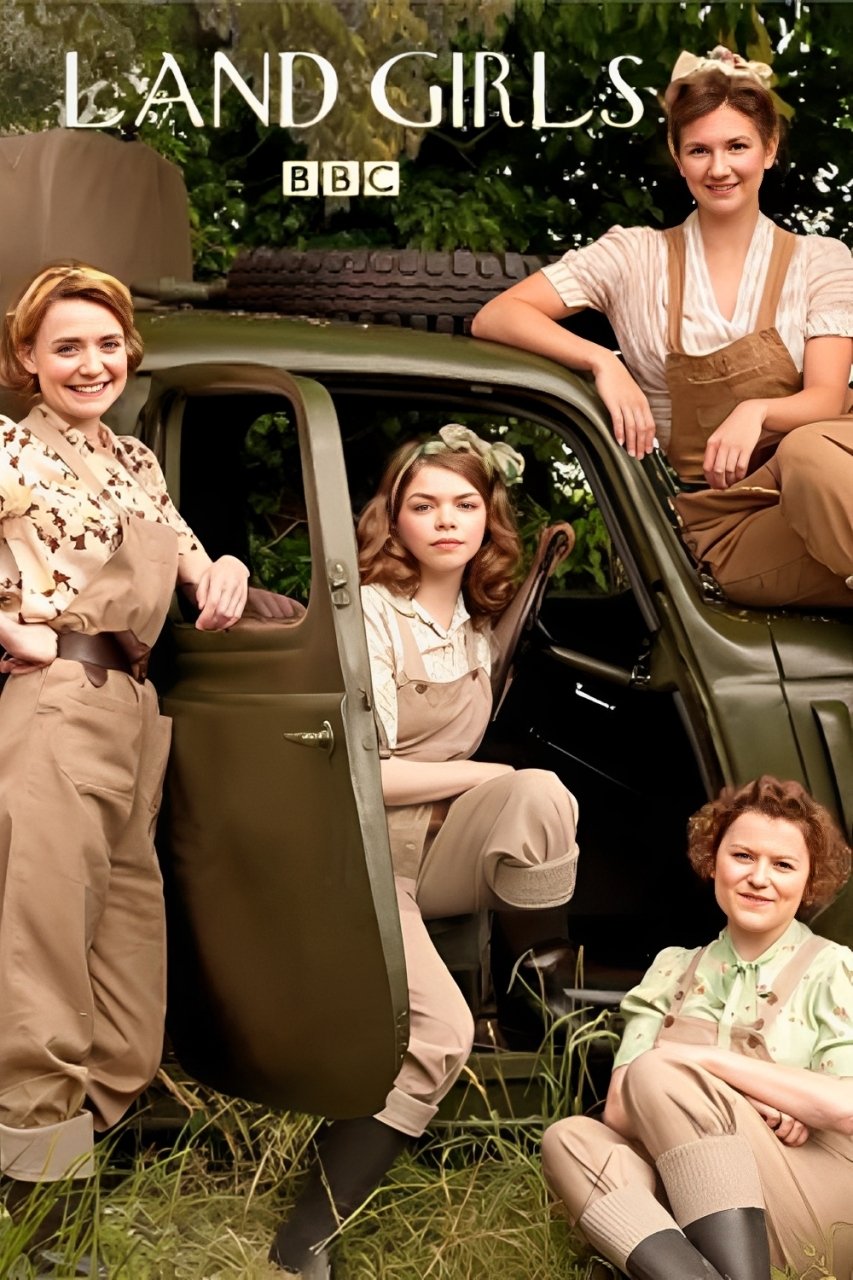
The lives, loves and highs and lows of four members of the Women's Land Army working at the Hoxley Estate during World War II.