Social & External
Australian host Steve Irwin and his wife Terri run a wildlife refuge. Their shared passion is educating the world about wildlife, including the much feared crocodile and numerous venomous snakes. Steve's specialty is the capture and relocation of crocodiles. No animal appears too threatening to Steve, his true respect for animals is the foundation for everything he does.
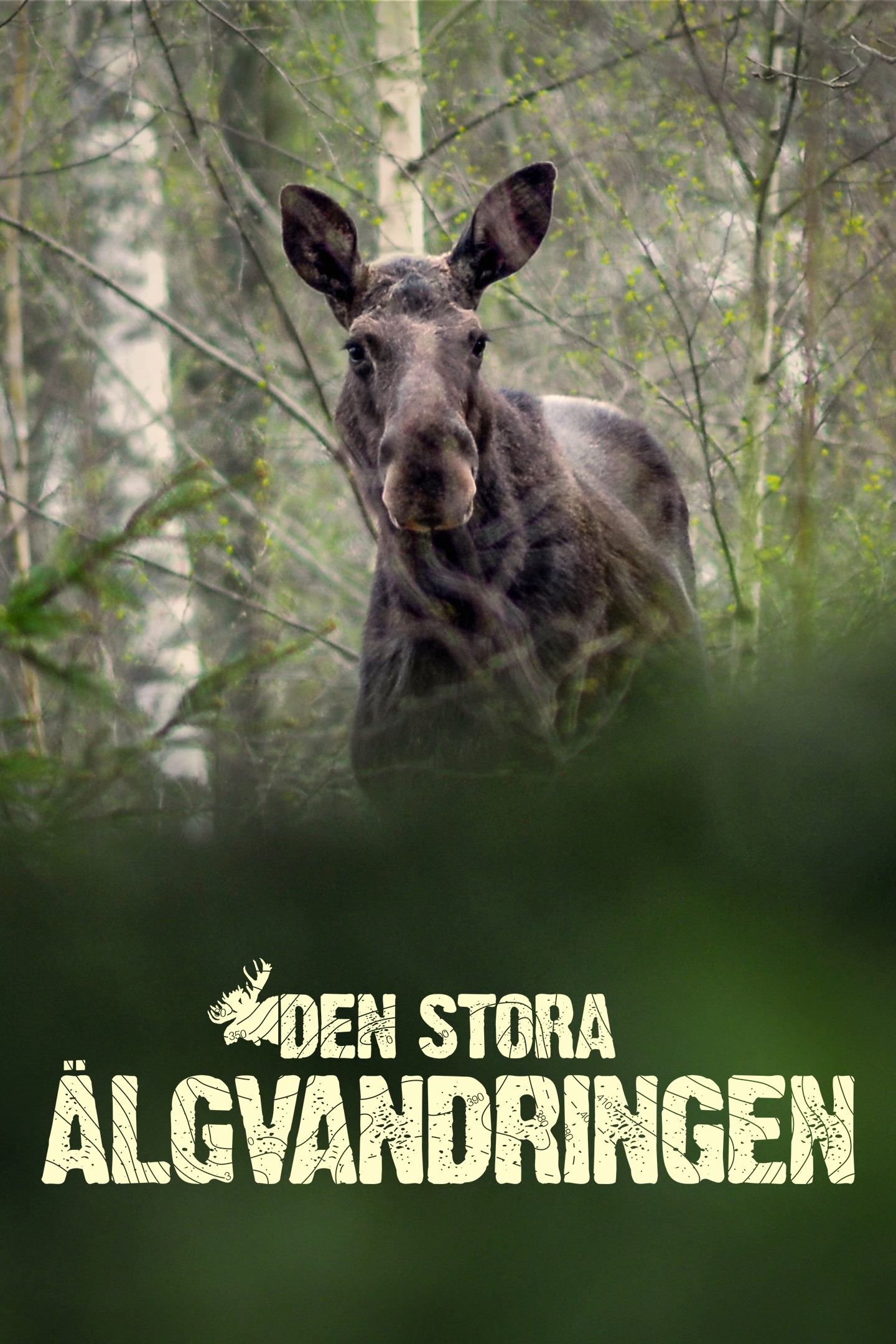
For several thousand years the moose have walked the same path to get to the rich pastures of summer. Follow the walk live from Kullberg in the north of Sweden.
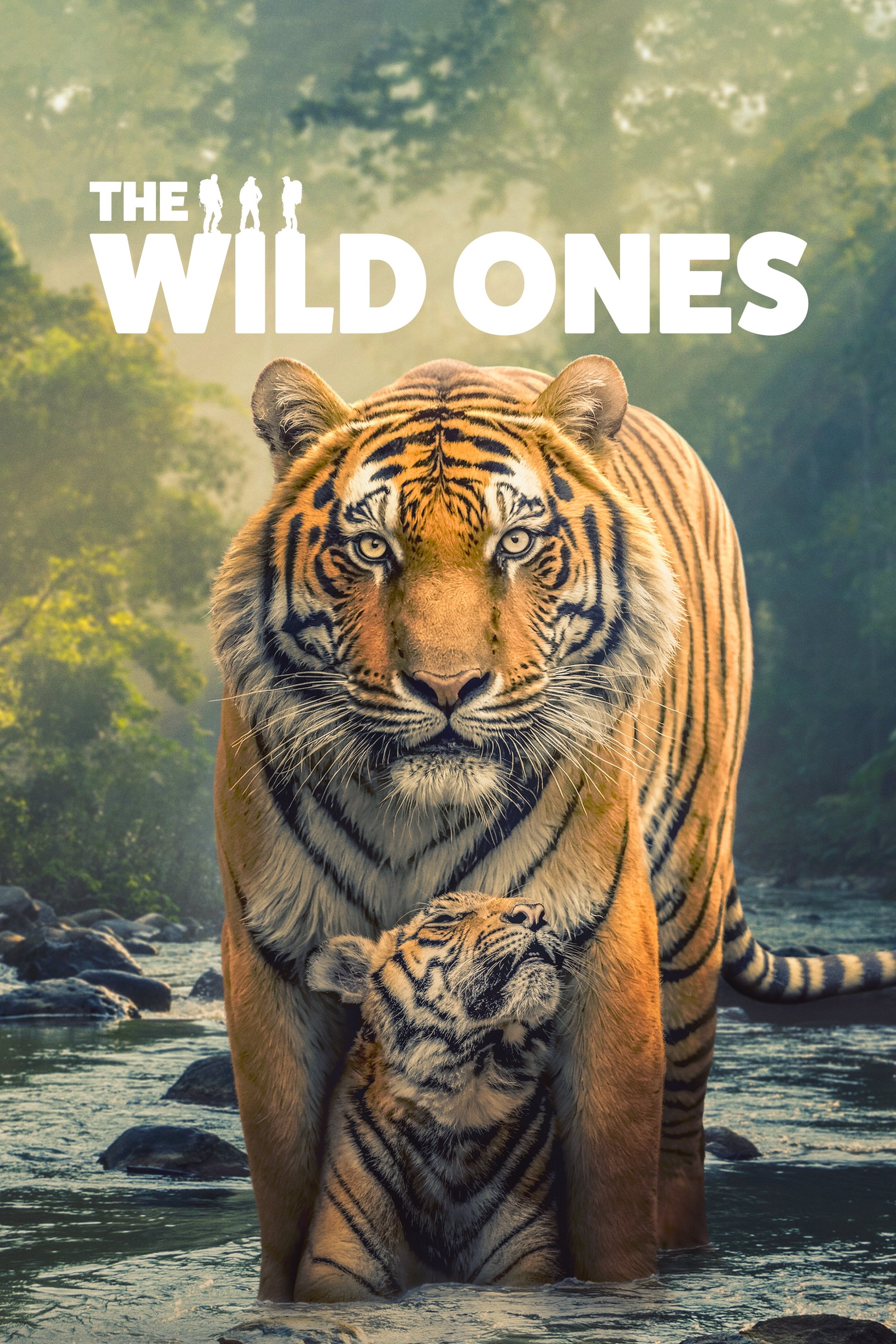
Explore hidden corners of Earth with a trio of experts as they try to save six endangered species from extinction. With crafty camerawork and survival skills, the team race to find, record, and protect these elusive creatures before it's too late.
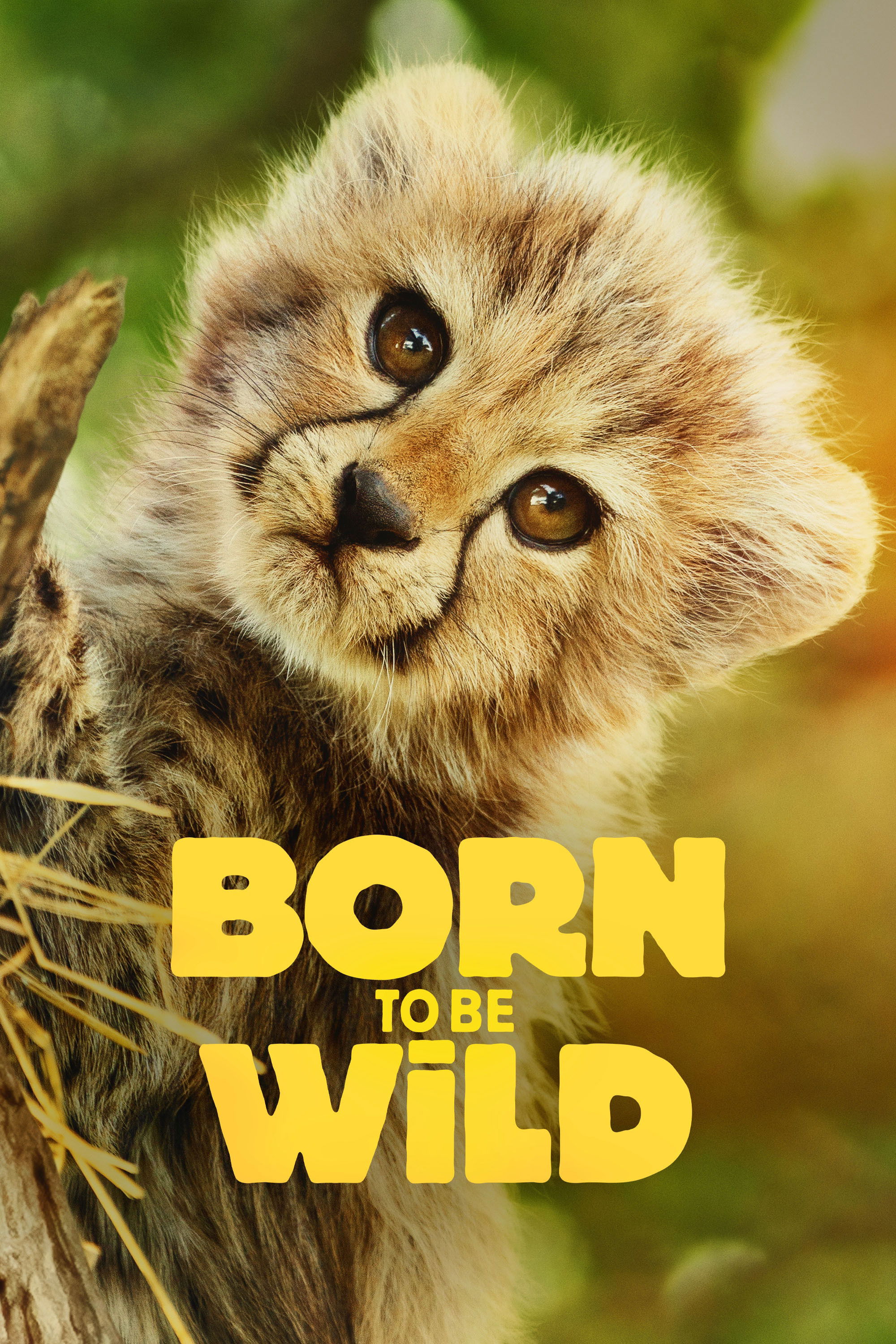
From first steps to first hunts, follow six rare baby animals as they learn survival skills and bring hope for the future of their species in the wild.
There's nothing else like it. Chris Packham reveals the epic, four-billion-year story of our home - from its dramatic creation to the arrival of human life... and whatever's next.
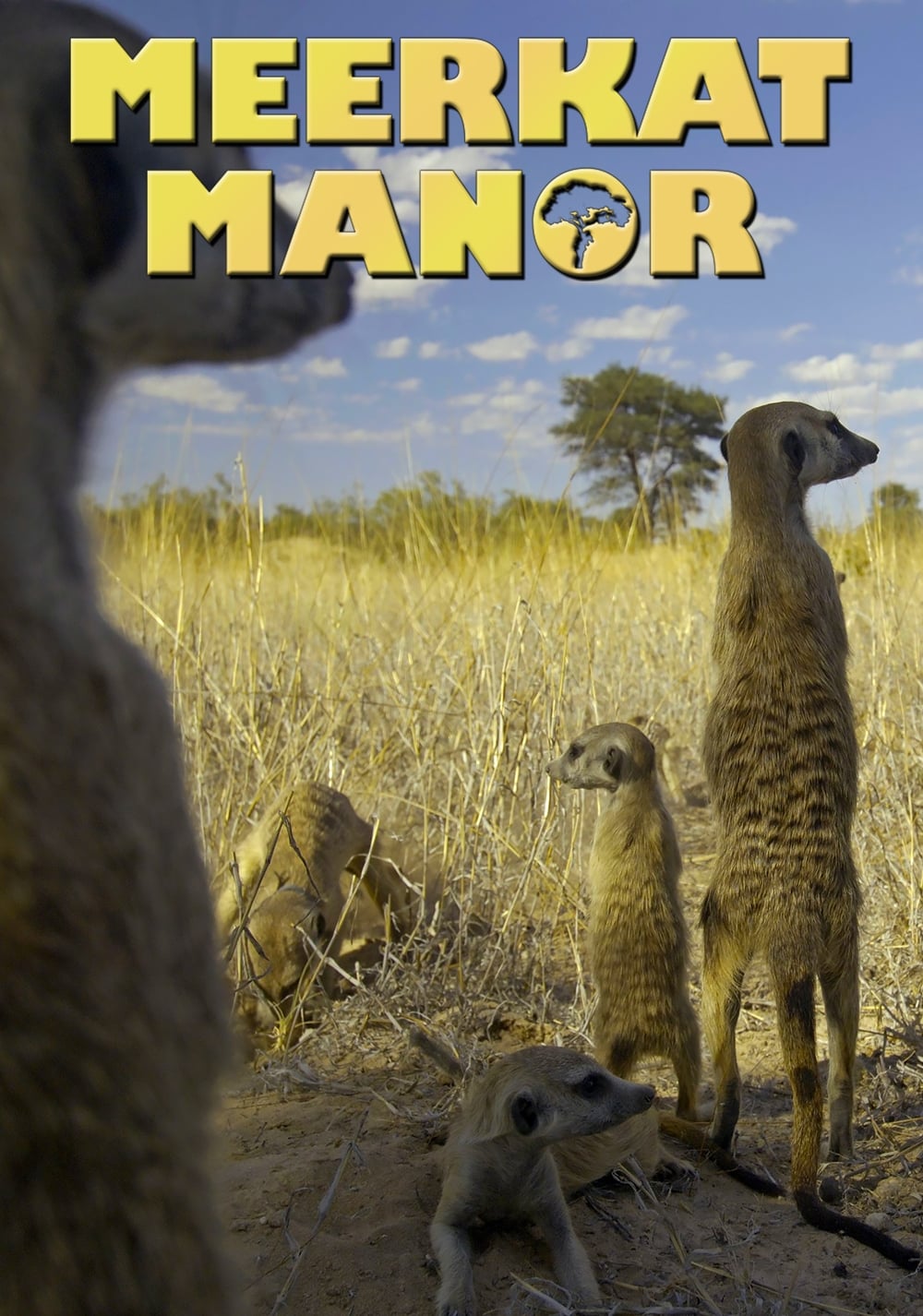
Meerkat Manor is a British television programme produced by Oxford Scientific Films for Animal Planet International that premiered in September 2005 and ran for four series until its cancellation in August 2008. Blending more traditional animal documentary style footage with dramatic narration, the series told the story of the Whiskers, one of more than a dozen families of meerkats in the Kalahari Desert being studied as part of the Kalahari Meerkat Project, a long-term field study into the ecological causes and evolutionary consequences of the cooperative nature of meerkats. The original programme was narrated by Bill Nighy, with the narration redubbed by Mike Goldman for the Australian airings and Sean Astin for the American broadcasts. The fourth series, subtitled The Next Generation, saw Stockard Channing replacing Astin as the narrator in the American dubbing.
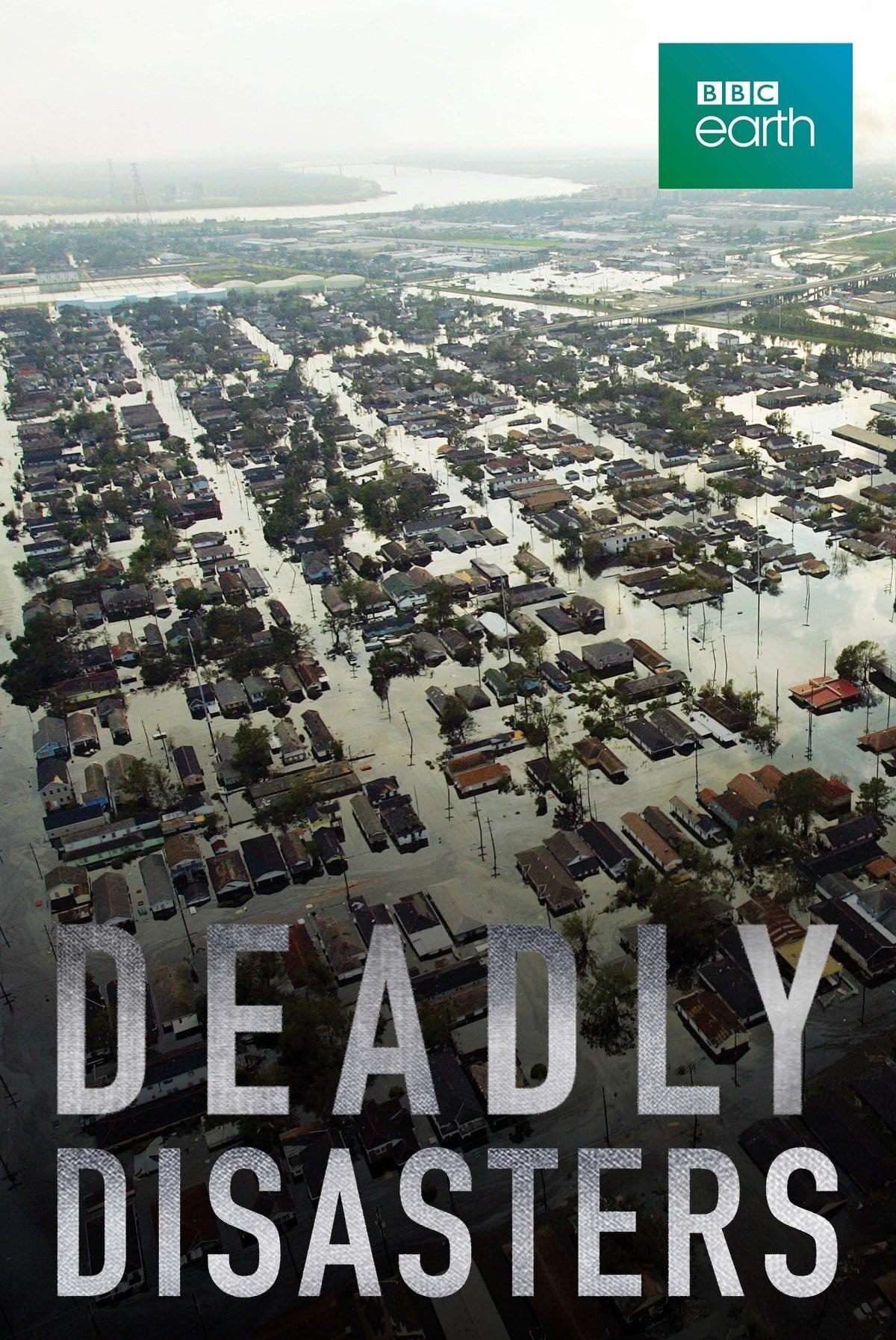
Deadly Disasters explores some of the most terrifying and destructive natural disasters to ever strike the planet, uncovering fascinating new details and packed with jaw-dropping footage.
From Pete, David and Leila - the creators of History Time, Voices of the Past and Something Incredible. From dust to dinosaurs; come with us as we explore the entire history of our planet. History of the Earth tells the entire story of the Earth, from its formation 4.5 billion years ago to today – covering eye-watering geology and bizarre biology along the way.
The series takes viewers on the ultimate retreat—transporting them to a vast array of colorful and calming corners of the world. Viewers travel to blue glaciers, arid deserts, lush rainforests and pulsating metropolises to escape from the cacophony of everyday life.
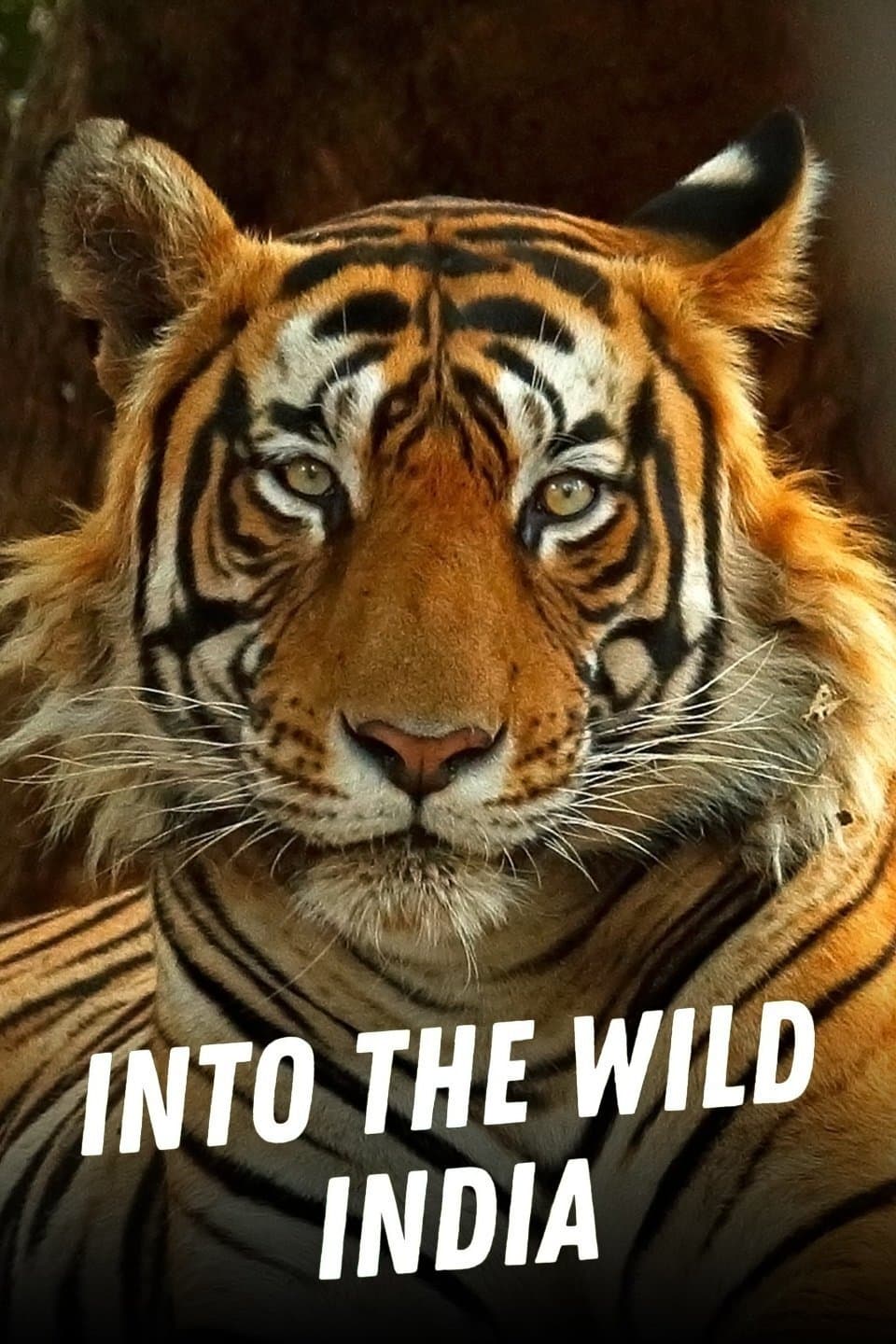
A journey through the magical wilderness of India, witnessing the day-to-day lives and challenges of some its most iconic species and the many other creatures with which they share their home.
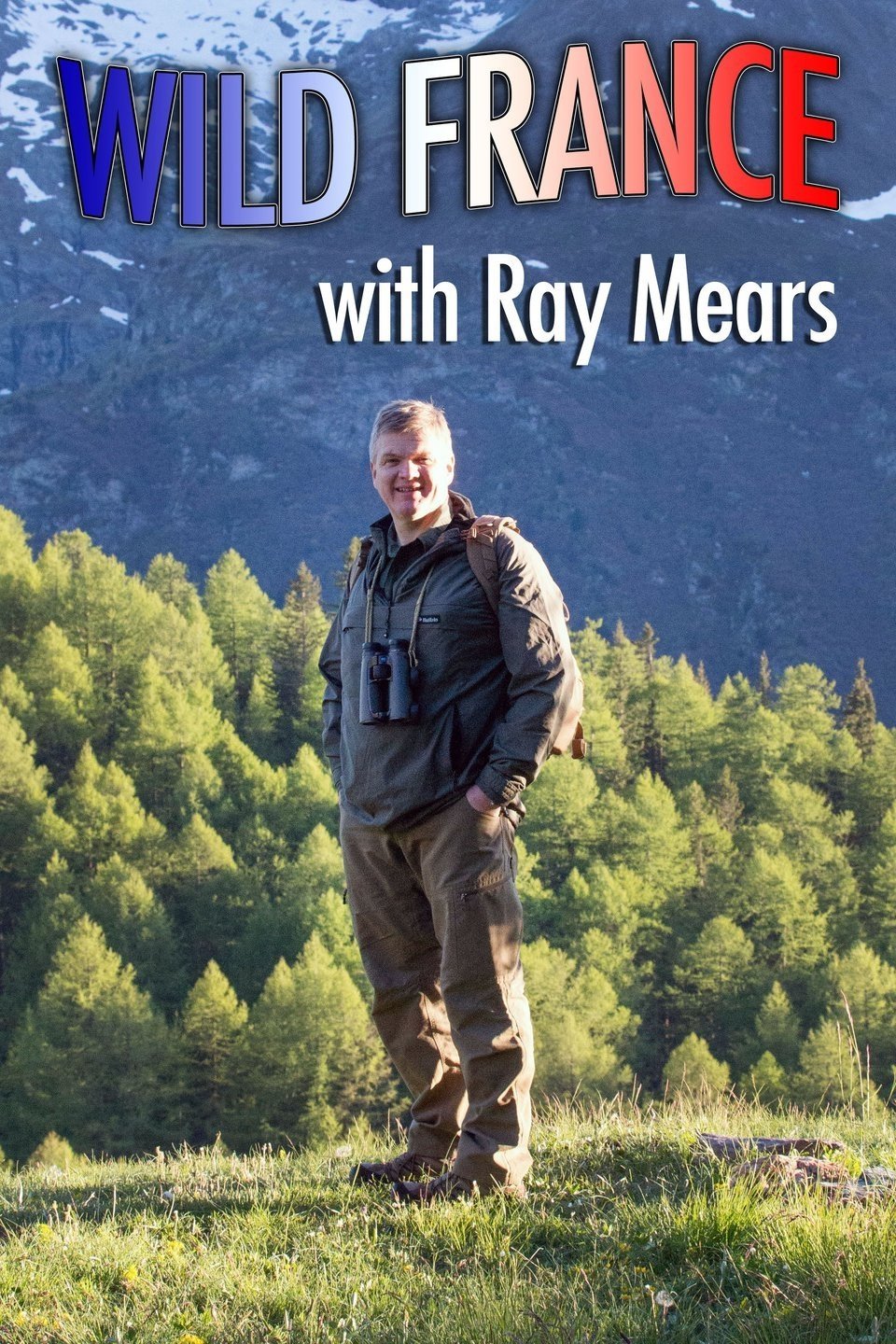
Ray Mears discovers the dramatic landscapes of France. Exploring the wildlife and plant life and delving into the secrets the landscape hold on his journey through mountains, coast, forests, rivers and wetlands.
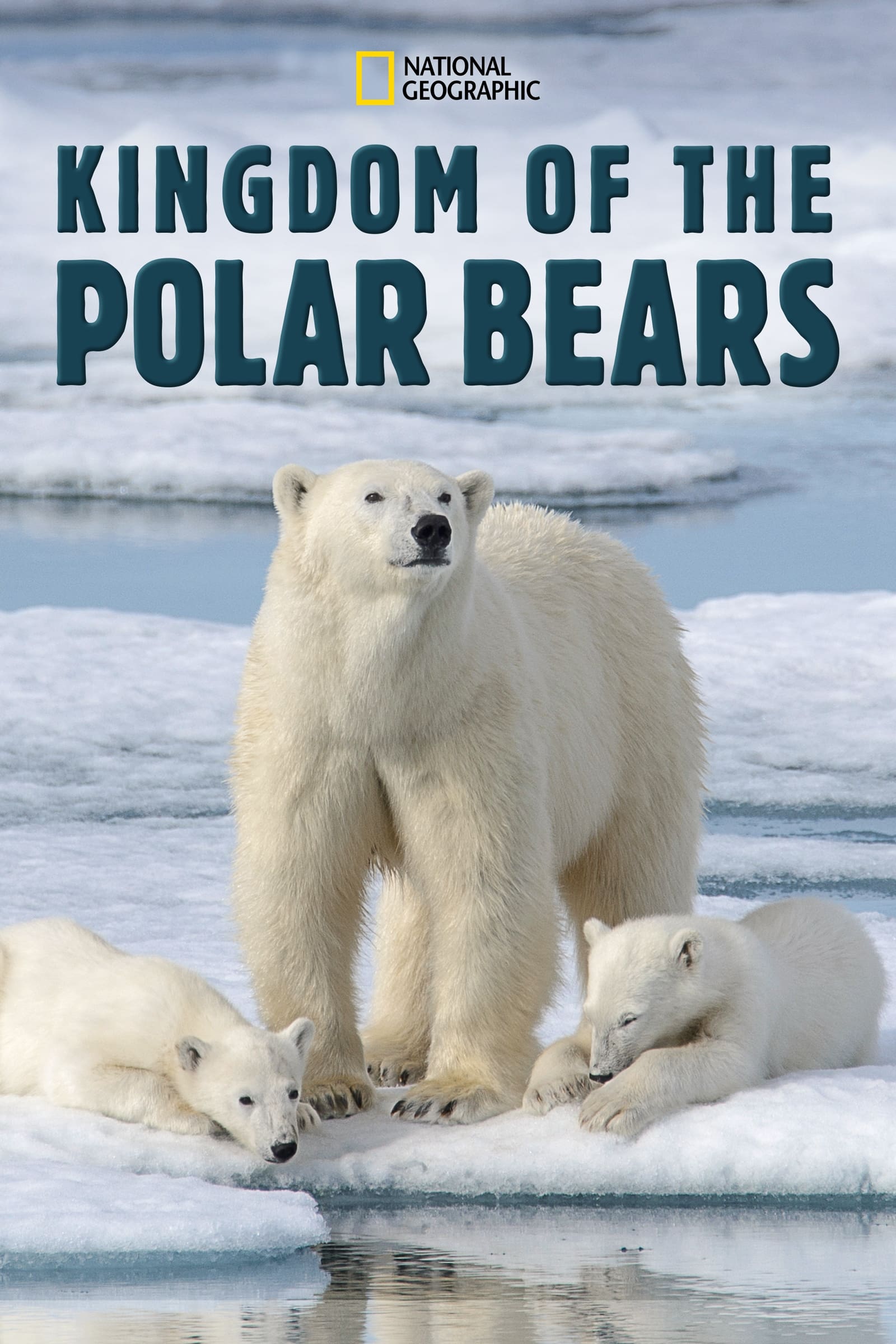
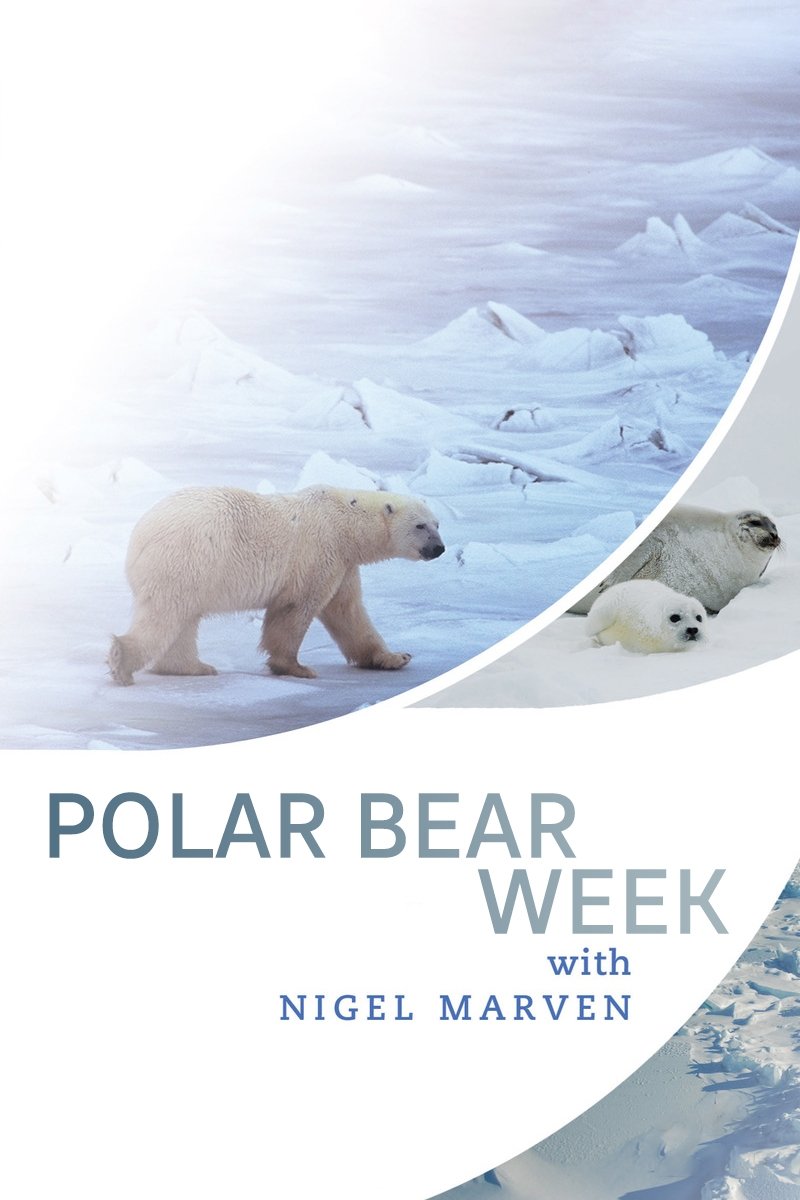
As the Arctic changes faster than ever, a team of polar bear guides prepares for an epic journey; a first-ever attempt to follow the bears on the sea ice of Hudson Bay. In this high-stakes high-reward venture, they will document the secret world of bears, a mysterious and disappearing realm that is the bears key to survival. Life on the ice is a critical time for these bears. It also remains undocumented, deemed too dangerous for humans to follow, hinted at only through aerial reconnaissance and satellite collar research. The team, armed with traditional ecological knowledge and the latest 4K camera technology, will witness never- before-seen seal hunting strategies and document rapid adaptations to climate change, including whale predation and open-water hunting.
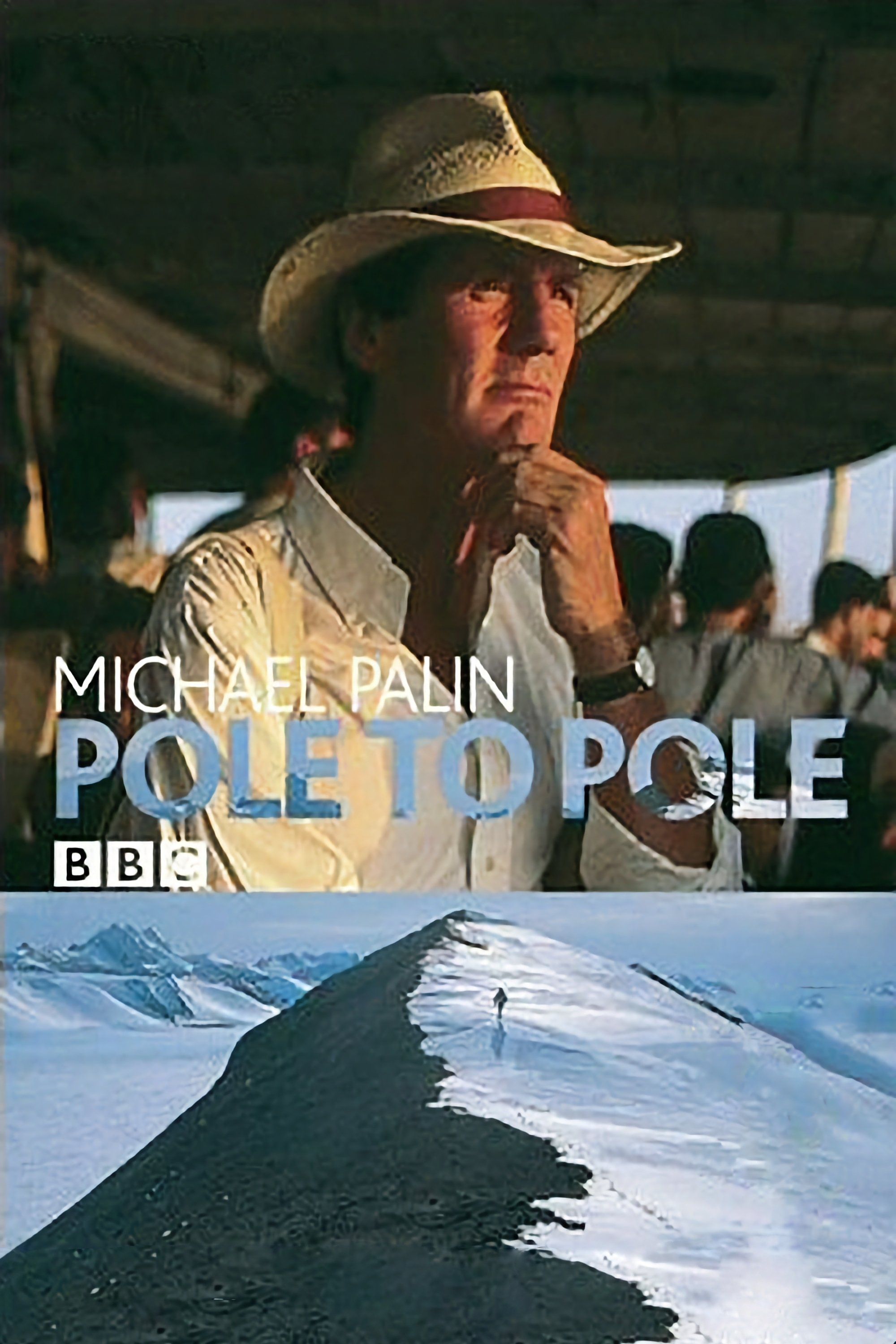
Michael Palin undertakes an epic journey of 23,000 miles, traveling from the North to the South Pole across 17 countries with a minimum of air travel, all on a tight deadline.
David Attenborough celebrates the amazing variety of the natural world in this epic documentary series, filmed over four years across 64 different countries.
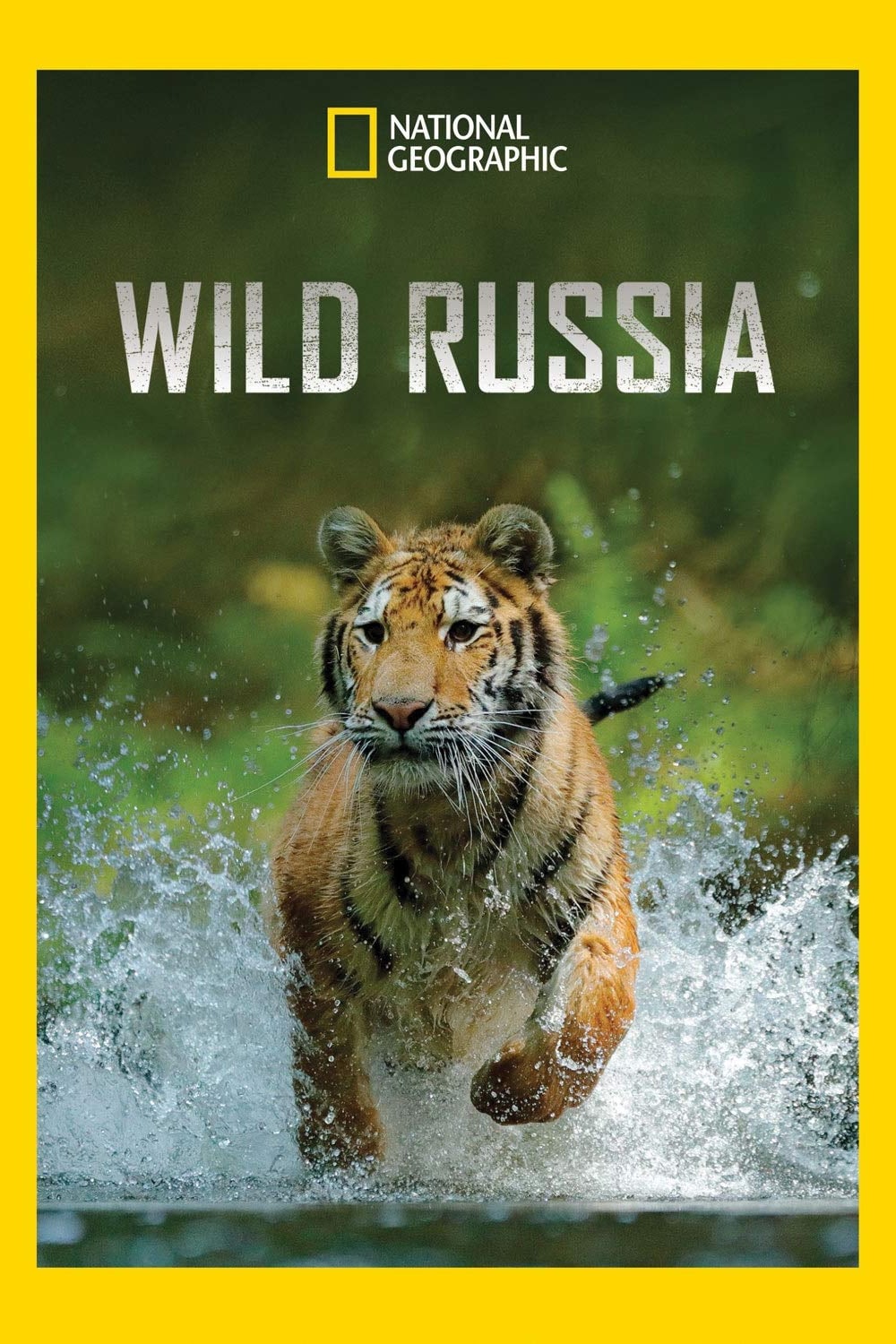
Through unprecedented access we showcase the spectacle that is Wild Russia. From east to west, via mountains, volcanoes, deserts, lakes and Arctic ice, this breathtaking six-part series uses stunning cinematography to chart the dazzling natural wonders of this vast country.
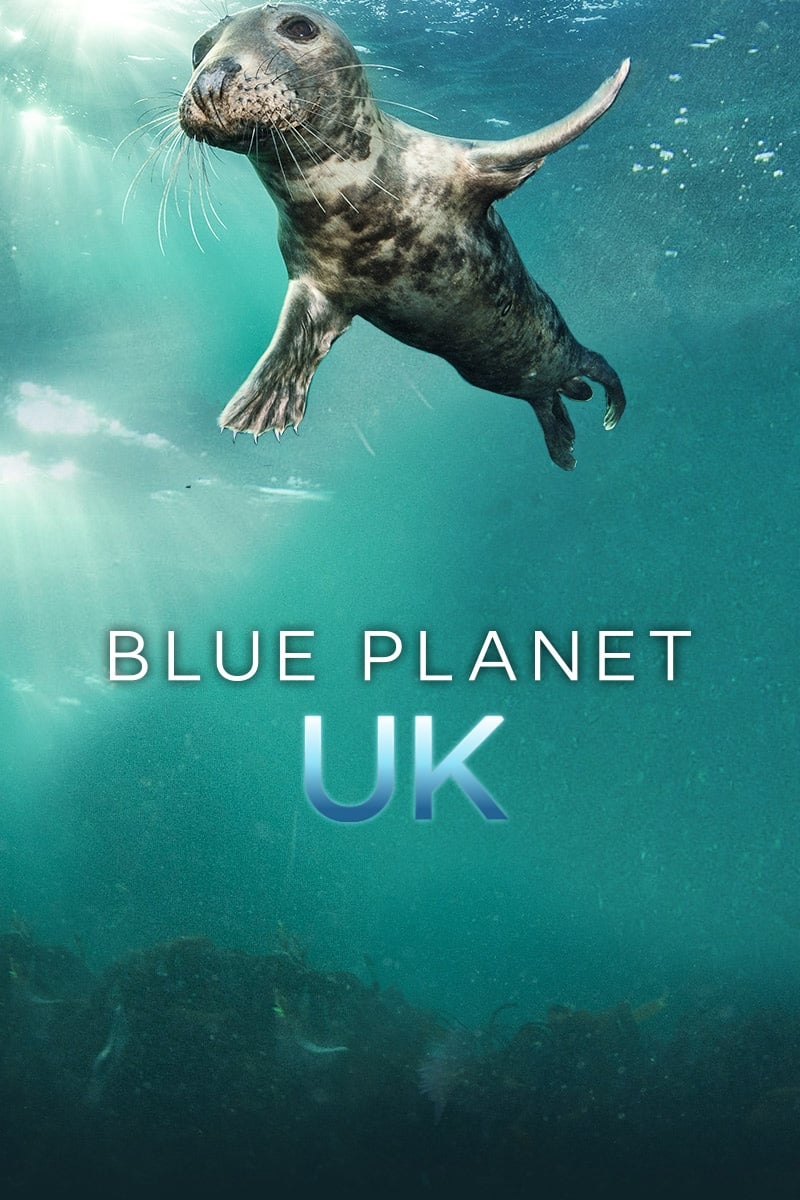
Celebrating marine life from all corners of the UK as we dive deep to explore the health of our oceans.
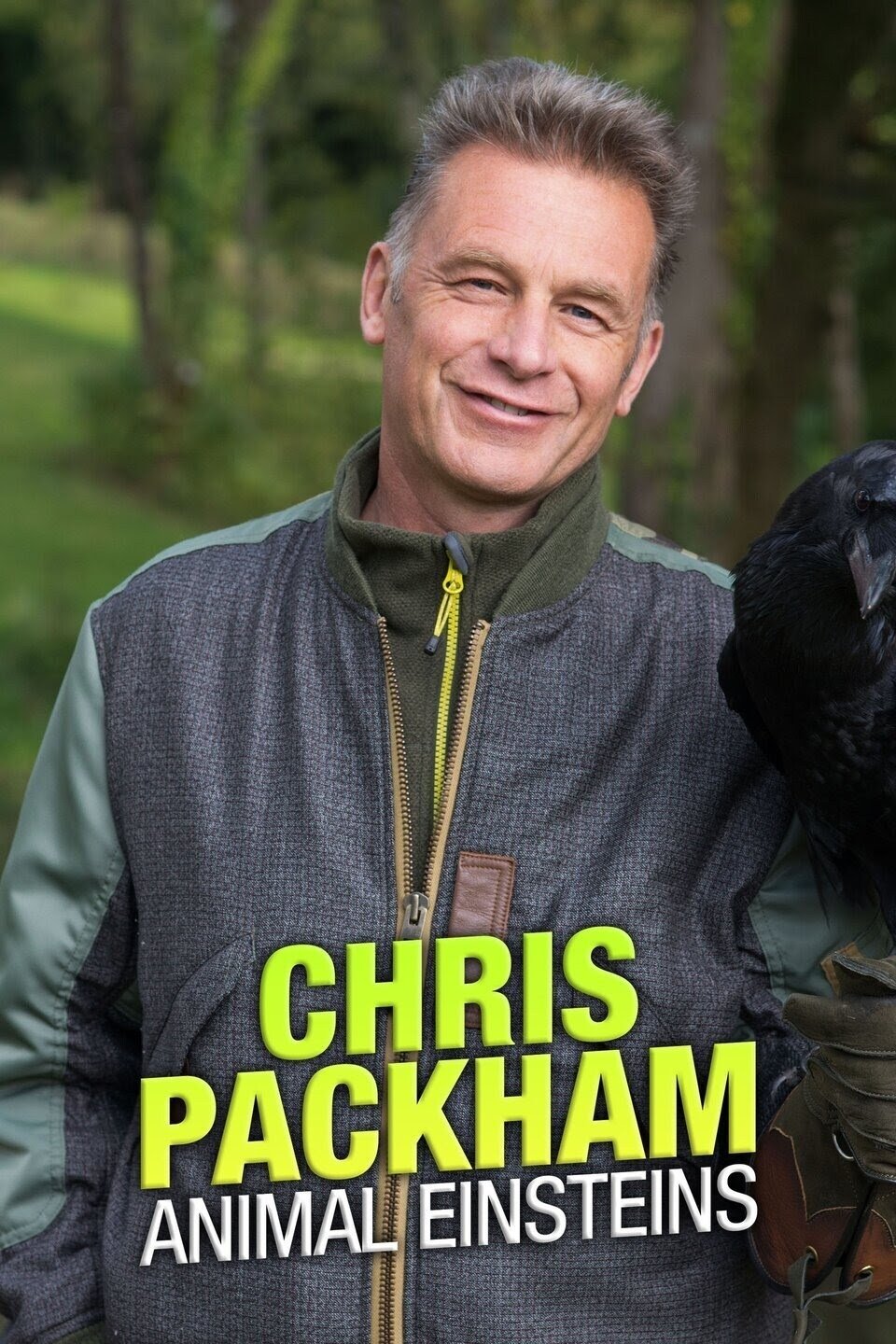
Chris Packham reveals the natural world’s surprising brainboxes and clever strategies.
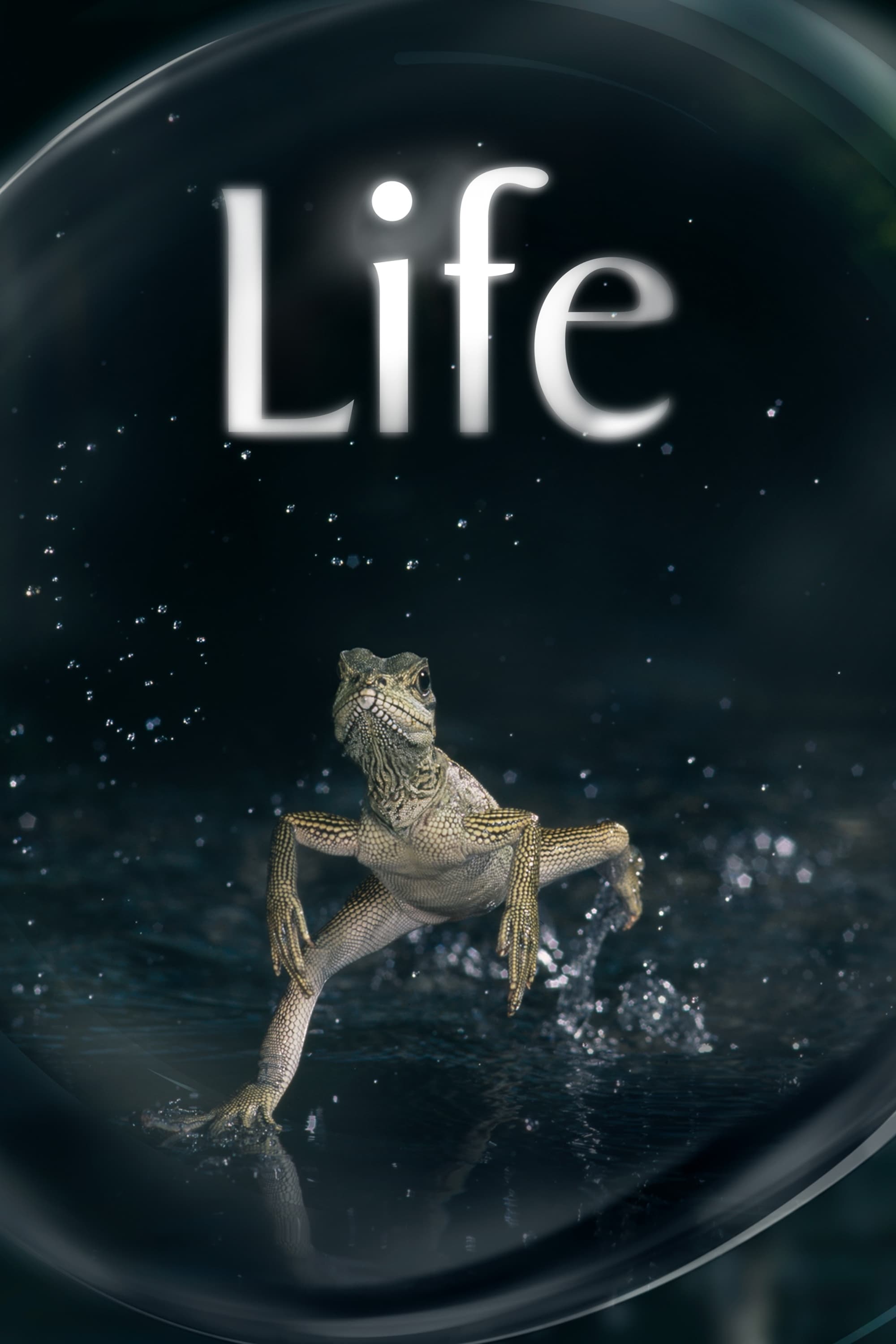
David Attenborough reveals the surprising truth about the cold-blooded lives of reptiles and amphibians. These animals are as dramatic, as colourful and as tender as any other animals.
Exploring the vital role colour plays in the daily lives of many species.
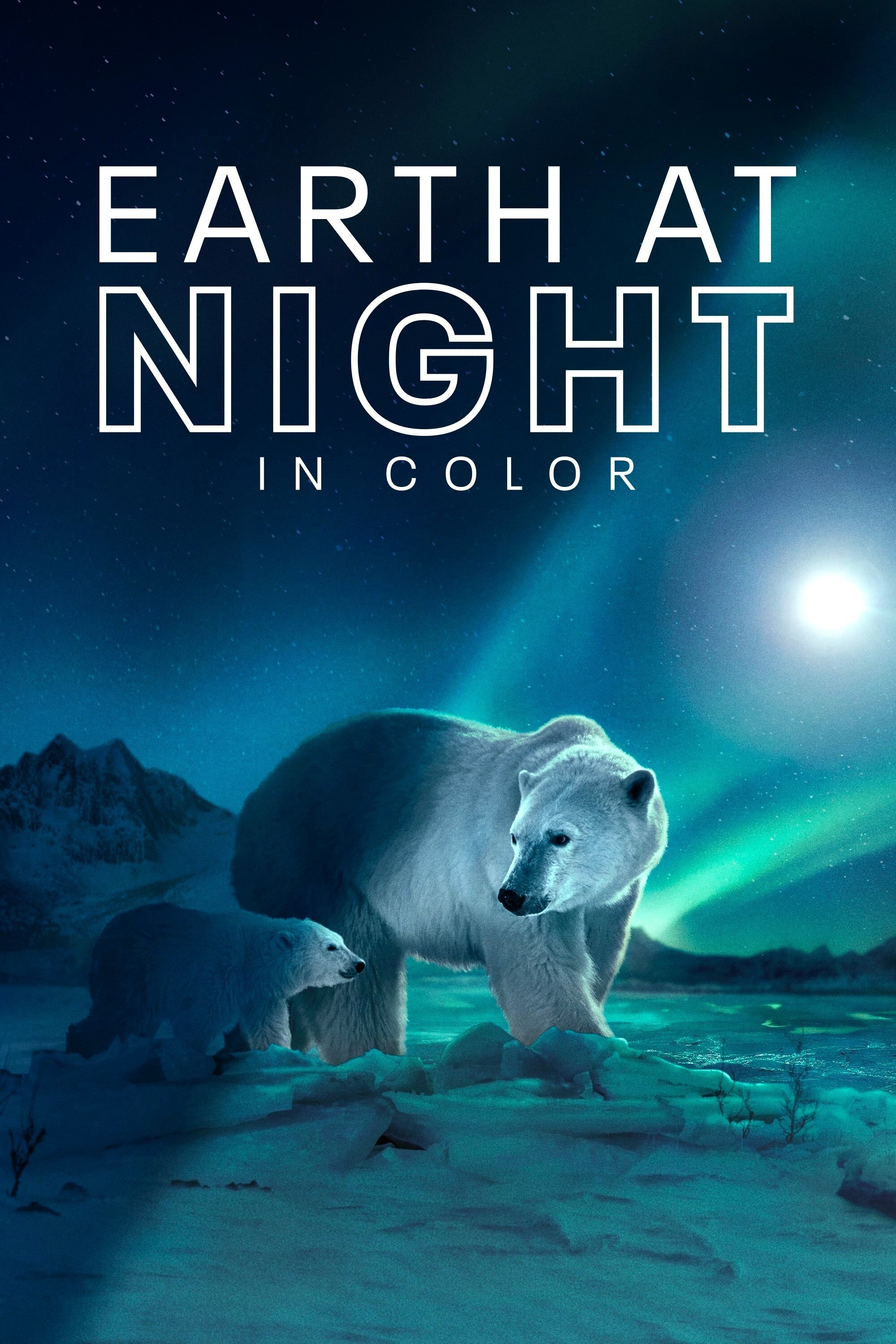
Filmed across six continents, this docuseries uses cutting-edge camera technology to capture animals' nocturnal lives, revealing new behaviours filmed in full color like never before.
Natural World is a nature documentary television series broadcast annually on BBC Two and regarded by the BBC as its flagship natural history brand. It is currently the longest-running series in its genre on British television, with more than 400 episodes broadcast since its inception in 1983. Natural World is produced by the BBC Natural History Unit in Bristol, but individual programmes can be in-house productions, collaborative productions with other broadcasters or films made and distributed by independent production companies and purchased by the BBC. Natural World programmes are often broadcast as PBS Nature episodes in the USA. Since 2008, most Natural World programmes have been shot and broadcast in high definition.
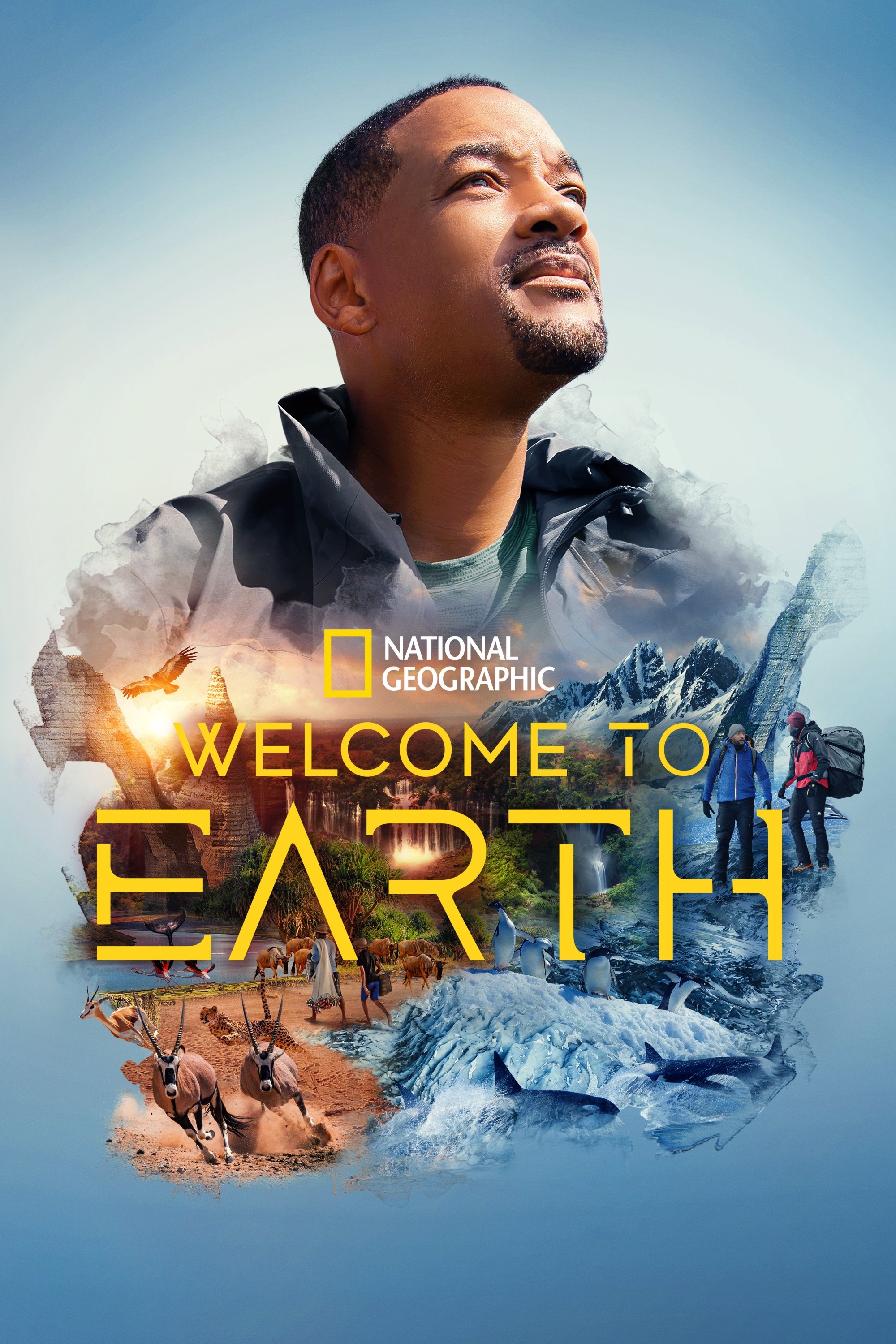
Will Smith whose curiosity and wonder is positively infectious—is guided by National Geographic Explorers traveling to different corners of the world to get up close and personal with the weirdest, most unusual, dangerous and thrilling spectacles of the planet.
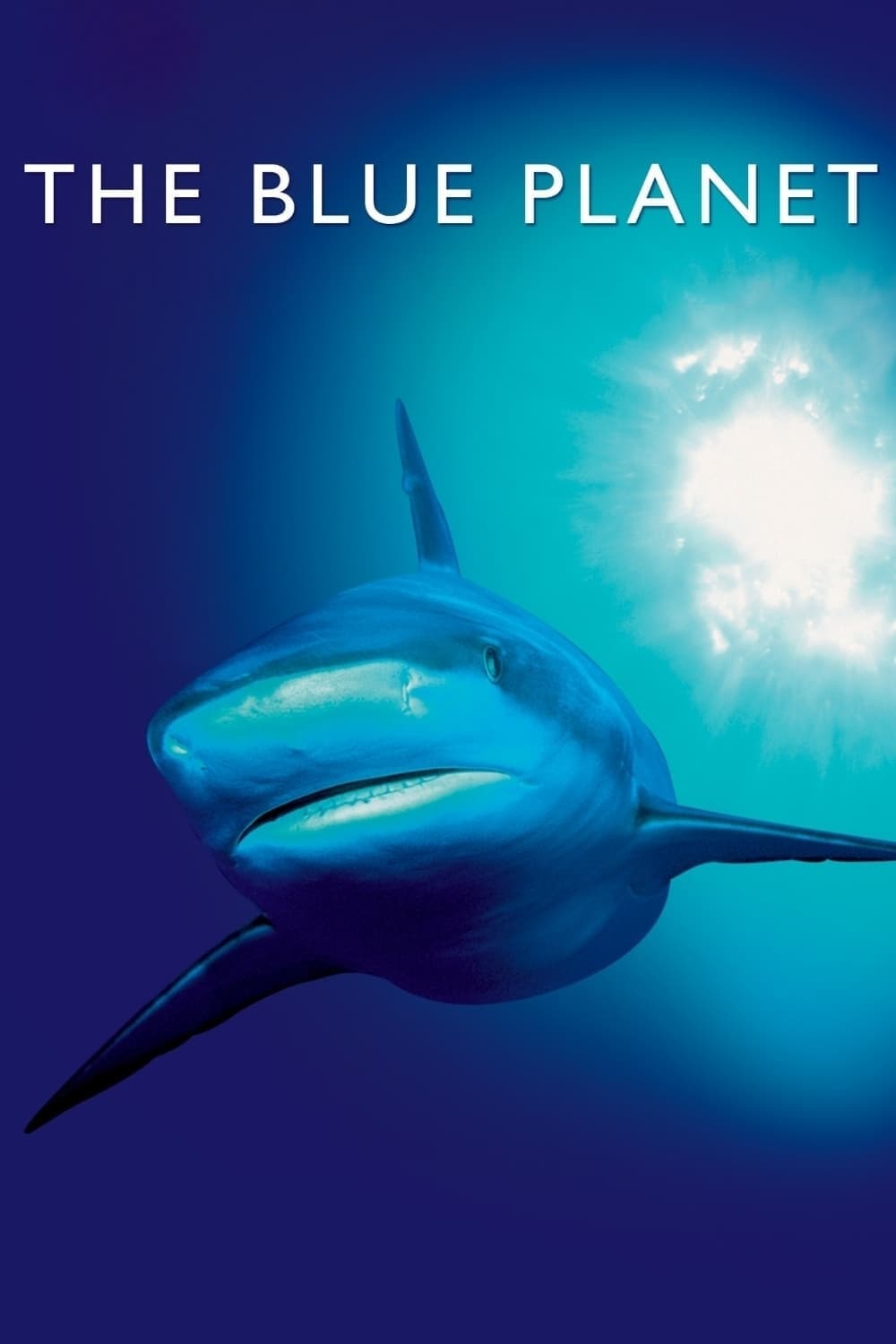
Sir David Attenborough narrates this critically acclaimed series that dives deep into the marine environment of Planet Earth. Although two-thirds of the world's surface is covered with water, scientists know less about the oceans than they do about the surface of the moon. This limited series travels from various coasts to the poles to examine watery denizens ranging from the gigantic blue whale to microscopic coral polyps.
Shot from land and air, in trees and cliff-blinds, on ice floes and underwater, this documentary tells the powerful stories of many of the planet's species and their movements, while revealing new scientific insights with breathtaking high-definition clarity and emotional impact. The beauty of these stories is underscored by a new focus into these species; fragile existence and their life-and-death quest for survival in an ever-changing world.
David Attenborough presents a documentary series exploring how animals meet the challenges of surviving in the most iconic habitats on earth.
Infographics and archival footage deliver bite-size history lessons on scientific breakthroughs, social movements and world-changing discoveries.
There is nowhere more powerful and unforgiving yet more beautiful and compelling than the ocean. Join us and explore the greatest yet least known parts of our planet.
This immersive series follows the world's most magnificent creatures, capturing never-before-seen moments from the heartwarming to the outrageous.
David Attenborough looks at the extraordinary ends to which animals and plants go in order to survive. Featuring epic spectacles, amazing TV firsts and examples of new wildlife behaviour.
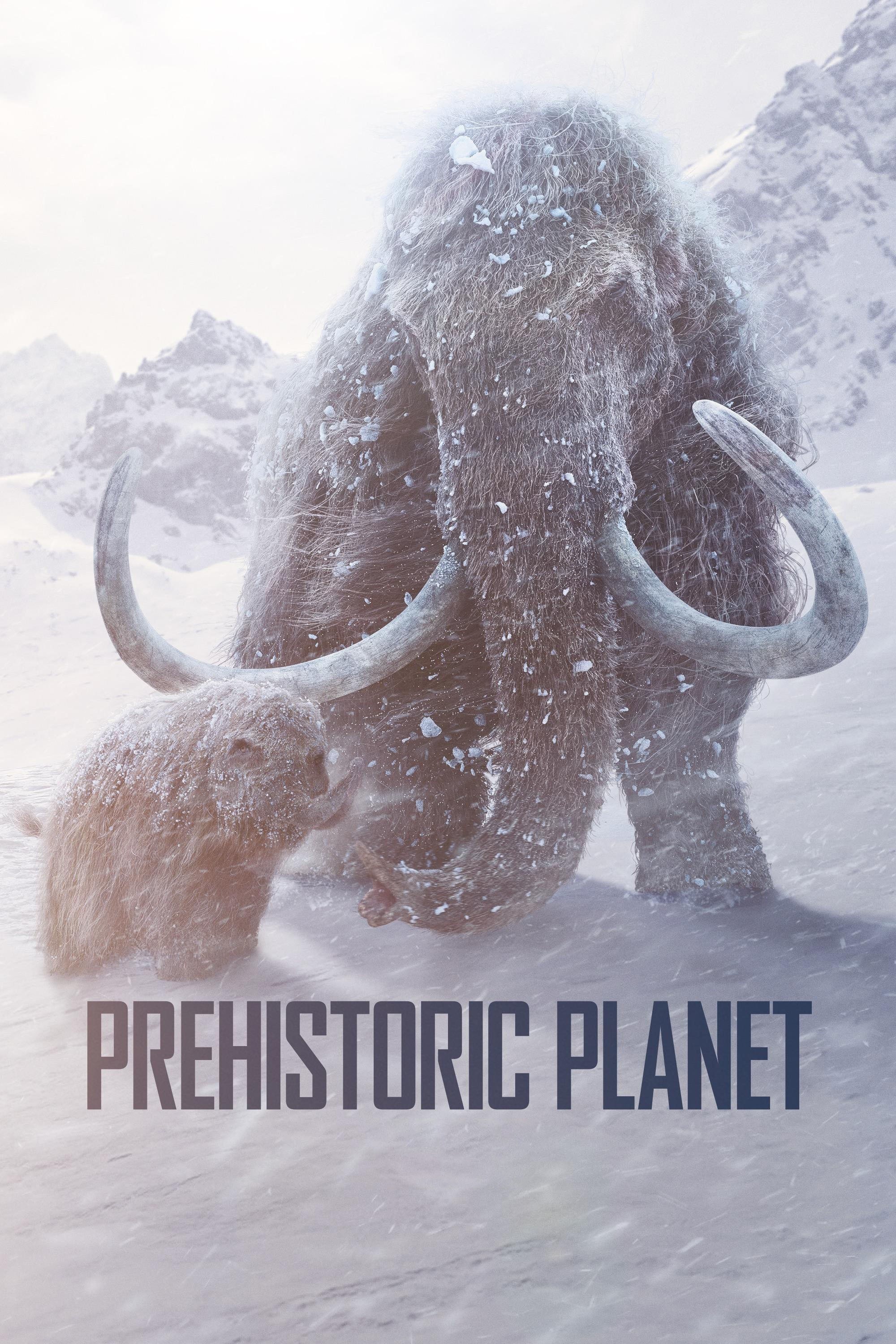
Experience the wonders of our world like never before in this epic series from Jon Favreau and the producers of Planet Earth. Travel back 66 million years to when majestic dinosaurs and extraordinary creatures roamed the lands, seas, and skies.
PBS' premier science series helps viewers of all ages explore the science behind the headlines. Along the way, NOVA demystifies science and technology, and highlights the people involved in scientific pursuits.
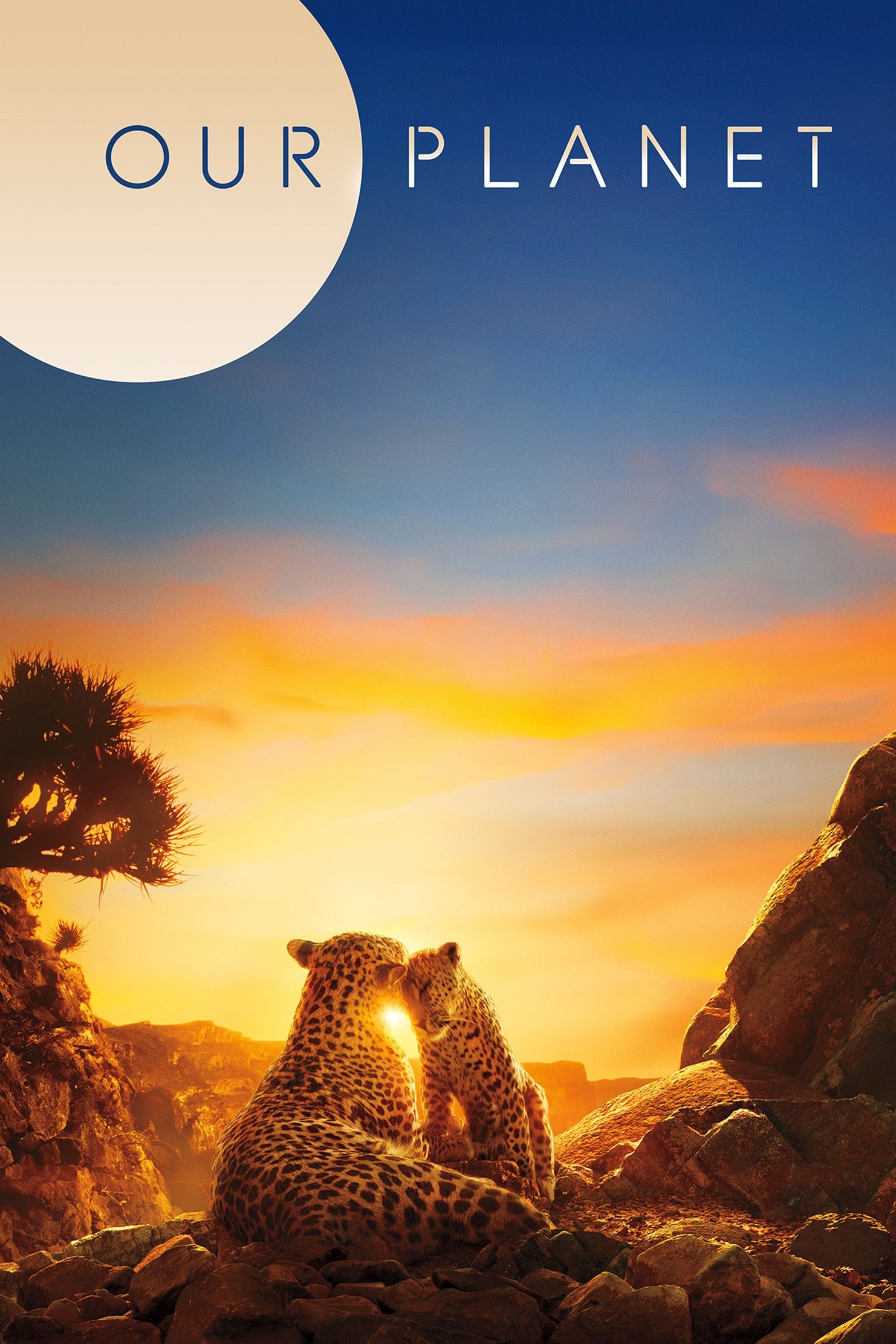
Experience our planet's natural beauty and examine how climate change impacts all living creatures in this ambitious documentary of spectacular scope.
Investigates a wide range of historically compelling topics and the mysteries surrounding each including the Titanic, D.B. Cooper, Roswell, John Wilkes Booth, and more. Fresh, new evidence and perspectives will be showcased, such as never-before-released documents, personal diaries and DNA evidence.
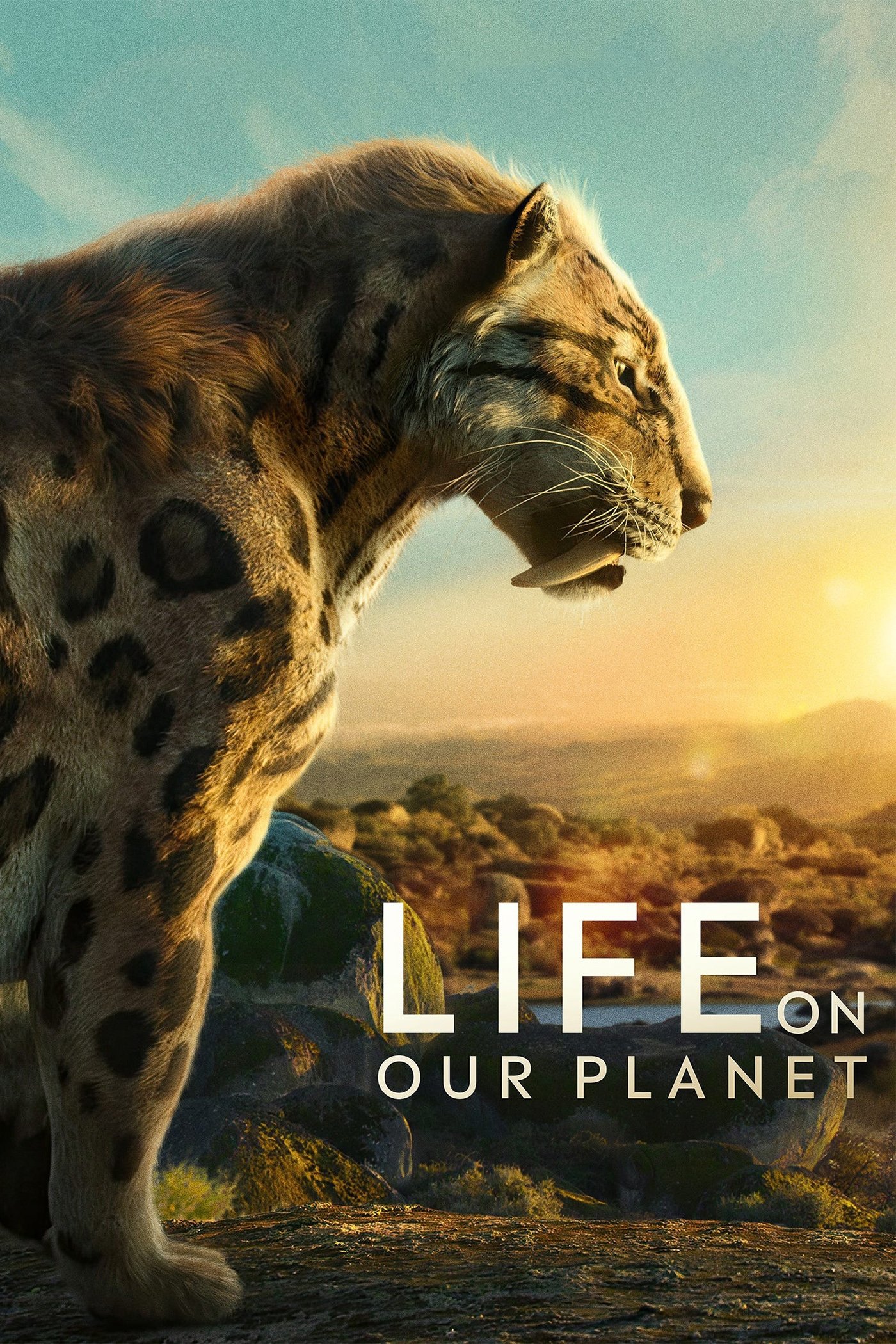
Life's extraordinary journey to conquer, adapt and survive on Earth across billions of years comes alive in this groundbreaking nature docuseries.
David Attenborough presents a nature documentary series looking at why mammals are the most successful creatures on the planet.
The documentary takes viewers through Janet Jackson's life and career, contain never-before-seen footage, and feature home videos from the legendary artist. Jackson discusses her controversial 2004 Super Bowl halftime show performance with Justin Timberlake, her father Joe Jackson, the death of her brother Michael Jackson, and more.
Witness the remarkable story of our universe over billions of years and its inextricable link to life on Earth in this sweeping documentary series.