Social & External
Andrew Marr's The Making of Modern Britain is a 2009 BBC documentary television series presented by Andrew Marr that covers the period of British history from the death of Queen Victoria to the end of the Second World War. It was a follow-up to his 2007 series Andrew Marr's History of Modern Britain.
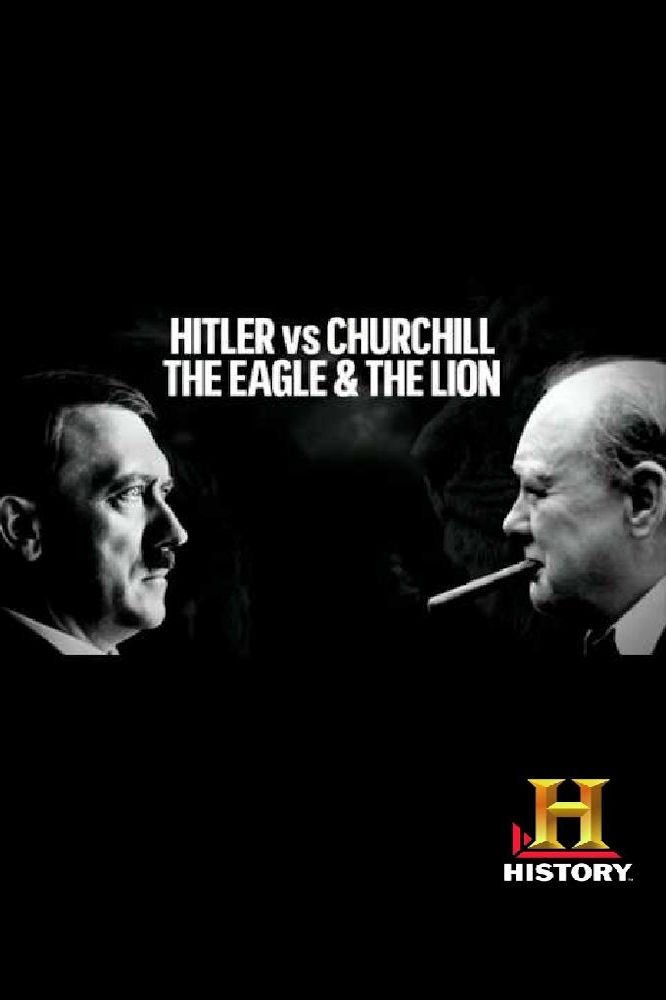
A documentary which explores the remarkable parallels between the careers of Adolf Hitler and Winston Churchill, as well as their personal rivalry and animosity.
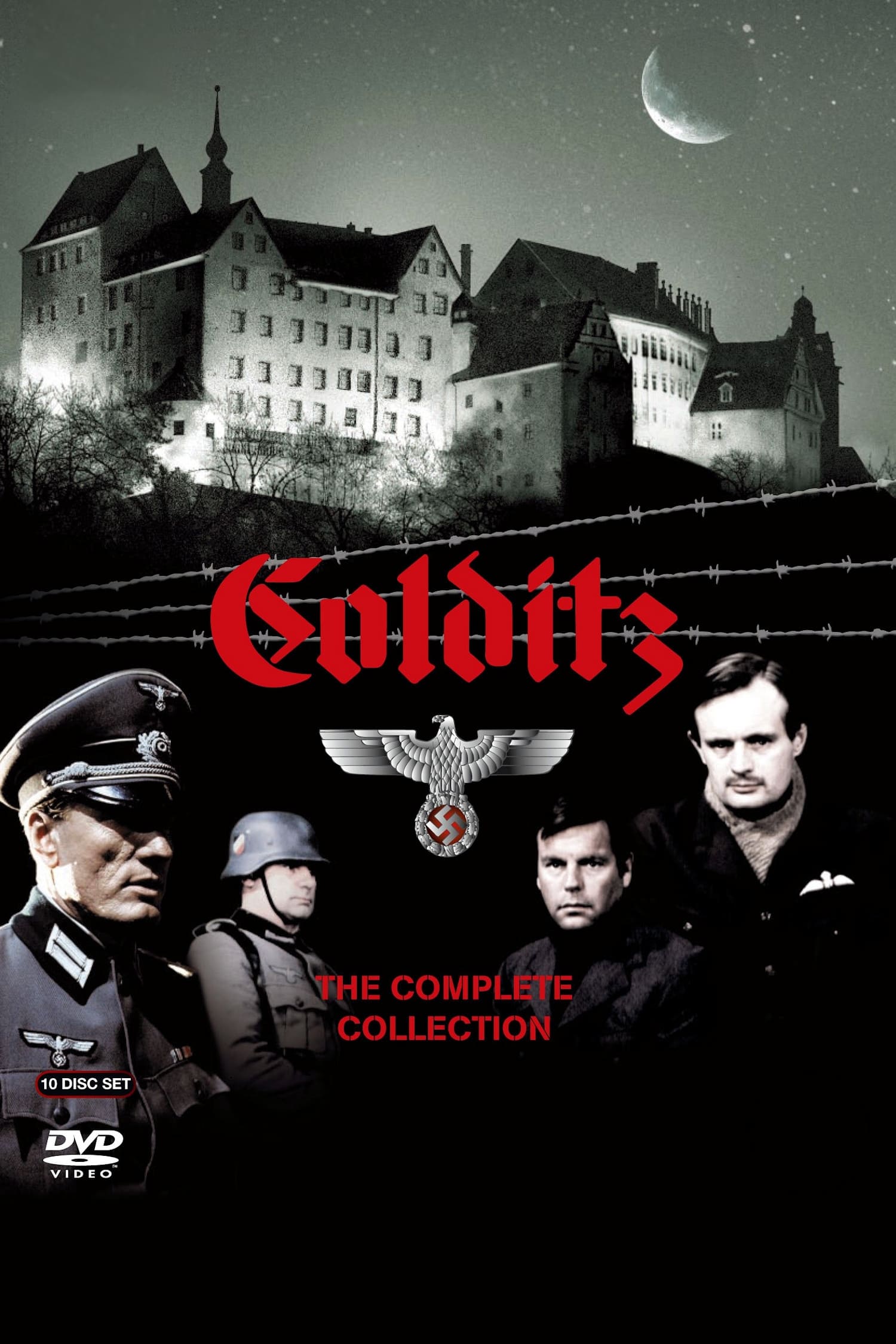
Colditz is a British television series co-produced by the BBC and Universal Studios and screened between 1972 and 1974. The series deals with Allied prisoners of war imprisoned at the supposedly escape-proof Colditz Castle when designated Oflag IV-C during World War II, and their many attempts to escape captivity, as well as the relationships formed between the various nationalities and their German captors.
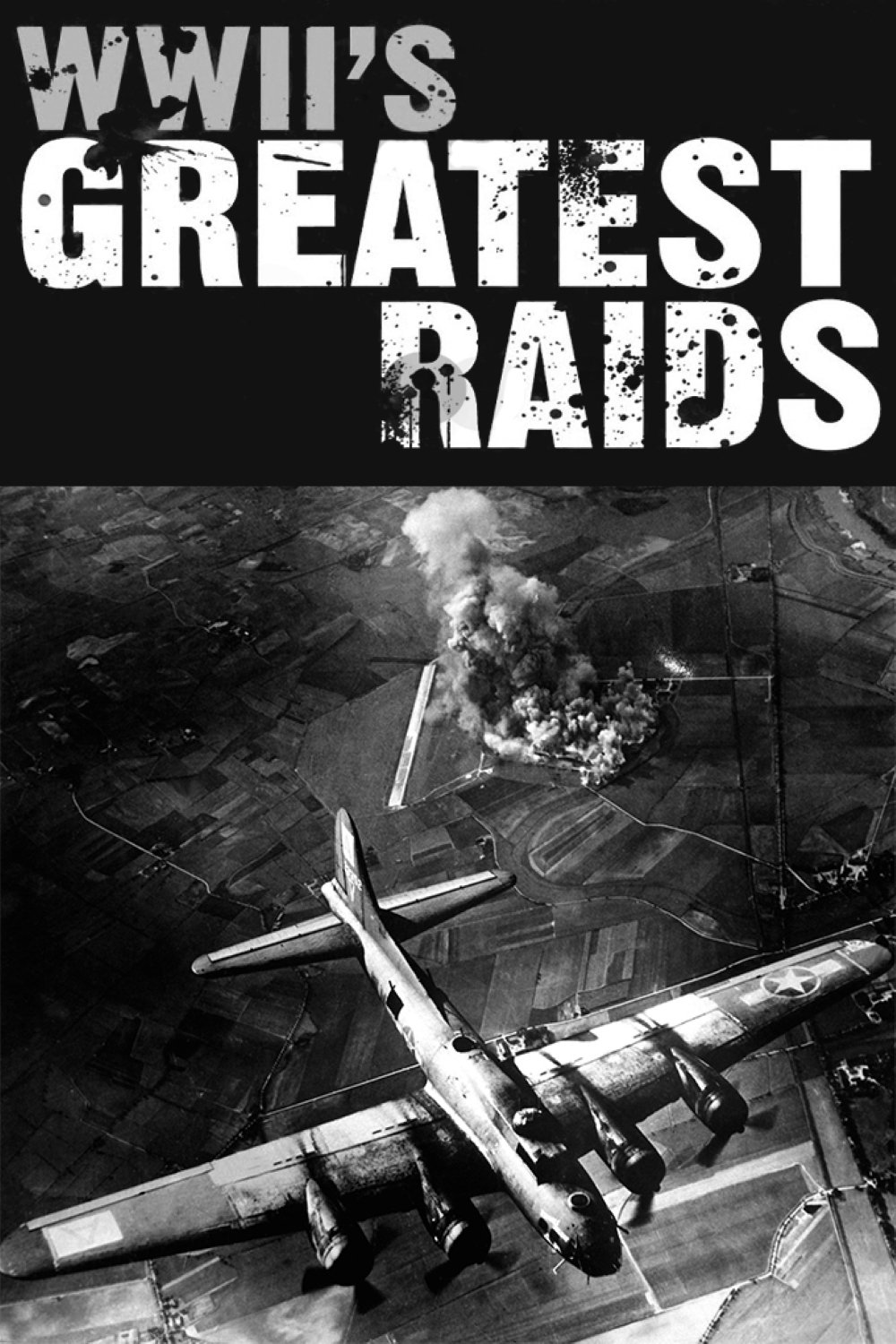
WWII’s Greatest Raids is a series that takes you into the heart of an elite band of soldiers in the heat of a key action in their history, and follows them on the mission to show just how these men put their unique combination of skills, training and equipment to the test of combat. We’ll explore just how celebrated outfits such as the U.S. Army Rangers, the British Special Air Service and the Black Devil Brigade have changed the course of a battle, or perhaps even a war, through their courage, daring and commitment.
The misadventures of hapless cafe owner René Artois and his escapades with the Resistance in occupied France.
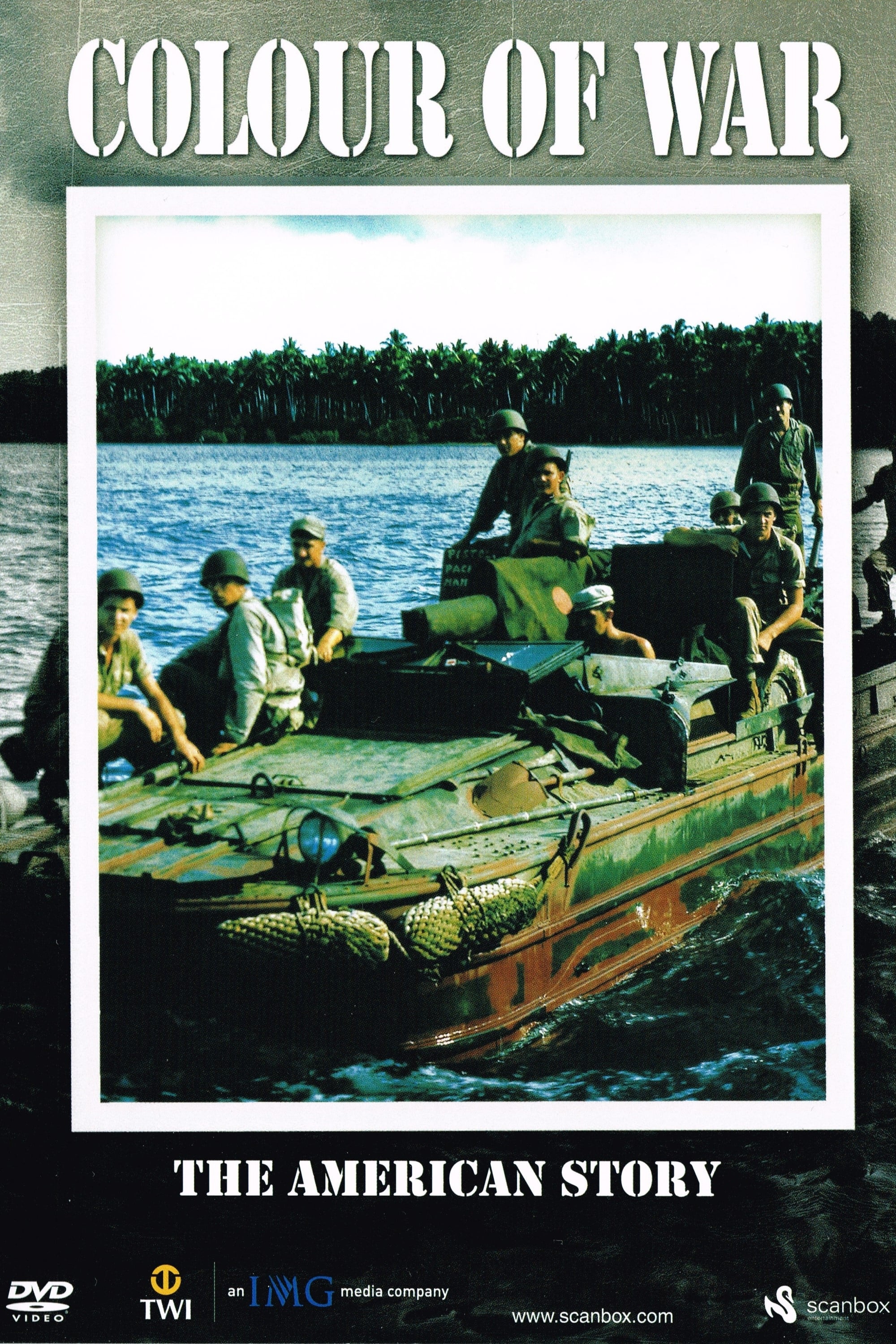
This four-hour series narrated by Martin Sheen captures America's wartime experience through original color film footage and compelling passages from diaries and letters. Rare color footage-much of it never before publicly screened-presents a vivid and intimate portrait of life on the battlefield and on the U.S. home front.
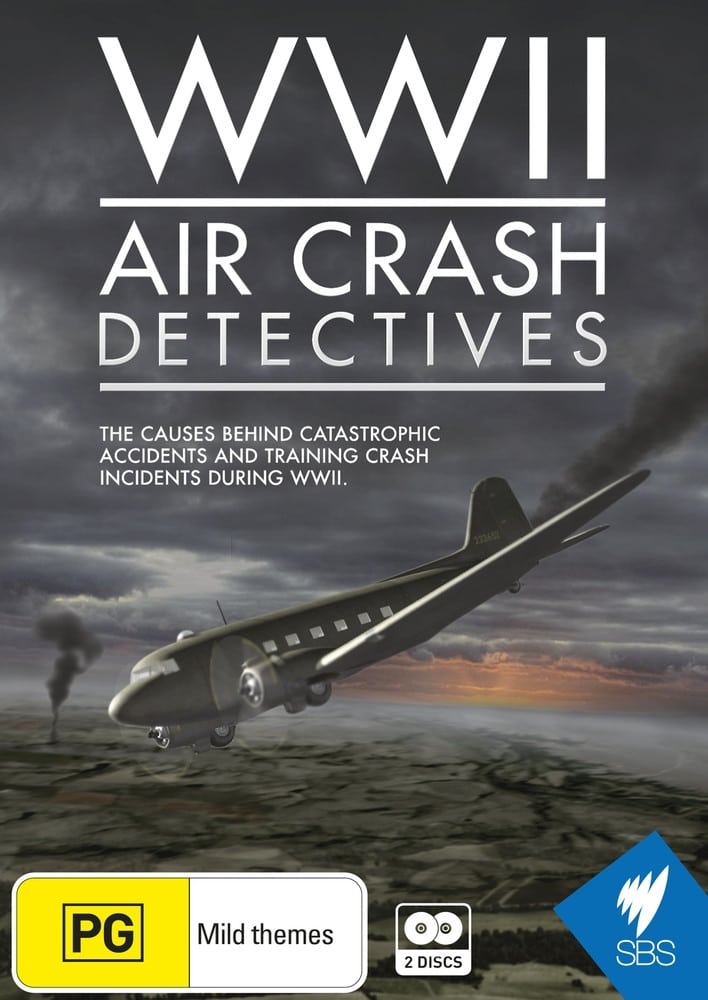
Garth Barnard has a lifelong passion and unshakeable resolve to investigate how thousands of young Airmen from the Second World War died in catastrophic air accidents and training crashes.
The decline of Hitler’s empire from the inside out by exploring the decline of the Nazis through the perspective of Hitler's bumbling generals and a paranoid Fuhrer.
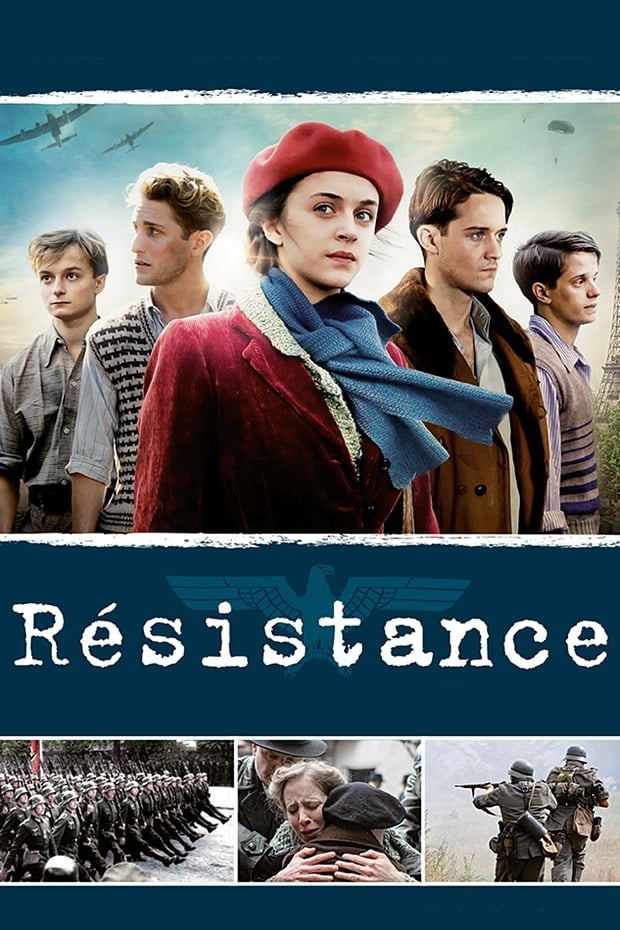
In occupied France, 17-year-old Lili encounters war before love, and joins the Resistance. Through the interconnecting destinies of its teenage heroes, Resistance tells the story of young people going to any lengths to defend their country.
"Löwengrube – Die Grandauers und ihre Zeit" is a German television series first aired between 1989 and 1992, created by Willy Purucker and directed by Rainer Wolffhardt. It is set in Munich and follows the lives of Ludwig Grandauer and his son Karl, both policemen, covering the years from 1897 to 1954. The TV show is based on Purucker's radio play series Die Grandauers und ihre Zeit (‘The Grandauers and their time’). The series’ main title "Löwengrube", meaning ‘Lions’ Den’, refers to the address of the Munich Police Headquarters inaugurated in 1913.
Two women embark on a harrowing journey to discover the fate and final resting place of loved ones snatched by the Nazis.
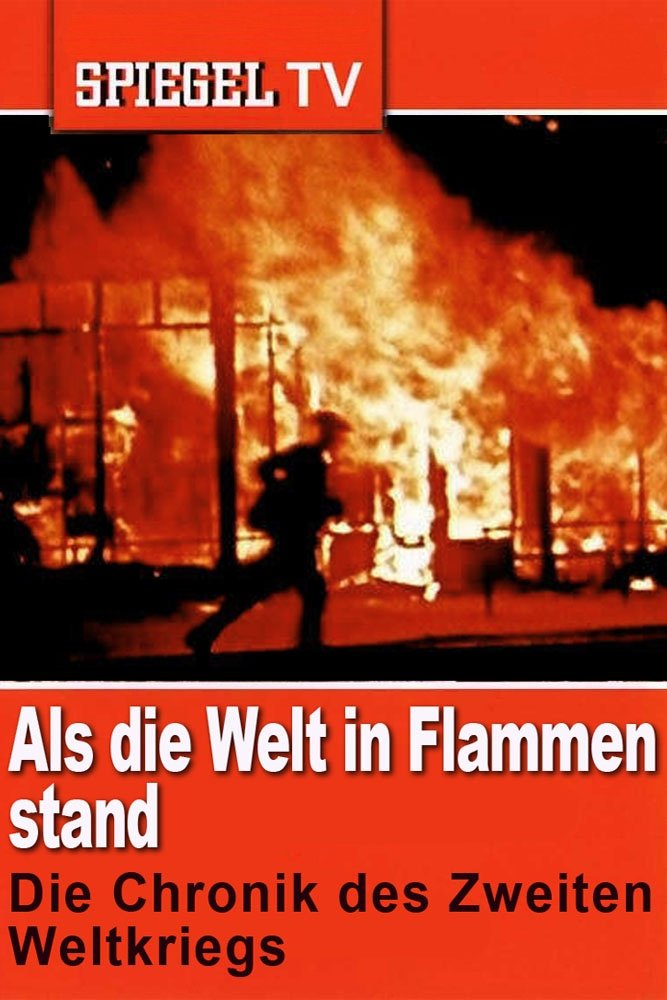
The Second World War began on September 1, 1939, with the invasion of Poland and ended on May 8, 1945, as a global catastrophe with over 50 million deaths and devastated cities. Hitler’s expansion plans and Japan’s imperial ambitions led to bloody battles such as Stalingrad and Iwo Jima, the bombing of German cities, and the atomic bombings of Hiroshima and Nagasaki. SPIEGEL-TV author Michael Kloft recounts the war’s chronology and presents rare, partly unpublished footage from both the front lines and the home front, beyond propaganda. He is supported by experts Antony Beevor, Jörg Friedrich, and Rolf-Dieter Müller, who provide insights into military strategies and personal stories. Together, they create a comprehensive portrait of the Second World War.
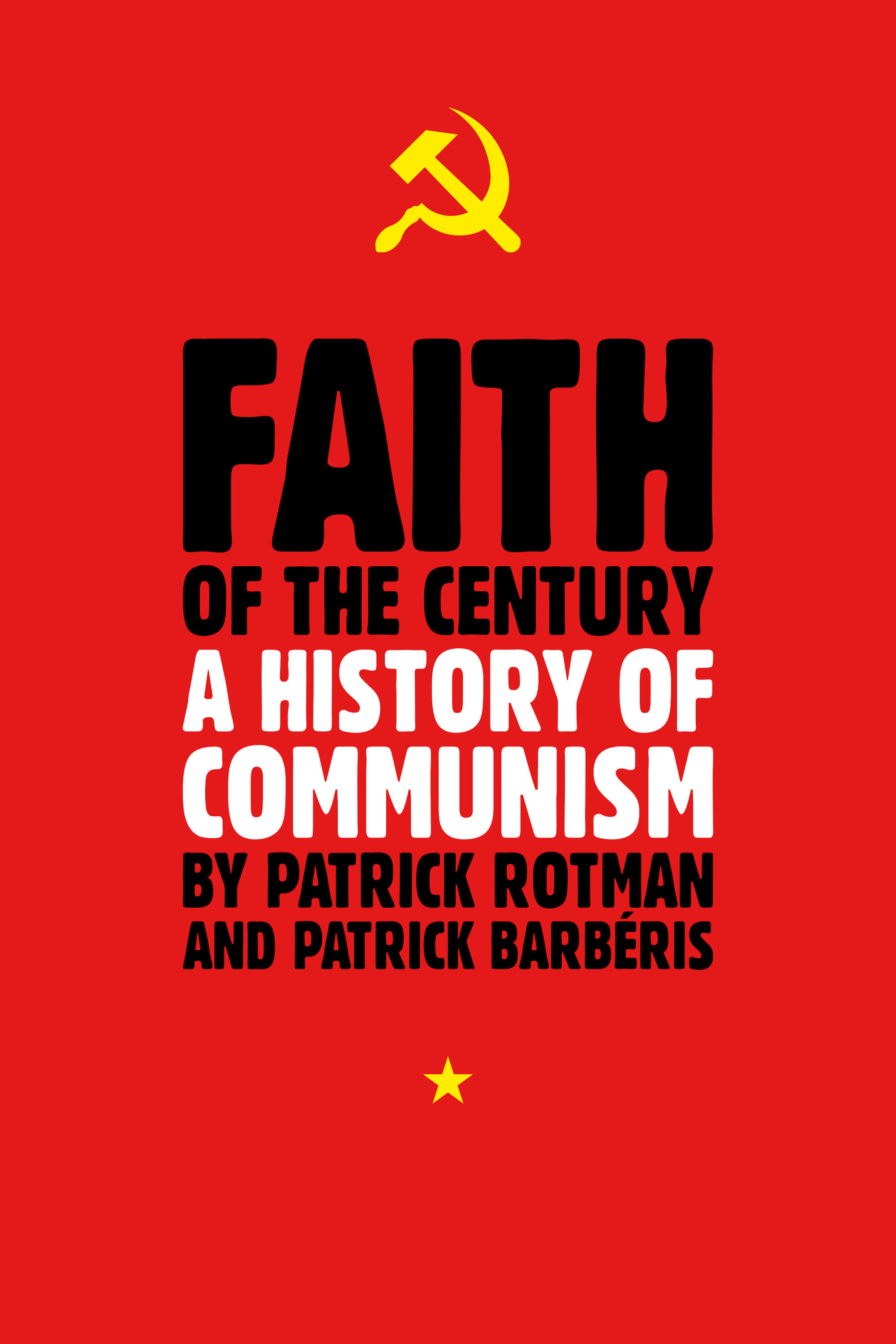
Communism spread to all of the continents of the word, lasting through four generations and over seven decades. Hundreds of millions of men and women were affected by this political system, one of the most unjust and bloodiest in history. Using newly discovered propaganda films and archival photos, these four episodes explore the mysteries of this totalitarian political machine that lured its share of important followers into the fold. Known as the red church, communism seduced its ardent followers like some earthly religion.
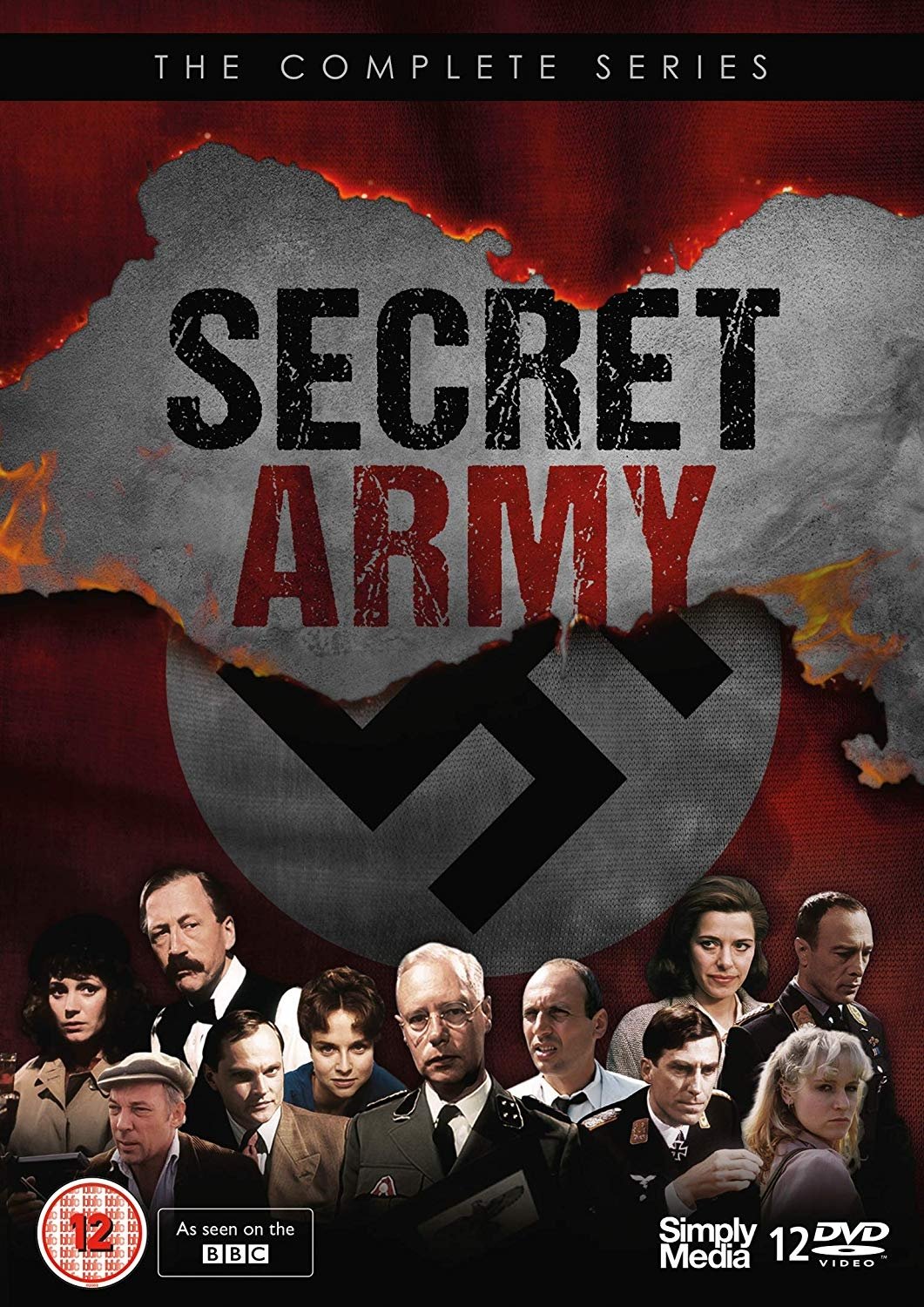
World War II drama about covert organisation Lifeline helping allied airmen escape after being shot down in occupied Europe, working with the Resistance and hiding from the Gestapo.
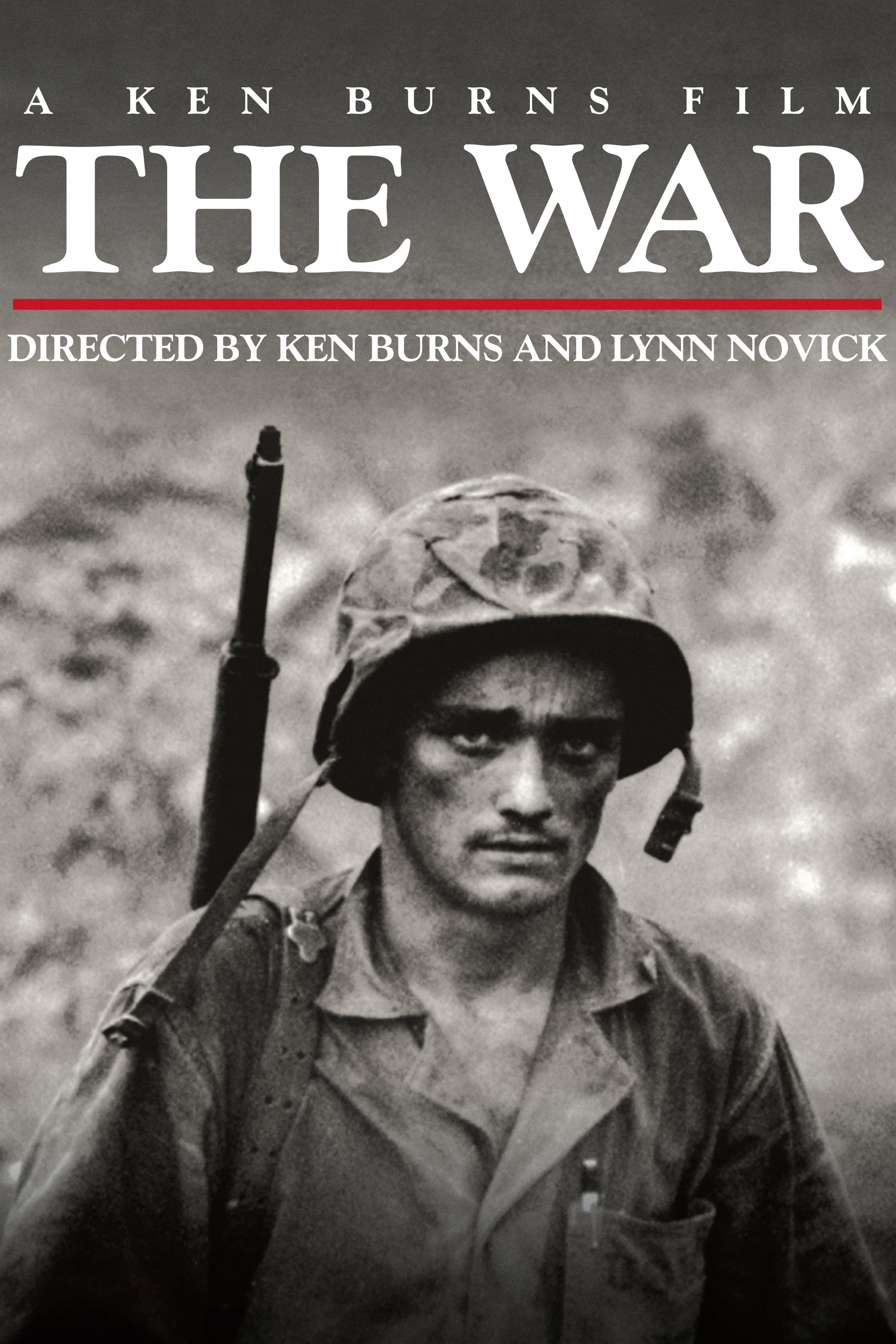
The story of the Second World War through the personal accounts of a handful of men and women from four American towns. The war touched the lives of every family on every street in every town in America and demonstrated that in extraordinary times, there are no ordinary lives.
Based on real-life experiences, Tenko remains one of the most fondly remembered and acclaimed BBC dramas of the early 1980s. It follows a group of women, formerly comfortably well-off ex-pats living in Singapore, as they are captured by the Japanese during World War II.
The SS was the Nazi state’s instrument of domination and oppression, responsible for the intelligence services and the police. The SS committed a horrific range of atrocities, including the Holocaust, the persecution of political opponents, and brutal war crimes. Millions of people were victims of the Schutzstaffel, and many of the perpetrators were unrepentant to the end. This six-part documentary provides a comprehensive overview of the SS, describing how a small group of thugs rose to become the most feared organ in the Nazi state. With the help of international experts, the film examines common myths about the organisation. Interviews with eyewitnesses and unapologetic perpetrators take us closer to the psyche of the SS supporters in an attempt to make the inconceivable comprehensible.
A documentary series that gives a historical account of the events of World War II, from its roots in the 1920s to the aftermath and the lives it profoundly influenced.