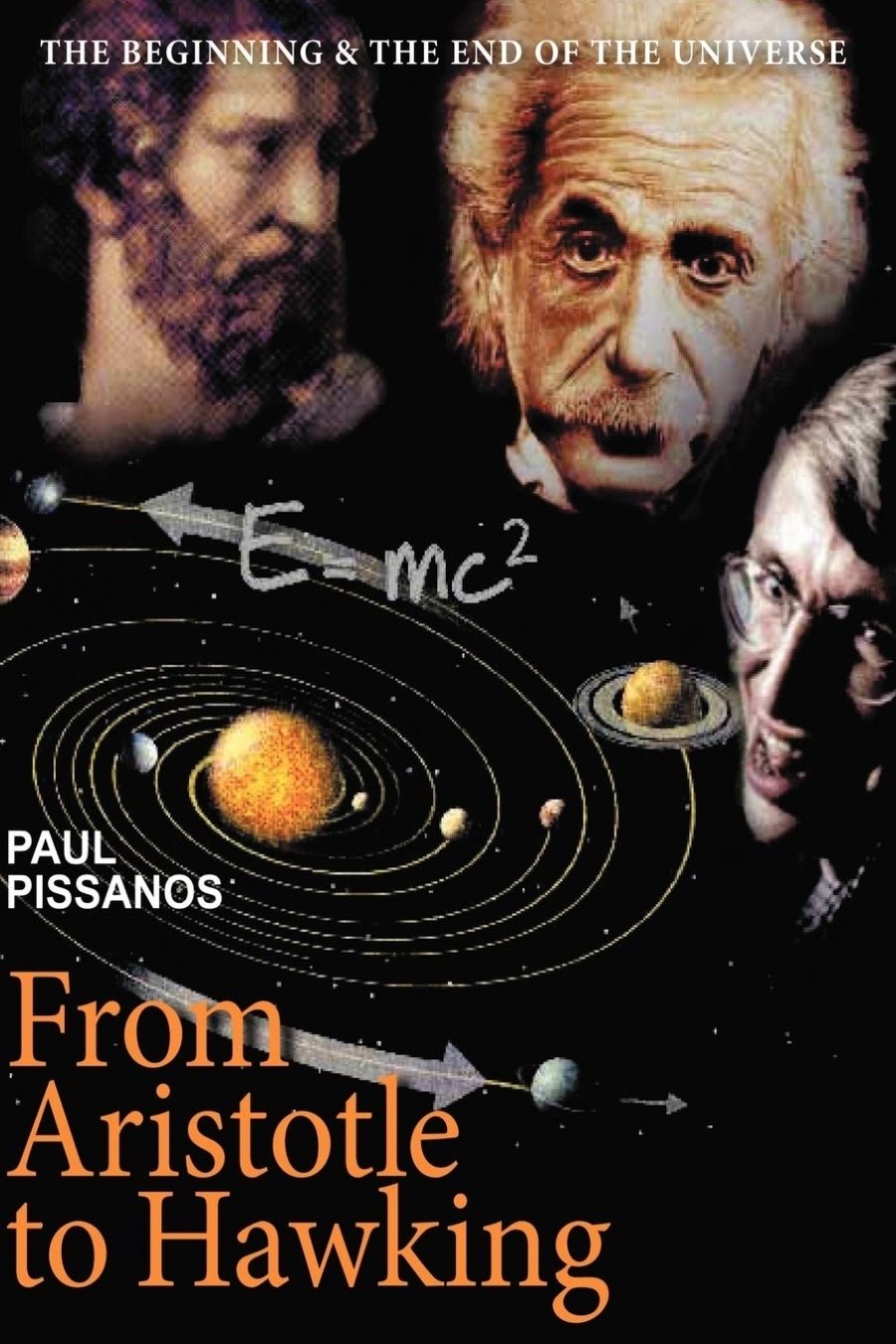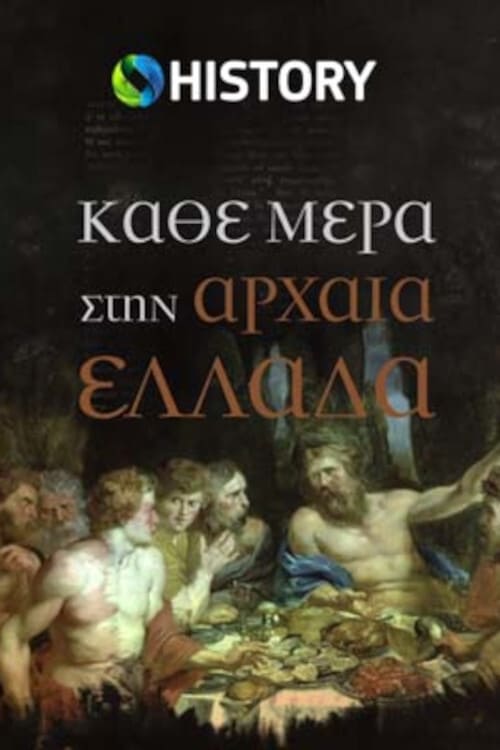
How was everyday life in Ancient Greece? Did it have anything in common with our lives today? With the help of specialized scientists and a rich audiovisual material, a journey back in time begins!
Social & External
Join Dave Stotts on an adventure through world history as he tells the stories of the people, places, and events that shaped the ancient world, and how those ancient civilizations and the Christian faith shaped Western Civilization and the world we live in today.
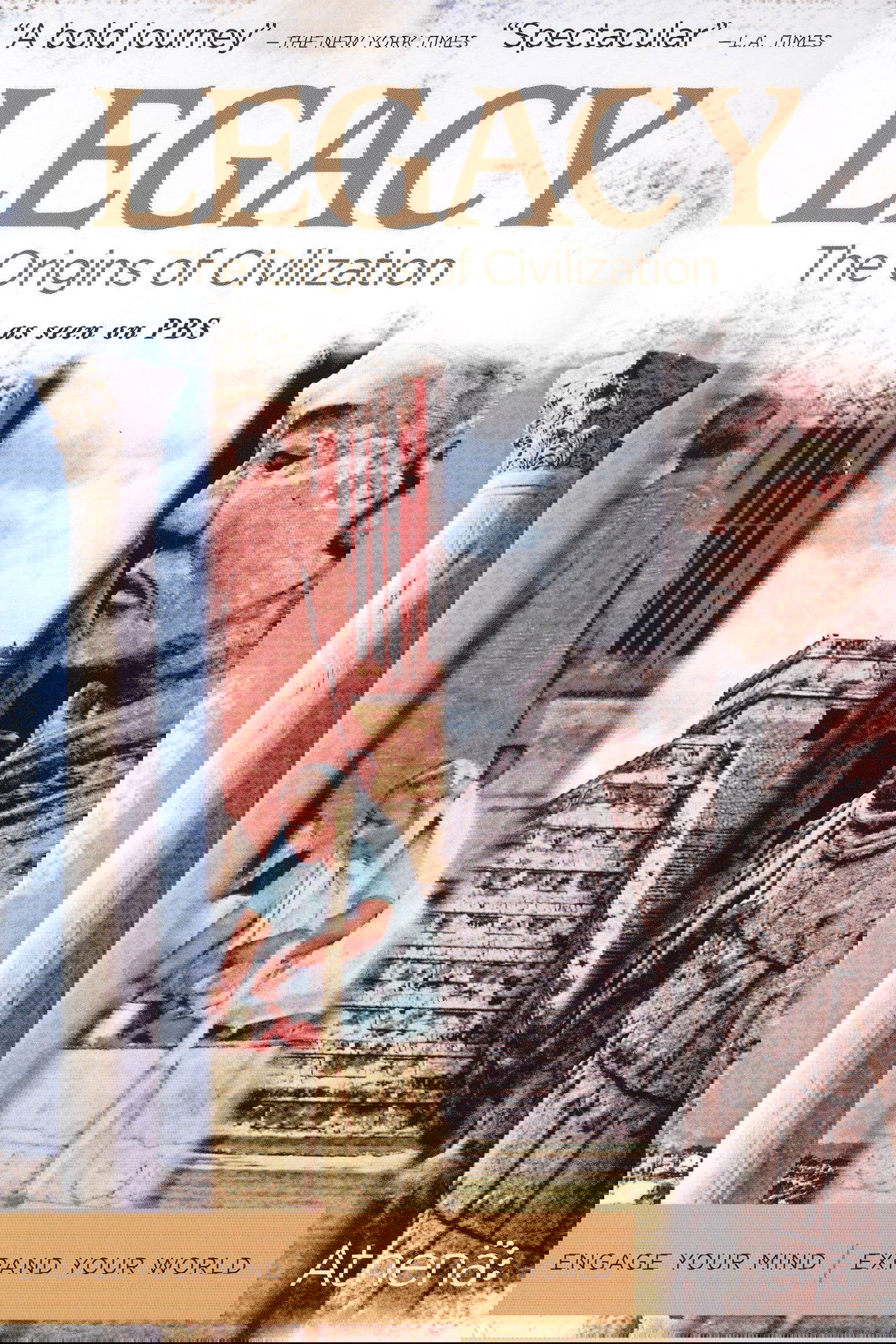
What can the past teach us about the present? Come along as charismatic historian Michael Wood (The Story of India) travels the globe to trace the origins of six great civilizations: Iraq, India, China, Egypt, Central America, and Western Europe. Each journey offers surprising perspectives on questions that matter today-about the environment, the individual, society, and spirituality.
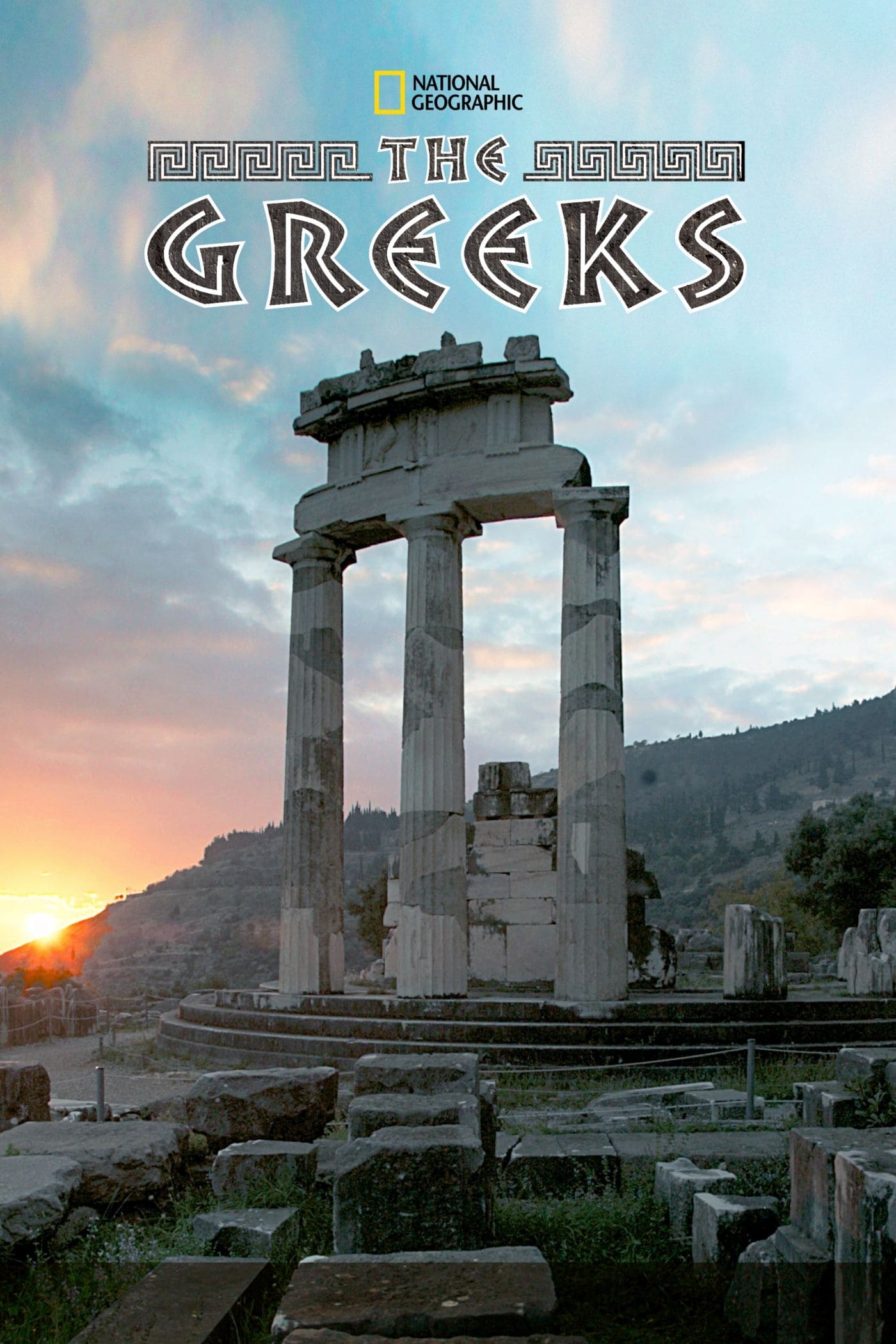
National Geographic's landmark event series, The Greeks, brings together historians, archaeologists, actors, athletes, scientists and artists to launch a groundbreaking exploration into the ancient Greeks' journey - not just to better understand their past, but to discover how their legacy illuminates our present, and will shape our future. The story of the Greeks is the story of us.
Professor Suzannah Lipscomb deep dives into some of the greatest death mysteries of the ancient world, as she turns forensic detective and re-examines the final moments of four of ancient history's most iconic figures. Blending science, history, and compelling detective work, Suzannah is joined by world-renowned forensic pathologist, Dr Richard Shepherd, who deploys cutting-edge digital autopsy technology to reveal trauma, disease, and possible foul play.
Bettany Hughes take viewers on armchair travels to explore household-name treasures and new finds from across the world.
Bettany Hughes searches out the real truth about the birth of democracy in ancient Athens 2500 years ago
Archaeologist and historian Richard Miles traces the development of Western civilization, from the first cities in Mesopotamia to the fall of the Roman Empire. In this six-part series, Miles travels through the Middle East, Egypt, Pakistan and the Mediterranean to discover how the challenges of society -- religion and politics, art and culture, war and diplomacy, technology and trade -- were dealt with and fought over in order to maintain a functioning civilization. Stories are told of disappeared, ruined and modern cities, from ancient Iraq to modern Damascus, to reveal how successes and failures of the ancients shaped the world today.
Expert interviews and gripping reenactments combine to reveal the extraordinary life of Alexander the Great and his burning desire to conquer the world.
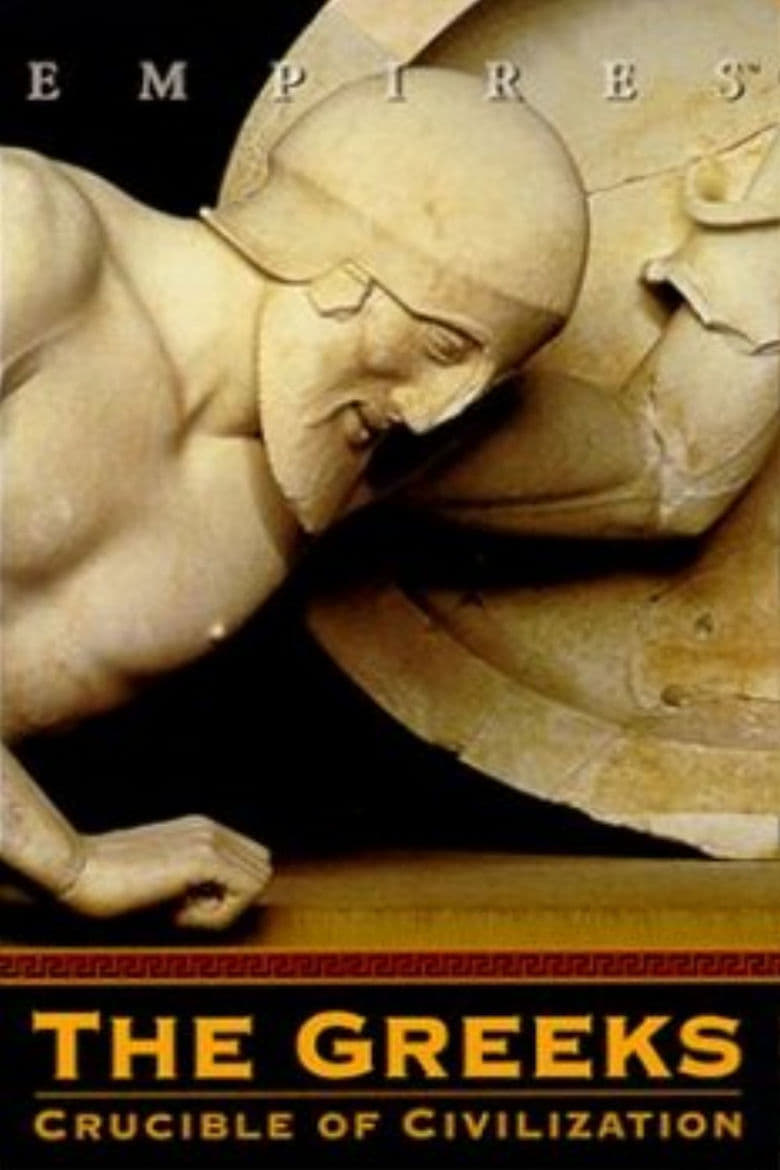
In the fourth and fifth centuries, B.C., the Greeks built an empire that stretched across the Mediterranean from Asia to Spain. They laid the foundation of modern science, politics, warfare and philosophy, and produced some of the most breathtaking art and architecture the world has ever seen. It was perhaps the most spectacular flourishing of imagination and achievement in recorded history.
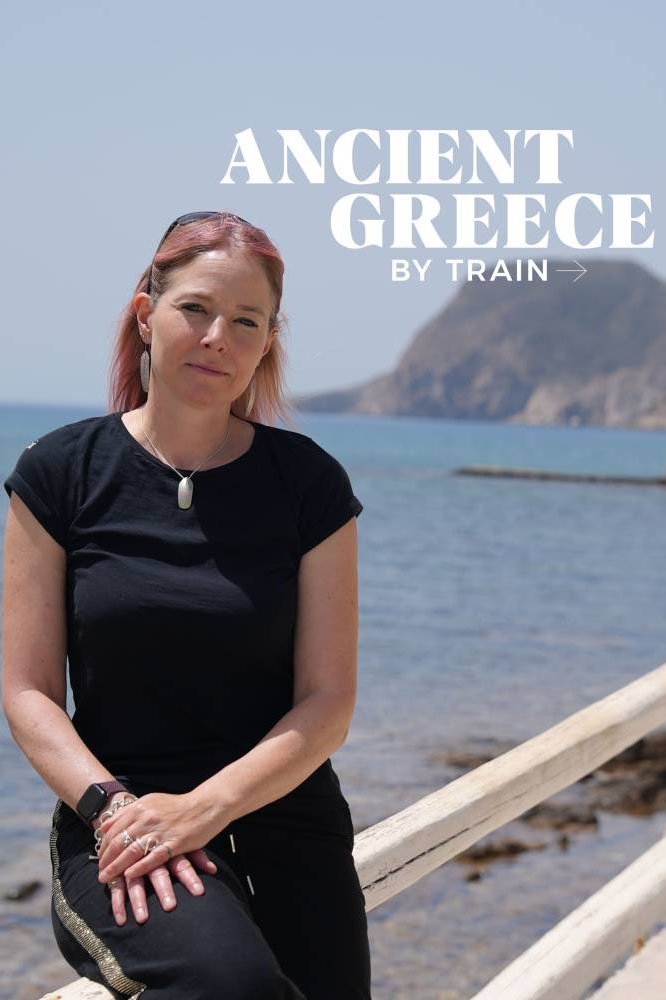
Professor Alice Roberts travels across Greece and thousands of years back to our collective past, tracing how the Ancient Greeks developed philosophy, art, theatre and democracy.
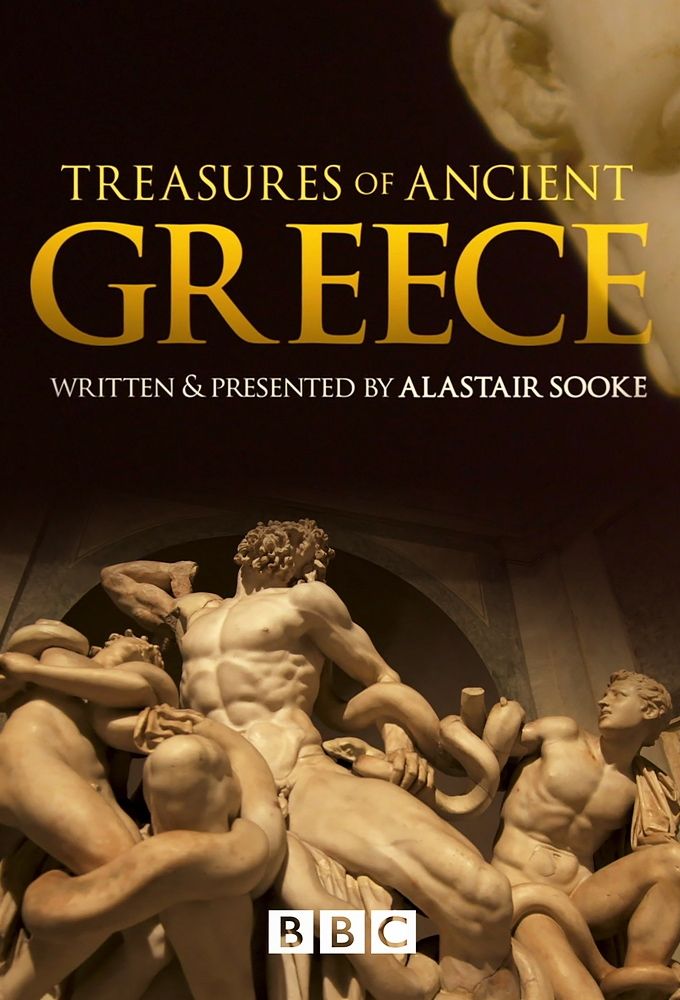
Alastair Sooke explores the riches and unique legacy of Greek art.
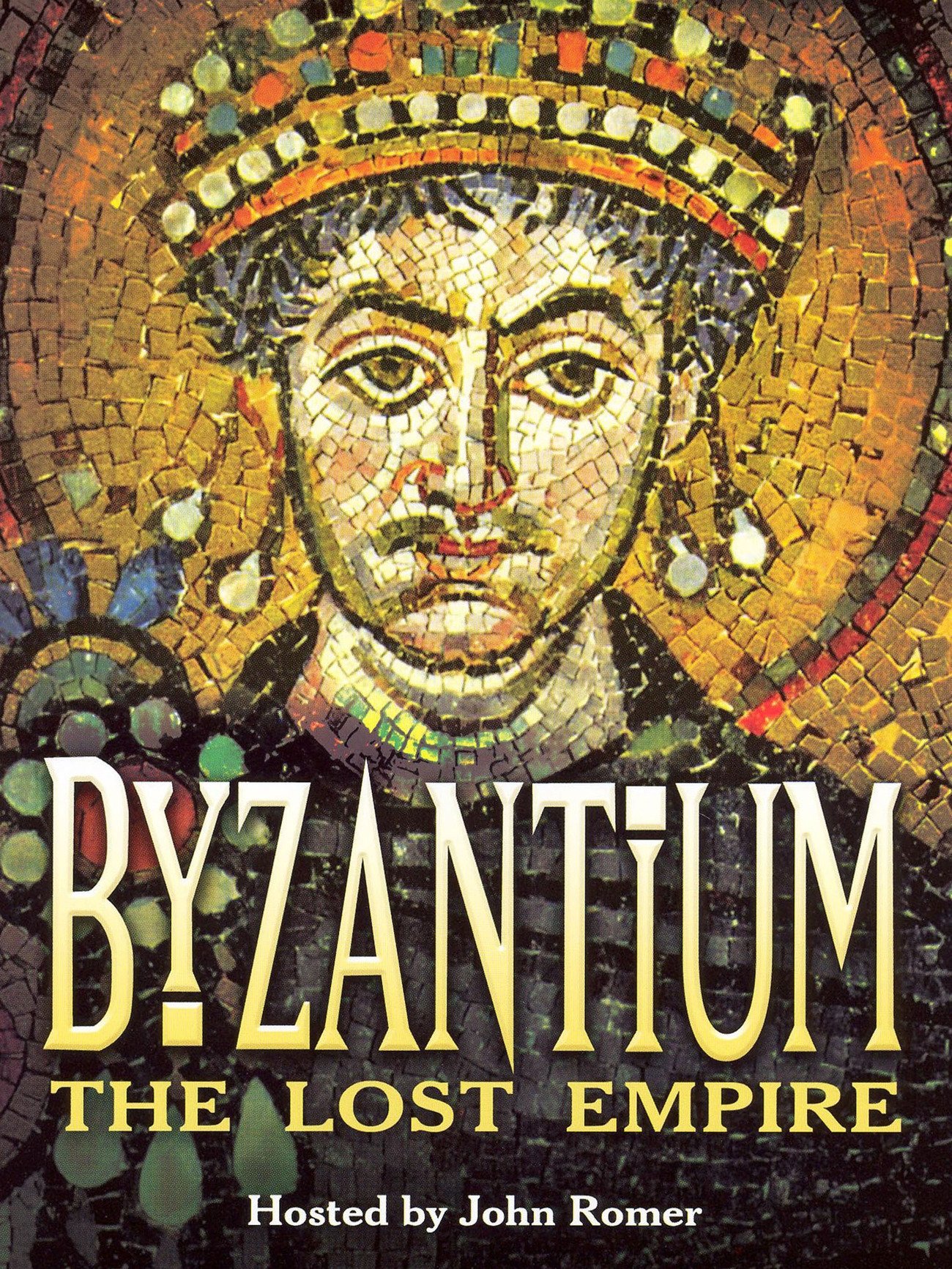
John Romer recreates the glory and history of Byzantium. From the Hagia Sophia in present-day Istanbul to the looted treasures of the empire now located in St. Marks in Venice.
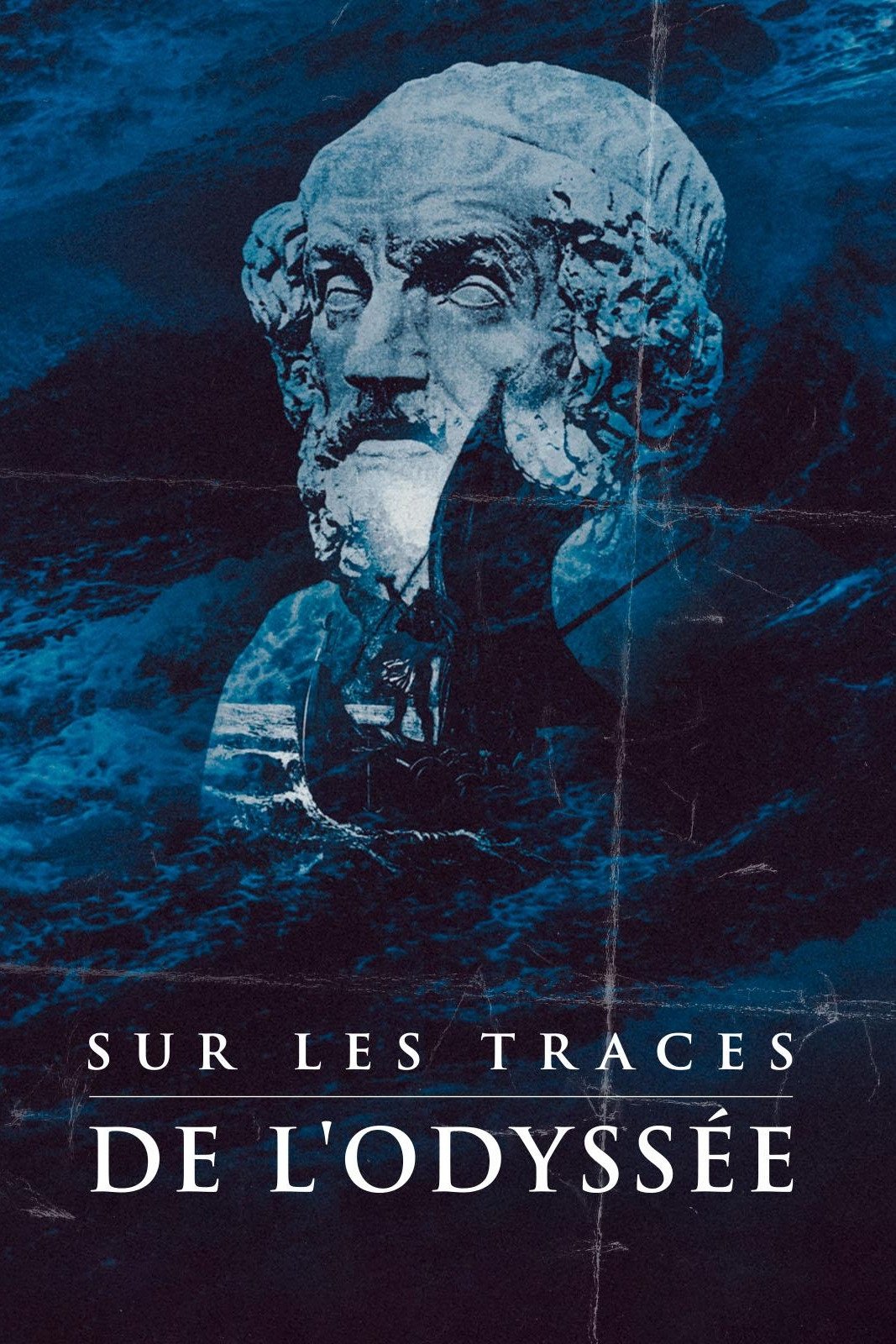
Who was Homer, and what is the meaning of The Odyssey? In this documentary we follow the footsteps of Ulysses, also known by his Greek name Odysseus—a hero as relevant today as he was nearly three thousand years ago, on a journey across some of the most fascinating landscapes and seascapes of the Mediterranean region. With the help of prominent international scholars, we seek to resolve the questions that still surround one of humanity’s greatest literary works and its enigmatic author.
Tutored by Aristotle, helpless witness to his father's assassination, and a brilliant, pioneering tactician, Alexander the Great had conquered the known world--and sealed his legacy as one of history's most remarkable rulers--by the age of 25. In the year 334 B.C., 20-year-old King Alexander of Macedonia decided to bring the farthest reaches of the world under one domain. Over the next 12 years, he led a grand army across more than 20,000 miles and eventually brought all of Asia under his control, only to perish from battle wounds at the age of 32. Incorporating dramatic onsite reenactments with high-end computer graphics and the expertise of renowned scholars, THE TRUE STORY OF ALEXANDER THE GREAT is a special presentation from THE HISTORY CHANNEL®, examining the life and career of this military genius, impassioned lover, and fearless leader.
Explores every aspect of Sparta's culture, lifestyle, history and legacy. Author Steven Pressfield reflects on the significance of the Battle of Thermopylae, where a force led by 300 Spartan warriors stalled the advance of a hundred-thousand-plus strong Persian army for nearly a week. Scholars explore the factors that drove the Peloponnesian city-state to strive for martial excellence. Ancient accounts explain how Sparta's warriors were trained and detail their prowess in battle.
Throughout the centuries great empires have been erected, whose creators have governed nations, regions and continents for hundreds and even thousands of years. From the great civilizations of antiquity to the first world powers of our days, this series reviews the legacy left to us by the great empires that have written the history of humanity. Combining computer-generated images with dramatic reconstructions, experts and historians analyze the role these civilizations have played and how their heritage has survived to this day.
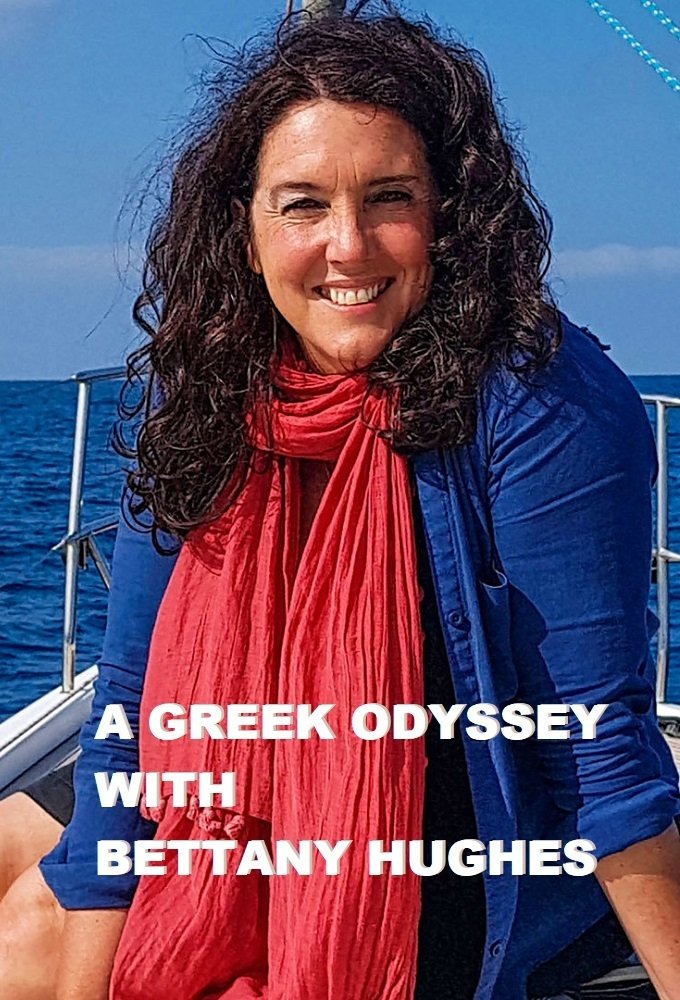
Historian Bettany Hughes has embarked on an epic, personal journey. Inspired by Homer's The Odyssey, she will sail the unpredictable Mediterranean seas, tracing Odysseus's long journey home. Her mission: to experience what the Greek hero experienced and to uncover truths behind the myths and legends, all while enjoying the delights of ancient Greece today. Follow her 1,700-mile adventure as it takes her to over a dozen islands and 22 historic sites and puts her through two hair-raising storms and even an earthquake.
A guided tour of the history of numbers and how they’ve shaped the development of humankind is at the heart of this unique series. In five episodes that take us across time and around the world, we see how mathematics played an important role in ancient Egypt and Greece, early India, medieval Europe, and our own modern world. Computer graphics make mathematical formulae accessible and interesting, while dramatic reenactments of history pique the viewer’s interest.
Infographics and archival footage deliver bite-size history lessons on scientific breakthroughs, social movements and world-changing discoveries.
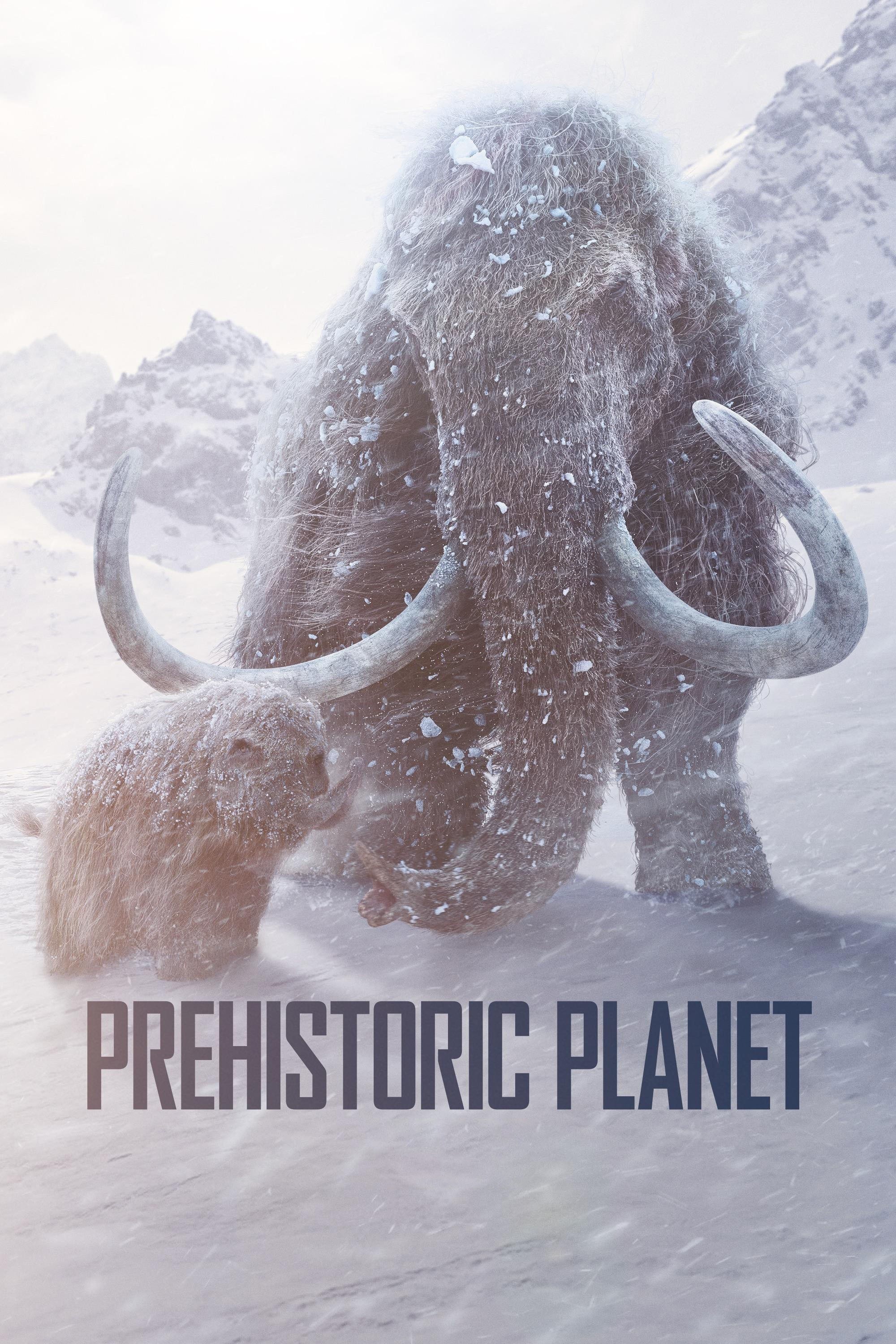
Experience the wonders of our world like never before in this epic series from Jon Favreau and the producers of Planet Earth. Travel back 66 million years to when majestic dinosaurs and extraordinary creatures roamed the lands, seas, and skies.
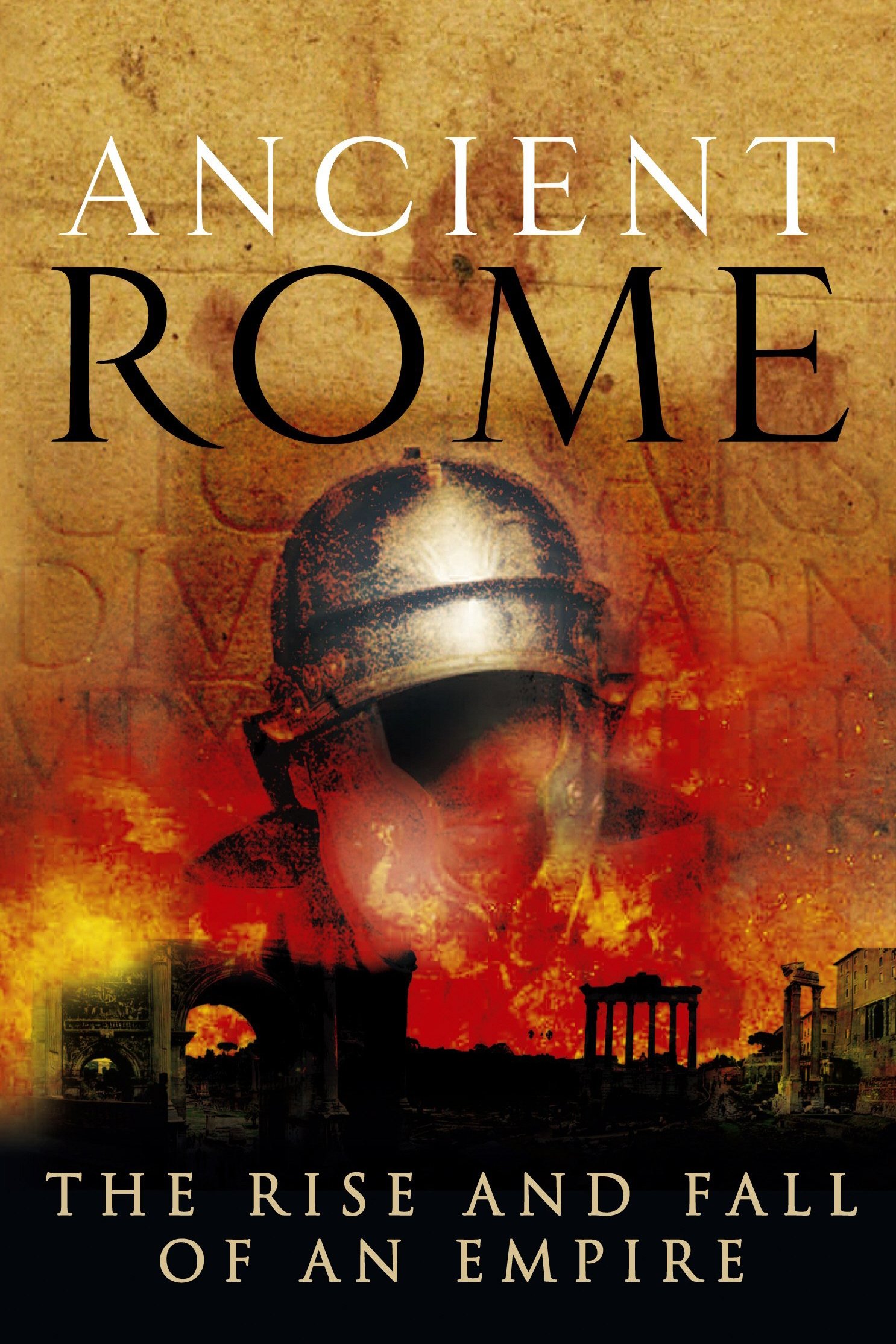
Turning points in ancient Roman history and some of the Empire's greatest stories are brought to life in this drama documentary series.
TV's most-watched history series brings to life the compelling stories from our past that inform our understanding of the world today.
The history of the sport of baseball in America, told through archival photos, film footage, and the words of those who contributed to the game in each era. Writers, historians, players, baseball personnel, and fans review key events and the significance of the game in America's history.
Based on the popular BBC series running since 1979, the PBS Antiques Roadshow combines history with discovery. Each year, the show visits a handful of cities to appraise items brought in by viewers. Are these items worth a lot of money, more than the visitors expect?
Explore the surprising things we know (and don’t know) about why people are the way they are through expert interviews, rare footage from historical experiments, and brand-new, ground-breaking demonstrations of human nature at work.
Motoring programme featuring reviews of and reports about cars of all types.
Antiques Roadshow is a British television show in which antiques appraisers travel to various regions of the United Kingdom to appraise antiques brought in by local people. It has been running since 1979. There are also international versions of the programme.
Horizon tells amazing science stories, unravels mysteries and reveals worlds you've never seen before.
A series of standalone documentaries powered by the unparalleled journalism and insight of The New York Times, bringing viewers close to the essential stories of our time.
Filmed across six continents, this docuseries uses cutting-edge camera technology to capture animals' nocturnal lives, revealing new behaviours filmed in full color like never before.
Actor Zac Efron journeys around the world with wellness expert Darin Olien in a travel show that explores healthy, sustainable ways to live.
Natural World is a nature documentary television series broadcast annually on BBC Two and regarded by the BBC as its flagship natural history brand. It is currently the longest-running series in its genre on British television, with more than 400 episodes broadcast since its inception in 1983. Natural World is produced by the BBC Natural History Unit in Bristol, but individual programmes can be in-house productions, collaborative productions with other broadcasters or films made and distributed by independent production companies and purchased by the BBC. Natural World programmes are often broadcast as PBS Nature episodes in the USA. Since 2008, most Natural World programmes have been shot and broadcast in high definition.
Life's extraordinary journey to conquer, adapt and survive on Earth across billions of years comes alive in this groundbreaking nature docuseries.
Consistently stunning documentaries transport viewers to far-flung locations ranging from the torrid African plains to the chilly splendours of icy Antarctica. The show's primary focus is on animals and ecosystems around the world. A comic book based on the show, meant to be used an as educational tool for kids, was briefly distributed to museums and schools at no cost in the mid-2000s.
An insider's look at the engineering and scientific miracles behind the things that form the modern world.
A worldwide guided tour of the greatest movies ever made and the story of international cinema through the history of cinematic innovation.
Doctor Who Confidential is a documentary to complement the revival of the long-running British science fiction television series Doctor Who. Each episode was broadcast on BBC Three on Saturdays, immediately after the broadcast of the weekly television episode on BBC One. The running time of the first two series was 30 minutes, being extended to 45 minutes in the third. BBC Three also broadcast a cut-down edition of the programme, lasting 15 minutes, shown after the repeats on Sundays and Fridays and after the weekday evening repeats of earlier seasons.
Through the prism of Jeff Goldblum's always inquisitive and highly entertaining mind, nothing is as it seems. Each episode is centered around something we all love — like sneakers or ice cream — as Jeff pulls the thread on these deceptively familiar objects and unravels a wonderful world of astonishing connections, fascinating science and history, amazing people, and a whole lot of surprising big ideas and insights.