Social & External
The people behind it
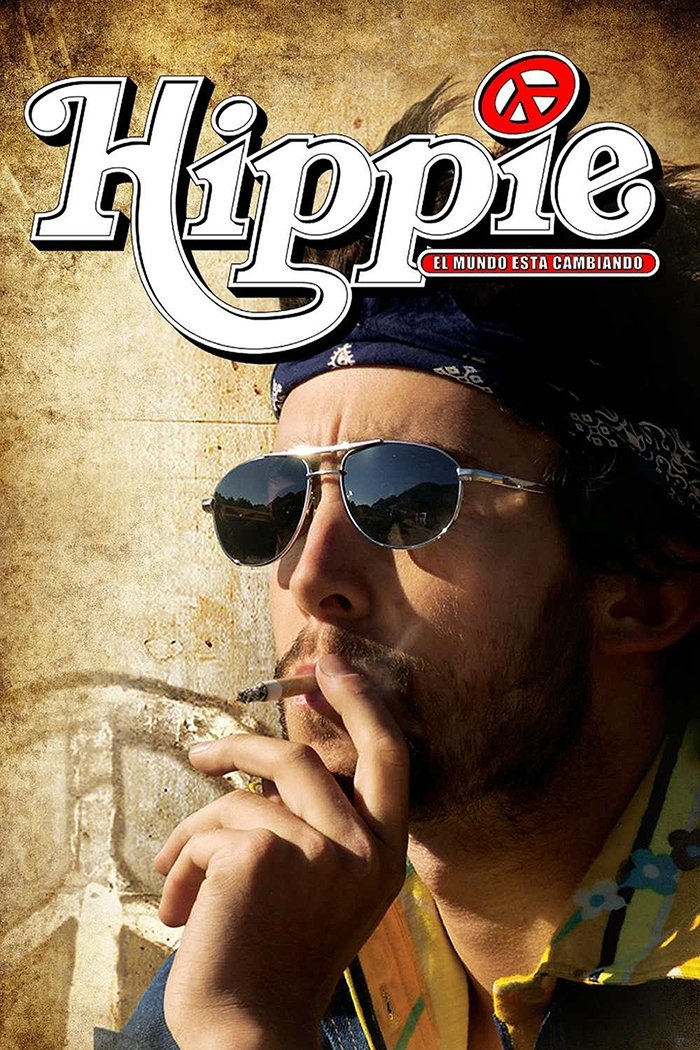
During the late 60s, four young men from different socio-economic strata, are bonded by the same ideals of peace, love and revolution. They seek a common goal: to change the world.
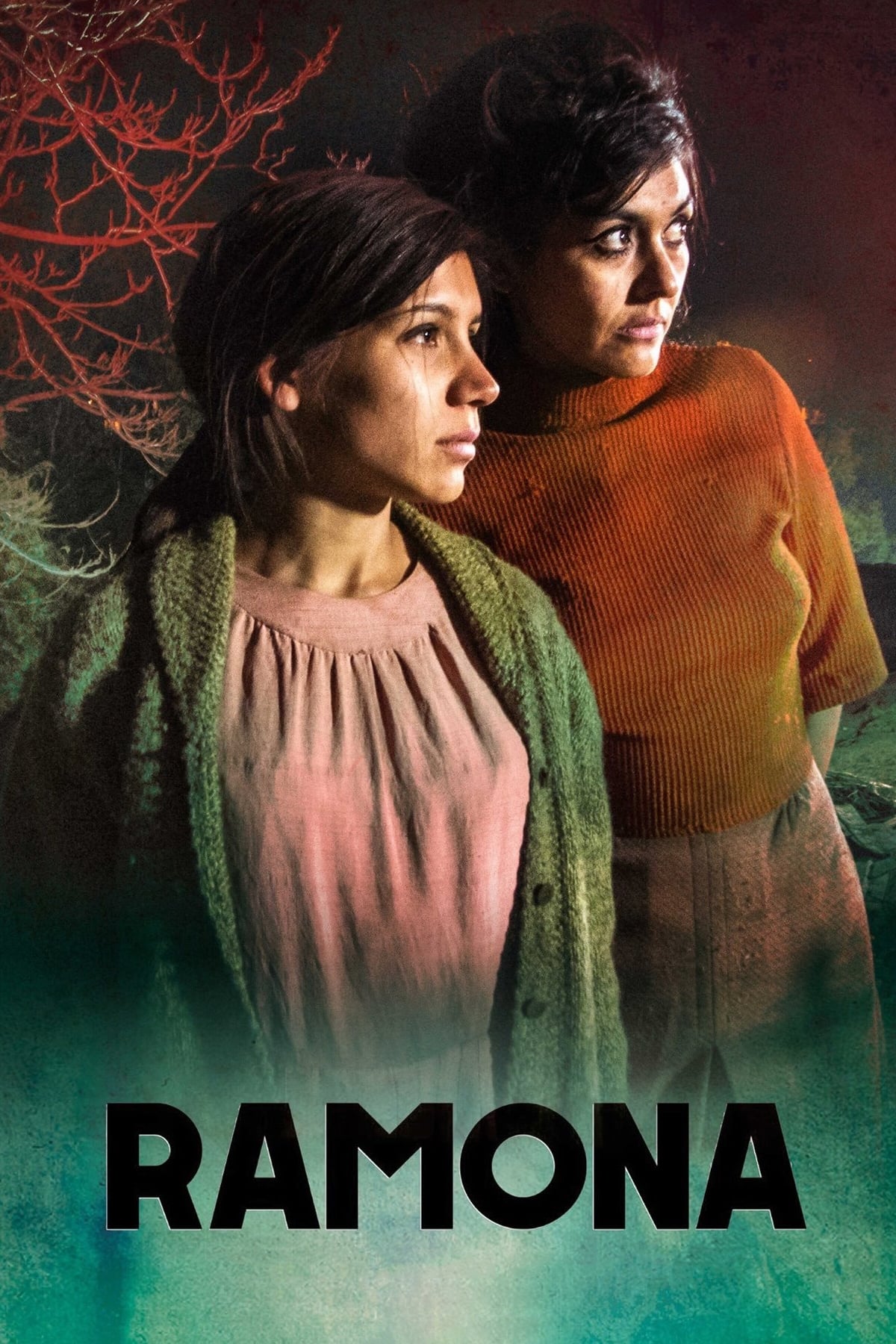
In the late 1960s, two young sisters, Ramona and Helga, emigrate from the countryside to the city. Upon arriving in Santiago, Chile, they start a clandestine business selling wine in a camp that is being built in the outskirts of the city.
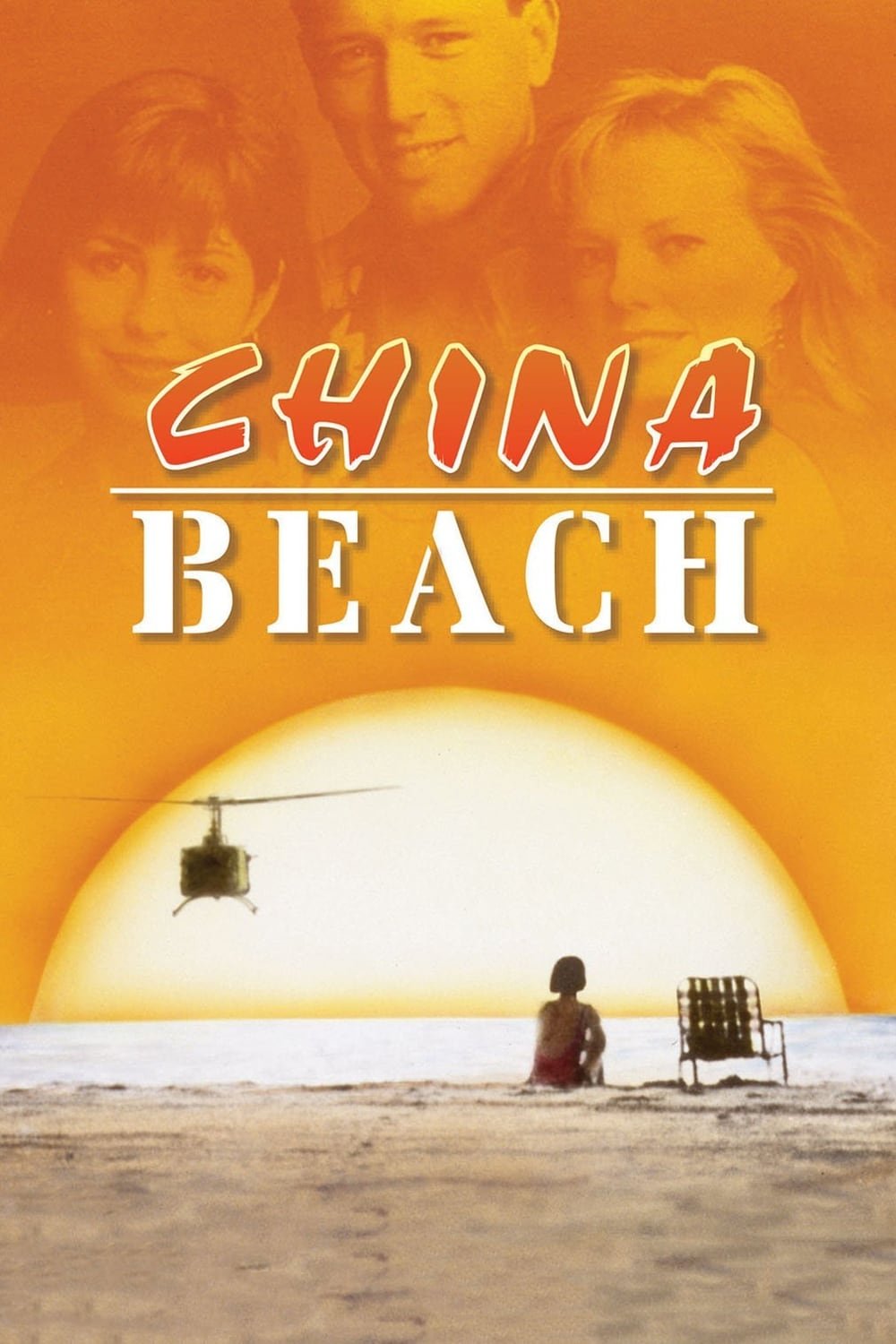
Dateline: November 1967. Within klicks of Danang, Vietnam, sits a U.S. Army base, bar and hospital on China Beach filled with wounded soldiers and one very lovely but damaged Army Nurse Colleen McMurphy. Many heroes, dead and alive, try to make sense of life and death in between bourbon, bullets and battles.
It's the 1960s. The height of the Cold War. The rural town of Granite Flats, Colorado, suddenly becomes a hotbed for mystery and intrigue. Almost a year after Hershel Jenkins was released from jail, mystery is still a permanent resident in Granite Flats, Colorado. From small concerns plaguing the citizens of the small town to ongoing FBI investigations, Arthur, Timmy, and Madeline are eager to put their developing detective skills to the test. Their sleuthing goes further than ever before, and they may be biting off more than they can chew. And as it turns out, sleuthing is a family affair. The parents of all three miniature detectives have dipped their toes in the water. Chief Sanders works side by side with the FBI to find a citizen who is disloyal to the country, Beth is embroiled in the center of experimental work at the hospital, and the Doctors Andrews are the masterminds behind the shady experiments. This season, everyone has got a secret and nobody is ready to admit it.
Set in 1960s Hong Kong, "Sisters of Pearl" centers on the daughters of a jewelry merchant vying for the heirship of their family business. The dying tycoon asks his eldest daughter Chu Pik-Wan to take over the company with the aid of second daughter Chu Pik-Ha, who has just returned home after the death of her husband, and the still-in-school youngest daughter Chu Pik-Lam. Conflict brews between the siblings as Pik-Wan suspects that her husband Ho Cheung-Hing still harbours illicit desires for Ha. When a woman suddenly appears and claims to be their father's mistress, can the Chu sisters put aside their differences and unite against a common enemy?
Fragile tells the story of two diametrically opposite families: the wealthy, influential Bachands, and the salt-of-the-earth Coutures. It’s also the story of an unlikely friendship, that of Dominic Couture (Pier-Luc Funk) and Félix Bachand (Marc-André Grondin). The pair’s mysterious death sends shock waves through their families and community, exposing jealously guarded secrets, dangerous liaisons, and hidden agendas.
In 1960s Spain, a Holocaust survivor joins a group of agents seeking justice against the hundreds of Nazis who fled to the nation to hide after WWII.
The birth of the Basque terrorist gang ETA and its first attack, of which José Antonio Pardines, a Guardia Civil traffic officer, was the victim.
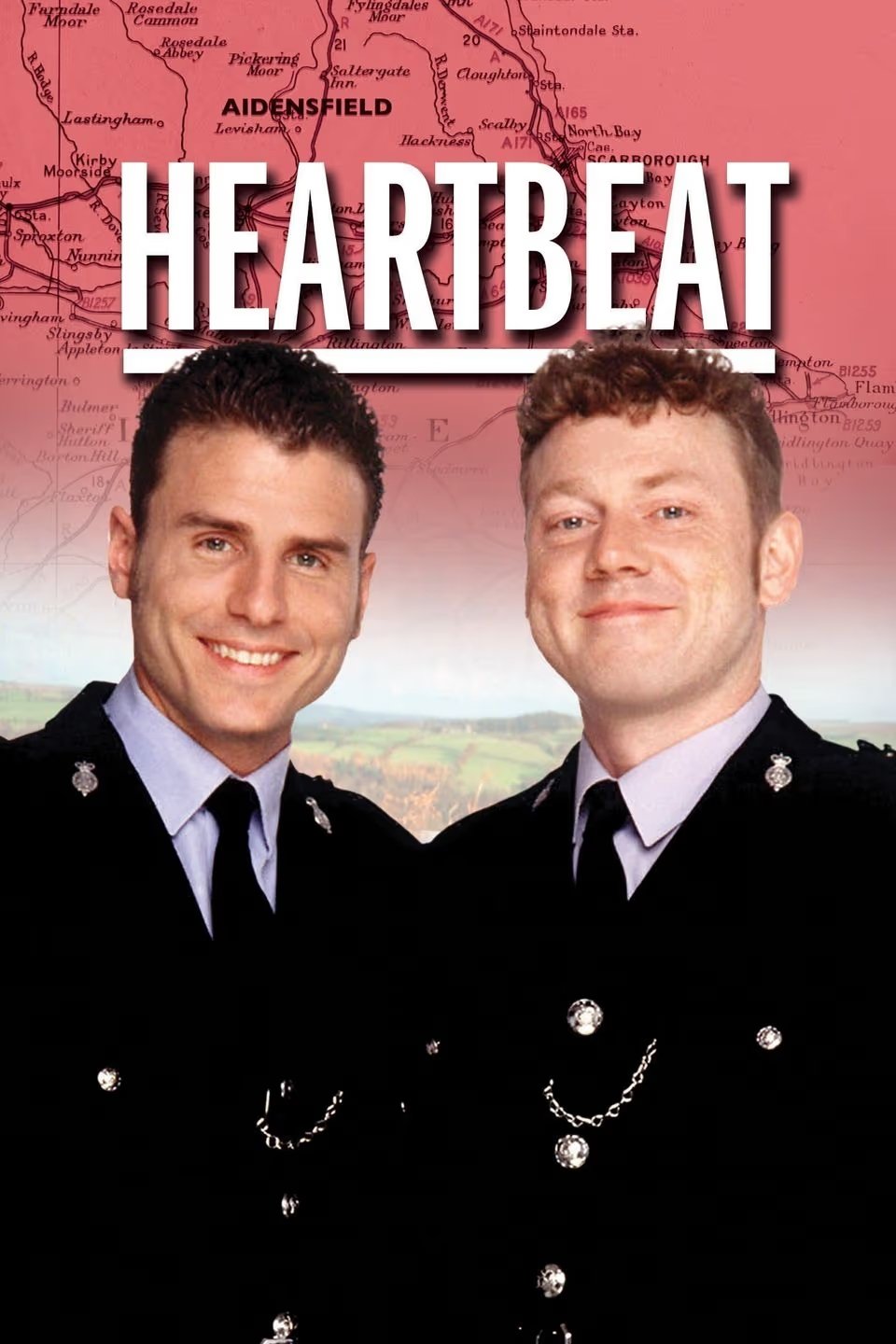
Set during the 1960s in the fictional North Yorkshire village of Aidensfield, this enduringly popular series interweaves crime and medical storylines.
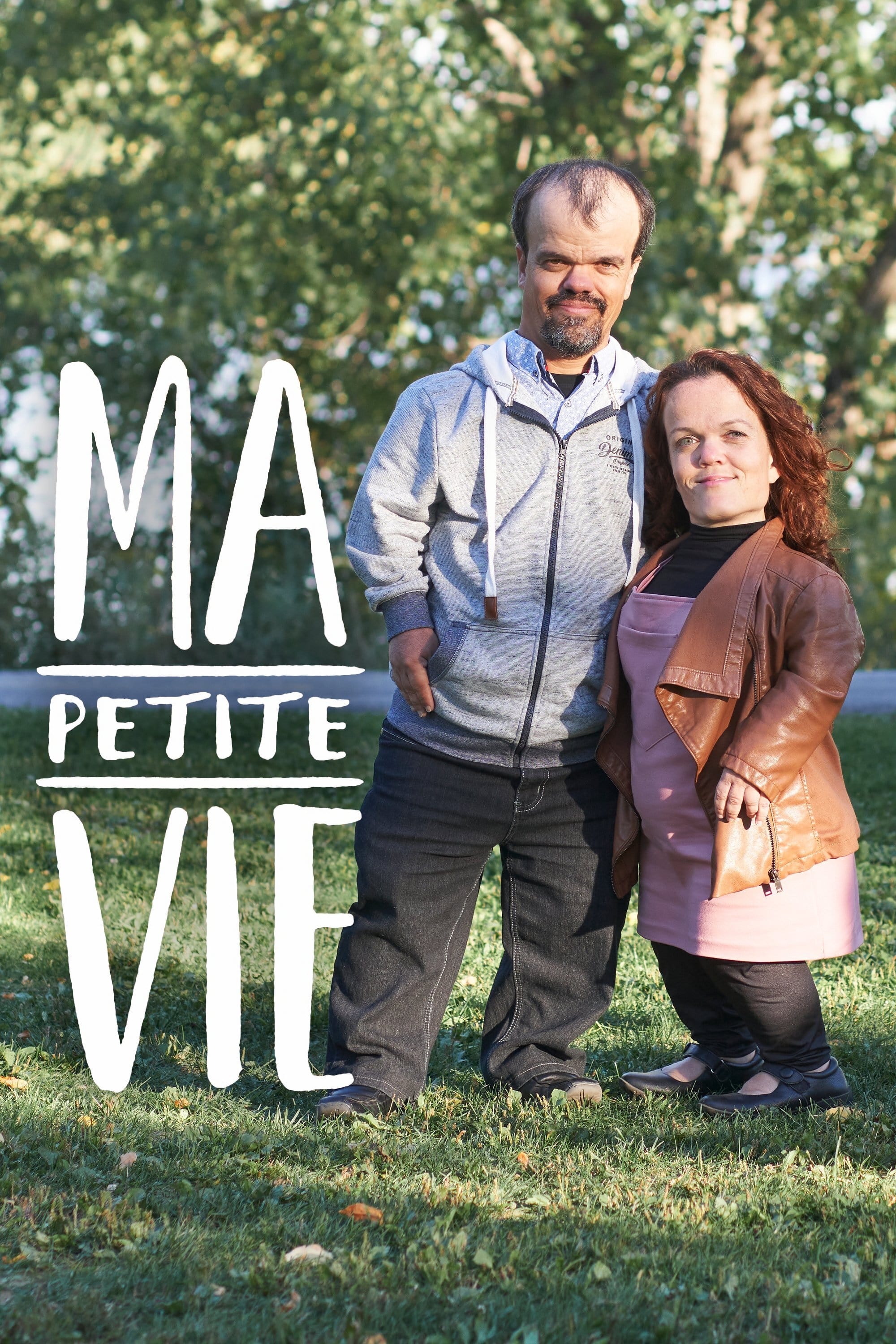
The daily lives of persons of short stature, people who do not go unnoticed and for whom each day brings its share of unexpected events. The protagonists embrace their difference and live their lives to the fullest.
Between 1970 and 1985, the greater Montréal area experienced about ten murders involving acts of sexual violence. Three experts, Claude Sarrazin, Guillaume Louis and Sophie Charest, examine the hypothesis about one serial killer who was in Québec during this period.
In the fictional city of Saint Andrews, Brett Montgomery, a wealthy cosmetics businessman and doctor at the local hospital, and Brad, his evil twin brother, battle for control of the Montgomery family fortune. Brett’s fiancée, Cricket, is a journalist with the local television station and has a twin sister, Ashley, who is a nurse at the hospital.
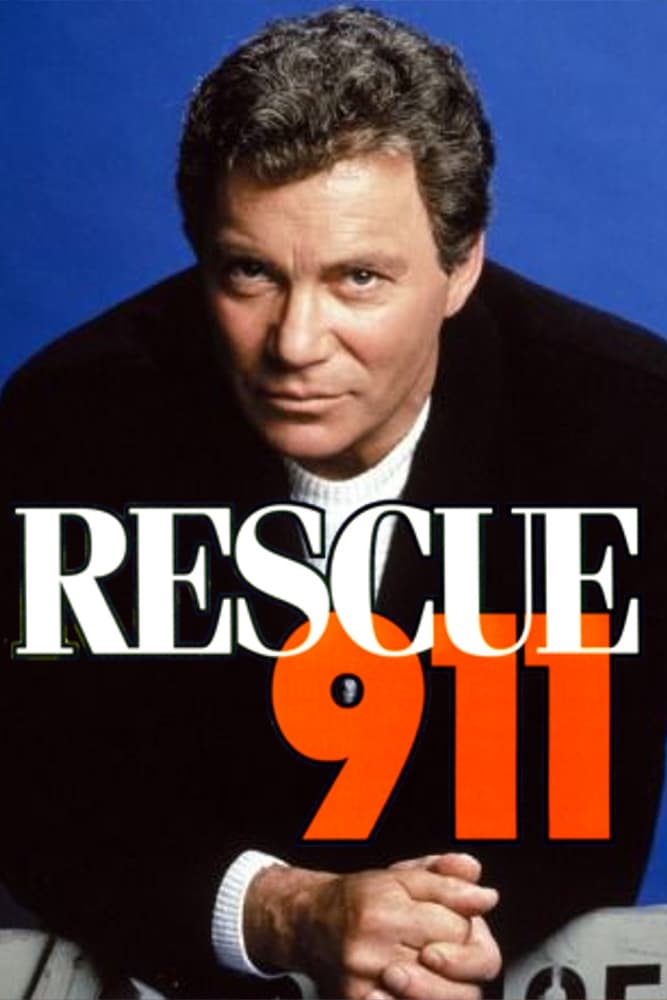
Rescue 911 is an informational reality-based television series that premiered on April 18, 1989 and ended on August 27, 1996. The series was hosted by William Shatner and featured reenactments of emergency situations that often involved calls to 911. Though never intended as a teaching tool, various viewers used the knowledge they obtained watching the show. Two specials, titled "100 Lives Saved" and "200 Lives Saved," were dedicated to viewers who had written to CBS with their stories on how the knowledge they obtained watching the show allowed them to save the life of someone else. At least 350 lives have been saved as a result of what viewers learned from watching it.
The docuseries follows people deeply involved in the group NXIVM — which is faced with various charges, including sex trafficking and racketeering conspiracy — over the course of several years.
Motoring programme featuring reviews of and reports about cars of all types.
Explore the history of the American LGBTQ movement through the lens of TV in this five-part docuseries. Combining archival footage with new interviews, the series looks at homophobia, the evolution of LGBTQ characters, and coming out in the TV world.
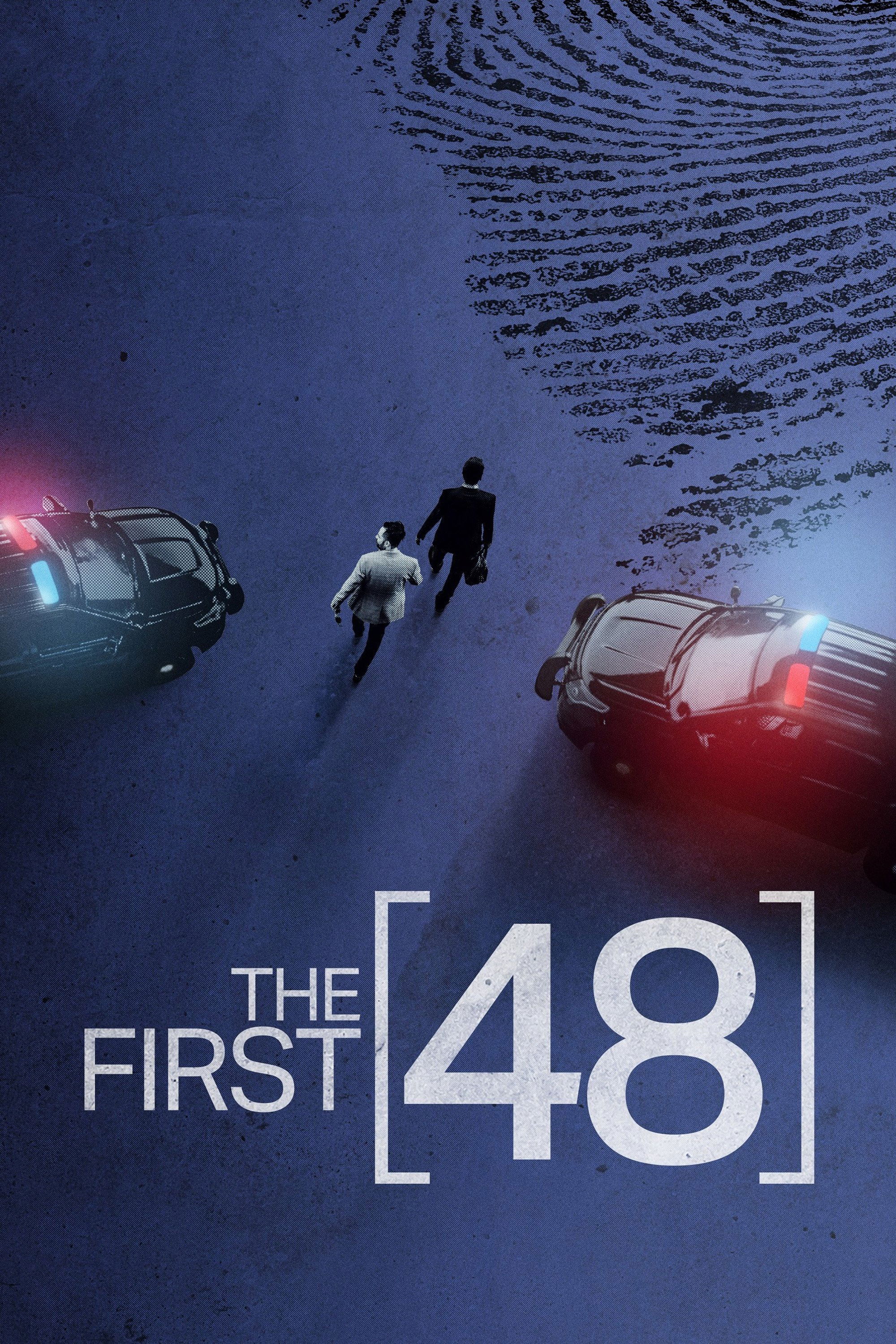
The First 48 follows detectives from around the country during these first critical hours as they race against time to find the suspect. Gritty and fast-paced, it takes viewers behind the scenes of real-life investigations with unprecedented access to crime scenes, autopsies, forensic processing, and interrogations.
The space race, the cold war, "free love," civil rights and more: The decade of the 1960s shaped our history -- and changed the world. In collaboration with Tom Hanks, Gary Goetzman and Mark Herzog, CNN explores perhaps the most transformative decade of the modern era in a 10-part documentary series and brings new insights into how those events shaped today.
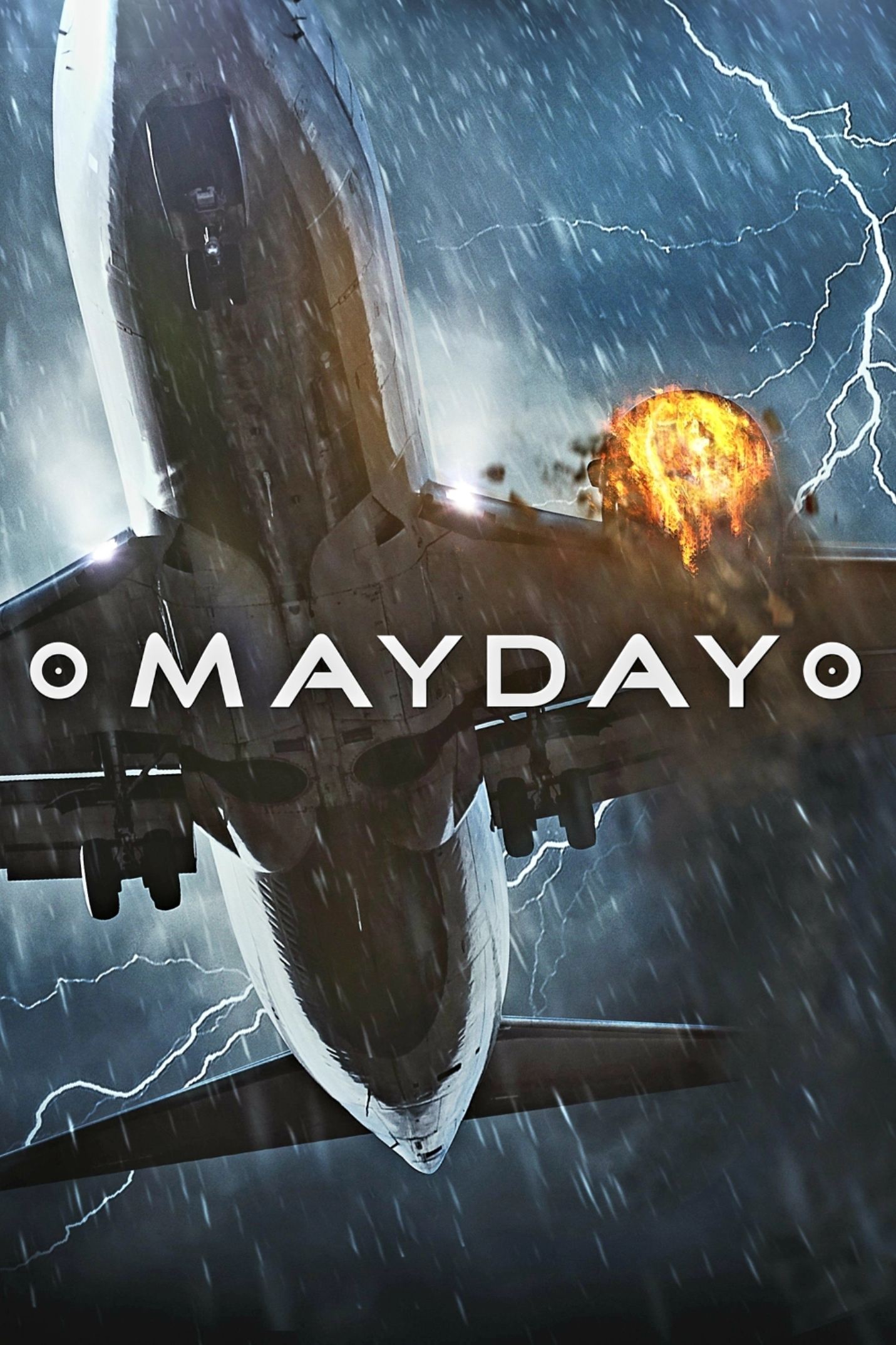
Major real-life air disasters are depicted in this series. Each episode features a detailed dramatized reconstruction of the incident based on cockpit voice recorders and air traffic control transcripts, as well as eyewitnesses recounts and interviews with aviation experts.
With narrative driven exclusively by the detectives themselves, each episode ventures deep into the mind of a homicide detective as they describe in vivid detail the one case forever ingrained in their memory.
This stylish mix of documentary and historical epic chronicles the reign of Commodus, the emperor whose rule marked the beginning of Rome's fall.
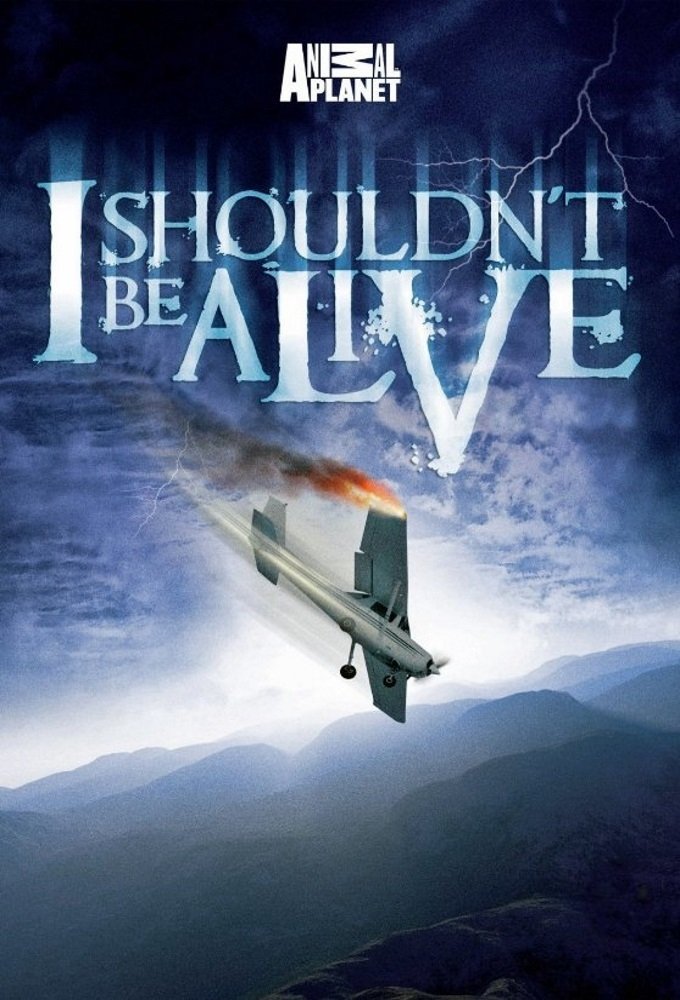
The show features accounts of individuals and groups caught in dangerous scenarios, presented both through interviews and dramatic reenactments. The main focus is how the survivors survived and the decisions they made that kept them alive.
An in-depth look at the history and pop cultural significance of horror films.
Honoring service members whose courage merited the awarding of a Medal of Honor, this docudrama series re-creates their inspiring true stories.
Infographics and archival footage deliver bite-size history lessons on scientific breakthroughs, social movements and world-changing discoveries.
Revisit the epic heroes, villains and moments from across the MCU in preparation for the stories still to come. Each dynamic segment feeds directly into the upcoming series — setting the stage for future events. This series weaves together the many threads that constitute the unparalleled Marvel Cinematic Universe.
In this true-crime documentary, a cult expert and filmmaker infiltrate a polygamist sect to expose a self-proclaimed prophet and bring him to justice.
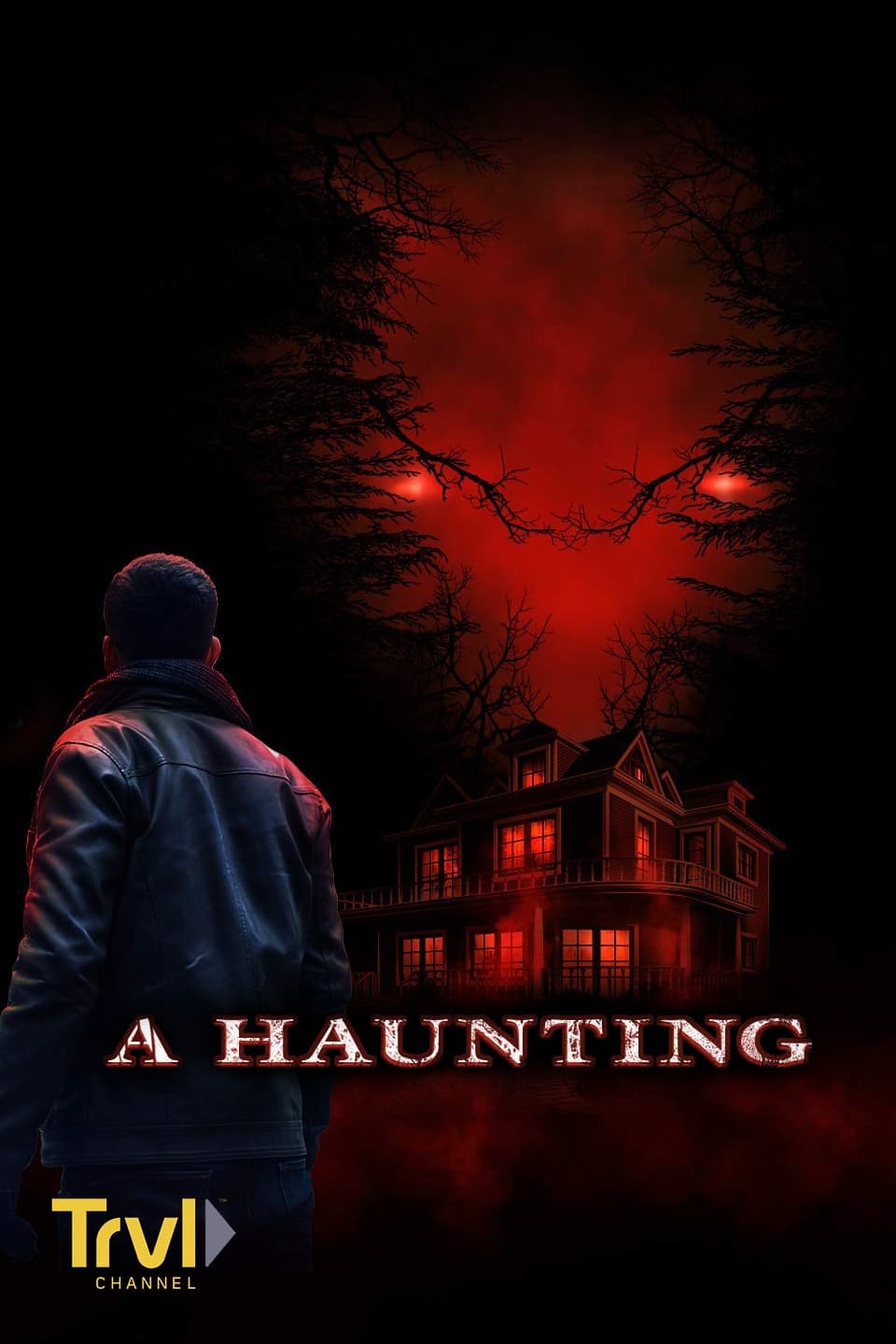
These are the true stories of the innocent and the unimaginable. Based on true events, A Haunting dramatises some of the scariest stories, revealing a world in which tragedy, suicide and murder have left psychic impressions so powerful that innocent people become forced to deal with them decades later. Through mesmerizing first-person accounts, the mystery and origin of each haunting is powerfully revealed and leaves a lingering sense that life—and death—are much stronger then anyone could have possibly imagined.
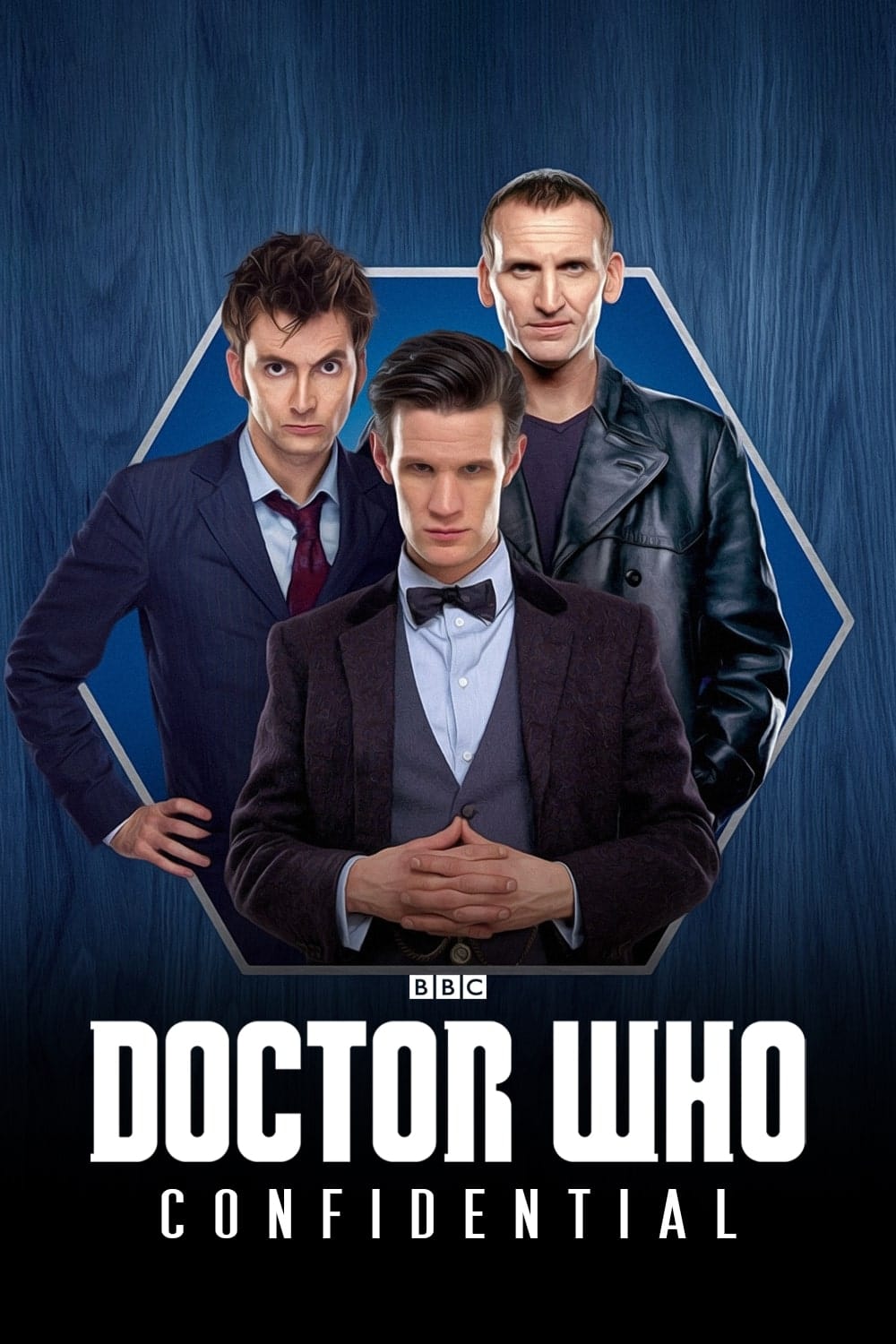
Doctor Who Confidential is a documentary to complement the revival of the long-running British science fiction television series Doctor Who. Each episode was broadcast on BBC Three on Saturdays, immediately after the broadcast of the weekly television episode on BBC One. The running time of the first two series was 30 minutes, being extended to 45 minutes in the third. BBC Three also broadcast a cut-down edition of the programme, lasting 15 minutes, shown after the repeats on Sundays and Fridays and after the weekday evening repeats of earlier seasons.
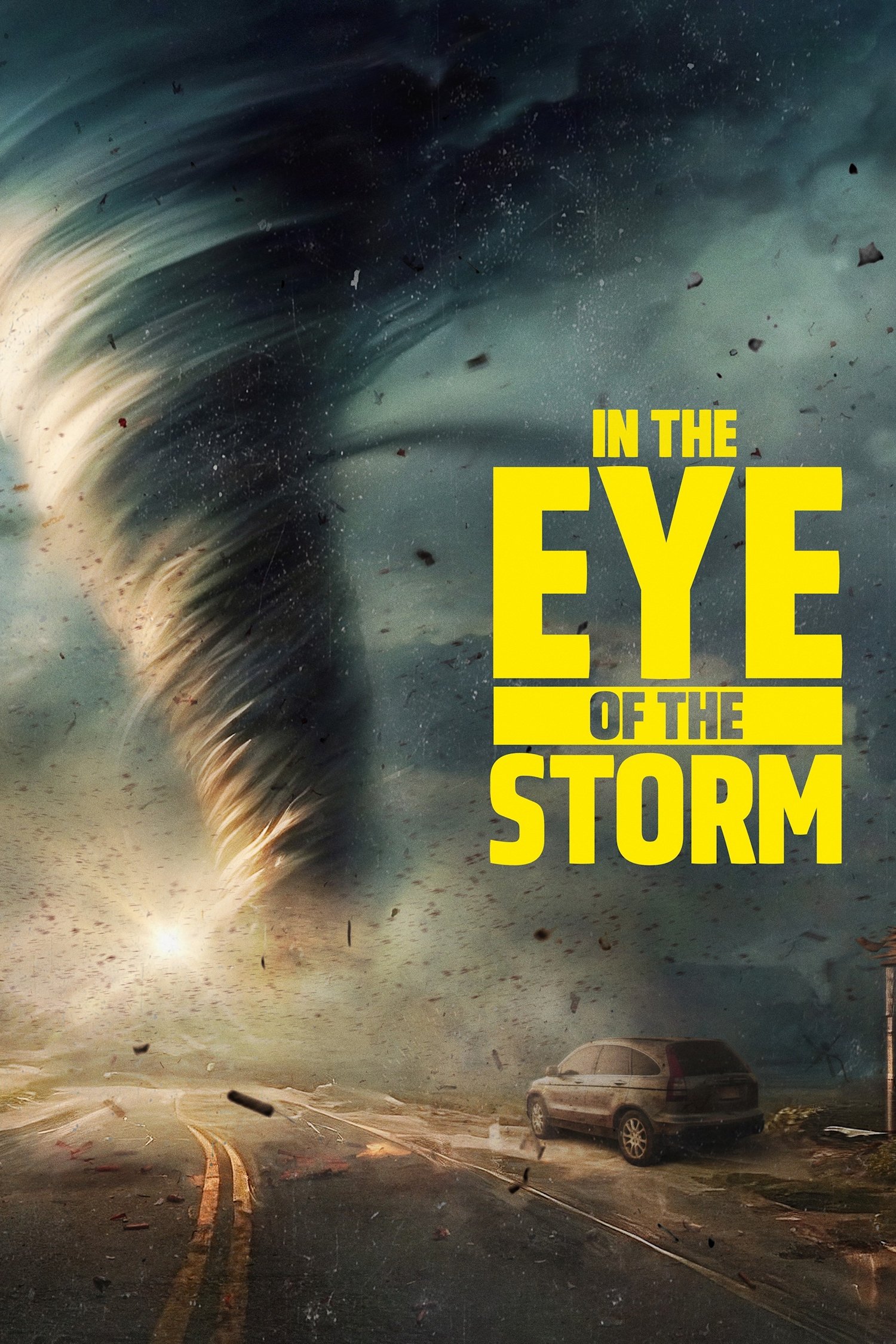
This series reveals recent natural disasters as they happened in real-time through footage captured by eyewitnesses who found themselves in the wrong place at the right time and boldly held up their camera phones to capture the eye of the storm.
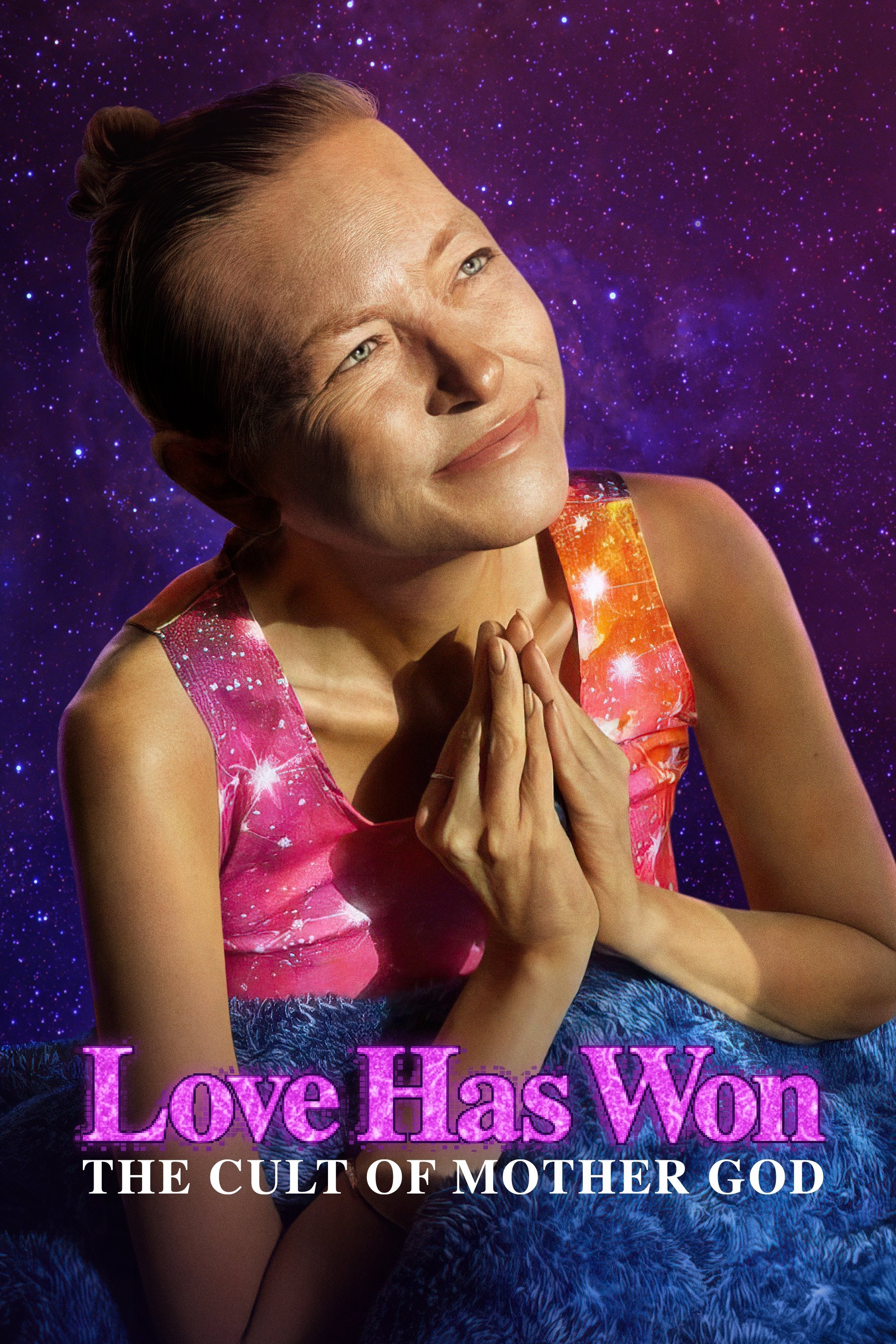
Chronicles the life and death of Amy Carlson, also known as Mother God, a self-proclaimed spiritual savior who built a cult through her online manifestos and live-streaming sessions. As Amy's health declined, her followers believed her death would lead to her evacuation by UFO and salvation for humanity. Told through the eyes of Amy's devotees and constructed from the cult's archival footage, the three-part docuseries captures the perils of internet proselytizing and a conspiracy-driven faith.
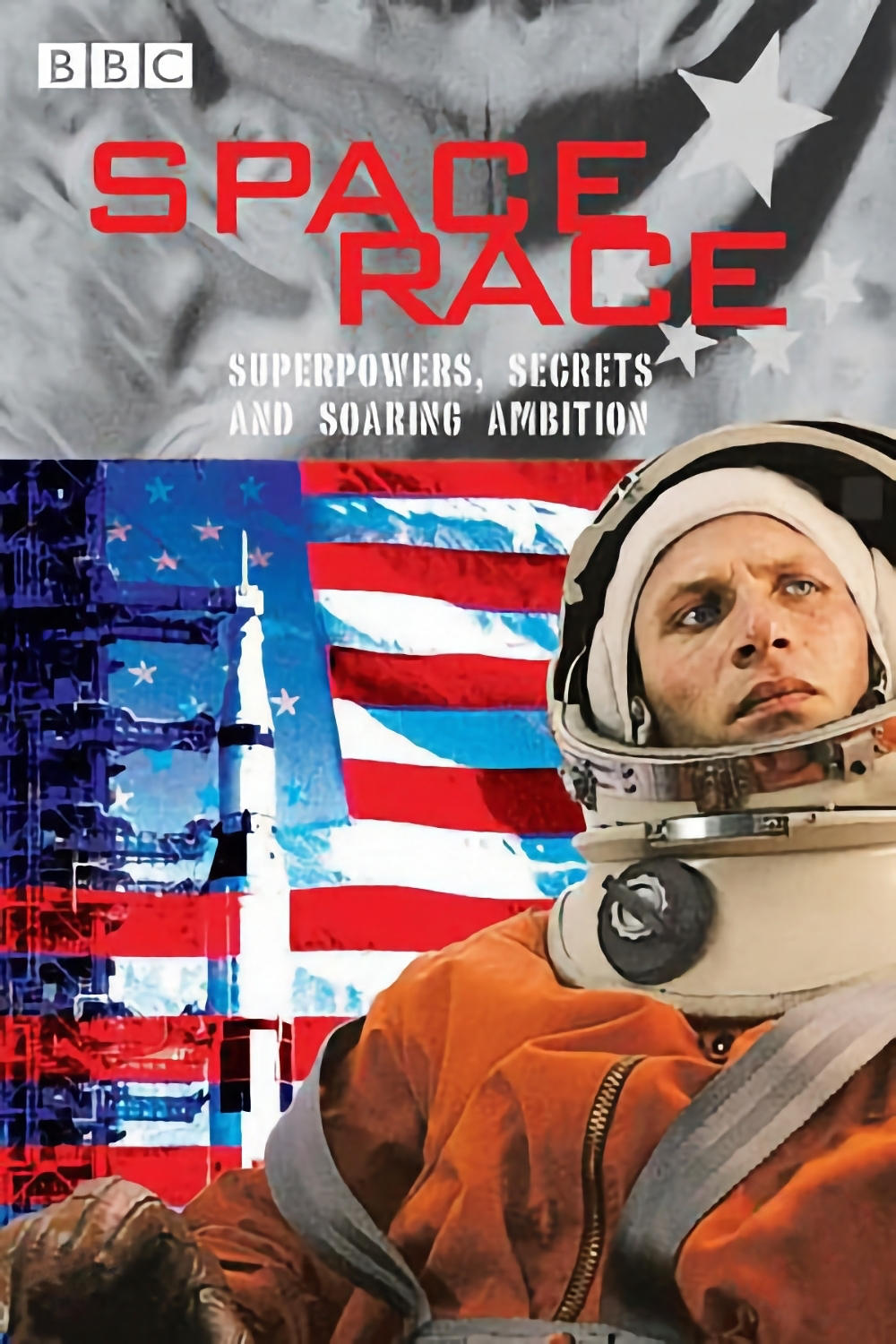
The untold true story behind the Cold War race to put man into space.