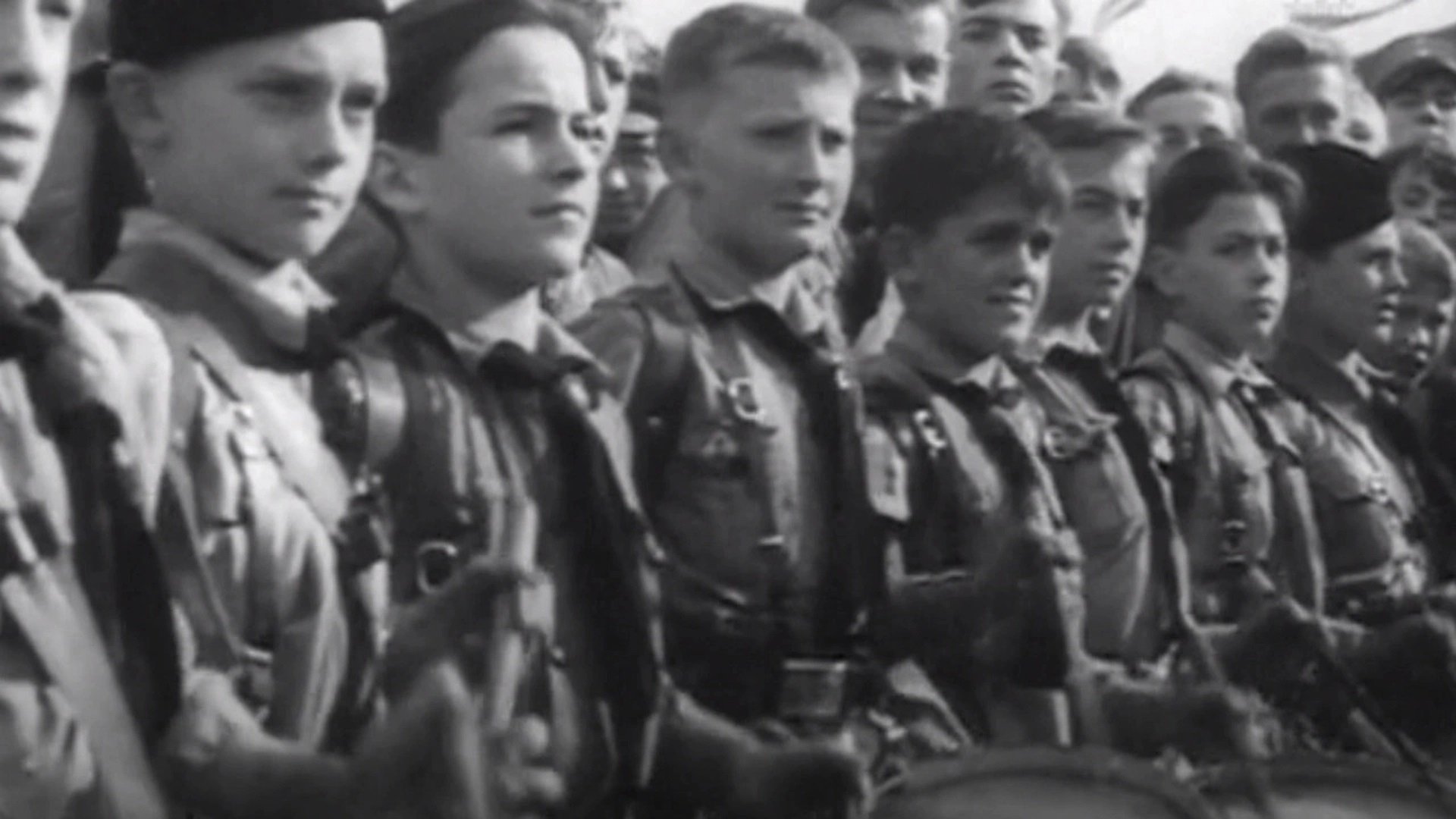
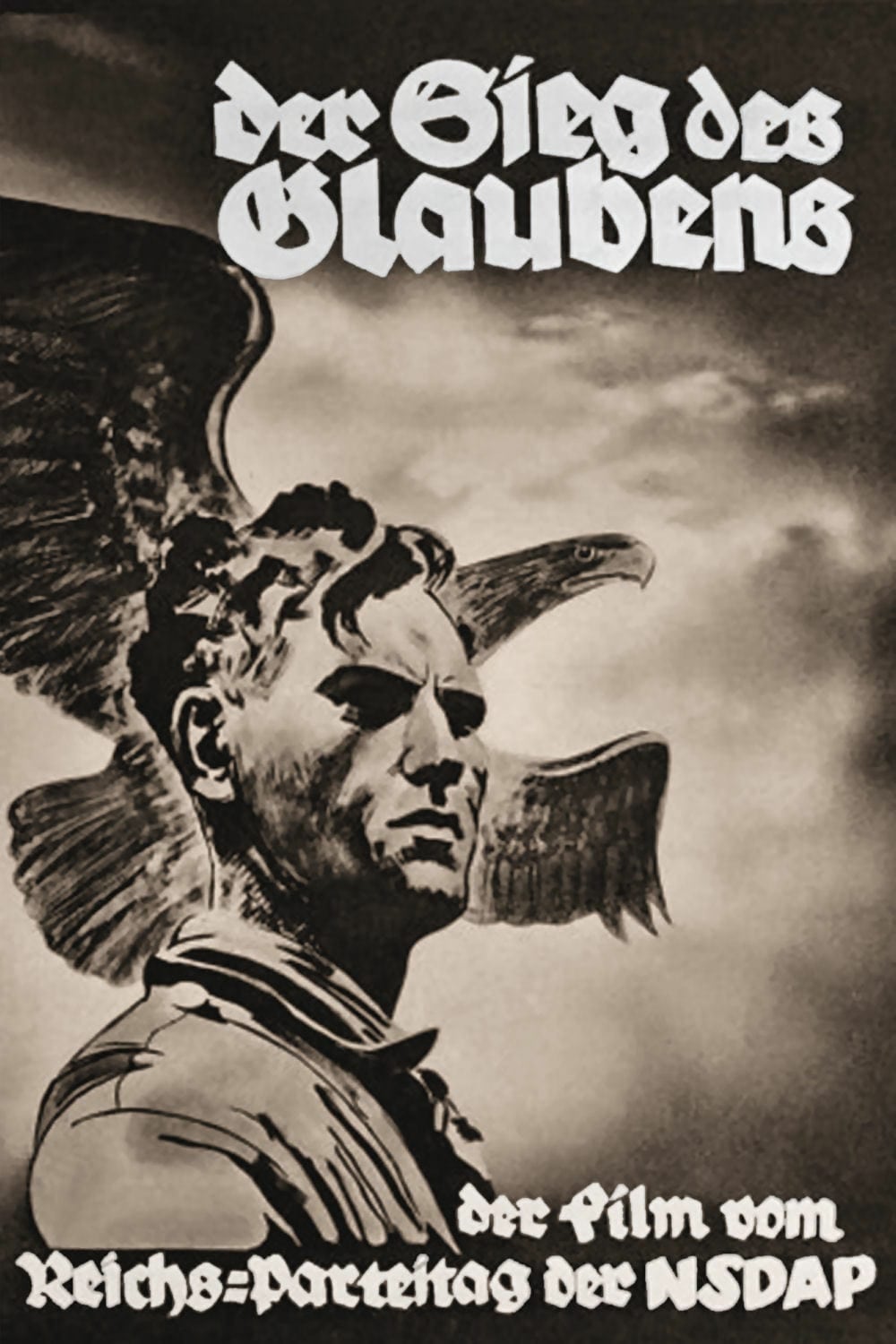
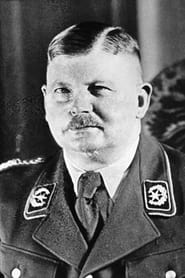
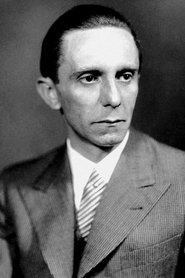
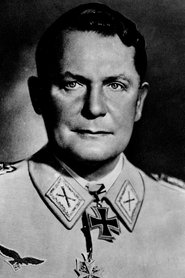
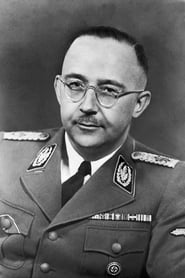
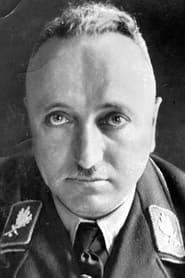
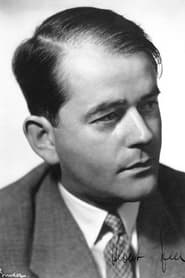
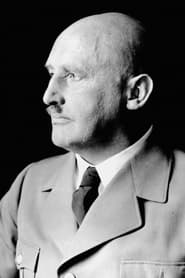
Follows the Fifth Nazi Party Rally (Nuremberg, 30 August–3 September 1933) and shows the then close relationship between Adolf Hitler and Ernest Rõhm.
Social & External
The people behind it
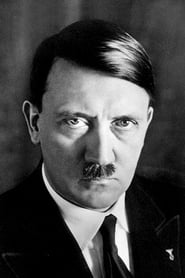
Adolf Hitler
Self
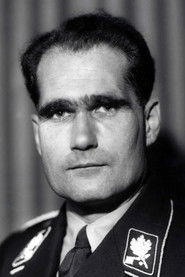
Rudolf Hess
Ernst Röhm
Joseph Goebbels
Hermann Göring
Heinrich Himmler
Robert Ley
Albert Speer
Julius Streicher
Franz von Epp
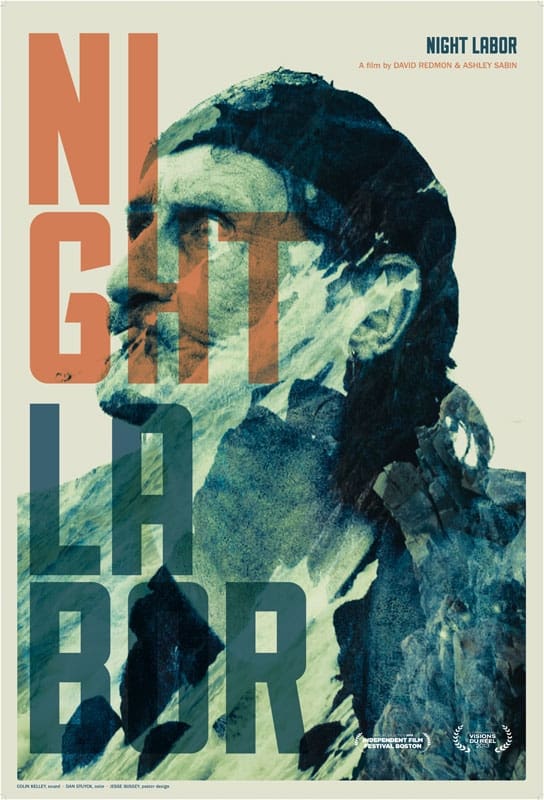
Night Labor follows Sherman Frank Merchant, a forty-six year old 6'6" Downeaster during his transition from an independent and rugged clam digger by day to manning a factory at night. With his white smock, arsenal of knives, and signature black beret, Sherman performs the tasks of preparing and arranging tools for the day laborers who arrive to their 6am shift.
A portrait of Inuit hunter and artist Lypa Pitsiulak, who decided to return to the land several years ago. His goal was to rediscover his culture, teach his family survival skills in the harsh Arctic environment, and pull himself and his family away from the negative influences of white culture. The film portrays his lifestyle, his love for his family, and some of the sources of his artistic inspiration. It also highlights his beautiful prints and sculptures, with their fantastic interweaving of figures from the animal, spirit and human worlds.
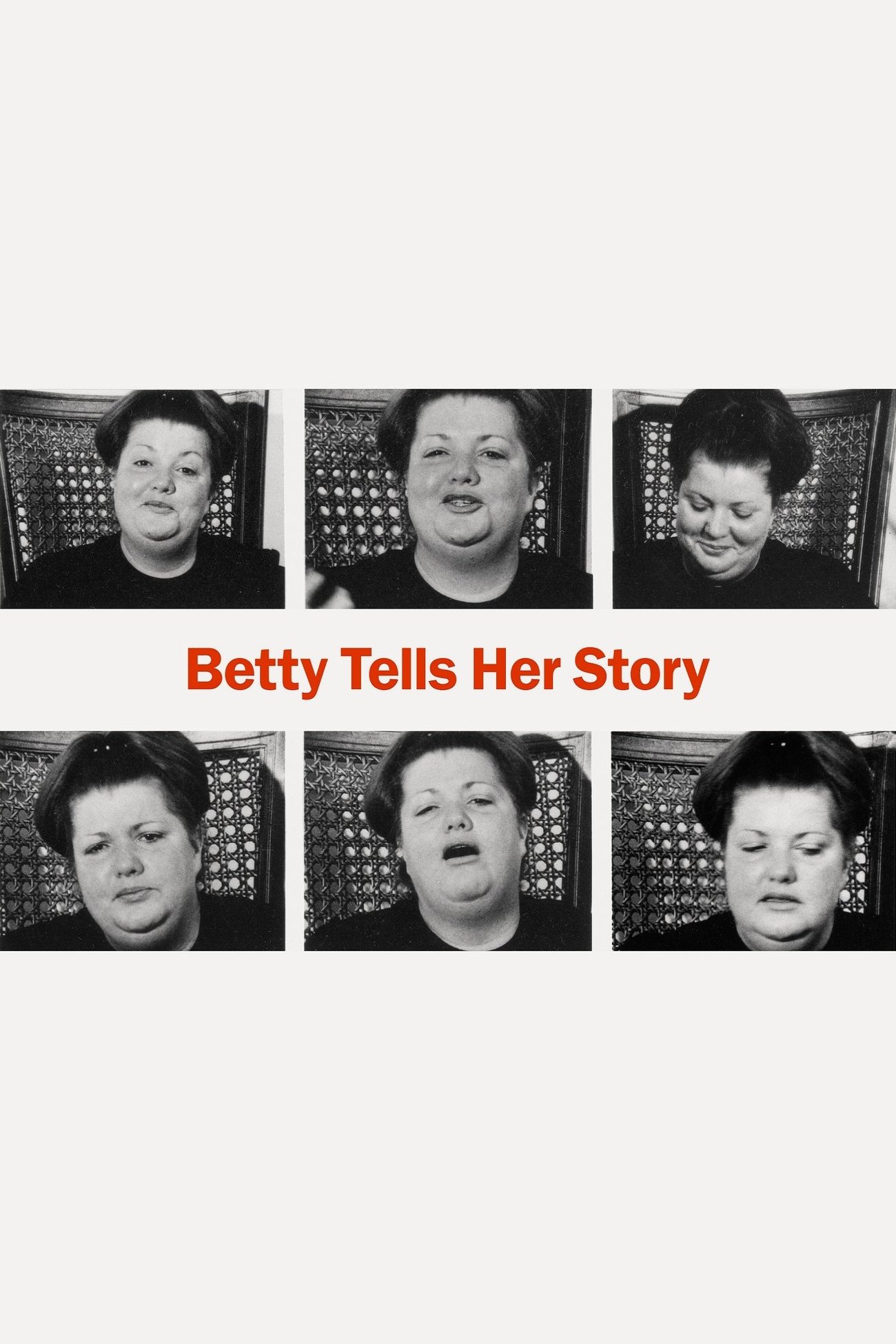
A woman tells the story of how she bought an expensive dress that she never got to wear, and then tells the story again focusing on her feelings about the events she described.
A documentary that chronicles life's natural unfolding when a family tries to live by the seasons instead of by the clock.
Damon C. Scott is a well known subway and street performer, but he's also the voice of the #1 hit song "Look Right Through" (by Storm Queen, remixed by DJ Mark "MK" Kinchen).
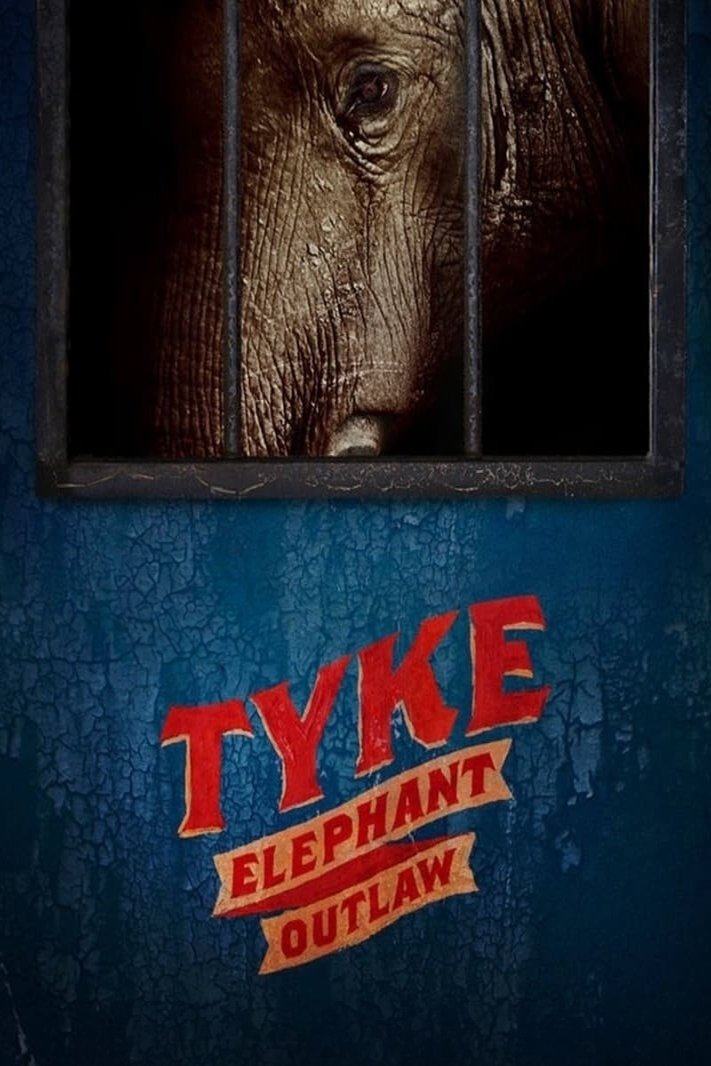
This is the gripping and emotionally charged story of Tyke, a circus elephant that went on a rampage in Honolulu in 1994, killed her trainer in front of thousands of spectators and died in a hail of gunfire. Her break for freedom - filmed from start to tragic end - traumatised a city and ignited a global battle over the use of animals in the entertainment industry. Looking at what made Tyke snap, the film goes back to meet the people who knew her and were affected by her death - former trainers and handlers, circus industry insiders, witnesses to her rampage, and animal rights activists for whom Tyke became a global rallying cry. Like the classic animal rebellion film King Kong, Tyke is the central protagonist in a tragic but redemptive drama that combines trauma, outrage, insight and compassion. Ultimately, this moving documentary raises fundamental questions about our deep and mysterious connection to other species.
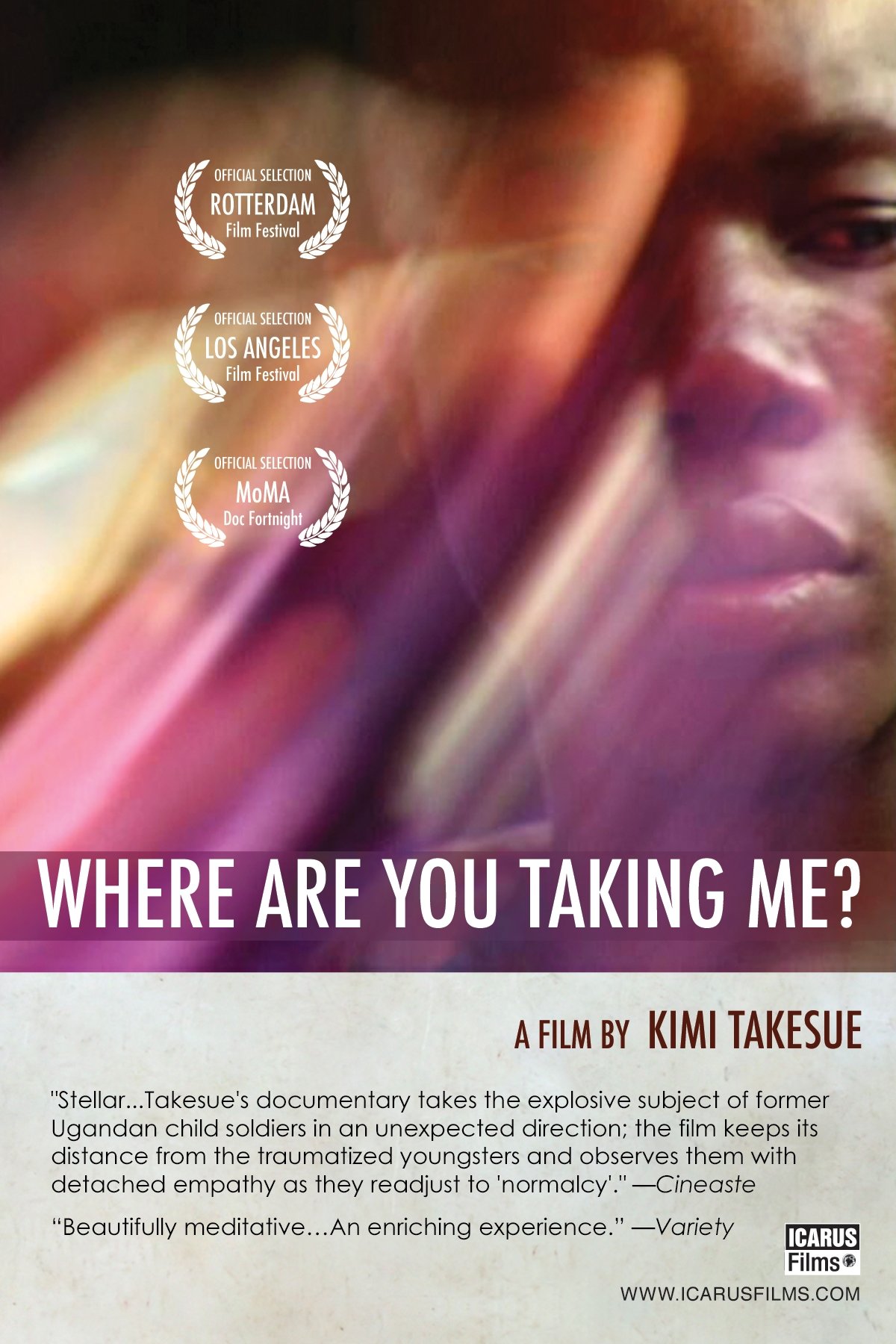
A high society wedding, bustling city streets, a center for former child soldiers, a nightclub full of music and laughter: these are the many faces of today's Uganda, as wonderfully captured by filmmaker Kimi Takesue. Whether exploring the pulsating energy of the city or contemplating quiet moments in the country, her artful camera compositions and the lyrical pacing of the film allow us to truly engage and process the foreign land on our own terms. Documenting Uganda while it deals with day-to-day realities and the aftermath of its civil wars, Takesue, well aware of her perspective as an outsider, strives for simple, unadorned honesty. Employing a largely observational style, Takesue allows the sight and sounds-and the people-of Uganda to speak for themselves. Usually the people she records simply ignore the camera, but when someone does engage-whether it's a group of school children...
The semi-humorous documentary about two men who turned an inside joke into a beverage company.
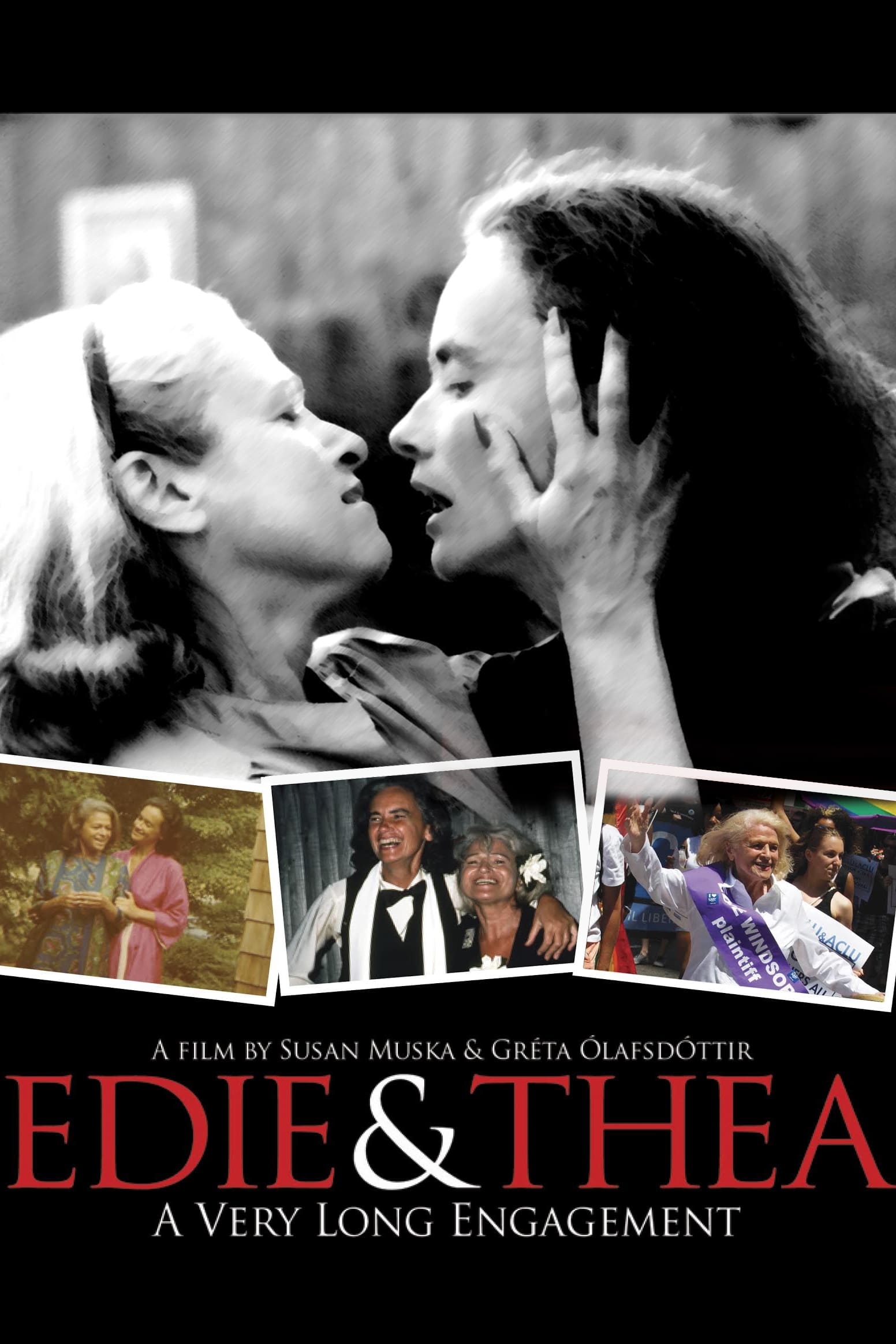
After 42 years, feisty and delightful lesbian couple Edie and Thea are finally getting married. From the early 1960s to the present day, the tireless community activists persevere through many battles, both personal and political. As Edie says, "we just went on with this talent we have for wrestling joy from the shit". Susan Muska and Greta Olafsdottir return with a love story of two remarkable women whose commitment to each other is an inspiration to us all.
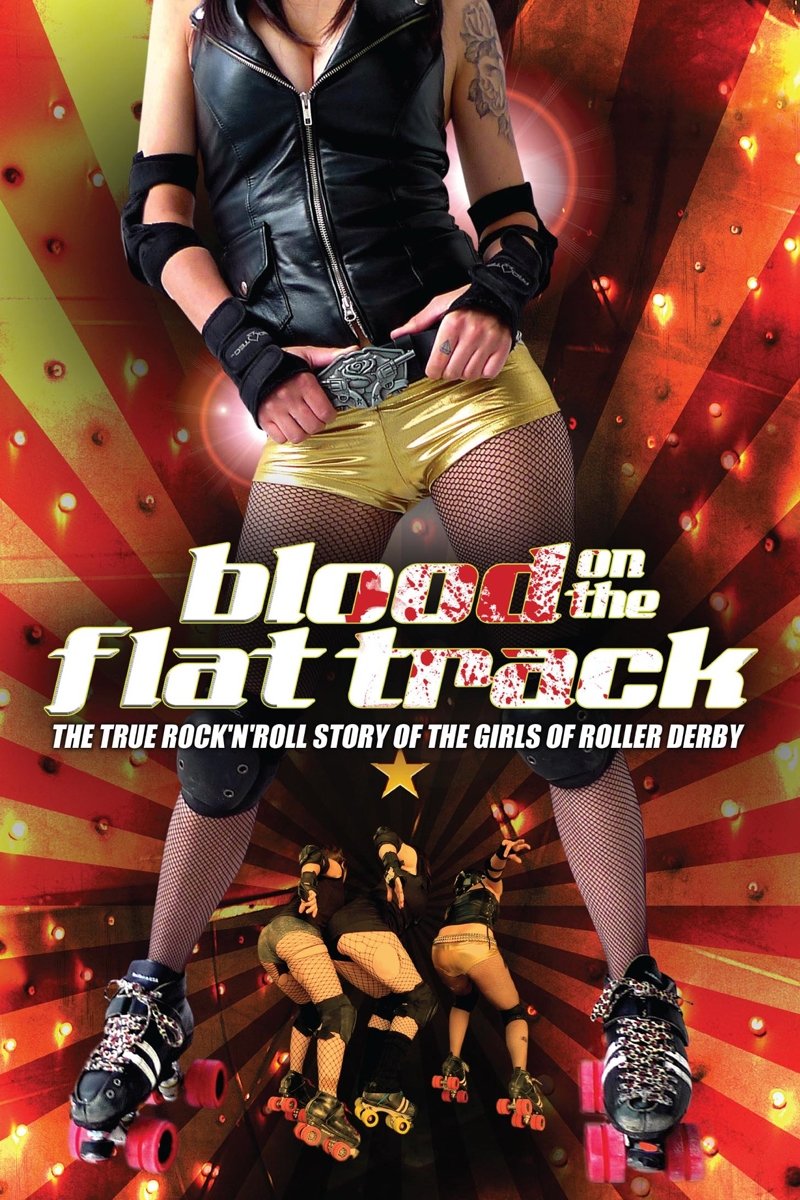
The sport of women's roller derby has made an enormous comeback, now with more than 30 leagues nationwide forming the Women's Flat Track Derby Association. Blood on the Flat Track focuses on the Rat City Rollergirls of Seattle, who formed their league from scratch in April of 2004. In the first season, the league started playing at a small rink in front of about 200 fans; they now sell out of 1,500 tickets monthly. This film follows the teams throughout its first two seasons and focuses on the women who comprise the league, their teams' struggle to win the championship bout and their relationships with each other.
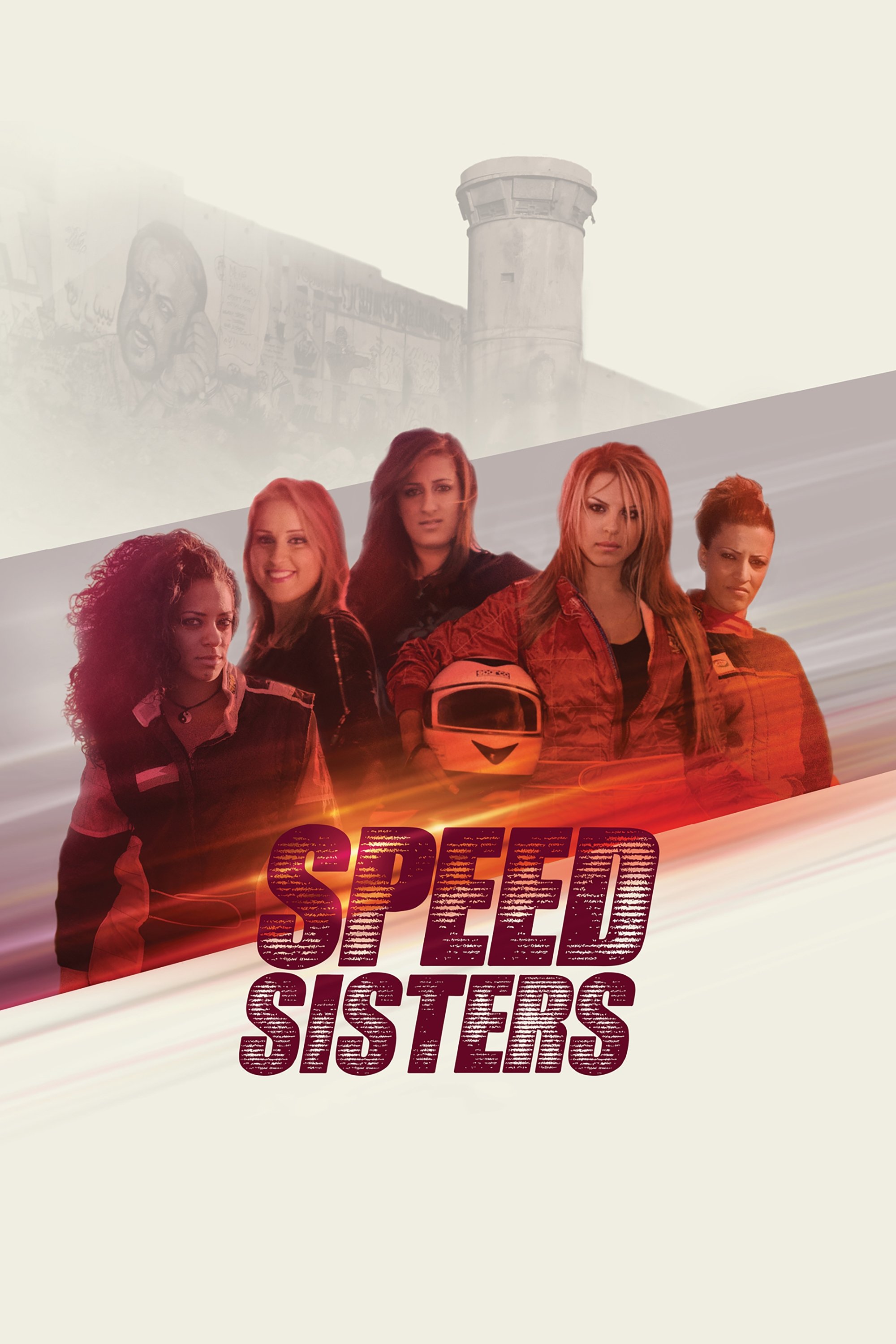
The Speed Sisters are the first all-woman race car driving team in the Middle East. Grabbing headlines and turning heads at improvised tracks across the West Bank, these five women have sped their way into the heart of the gritty, male-dominated Palestinian street car-racing scene. Weaving together their lives on and off the track, SPEED SISTERS takes you on a surprising journey into the drive to go further and faster than anyone thought you could.
An intimate glimpse into the experiences of a young Tibetan family struggling to reconcile their traditional way of life with a rapidly modernizing world.
The desolate and mysterious island of Fårö, Sweden, Baltic Sea, 2004. Swedish master filmmaker Ingmar Bergman (1918-2007) looks back on his personal and artistic life; a journey through more than sixty years devoted to film, plays and television programs. (An abridged version of Ingmar Bergman Complete, 2004; a collection of three thematic documentaries: Bergman and Film; Bergman and Theater; and Bergman and Fårö Island.)
Carol Morley returns to Manchester, where in the early 1980s, five years of her life were lost in an alcoholic blur. The Alcohol Years is a poetic retrieval of that time, in which rediscovered friends and acquaintances recount tales of her drunken and promiscuous behavior. In Morley’s search for her lost self, conflicting memories and viewpoints weave in and out, revealing a portrait of the city, its pop culture, and the people who lived it.
The film sheds light on the problems at school, the difficulties foreign youngsters have in finding their way between two cultures and languages, the impossibility of exercising the right to a good education.
Angela Davis visiting the German Democratic Republic. A film about the people she met and her impressions.
God Save My Shoes is the first documentary film to explore the intimate relationship between women and shoes, questioning why shoes are the most addictive item in a woman's closet and how shoes have become a totem object.
The filmmaker's journey to understand the controversial French philosopher and activist Simone Weil (1909-1943) reveals a brave young woman willing to die for her convictions.
Over the course of a controversial 10-year revolution in Nepal, 40% of the guerilla army fighting against the government were women. "Woman Rebel" follows the story of one such woman (codename "Silu") on her incredible journey — from the jungles, all the way through to the halls of Parliament. It's a powerful, unconventional topic featuring women as agents of change, not victims of circumstance.
Shida is the new kid in class in a private boarding school in Tanzania. He is shy, he has no self-esteem, he does not speak one word of English - the primary language in the school, and he suffers from albinism. Like most children with albinism in the country Shida was taken away from his parents to be protected from the witchcraft related killings. The film follows Shida during his first year at the new school where the rules are strict and tolerance low. He is trying his best to meet the demands. The school is a chance of an education and to escape a life on the bottom of society. With the help from his new friend Allan he is struggling to become better in school and to be accepted by the teachers and pupils.
A showcase of German chancellor and Nazi Party leader Adolf Hitler at the 1934 Nuremberg Rally.
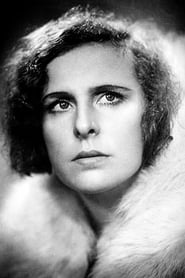
Explores Leni Riefenstahl's artistic legacy and her complex ties to the Nazi regime, juxtaposing her self-portrayal with evidence suggesting awareness of the regime's atrocities.
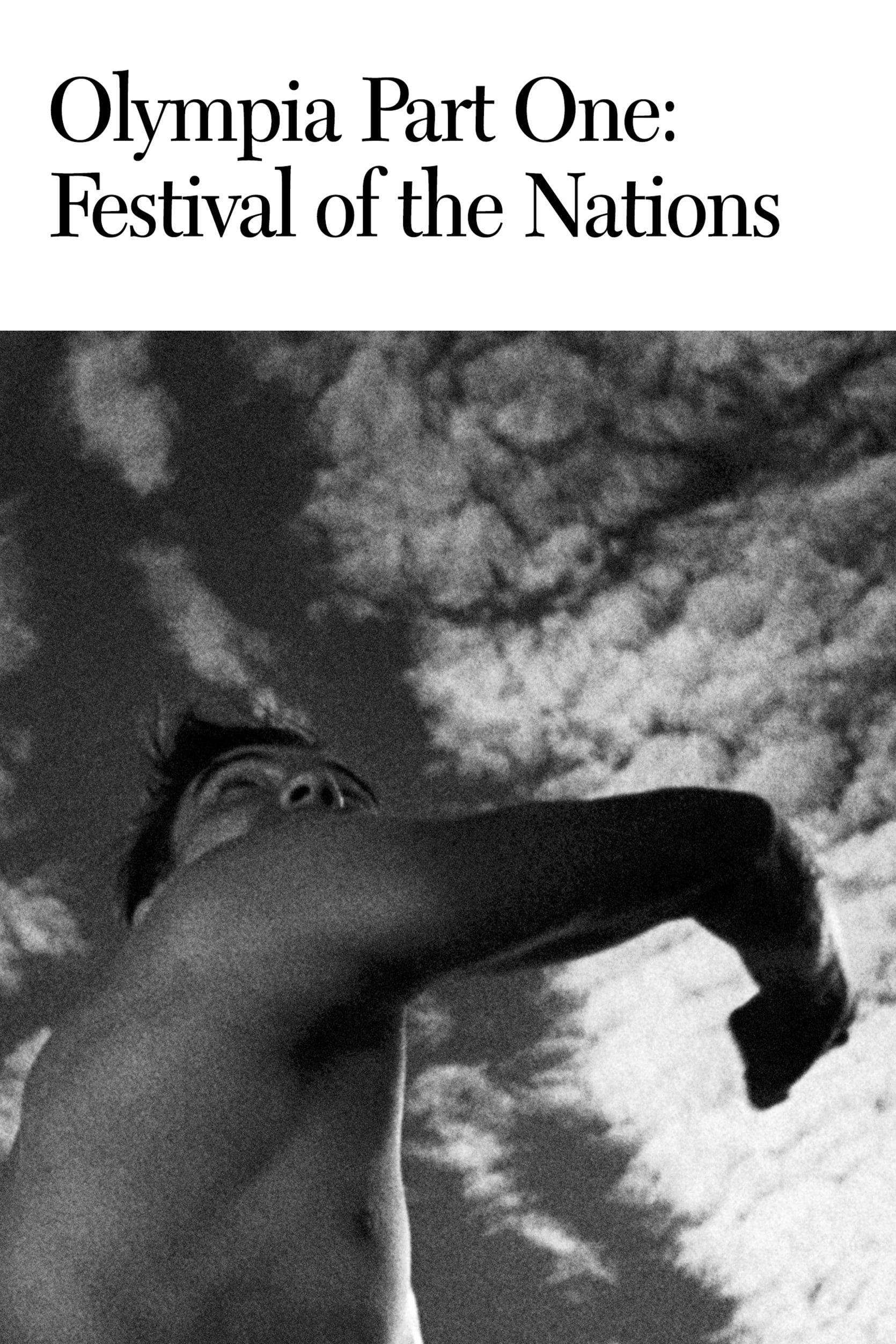
Starting with a long and lyrical overture, evoking the origins of the Olympic Games in ancient Greece, Riefenstahl covers twenty-one athletic events in the first half of this two-part love letter to the human body and spirit, culminating with the marathon, where Jesse Owens became the first track and field athlete to win four gold medals in a single Olympics.
Derek and Nancy Haysom were brutally murdered in their house in Lynchburg, Virginia, on March 30, 1985. Suspicion fell on their daughter Elizabeth and her boyfriend Jens Söring. They flee to Europe, but are caught and extradited to the U.S. Elizabeth is sentenced to 90 years in jail for incitement to murder, Jens Söring to two life sentences. Karin Steinberger, Marcus Vetter and their team spent over three years researching this case, which achieved world-wide notoriety. They uncovered new evidence, including the fact none of the blood samples found at the scene of the crime belonged to Jens Söring.
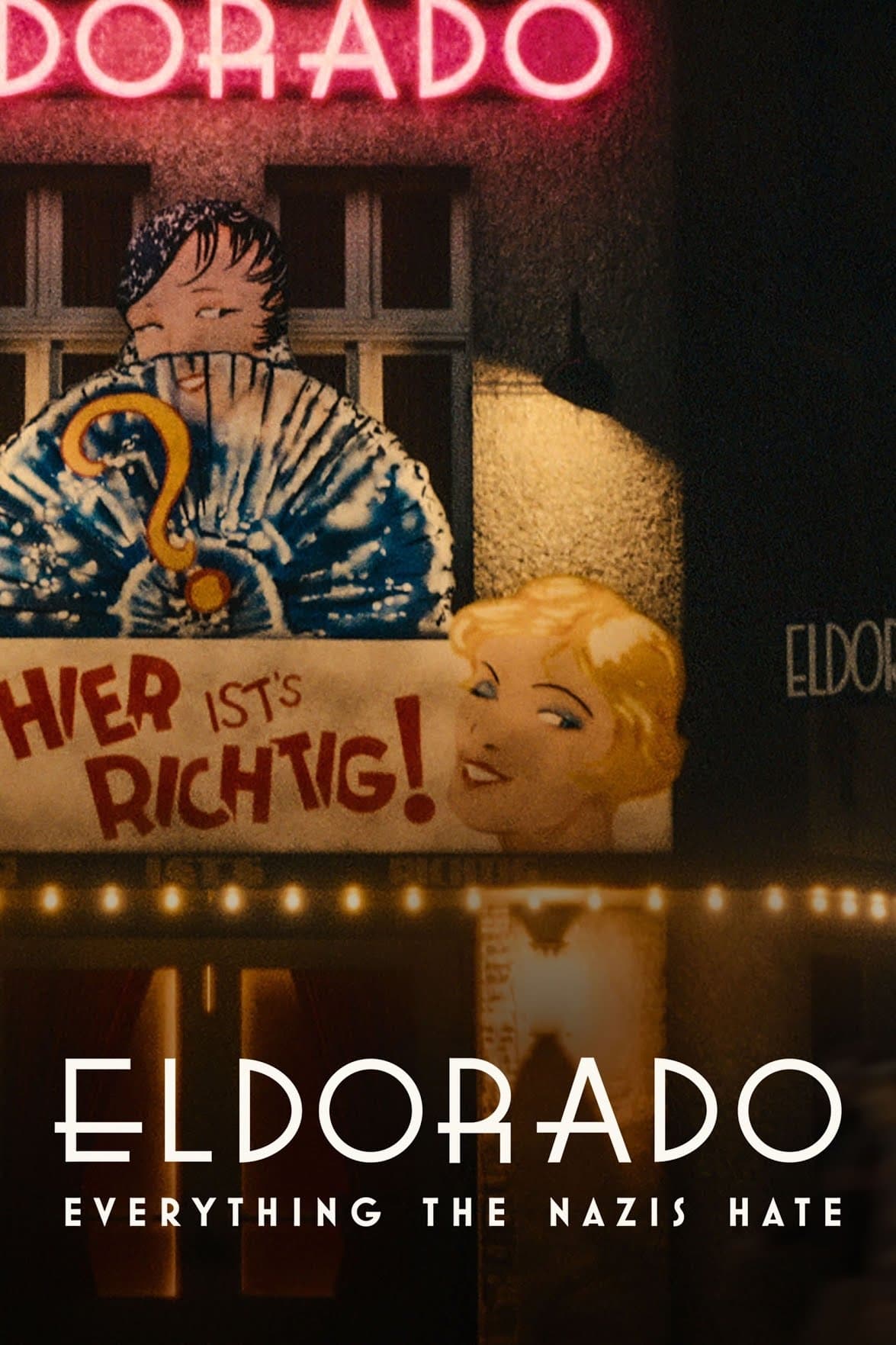
A glittery nightclub in 1920s Berlin becomes a haven for the queer community in this documentary exploring the freedoms lost amid Hitler’s rise to power.
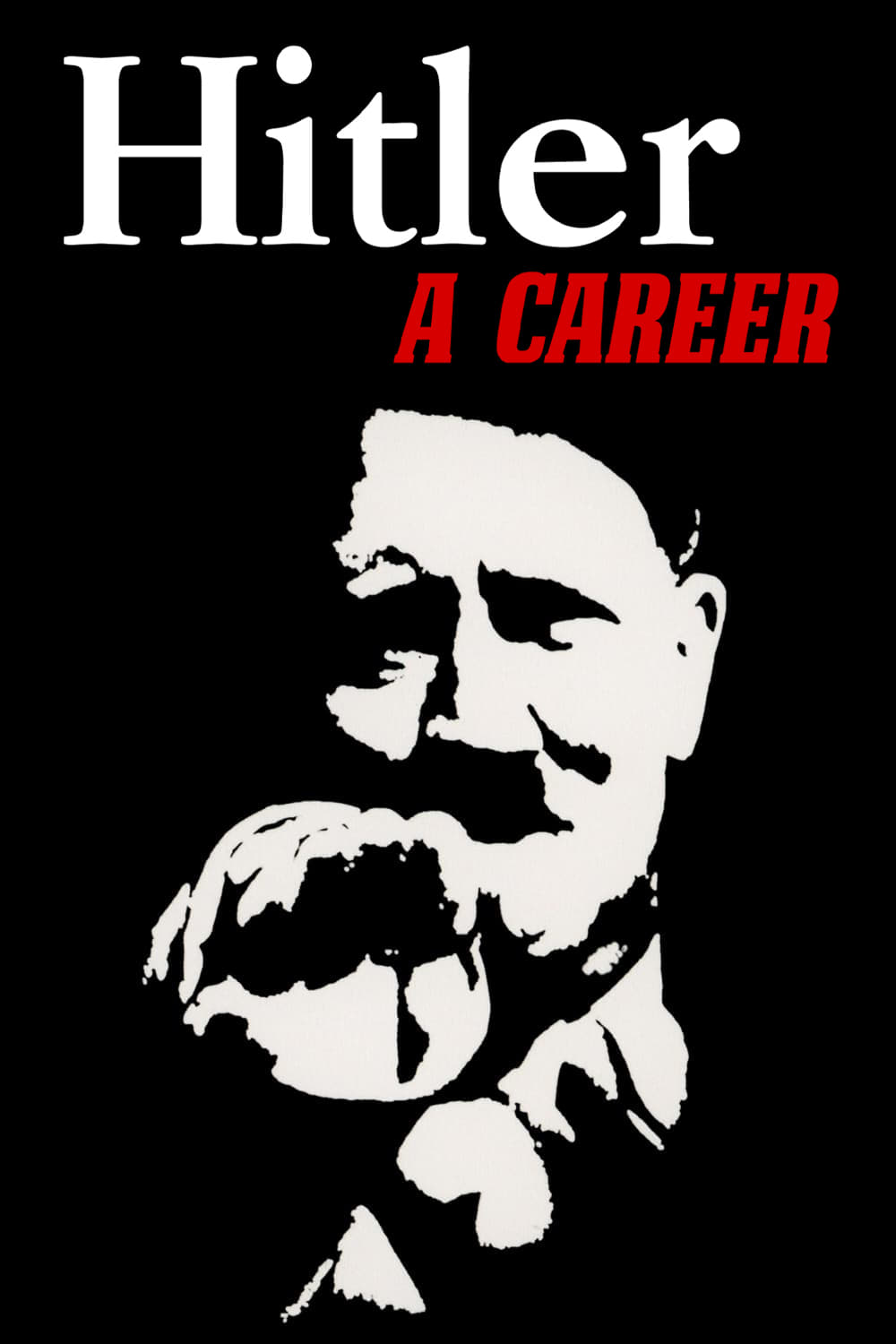
A keen chronicle of the unlikely rise to power of Adolf Hitler (1889-1945) and a dissection of the Third Reich (1933-1945), but also an analysis of mass psychology and how the desperate crowd can be deceived and shepherded to the slaughterhouse.
A love letter from a young mother to her daughter, the film tells the story of Waad al-Kateab’s life through five years of the uprising in Aleppo, Syria as she falls in love, gets married and gives birth to Sama, all while cataclysmic conflict rises around her. Her camera captures incredible stories of loss, laughter and survival as Waad wrestles with an impossible choice– whether or not to flee the city to protect her daughter’s life, when leaving means abandoning the struggle for freedom for which she has already sacrificed so much.
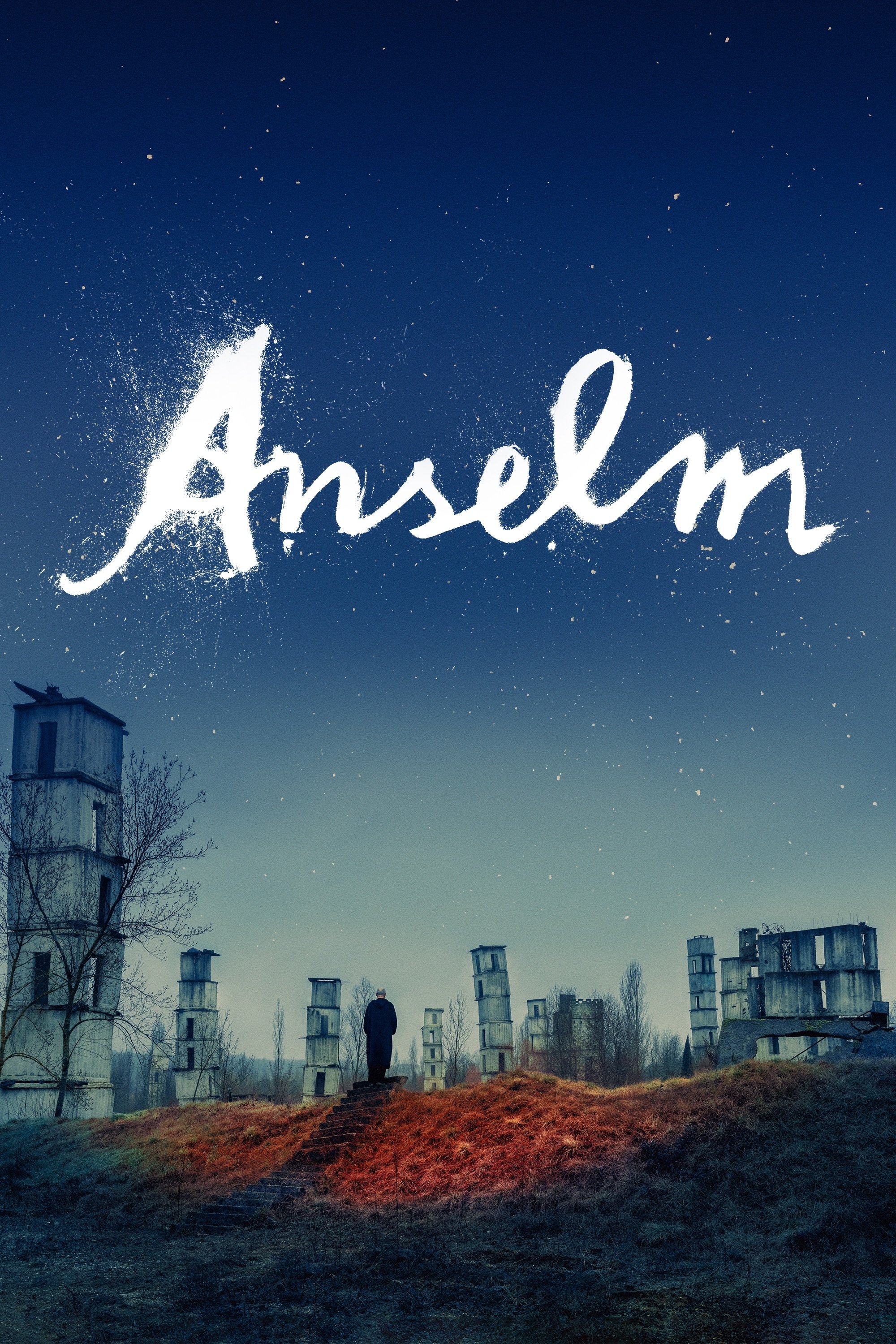
This unique cinematic experience dives deep into an artist’s work and reveals his life path, inspiration, and creative process. It explores his fascination with myth and history. Past and present are interwoven to diffuse the line between film and painting, allowing the audience to be completely immersed in the remarkable world of one of the greatest contemporary artists, Anselm Kiefer. Wim Wenders shot this unique portrait over the course of two years in stunning 3D.
A documentary on the expletive's origin, why it offends some people so deeply, and what can be gained from its use.
Director Michael Apted revisits the same group of British-born adults after a 7 year wait. The subjects are interviewed as to the changes that have occurred in their lives during the last seven years.
Using the book 'Fragments', which collects Marilyn Monroe's poems, notes and letters, and with participation from the Arthur Miller and Truman Capote estates who have contributed more material, each of the actresses will embody the legend at various stages in her life.
An unprecedented and intimate look at the life, work and enduring legacy of British actress Audrey Hepburn (1929-1993).
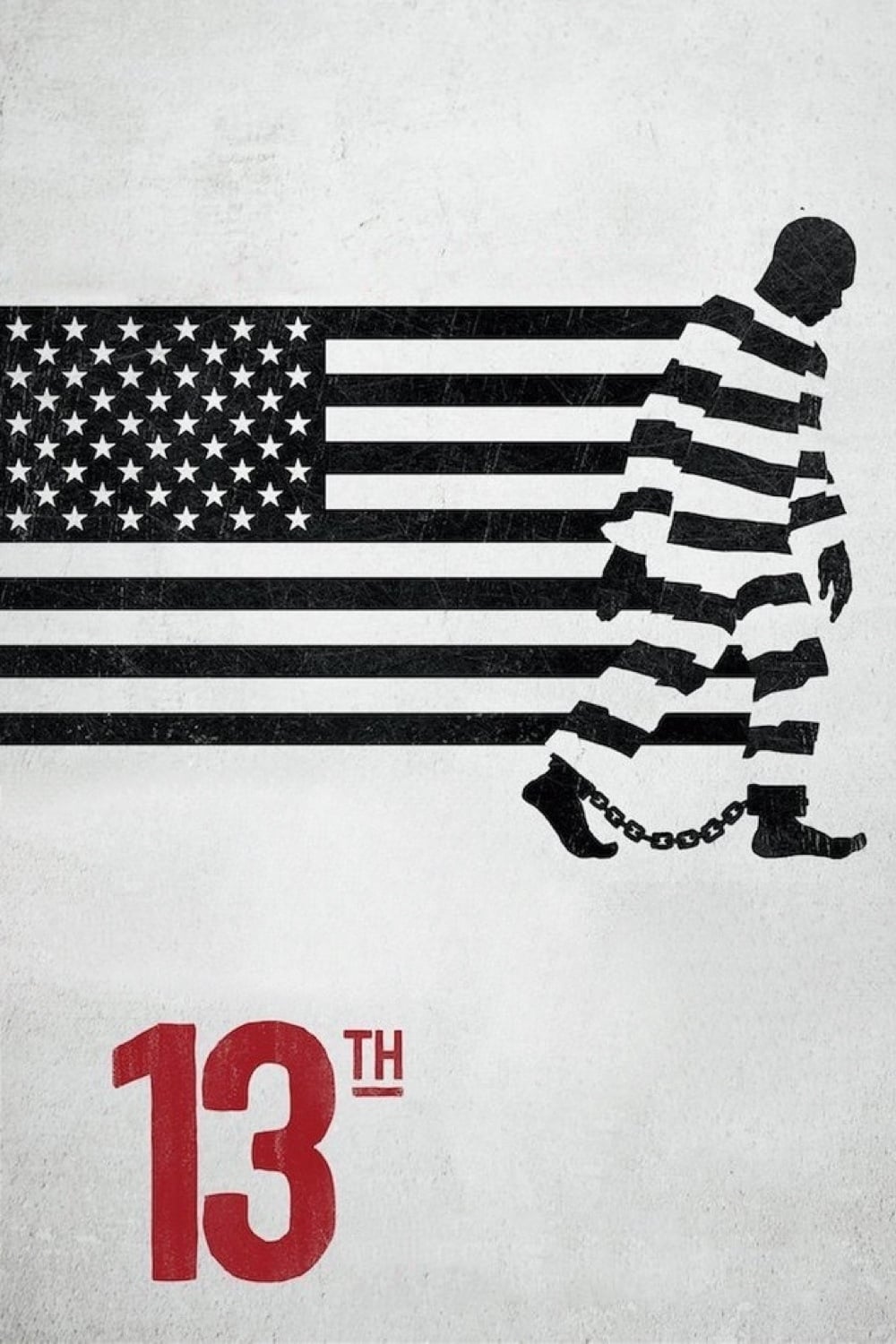
An in-depth look at the prison system in the United States and how it reveals the nation's history of racial inequality.
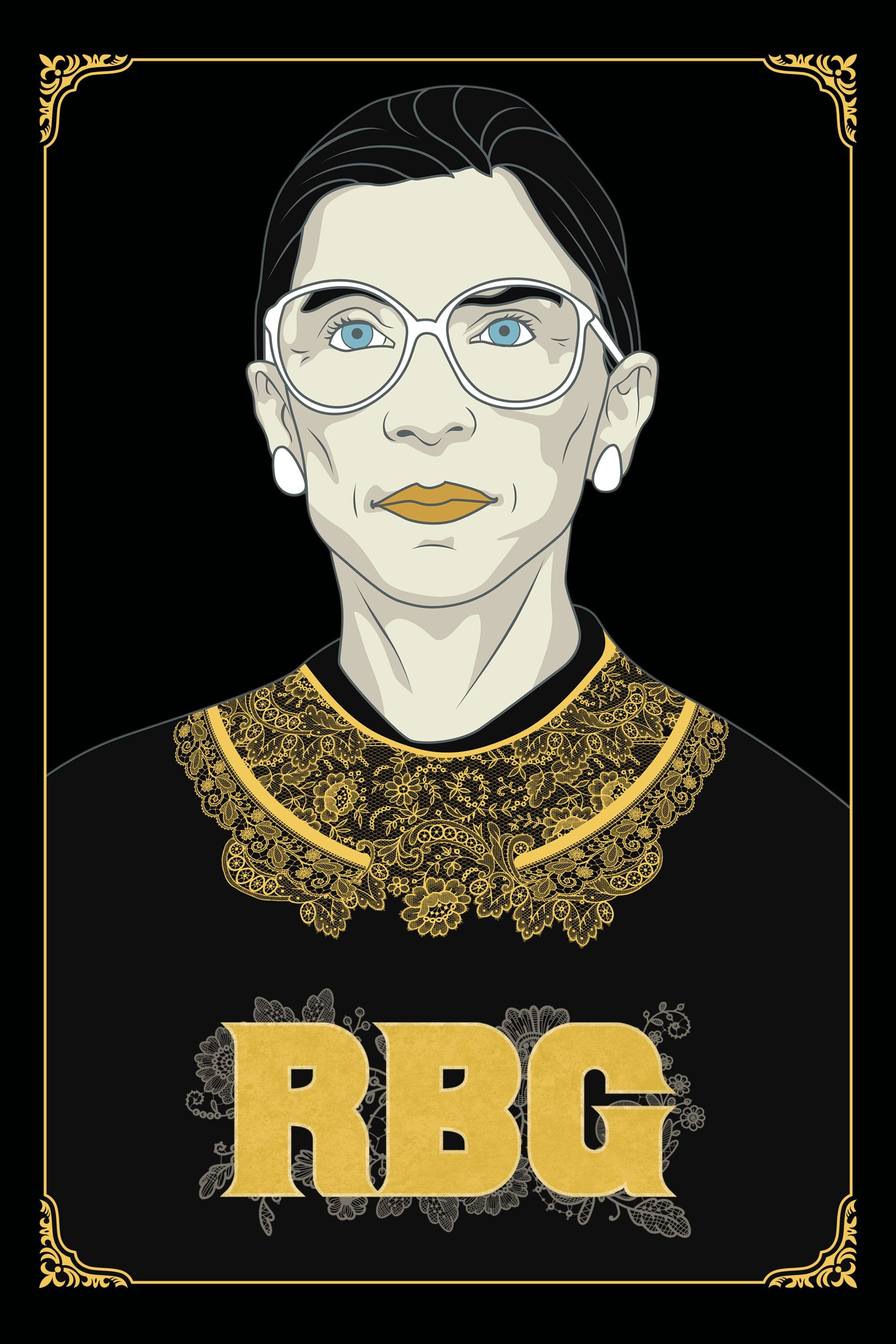
Justice Ruth Bader Ginsburg now 84, and still inspired by the lawyers who defended free speech during the Red Scare, Ginsburg refuses to relinquish her passionate duty, steadily fighting for equal rights for all citizens under the law. Through intimate interviews and unprecedented access to Ginsburg’s life outside the court, RBG tells the electric story of Ginsburg’s consuming love affairs with both the Constitution and her beloved husband Marty—and of a life’s work that led her to become an icon of justice in the highest court in the land.
Alexander McQueen's rags-to-riches story is a modern-day fairy tale, laced with the gothic. Mirroring the savage beauty, boldness and vivacity of his design, this documentary is an intimate revelation of McQueen's own world, both tortured and inspired, which celebrates a radical and mesmerizing genius of profound influence.
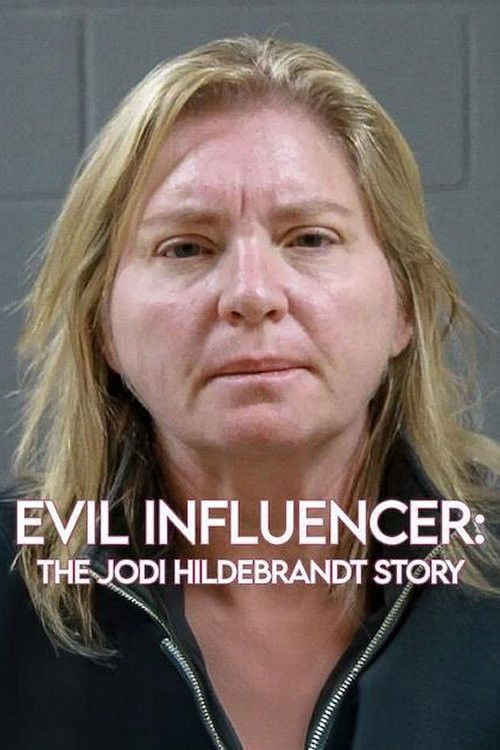
Unravel the case of Utah therapist Jodi Hildebrandt, whose child abuse arrest with parenting YouTuber Ruby Franke exposed a twisted tale of manipulation.
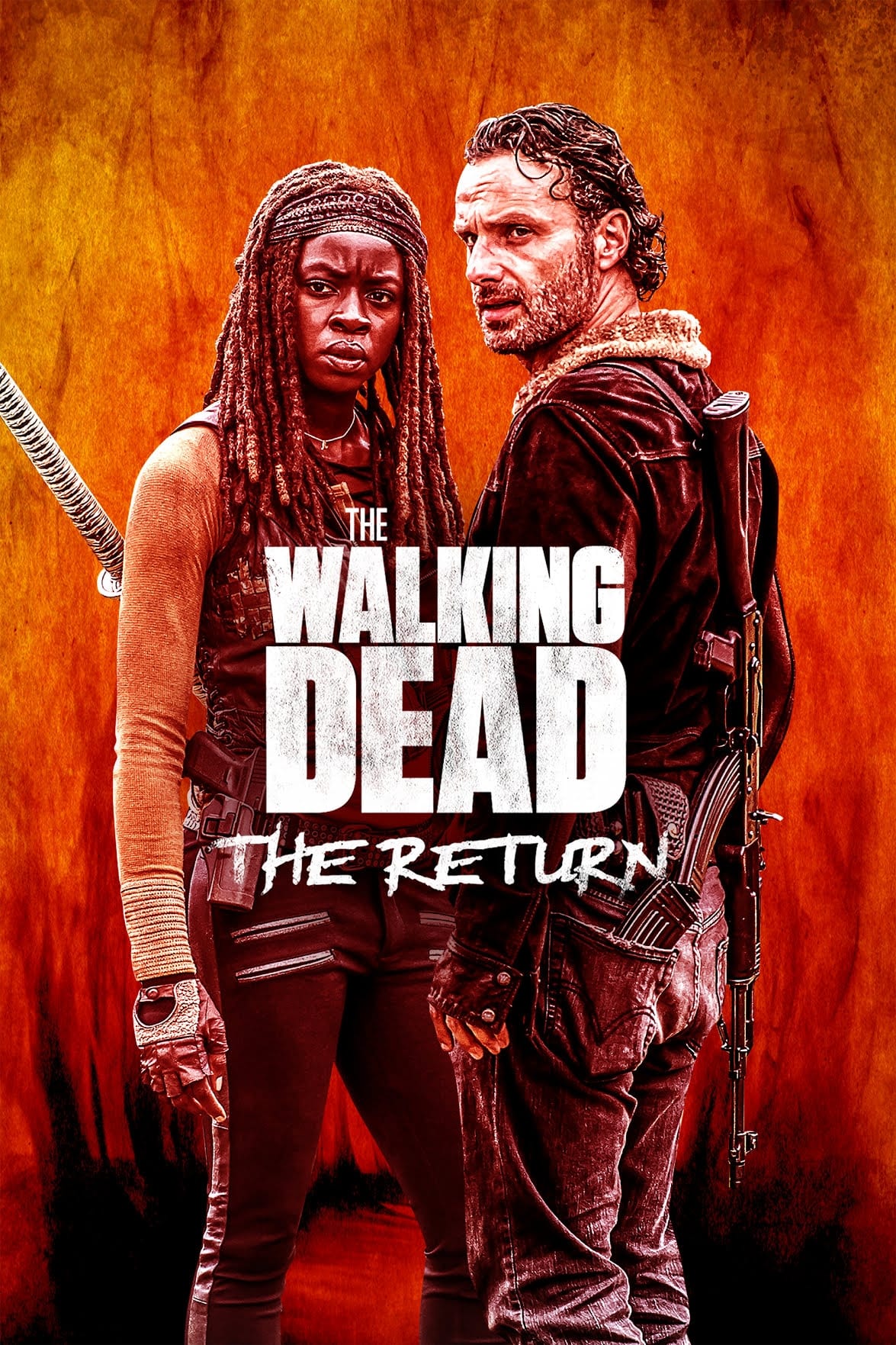
Stars of "The Walking Dead," Andrew Lincoln and Danai Gurira, walk down memory lane and visit iconic locations where pivotal moments between their characters, Rick and Michonne, were filmed.
14-year-old Laura Dekker sets out on a two-year voyage in pursuit of her dream to become the youngest person ever to sail around the world alone.
This revealing documentary honors the legendary Sidney Poitier—iconic actor, filmmaker, and civil rights activist. Featuring interviews with Denzel Washington, Spike Lee, Halle Berry, and more.
Told through performances, TV interviews, home movies, family photographs, private letters and unpublished memoirs, the film reveals the essence of an extraordinary woman who rose from humble beginnings in New York City to become a glamorous international superstar and one of the greatest artists of all time.