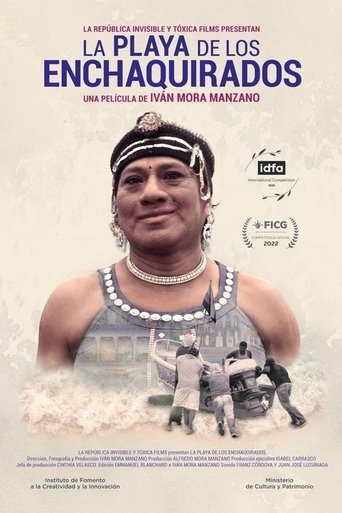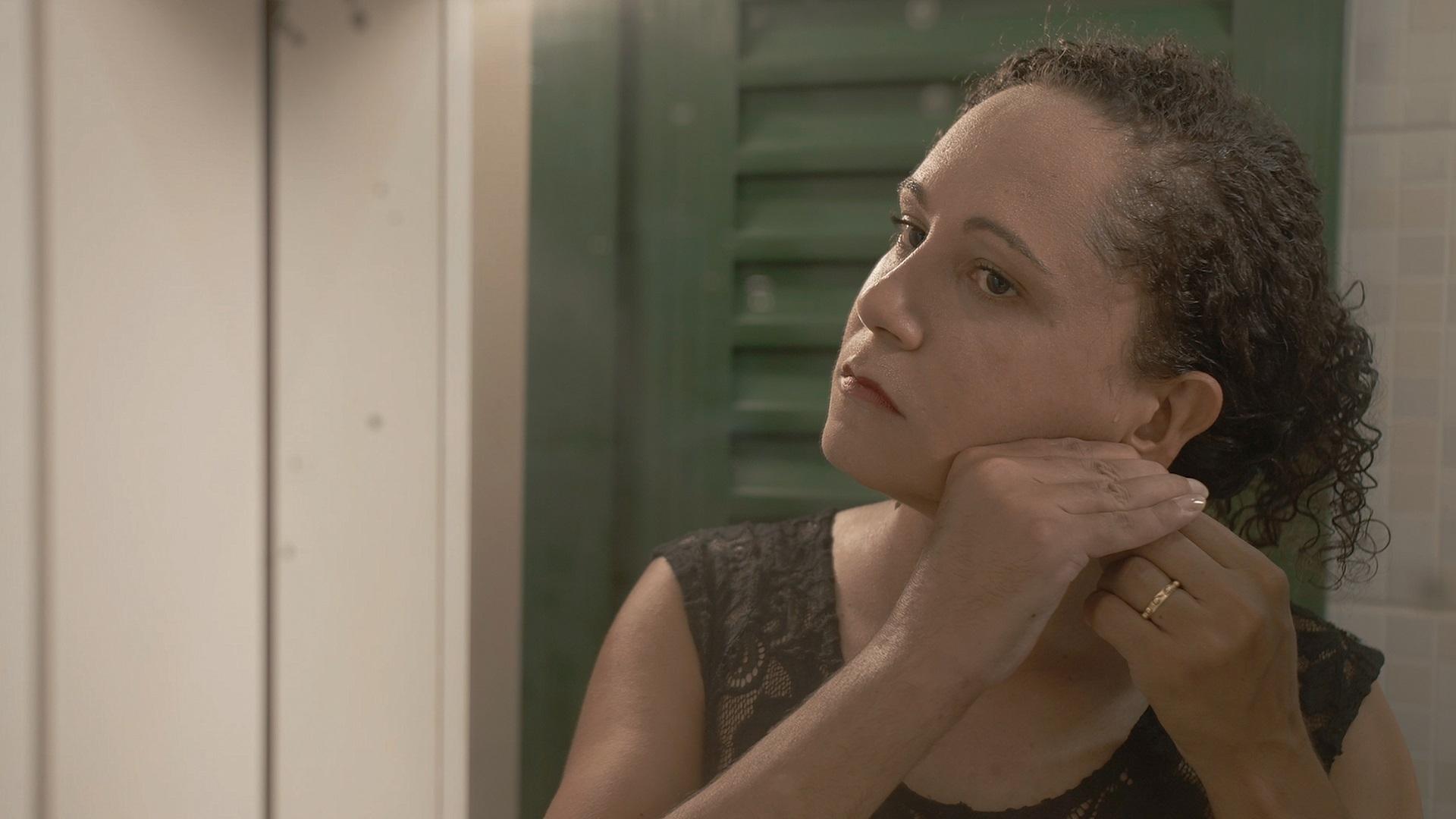
Deep Brazil. Between drifting through a city in the interior of Mato Grosso on the banks of the BR-163, we follow moments of the routine of Ana Rúbia, who is preparing for the launch of the book “School Memories of Travestis”.
Social & External
For four years (1977-1981) Esaias Baitel documented a violent Parisian neo-Nazi gang. Having gained their trust, he was able to get close to them. Living among the gang members, he witnessed horrific events, and while hiding his real identity, he photographed a one-of-a-kind collection of gripping stills. Over thirty years have passed. Esaias Baitel has laid his camera down. He returns to the dark nights he spent in the City of Lights, the city where he lived a double life, going back and forth from the gang to the young family he had just started.
An in-depth profile of the life and career of Willy T. Ribbs - the controversial Black driver who shattered the color barrier of professional auto-racing and became the first Black qualifier in the storied history of the Indy 500.
On the buckle of the Bible Belt lies the Oklahoman branch of the ISUPK, an ethnic religious group listed officially as a "hate group." Harry Robinson travelled across the Atlantic to find out what it takes for faith to become hate.
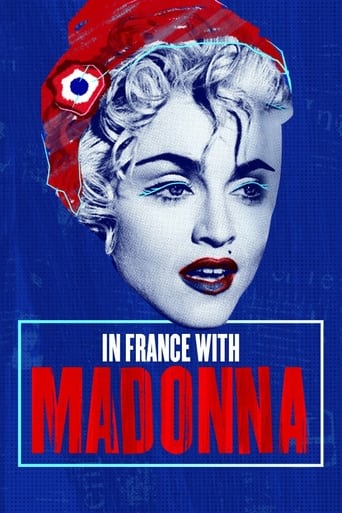
Born in Harlem between the '70s and' 80s, Voguing is a dance inspired by the models that appeared on Vogue magazine. At the time of its birth, young homosexuals, transgender and drag queen were Afro-American and Latino and they would confront themselves in improvised parades, to which Madonna and other popular singer-songwriters would later refer to. In the Paris of the years 2000s, Lasseindra Ninja is one of the most popular dancers, having learned in her youth all the tricks from the historic New York House of Ninja crew. Together with Stéphane Mizrahi the two initiate a new generation of drag queen and Parisian trans into Voguing.
A documentary on Queercore, the cultural and social movement that began as an offshoot of punk and was distinguished by its discontent with society's disapproval of the gay, bisexual, lesbian and transgender communities.
As a gay man, filmmaker Arshad Khan examines his troubled relationship with his devout, Muslim father Abu. Using family archives and movies, Khan explores his struggle with his identity and compares it to his parents attempts to fit into Canada.
Guy Debord's analysis of a consumer society.
What does it mean to be transgender? How did the trans rights movement come about? What progress has there been made, and what is there still to be done? Absolutely Trans gives us a detailed history...
Packed with drama, high emotions and cliff-hanger moments, Australia Says Yes is the intimate and personal history of struggle and perseverance that propelled Australia to say Yes to marriage equality. The film shows how a group of determined individuals fought tirelessly against unjust laws that treated LGBTIQ people as second-class citizens, creating a movement that saw them go from criminals to legally equal over the course of five decades.
For three decades now, Qatar, this small desert kingdom, has not stopped being talked about; because of its financial power and the secrecy that surrounds it, the royal family that runs it fascinates as much as it frightens.
An Evil Entity intrudes on a YouTube Vlog by a group of Queer teenagers.
When a feature film is made about them seven years after their break-up, Benjie Nycum visits his ex-boyfriend Michael Glatze and finally tries to get answers about his bewildering shift from gay activist to ex-gay evangelical.
Gay saunas are places where men meet strangers to have sex. With exclusive access to one Nottingham business, this candid one-off documentary enters the often controversial and always secretive world of the gay sauna for the very first time. The programme meets the people who go there for sexual pleasure - from teachers to plumbers to Tory councillors - and the staff who clean up after them.
A conflicted gay man struggles to teach his younger self about the challenges of adult life. Searching for answers inside stories from his past, he must confront his nature and the man he will become. Documentary meets musical feature in this experimental coming of age drama about power and masculinity in modern day Australia.
SOUND OF THE SOUL is a compelling portrait of an Arab country where Muslims, Christians, and Jews have lived together in relative peace for centuries. Beautifully photographed during the Fez Festival of World Sacred Music, the film presents unforgettable performances from groups from Morocco, Ireland, Russia, Afghanistan, Mauritania, the USA, Portugal and France, which carry viewers into what the film's Moroccan sufi guide calls "the hearing of the heart": the essential Oneness at the core of all religions and faiths.
Here, where even monsters are political, the topography has its own memory. It has the mythological blues. Meanwhile, old gods are upset with us, and I am upset with my father.
For over 100 years, Hollywood cinema has crafted the ultimate "villain"- the Indian, as they were labeled in early Westerns. Confined almost exclusively to this genre, the Western became a vehicle for American racism, obscuring the genocide upon which the United States was built. In this documentary, only Native Americans are given a voice to share their story, one that has been overshadowed by Hollywood's portrayal. Their narrative, part of the larger American story, highlights how cinema has long been used as a powerful propaganda tool, distorting history and perpetuating harmful stereotypes.