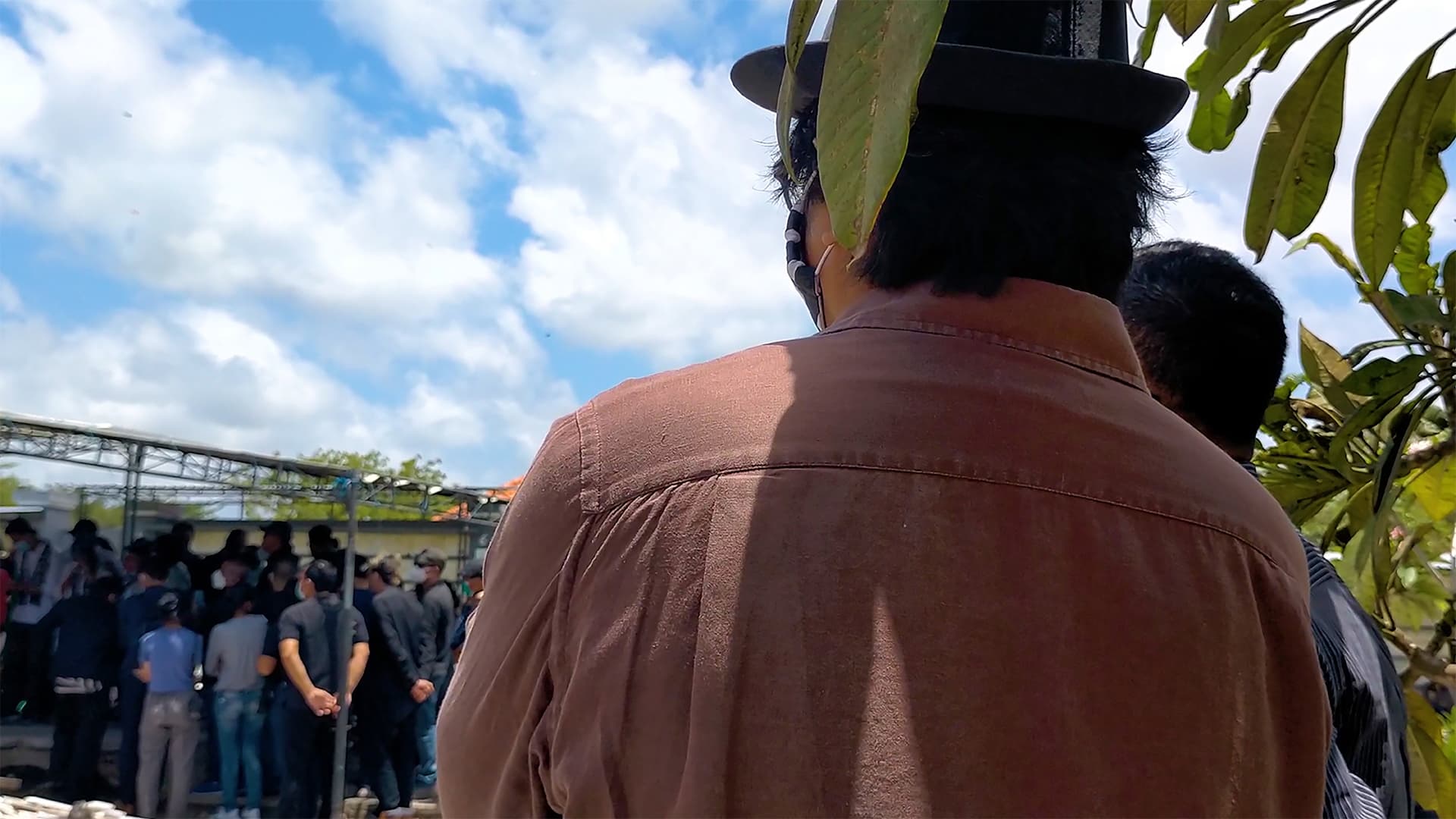
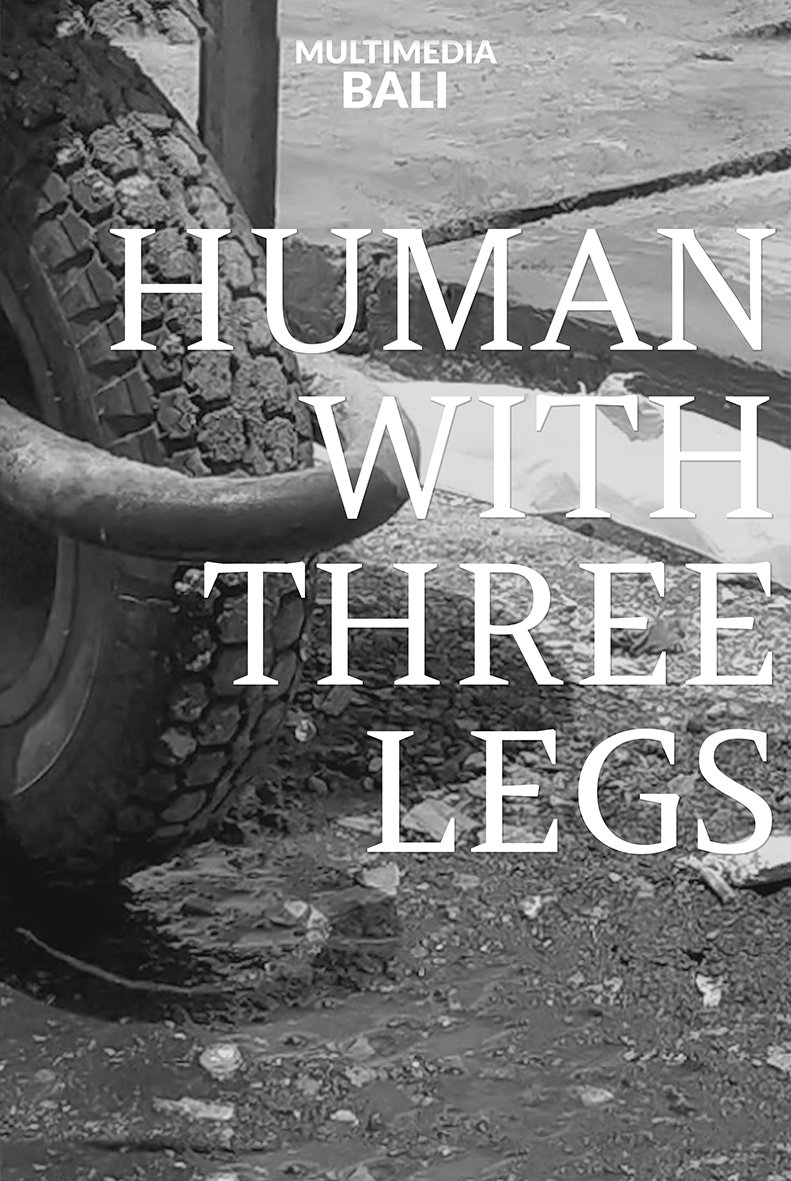
Two bored mans talking about an interesting topic while everyone is condolences for a family who mourns the death of a loved one.
Social & External
The people behind it
Gerobak dorong
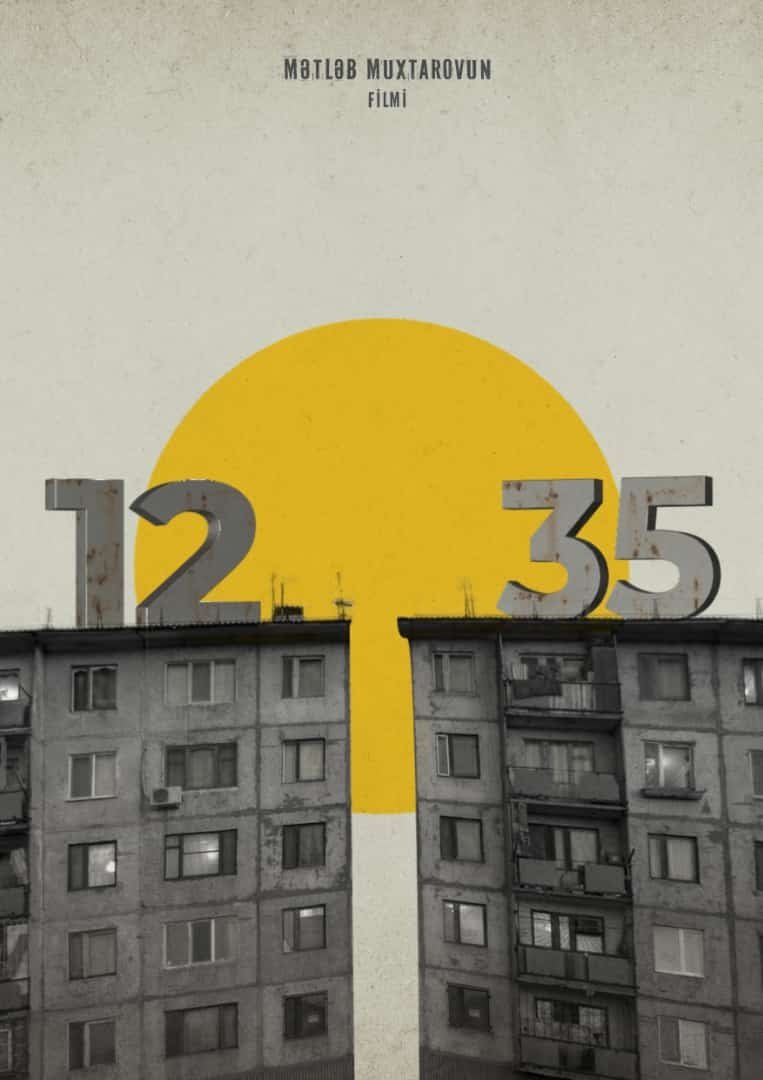
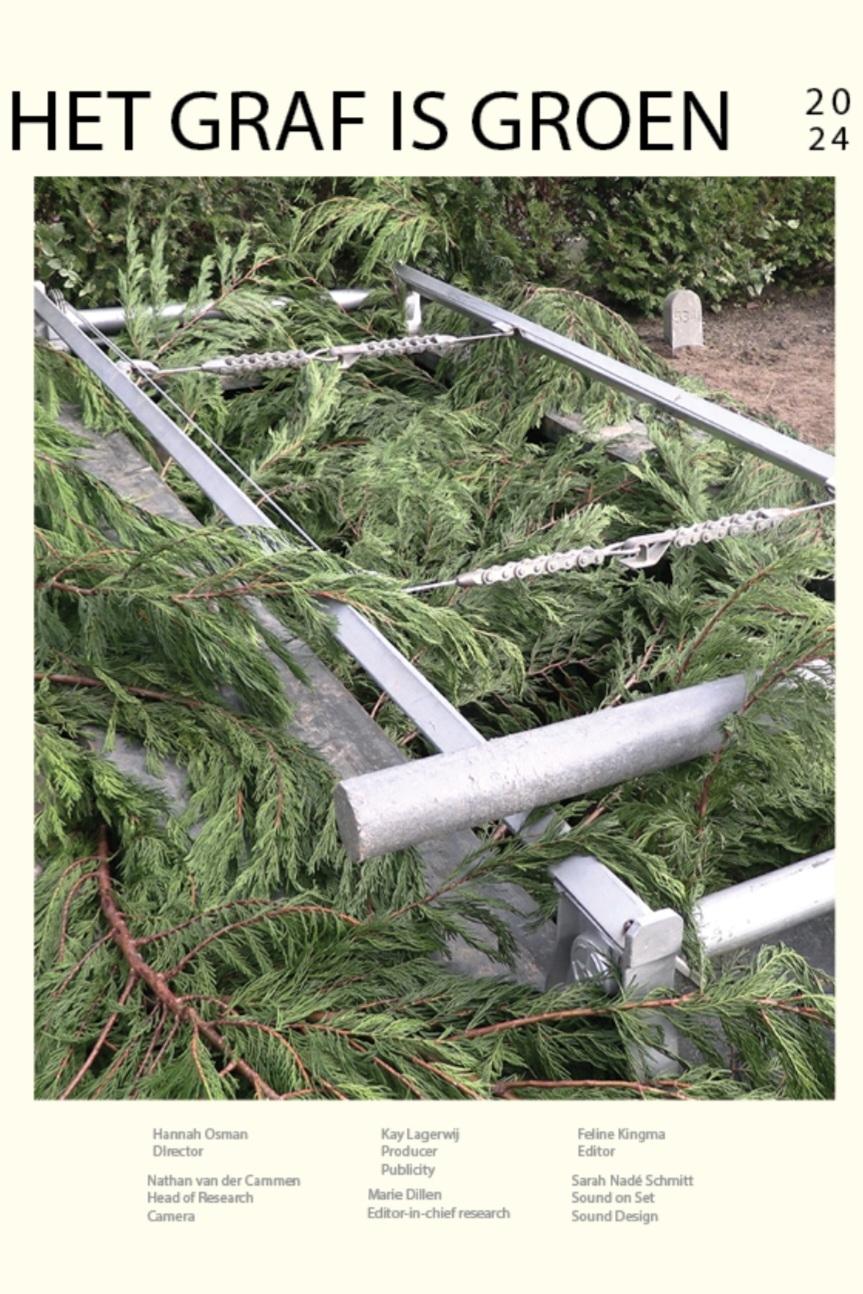
This film explores the lives of those men and the memories of those left behind: the childhoods they shared and the choices they made. These men, now in their 60s, reflect on what has happened to their generation, why most of their friends and relatives died so young and how this particular apartment block captures the story of a whole generation. The voices and lives of the departed are included in clips from amateur videos from the 1990s. Set against the background of old friends’ attempt to understand their deaths, this film is about nostalgia and how memories kindle a special kind of love for home.
While everyone wants to die "at home" without suffering and surrounded by loved ones, in reality almost everyone dies in hospital. What healthcare provisions enable people to die at home? Are we all equal in terms of the support we receive, regardless of where we live? Young caregivers in a home hospitalization unit drive day and night along the Alabaster Coast. From house to house, from dying person to dying person. Accompanying a dying person at home also means accompanying their loved ones, immersing oneself for a few days or weeks in the intimacy of a family history. Thanks to them, the end of life returns to the home, to the family, and is rehumanized.
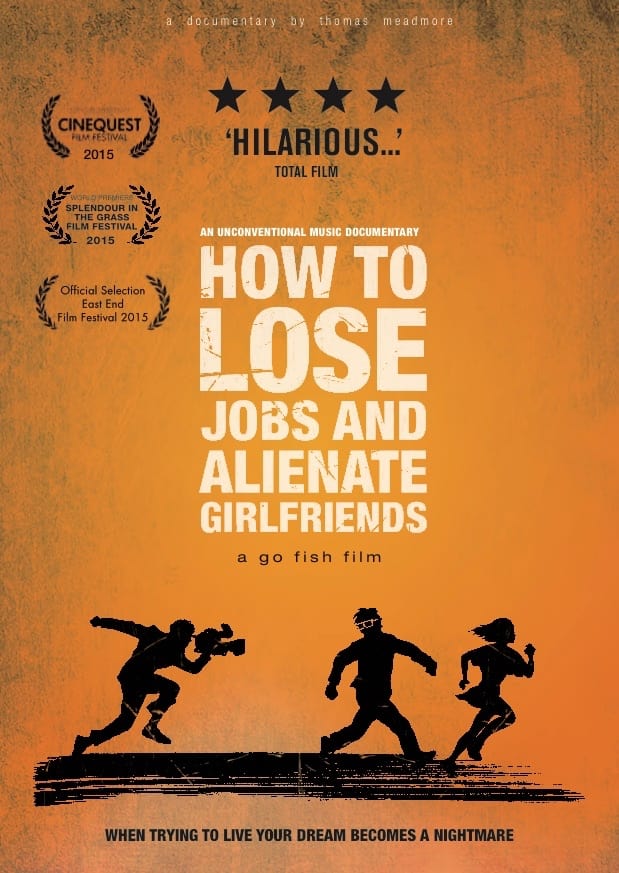
First time filmmaker follows his girlfriend and boss chase their dream as musicians. His insecurities flair while struggling to find a story, and begins challenging their flaws, on camera, jeopardizing the film, relationships and careers.
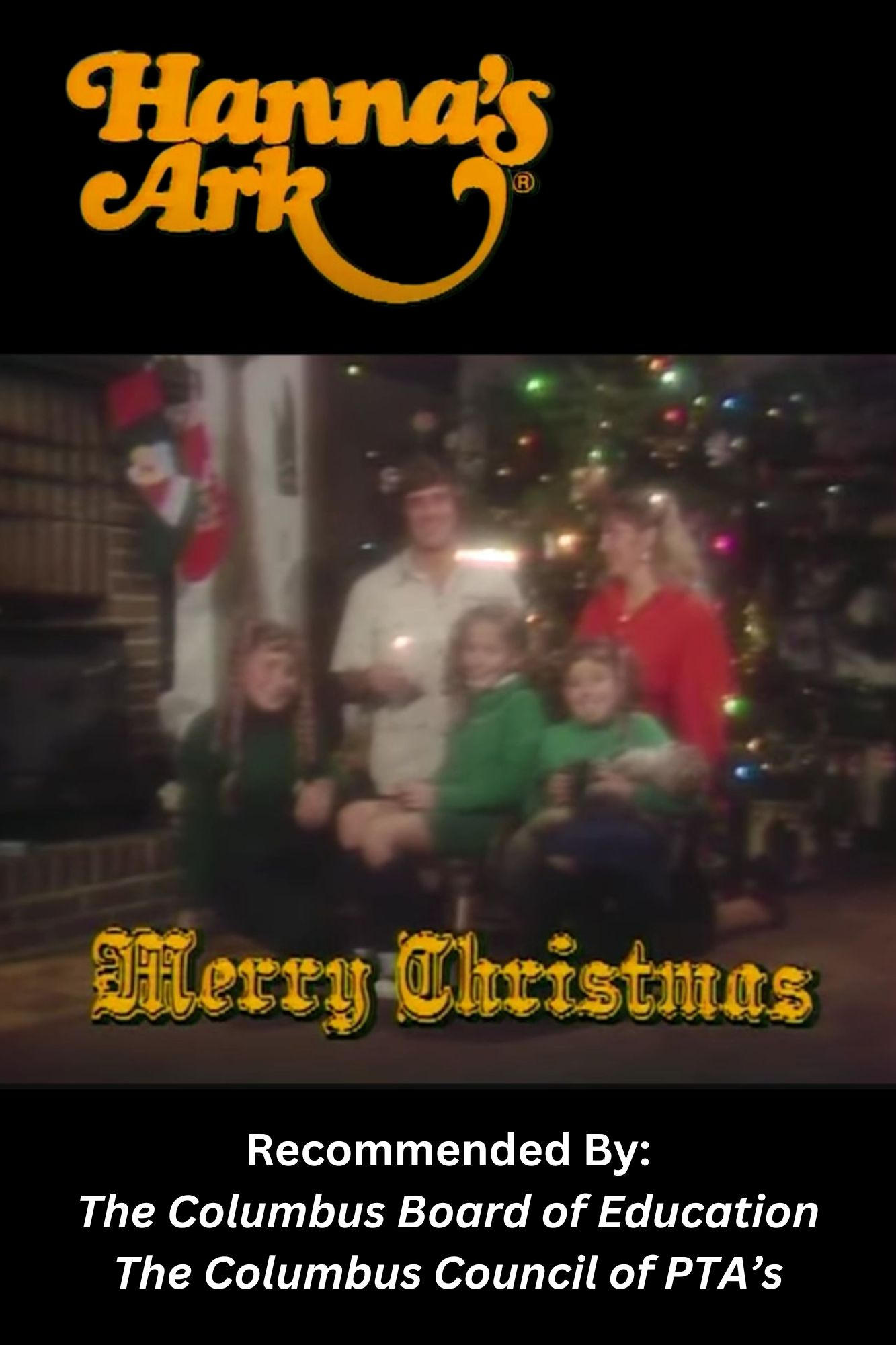
The Hanna family sit around the Christmas tree and reflect back on scenes from the show Hanna's Ark. Co-starred Jack Hanna and his daughter Kathaleen – with regular appearances by his wife Suzi and younger daughters Suzanne and Julie.
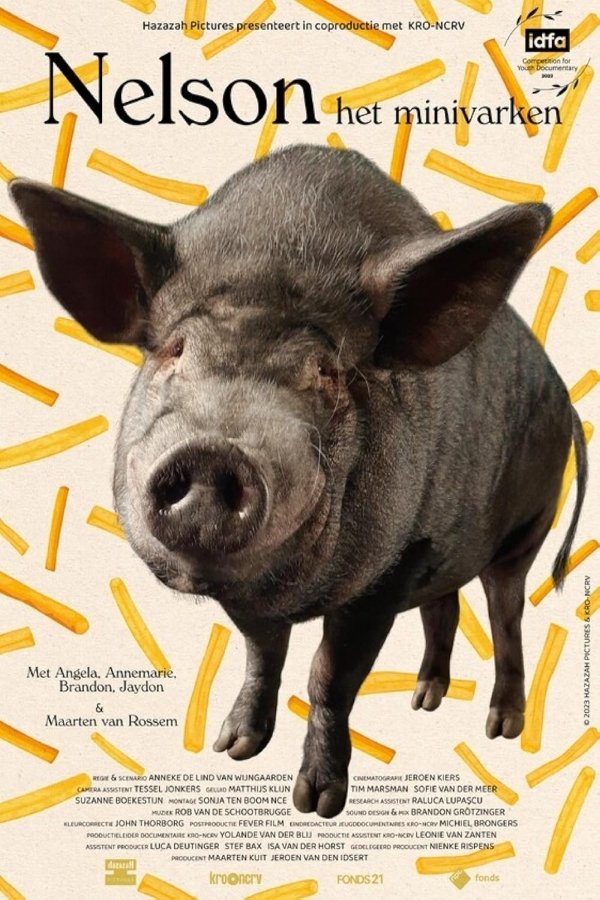
Nelson is a miniature pig—at least, that’s what the Verbeek family were told when they bought him as a cute little piglet. But seven years and 500 kilos later, Nelson has become a big problem. The neighbors and the housing association think it’s unacceptable to have such a large and smelly animal in a residential neighborhood. Son Brandon is being bullied at school because of his pet.
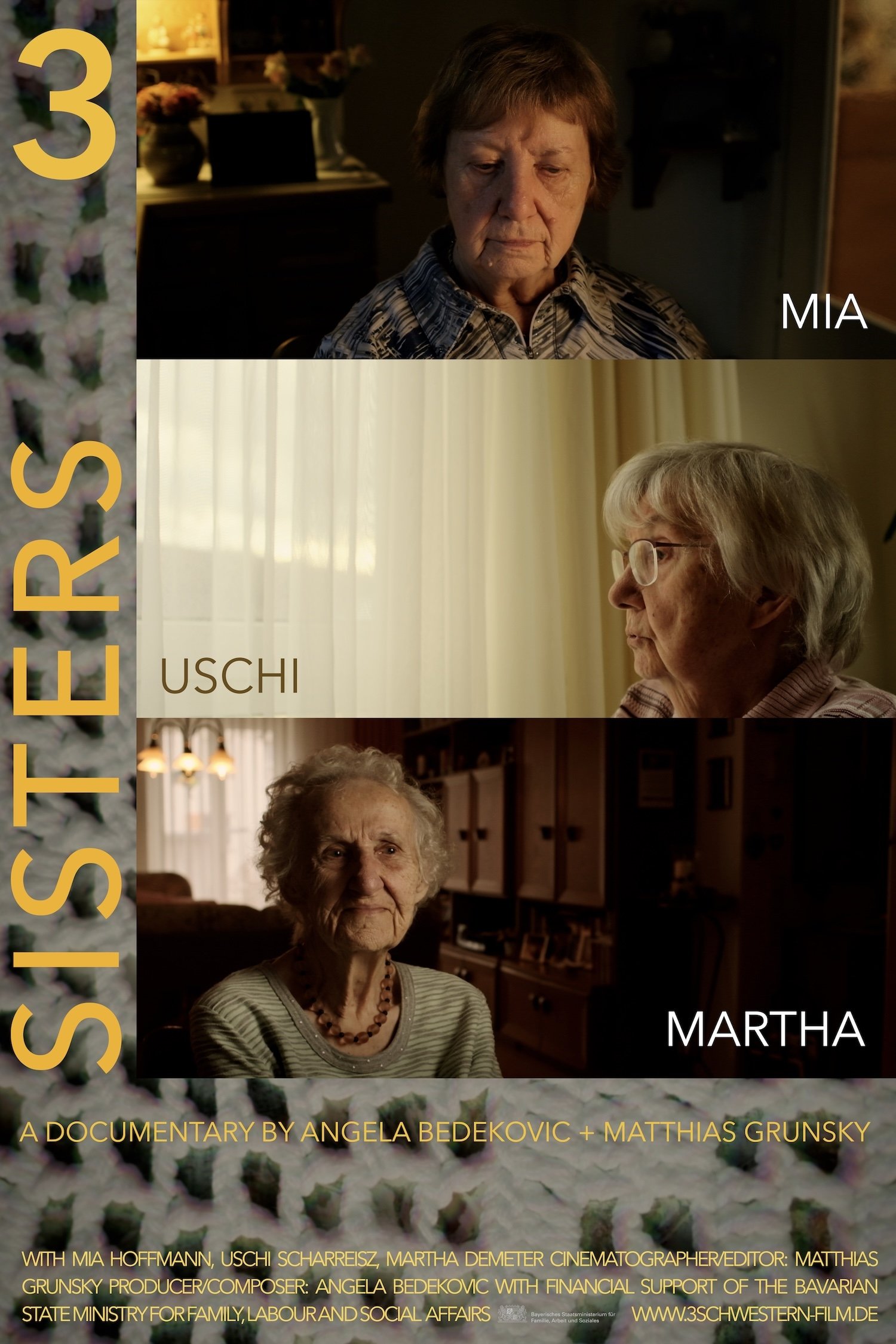
Before World War II the 3 sisters Mia, Uschi, and Martha were born in the former German city of Wrocław, which became Polish in 1945. They have been shaped by poverty, National Socialism, war, and escape, but also by peace, reconstruction, and an affluent society of Germany. The detailed stories they tell us in front of the camera, 75 years after World War II has ended, are as individual as the 3 sisters themselves.
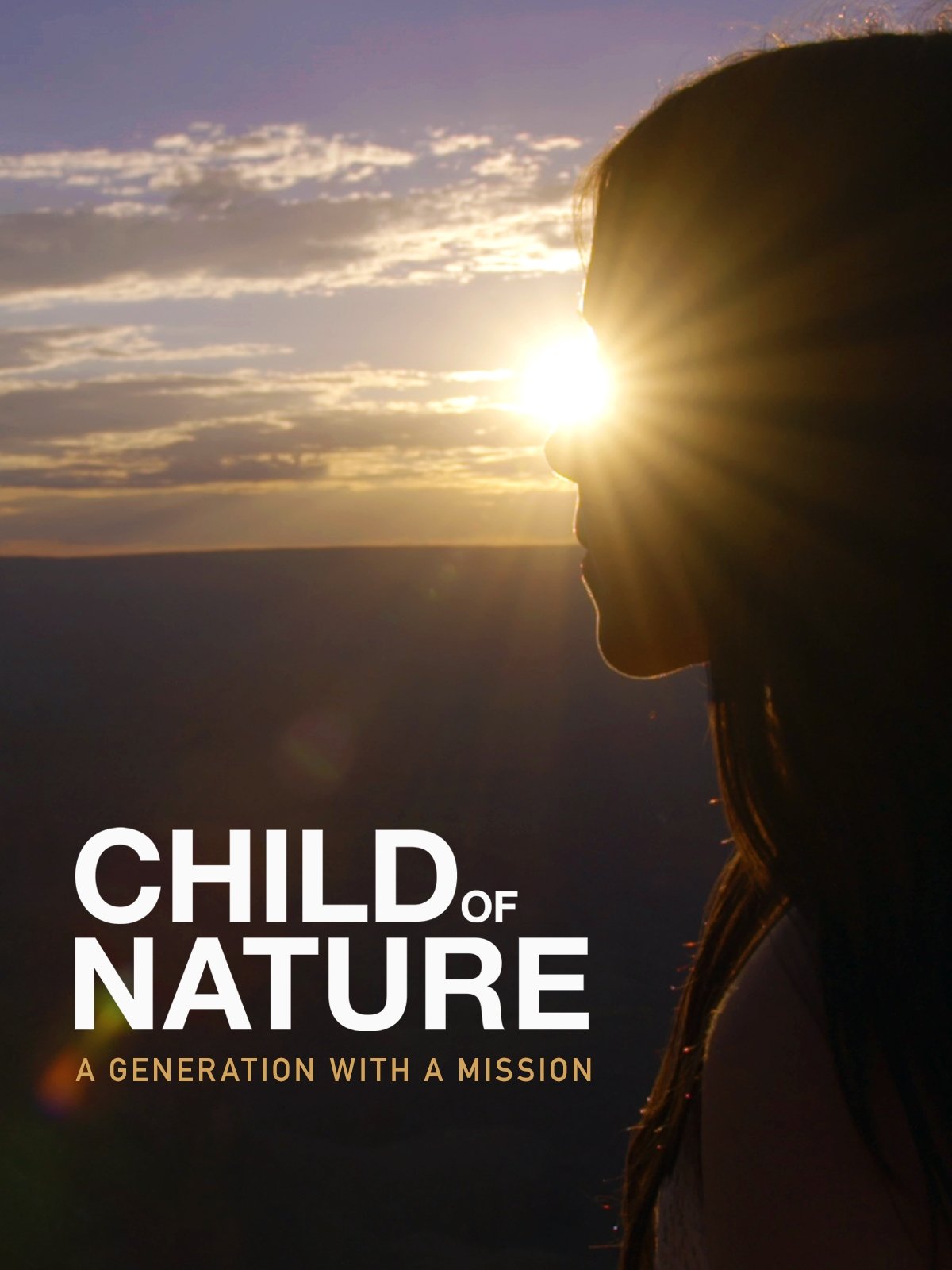
An epic journey of courage, hope and generosity, filmed in 15 countries. Child of Nature follows 5 connected stories of young people who, against all odds are transforming their lives and the lives of those around them.
In this sequel to "My brother the Islamist," we continue to follow Robb Leech as the tries to understand his stepbrother's journey and transformation from middle-class boy to convicted terrorist.
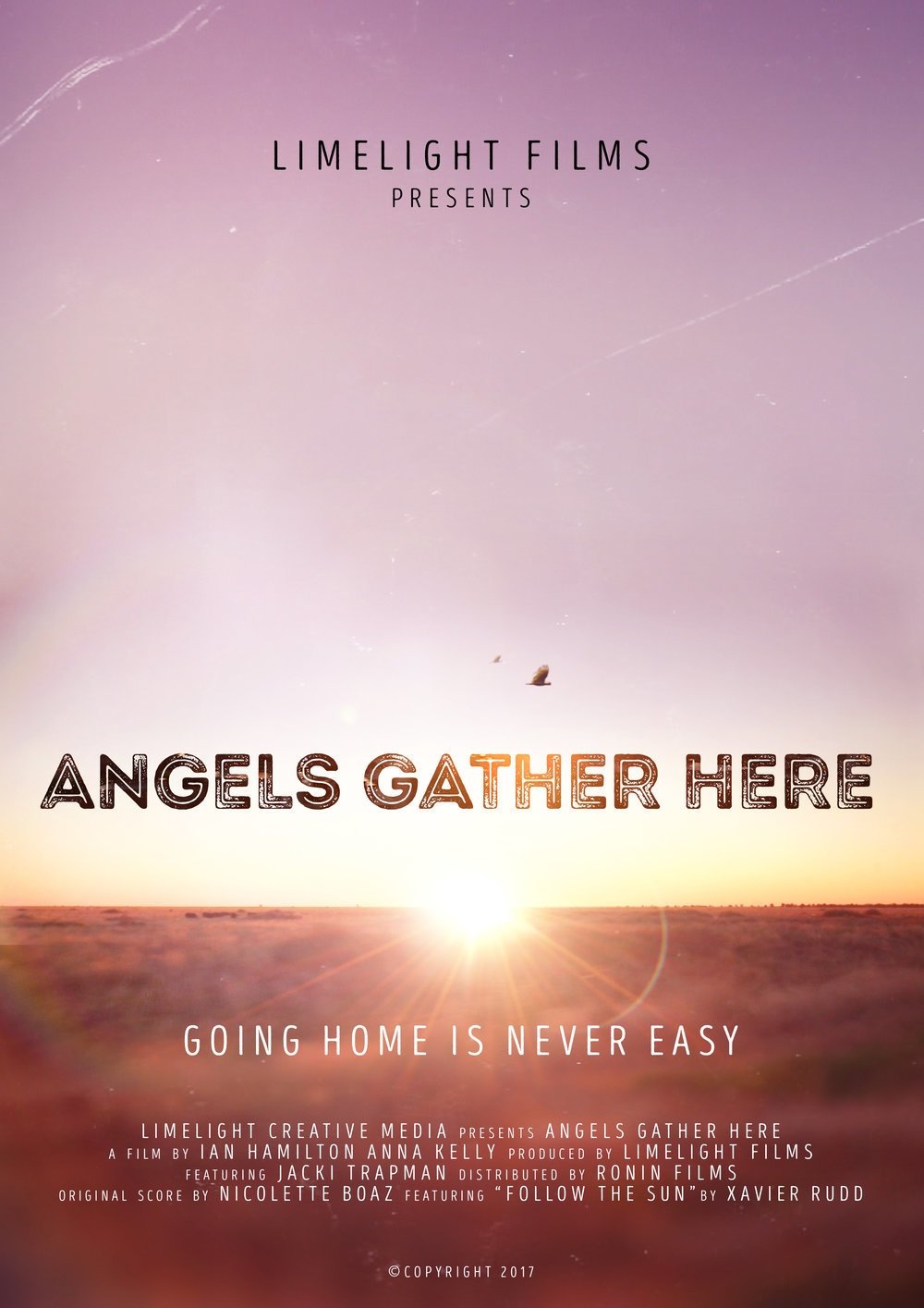
Angels Gather Here’ follows Jacki Trapman’s journey back to her hometown of Brewarrina to celebrate her parents, Bill and Barbara’s 60th Wedding Anniversary. Going home is never easy for Jacki. Amidst the family celebrations she reflects on her life; her story symbolising the strength, dignity and resilience of many Aboriginal people in the face of adversity.
Hosted by Keeley Hawes, star of the popular television series The Durrells, this documentary reveals the adventures of the eccentric Durrell family once they left Corfu, Greece.
Memory is a collaboration with musician Noah Lennox (Panda Bear), exploring the relationship between a musician and filmmaker and their personal reflection on memories. From Super 8 home movies and entirely handmade, this film explores familiar memories, the present moment combined with past experiences and how it all seems to evade from our present memory.
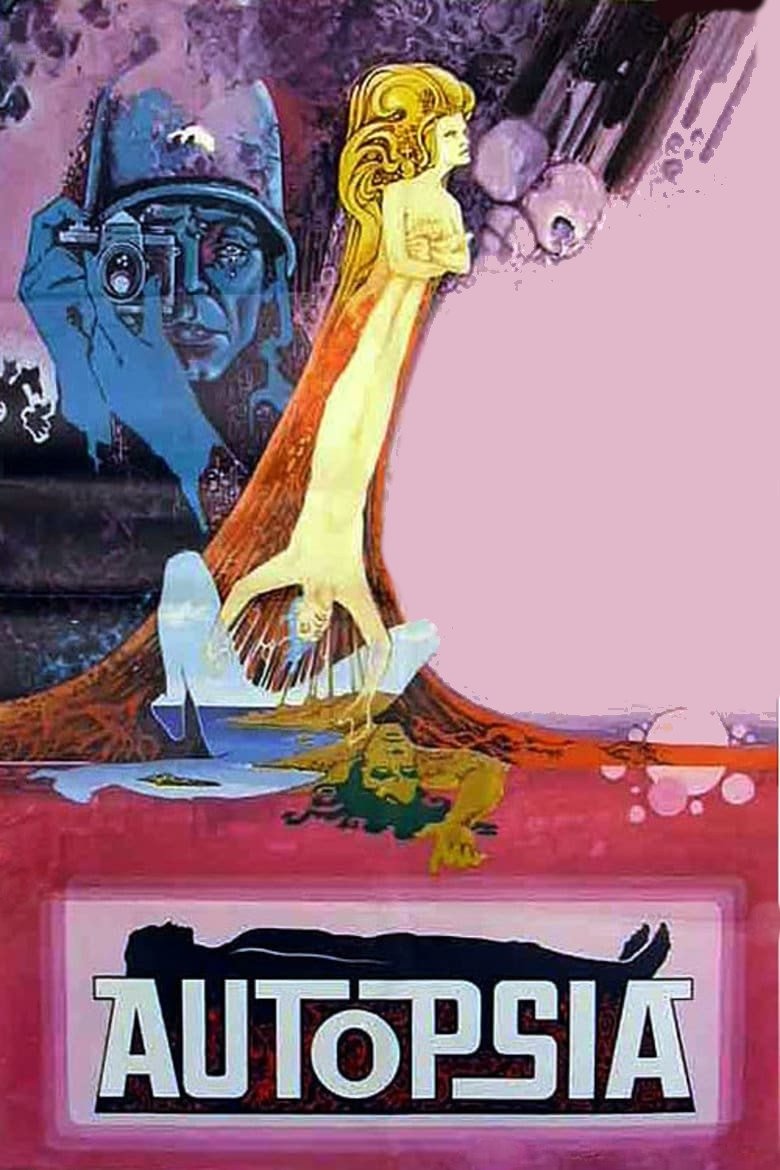
Mondo-style docudrama about a war correspondent who comes back home and has a spiritual crisis about his own mortality. Surreal fantasy sequences are mixed with graphic real autopsy footage.
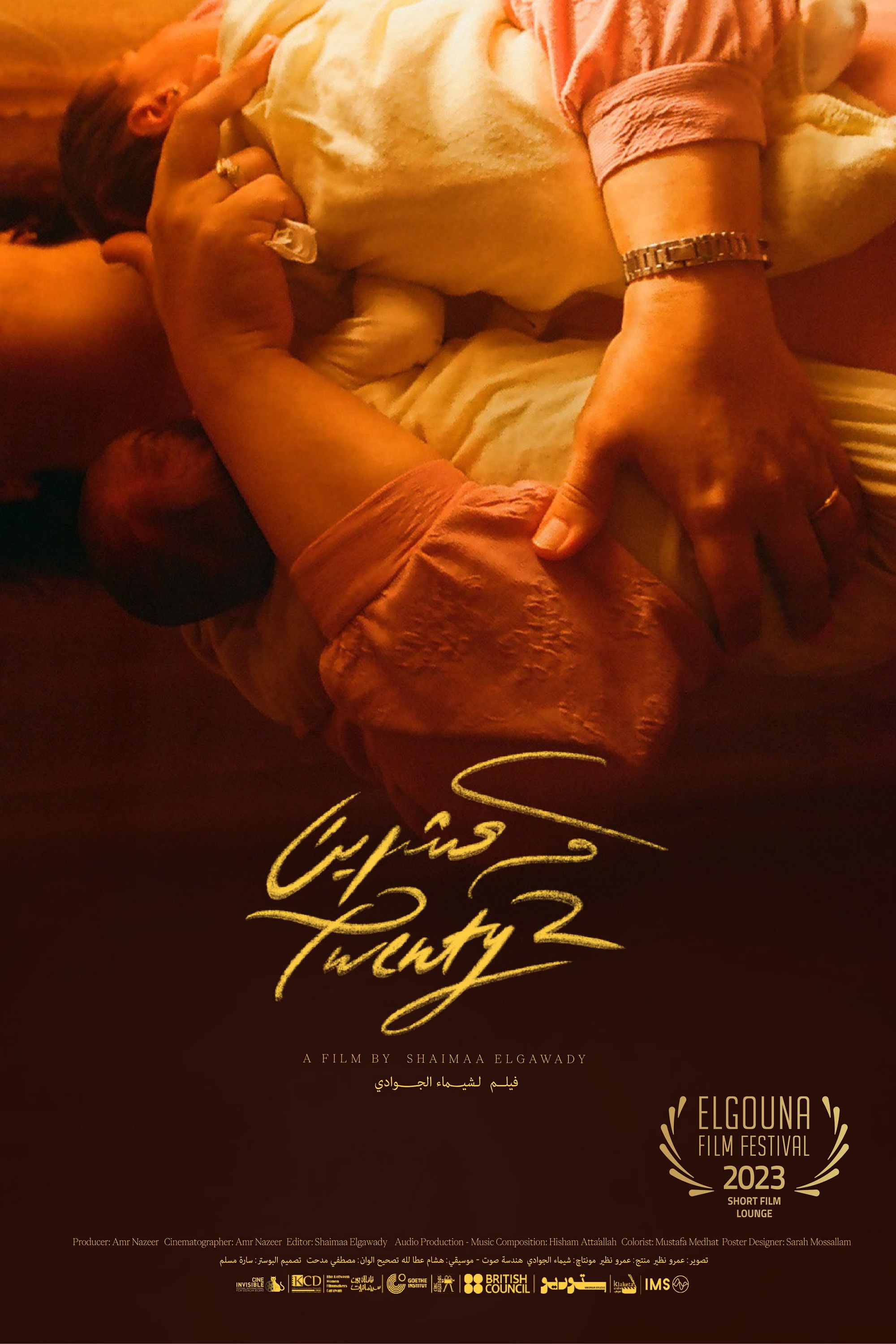
The director recounts her experience of being forced to become a mother to twins at the age of twenty-two. This context reinforces her feelings of inferiority and inadequacy, amid her difficult journey between the strange circumstances and the injustice of the bias surrounding her. This cinematic work reveals the richness of emotions and the complexity of experiences as they grow in a society that strictly imposes gender roles.
Varanasi is the Indian city where Hindus go to die. Stretching along the Ganges, Varanasi holds great spiritual significance because Hindu scriptutres say that anyone who dies there will attain moksha—liberation from the cycle of rebirth. Berlin-based director Dan Braga Ulvestad captures life and death in India’s heartland in this moving documentary filled with exquisite cinematic moments. By the River starts its narrative journey with the city’s “death hotels,” dedicated apartments where people wait to die, sometimes for decades, so they can be cremated on the banks of the Ganges.
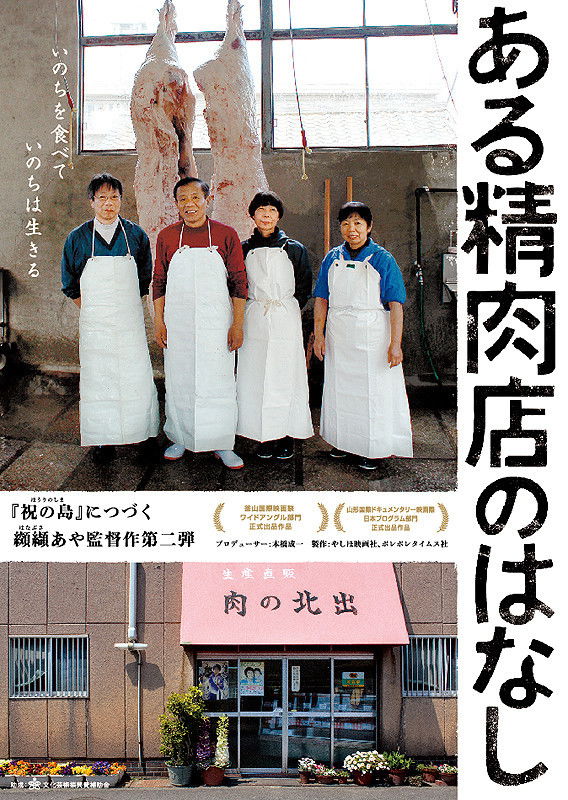
The Kitades run a butcher shop in Kaizuka City outside Osaka, raising and slaughtering cattle to sell the meat in their store. The seventh generation of their family's business, they are descendants of the buraku people, a social minority held over from the caste system abolished in the 19th century that is still subject to discrimination. As the Kitades are forced to make the difficult decision to shut down their slaughterhouse, the question posed by the film is whether doing this will also result in the deconstruction of the prejudices imposed on them. Though primarily documenting the process of their work with meticulous detail, Aya Hanabusa also touches on the Kitades' participation in the buraku liberation movement. Hanabusa's heartfelt portrait expands from the story of an old-fashioned family business competing with corporate supermarkets, toward a subtle and sophisticated critique of social exclusion and the persistence of ancient prejudices.
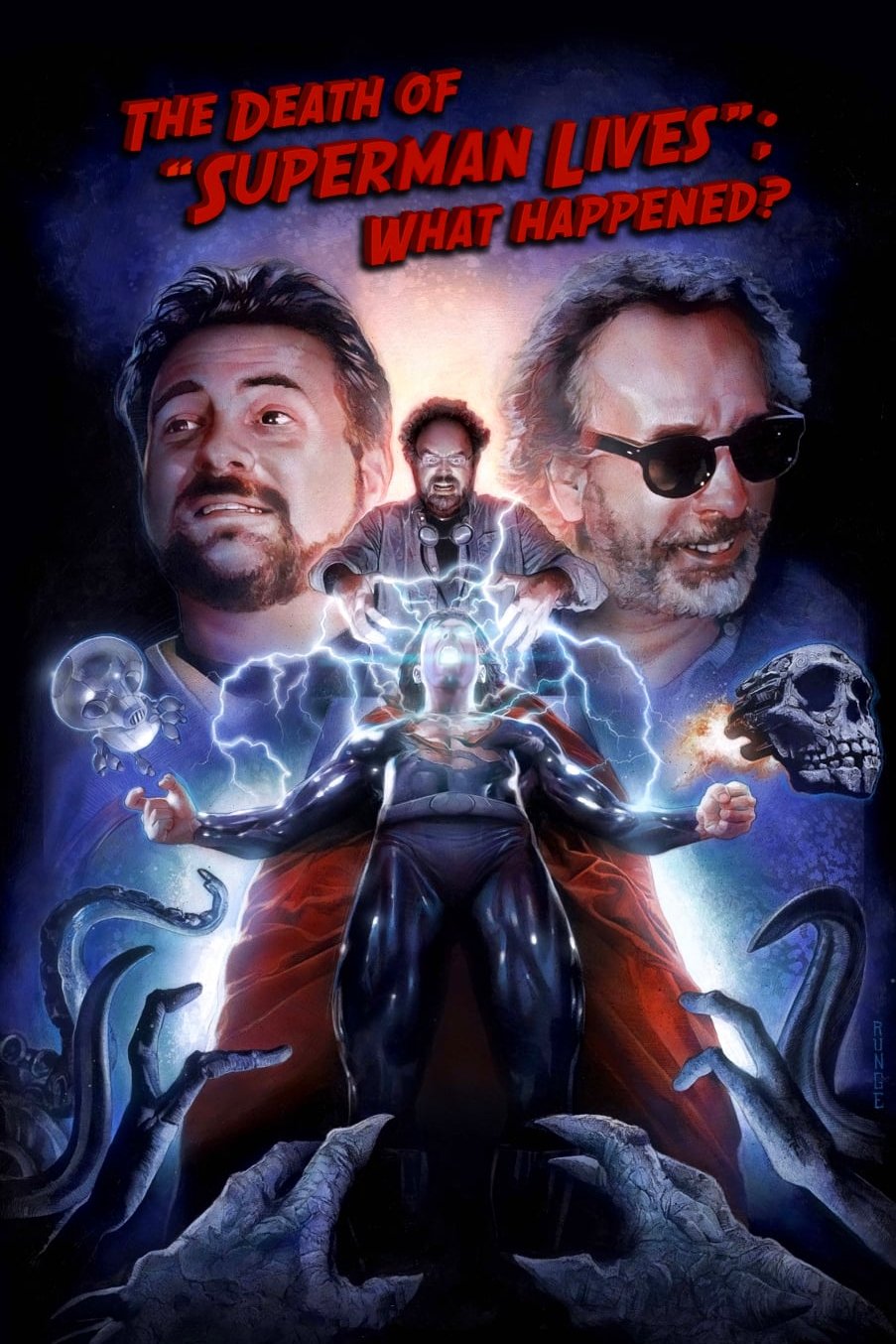
The Death of 'Superman Lives': What Happened? feature film documents the process of development of the ill fated "Superman Lives" movie, that was to be directed by Tim Burton and star Nicolas Cage as the man of steel himself, Superman. The project went through years of development before the plug was pulled, and this documentary interviews the major filmmakers: Kevin Smith, Tim Burton, Jon Peters, Dan Gilroy, Colleen Atwood, Lorenzo di Bonaventura and many many more.
A documentary about a funeral director and her views on life and death.
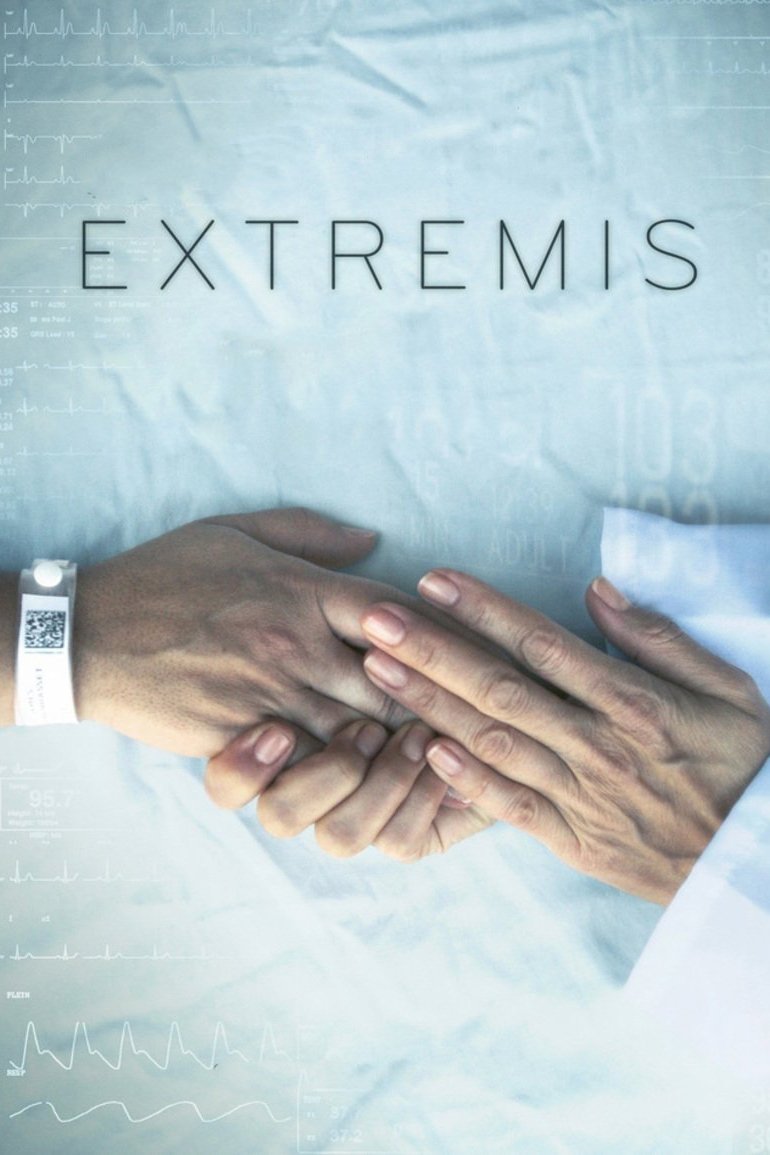
A purely observational non-fiction film that takes viewers into the ethically murky world of end-of-life decision making in a public hospital.
Al Pacino's deeply-felt rumination on Shakespeare's significance and relevance to the modern world through interviews and an in-depth analysis of "Richard III."
In the Realms of the Unreal is a documentary about the reclusive Chicago-based artist Henry Darger. Henry Darger was so reclusive that when he died his neighbors were surprised to find a 15,145-page manuscript along with hundreds of paintings depicting The Story of the Vivian Girls, in What is Known as the Realms of the Unreal, of the Glodeco-Angelinnian War Storm, Cased by the Child Slave Rebellion.
A documentary about the life and films of director John Ford.
An inside look at one of the most anticipated movie sequels ever with James Cameron and cast.
Amber Heard and Nicole Kidman discuss their characters Mera and Atlanna.
Behind-the-scenes documentary about how Lionel Messi succeeded in lifting the World Cup – the only trophy to have eluded him in an incredible career.
SEDUCED AND ABANDONED combines acting legend Alec Baldwin with director James Toback as they lead us on a troublesome and often hilarious journey of raising financing for their next feature film. Moving from director to financier to star actor, the two players provide us with a unique look behind the curtain at the world's biggest and most glamourous film festival, shining a light on the bitter-sweet relationship filmmakers have with Cannes and the film business. Featuring insights from directors Martin Scorsese, 'Bernando Bertolucci' and Roman Polanski; actors Ryan Gosling and Jessica Chastain and a host of film distribution luminaries.
The life of Mr. Spock, as well as that of Leonard Nimoy, the actor who played him for almost fifty years, written and directed by his son: Adam.
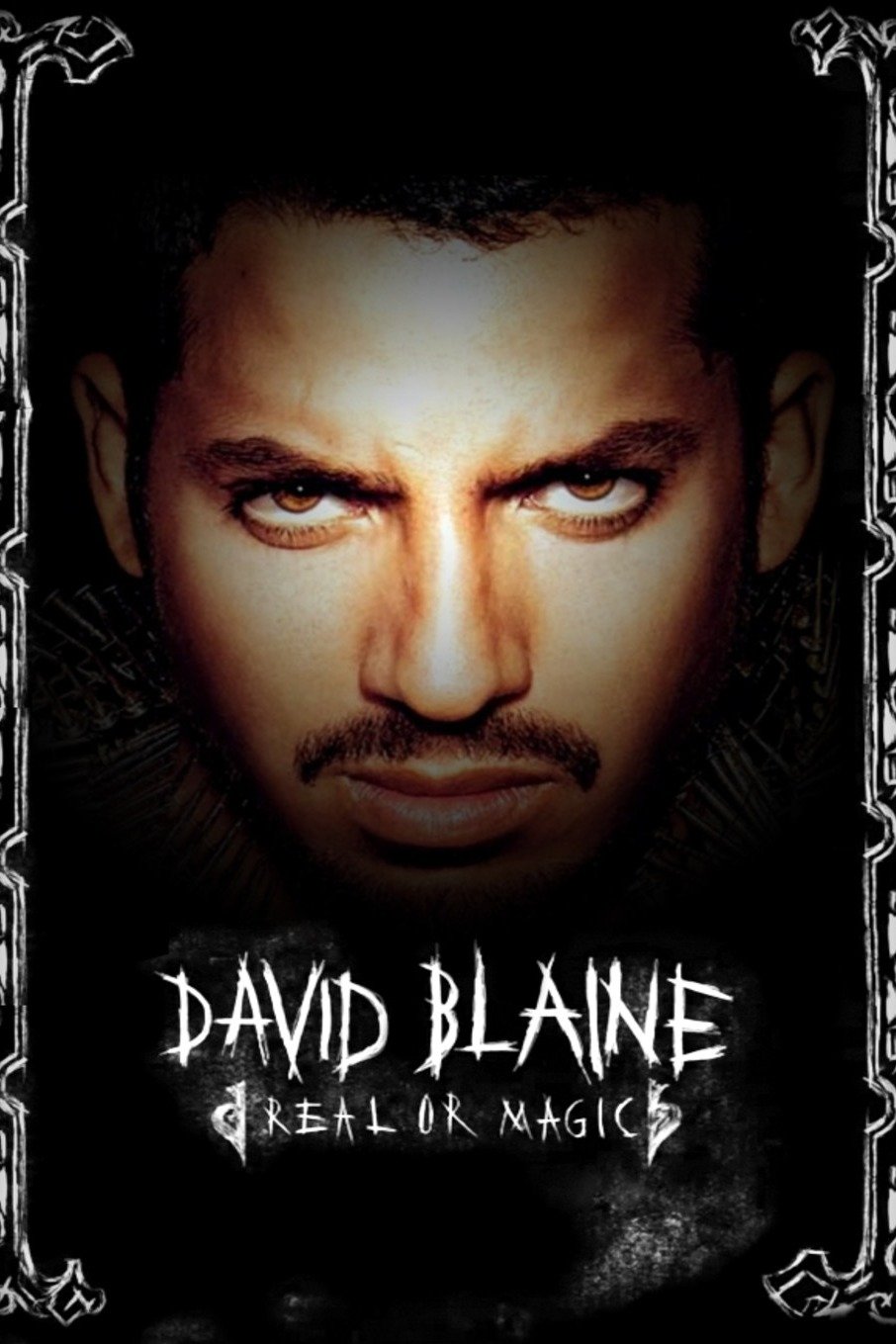
David Blaine's signature brand of street magic mystifies the most recognisable celebrities in the world, such as Jamie Foxx, Bryan Cranston, Aaron Paul, Ricky Gervais, Katy Perry, Woody Allen, and Robert DeNiro, to name a few. He goes to the homes of Kanye West and Harrison Ford, Will Smith and Olivia Wilde. He pays a visit to Stephen Hawking at his office in Cambridge University. Blaine also travels the world, astonishing people from all walks of life with never-before seen, inconceivable magic.
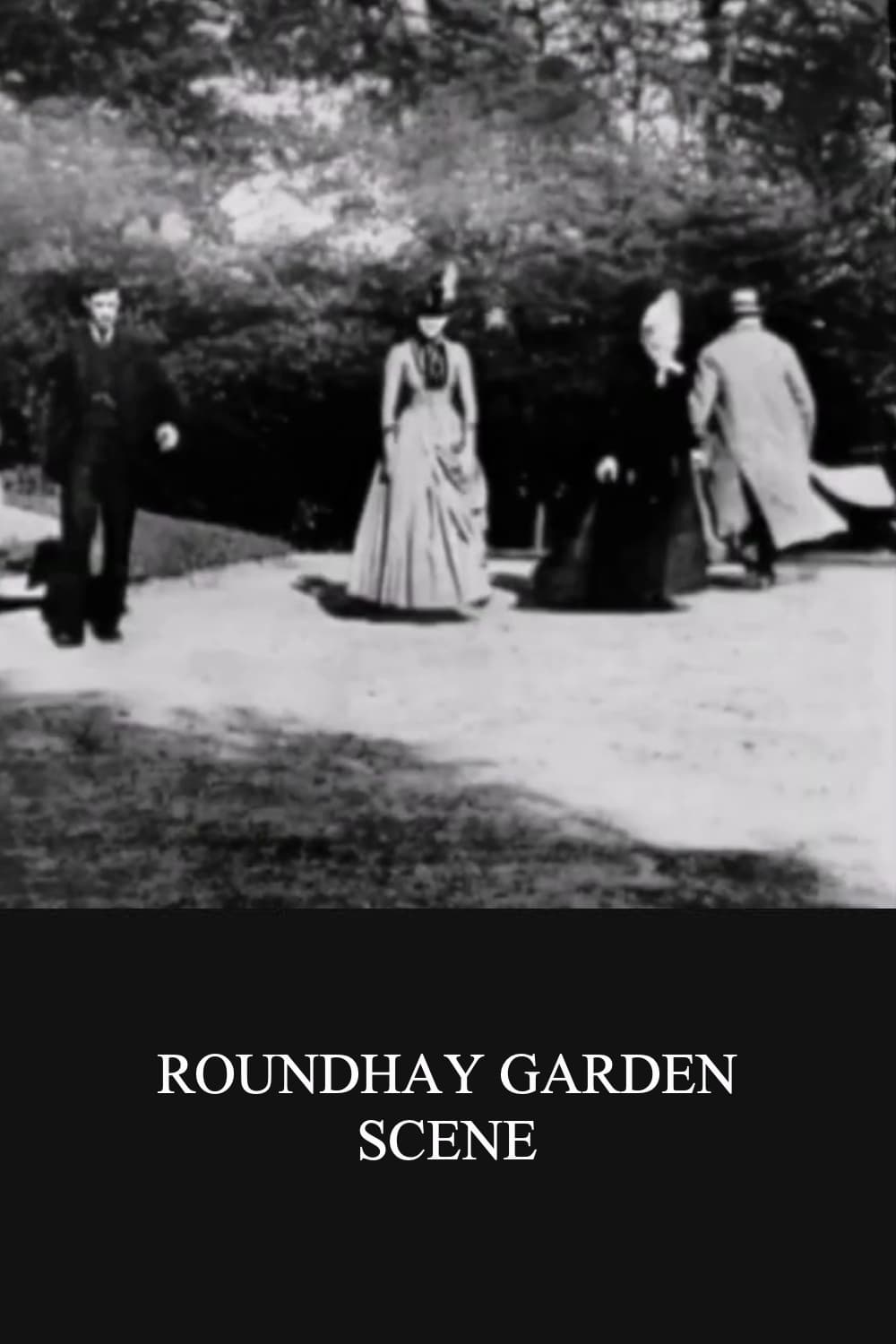
The earliest surviving motion-picture film, and believed to be one of the very first moving images ever created, was shot by Louis Aimé Augustin Le Prince using the LPCCP Type-1 MkII single-lens camera. It was taken on paper-based photographic film in the garden of Oakwood Grange, the Whitley family house in Roundhay, Leeds, West Riding of Yorkshire (UK), on 14 October 1888. The film shows Adolphe Le Prince (Le Prince’s son), Mrs. Sarah Whitley (Le Prince’s mother-in-law), Joseph Whitley, and Miss Harriet Hartley walking around in circles, laughing to themselves, and staying within the area framed by the camera. Roundhay Garden Scene is often associated with a recording speed of around 12 frames per second and runs for about 2 to 3 seconds.
Those who knew iconic funnyman John Candy best share his story, in their own words, through never-before-seen archival footage, imagery, and interviews.
The life and career of an actor, artist, and icon. His own journey through his own camera.
Brilliant, long in-the-works story of the life and art of the world's greatest comedian and the cinema's first genius, Charlie Chaplin. Produced, written and directed by renowned film critic Richard Schickel.
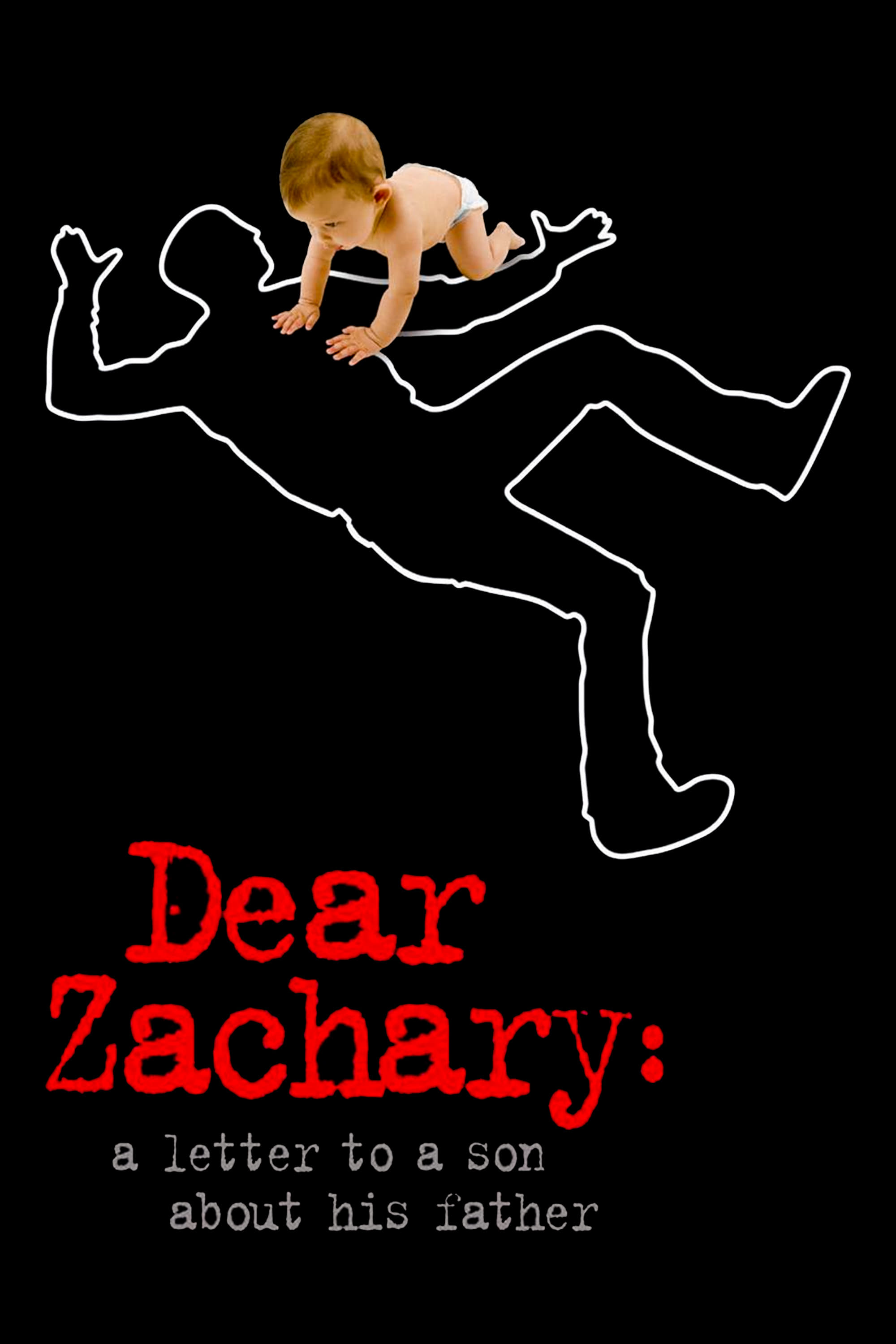
In 2001, Andrew Bagby, a medical resident, is murdered not long after breaking up with his girlfriend. Soon after, when she announces she's pregnant, one of Andrew's many close friends, Kurt Kuenne, begins this film, a gift to the child.
Over 35 years after Bob Lazar's revelations, this documentary exposes secrets of a facility the government still denies. Featuring Lazar's testimony, recreations, and new evidence, it reopens a case that continues to spark global curiosity
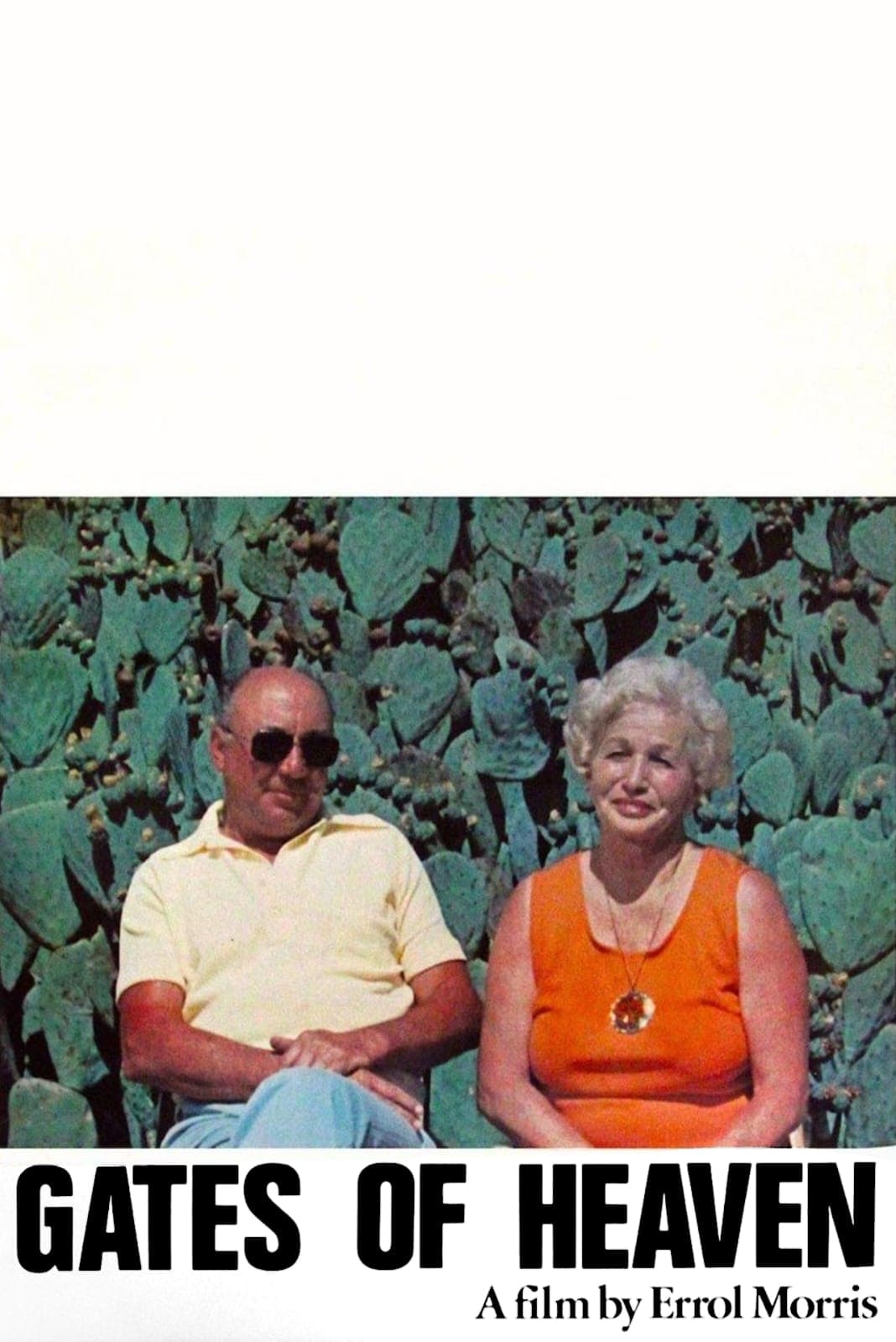
A documentary about a pet cemetery in California, and the people who have pets buried there.
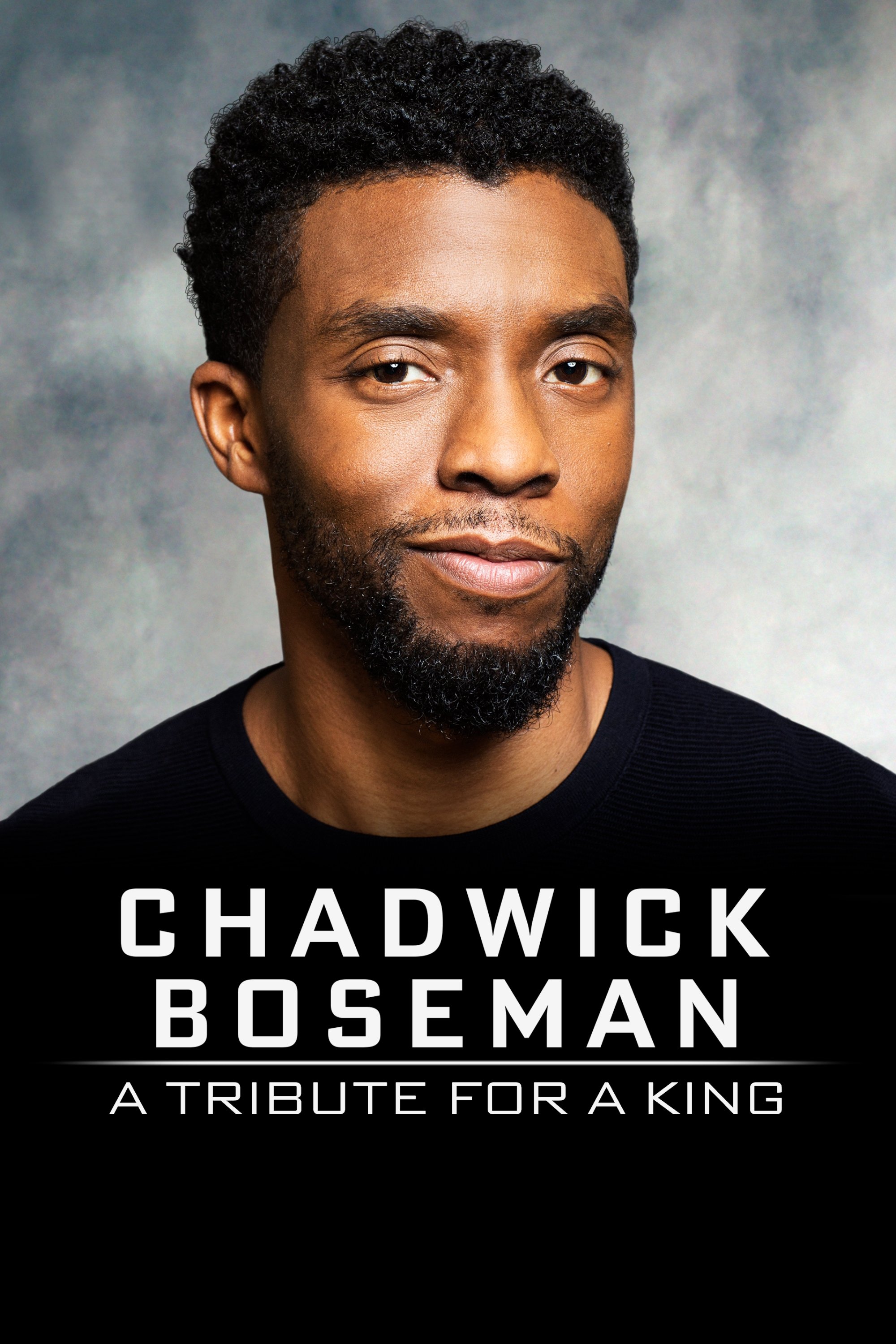
A tribute to Chadwick Boseman, celebrating his life and legacy.
The film follows adventurer Jeff Johnson as he retraces the epic 1968 journey of his heroes Yvon Chouinard and Doug Tompkins to Patagonia.
This revealing documentary honors the legendary Sidney Poitier—iconic actor, filmmaker, and civil rights activist. Featuring interviews with Denzel Washington, Spike Lee, Halle Berry, and more.