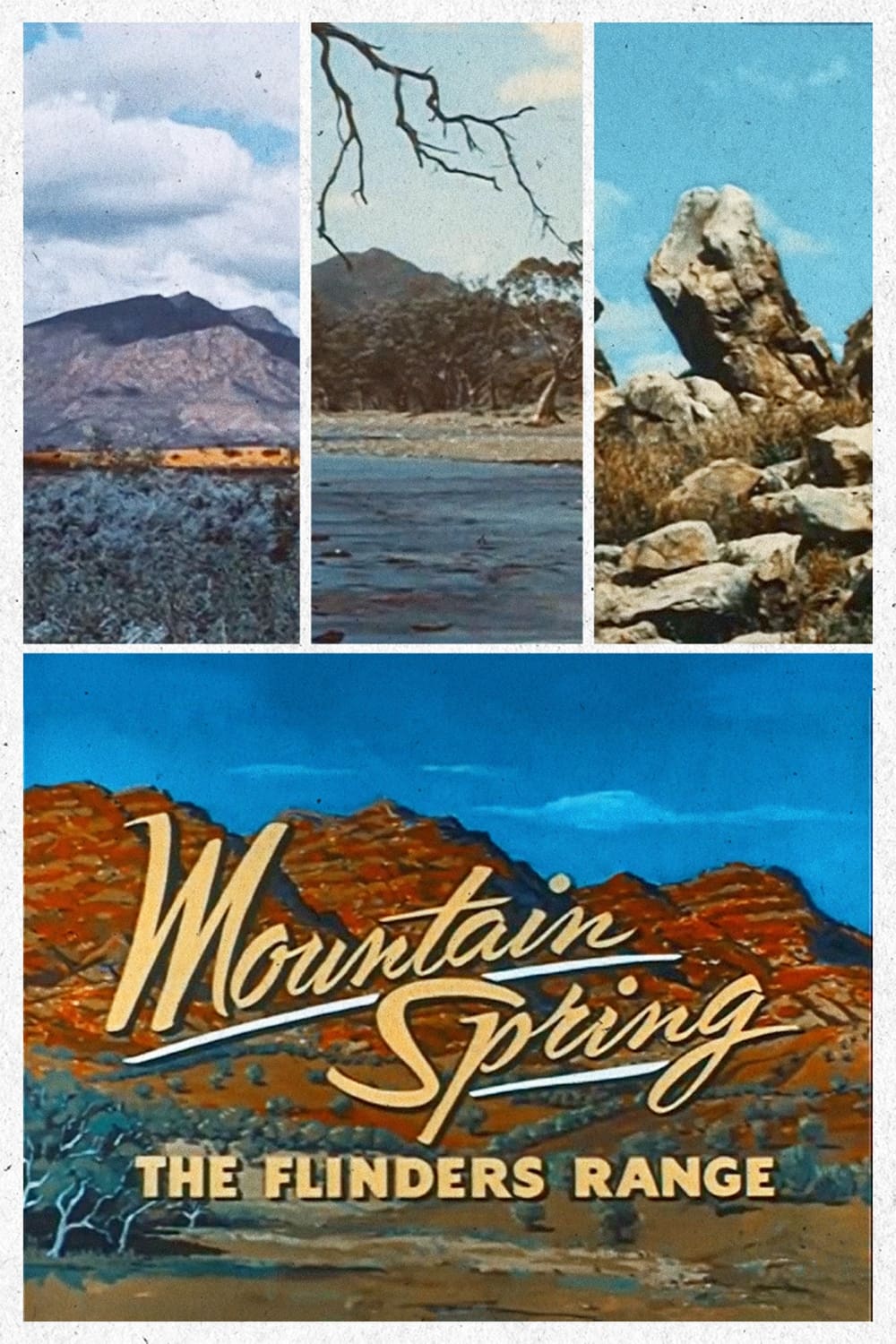
Progress in South Australia manifests itself around the Flinders Range country in the industries of Whyalla, Port Pirie, Port Augusta, Leigh Creek and Aroona Dam. Wildflowers cover the countryside.
Social & External
In 2004 X1 Sports took a band of intrepid climbers to Croatia . Their mission was to find some of the best and unknown rock in the Europe ; the reason, well to see if they could Deep Water Solo off it of course. With some of the best climbers in the world, Chris Sharma, Steve McClure, Leo Holding, Depth Charge charts their progress and antics as they look to challenge their limits each and every day. Depth Charge is an on the wall documentary of their every move and allows the viewer to see exactly what makes a climber tick.


A study of the automobile and its pervasive effect on the history of North America. Focusing on the Ford dynasty, from the original Henry car through to Henry II, the film demonstrates how society has adapted to fit the needs of the automobile.
For nearly three years, director Dina Khreino interviewed world-class mountain climbing athletes, listening to what compels them to leave behind families, friends, and everyday comforts to risk everything for a fleeting glimpse into the unknown. What she found was a tribe, a diverse group of professional adventurers and amateur philosophers forged by the ultimate test of body, mind, and spirit. In the face of shifting winds, sheer granite cliffs, and impossible odds, they climb. Each for their own reason, but every one connected by the vertical world. In this rarefied air, these athletes are fundamentally changed, not just as climbers, but as human beings.
An epic cinematic and musical collaboration between SHERPA filmmaker Jennifer Peedom and the Australian Chamber Orchestra, that explores humankind's fascination with high places.
Follows amateur botanist Antonius Moscal's raft journey down the Franklin River (Tasmania, Australia).
MANUFACTURED LANDSCAPES is the striking new documentary on the world and work of renowned artist Edward Burtynsky. Internationally acclaimed for his large-scale photographs of “manufactured landscapes”—quarries, recycling yards, factories, mines and dams—Burtynsky creates stunningly beautiful art from civilization’s materials and debris.
Emma Freese is desperate when her husband Alfred falls ill at the Howaldtswerke in Kiel. How is the family supposed to get by without their wages? The war has scarred this generation, but now things are supposed to be looking up. The workers want their fair share and are fighting for an income that also gives them room to live. In October 1956, 34,000 metalworkers in the shipyards and factories of Schleswig-Holstein walk off the job to fight for justice and their dignity. This strike is still regarded as the toughest and longest in Germany. Employers and politicians stand in the strikers' way.
Introduction to the oil industry of India in the post-colonial period.
The compelling story of 30-year-old climber Tom Ballard who disappeared on one of the Himalayas' most deadly mountains, Nanga Parbat, in February 2019. Tom was the son of mountaineer Alison Hargreaves, who perished on K2 in 1995. Mother and son, two of the greatest climbers of all time, died at almost the same age in neighbouring mountain ranges, both doing what they loved best. They now lie forever encased in the ice of two of the world’s highest mountains. Left behind to cope with the enduring tragedy are Tom’s sister, Kate, and their father, Jim.
On October 4, 2018, France celebrated the 60th anniversary of the Fifth Republic. It is a republic born in the throes of the Algerian War and one which—from the day it was founded by General de Gaulle until the presidency of a very Jupiterian Emmanuel Macron—has been assailed as a “Republican monarchy” by partisans of a more assertive parliamentarian state. By revisiting the struggle of those who dared oppose the new regime — only to suffer a crushing defeat on September 28, 1958, when they were barely able to garner 20% of the vote against the constitutional text — this film shines a powerful new light on the origins of the Fifth Republic and its consequences for the next 60 years. It is a constitutional debate that planted the seeds for a complete upheaval of the French political landscape, on the left in particular, and set the country in motion toward what would be called the Union of the Left.
Facing deteriorating machines and the advance of new technologies, Argentine printing presses are closing up their shops. A group of young designers has rediscovered this great technical innovation in the history of the written word – the typesetting printing press – but the technique is difficult to learn, passed down from master to apprentice. The last press mechanic in the country will be in charge of teaching them so that this historic technique endures.
In 1952, TV Tupi, Brazil's first television channel, invited psychiatrist Júlio Gouveia and his wife, Russian writer Tatiana Belinky, to develop the network’s children's programming. The couple then asked the sons and daughters of their friends to join the cast of the newly created shows, the most prominent of which was Sítio do Picapau Amarelo. And so, Antonio Silvio, Lia, Lídia, Sérgio, and David José embarked on an unexpected journey that would come to shape the future of Brazilian television. Memories of the Sítio is a trip through the personal recollections of these actors and the story of the first television adaptation of Monteiro Lobato’s work.
In 1924, British climber George Mallory and his partner Andrew Irvine attempted to conquer Everest for the third time. They never returned. Could they have been the first to successfully climb the mountain before meeting their deaths? In 1999, German geologist Jochen Hemmleb discovered Mallory's body just below the summit, reigniting speculation. In 2010, he organized a new expedition to follow up on this sensational discovery. His goal: to find the base camp from which Mallory and Irvine set out to conquer the summit.
A documentary about the laying of the first transatlantic telephone line.
The film looks at men and women of color in the U.S. Merchant Marine from 1938-1975. Through chronicling the lives of these men and women who, with a median age of 82, are beset with a host of life-threatening illnesses, the movie tells how they navigated issues of racism, disparities in the workplace, gender and familial relations.
In this retrospective tribute, acclaimed filmmaker Jean Walkinshaw hails the 100th anniversary of Mount Rainier National Park in Washington by talking to those who know it best: the scientists, naturalists, mountain climbers and artists whose lives have been touched by the peak's far-reaching shadow. The result is a harmonious blend of archival material and high-definition footage celebrating an icon of the Pacific Northwest.
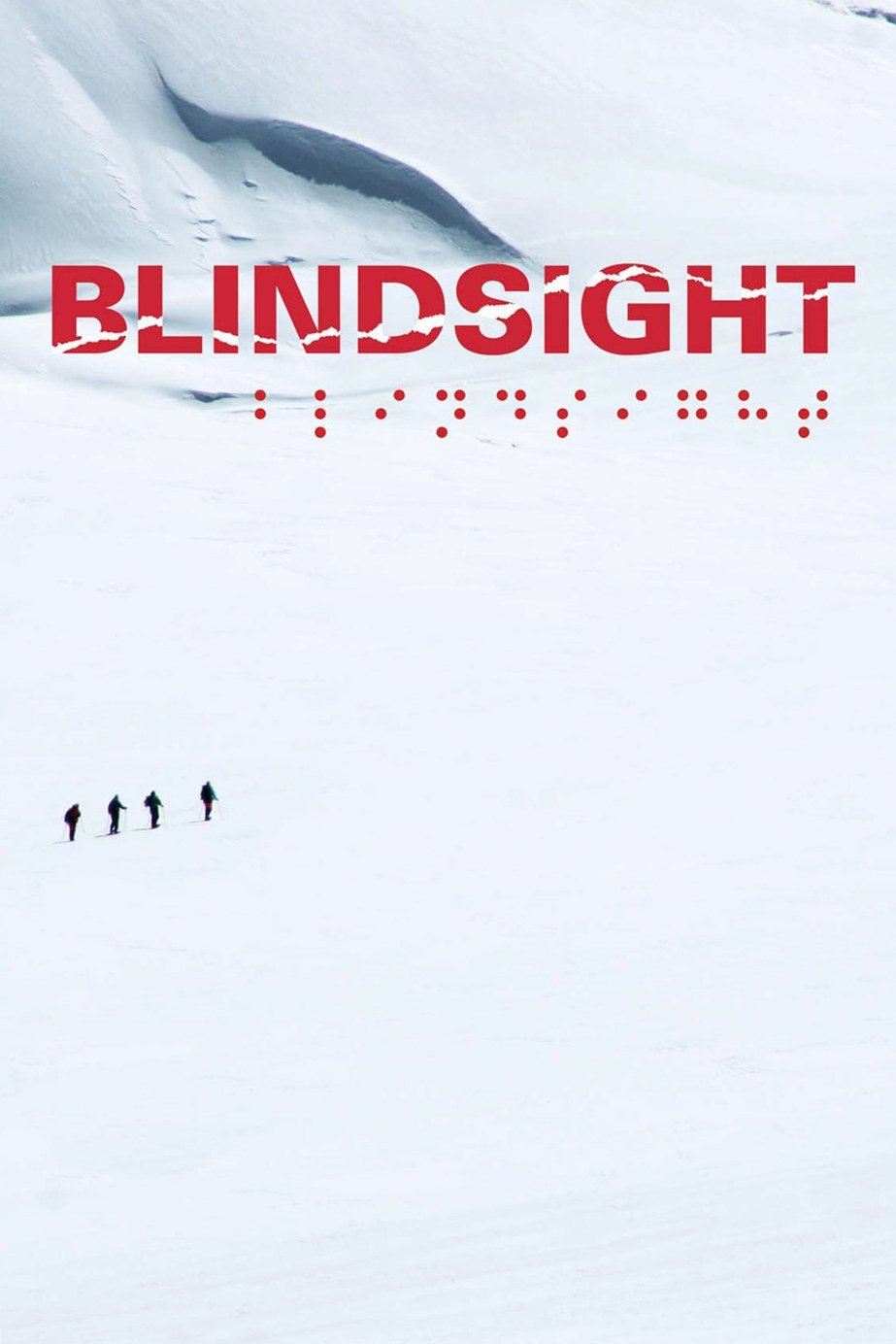
Six blind Tibetan teenagers climb the Lhakpa-Ri peak of Mount Everest, led by seven-summit blind mountain-climber Erik Weihenmayer.
Germán Cipriano Gómez Valdés Castillo, a young radio announcer from Cuidad Juárez, succeeds in drawing attention to the pachuco movement through his character Tin Tan, laying the groundwork for a new form of binational and mass linguistic expression: Spanglish. He soon became a leading figure in theater and film on the American Continent. Singled out by critics as a destroyer of the language, he quickly won the approval of the public. His ability to improvise revolutionized the film industry. His talent as an actor, singer, dancer and comedian contributed to the Golden Age of Mexican Cinema. From El Hijo Desobediente to Capitán Mantarraya, from Cuidad Juárez to Havana, from mambo to rock, the legacy of Tin Tan makes him one of the great icons of Mexico today. This film tells his story as it has never been told before.