"Not to live I'm alive, but for cinema I survive"
A retired film director locked up in a suburban Rome apartment attempts to write a new movie, his eternal opera zero.
Social & External
The people behind it
Giorgio Colangeli
Nino
Rosanna Gentili
Lucia
Roberto Andreucci
De Paoli
Paolo Gasparini
Marino
Rossella Gardini
Angela
Claudio Alfredo Alfonsi
The film takes place over the course of a single night: the longest night of the year, between December 21 and 22 (the winter solstice), when the sun sets around 4:30 p.m. and rises the next day at 7:30 a.m. A long night in which the stories, destinies, anxieties, and dramas of a provincial town in the south (Potenza) intertwine, even if only briefly. Fifteen hours of uninterrupted darkness in which human destiny becomes exceptional, as the night causes the anchors of the day to be lost and four personal stories suddenly accelerate.
Now the subjects of a despotic chief, far from having any favor to expect from him, as both themselves and all they have are his property, or at least are considered by him as such, are obliged to receive as a favor what he relinquishes to them of their own property. He does them justice when he strips them. He treats them with mercy when he suffers them to live. In a beautiful house, during a beautiful day, next to a library with no books, a table is set for the last supper of its inhabitants.
A devastating meditation on love and intimacy, unfolding over 24 hours as three friends face the quiet wreckage of their choices.
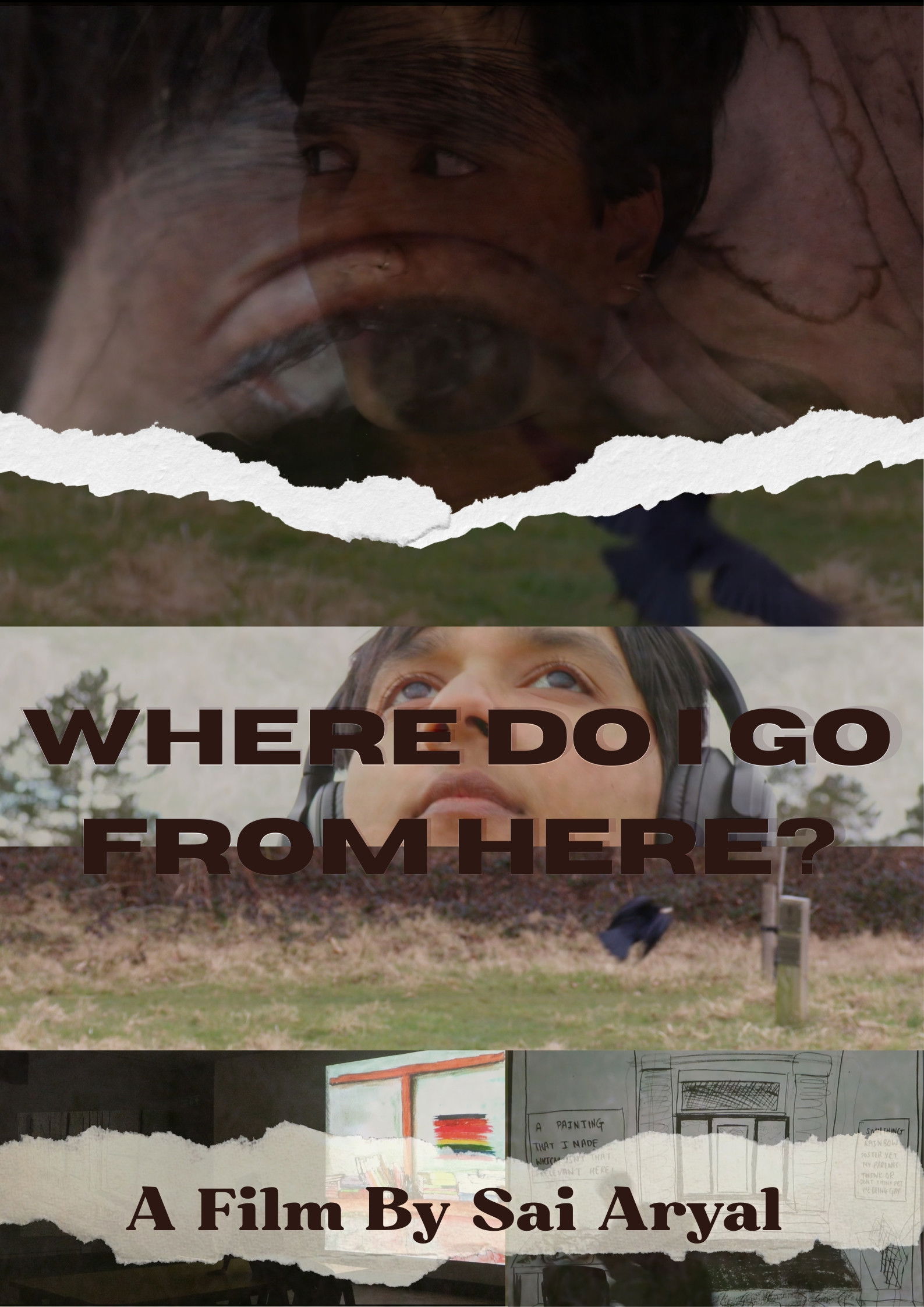
Where do I go from here is a performance arthouse-style film exploring the nostalgia of the concept of home in terms of home as a feeling rather than the architectural structure. Inspired by multiple factors resonating the concept of home, including diaspora, belonging and longing, the artist questions the idea of home through and through, along with the constant search for the idea of "home".
In a smog-choked village in Haryana, a retired professor turns to an outlawed ritual, crafting a calf doll from a stillborn's body, to save his cow from the urbanization slowly erasing his rural world.
"In the midst of mourning her husband recently deceased of a heart condition, Ji Yeon encounters Hyung Seok, a desperate man about to end his life by jumping off a bridge. She decides to save him. They spend the next 72 hours together..."
« Having just lost her mother, Li Jing honors her dearly departed as best she can by following her way of life only to be troubled by the sudden reappearance of her absentee father. In this moment of loss and uncertainty, Li Jing attempts to heal her past wounds through the spiritual teachings of tea... »
Two strangers are meeting in dreams. A young woman who was raised by her grandmother and a divorced father who sees his daughter only on weekends. They start to be attracted to each other…
A businessman swims away from time and reality...
Grigorij Efimovic Rasputin (1869-1916) the mystic and self-proclaimed holy man. The saint-demon and the simple peasant. About the plot against Rasputin, hated and feared at the highest levels of government because of his surreal influence on the Tsar.
In the Valley of the Moon, follows a young man working as a hitman for the Italian mob in 1977. He takes a job in Petaluma, California, posing as a potential buyer at an open house to confront the realtor who he suspects has a sinister connection to his past.
We follow a dude in an all nighter.
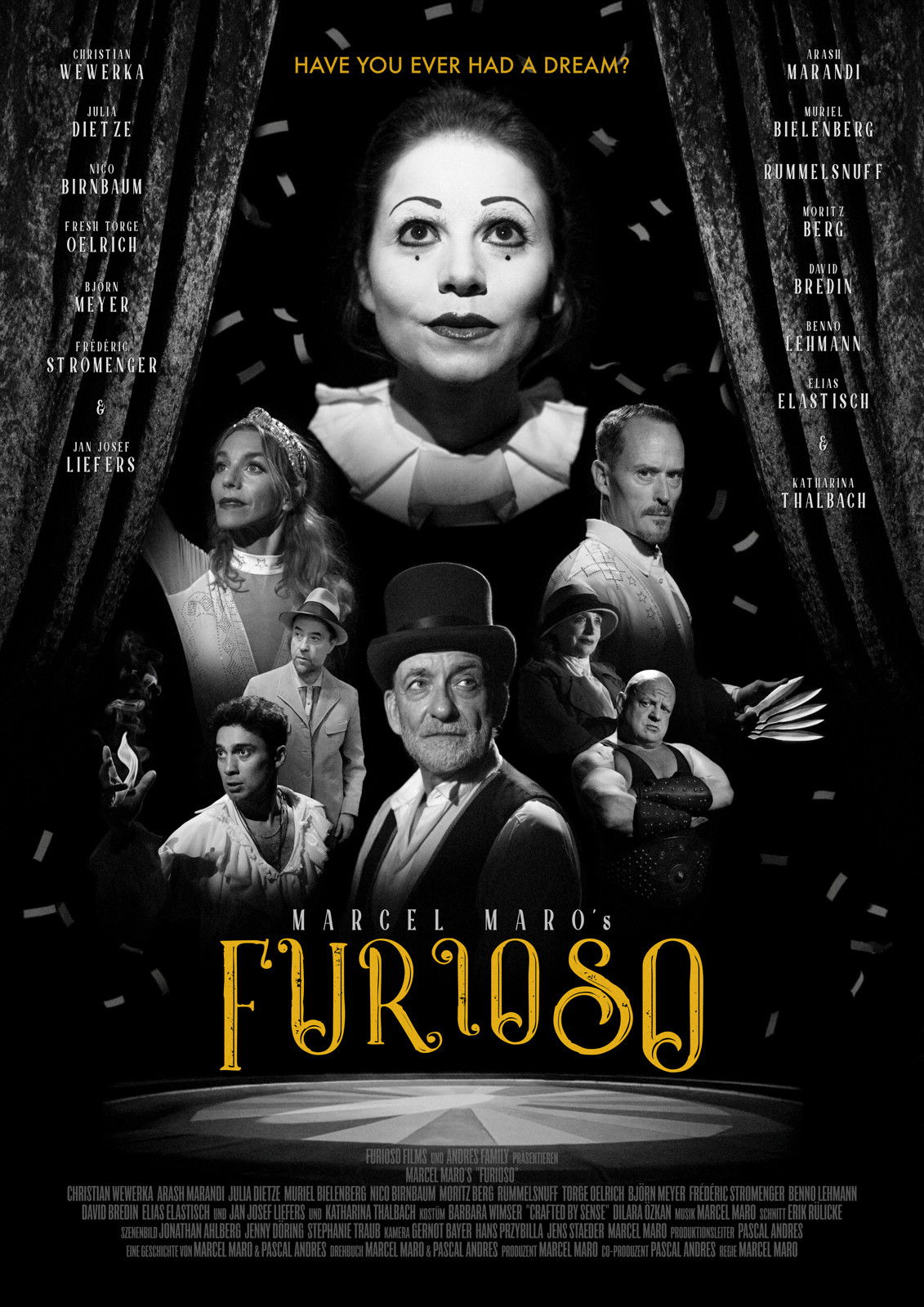
In a quiet 1920s home, a self-possessed woman invites a mysterious stranger inside for a drink, and through a charged encounter discovers that being truly seen may reveal more about herself than she ever intended.
Justin is caught up in the mundane routine of everyday life. Can anything break him out of the cycle, or like most of us is he doomed to repeat it forever?
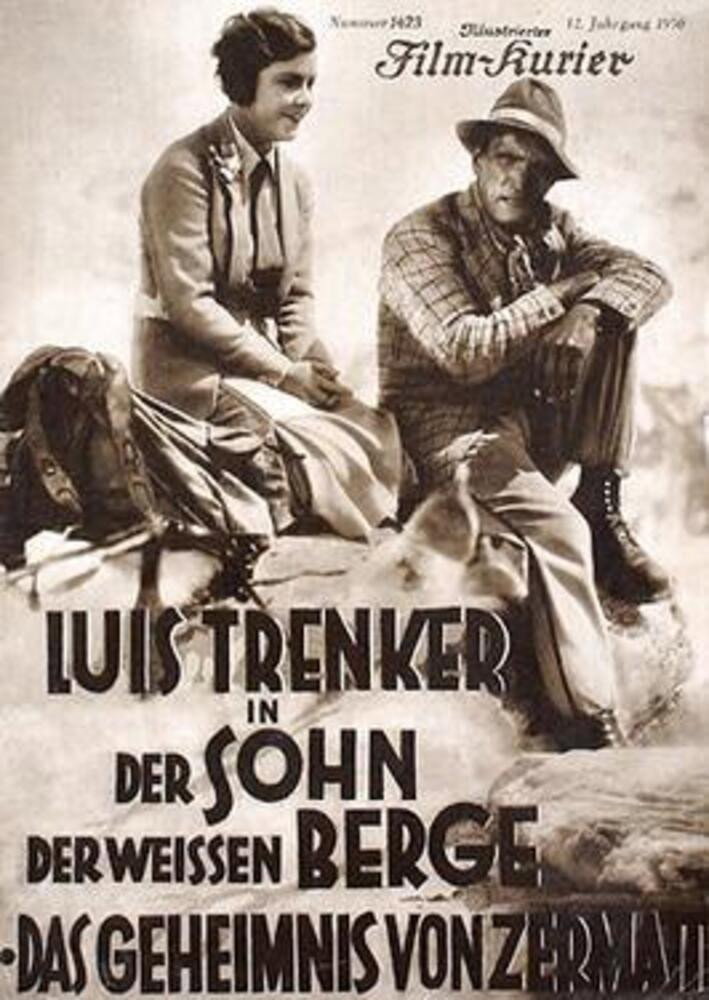
The mountain guide and ski instructor Hans Turri has been hired by the tourist Gregory Milacz to make a route in the mountains. Both are caught by a storm, so while Milacz is waiting at the Concordia Hut, Turri returns to the valley again. On the way back, Milacz has disappeared. Suspicions turn against Turri as a murder suspect for the jealousy he might have for the beautiful Mary Dulac. To get rid of the accusation of murder, Turri sets out to find Milacs. There is a French version of the film (Les chevaliers de la montagne), shot the same year by the same team but with different actors.
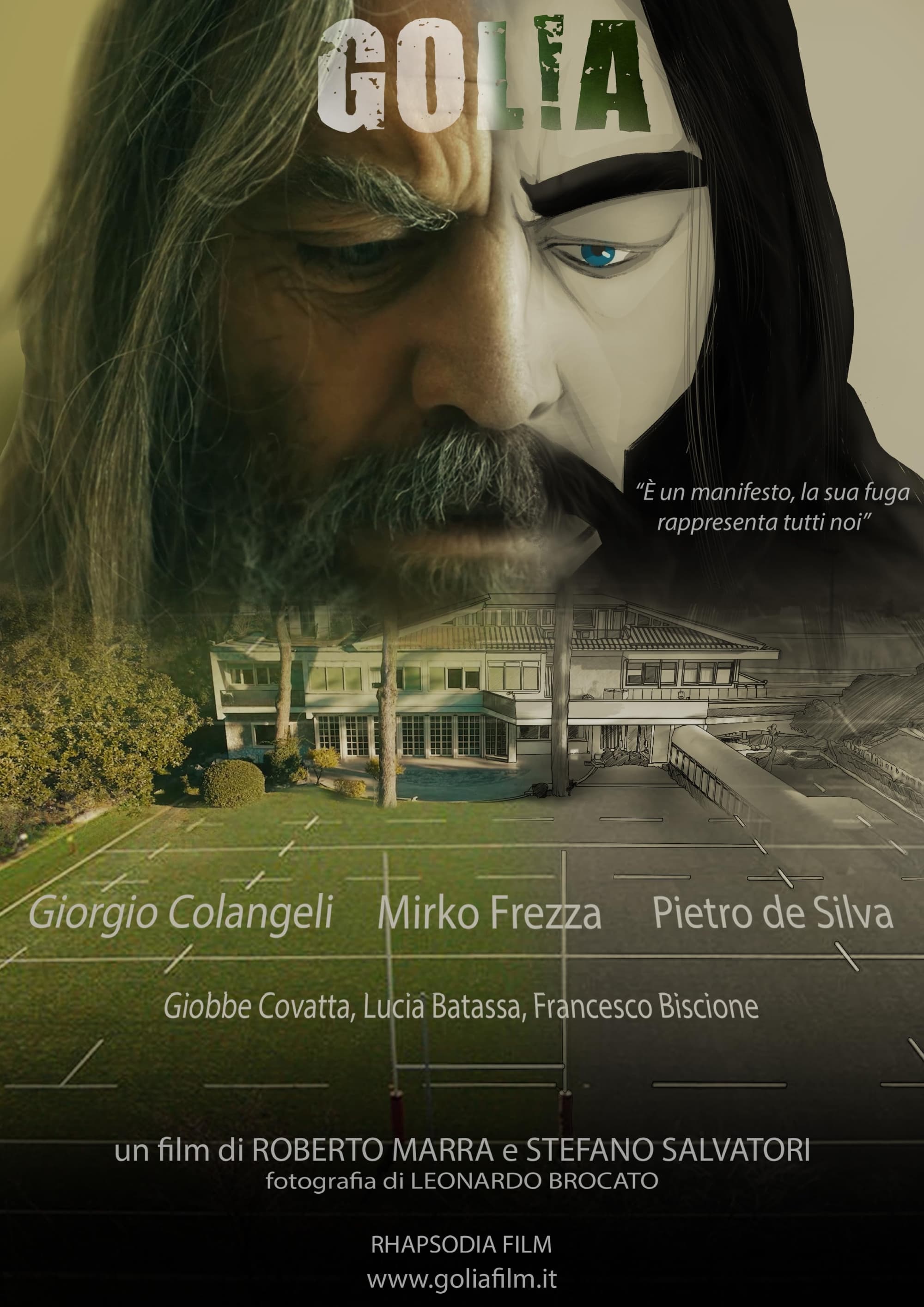
Golia is a former rugby champion suffering from dementia. every day he wakes up convinced that he is still young and is away with his team, only to learn that he is living inside a nursing home and has lost all contact with his wife and children. alessandro, another guest of the nursing home, is a former professor of ancient literature suffering from paraplegia. alessandro has one last ambition left: to help golia break out of the nursing home and reunite him with his family, overcoming the defense lines of the institution’s mean-spirited staff and showing the institutions how senility and illness are not valid pretexts for defining the social worthlessness of man.
Emily returns home when her mother dies to only come across her estranged twin sister and her new boyfriend as they gaslight her into a new reality, fitting the boyfriend's needs.
Adriano is a middle-aged man living in a dilapidated villa in Tuscany, when a group of young idealistic students arrives to restore the villa's vineyards.
Margherita, a director in the middle of an existential crisis, has to deal with the inevitable and still unacceptable loss of her mother.
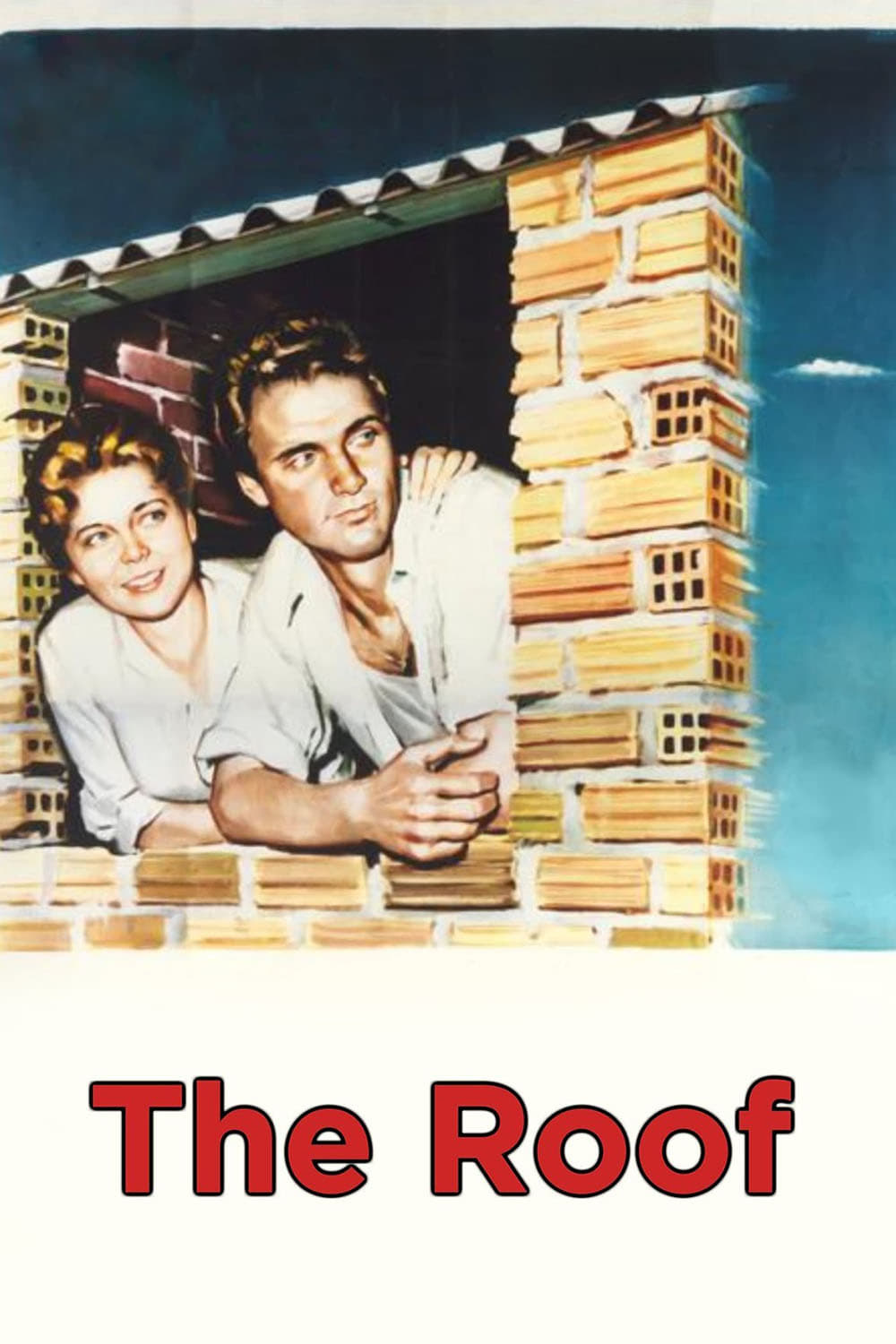
Under provincial Italian law at the time, once a roof is erected, the occupants cannot be evicted from a building. This film follows the efforts of a family to erect the roof on a house overnight so that a newlywed couple can have their own home.
A young Roman woman during the 1950s is on the verge of becoming engaged to a man. She goes to Cinecittà to do an audition as an extra and is thrust into this almost infinite night during which she discovers herself.
Bruno Salvati is a director of little success, fresh from the separation from his wife Anna with whom he had two children, the twenty-year-old Adele and the seventeen-year-old Tito. Following a sudden illness, Bruno is diagnosed with a disease that requires the intervention of a donor. All his family relationships are called into question, including that with his father Umberto, the custodian of a secret that will force Bruno to embark on a journey in search of someone who can help him.
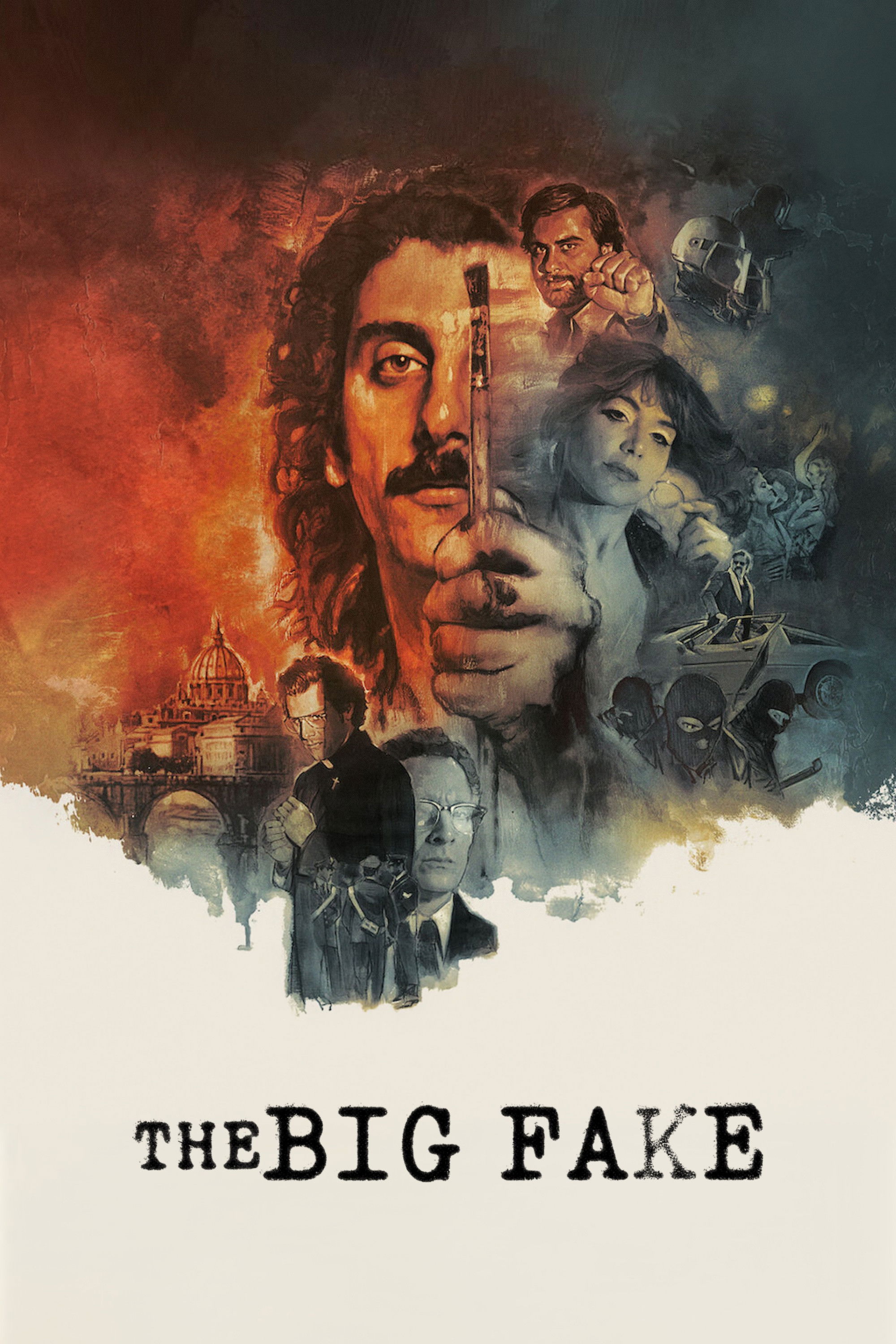
Toni Chichiarelli arrives in Rome with the dream of becoming a painter, but his talent leads him elsewhere — from art galleries to state secrets. Between art, crime, and power, his signature ends up everywhere — even in the history of Italy.
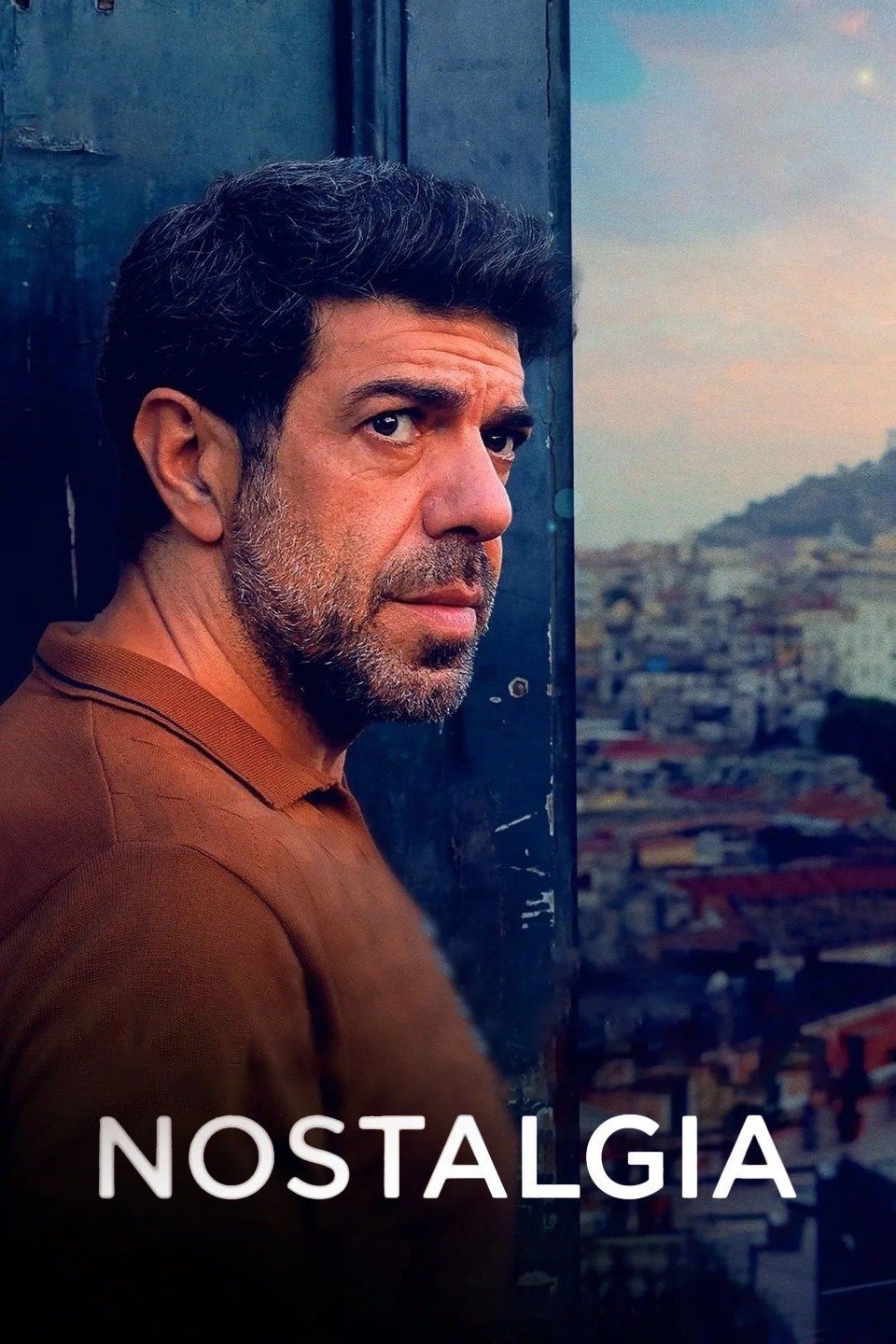
Felice returns to his native Rione Sanità in Naples to look after his dying mother, having lived abroad for the last forty years. Here he discovers that his old friend Oreste has become a notorious crimeboss.
Internationally released Director's Cut of "Loro 1" and "Loro 2", which were released separately as two movies in Italy. The film talks about the group of businessmen and politicians – the Loro (Them) from the title – who live and act near to media tycoon and politician Silvio Berlusconi in the years between 2006 and 2009.
An ex-felon returns home from prison and must confront the demons of his past.
After spending three years in an asylum, a washed-up actor views a minor assignment from his old director in Rome as a chance for personal and professional redemption.
Italy, 1989. After years of hard training, 13-year-old Felice, carrying his father's expectations on his shoulders, finally sets out to compete in the national tennis tournaments. While dreaming of a simple summer vacation, he's instead placed under the wing of ex tennis champion Raul, an unconventional coach hired by his father. Match after match, the two embark on a journey that will lead Felice to discover the taste of freedom, and Raul to glimpse the possibility of a fresh start. As they travel along the Italian coast, an unexpected, deep, and sincere bond between them develops.
A young woman in early-1900s Italy searches for a mystical sanctuary where her stillborn child can be brought back to life long enough to be baptized.
Clara and Felice struggle to raise their three children in 1970s Rome. The eldest, Andrea, is transgender and yearns for another life where he gets to live as the boy he knows himself to be. Clara instinctively strives to protect her son by escaping into their imaginations to defuse family tensions.
Romulus, a misunderstood musician turned recluse hiding from personal demons in a New York City cave, finds the frozen body of a young drifter in a tree. The authorities, including his police officer daughter, claim the death is accidental. Romulus is convinced the man was murdered by a prominent art photographer but how can he prove he's right when everyone thinks he's insane?
In a suburban landscape, the lives of several families interlace with loss, despair and personal crisis. Esther Gold has lost focus on all but caring for her comatose son, Paul, and neglects her daughter and husband. Lawyer Jim Train is devoted to his career, not his family. Helen Christianson wants to find a new spark in life, while Annette Jennings tries to rebuild hers.
A gang of teenage boys stalk the streets of Naples armed with hand guns and AK-47s to do their mob bosses' bidding – until they decide to be the bosses themselves.
Matteo Scuro is a retired Sicilian bureaucrat, a widower with five children, all of whom live on the mainland and hold responsible jobs. He decides to surprise each with a visit and finds none as he imagined.
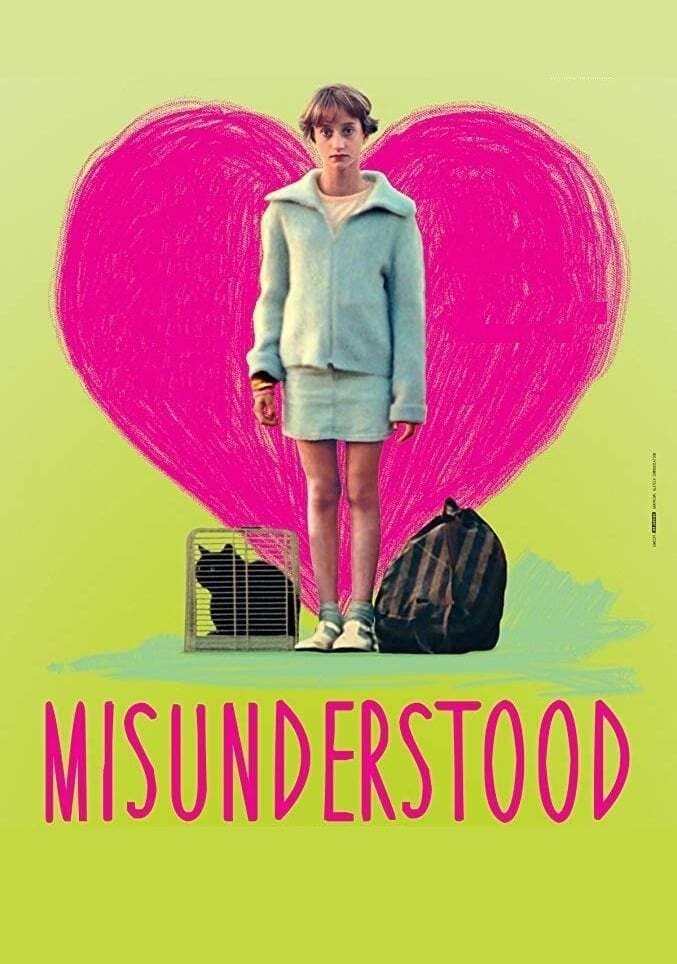
Rome, 1984, Aria is nine-year-old girl. On the verge of divorce, Aria's infantile and selfish parents are too preoccupied with their careers and extra-marital affairs to properly tend to any of Aria's needs. While her two older sisters are pampered, Aria is treated with cold indifference. Yet she yearns to love and to be loved. At school, Aria excels academically but is considered a misfit by everyone. She is misunderstood. Aria finds comfort in her cat - Dac and in her best friend - Angelica. Thrown out of both parents' homes, abandoned by all, even her best friend, Aria finally reaches the limit of what she can bear. She makes an unexpected decision in her life.
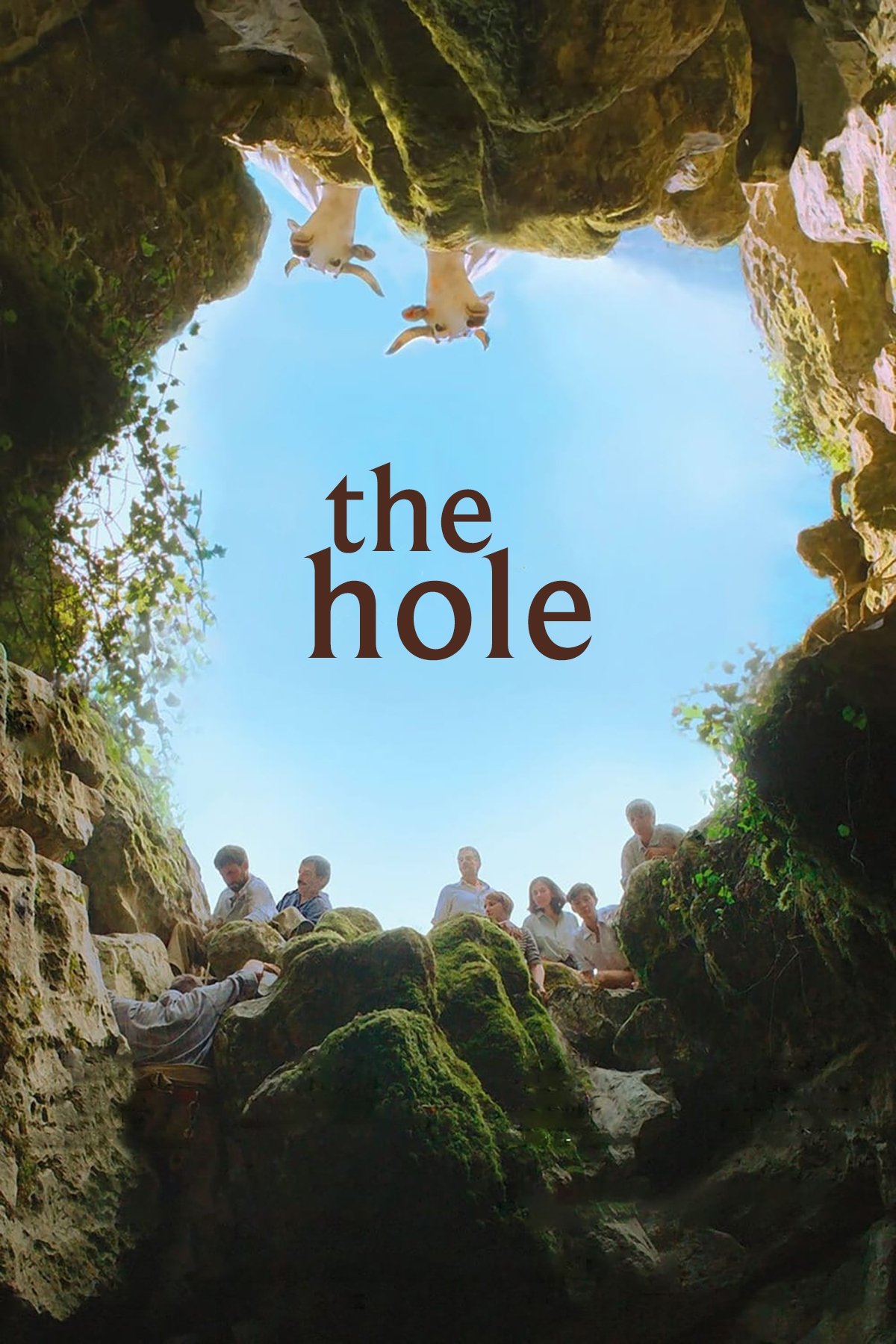
In August 1961, speleologists from Italy’s booming North arrive on a Calabrian plateau where time stands still. The intruders discover one of the world’s deepest caves, the Bifurto Abyss, under the gaze of an old shepherd, the only witness of the pristine territory.
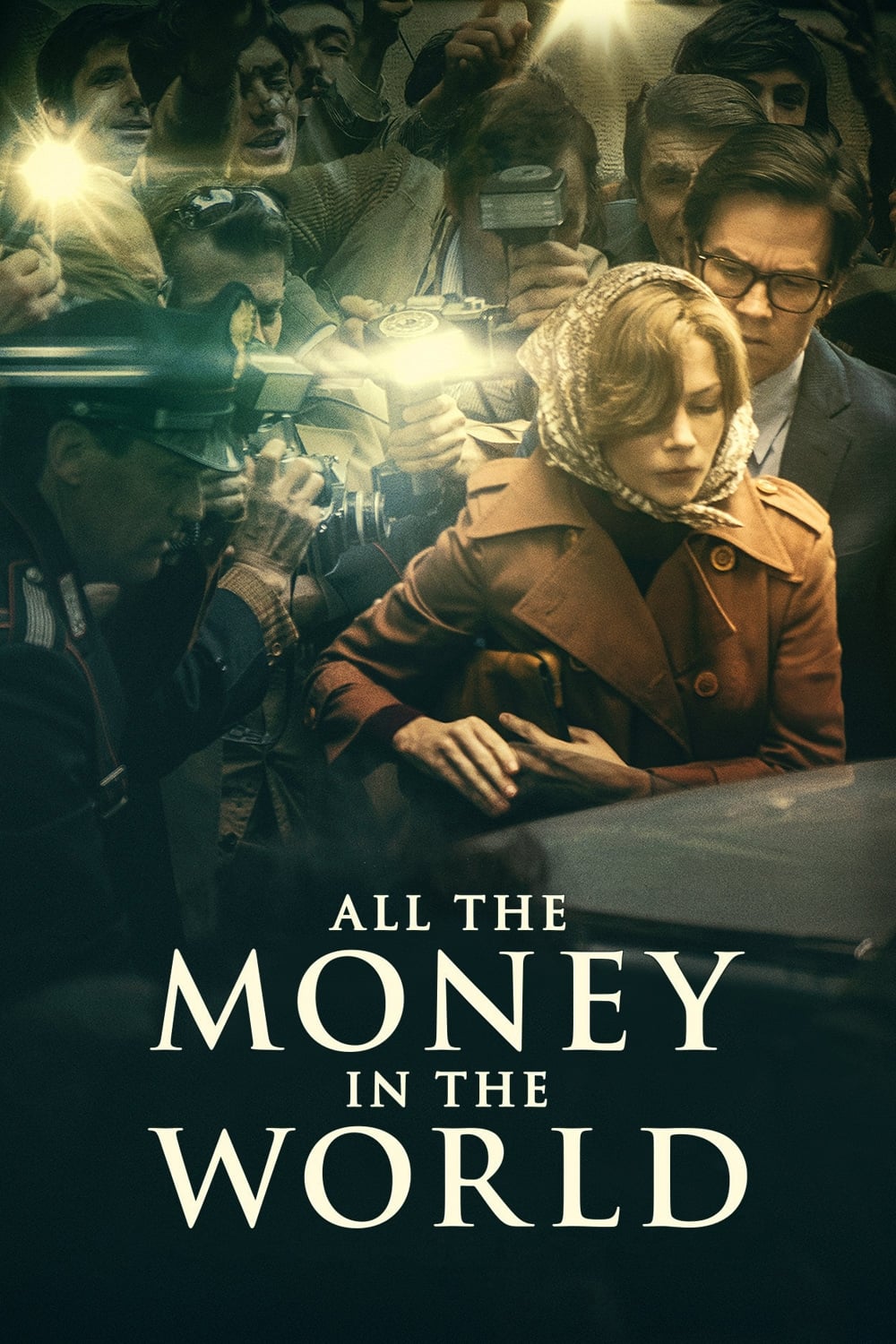
The story of the kidnapping of 16-year-old John Paul Getty III and the desperate attempt by his devoted mother to convince his billionaire grandfather Jean Paul Getty to pay the ransom.