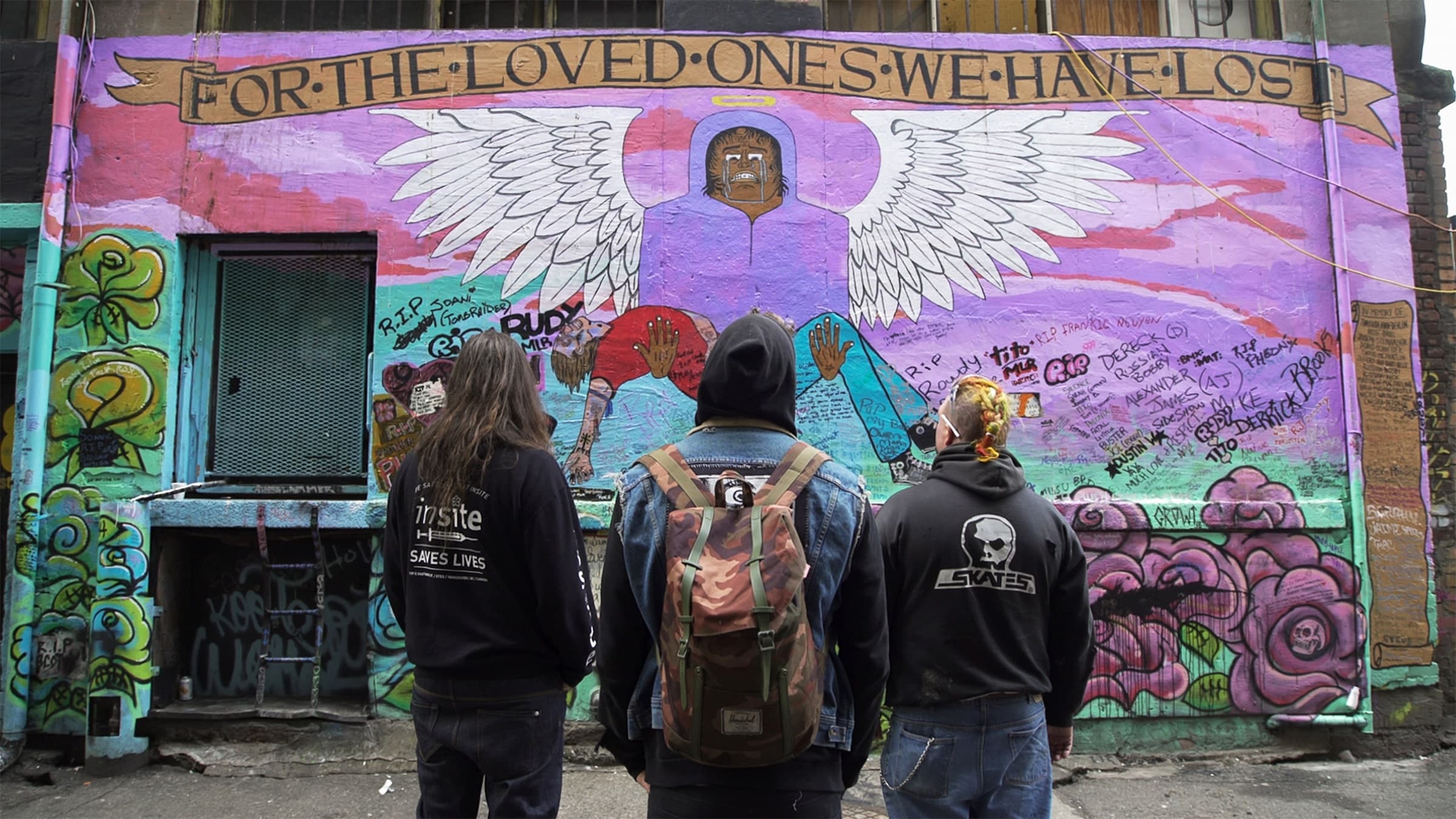
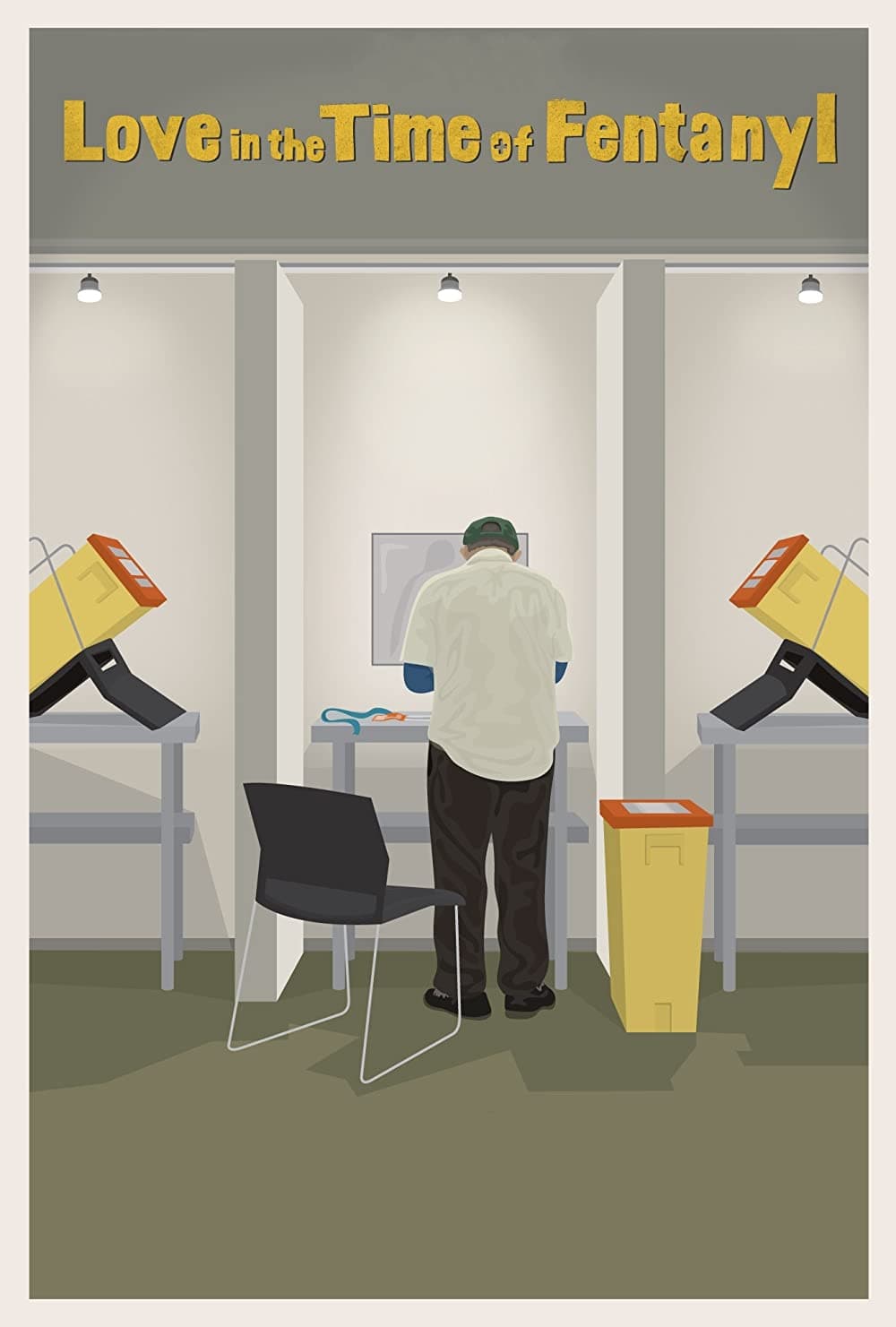
An intimate portrait of a community fighting to save lives and keep hope alive in a neighborhood ravaged by the overdose crisis.
Stream
Social & External
The people behind it
The story of master craftsman Gholamreza, a skilled metalworker who, after overcoming addiction in an unconventional rehab, becomes an inspiration to others.
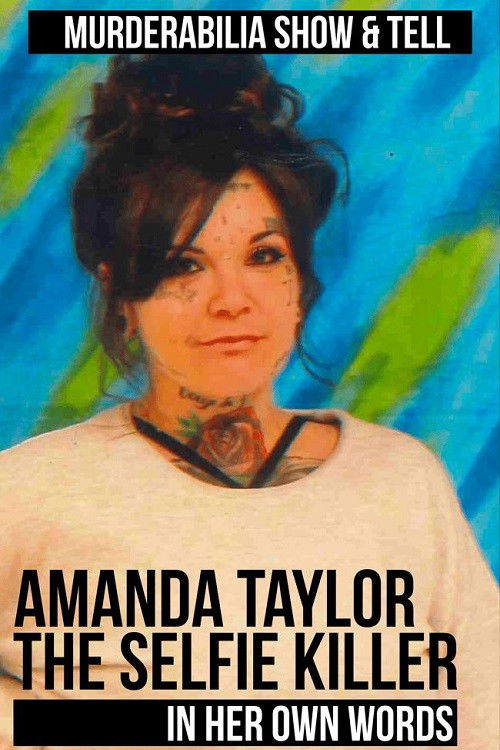
A two hour interview between Jonathan Doe and Amanda Taylor, who murdered her father-in-law and then took a selfie with the body and posted it online.
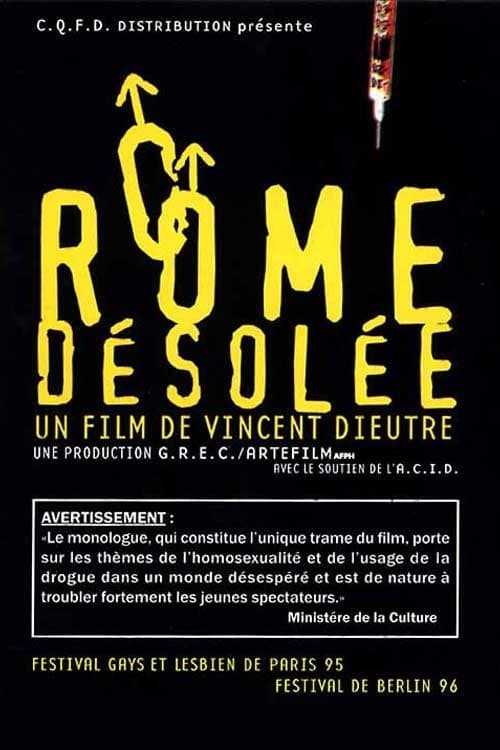
Chronicles of a male homosexual drug addict in 1980's in voice-over with long take scenes from Rome, television snippets of news of Gulf War and commercials.
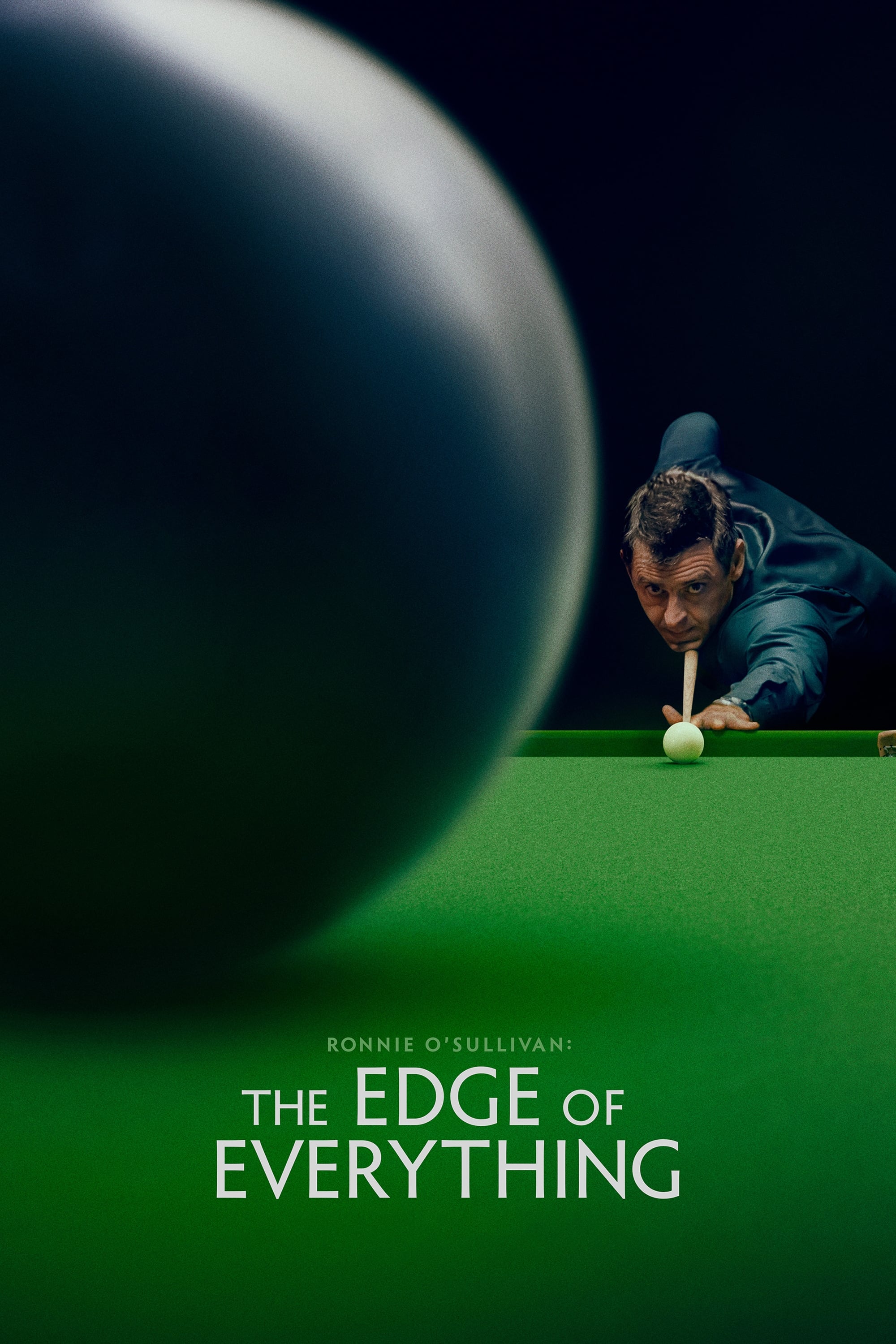
Ronnie O’Sullivan hasn’t had the most harmonious relationship with the media over the years, but his attempt to win the Snooker World Championship for a record 7th time in 2021 apparently proved too good an opportunity to pass up.
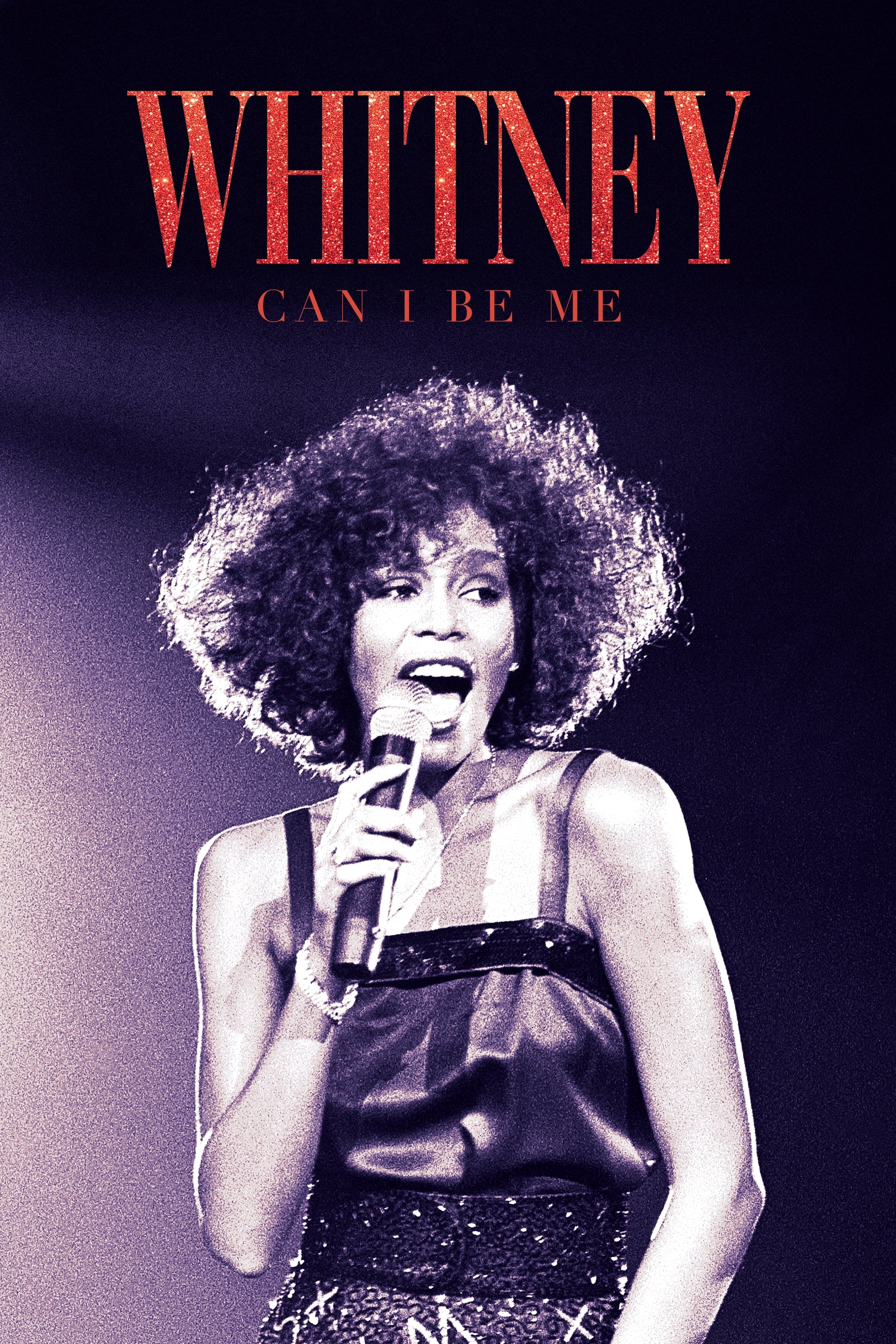
The life and tragic death of Whitney Houston.
Teenager Olivia Oras has 20,000 Instagram followers. The documentary follows a year of her life.
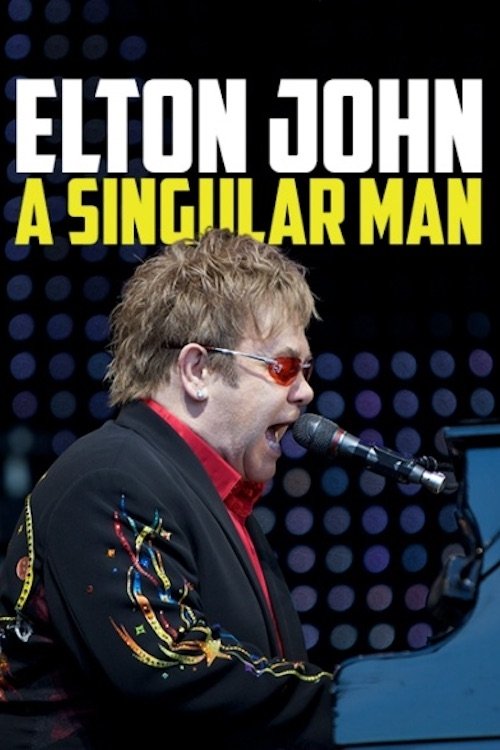
An in-depth portrait of British composer, pianist and singer Elton John, pop star and myth of modern culture.
The personal and social tragedy of drug addiction with its evil accompaniment, drug traffic. Over the side of the silent liner in the darkness slips the package of smuggled narcotics, introducing us to the complex problem which involves all races and classes of man. We see many aspects of addiction - the addict preparing an injection, a group waiting tensely for their dope peddler; agents preparing and adulterating the illegal product; the police catching a pusher red-handed. International and national authorities are working from two angles - suppression of the illicit traffic; and where possible, rehabilitation of the addict.
For those who electrical sensitivity, there aren’t many places to seek refuge. In a remote part of West Virginia, the so-called National Radio Quiet Zone offers one such escape.
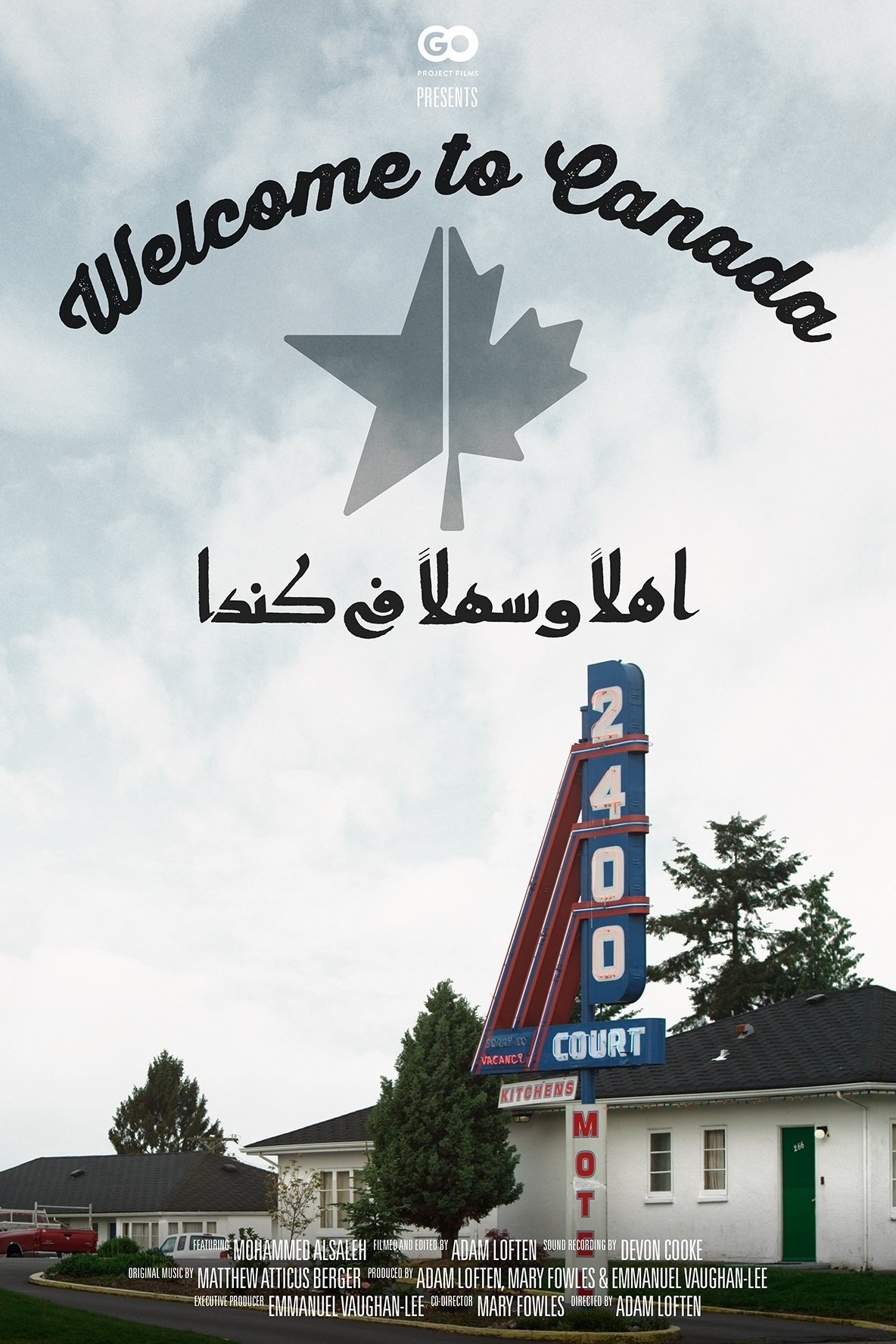
Mohammed Alsaleh, a young Syrian refugee, is rebuilding his life after being granted asylum in Canada. In Vancouver, he counsels and helps resettle newly-arrived Syrian refugee families so that they may find new homes and begin again.
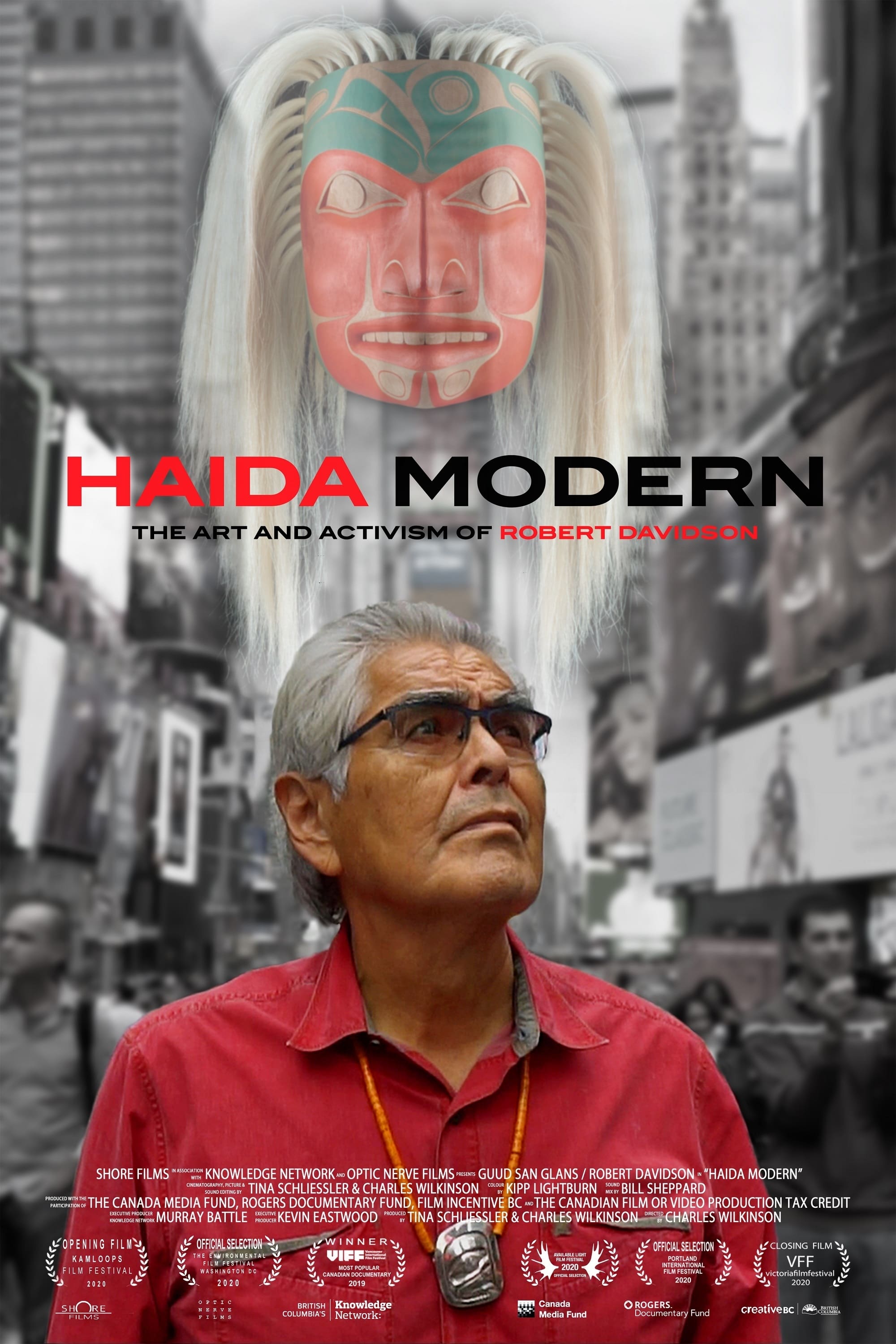
In the 50 years since he carved his first totem pole, Robert Davidson has come to be regarded as one of the world’s foremost modern artists. Charles Wilkinson (Haida Gwaii: On the Edge of the World) brings his trademark inquisitiveness and craftsmanship to this revealing portrait of an unassuming living legend. Weaving together engaging interviews with the artist, his offspring, and a host of admirers, Haida Modern extols the sweeping impact of both Davidson’s artwork and the legions it’s inspired.
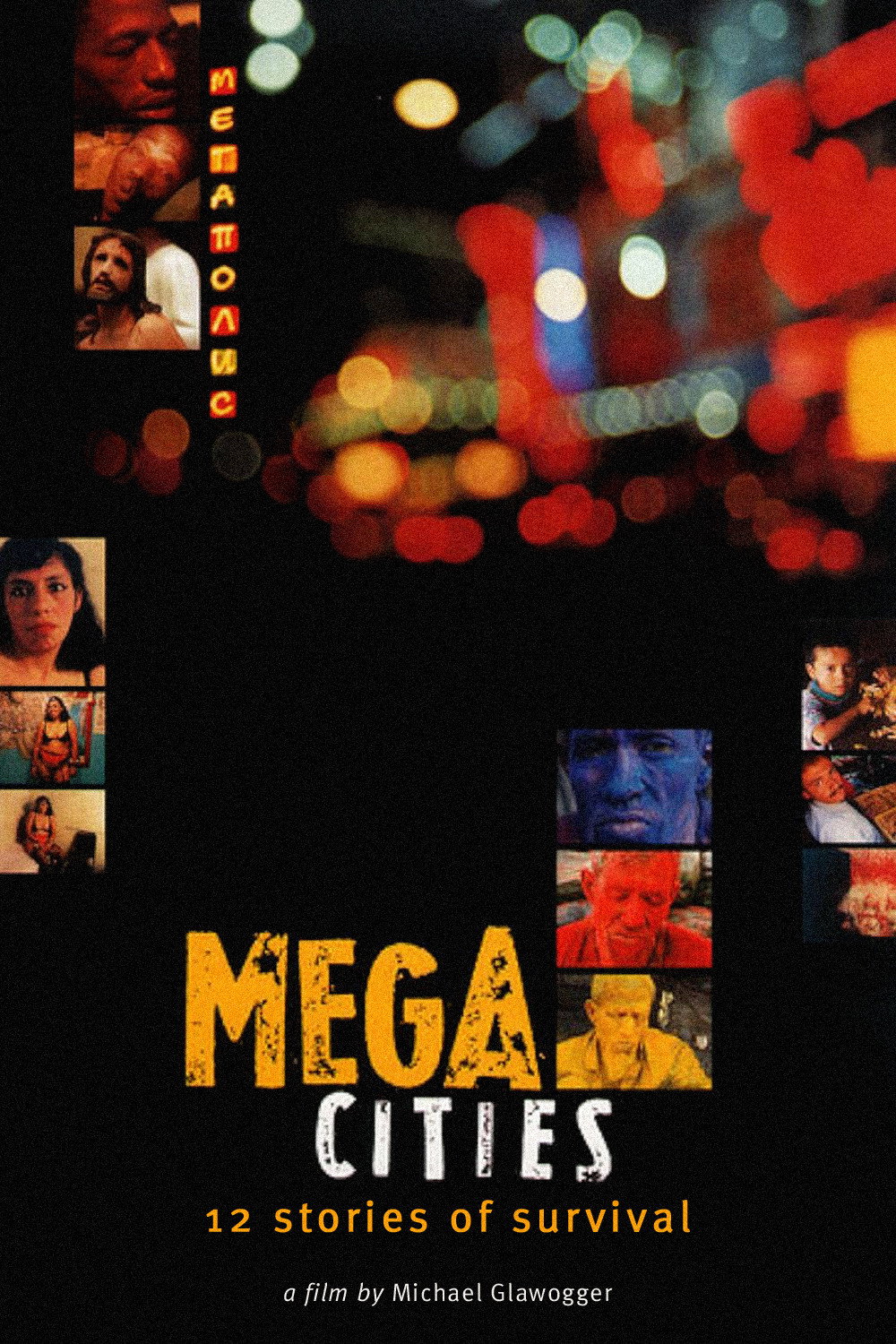
Megacities is a documentary about the slums of five different metropolitan cities.
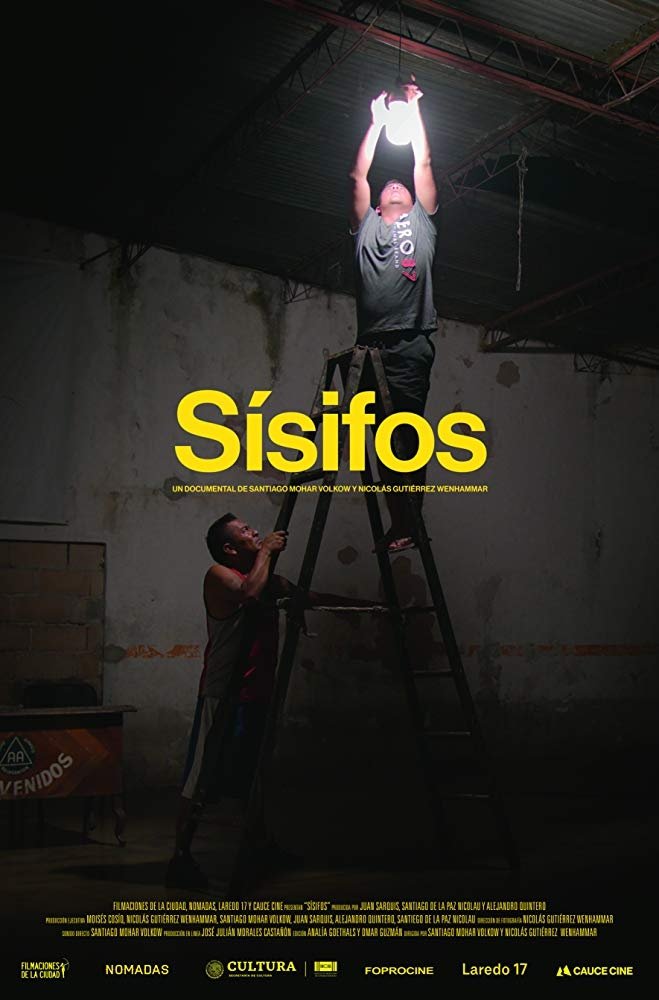
Sisyphus is a journey through the rehabilitation of addictions in Mexico. In the absence of a public infrastructure to combat this problem, the annexes are the alternative that addicts themselves have created. The annexes are unofficial rehabilitation centers in which a method of rehabilitation thought apart from medicine or professional therapy is offered.
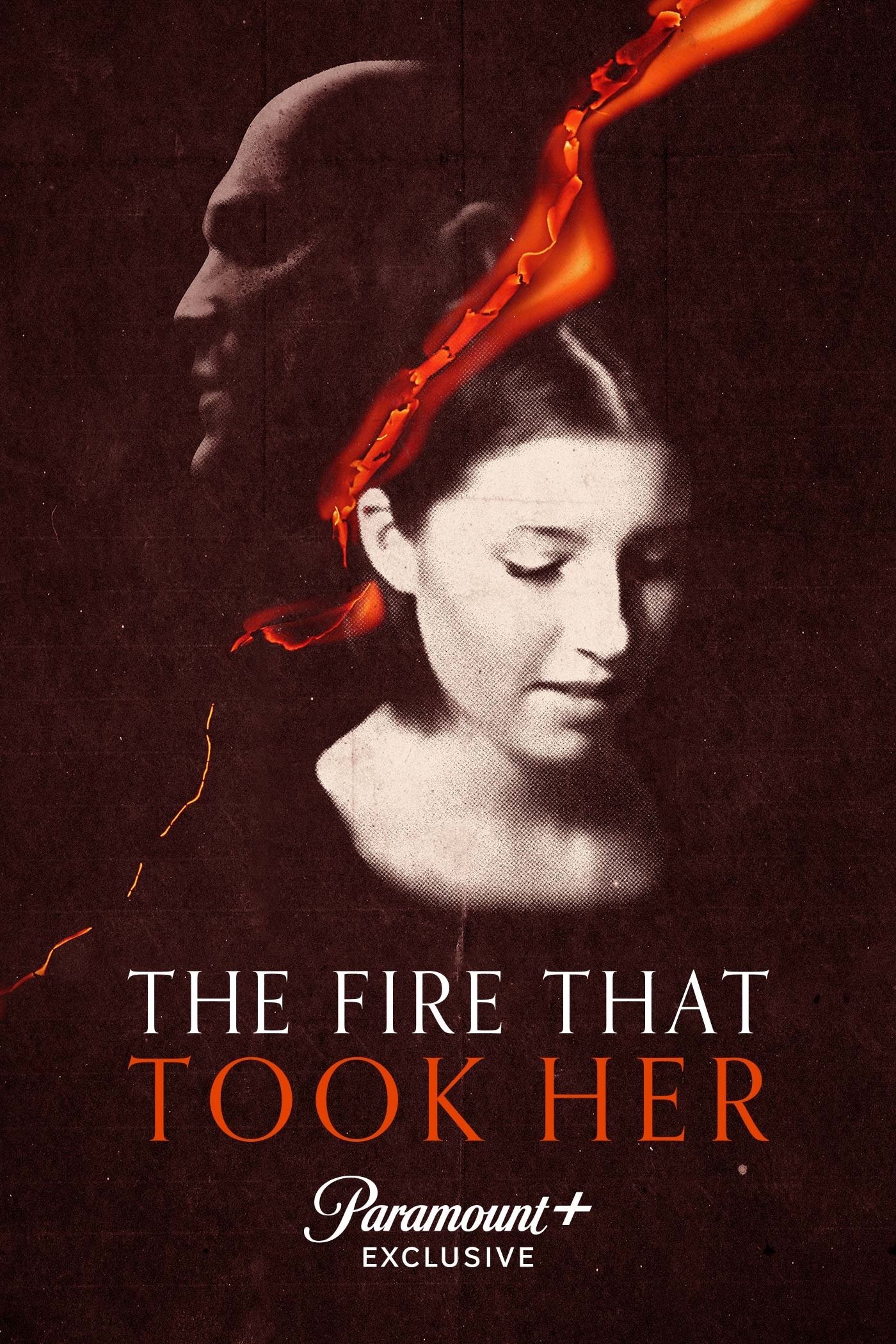
Mother-of-two Judy Malinowski, then 31, was doused in gasoline and set on fire by her crazed boyfriend – and one of the first ever to testify from beyond the grave, at the trial for her own murder. A story that lives at the intersection of true crime and #MeToo, THE FIRE THAT TOOK HER goes deep inside a landmark case to ask a timely question: How much must women suffer in order to be believed?
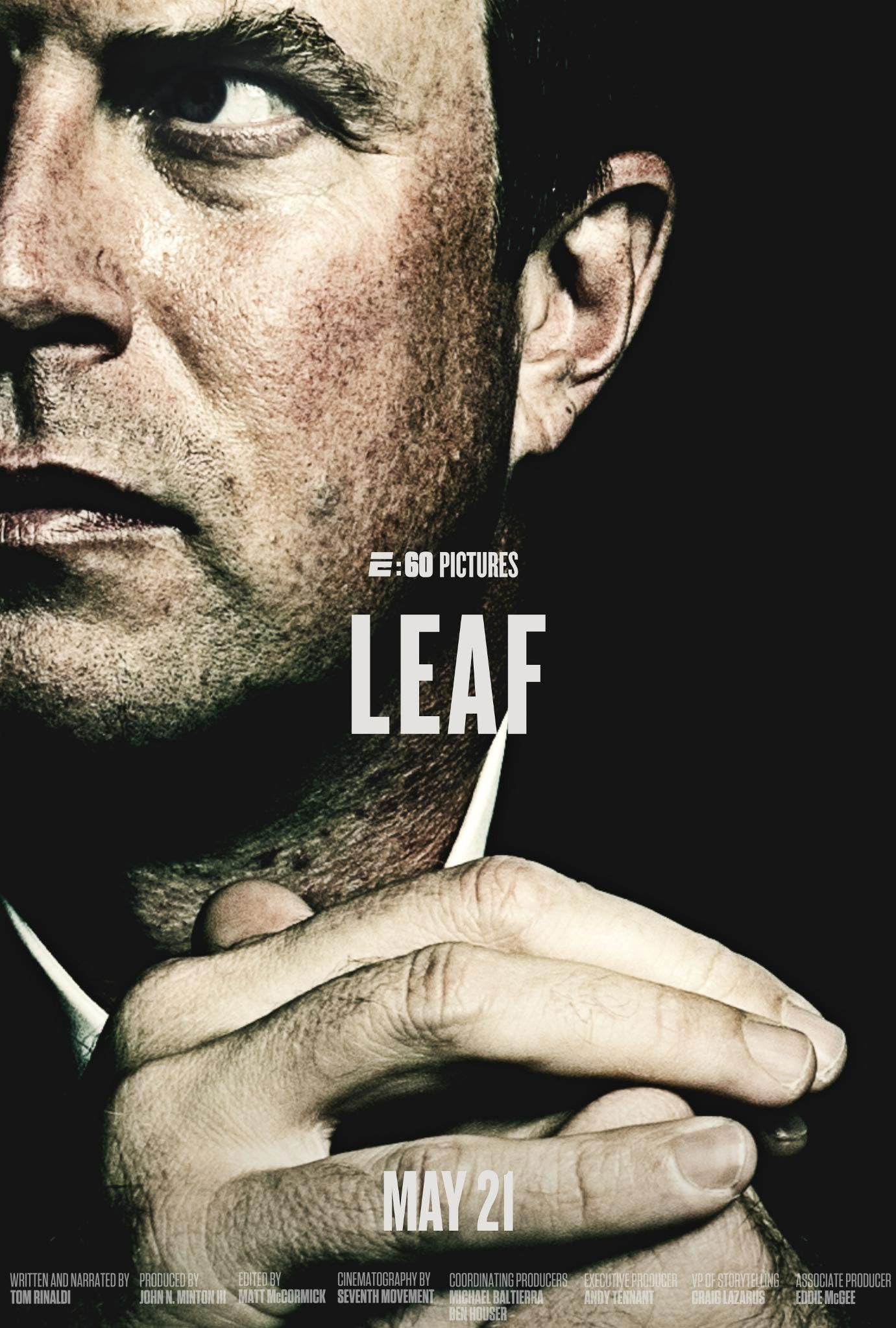
From can't miss future NFL star to incarcerated addict, former San Diego Charger Ryan Leaf shares insight into the choices and mistakes he made that changed his life forever.
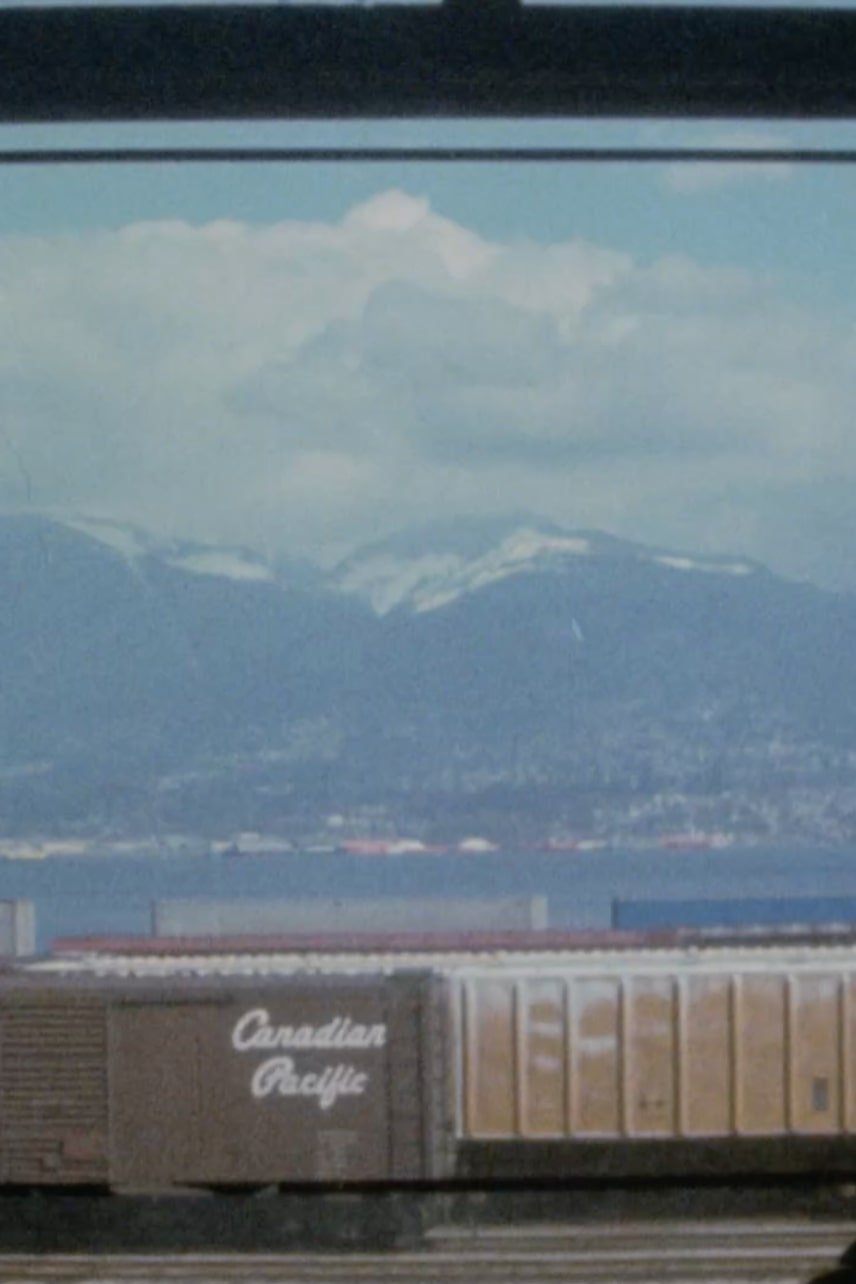
Canadian Pacific I is made up of a series of slowly dissolved shots done from the same framing over several months. The camera frames a window with a railway yard in the foreground, a bay in the space behind it, and misty mountains in the extreme distance. Trains occasionally pass by in the foreground. Huge ships move across the bay. Blue mists hover over the mountain heads.
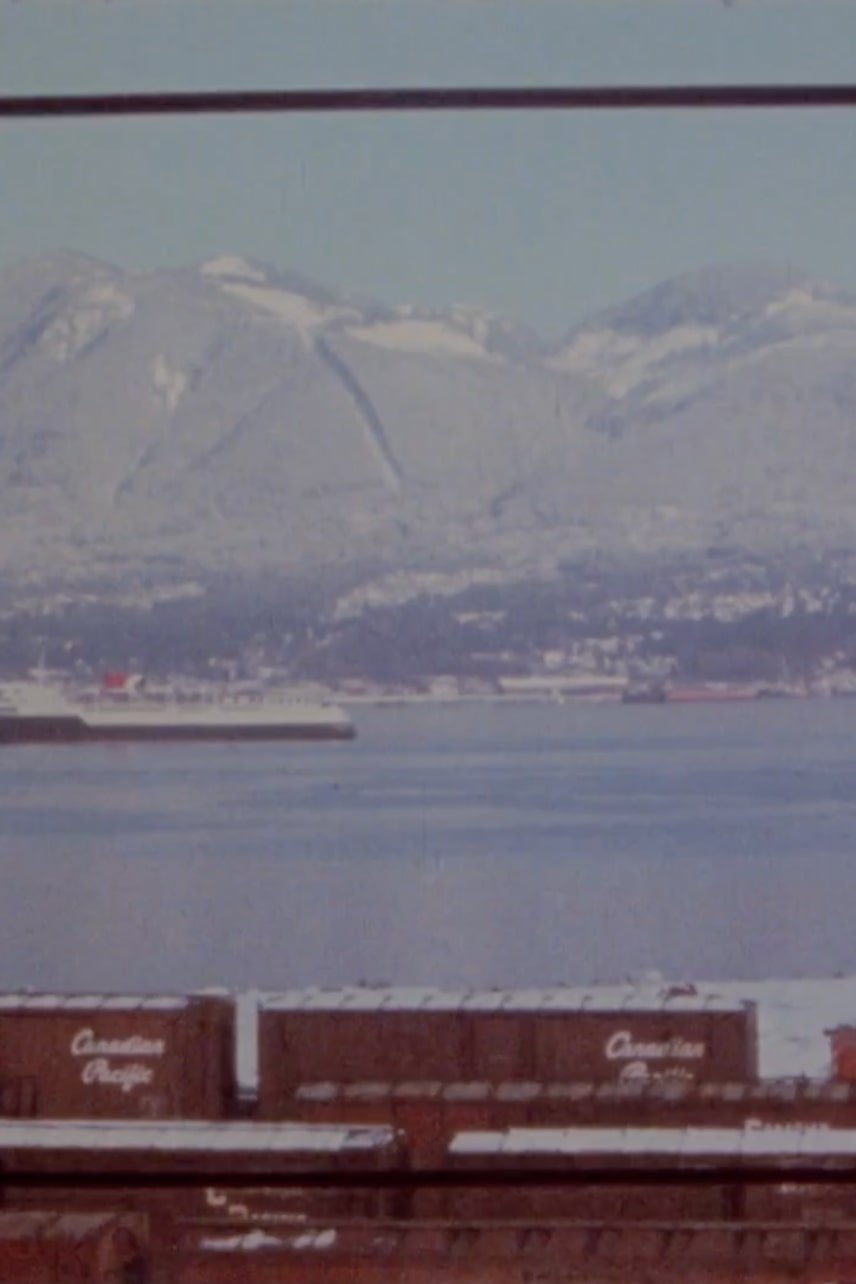
Canadian Pacific II is designed as a companion piece to Canadian Pacific I. Shot from a window two storeys higher and in the building adjacent to the artists’s studio of the previous year, one enters into a dream state… an involvement with a vocabulary of seeing and feeling by subtle transitions of the passage of time
The life and career of the hailed Hollywood movie star and underappreciated genius inventor, Hedy Lamarr.
A visual montage portrait of our contemporary world dominated by globalized technology and violence.
Filmed at the end of the tour in Vancouver, B.C., with the entire Tortured Poets Department set.
From executive producer Zach Braff and director Jeremy Snead, "Video Games: The Movie" is an epic feature length documentary chronicling the meteoric rise of video games from nerd niche to multi-billion dollar industry. Narrated by Sean Astin and featuring in-depth interviews with the godfathers who started it all, the icons of game design, and the geek gurus who are leading us into the future, "Video Games: The Movie" is a celebration of gaming from Atari to Xbox and an eye-opening look at what lies ahead.
Takes us to locations all around the US and shows us the heavy toll that modern technology is having on humans and the earth. The visual tone poem contains neither dialogue nor a vocalized narration: its tone is set by the juxtaposition of images and the exceptional music by Philip Glass.
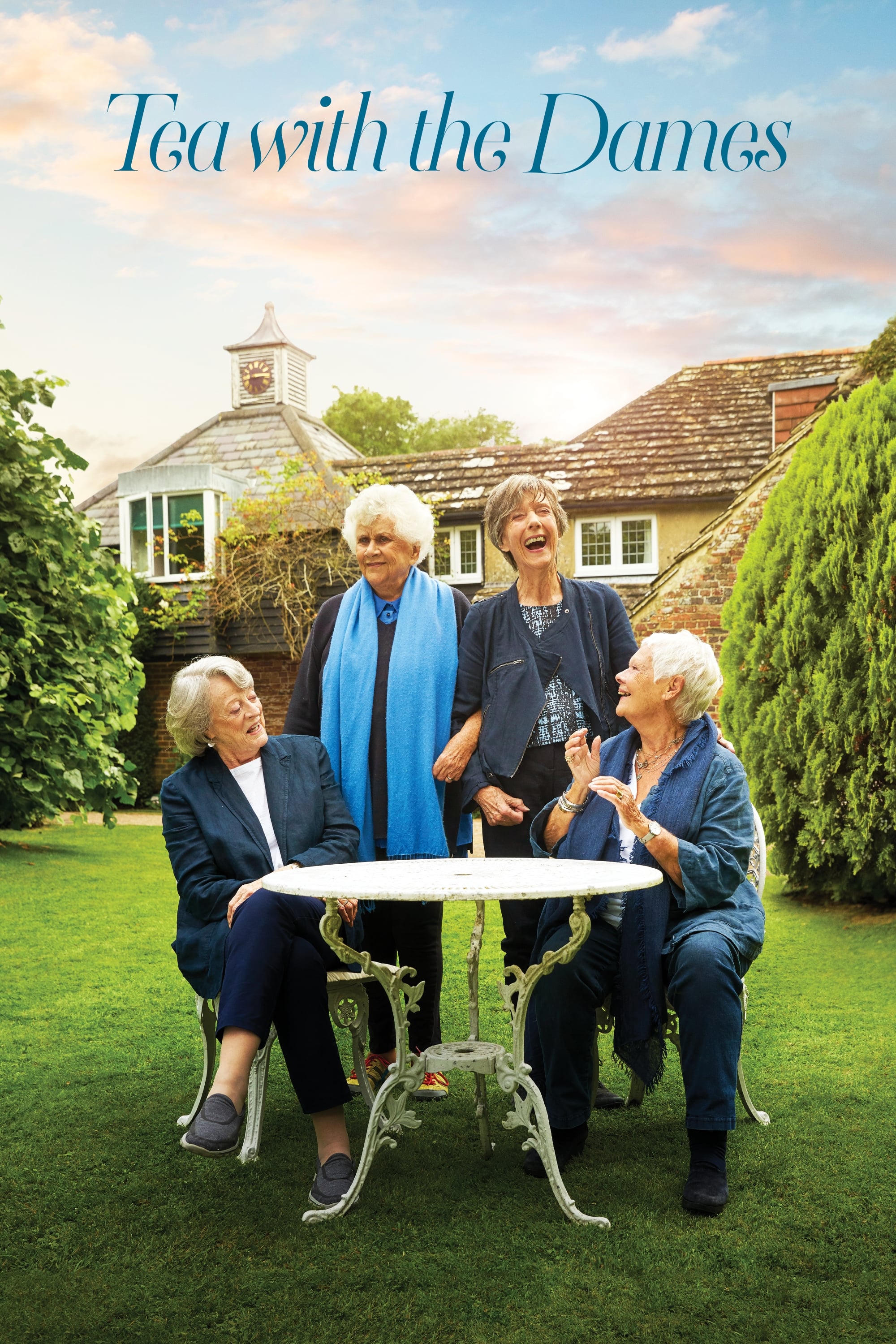
BBC Arena's documentary on the Dames of British Theatre and film featuring Maggie Smith, Eileen Atkins, Judi Dench and Joan Plowright on screen together for the first time as they reminisce over a long summer weekend in a house Joan once shared with Sir Laurence Olivier.
In the past 40 years, the War on Drugs has accounted for 45 million arrests, made America the world's largest jailer, and destroyed impoverished communities at home and abroad. Yet drugs are cheaper, purer, and more available today than ever. Where did we go wrong?
Lyrical and powerfully personal essay film that reflects on the deaths of her husband Lou Reed, her mother, her beloved dog, and such diverse subjects as family memories, surveillance, and Buddhist teachings.
A documentary about how a dominant cultural and demographic institution both sustains their traditional activities and adapts to the digital revolution.
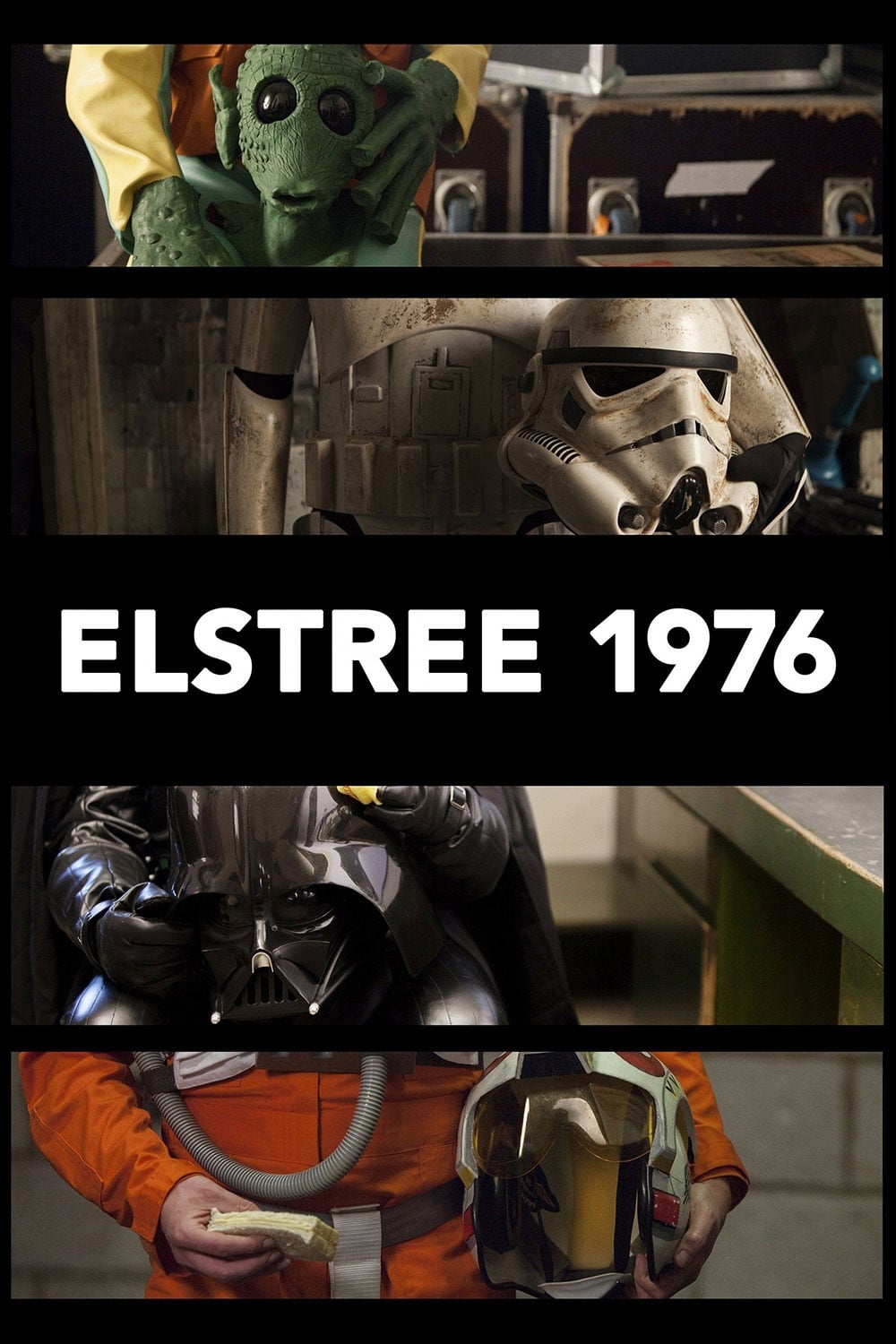
A documentary about ten very different lives connected by having appeared onscreen wearing masks or helmets in Star Wars.
A documentary chronicling Vogue editor-in-chief Anna Wintour's preparations for the 2007 fall-fashion issue.
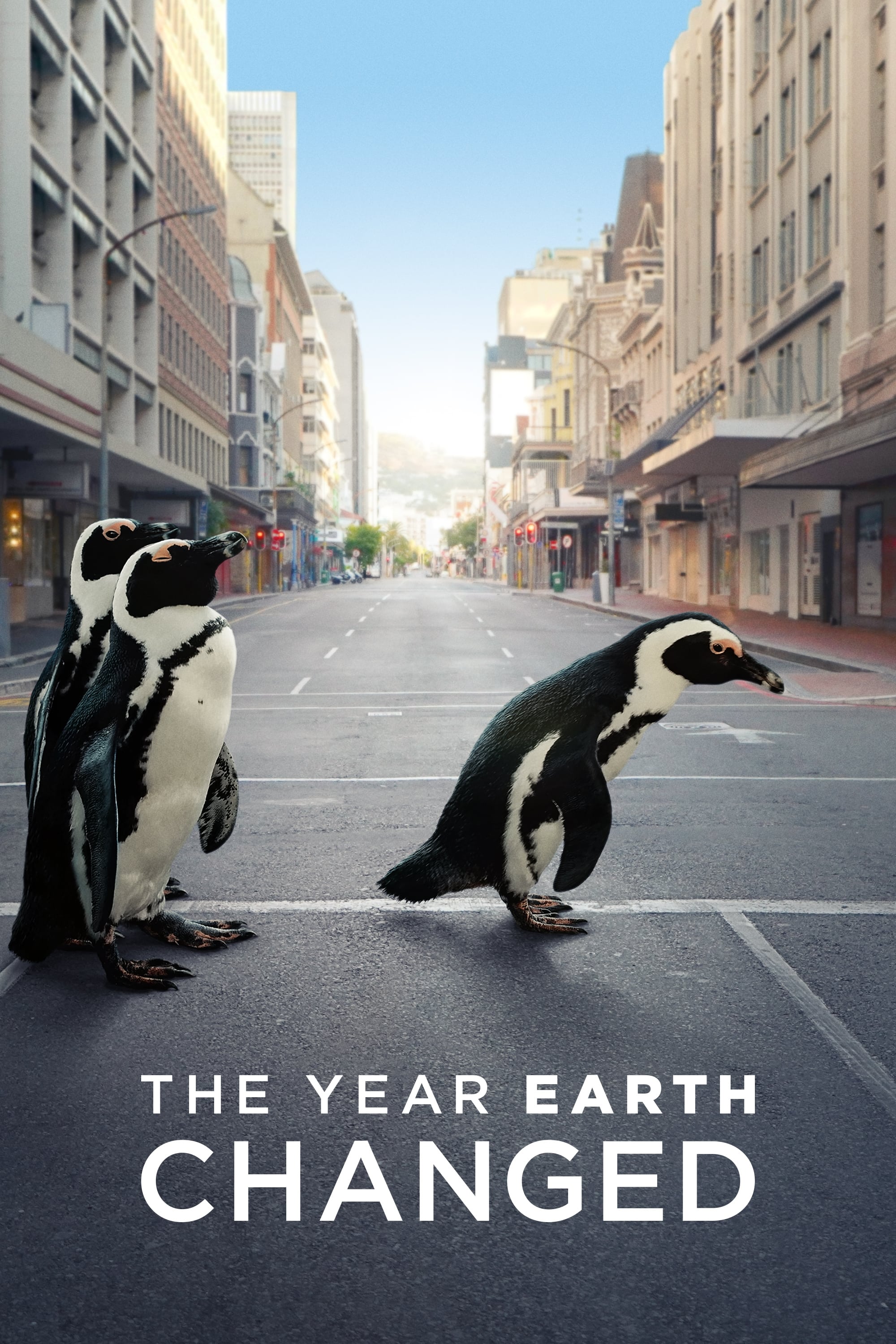
Never-before-seen footage shows how our living in lockdown opened the door for nature to bounce back and thrive. Across the seas, skies, and lands, Earth found its rhythm when we came to a stop.
Live Aid was held on 13 July 1985, simultaneously in Wembley Stadium in London, England, and the John F. Kennedy Stadium in Philadelphia, United States. It was one of the largest scale satellite link-ups and television broadcasts of all time: watched live by an estimated global audience of 1.9 billion, across 150 nations. "It's twelve noon in London, seven AM in Philadelphia, and around the world it's time for Live Aid...!"
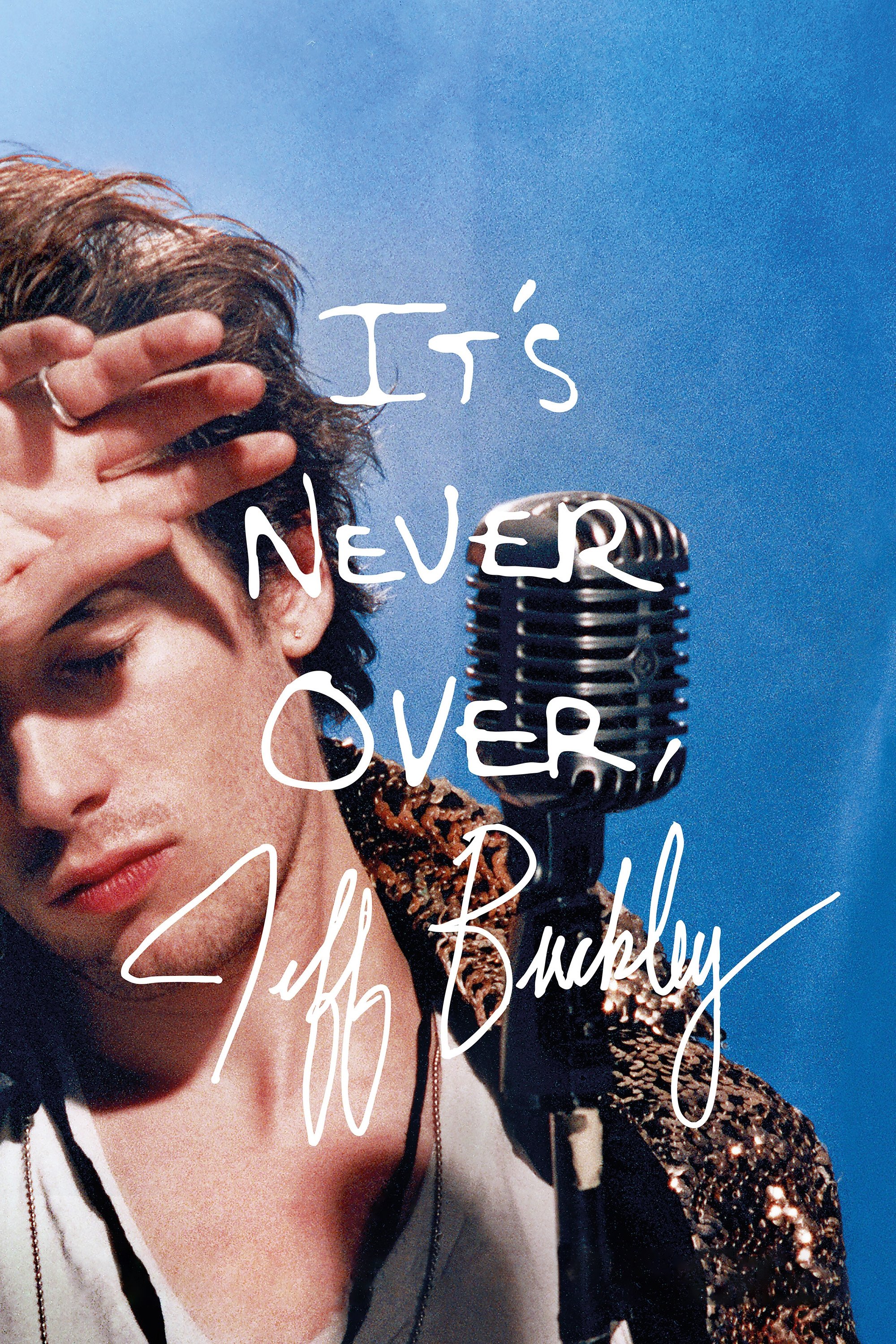
Rising musician Jeff Buckley had only released one album when he died suddenly in 1997. Now, never-before-seen footage, exclusive voice messages, and accounts from those closest to him offer a portrait of the captivating singer.
Through deeply personal interviews with her siblings and an examination of the photographs, letters, and belongings left behind, Mariska assembles a new portrait of her mother Jayne Mansfield, an extraordinary and complex woman.
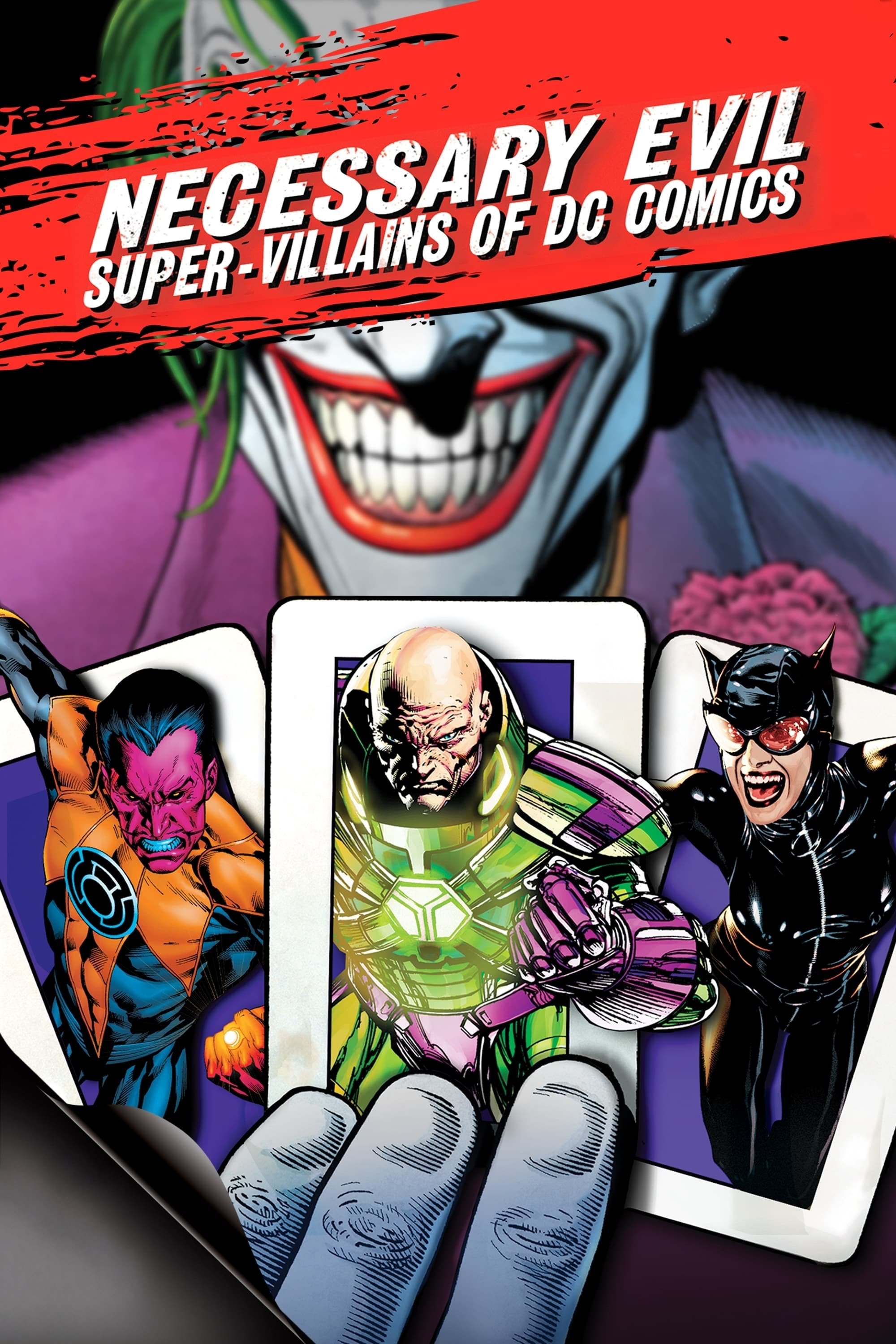
A documentary detailing the epic Rogues' Gallery of DC Comics from The Joker and Lex Luthor, Sinestro, Darkseid and more, this documentary will explore the Super Villains of DC Comics.
Interviews with leading authors, philosophers and scientists, with an in-depth discussion of the Law of Attraction. The audience is shown how they can learn and use 'The Secret' in their everyday lives.
Using the book 'Fragments', which collects Marilyn Monroe's poems, notes and letters, and with participation from the Arthur Miller and Truman Capote estates who have contributed more material, each of the actresses will embody the legend at various stages in her life.
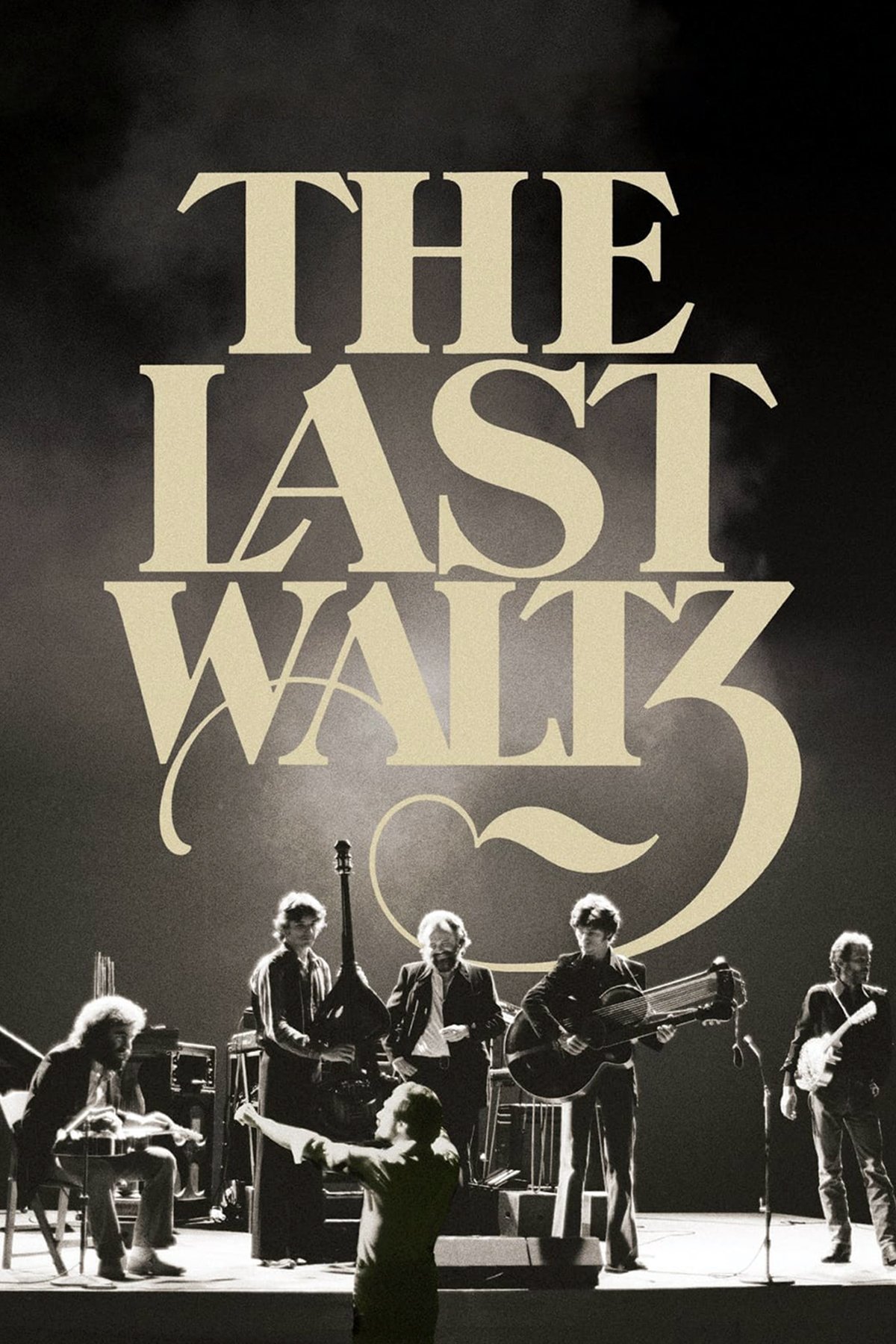
Martin Scorsese's documentary intertwines footage from The Band's incredible farewell tour with probing backstage interviews and featured performances by Eric Clapton, Bob Dylan, Joni Mitchell, Van Morrison, and other rock legends.
Al Pacino's deeply-felt rumination on Shakespeare's significance and relevance to the modern world through interviews and an in-depth analysis of "Richard III."
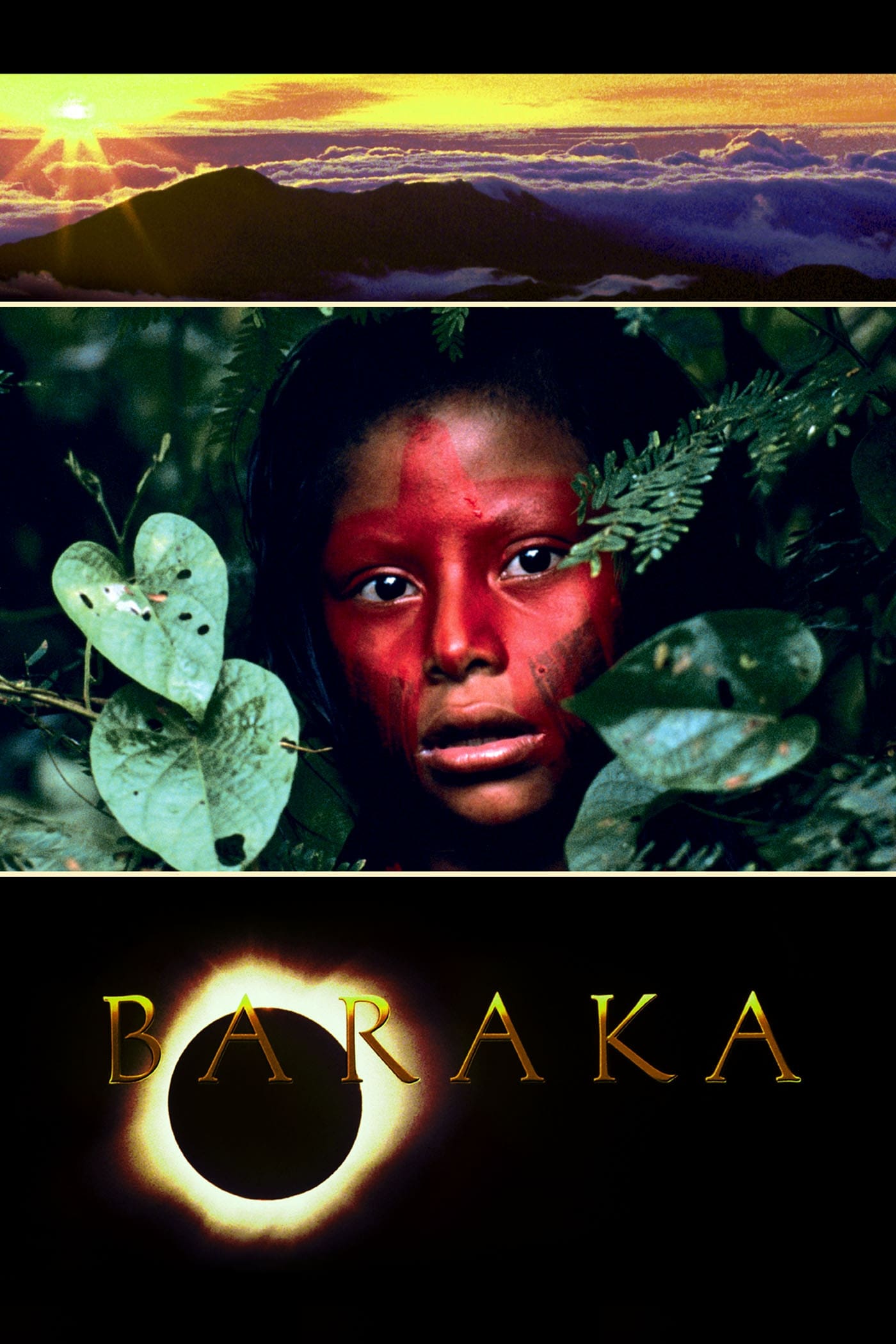
A paralysingly beautiful documentary with a global vision—an odyssey through landscape and time—that attempts to capture the essence of life.