Social & External
The people behind it
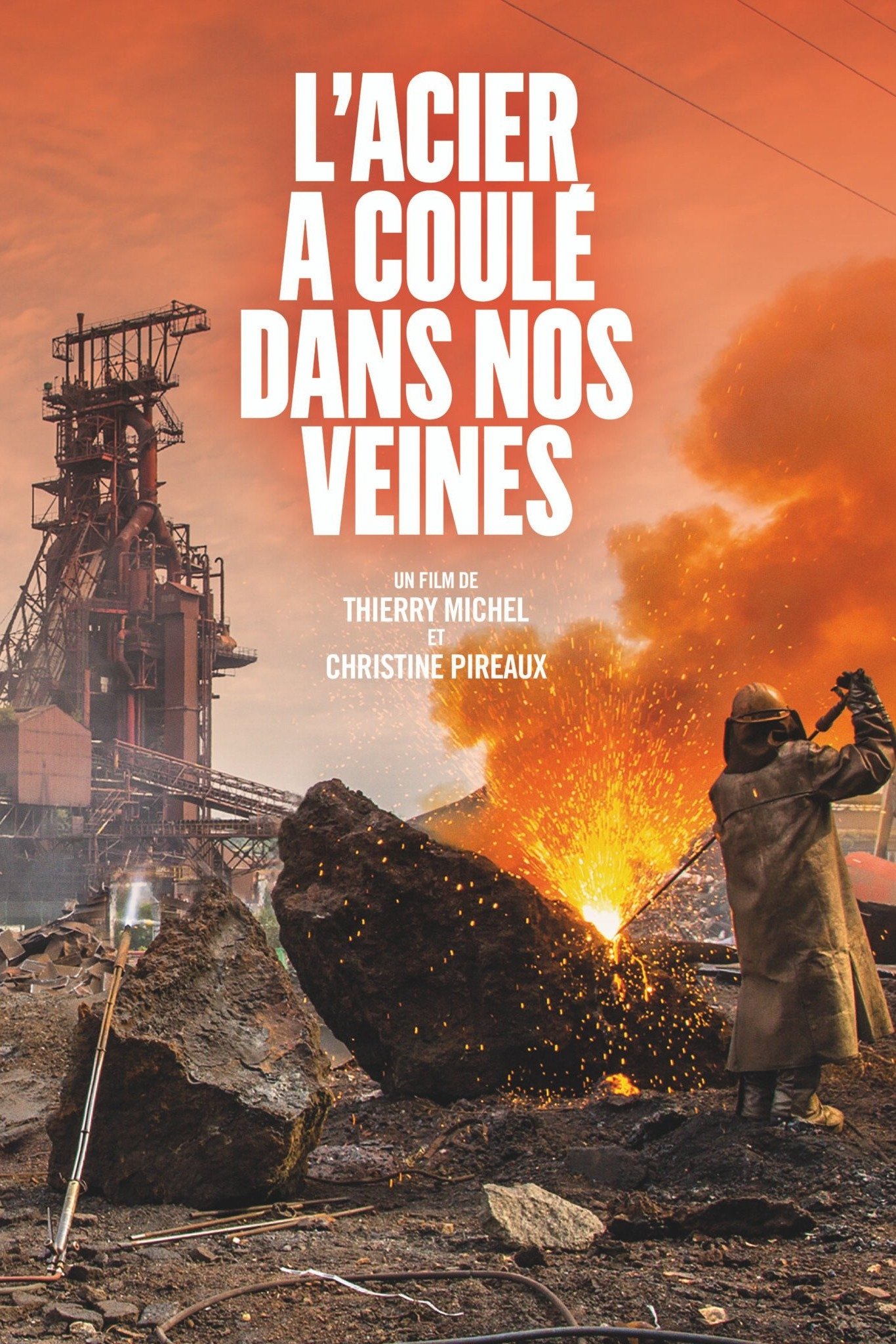
« Steel running through our veins » immerses us in the world of Liège's steelworkers, revealing an exceptional industrial and human saga. This captivating documentary explores the destinies forged by iron and fire through personal testimonies and previously unseen archives spanning 50 years. It highlights the social struggles and resilience of a community in the face of economic challenges. More than just a reflection on the past, this essential film questions our present and future, emphasizing the importance of solidarity and collective memory.
Documentary about human impact on the world.
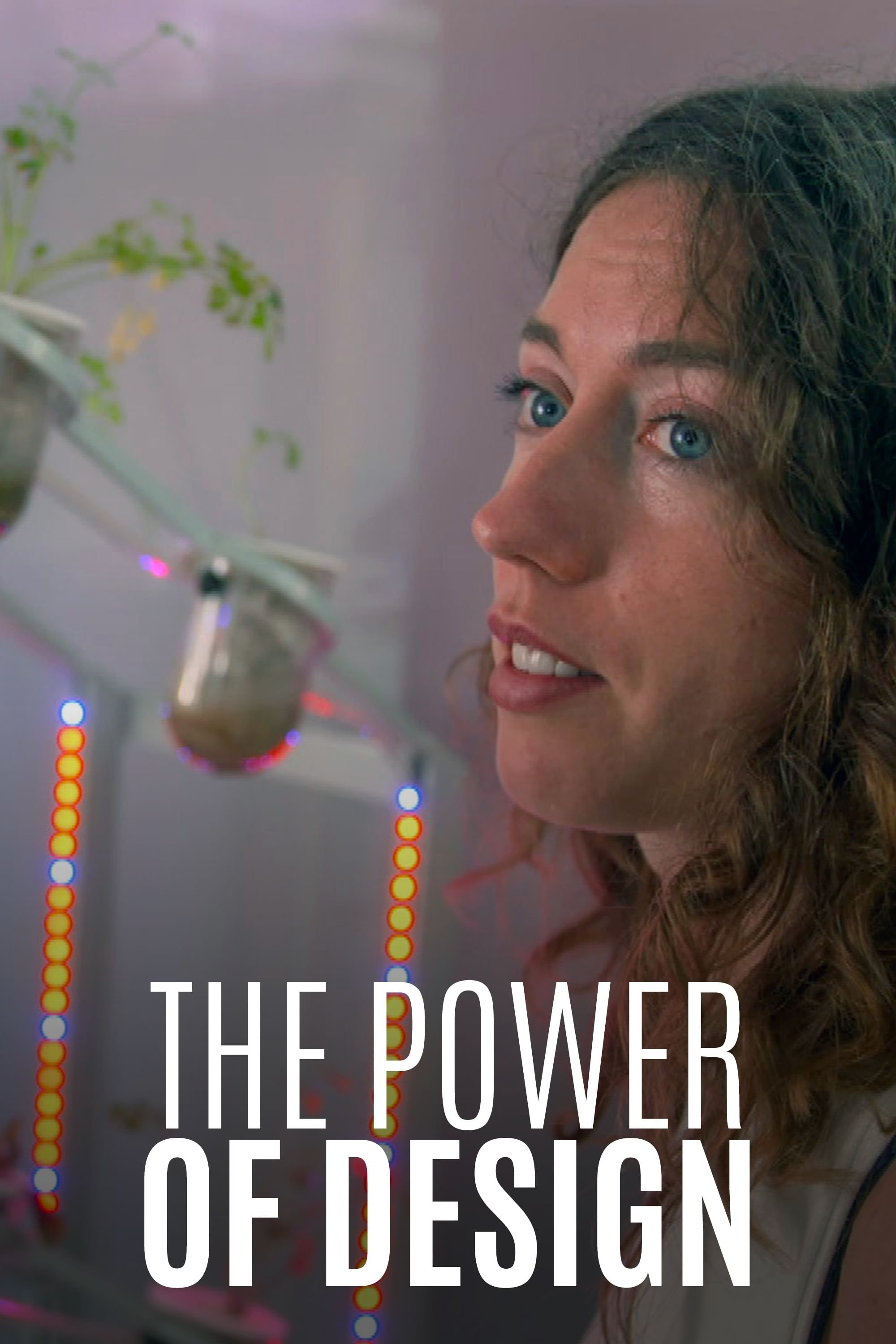
Immersion in a world of contemporary design in search of more virtuous practices. In Helsinki, German designer Julia Lohmann uses seaweed to create dyed garments; in Amsterdam, Marjan van Aubel creates objects powered by organic photovoltaic cells; in London, the Superflux duo develops futuristic installations to alleviate potential food shortages.
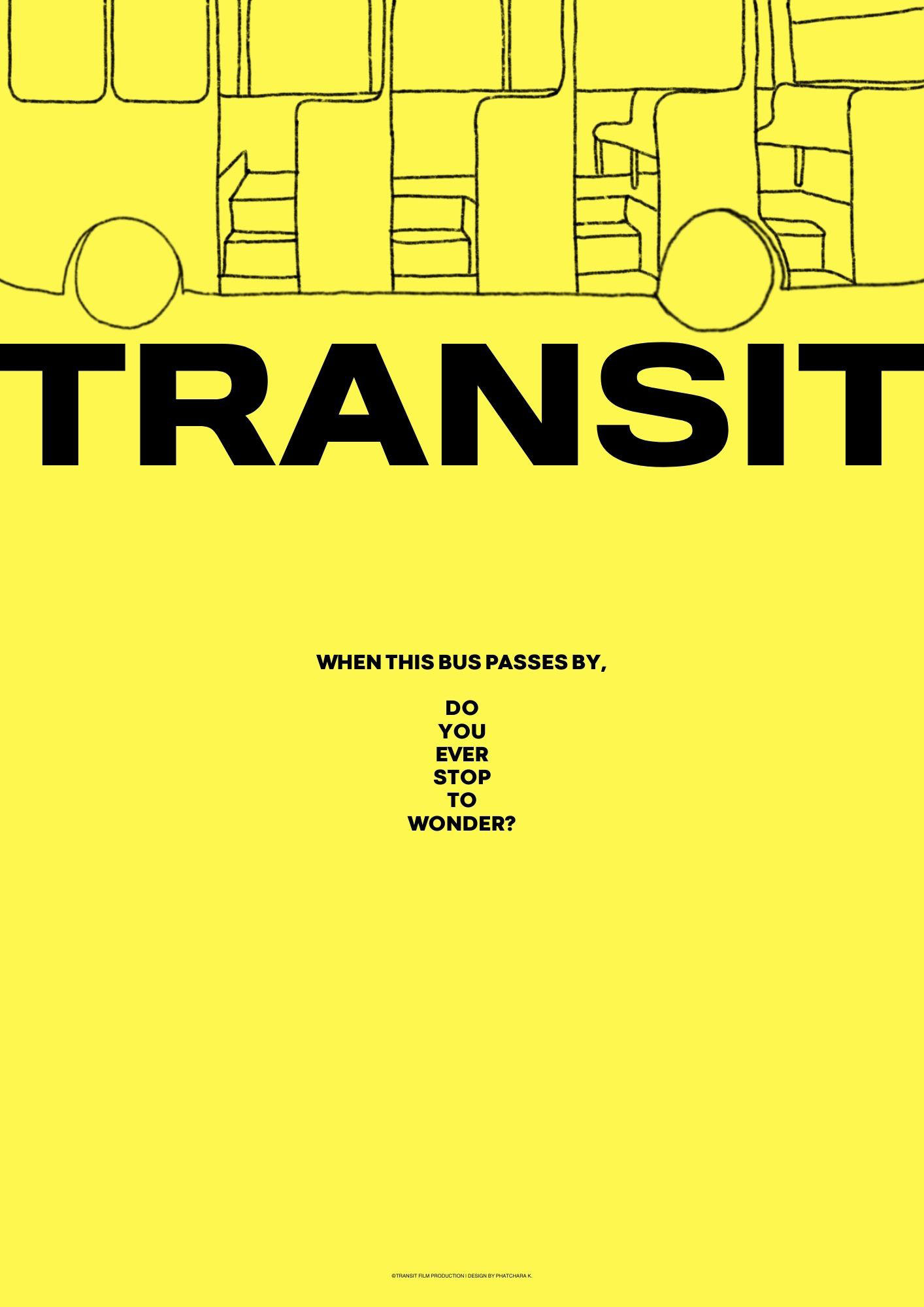
a short documentary about the yellow university vehicles in Thailand.
Friends since high school, 20-somethings Kaleil Isaza Tuzman and Tom Herman have an idea: a Web site for people to conduct business with municipal governments. This documentary tracks the rise and fall of govWorks.com from May of 1999 to December of 2000, and the trials the business brings to the relationship of these best friends. Kaleil raises the money, Tom's the technical chief. A third partner wants a buy out; girlfriends come and go; Tom's daughter needs attention. And always the need for cash and for improving the site. Venture capital comes in by the millions. Kaleil is on C-SPAN, CNN, and magazine covers. Will the business or the friendship crash first?
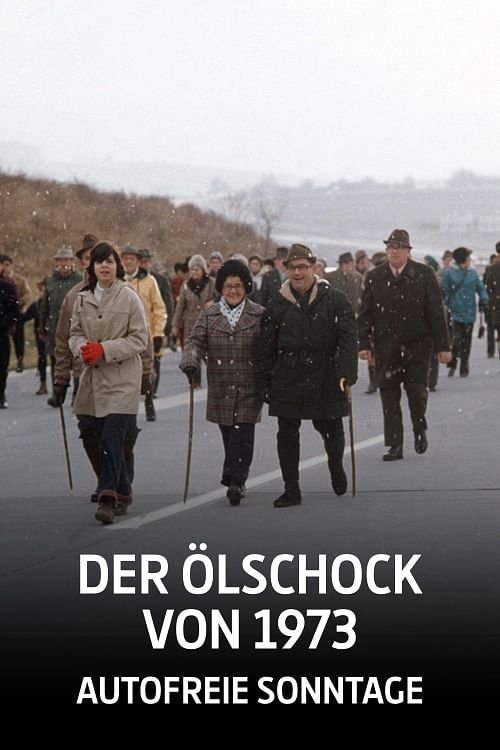
On November 25, 1973, the first of four car-free Sundays transformed West Germany's deserted highways into spaces for walking, cycling, and horse-drawn carriages, while towns and cities took on a festive atmosphere. Introduced during the oil crisis to conserve fuel after the Arab oil embargo and production cuts following the Yom Kippur War, the measure became an unforgettable collective experience. Beyond the immediate energy shortage, the crisis marked a turning point, ending the postwar economic boom and encouraging greater awareness of energy use, consumerism, and environmental issues.
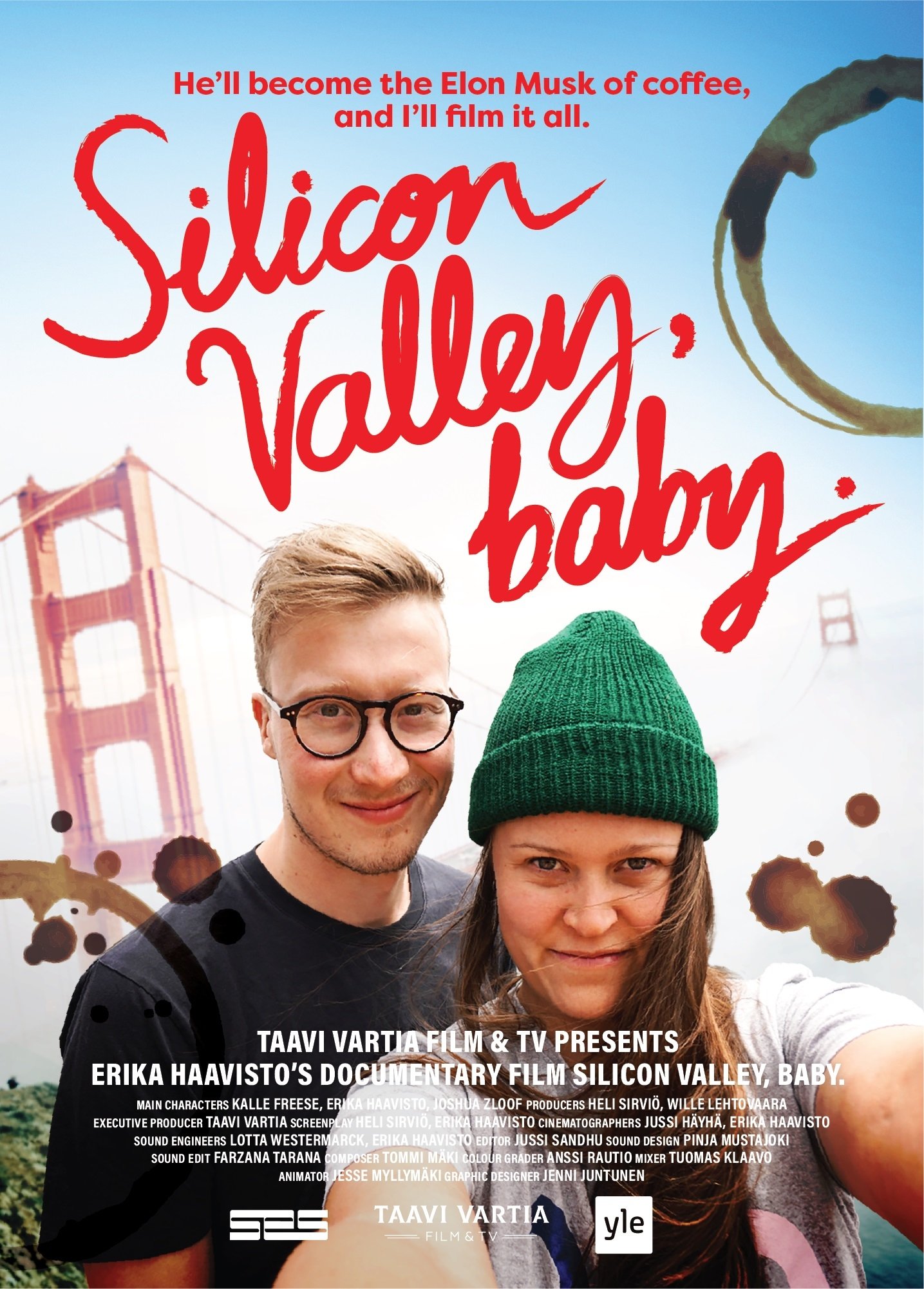
Finnish award-winning barista Kalle Freese travels to San Francisco with his girlfriend to start an instant coffee start-up with big goals. At stake are Kalle's health, relationship and the newly formed start-up.
This documentary film follows farmers and activists fighting together to stop the Indiana Enterprise Center, a mega-sized industrial park planned west of South Bend, Indiana
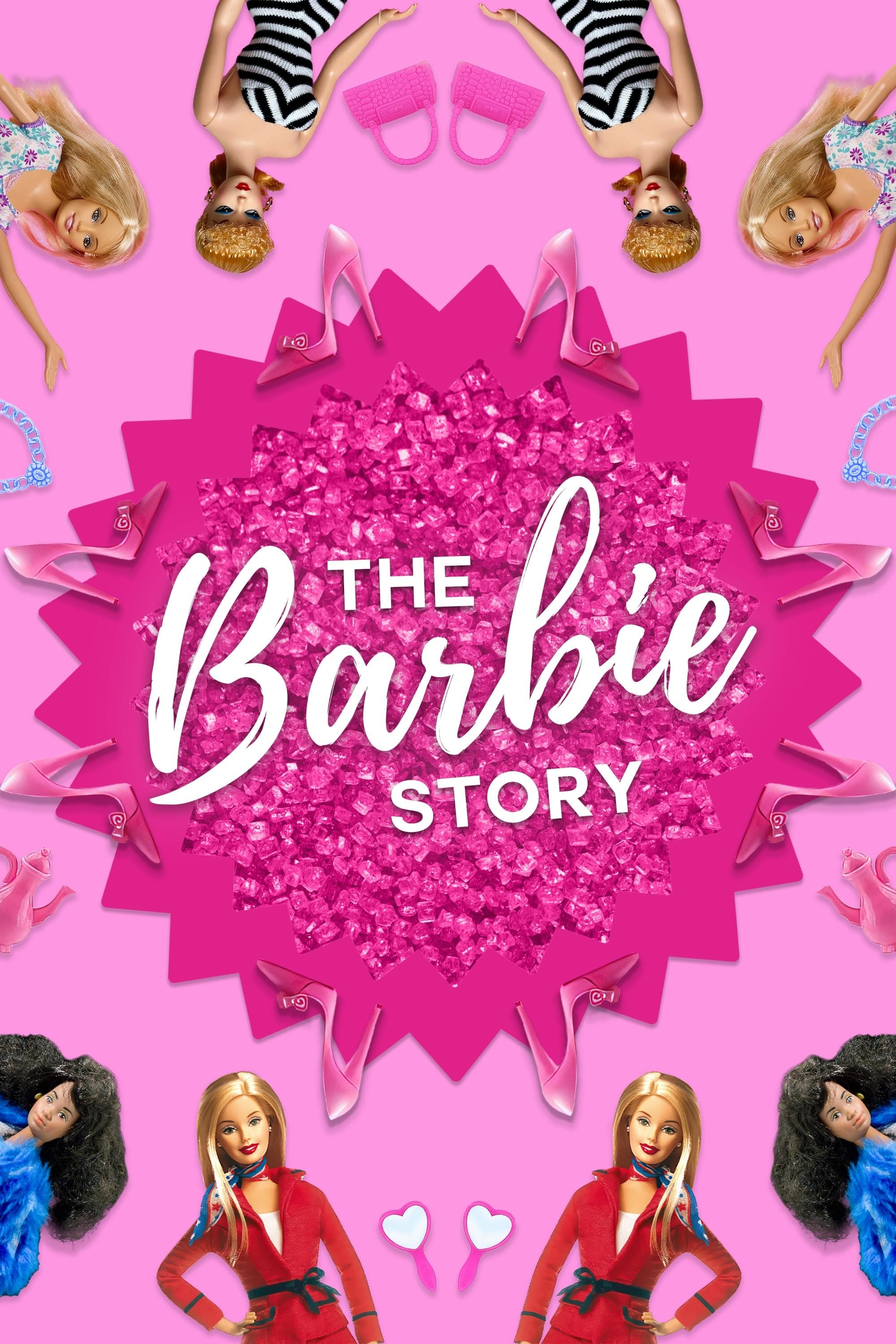
She's been around for so many decades but hasn't aged a day. She's had more than 180 different jobs; she's been president, she's been to the moon, and she's done all the things that women aspire to do. She has a massive closet, and thousands of different outfits. Barbie is way more than just a 12-inches long piece of plastic, she is way more than a toy. The legendary blond bombshell has grown into a phenomenon and a children's sensation. Wildly revolutionary, Barbie broke barriers, shattered glass ceilings, and has inspired countless dreams, wonder and imagination, with her signature color: Pink. The history of the doll is a testament to its enduring appeal and impact. Things have changed for her the same way things changed for women. Whatever we may think about Barbie - love or loathe her - it is impossible to ignore her worldwide impact. Let's step into the beautiful world of Barbie and take a look at her cultural revolution through the decades.
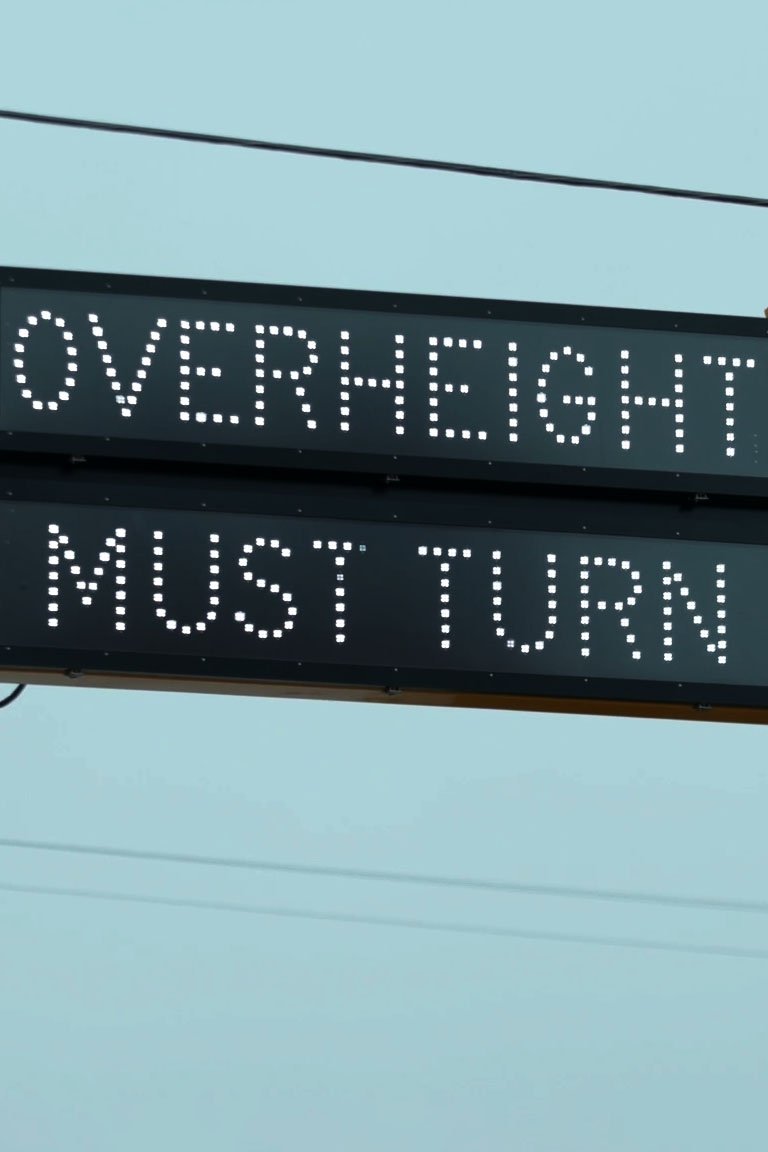
For the past ten years, Jürgen Henn has filmed over-height trucks crashing into the 11foot8 train bridge affectionately nicknamed the "Can Opener." In that time, millions have viewed the crashes online. Regional, national, and international news organizations have dined out on the story and the goofy crash reels. But why do motorists continue to crash despite the many warnings, sensors, and signs? And what is it about these crashes that holds our attention? In this piece, we look for the humanity in human error.
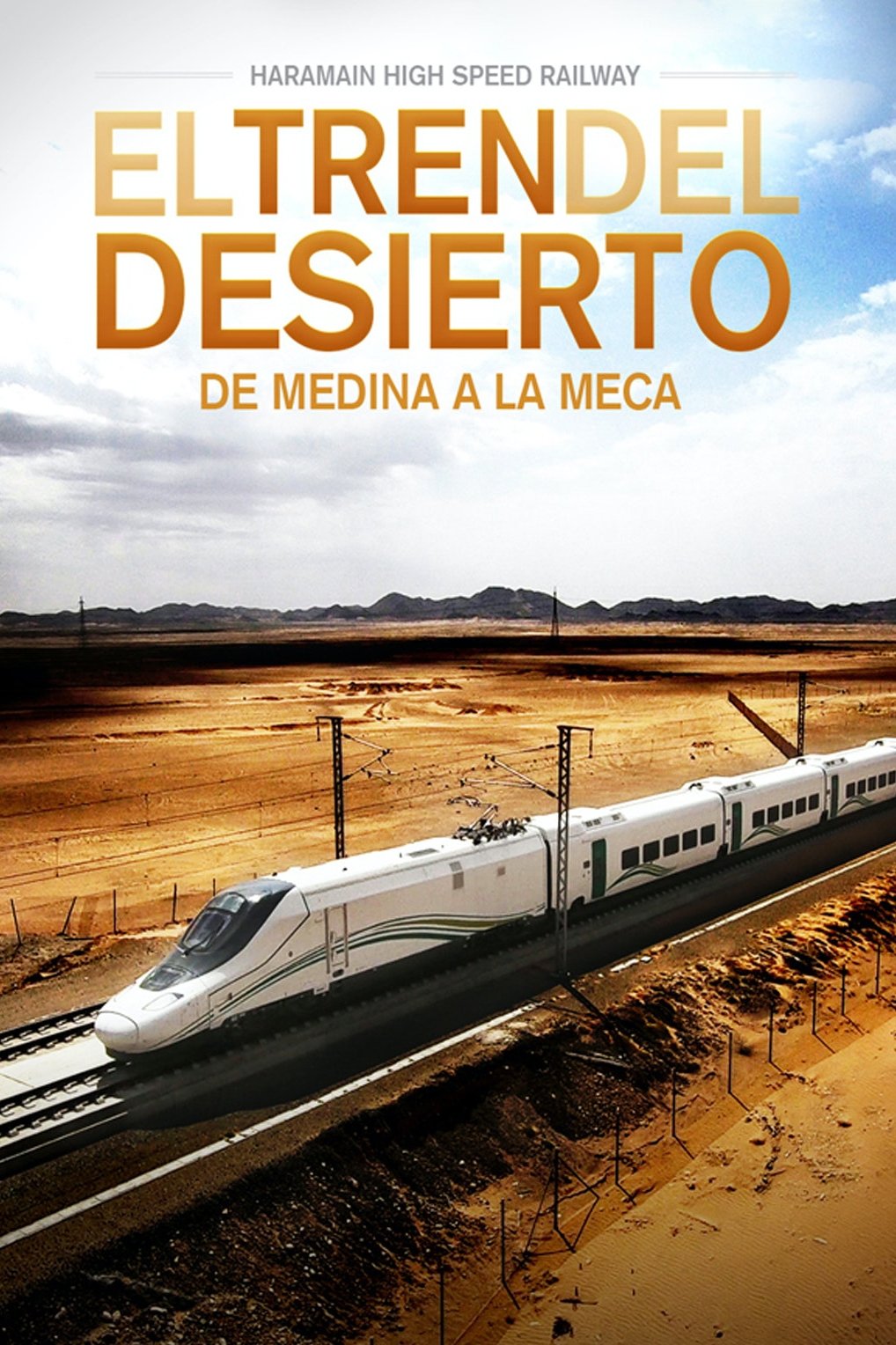
The pilgrimage to Mecca is one of the most important religious journeys for millions of people around the world. But how to get there? This documentary shows us how 12 companies met the immense challenge of running a high-speed train through Saudi Arabia's sandy rocky desert in temperatures of up to 50 degrees Celsius. A true marvel of engineering and cooperation, and together, overcoming obstacles.
A day-to-day record of the construction of the Confederation Bridge linking Prince Edward Island to the mainland, Abegweit reveals some of the innovations that made this mammoth project one of the most impressive engineering feats in Canadian history.
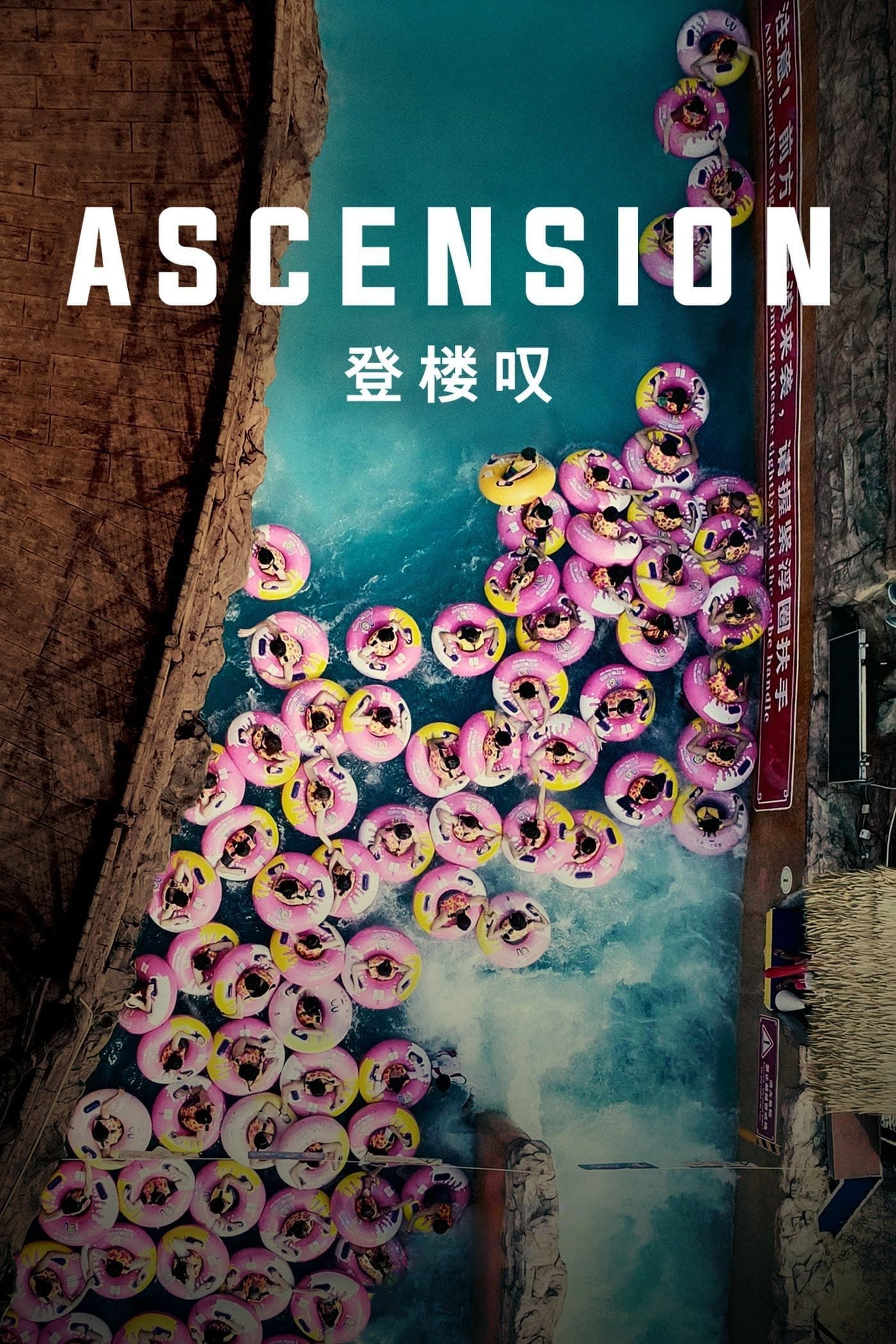
The film explores the pursuit of the “Chinese Dream.” Driven by mesmerizing—and sometimes humorous—imagery, this observational documentary presents a contemporary vision of China that prioritizes productivity and innovation above all.
It's the musical phenomenon of the moment: K-Pop, short for "Korean Pop," has taken the world by storm in just a few years. But behind the powerful lyrics, elaborate choreography, and polished looks lies a ruthless industry.
Ranjit, a farmer in India, takes on the fight of his life when he demands justice for his 13-year-old daughter, the victim of a brutal gang rape. His decision to support his daughter is virtually unheard of, and his journey unprecedented.
By the mid-1980s, the fabled animation studios of Walt Disney had fallen on hard times. The artists were polarized between newcomers hungry to innovate and old timers not yet ready to relinquish control. These conditions produced a series of box-office flops and pessimistic forecasts: maybe the best days of animation were over. Maybe the public didn't care. Only a miracle or a magic spell could produce a happy ending. Waking Sleeping Beauty is no fairy tale. It's the true story of how Disney regained its magic with a staggering output of hits - "Little Mermaid," "Beauty and the Beast ," "Aladdin," "The Lion King," and more - over a 10-year period.
This documentary focuses on the actors and their journey over two summers to create the remake to the original IT, by Stephen King. The documentary originally released as bonus material, bundled with IT: Chapter Two.
Over 35 years after Bob Lazar's revelations, this documentary exposes secrets of a facility the government still denies. Featuring Lazar's testimony, recreations, and new evidence, it reopens a case that continues to spark global curiosity
The story lives forever in this feature-length documentary that charts the making of Star Wars: The Rise of Skywalker.
Police pull over a woman who claims she just gave birth. But the baby — and the blood — aren't hers. Twisted lies unravel in this true-crime documentary.
The making of Matrix Revolutions, The (2003) is briefly touched on here in this documentary. Interviews with various cast and crew members inform us how they were affected by the deaths of Gloria Foster and Aaliyah, and also delve into the making of the visual effects that takes up a lot of screen time. Written by Rhyl Donnelly
A look at the origins, history and conspiracies behind the "Majestic 12", a clandestine group of military and corporate figureheads charged with reverse-engineering extraterrestrial technology.
The Making-of James Cameron's Avatar. It shows interesting parts of the work on the set.
Michael Moore comes home to the issue he's been examining throughout his career: the disastrous impact of corporate dominance on the everyday lives of Americans (and by default, the rest of the world).
A paralysingly beautiful documentary with a global vision—an odyssey through landscape and time—that attempts to capture the essence of life.
Alexander McQueen's rags-to-riches story is a modern-day fairy tale, laced with the gothic. Mirroring the savage beauty, boldness and vivacity of his design, this documentary is an intimate revelation of McQueen's own world, both tortured and inspired, which celebrates a radical and mesmerizing genius of profound influence.
Brilliant, long in-the-works story of the life and art of the world's greatest comedian and the cinema's first genius, Charlie Chaplin. Produced, written and directed by renowned film critic Richard Schickel.
A feature-length documentary about our complex relationship with manufactured objects and, by extension, the people who design them.
The life and career of an actor, artist, and icon. His own journey through his own camera.
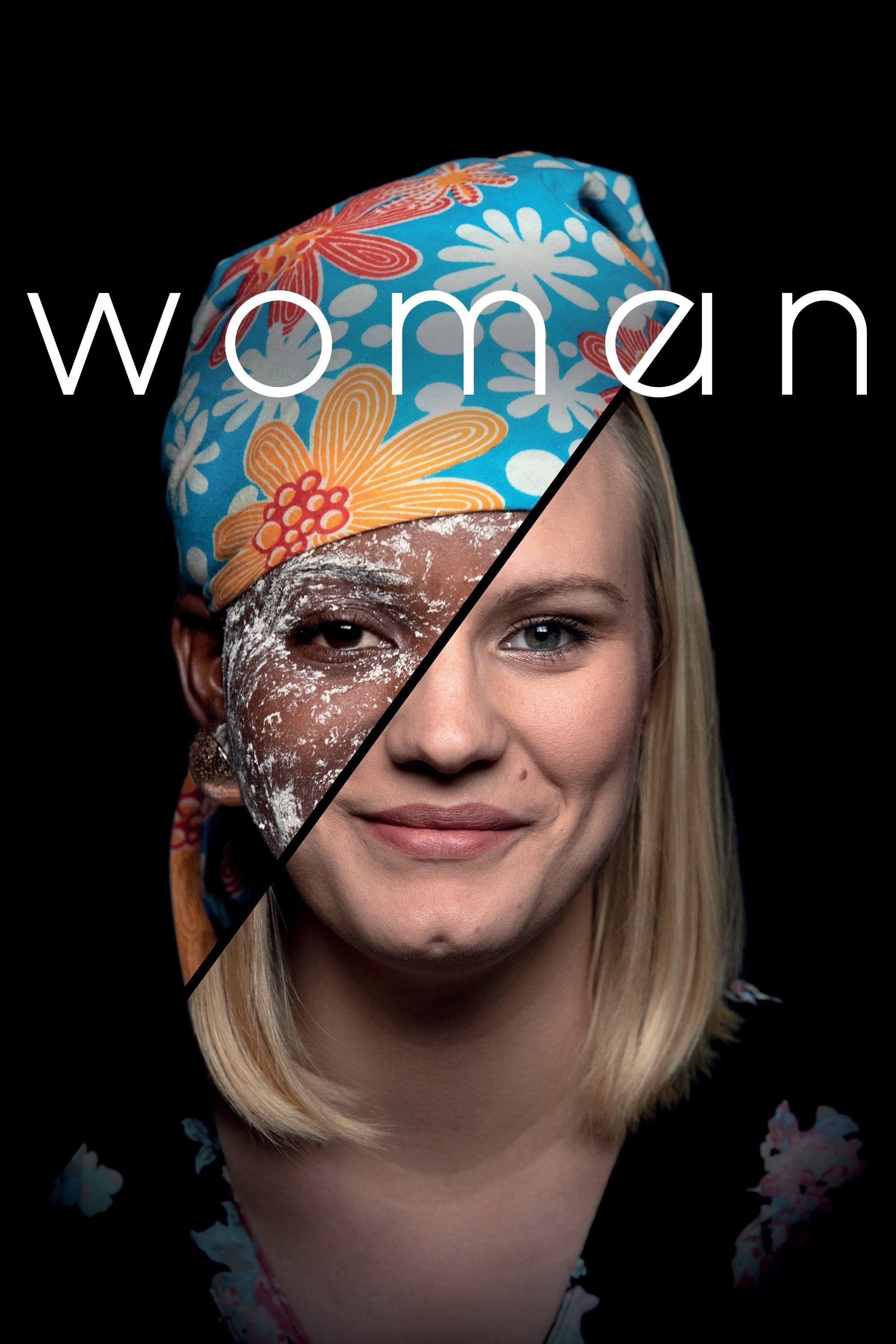
The film is based on interviews with 2,000 women from 50 countries, and covers the status of women all over the world. The topics covered include forced marriages, sexual assault, female genital mutilation, acid attacks, motherhood, sexuality, menstruation, education and the professional success of women.
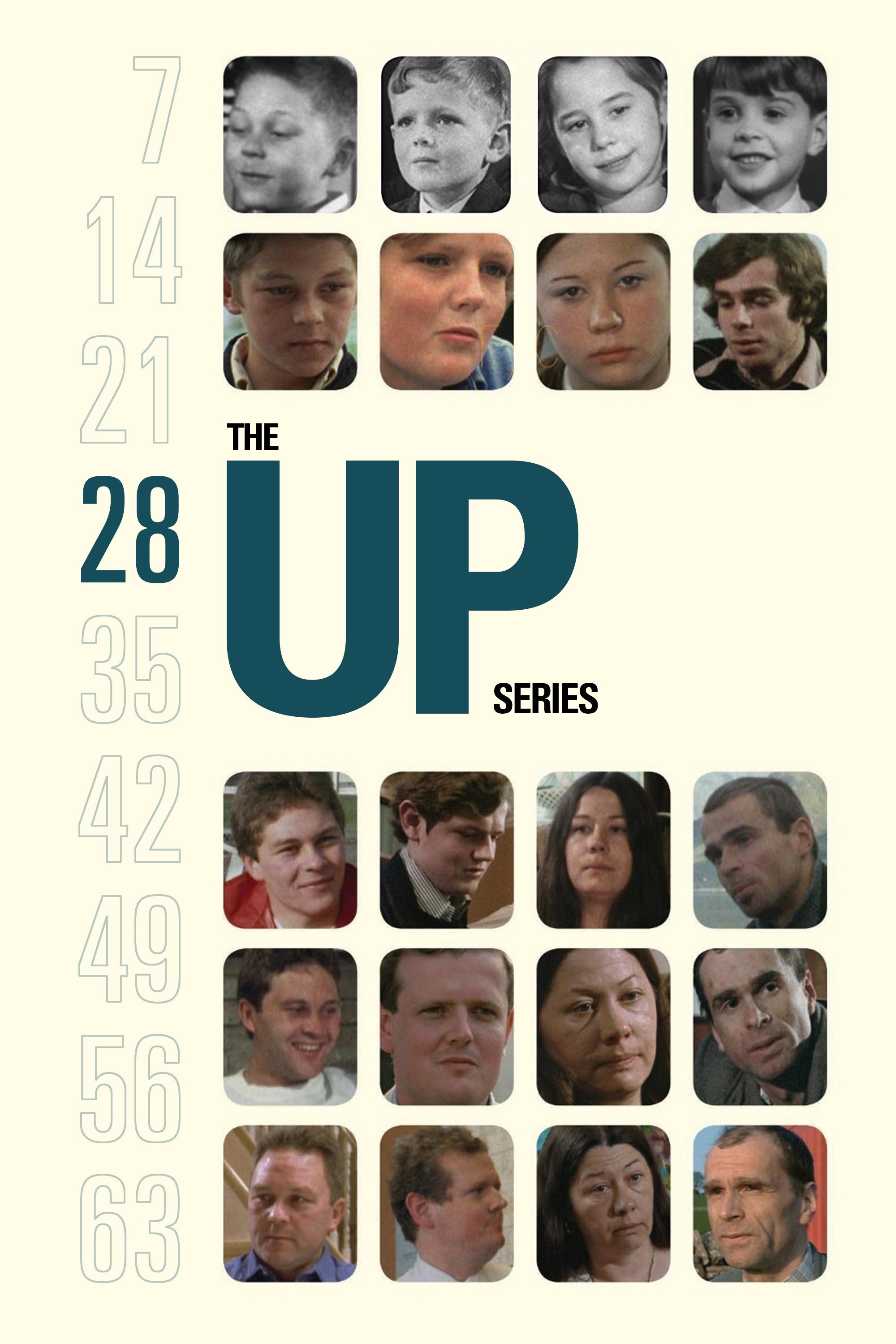
Just two years away from turning 30, participants in Michael Apted's documentary series are facing serious questions of identity and purpose, wondering whether they've found their place in the world.
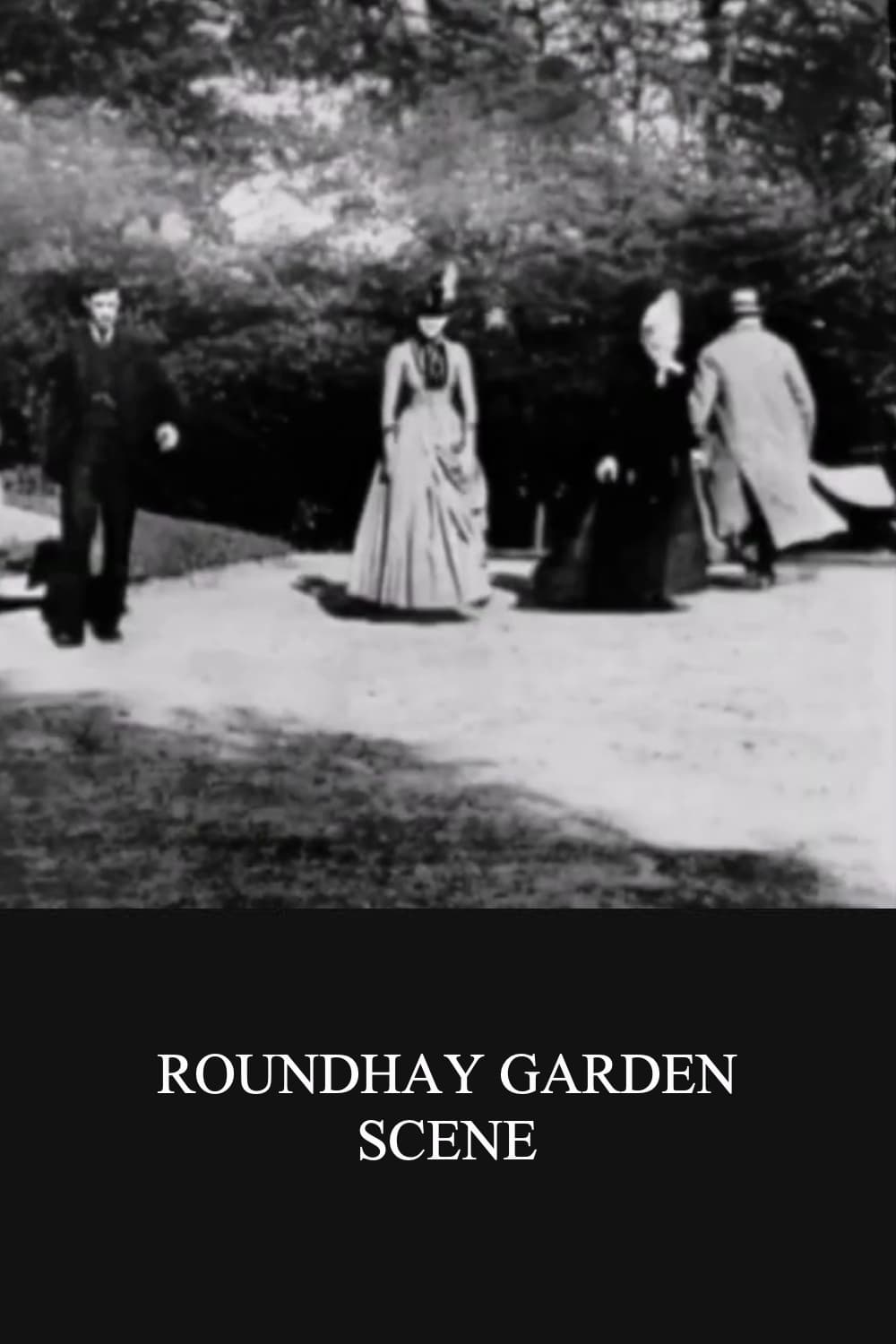
The earliest surviving motion-picture film, and believed to be one of the very first moving images ever created, was shot by Louis Aimé Augustin Le Prince using the LPCCP Type-1 MkII single-lens camera. It was taken on paper-based photographic film in the garden of Oakwood Grange, the Whitley family house in Roundhay, Leeds, West Riding of Yorkshire (UK), on 14 October 1888. The film shows Adolphe Le Prince (Le Prince’s son), Mrs. Sarah Whitley (Le Prince’s mother-in-law), Joseph Whitley, and Miss Harriet Hartley walking around in circles, laughing to themselves, and staying within the area framed by the camera. Roundhay Garden Scene is often associated with a recording speed of around 12 frames per second and runs for about 2 to 3 seconds.
Those who knew iconic funnyman John Candy best share his story, in their own words, through never-before-seen archival footage, imagery, and interviews.
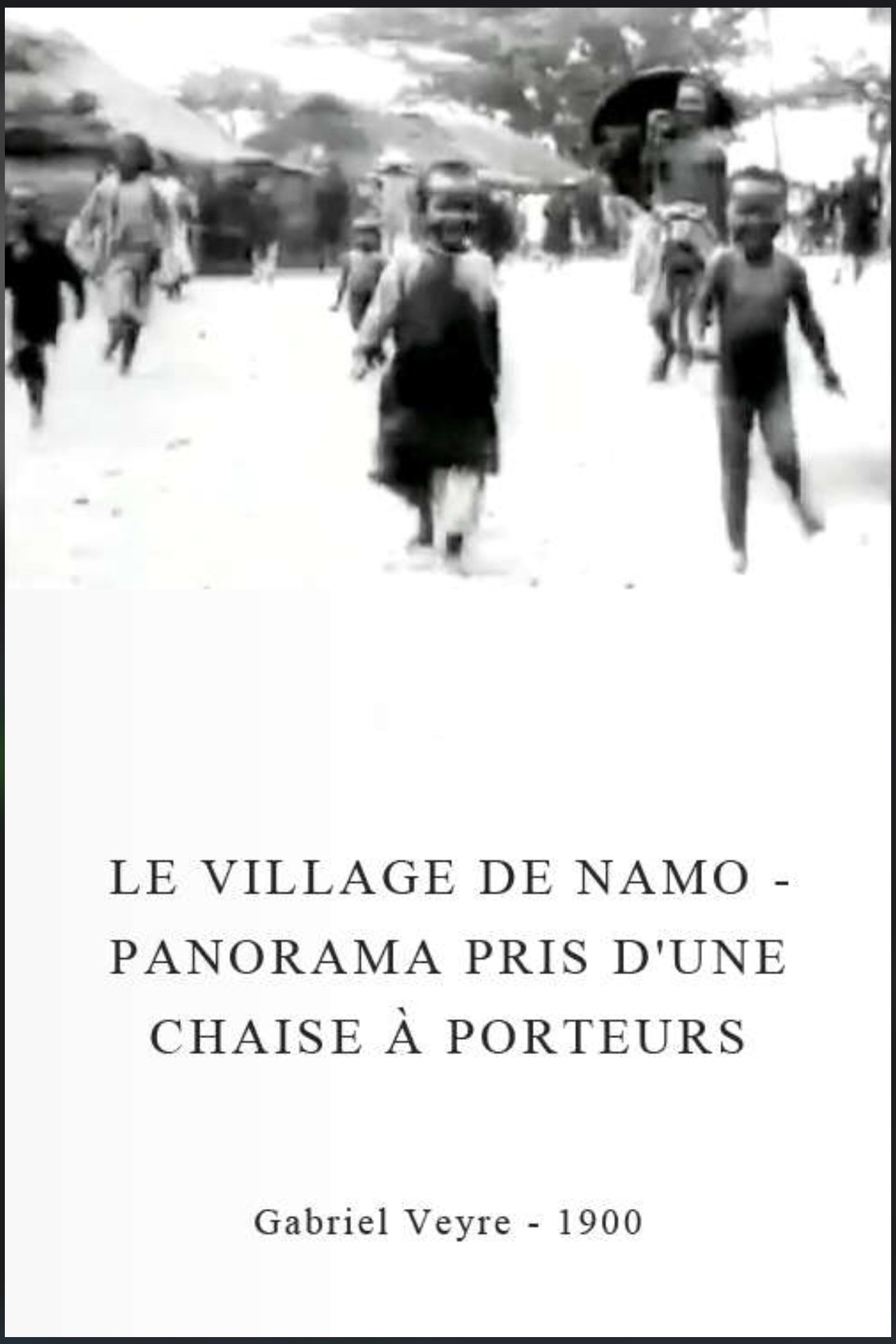
The film is a panorama shot-scene lasting just under a minute. The panorama film, as coined by Lumière, is a moving-camera shot--usually accomplished by placing the camera on a moving transport, such as a boat or train.