Using home movies, vintage memorabilia, and the straight facts about Saskatchewan, the filmmaker creates an eccentric portrait of the first year of his life, and the province that shaped his identity.
Social & External
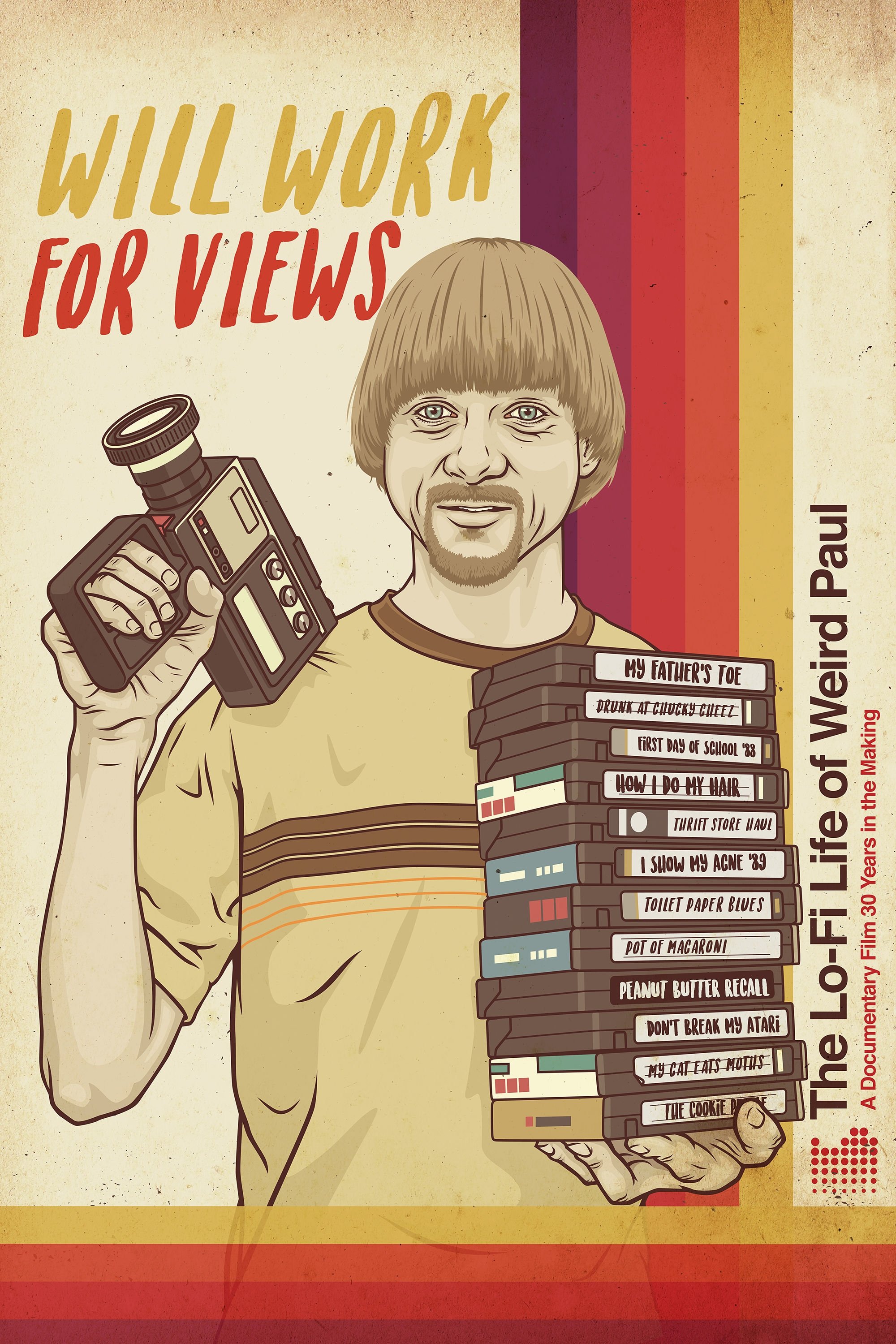
A film exploring the life of “Weird Paul.” After 30 years, 2000 videos, 800 songs, & 42 albums, he’s still not giving up on his dream.
A collection of behind the scenes and home movies from the golden age of Hollywood.
This short experimental diary film reveals my struggles with mental illness in my adolescence and queer adulthood while simultaneously reflecting upon my joyous childhood experiences. I investigate when and how my depression began and explain that my relationships with the people I love have supported me through my harder times. The film incorporates footage shot over May and June 2023 and archival home videos. Overall, I aim to resolve my "growing pains" through the medium of diary film and by reconnecting with my younger self.
A short documentary and character study about a woman's complex relationship with religion and family.
An experimental look at the origin of the death myth of the Chinookan people in the Pacific Northwest, following two people as they navigate their own relationships to the spirit world and a place in between life and death.
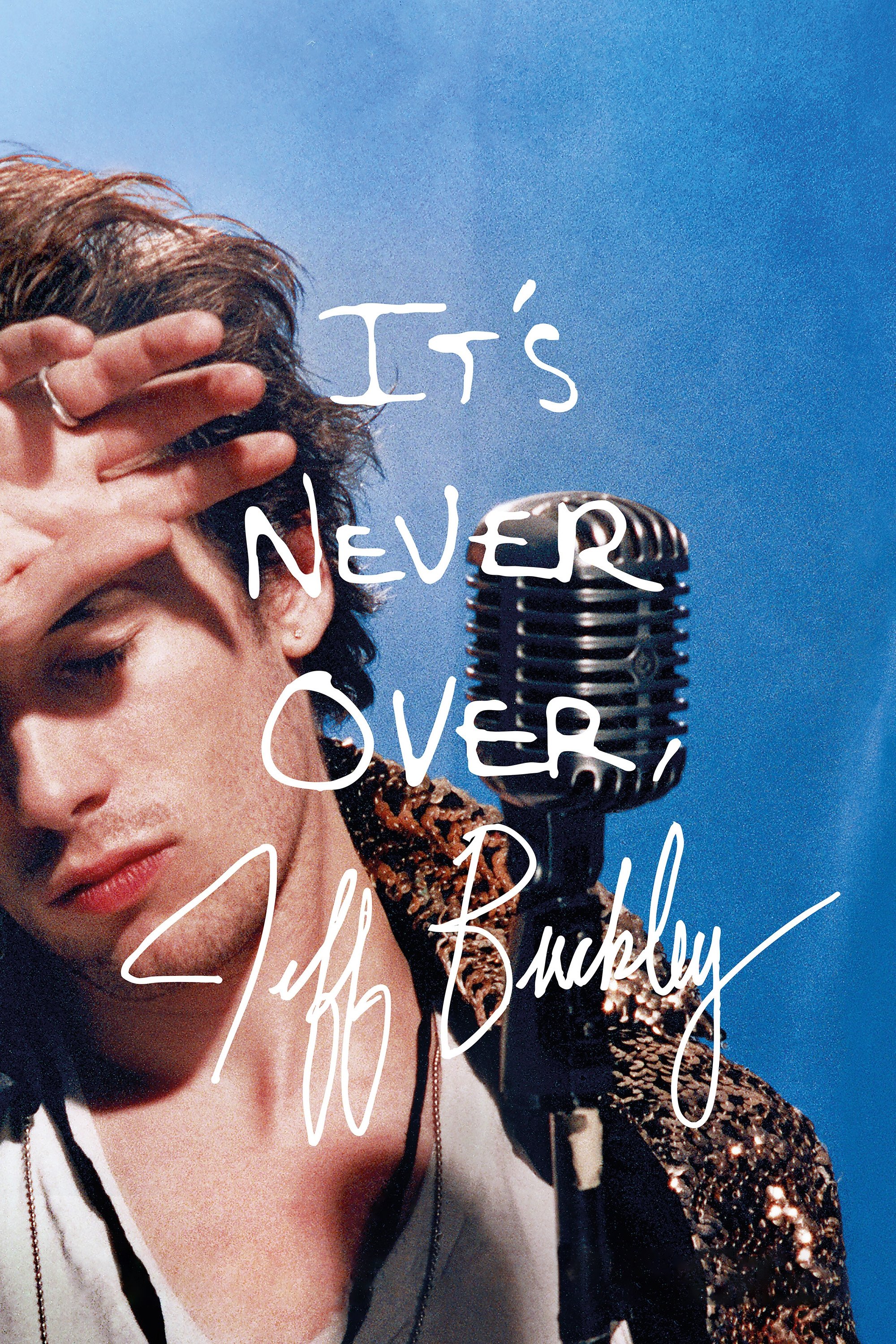
'90s indie-rock band Pavement reunites for their sold-out 2022 tour. But as preparations get underway, surreal tributes emerge: an off-Broadway musical adaptation of their songs, a museum devoted entirely to the band’s legacy, and a shamelessly awards-baiting Hollywood biopic.
STRATA INCOGNITA, is a trans-scalar and trans-temporal journey across the geographies that articulate soil as an agro-industrial infrastructure, but also as an ecosystem and a somatic archive of crimes, memories and myths.
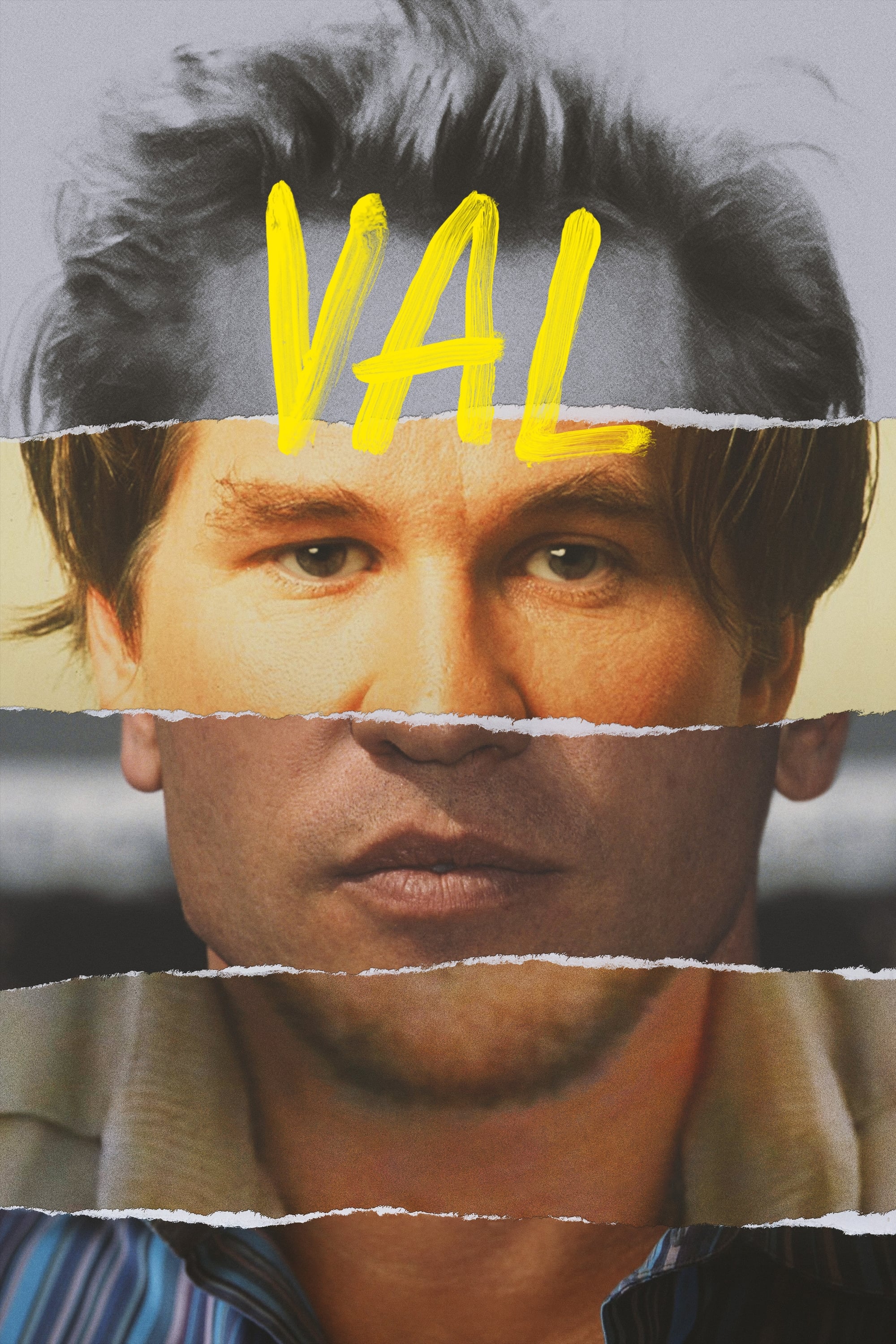
An excerpt about the troubled, passionate and intriguing relationship of an actor with his own life.
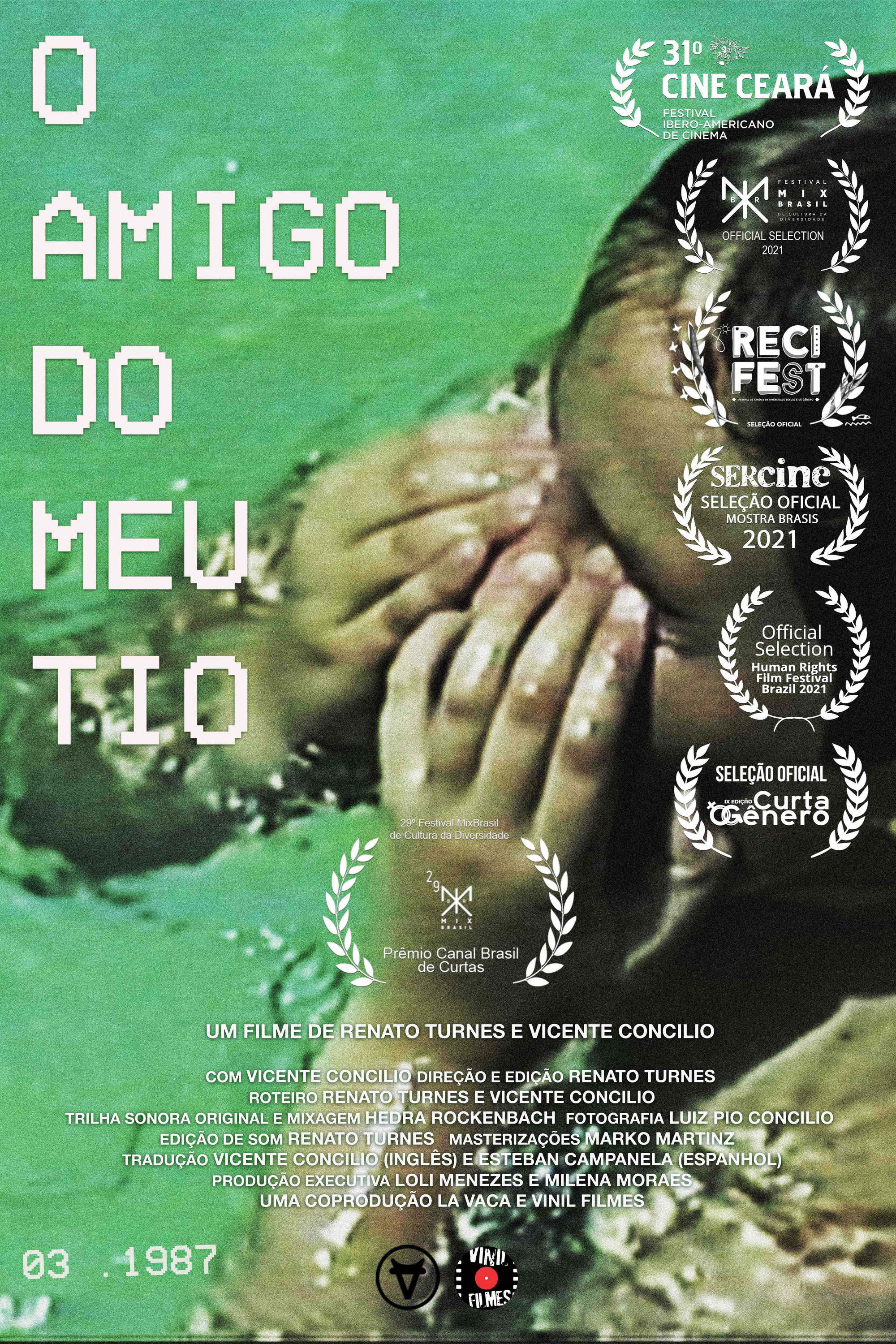
Archive footage from 2006 - 2010 of a young girl growing up during the ages of four to eight. Only fragments of what is remembered exists. Words from a transgender man float to the surface as fleeting memories go on.
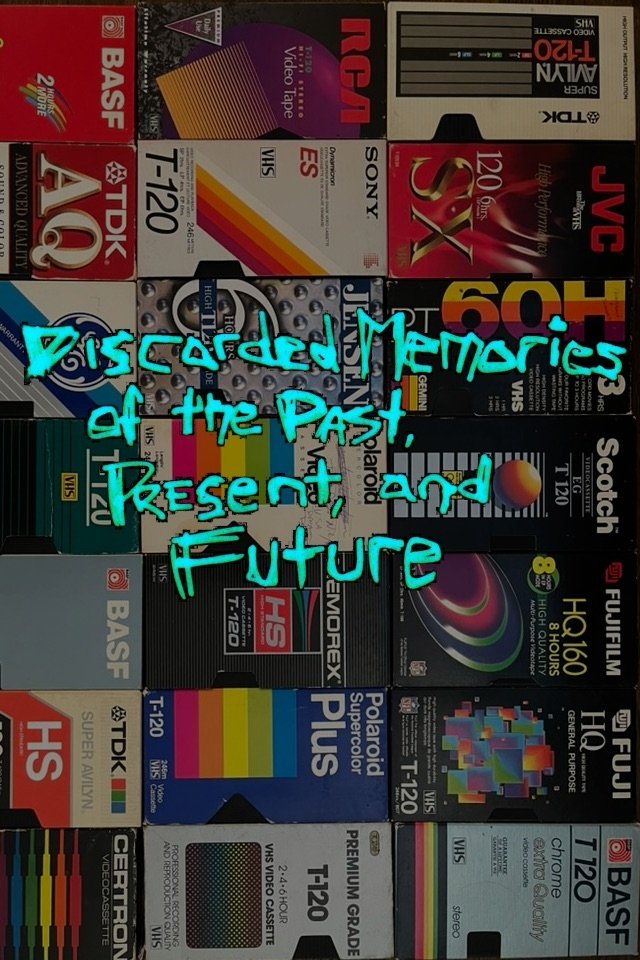
In this home movie collection of gay men, memory serves as an act of hope, power, and above all, resilience.
A snooze alarm clock cannot wake a sleepy person. The bell of the alarm clock hence becomes a hypnotic trigger. Such an ordinary sound is redefined in our drowsy moments, and we are also liberated from the sounds that condition our lives—queue management systems, electric scooters, air raid drills, and public demonstrations. These sounds are released from the soft soil of our consciousness and grow into a new scene. And we sail with those who cannot be awakened on a boat drifting off course into a new realm projected by frequency. This is a film you can watch with your eyes closed.
Jazz, dreams, and hope. The protagonist of the film is Wiesław Mrzygłód, a musician and artist. He has an extraordinarily positive attitude to the world, life, and music. In the 1980s, together with the Old Dixieland Players, he played at the most important jazz events in Poland and Europe. Despite doctors' opinions, he says, "Someday, I will play again." He refuses to give up. The film was made using analog and combined techniques, based on drawing using oil pastels, prints, and re-filming methods.
Filmmakers Sam and Amy journey into rural Australia to explore how the legacy of an American legend has transmitted and warped itself over time, and across the globe, resulting in the 30th annual Parkes Elvis Festival.
Having lost her memory, A. could barely recall glimpses of her childhood in Argentina. After her death, her son visits the empty house for the last time. A sensory journey through a house without objects but filled with memory.
A personal documentary questioning the ways in which family imposed narratives force us into roles that we spend our lives either rebelling against or conforming to.
A documentary about a person who cleans his room with a vacuum cleaner, filled with disasters and mishaps.
90's era home videos of a Mexican father starting a new life in the United States
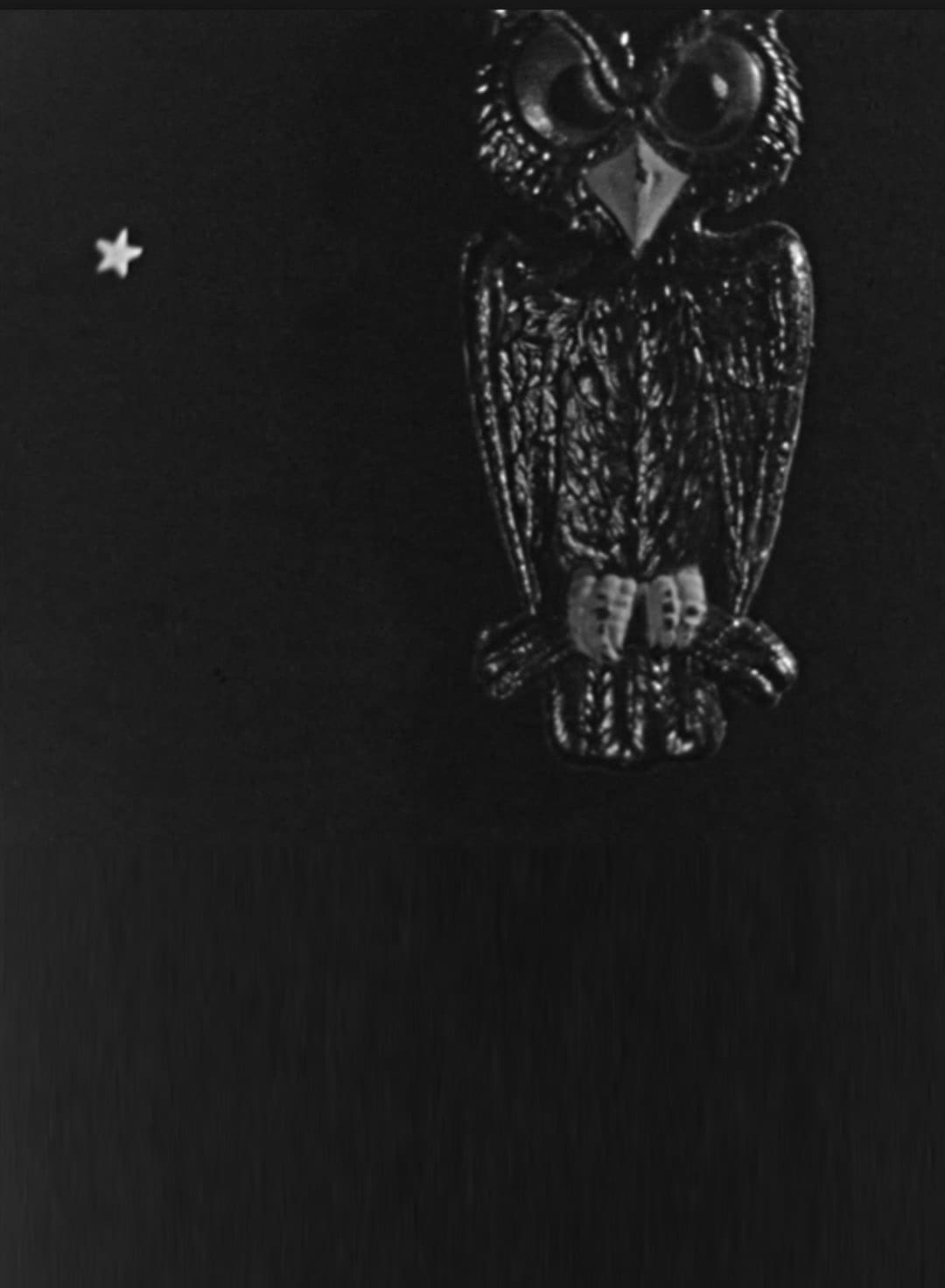
X-ray images were invented in 1895, the same year in which the Lumière brothers presented their respective invention in what today is considered to be the first cinema screening. Thus, both cinema and radiography fall within the scopic regime inaugurated by modernity. The use of X-rays on two sculptures from the Bilbao Fine Arts Museum generates images that reveal certain elements of them that would otherwise be invisible to our eyes. These images, despite being generally created for technical or scientific purposes, seem to produce a certain form of 'photogénie': they lend the radiographed objects a new appearance that lies somewhere between the material and the ethereal, endowing them with a vaporous and spectral quality. It is not by chance that physics and phantasmagoria share the term 'spectrum' in their vocabulary.

Departing from peripheral details of some paintings of the Bilbao Fine Arts Museum, a female narrator unravels several stories related to the economic, social and psychological conditions of past and current artists.