Social & External
French visual artist-director JR situates his latest social-art intervention in a Southern Californian supermax prison, where he has imagined an enormously ambitious collaboration with the facility’s inmates.
Inspired by true events from the spring of 1944 when the Nazis organized a football match between a team of camp inmates and an elite Nazi team on Adolf Hitler's birthday. A match the prisoners are determined to win, no matter what happens.
Impressionistic glimpses of London life from early morning to rush hour.
Documentary about Attica prison riot and lawsuits to get compensation for the victims of these events.
This documentary was distilled from a 3 1/2-hour television film Nessuno o Tutti, to make the point that many inmates now in mental hospitals could be released without harm to society, and to their advantage.
Follow the daily lives of several quilters inside the sewing room at South Central Correctional Center, a Level 5 maximum-security prison in a small town two hours south of St. Louis, MO. From design to completion, the men reveal their struggles, triumphs, and sense of pride in creating something beautiful in this windowless, sacred space deep within the prison walls.
'Don't build prisons, they cost too much!' In this era of Great Recession, the conservative and tough-on-crime State of Texas takes an unprecedented path by becoming a social justice leader with programs that rehabilitate offenders. Looks like rape, abuse and death are no longer parts of the solution for modern-day Bonnie and Clyde...
Going to the doctor to make a diagnosis or to have a treatment is a common thing in the outside world. But for every prisoner it is a very difficult or impossible path. Lander Garro, the director, turns to those who have lived the experience of being ill in prison to better understand its consequences. It uses a language that goes beyond political discourse, exploring the helplessness of prisoners whose right to health is limited from an emotional point of view, through cinematographic tools. 'Tipularen sehaska kanta' ('Nana de la cebolla' - 'Lullaby of the onion') more than a political film is an artistic film, narrated in the first person and from the entrails. Based on the poem 'Nana de la cebolla' by the Spanish poet Miguel Hernández, who died in prison in 1942, the film makes a historical analogy: if it didn't make sense to die in prison in 1936, does it make sense today?
900 years after a nuclear war in the USA, mankind is back to the stone ages. Amazon women rule the tribes, while the men are weak and dumb - either kept as slaves or living wild as animals. Only Korvis and a friend are intelligent enough to flee and found a tribe of their own. Will they manage to teach the women to love men again?
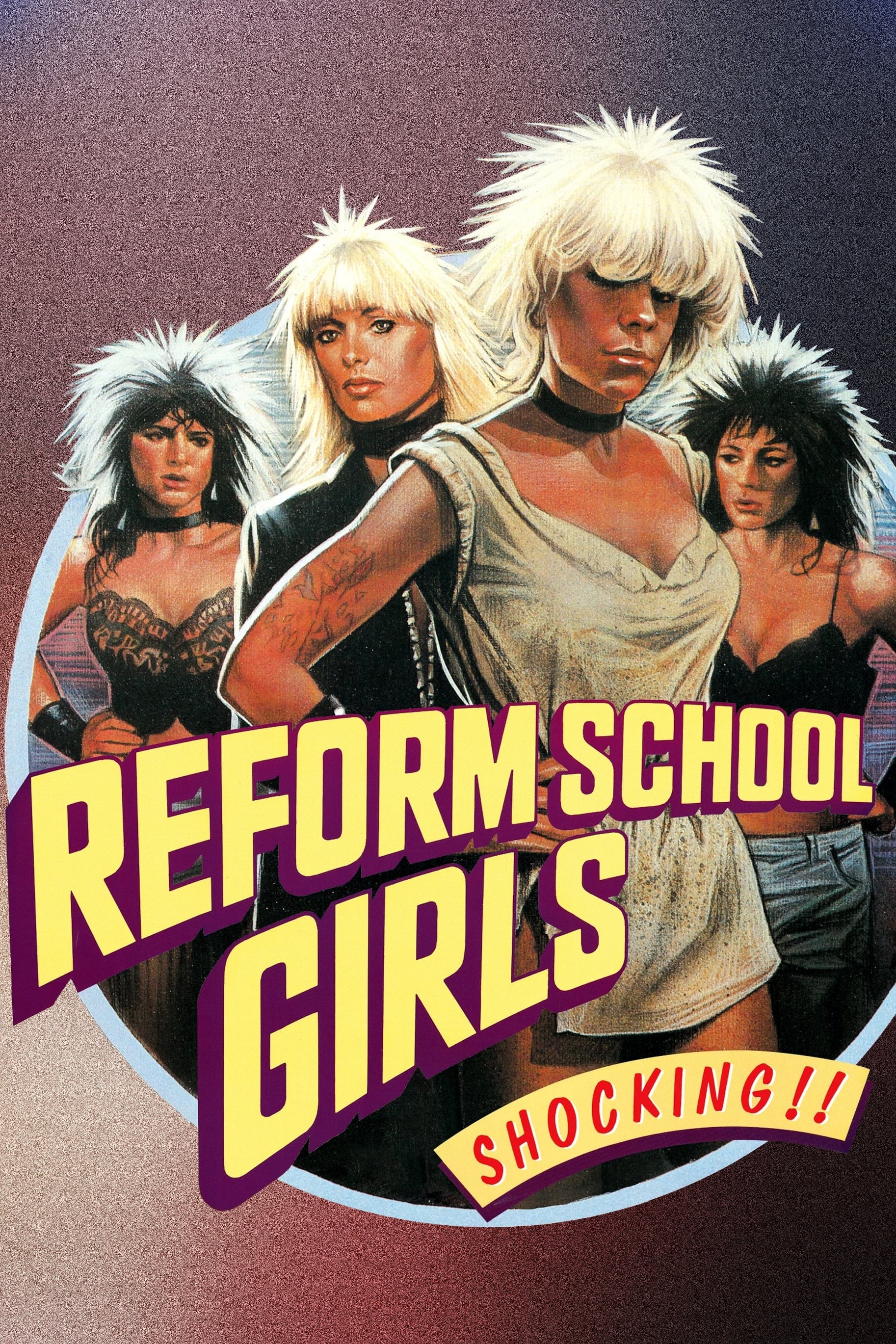
Jenny is sent to a women's reform school. It is run by evil warden Sutter and her henchwoman Edna. Jenny will stop at nothing to escape but she also has to deal with Charlie the bully.
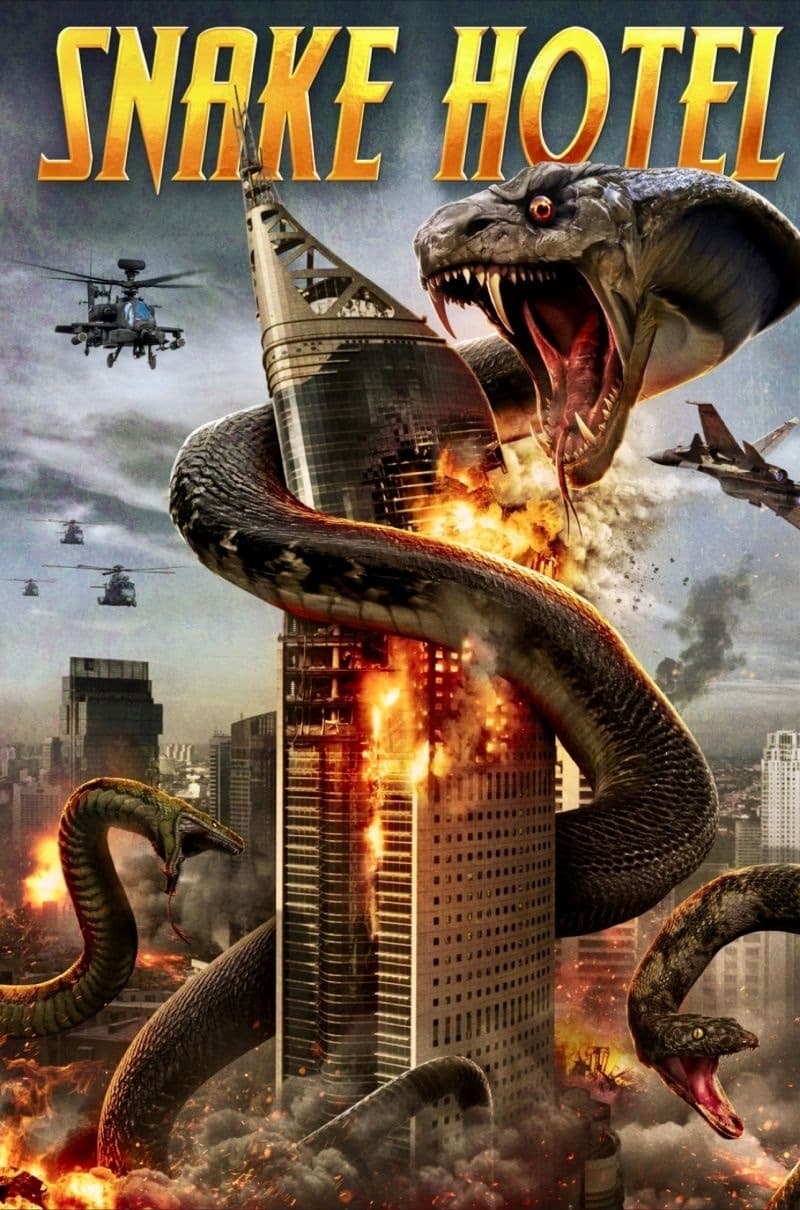
A group of female inmates wanting to shorten their prison sentences take part in a hellish game of cat and mouse with a giant mutated snake.
Civilian Mary Dane and falsely imprisoned Bud Leonard love each other. Lou Rinaldo, who framed Bud to get Mary, and escape-minded King Callahan want to keep him in stir, but convict Bertie and the others, even including the Warden, set events in motion to prove that love and justice will prevail. NB: Prisoner numbers given in lieu of character names in many cast lists for this film do not match the numbers shown on the characters' uniforms, when these can be seen at all, and are not used in dialogue at all.
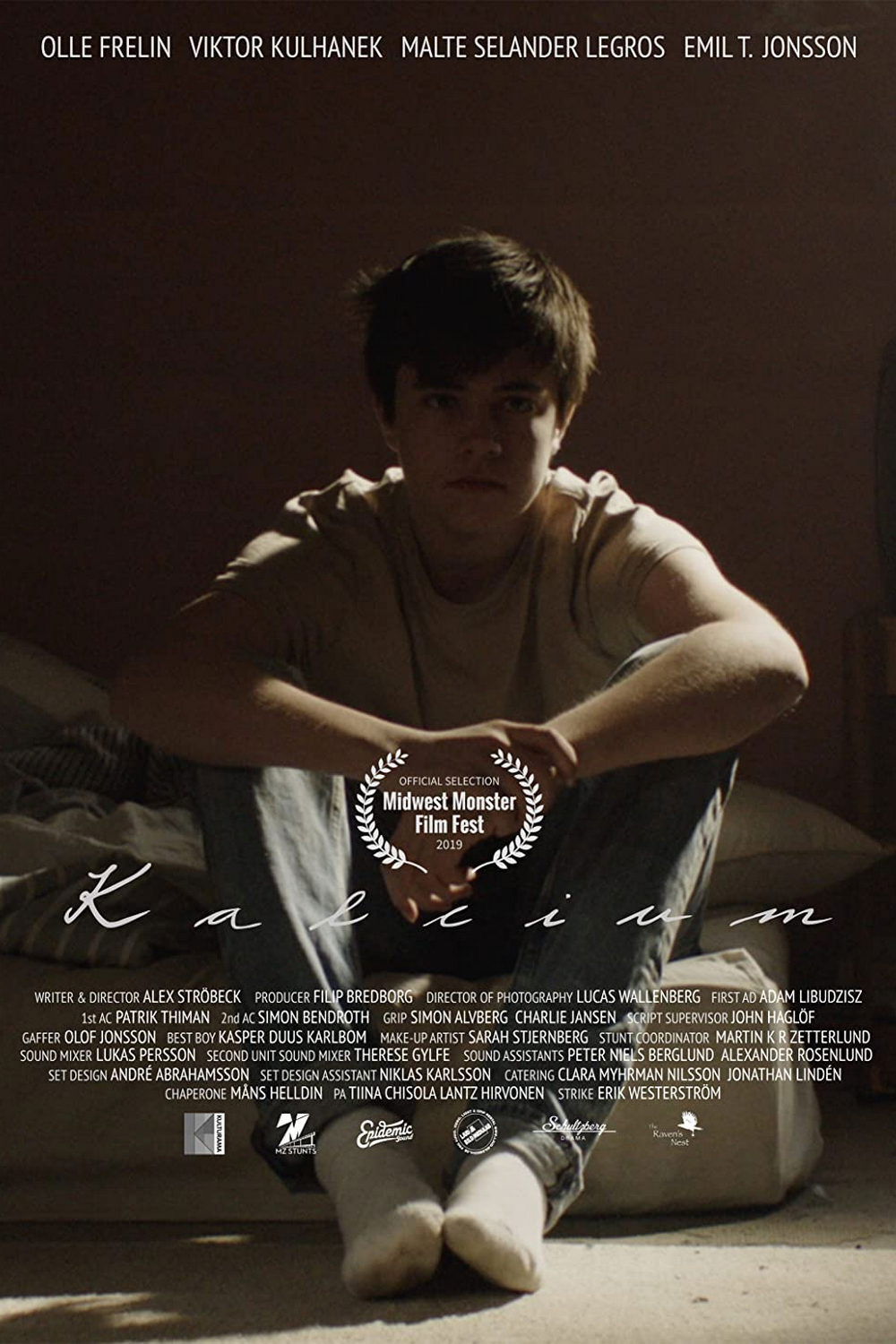
Sebastian, a young boy living in a basement with his two brothers has to learn how to work together with his fellow prisoners to escape the man who's holding them captured.
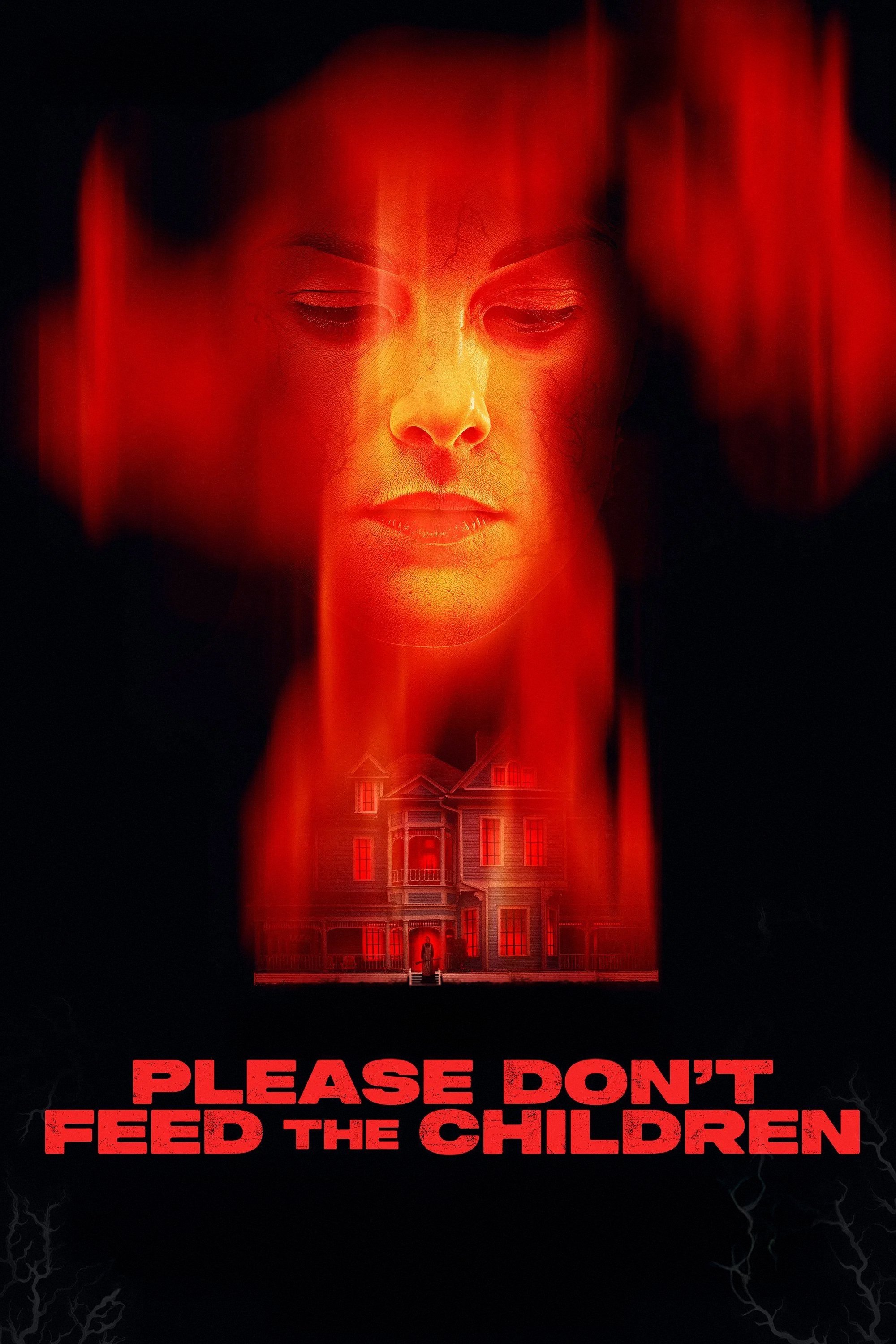
After a viral outbreak ravaged the country’s adult population, a group of orphans heads south in search of a new life, only to find themselves at the mercy of a deranged woman harboring a dangerous secret.
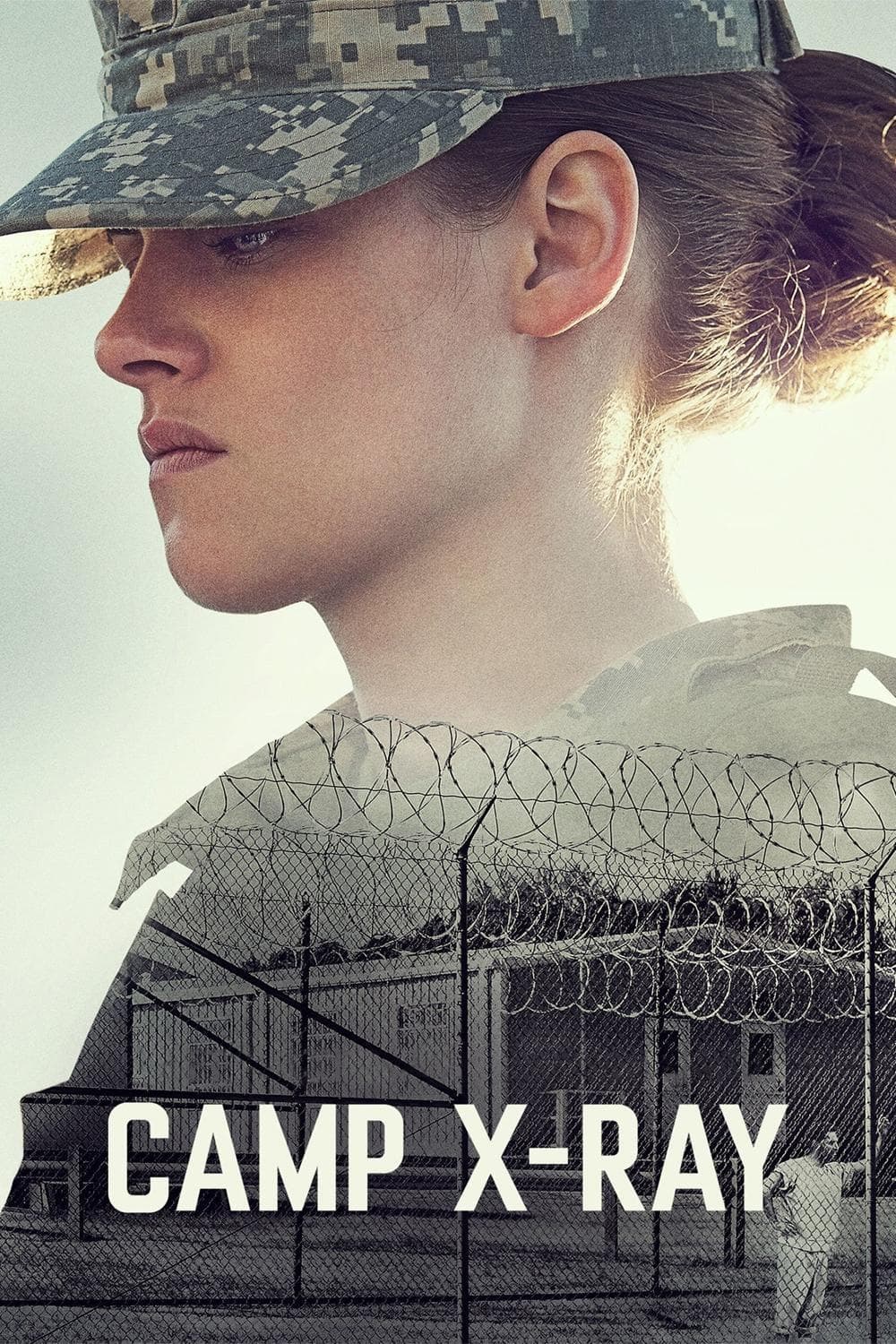
A young woman joins the military to be part of something bigger than herself and her small-town roots. Instead, she ends up as a new guard at Guantanamo Bay, where her mission is far from black and white. Surrounded by hostile jihadists and aggressive squadmates, she strikes up an unusual friendship with one of the detainees.
It is late 2004, and 34-year-old Englishman Alistair Appleton is about to fly from London to the Brazilian coast, where he will drink ayahuasca for the first time. With wit, insight, and sensitivity, Alistair shares this experience with us, and chats with some fellow participants before and after the ayahuasca ceremonies. For the past few years, Alistair had been working as a television presenter. In 2000, he started making trips to the Centre for World Peace and Health in Scotland to learn how to meditate. When clinical psychologist Silvia Polivoy opened an ayahuasca healing center in Bahia in 2004, Alistair faced his fears and seized the opportunity to attend.
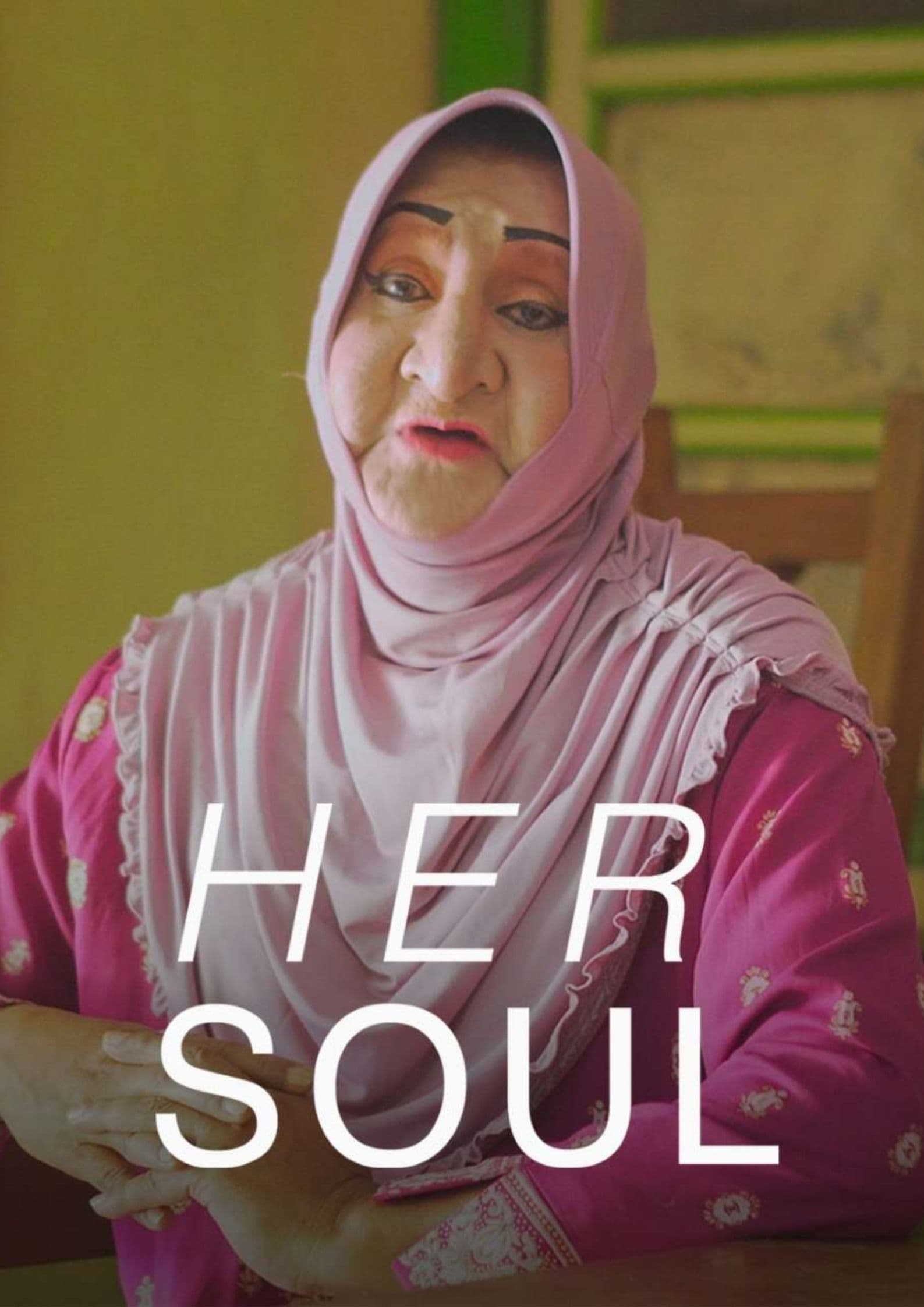
Shinta Ratri, a 57-year-old Muslim trans woman, recounts her life experiences—childhood memories, struggles of growing up, marriage—and her journey as the founder of the Islamic Boarding School of Al-Fatah in Yogyakarta, Indonesia.
Filmmakers Joe Swanberg and Spencer Parsons discuss the Midwestern roots and work ethic of Lewis' output and how The Gore Gore Girls represents the shift into transgressive '70s cinema that would dominate the American horror landscape.
Prelude to War was the first film of Frank Capra's Why We Fight propaganda film series, commissioned by the Pentagon and George C. Marshall. It was made to convince American troops of the necessity of combating the Axis Powers during World War II. This film examines the differences between democratic and fascist states.
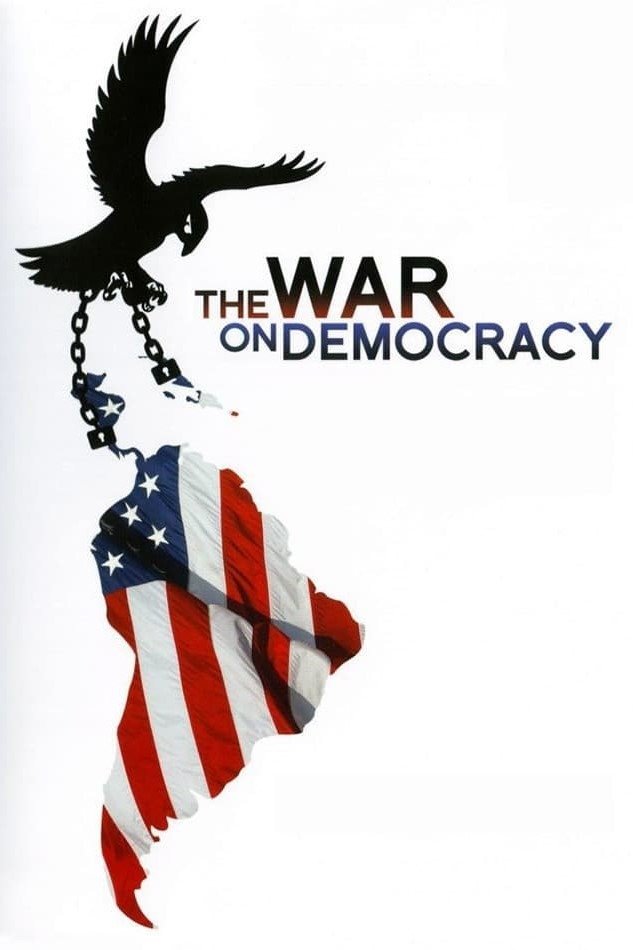
Set both in Latin America and the United States, the film explores the historic and current relationship of Washington with countries such as Venezuela, Bolivia and Chile. Pilger says that the film "...tells a universal story... analysing and revealing, through vivid testimony, the story of great power behind its venerable myths. It allows us to understand the true nature of the so-called "war on terror". According to Pilger, the film’s message is that the greed and power of empire is not invincible and that people power is always the "seed beneath the snow".
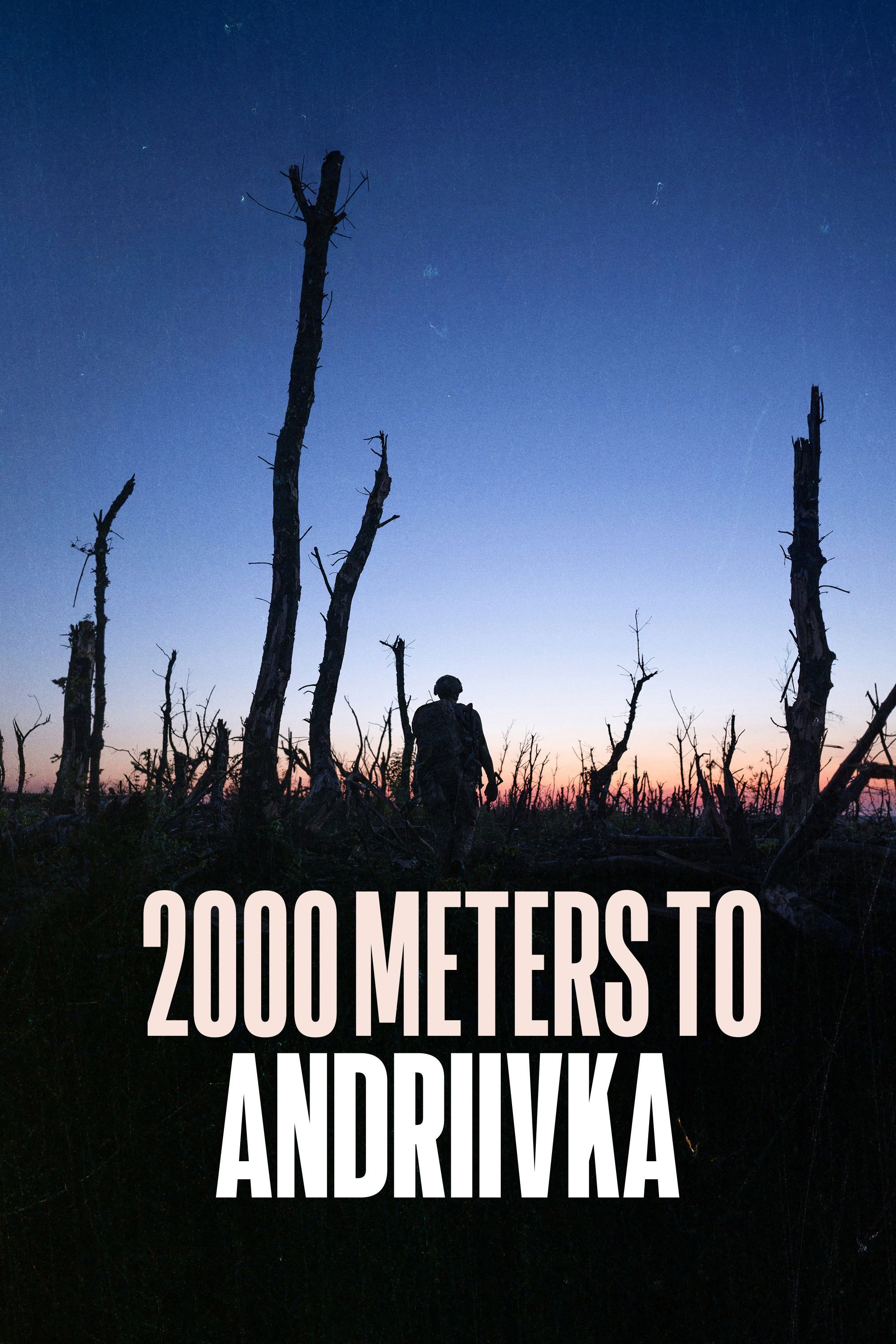
Amid the failing counteroffensive, a journalist follows a Ukrainian platoon on their mission to traverse one mile of heavily fortified forest and liberate a strategic village from Russian occupation. But the farther they advance through their destroyed homeland, the more they realize that this war may never end.
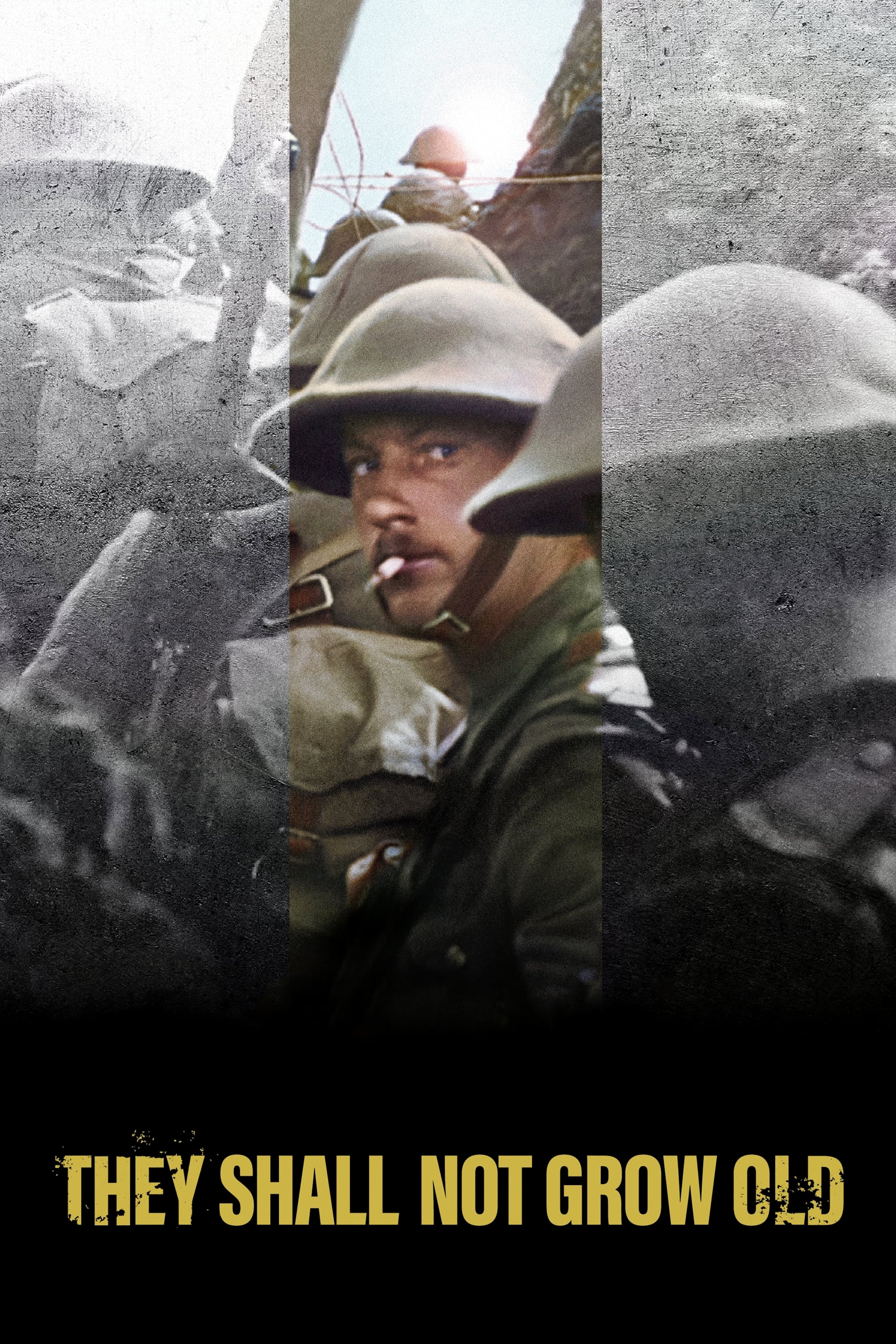
A documentary about World War I with never-before-seen footage to commemorate the centennial of Armistice Day, and the end of the war.
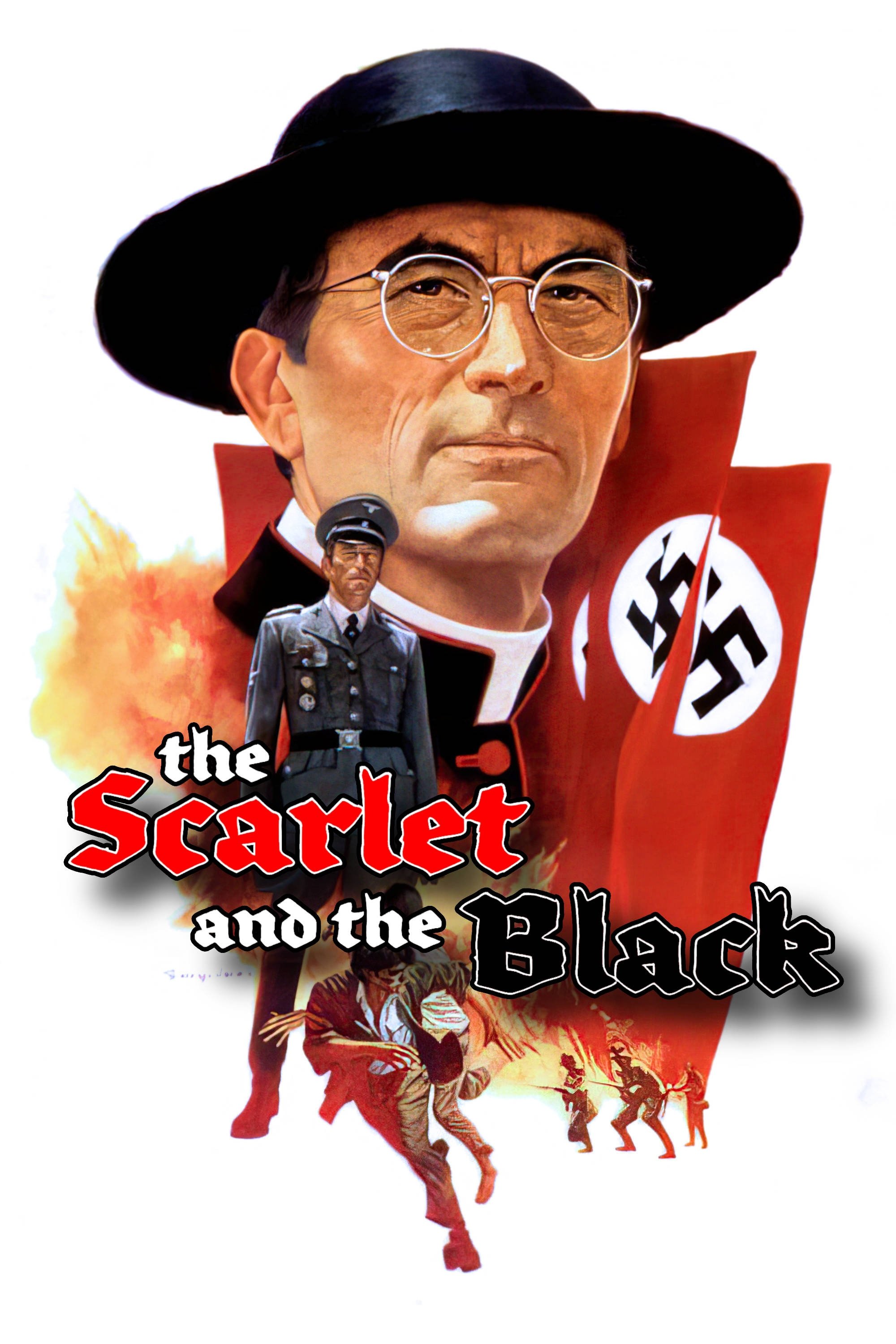
Fr. Hugh O'Flaherty is a Vatican official in 1943-45 who has been hiding downed pilots, escaped prisoners of war, and Italian resistance families. His activities become so large that the Nazis decide to assassinate him the next time he leaves the Vatican.
A WWII veteran escapes his care home in Northern Ireland and embarks on an arduous but inspirational journey to France to attend the 75th anniversary of the D-Day landings, finding the courage to face the ghosts of his past.
With unprecedented access, this documentary follows the extraordinary journey of “Raqqa is Being Slaughtered Silently”—a group of anonymous citizen journalists who banded together after their homeland was overtaken by ISIS—as they risk their lives to stand up against one of the greatest evils in the world today.
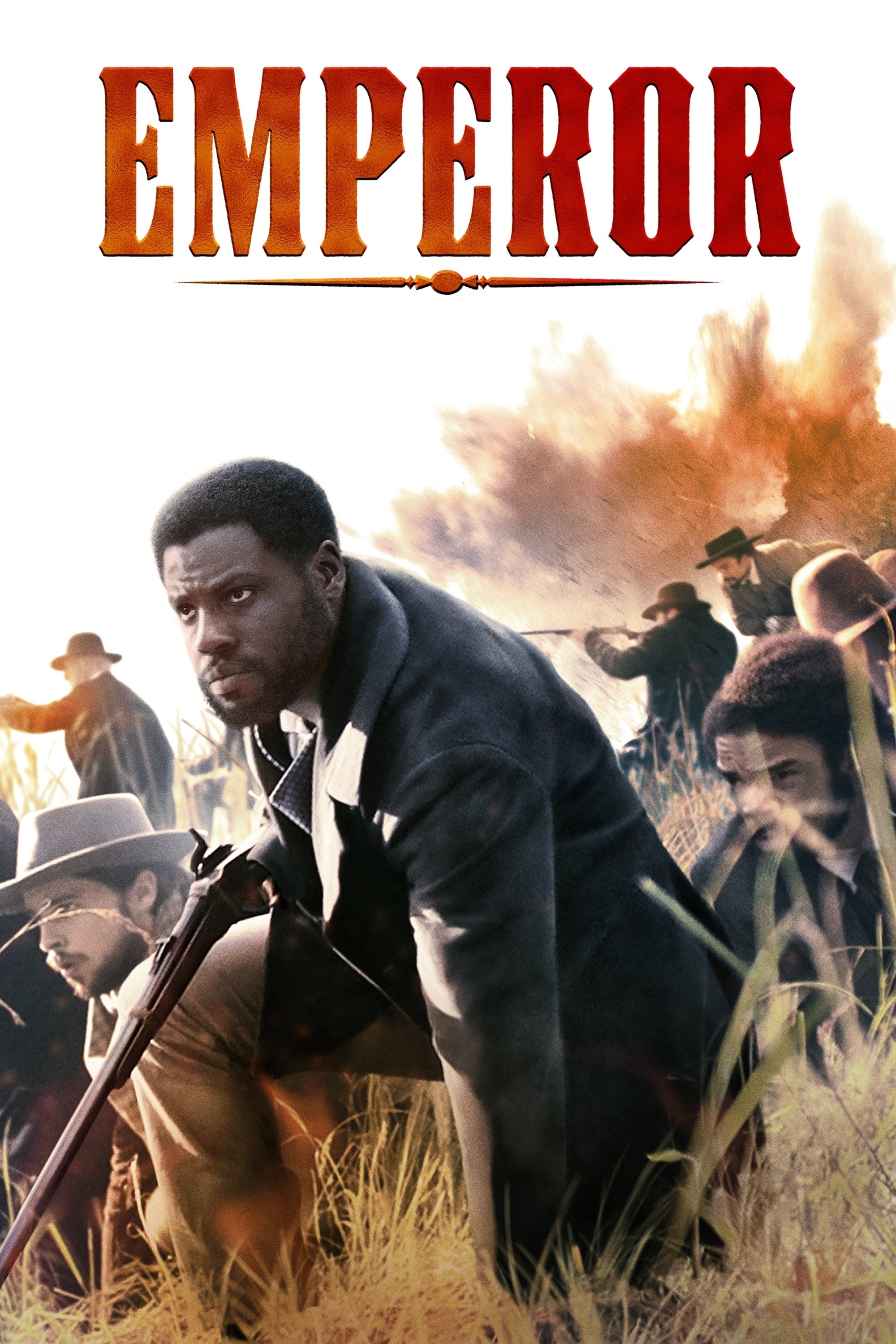
An escaped slave travels north and has chance encounters with Frederick Douglass and John Brown. Based on the life story of Shields Green.
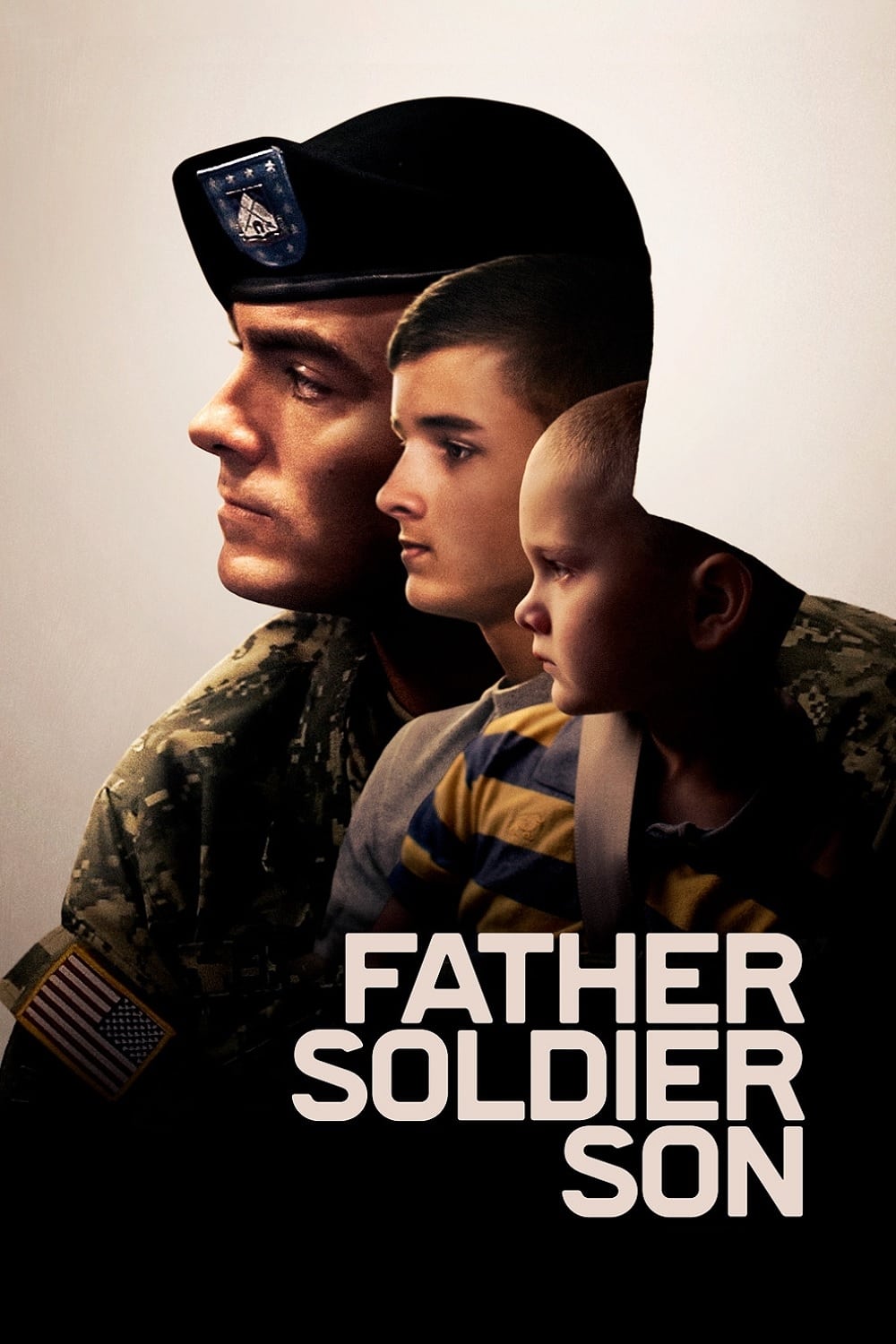
When Sgt. First Class Brian Eisch is critically wounded in Afghanistan, it sets him and his sons on a journey of love, loss, redemption and legacy.
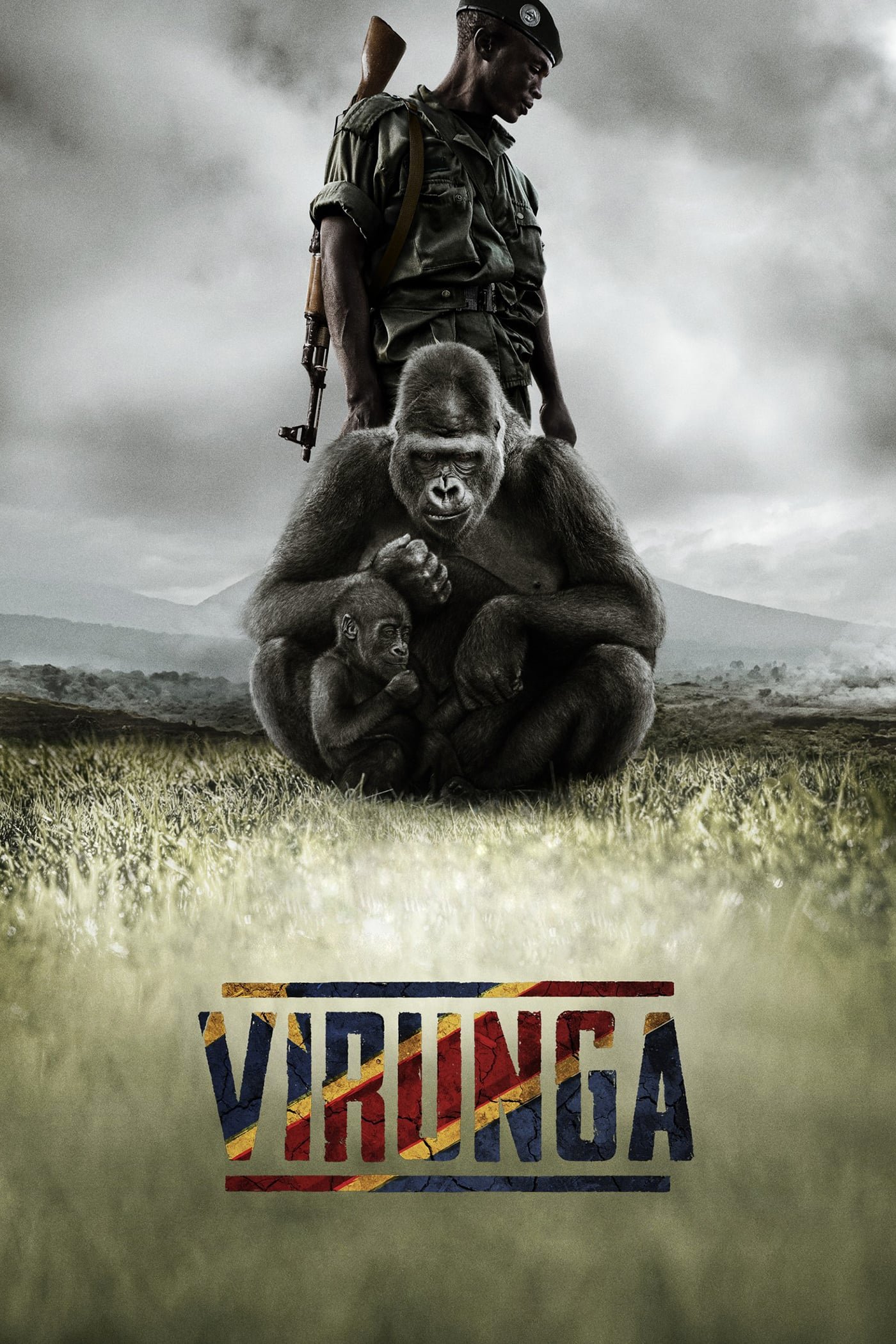
Virunga in the Democratic Republic of the Congo is Africa’s oldest national park, a UNESCO world heritage site, and a contested ground among insurgencies seeking to topple the government that see untold profits in the land. Among this ongoing power struggle, Virunga also happens to be the last natural habitat for the critically endangered mountain gorilla. The only thing standing in the way of the forces closing in around the gorillas: a handful of passionate park rangers and journalists fighting to secure the park’s borders and expose the corruption of its enemies. Filled with shocking footage, and anchored by the surprisingly deep and gentle characters of the gorillas themselves, Virunga is a galvanizing call to action around an ongoing political and environmental crisis in the Congo.
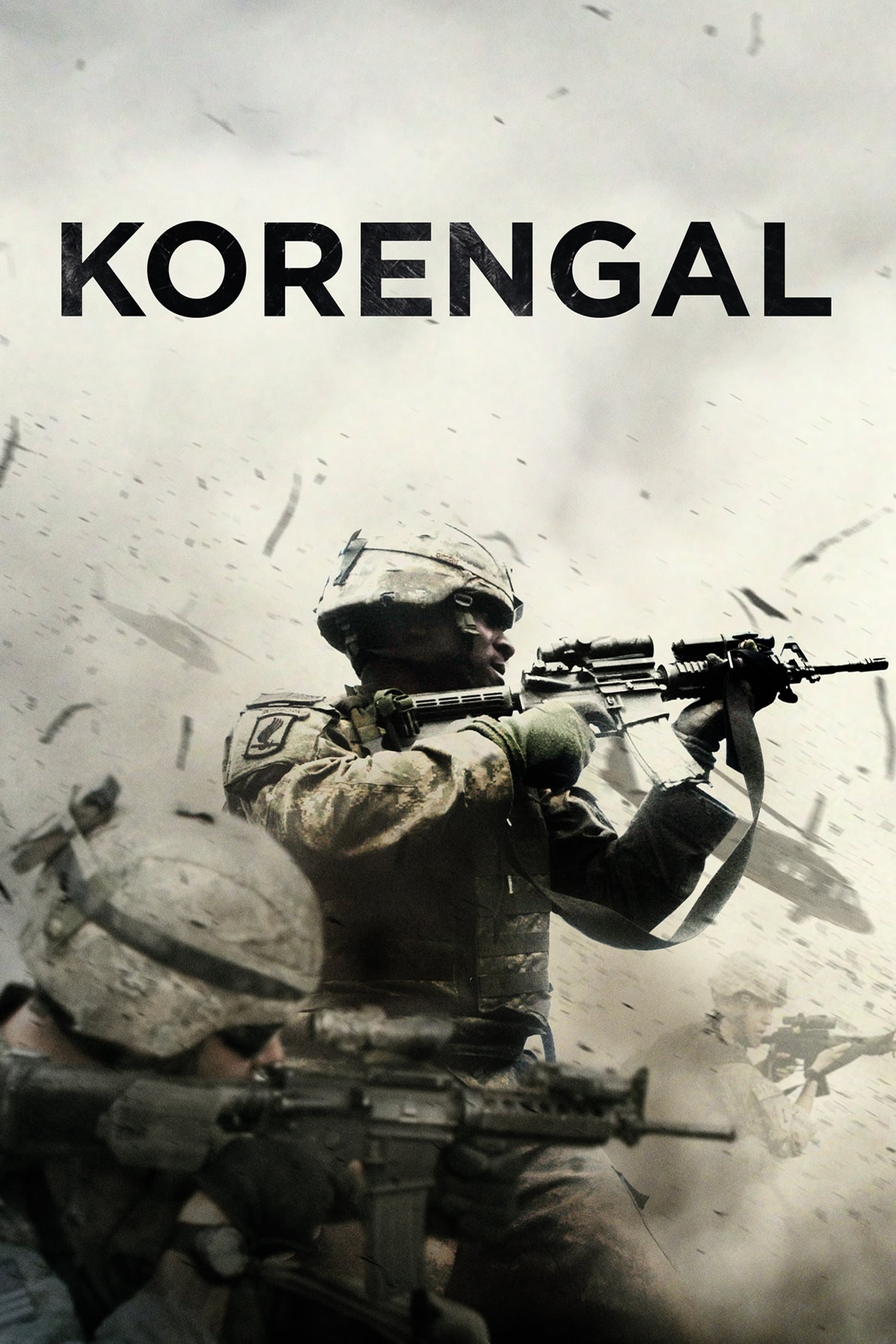
Korengal picks up where Restrepo left off; the same men, the same valley, the same commanders, but a very different look at the experience of war.
A love letter from a young mother to her daughter, the film tells the story of Waad al-Kateab’s life through five years of the uprising in Aleppo, Syria as she falls in love, gets married and gives birth to Sama, all while cataclysmic conflict rises around her. Her camera captures incredible stories of loss, laughter and survival as Waad wrestles with an impossible choice– whether or not to flee the city to protect her daughter’s life, when leaving means abandoning the struggle for freedom for which she has already sacrificed so much.
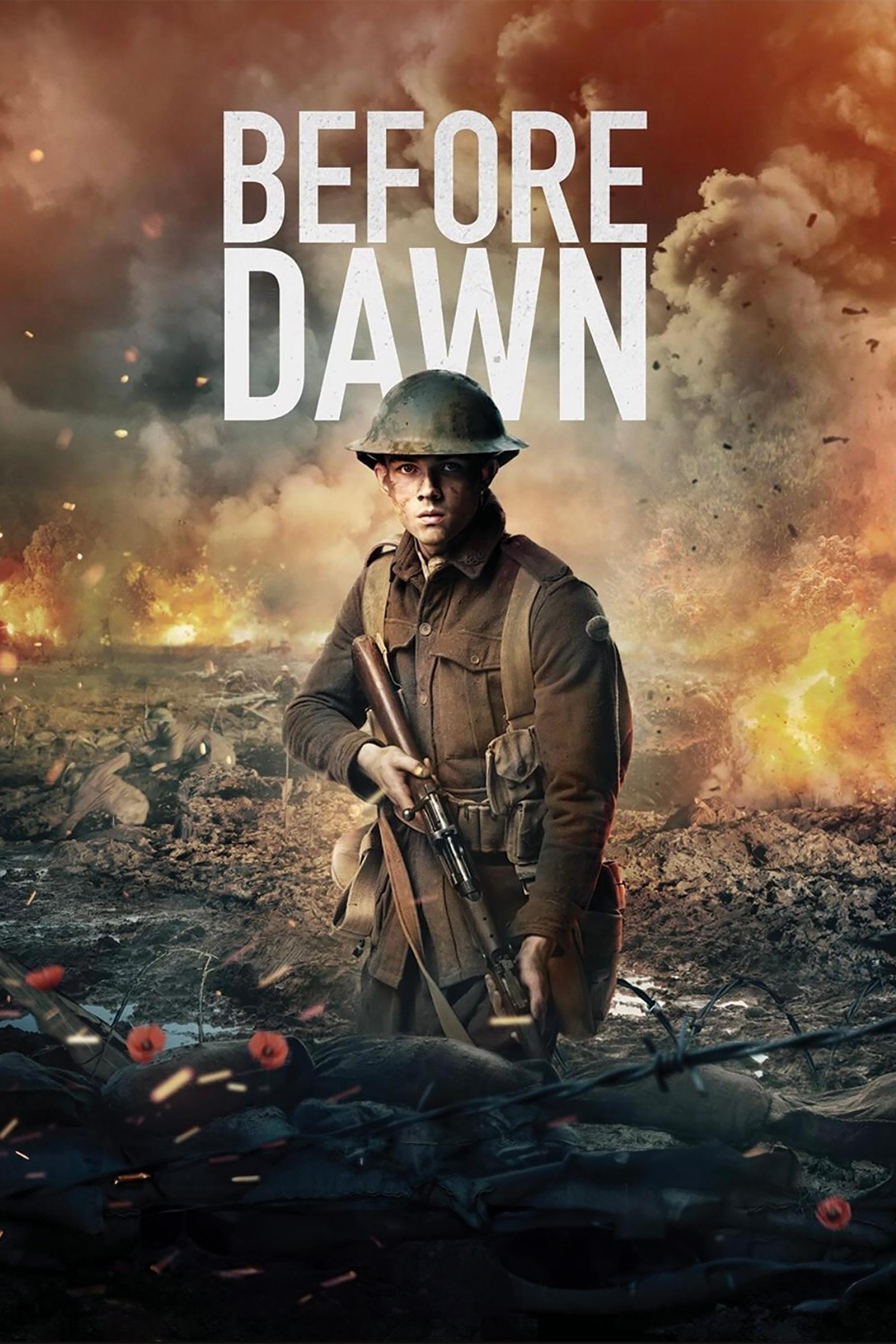
After leaving his family's sheep farm in the Australian outback, a young man joins his countrymen on the western front of World War I with hopes of helping expedite an end to the bloody conflict. But as war rages on, he is forced to grapple with the brutal realities of trench warfare, including a near-constant battle to keep himself alive—without leaving another man behind. Inspired by the real-life diary entries of local ANZACs, the feature film details the untold story of some of Australia’s greatest military victories.
Filmmaker Alain Resnais documents the atrocities behind the walls of Hitler's concentration camps.
"Trinity and Beyond" is an unsettling yet visually fascinating documentary presenting the history of nuclear weapons development and testing between 1945-1963. Narrated by William Shatner and featuring an original score performed by the Moscow Symphony Orchestra, this award-winning documentary reveals previously unreleased and classified government footage from several countries.
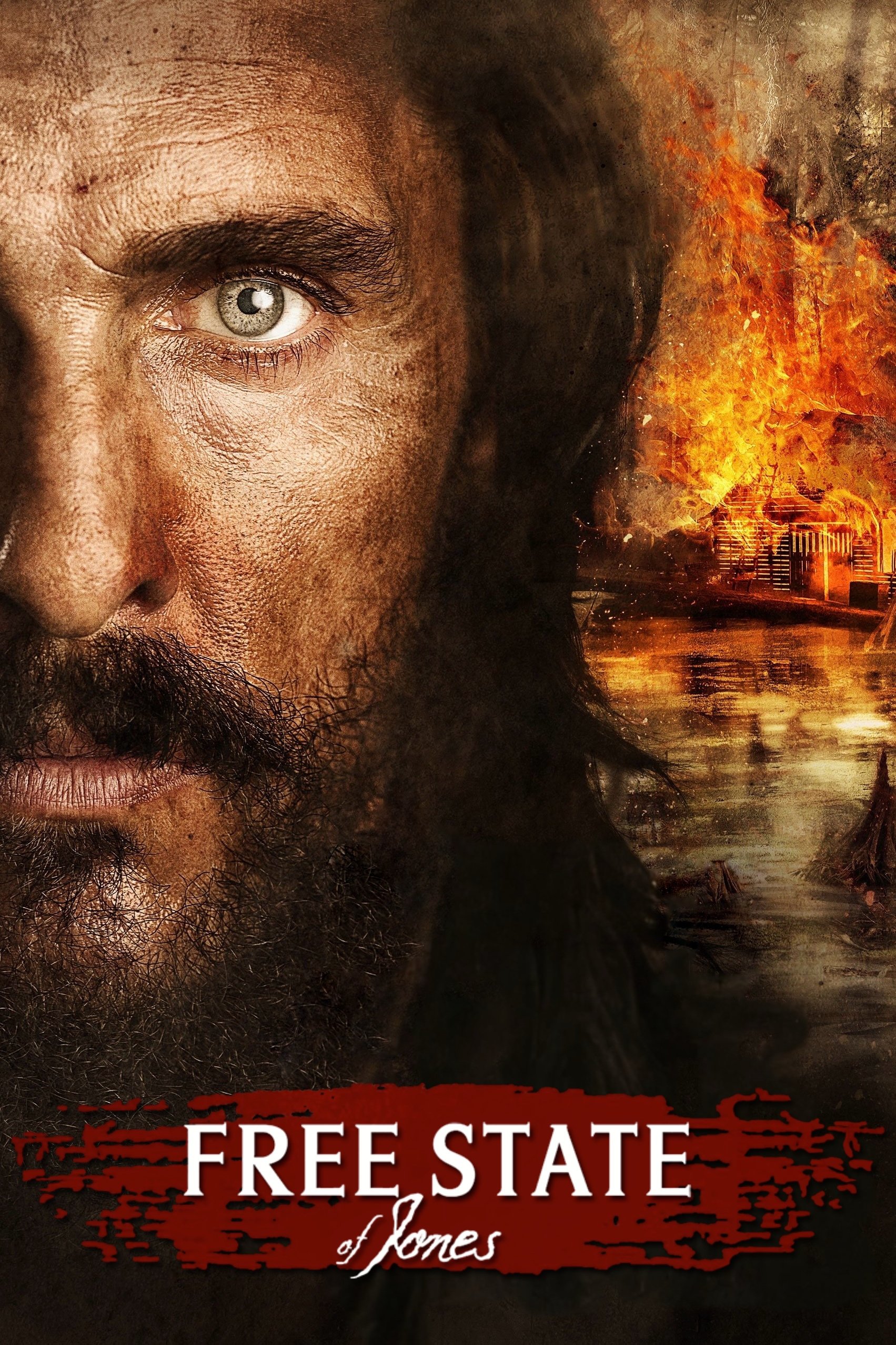
In 1863, Mississippi farmer Newt Knight serves as a medic for the Confederate Army. Opposed to slavery, Knight would rather help the wounded than fight the Union. After his nephew dies in battle, Newt returns home to Jones County to safeguard his family but is soon branded an outlaw deserter. Forced to flee, he finds refuge with a group of runaway slaves hiding out in the swamps. Forging an alliance with the slaves and other farmers, Knight leads a rebellion that would forever change history.
Director Claude Lanzmann spent 11 years on this sprawling documentary about the Holocaust, conducting his own interviews and refusing to use a single frame of archival footage. Dividing Holocaust witnesses into three categories – survivors, bystanders, and perpetrators – Lanzmann presents testimonies from survivors of the Chelmno concentration camp, an Auschwitz escapee, and witnesses of the Warsaw Ghetto Uprising, as well as a chilling report of gas chambers from an SS officer at Treblinka.
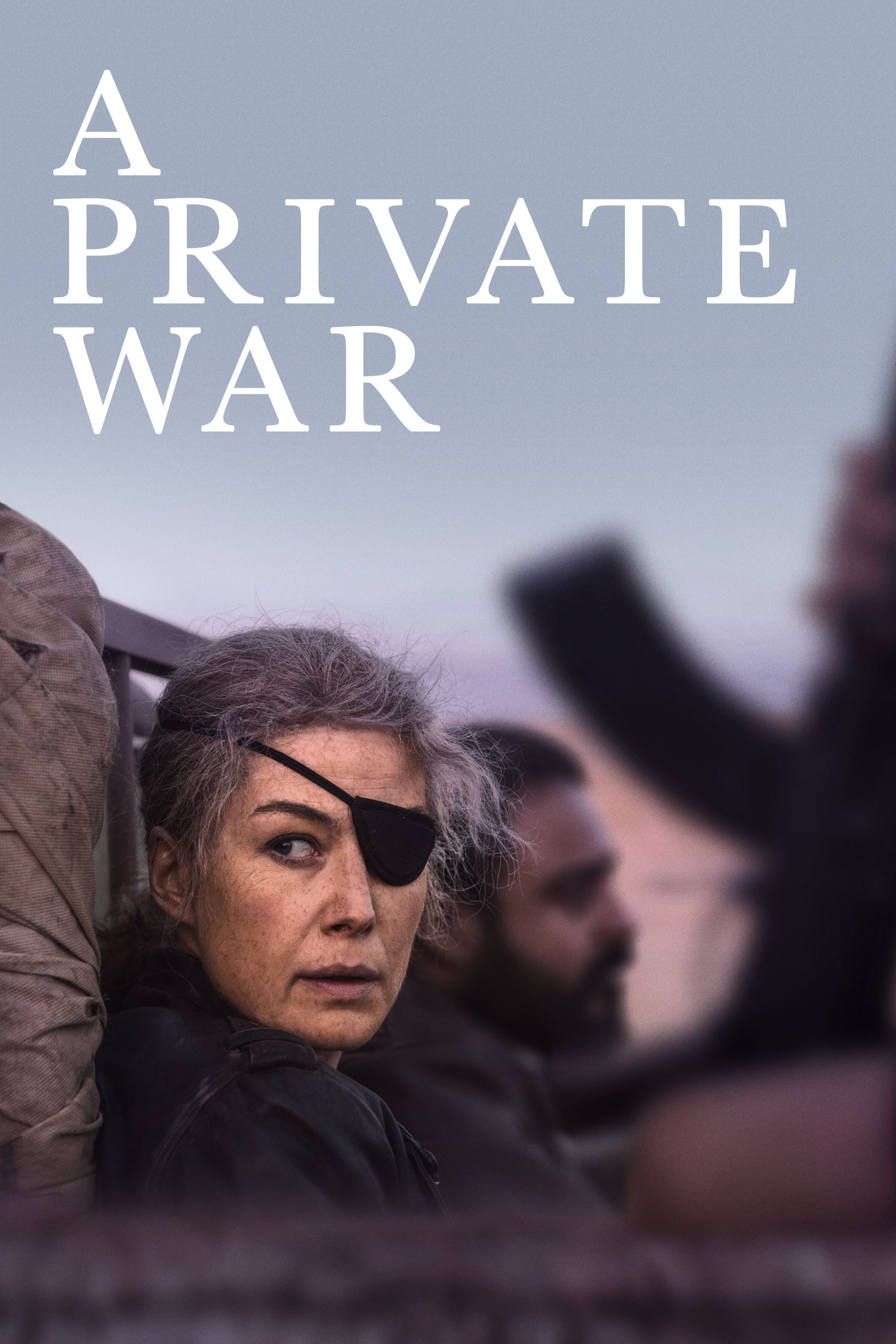
One of the most celebrated war correspondents of our time, Marie Colvin is an utterly fearless and rebellious spirit, driven to the frontlines of conflicts across the globe to give voice to the voiceless.
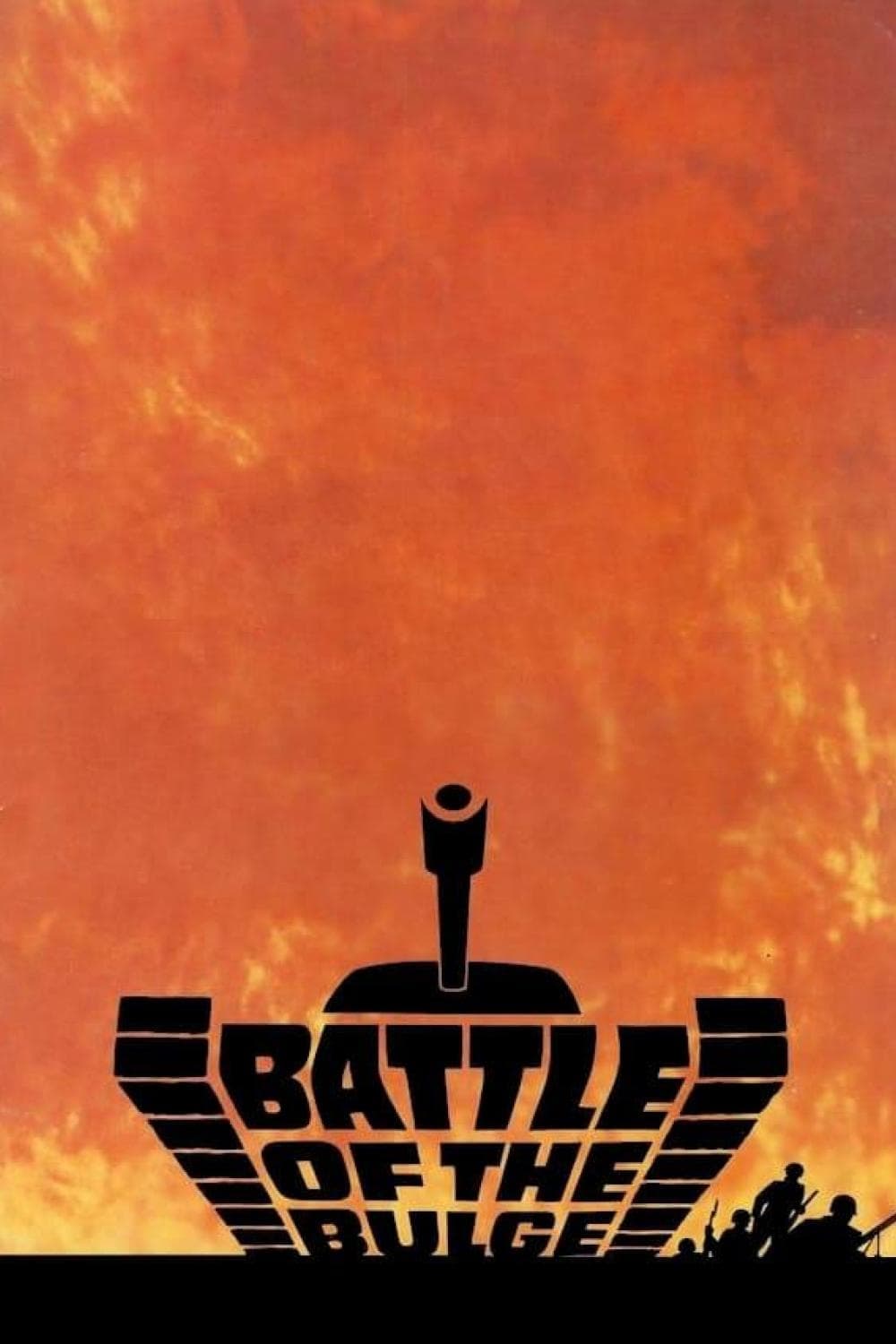
In the winter of 1944, the Allied Armies stand ready to invade Germany at the coming of a New Year. To prevent it, Hitler orders an all-out offensive to re-take French territory and capture the major port city of Antwerp.
During the war in Afghanistan a Soviet tank crew commanded by a tyrannical officer find themselves lost and in a struggle against a band of Mujahadeen guerrillas in the mountains.