Social & External
The people behind it
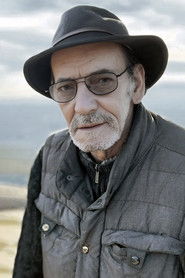
René Vautier
Self
Melvin Van Peebles
Romain Goupil
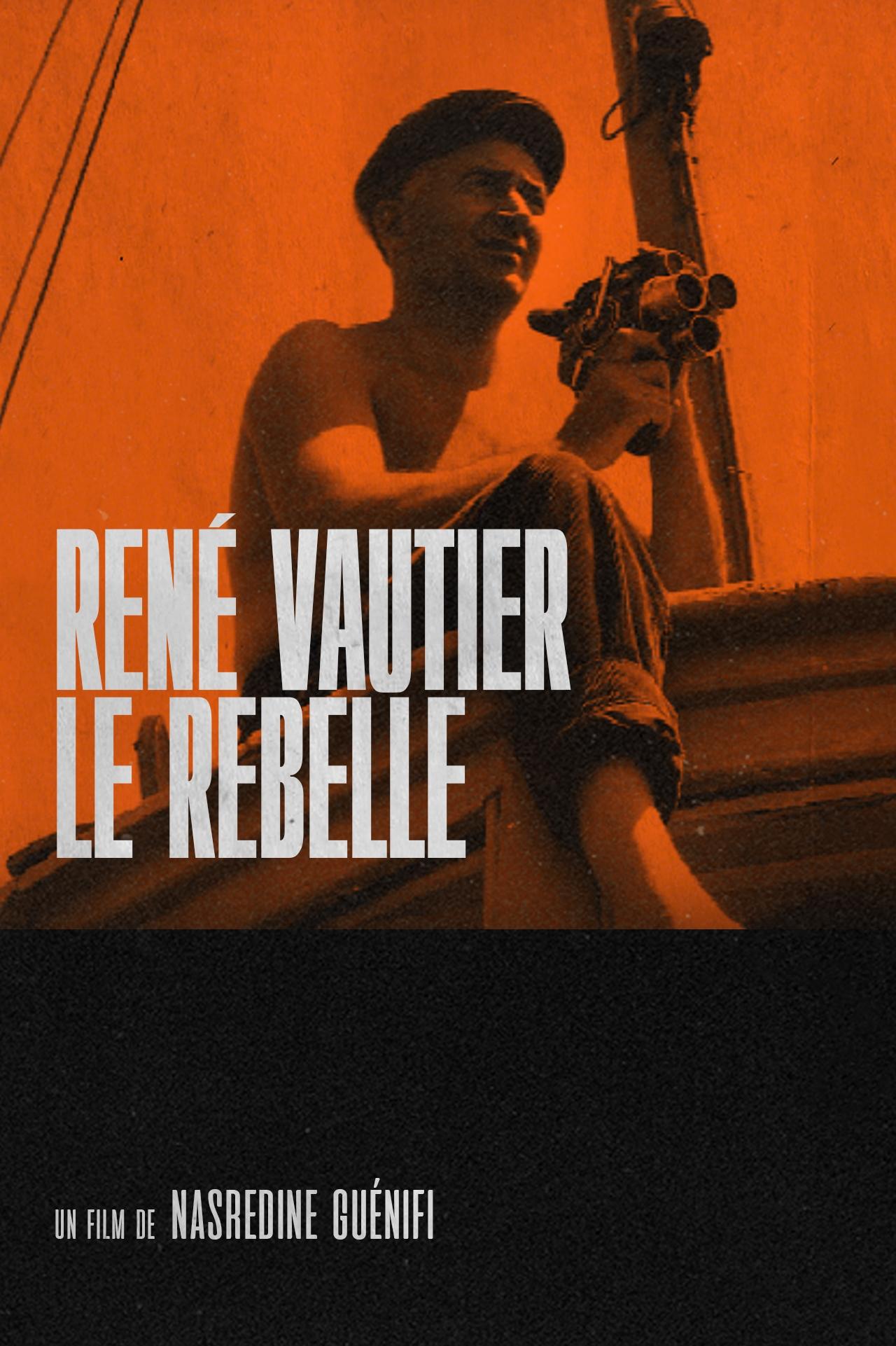
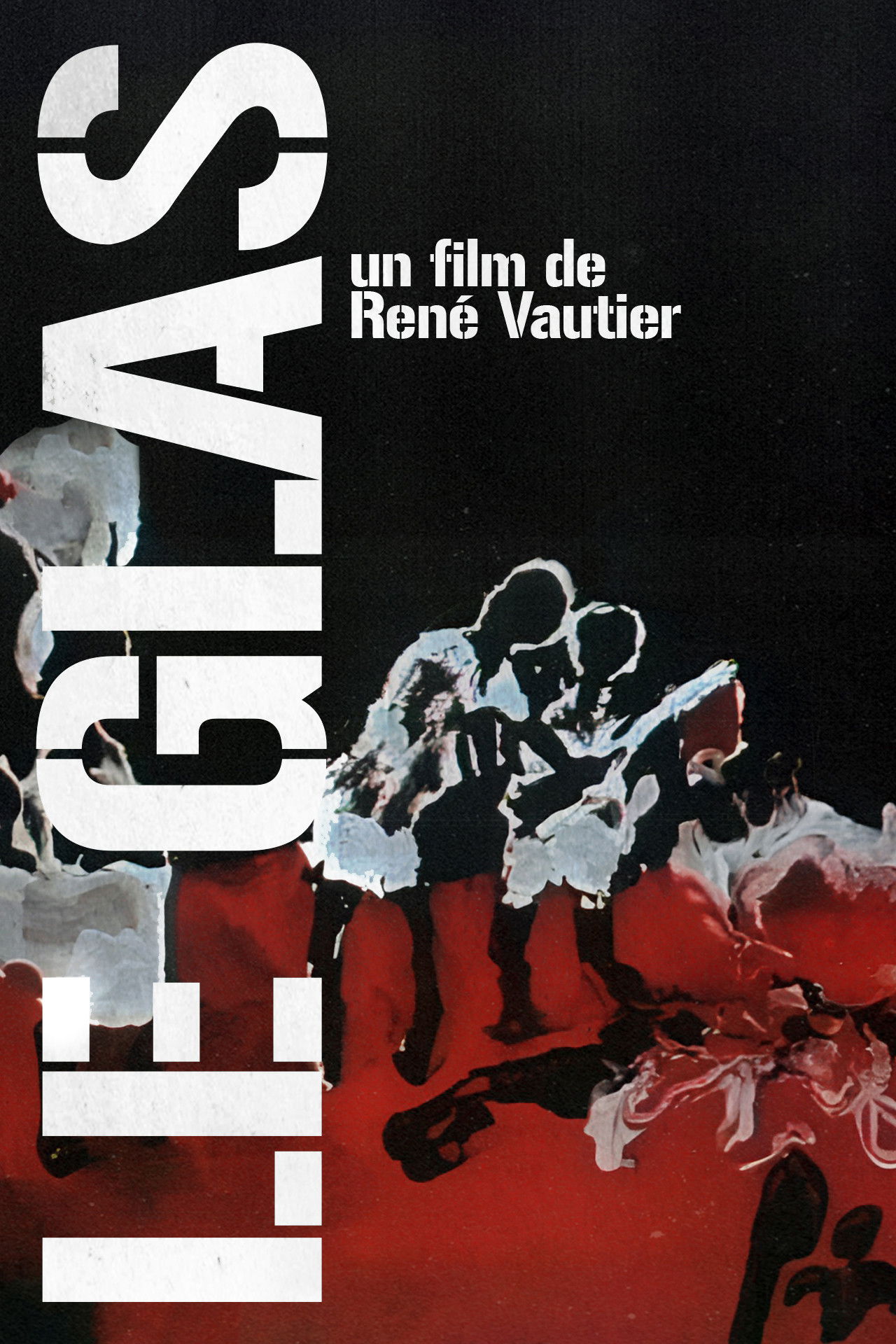
At the beginning of the 1960s, in Salisbury (now Harare), in Southern Rhodesia (now Zimbabwe), the government of Ian Smith hanged three black revolutionaries who had nevertheless been pardoned by the Queen of England. René Vautier, with ZAPU (Zimbabwe African Party for Unity), denounces this killing. Expelled by the Rhodesian police (informed by the French secret services), the filmmaker shoots a film in Algeria in the form of an indictment against colonial savagery. The film was first banned in France, then authorized in 1965.
The Stone That Remembers interprets the Durga Mahisas-uramardini statue’s journey from its home, the Singhasari Temple, to the hands of colonizers, and various museums. The film follow the patriarchal displacement of a woman that represents the Durga, exploring the parallels between the fate of the statue and many women today.
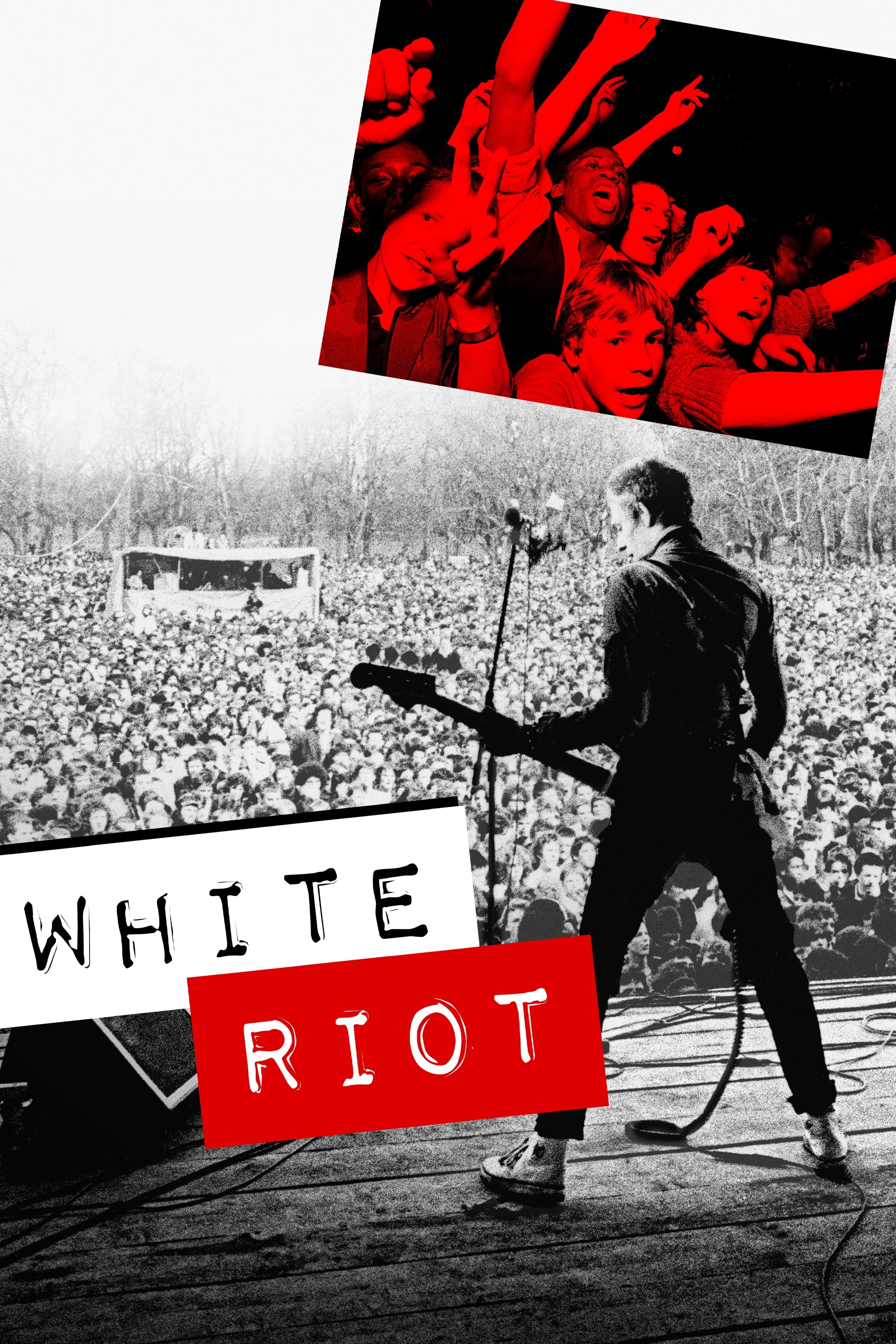
Exploring how punk influenced politics in late-1970s Britain, when a group of artists united to take on the National Front, armed only with a fanzine and a love of music.
Idak-Idak-Idak is a hybrid-documentary relating the stolen Lombok Treasures with the Sasak diaspora through three generations of women: a daughter, her mother, and her grandmother. Blending full-spectrum cinematography with personal footage, this film moves between Indonesia and the Netherlands to examine colonial legacies, displacement and healing the heart of home. In Sasak, "Idak" can be interpreted as both “heart” and “absence”, becoming a container for memory, loss, and the unseen layers of the self between generations.
‘Sharp Objects’ follows the forgotten story of the Klungkung keris back to its origins and to its post-colonial relevance to Bali today, tracing the looting of the keris to modern day tourism in Bali. The film juxtaposes the 'knowledge' of colonial archives against community-based knowledge and mythology, convoluting the understanding of what is preserved, what is dead and what is lost. The artists apply a tangible intervention on the photochemical material they use for the film. This time consuming approach embodies the narrative of the labor intensive iron forging craftmanship of a keris blacksmith.
Working from archives of private film footage from a trip to India by the upper class of the late 1920s, a period of strong anti-colonial outbreak, Yervant Gianikian and Angela Ricci Lucchi deconstruct the images and analyze the attitude and behavior of Westerners in the East.
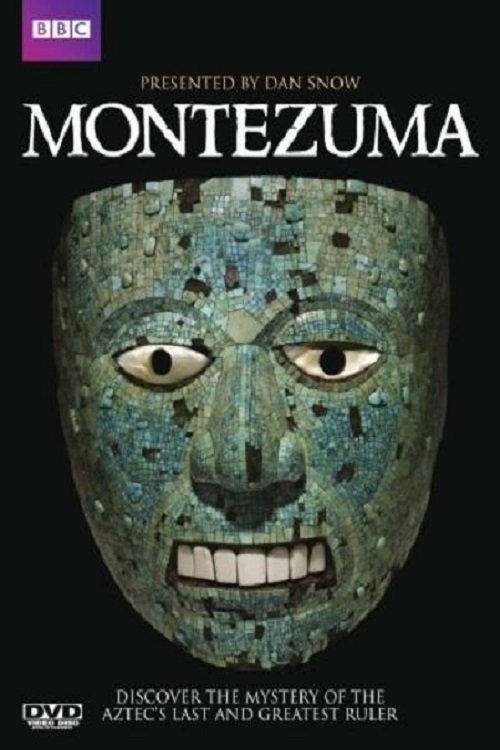
Montezuma is a 2009 BBC Television documentary film in which Dan Snow examines the reign of the Aztec Emperor Moctezuma II.
Guillermo Gómez Álvarez explores the identity politics of Puerto Rico via archival footage from various sources that clash with nine original songs from local independent musicians and a thematic analysis from a psychoanalyst and a historian. From the juxtaposition the absurd becomes coherent and the coherent becomes absurd as Puerto Rican identity is defined and rejected almost simultaneously.
The documentary mixes reenactments with true accounts from four characters/actors who tell the stories of six black gay men, their experiences and their romantic relationships crossed by racism and homophobia.
MC battles are the basis of Rap and in São Luís, this type of manifestation has been growing organically in different peripheral communities organized by residents and local artists. Even without great incentives, the battles have spread throughout the city and created a network of creative ideas that oxygenate the outskirts.
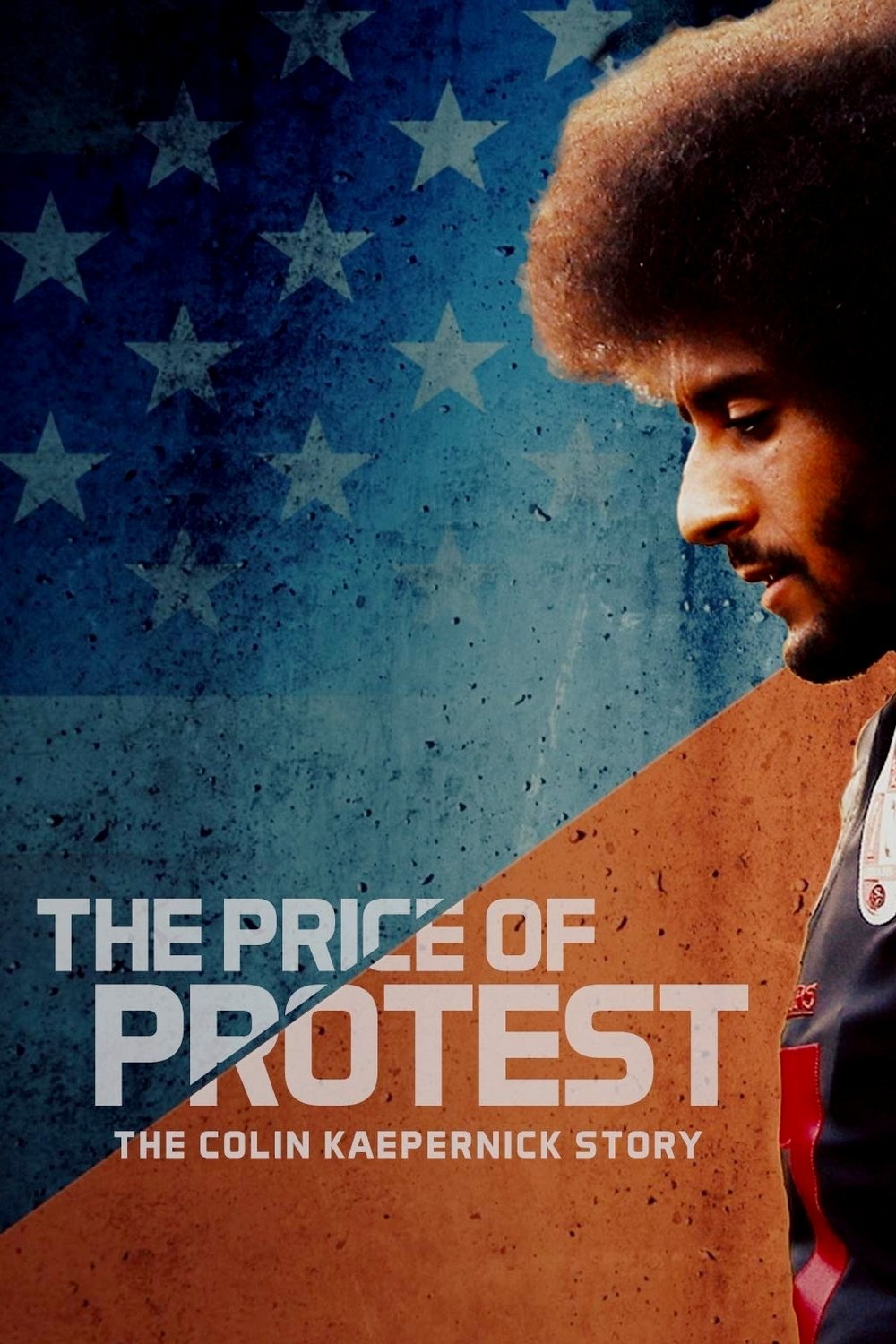
United States, September 1st, 2016. American football player Colin Kaepernick kneels during the national anthem, protesting police brutality against black people. Part of the population regards the gesture as an unacceptable affront to the flag. Later, he loses his place on his team. Today, however, he is considered by many as a true hero.
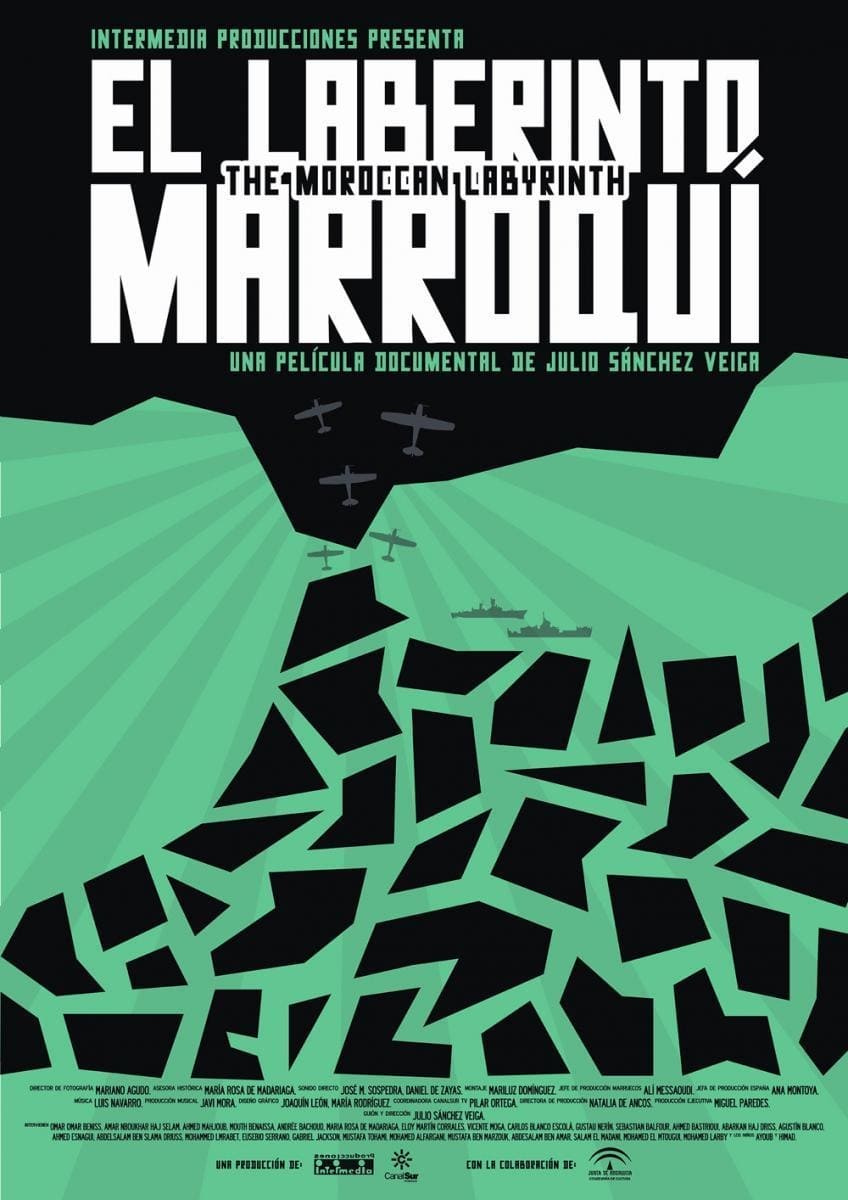
Manuel Horrillo has visited for 7 years the fields where the clashes between the Spanish troops and the rebels of the protectorate took place during the so-called Rif War, a forgotten war of the Spanish collective imaginary.
Rap de Saia is a documentary that reports, through the voices and rhymes of the protagonists themselves, part of the historical trajectory of Female Rap in the State of Rio de Janeiro. In addition to its historical trajectory, Rap de Saia brings a collection of themes that leads us to reflect on women in today's society.
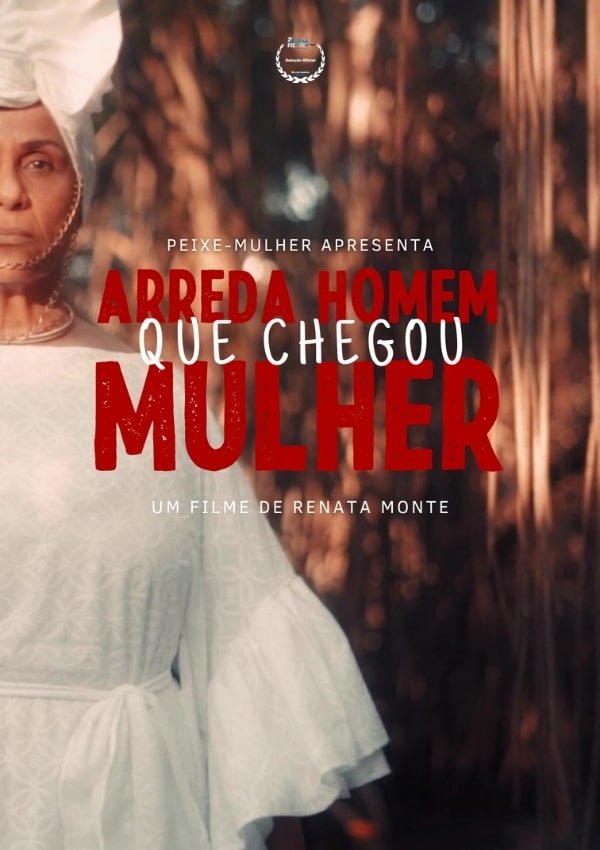
Documentary about terreiro women in Fortaleza who occupy the highest positions in the hierarchy, subverting the patriarchal tradition of religious communities.
Report retracing the military campaigns of the Belgian colonial troops in Africa through geographical maps, title cards, and documentary footage.
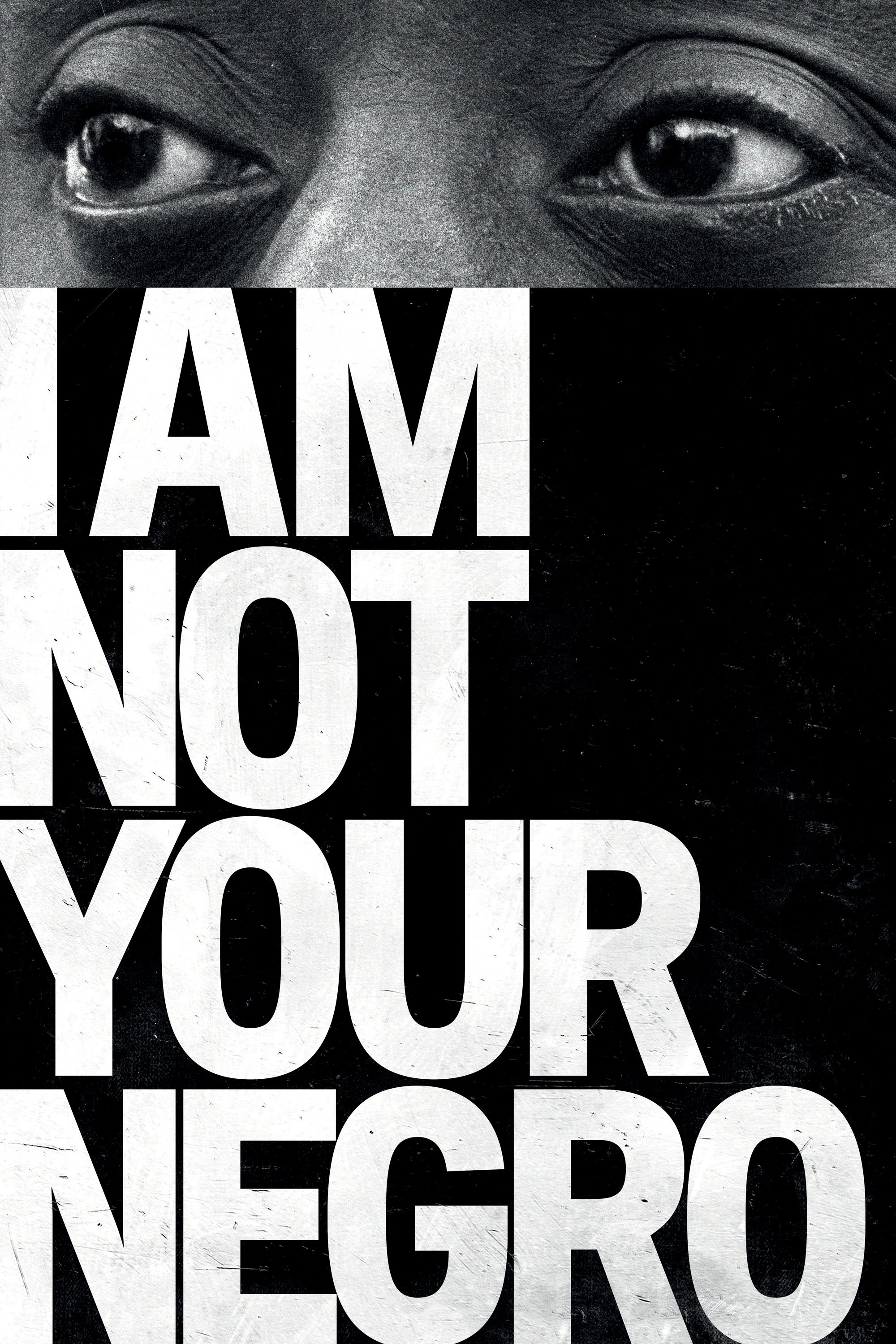
Working from the text of James Baldwin’s unfinished final novel, director Raoul Peck creates a meditation on what it means to be Black in the United States.
Ranjit, a farmer in India, takes on the fight of his life when he demands justice for his 13-year-old daughter, the victim of a brutal gang rape. His decision to support his daughter is virtually unheard of, and his journey unprecedented.
In an intimate and joyful story of love in the face of loss, celebrated poets Andrea Gibson and Megan Falley find strength—and unexpected hilarity—in what might be their final year together.
This revealing documentary honors the legendary Sidney Poitier—iconic actor, filmmaker, and civil rights activist. Featuring interviews with Denzel Washington, Spike Lee, Halle Berry, and more.
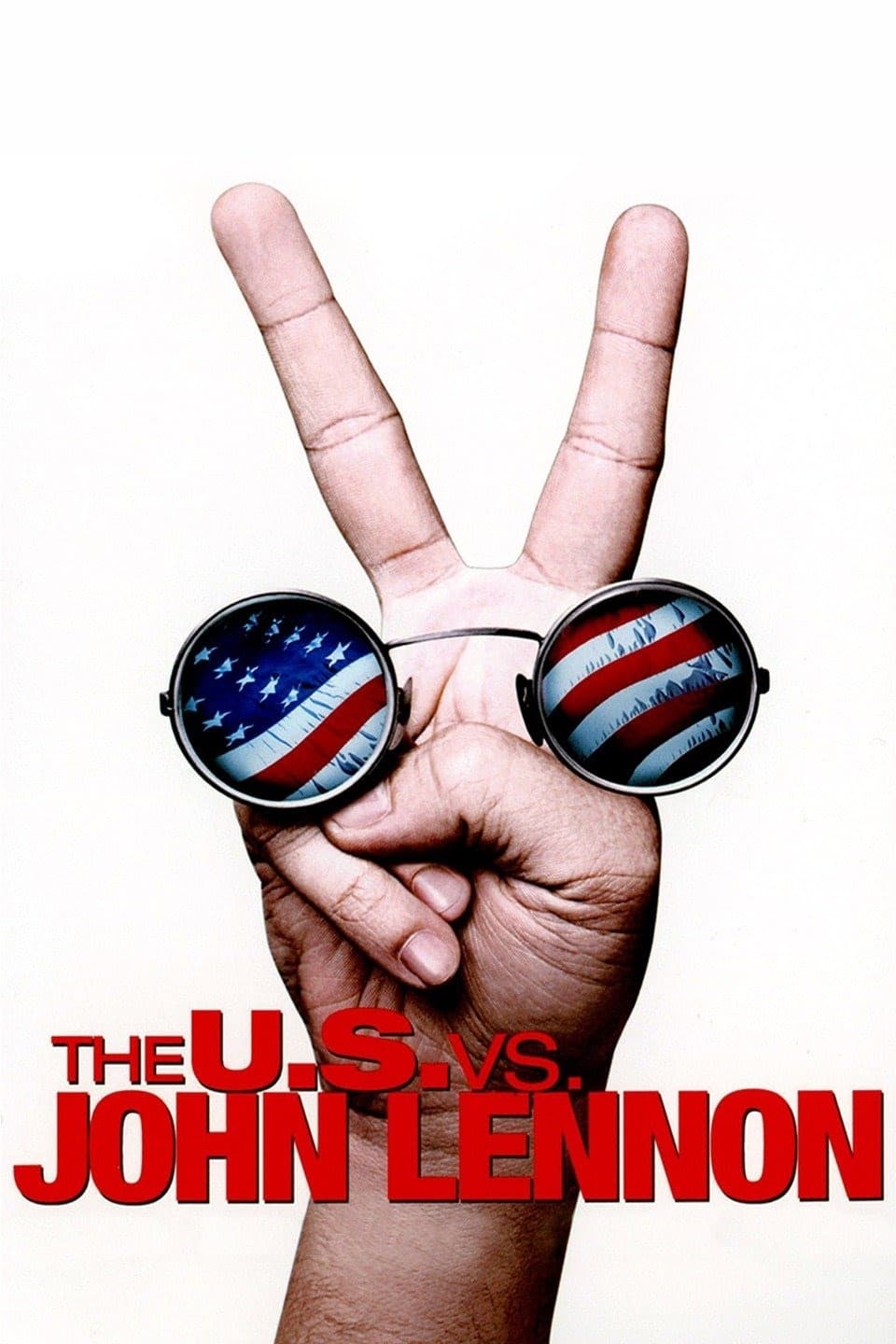
A documentary on the life of John Lennon, with a focus on the time in his life when he transformed from a musician into an antiwar activist.
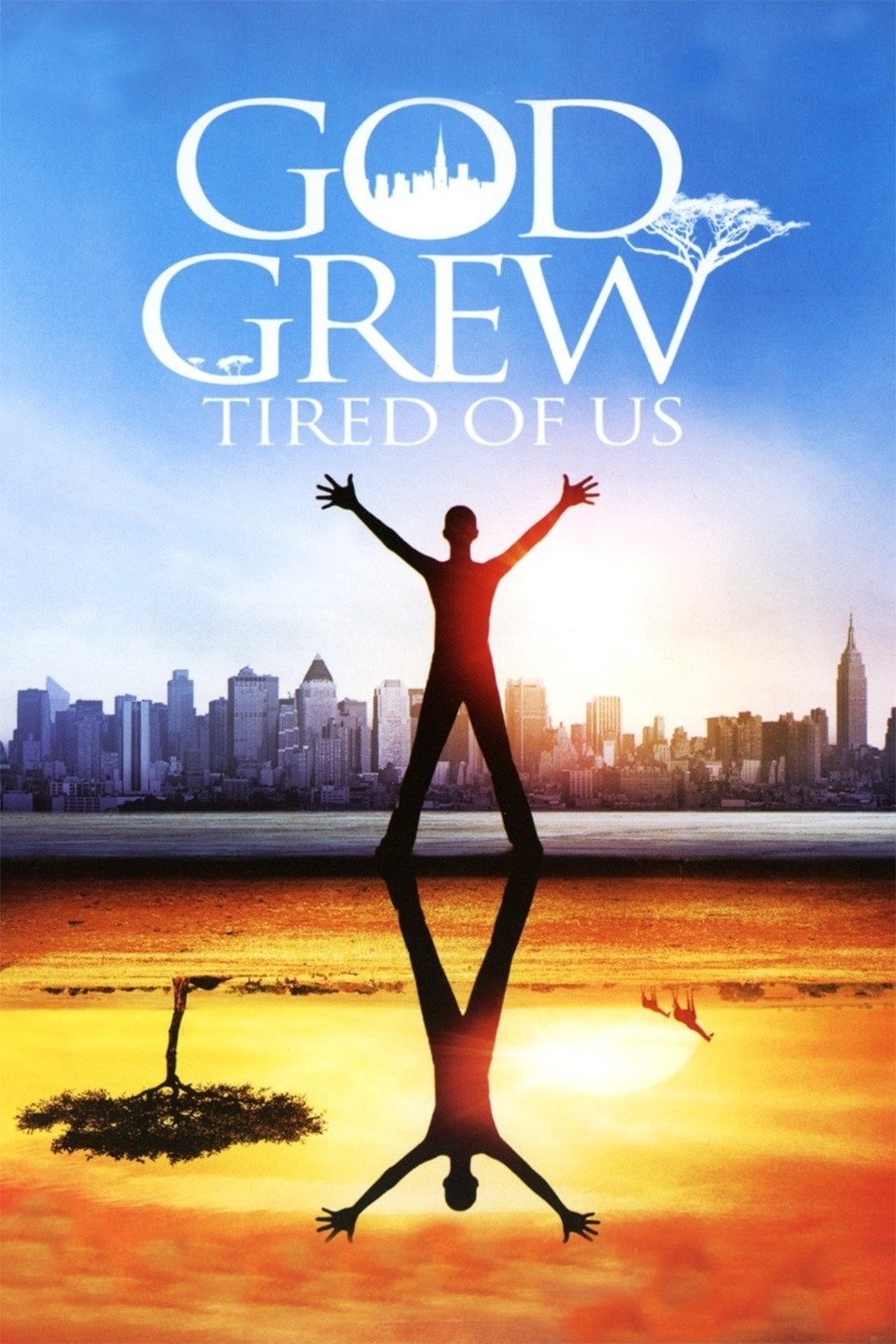
Filmmaker Christopher Quinn observes the ordeal of three Sudanese refugees -- Jon Bul Dau, Daniel Abul Pach and Panther Bior -- as they try to come to terms with the horrors they experienced in their homeland, while adjusting to their new lives in the United States.
A feature length documentary about the all-women team at the helm of Pixar's original feature, Turning Red. With unprecedented behind-the-scenes access to Director Domee Shi and her core leadership crew, this story shines a light on the powerful professional and personal journeys that brought this incredibly comical, utterly relatable, and deeply heartfelt story to the screen.
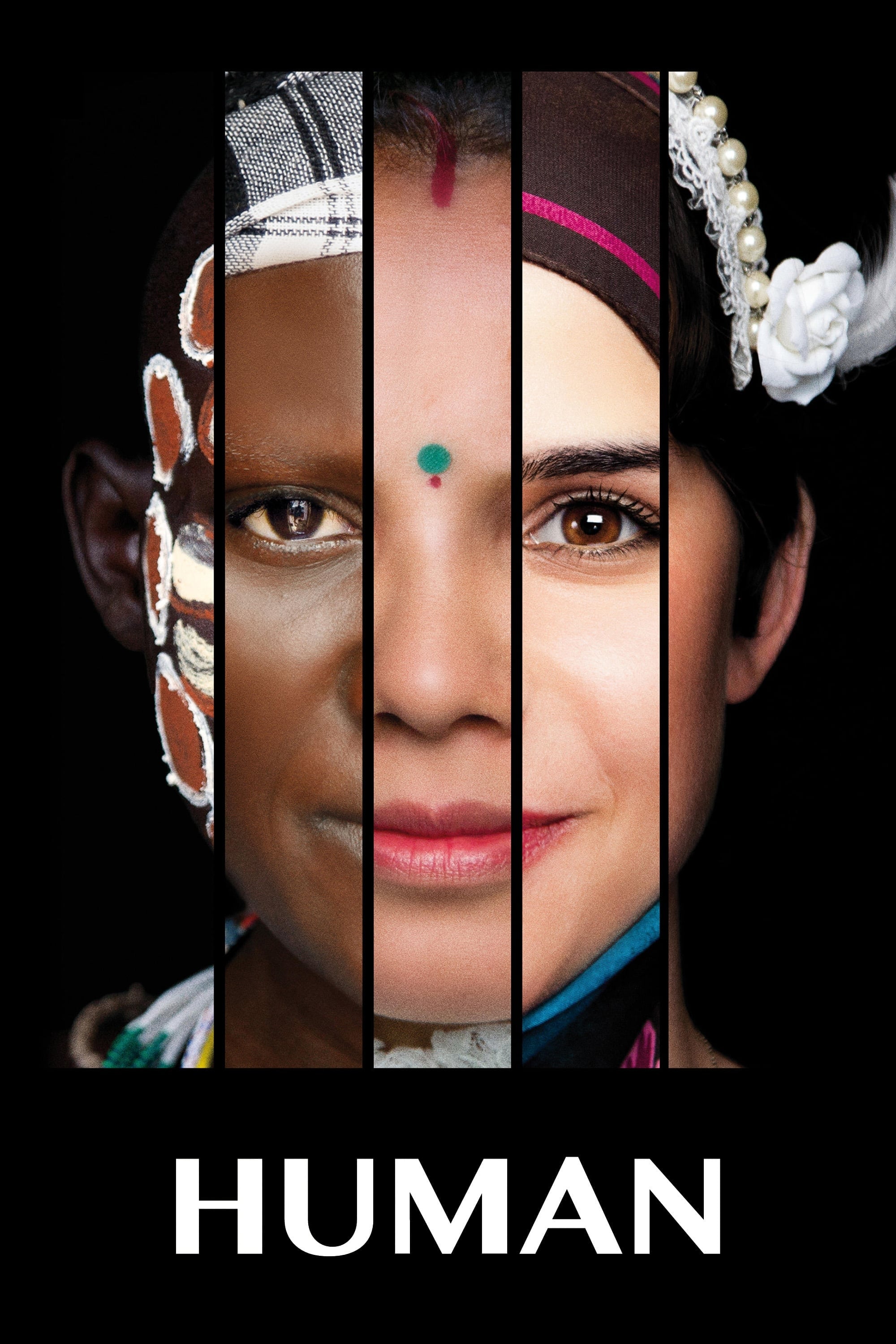
A collection of stories about and images of our world, offering an immersion to the core of what it means to be human. Through these stories full of love and happiness, as well as hatred and violence, it brings us face to face with the Other, making us reflect on our lives. From stories of everyday experiences to accounts of the most unbelievable lives, these poignant encounters share a rare sincerity and underline who we are – our darker side, but also what is most noble in us, and what is universal. Our Earth is shown at its most sublime through never-before-seen aerial images accompanied by soaring music, resulting in an ode to the beauty of the world, providing a moment to draw breath and for introspection. This film is a politically engaged work which allows us to embrace the human condition and to reflect on the meaning of our existence.
Alexander McQueen's rags-to-riches story is a modern-day fairy tale, laced with the gothic. Mirroring the savage beauty, boldness and vivacity of his design, this documentary is an intimate revelation of McQueen's own world, both tortured and inspired, which celebrates a radical and mesmerizing genius of profound influence.
Those who knew iconic funnyman John Candy best share his story, in their own words, through never-before-seen archival footage, imagery, and interviews.
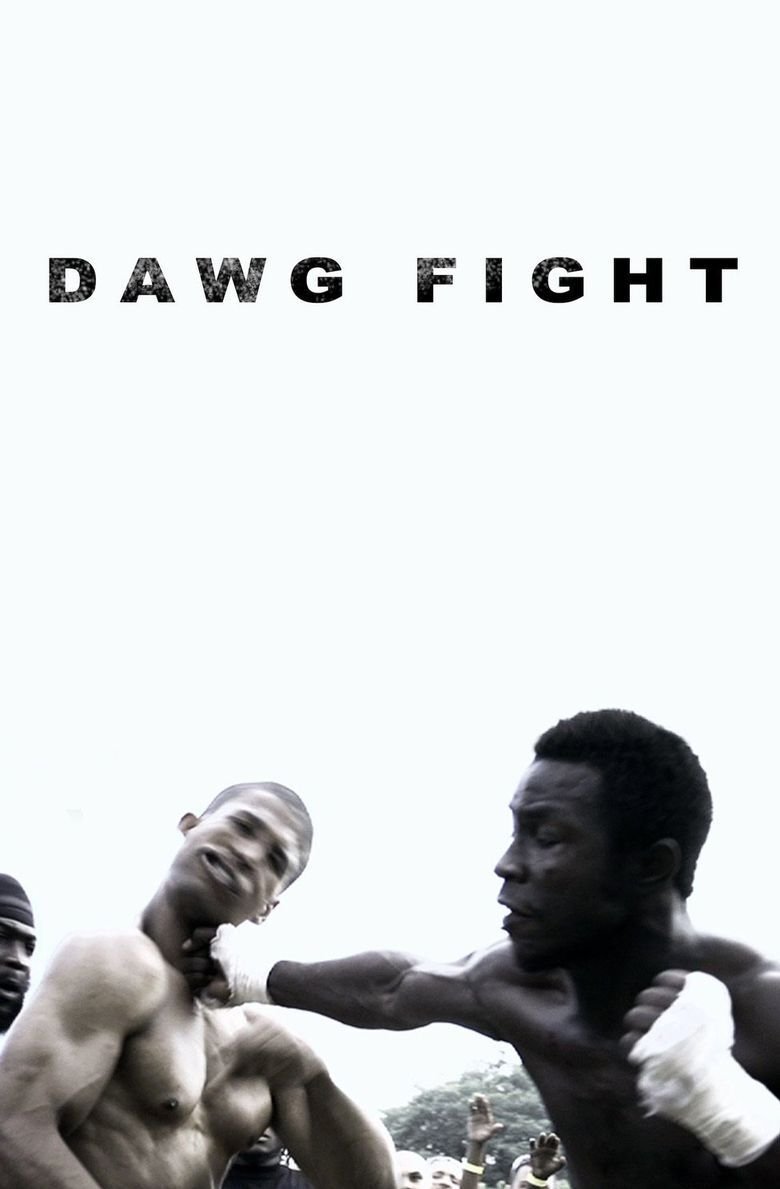
In a crime-plagued neighborhood near Miami, brutal, bare-knuckled backyard fights give young men a chance to earn money -- and self-respect.
A woman narrates the thoughts of a world traveler, meditations on time and memory expressed in words and images from places as far-flung as Japan, Guinea-Bissau, Iceland, and San Francisco.
Brilliant, long in-the-works story of the life and art of the world's greatest comedian and the cinema's first genius, Charlie Chaplin. Produced, written and directed by renowned film critic Richard Schickel.
A documentary on the expletive's origin, why it offends some people so deeply, and what can be gained from its use.
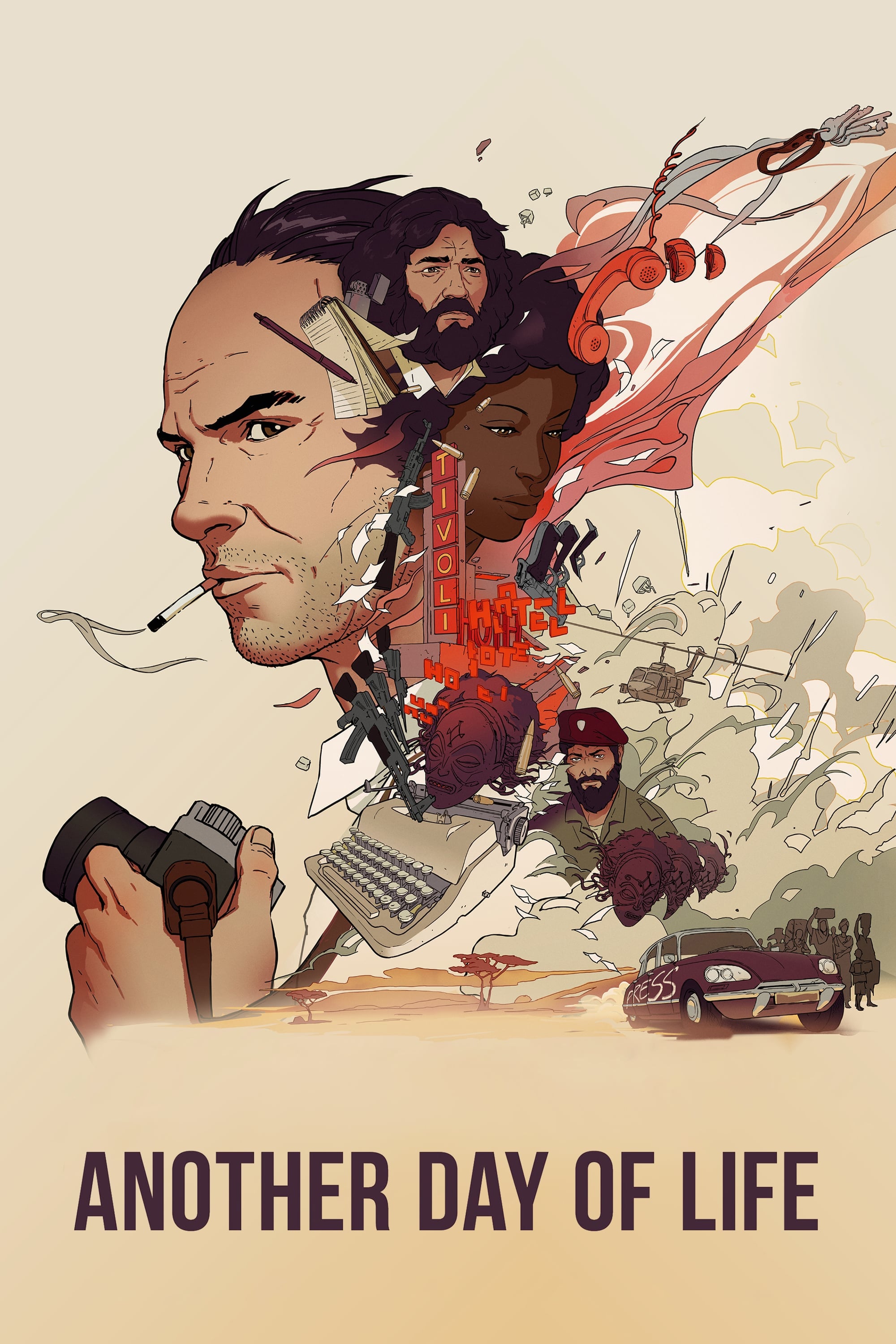
In 1975, Ryszard Kapuściński, a veteran Polish journalist, embarked on a seemingly suicidal road trip into the heart of the Angola's civil war. There, he witnessed once again the dirty reality of war and discovered a sense of helplessness previously unknown to him. Angola changed him forever: it was a reporter who left Poland, but it was a writer who returned…
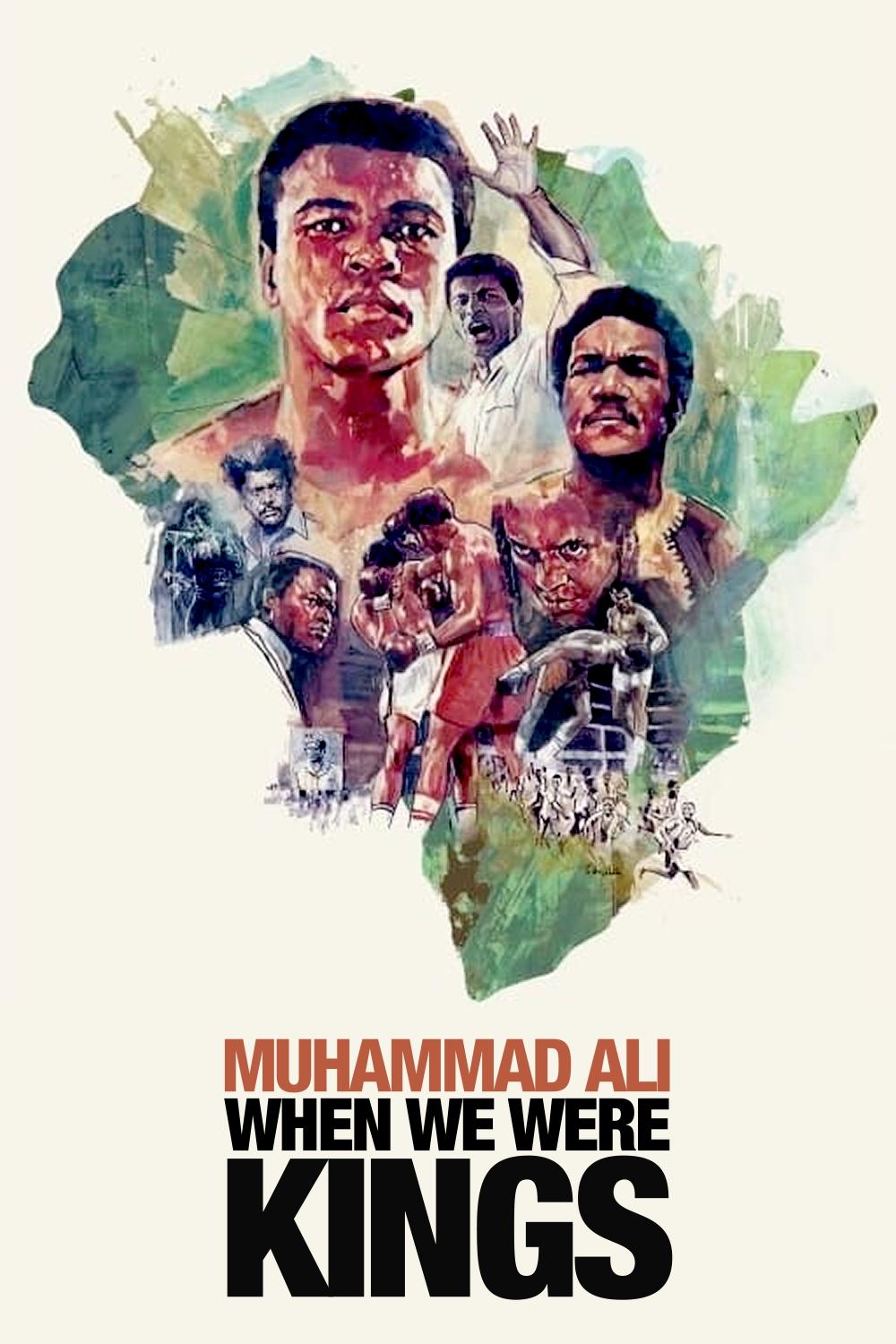
It's 1974. Muhammad Ali is 32 and thought by many to be past his prime. George Foreman is ten years younger and the heavyweight champion of the world. Promoter Don King wants to make a name for himself and offers both fighters five million dollars apiece to fight one another, and when they accept, King has only to come up with the money. He finds a willing backer in Mobutu Sese Suko, the dictator of Zaire, and the "Rumble in the Jungle" is set, including a musical festival featuring some of America's top black performers, like James Brown and B.B. King.
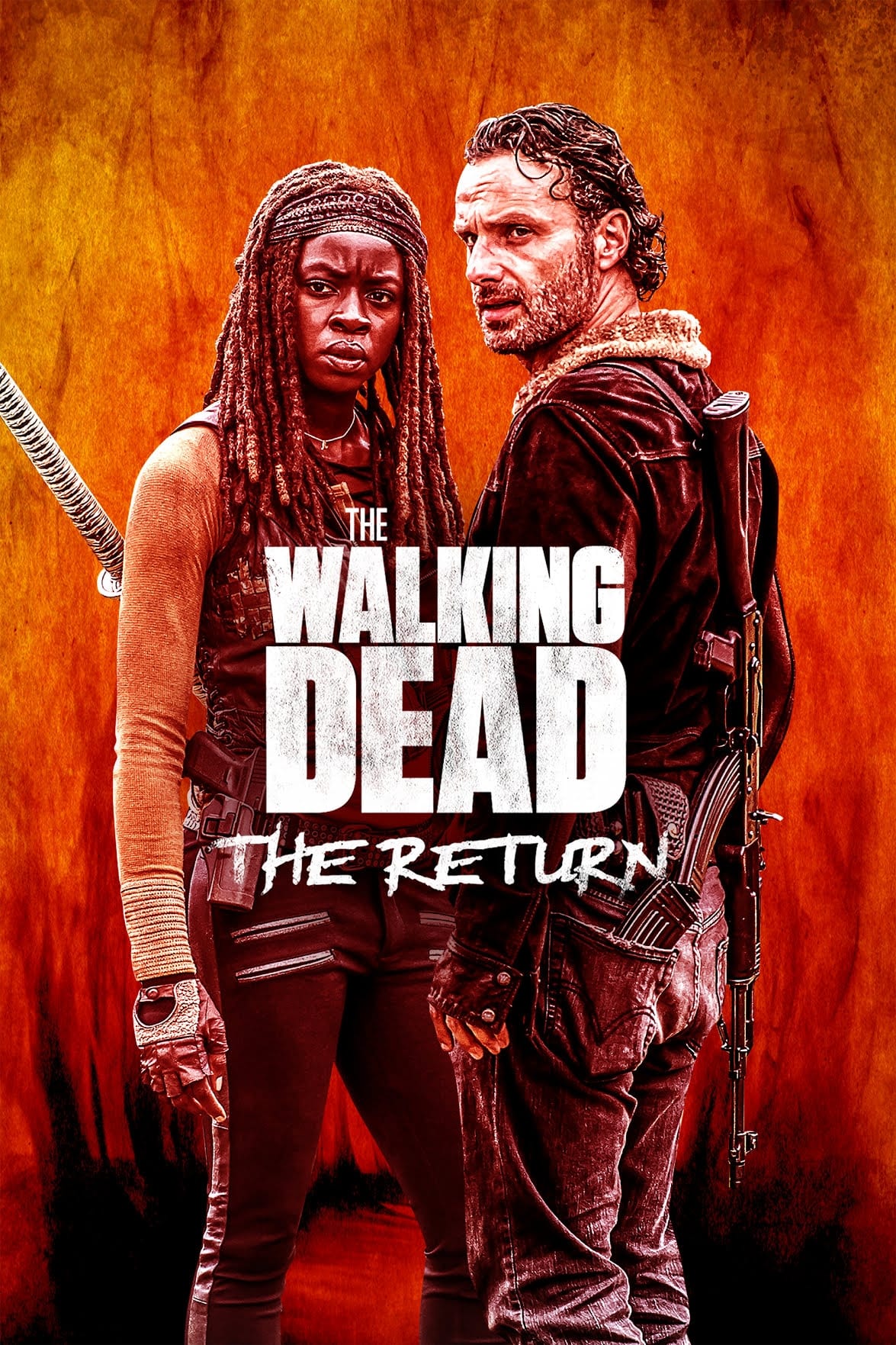
Stars of "The Walking Dead," Andrew Lincoln and Danai Gurira, walk down memory lane and visit iconic locations where pivotal moments between their characters, Rick and Michonne, were filmed.
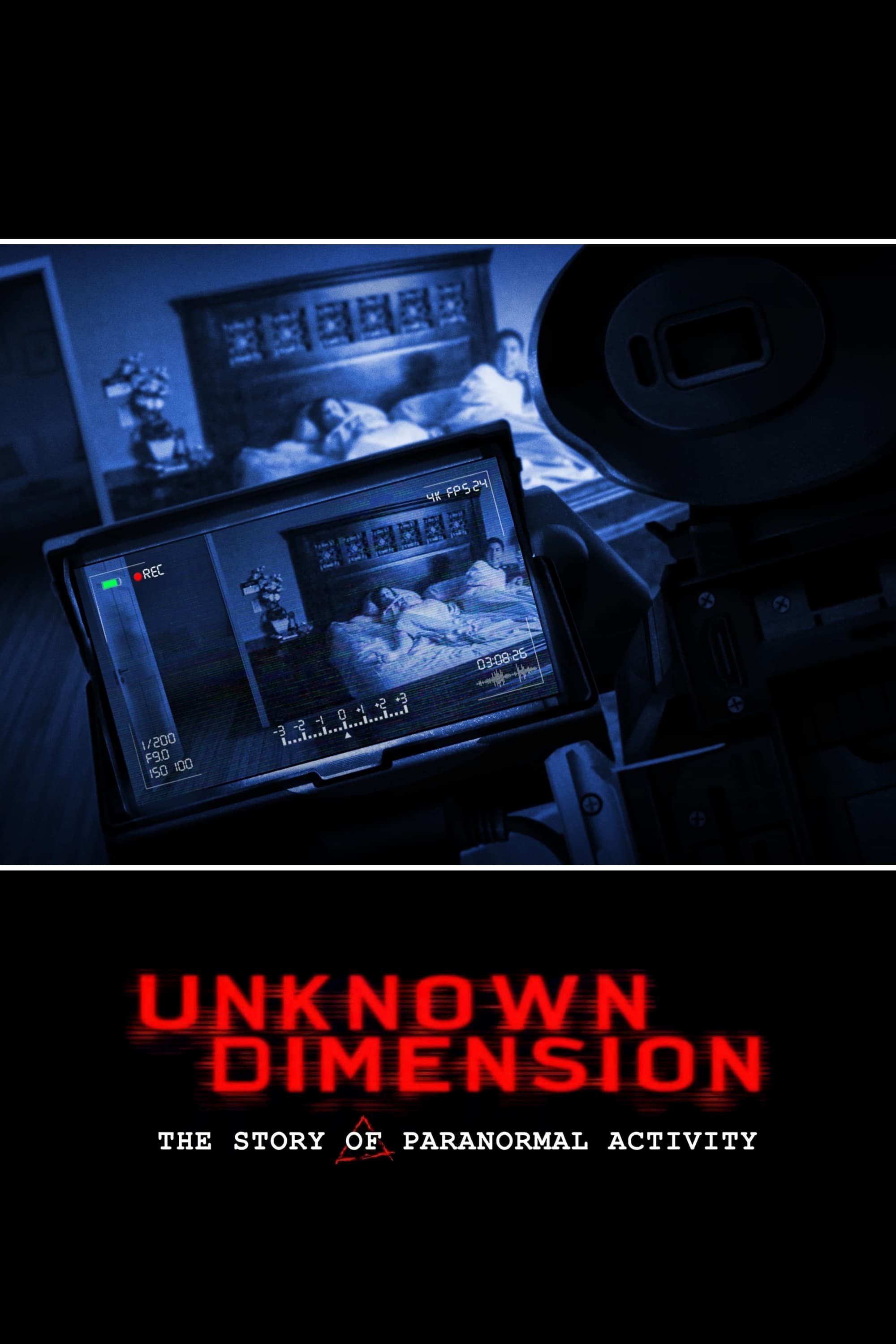
A deep dive into the making of the Paranormal Activity films with first time ever interviews with cast and crew, never-before-seen footage from the movies, and a preview of the seventh installment in the franchise.
With mesmerizing footage and time lapses of animators at work, this behind-the-scenes special captures the artistry of a unique tale years in the making.
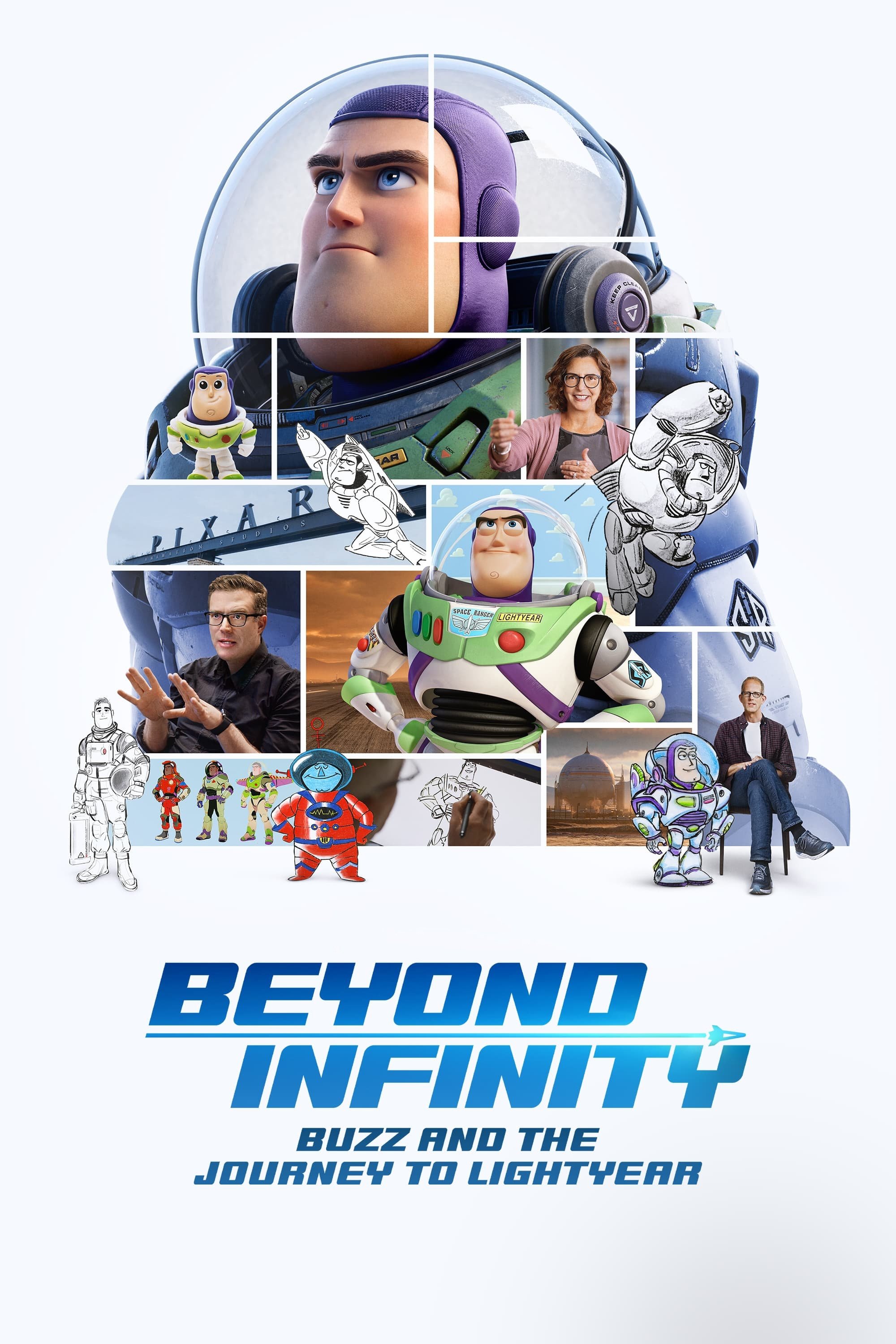
Explore the evolution of Buzz Lightyear from toy to human in the making of Pixar’s Lightyear. Dive into the origin and cultural impact of everyone’s favorite Space Ranger, the art of designing a new “human Buzz,” and the challenges faced by the Lightyear crew along the way.