Planned as the filmic documentation of a journey to find the last nomadic shamans in East Siberia, the film instead captures the failed search for these people, who settled down ages ago.
Social & External
The people behind it
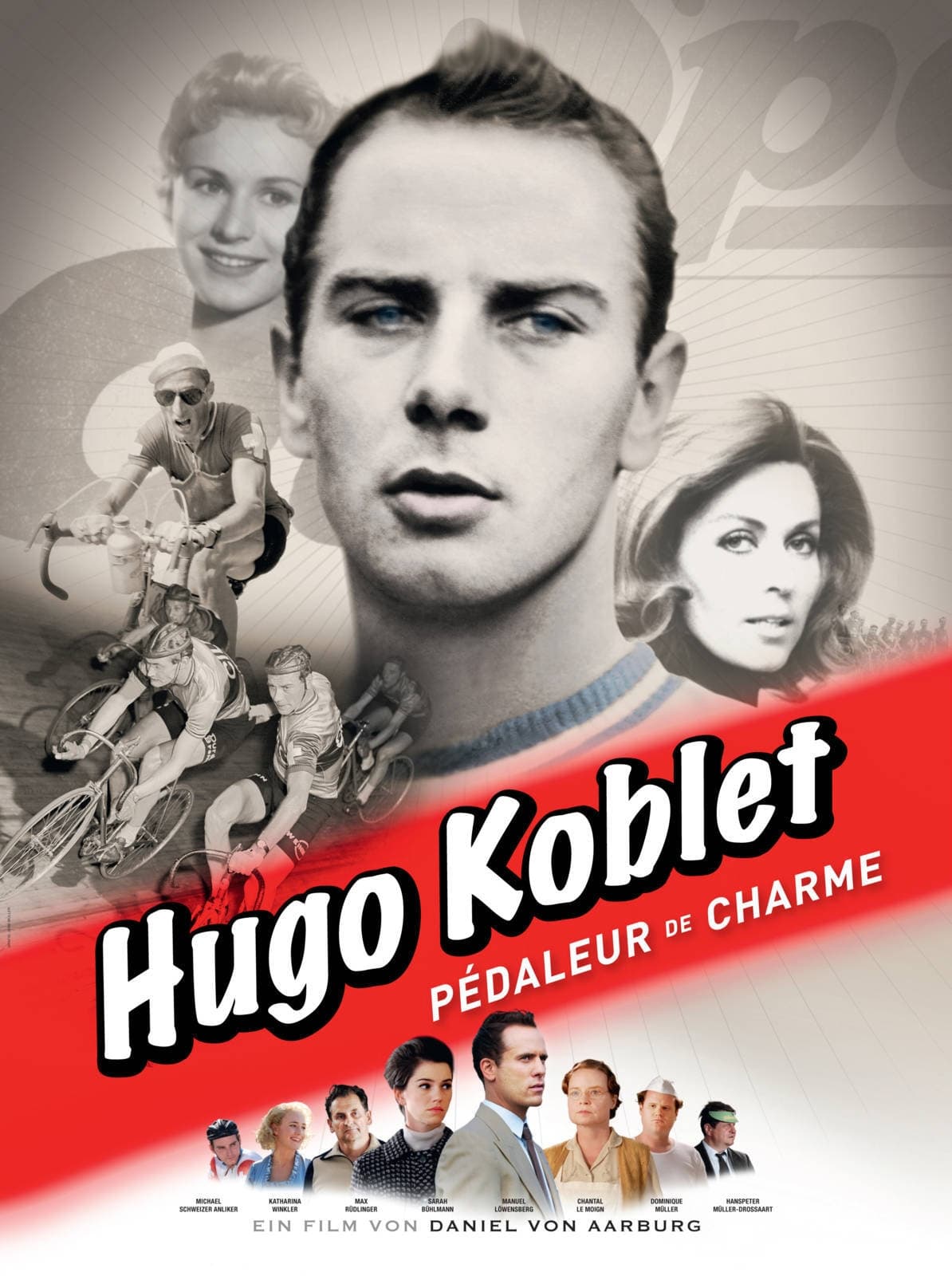
Zurich-born Hugo Koblet was the first international cycling star of the post-war period. He was a stylist on the bicycle and in life, and a huge heartthrob. Koblet had a meteoric rise and won the Giro d'Italia in 1950. Once he had reached the zenith of his career, Koblet was put under pressure by overly ambitious officials and ended up ruining his health with drugs. In 1954, he married a well-known model and they became a celebrity dream couple. After his athletic career ended, Koblet began to lose his footing. Threatened by bankruptcy, he crashed his Alfa into a tree.
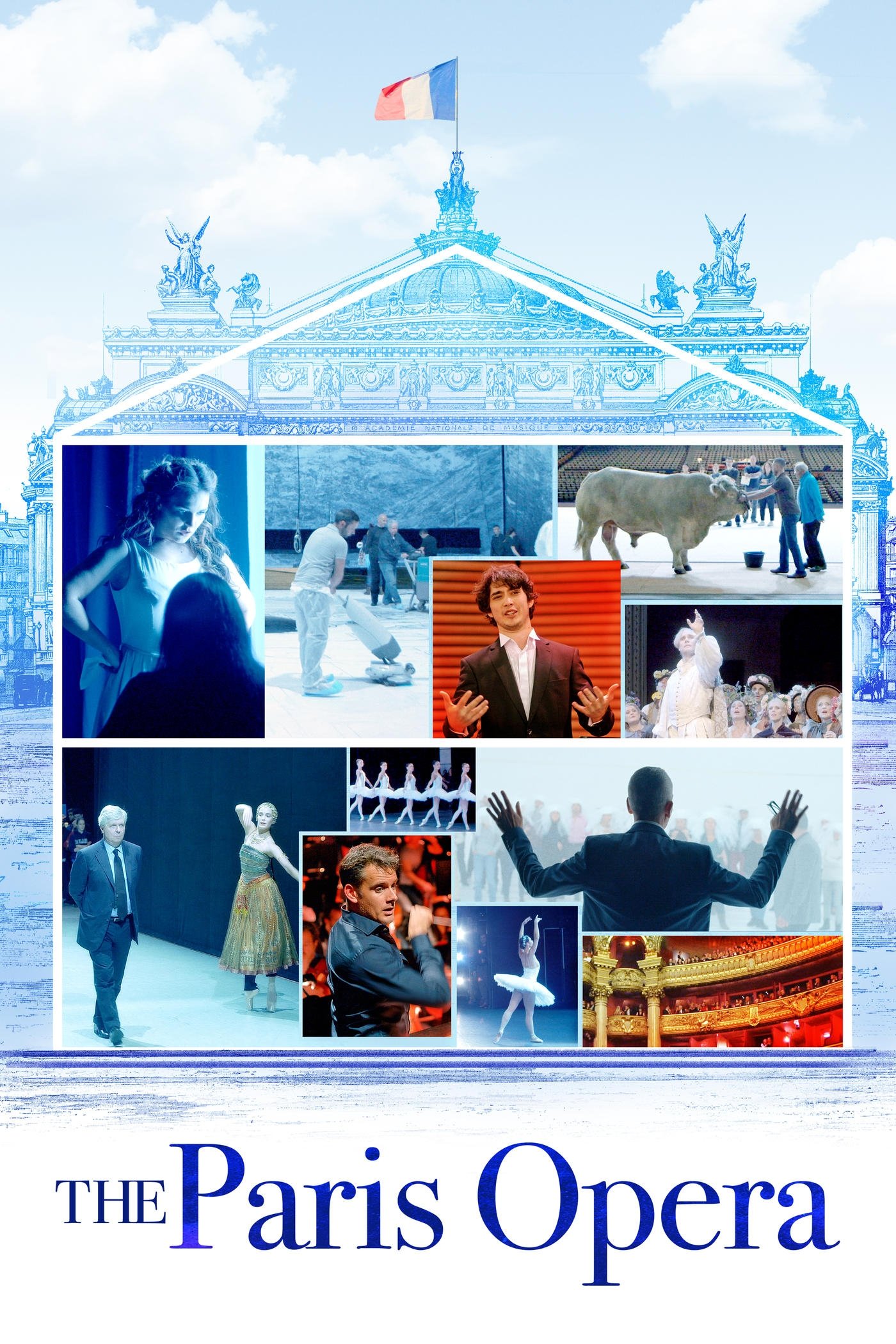
A behind-the-scenes look at the of how the Paris Opera is run under the direction of Stephane Lissner.
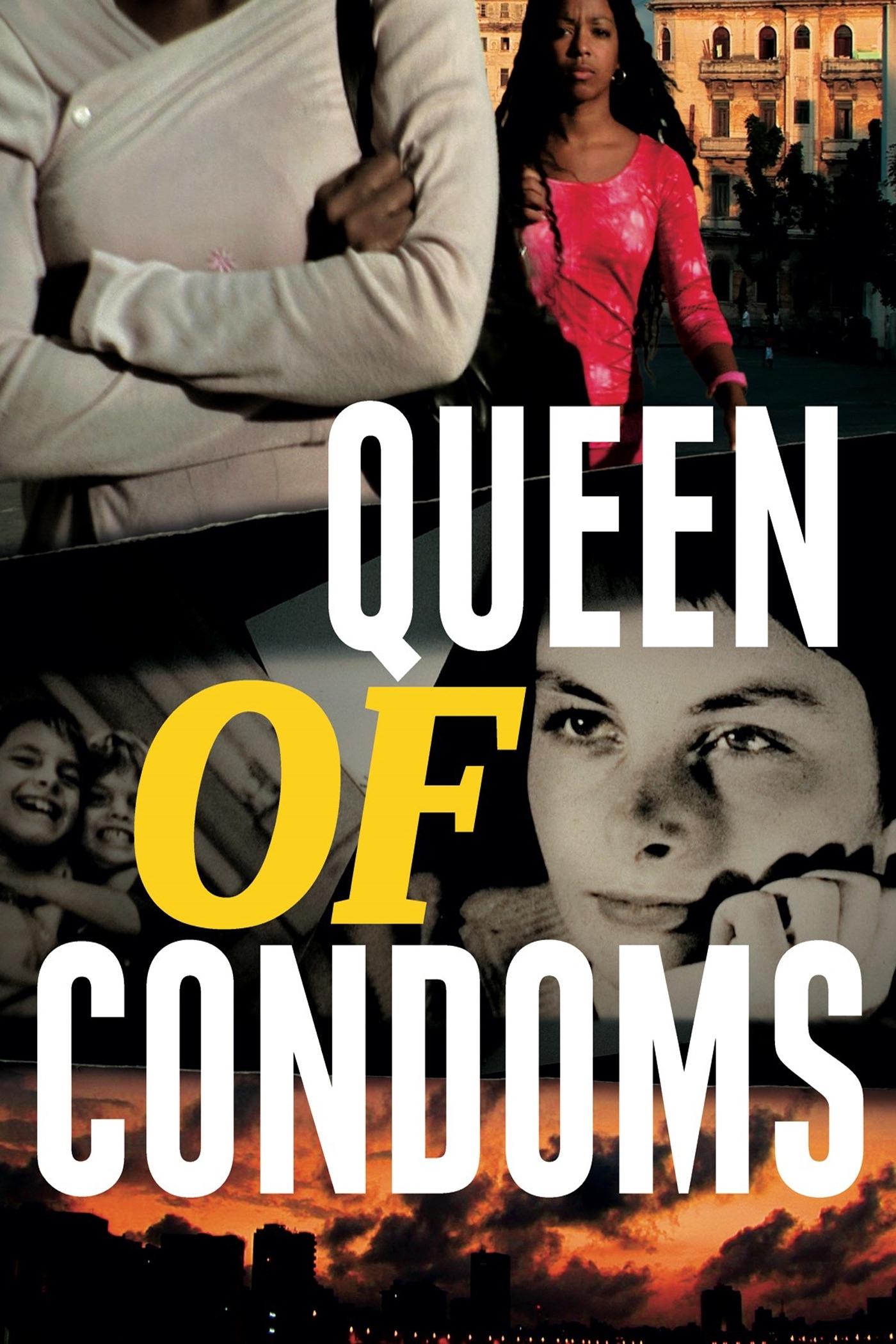
Ceschi and Stamm's documentary tells the incredible story of Monika Krause, a former East German citizen, who became Fidel Castro's Sexual Education Minister. After 20 years in Cuba, Krause set the Cuban sexual revolution in motion: in favor of a woman's right to sexual fulfillment and legal abortion, and against exclusion of homosexuals, she acquired the title "Queen of Condoms". A film about potent female agitators, staunch macho men and Caribbean love lives.
Documentary account of a man’s life in the face of imminent death – Francisco Varela's story told affectionately and gently, touchingly and astutely. Varela spent his life building bridges: between Western science and Eastern wisdom, neurobiology and philosophy, abstract theory and practical life. This film seeks to deconstructs the prevailing division between science and art.
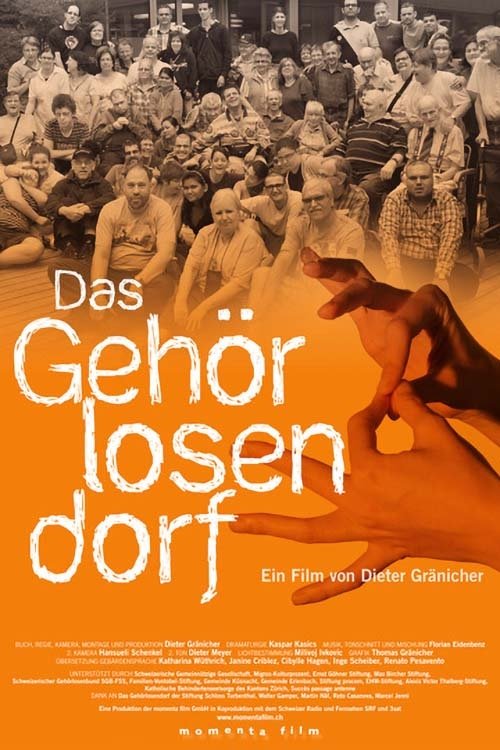
For a month, filmmaker Dieter Gränicher lives in an institution, in the village community of the deaf. As an attentive and increasingly familiar observer, he gets closer and closer to the village's inhabitants, who often suffer from a variety of handicaps, as they go about their daily lives. The film tells the story of the nuances and vivacity of sign language. It portrays human beings who, with great expressive power, overcome the limitations imposed on them by their disability, deeply touching the person opposite.
An inside look at one of the most anticipated movie sequels ever with James Cameron and cast.
In an intimate and joyful story of love in the face of loss, celebrated poets Andrea Gibson and Megan Falley find strength—and unexpected hilarity—in what might be their final year together.
The film follows adventurer Jeff Johnson as he retraces the epic 1968 journey of his heroes Yvon Chouinard and Doug Tompkins to Patagonia.
Over 35 years after Bob Lazar's revelations, this documentary exposes secrets of a facility the government still denies. Featuring Lazar's testimony, recreations, and new evidence, it reopens a case that continues to spark global curiosity
A string of threatening emails escalates into a revenge plot involving a newly married US marshal and his ex-girlfriend.
This revealing documentary honors the legendary Sidney Poitier—iconic actor, filmmaker, and civil rights activist. Featuring interviews with Denzel Washington, Spike Lee, Halle Berry, and more.
Alex Gibney explores the charged issue of pedophilia in the Catholic Church, following a trail from the first known protest against clerical sexual abuse in the United States and all way to the Vatican.
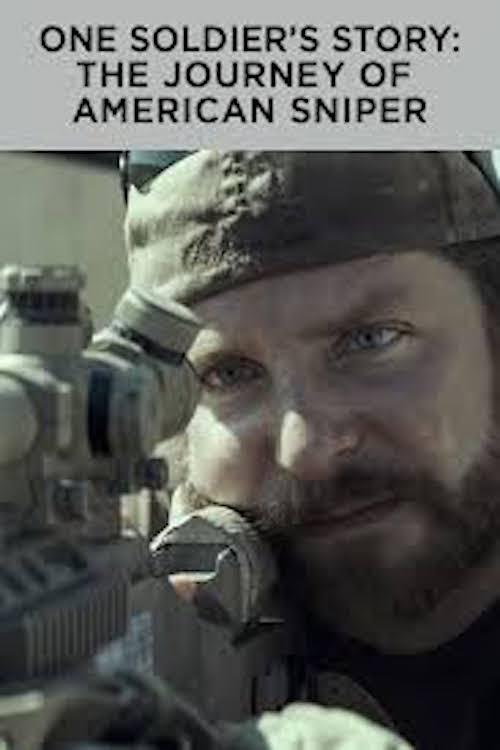
Join director Clint Eastwood and his creative team, along with Bradley Cooper and Sienna Miller, as they overcome enormous creative and logistic obstacles to make a film that brings the truth of Navy SEAL Chris Kyle's story to the screen.
A documentary that explores the downloading revolution; the kids that created it, the bands and the businesses that were affected by it, and its impact on the world at large.
A subjective documentary that explores various theories about hidden meanings in Stanley Kubrick's classic film The Shining. Five very different points of view are illuminated through voice over, film clips, animation and dramatic reenactments.
A documentary on the expletive's origin, why it offends some people so deeply, and what can be gained from its use.
Through deeply personal interviews with her siblings and an examination of the photographs, letters, and belongings left behind, Mariska assembles a new portrait of her mother Jayne Mansfield, an extraordinary and complex woman.
Brilliant, long in-the-works story of the life and art of the world's greatest comedian and the cinema's first genius, Charlie Chaplin. Produced, written and directed by renowned film critic Richard Schickel.
A visual montage portrait of our contemporary world dominated by globalized technology and violence.
Alexander McQueen's rags-to-riches story is a modern-day fairy tale, laced with the gothic. Mirroring the savage beauty, boldness and vivacity of his design, this documentary is an intimate revelation of McQueen's own world, both tortured and inspired, which celebrates a radical and mesmerizing genius of profound influence.
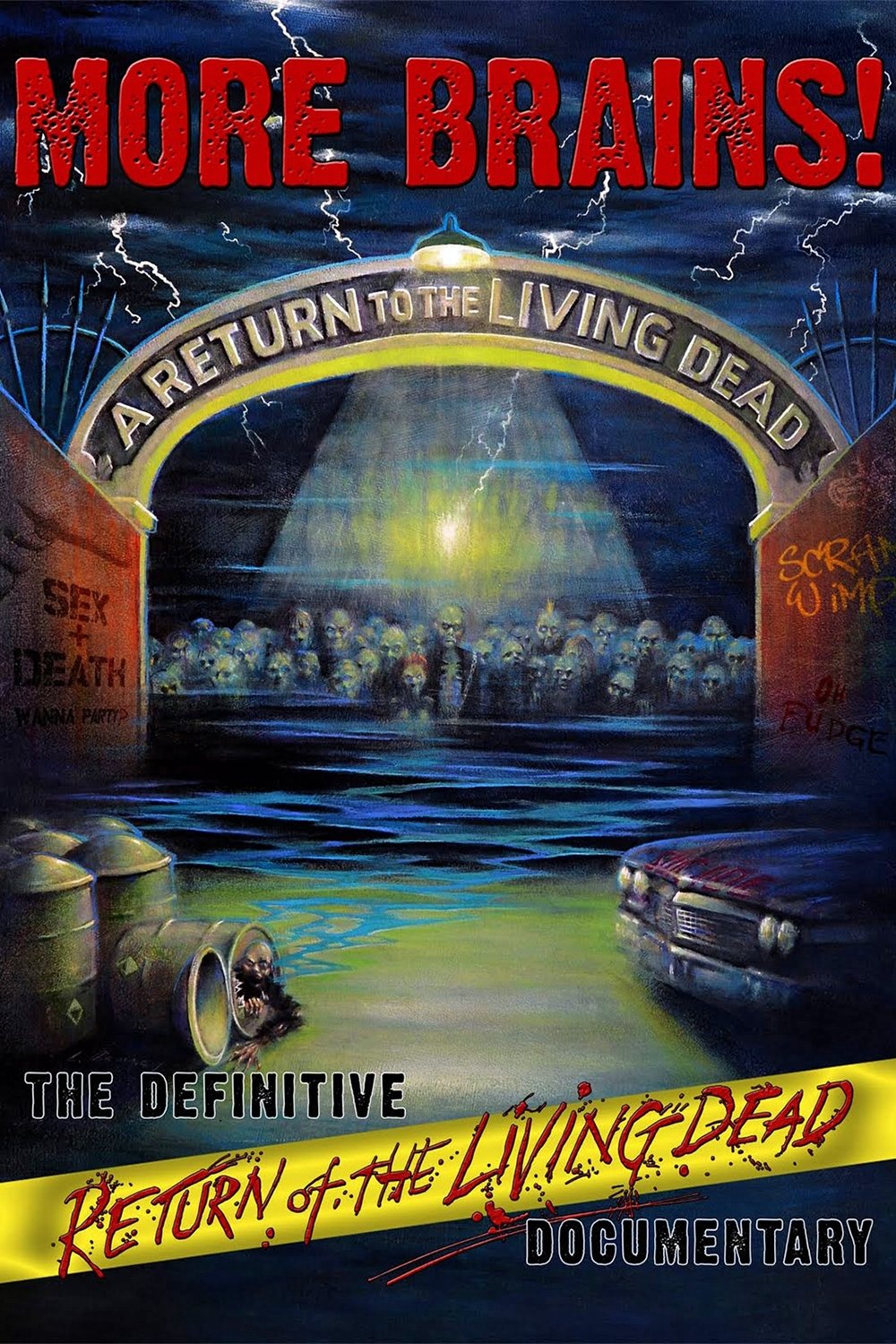
Retrospective documentary about the making of the horror cult classic "The Return of the Living Dead."
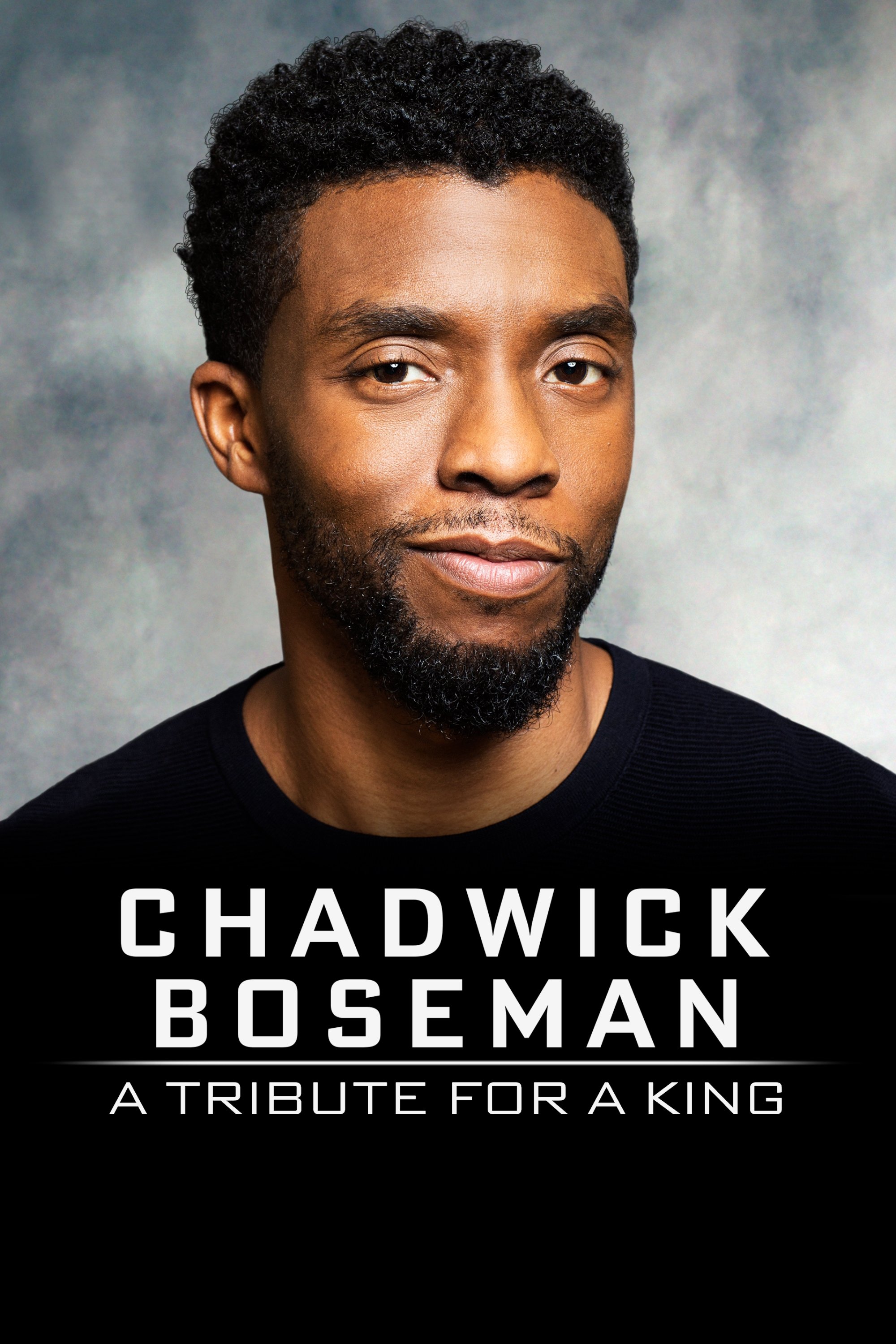
A tribute to Chadwick Boseman, celebrating his life and legacy.
A documentary about the life and films of director John Ford.
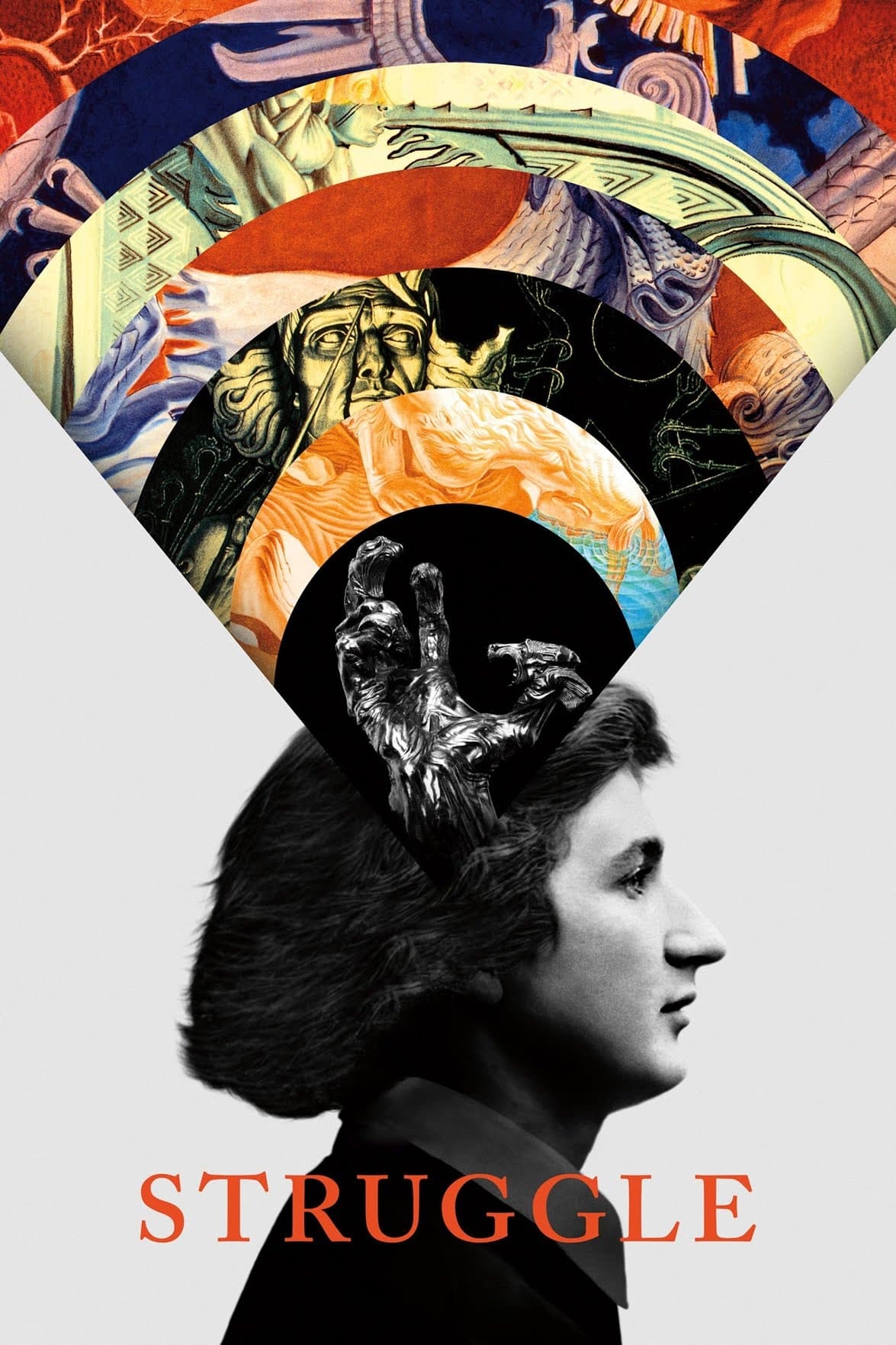
Artists in LA discover the work of forgotten Polish sculptor Stanislav Szukalski, a mad genius whose true story unfolds chapter by astounding chapter.
SEDUCED AND ABANDONED combines acting legend Alec Baldwin with director James Toback as they lead us on a troublesome and often hilarious journey of raising financing for their next feature film. Moving from director to financier to star actor, the two players provide us with a unique look behind the curtain at the world's biggest and most glamourous film festival, shining a light on the bitter-sweet relationship filmmakers have with Cannes and the film business. Featuring insights from directors Martin Scorsese, 'Bernando Bertolucci' and Roman Polanski; actors Ryan Gosling and Jessica Chastain and a host of film distribution luminaries.