Social & External
The people behind it
Maurizio Zanolla Manolo
Fausto De Stefani
Enrico Camanni
Andrea Miserocchi
Remo Ballardini
Giorgio Vallortigara
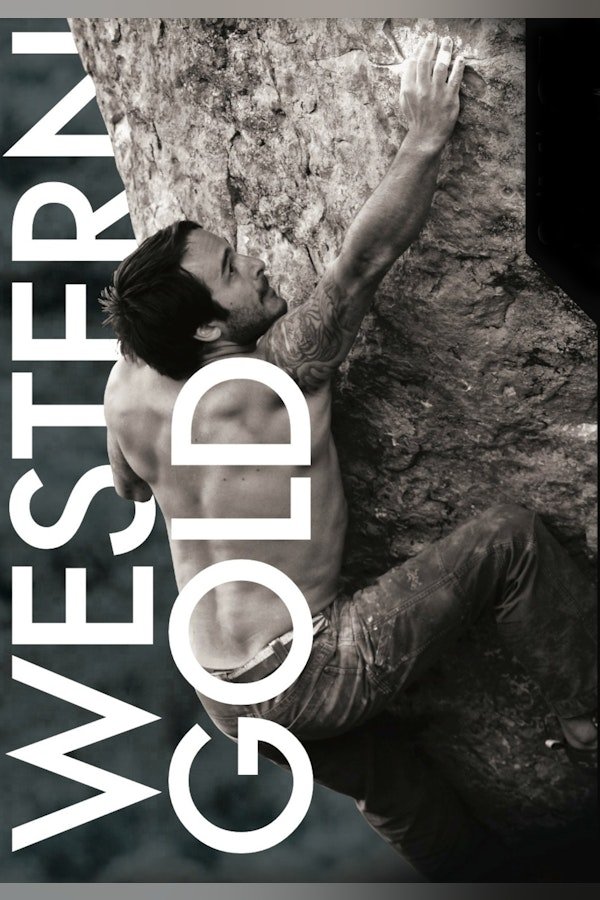
Join Savage Films on an adventure in search of the best highball boulders on the West Coast of North America. Phenomenal cinematography takes you to five new world-class locales: Red Rocks NV, Leavenworth WA, Squamish BC, Cody WY, and Castle Rocks ID. Western Gold provides a thrilling view of the bouldering experience when climbers commit to harder moves higher and higher off the ground. From the hardest to the tallest the West Coast has to offer, get ready to see something new.
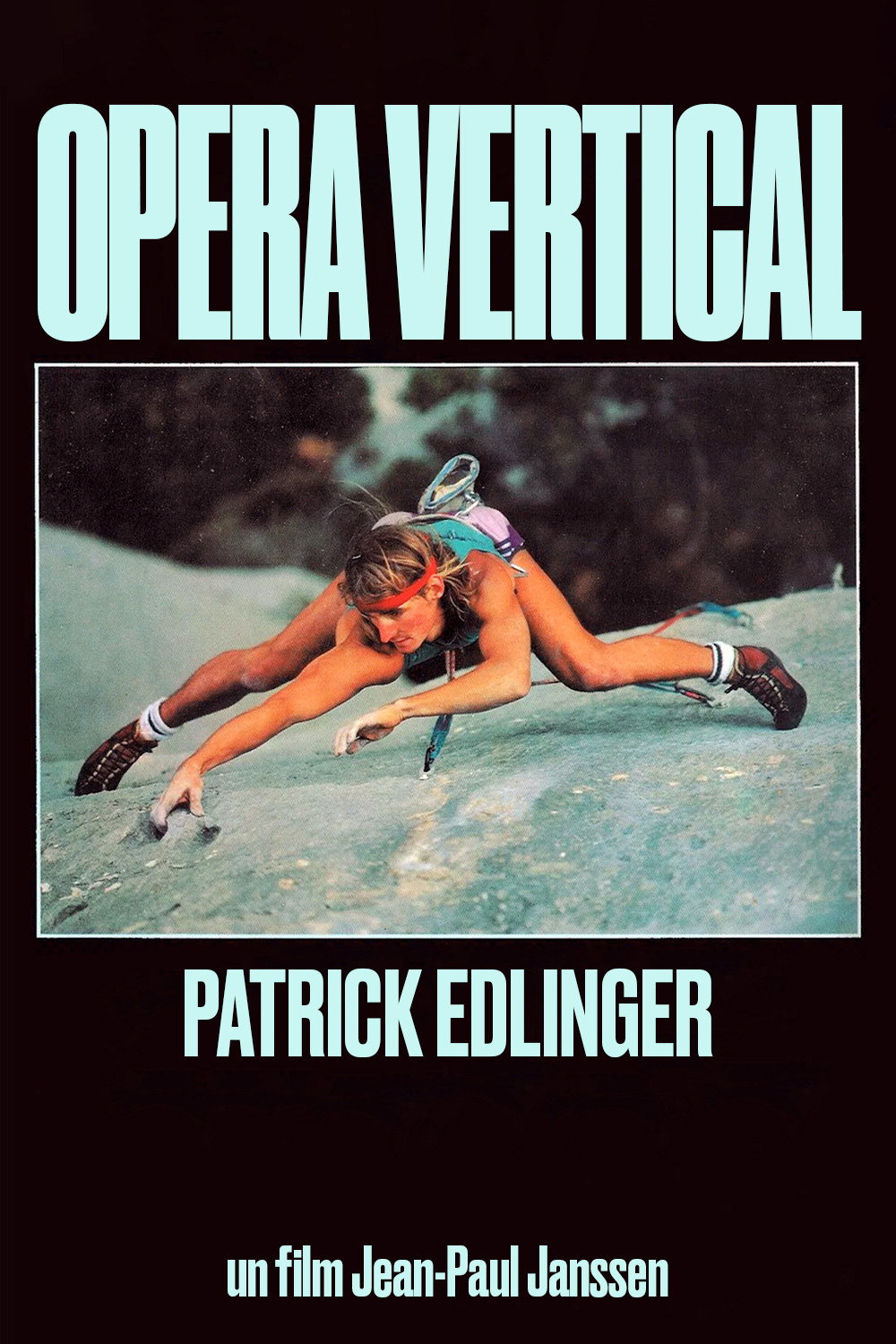
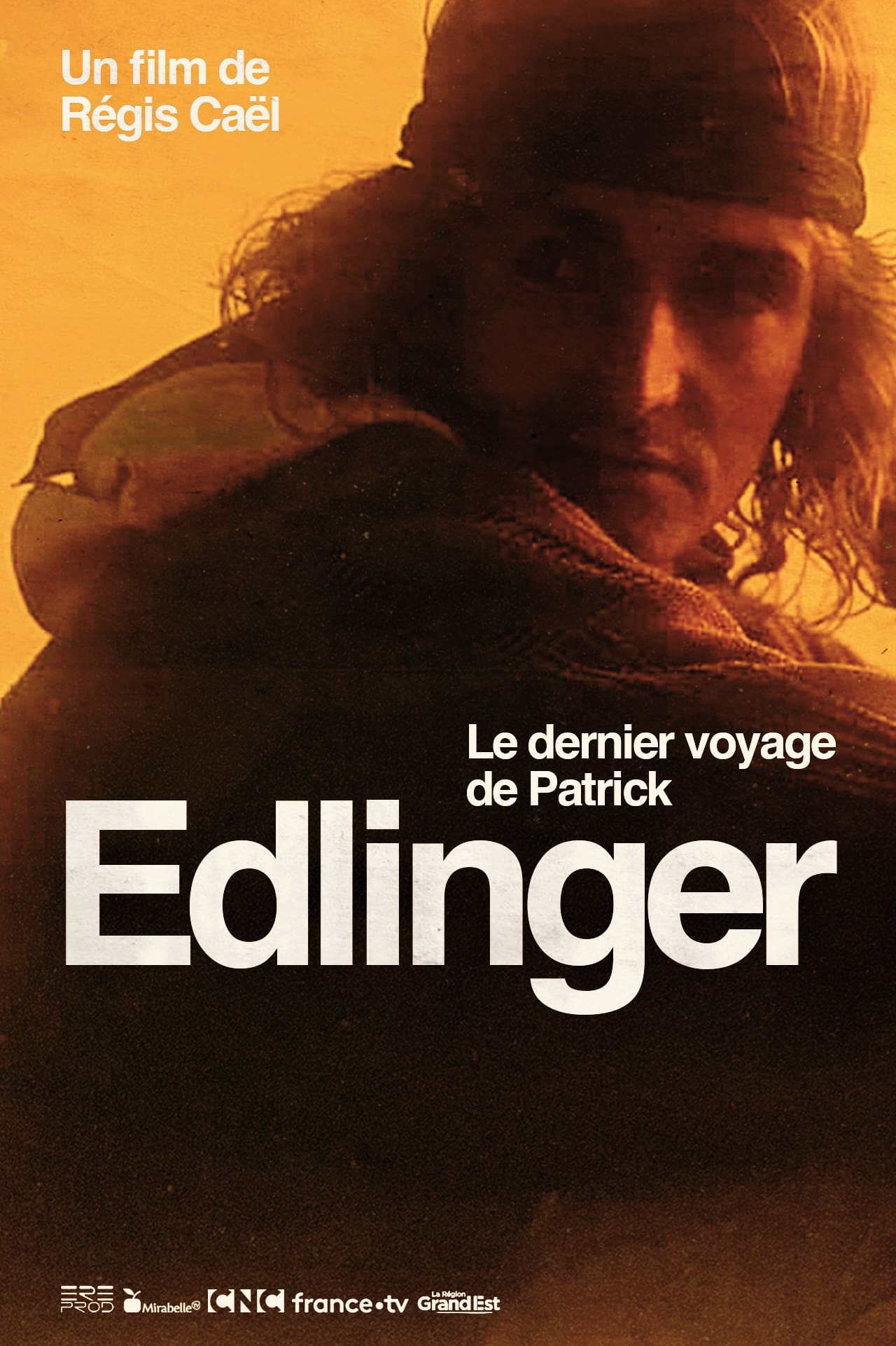
Vertical Opera is a documentary film directed by Jean-Paul Janssen, with climbers Patrick Edlinger and Jean-Paul Lemercier in the Gorges du Verdon. The film opens with a training sequence of Patrick Edlinger then he links the routes with Jean-Paul Lemercier "L'Ange en décongelation" (7a), in which he falls voluntarily to demonstrate the usefulness of the rope, then "Le Septième Saut" (7b+). Finally, the final scene, an anthology, consists of a close-up of Edlinger who climbs free solo and barefoot the route "Débiloff", still in the Verdon, above hundreds of meters of void, all to lyrical music. It is "Wie Furchtsam Wankten Meine Schritte", the aria for alto voice from Johann Sebastian Bach's cantata BWV 33, music not unrelated to the subject of the documentary: "How faltering and fearful my steps were".
Among the last unclimbed peaks on earth there stands a little-known mountain in a remote region of China. Follow a climbing expedition as they make three attempts over the span of three years to summit the 6060-meter Yangmolong Mountain.
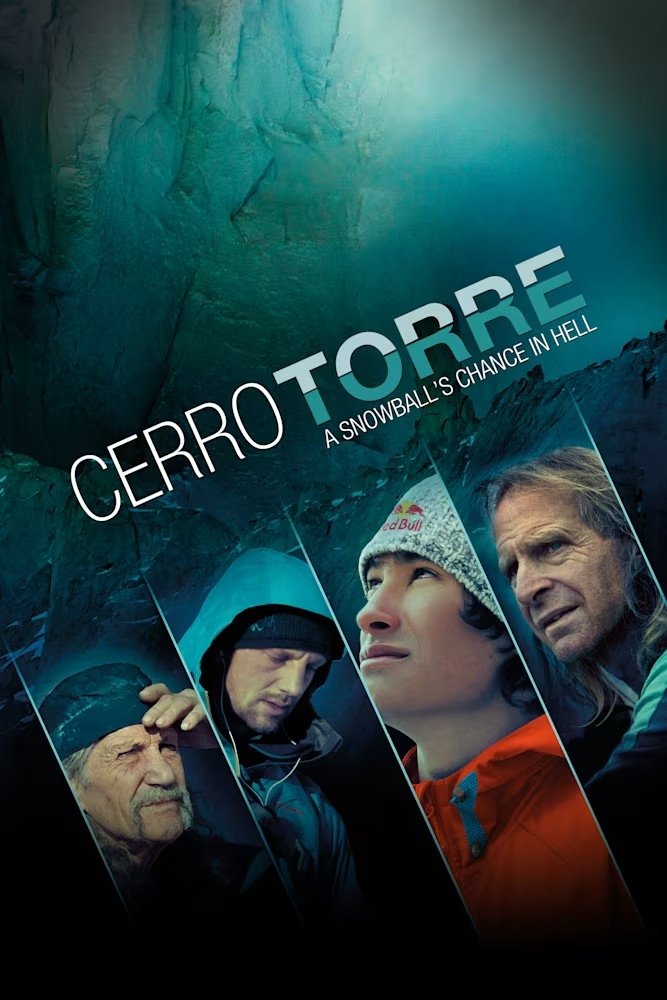
Movie about David Lama climbing the Patagonian mountain Cerro Torre for the first time free, a mountain that has been dubbed the most difficult to climb in the world.
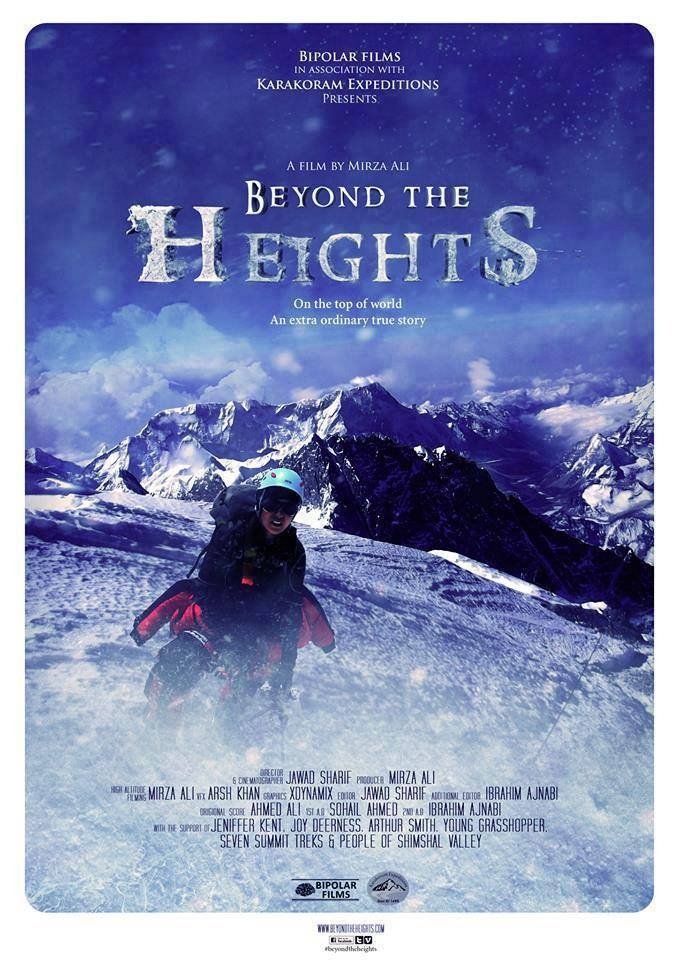
A documentary about a young Pakistani Mountaineer Samina Baig,who became first Pakistani woman to summit Mount Everest at the age of 22.
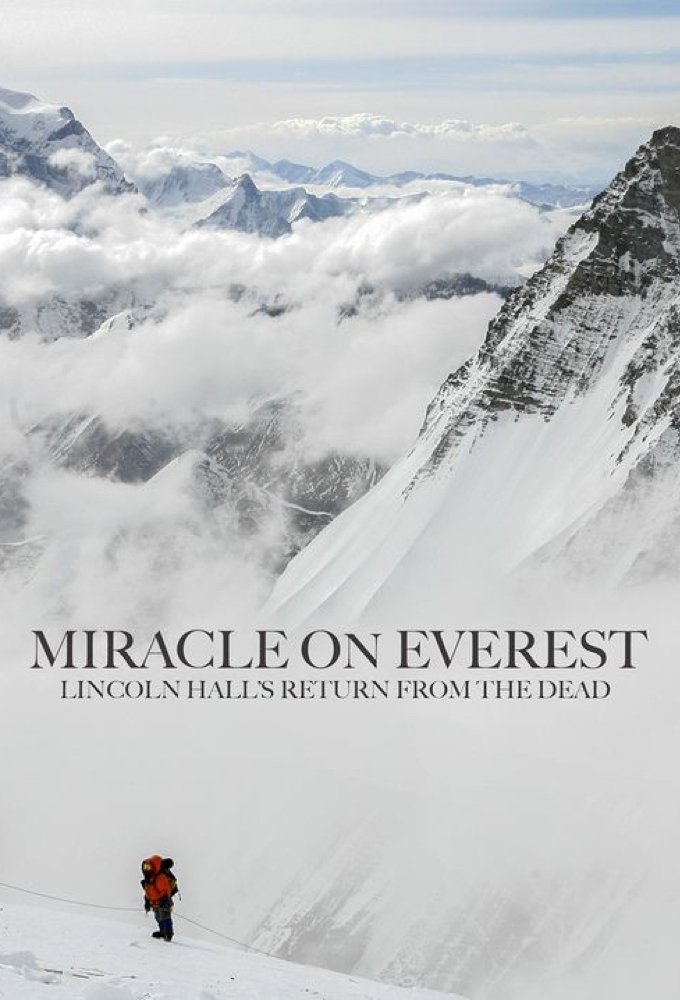
2006 was one of the deadliest Everest seasons on record. Experienced mountaineer Lincoln Hall was invited to join an expedition as a high altitude cameraman. It was his second attempt to summit the mountain, having turned back just short 22 years earlier. Shortly after reaching the summit, Hall began to behave irrationally, suffering from lack of oxygen. Aided by his loyal Sherpas for over 9 hours, he eventually collapsed and they declared him dead. His family were informed and the news hit headlines. But something happened that night that science cannot explain. The next morning Lincoln Hall was found alive by approaching climbers and his dramatic rescue began. Never before has a man been declared dead so high on Everest and survived. This is the remarkable true story of Lincoln Hall’s extraordinary journey back from beyond.
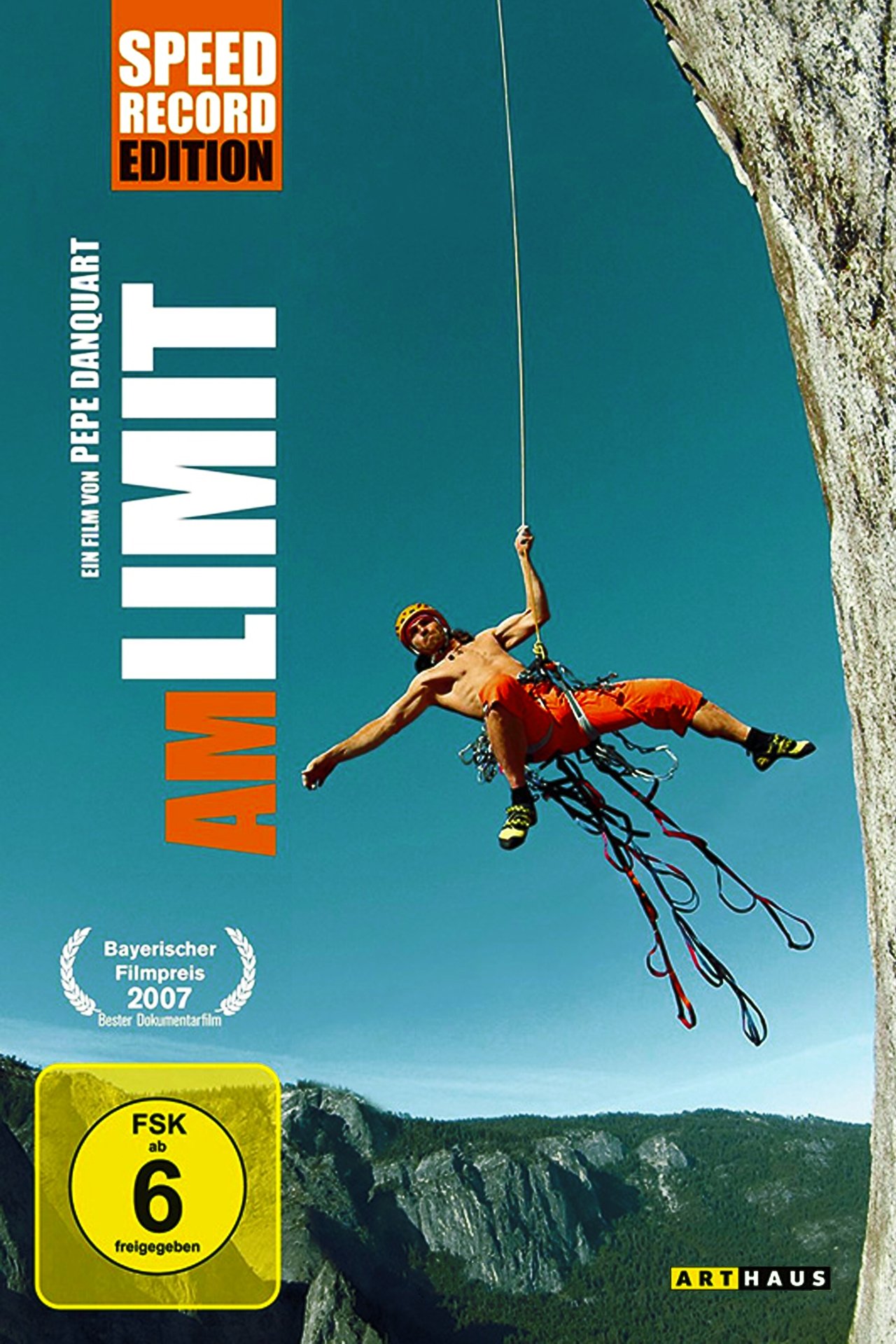
At the Limit is a documentary about extreme climbing. In this sports documentary, Pepe Danquart shows brothers Thomas and Alexander Huber climbing in Patagonia and on the granite rock "El Capitan" in Yosemite Valley (USA). A key part of the film is their attempt at a speed ascent of the 1,000-meter-high route "The Nose," in which the two athletes aim to break the then speed record of 2:48:30 hours, set by Hans Florine and Yuji Hirayama in September 2002.
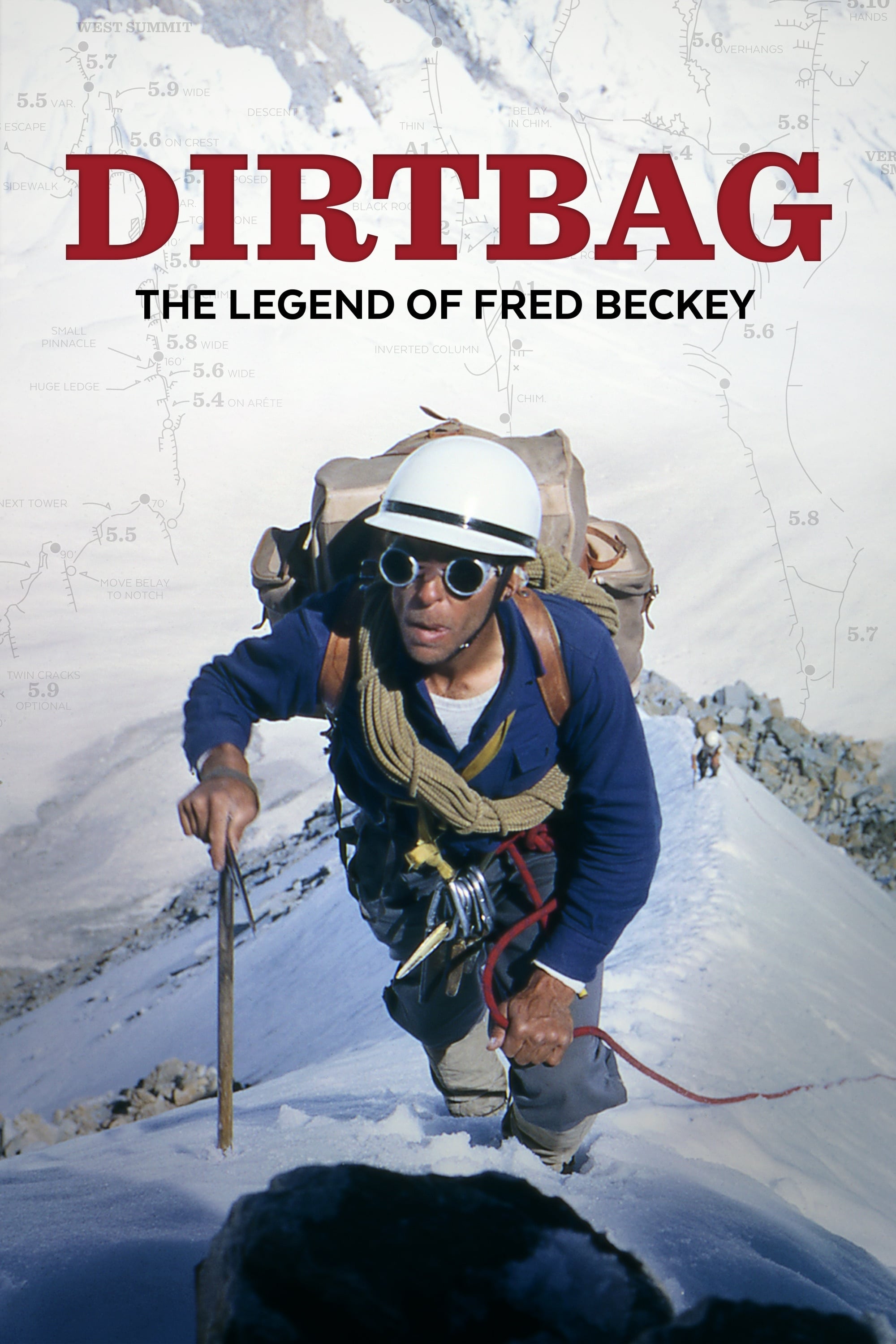
Fred Beckey is the legendary American "Dirtbag" mountaineer whose name is spoken in hushed tones around campfires. This rebel climber's pioneering ascents and lifestyle form an iconic legacy that continues to inspire generations.
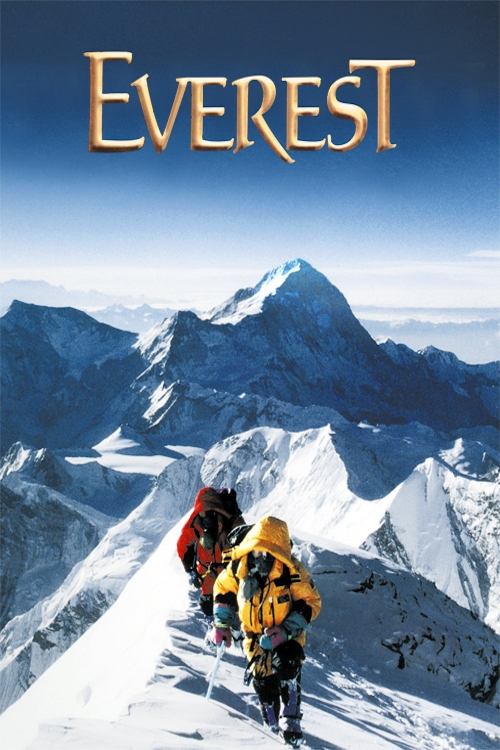
An international team of climbers ascends Mt. Everest in the spring of 1996. The film depicts their lengthy preparations for the climb, their trek to the summit, and their successful return to Base Camp. It also shows many of the challenges the group faced, including avalanches, lack of oxygen, treacherous ice walls, and a deadly blizzard.
Alex Txikon, internationally renowned mountaineer, is launching a new winter expedition in 2021 to Manaslu (Nepal). It is the first non-polluting ascent, powered by solar panels. With this sustainable system, which reduces the energy footprint in accordance with the Paris Agreements, the EKI Foundation is beginning its work of solidarity. Alex is going to learn about the work developed by the Foundation in Sierra Leone, where they provide solar energy systems that enable energy autonomy in schools and hospitals. Txikon proposes to replicate this idea in a very special school in the Diamer Valley in Pakistan, the Günter Mountain School, uniting two different but at the same time equal cultures.
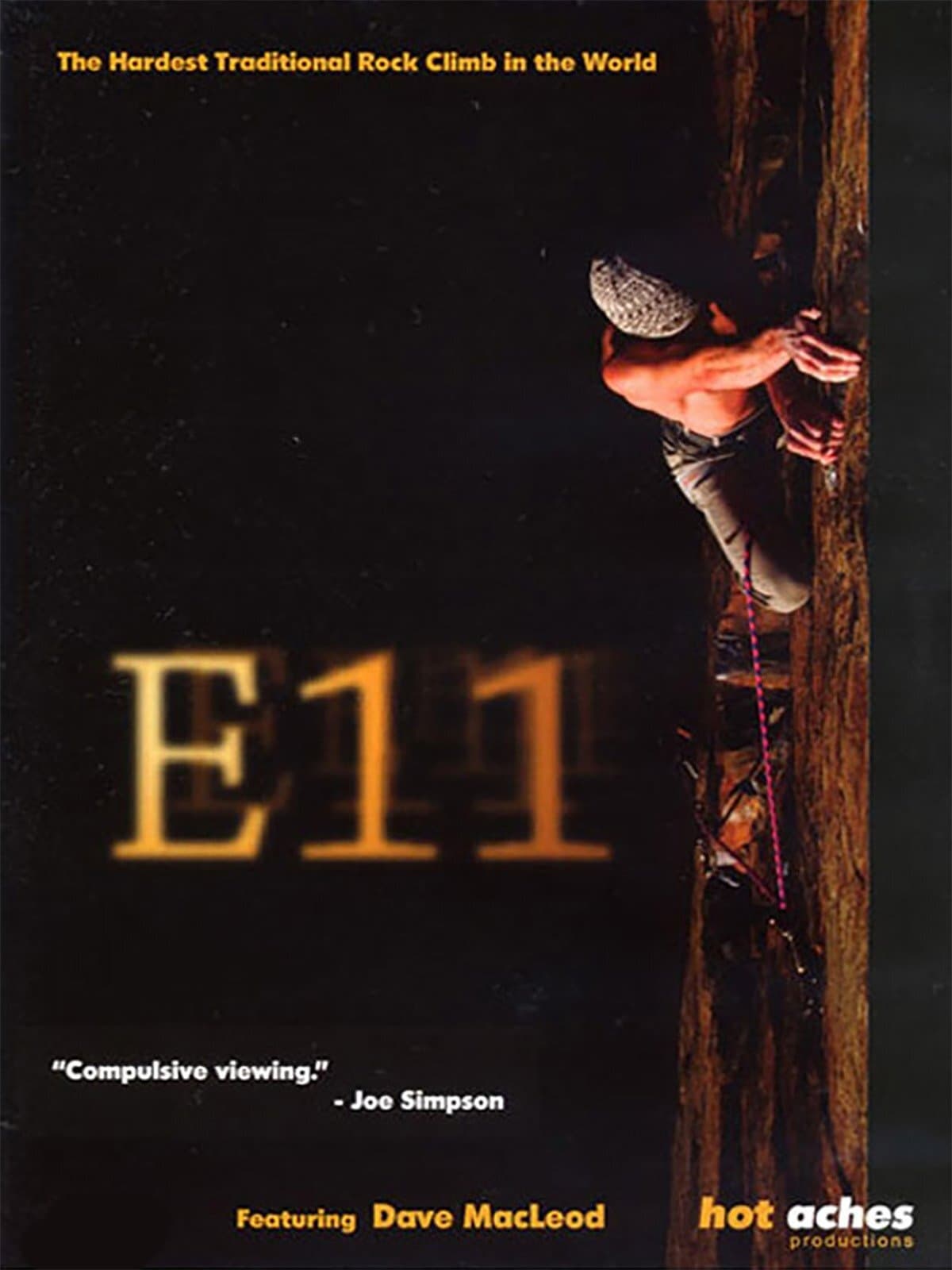
The story of the first ascent of Rhapsody at Dumbarton Rock, the world's first E11 and hardest traditional rock climb. Huge falls, injuries, tears and eventually success!
On 15 May, 2006, double amputee Mark Inglis reached the summit of Mt Everest. It was a remarkable achievement and Inglis was feted by press and public alike. But only a few days later he was plunged into a storm of controversy when it was learned that he had passed an incapacitated climber, Englishman David Sharp, leaving him to a lonely end high in the Death Zone.
Blind climber Erik Weihenmayer and his team's highly successful ascent of Mount Everest along with four other remarkable milestones on the mountain. Time magazine called this the most successful Everest expedition of all time.
A short documentary about freestyle skiing made for the New Zealand Tourist and Publicity Department.
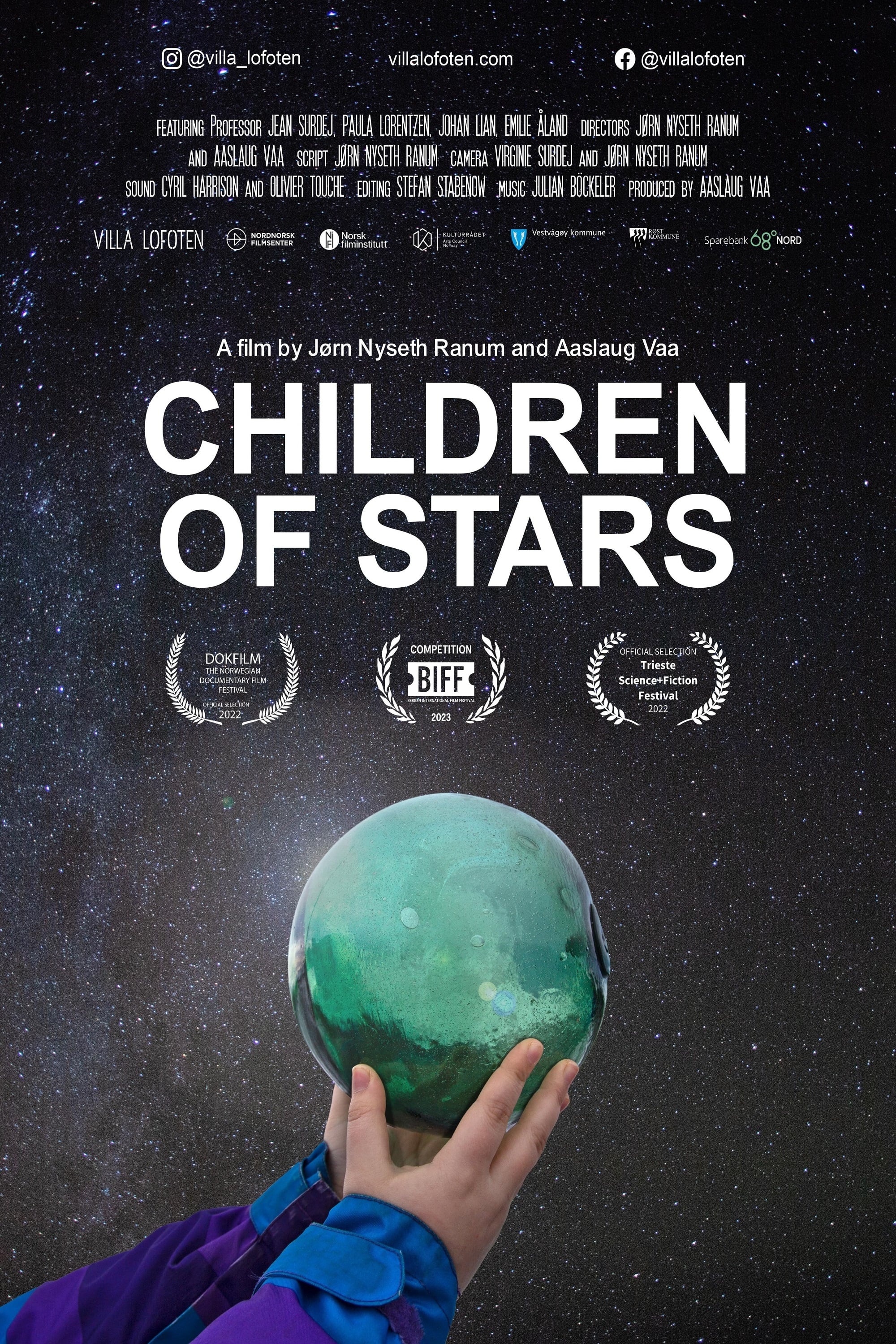
Astrophysicist Jean Surdej brings a small group of teenage pupils on a trip to the Lofoten islands in northern Norway, for a very special class on the solar system. Using the geography of the archipelago to illustrate the distances between the planets, they journey through space by car and ferry, with the picturesque landscapes standing in for the black emptiness that surround the heavenly bodies. A masterstroke of both pedagogy and filmmaking, Children of Stars is a captivating documentary about humanity's place in the grand scheme of things.
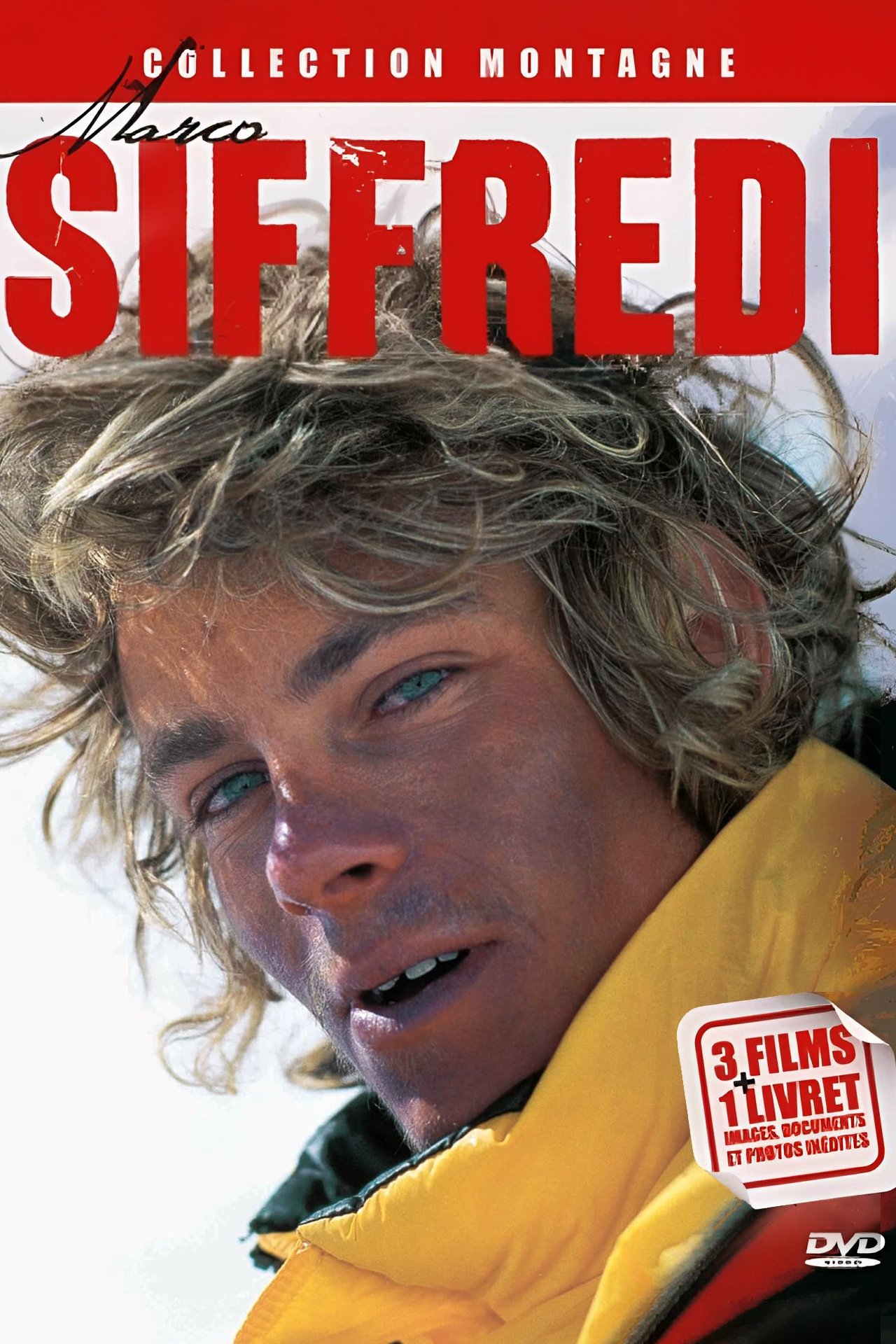
Avid for steep slopes, Marco Siffredi (1979-2002) obeys only one rule: not to fall. This gifted kid with hair sometimes blond peroxidized, green or blue clashed in his valley: Chamonix, mecca of mountaineering. His thing was to go up and down on a snowboard. . 90 minutes September 8, 2002, altitude 8848 meters, rare oxygen, his head already brushing the sky and his snowboard running, Marco Siffredi, 23, rushes from the summit of Everest in the Horbein corridor and its slopes at 50 degrees . A year earlier, he had already made the first descent of the mountain on a snowboard. But there remains another corridor… more direct. It's not a challenge, just a reason to be... However, that day, at the top of the roof of the world, his trace is lost...
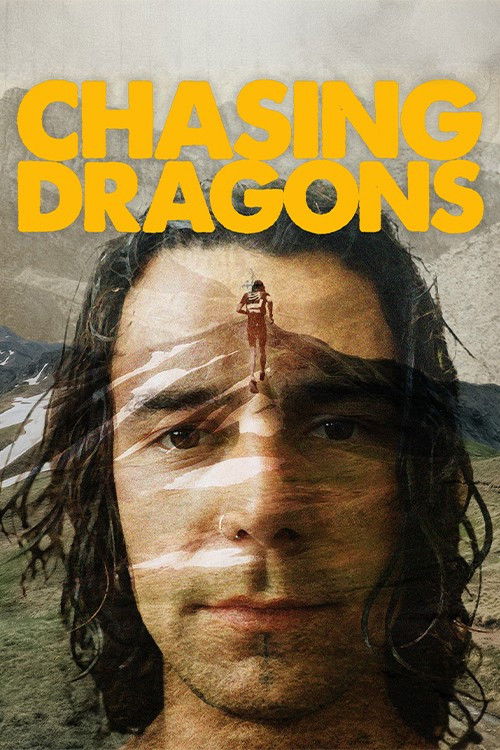
In 2023, Theodoros Ziakas and a group of friends created the “Dragon Trail,” a unique route through the mountains and rivers of Epirus—one of Europe’s last unspoiled landscapes. But in this region, the ecosystem and its vital lifelines face imminent risk of destruction. The film follows Akis Ziakas, a long-distance athlete who lives and trains in this enchanting setting. Drawing on his ultramarathon experience, Akis sets out to establish a new mountaineering trail connecting the three famous dragon lakes. The route pushes him to his physical and psychological limits, as he battles his inner demons while striving to complete the journey—one that unfolds amid breathtaking natural beauty, forging a profound connection between man and nature.
In 2019, Nepalese mountain climber Nirmal “Nims” Purja set out to do the unthinkable by climbing the world’s fourteen highest summits in less than seven months. (The previous record was eight years). He called the effort “Project Possible 14/7” and saw it as a way to inspire others to strive for greater heights in any pursuit. The film follows his team as they seek to defy naysayers and push the limits of human endurance.
The life of Canadian mountain climber Marc-André Leclerc as he pushes the boundaries of climbing while on an expedition to Patagonia.
With unprecedented access to the official archives and intimate recollections from the band, both current and past, Iron Maiden: Burning Ambition invites fans to experience one of the most iconic journeys in music history. Spanning five decades, this electrifying documentary charts the band’s rise from the pubs of East London to the world’s biggest stadiums. Featuring exclusive interviews with band members and contributors such as Javier Bardem, Lars Ulrich and Chuck D, as well as all-new animated sequences of the band's legendary mascot, Eddie, the film offers a rare and intimate look at Iron Maiden’s uncompromising vision and unwavering connection with their truly global army of fans.
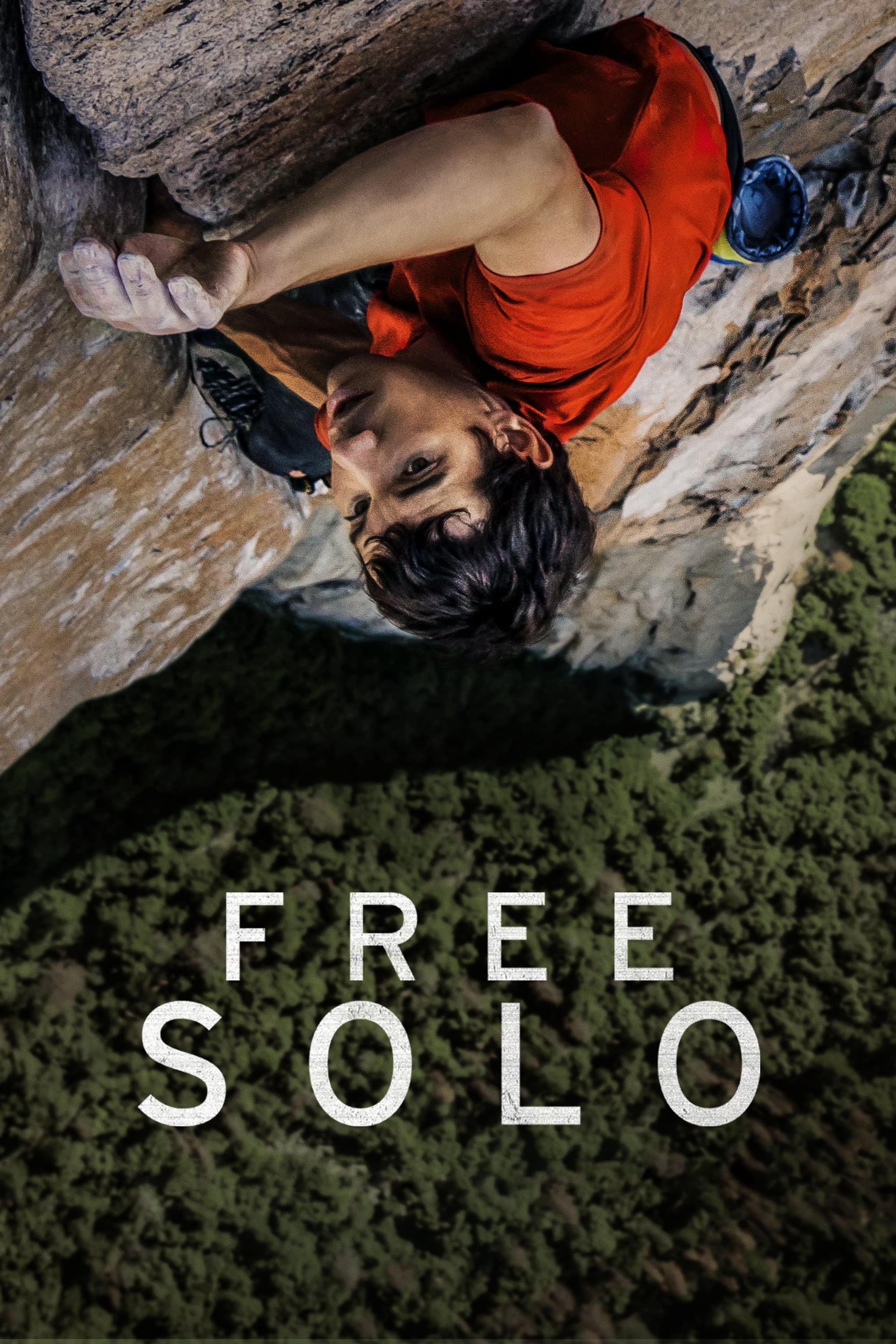
Follow Alex Honnold as he attempts to become the first person to ever free solo climb Yosemite's 3,000 foot high El Capitan wall. With no ropes or safety gear, this would arguably be the greatest feat in rock climbing history.
The film follows adventurer Jeff Johnson as he retraces the epic 1968 journey of his heroes Yvon Chouinard and Doug Tompkins to Patagonia.
A string of threatening emails escalates into a revenge plot involving a newly married US marshal and his ex-girlfriend.
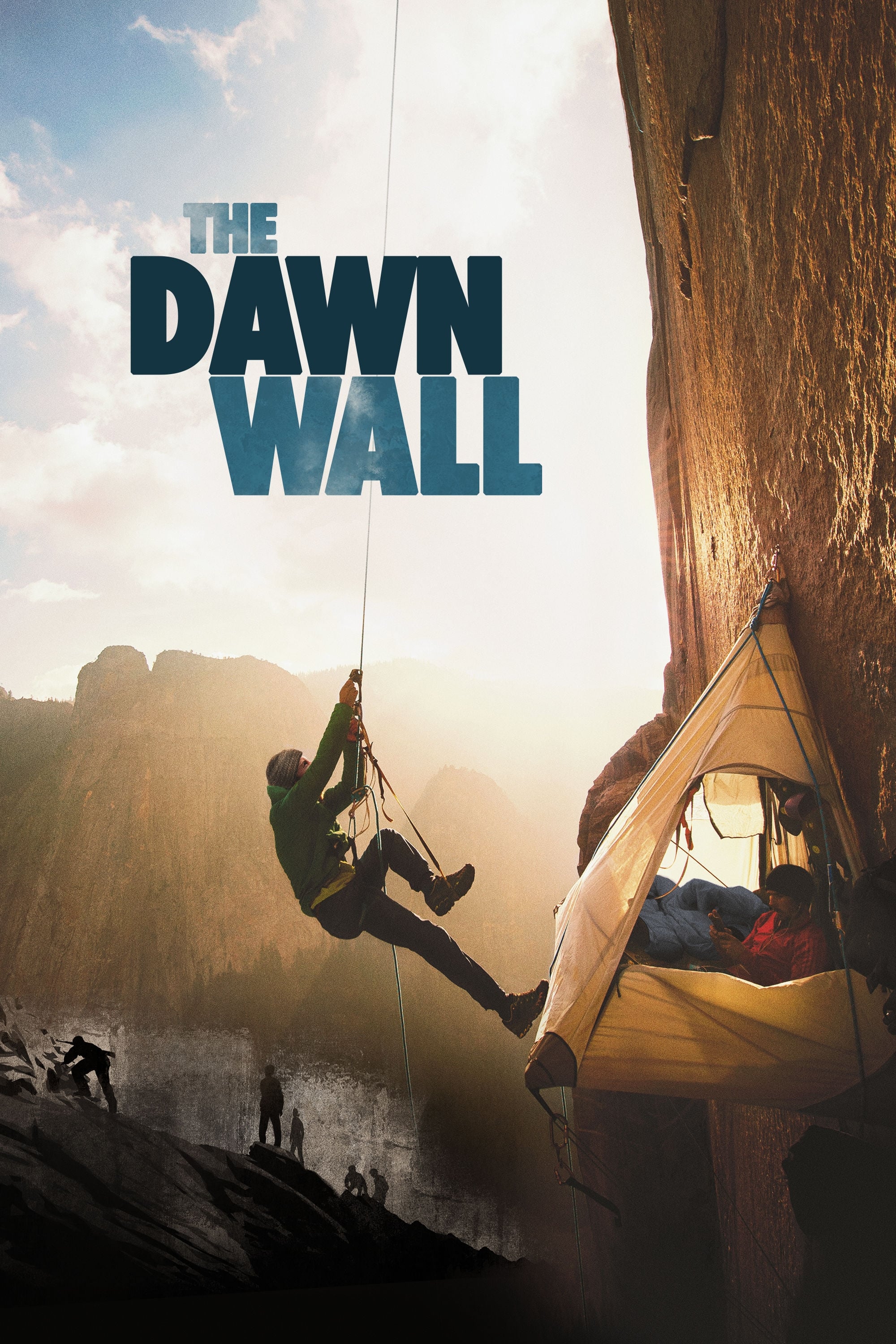
The definitive film on the climb that captured headlines and ignited imaginations worldwide. Tommy Caldwell and Kevin Jorgeson ascend the hardest big wall of all time: a 19 day ascent of The Dawn Wall, on the 3,000 foot vertical face of El Capitan, in Yosemite National Park. The film travels deeper than the climb, digging into the history of the climbers and painting an intimate portrait of Caldwell's harrowing life experiences that culminated in a single-minded drive to complete this impossible climb. The Dawn Wall is a heart-warming and inspiring movie that celebrates perseverance, camaraderie, and the universal spirit of dreaming big, and never giving up.
An inside look at one of the most anticipated movie sequels ever with James Cameron and cast.
Ten of Muhammad Ali's former rivals pay tribute to the three-time world heavyweight champion.
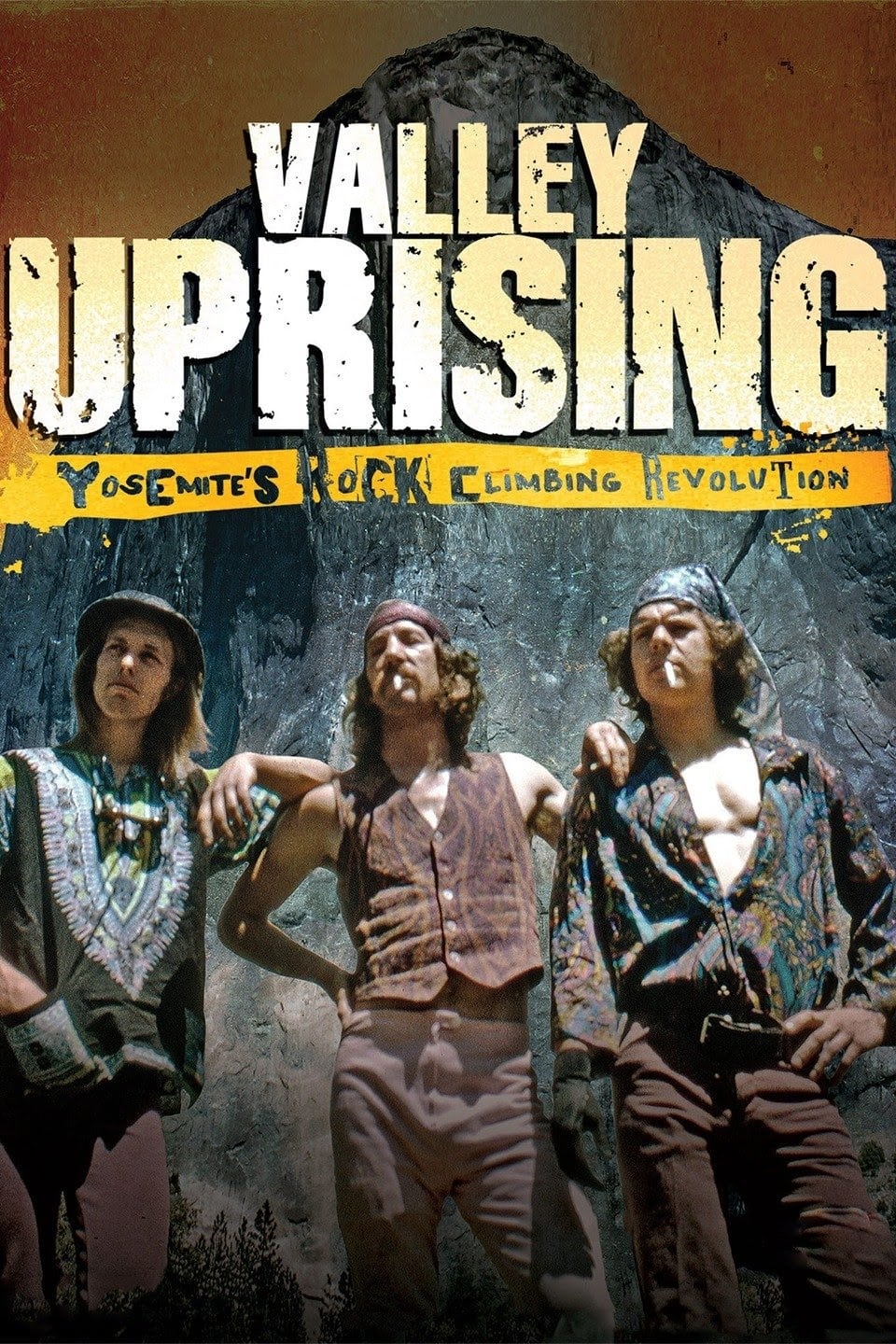
In the shady campgrounds of Yosemite valley, climbers carved out a counterculture lifestyle of dumpster-diving and wild parties that clashed with the conservative values of the National Park Service. And up on the walls, generation after generation has pushed the limits of climbing, vying amongst each other for supremacy on Yosemite's cliffs. "Valley Uprising" is the riveting, unforgettable tale of this bold rock climbing tradition in Yosemite National Park: half a century of struggle against the laws of gravity -- and the laws of the land.
This special explores the return of Obi-Wan Kenobi and Anakin Skywalker to the screen, as well as Ewan McGregor and Hayden Christensen to their classic roles. Director Deborah Chow leads the cast and crew as they create new heroes and villains that live alongside new incarnations of beloved Star Wars characters, and an epic story that dramatically bridges the saga films.
Martin Scorsese's documentary intertwines footage from The Band's incredible farewell tour with probing backstage interviews and featured performances by Eric Clapton, Bob Dylan, Joni Mitchell, Van Morrison, and other rock legends.
Join the likes of Jeremy Renner, Hailee Steinfeld, Florence Pugh, and Vincent D’Onofrio as they reveal how Marvel Studios’ “Hawkeye” was conceived and created. Witness firsthand what it took to pull off the show’s pulse-pounding action set pieces, and discover how iconic characters from the pages of Marvel Comics such as Kate Bishop were adapted and brought to life for the six-episode series.
14-year-old Laura Dekker sets out on a two-year voyage in pursuit of her dream to become the youngest person ever to sail around the world alone.
Those who knew iconic funnyman John Candy best share his story, in their own words, through never-before-seen archival footage, imagery, and interviews.
Naples, Trajan's district. Initially it was intended for the inhabitants of the shantytowns on the seafront of Naples, who were homeless after the war. But it soon became a kind of ghetto. Alessandro and Pietro are two teenagers who film with an iPhone to tell their difficult neighborhood, their daily life, the friendship that binds them.
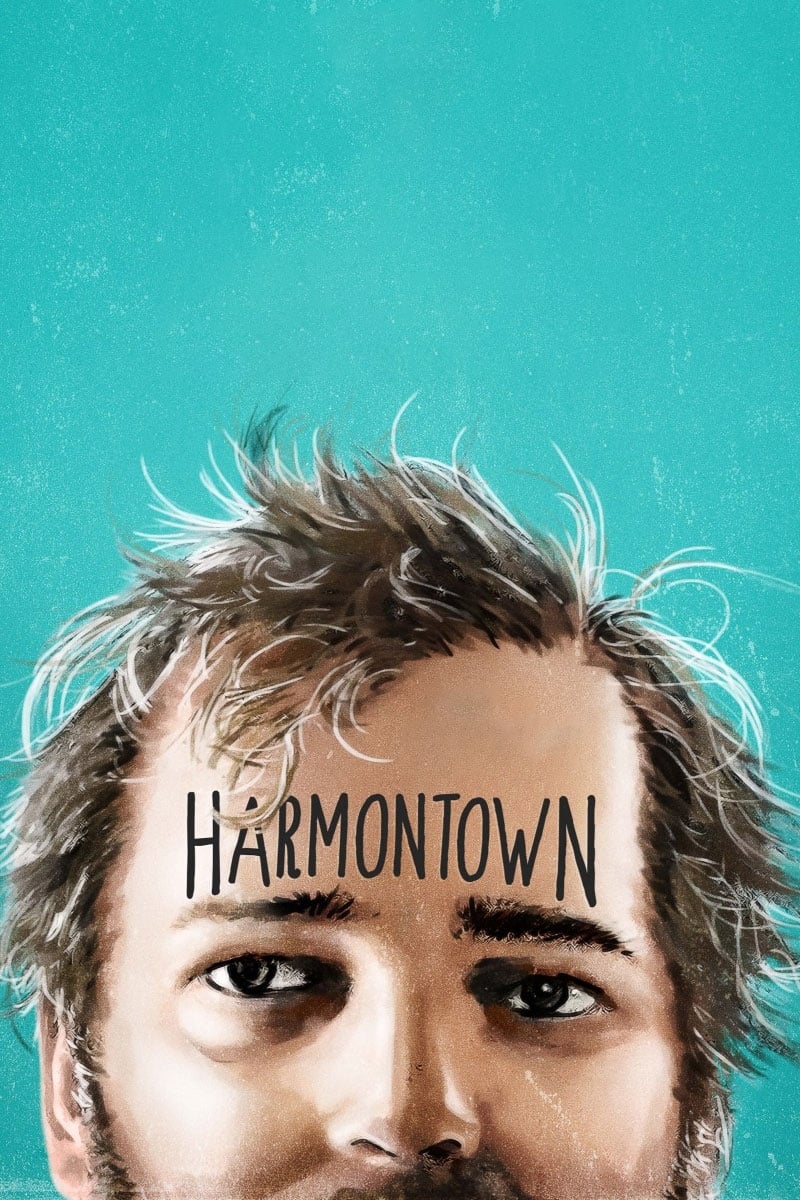
A comedic, brutally honest documentary following self-destructive TV writer Dan Harmon as he takes his live podcast on a national tour.
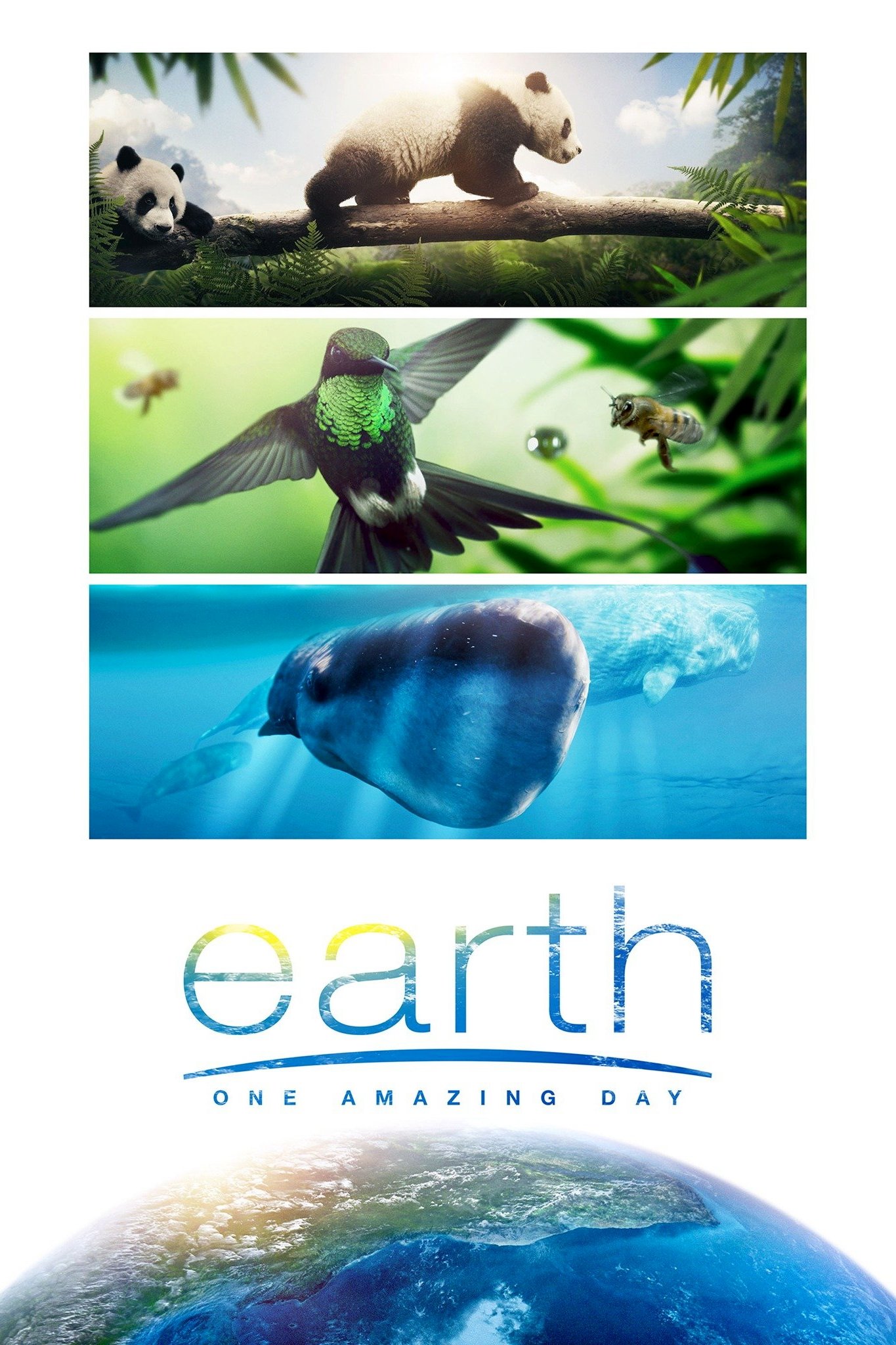
An astonishing journey revealing the awesome power of the natural world. Over the course of one single day, we track the sun from the highest mountains to the remotest islands to exotic jungles.
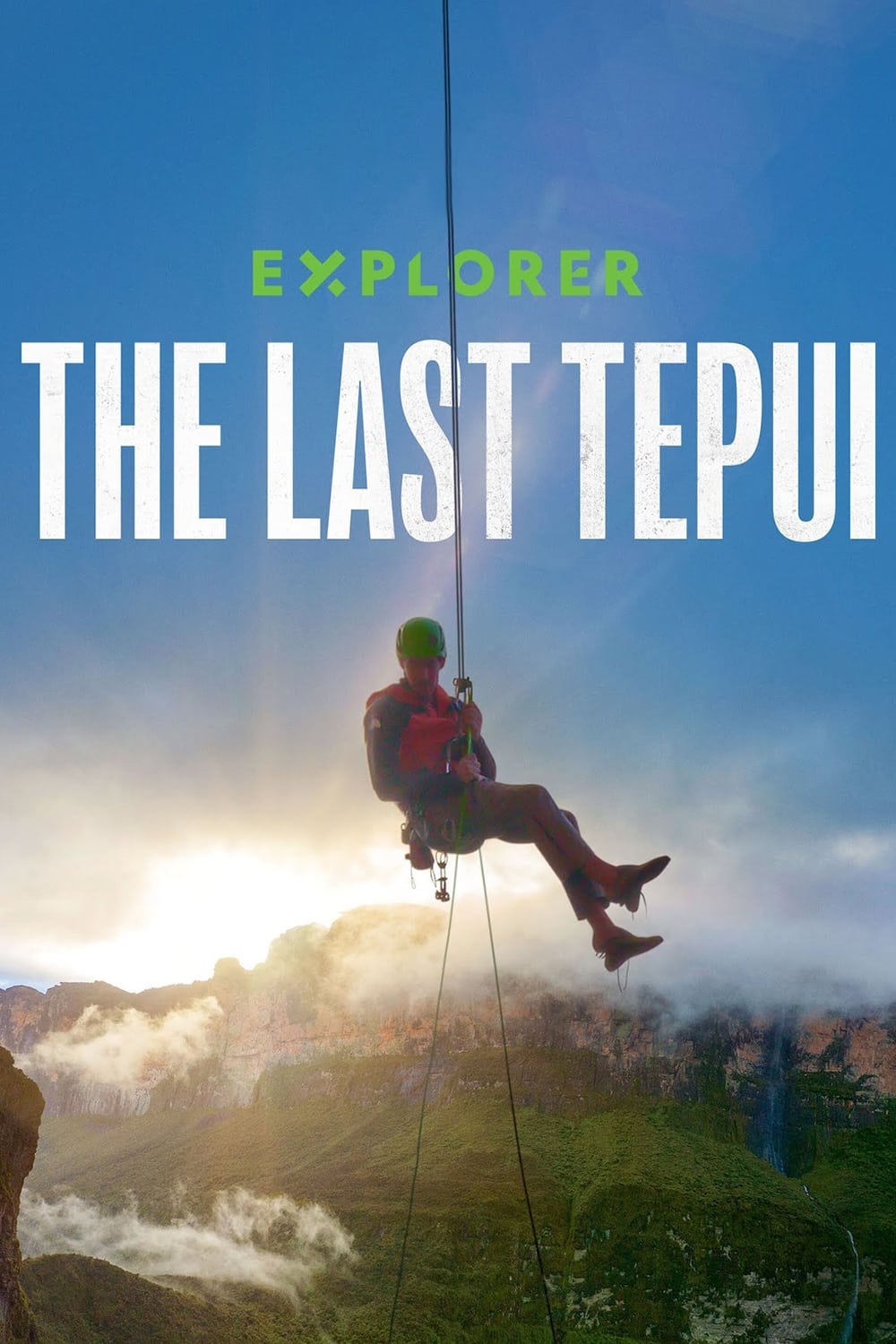
This documentary starring climber Alex Honnold and famous biologist Bruce Means document their expedition to the South American sky islands in search of new species and discoveries. Follows elite climber Alex Honnold and a world-class climbing team led by National Geographic Explorer and climber Mark Synnott on a grueling mission deep in the Amazon jungle as they attempt a first-ascent climb up a 1000 foot sheer cliff.