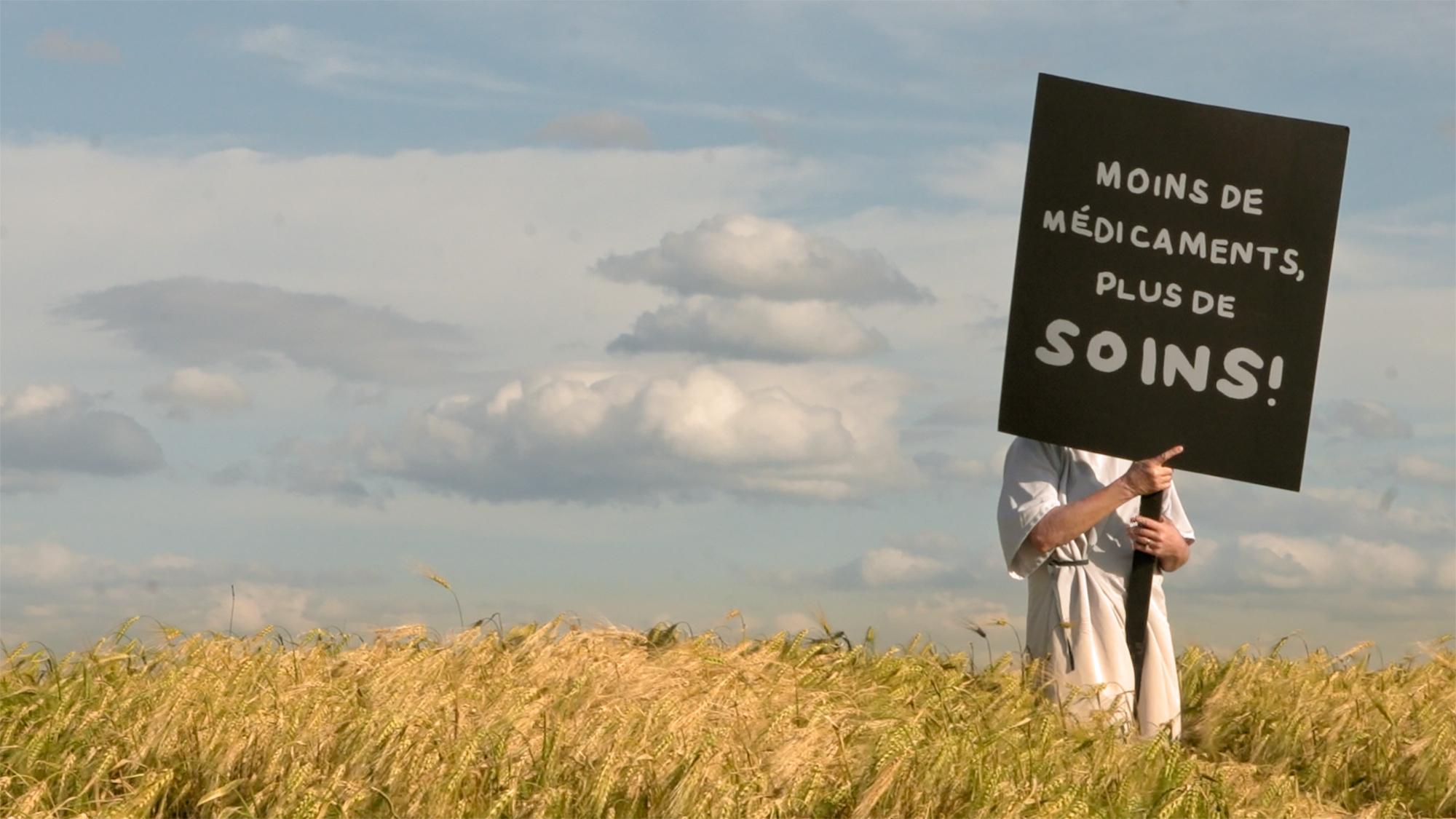
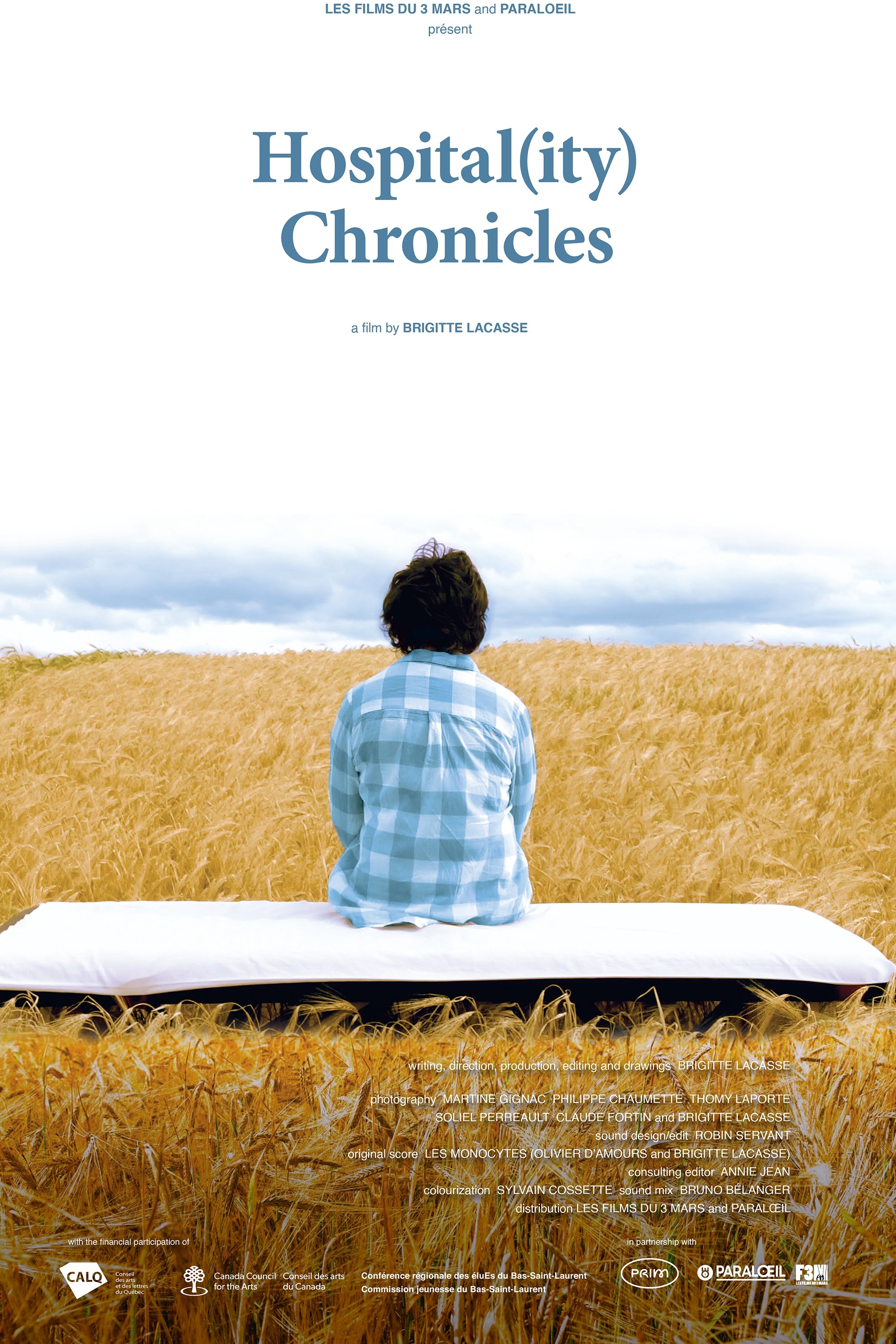
Through family archives, drawings, animations and performances that draw on her long experience with illness, Brigitte Lacasse takes an incisive, critical look at the Quebec health care system.
Social & External
Self
On the eve of the publication of a biography of Claude Jutra, one of the most famous and celebrated filmmakers in Quebec and Canada, a leak leaked to the press reveals that the book contains anonymous allegations of pedophile acts committed by the filmmaker. The rumor spread like lightning, suddenly igniting the entirety of Quebec society. By finding today some of the main witnesses propelled overnight into the heart of an unparalleled media tornado, the documentary reconstructs with archive images and other previously unpublished images, the sequence of events which led to a rewriting of the story.
From unlikely origins in northern Québec at the height of the Cold War, Voïvod’s post-apocalyptic sci-fi aesthetic, fuelled by a youthful obsession with their instruments, took them from underground success to sharing dates and tours with Iron Maiden, Rush, and Metallica. Despite adversity, and perhaps by cosmic intervention or just serendipity, Voïvod found guitarist Daniel “Chewy” Mongrain; subsequently, the band re-ignited their engines and laid a course back to Morgöth via numerous live shows around the world, a comeback album in Target Earth, singles, EPs, and finally, the late-career triumph, The Wake. In 2019, Voïvod were recognized by the Canadian Academy of Recording Arts and Sciences with a Juno Award for best hard rock/metal album of the year for The Wake.
Part documentary, part drama, this film presents the life and work of Jack Kerouac, an American writer with Québec roots who became one of the most important spokesmen for his generation. Intercut with archival footage, photographs and interviews, this film takes apart the heroic myth and even returns to the childhood of the author whose life and work contributed greatly to the cultural, sexual and social revolution of the 1960s.
Produced in 1988, this feature documentary presents a living history of Quebec's last 40 years as seen through the eyes of one couple. Pauline Julien and Gérald Godin, two Quebec artists, share their perspectives on the events that have marked Quebec's evolution. Julien, a singer, and Godin, a poet, express their love and passion for the province (and each other) while providing a unique take on the Quebec nationalist movement.
This documentary film includes never-before-seen footage and exclusive interviews to tell the story of Charity Hospital, from its roots to its controversial closing in the wake of Hurricane Katrina. From the firsthand accounts of healthcare providers and hospital employees who withstood the storm inside the hospital, to interviews with key players involved in the closing of Charity and the opening of New Orleans’ newest hospital, “Big Charity” shares the untold, true story around its closure and sheds new light on the sacrifices made for the sake of progress.
The story of the Quebec Mosque Shooting—the first ever mass shooting in a mosque in the West—is known around the world, but the story of the community that survived the attack is all but unknown. The Mosque: A Community's Struggle is an intimate portrait of the resilient Muslim community of Ste-Foy, Québec, as they struggle to survive and shift the narrative of what it means to be a Muslim, one year after the devastating attack that took the lives of six of their members. As the world moves on, this small mosque and its community fights Islamophobia, harassment and hate speech. How will the community heal and how will they stop the rhetoric that threatens to precipitate further violence?
Through the eyes of a Quebec Jewish activist, Lea Roback, feminist, unionist, pacifist and communist, A VISION IN THE DARKNESS proposes a modernist vision of Quebec history, from the beginning of the twentieth century to the period knows as « La Grande Noirceur », the Great Darkness.
This early work from Pierre Perrault, made in collaboration with René Bonnière, chronicles summer activities in the Innu communities of Unamenshipu (La Romaine) and Pakuashipi. Shot by noted cinematographer Michel Thomas-d’Hoste, it documents the construction of a traditional canoe, fishing along the Coucouchou River, a procession marking the Christian feast of the Assumption, and the departure of children for residential schools—an event presented here in an uncritical light. Perrault’s narration, delivered by an anonymous male voice, underscores the film’s outsider gaze on its Indigenous subjects. The film is from Au Pays de Neufve-France (1960), a series produced by Crawley Films, an important early Canadian producer of documentary films.
For the first time, cloistered sisters agree to be filmed for one year in all aspects of their lives. The nuns of Berthierville, the only Francophone community of Dominican nuns in North America for nearly a century, engage in a rare and unique documentary in which exceptional testimonies and archives intermingle.
Summer unveils a new blueberry season in northern Canada. The fields are covered in blue and workers from all over scramble before the frost puts an end to the harvest. And yet this time of year is much more than just picking: it's a time of music and connection.
A cinematic and introspective look at the residents of a Quebec town—once the site of the world's largest asbestos mine—as they grapple with their community's industrial past. Striving to honour their heritage while reconciling with their history and forging a new path forward, the miners delve into the intricacies of progress and healing.
The link between heart disease and blood cholesterol is a medical dogma that has existed for the past fifty years and has led to the development of a billion-dollar, low-fat, food industry, as well as to statins, a drug that lower “bad cholesterol” levels, so it has became one of the most prescribed medicines in the world. But more and more researchers are openly questioning the mainstream opinions on cholesterol…
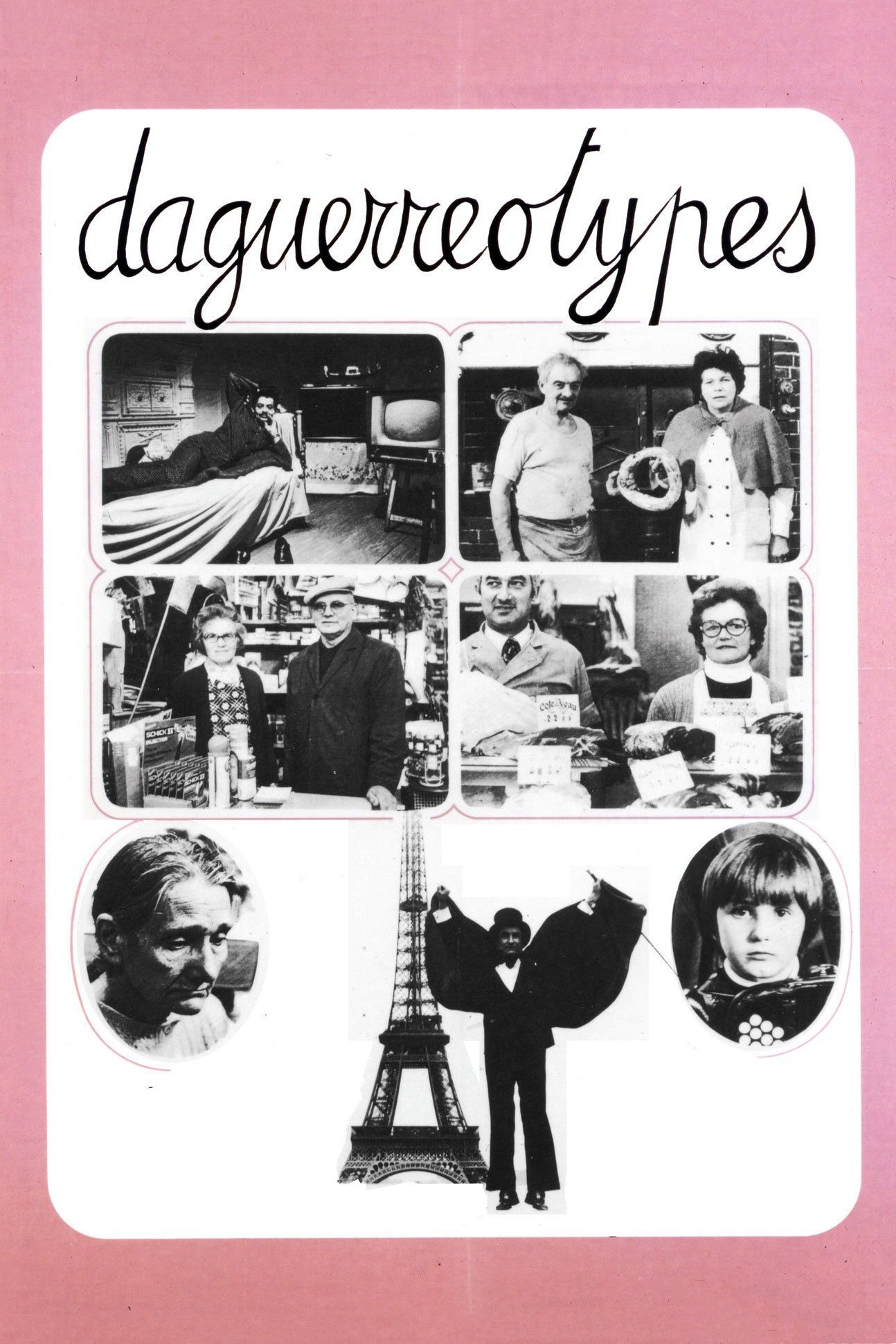
This short documentary film is a fascinating portrait of urban and rural Quebec in the late 1960s, as the province entered modernity. The collective work produced for the Quebec Ministry of Industry and Commerce calls on several major Quebec figures.
Gilles Groulx's first film shot in 1955 with a camera borrowed from his brother and edited during his spare time when he worked as an editor at the Radio-Canada news service a few years before he joined the NFB. Silent film, presented as its author left it, where the soil and the dialectic of Groulx's work are already there: documentary realism, the social space to be explored, daily life, the relationship between individual and society, social disparities, the consumer society, seduction and happiness.
This feature-length documentary brings together six of the rare television interviews given by Gilles Groulx between 1966 and 1983. Through these interviews, the filmmaker's ethical and aesthetic concerns are revealed. A striking coherence emerges in his thinking regarding his conception of cinema and the role the filmmaker should play in his culture and society.
Take a breathtaking train a ride through Nothern Quebec and Labrador on Canada’s first First Nations-owned railway. Come for the celebration of the power of independence, the crucial importance of aboriginal owned businesses and stay for the beauty of the northern landscape.
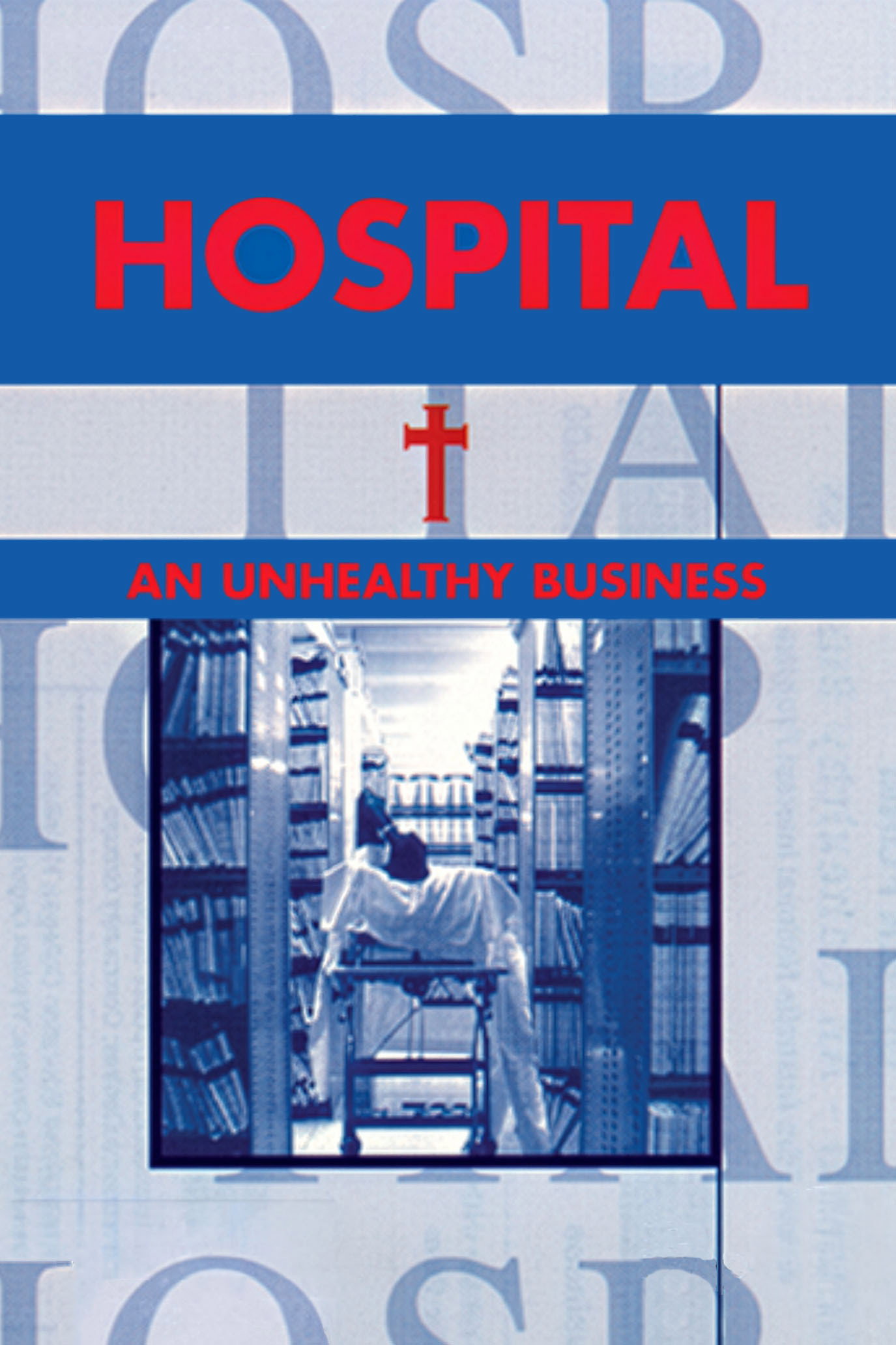
A documentary about the corrupt health care system in The United States who's main goal is to make profit even if it means losing people’s lives. "The more people you deny health insurance the more money we make" is the business model for health care providers in America.