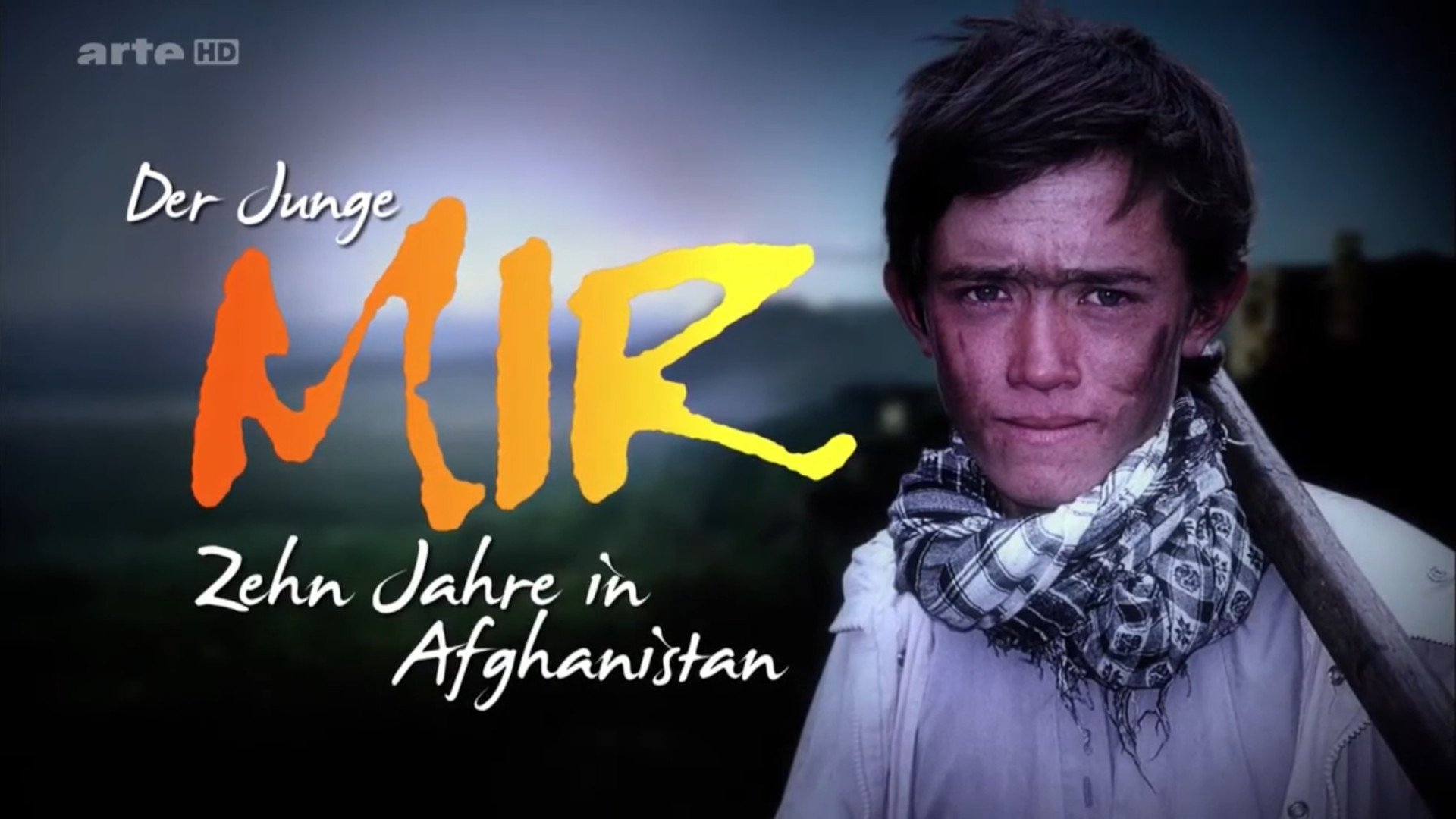
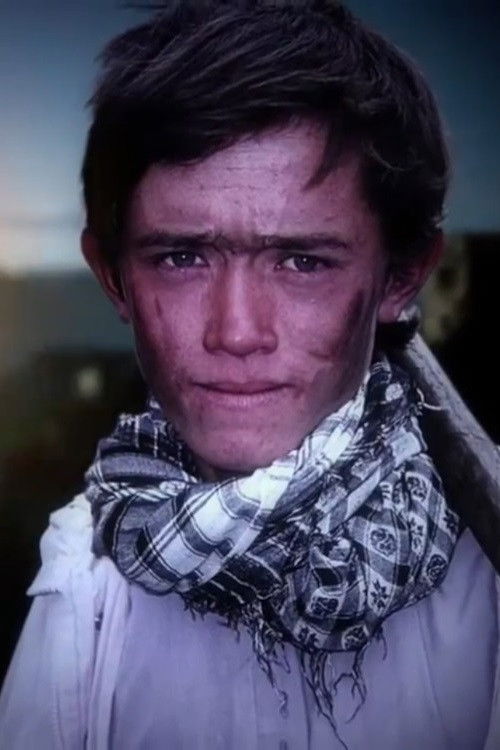
"10 years in an Afghan boy's life"
The British Regisseur Phil Grabsky has documented an Afghan boy's life for 10 years.
Social & External
Himself
Narrator
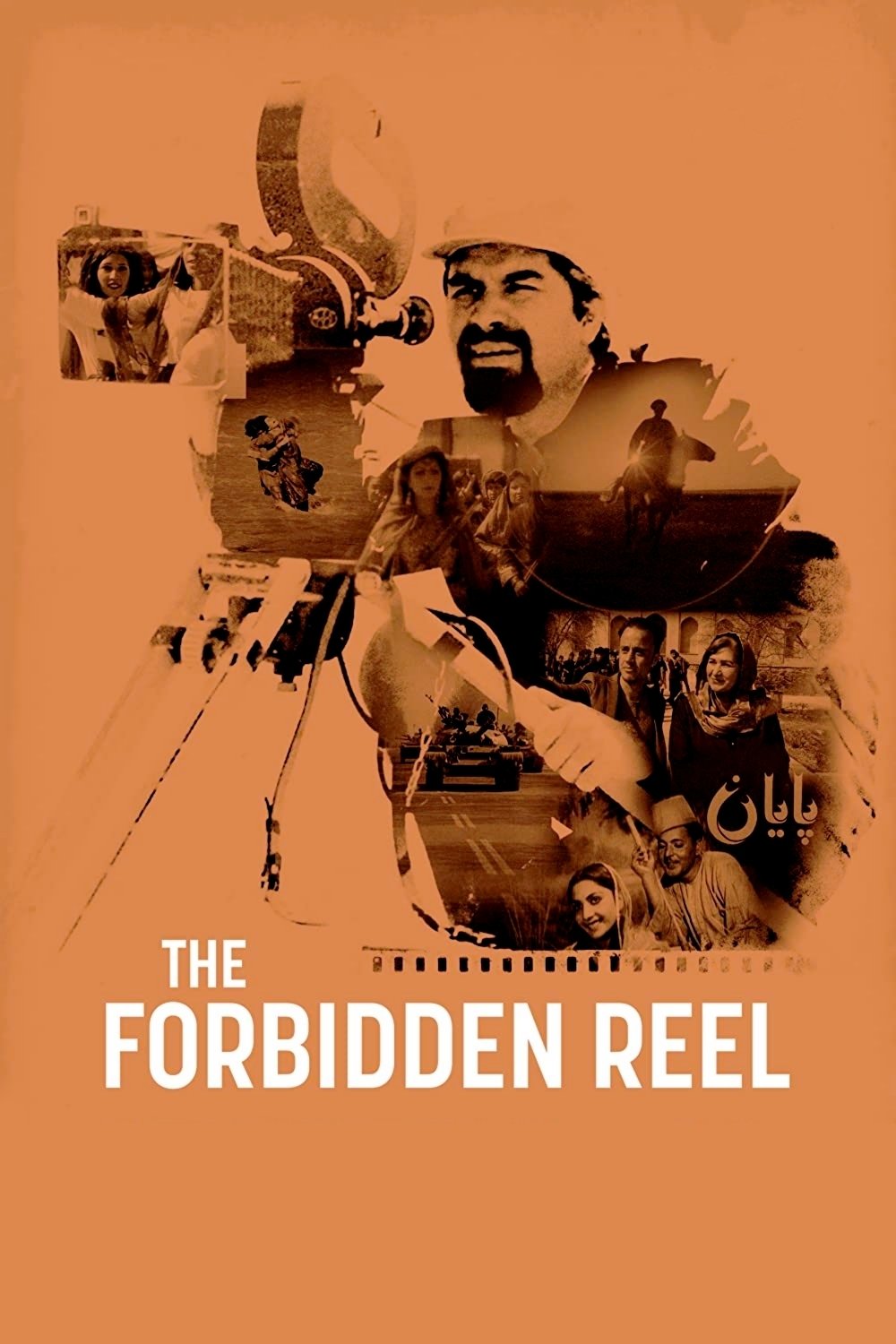
According to the official history of Afghanistan, ruthless destruction has always prevailed over art and creation; but there is another tale to be told, the forgotten account of a diverse and progressive country, seen through the lens of innovative filmmakers, a story that survives thanks to a few brave Afghans, a small but very passionate group that secretly fought to save a huge film archive that was constantly menaced by war and religious fanaticism.
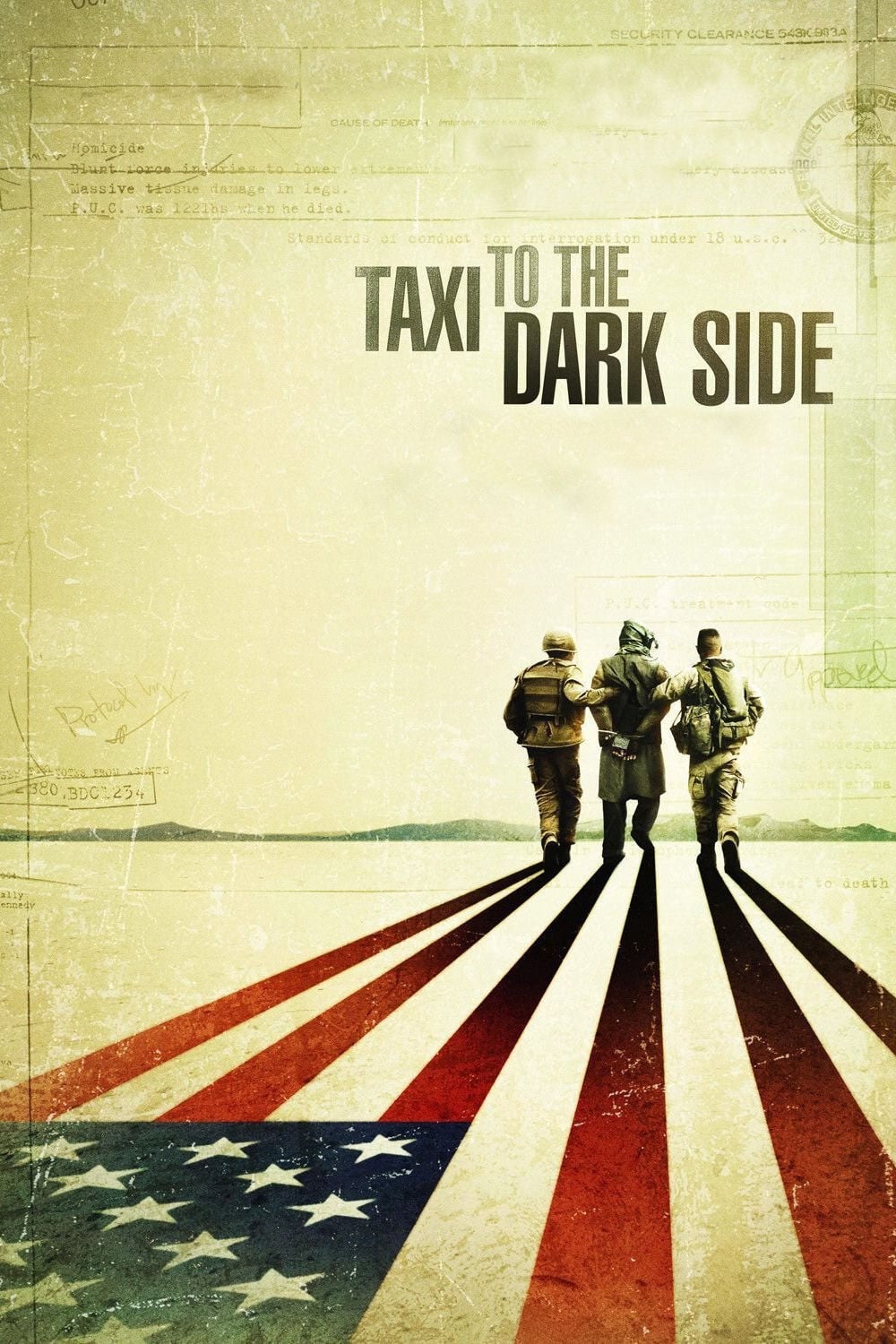
An in-depth look at the torture practices of the United States in Afghanistan, Iraq and Guantanamo Bay, focusing on an innocent taxi driver in Afghanistan who was tortured and killed in 2002.
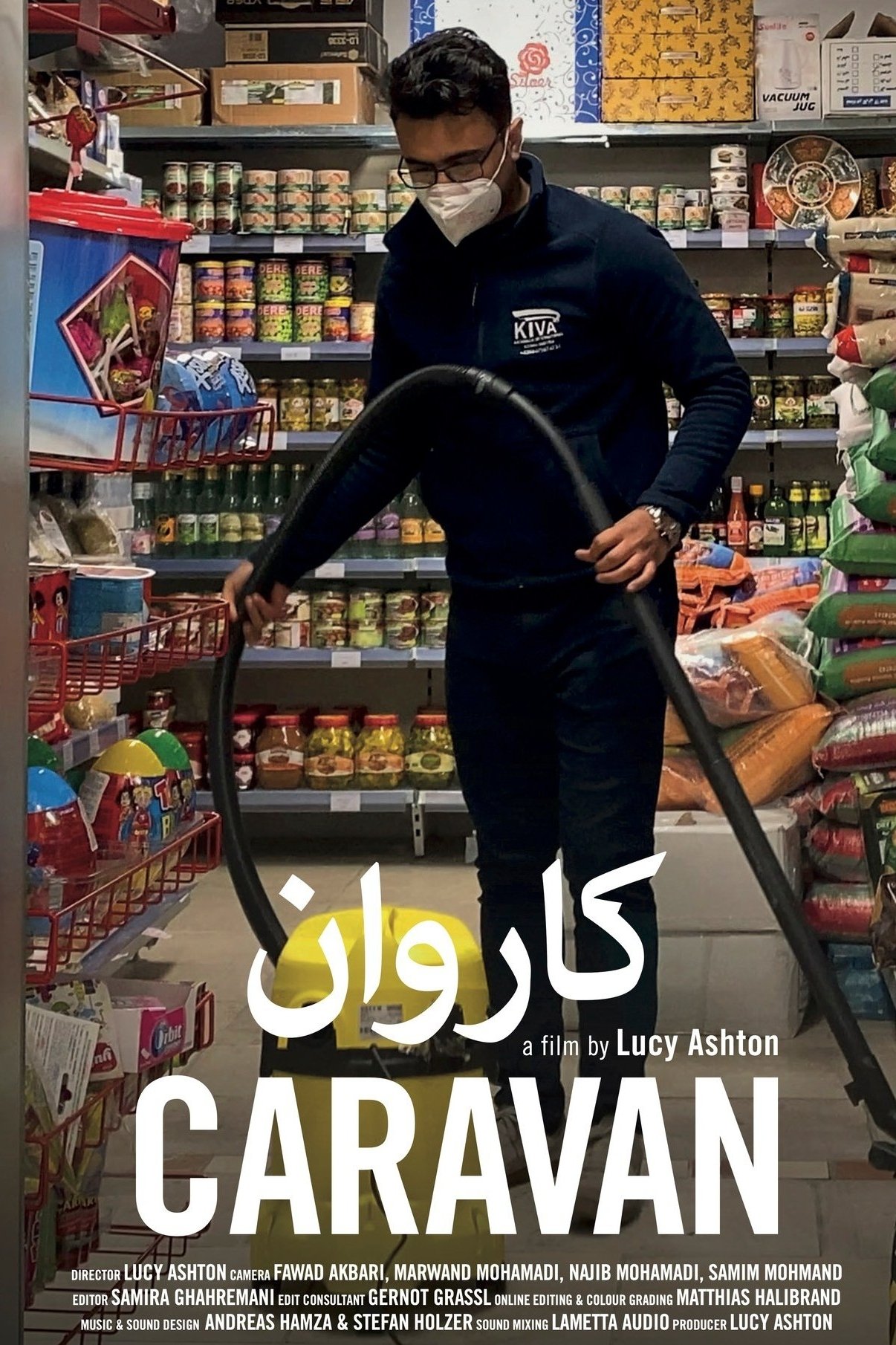
The four Afghan refugees who have applied for asylum in Austria strike up the song, “The caravan moves on” again and again. Encouraged by the journalist Lucy Ashton to record their lives on their smartphone cameras as a video diary, the friends film their precarious daily routine between visits to authorities, small jobs, and changing accommodations. Yet even when hope is lost, one certainty remains: the power of friendship.
Jung is a narrative documentary that follows the human and professional adventure of its protagonists, the Afghan people in the midst of civil war.
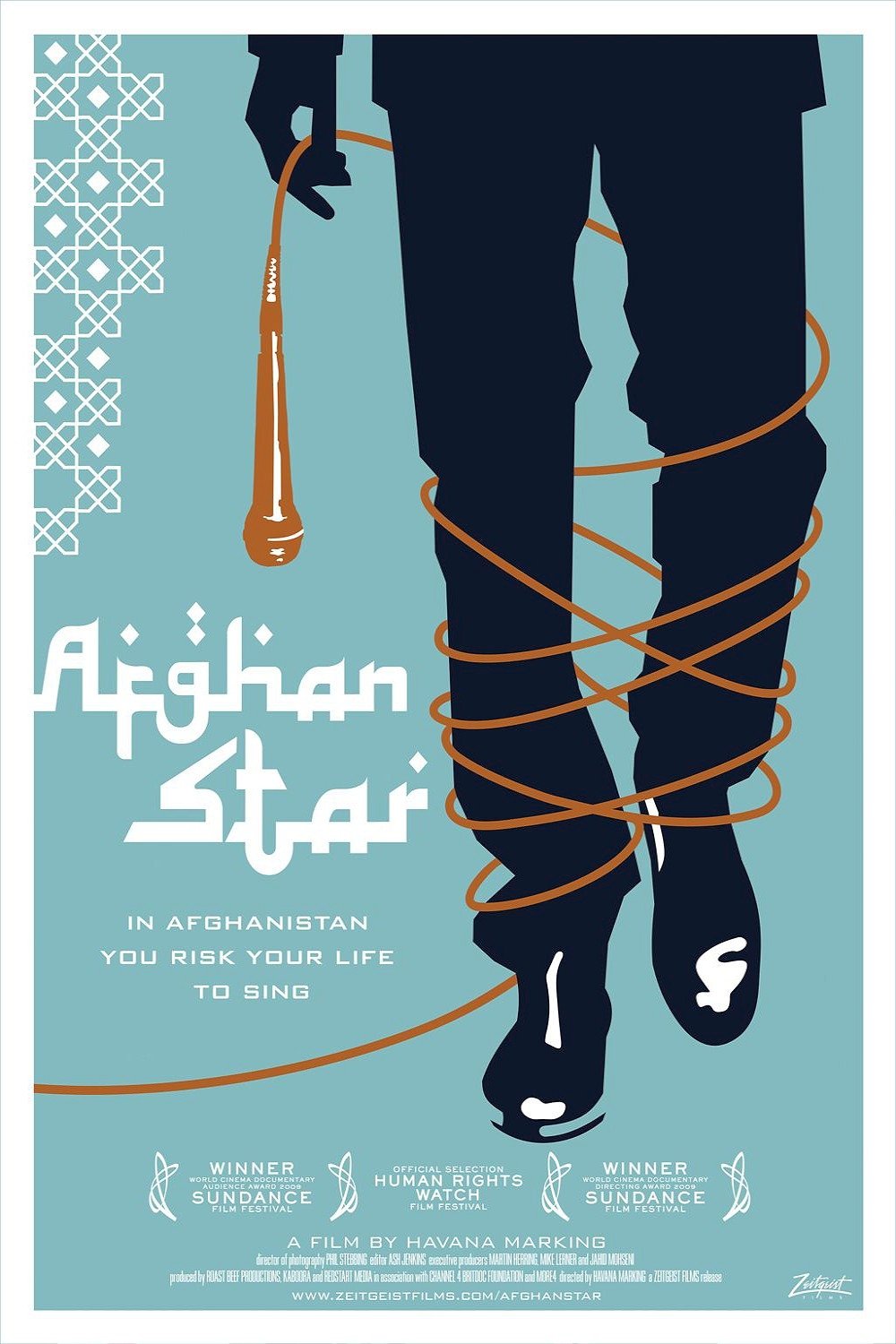
This documentary on the effect the talent competition "Afghan Star" has on the incredibly diverse inhabitants of Afghanistan affords a glimpse into a country rarely seen. Contestants risk their lives to appear on the television show that is a raging success with the public and also monitored closely by the government.
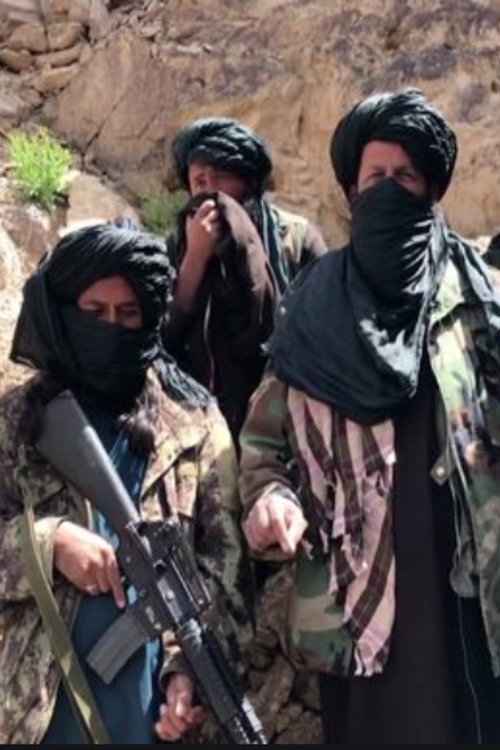
"Inside the Talibans" - What will happen if the Talibans return to power? Swedish journalist Magda Gad travels the Herat and Wardak provinces of Afghanistan to meet with the Taliban fighters.
In March 2001, the ruling Taliban destroyed Afghanistan's foremost tourist attraction, the 1600 year-old Buddhas of Bamiyan. This film follows the story of one of the refugees who now lives among the ruins….an eight-year-old boy named Mir.
A portrait of an unforgettable transgender schoolteacher in Herat, Afghanistan, who shines even with the prospect of the Taliban’s return.
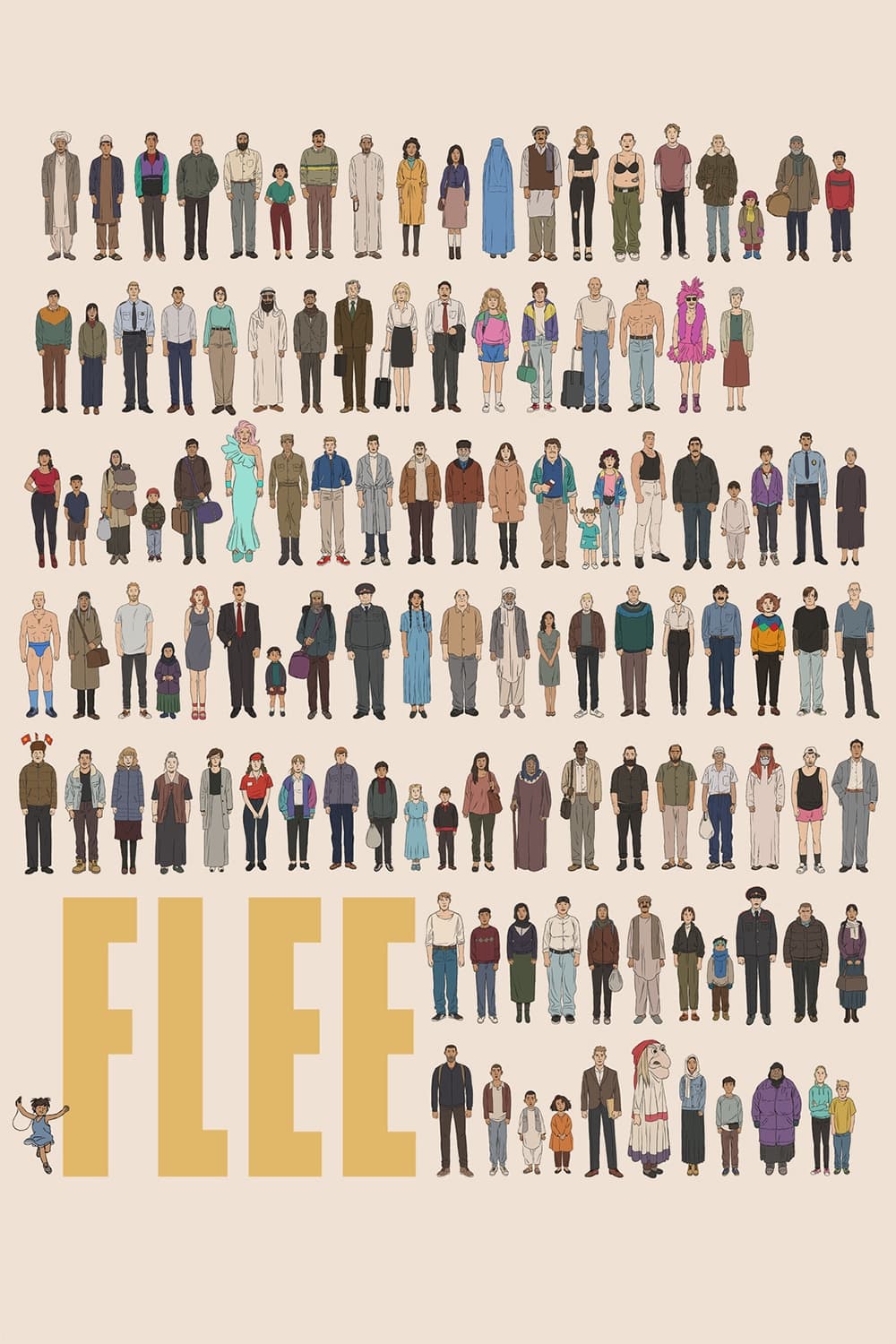
Recounted mostly through animation to protect his identity, Amin looks back over his past as a child refugee from Afghanistan as he grapples with a secret he’s kept hidden for 20 years.
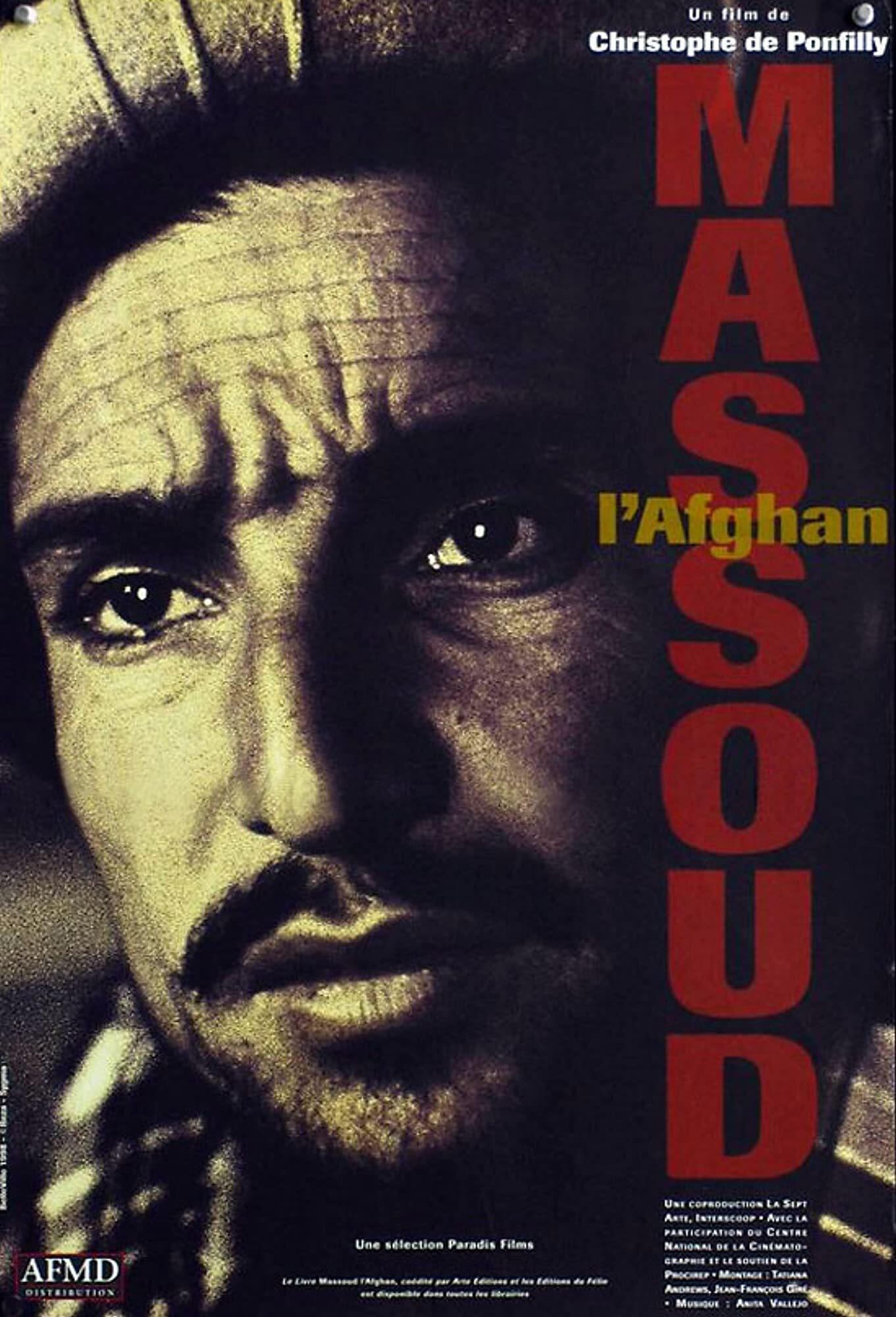
The friendship between Christophe de Ponfilly and Commander Massoud, a legendary figure of the Afghan resistance against the Soviet invader, goes back to the filmmaker's first film, "A Valley Against an Empire", made in 1981. Fifteen years later, weakened, isolated, betrayed by many of his own, the "Lion of Panshir" has not surrendered to his new and implacable enemies, the Taliban. While preparing his next offensive, he evokes his commitment and his fights, and bears witness to a history in which he has been one of the main actors for twenty years. At the same time, the director questions the role and power of the media, as well as his own approach as a filmmaker. Commander Massoud was killed in an attack in September 2001.
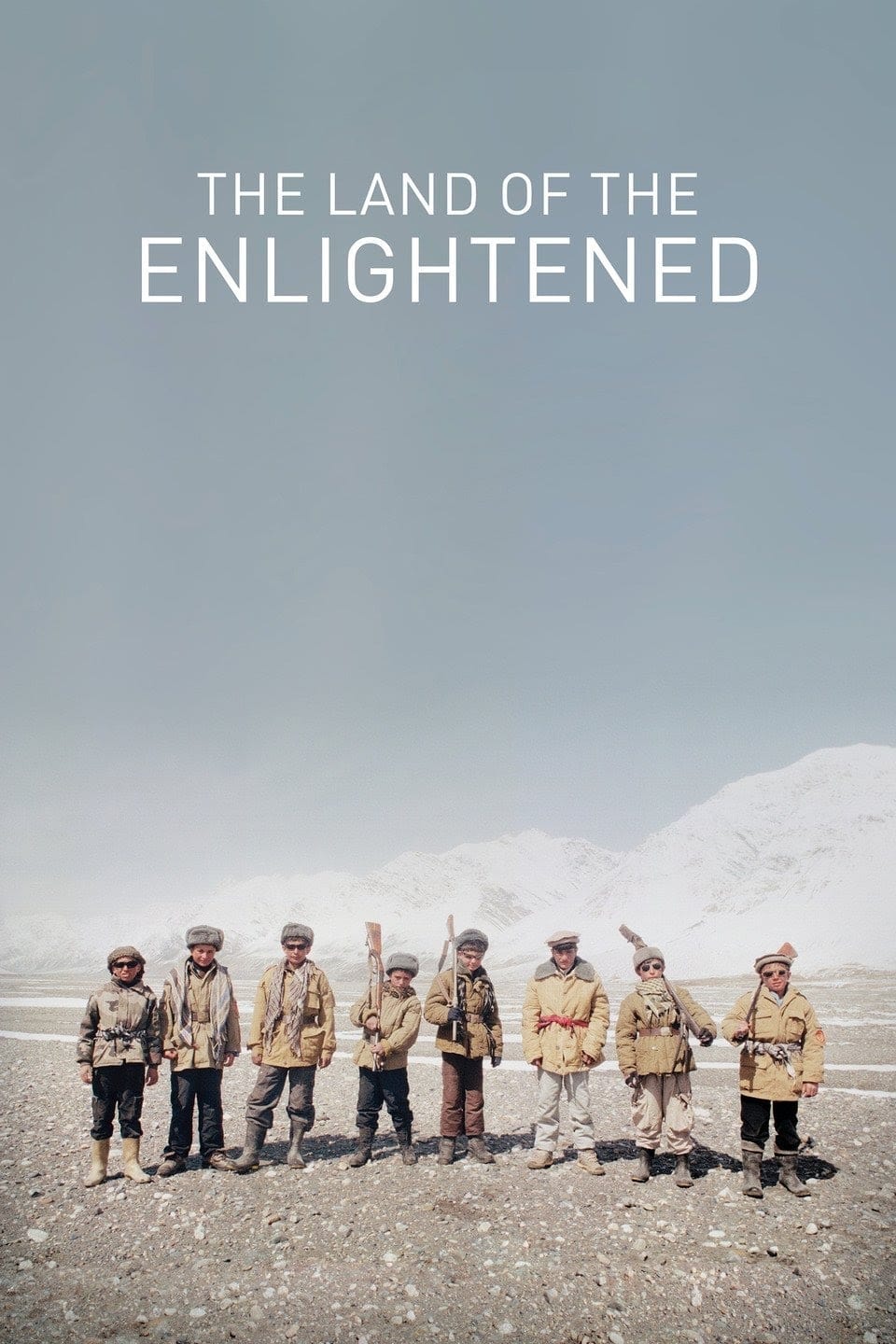
A group of Kuchi children are living in a minefield around Bagram airfield, Afghanistan. They dig out anti-personal mines in order to sell the explosives to child workers mining in a Lappis Lazulli mine. The trajectory of the blue precious stones goes towards Tajikistan and China, through an area controlled by child soldiers. When they are not waging their own mini-wars in the daily madness of life in Afghanistan, the children are fleeing away in their personal fantasies and dreams, while the American soldiers are planning their retreat...
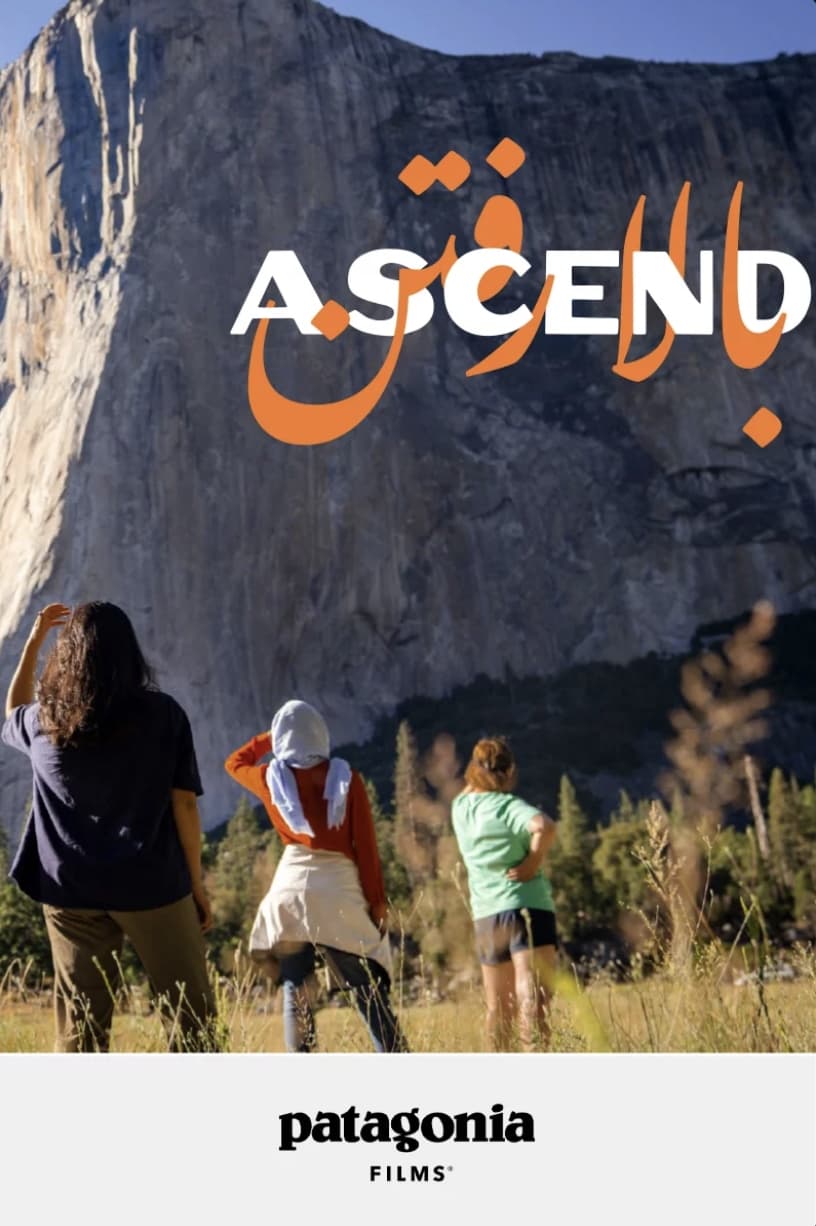
Mina Bakhshi, Haniya Tavasoli and Rabia Hussain had a fair amount of latitude for women in Afghanistan, able to pursue their education, go to work, and explore hobbies and interests. Joining Ascend, a nonprofit organization teaching leadership and rock climbing to women, gave them the chance to test their personal and cultural limits and explore the mountains of their home country. But when the Taliban took over in August 2021, Ascend became their one chance to escape a regime that would restrict their freedoms and future.
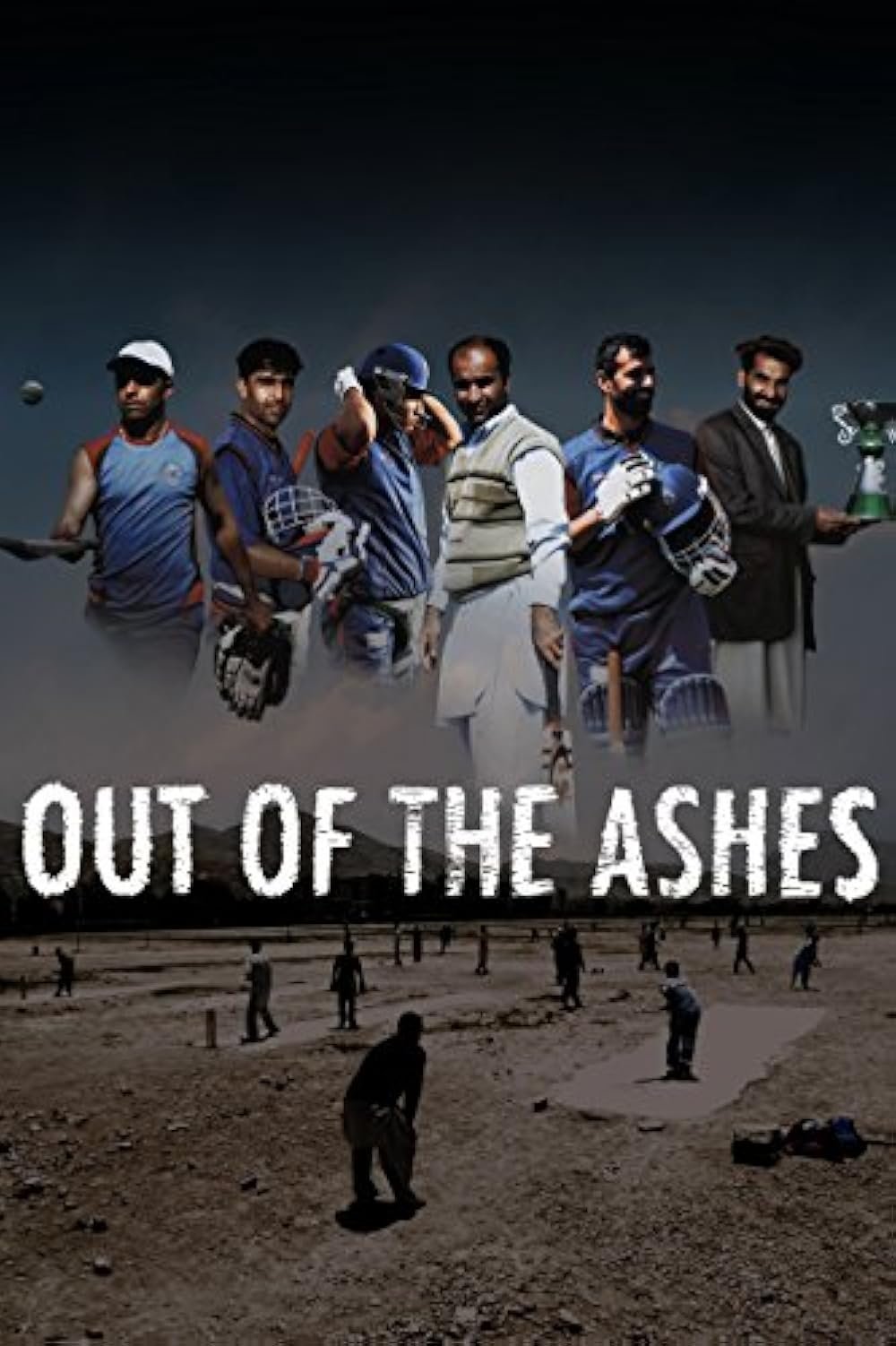
Against a backdrop of war and poverty, Out of the Ashes, traces the extraordinary journey of a team of young, Afghan men, as they chase a seemingly impossible dream, shedding new light on a nation beyond that of burqas, bombs, drugs and devastation. This feature-length documentary follows the Afghan cricket team in their quest against the odds to qualify for the 2011 World Cup, premiering at the Edinburgh International Film Festival on 17th June. Backed by BBC Storyville and Oscar-winning director and cricket fan, Sam Mendes, 'Out of the Ashes' follows the squad over two years as they go from playing in their shalwar-kameezes on rubble pitches to batting their way around the globe and up the international league tables.
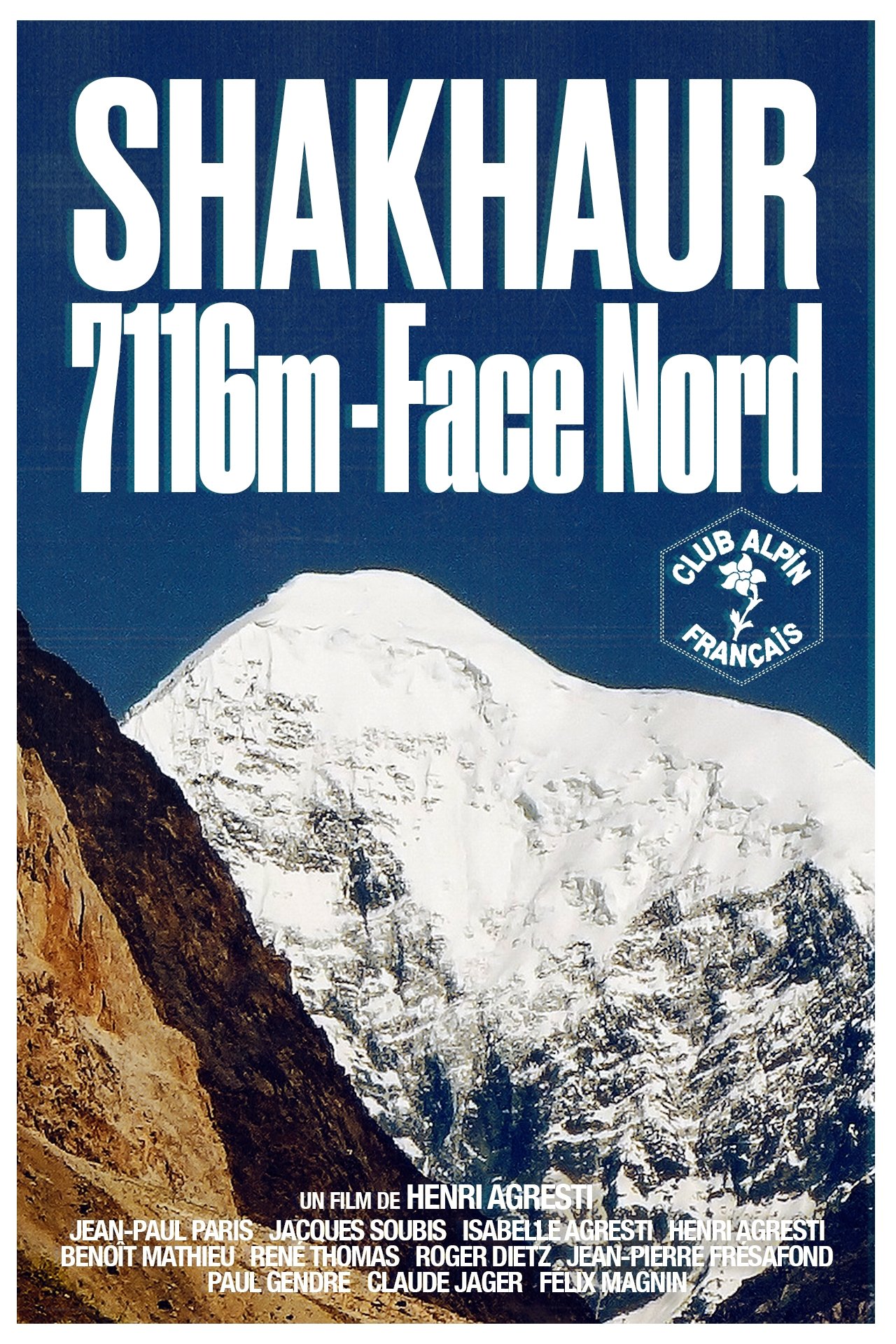
This film - without commentary and simply accompanied by local music - relates the 1969 ascent of the north face of Kohe Shakhawr, a Himalayan peak located on the border with Afghanistan, by mountaineers Benoît Mathieu, Jacques Soubis, René Thomas, Jean-Paul Paris, Isabelle Agresti, Henri Agresti, Roger Dietz, Jean-Pierre Frésafond, Paul Gendre, Claude Jager and Félix Magnin. As is often the case in Henri Agresti's films, there is an encounter with other peoples, other cultures, documented at length in the introduction. Then, after the interminable approach, the ascent begins: distribution of camps, successive assaults on the mountain, walking on steep scree and snowy slopes, climbing on icy walls... The arrival at the summit, without the aid of oxygen devices, seems to take place in slow motion: exhaustion mixes with the joy of the victorious mountaineers who will celebrate their success on their return to base camp on August 24, 1969.
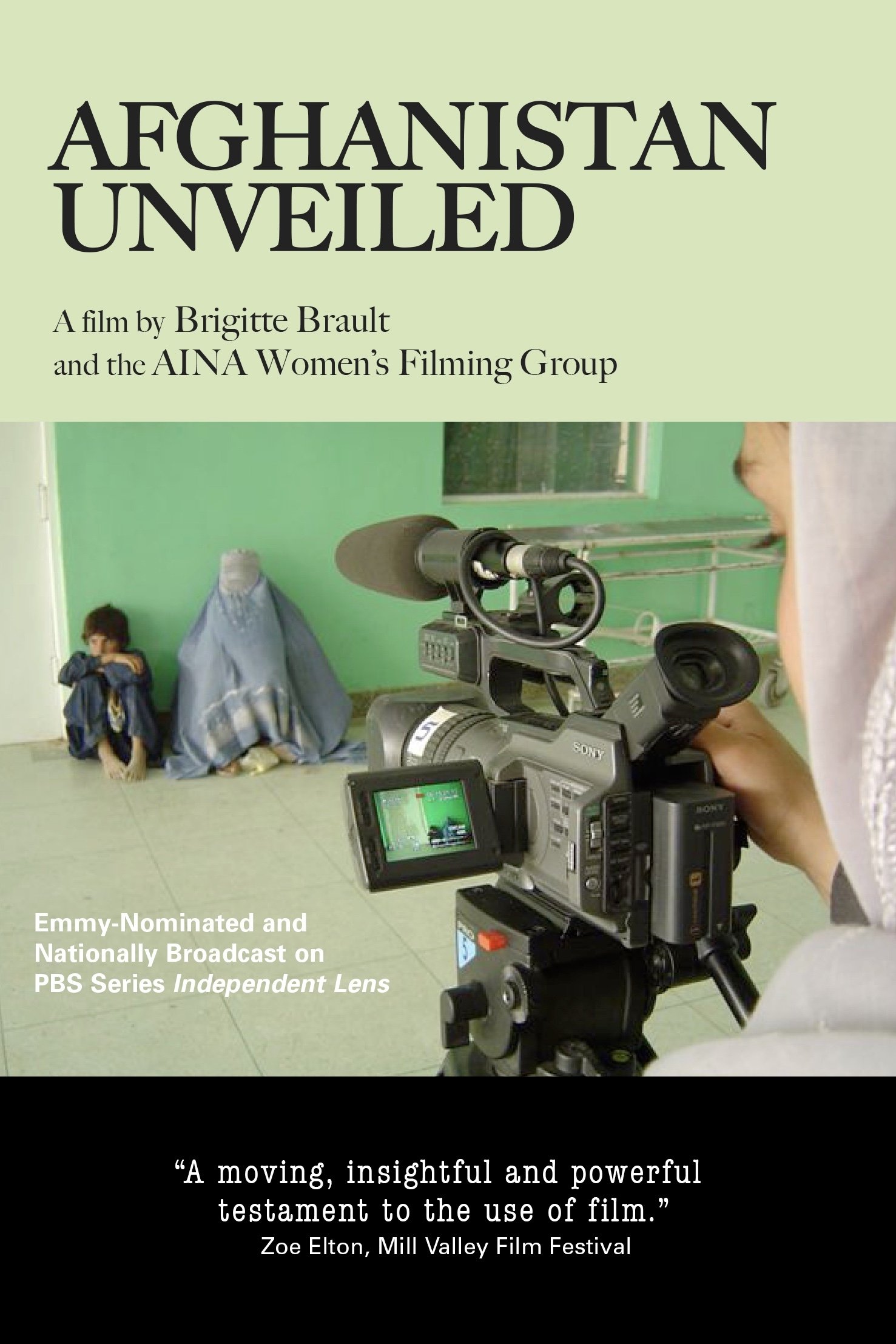
Filmed by the first-ever team of women video journalists trained in Afghanistan, this uncompromising film reveals the effects of the Taliban's repressive rule and U.S.-sponsored bombing campaign on Afghan women.
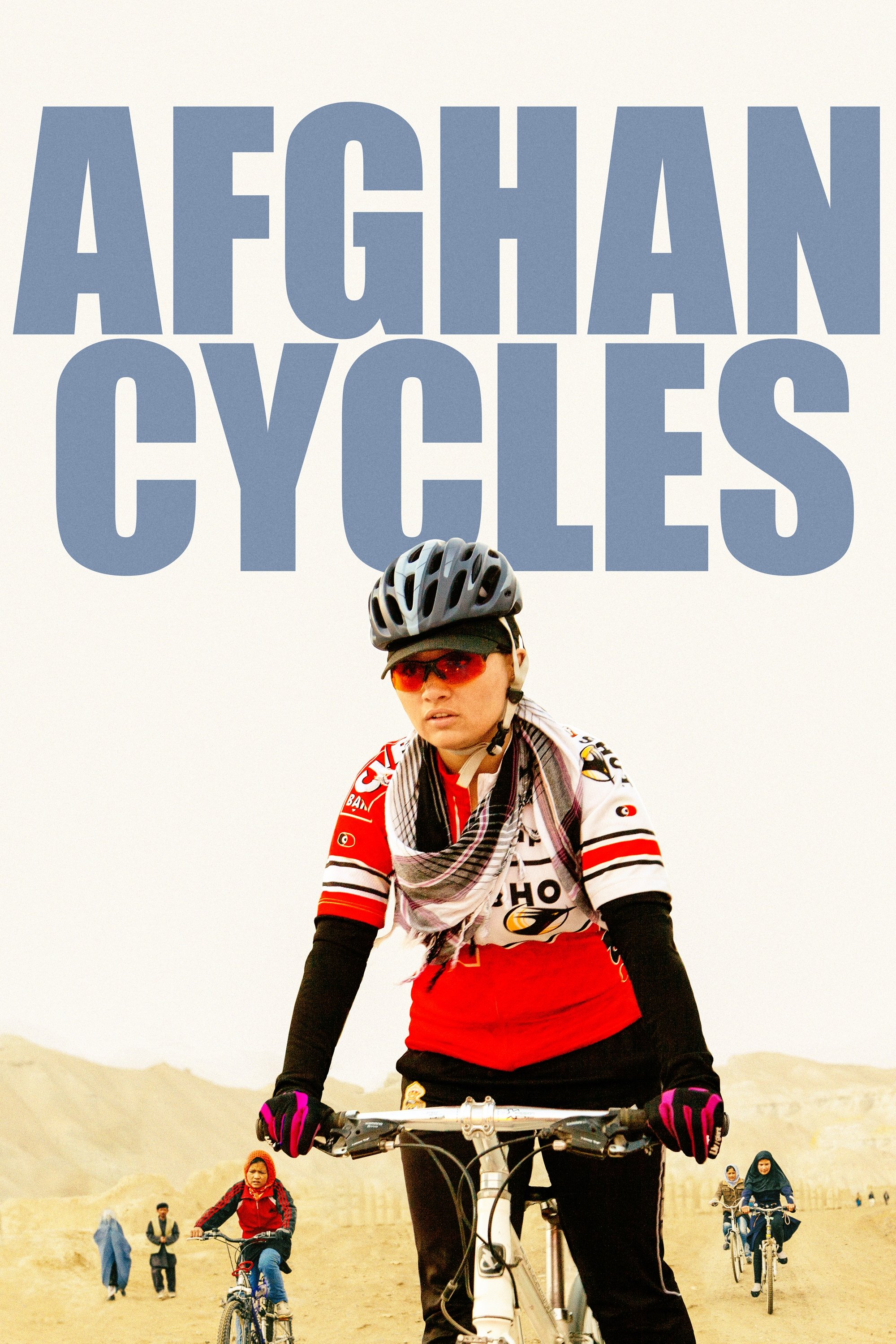
"Afghan Cycles" is a feature documentary about a generation of Afghan women who are pedaling their own revolution, aggressively challenging gender and cultural barriers using the bicycle as a vehicle for freedom, empowerment and social change.
A journey through the parts of Afghanistan that don't normally feature in news coverage to meet some amazing people and see fascinating places. Lyse Doucet uses her many years experience in Afghanistan to show a different side of a country which has been at war for 30 years.
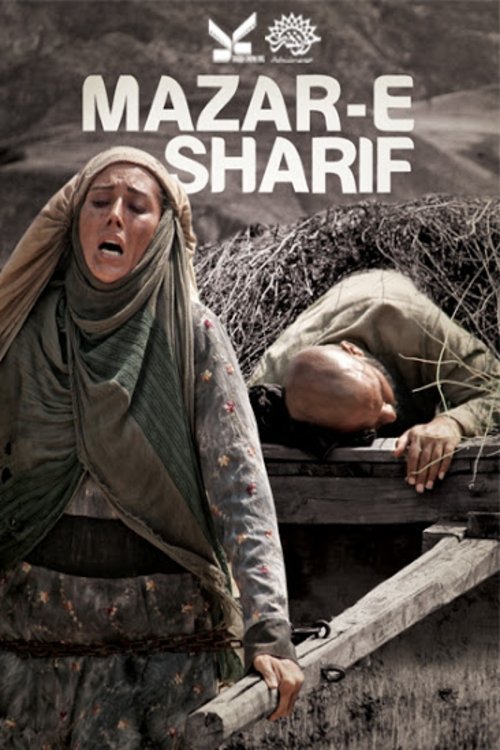
An Iranian diplomat who miraculously survived Taliban's raid on the Iranian consulate in Mazar E Sharif (Afghanistan) narrates his 19 days of hide and escape to reach Iran's borders meanwhile on the other side, the Iranian troops are preparing for retaliation.
What happens when a group of hairdressers from America travel to Kabul with the intention of telling Afghan women how to do hair and makeup? This engaging, optimistic documentary tracks a unique development project: a shiny new beauty school, funded in part by beauty-industry mainstays, which sets out to teach the latest cutting, coloring, and perming techniques to practicing and aspiring Afghan hairdressers and beauticians. The American teachers, all volunteers, include three Afghan-Americans returning home for the first time in over twenty years. The Beauty Academy of Kabul offers a rare glimpse into Afghan women’s lives, and documents the poignant and often humorous process through which women with very different experiences of life come to learn about one another.
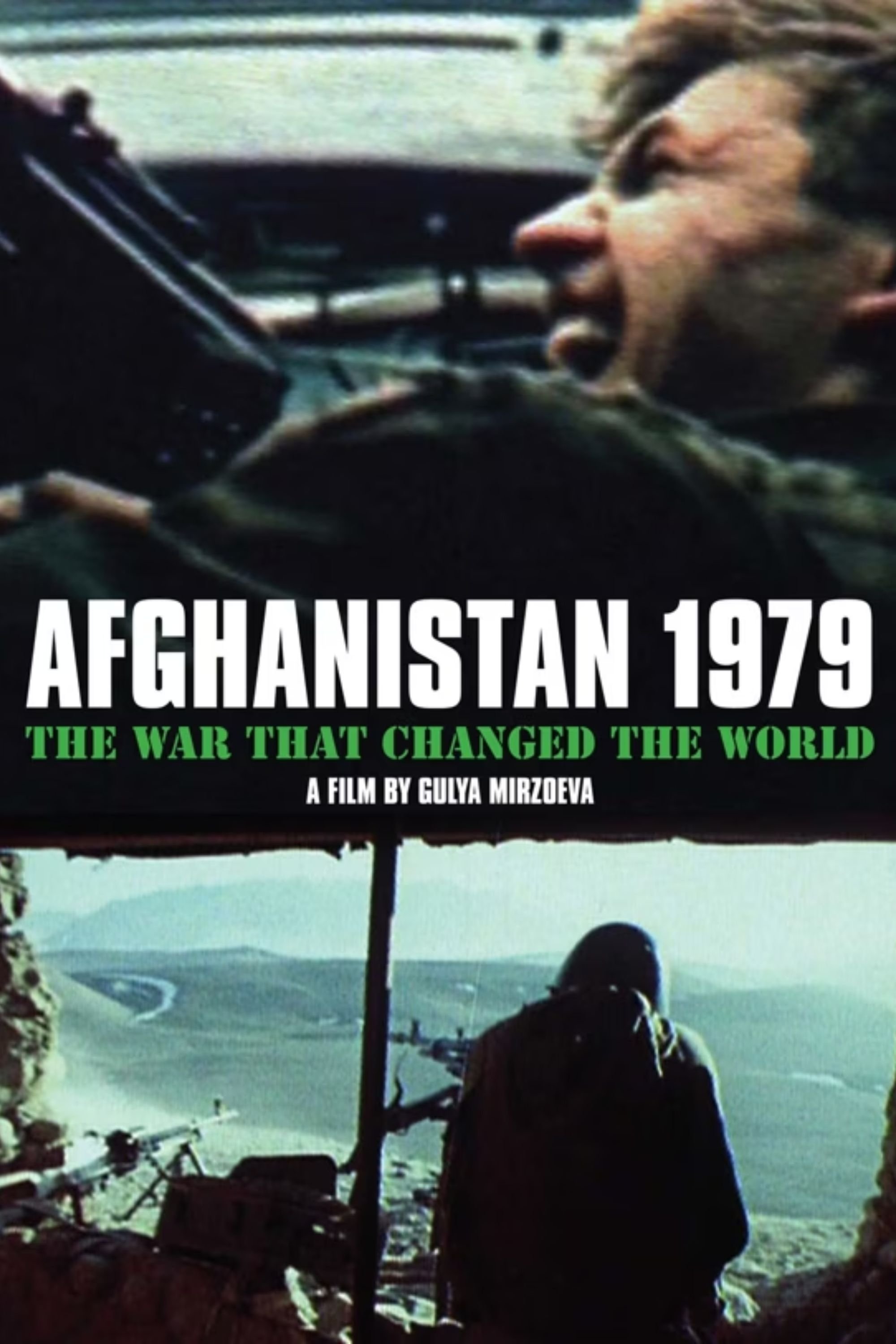
'Afghanistan 1979: the war that changed the world', is a French documentary about the Sovjet invasion in Afghanistan in 1979. It was one of the most crucial events of the 20th century, and changed the world forever. This documentary gives a good insight in the Afghan-Russian war ; the alliance between the Russian and Afghan communist governments ; Islamic resistance ; the support of America for the resistance and its consequences on the war.