Social & External
The people behind it
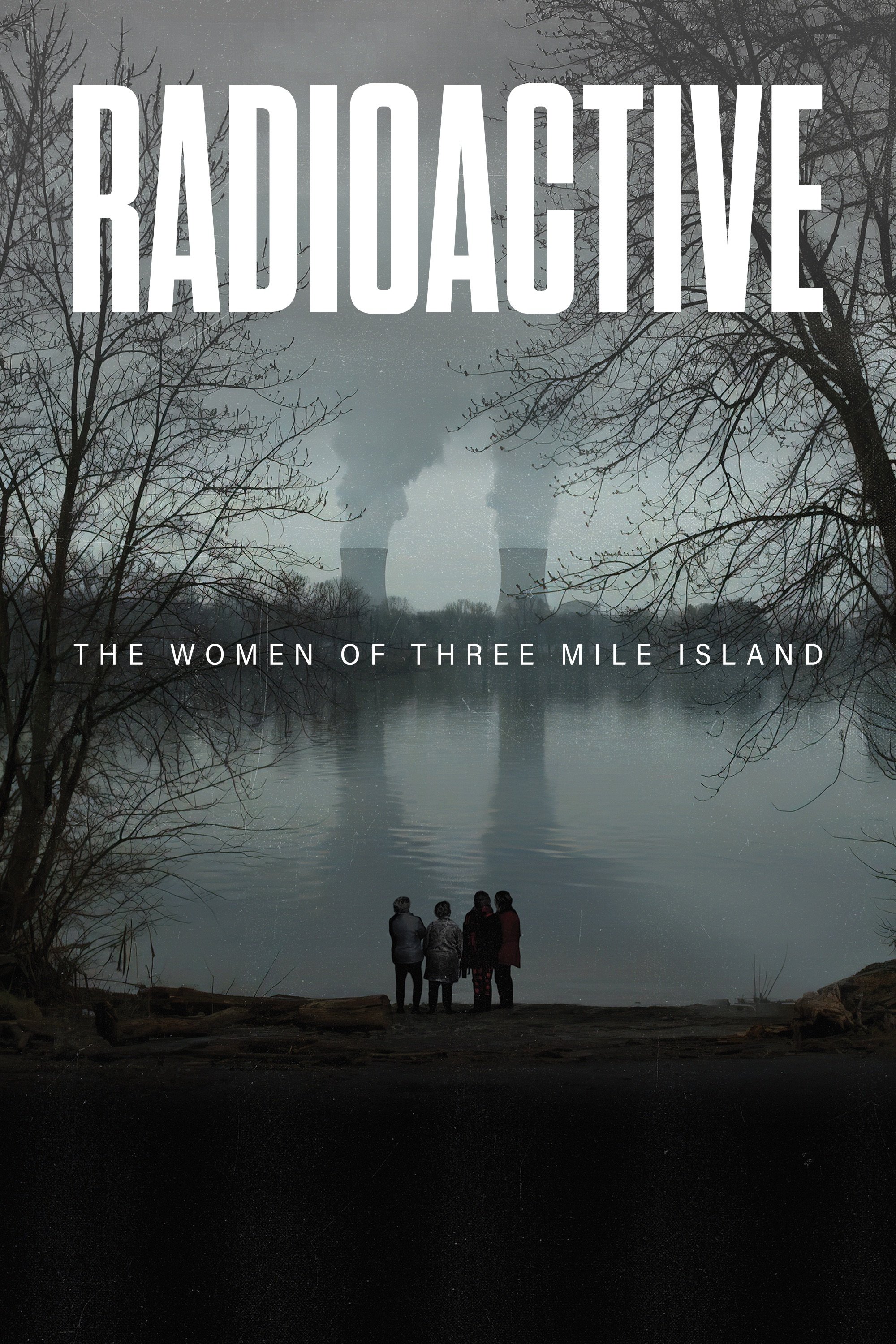
In this thrilling documentary, indomitable women fight back against the nuclear industry to expose one of the biggest cover-ups in US history: the 1979 Three Mile Island meltdown and its aftermath. The film reveals the never-before-told stories of four intrepid homemakers who take their case all the way to the Supreme Court, and a young female journalist who's caught in the radioactive crossfire.
The focus of this film is on Canada's nuclear research centre at Chalk River, Ontario. Key to atomic progress are the radioactive isotopes. The insertion and handling of these isotopes in the deadly interior of the reactor are shown in detail. Also shown are the applications of radioactive isotopes in various fields of endeavor, particularly medicine, agriculture, and manufacturing industries. Co-produced by the NFB and Crawley Films Ltd. with the assistance of Atomic Energy of Canada Limited.
The Canadian program for nuclear fuel waste management is explained through interviews with people working inside and outside the nuclear industry and by a visit to the Whiteshell Nuclear Research Establishment, where a long-range used-fuel disposal program is being developed. Revised version from the film Nuclear Fuel Waste Management (106C 0179 542). Produced for the NFB by Crawley Films Ltd. for Atomic Energy Canada, Whiteshell Nuclear Research Establishment.
This film shows the exacting procedures used during the 1970 replacement of the calandria in the NRX nuclear reactor at Chalk River. Produced by the NFB for Atomic Energy of Canada Ltd.
A look at what has been happening of late in Canada's nuclear laboratories where new uses of atomic energy are being pioneered. The film shows the earlier reactors at Chalk River and the reactions that take place between heavy water and natural uranium. Here, too, is seen the production of radioactive isotopes for use in medicine, agriculture, industry. At the Douglas Point prototype power station, the film explains how nuclear energy makes electricity. A film for science student or layman. Produced by Crawley Films Ltd. for Atomic Energy of Canada Limited.
The success of this first full-scale nuclear power station on the shores of Lake Huron has shown the way for the economic large-scale production of electricity from uranium. This film describes the plant at Douglas Point, Ontario, and the process by which the uranium atom is split, employing heavy water with a special property, deuterium, giving the name CANDU (Canada Deuterium Uranium) to the Canadian system of atomic energy production. Produced for the NFB by Crawley Films Ltd. for Atomic Energy of Canada Limited.
East of Toronto on the shore of Lake Ontario, is the Pickering Generating Station, one of the world's largest nuclear power stations. Here it is used to explain how a nuclear power station works, showing the fuel bundles, calandria, fuelling machines, boilers, control room, turbine-generator and spent fuel bay. Part of the multimedia kit The Energy Crisis?. Produced by the NFB for Energy, Mines and Resources Canada.
Nuclear power plants are not exactly sold on the same scale as wheat, but that they can be manufactured as an exportable commodity is well illustrated in this film. For those familiar with nuclear power generation, and even for the lay audience, this is a lucid exposition of how a nuclear power plant is put together. The film shows the machining and assembly of principal components, and the "on power" operation of the Canadian plant at Pickering, Ontario. Produced by the NFB for Atomic Energy of Canada Limited.
Filmed at the Pickering, Ontario, nuclear power plant, showing also the earlier Douglas Point station and Québec's new Gentilly plant, this film offers audiences a clear illustration of how an atomic reactor produces electricity. Special features of the Canadian (CANDU) (Canada Deuterium Uranium) system are explained: on-power refueling; the use of natural uranium; the use of heavy water as moderator. CANDU is recognized internationally as a leader in man's search for new sources of energy. Produced for the NFB by Crawley Films Ltd. for Atomic Energy of Canada Limited.
A two-part study of nuclear power with Larry Henderson, skilled observer, analyst and commentator on public affairs as guide. Part 1 shows civilian applications outside Canada. Part 2 shows the history of atomic energy development in Canada, from the outset of World War II to the installations at Chalk River.
A new system devised by Canadians whereby the dryout process in fuel bundles for a nuclear reactor can be completely checked, thereby preventing uneconomical burnup. Produced by the NFB for Atomic Energy of Canada.
An account of the mining and refining of uranium showing how the development of energy from uranium is providing much of the world’s current needs. The film looks at the manufacturing of the uranium fuel used in CANDU lead reactors and explains the fission process, the fueling of reactors and the management of radioactive waste.
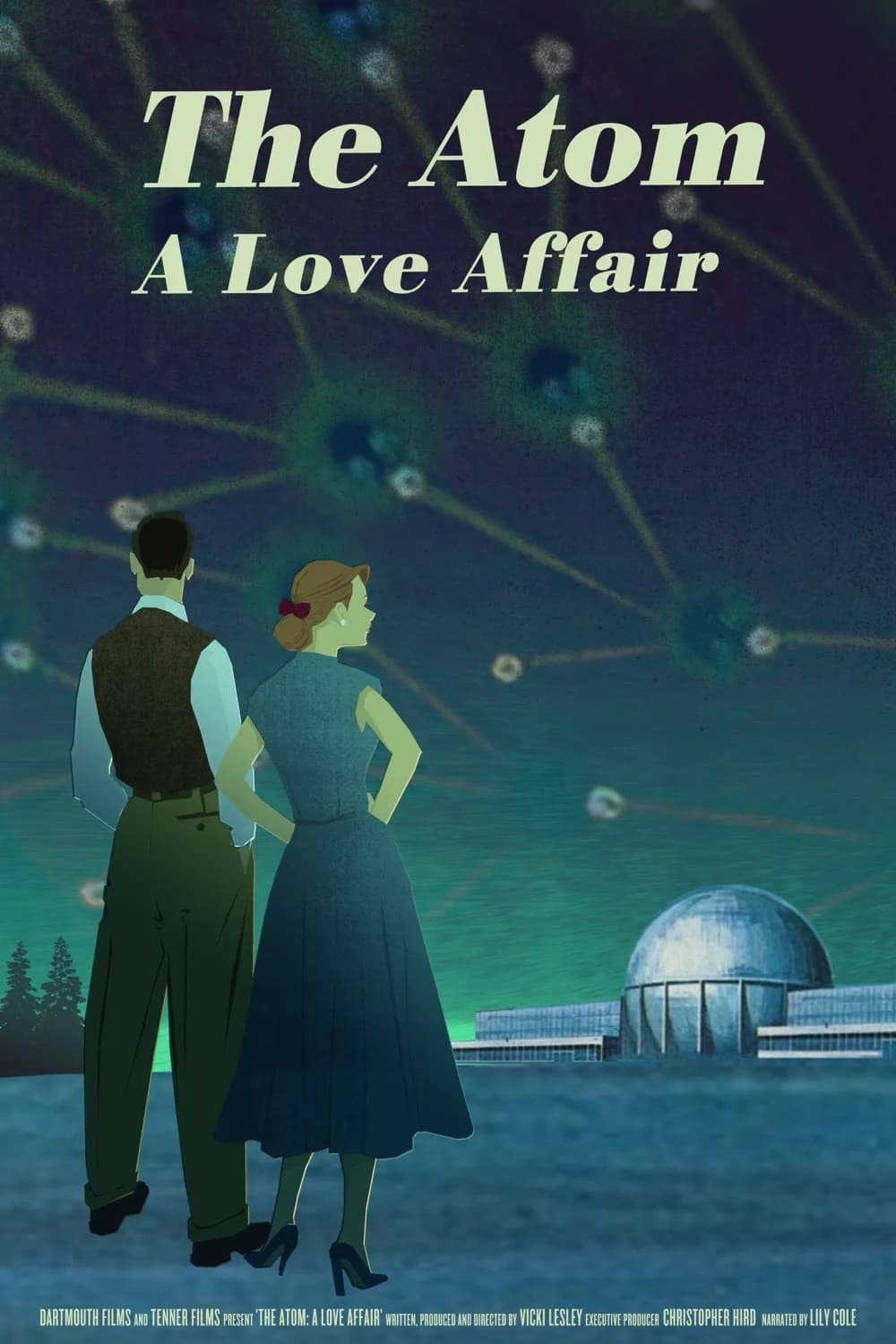
With a wealth of fantastic archive footage and a series of revealing interviews with those who had first-hand experience, filmmaker Vicki Lesley tells the turbulent story of the West’s love-hate relationship with a nuclear power over the past seventy years. Capturing both the tantalising promise and the repeated disappointments of this singular technology, the film reveals how the post-war, romantic fantasy of an Atom-powered future developed into the stormy, on-off relationship still playing out today. A tale of scientific passion and political intrigue all wrapped up in the packaging of a sentimental screen melodrama.
Dr. Helen Caldicott is the most prominent anti-nuclear activist in the world. She's been featured on CNN, 60 Minutes, CBC and Democracy Now. In the 80s, Helen Caldicott campaigned against nuclear weapons testing in the pacific (still responsible today for the majority of tritium we're exposed to), and against the notion of a winnable nuclear war. She was nominated for a Nobel Peace Prize for her efforts. She has always made inaccurate statements regarding civilian nuclear power. But, since the Fukushima-Diachii radiation release has caused (and is projected to cause) zero fatalities... http://www.unis.unvienna.org/unis/en/... ...her tone has changed when speaking to supporters. This has not been acknowledged by prime-time media, as they continue to use her as a source. Any person or media outlet should check Caldicott's history of statements (on any subject) against a domain expert before using her as a source.
A new uranium mill -- the first in the U.S. in 30 years -- would re-connect the economically devastated rural mining community of Naturita, Colorado, to its proud history supplying the material for the first atomic bomb. Some view it as a greener energy source freeing America from its dependence on foreign oil, while others worry about the severe health and environmental consequences of the last uranium boom.
Since the first film was made explaining the power of the atom, nuclear technology has made great advances. This film is an up-to-date account of the many areas of nuclear research and recent developments in Canada. It was filmed at the long-functioning atomic reactors at Chalk River and Rolphton, and at the latest and largest atomic power station at Pickering, as well as at laboratories across the land where experimentation is carried out in both pure and applied nuclear science. Produced for the NFB by Crawley Films Ltd. for Atomic Energy of Canada Limited.
An outstanding factor in the efficiency of the CANDU reactor employed in Canadian nuclear power stations is that its construction allows for refuelling while the plant remains in operation, with no necessity for periodic shut-downs. Filmed at the Pickering, Ontario, station, this film clearly illustrates the processes and the advantages of this Canadian feature. Cutaway models and animated drawings are used in the demonstration.
A comprehensive treatment of technical and engineering aspects of Canada's first large nuclear electric power plant at Douglas Point, Ontario. The film shows the design, machining and assembly of component parts, and the special properties of the materials that went into the construction, as well as some of the exhaustive tests that were made before the station went "on power." Produced for the NFB by Crawley Films Ltd. for Atomic Energy of Canada Limited.
An account of the building and bringing into operation of Canada's pioneer nuclear power plant - the Nuclear Power Demonstration Station (NPD), built in northern Ontario as a prototype for larger plants. The film explains the principle of nuclear fission. Produced by Crawley Films Ltd. for Atomic Energy of Canada Limited, Ontario Hydro and Canadian General Electric Company Limited.
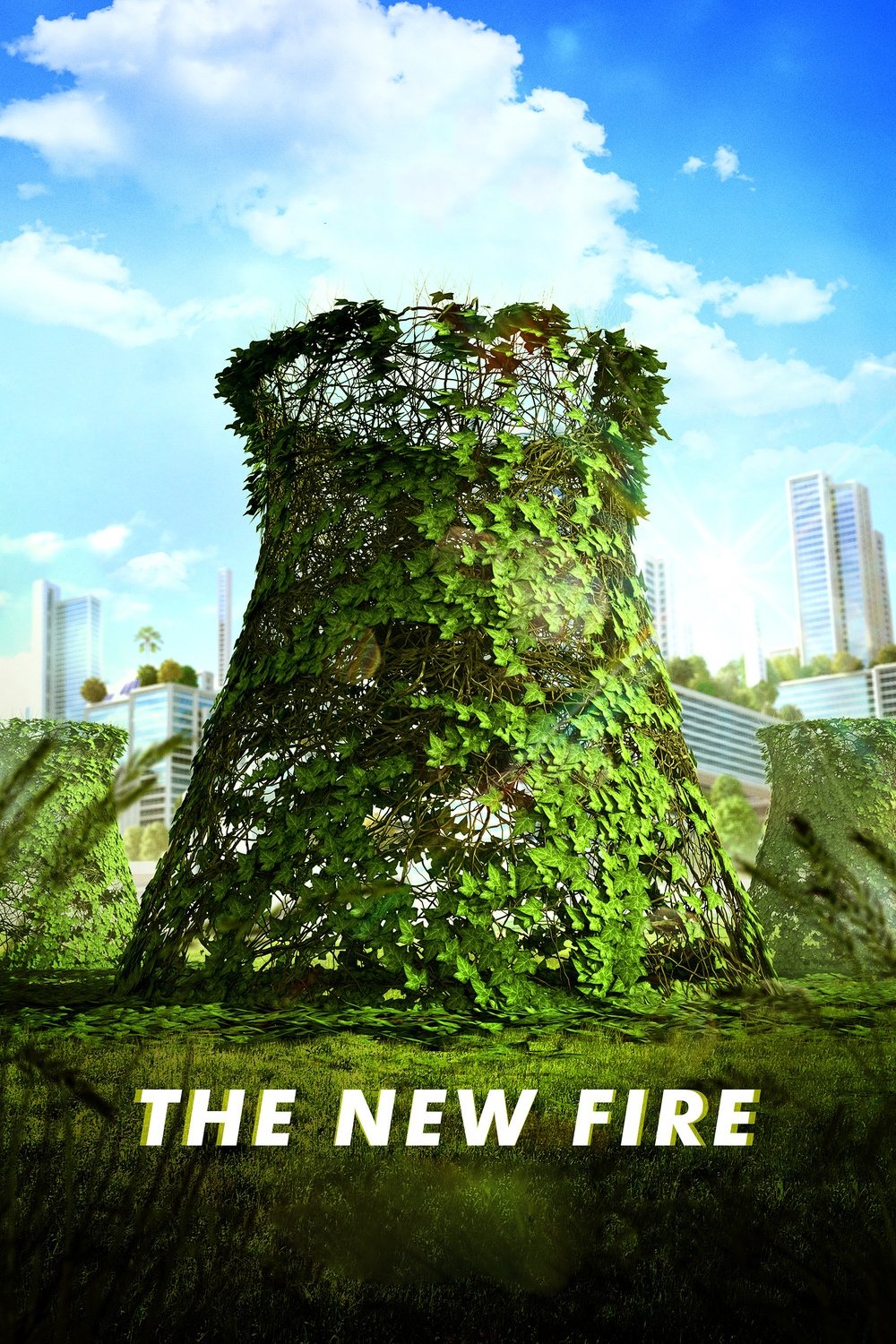
As the effects of climate change become more and more apparent, a new generation of nuclear engineers is on the rise, hoping to help solve this greatest environmental challenge humanity has ever faced. THE NEW FIRE is a documentary by Emmy-winning director David Schumacher, which provides a timely perspective on addressing climate change and global development. Nuclear energy has been vilified in much of the environmental community, yet the next-generation reactors currently in development may actually be the key to avoiding climate catastrophe
An inside look at one of the most anticipated movie sequels ever with James Cameron and cast.
A string of threatening emails escalates into a revenge plot involving a newly married US marshal and his ex-girlfriend.
In a crime-plagued neighborhood near Miami, brutal, bare-knuckled backyard fights give young men a chance to earn money -- and self-respect.
Alexander McQueen's rags-to-riches story is a modern-day fairy tale, laced with the gothic. Mirroring the savage beauty, boldness and vivacity of his design, this documentary is an intimate revelation of McQueen's own world, both tortured and inspired, which celebrates a radical and mesmerizing genius of profound influence.
This revealing documentary honors the legendary Sidney Poitier—iconic actor, filmmaker, and civil rights activist. Featuring interviews with Denzel Washington, Spike Lee, Halle Berry, and more.
Daniel Craig candidly reflects on his 15 year adventure as James Bond. Including never-before-seen archival footage from Casino Royale to the upcoming 25th film No Time To Die, Craig shares his personal memories in conversation with 007 producers, Michael G Wilson and Barbara Broccoli.
Through deeply personal interviews with her siblings and an examination of the photographs, letters, and belongings left behind, Mariska assembles a new portrait of her mother Jayne Mansfield, an extraordinary and complex woman.
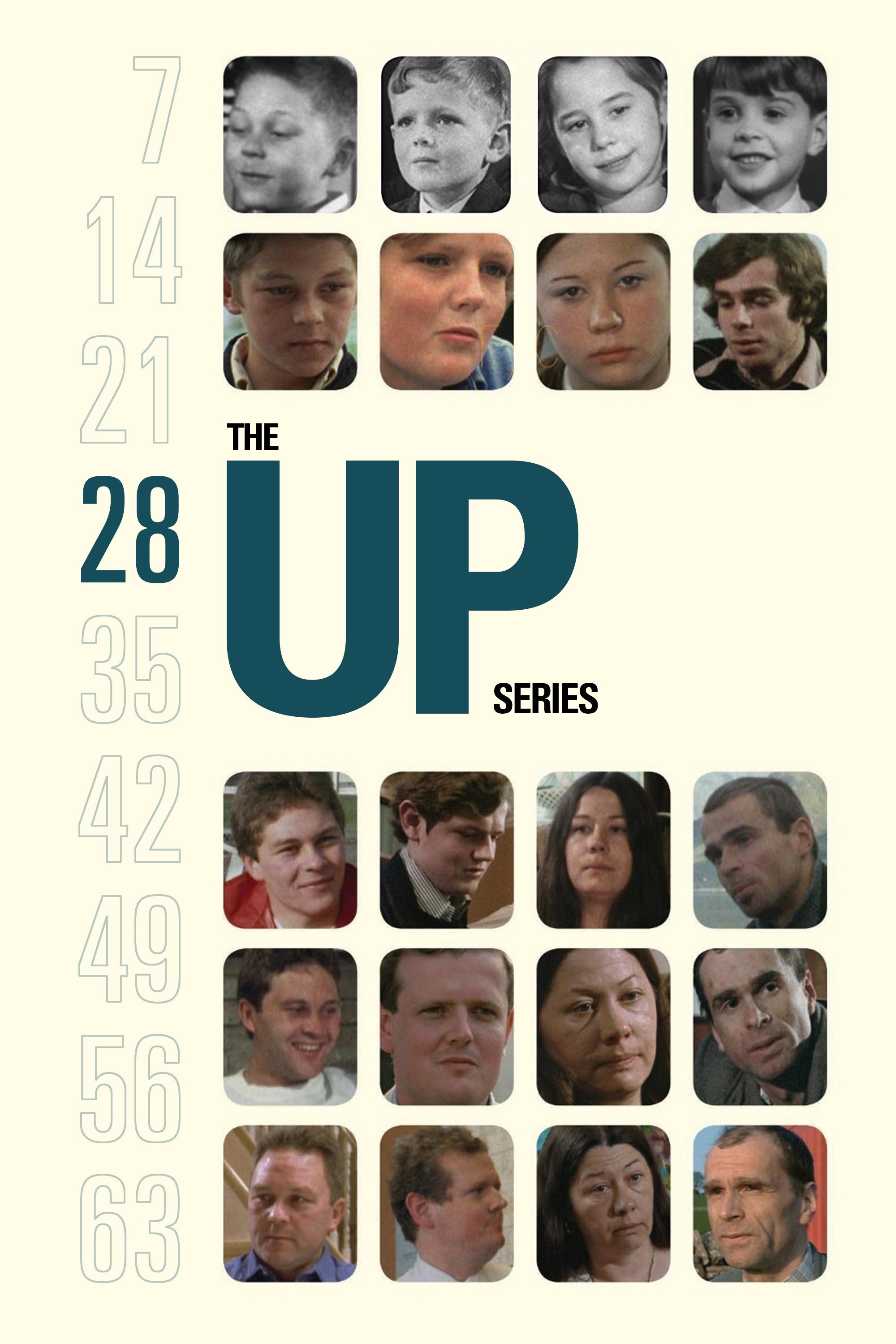
After another 7 year wait, director Michael Apted revisits the same group of British-born children from Seven Up! and 7 Plus Seven. The subjects are interviewed as to the changes that have occurred in their lives during the last seven years.
Join the likes of Jeremy Renner, Hailee Steinfeld, Florence Pugh, and Vincent D’Onofrio as they reveal how Marvel Studios’ “Hawkeye” was conceived and created. Witness firsthand what it took to pull off the show’s pulse-pounding action set pieces, and discover how iconic characters from the pages of Marvel Comics such as Kate Bishop were adapted and brought to life for the six-episode series.
SEDUCED AND ABANDONED combines acting legend Alec Baldwin with director James Toback as they lead us on a troublesome and often hilarious journey of raising financing for their next feature film. Moving from director to financier to star actor, the two players provide us with a unique look behind the curtain at the world's biggest and most glamourous film festival, shining a light on the bitter-sweet relationship filmmakers have with Cannes and the film business. Featuring insights from directors Martin Scorsese, 'Bernando Bertolucci' and Roman Polanski; actors Ryan Gosling and Jessica Chastain and a host of film distribution luminaries.
The life and career of one of comedy's most inimitable modern voices, Mr. Gilbert Gottfried.
A documentary about the making of season five of the acclaimed AMC series Breaking Bad.
Director Michael Apted revisits the same group of British-born adults after a 7 year wait. The subjects are interviewed as to the changes that have occurred in their lives during the last seven years.
Just two years away from turning 30, participants in Michael Apted's documentary series are facing serious questions of identity and purpose, wondering whether they've found their place in the world.
A comedic, brutally honest documentary following self-destructive TV writer Dan Harmon as he takes his live podcast on a national tour.
Ranjit, a farmer in India, takes on the fight of his life when he demands justice for his 13-year-old daughter, the victim of a brutal gang rape. His decision to support his daughter is virtually unheard of, and his journey unprecedented.
Over 35 years after Bob Lazar's revelations, this documentary exposes secrets of a facility the government still denies. Featuring Lazar's testimony, recreations, and new evidence, it reopens a case that continues to spark global curiosity
This raucous journey into the heart of democracy captures an unusual rite of passage: 1,100 teenage boys from across Texas coming together to build a representative government from the ground up.
Al Pacino's deeply-felt rumination on Shakespeare's significance and relevance to the modern world through interviews and an in-depth analysis of "Richard III."