Social & External
The people behind it
Working largely uncredited in the Hollywood system, storyboard artist Harold and film researcher Lillian left an indelible mark on classics by Alfred Hitchcock, Steven Spielberg, Mel Brooks, Stanley Kubrick, Roman Polanski and many more.
In 1975, as America faced social and political upheaval, filmmakers turned chaos into art.
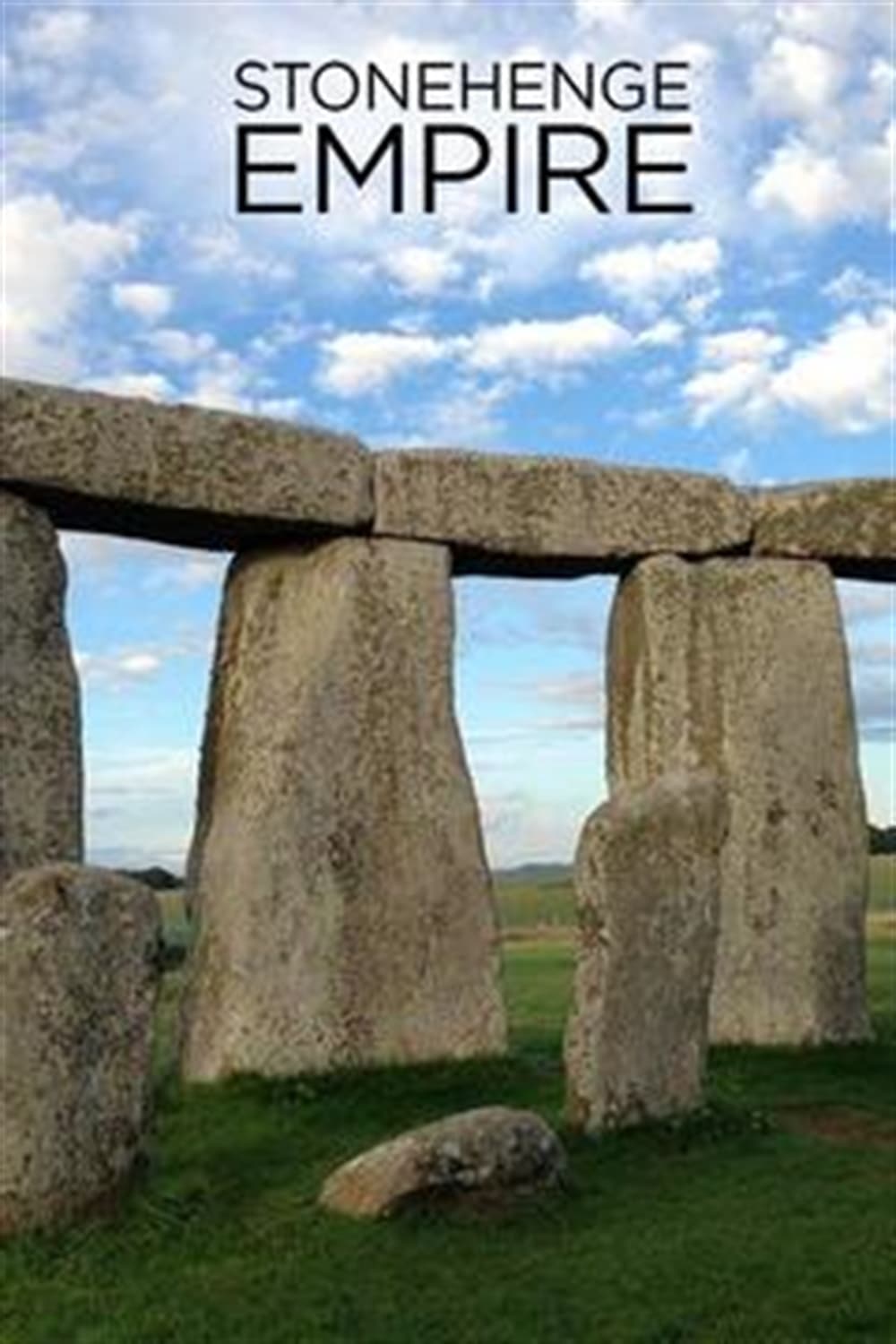
For centuries, Stonehenge has been cloaked in mystery. Who built it? How did they do it? Why did they do it and what is its significance? Now, a team of archaeologists takes a high-tech approach to find out, and their discoveries will exceed all expectations. Learn the full story of the world's most investigated prehistoric site, featuring a forgotten people who were meticulous planners, profound believers and true warriors. It's a 10,000-year-old tale, pieced together by state-of-the-art survey equipment and compelling archaeological evidence.
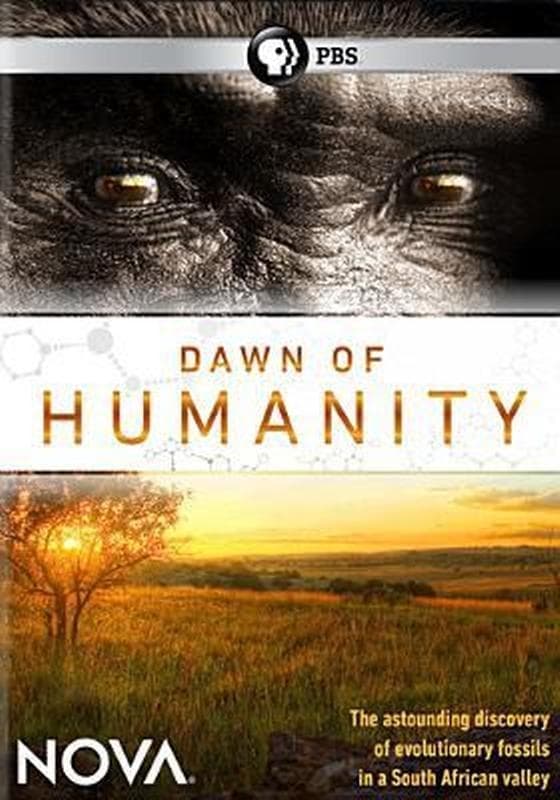
Nova and National Geographic present exclusive access to an astounding discovery of ancient fossil human ancestors.
The story of Nisar Ahmed Khan, told through his children and the people he served, a spiritual guide whose followers still visit his tomb on his birth and death anniversaries. And alongside how his family spends a few days at the village keeping his traditions alive.
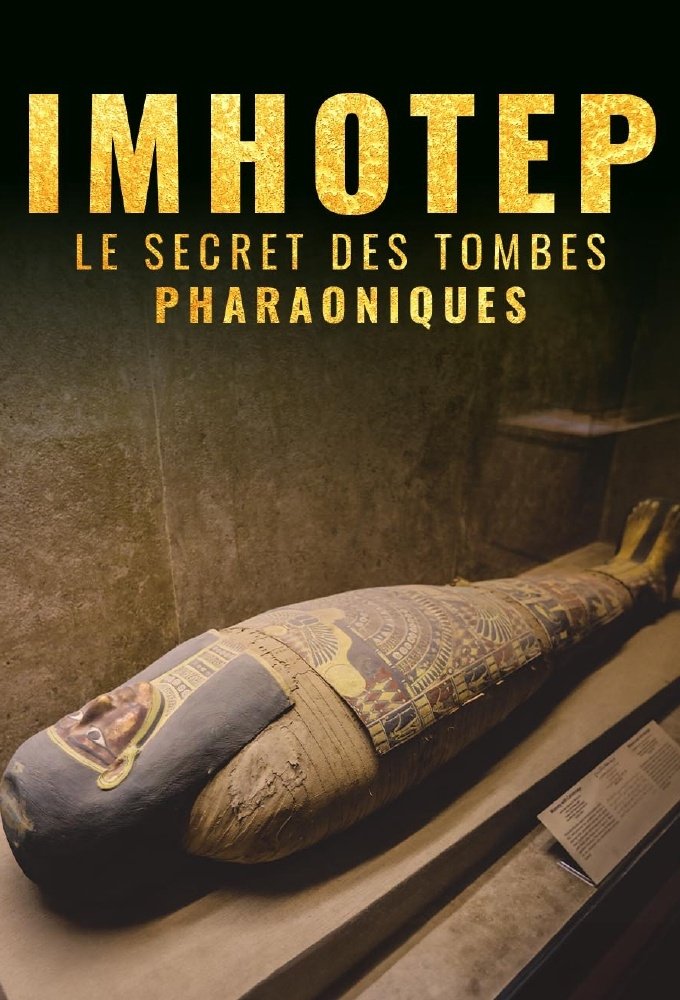
Zahi Hawass, an Egyptian archaeologist, has been excavating the ancient necropolis of Saqqara, south of Cairo, for several decades. He hopes to discover the tomb of Imhotep, the architect of humanity’s first pyramid: Djoser’s Step Pyramid. Together with his team, he will unearth fabulous tombs and uncover the secrets of Egyptian mummies.
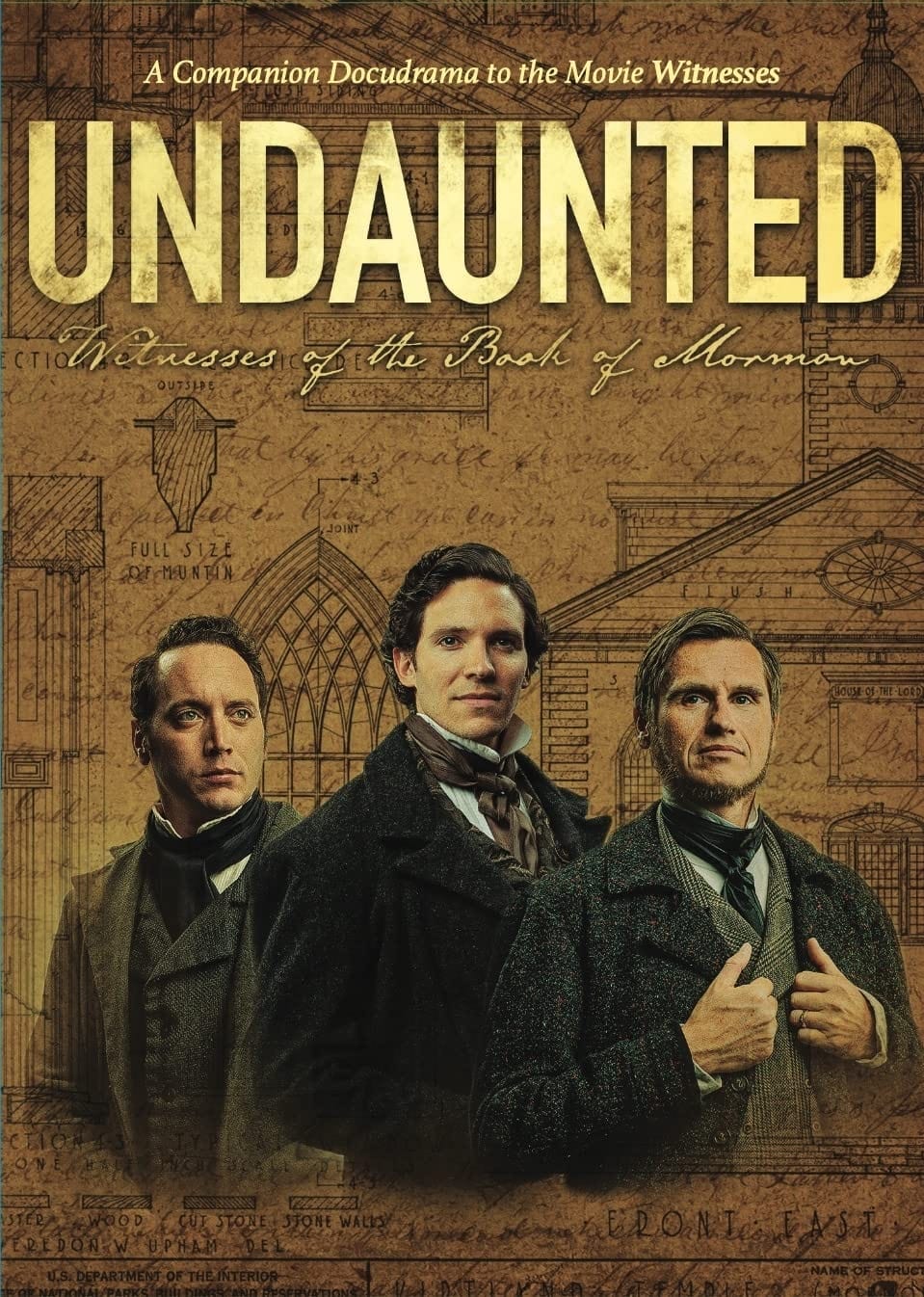
Were the eleven official witnesses—twelve if you include Joseph Smith himself—of the Book of Mormon reliable? What about the unofficial witnesses who interacted with the plates in various ways—including a number of women? Were the plates actually made of gold? How could witnesses really hear the voice of God and yet come to doubt His prophet?
Documentary covering the current state of both the theoretical and practical development of the various scientific basic principles that served, as per Gene Roddenberry's dictum, as a believable basis at the time for The Original Series. Several real-world scientists are interviewed, not a few of them unabashedly admitting they went into their chosen field of profession because of Star Trek: The Original Series.
Following her own a foot surgery, a filmmaker embarks on an investigative journey that uncovers how a 500-year-old design flaw in modern shoes has created a silent, multi-billion dollar public health crisis, and what we can do to reclaim our health from the ground up.
The moral dimension of humanity's interaction with nonhuman animals and the industries that profit from their exploitation, as informed by world religions. A historical explanation of how the current global situation came to be.
Over the past 50 years, thousands of exquisitely painted Maya vases, almost all looted from tombs, have flooded into public and private collections. These amazing works of art, filled with humor and mystery, have opened an extraordinary window on the Maya past. But the race to unearth these treasures has destroyed temples and palaces, culminating in the takeover of entire ancient cities by looter armies. OUT OF THE MAYA TOMBS (formerly titled DANCE OF THE MAIZE GOD) enters the world of the vases to explore the royal life and rich mythology of the Maya, as well as the tangled issues involved in the collection and study of Maya art. The story is told by villagers, looters, archaeologists, scholars, dealers and curators. For each, these vases have a radically different value and meaning.
Race tracks are places of longing. But only the Nürburgring in the Eifel is truly spectacular and idyllic at the same time. Loved by fans, feared by drivers: Dozens of bends, many of them with illustrious names: Schwedenkreuz, Karussell, Fuchsröhre, Bergwerk, Brünnchen. To mark the 100th anniversary of the ground-breaking ceremony in 1925, this documentary tells the story of the ups and downs of the Nürburgring.
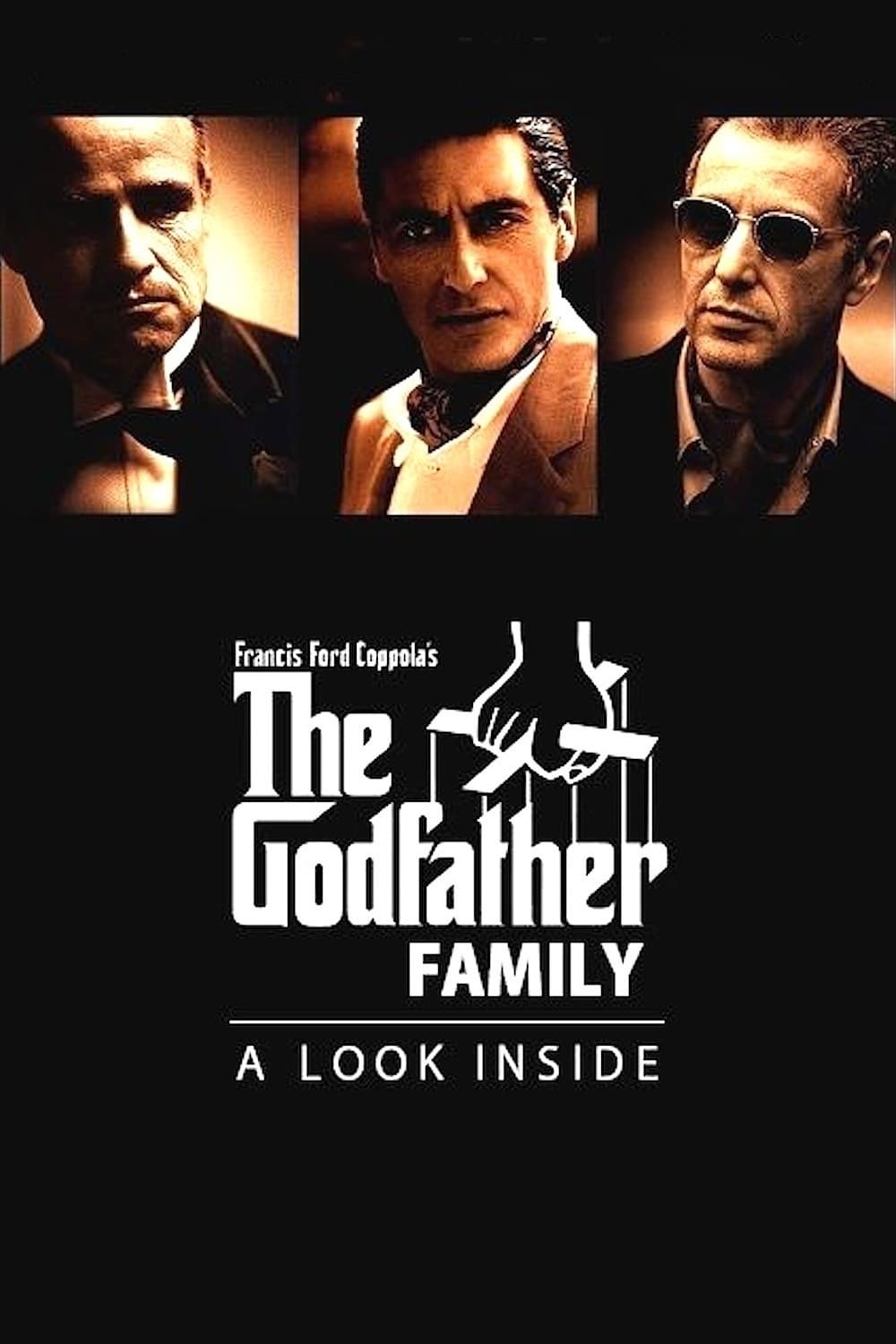
A documentary on the making of the three Godfather films, with interviews and recollections from the film makers and cast. This feature also includes the original screen tests of some of the actors for "The Godfather" film, and some candid moments on the set of "The Godfather: Part III."
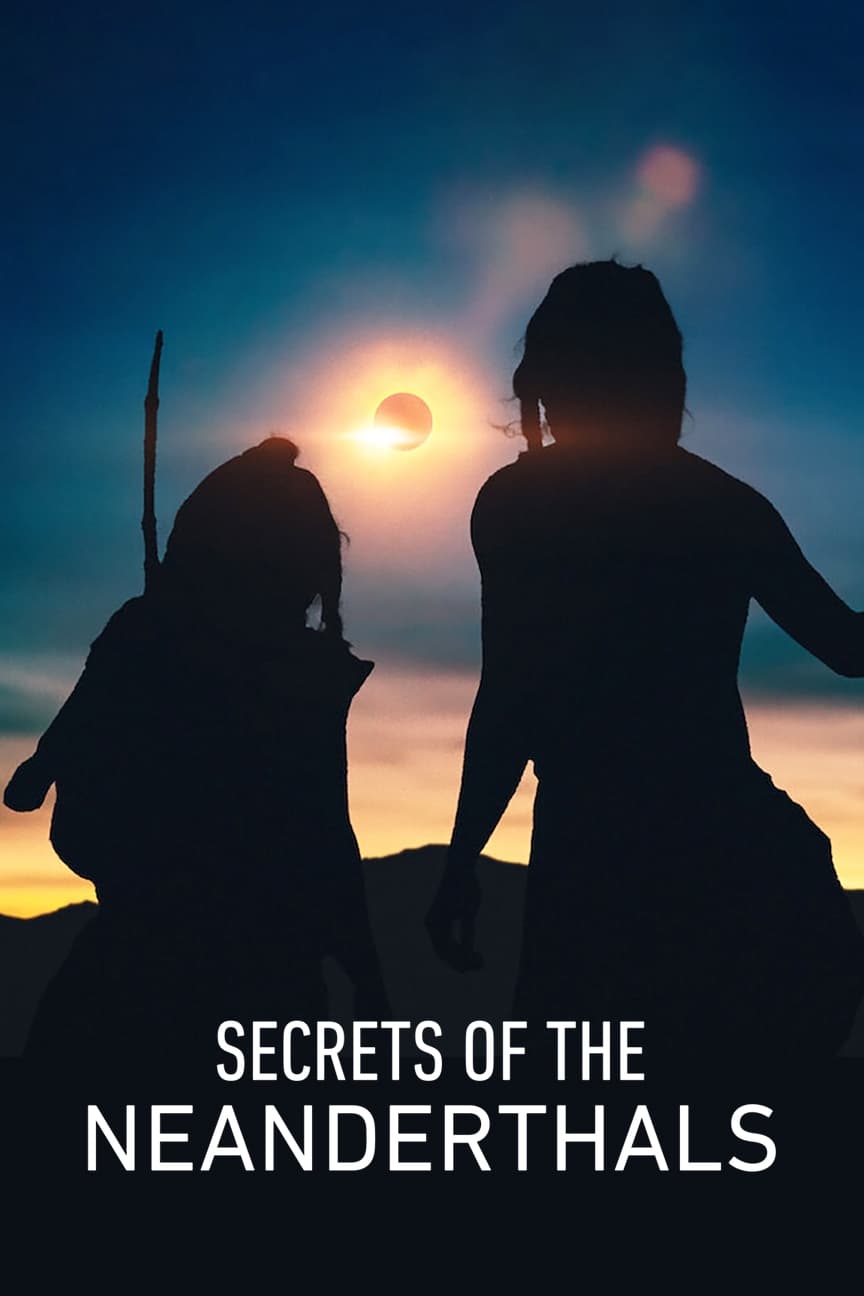
This documentary delves into the mysteries surrounding the Neanderthals and what their fossil record tells us about their lives and disappearance.
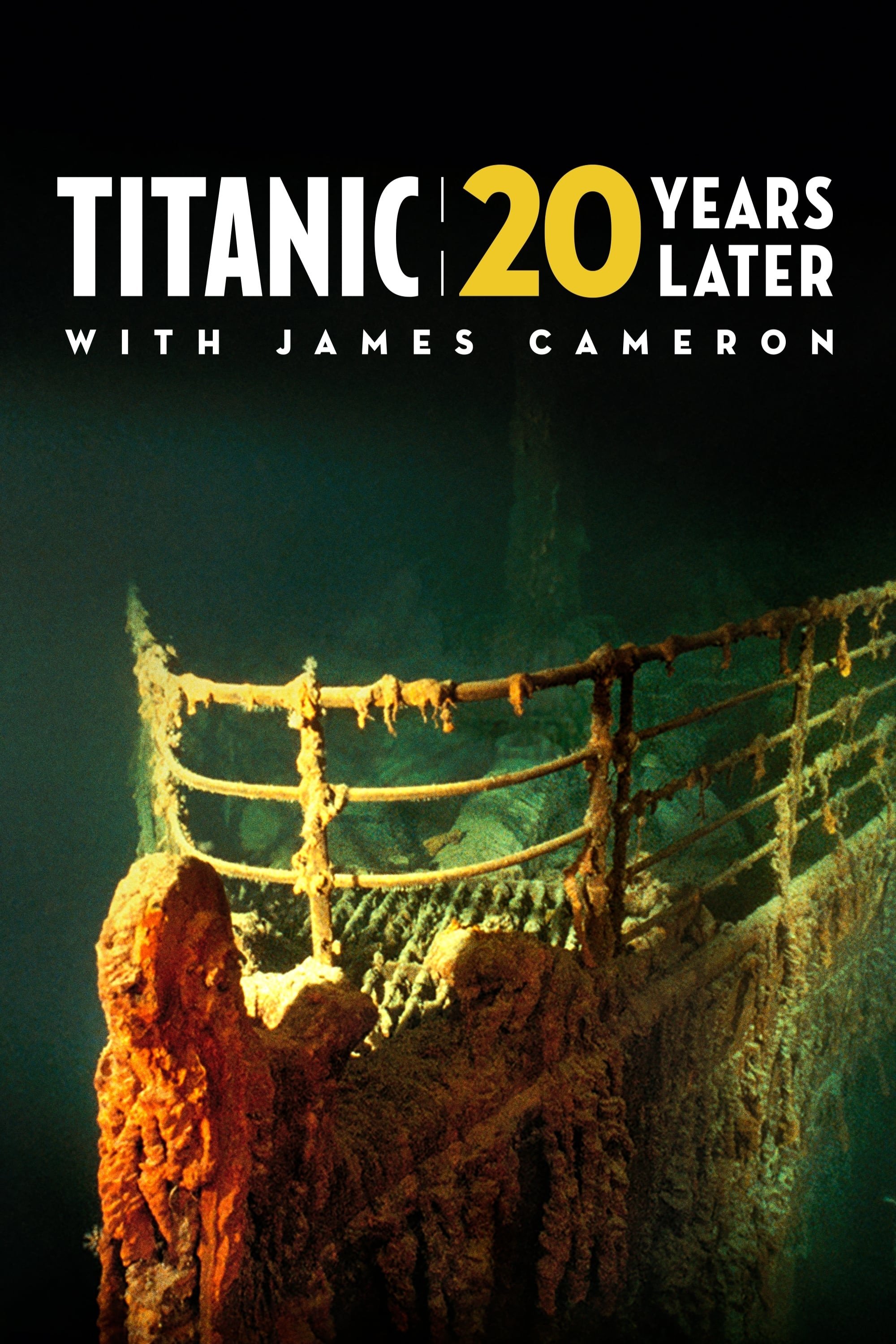
For the 20th anniversary of "Titanic," James Cameron reopens the file on the disaster.
The history of cinematic sound, told by legendary sound designers and visionary filmmakers.
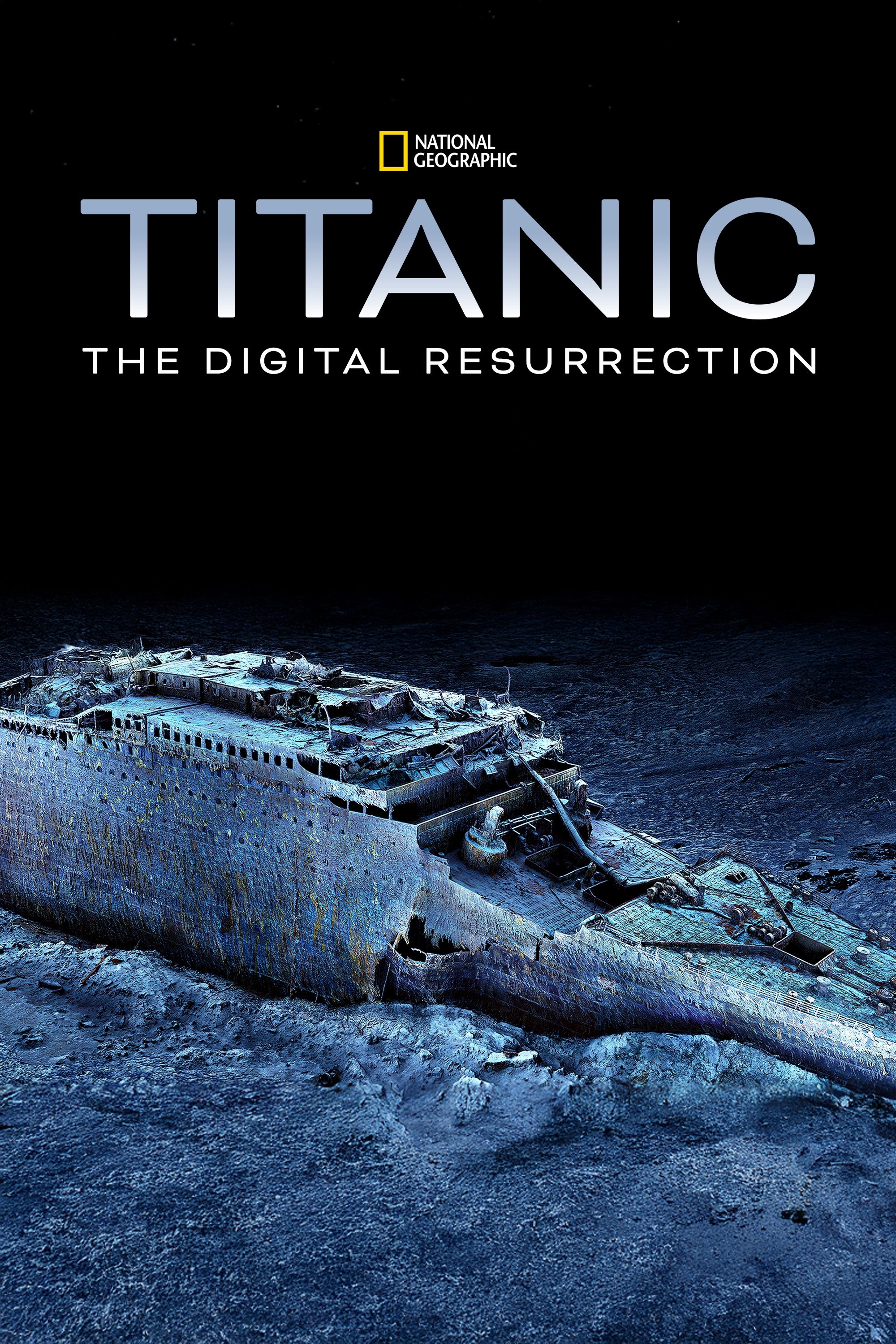
Using cutting-edge scanning technology and state-of-the-art CGI, a team of experts creates the first high-resolution 3D digital twin of the Titanic wreck. Through a groundbreaking immersive investigation, they uncover the ship’s final moments, shedding light on the acts of heroism and cowardice aboard—and revealing the true story behind the sinking of the “unsinkable” ship.
Director Claude Lanzmann spent 11 years on this sprawling documentary about the Holocaust, conducting his own interviews and refusing to use a single frame of archival footage. Dividing Holocaust witnesses into three categories – survivors, bystanders, and perpetrators – Lanzmann presents testimonies from survivors of the Chelmno concentration camp, an Auschwitz escapee, and witnesses of the Warsaw Ghetto Uprising, as well as a chilling report of gas chambers from an SS officer at Treblinka.
On September 15, 1963, a bomb destroyed a black church in Birmingham, Alabama, killing four young girls who were there for Sunday school. It was a crime that shocked the nation--and a defining moment in the history of the civil-rights movement. Spike Lee re-examines the full story of the bombing, including a revealing interview with former Alabama Governor George Wallace.
Journey into the extraordinary world of "The Witcher" — from casting the roles to Jaskier's catchy song — in this behind-the-scenes look at the series.
A look behind the lens of Christopher Nolan's space epic.
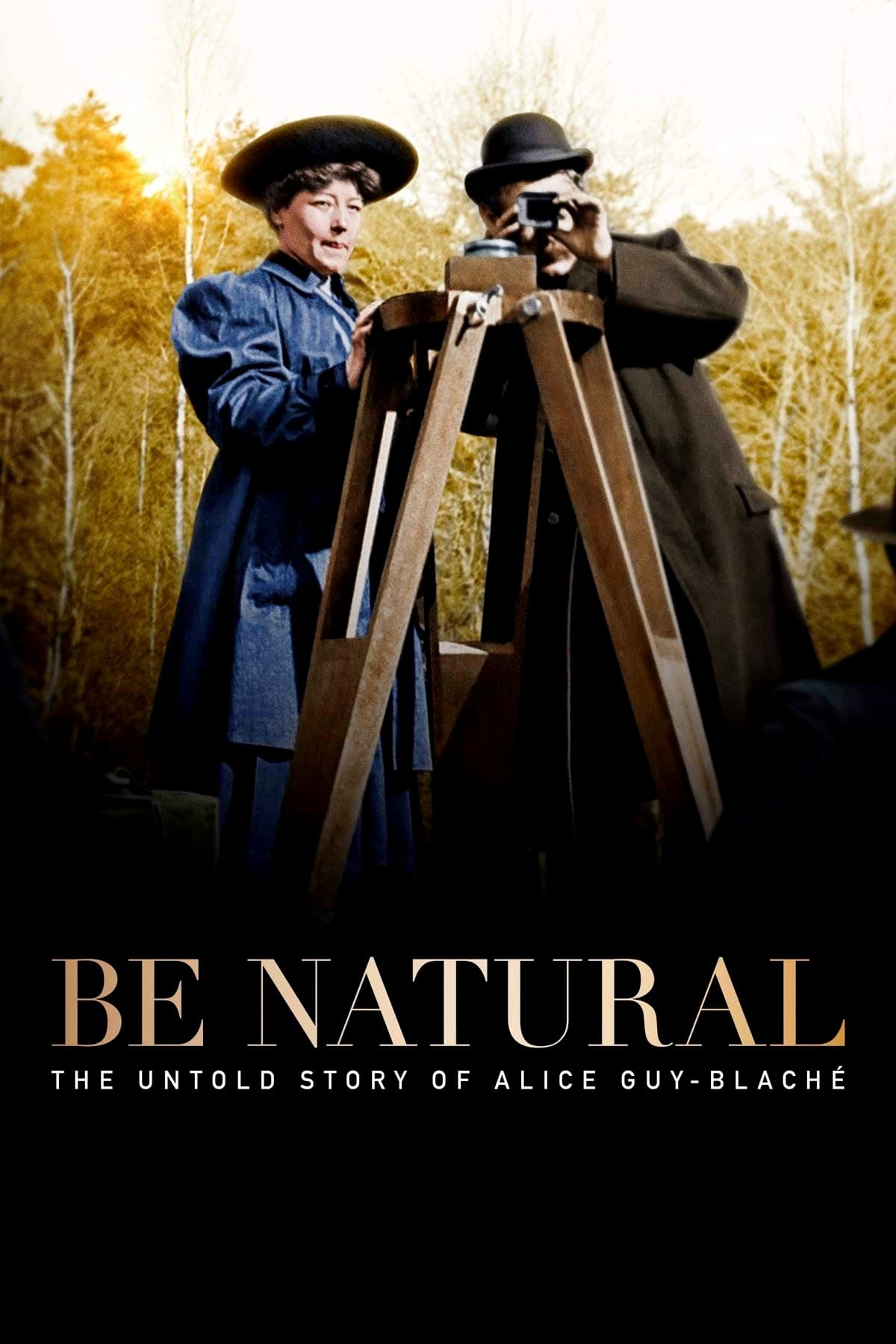
The epic life story of Alice Guy-Blaché (1873–1968), a French screenwriter, director and producer, true pioneer of cinema, the first person who made a narrative fiction film; author of hundreds of movies, but banished from history books. Ignored and forgotten. At last remembered.
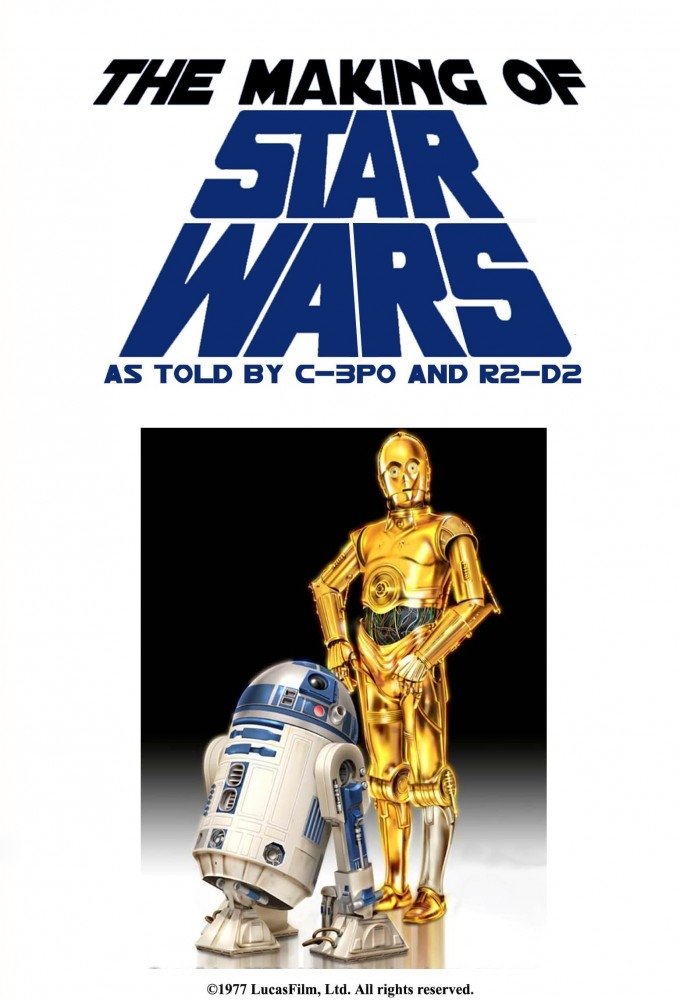
Learn the incredible behind-the-scenes story of how the original Star Wars movie was brought to the big screen in this fascinating documentary hosted by C-3PO and R2-D2 which includes interviews with George Lucas and appearances by Mark Hamill, Harrison Ford and Carrie Fisher.
Filmmaker Alain Resnais documents the atrocities behind the walls of Hitler's concentration camps.
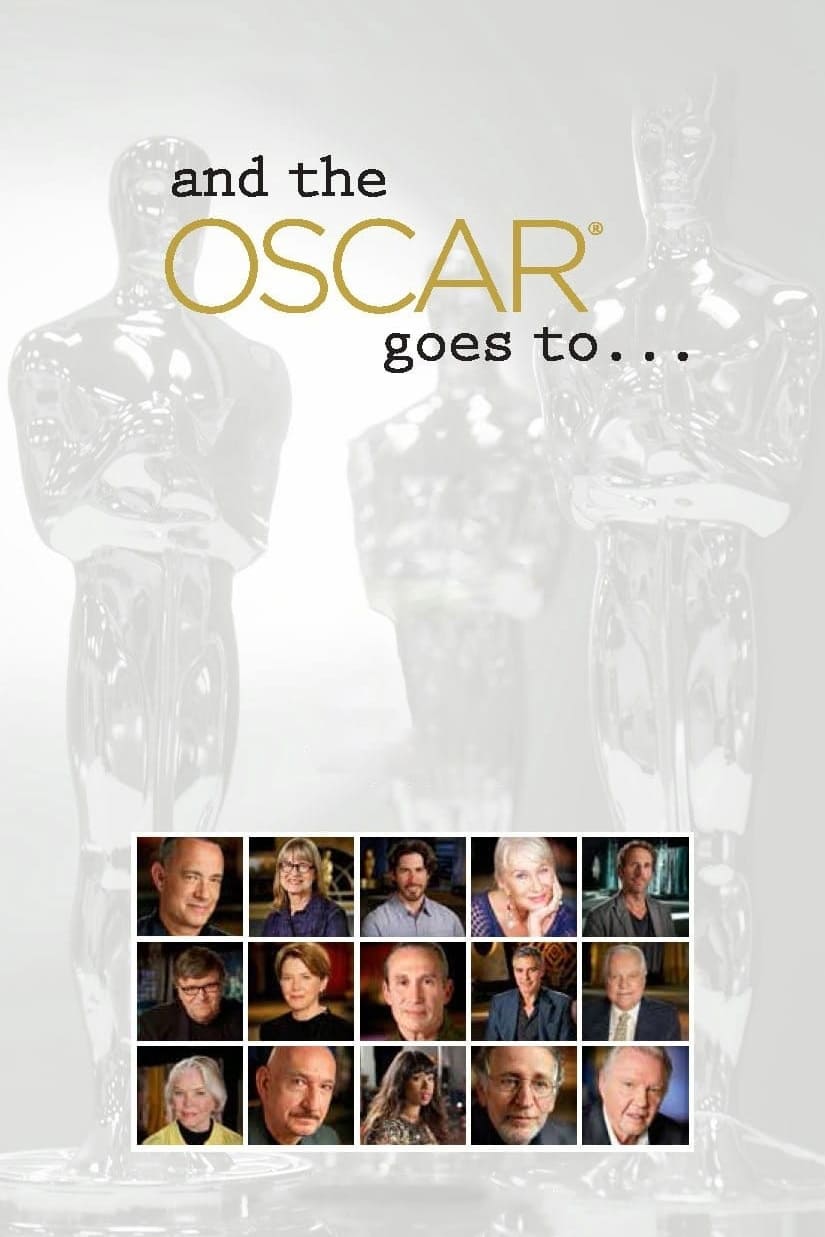
The story of the gold-plated statuette that became the film industry's most coveted prize, AND THE OSCAR GOES TO... traces the history of the Academy itself, which began in 1927 when Louis B. Mayer, then head of MGM, led other prominent members of the industry in forming this professional honorary organization. Two years later the Academy began bestowing awards, which were nicknamed "Oscar," and quickly came to represent the pinnacle of cinematic achievement.
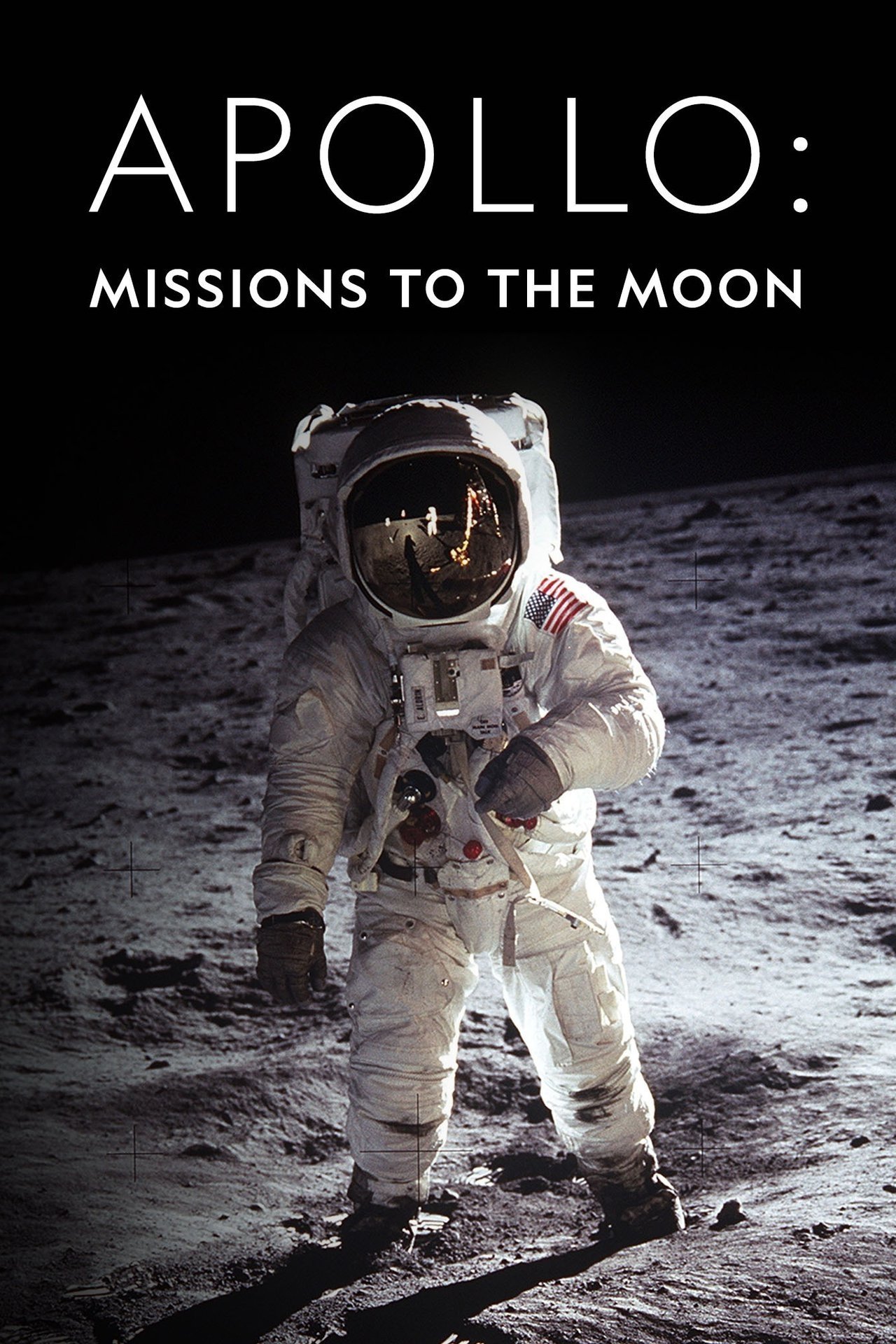
National Geographic's riveting effort recounts all 12 crewed missions using only archival footage, photos and audio.
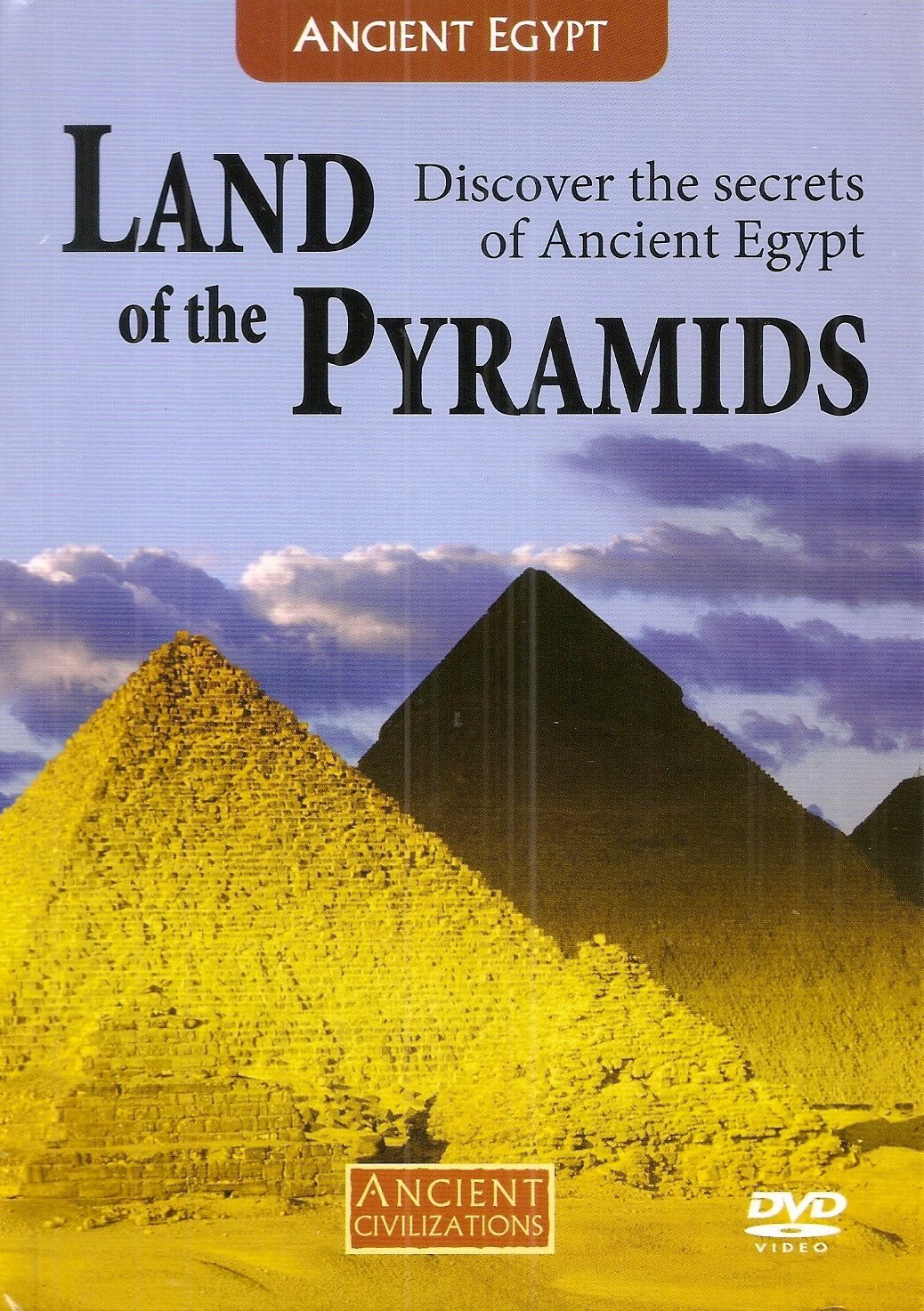
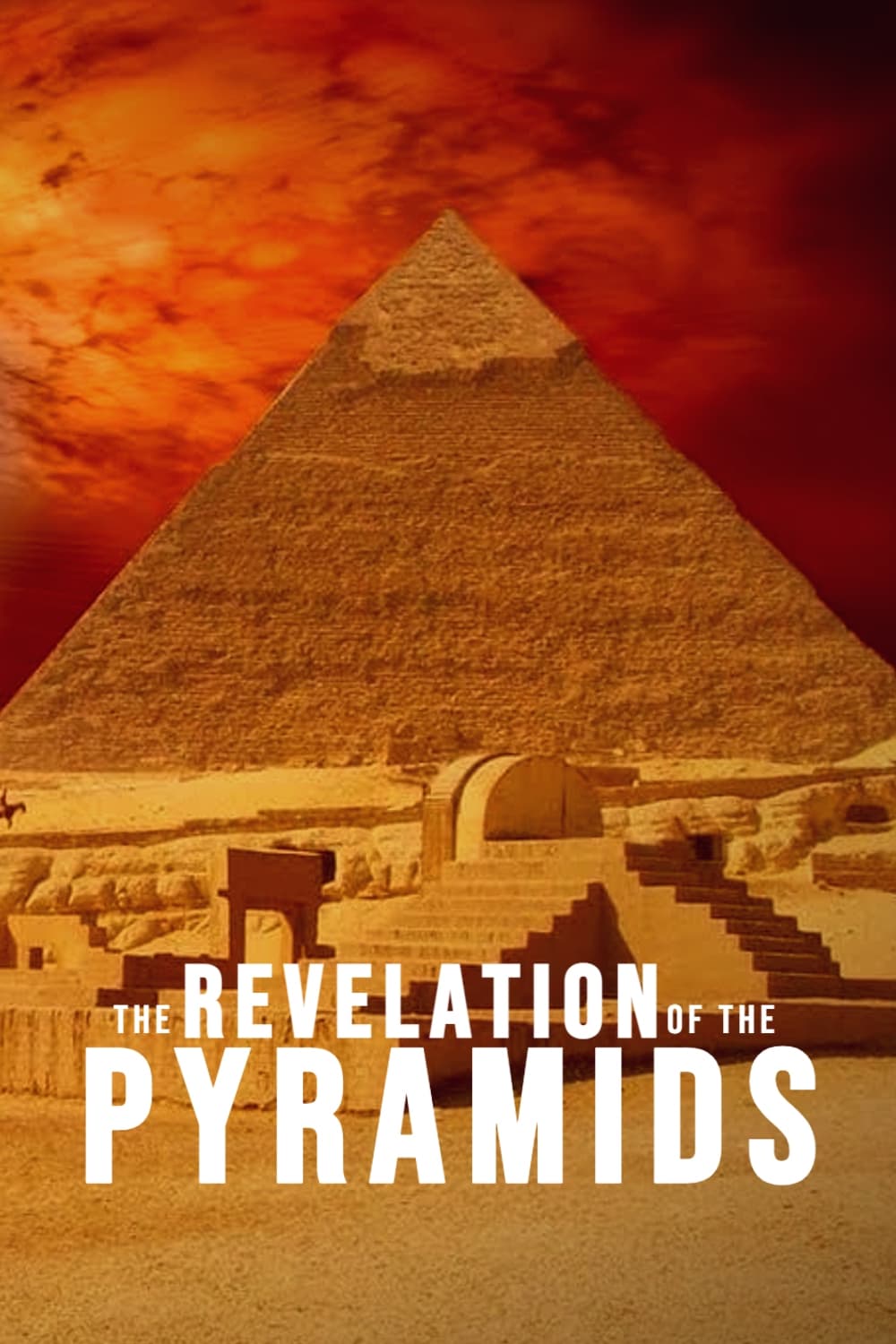
For centuries, the Great Pyramids have fascinated Mankind. Patrice Pooyard's The Revelation Of The Pyramids reveals what lies behind the greatest of archaeological mysteries: a message of paramount importance for humanity. From China to Peru, from Egypt to Mexico, through the world's most enigmatic and most beautiful sites, the director has spent 6 years meeting eminent scientific specialists and verifying his discoveries. The result will shake the teaching of history to its very core, and revolutionize Egyptology entirely. A great odyssey along a breathtaking route climaxes in a revelation as unexpected as it is staggering.
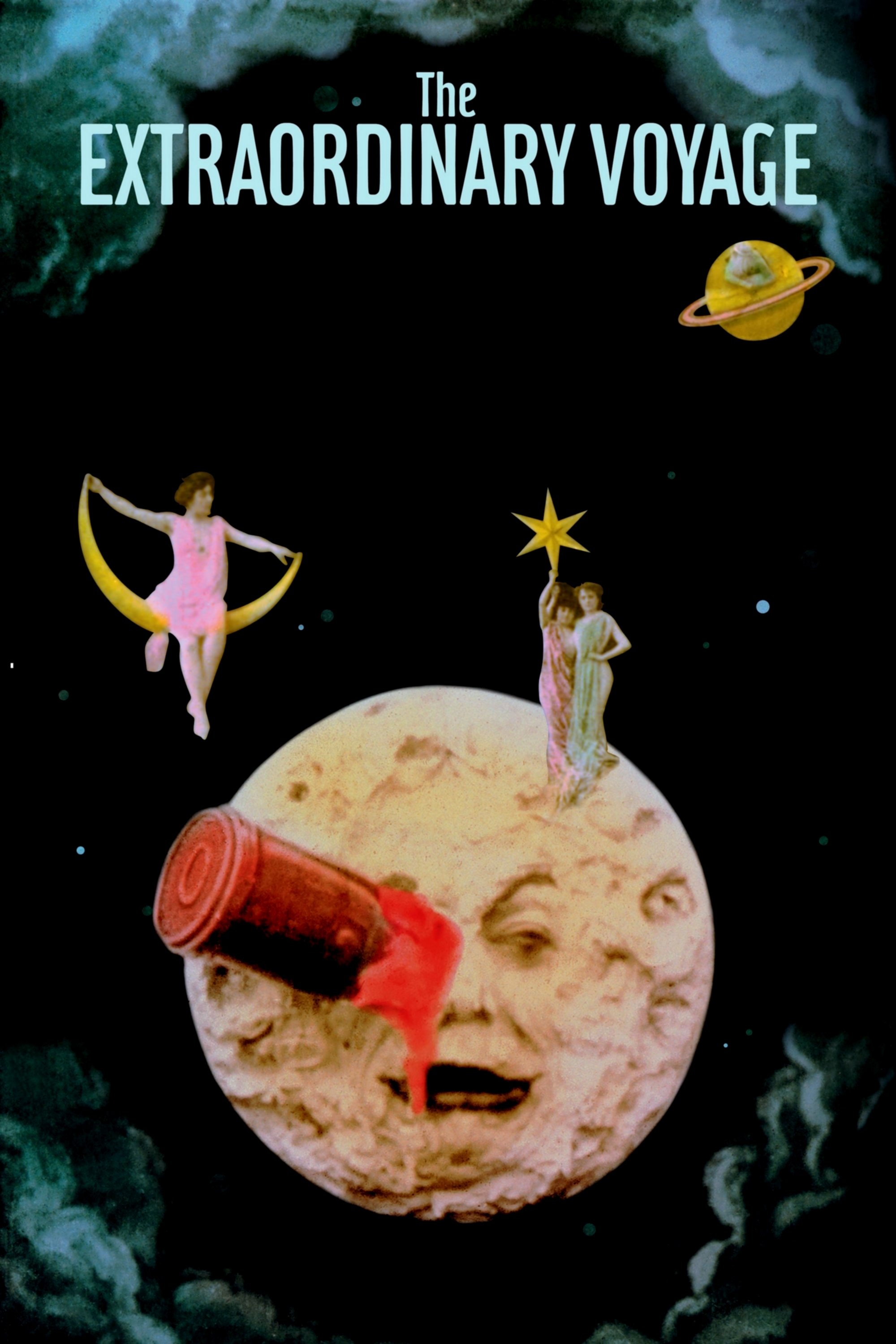
An account of the extraordinary life of film pioneer Georges Méliès (1861-1938) and the amazing story of the copy in color of his masterpiece A Trip to the Moon (1902), unexpectedly found in Spain and restored thanks to the heroic efforts of a group of true cinema lovers.
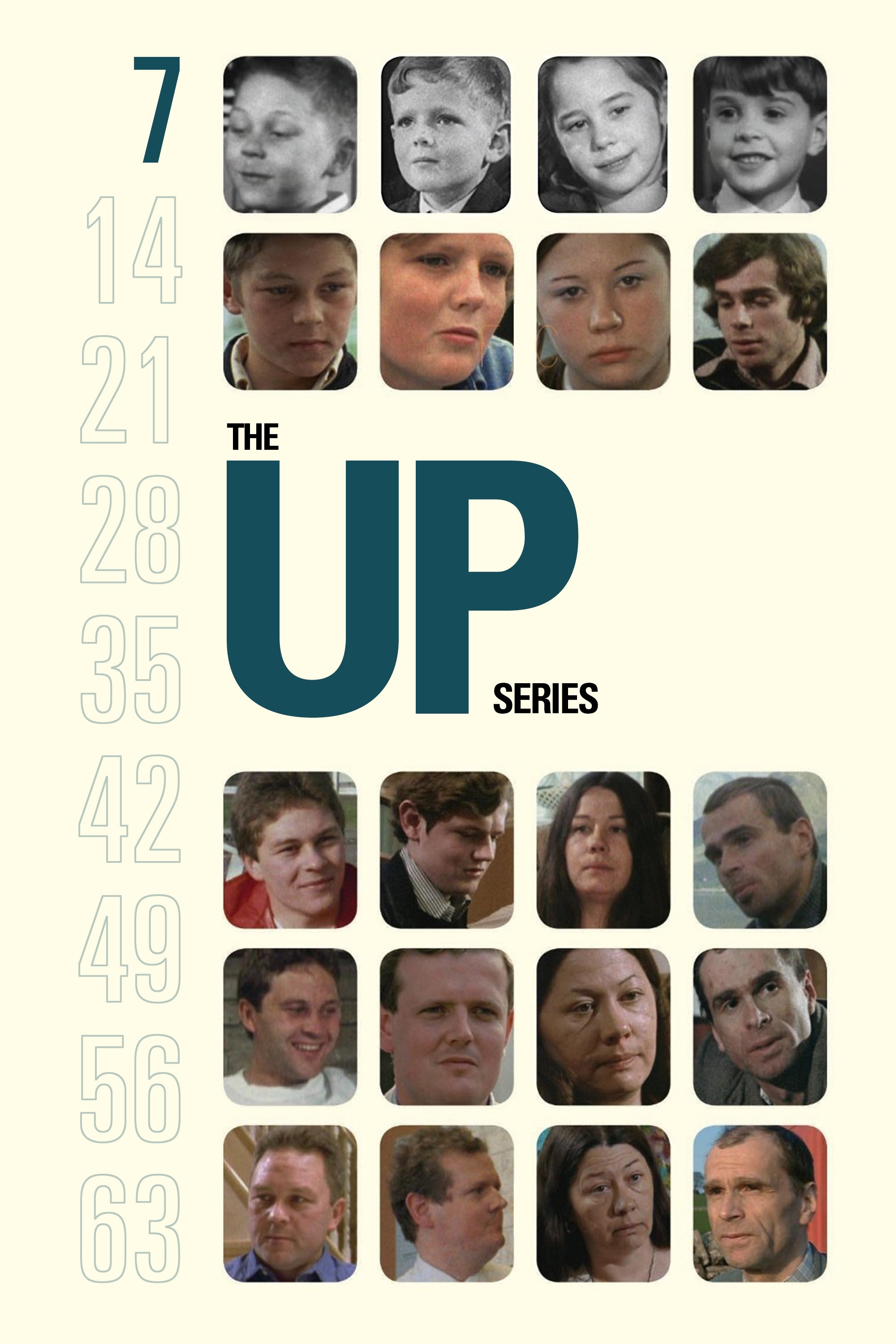
A group of British children aged 7 from widely ranging backgrounds are interviewed about a range of subjects. The filmmakers plan to re-interview them at 7 year intervals to track how their lives and attitudes change as they age.
A collection of restored prints from the Lumière Brothers.
An unprecedented and intimate look at the life, work and enduring legacy of British actress Audrey Hepburn (1929-1993).
Filmed over 14 months with unprecedented access into the inner circle of the man and the sport, this is the first official and fully authorised film of one of the most celebrated figures in football. For the first time ever, the world gets vividly candid and un-paralleled, behind-closed-doors access to the footballer, father, family-man and friend in this moving & fascinating documentary. Through in-depth conversations, state of the art football footage and never before seen archival footage, the film gives an astonishing insight into the sporting and personal life of triple Ballon D'Or winner Cristiano Ronaldo at the peak of his career. From the makers of ‘Senna’ and ‘Amy’, Ronaldo takes audiences on an intimate and revealing journey of what it’s like to live as an iconic athlete in the eye of the storm.