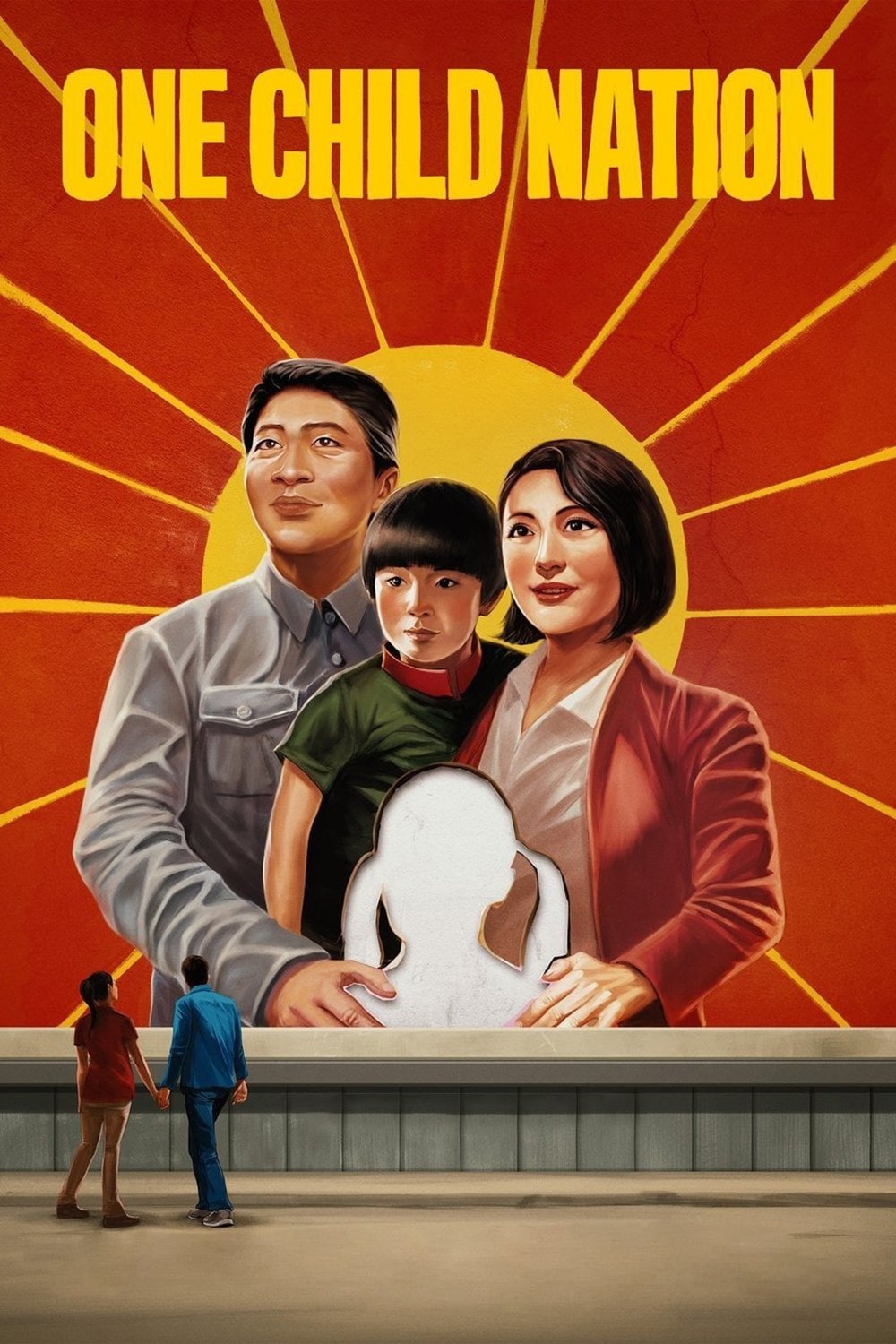
A report on the demographic impact of China’s one-child policy.
Social & External
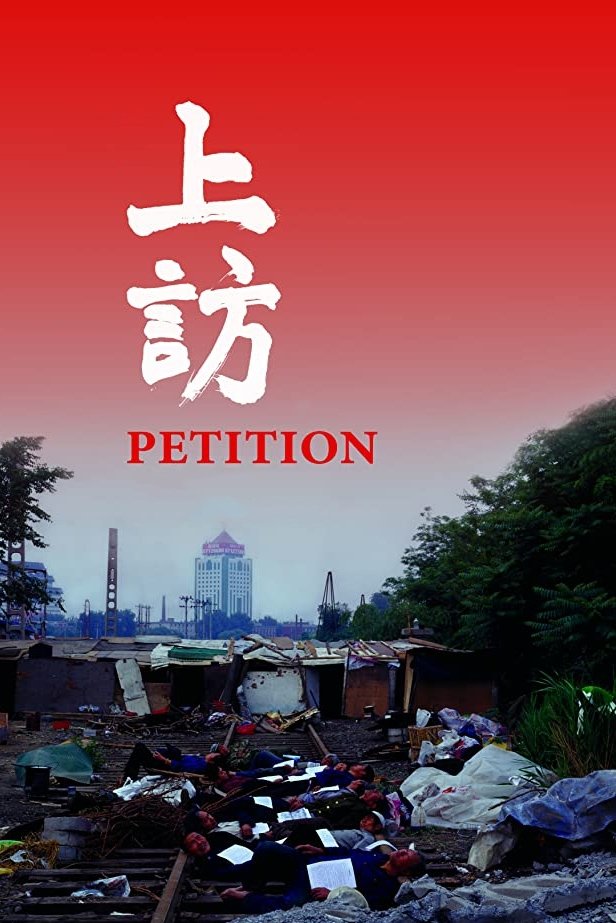
In China’s popular live-streaming showrooms, three millennials – a karaoke singer, a migrant worker and a rags-to-riches comedian – seek fame, fortune and human connection, ultimately finding the same promises and perils online as in their real lives.
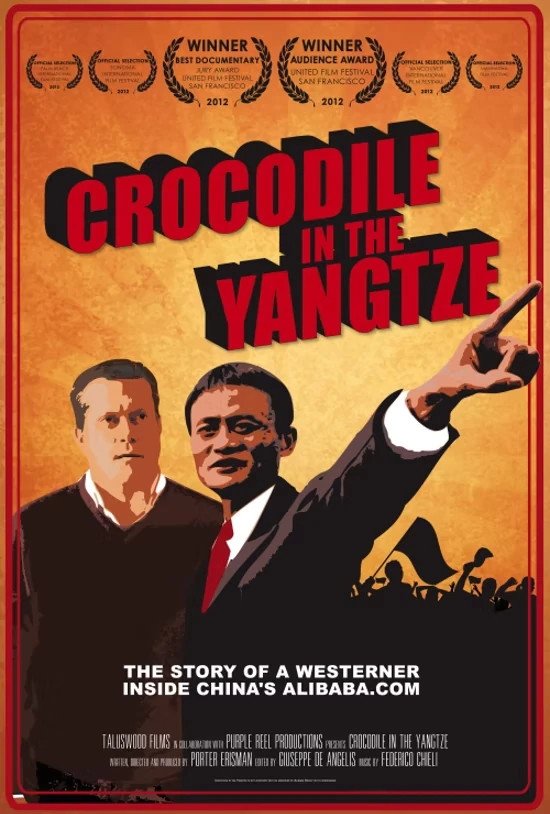
Crocodile in the Yangtze follows China's first Internet entrepreneur and former English teacher, Jack Ma, as he battles US giant eBay on the way to building China's first global Internet company, Alibaba Group. An independent memoir written, directed and produced by an American who worked in Ma's company for eight years, Crocodile in the Yangtze captures the emotional ups and downs of life in a Chinese Internet startup at a time when the Internet brought China face-to-face with the West. Crocodile in the Yangtze draws on 200 hours of archival footage filmed by over 35 sources between 1995 and 2009. The film presents a strikingly candid portrait of Ma and his company, told from the point of view of an “American fly on a Chinese wall” who witnessed the successes and the mistakes Alibaba encountered as it grew from a small apartment into a global company employing 16,000 staff.


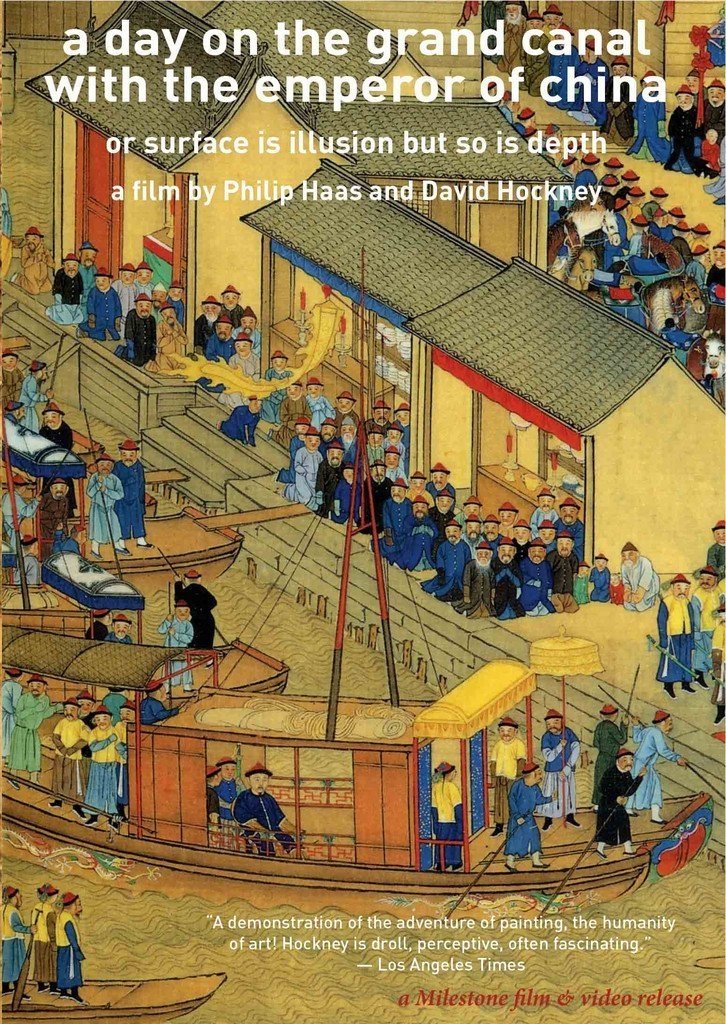
Director Philip Haas and artist David Hockney invite you to join them on a magical journey through China via a marvelous 72-foot long 17th-century Chinese scroll entitled The Kangxi Emperor's Southern Inspection Tour (1691-1698), scroll seven . As Hockney unrolls the beautiful and minutely detailed work of art, he traces the Emperor Kangxi’s second tour of his southern empire in 1689.
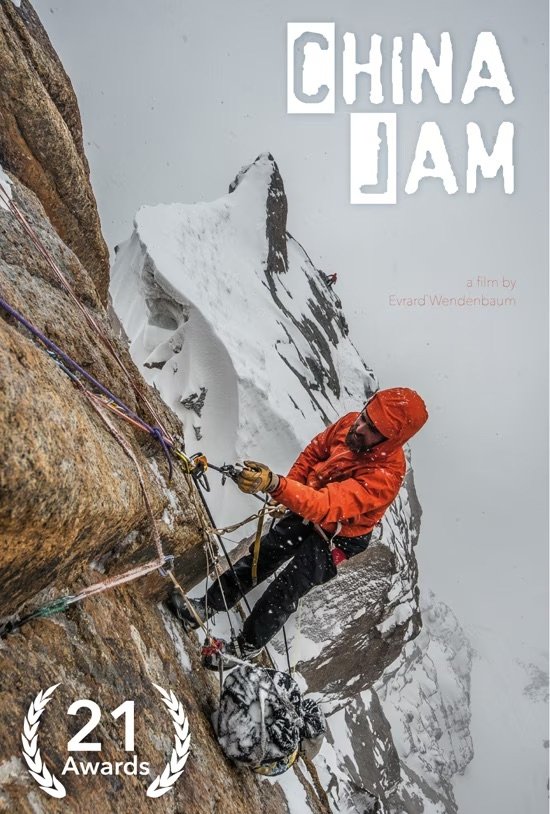
In their infinite quest for virgin big walls, adventurers Sean Villanueva O’Driscoll, Nicolas Favresse, Stephane Hanssens and Evrard Wendenbaum, head in September 2013 to a remote valley in the westernmost region of China. There, they found a fantastic 1200m vertical pillar, culminating at 5842m. They spent 14 days on the wall facing snow storms and harsh conditions to finally achieve this amazing ascent with some frost bites but never forgetting to have a lot of fun and to play unreal musical sessions.
How do you reconcile a commitment to non-violence when faced with violence? Why do the poor often seem happier than the rich? Must a society lose its traditions in order to move into the future? These are some of the questions posed to His Holiness the Dalai Lama by filmmaker and explorer Rick Ray. Ray examines some of the fundamental questions of our time by weaving together observations from his own journeys throughout India and the Middle East, and the wisdom of an extraordinary spiritual leader. This is his story, as told and filmed by Rick Ray during a private visit to his monastery in Dharamsala, India over the course of several months. Also included is rare historical footage as well as footage supplied by individuals who at great personal risk, filmed with hidden cameras within Tibet.
Railroad of Hope consists of interviews and footage collected over three days by Ning Ying of migrant agricultural workers traveling from Sichuan in China's interior, to the Xinjiang Autonomous Region, China's northwest frontier.[1] Through informal interviews aboard the cramped rail cars, Ning Ying explores the hopes and dreams of the workers, many of whom have never left their homes before.
Amidst the grand walls of the Forbidden City, the film takes us on a deep journey through the ceremonial life of the Chinese emperor, unveiling the secrets and intrigues of concubines, eunuchs, and palace maids. As the West begins to influence China in the late 19th century, the dynamics within the city shift dramatically. The film highlights the preservation and restoration of invaluable treasures and paintings, culminating in the creation of the Palace Museum. With insights from renowned China scholar, Jonathan Spence, this is an intimate exploration of the rich cultural and historical tapestry that makes up the heart of ancient China.
The film uses a documentary approach to tell the stories of 12 Chinese pioneers, chosen from the fields of business and the arts. The protagonists reflect upon their life journeys against the backdrop of modern China.
Dwarves Kingdom is a documentary film about a theme park featuring performances by little people with dwarfism who live in a fantasy recreation of a magical empire. Built by a wealthy Chinese businessman, this other-worldly kingdom, officially called World Ecological Garden of Butterfly and Little People Kingdom, is located in the mountains surrounding the city of Kunming in Western China.
As a decades-old state-run aeronautics munitions factory in downtown Chengdu, China is being torn down for the construction of the titular luxury apartment complex, director Jia Zhangke interviews various people affiliated with it about their experiences.
The Chinese company Huawei wants to expand 5G worldwide and is well advanced in the development of the technology. With the help of 5G, entire communities can function wirelessly, self-driving cars become possible and advanced medical care can be performed remotely in real time. However, many are worried that Huawei is incorporating backdoors that allow vast amounts of data to be collected and then used by China for espionage.
The Tea Explorer documentary follows the journey of tea enthusiast Jeff Fuchs along the Tea Horse Road, a 1300-year-old trade route in the Himalayas. It combines the author's passion for both tea and mountains, tracing the route's history, meeting the people who live along it, and exploring the significance of tea in the region.
A representation of queer and feminist imagery that was mainly shot in the Qinghai-Tibetan Plateau, remote and developing areas in southwest China, and metropolitan cities like Beijing from 2000 to 2004 to document the social changes in contemporary China. The director sympathetically and erotically represents a variety of women, including women as laborers, women as prayers, women in the ground, women in marriage, and women who lie on the funeral pyre with their dead husbands. Her camera juxtaposes the mountains and rivers in old times, the commercialized handicrafts as exposition, the capital exploitation of the elders’ living space, and the erotic freedom of the young people in a changing city.
Chinese filmmaker Jia Zhangke returns to the shooting locations of his films, along with his actors, friends and close collaborators. Jia recalls the inspiration sources for his movies, such as Platform, Still Life and A Touch of Sin. The film is the memory of a filmmaker and of a country in convulsion, China, which reveals itself little by little.