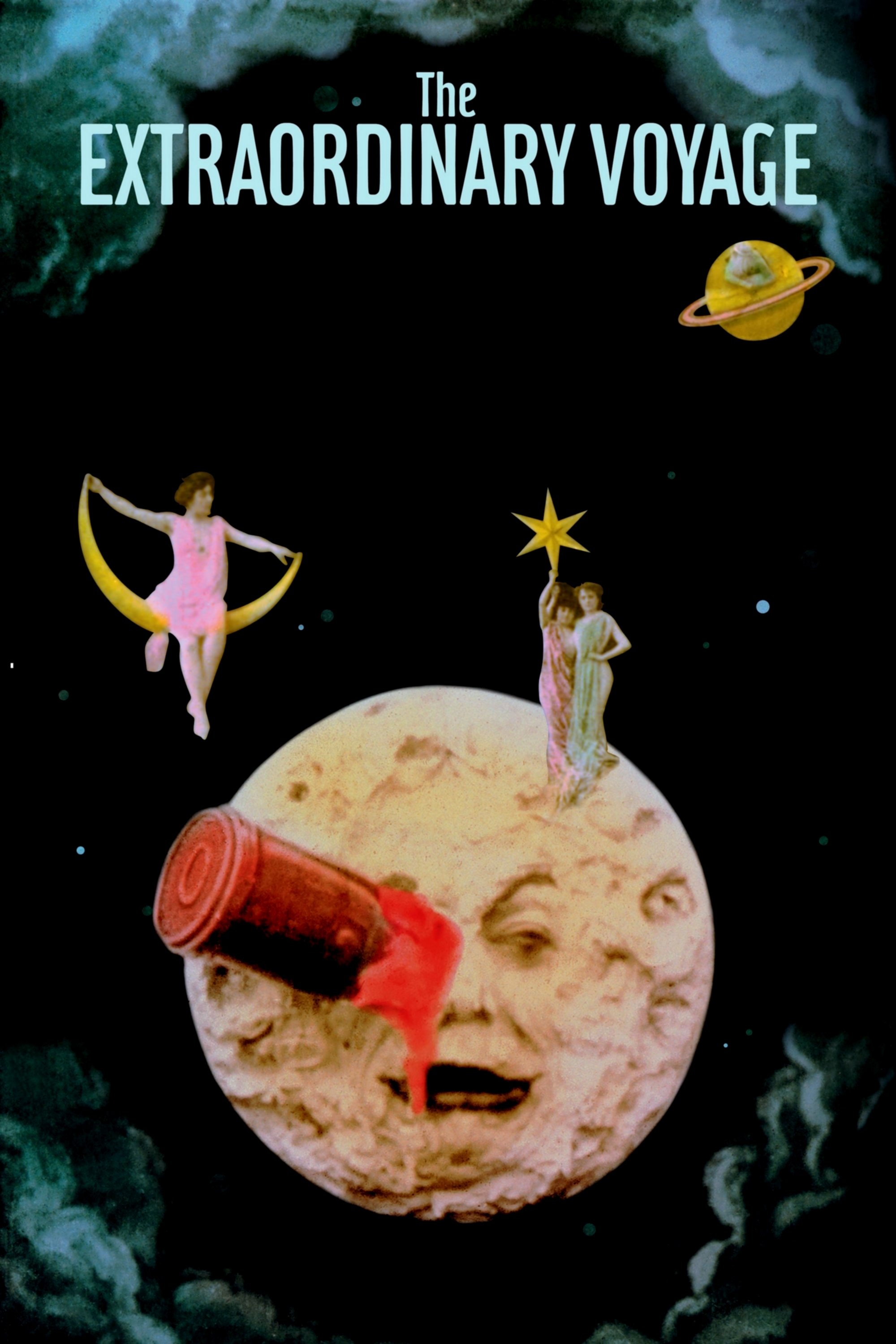
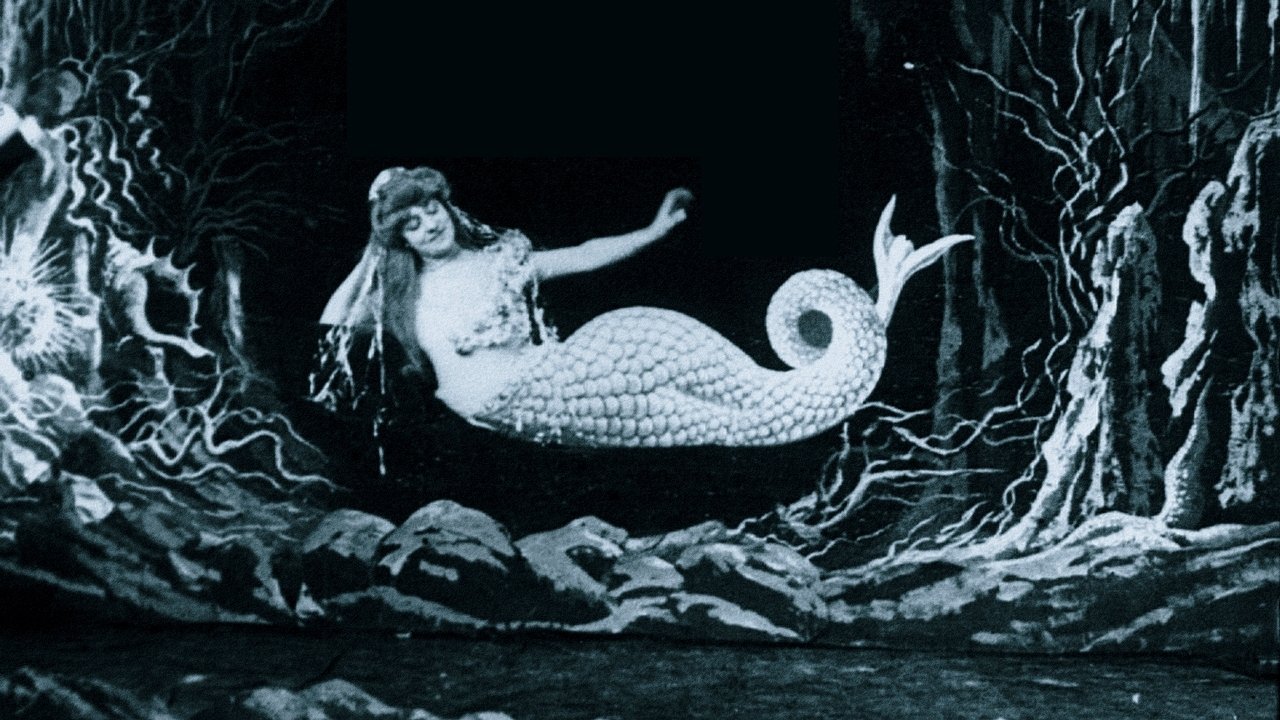
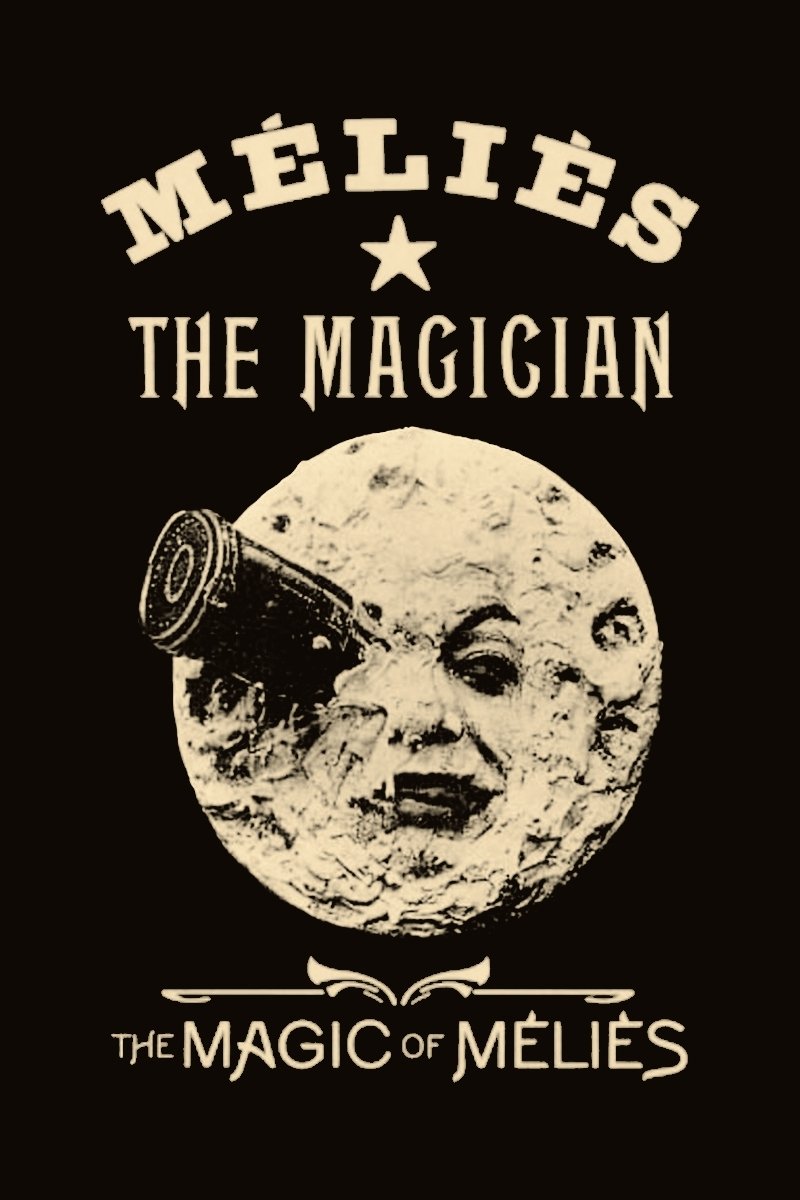
A walk through the life and work of the brilliant French filmmaker Georges Méliès (1861-1938), pioneer of special and visual effects.
Social & External
The people behind it
Marina Moncade
Self - Narrator (voice)
Daniel Ceccaldi
Méliès (voice)
Charles-Antoine Decroix
Salesman (voice)
Abdul Alafrez
Magician
Claire Mosser
Magician's Assistant
Didier Cremer
Young Méliès
Alain Kanto
Magic Lantern Operator
Philippe Duval
Announcer
François Riou
The Drawing Hand
Clara Mény
Child Madeleine
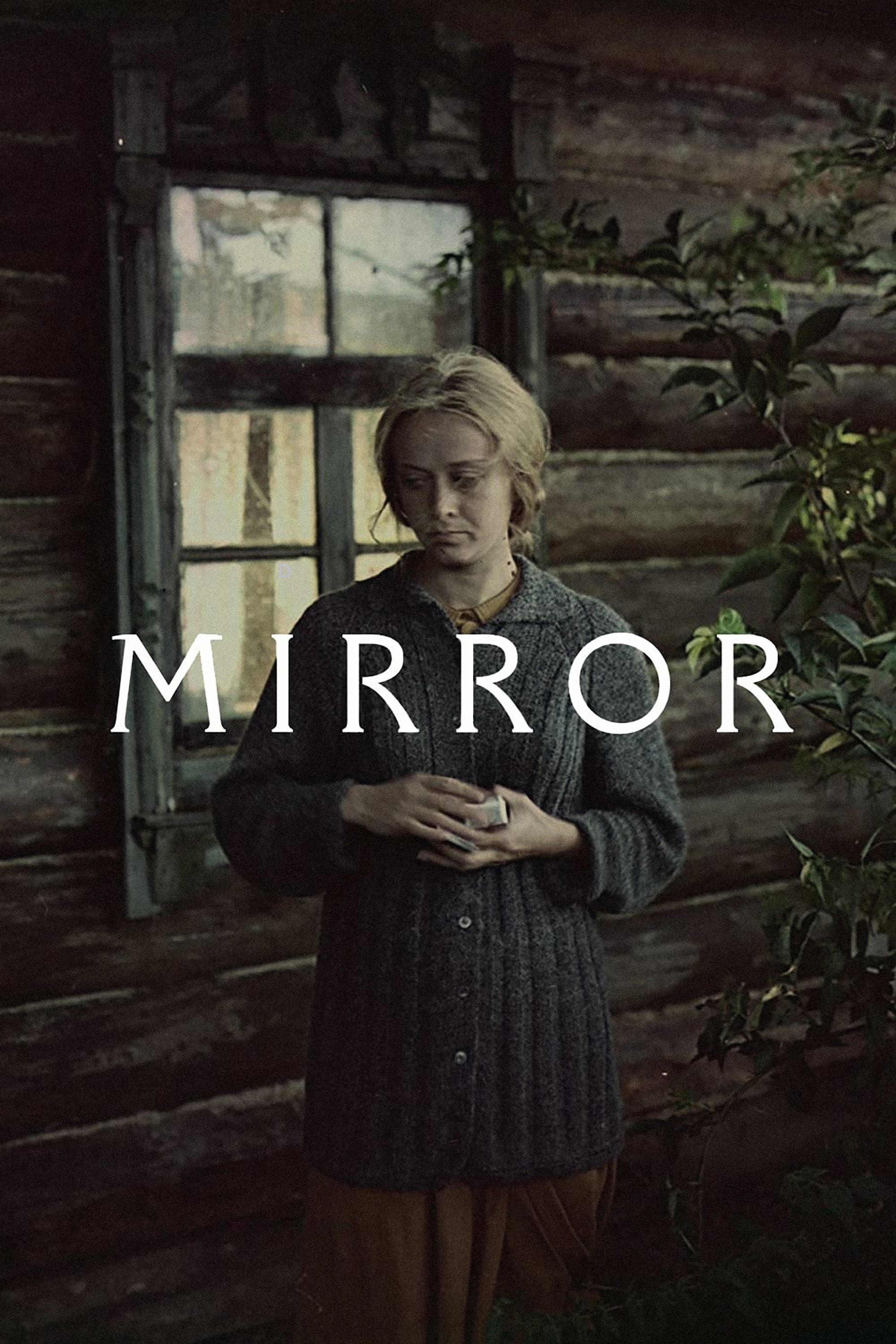
A dying man in his forties recalls his childhood, his mother, the war and personal moments that tell of and juxtapose pivotal moments in Soviet history with daily life.
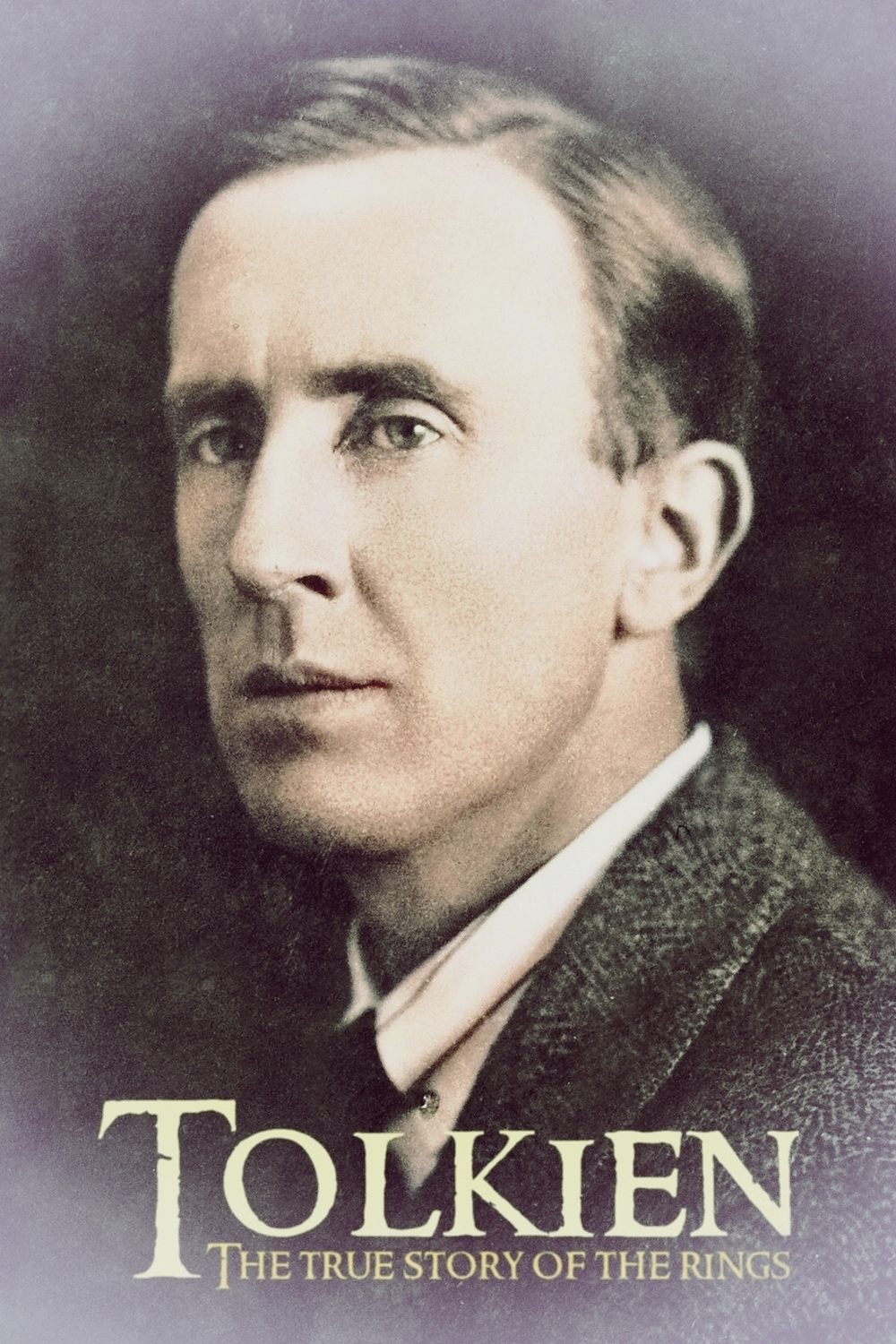
An analysis of the sources of inspiration that fed the imagination of the British writer, poet and philologist J. R. R. Tolkien (1892-1973), great master of epic fantasy.
The Smurfs were created in 1958 by the Belgian comic author Peyo (Pierre Culliford, 1928-1992) and they are one of Belgium's most recognized exports. From Brussels to Los Angeles, via Dubai, a journey into the tiny world of the famous little blue people, from the story of the creation of the original comic to the account of their huge global commercial exploitation.
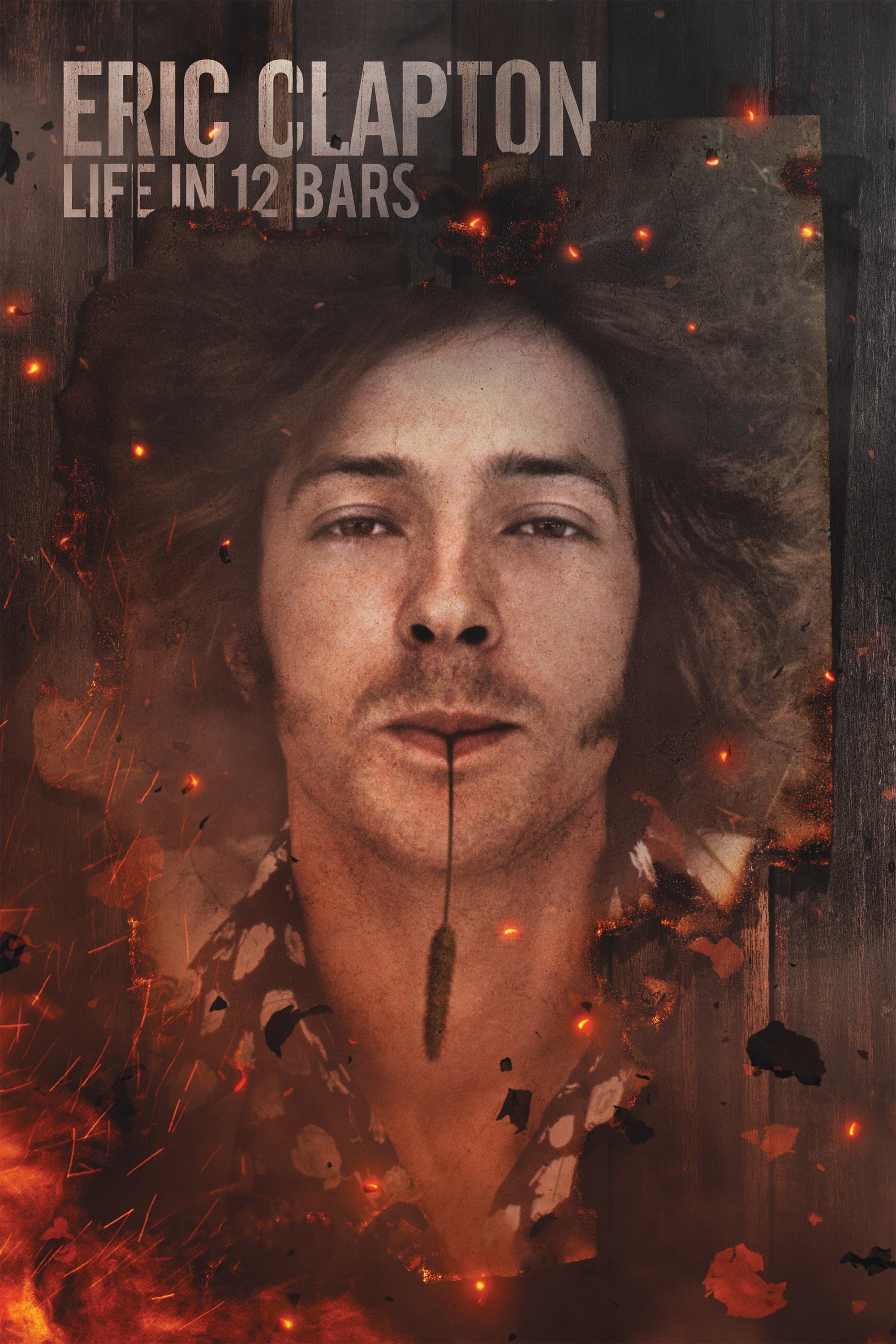
An unflinching and deeply personal journey into the life and work of guitarist Eric Clapton told through his own words and songs.
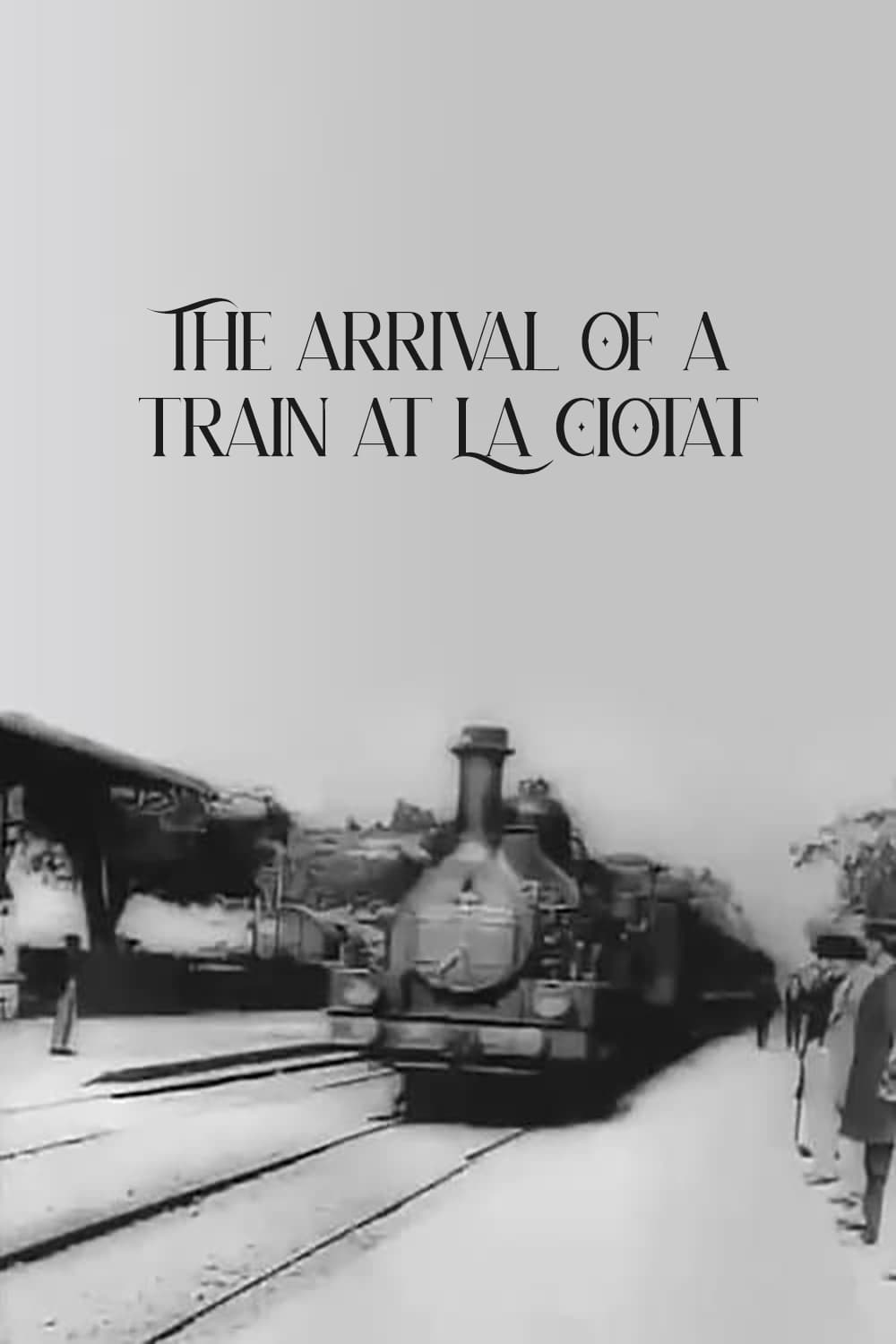
A group of people are standing along the platform of a railway station in La Ciotat, waiting for a train. One is seen coming, at some distance, and eventually stops at the platform. Doors of the railway-cars open and attendants help passengers off and on. Popular legend has it that, when this film was shown, the first-night audience fled the café in terror, fearing being run over by the "approaching" train. This legend has since been identified as promotional embellishment, though there is evidence to suggest that people were astounded at the capabilities of the Lumières' cinématographe.
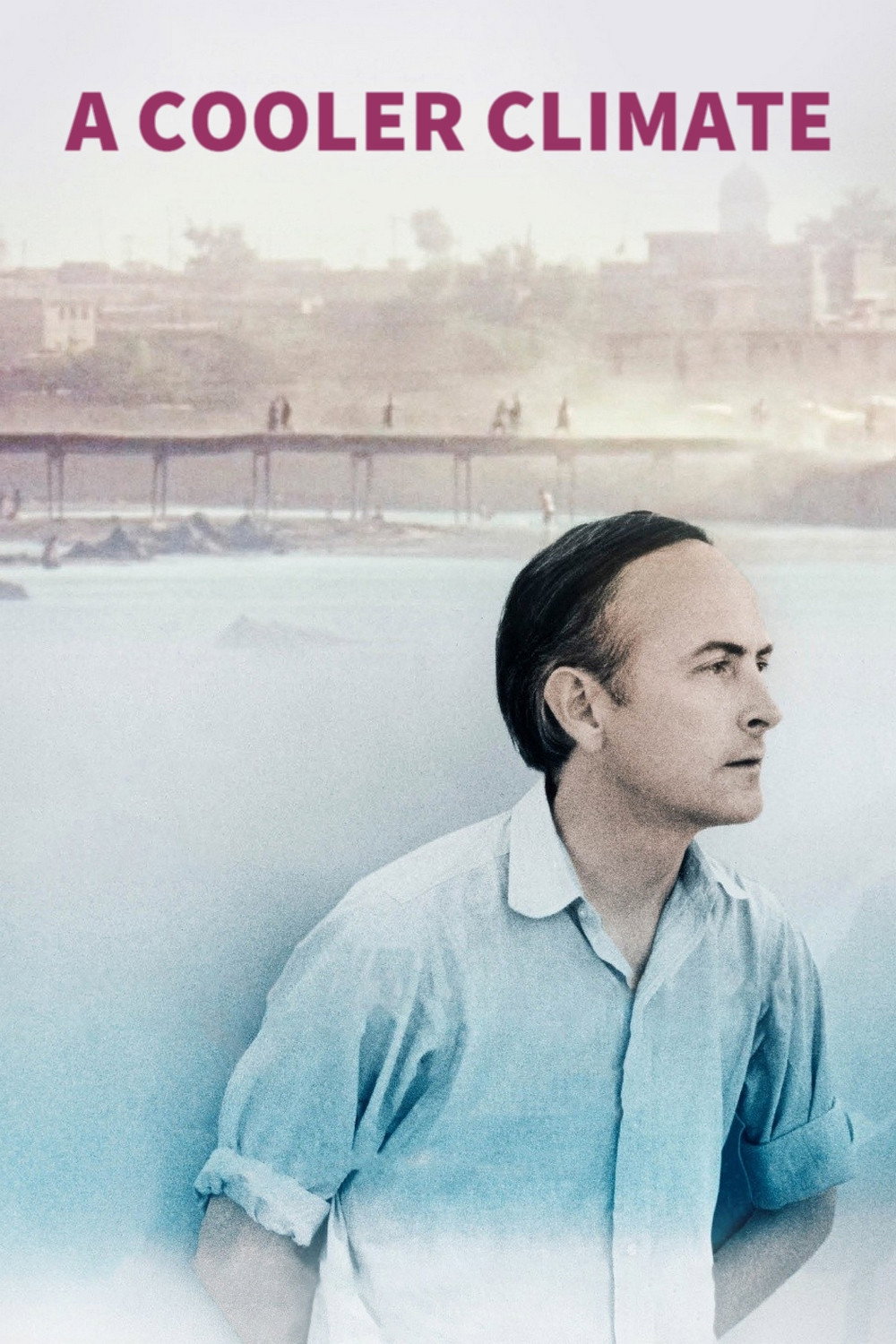
In 1960, acclaimed filmmaker James Ivory traveled to Afghanistan to shoot scenes for a documentary that was never completed. In 2022, he decided to revisit this unique footage, which takes him back to his adventurous youth.
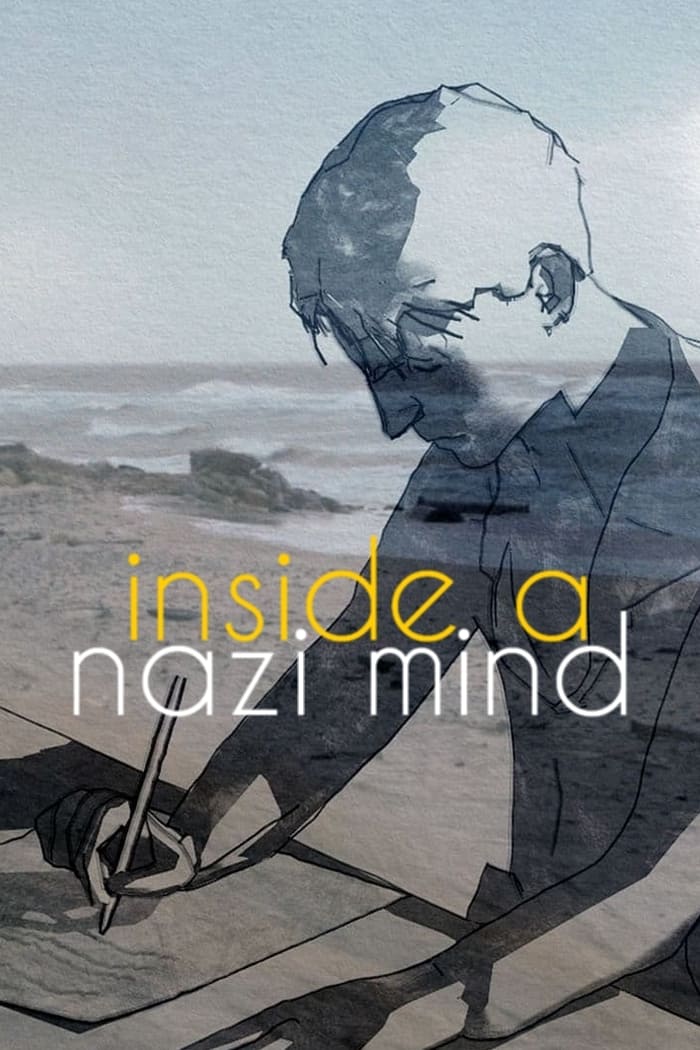
An analysis of The Kindly Ones, Jonathan Littell's controversial novel, published in 2006, which dissects the ruthless mechanisms of the Shoah from the detached point of view of Maximilian Aue, a high-ranking Nazi officer.
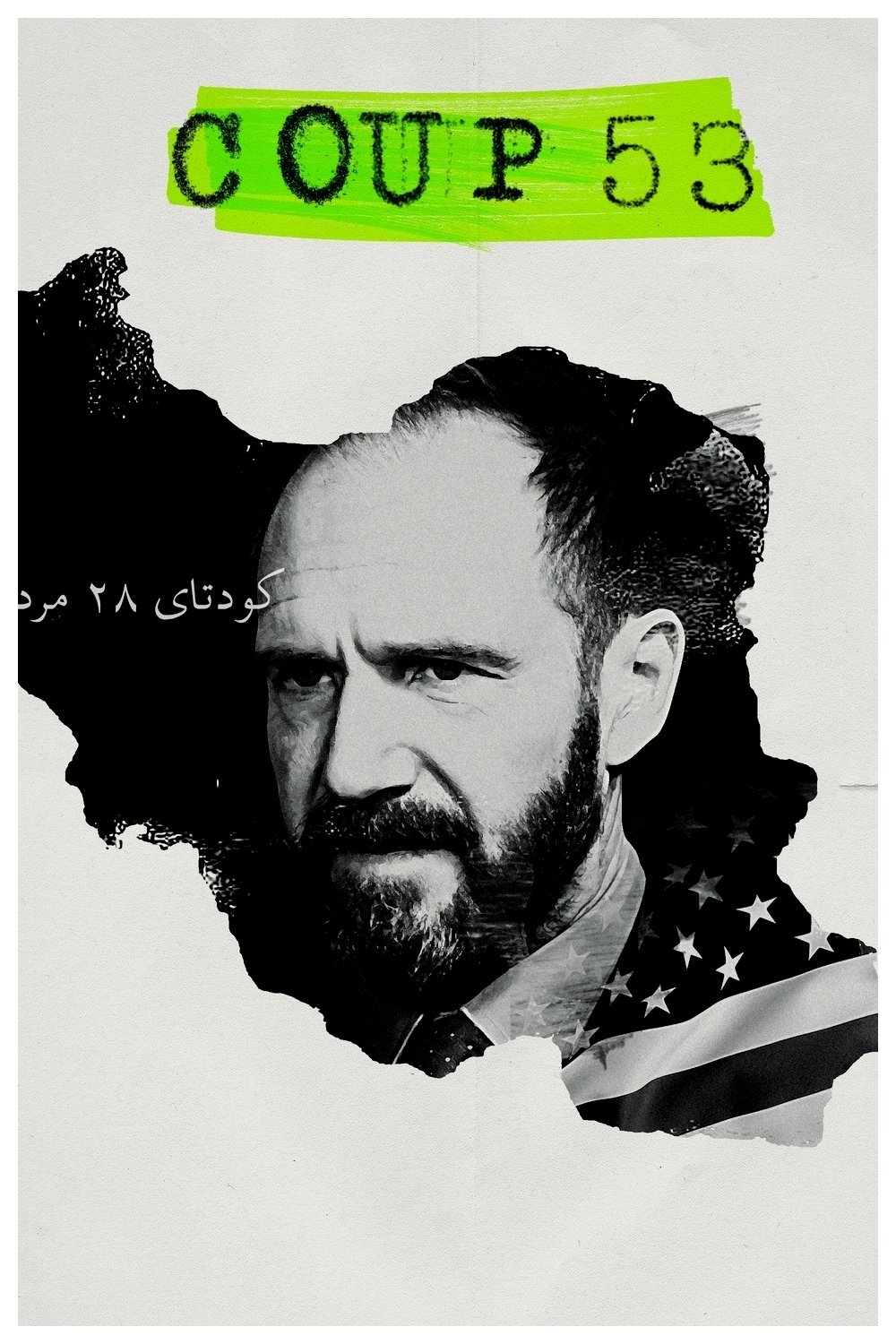
Tehran, Iran, August 19, 1953. A group of Iranian conspirators who, with the approval of the deposed tyrant Mohammad Reza Pahlavi, have conspired with agents of the British MI6 and the US CIA, manage to put an end to the democratic government led by Mohammad Mosaddegh, a dramatic event that will begin the tragic era of coups d'état that, orchestrated by the CIA, will take place, over the following decades, in dozens of countries around the world.
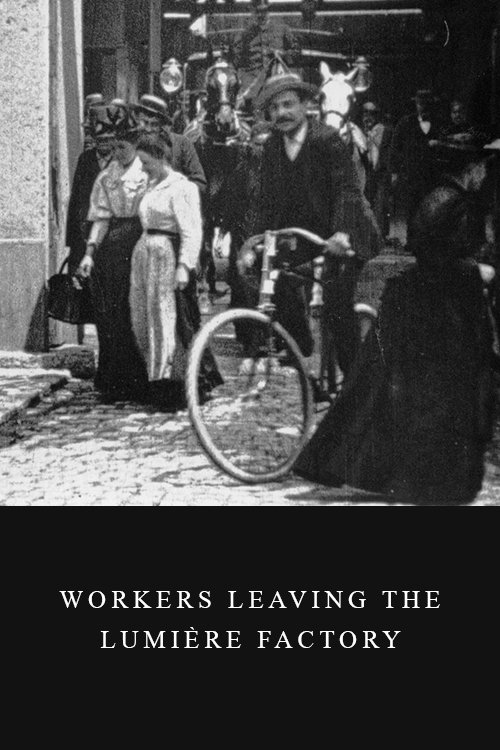
Working men and women leave through the main gate of the Lumière factory in Lyon, France. Filmed on 22 March 1895, it is often referred to as the first real motion picture ever made, although Louis Le Prince's 1888 Roundhay Garden Scene pre-dated it by seven years. Three separate versions of this film exist, which differ from one another in numerous ways. The first version features a carriage drawn by one horse, while in the second version the carriage is drawn by two horses, and there is no carriage at all in the third version. The clothing style is also different between the three versions, demonstrating the different seasons in which each was filmed. This film was made in the 35 mm format with an aspect ratio of 1.33:1, and at a speed of 16 frames per second. At that rate, the 17 meters of film length provided a duration of 46 seconds, holding a total of 800 frames.
A short film on breathing and quiet afternoons.
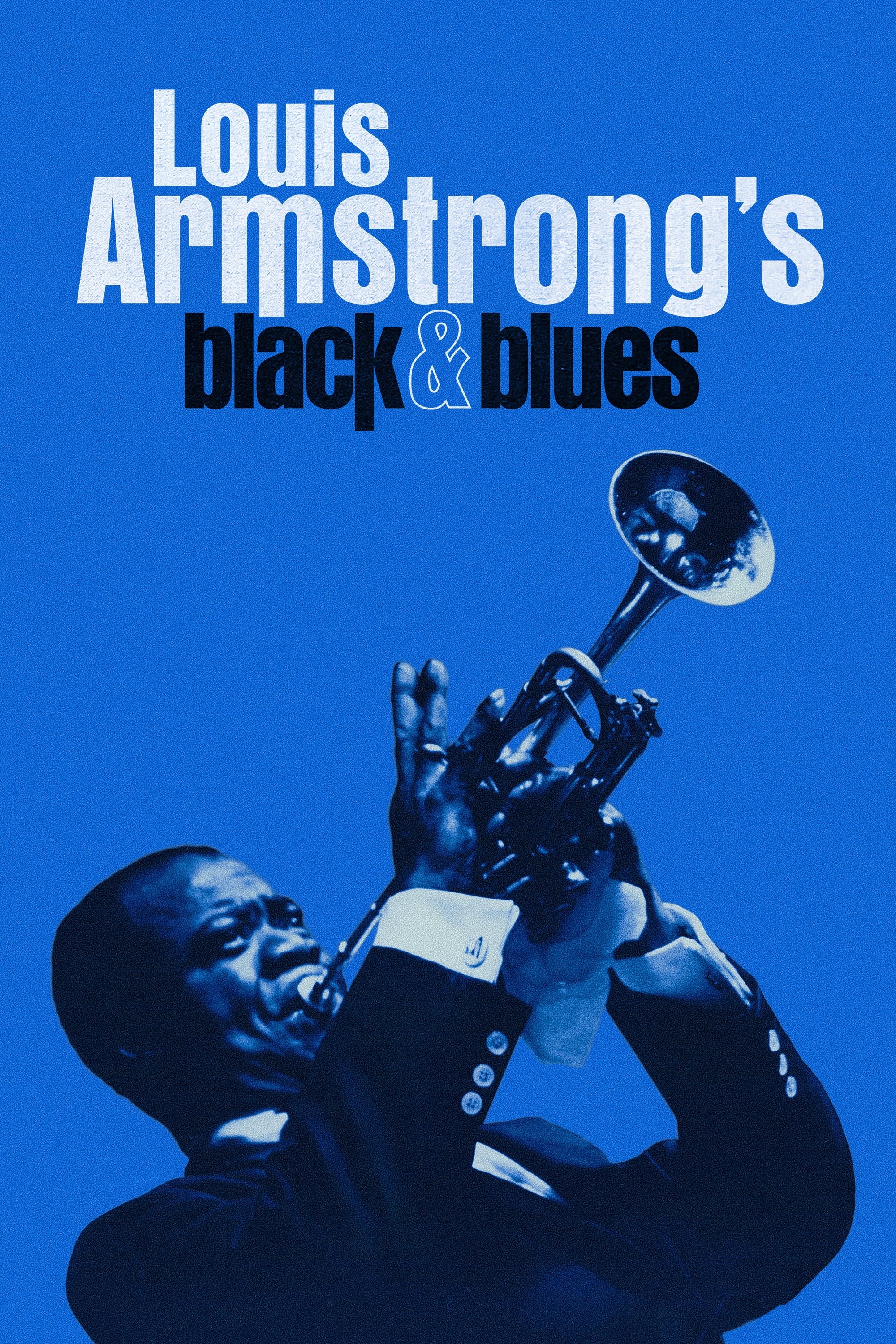
Never-before-heard personal recordings and archival footage tell the story of Louis Armstrong's life from his perspective. From musical phenom to civil rights activist to world-renowned artist, this illuminating film shows sides of Armstrong few have seen.
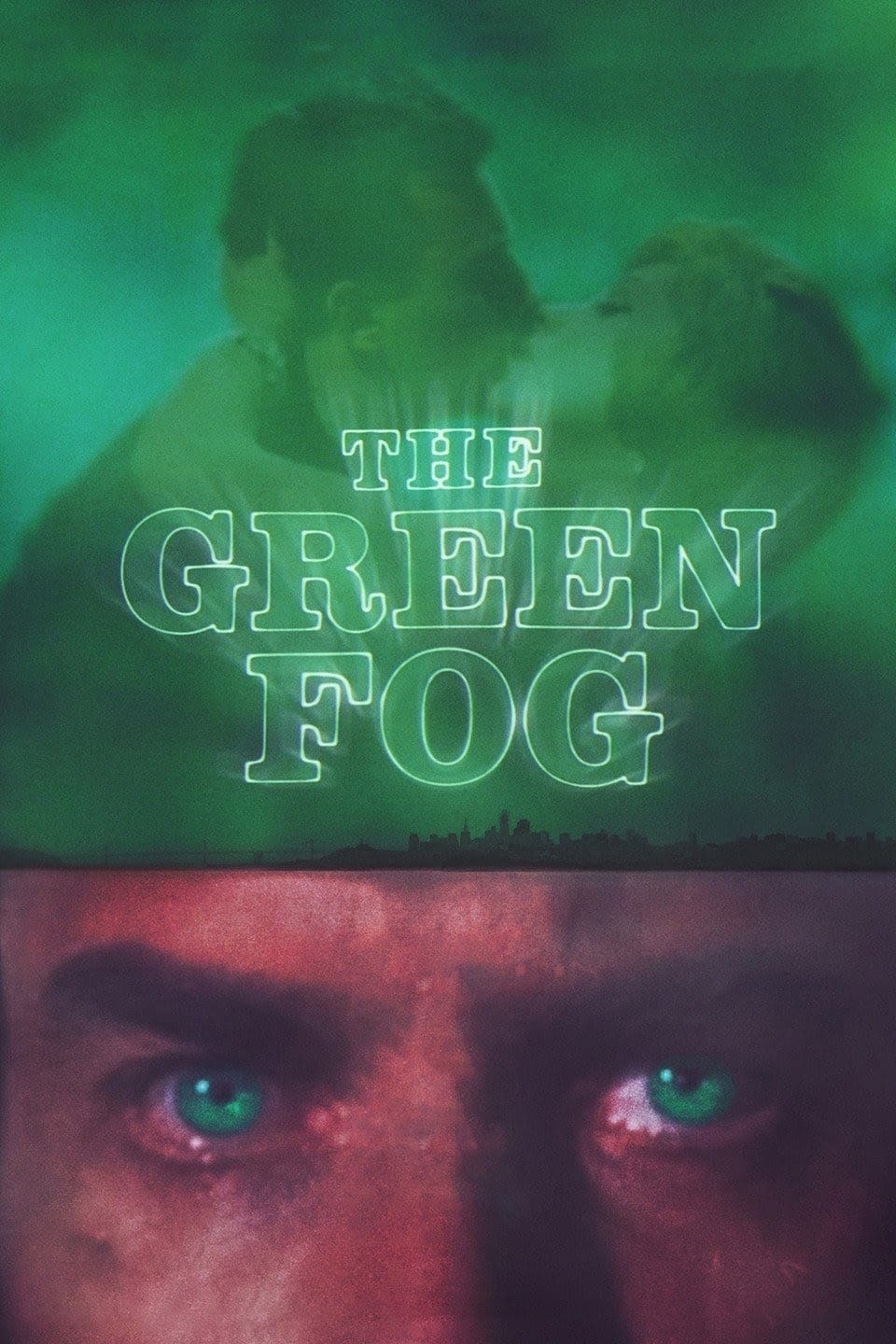
A tribute to a fascinating film shot by Alfred Hitchcock in 1958, starring James Stewart and Kim Novak, and to the city of San Francisco, California, where the magic was created; but also a challenge: how to pay homage to a masterpiece without using its footage; how to do it simply by gathering images from various sources, all of them haunted by the curse of a mysterious green fog that seems to cause irrepressible vertigo…
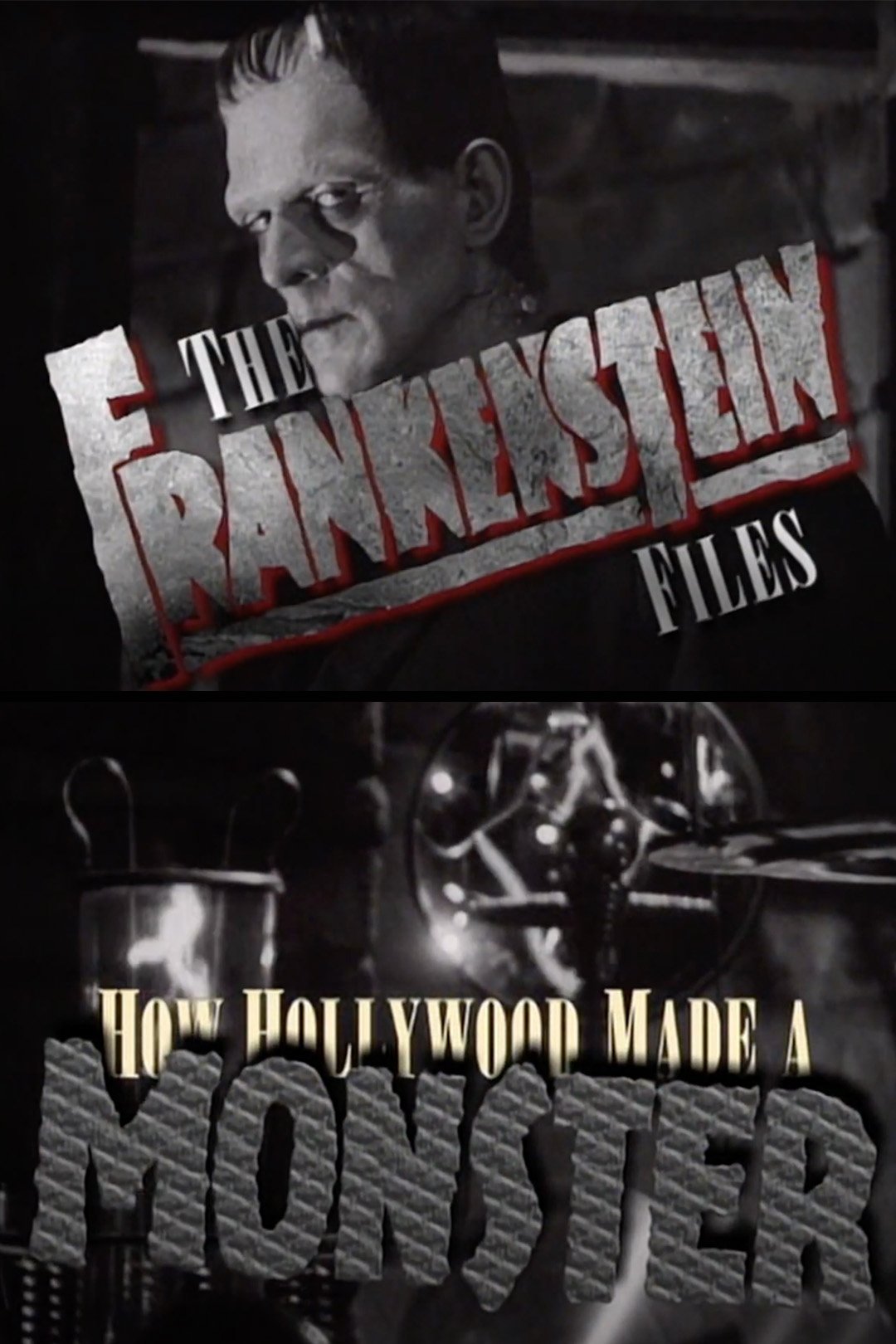
The history of Frankenstein's journey from novel to stage to screen to icon.
The horror film [REC], directed by Jaume Balagueró and Paco Plaza, and released in 2007, was an unprecedented triumph for Spanish fantasy cinema. Fifteen years later, those responsible for the creation and worldwide success of this cinematic milestone decode its keys and resurrect the myth.
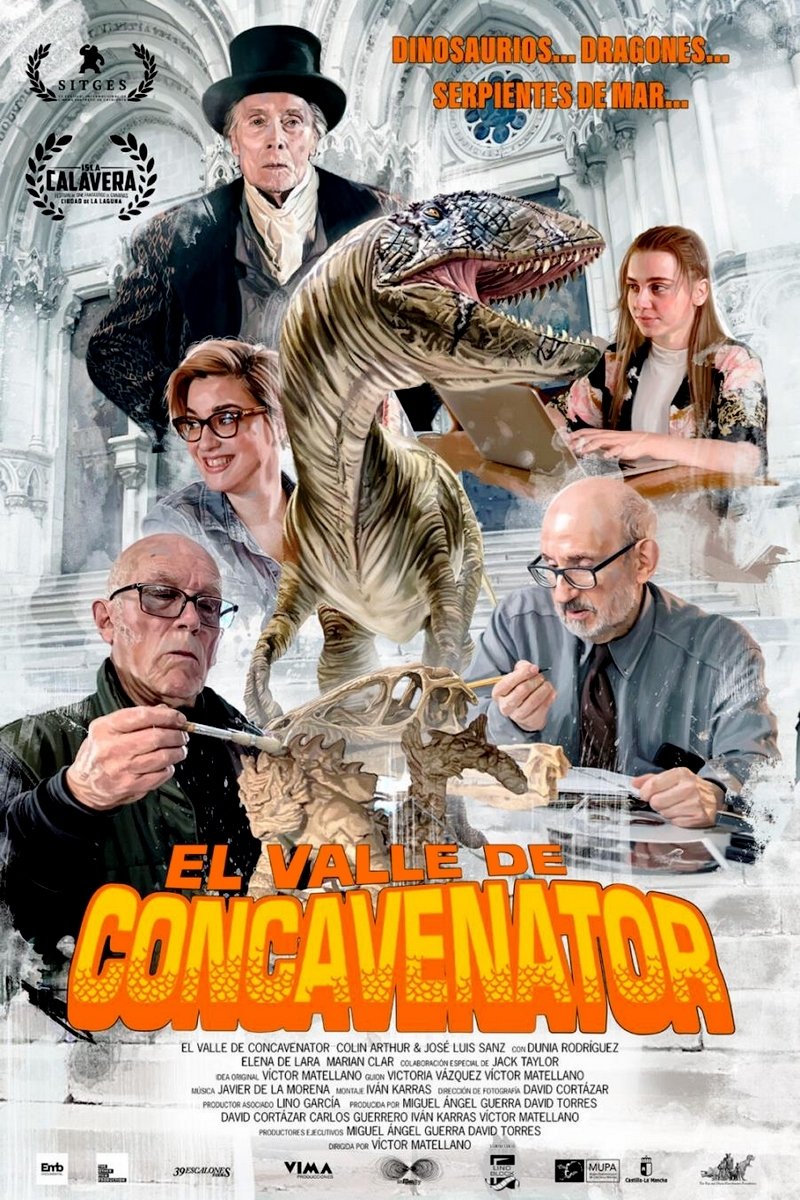
Three researchers work on a paleontological project focusing on two dinosaurs: one fictional, the one created by special effects genius Ray Harryhausen for the film The Valley of Gwangi (1969); the other real, the Concavenator corcovatus, whose remains were discovered in 2003 at the Las Hoyas site, in the province of Cuenca (Spain), very close to where the filming took place.
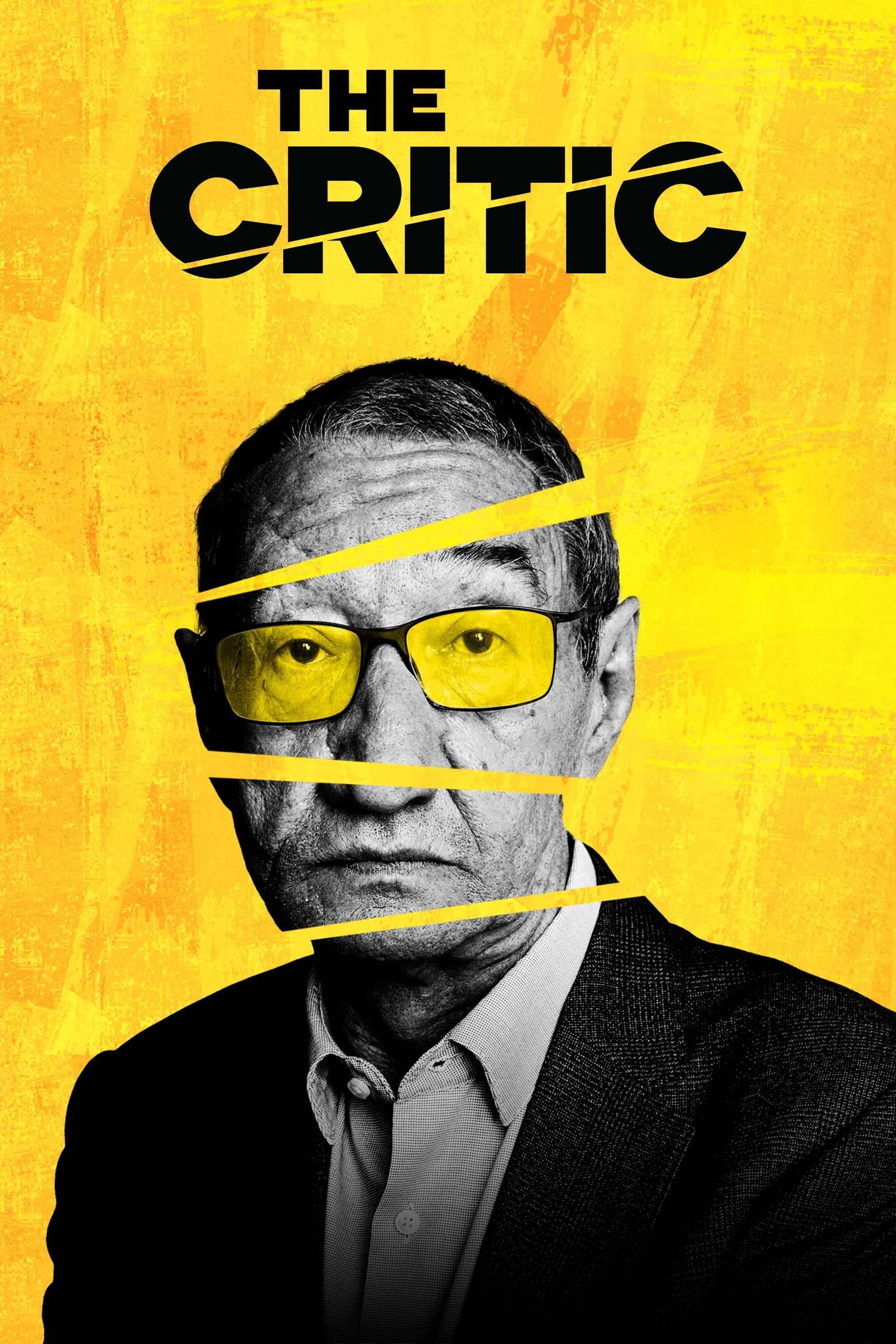
A portrait of film critic Carlos Boyero, one of the most followed and feared figures in Spanish cinema, surrounded by controversy and both love and hate.
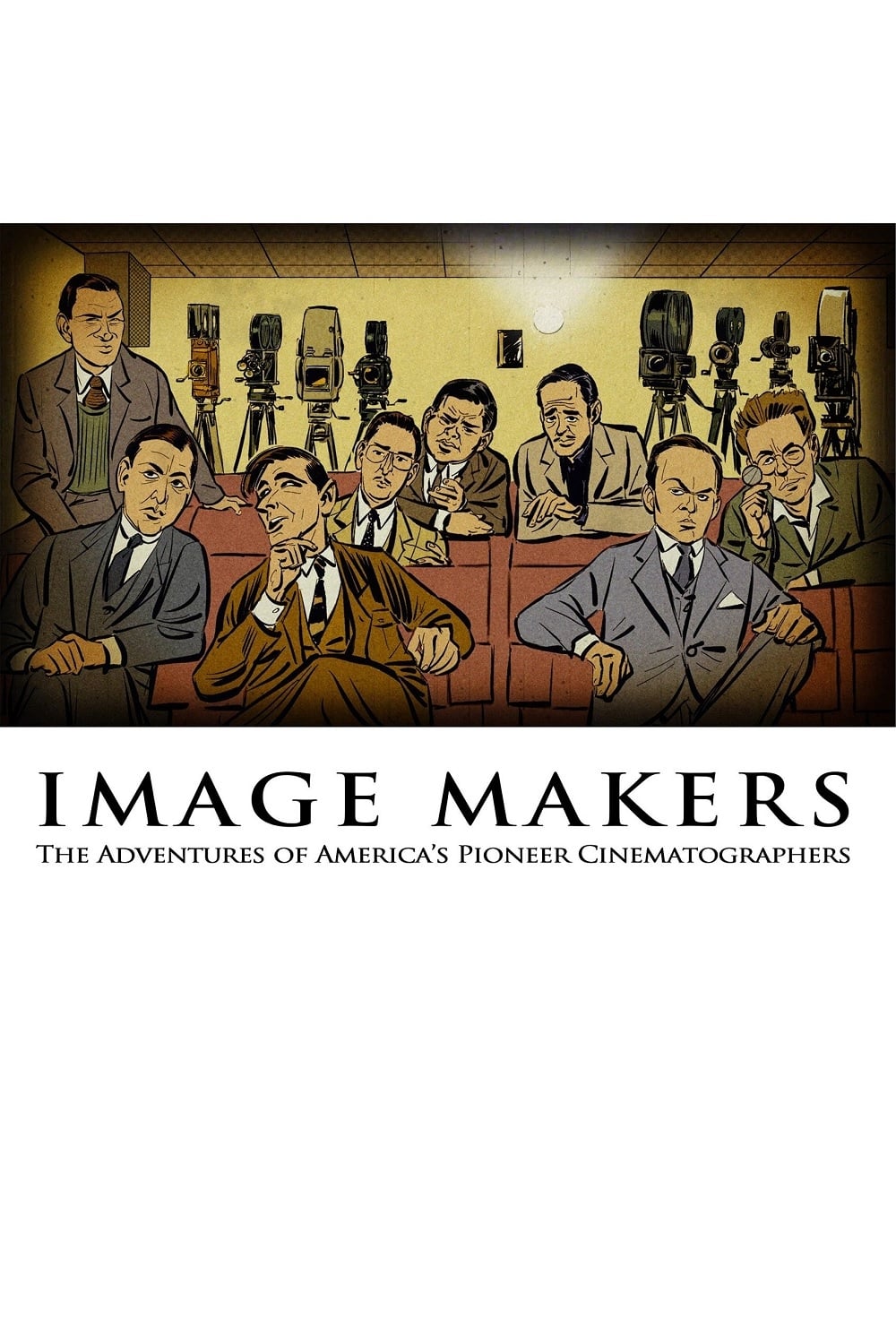
Documentary following the history of America's first cinematographers.
An account of the extraordinary life of film pioneer Georges Méliès (1861-1938) and the amazing story of the copy in color of his masterpiece A Trip to the Moon (1902), unexpectedly found in Spain and restored thanks to the heroic efforts of a group of true cinema lovers.
The history of cinematic sound, told by legendary sound designers and visionary filmmakers.
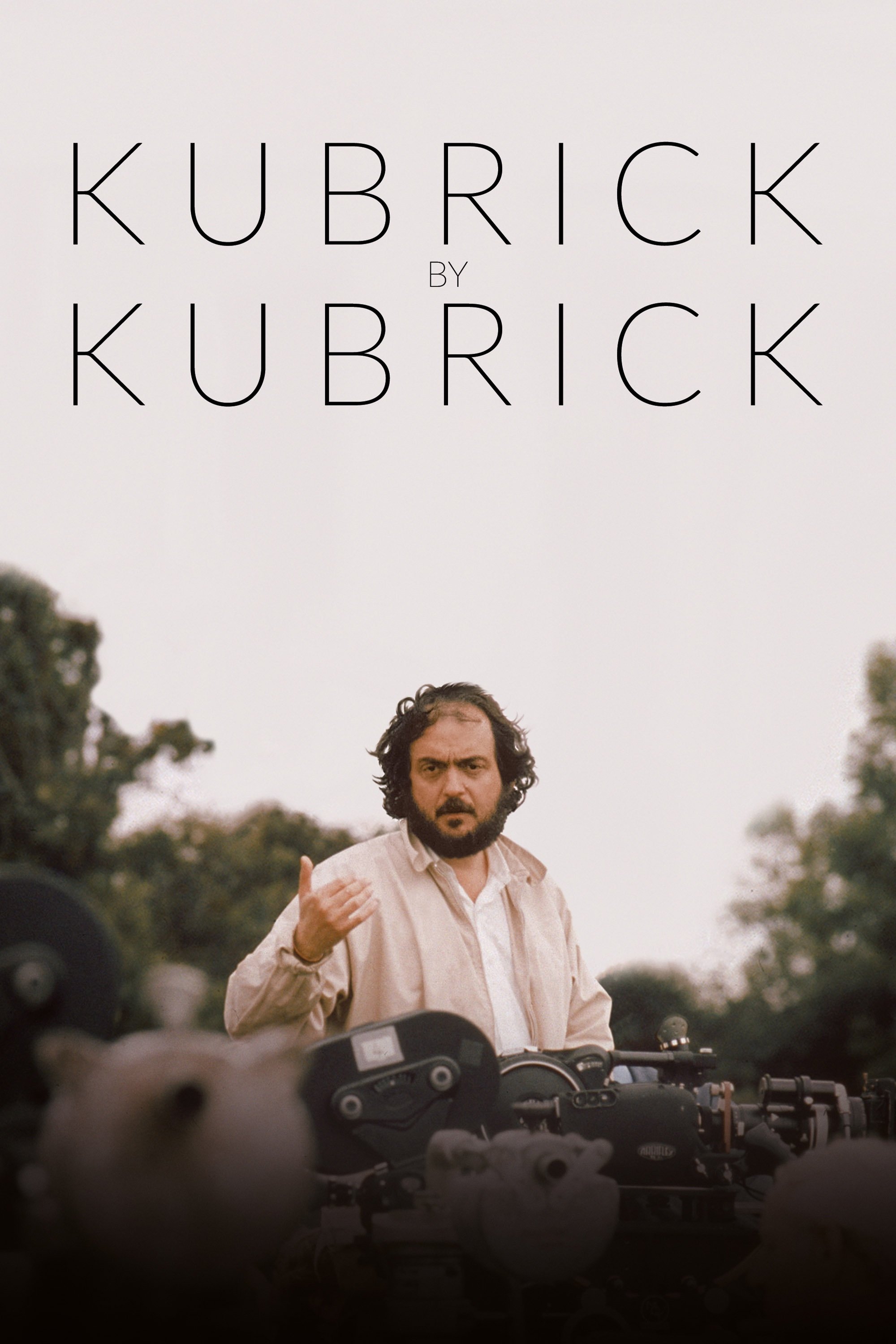
American filmmaker Stanley Kubrick (1928–1999), one of the greatest in history, but also one of the most reserved, gave few interviews throughout his long career, and none of them were filmed. A first-person journey through his life and work, based on a recorded conversation with French film critic Michel Climent.
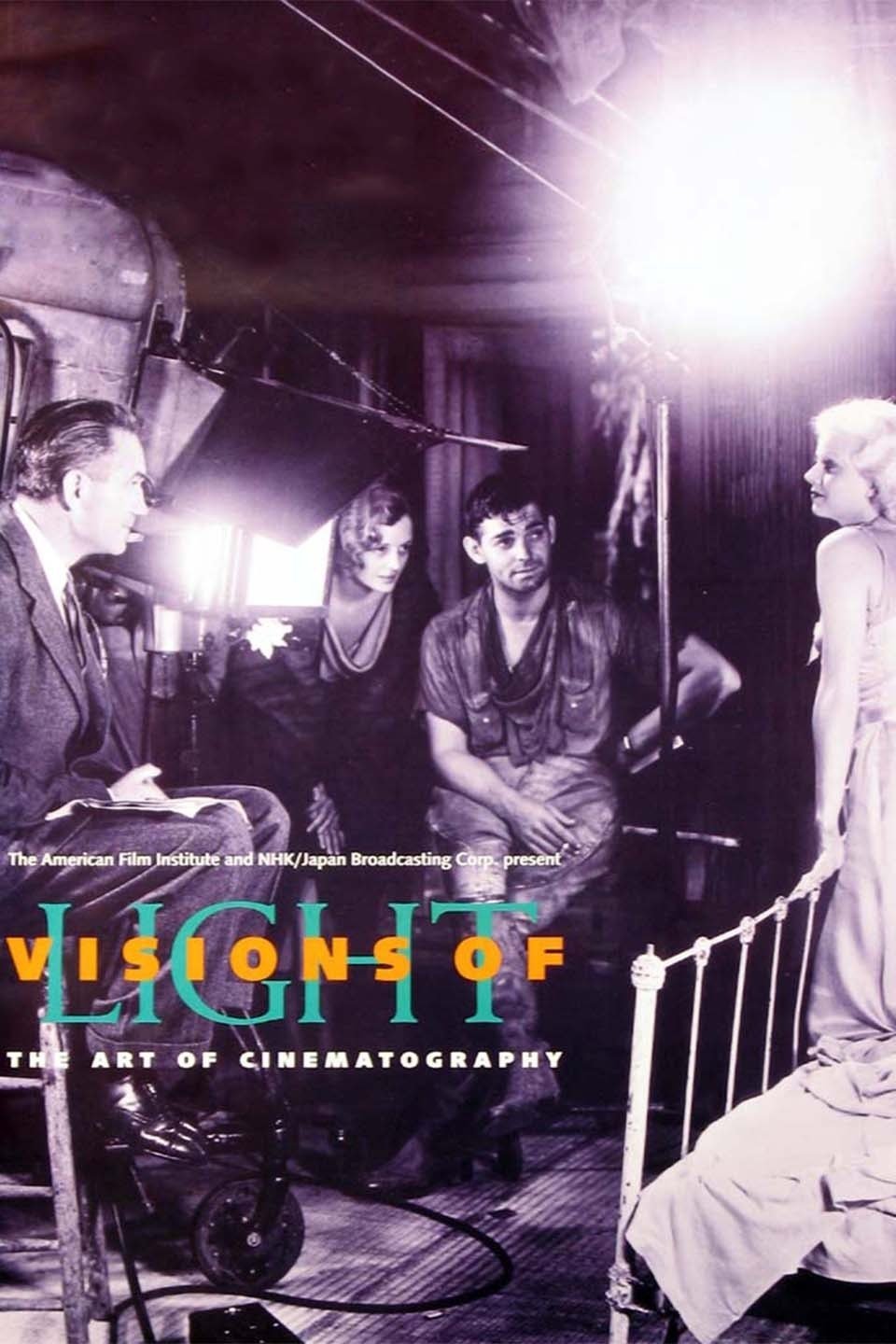
Cameramen and women discuss the craft and art of cinematography and of the "DP" (the director of photography), illustrating their points with clips from 100 films, from Birth of a Nation to Do the Right Thing. Themes: the DP tells people where to look; changes in movies (the arrival of sound, color, and wide screens) required creative responses from DPs; and, these artisans constantly invent new equipment and try new things, with wonderful results. The narration takes us through the identifiable studio styles of the 30s, the emergence of noir, the New York look, and the impact of Europeans. Citizen Kane, The Conformist, and Gordon Willis get special attention.
The most famous murder scene in movie history comprises 78 camera settings and 52 cuts: the shower scene in Alfred Hitchcock's Psycho. 78/52 tells the story of the man behind the curtain and his greatest obsession.
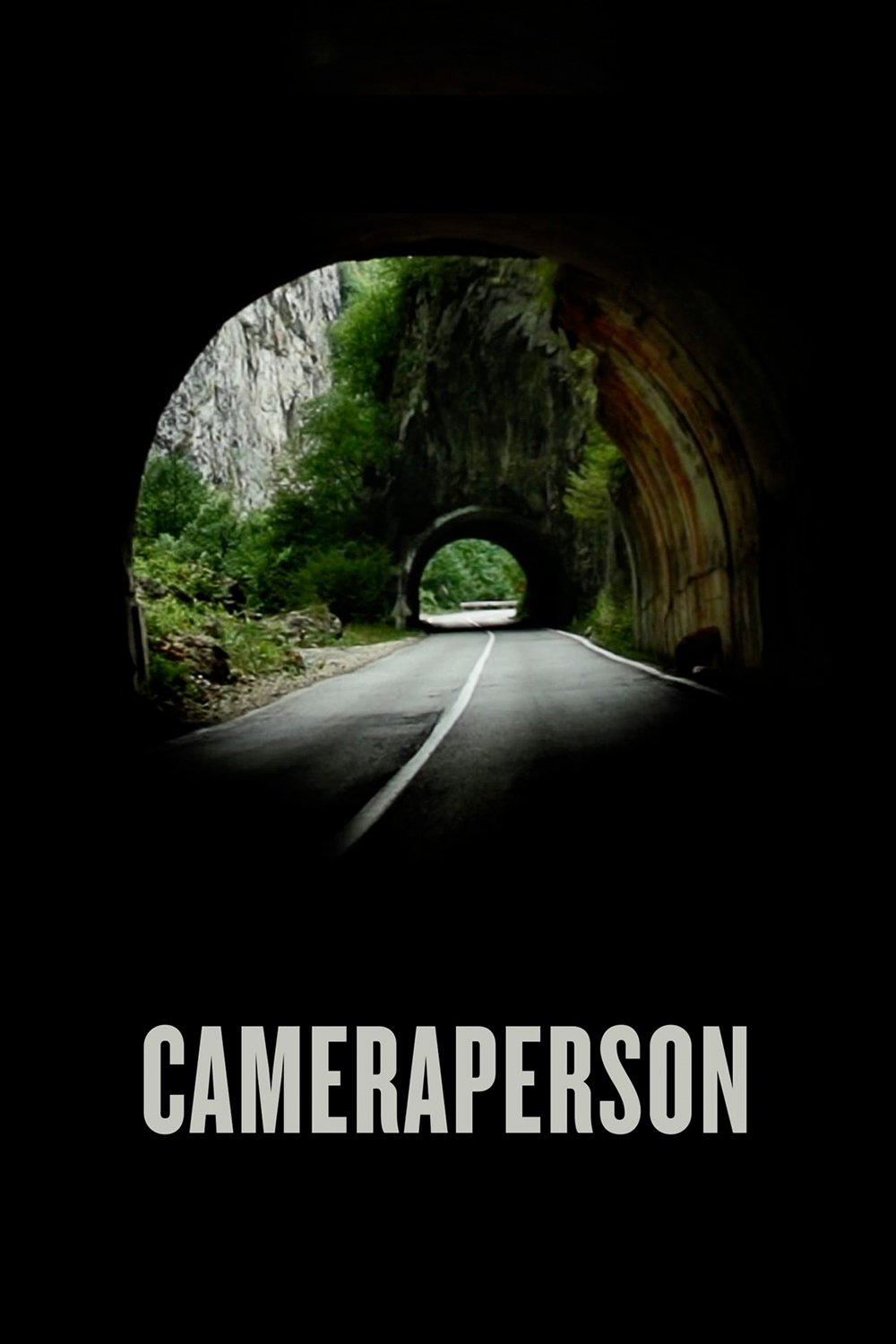
As a visually radical memoir, CAMERAPERSON draws on the remarkable footage that filmmaker Kirsten Johnson has shot and reframes it in ways that illuminate moments and situations that have personally affected her. What emerges is an elegant meditation on the relationship between truth and the camera frame, as Johnson transforms scenes that have been presented on Festival screens as one kind of truth into another kind of story—one about personal journey, craft, and direct human connection.
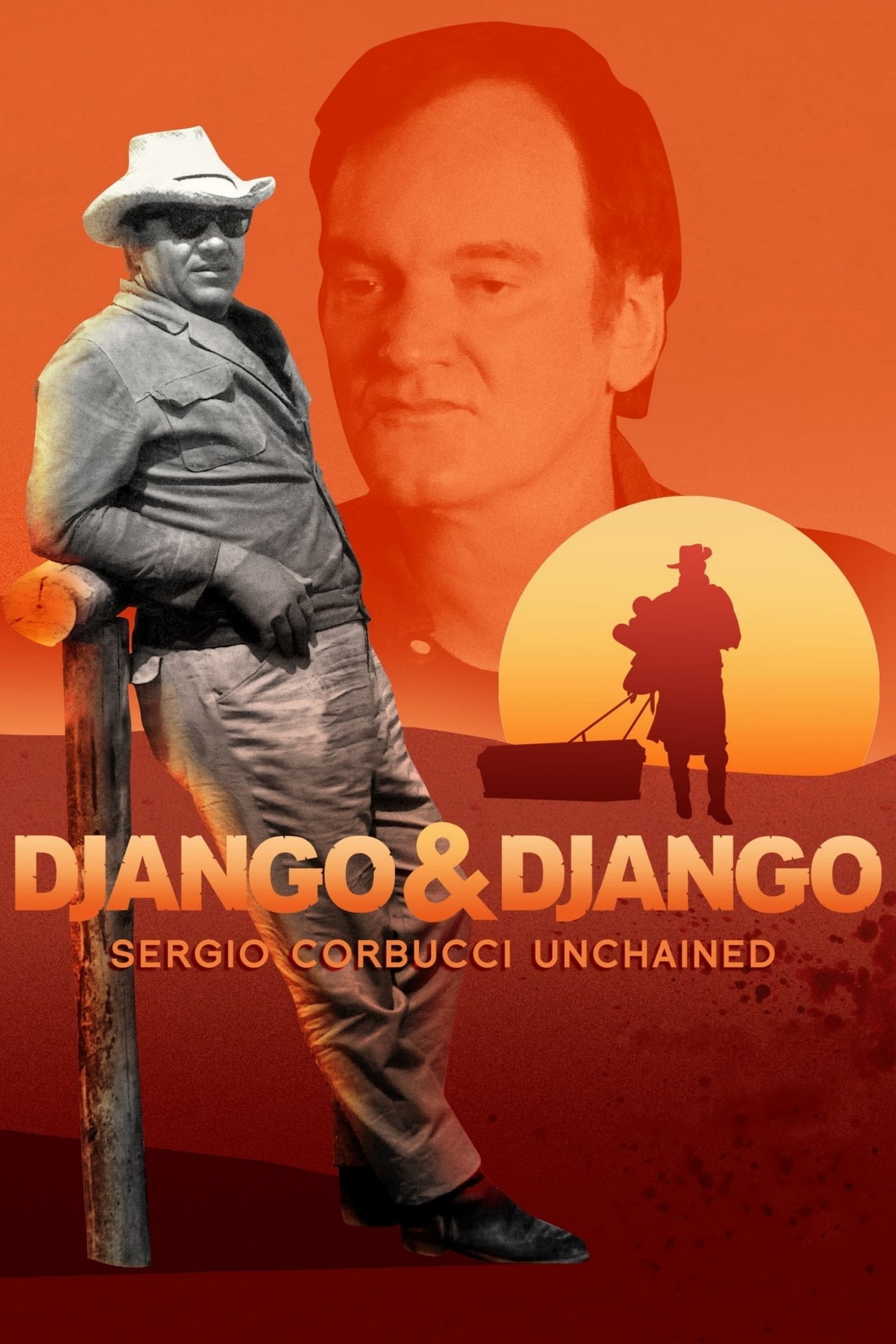
A tribute to Italian filmmaker Sergio Corbucci (1926-90), presented by American filmmaker Quentin Tarantino.
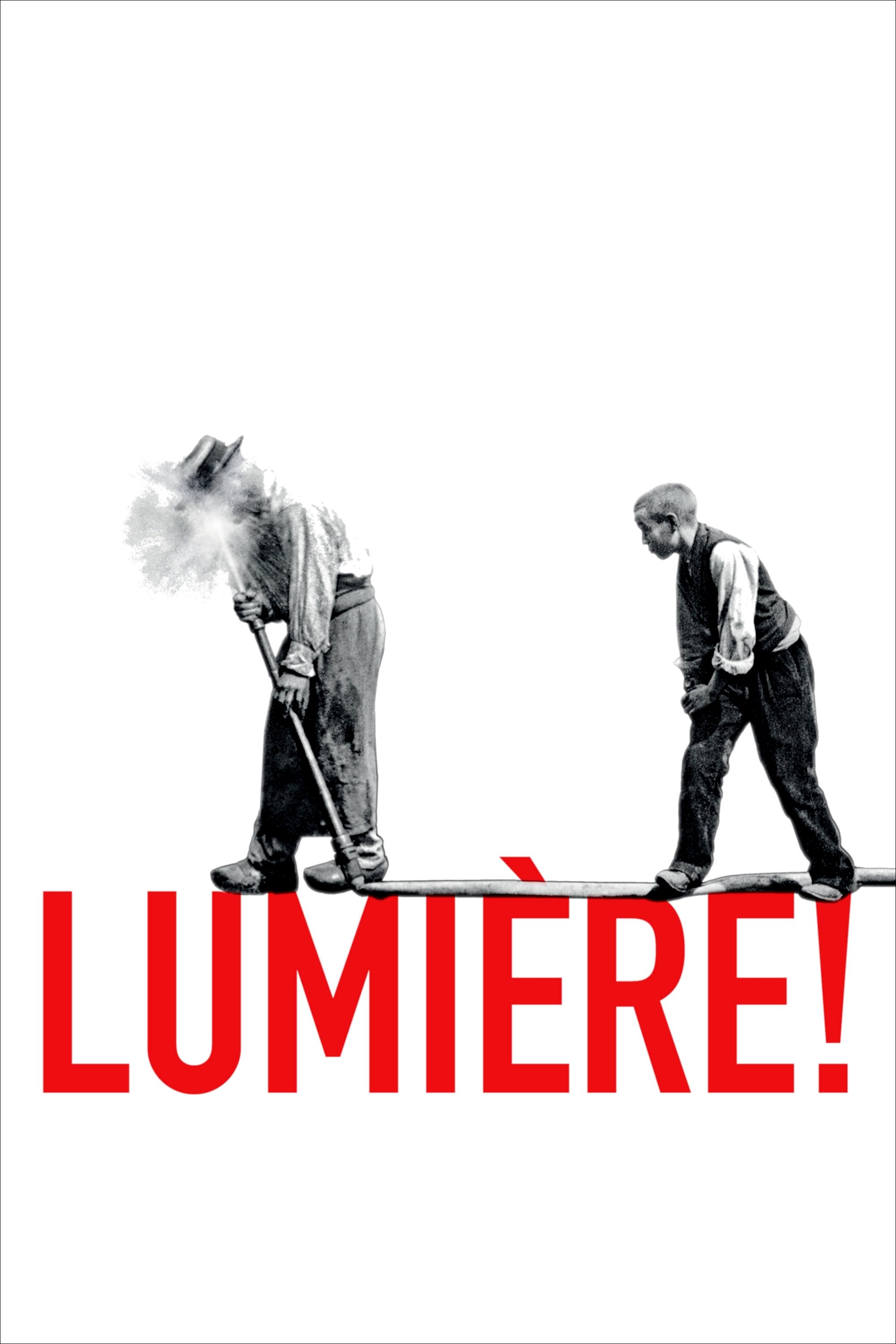
A collection of restored prints from the Lumière Brothers.
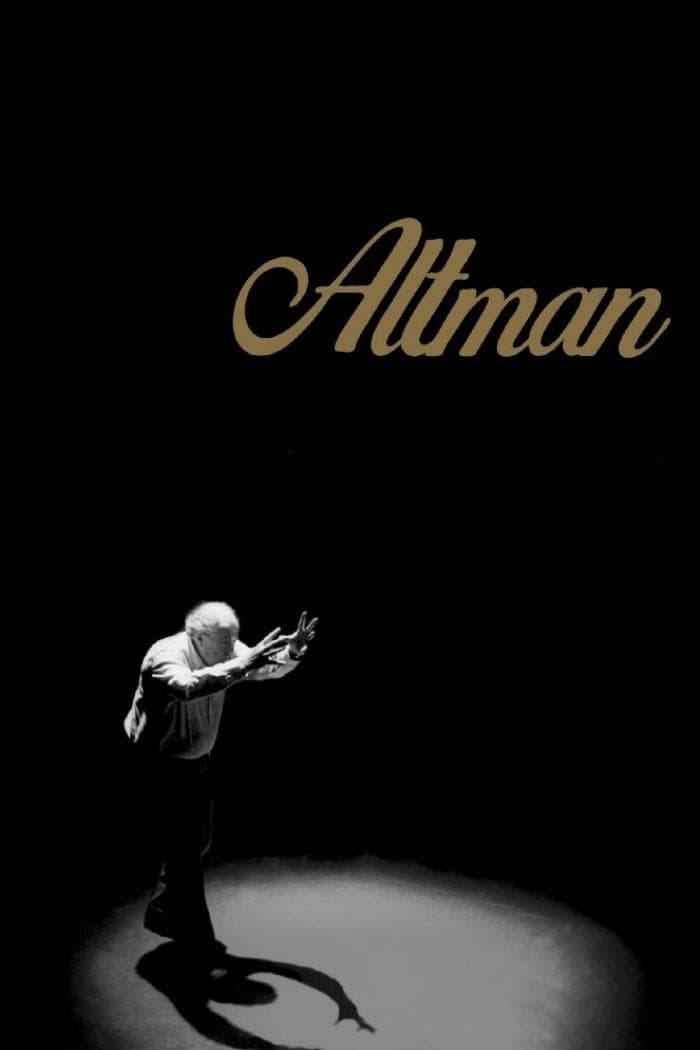
Robert Altman's life and career contained multitudes. This father of American independent cinema left an indelible mark, not merely on the evolution of his art form, but also on the western zeitgeist. With its use of rare interviews, representative film clips, archival images, and musings from his family and most recognizable collaborators, Altman is a dynamic and heartfelt mediation on an artist whose expression, passion and appetite knew few bounds.
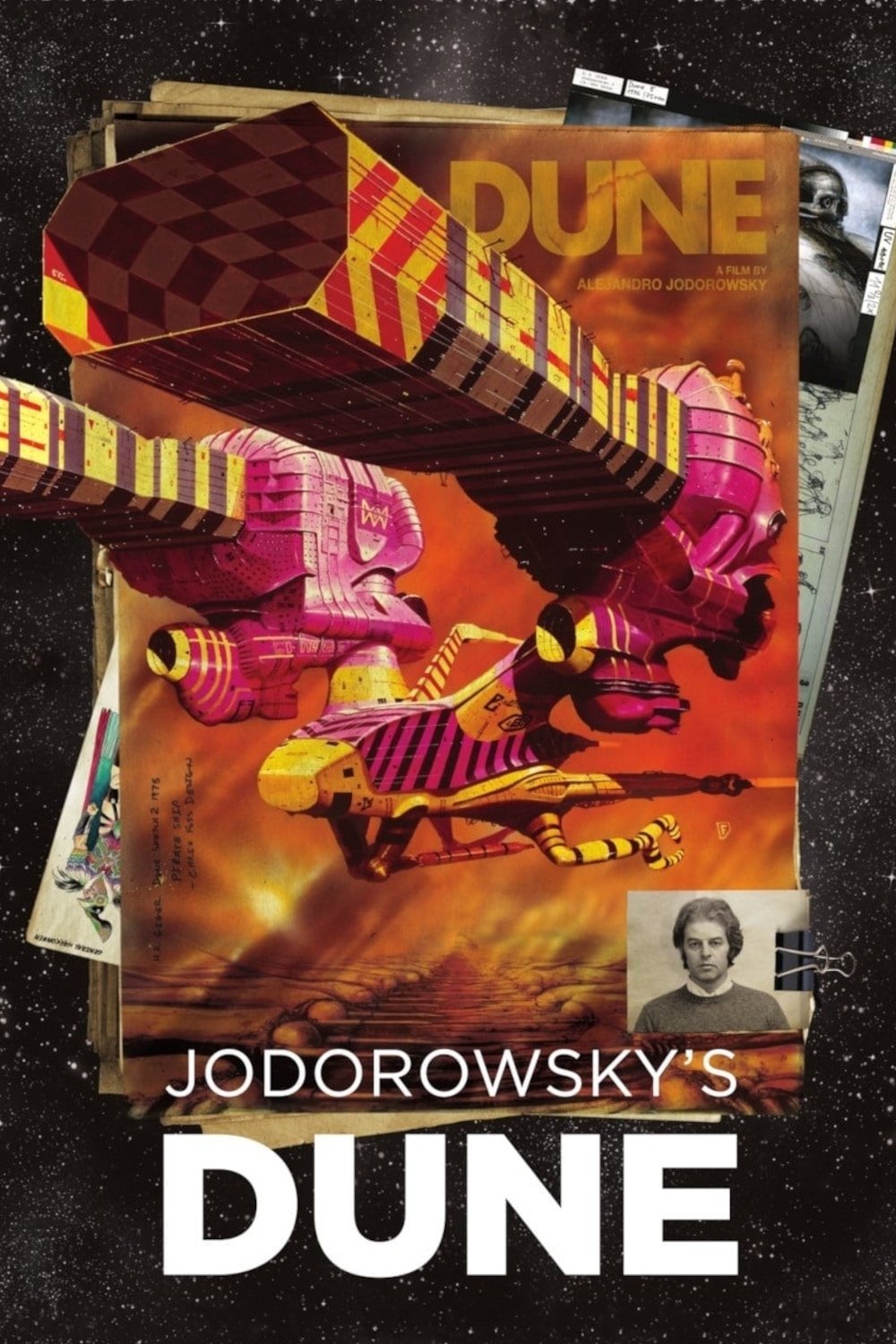
In 1974, Chilean-French director Alejandro Jodorowsky embarked on the quixotic project of adapting Frank Herbert's influential novel Dune (1969) for the big screen. After investing two years, and millions of dollars, the gigantic project ended in failure; but the artists Jodorowsky brought together to carry it out continued to work together, and ended up laying the foundations for modern science fiction cinema.
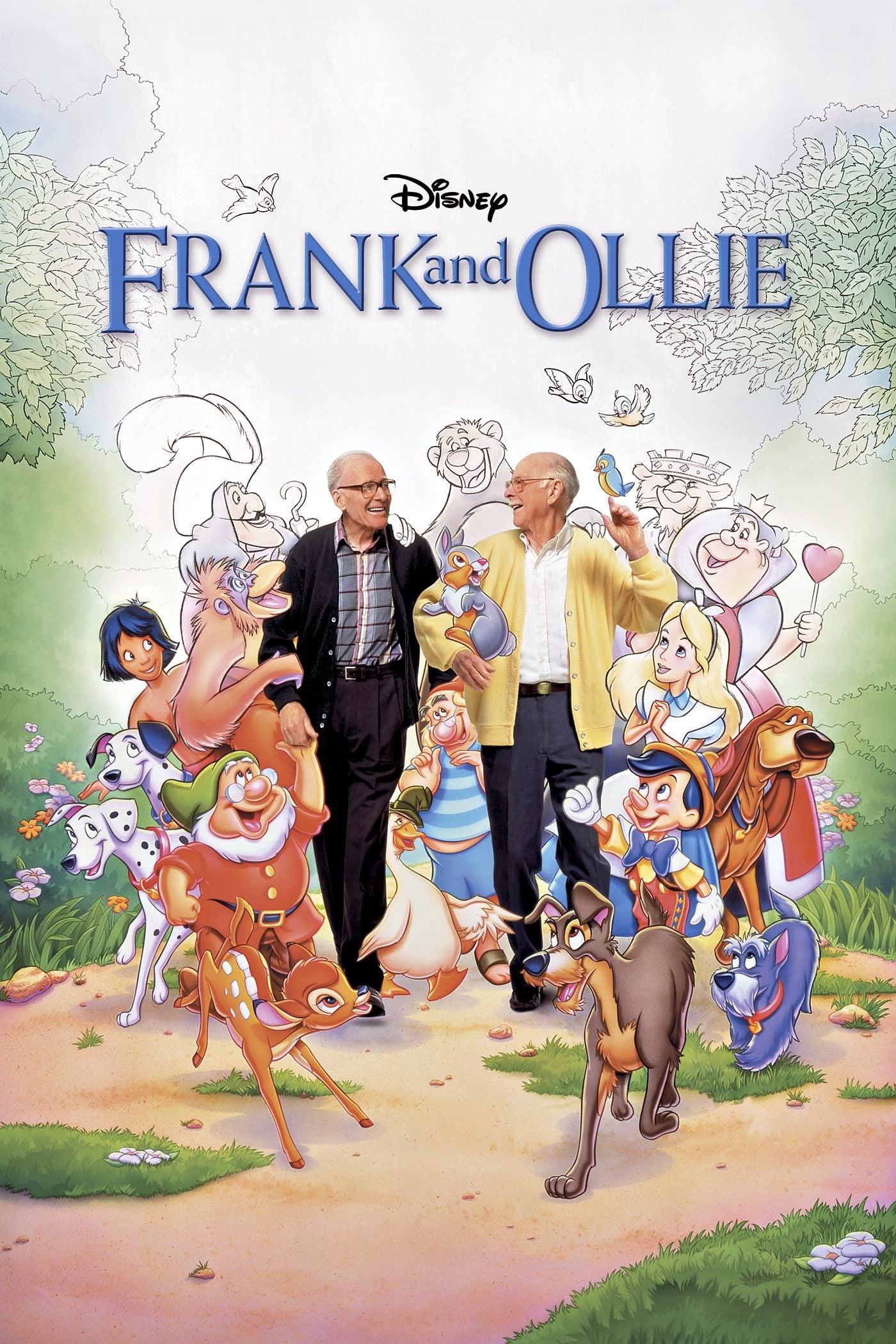
Before computer graphics, special effects wizardry, and out-of-this world technology, the magic of animation flowed from the pencils of two of the greatest animators The Walt Disney Company ever produced -- Frank Thomas and Ollie Johnston. Frank and Ollie, the talent behind BAMBI, PINOCCHIO, LADY AND THE TRAMP, THE JUNGLE BOOK, and others, set the standard for such modern-day hits as THE LION KING. It was their creative genius that helped make Disney synonymous with brilliant animation, magnificent music, and emotional storytelling. Take a journey with these extraordinary artists as they share secrets, insights, and the inspiration behind some of the greatest animated movies the world has ever known!
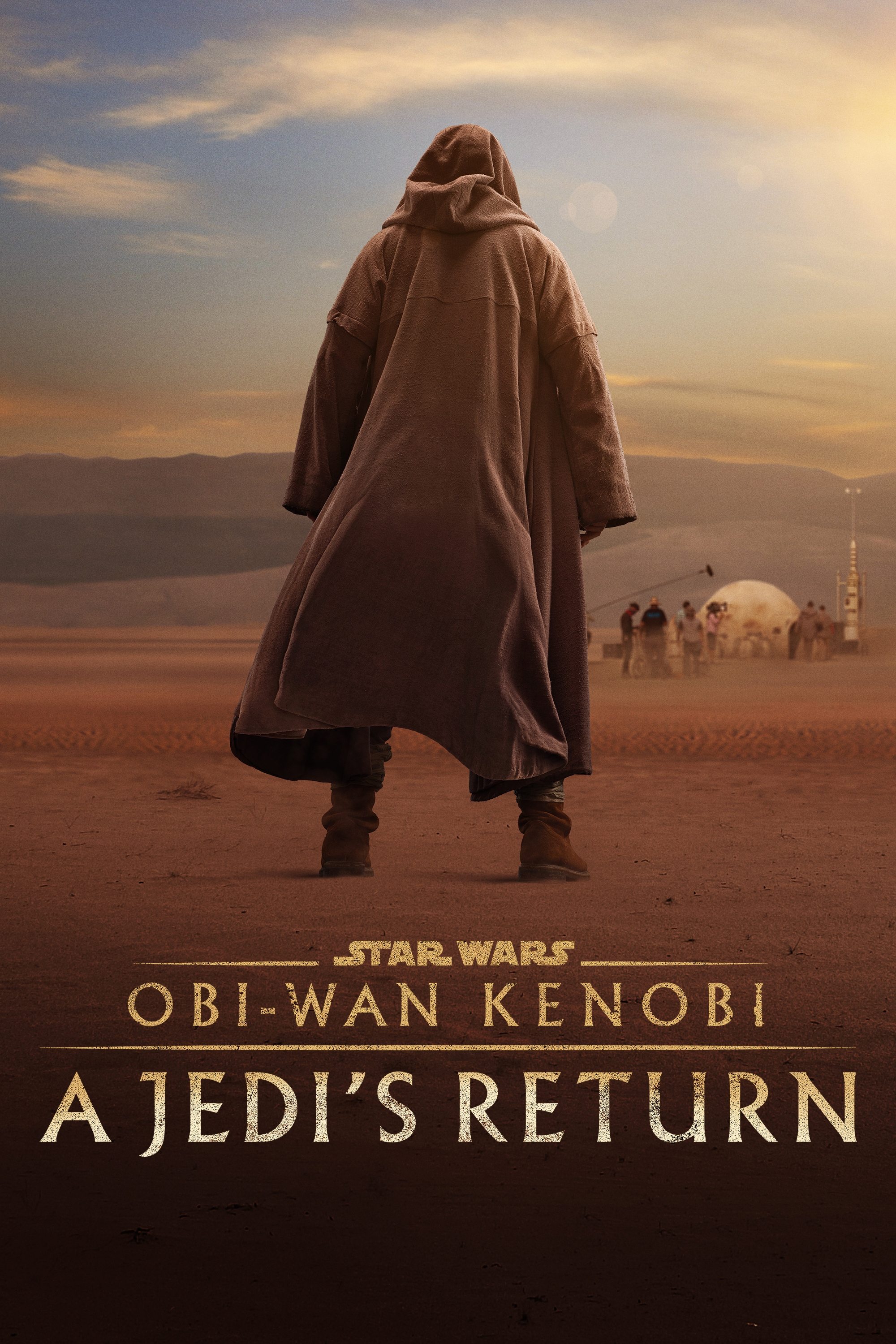
This special explores the return of Obi-Wan Kenobi and Anakin Skywalker to the screen, as well as Ewan McGregor and Hayden Christensen to their classic roles. Director Deborah Chow leads the cast and crew as they create new heroes and villains that live alongside new incarnations of beloved Star Wars characters, and an epic story that dramatically bridges the saga films.
Told through performances, TV interviews, home movies, family photographs, private letters and unpublished memoirs, the film reveals the essence of an extraordinary woman who rose from humble beginnings in New York City to become a glamorous international superstar and one of the greatest artists of all time.
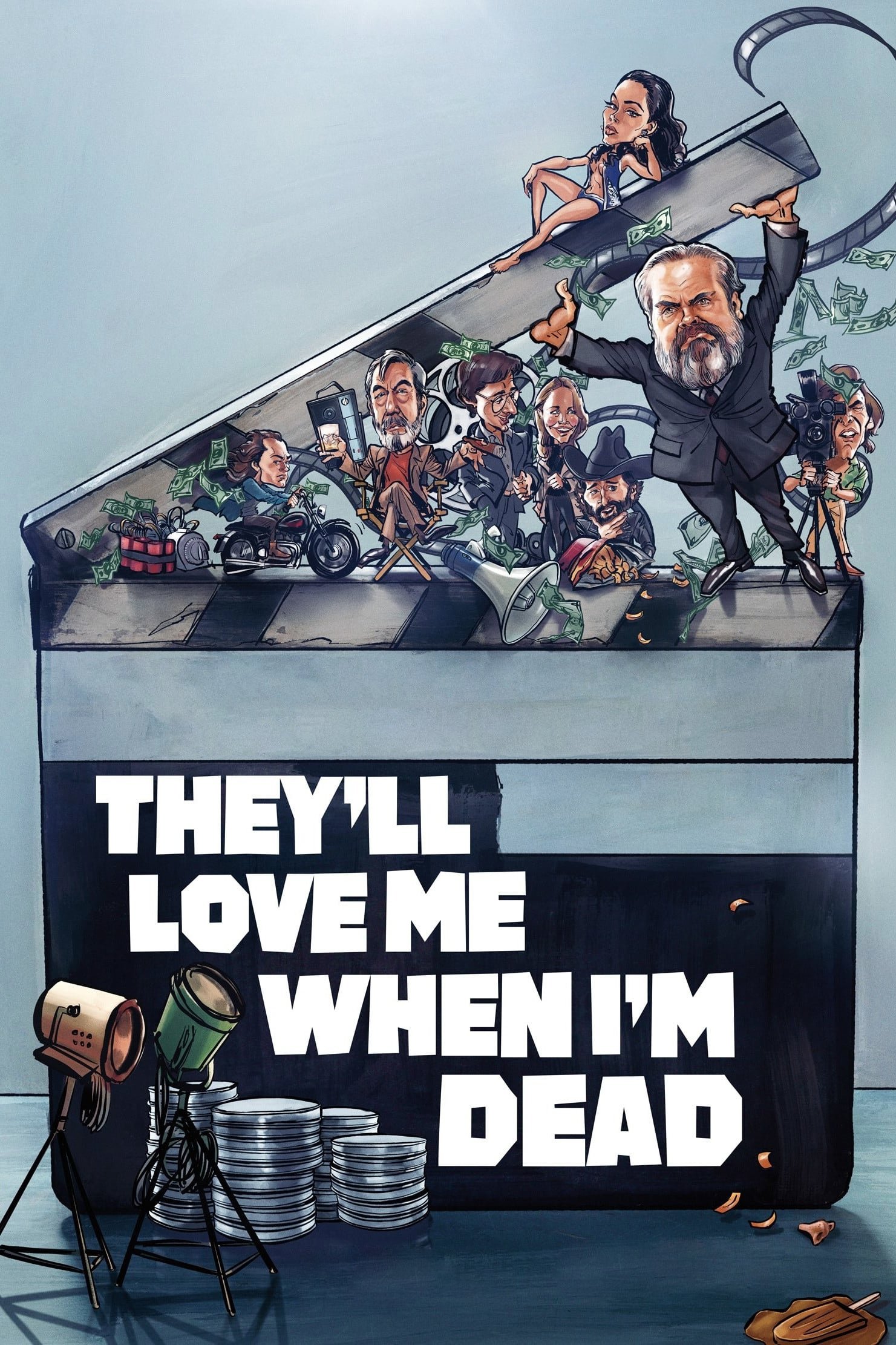
As his life comes to its end, famous Hollywood director Orson Welles puts it all on the line at the chance for renewed success with the film The Other Side of the Wind.
Since the invention of cinema, the standard format for recording moving images has been film. Over the past two decades, a new form of digital filmmaking has emerged, creating a groundbreaking evolution in the medium. Keanu Reeves explores the development of cinema and the impact of digital filmmaking via in-depth interviews with Hollywood masters, such as James Cameron, David Fincher, David Lynch, Christopher Nolan, Martin Scorsese, George Lucas, Steven Soderbergh, and many more.
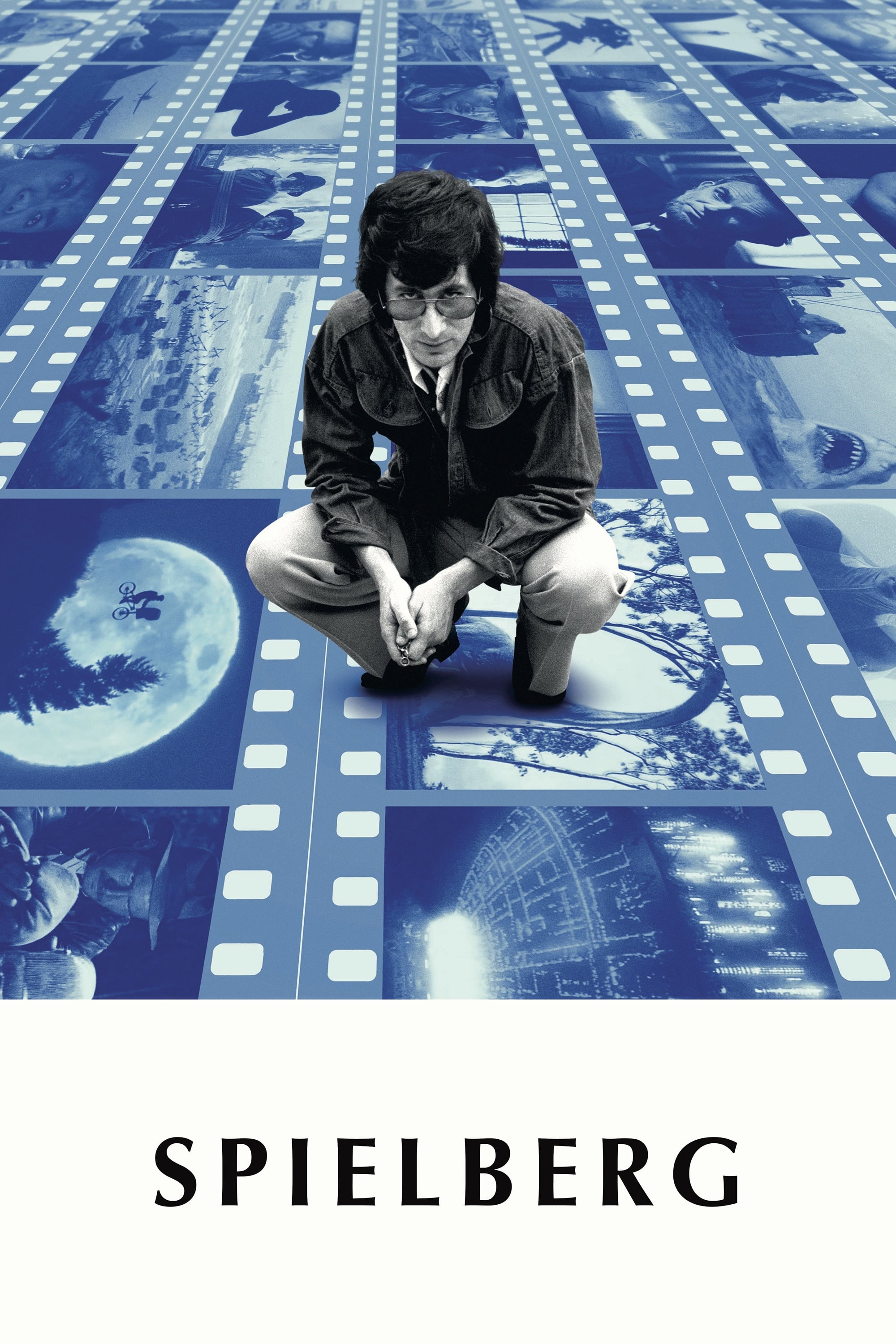
A documentary on the life and career of one of the most influential film directors of all time, Steven Spielberg.
Daniel Craig candidly reflects on his 15 year adventure as James Bond. Including never-before-seen archival footage from Casino Royale to the upcoming 25th film No Time To Die, Craig shares his personal memories in conversation with 007 producers, Michael G Wilson and Barbara Broccoli.
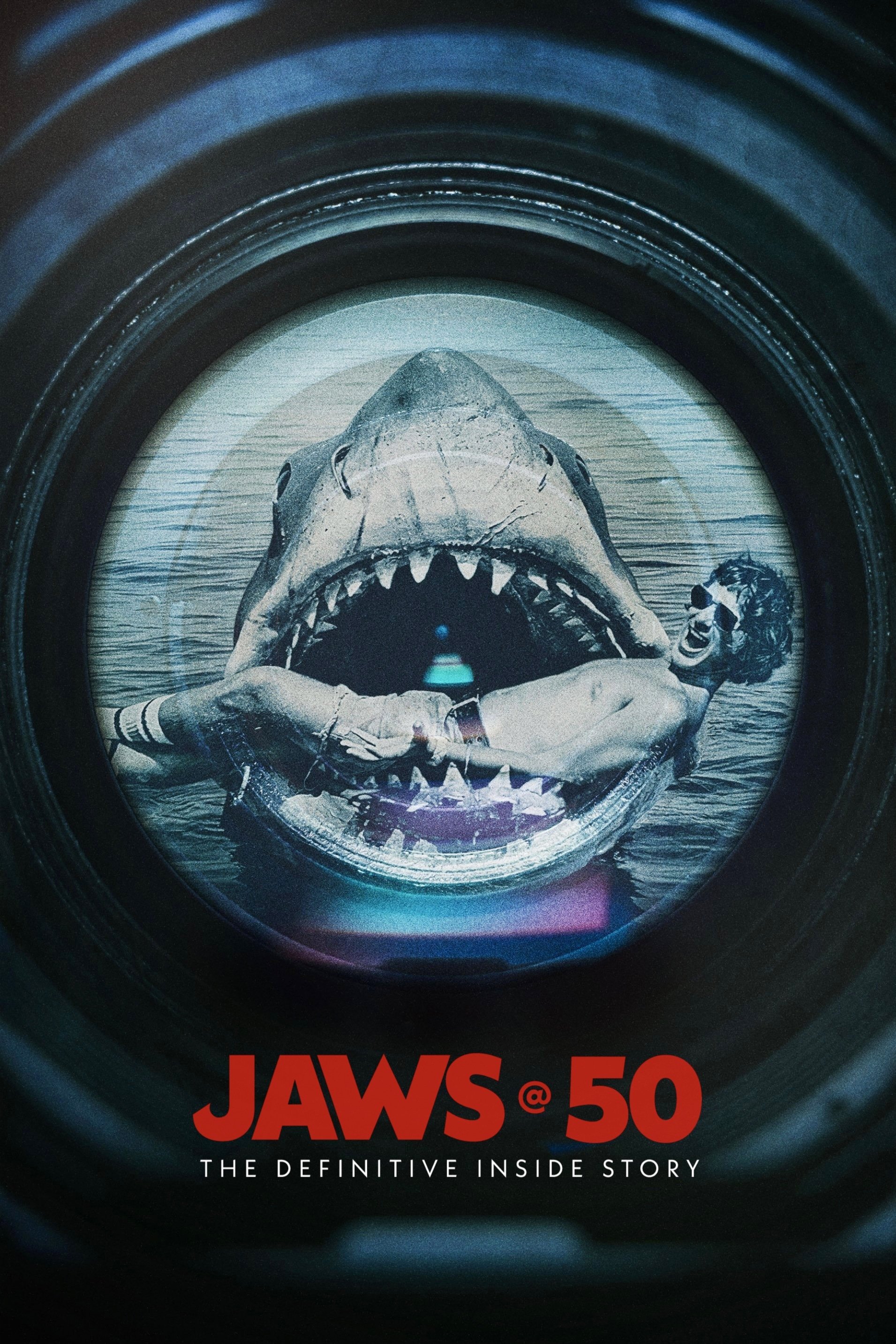
The authorized documentary celebrating the film that redefined Hollywood, 50 years after its premiere. Featuring rare archival footage and interviews with acclaimed Hollywood directors alongside Steven Spielberg, top shark scientists, and conservationists, the film uncovers the behind-the-scenes chaos and how the film launched the summer blockbuster, inspired a new wave of filmmakers, and paved the way for shark conservation that continues today.
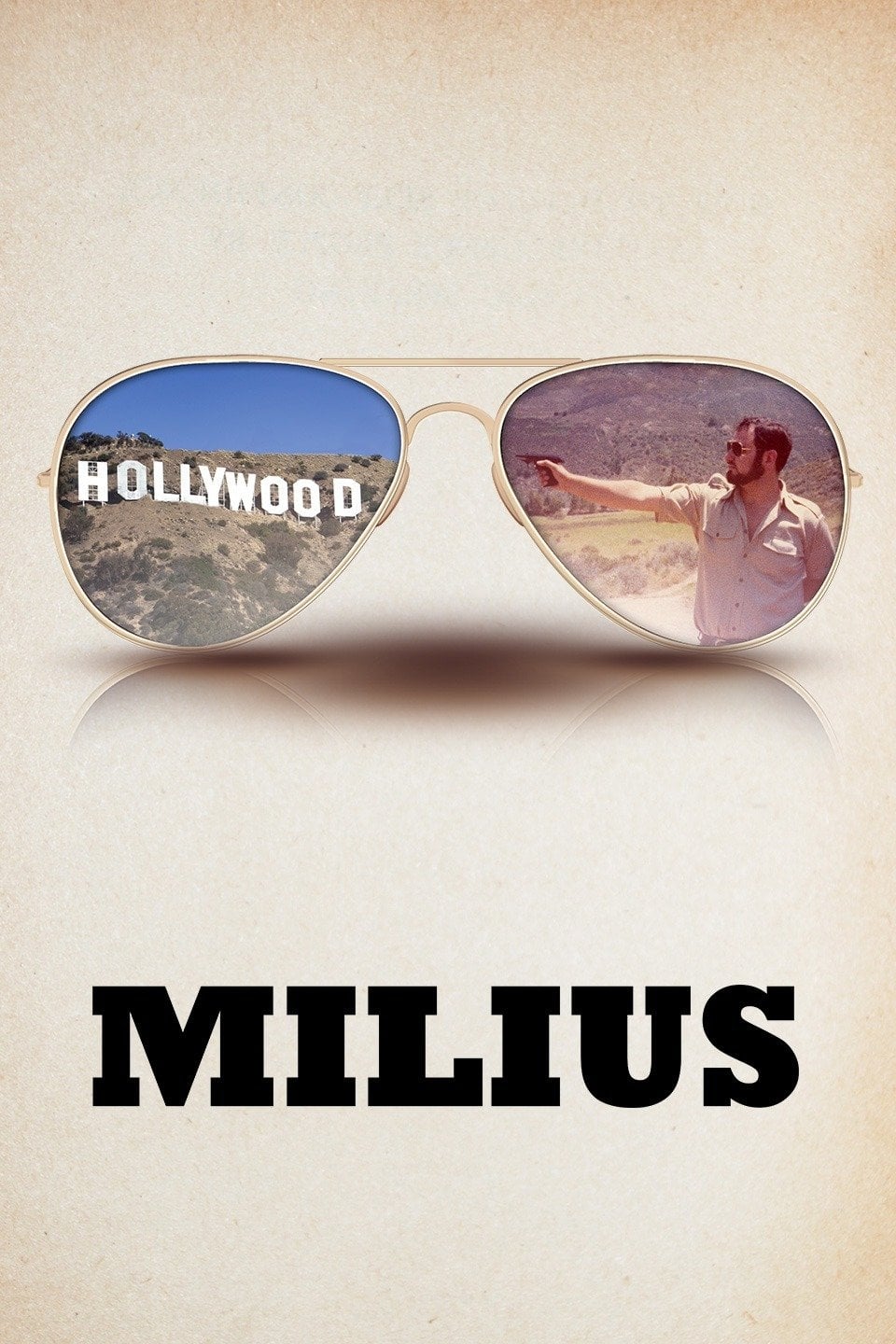
The life story of ‘Zen Anarchist’ filmmaker John Milius, one of the most influential storytellers of his generation.
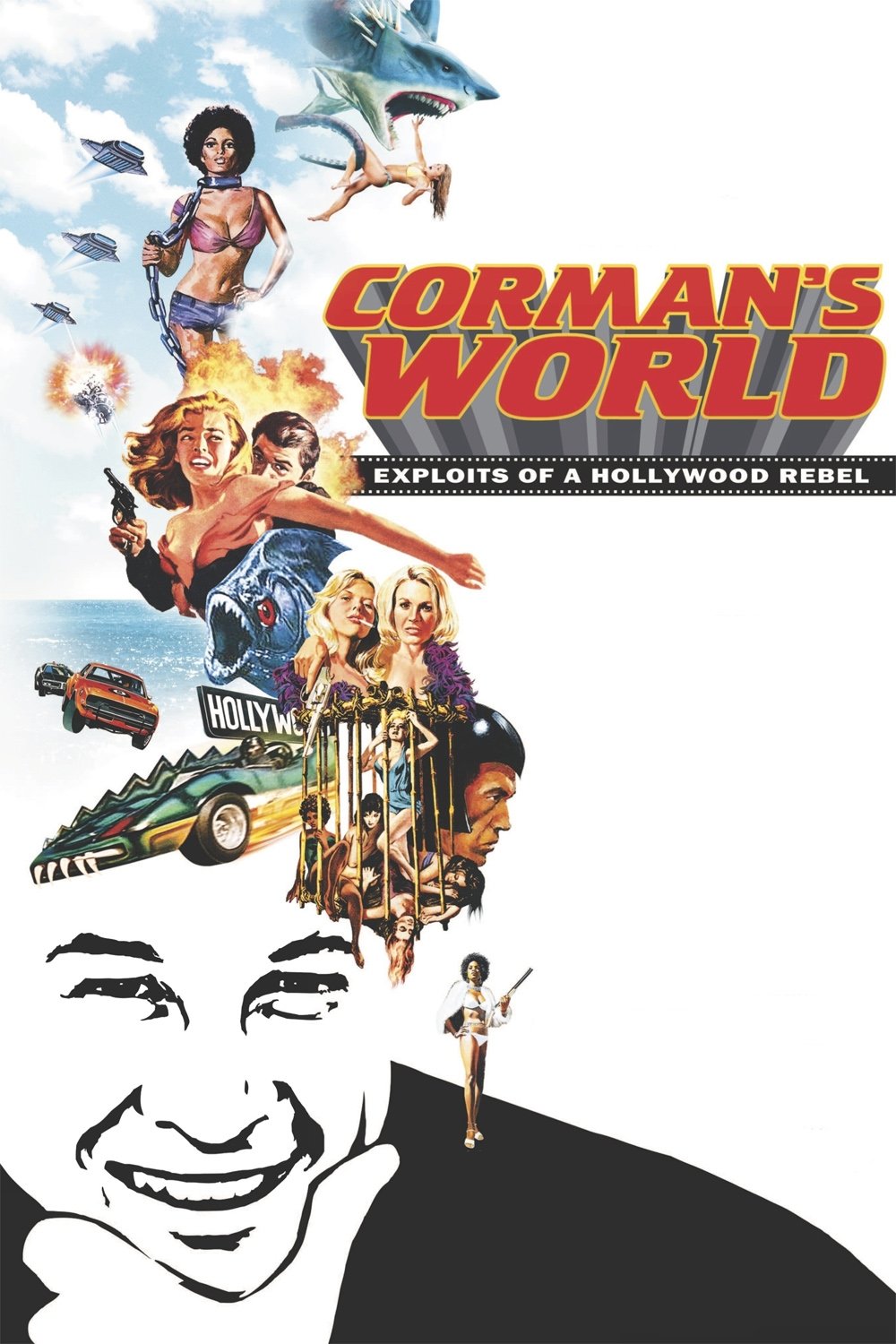
A chronicle of the long career of American filmmaker Roger Corman, the most tenacious and ingenious low-budget producer and director in the US film industry, a pioneer of independent filmmaking and discoverer of new talent.





![[REC]: Horror Without Pause](https://image.tmdb.org/t/p/original/jme3yUGa0pVvYXOBTQxldfvny0n.jpg)