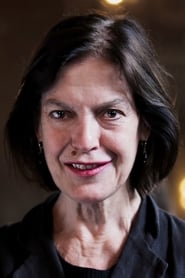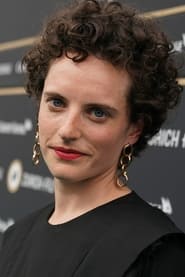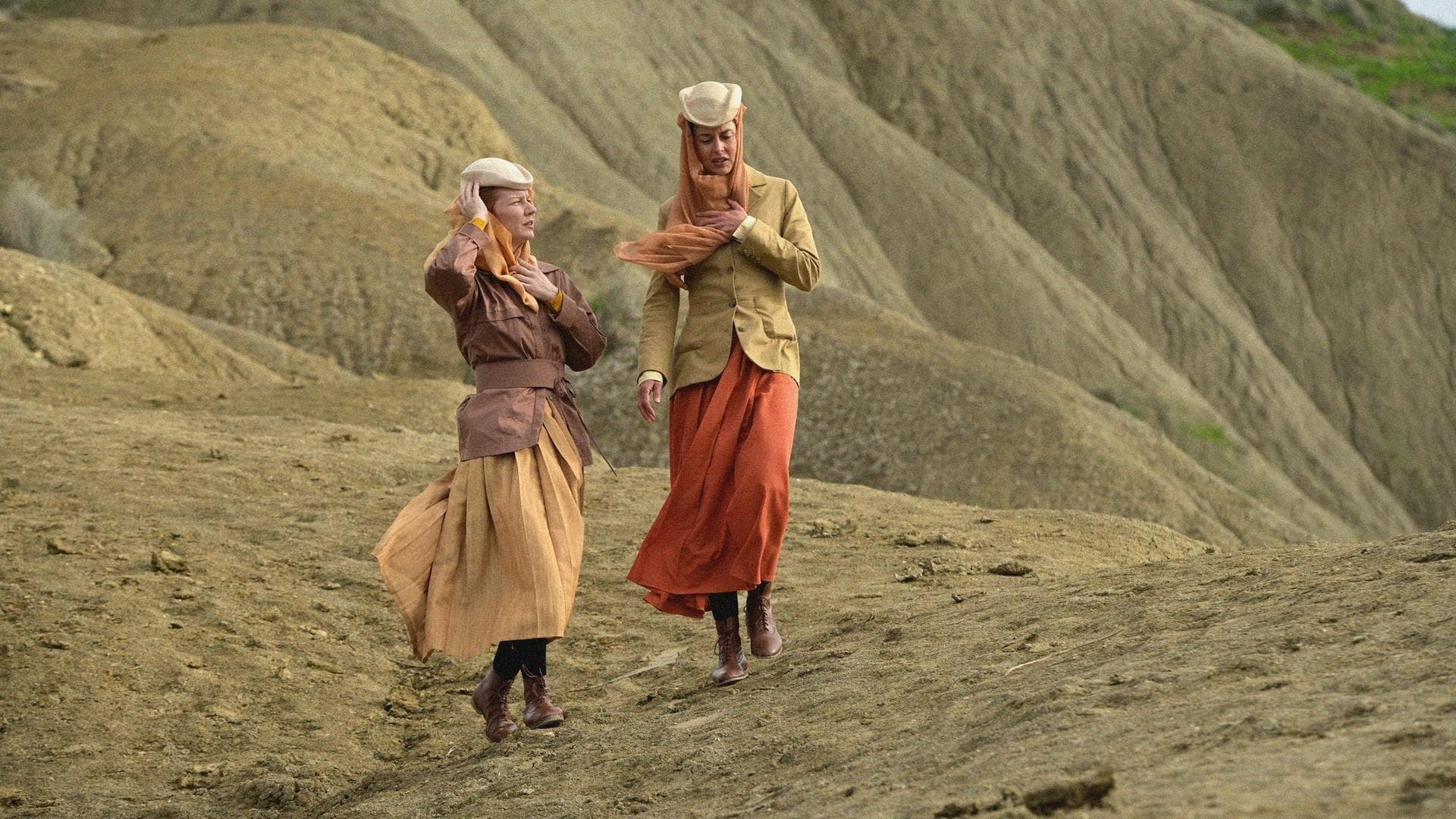
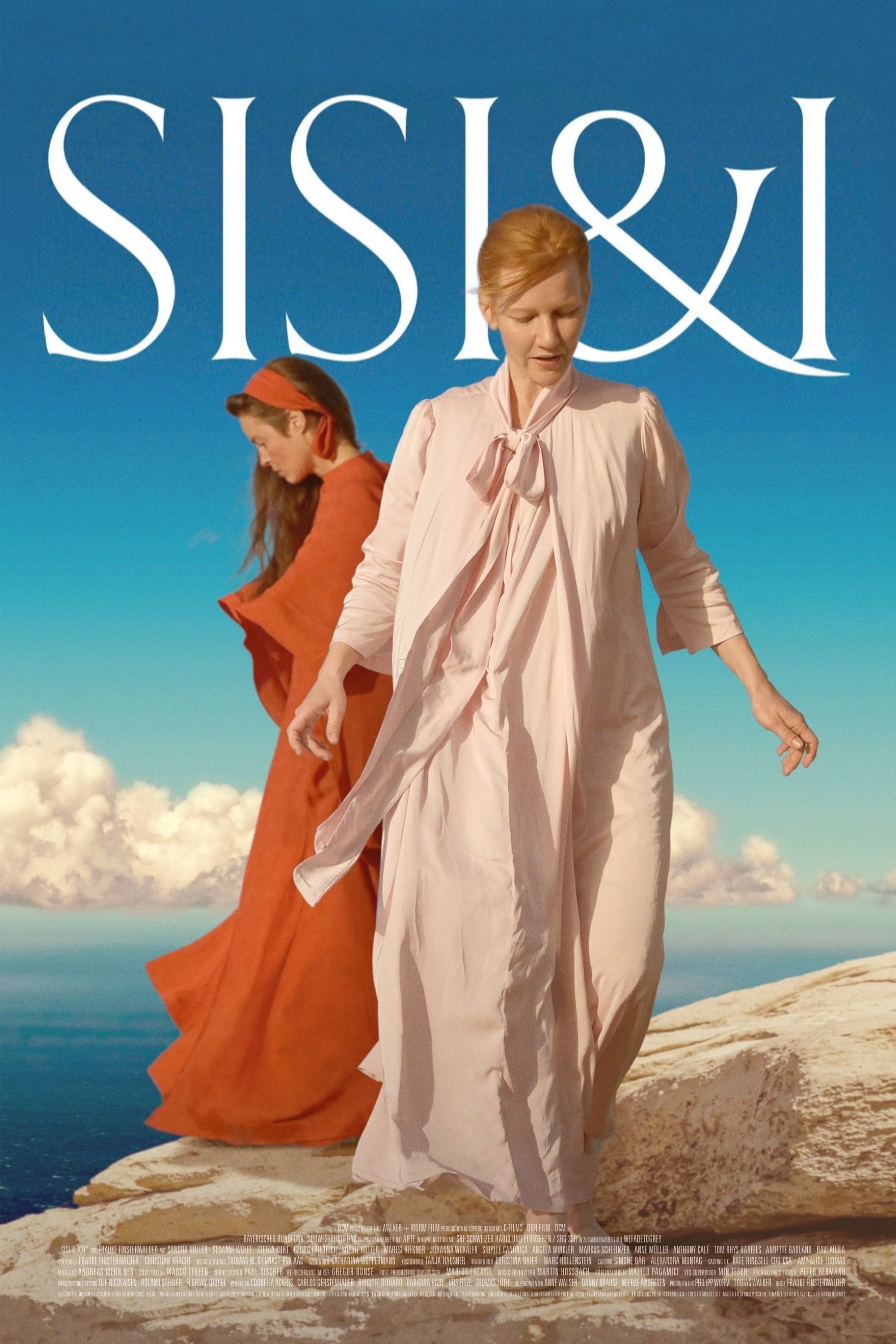

After an elaborate application process, Empress Elisabeth of Austria hires Countess Irma as her new lady-in-waiting and takes her to her summer residence on Corfu. As the two women become closer there, this soon leads to tensions back in Vienna.
Social & External
The people behind it
Susanne Wolff
Empress Elisabeth of Austria
Sandra Hüller
Irma Sztáray
Tom Rhys Harries
Smythe
Johanna Wokalek
Countess Marie Festetics
Angela Winkler
Princess Ludovika of Bavaria
Stefan Kurt
Count of Berzeviczy
Maresi Riegner
Marie
William Erazo Fernández
Porter
Georg Friedrich
Archduke Ludwig Viktor of Austria
Sophie Hutter
Fritzi
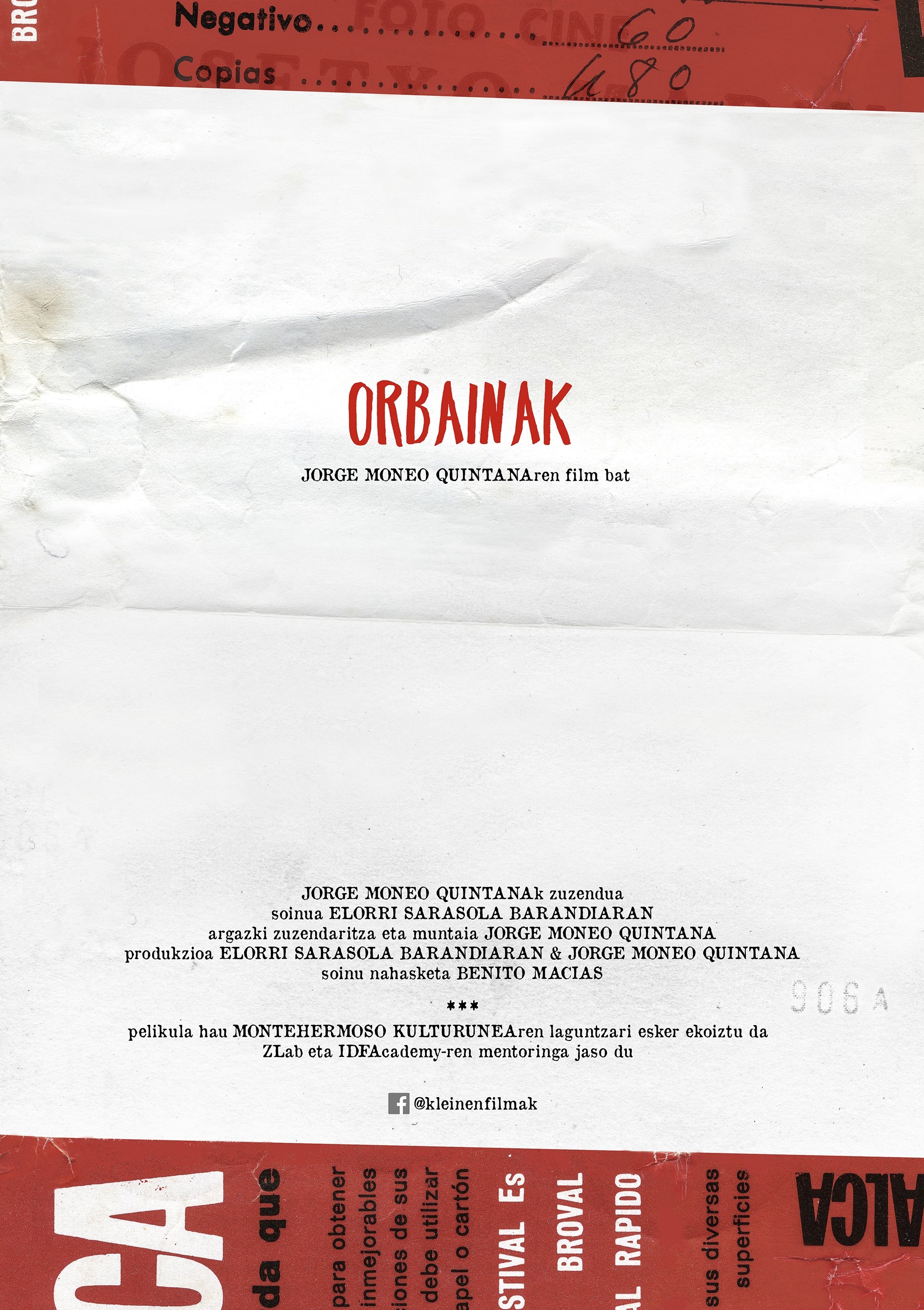
The personal stories lived by the Uncle, the Father and the Son, respectively, form a tragic experience that is drawn along a line in time. This line is comparable to a crease in the pages of the family album, but also to a crack in the walls of the paternal house. It resembles the open wound created when drilling into a mountain, but also a scar in the collective imaginary of a society, where the idea of salvation finds its tragic destiny in the political struggle. What is at the end of that line? Will old war songs be enough to circumvent that destiny?
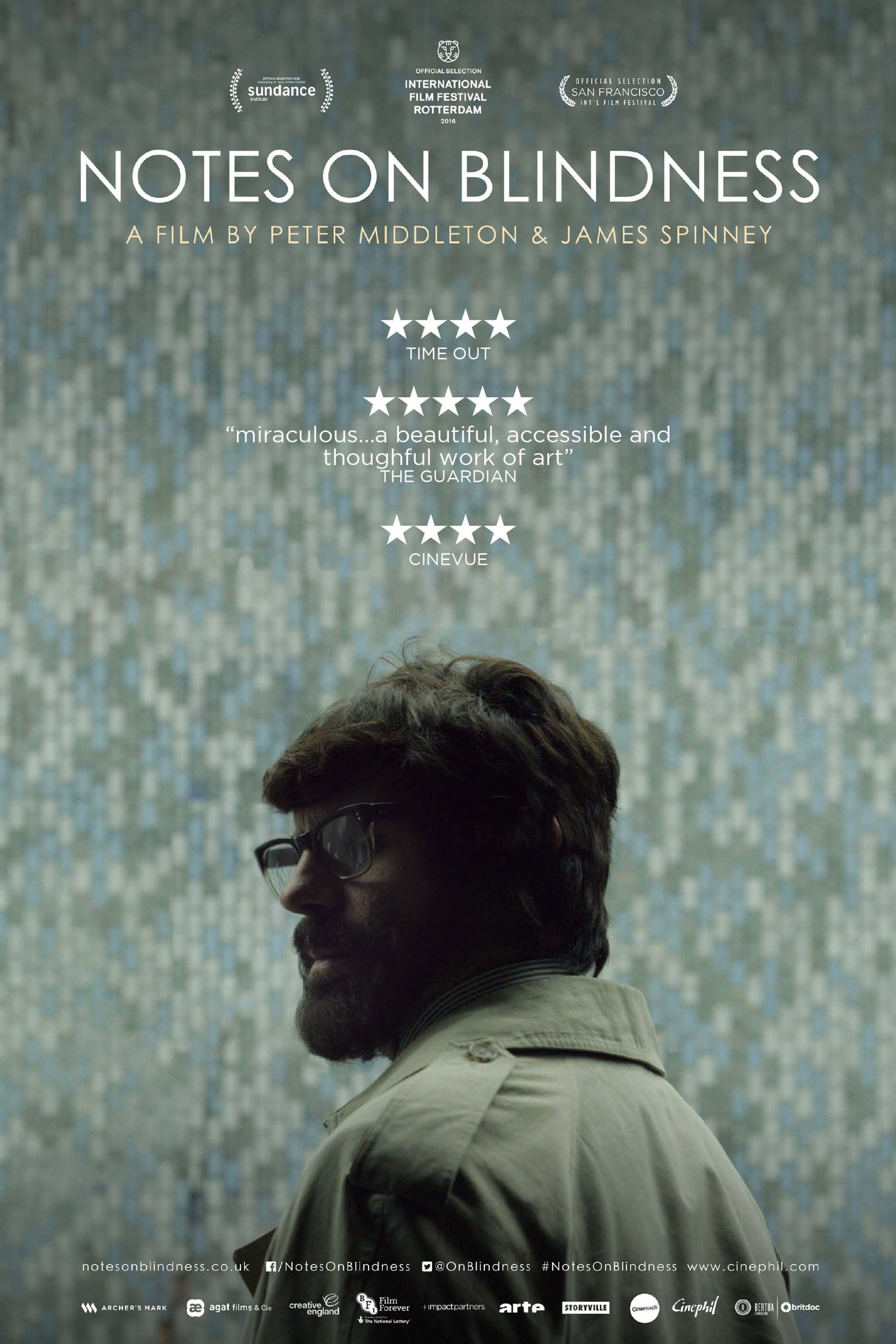
After losing sight in 1983, John Hull began keeping an audio diary, a unique testimony of loss, rebirth and renewal, excavating the interior world of blindness. Following on from the Emmy Award-winning short film of the same name, Notes on Blindness is an ambitious and groundbreaking work, both affecting and innovative.
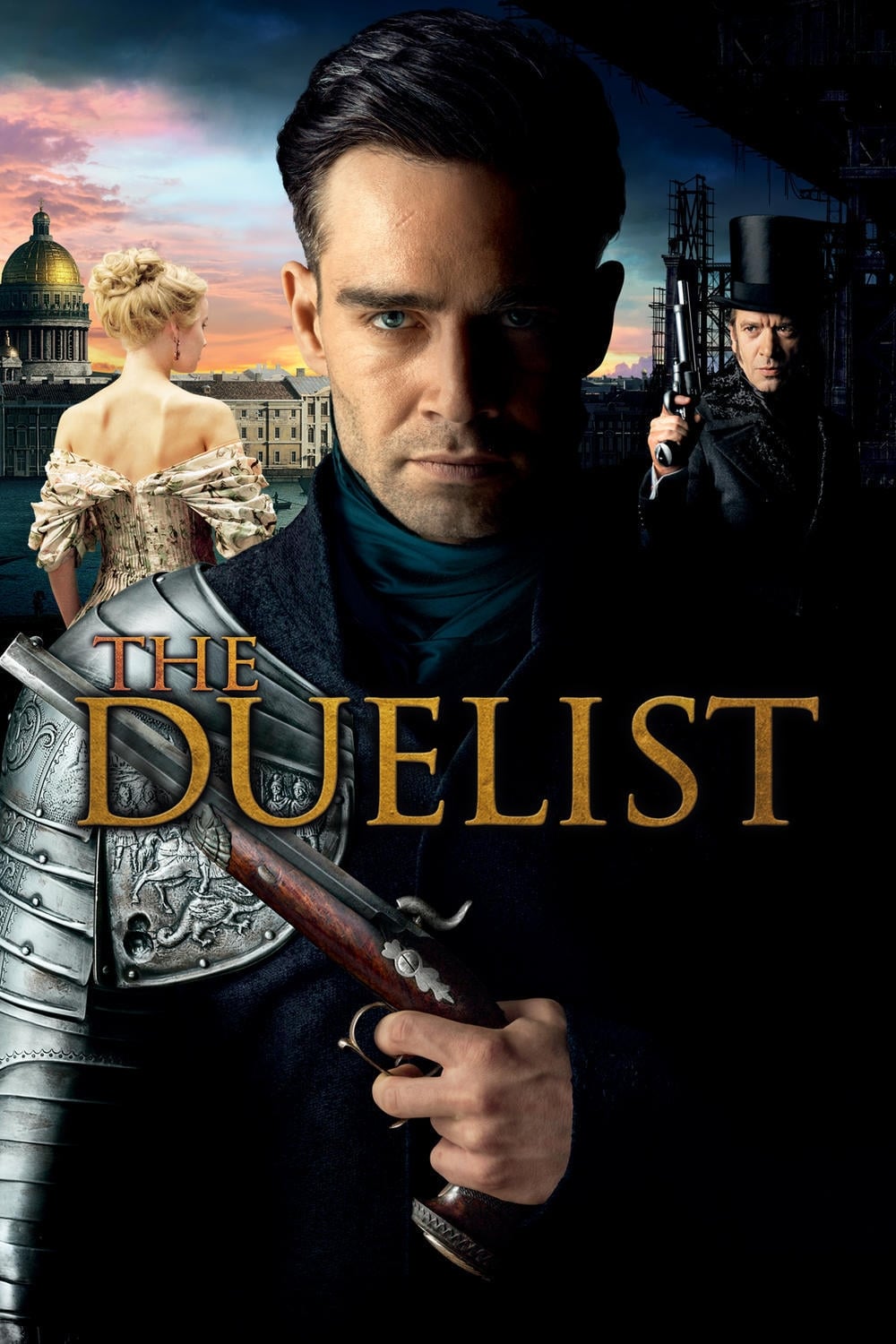
Returning to Saint Petersburg after a long exile, the dashing Yakovlev, a retired army officer, makes a comfortable living by winning other people's duels. An enigmatic, focused, and extremely skilled professional, he leaves a trail of dead bodies behind him as he swirls through polite society, frequently called upon to wield a pistol as a surrogate in duels at dawn. But when Yakovlev meets the naïve young Prince Tuchov and his beautiful sister, Princess Martha, the normally cold-hearted mercenary is surprised by hitherto undetected emotions. What transpires uncovers a series of revelations about his past and his present self.
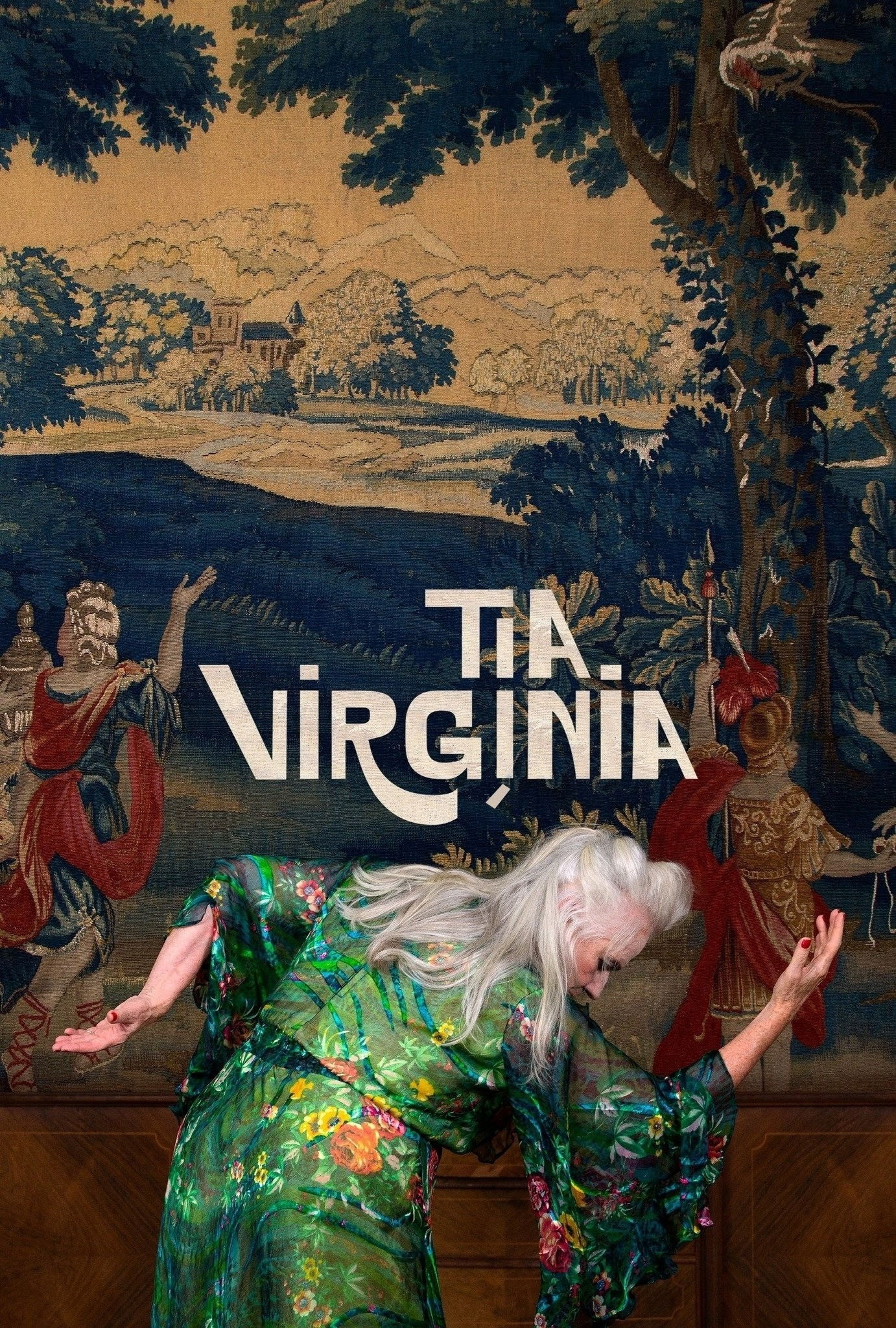
Aunt Virginia is a 70-year-old woman who has no children and has never been married, and ends up being convinced by her sisters, Vanda and Valquíria, to move to another city in order to take care of her parents. Taking place in just one day, the film follows Virginia's preparation to receive the sisters who are coming to her house to celebrate Christmas.
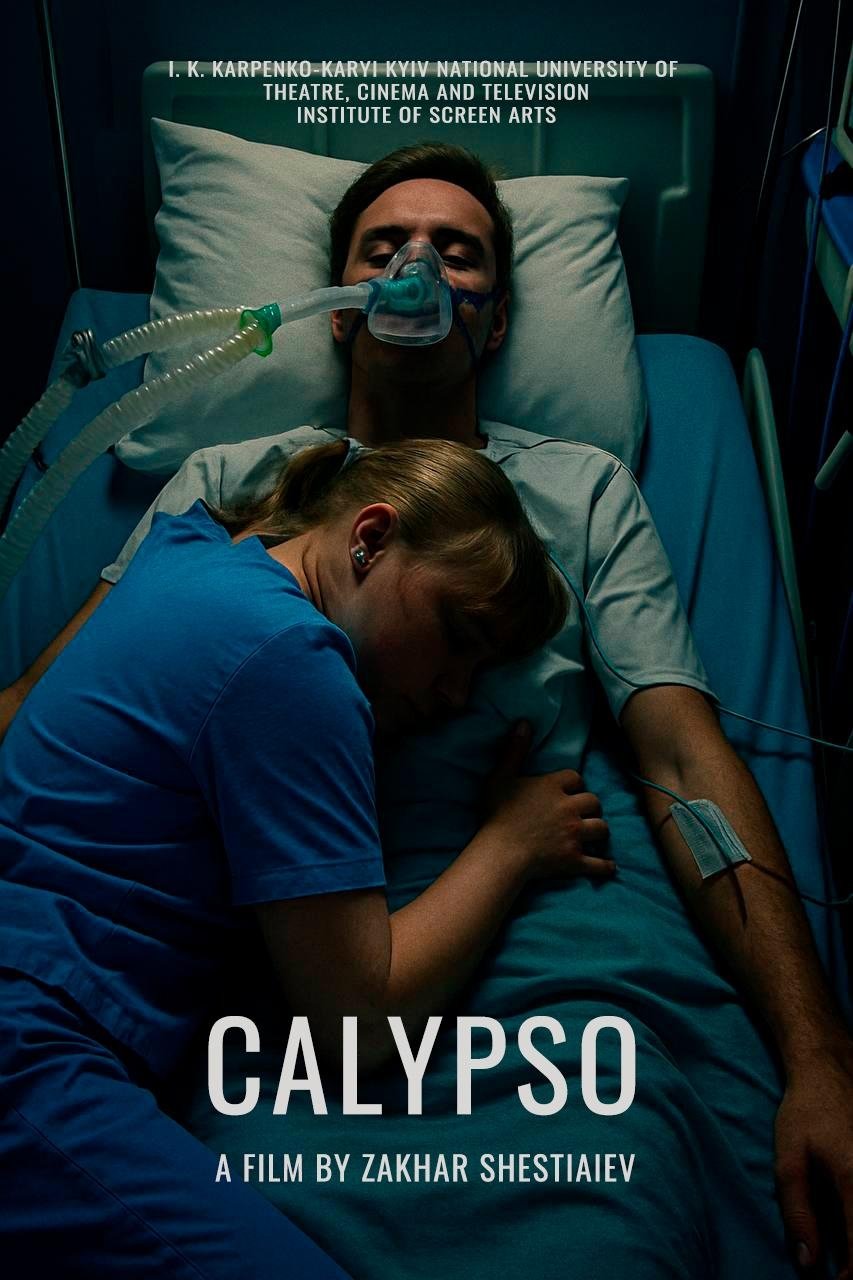
A nurse keeps a patient in a coma, but one day his wife and son visit him.
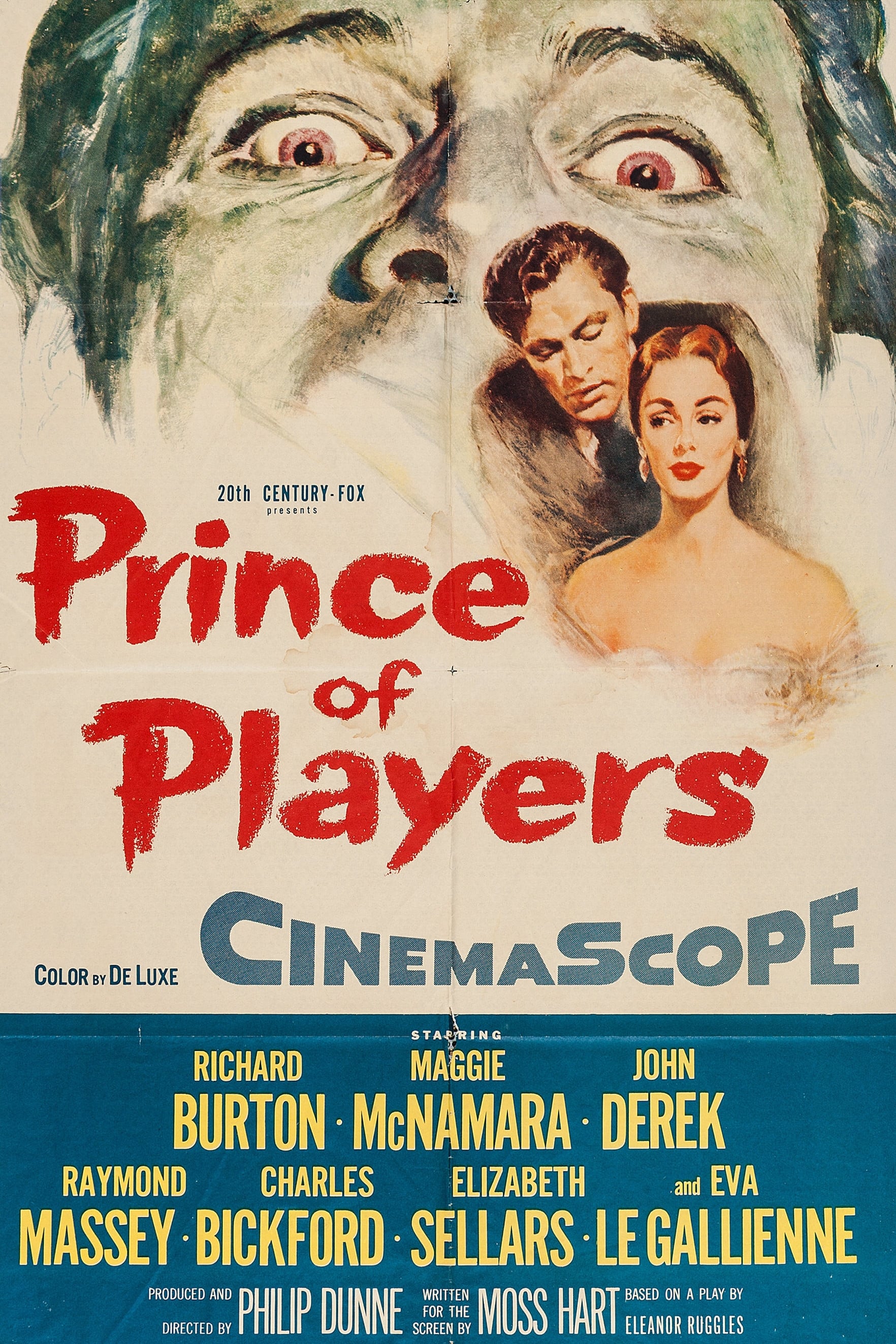
This biopic follows the story of Shakespearean actor Edwin Booth and his rise to fame. Edwin's career begins when he replaces his alcoholic father, the great actor Junius Brutus Booth, in a production of "Richard III" after Junius forgets his lines. As an adult, Edwin performs many lead roles and sparks a rivalry with his brother, John Wilkes. But after his brief time as a celebrity, Edwin's career is cut short by family tragedy.
Scenes from the life of composer Zdeněk Fibich accompanied by excerpts from his work in a poetic documentary... The story of the Czech artist is embodied in a single day in the life of his collaborator and lover Anežka Schulzová (Iveta Rálková). Between waking up in the morning and falling asleep at night, she brings fragments of her beloved man's life experiences to life in her memories. It is a drama of emotions that draws her into its trap. Fibich left the safe haven of his family for her love, seeking inspiration in passion and eroticism. This clearly tense human situation is complicated by Anežka's rival and Fibich's wife Betty.
Introducing Horsin Dickler, who introduces the fundamental concepts surrounding the idea of explicit television.
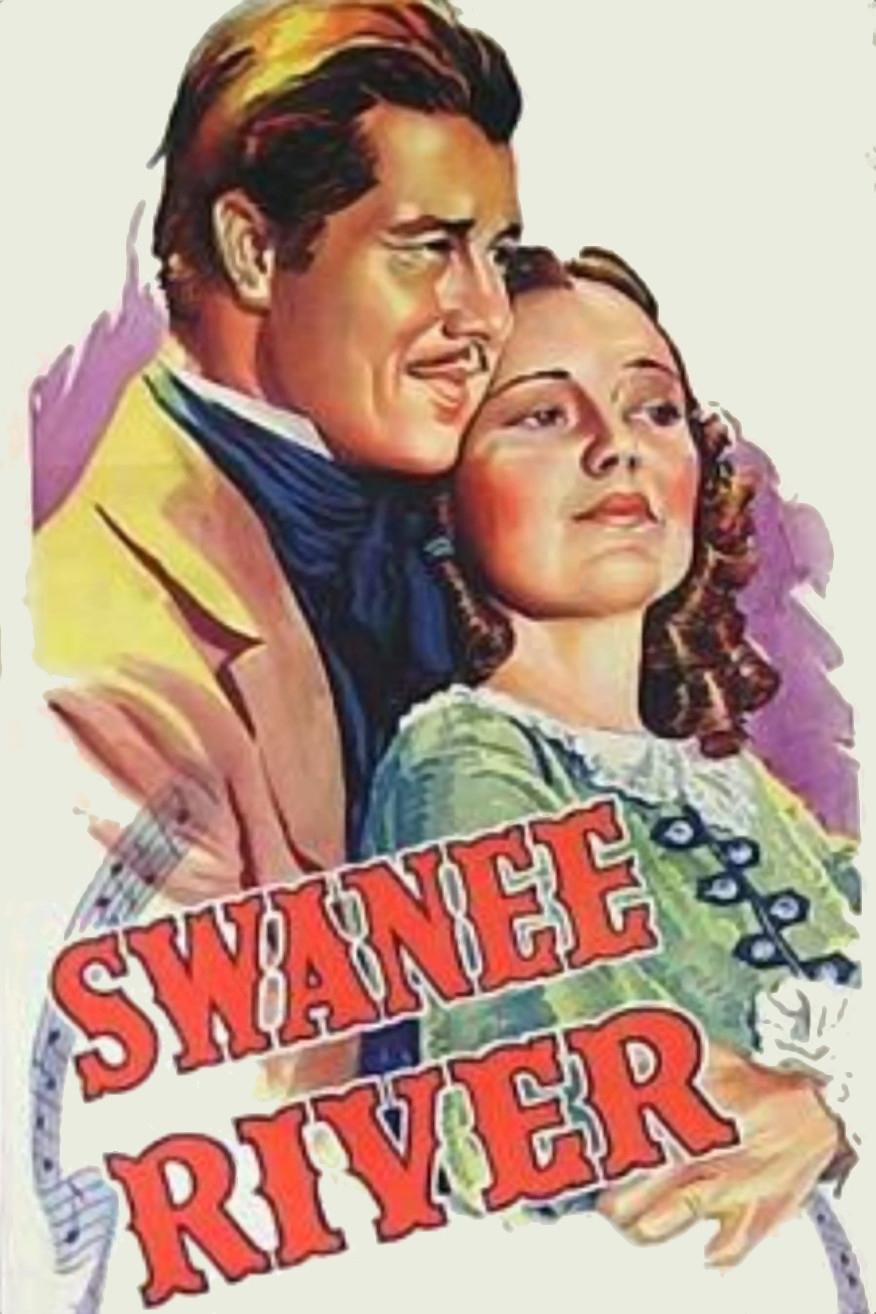
Swanee River is a 1940 American biopic about Stephen Foster, a songwriter from Pittsburgh who falls in love with the South, marries a Southern girl, then is accused of sympathizing when the Civil War breaks out. Typical of 20th Century Fox biopics of the time, the film is more fictional than factual biography.
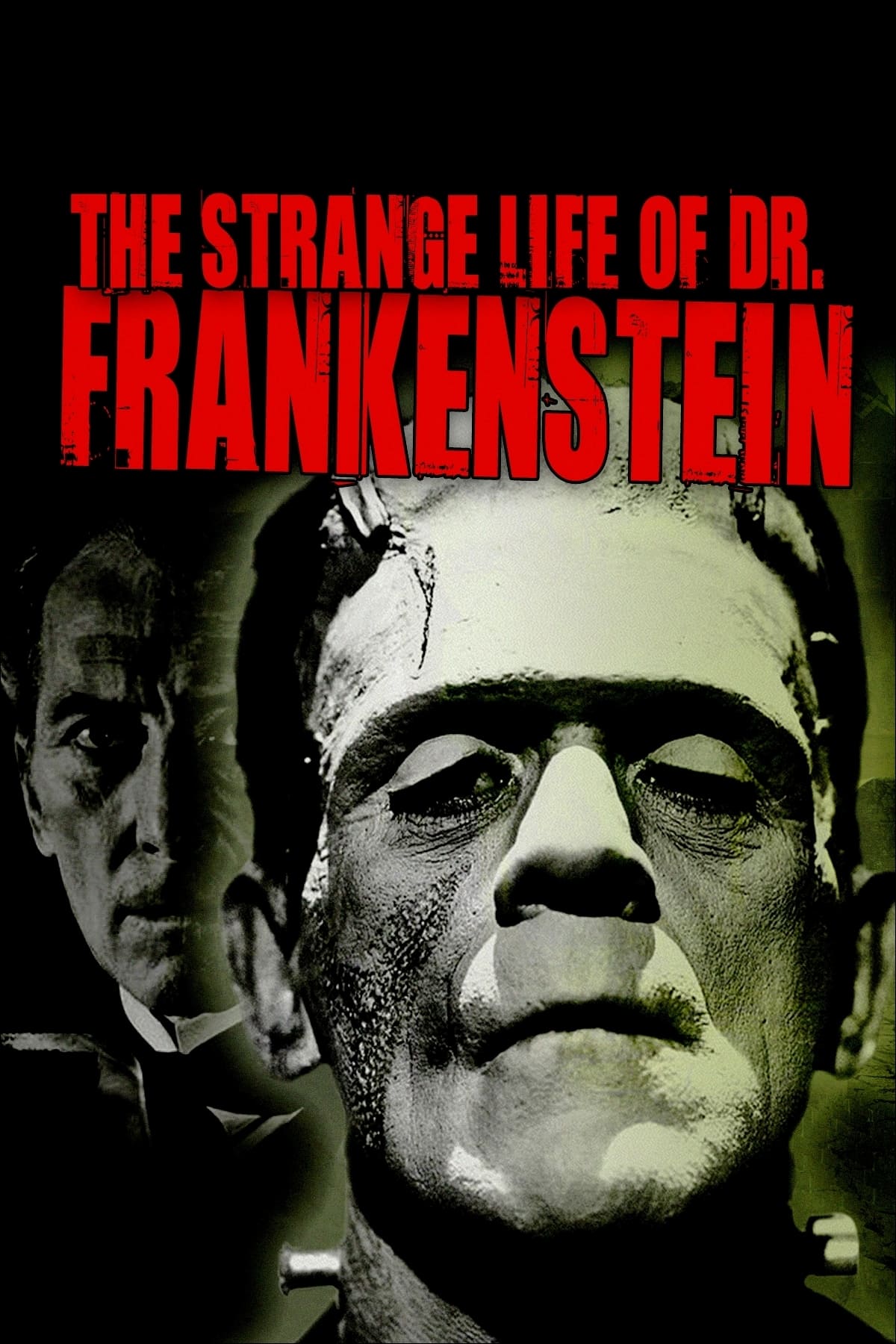
In 1818, Mary Shelley wrote Frankenstein; or, The Modern Prometheus, a powerful and timelessness novel which eternal theme is nothing other than man's quest for the secret of life. Since then, the Creature became a pop culture icon, overshadowing the novel and Doctor Frankenstein himself.
When David Smallbone's successful music company collapses, he moves his family from Australia to the United States in search of a brighter future. With nothing more than their six children, their suitcases, and their love of music, David and his pregnant wife Helen set out to rebuild their lives from the ground up. Based on a remarkable true story, a mum's faith stands against all odds; and inspires her husband and children to hold onto theirs.
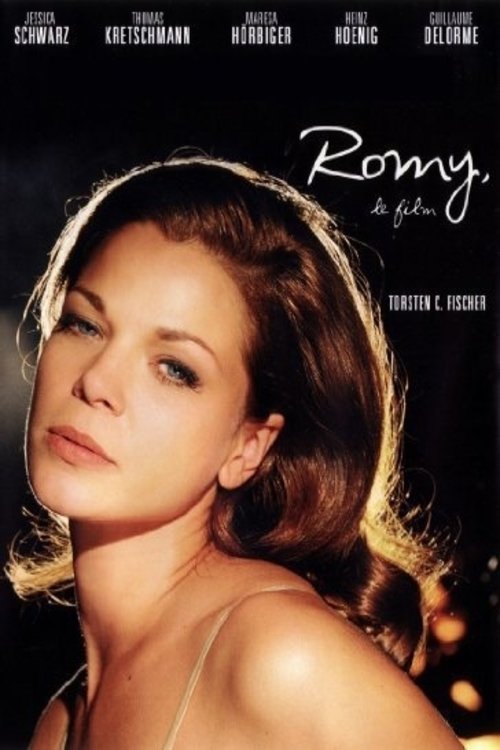
From her on-screen triumphs to her off-screen tribulations, this biopic focuses on the captivating life and career of actress Romy Schneider.
The conflict between Dole Food Company and Swedish filmmaker Fredrik Gertten unfolds dramatically in the documentary "BIG BOYS GONE BANANAS!" as the corporation attempts to suppress Gertten's earlier film, "BANANAS!"—chronicling Nicaraguan workers' lawsuit against Dole. Initially selected for the 2009 Los Angeles Film Festival, "BANANAS!" was abruptly removed from competition, followed by a negative article in the Los Angeles Business Journal and legal threats from Dole's attorneys. Gertten captures this saga of corporate intimidation, media manipulation, and legal challenges in his documentary, showcasing the struggles documentary filmmakers face and highlighting the threat to freedom of speech posed by powerful corporations protecting their reputations.
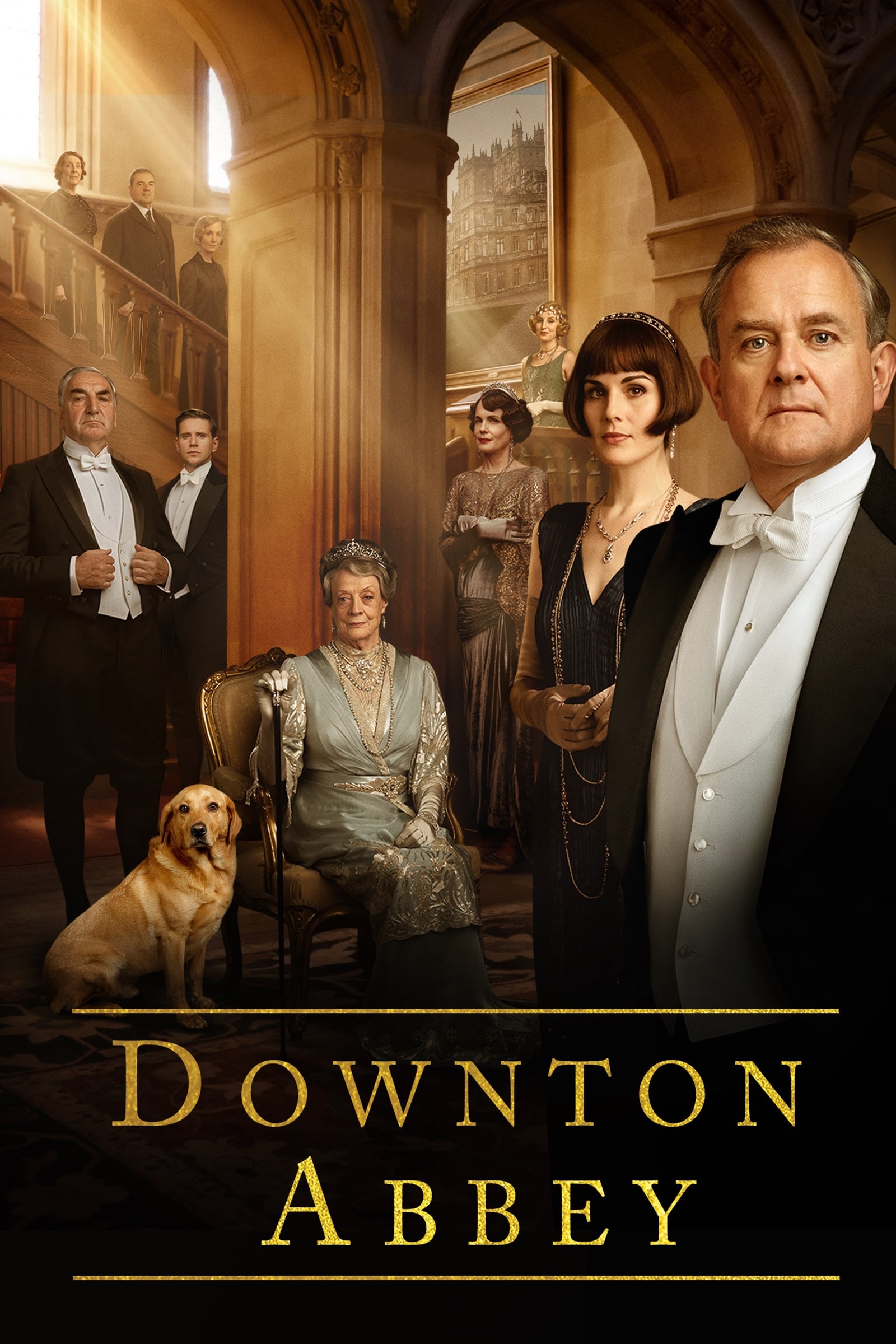
The beloved Crawleys and their intrepid staff prepare for the most important moment of their lives. A royal visit from the King and Queen of England will unleash scandal, romance and intrigue that will leave the future of Downton hanging in the balance.
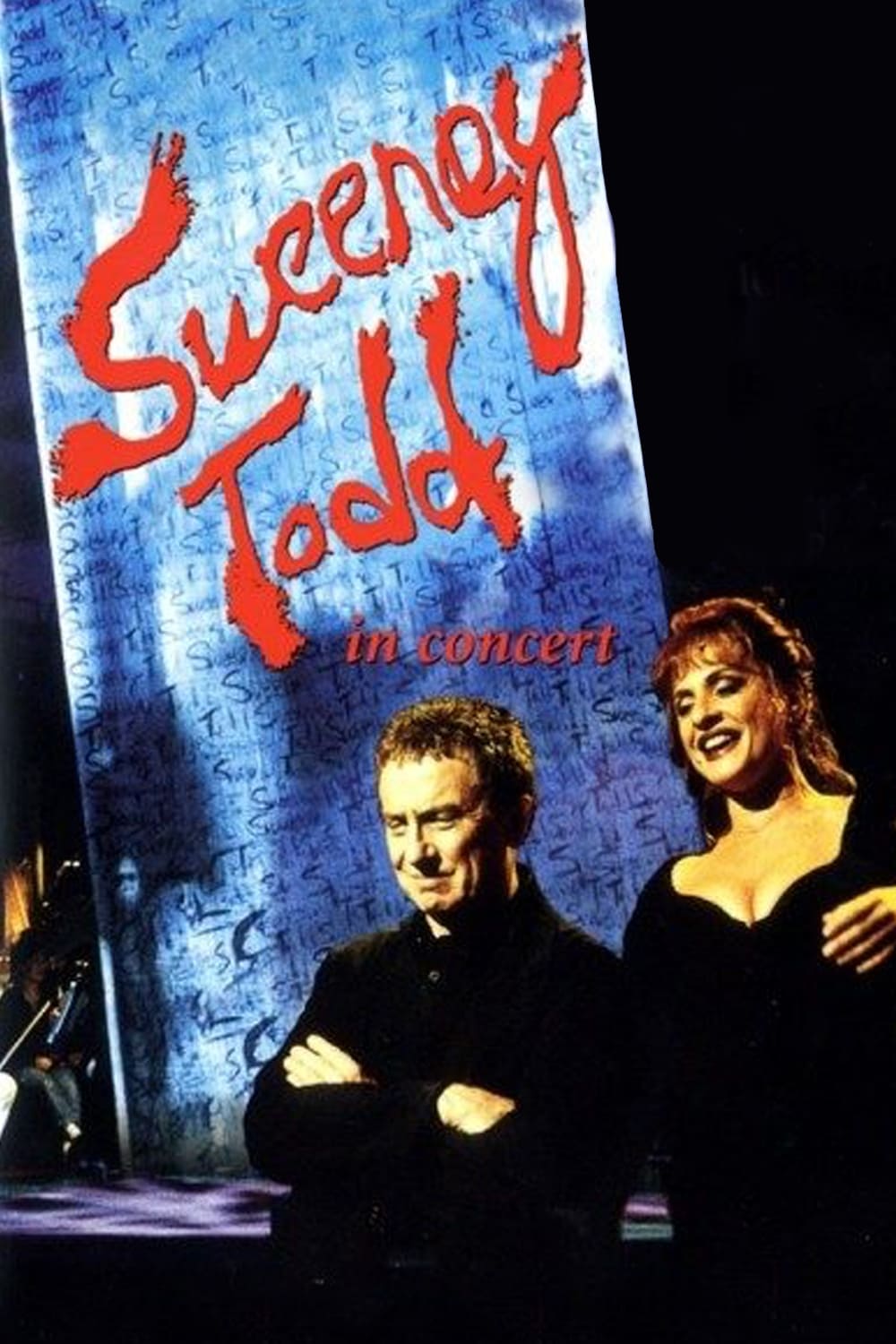
In 1846, Anthony Hope sails into London with the mysterious Sweeney Todd, a once-naive barber whose life and marriage was uprooted by a corrupt justice system. Todd confides in Nellie Lovett, the owner of a local meat pie shop, and the two become partners, as Todd swears revenge on those that have wronged him and decides to take up his old profession.
A biopic of Indonesian group band God Bless.
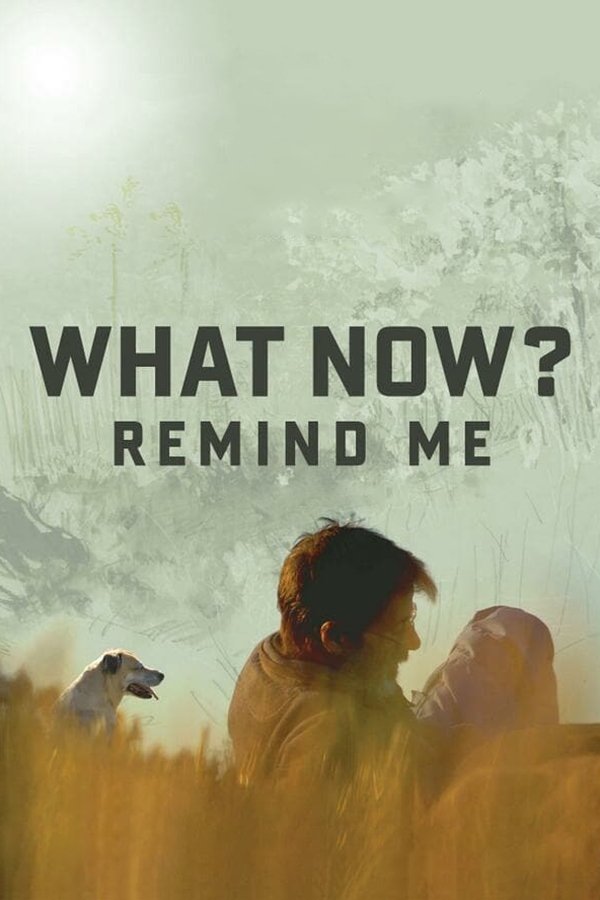
Joaquim Pinto has been living with HIV and VHC for almost twenty years. “What now? Remind Me” is the notebook of a year of clinical studies with toxic, mind altering drugs as yet unapproved. An open and eclectic reflection on time and memory, on epidemics and globalization, on survival beyond all expectations, on dissent and absolute love. In a to-and-fro between present and past memories, the film is also a tribute to friends departed and those who remain.
When the Mayor of a small town makes the very controversial decision to move the beloved park bench a whole 5 meters in the opposite direction, the locals erupt with anger and disappointment, leading to a dramatic protest and much more. The story is told through interviews, dramatic re-enactments and heartfelt moments with the locals.
An original television production based on the life of Slovak writer Jozef Gregor Tajovský.
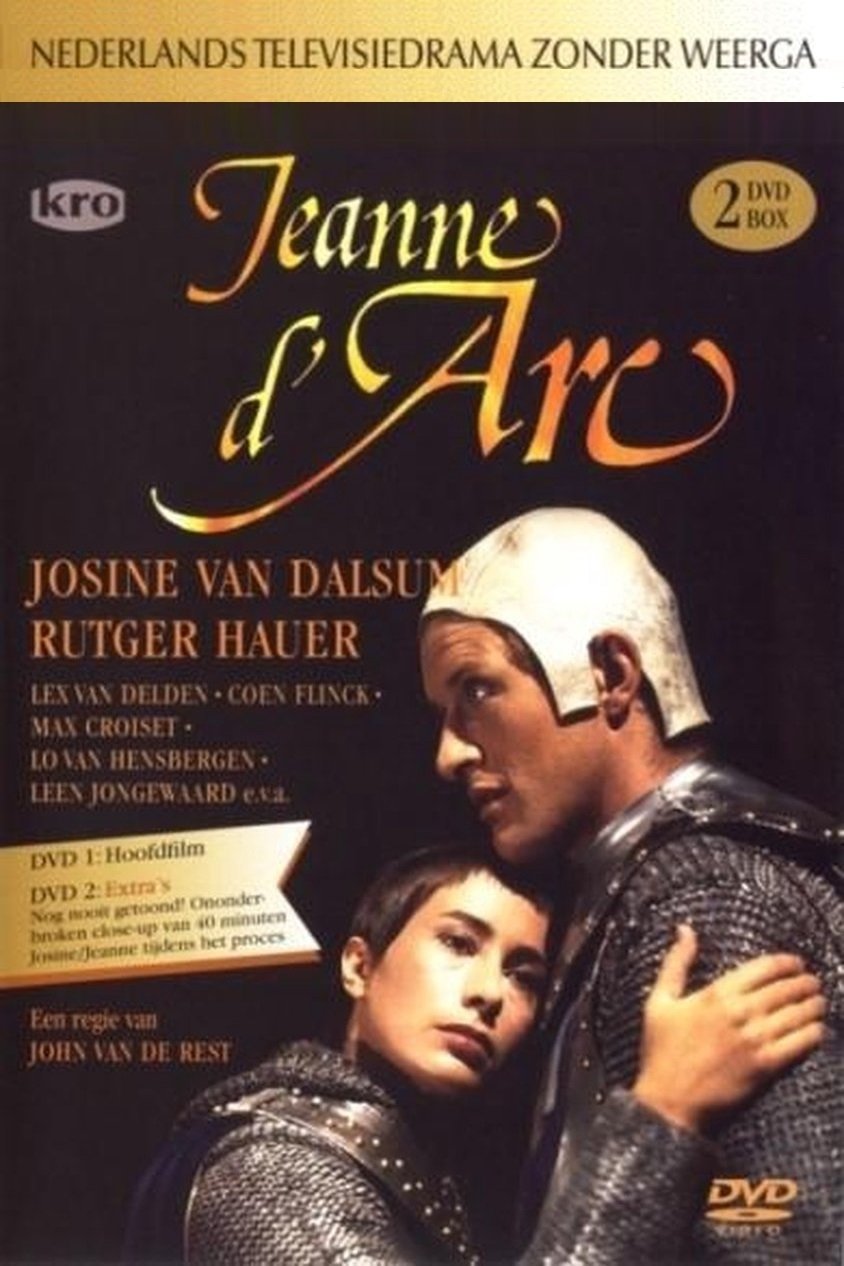
Dutch television adaptation of George Bernard Shaw's play "Saint Joan".
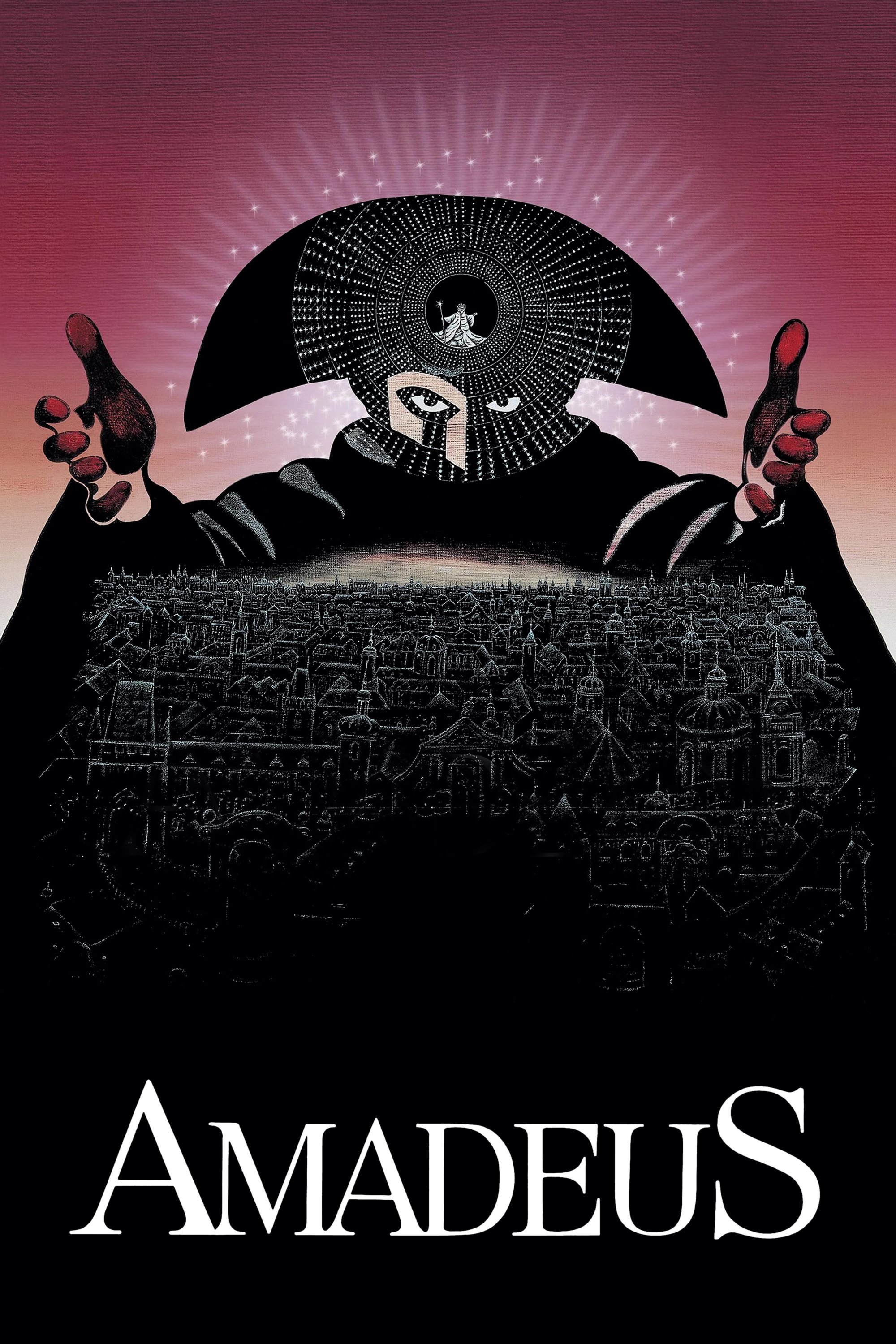
Disciplined Italian composer Antonio Salieri becomes consumed by jealousy and resentment towards the hedonistic and remarkably talented young Salzburger composer Wolfgang Amadeus Mozart.
Set during the fading glory of the Austro-Hungarian empire, the film tells of the rise and fall of Alfred Redl, an ambitious young officer who proceeds up the ladder to become head of the Secret Police only to become ensnared in political deception.
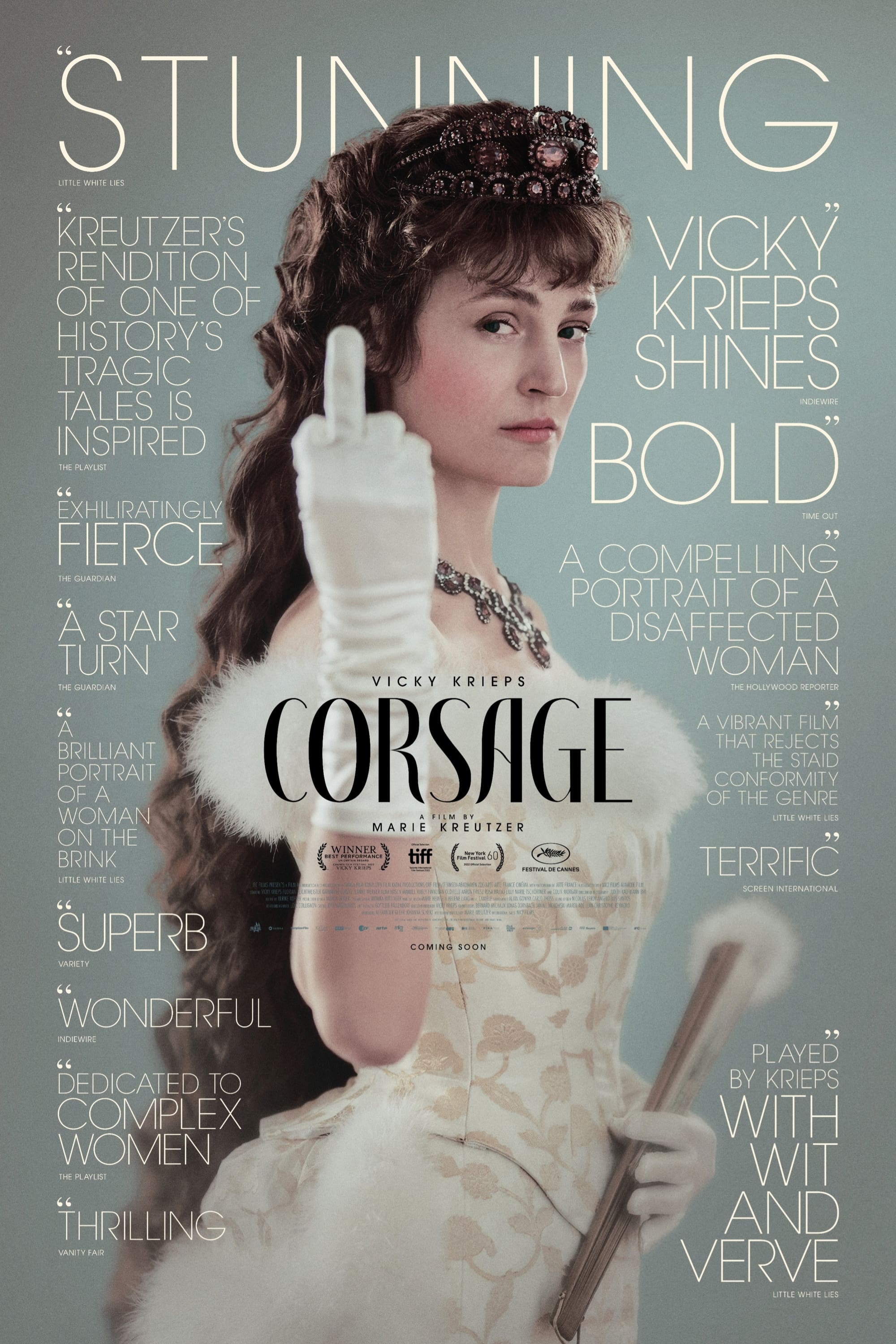
A fictional account of one year in the life of Empress Elisabeth of Austria. On Christmas Eve 1877, Elisabeth, once idolized for her beauty, turns 40 and is officially deemed an old woman; she starts trying to maintain her public image.
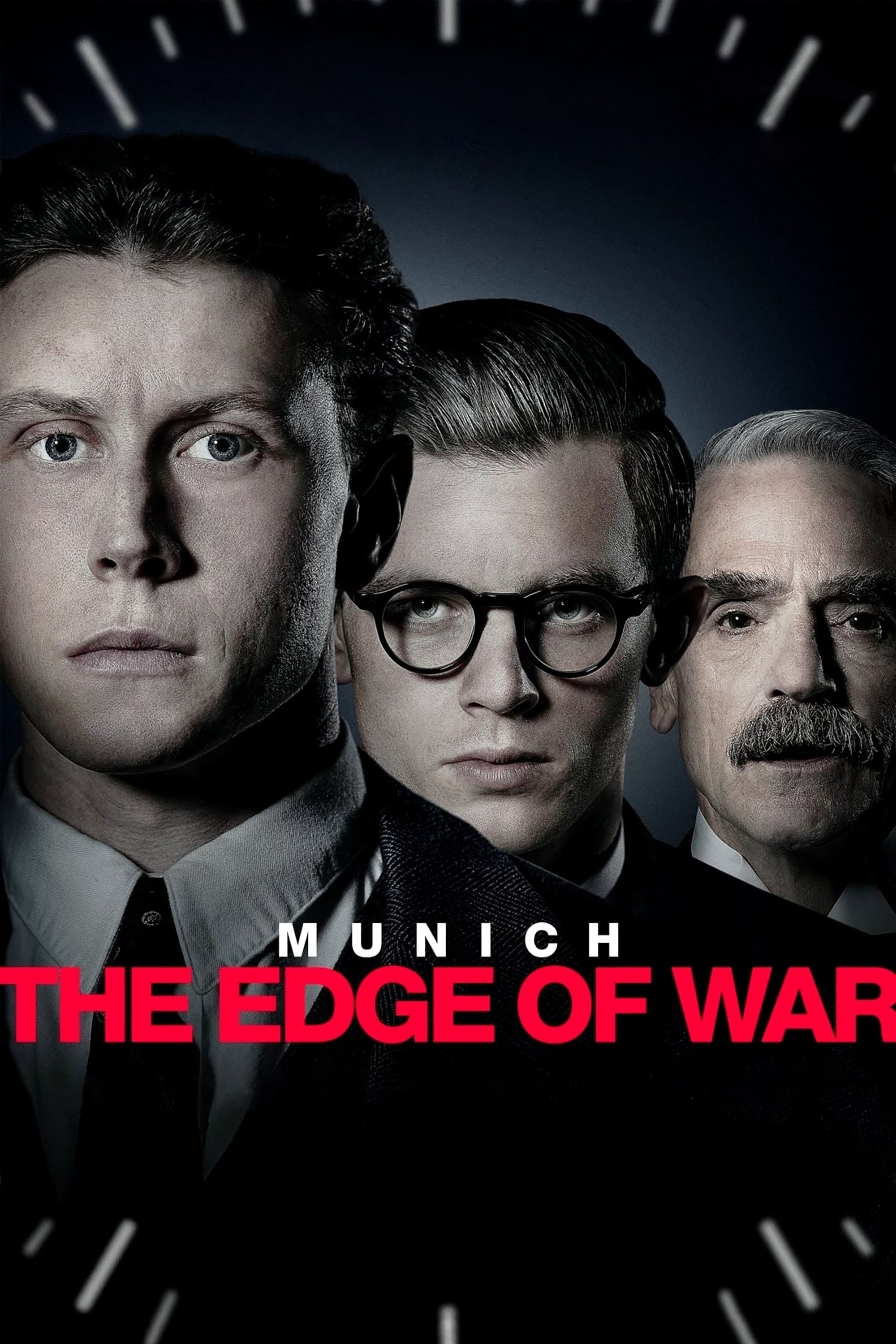
At the tense 1938 Munich Conference, former friends who now work for opposing governments become reluctant spies racing to expose a Nazi secret.
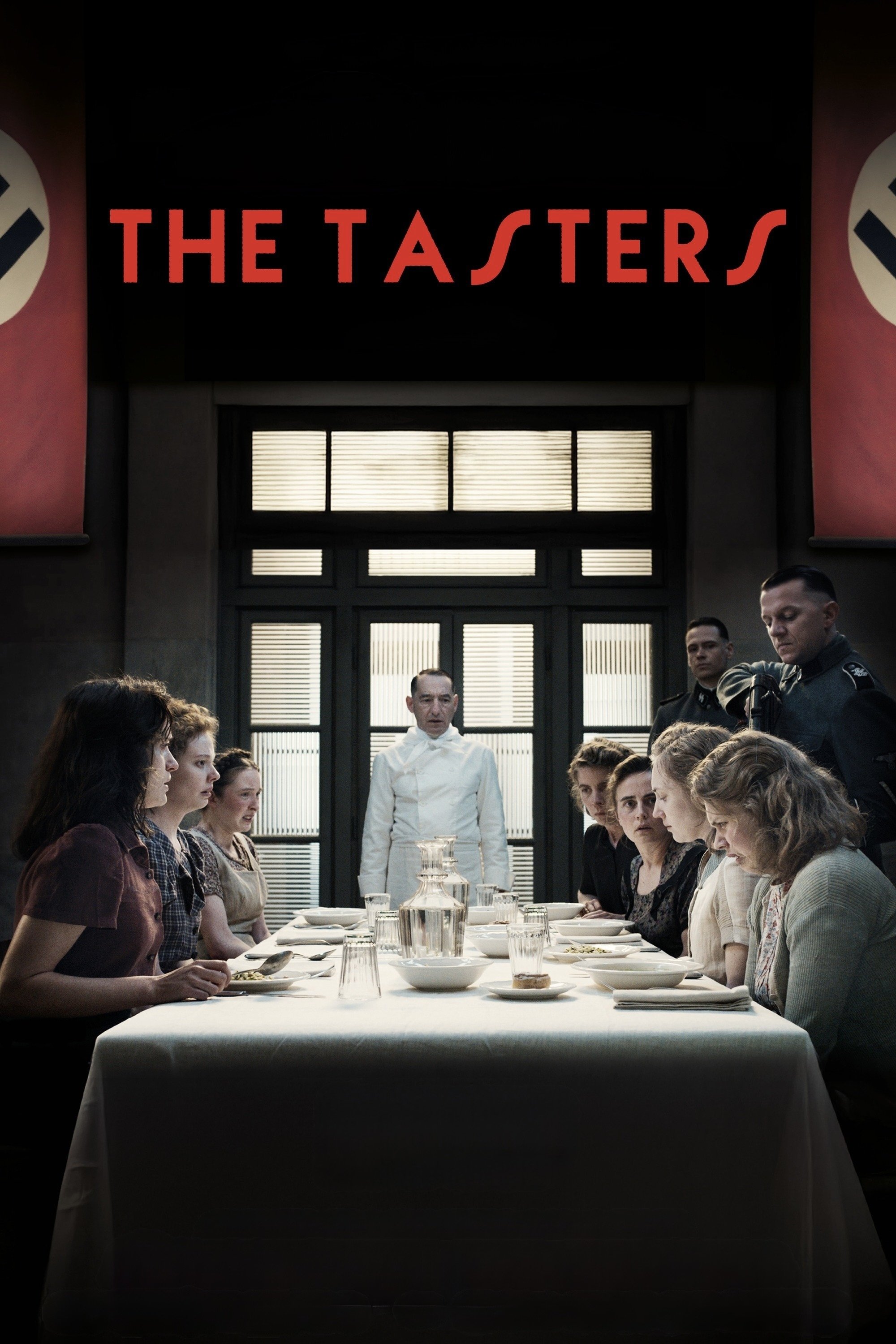
In autumn 1943, in Gross-Partsch, 26-year-old Rosa, who had come from Berlin to stay with the parents of her husband Gregor, who was fighting on the Russian front, was taken by the SS to a mysterious place. Forced to taste a dish, she joins the group of tasters responsible for checking that the food destined for Hitler is not poisoned.
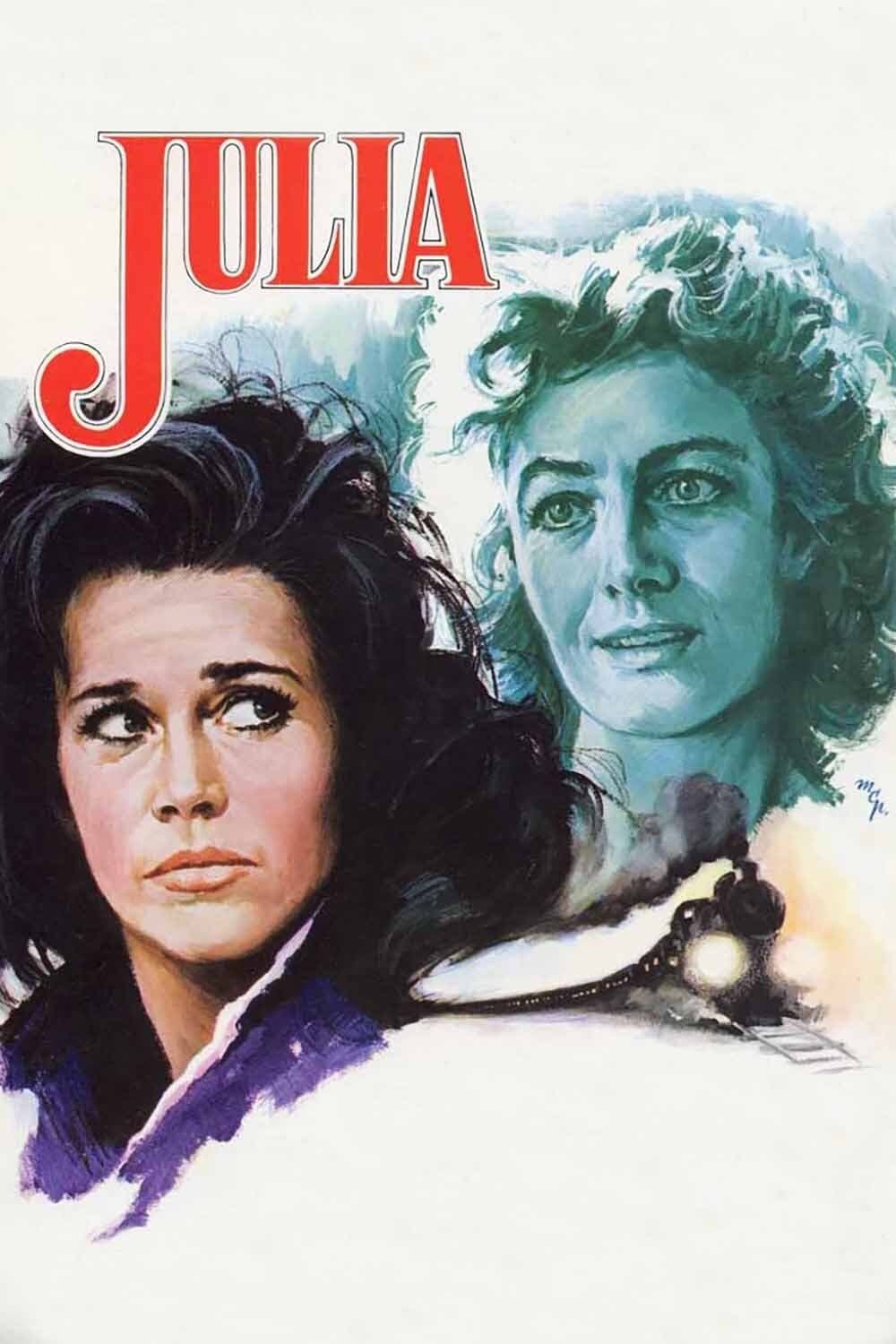
At the behest of an old and dear friend, playwright Lillian Hellman undertakes a dangerous mission to smuggle funds into Nazi Germany.
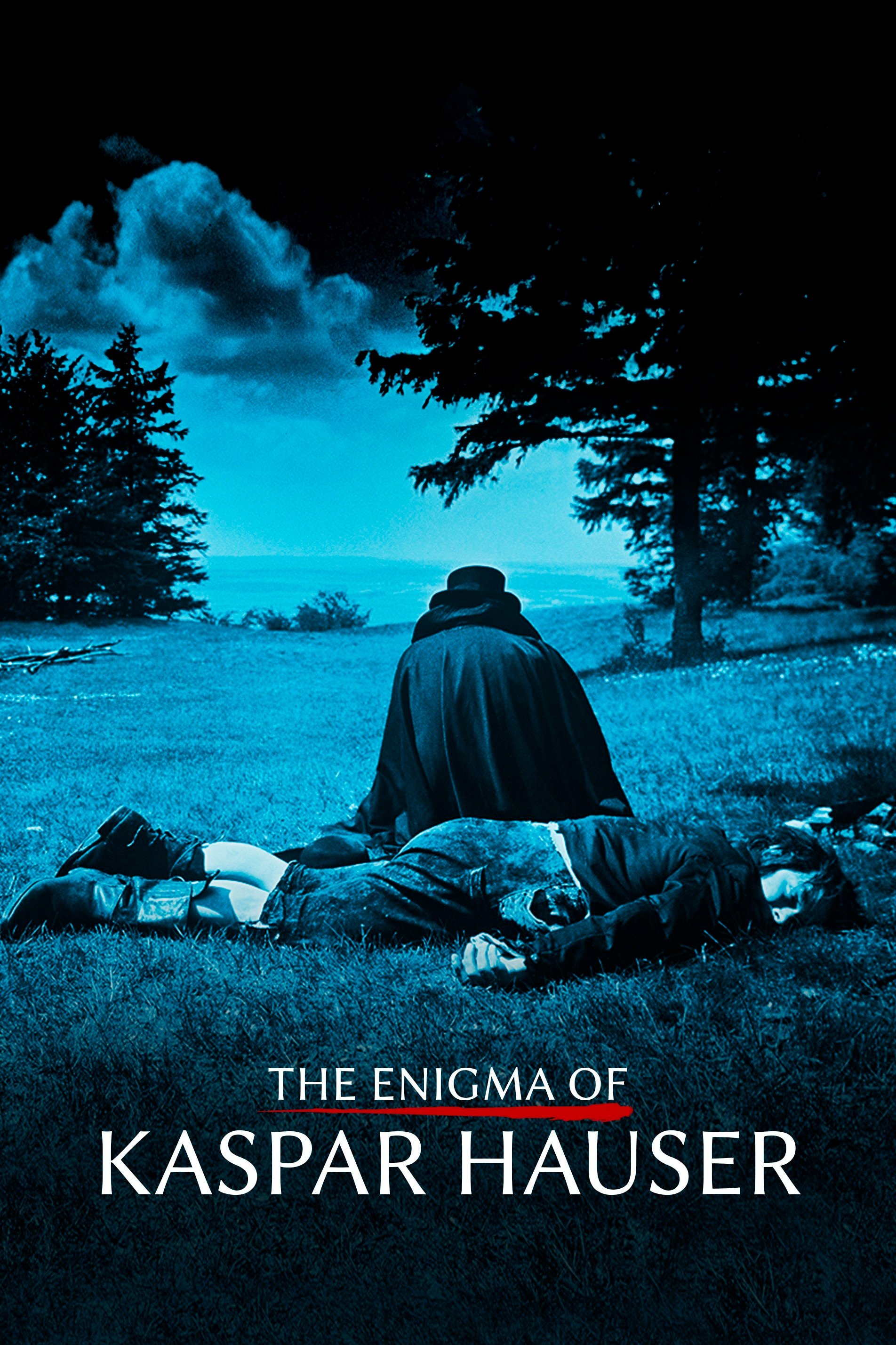
The film follows Kaspar Hauser, who lived the first seventeen years of his life chained in a tiny cellar with only a toy horse to occupy his time, devoid of all human contact except for a man who wears a black overcoat and top hat who feeds him.
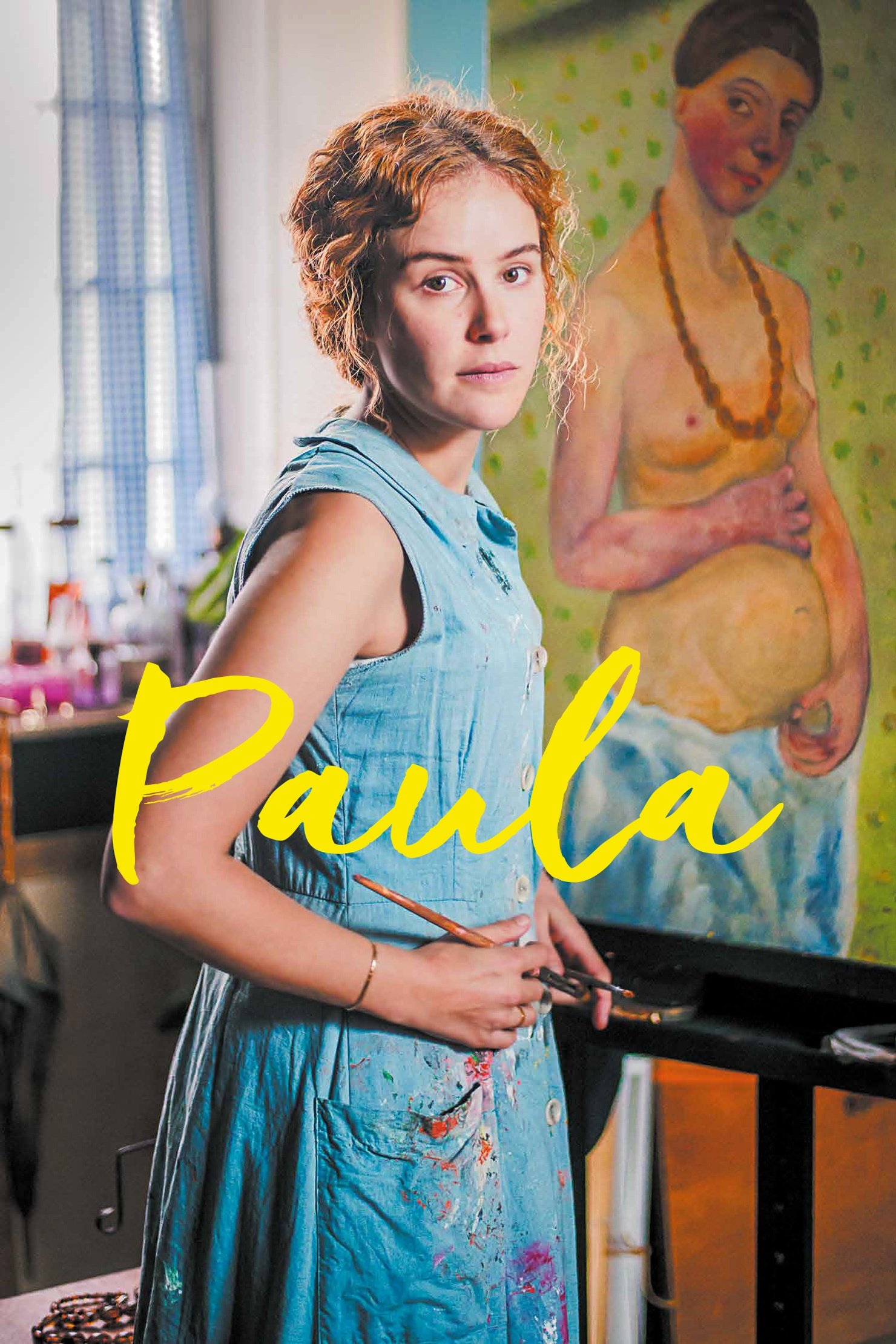
Painting is an unacceptable vocation for a woman in provincial Germany in the year 1900, but budding artist Paula Becker is determined to make her own rules.
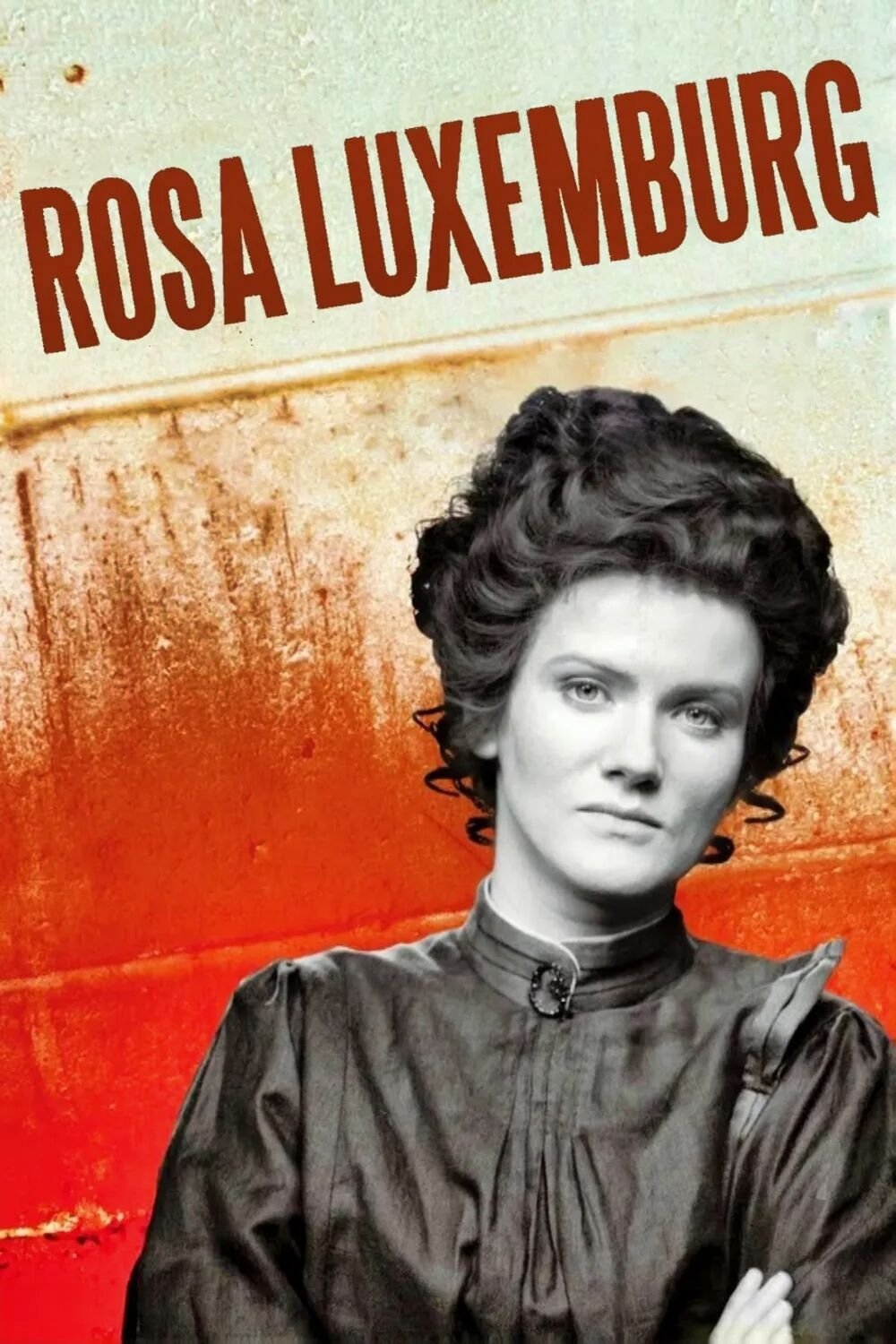
Polish socialist and Marxist Rosa Luxemburg works tirelessly in the service of revolution in early 20th century Poland and Germany. While Luxemburg campaigns for her beliefs, she is repeatedly imprisoned as she forms the Spartacist League offering a new vision for Germany.
Painter Francisco Goya becomes involved with the Spanish Inquisition after his muse, Inés, is arrested by the church for heresy. Her family turns to him, hoping that his connection with fanatical Inquisitor Lorenzo, whom he is painting, can secure her release.
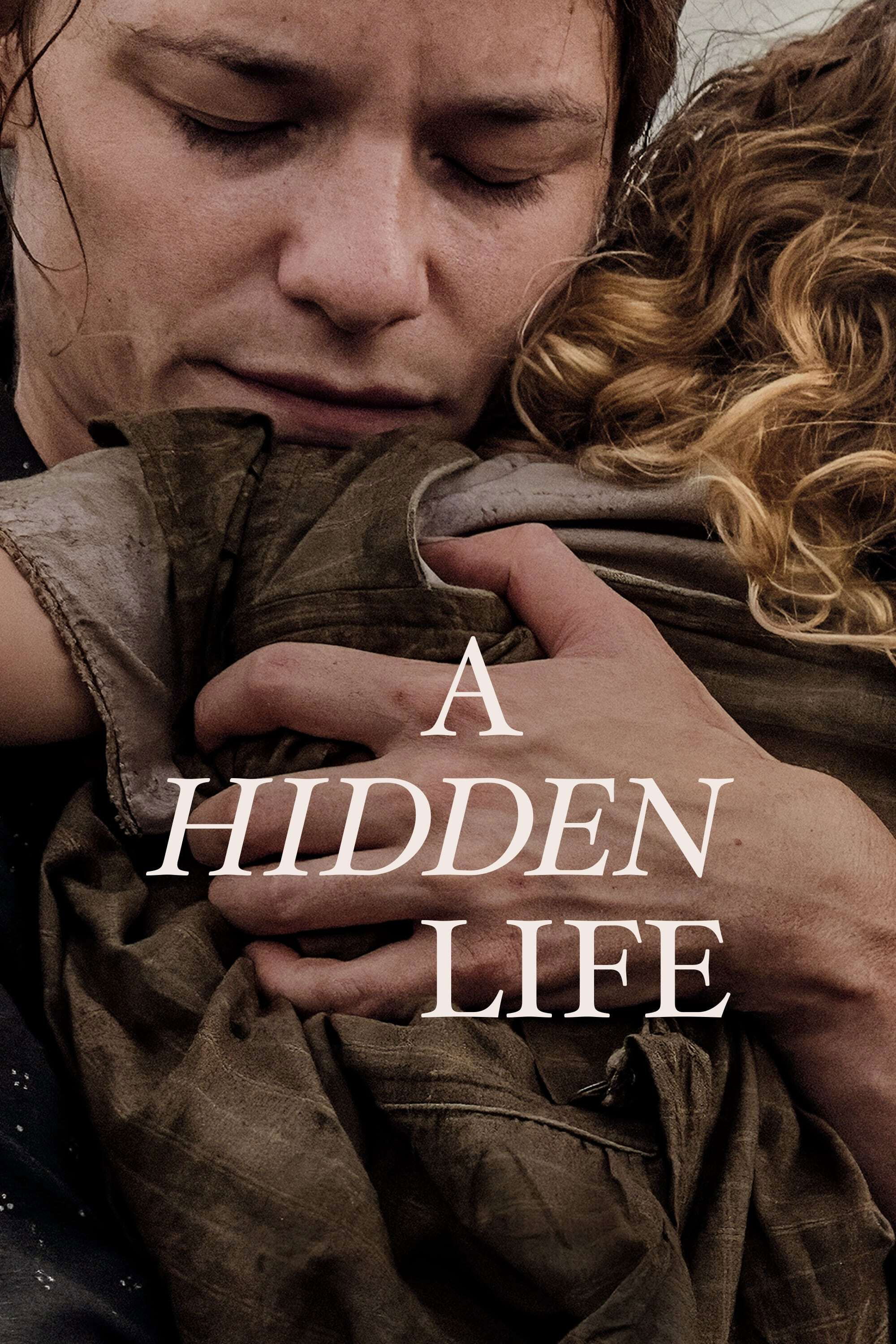
Austrian farmer Franz Jägerstätter faces the threat of execution for refusing to fight for the Nazis during World War II.
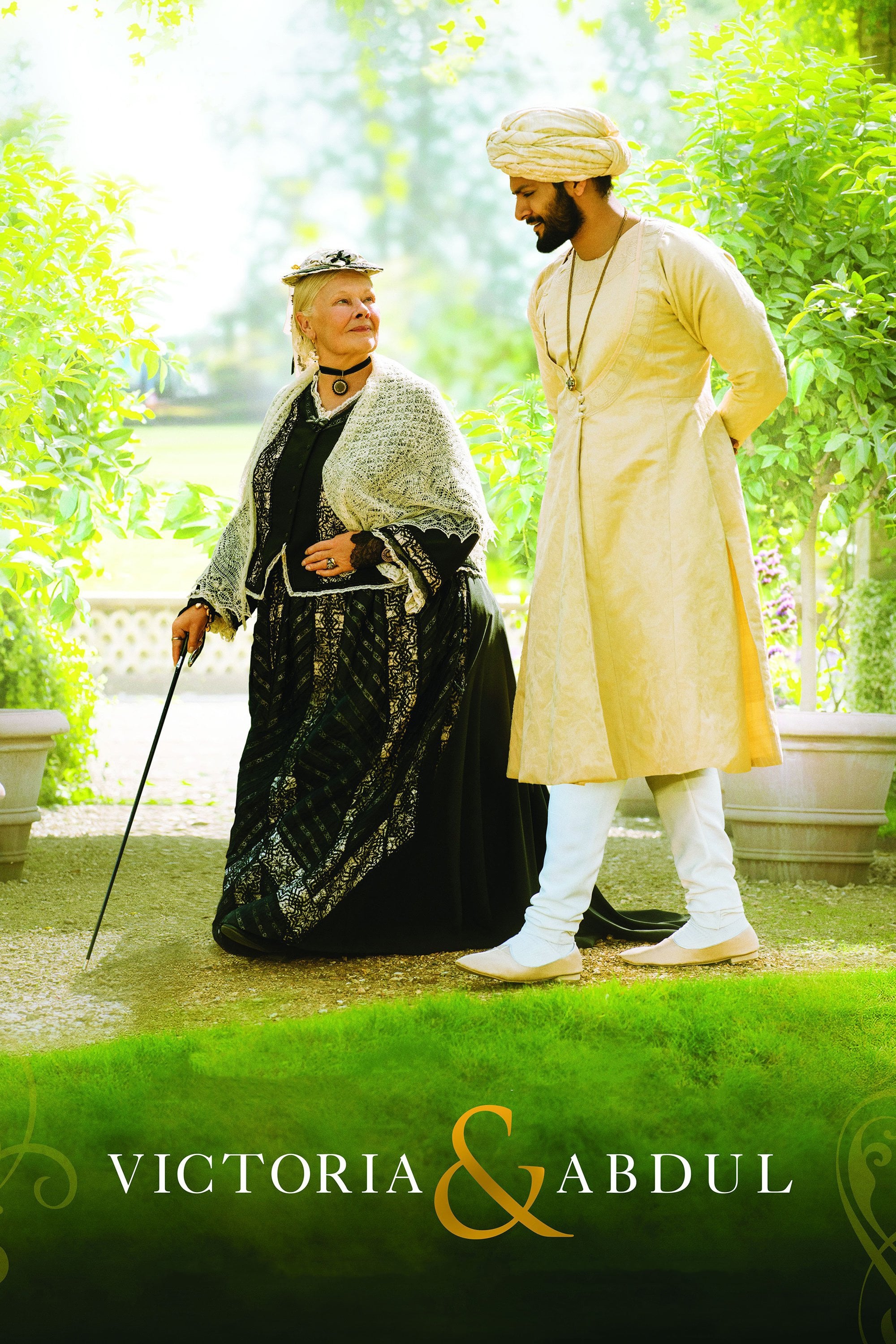
Queen Victoria strikes up an unlikely friendship with a young Indian clerk named Abdul Karim.
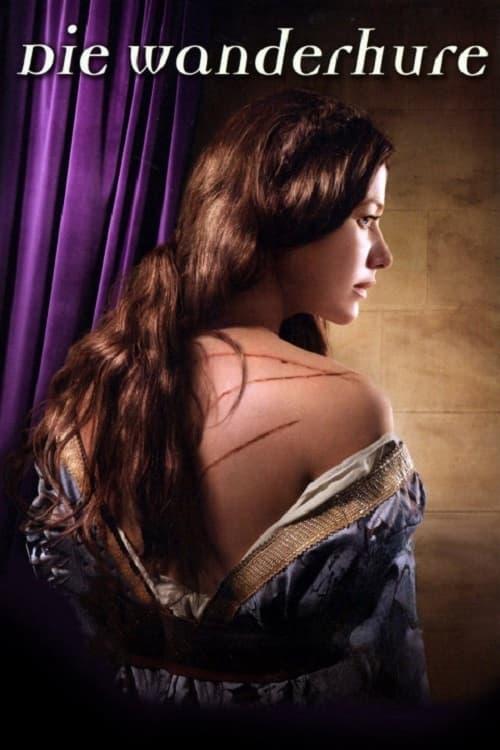
Constance, 1410. Marie, daughter of the richest bourgeois of the city, is on the eve of marrying a prestigious lawyer, son of an earl. Although the compromise fills with pride the girl's father, anxious to ennoble, Marie is not just convinced about her fiancé, who she has only seen twice. Her suspicions are confirmed tragically on the eve of the wedding when, after signing the marriage contract, a stranger breaks into the house ensuring that Marie has slept with other men in exchange for gifts, like a vile harlot. From that moment, the life of the girl will give a terrible unexpected turnaround. Alone, with his reputation ruined, she will have no choice to survive than partnering with a prostitute and lying on the roads.
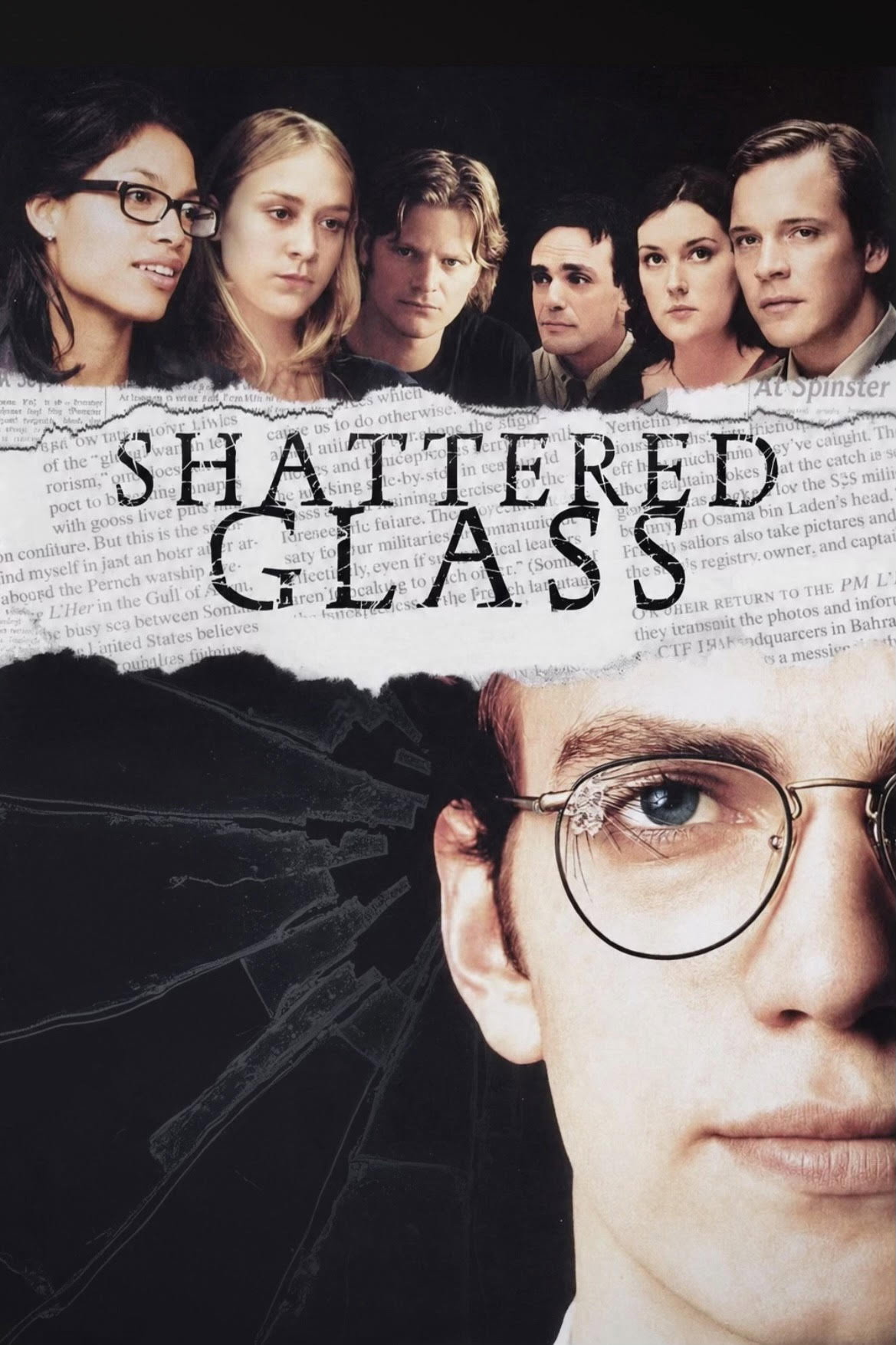
Stephen Glass is a staff writer for the respected current events and policy magazine The New Republic and a freelance feature writer for publications such as Rolling Stone, Harper's and George. By the mid-90s, Glass' articles had turned him into one of the most sought-after young journalists in Washington, but a bizarre chain of events - chronicled in Buzz Bissinger's September 1998 Vanity Fair article - suddenly stopped his career in its tracks.
Follows Prince Naseem Hamed from his humble beginnings on the tough working-class streets of Sheffield and his discovery by Ingle, himself a steel industry worker turned boxing trainer. Their unlikely partnership, Naz’s unorthodox style, cocky persona, and sheer dominance in the ring propelled them to the top of boxing’s elite and unprecedented levels of global superstardom, all in the face of the rampant Islamophobia and racism of ’80s and 90’s Britain.
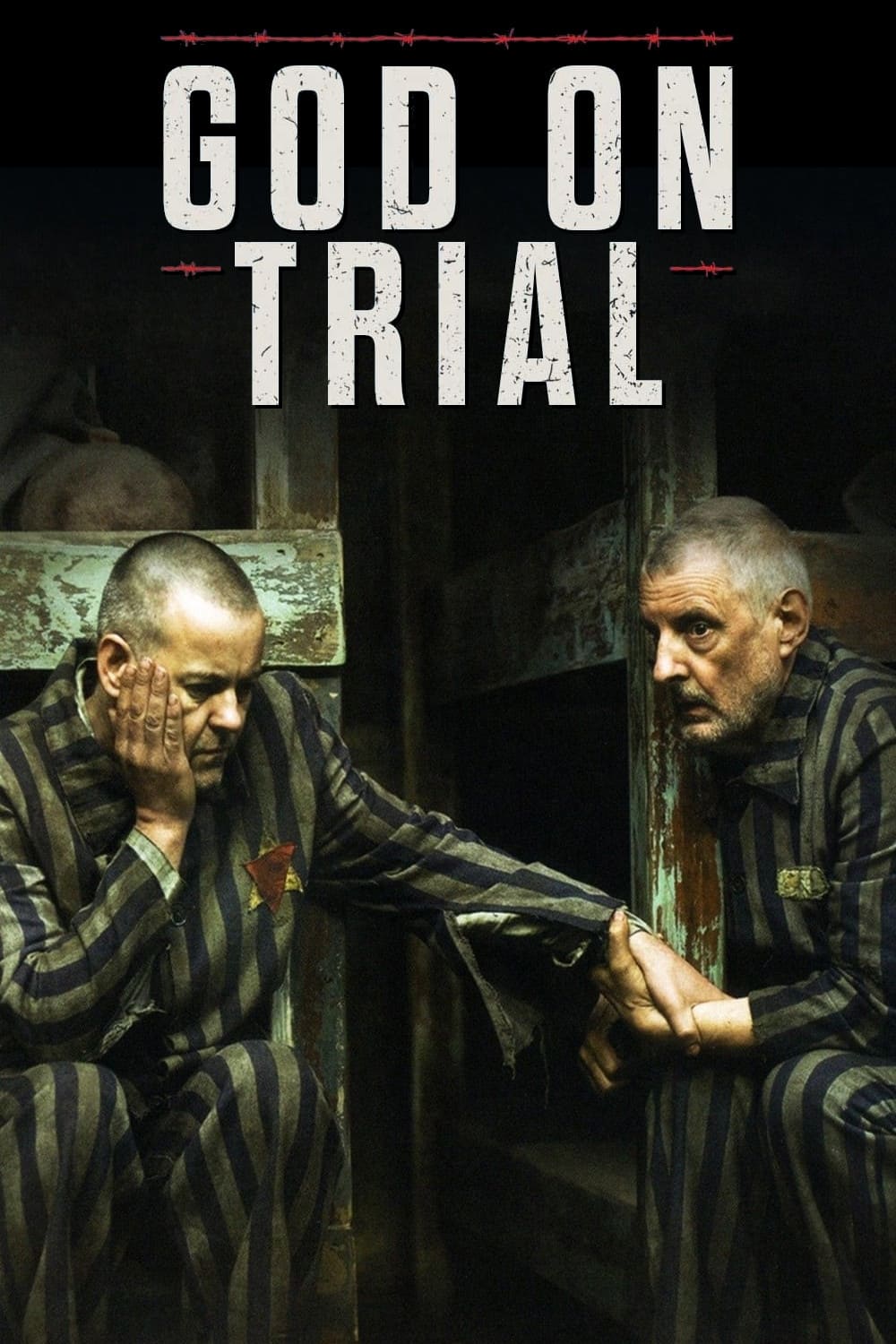
In the Jewish tradition of arguing with God, Jewish prisoners in Auschwitz decide to put God on Trial.
Yale University, 1961. Stanley Milgram designs a psychology experiment that still resonates to this day, in which people think they’re delivering painful electric shocks to an affable stranger strapped into a chair in another room. Despite his pleads for mercy, the majority of subjects don’t stop the experiment, administering what they think is a near-fatal electric shock, simply because they’ve been told to do so. With Nazi Adolf Eichmann’s trial airing in living rooms across America, Milgram strikes a nerve in popular culture and the scientific community with his exploration into people’s tendency to comply with authority. Celebrated in some circles, he is also accused of being a deceptive, manipulative monster, but his wife Sasha stands by him through it all.
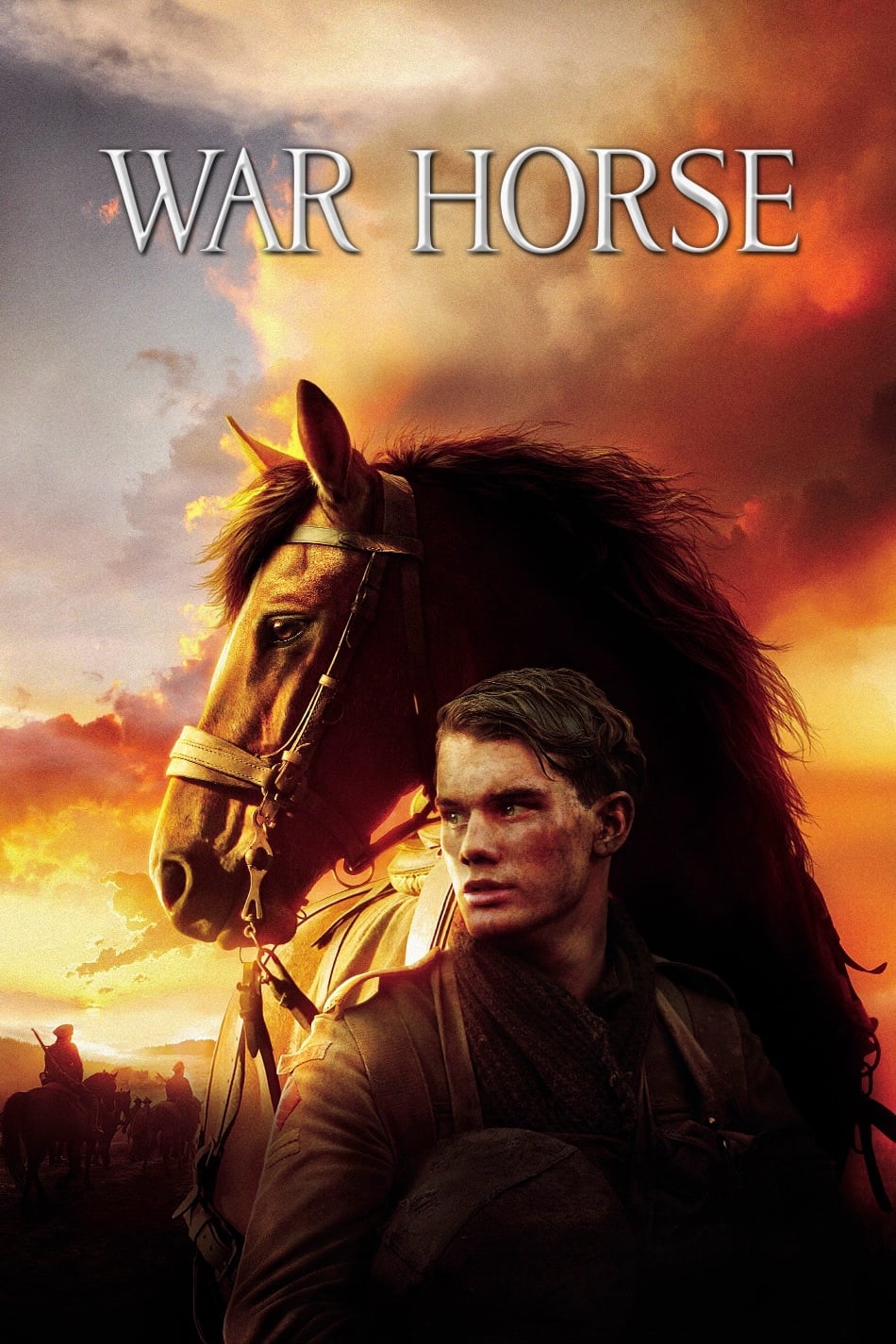
On the brink of the First World War, Albert's beloved horse Joey is sold to the Cavalry by his father. Against the backdrop of the Great War, Joey begins an odyssey full of danger, joy, and sorrow, and he transforms everyone he meets along the way. Meanwhile, Albert, unable to forget his equine friend, searches the battlefields of France to find Joey and bring him home.
Prim professor Immanuel Rath finds some of his students ogling racy photos of cabaret performer Lola Lola and visits a local club, The Blue Angel, in an attempt to catch them there. Seeing Lola perform, the teacher is filled with lust, eventually resigning his position at the school to marry the young woman. However, his marriage to a coquette -- whose job is to entice men -- proves to be more difficult than Rath imagined.
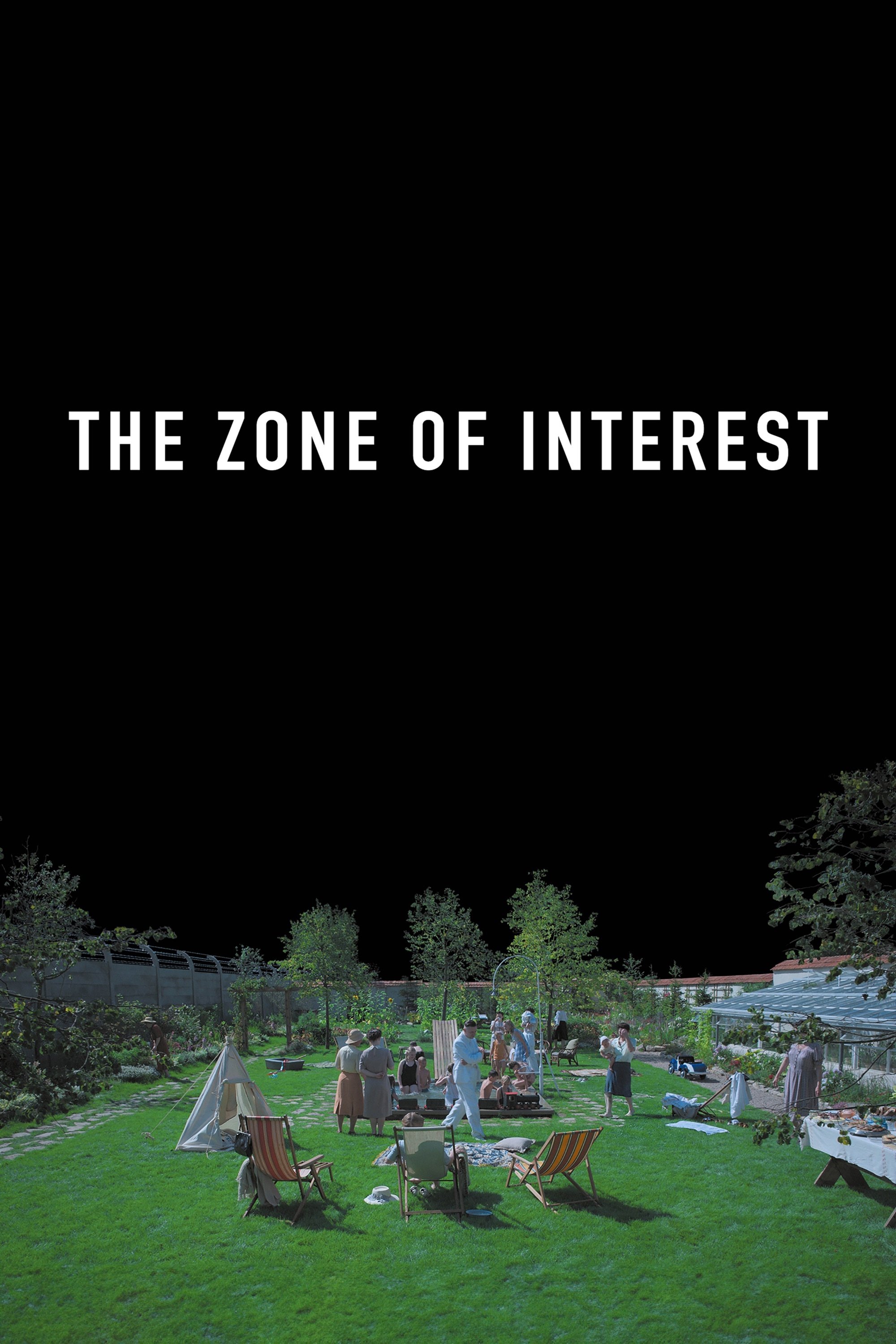
The commandant of Auschwitz, Rudolf Höss, and his wife Hedwig, strive to build a dream life for their family in a house and garden next to the camp.