Social & External
The people behind it
Jacques-Olivier Boudon
historien
Christophe Pommier
Émilie Robbe
historienne
Robert Frank
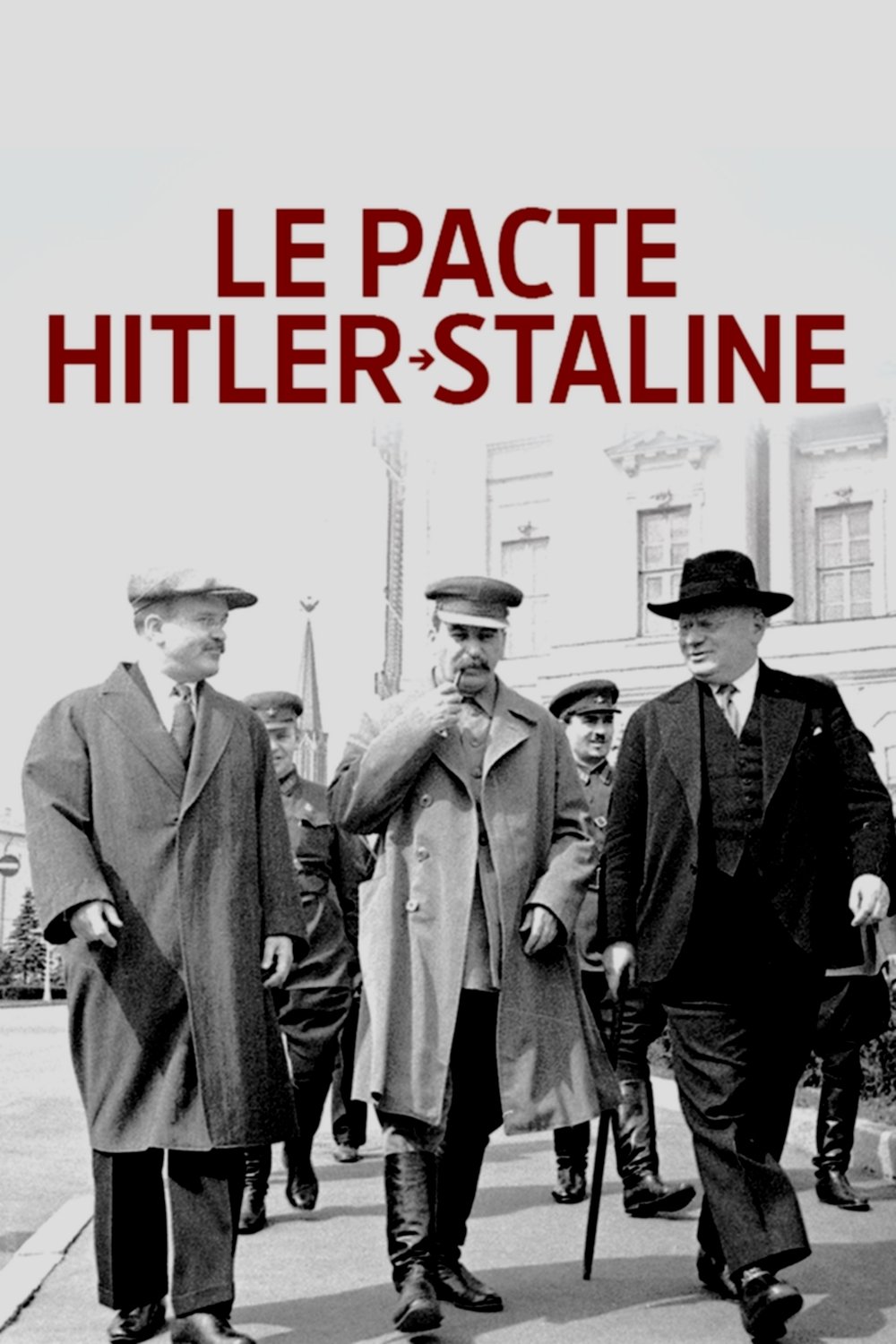
How could Hitler and Stalin, sworn ideological enemies, come to a secret pact in 1939? The captivating and detailed story of the diplomatic fiasco that led to the signing of the Nazi-Soviet pact and its devastating consequences.
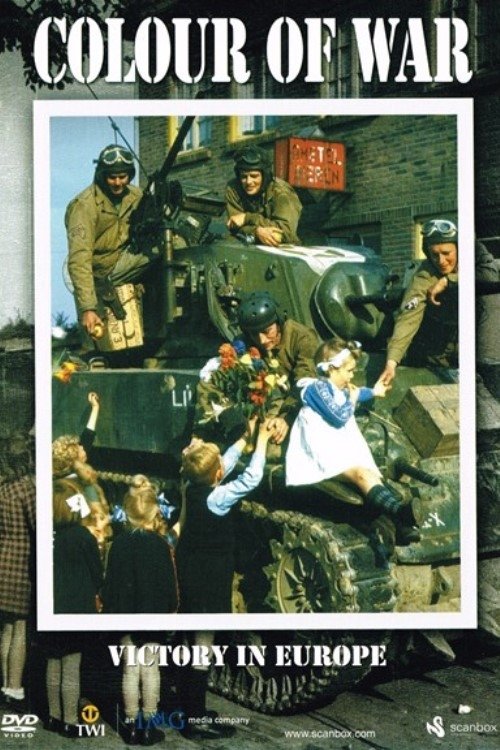
Documentary using rare colour footage about the Victory in Europe celebrations following the defeat of Nazi Gemany. Having officially surrendered on the 7th of May 1945, the following day was declared VE Day, and saw wild celebrations in Britain and across war-ravaged Europe.
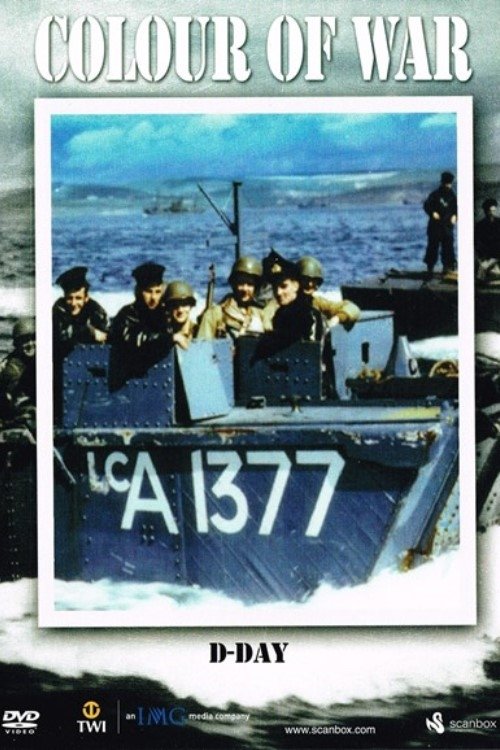
An in-depth look at the events and experiences of the greatest seaborne invasion in history, focusing on the personal stories of those involved. Narrated by John Hurt, it re-lives the events of those decisive, yet perilous days and reflects on the private triumphs and personal tragedies that proved crucial to the outcome of the Second World War.
The untold story of a world-renowned place of remembrance of the Holocaust in France, the internment camp of Drancy, which was the central transit for the near totality of the 76 000 deported Jews of France during World War II.
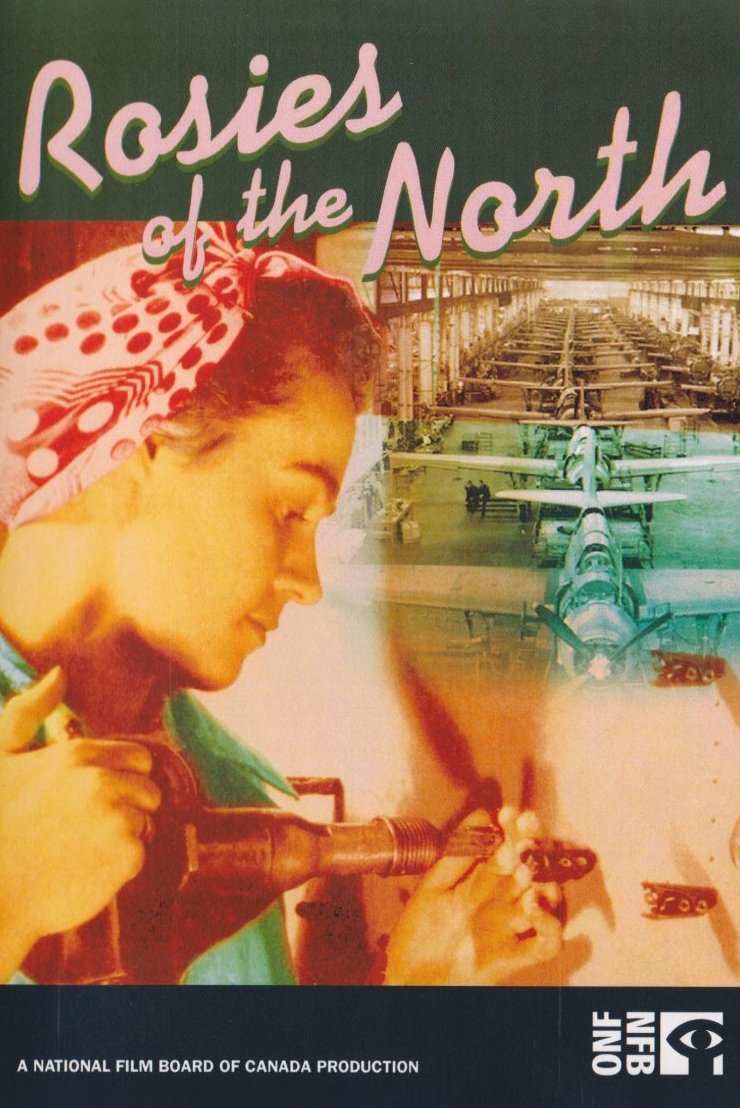
They raised children, baked cakes... and built world-class fighter planes. Sixty years ago, thousands of women from Thunder Bay and the Prairies donned trousers, packed lunch pails and took up rivet guns to participate in the greatest industrial war effort in Canadian history. Like many other factories across the country from 1939 to 1945, the shop floor at Fort William's Canadian Car and Foundry was transformed from an all-male workforce to one with forty percent female workers.
The incredible story of Bruno Lüdke (1908-44), the alleged worst mass murderer in German criminal history; or actually, a story of forged files and fake news that takes place during the darkest years of the Third Reich, when the principles of criminal justice, subjected to the yoke of a totalitarian system that is beginning to collapse, mean absolutely nothing.
In the months and years following the end of the World War Two, Allied forces faced a series of bombings and attacks in occupied Germany. Nazi loyalists attempted to derail the rebuilding process by killing any Germans collaborating with the enemy. And the mysterious SS-Werewolves underground organization boasted of the coming rebirth of the Party.
Reinhard Heydrich was considered the most dangerous man in Nazi Germany after Hitler himself. The plot to kill him masterminded in England and carried through to finality in Prague in 1942, is told in this gripping dramatised documentary special. Featuring meticulous reconstructions, coupled with authentic historical film, some of it never shown before the film powerfully presents a vivid account of the only successful assassination of a leading Nazi in World War II. It also chillingly recreates the terrible human cost of SS savagery against the Resistance and the total obliteration of the village of Lidice.
In the years before World War II, a penniless Japanese child is torn from her family to work as a maid in a geisha house.
Documentary about Douglas Charlton a young British soldier who fought against the Germans in Arnhem during World War II.
In one continuous shot, SHTTL shows the lives, loves, and inner conflicts within a Yiddish speaking shtetl on the border between Ukraine and Poland - one day before the Nazi invasion of the Soviet Union.
Documentary about the Battle of the Scheldt.
The real Great Escape didn't feature Steve McQueen racing through the Third Reich on a motorcycle like in the 1963 movie, but the big breakout was still thrilling in every way. This program sheds new light on the audacious escape of 76 Allied airmen from a Nazi POW camp during World War II.
Filmdocumentary about the Battle of the Scheldt.
Throughout his time as head of the Nazi party, Adolph Hitler evaded numerous attempts to assassinate him. However the secret Operation Foxely came the closest to succeeding. Based on declassified World War II documents from the British secret service, this award-winning film reconstructs the detailed plan that nearly resulted in the murder of the notorious German Fuhrer, and why it failed.
Professor Saul David uses the BBC archive to chart the history of the world's most destructive war, by chronicling how the story of the battle has changed. As new information has come to light, and forgotten stories are remembered, the history of World War Two evolves. The BBC has followed that evolution, and this programme examines the most important stories, and how our understanding of them has been re-defined since the war ended over 70 years ago.
Master filmmaker Alexander Sokurov (Russian Ark) transforms a portrait of the world-renowned museum into a magisterial, centuries-spanning reflection on the relation between art, culture and power.
In his own words, the burglar behind the 2010 robbery of the Paris Museum of Modern Art tells how he pulled off the biggest art heist in French history.
Filmmaker Alain Resnais documents the atrocities behind the walls of Hitler's concentration camps.
When Allied forces liberated the Nazi concentration camps in 1944-45, their terrible discoveries were recorded by army and newsreel cameramen, revealing for the first time the full horror of what had happened. Making use of British, Soviet and American footage, the Ministry of Information’s Sidney Bernstein (later founder of Granada Television) aimed to create a documentary that would provide lasting, undeniable evidence of the Nazis’ unspeakable crimes. He commissioned a wealth of British talent, including editor Stewart McAllister, writer and future cabinet minister Richard Crossman – and, as treatment advisor, his friend Alfred Hitchcock. Yet, despite initial support from the British and US Governments, the film was shelved, and only now, 70 years on, has it been restored and completed by Imperial War Museums under its original title "German Concentration Camps Factual Survey".
“The Soviet Story” is a story of an Allied power, which helped the Nazis to fight Jews and which slaughtered its own people on an industrial scale. Assisted by the West, this power triumphed on May 9th, 1945. Its crimes were made taboo, and the complete story of Europe’s most murderous regime has never been told. Until now...
Director Claude Lanzmann spent 11 years on this sprawling documentary about the Holocaust, conducting his own interviews and refusing to use a single frame of archival footage. Dividing Holocaust witnesses into three categories – survivors, bystanders, and perpetrators – Lanzmann presents testimonies from survivors of the Chelmno concentration camp, an Auschwitz escapee, and witnesses of the Warsaw Ghetto Uprising, as well as a chilling report of gas chambers from an SS officer at Treblinka.
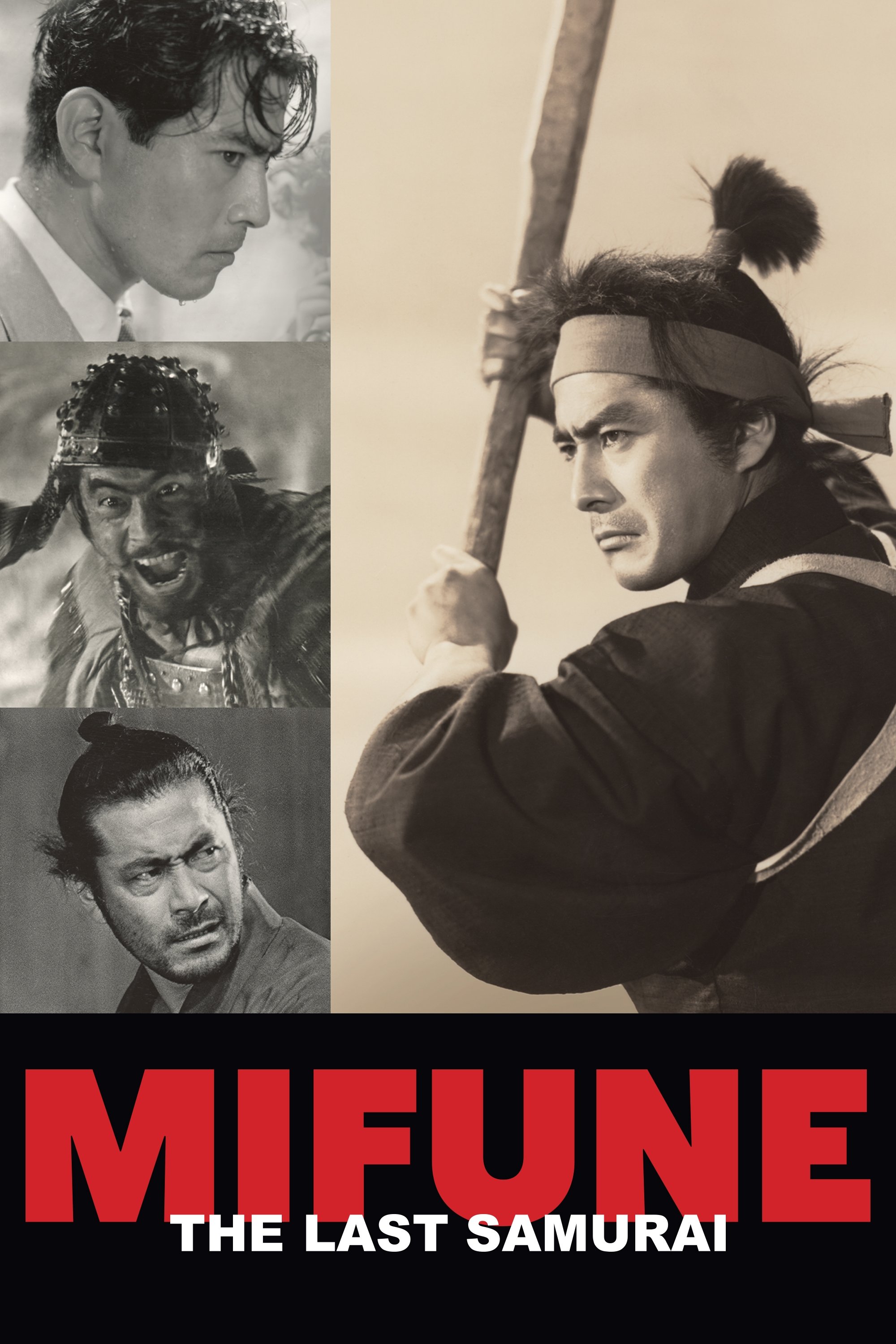
An account of the life and work of legendary Japanese actor Toshirō Mifune (1920-97), the most prominent actor of the Golden Age of Japanese cinema.
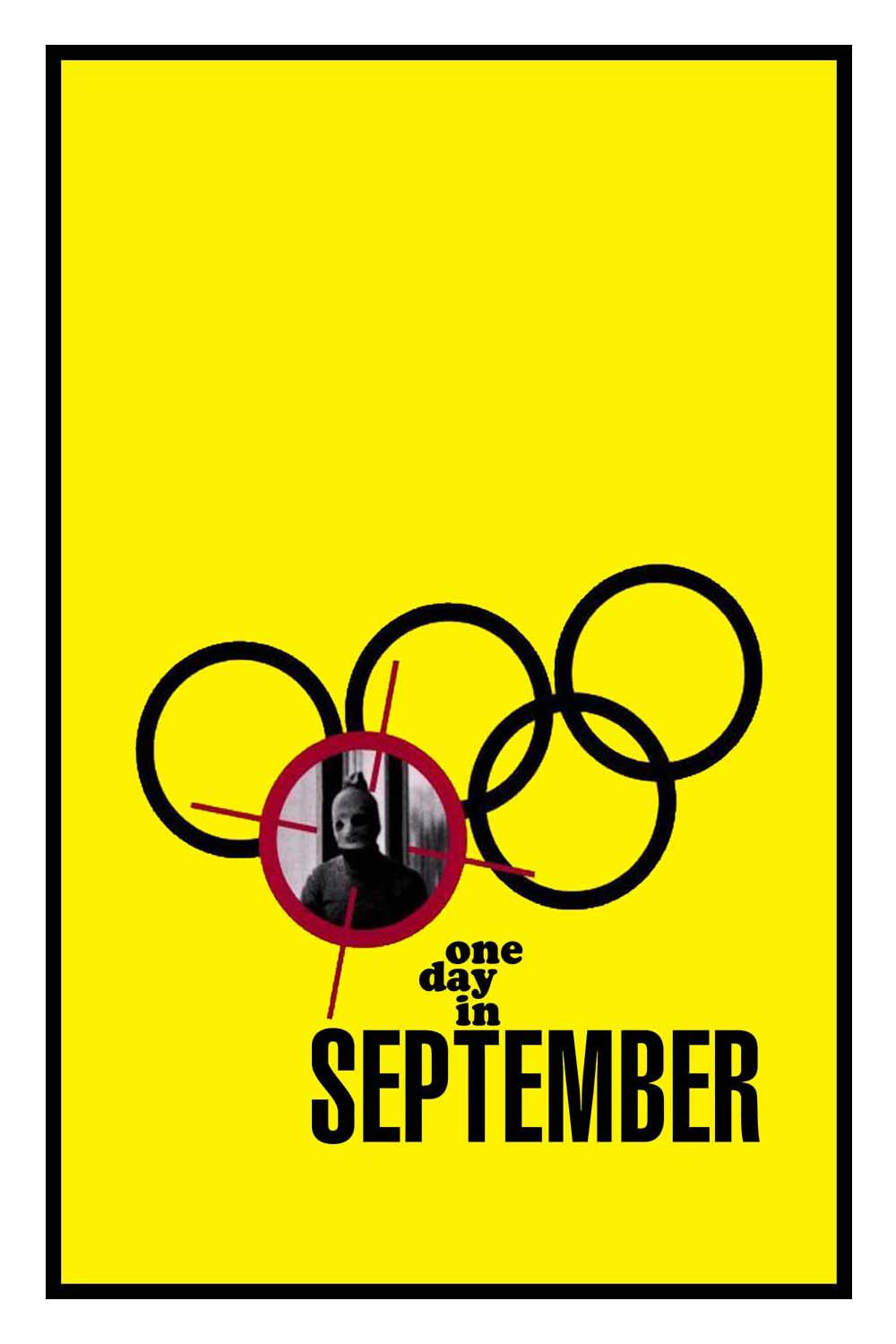
The full story of the 1972 Munich Olympics Massacre and the Israeli revenge operation 'Wrath of God.' The 1972 Munich Olympics were interrupted by Palestinian terrorists taking Israeli athletes hostage. Besides footage taken at the time, we see interviews with the surviving terrorist, Jamal Al Gashey, and various officials detailing exactly how the police, lacking an anti-terrorist squad and turning down help from the Israelis, botched the operation.
A documentary examining possible historical and modern conspiracies surrounding Christianity, the 9/11 terrorist attacks, and the Federal Reserve bank.
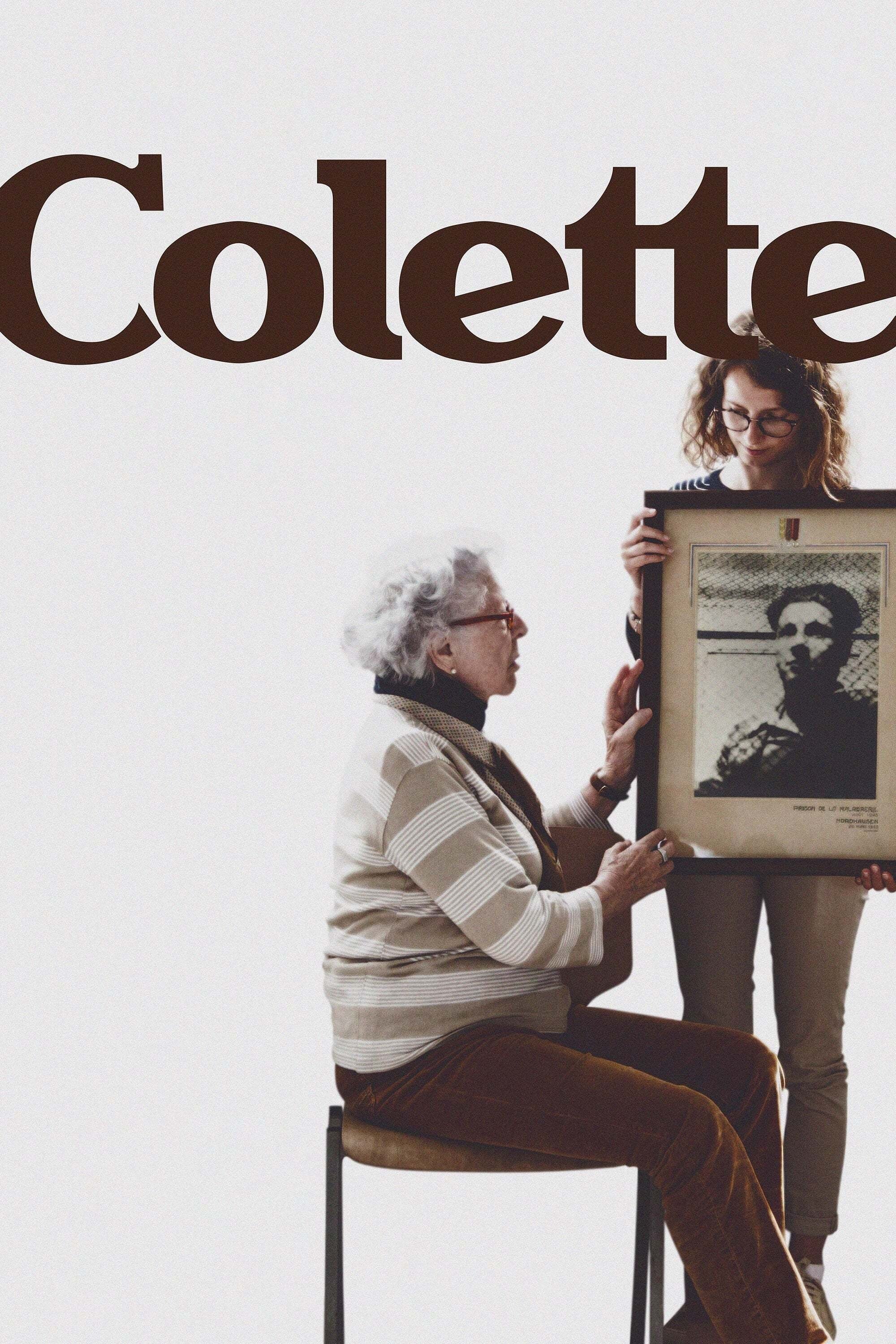
World War II. Not all warriors wore uniforms. Not all warriors were men. Meet ninety-year-old Colette Catherine who, as a young girl, fought the Nazis as a member of the French Resistance. Now she’s about to re-open old wounds, re-visting the terrors of that time. Some nightmares are too terrible to remember. But also, too dangerous to forget.
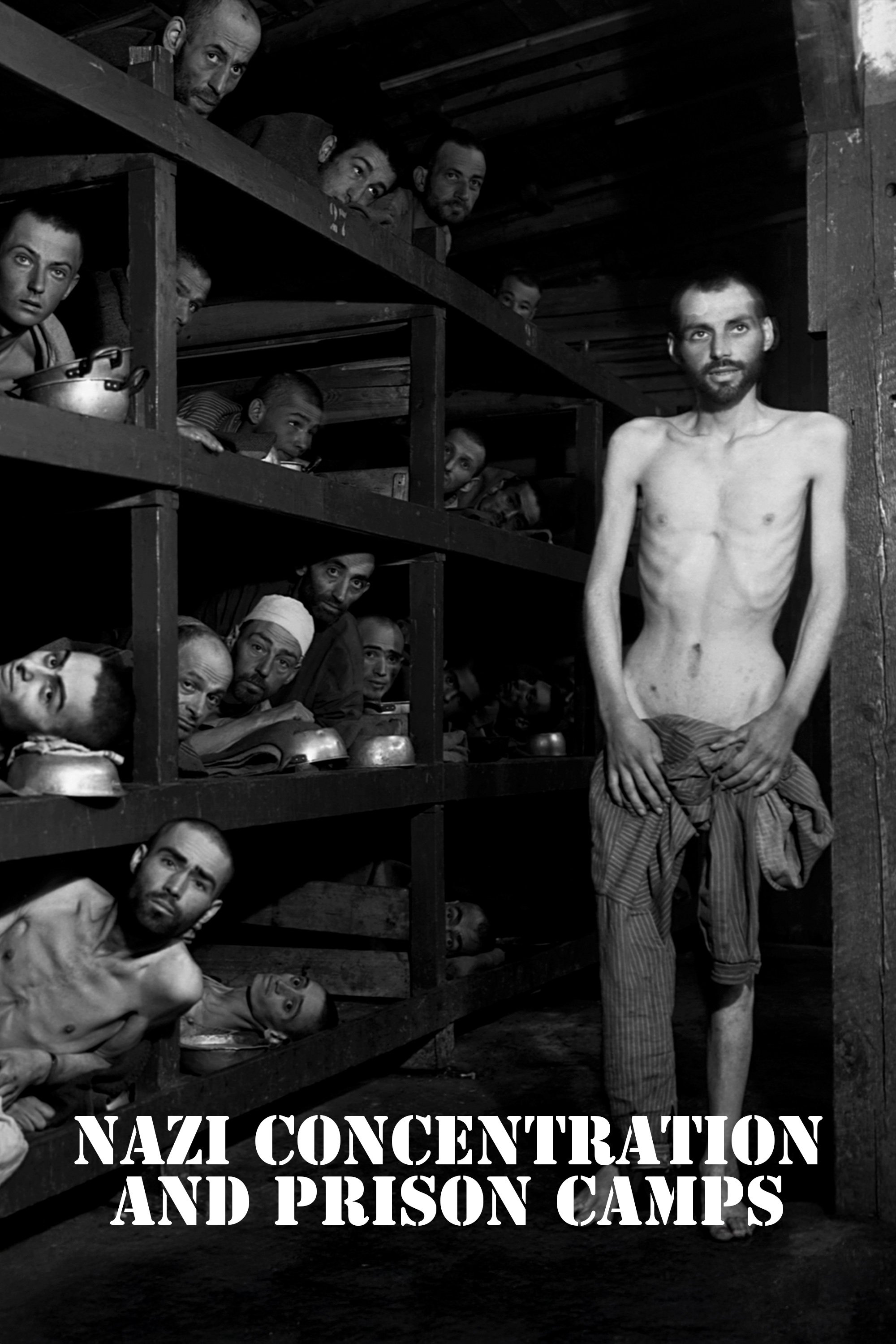
Produced and presented as evidence at the Nuremberg war crimes trial of Hermann Göring and twenty other Nazi leaders, this film consists primarily of dead and surviving prisoners and of facilities used to kill and torture during the World War II.
A subjective documentary that explores various theories about hidden meanings in Stanley Kubrick's classic film The Shining. Five very different points of view are illuminated through voice over, film clips, animation and dramatic reenactments.
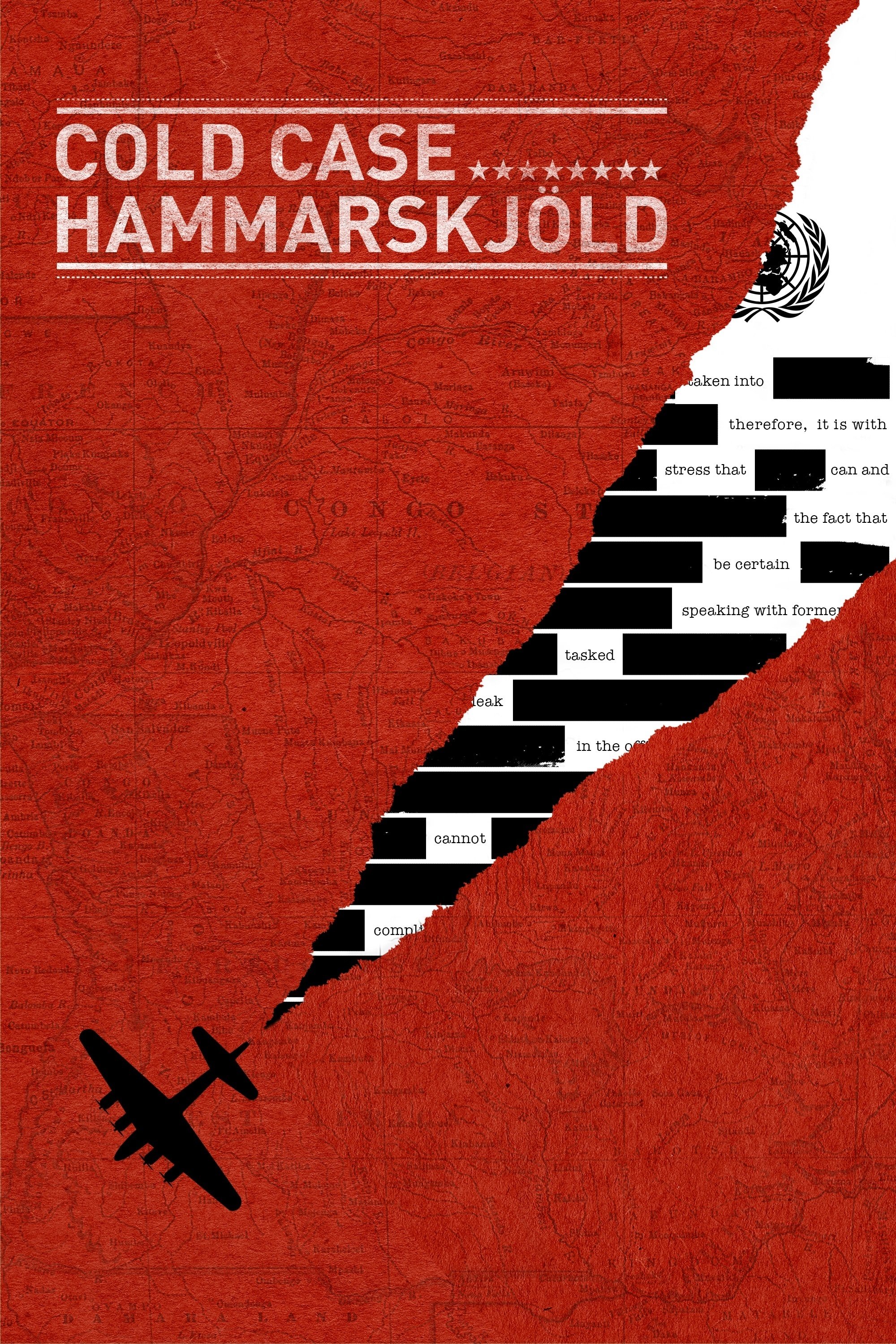
Ndola, Northern Rhodesia (currently Zambia), September 18, 1961. Swedish economist and diplomat Dag Hammarskjöld, Secretary General of the UN, dies mysteriously in a plane crash. Decades later, Danish journalist and filmmaker Mads Brügger and Swedish researcher Göran Björkdahl investigate the case in search of definitive closure.
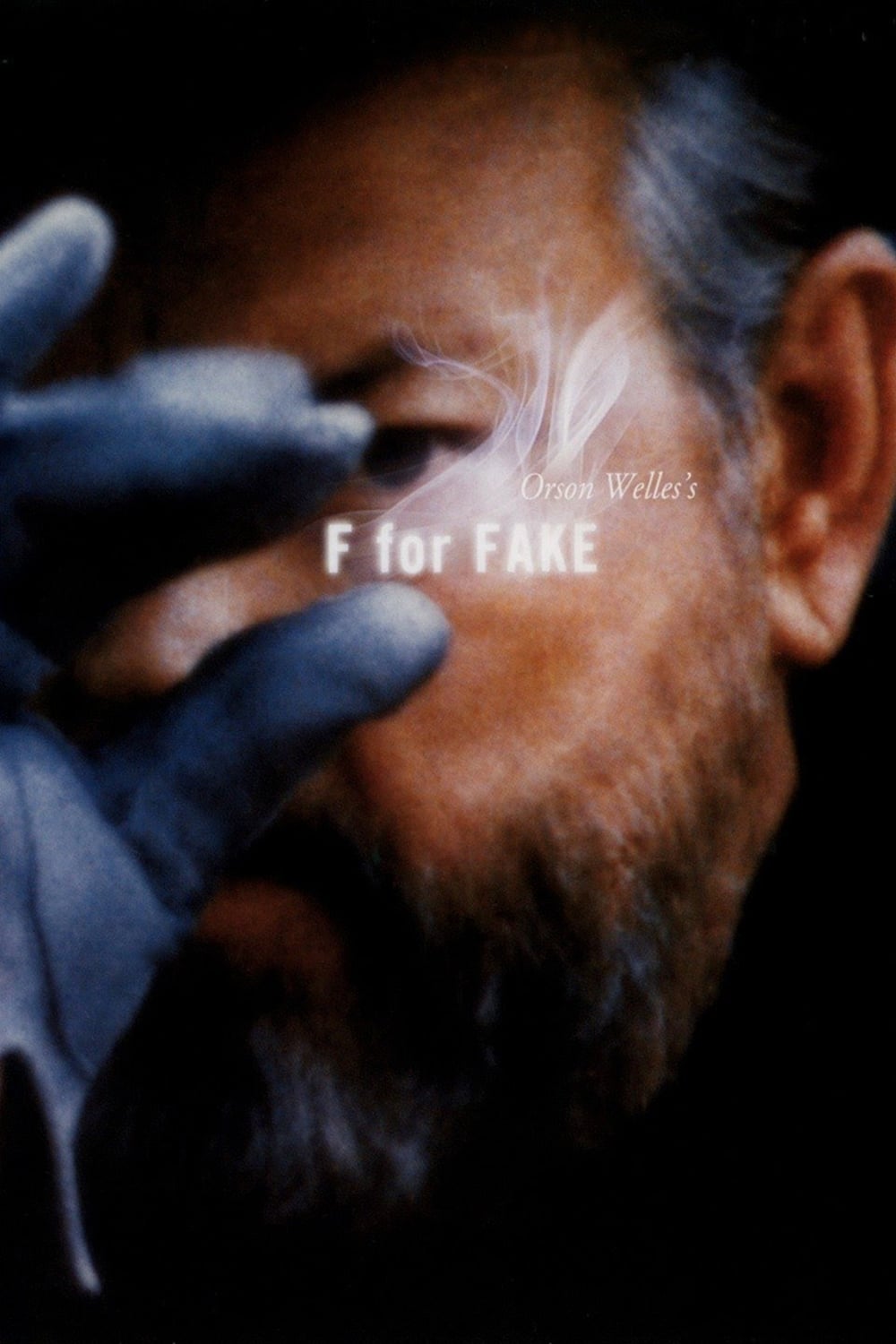
Documents the lives of infamous fakers Elmyr de Hory and Clifford Irving. De Hory, who later committed suicide to avoid more prison time, made his name by selling forged works of art by painters like Picasso and Matisse. Irving was infamous for writing a fake autobiography of Howard Hughes. Welles moves between documentary and fiction as he examines the fundamental elements of fraud and the people who commit fraud at the expense of others.
This revealing documentary honors the legendary Sidney Poitier—iconic actor, filmmaker, and civil rights activist. Featuring interviews with Denzel Washington, Spike Lee, Halle Berry, and more.
Alexander McQueen's rags-to-riches story is a modern-day fairy tale, laced with the gothic. Mirroring the savage beauty, boldness and vivacity of his design, this documentary is an intimate revelation of McQueen's own world, both tortured and inspired, which celebrates a radical and mesmerizing genius of profound influence.
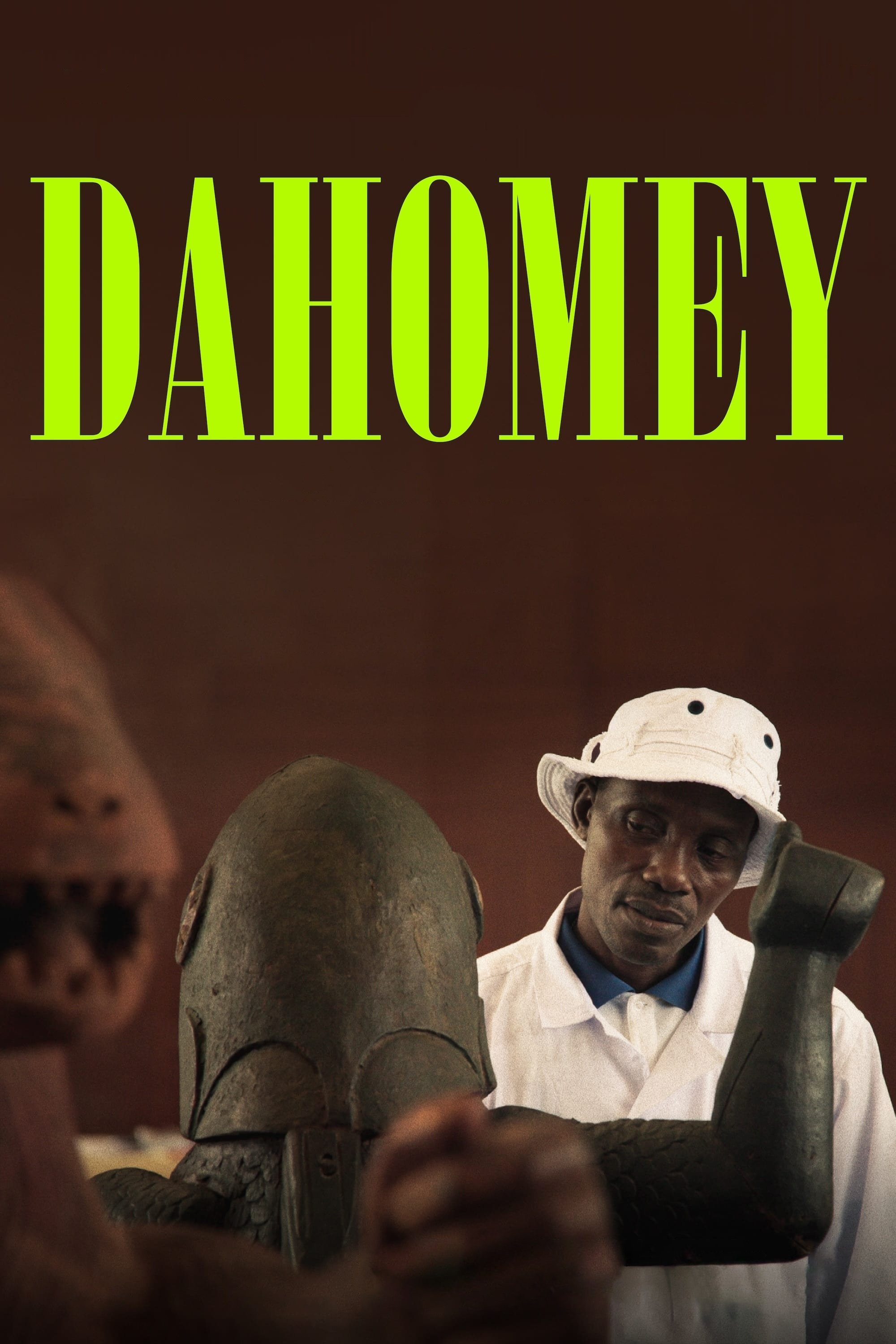
Thousands of royal artifacts of Dahomey, a West African kingdom, were taken by French colonists in the 19th century for collection and display in Paris. Centuries later, a fraction returned to their home in modern-day Benin. This dramatized documentary follows the journey of 26 of the treasures as told by cultural art historians, embattled university students, and one of the repatriated statues himself.
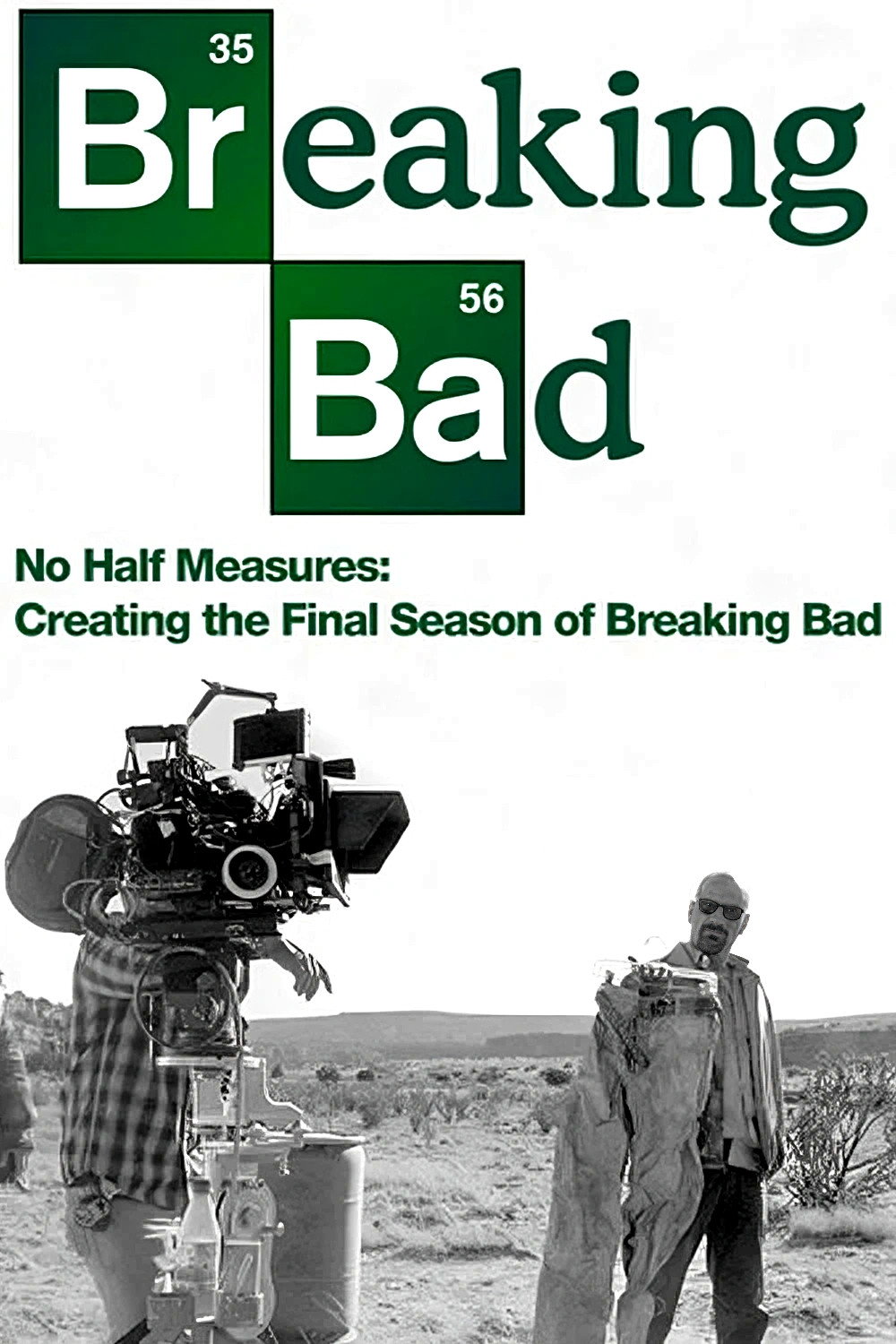
A documentary about the making of season five of the acclaimed AMC series Breaking Bad.
From a prolific career in film and television, Anton Yelchin left an indelible legacy as an actor. Through his journals and other writings, his photography, the original music he wrote, and interviews with his family, friends, and colleagues, this film looks not just at Anton's impressive career, but at a broader portrait of the man.
The story of artist Lil Peep from his birth in Long Island and meteoric rise as a genre blending pop star & style icon, to his death due to an accidental opioid overdose in Arizona at just 21 years of age.