My Stellar Tale is a short-documentary about the biggest Planetarium in Bulgaria. A story about the night sky, the transience of Life and the relationship between man and machine.
Social & External
The people behind it
Near the cold Pyrenees of Iberia, surrounded by ancient and dark green forests, lies a strange land where the rain is scarce and the wind is always blowing. The soil is poor, there are no trees and the landscape resembles the moon. Is this what the future of desertification will look like? Incredible creatures with surprising behavior live in this strange landscape. The documentary explores a place with very dry skin but a wet hidden heart where even waterfowl or amphibians can live. Living in such conditions is not easy and only the toughest animals will survive.
A variety of scientific subjects, including the laboratory of a plastic surgeon in London, and his method for applying permanent makeup; a new school for kiddies employing finger paint so they can express their urge to put things on paper; Army aviation, showing the latest development in blind landing. Produced in Cinecolor.
Oil is a primary energy source in the world. Global oil consumption reached approximately 95 million barrels per day but oil fields' quality is constantly declining. A team of Russian scientists came up with more accurate, cheaper, and faster technology that can increase the oil production rate. After all, modern civilization is built in the way that 'to live well' means 'consume more oil'
From the 1st projection to the newest technology IMAX and 4DX, we will travel trough the history of french theaters, asking questions about technological developments throughout history, and finally, the hoped-for future of movie theaters and how they envision themselves in 20 years.
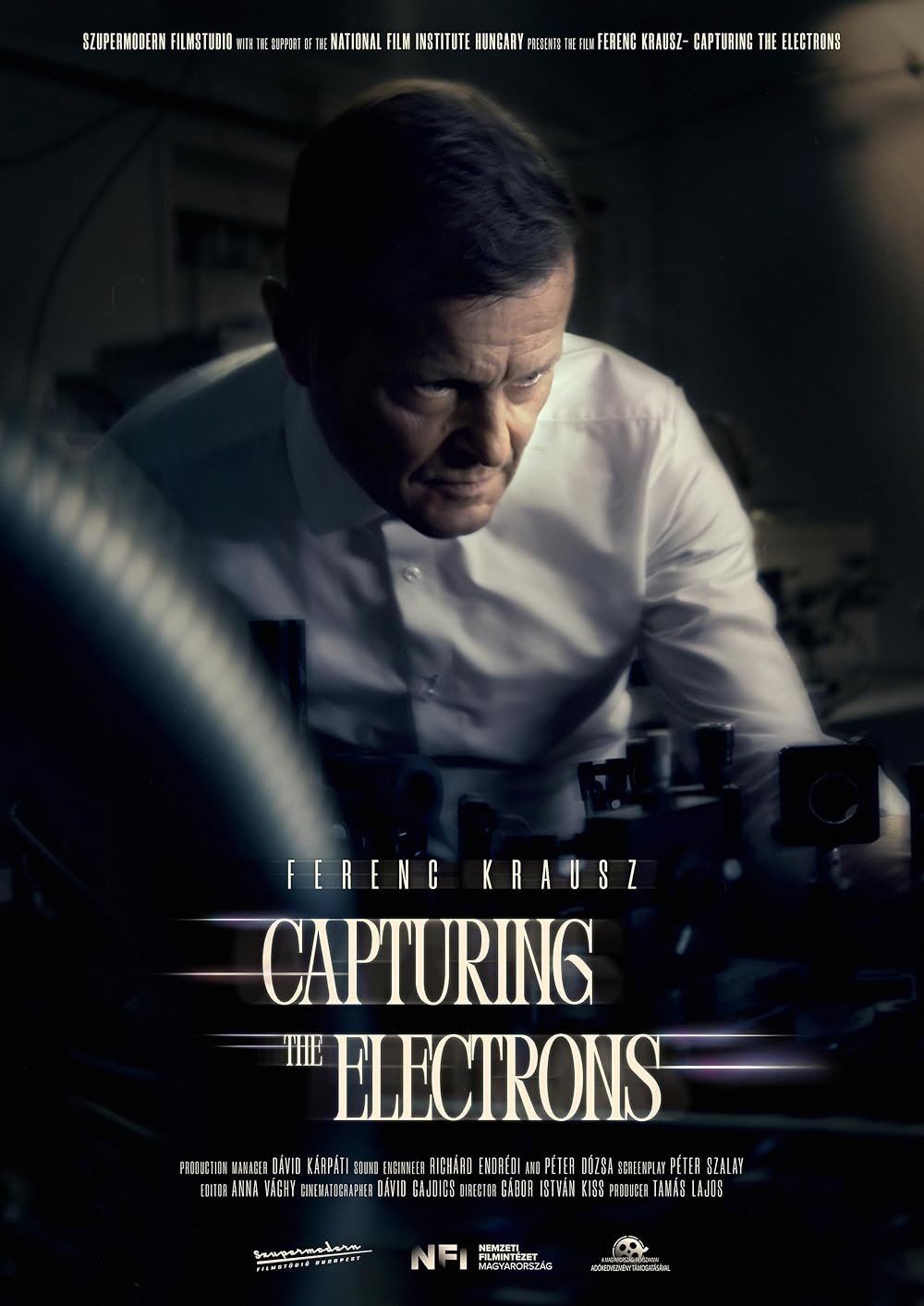
Capturing the Electrons documents the life and career of Nobel Prize-winning Hungarian physicist Ferenc Krausz. His research team has generated and measured the first attosecond light pulse and used it for capturing electrons' motion inside atoms, marking the birth of attophysics. In 2023, jointly with Pierre Agostini and Anne L'Huillier, he was awarded the Nobel Prize in Physics.
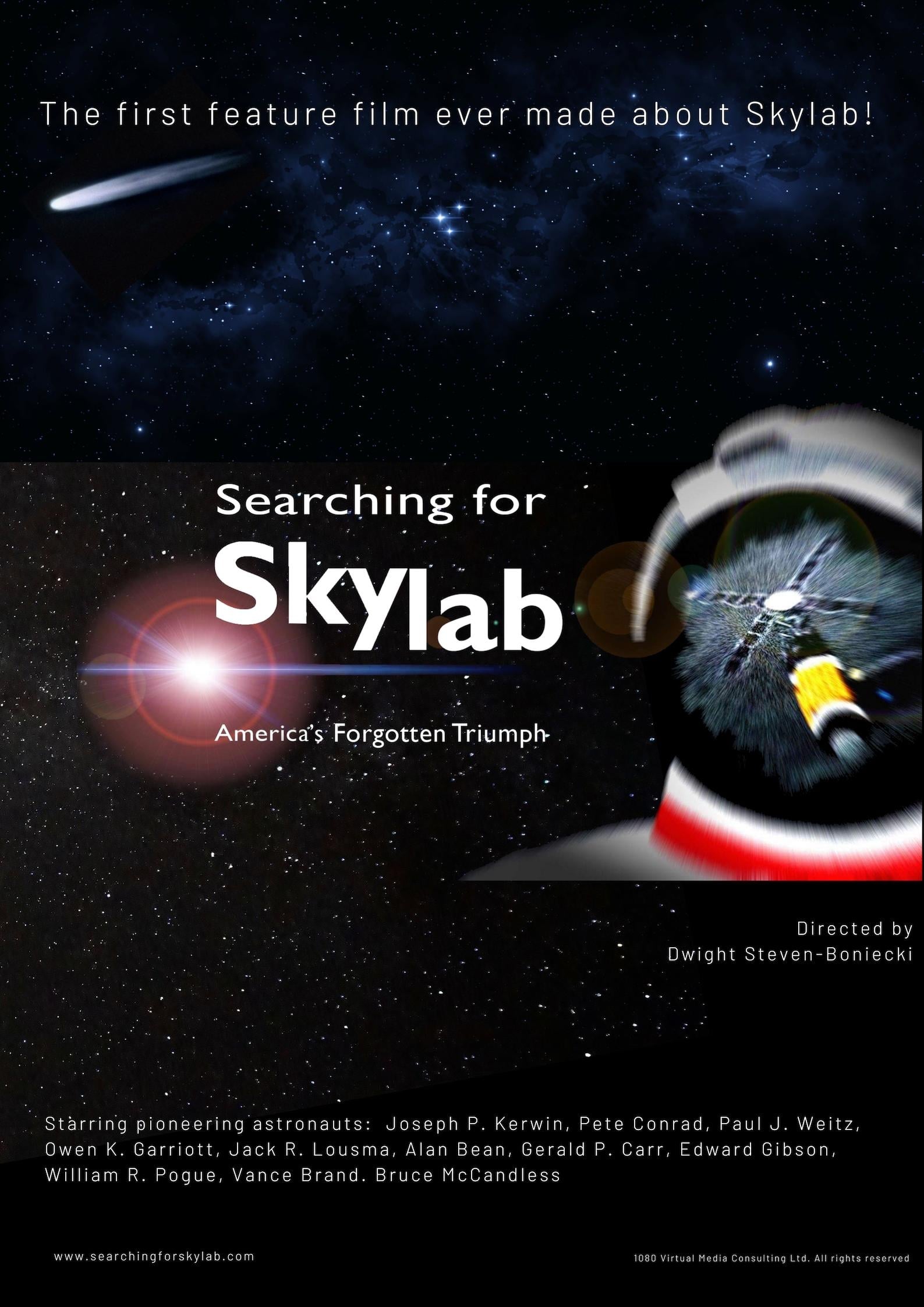
The first American space station Skylab is found in pieces scattered in Western Australia. Putting these pieces back together and re-tracing the Skylab program back to its very conception reveals the cornerstone of human space exploration.
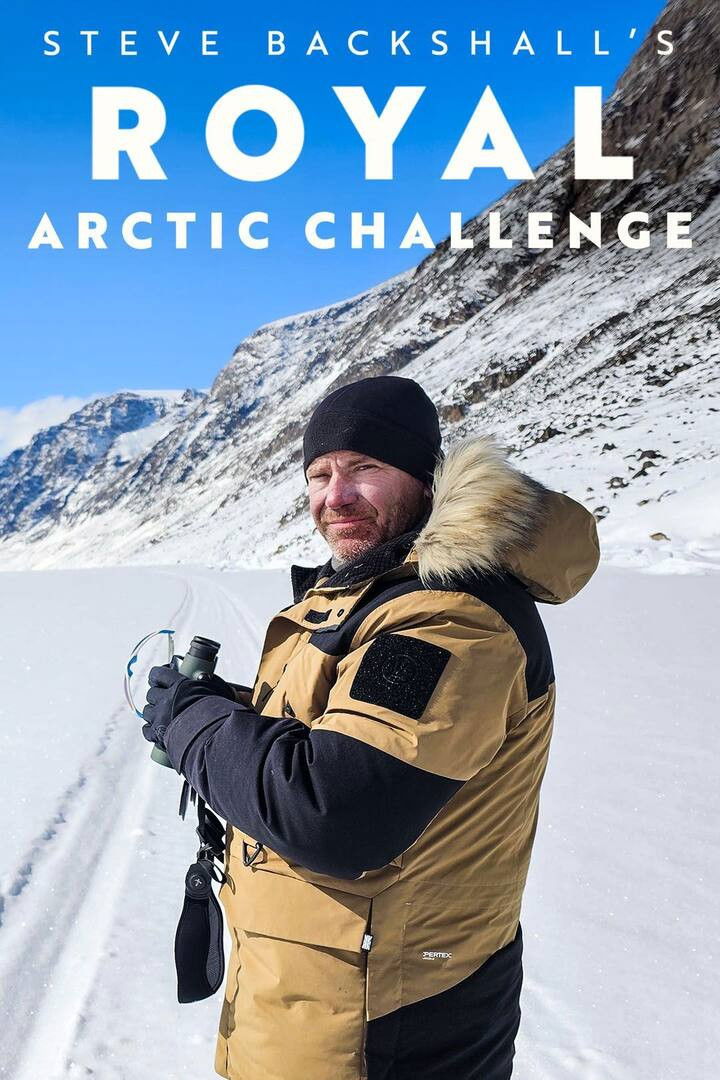
50 years on from the event, environmentalist Steve Backshall retraces a young Prince Charles' Arctic adventure and uncovers dramatic changes to our planet alongside an urgent need for action.
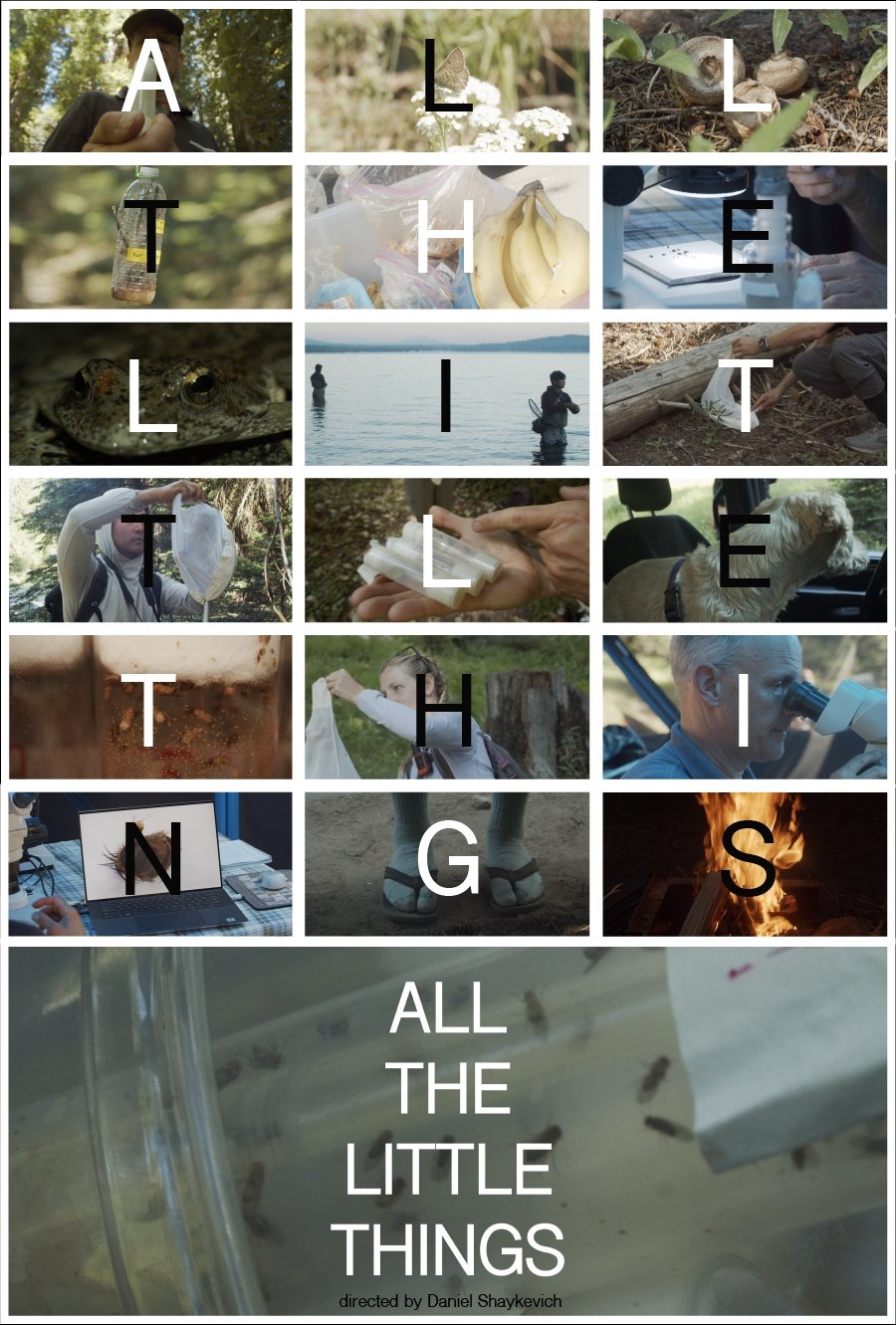
An accomplished molecular biologist moves out of the lab in a quest to make an encyclopedia documenting all the fruit fly species in North America.
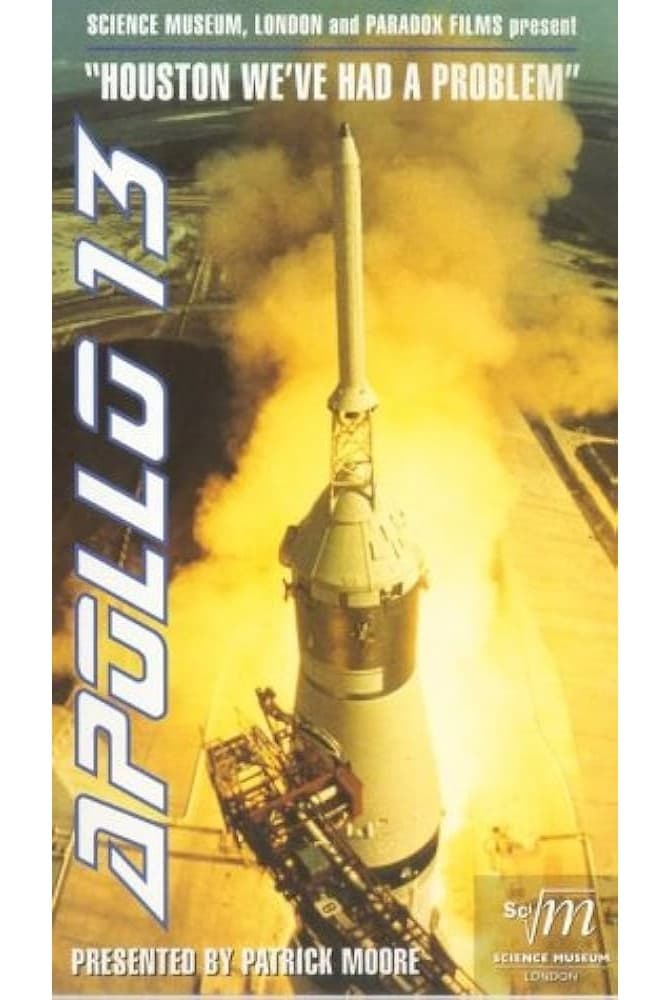
Patrick Moore presents this documentary about the Apollo 13 space mission of April 1970. The video features the live TV coverage of the real-life drama from lift-off to splash-down in the Pacific Ocean.
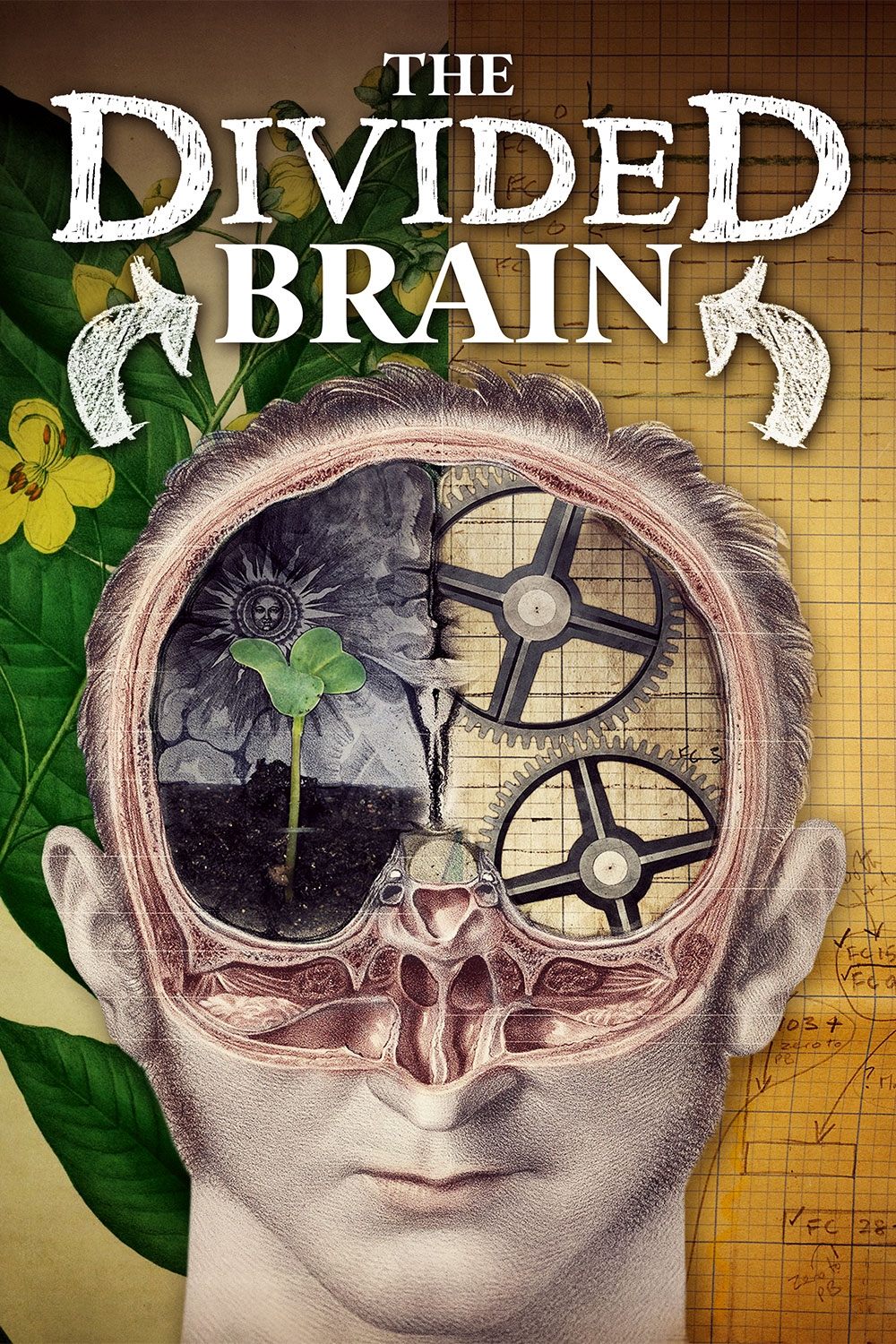
A film which explores a radical new idea - is there an imbalance between our brain hemispheres that is affecting how we live in our modern society?
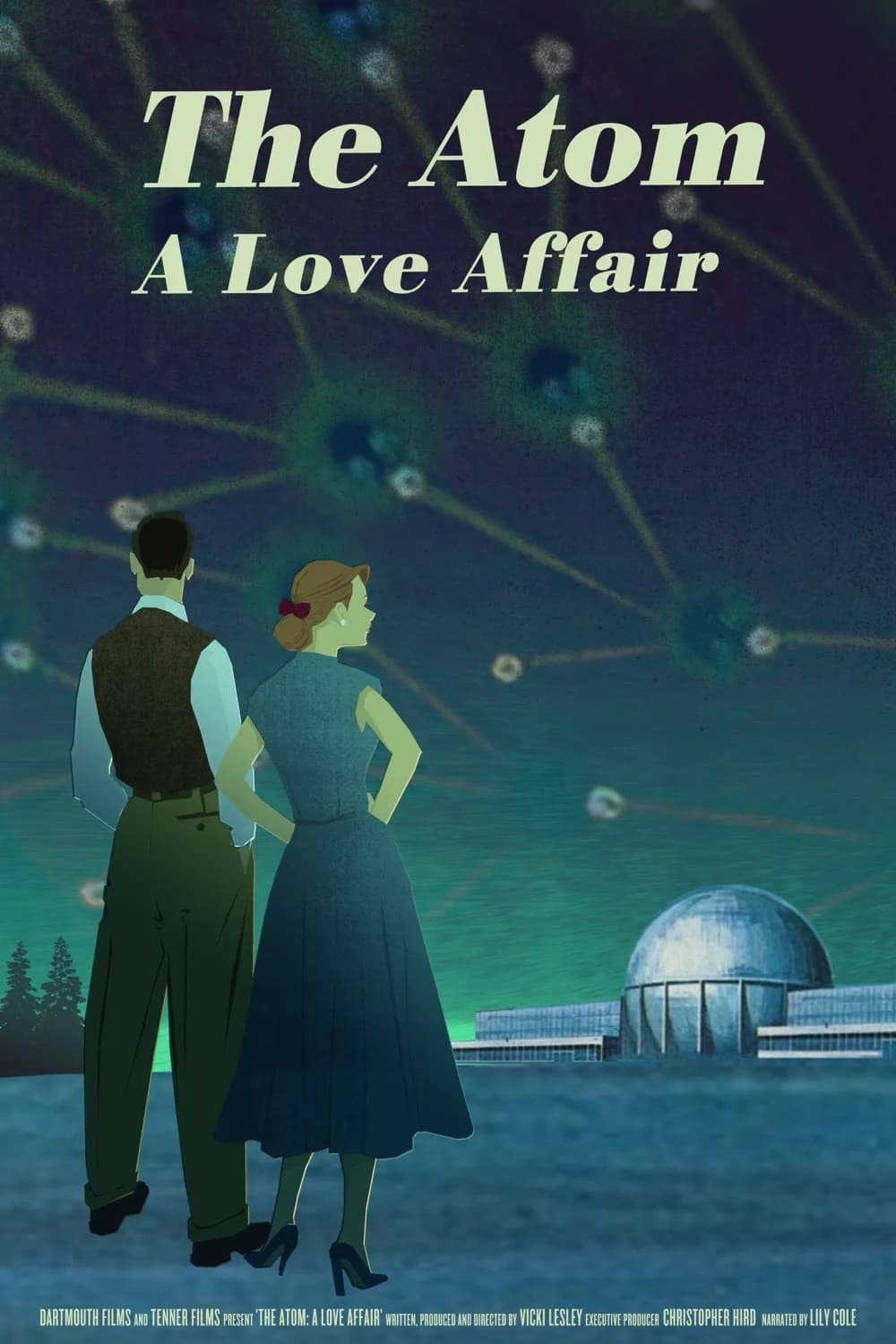
With a wealth of fantastic archive footage and a series of revealing interviews with those who had first-hand experience, filmmaker Vicki Lesley tells the turbulent story of the West’s love-hate relationship with a nuclear power over the past seventy years. Capturing both the tantalising promise and the repeated disappointments of this singular technology, the film reveals how the post-war, romantic fantasy of an Atom-powered future developed into the stormy, on-off relationship still playing out today. A tale of scientific passion and political intrigue all wrapped up in the packaging of a sentimental screen melodrama.
David Attenborough and scientist Johan Rockström examine Earth's biodiversity collapse and how this crisis can still be averted.
How do we influence the world around us? A fluid analysis tool ordinarily used in the laboratory offers new interpretations of human interaction and provides surprising insights about our place in the world.
Explores the latest longevity research and whether dramatically extended human lifespan is achievable. Features top scientists, startup leaders, celebrities, and critics offering balanced perspectives on this fascinating field.
Unable to purchase a $50,000 digital projector, a group of film fanatics in rural Pennsylvania fight to keep a dying drive-in theater alive by screening only vintage 35mm film prints and working entirely for free.
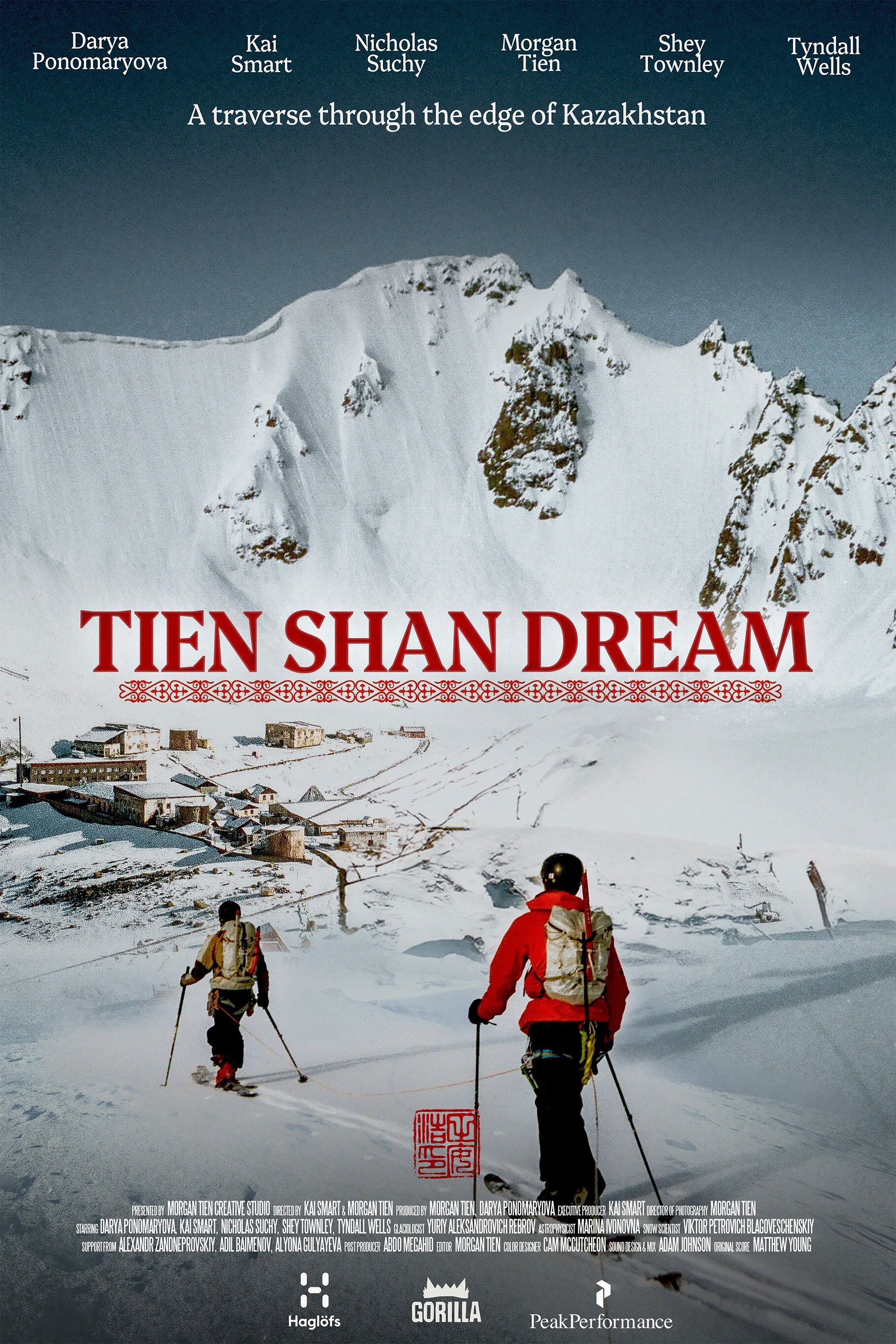
A team of international skiers embark on a two-week glacier traverse connecting two remote research stations in Kazakhstan. The Tien Shan's 4000+ meter peaks host an active scientific community, leveraging the rare environmental conditions for groundbreaking research. Established during the Soviet Union's occupation, the high-altitude research stations here are home to some of the longest-standing glacier and cosmic radiation experiments in the world - and are surrounded by deadly alpine terrain.
The discovery of neuroplasticity, the fact that thoughts can change the structure and function of our brains, even into old age, is one of the most important breakthroughs in our understanding of the brain in recent times. In The Brain That Changes Itself, Dr Norman Doidge explores the profound implications of the changing brain in a way that will permanently alter the way we look at human possibility and human nature. The documentary examines a blind man who sinks a basketball; a woman with half a brain who leads a normal life; learning disorders, strokes and brain traumas that are improved and cured; and chronic pain that is alleviated. The vast expanse of the brain's possibility is still unrealized.
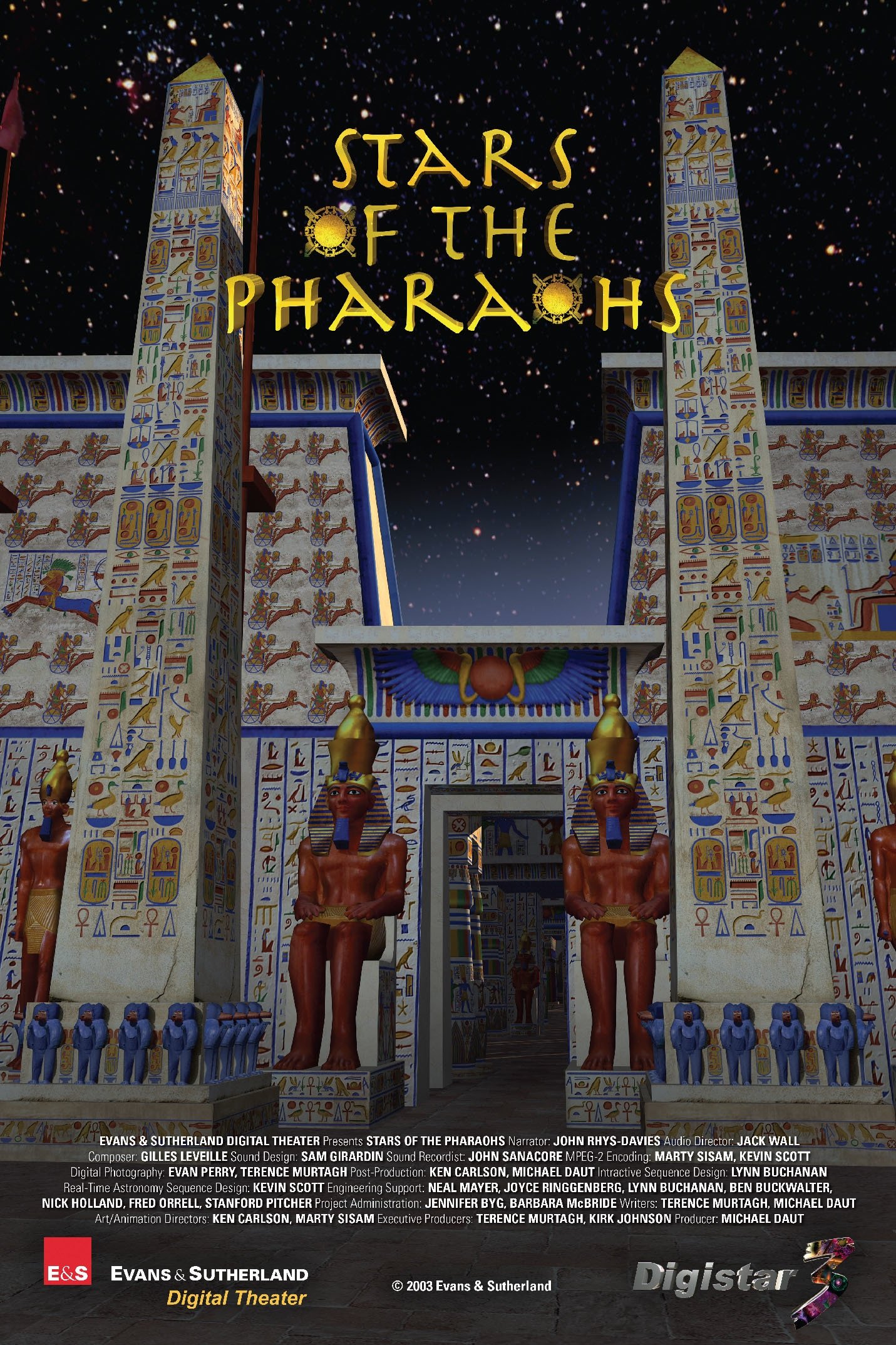
Travel to ancient Egypt to see how science was used to tell time, make a workable calendar, and align huge buildings. You'll learn about the connection the ancient Egyptians felt with the stars and various astronomical phenomena, and experience some of the most spectacular temples and tombs of the ancient world recreated in all of their original splendor. Telly Award winner. Narrated by John Rhys-Davies, of the Indiana Jones films and The Lord of the Rings films.
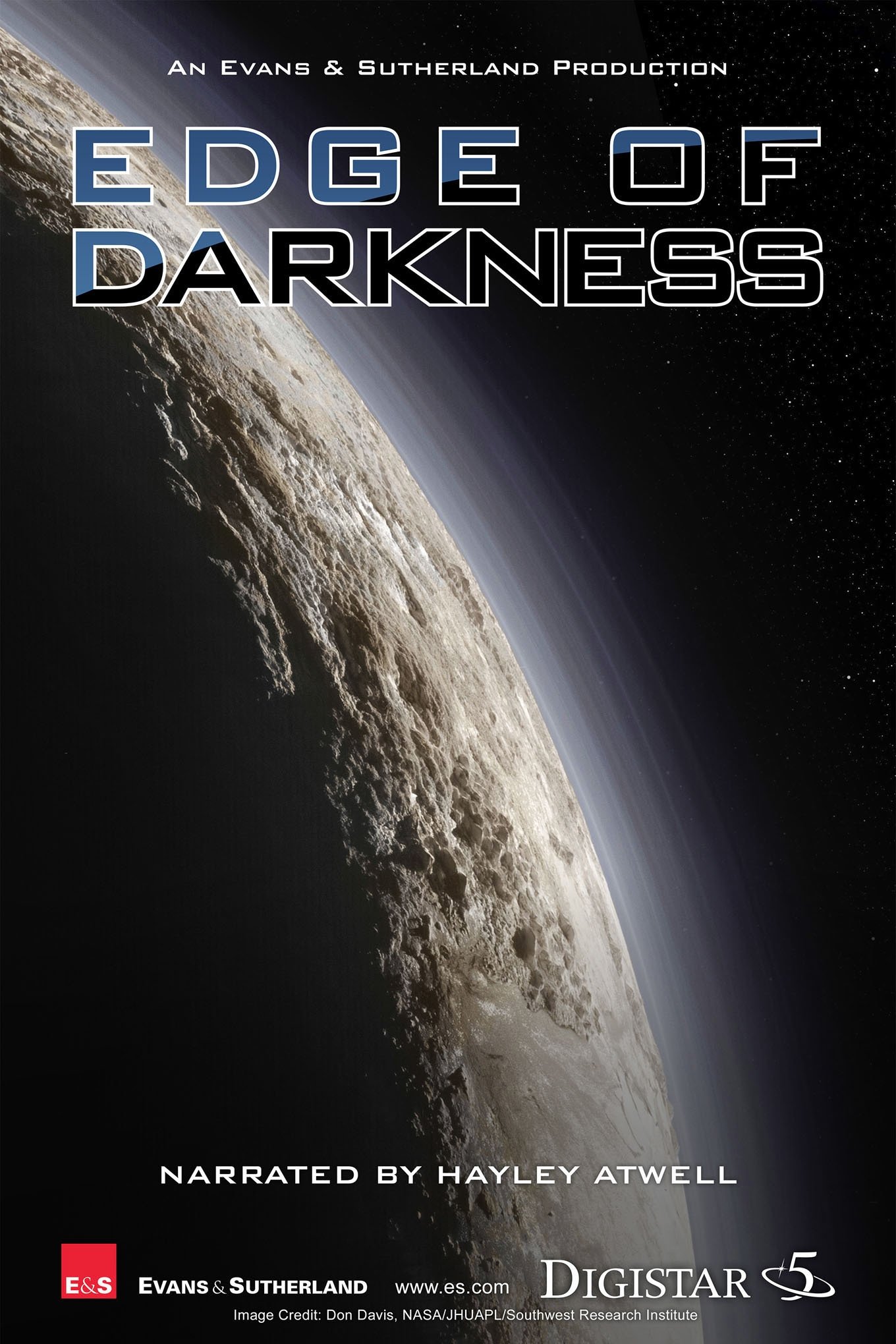
The film features amazing scenes of places never before seen gathered by key space missions that culminated with groundbreaking discoveries in 2015. It features a spectacular flight though the great cliffs on comet 67P, a close look at the fascinating bright "lights" on Ceres, and the first ever close ups of dwarf binary planet Pluto/Charon and its moons.
Through interspersed conversation and prose, this experimental documentary follows a poet and a neuroscientist as they explore the definition of love, what it means, and why it matters.
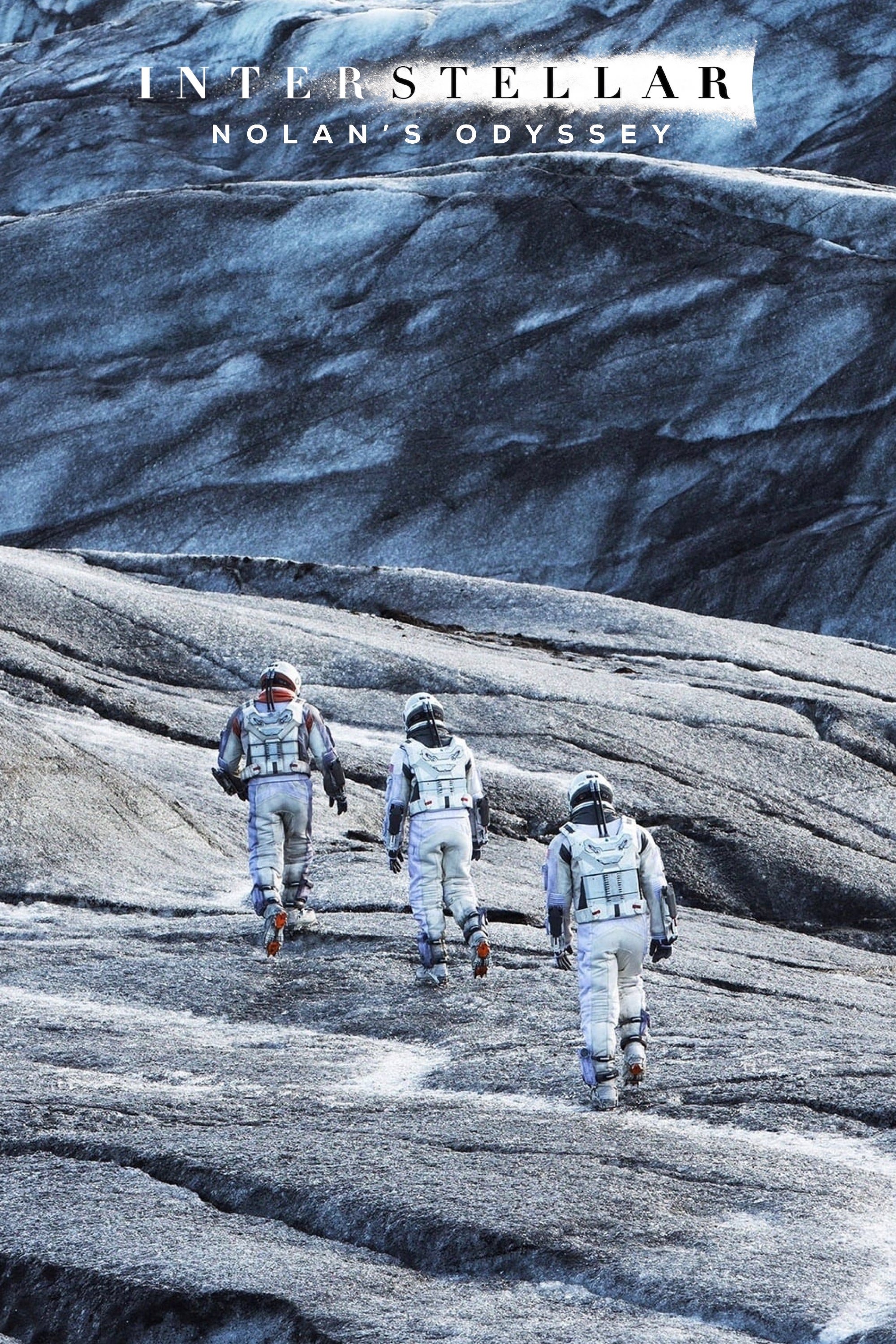
A look behind the lens of Christopher Nolan's space epic.
Over 35 years after Bob Lazar's revelations, this documentary exposes secrets of a facility the government still denies. Featuring Lazar's testimony, recreations, and new evidence, it reopens a case that continues to spark global curiosity
A look at the origins, history and conspiracies behind the "Majestic 12", a clandestine group of military and corporate figureheads charged with reverse-engineering extraterrestrial technology.
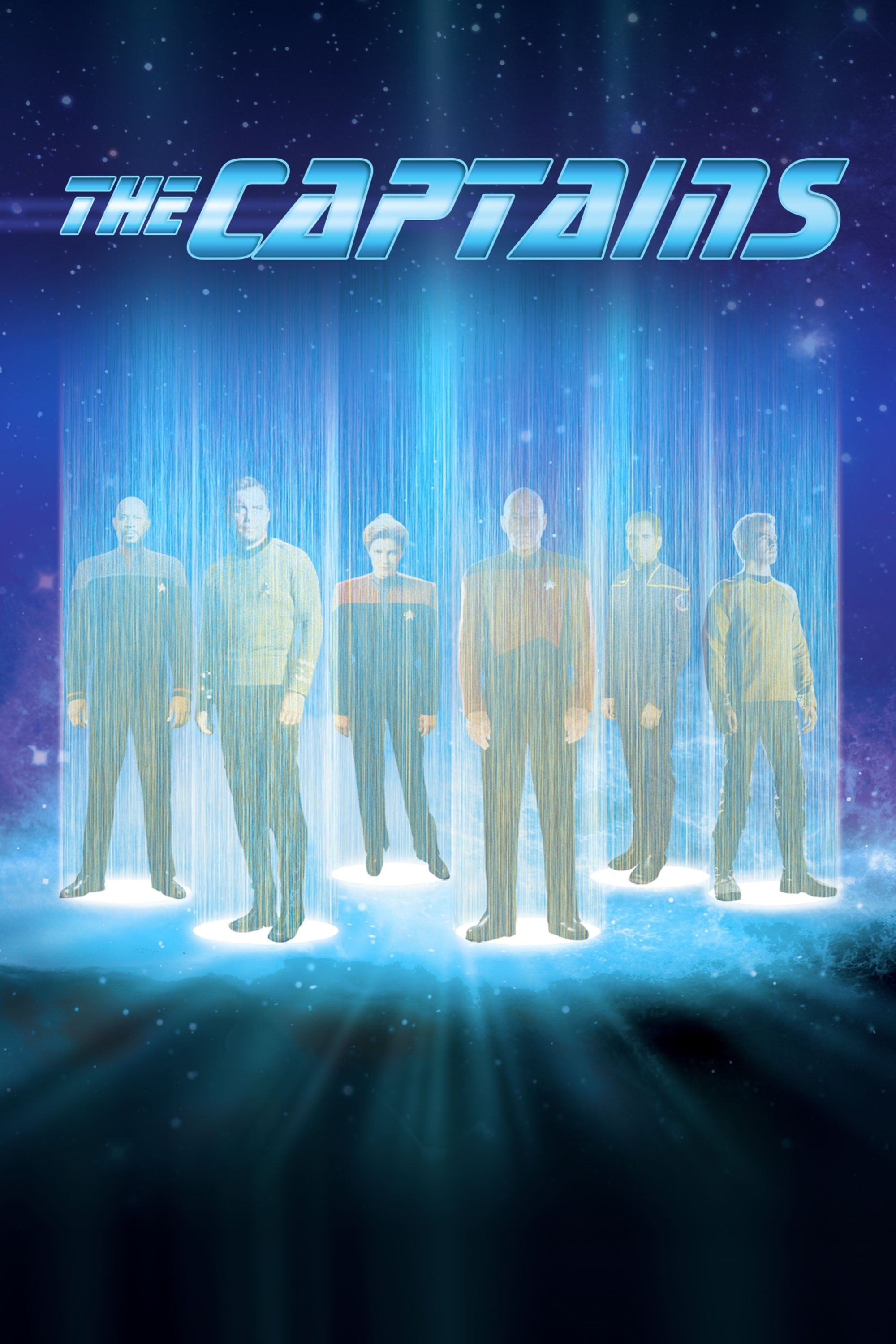
The Captains is a feature-length documentary film written and directed by William Shatner. The film follows Shatner as he interviews the other actors who have portrayed starship captains in the Star Trek franchise.
Through deeply personal interviews with her siblings and an examination of the photographs, letters, and belongings left behind, Mariska assembles a new portrait of her mother Jayne Mansfield, an extraordinary and complex woman.
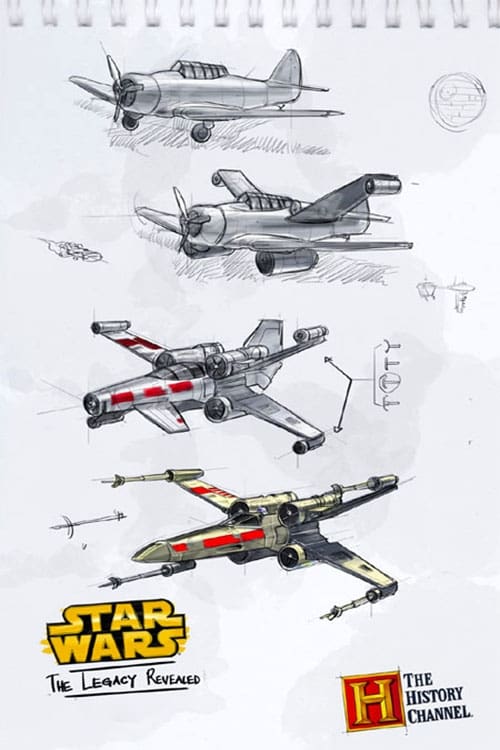
The special focuses on how Star Wars is relevant today and the history that inspired it, and also makes various connections to Greek mythology. It consists of several interviews with well-known politicians, journalists, and critics, along with historical content and clips from all six of the Star Wars movies.
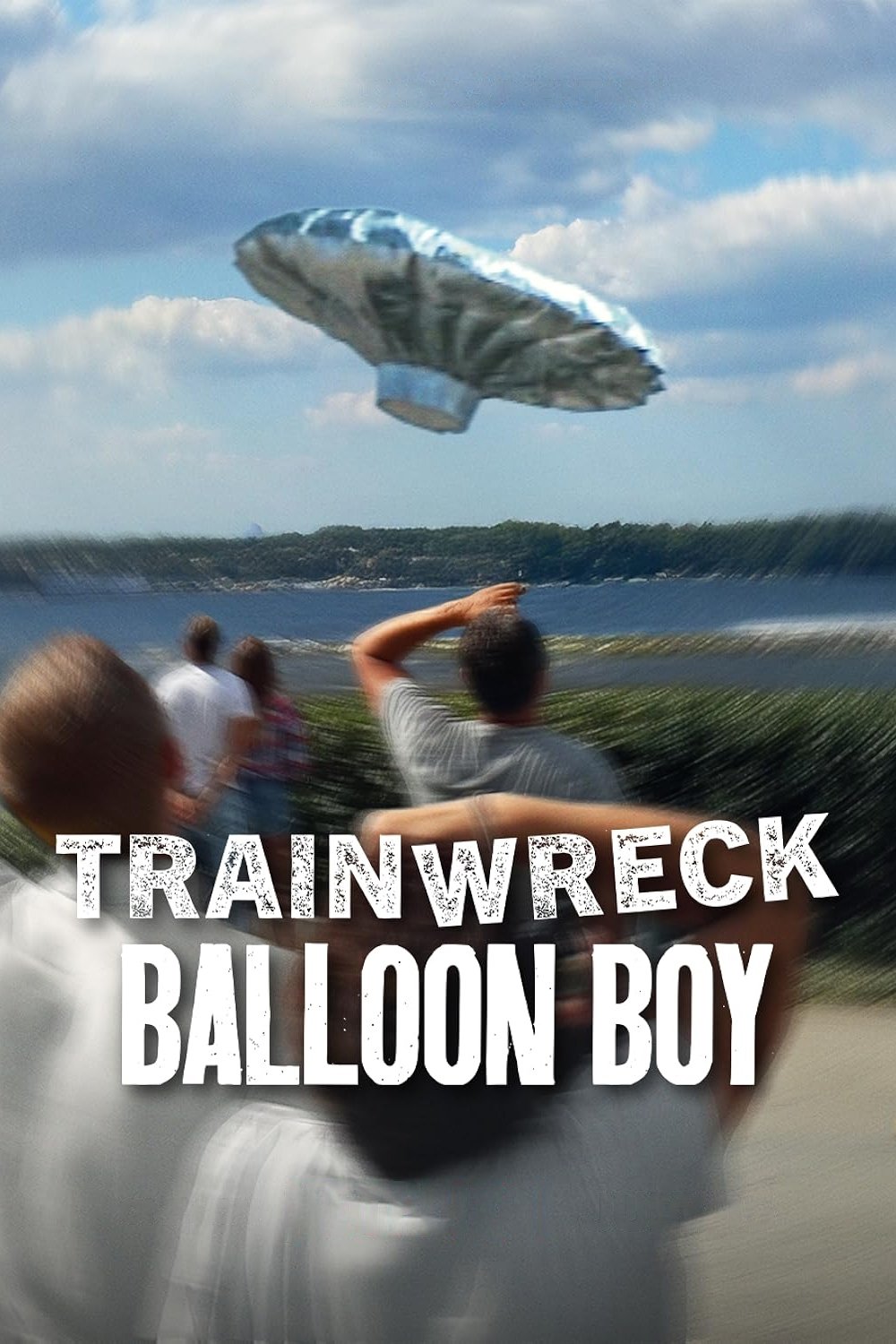
A homemade flying saucer lifts off, and a 6-year-old boy might be inside. National panic ensues — but what truly happened? This documentary investigates.
The story lives forever in this feature-length documentary that charts the making of Star Wars: The Rise of Skywalker.
Behind-the-scenes documentary about how Lionel Messi succeeded in lifting the World Cup – the only trophy to have eluded him in an incredible career.
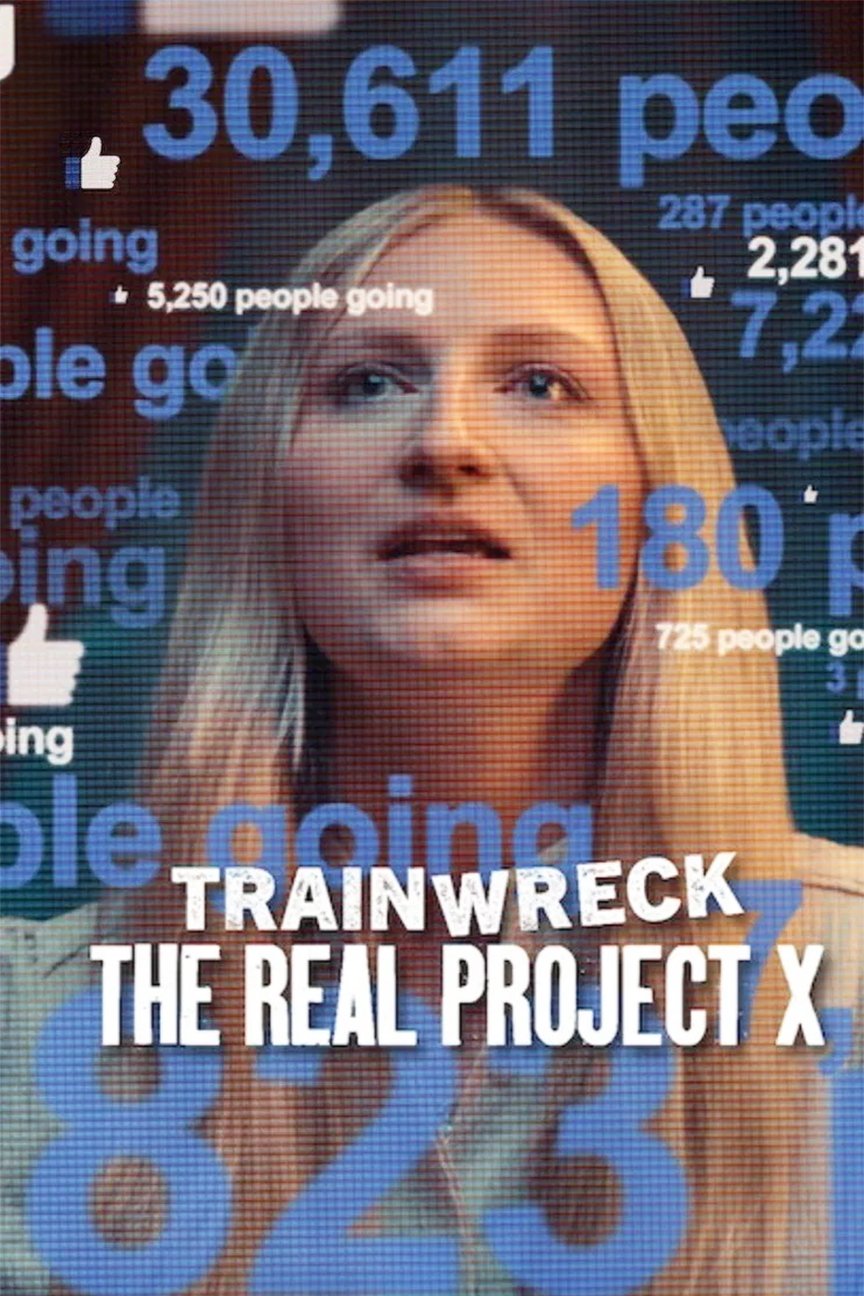
A night of drunken chaos rocks a quiet Dutch town in this shocking documentary about a teen's birthday invite that accidentally went viral on Facebook.
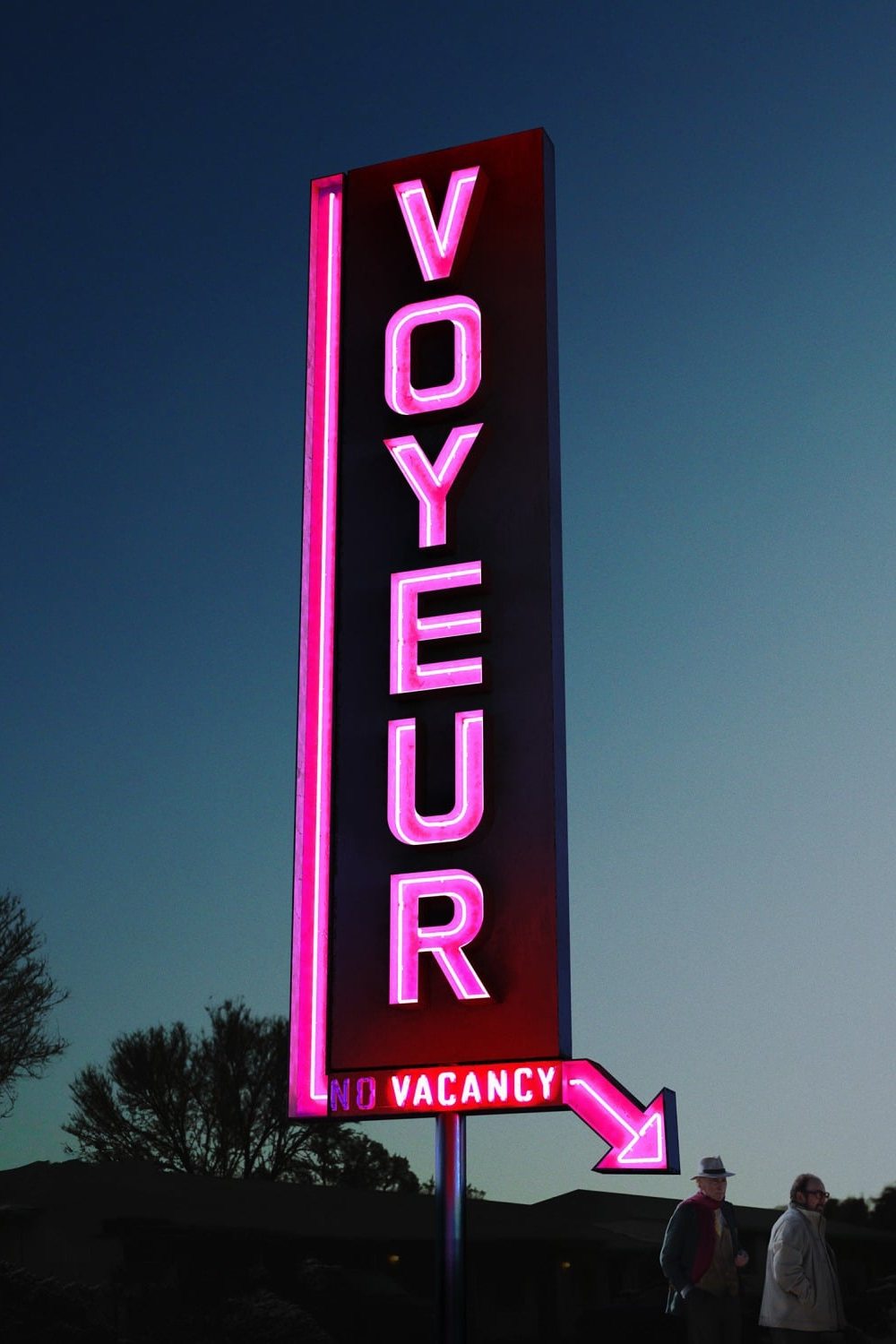
Legendary journalist Gay Talese unmasks a motel owner who spied on his guests for decades. But his bombshell story soon becomes a scandal of its own.
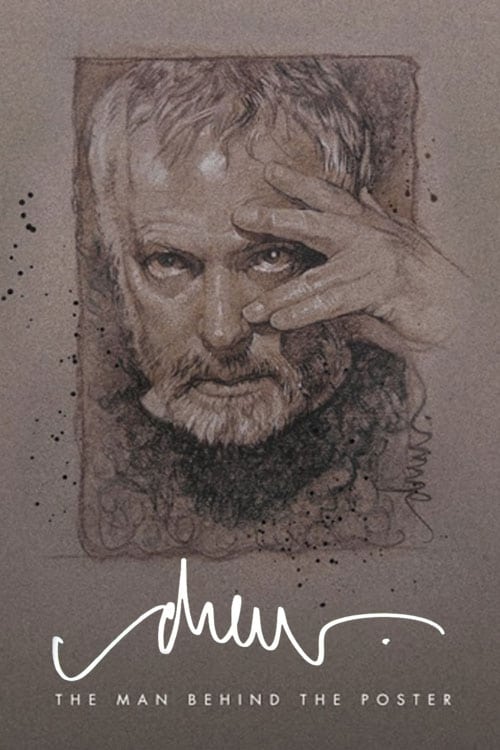
A documentary on legendary movie-poster artist Drew Struzan.
The film follows adventurer Jeff Johnson as he retraces the epic 1968 journey of his heroes Yvon Chouinard and Doug Tompkins to Patagonia.
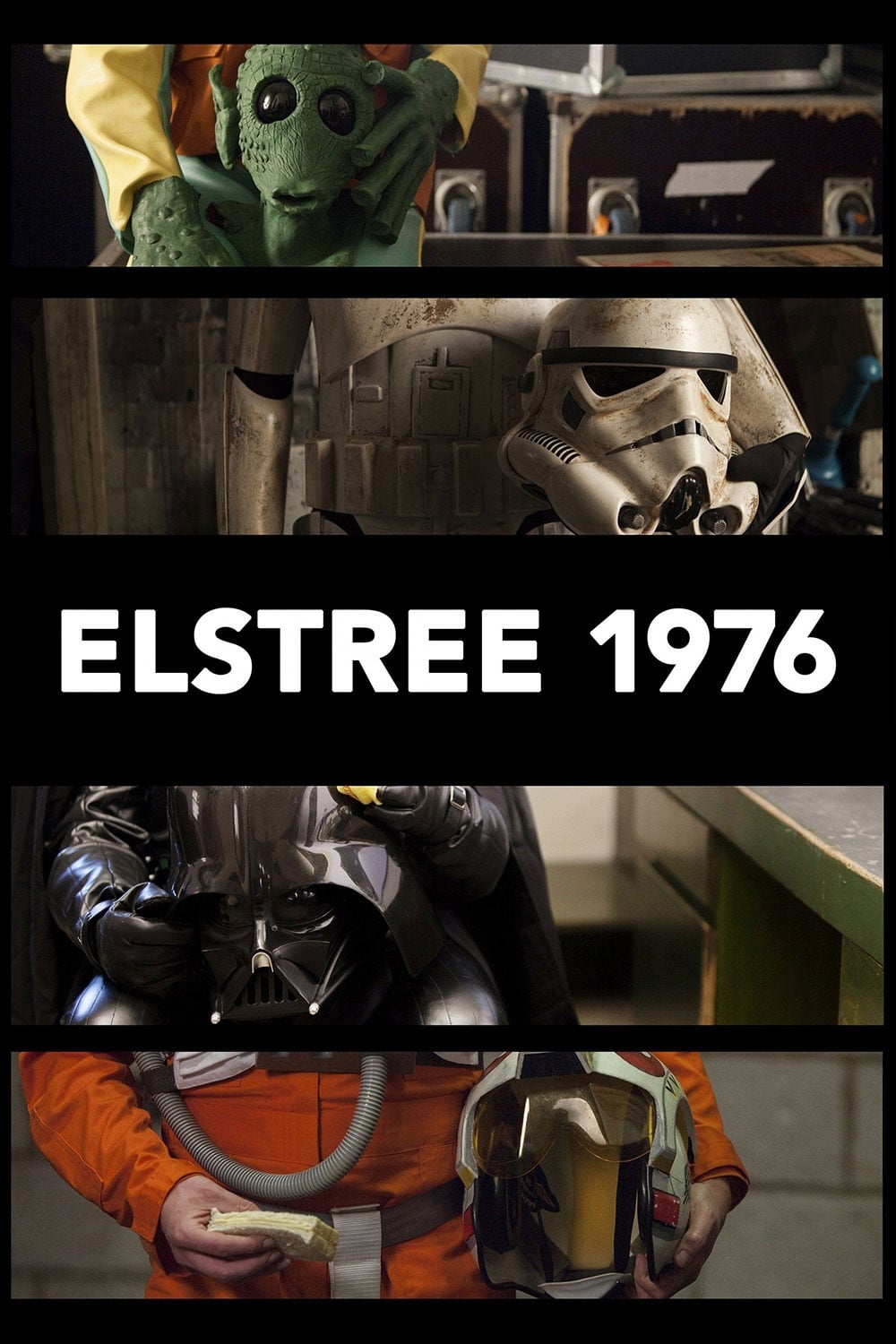
A documentary about ten very different lives connected by having appeared onscreen wearing masks or helmets in Star Wars.
A subjective documentary that explores various theories about hidden meanings in Stanley Kubrick's classic film The Shining. Five very different points of view are illuminated through voice over, film clips, animation and dramatic reenactments.
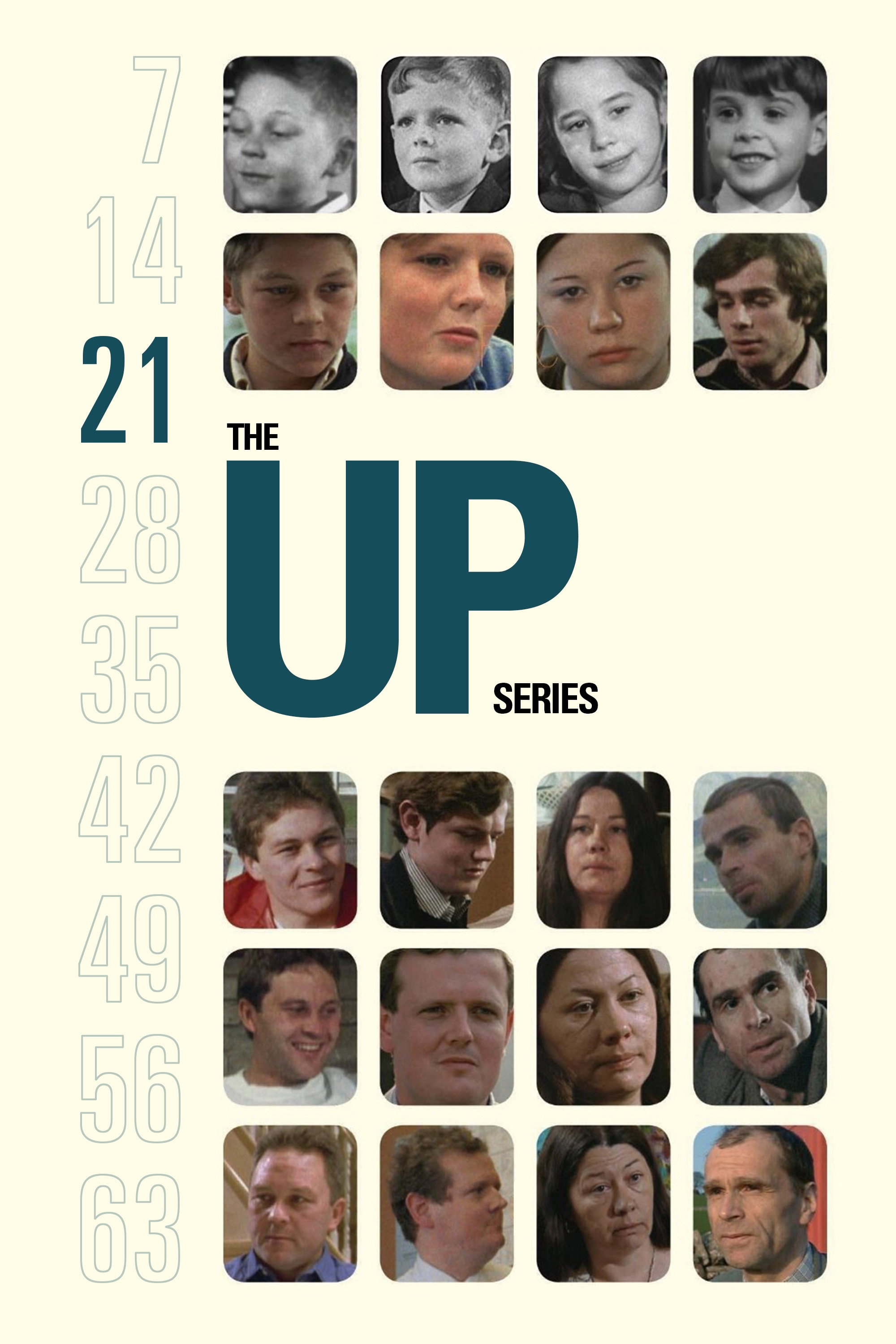
After another 7 year wait, director Michael Apted revisits the same group of British-born children from Seven Up! and 7 Plus Seven. The subjects are interviewed as to the changes that have occurred in their lives during the last seven years.
In the Realms of the Unreal is a documentary about the reclusive Chicago-based artist Henry Darger. Henry Darger was so reclusive that when he died his neighbors were surprised to find a 15,145-page manuscript along with hundreds of paintings depicting The Story of the Vivian Girls, in What is Known as the Realms of the Unreal, of the Glodeco-Angelinnian War Storm, Cased by the Child Slave Rebellion.
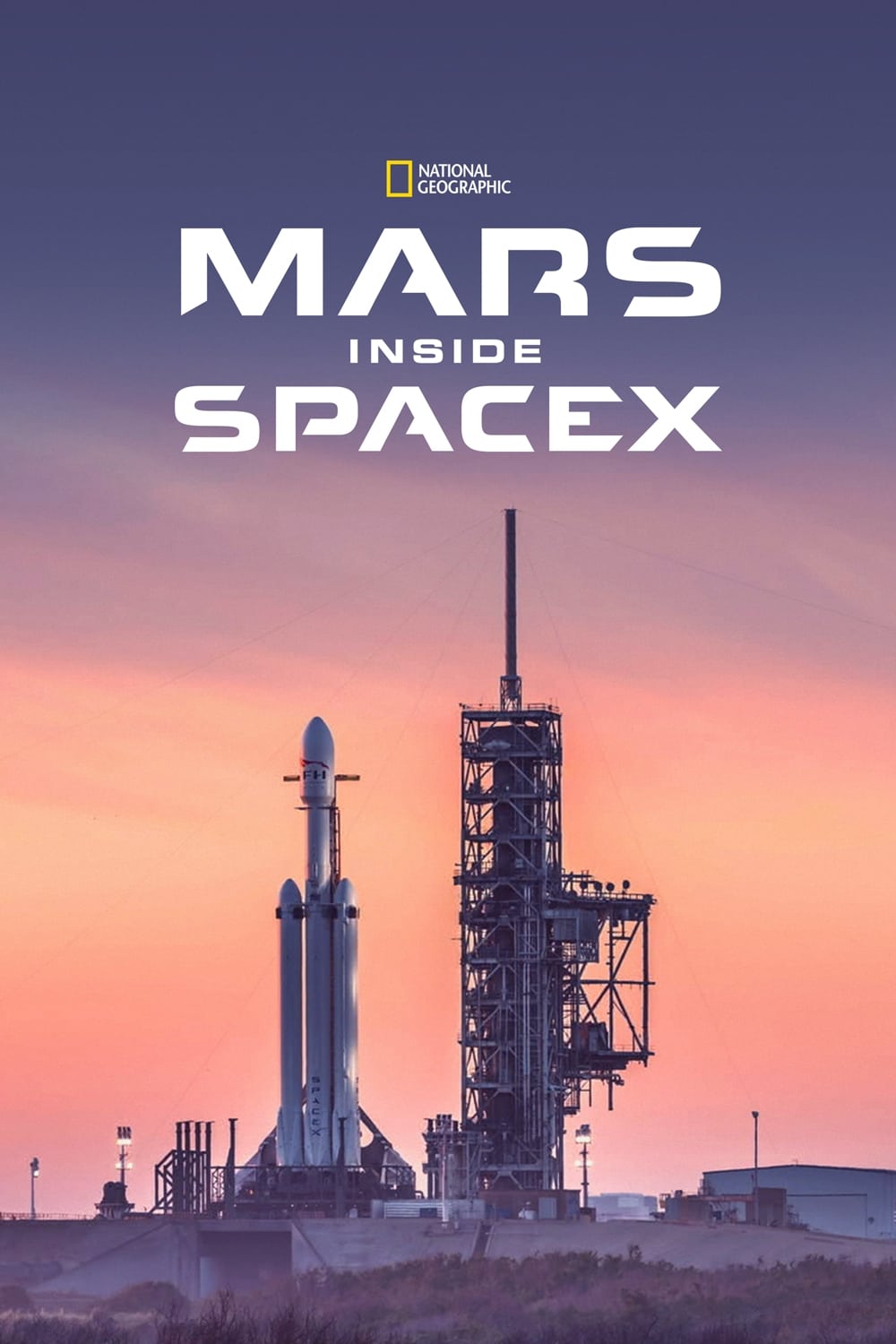
The inside story of SpaceX's plan to get humanity to Mars, providing an unprecedented glimpse into one of the world's most revolutionary companies. A behind-the-scenes journey with Elon Musk and his engineers as they persevere amidst both disheartening setbacks and huge triumphs to advance the space industry faster than we ever thought possible.
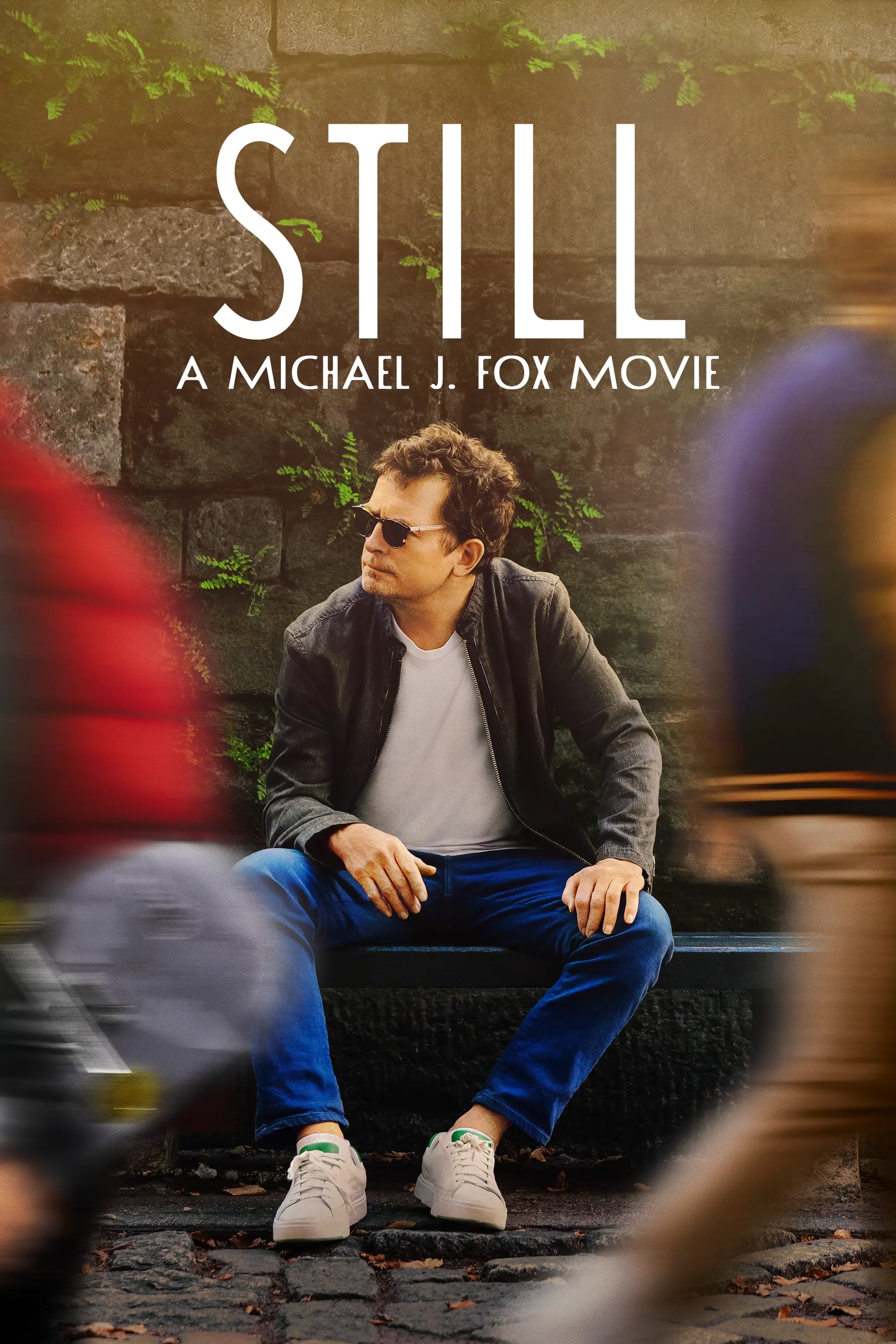
A short kid from a Canadian army base becomes the international pop culture darling of the 1980s—only to find the course of his life altered by a stunning diagnosis. What happens when an incurable optimist confronts an incurable disease?
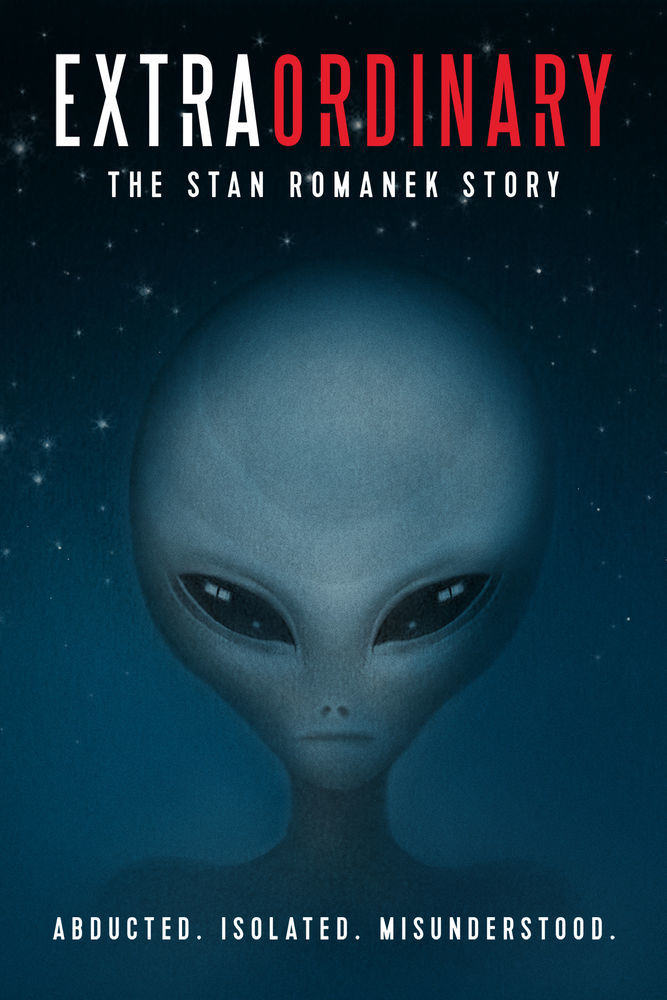
Stan Romanek is the center of the world's most documented extraterrestrial contact story, and the multitude of evidence accumulated over the past decade has convinced thousands around the world that his story is true. This documentary film takes audiences on a journey through Stan's past, present and future with one goal in mind: help the world understand that no one knowingly chooses the challenges Stan and his family have endured. This film's intention is not to prove the existence of UFOs and extraterrestrials, but it does pose the question' What if this is all true? extraordinary: the stan romanek story is about one man's evolution through a life he did not choose and the messages he is driven to deliver to mankind.