Two years ago Guyon Espiner stopped drinking. Now, the award-winning journalist and podcast-maker has made a documentary about New Zealand's drinking culture and the alcohol industry.
Social & External
Himself
Herself
A film about three teenagers - Klara, Mina and Tanutscha - from the Berlin district of Kreuzberg. The trio have known each other since Kindergarten and have plenty in common. The three 15-year-olds are the best of friends; they are spending the summer at Prinzenbad, a large open-air swimming pool at the heart of the district where they live. They're feeling pretty grown up, and are convinced they've now left their childhood behind.
Alcohol: No substance in the world seems so familiar to us and is so incredibly diverse in its effect. Alcohol is available everywhere and this particular molecule has the power to affect all 200 billion neurons of our human brain in completely different ways. But hardly anyone calls alcohol a drug despite its psychoactive and cell-destroying effect. Why do we tolerate the death of three million people every year? Have we turned a blind eye to the dangers and risks for thousands of years? What role does the powerful alcohol industry play with an annual turnover of 1.2 trillion euros in this on-going concealment? The author, who himself enjoys having a drink, looks into the question why we drink at all, what alcohol does to us and to what extent the alcohol industry influences society and politics.
A typical group of young people get together at the weekend. Drinking is part of it because, according to them, alcohol is a social drug. But Rudolf knows better, because he is an alcoholic. He has been trying unsuccessfully to overcome his addiction for years. He observes young people as they deal with alcohol.
A third generation NZ born Niuean Female surfer, visits her Island of heritage for the first time only to discover there is no surf on Niue. But Mella's visit opens her eyes to the island's other beautiful qualities, the magical water, warm people, and clean unpolluted land. However she also discovers the low population has left the countries future hanging by a thread. This documentary is a record of Mella's journey to regaining her identity and first steps at becoming part of the solution in Niue's restoration of itself.
The true-life story of a Harlem's notorious Nicky Barnes, a junkie turned multimillionaire drug-lord. Follow his life story from his rough childhood to the last days of his life.
A place of biological superlatives with a flora and fauna that have only just begun to be researched: Lord Howe Island, between Australia and New Zealand. This is the first documentary on what may be the most isolated nature reserve on the planet.
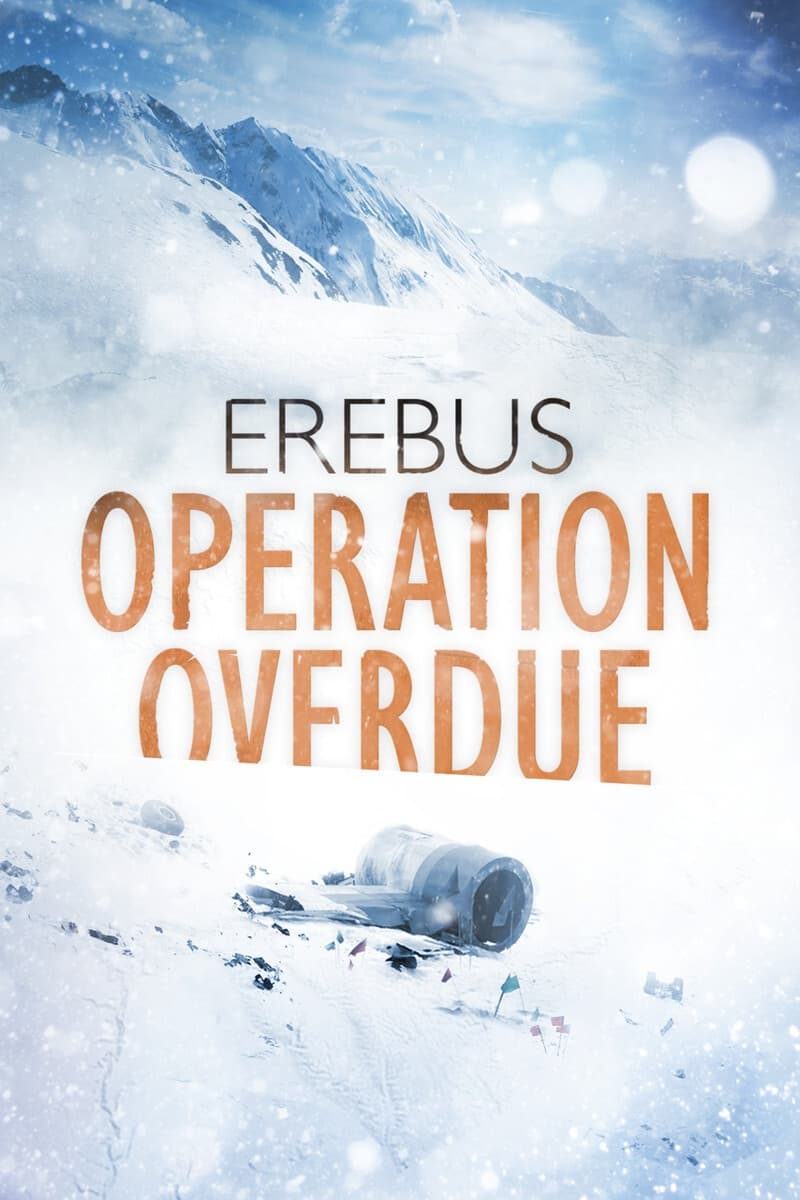
On 28 November 1979, an Air New Zealand jet with 257 passengers went missing during a sightseeing tour over Antarctica. Within hours 11 ordinary police officers were called to duty to face the formidable Mount Erebus. As the police recovered the victims, an investigation team tried to uncover the mystery of how a jet could fly into a mountain in broad daylight. Did the airline have a secret it wanted to bury? This film tells the story of four New Zealand police officers who went to Antarctica as part of the police operation to recover the victims of the crash. Set in the beautiful yet hostile environment of Antarctica, this is the emotional and compelling true story of an extraordinary police operation.
Best-selling author Graeme Armstrong reveals his passion for rave, meeting some of the superstar DJs and hardcore party people who created the vibrant and little-explored world of the Scottish rave scene.
In 1966 a group of determined young men defied the New Zealand government and launched a pirate radio station aboard a ship in the Hauraki Gulf.
Max Gimblett: Original Mind documents the life and process of eccentric, creative genius Max Gimblett. One of New Zealand’s most successful and internationally prominent living painters, Gimblett has been working in America since 1962. The filmmakers spent a week in Gimblett’s Soho loft where he and his devoted studio assistants generously revealed the techniques and philosophy behind his beautiful art.
The story of Tasmanian-born actor Errol Flynn whose short & flamboyant life, full of scandals, adventures, loves and excess was largely played out in front of the camera - either making movies or filling the newsreels and gossip magazines. Tragically he was dead from the effects of drugs and alcohol by the time he was only 50 & the myths live on. But there is another side of Flynn that is less well known - his ambitions to be a serious writer and newspaper correspondent, his documentary films and his interest in the Spanish Civil War and Castro's Cuba
A Swedish documentary about greasers. It's Swedens first teenage culture which started in Stockholm in the 1950s.
Told through the eyes of an Australian news reporter, Eammon Ashton-Atkinson, who moved to the UK to escape depression, the documentary, follows 3 characters on their journey to overcome their struggles as the club competes against 60 other gay clubs in the Bingham Cup in Amsterdam – the World Cup of gay rugby.
In the years since New Zealand politicians began to grapple with climate change our greenhouse gas emissions have burgeoned. Alister Barry’s doco draws on TV archives and interviews with key participants to find out why.
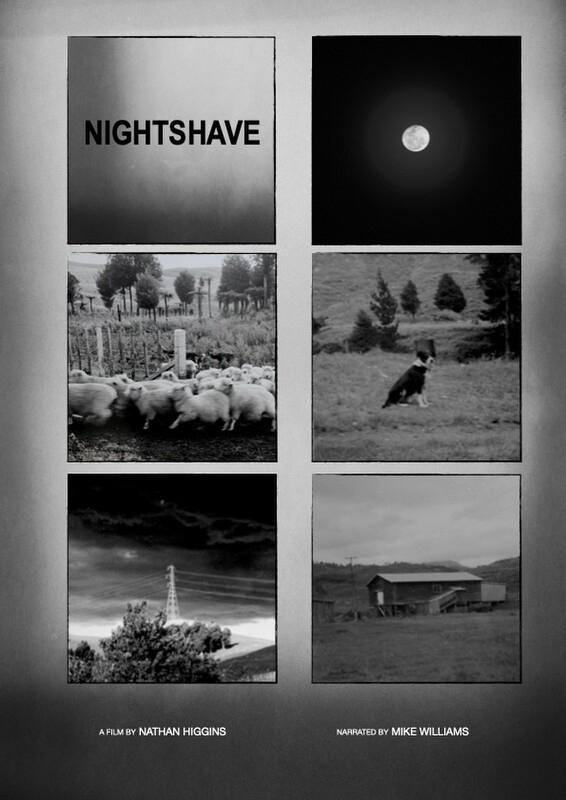
Retired New Zealand farmer and dog trainer Paul Sorenson passes his knowledge to the next generation of shepherds, and reflects on the sacrifices he's made to pursue his intense passion for dogs.
A black-and-white visual meditation of wilderness and the elements. Wildlife filmmaker Richard Sidey returns to the triptych format for a cinematic experience like no other.
Produced by Jack McGaw and co-produced by The National Research Council, the Ontario Ministry of Transportation of Communications, and Toronto/Ontario Provincial Police, they demonstrate dangers of driving under the influence of alcohol and drugs with participating young drivers alongside field experts and researchers to aid in their experiments.
This 1981 NFU film is a tour of the contemporary world of Aotearoa’s tangata whenua. It won headlines over claims that its portrayal of Māori had been sanitised for overseas viewers. Debate and a recut ensued. Writer Witi Ihimaera felt that mentions of contentious issues (Bastion Point, the land march) in his original script were ignored or elided in the final film, and withdrew from the project. He later told journalists that the controversy showed that educated members of minority groups were no longer prepared to let the majority interpret the minority view.
This film is an intimate portrayal of pioneering filmmaker Merata Mita told through the eyes of her children. Using hours of archive footage, some never before seen, her youngest child and director Hepi Mita discovers the filmmaker he never knew and shares the mother he lost, with the world.