Documentary shot on the Faroe Islands
Social & External
The people behind it
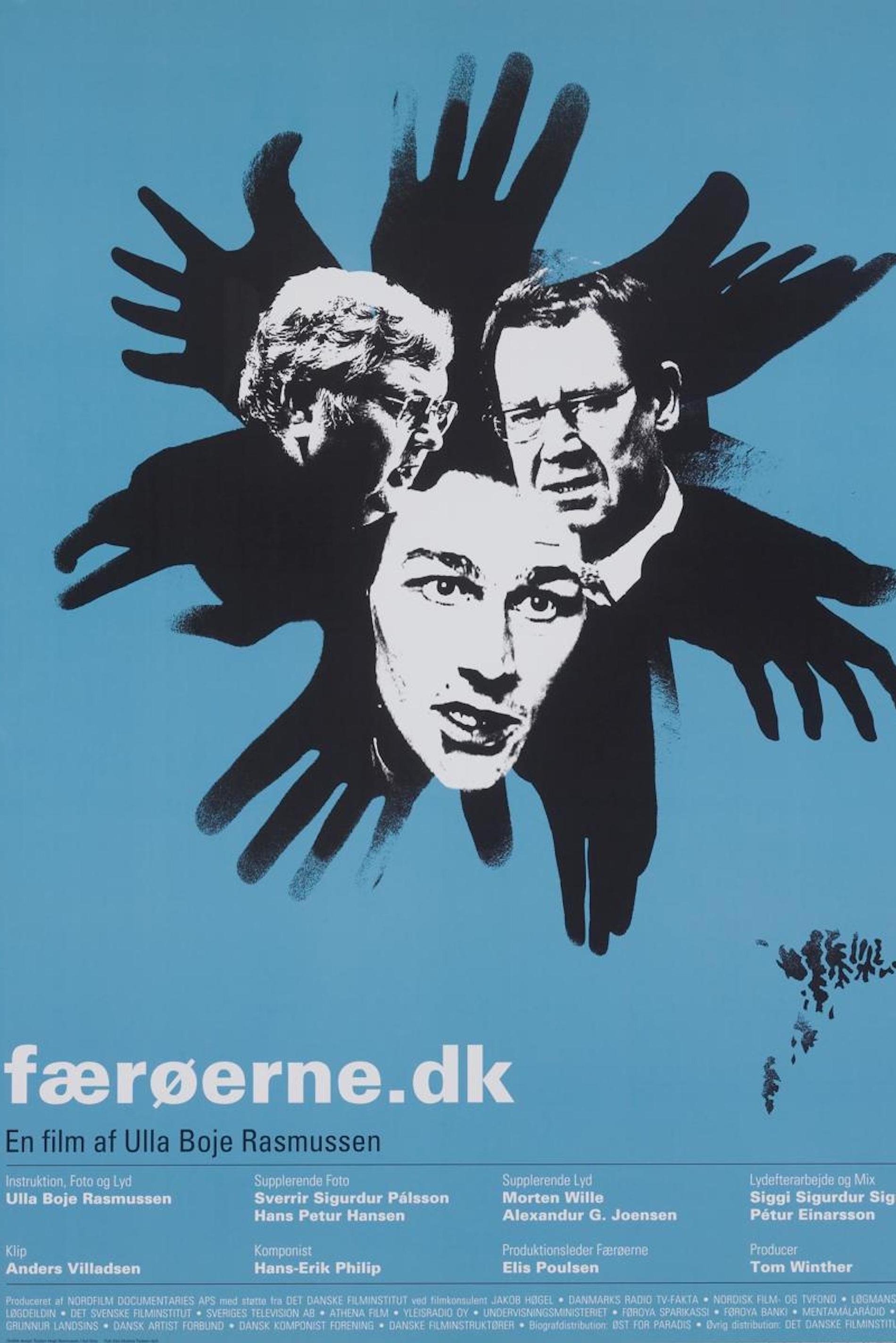
A documentary about The Faroe Islands' relationship to Denmark and the negotiations about further Faroese self-government.
We’re travelling from luxury kitchen to luxury kitchen with Agnes, from Bergisch Gladbach via Barcelona to the Faroe Islands. The cook’s luggage always includes her backpack containing various knives, cleavers and tweezers. The camera watches over the inquisitive young woman’s shoulder as delicacies are being prepared. Our mouths water. At the same time, we get insights into the different ways of running a restaurant. It’s about team spirit and equality at the stove.
Pilot whales are one of the least known of all small whales, and in spite of their name they are one of the largest species of dolphins. Pity the Pilot Whales takes us on an ocean journey, revealing many facets of pilot whale lore that few knew anything about. Why do these highly-intelligent marine mammals strand by the hundreds in certain regions of their known habitat? How do they communicate with one another? How do they find food in the deep dark ocean realm. This film is also a window on how two modern island nations treat these animals, and a statement on humanity and ethics.
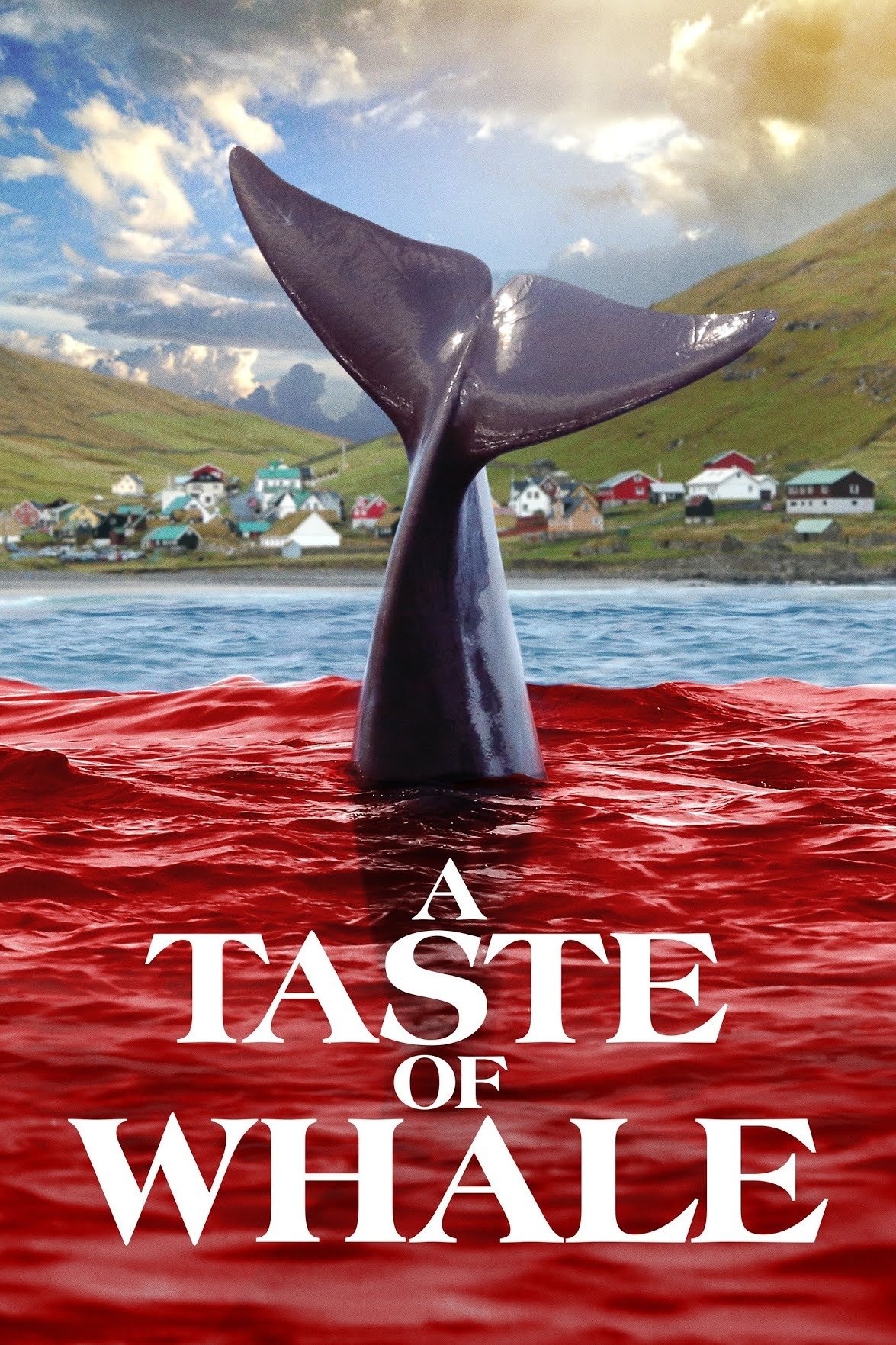
In the Faroe Islands, hundreds of pilot whales are slaughtered each year in a hunt known as the “Grind.” This gruesome tradition has drawn outrage from activists, most notably the international conservation group Sea Shepherd, who routinely sail to the islands to try to block whaling boats. Yet the Faroese are equally determined to maintain their tradition, defending the practice as more sustainable and less cruel than getting meat from slaughterhouses. Director Vincent Kelner spends time with both Faroese hunters and Sea Shepherd crusaders, building to a nuanced look at a disturbing event with much larger implications for the way humans relate to other creatures.
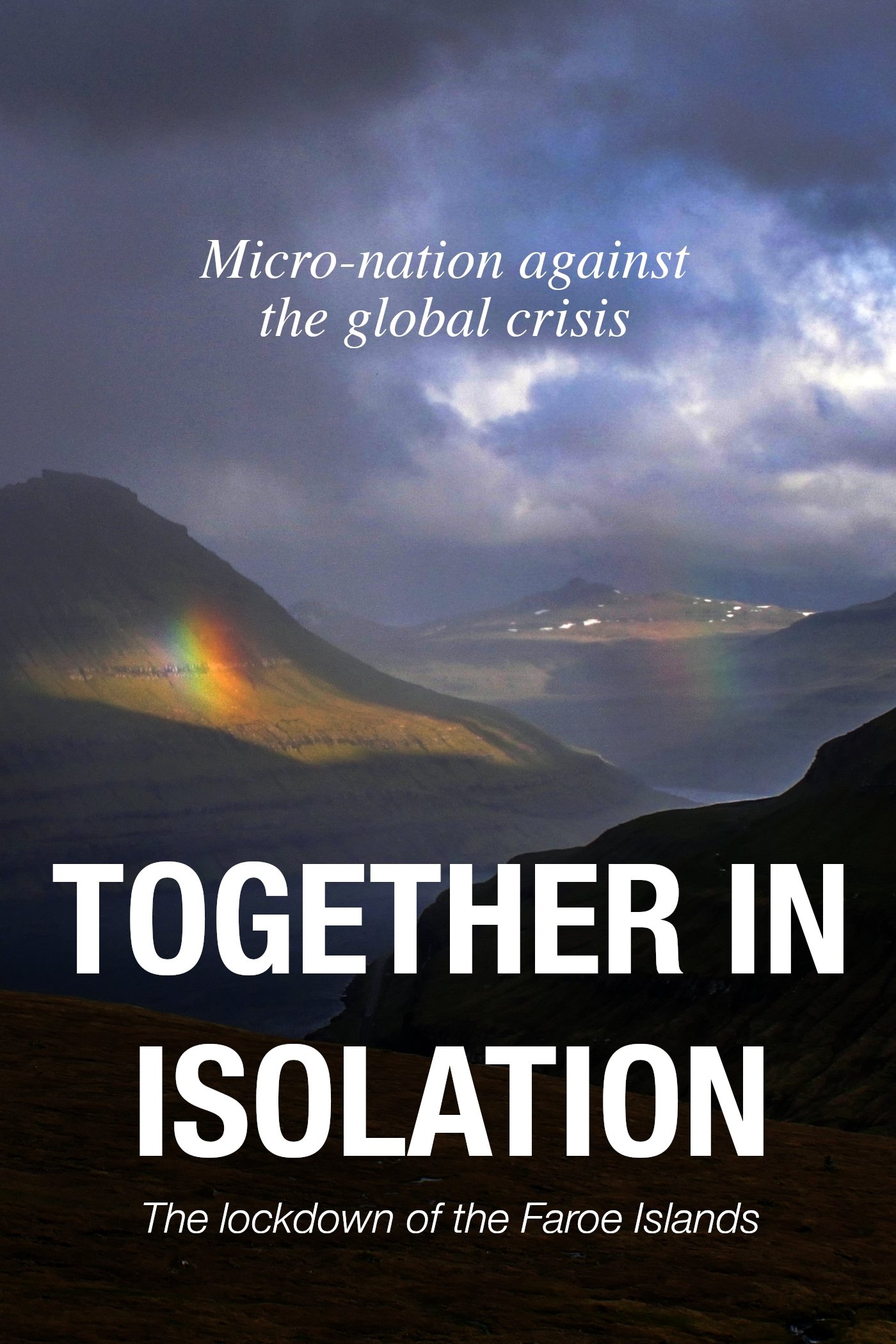
For almost one hundred days the Faroe Islands - a small and isolated Atlantic nation - were under the initial lockdown, struggling together to avoid fatal consequences of the COVID-19 pandemic.
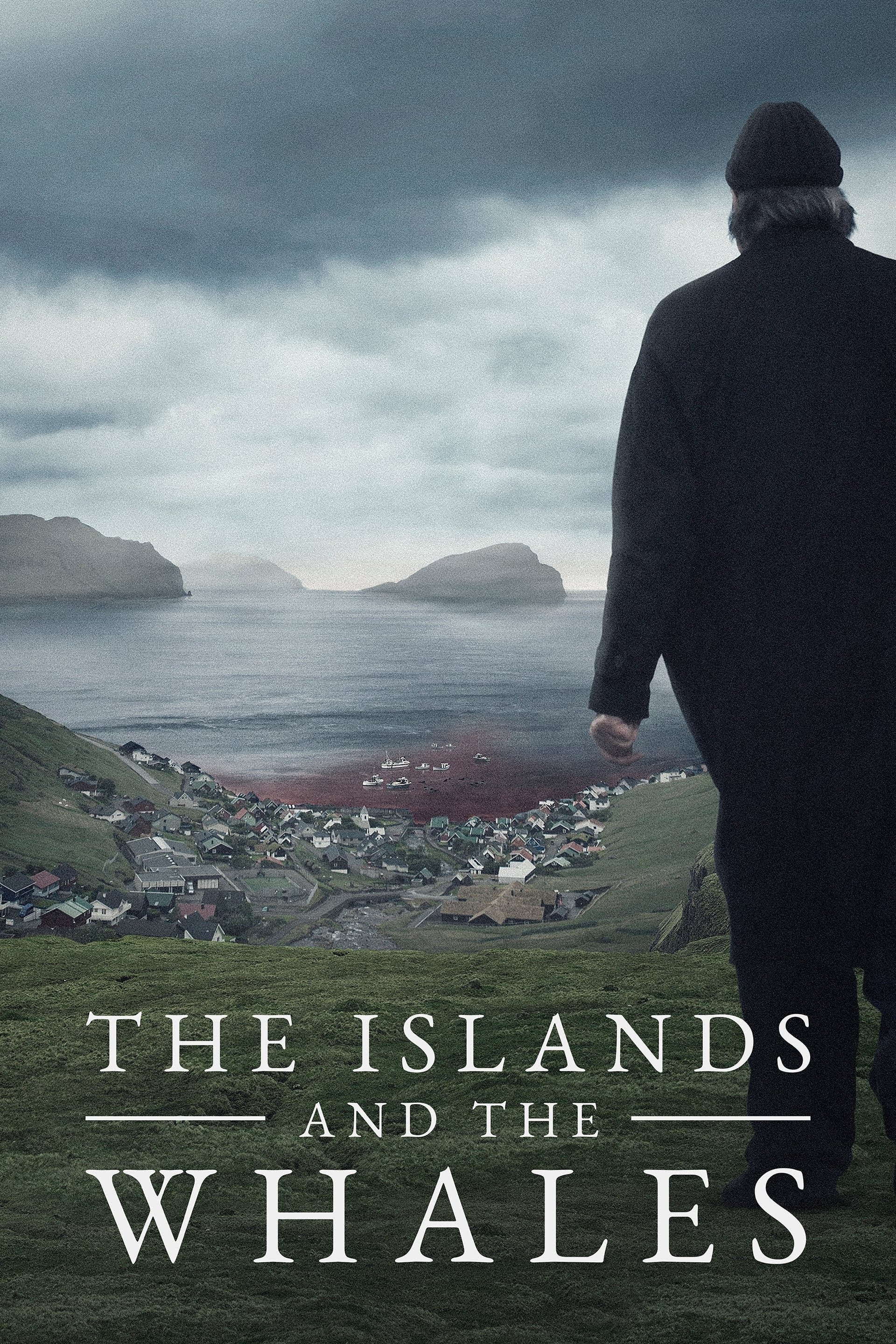
The whale hunters of the Faroe Islands believe that hunting is vital to their way of life, but, when a local professor makes a grim discovery about the effects of marine pollution, environmental changes threaten their way of life forever.
The film depicts life in the Faroe Islands in the 1960s. It's a small society that has maintained its connection to the past, with old customs and ways of life, despite significant developments in trade and industry. Here, fishing remains one of the fundamental pillars of the Faroese economy. The film follows five men, crew members on the same trawler, from the moment they leave their homes in five different places in the Faroe Islands until they meet in the capital, Tórshavn, after long and difficult journeys to set sail on the trawler.
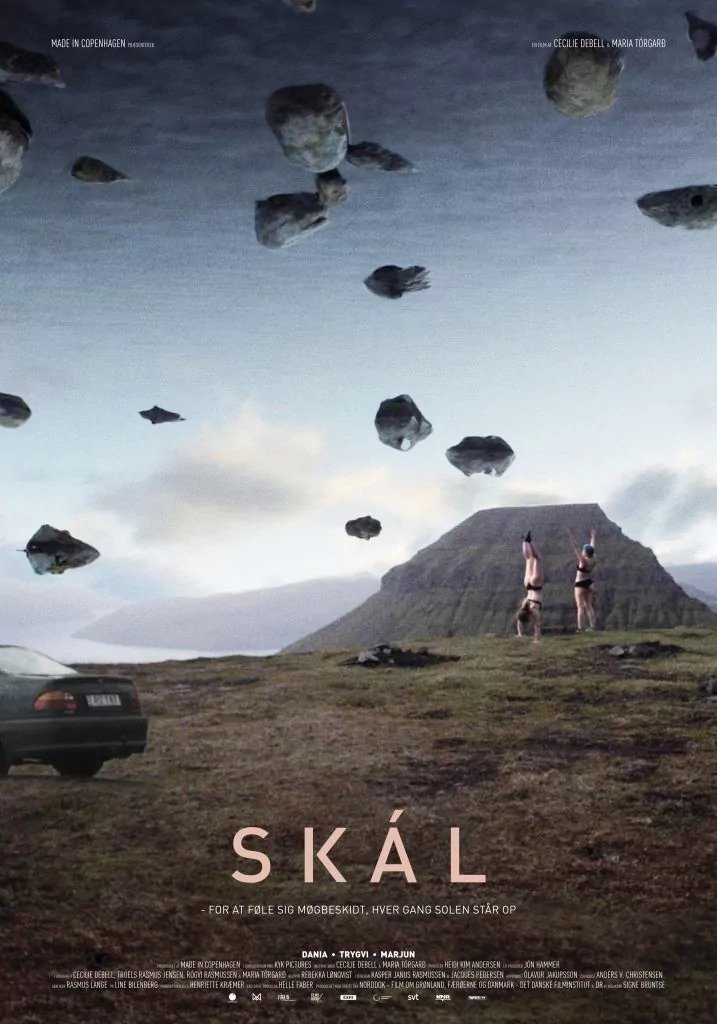
Dania is 21 years old and grew up in a Christian community in the Faroe Islands’ Bible belt. She has just moved to Tórshavn and is seeing Trygvi, a hip-hop artist and poet locally known as Silvurdrongur (Silver Kid). He comes from a secular family and writes poems and texts about the shadow sides of humanity. Dania herself sings in a Christian band but is fascinated by Trygvi’s courage to write brutally honest lyrics. As she tries to find her place in the world and understand herself, she starts to write more personal texts. Her writings develop into a collection of critical poems called ‘Skál’ (‘Cheers’), about the double life that she and other youths must live in the conservative Christian world.
Explores the Faroe Islands' complex ties to wildlife, from traditions like the "Grindadráp" dolphin hunt, or the treament of sheep and young bids, to issues like salmon farming, industrial fishing, and pollution. Each year, Captain Paul Watson's team document these practices in this autonomous Danish territory. Featuring unseen footage, the film brings together voices from activists, hunters, scientists, industry leaders, and locals, fostering dialogue between opposing perspectives.
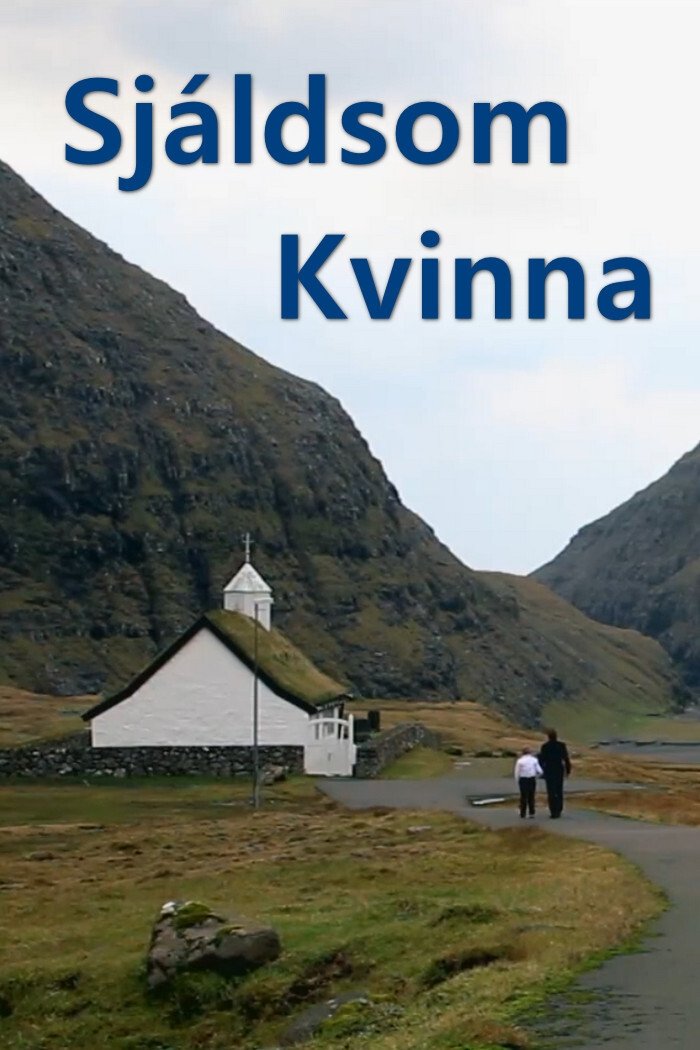
Seals were believed to be former human beings who voluntarily sought death in the ocean. Once a year, on the Thirteenth night, they were allowed to come on land, strip off their skins and amuse themselves as human beings, dancing and enjoying themselves. This short film explores the legend of Kópakonan, literally meaning “the Seal Woman”, one of the best-known folktales in the Faroe Islands.
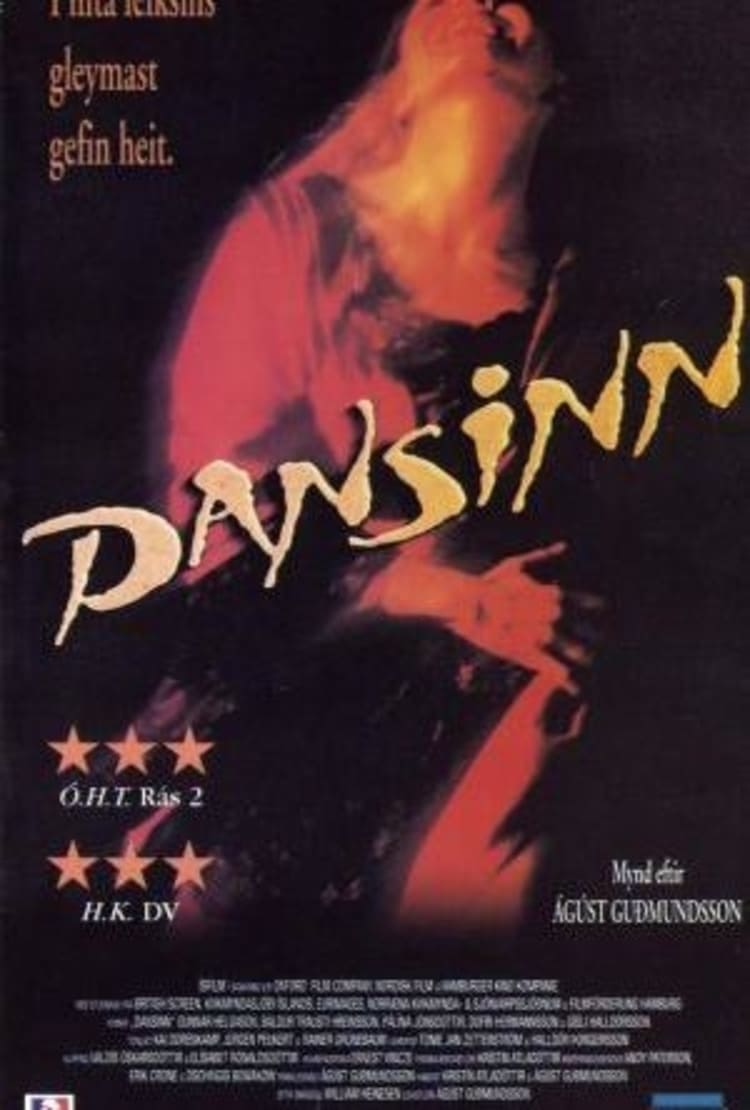
Águst Guðmundsson directed this Icelandic period drama, adapted from the short story We Must Dance by William Heinesen, and set on an island in 1913. Pétur (Gunnar Helgason) narrates, recalling the days when mainlanders arrived for a wedding. Flirtatious Sirsa (Pálína Jónsdottir) marries Harald (Dofri Hermannsson), son of a wealthy landowner on the island. Offshore, a ship is sinking, so the men form a rescue party, returning with the captain, the engineer, and several sailors. With a storm gathering, the engineer dies. The clergyman requests an end to the festivities as a mark of respect. Sirsa protests, but her new husband brings the celebration to a halt. The group then fragments into different activities, drunken or otherwise, and the sensual Sirsa directs her attention toward the handsome Ívar (Baldur Trausti Hreinsson). The film's score features traditional folk music.
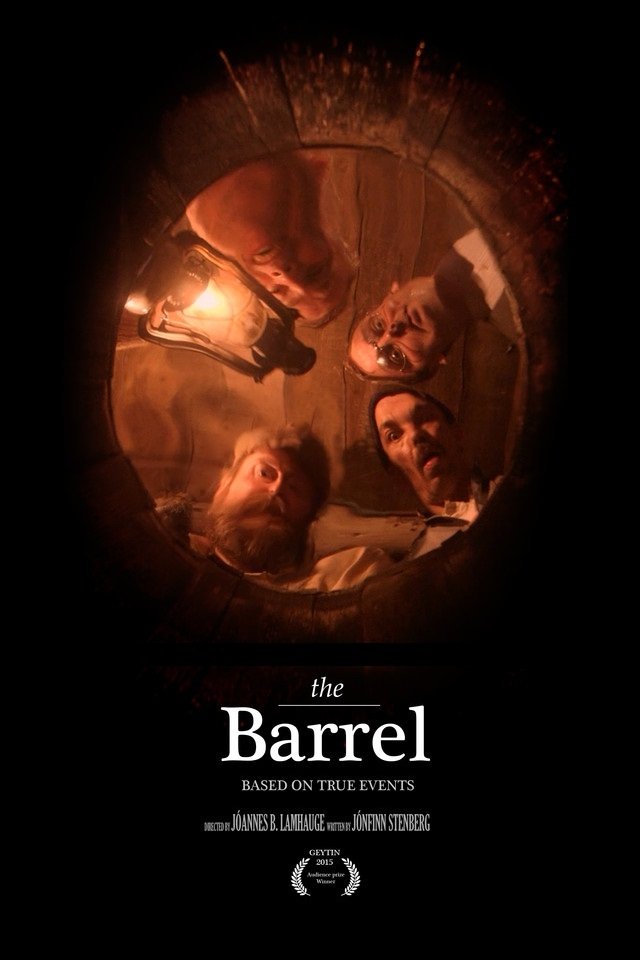
In a small Faroese village, four men find a sealed liquor barrel washed ashore at low tide. They hustle the heavy barrel into a basement, away from the prying eyes. Soon, however, the sneaking suspicion arises that instead of liquor, the mysterious barrel might in fact contain something else. Tensions run high as the host, Símun, eventually has to handle both the negotiations down in the basement, as well as his distrustful wife upstairs.
1862. Baldur lives a fisherman’s life on the isolated Faroe Islands far to the north in the Atlantic Ocean. His world is turned upside down when a stranger arrives: Helge, a rugged whaler, who awakens deep emotions within him. A mutual attraction starts to grow. When tragedy strikes, their forbidden passion unleashes natural forces so disturbing that the villagers rally to keep evil at bay. But Baldur and Helge refuse to let their love be buried. They will fight till the end – and after.
TÝR delivers a stunning show performed live with the Symphony Orchestra of the Faroe Islands. This special event was recorded at The Nordic House in Tórshavn, the Faroes on February 8th, 2020. This seismic live album will be available on Metal Blade Records on 2 LP (gatefold, with insert, poster, digital download), a 2 CD/DVD digi-book set with 12-page booklet, and everywhere digital music is sold on March 18th, 2022.
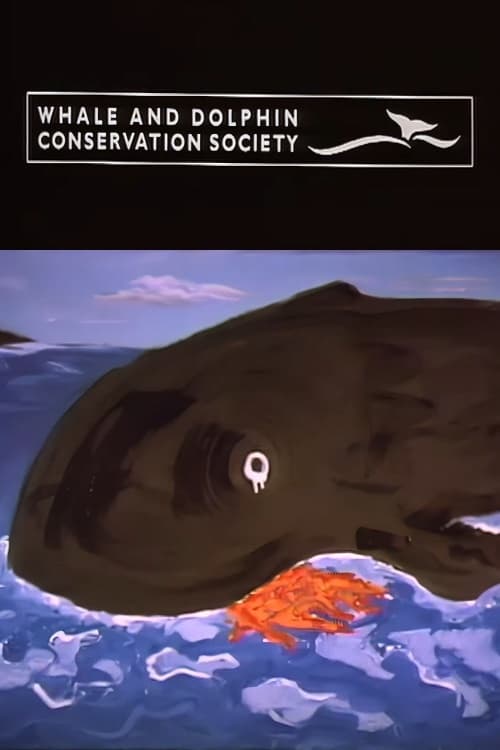
Featuring the voiceover of Sir Anthony Hopkins, this public information film from the Whale and Dolphin Conservation Society starts out rather innocently with beautiful hand-painted animation. It describes how once a year a large group of pilot whales swim to a small group of islands known as the Faroe Islands.
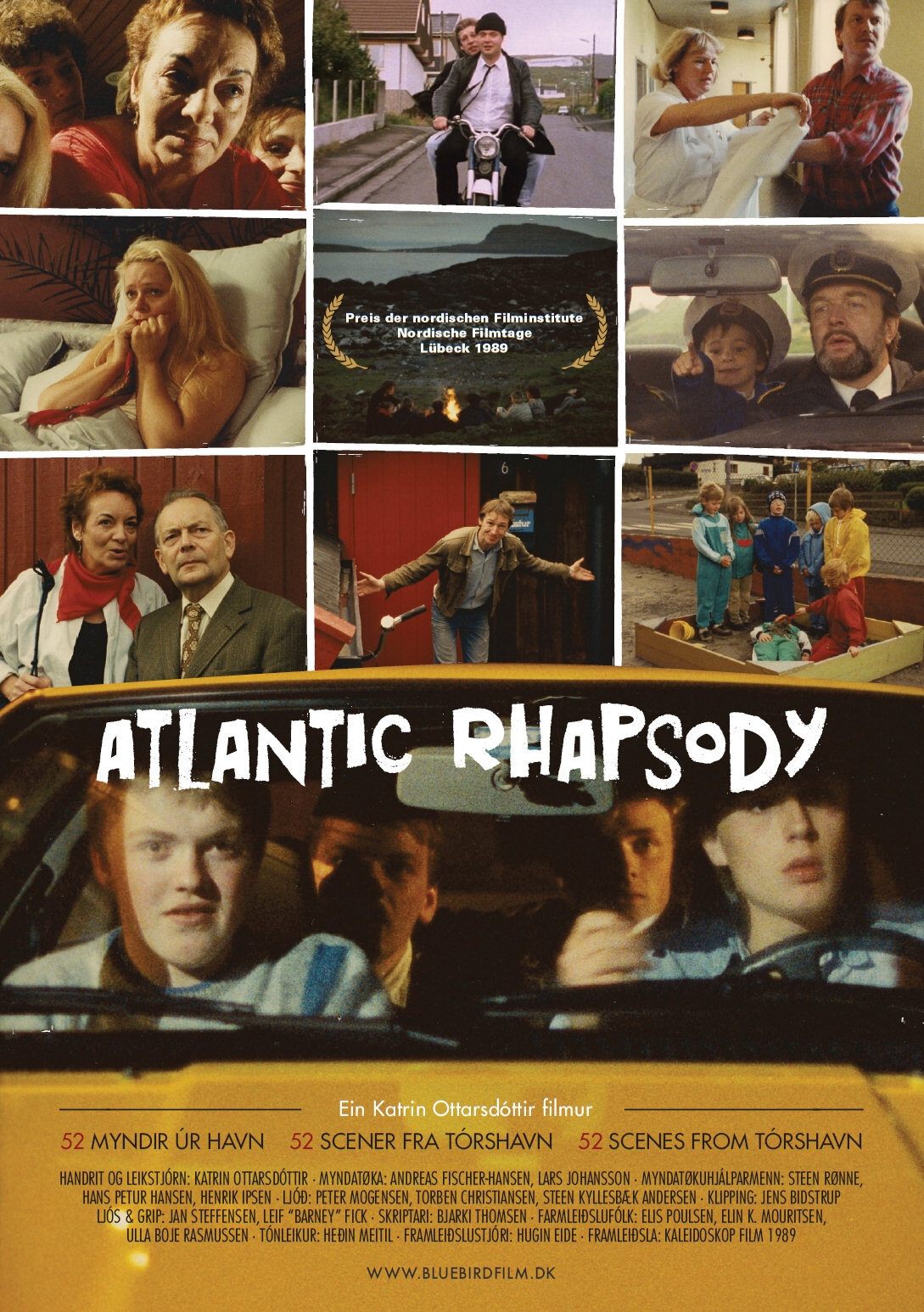
Presents a day in the life of a few inhabitants of Tórshavn in the Faroe Islands: A father and his daughter are having breakfast when the fire-brigade drive by. A woman and her child are looking at the fire and meet a married couple. The couple say hello to a man who is going out with his boat... and so on.
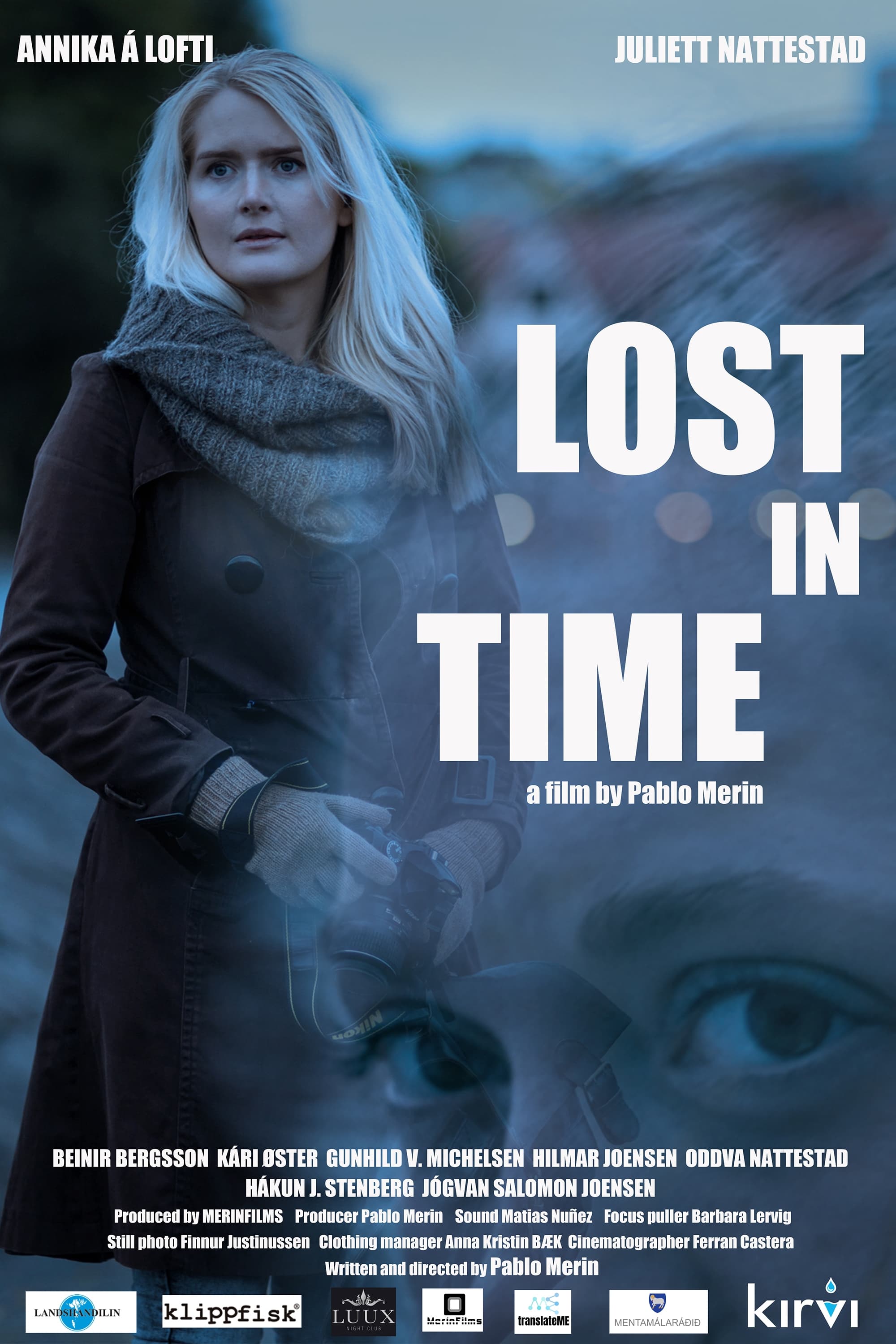
Agnes Peterson is a student of journalism. Maria Guttesen suddenly disappeared in 1966 when she was 20 years old. 50 years later, Agnes will undertake an investigation to fulfill her grandfather's dream; to find his sister Maria, dead or alive, and solve the mystery of her disappearance. Jákup Jacobsen, a famous writer in Europe, was one of the main suspects, but evidence was never found against him. His latest published book talks about kidnappings of women. Agnes will move between reality and fiction to solve the case.
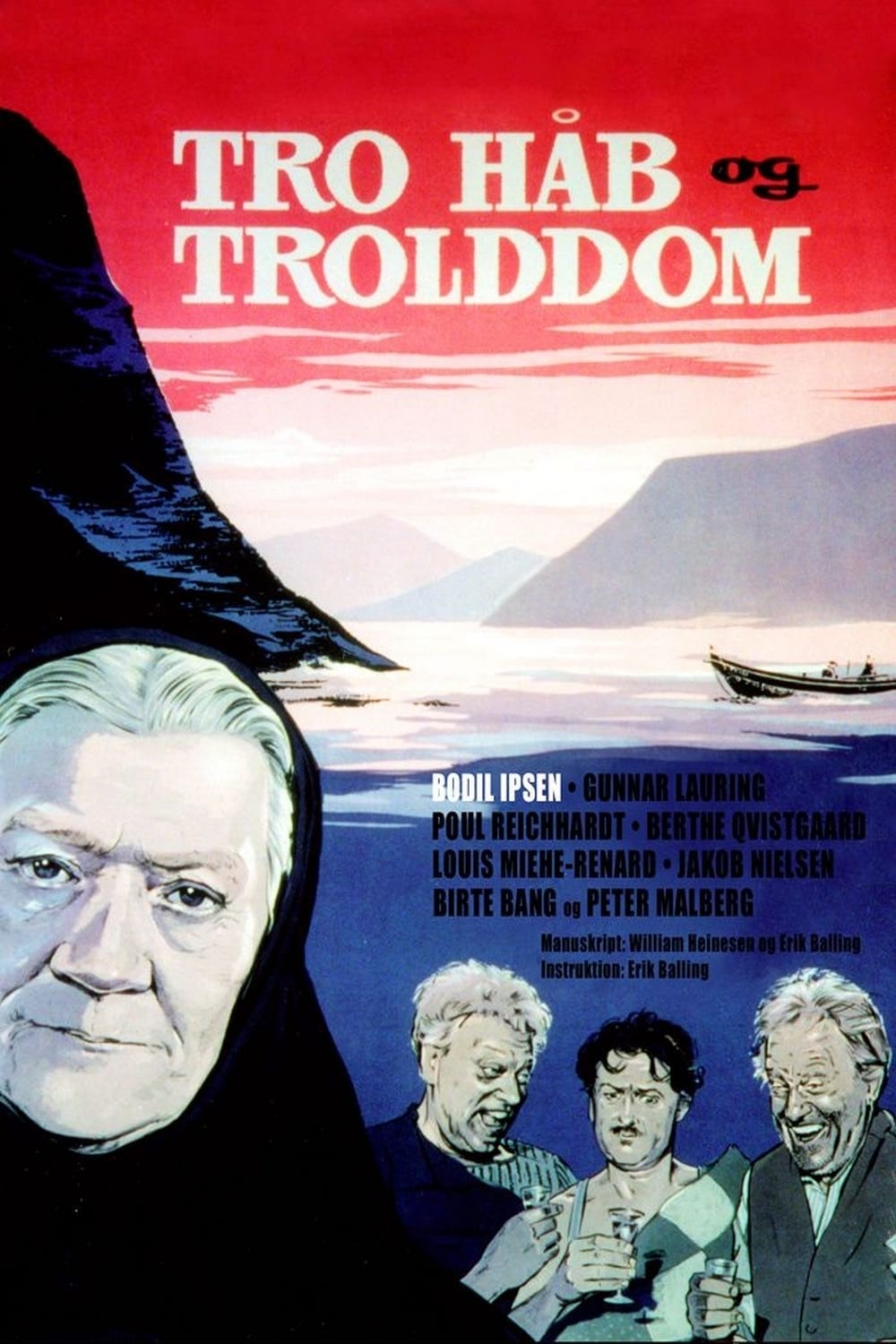
In the northern part of the Atlantic Ocean on the island of Troldø lives a single farming family. The grandmother Gunhild is the only woman on the island and her son Enok is unable to find a wife. Gunhild's advanced age causes her to worry for the future of the family. So she initiates a plan to get Enok married, a plan that is put into action when the young Eva becomes stranded on the island. But the community must be shaken by several dramatic events before Gunhild can breathe a sigh of relief.
A string of threatening emails escalates into a revenge plot involving a newly married US marshal and his ex-girlfriend.
In an intimate and joyful story of love in the face of loss, celebrated poets Andrea Gibson and Megan Falley find strength—and unexpected hilarity—in what might be their final year together.
A comedic, brutally honest documentary following self-destructive TV writer Dan Harmon as he takes his live podcast on a national tour.
Unravel the case of Utah therapist Jodi Hildebrandt, whose child abuse arrest with parenting YouTuber Ruby Franke exposed a twisted tale of manipulation.
An inside look at one of the most anticipated movie sequels ever with James Cameron and cast.
The film follows adventurer Jeff Johnson as he retraces the epic 1968 journey of his heroes Yvon Chouinard and Doug Tompkins to Patagonia.
Those who knew iconic funnyman John Candy best share his story, in their own words, through never-before-seen archival footage, imagery, and interviews.
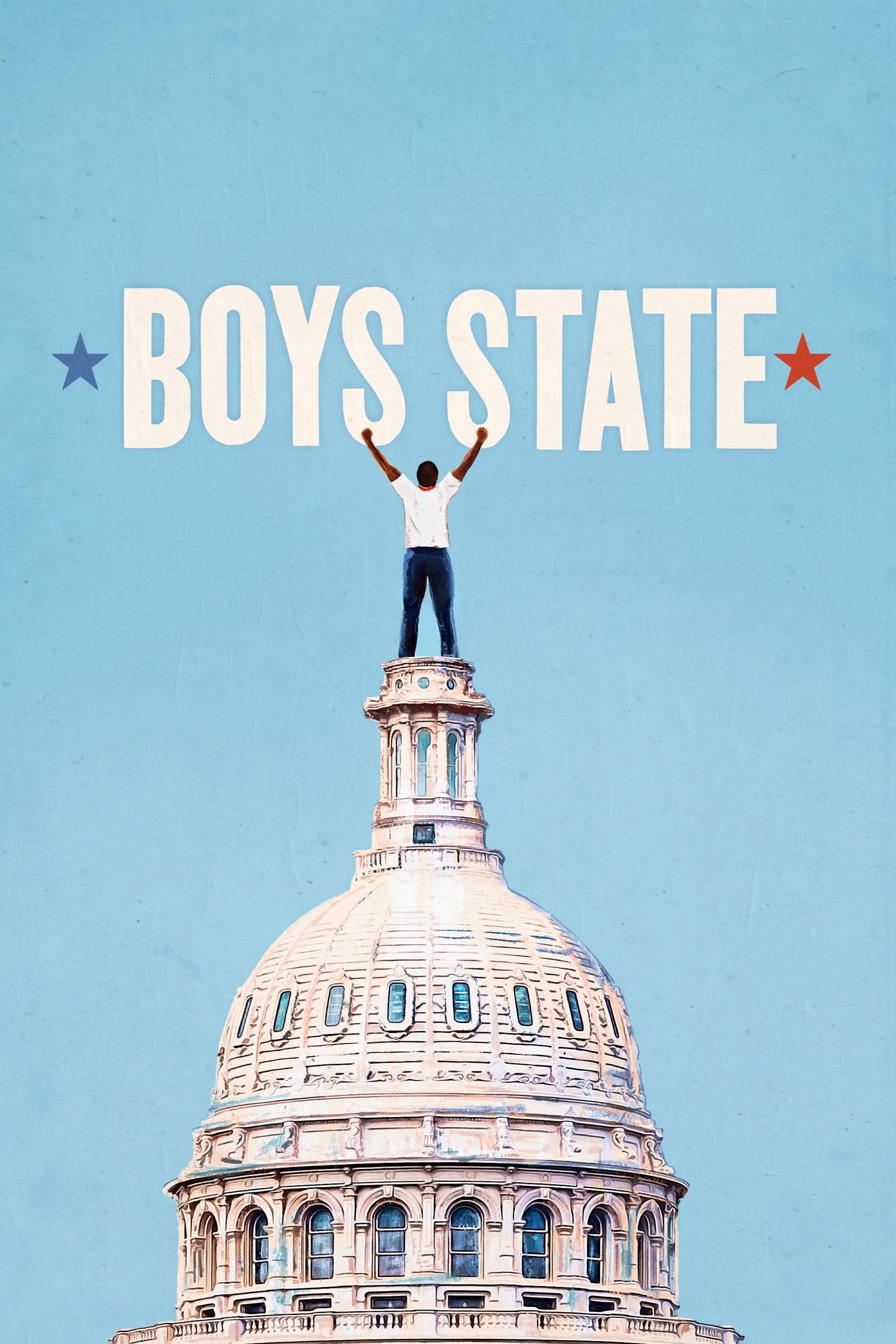
This raucous journey into the heart of democracy captures an unusual rite of passage: 1,100 teenage boys from across Texas coming together to build a representative government from the ground up.
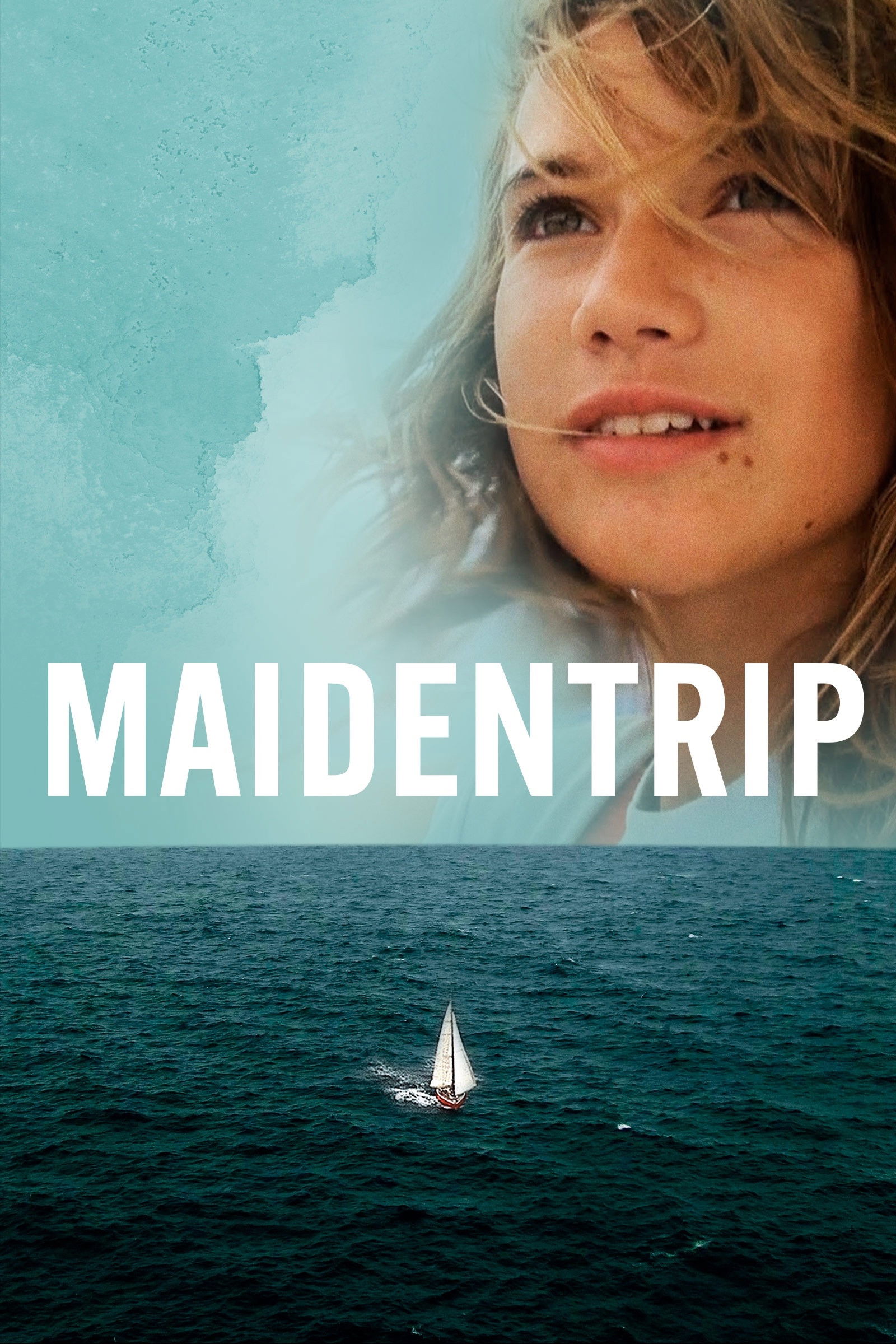
14-year-old Laura Dekker sets out on a two-year voyage in pursuit of her dream to become the youngest person ever to sail around the world alone.
Director Michael Apted revisits the same group of British-born adults after a 7 year wait. The subjects are interviewed as to the changes that have occurred in their lives during the last seven years.
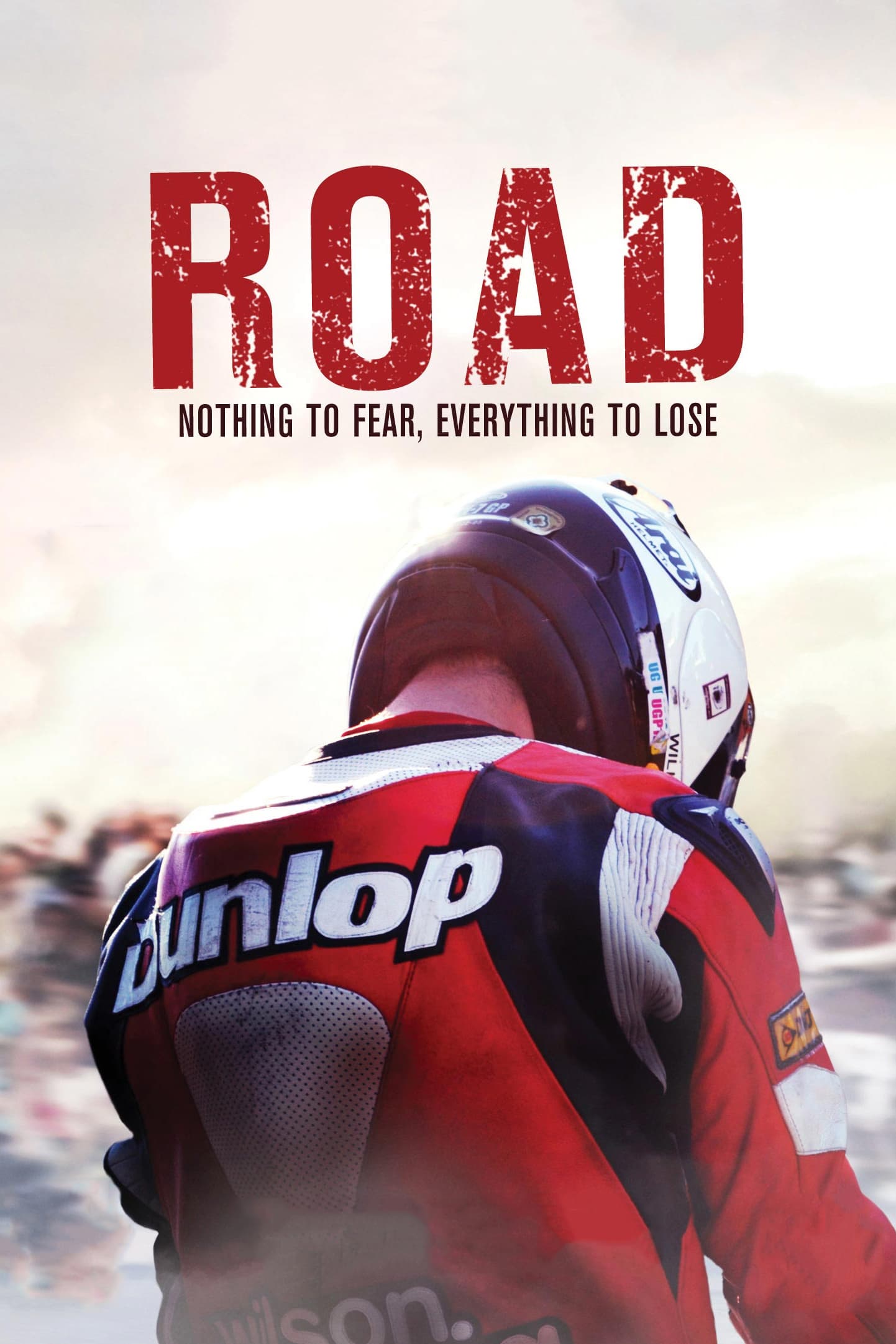
Brothers addicted to speed at any price. Documentary following the motorcycle road racing careers, and fate, of the Dunlop family.
Rising musician Jeff Buckley had only released one album when he died suddenly in 1997. Now, never-before-seen footage, exclusive voice messages, and accounts from those closest to him offer a portrait of the captivating singer.
A teen slams her car into a building, killing her boyfriend and his friend. What seems like a tragic accident becomes a murder case.
Just two years away from turning 30, participants in Michael Apted's documentary series are facing serious questions of identity and purpose, wondering whether they've found their place in the world.
As England reach the final of the Euros at last, 6,000 ticketless football fans storm Wembley stadium, leaving destruction in their wake.
A look at the "Hell House" performed annually in October by the youth members of Trinity Church (Assemblies of God) in Cedar Hill, Texas (a Dallas suburb) — seen by over 10,000 visitors each year.
Through deeply personal interviews with her siblings and an examination of the photographs, letters, and belongings left behind, Mariska assembles a new portrait of her mother Jayne Mansfield, an extraordinary and complex woman.
Join the likes of Jeremy Renner, Hailee Steinfeld, Florence Pugh, and Vincent D’Onofrio as they reveal how Marvel Studios’ “Hawkeye” was conceived and created. Witness firsthand what it took to pull off the show’s pulse-pounding action set pieces, and discover how iconic characters from the pages of Marvel Comics such as Kate Bishop were adapted and brought to life for the six-episode series.
Vulgar, taunting texts blow up the phones of a teen and her boyfriend. Who's sending them — and why? This twisty documentary reveals the shocking answer.
From the heights of her modeling fame to her tragic death, this documentary reveals Anna Nicole Smith through the eyes of the people closest to her.