Social & External
The people behind it
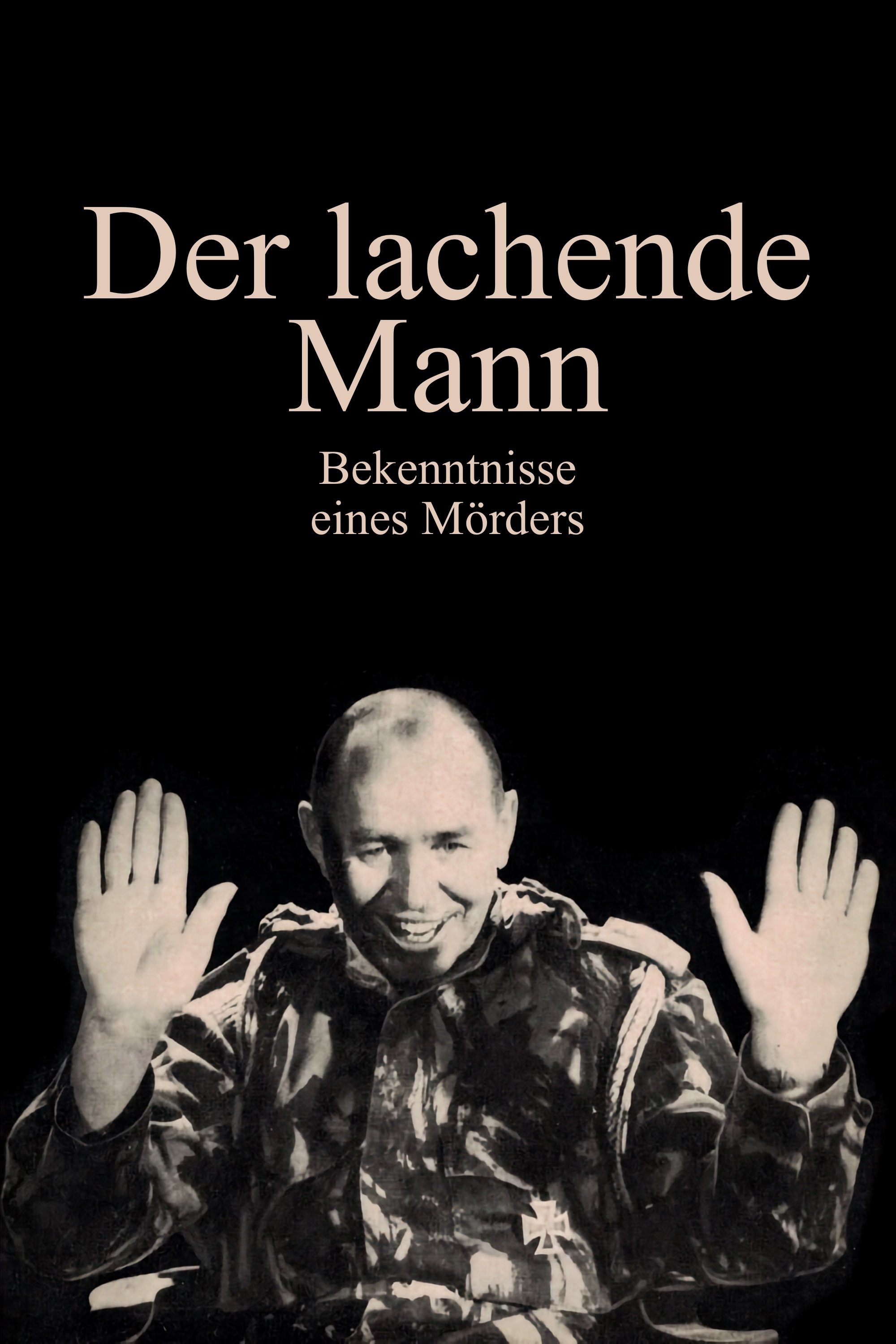
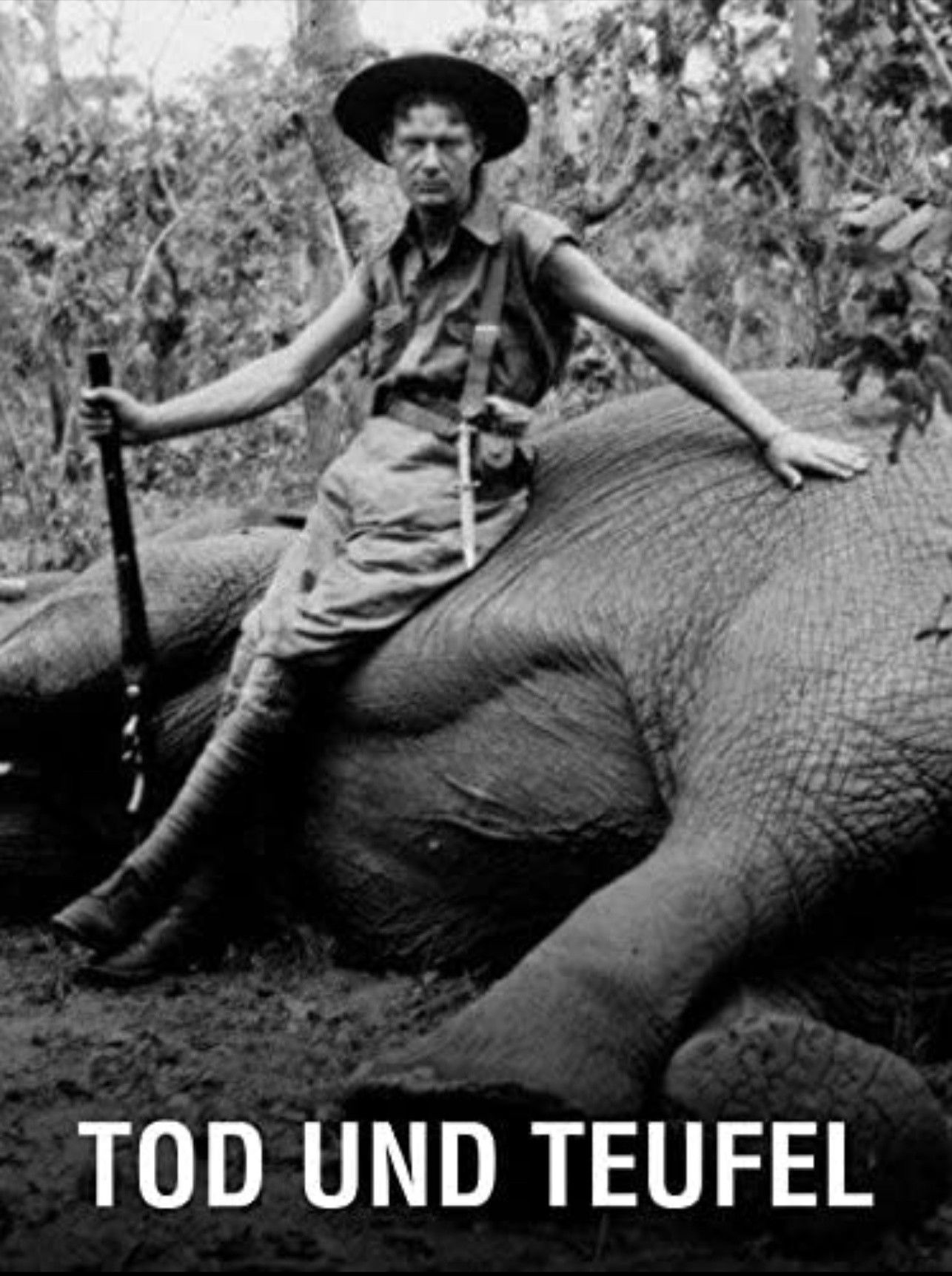
Posing as West German journalists, East German documentary filmmakers Heynowski and Scheumann pay a visit to the notorious Nazi-turned-mercenary Siegfried “Kongo” Müller, pump him with booze, and get him to talk about his life and war campaigns in Africa.
The trial of the Nazi invaders in Kharkov.
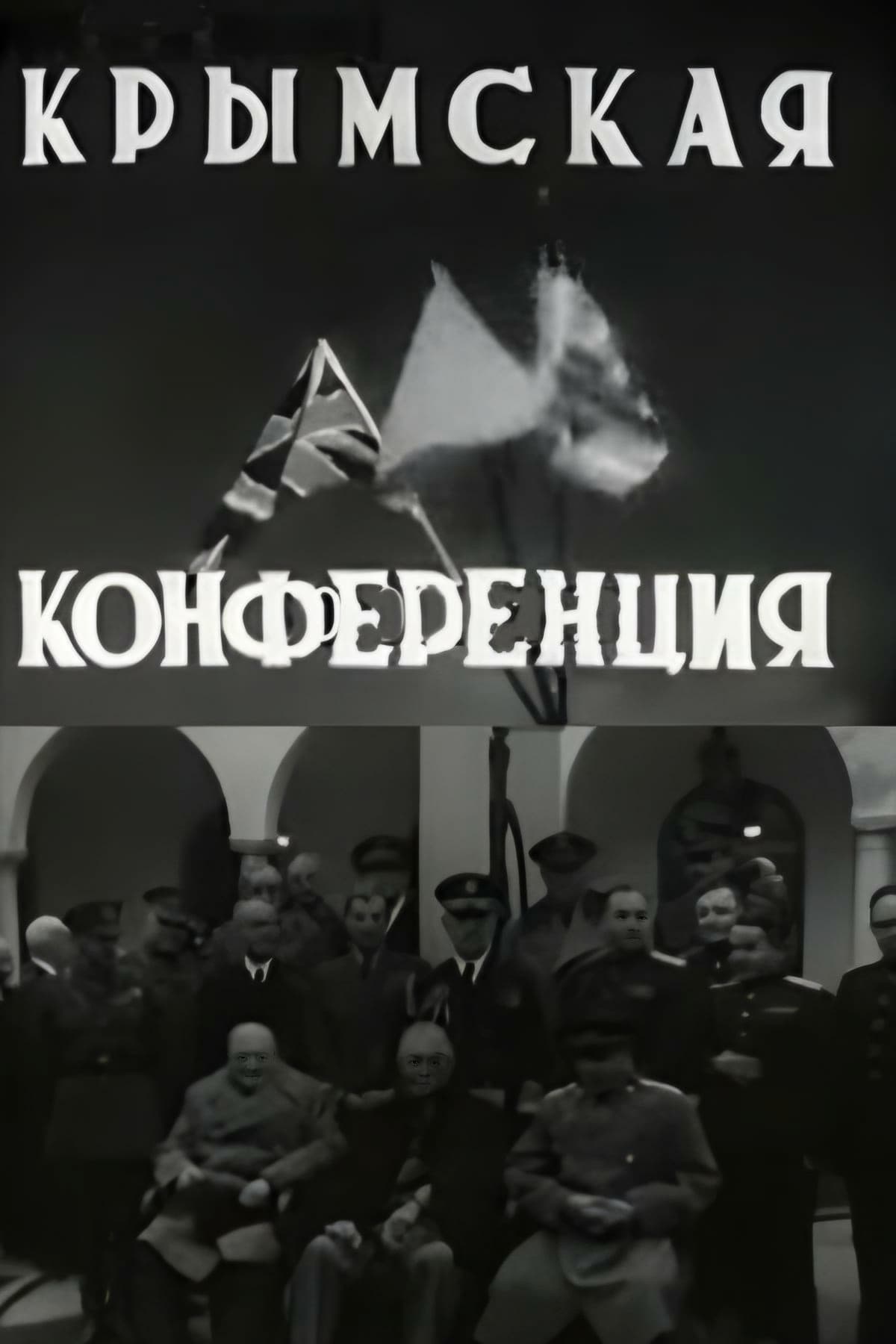
The Crimean (Yalta) conference of the leaders of the three powers - allies in the Anti-Hitler coalition was held from February 4 to February 11, 1945 in the Livadia Palace near Yalta.
Ethnologist and adventurer, Count Eric von Rosen was a man of contradictions: interested in the natives of Africa and colonial racism. Nestler embarks on a journey in search of his grandfather.
Hundreds of thousands − perhaps even millions − of protestors have taken to the streets of Hong Kong since early June. Sparked initially by the government's plans for a controversial extradition bill, the movement has now transformed into a broader push for greater freedoms and democracy, with anger over police brutality fuelling a cycle of violence. The protests are Hong Kong's biggest challenge to Beijing since its return to China in 1997. If We Burn looks at the movement through the eyes of Hong Kongers whose fates, like their city's future, now hang in the balance.
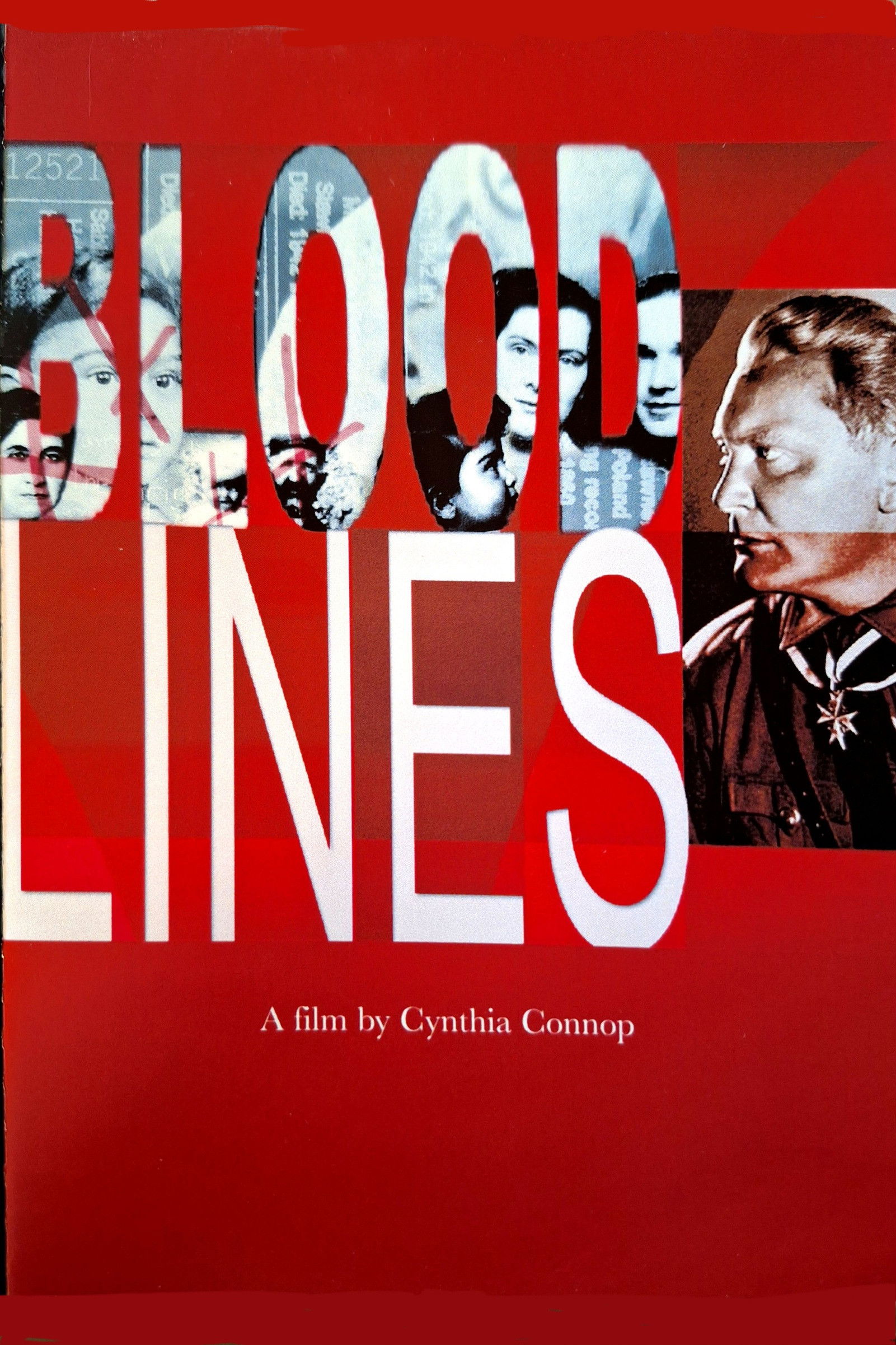
A moving meditation on guilt and reconciliation, Bloodlines explores the unwritten cost of war and genocide on future generations - of both victims and perpetrators. As Bettina Goering, grandniece of Nazi war criminal Herman Goering, searches for a way to come to terms with her heritage, she meets Ruth Rich, a painter and daughter of Holocaust survivors. At a time when seemingly irreconcilable divisions between groups are tearing the world apart, this deeply hopeful film is a beautiful testament to the power of dialogue and post-conflict reconciliation.
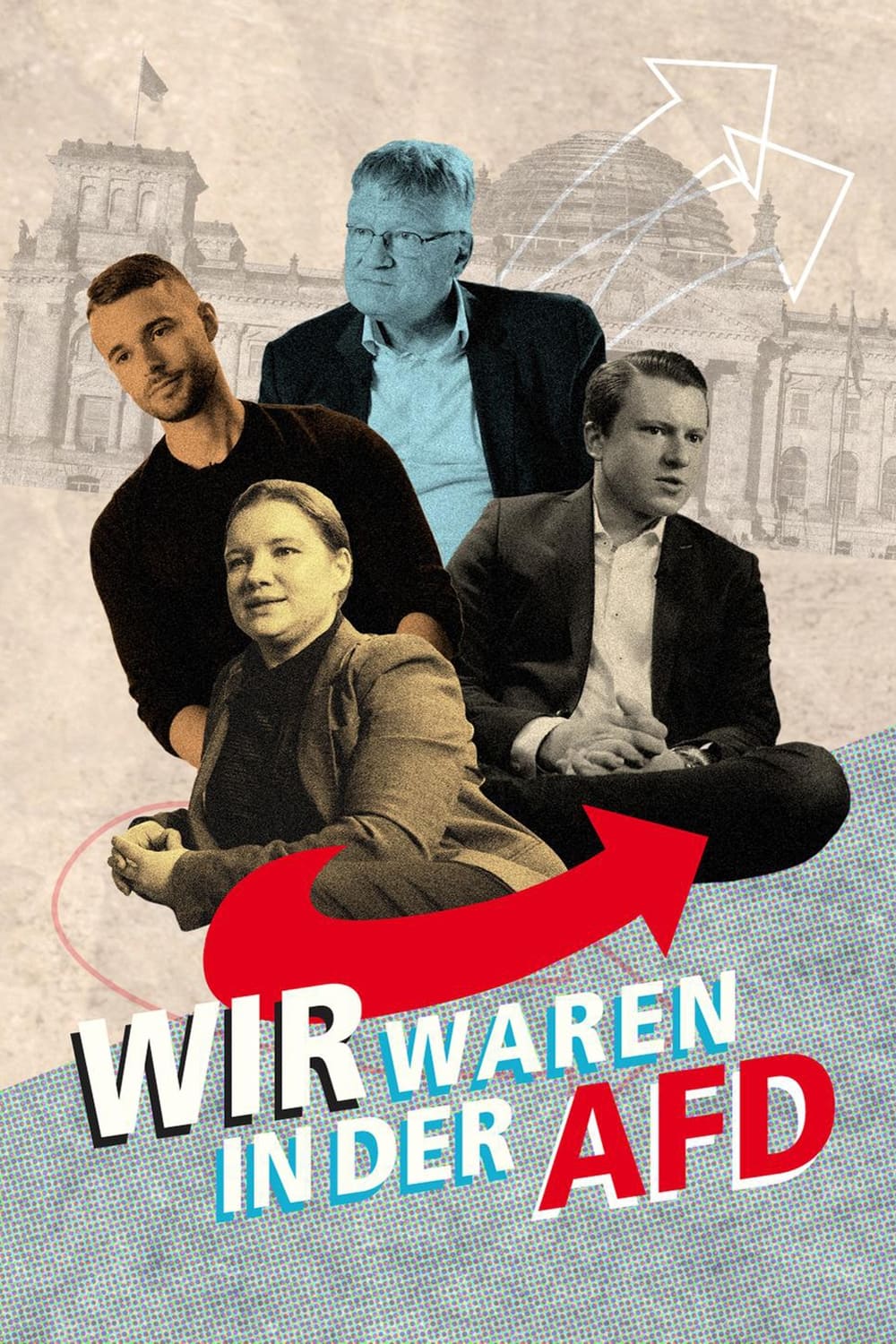
The AfD, founded in 2013, is a right-wing party that has become increasingly radicalized in recent years. To illustrate this, only those who enthusiastically joined the party in its early years are heard. They describe what they looked for and found in the party, but also how and why they left, disillusioned and frightened by the AfD's developments. How did they experience the party's radicalization process? How did friends and family react? When and why did they decide to turn their back on the party? How difficult was the exit process? The documentary provides an illuminating inside view of this party, which has been driving the established parties and the political establishment ahead of it for over ten years, gives viewers a unique look into the AfD's chronicle and world of thought and is at the same time a film about the mechanisms of political radicalization.
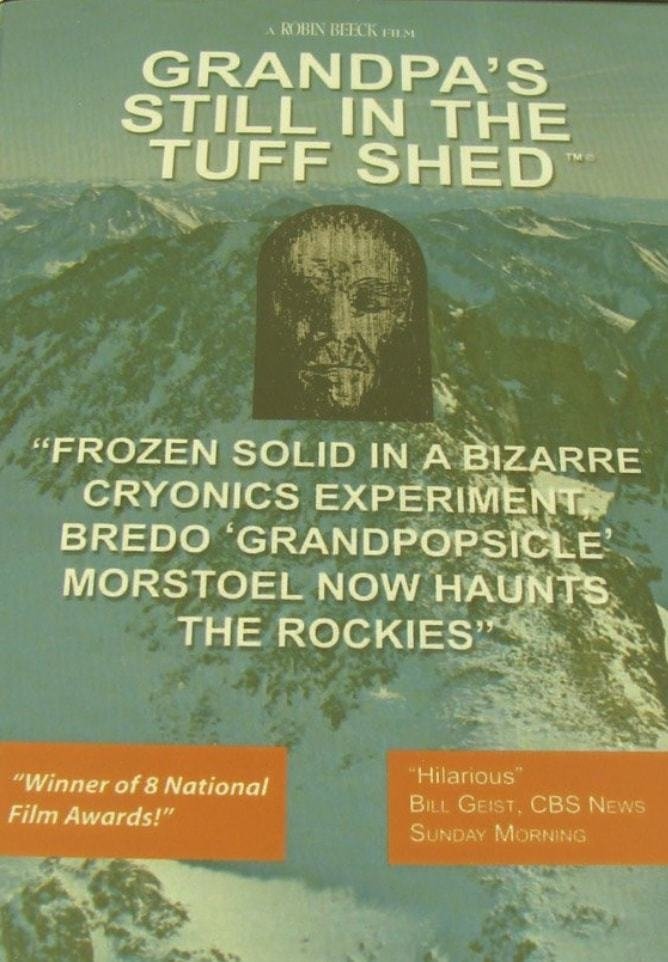
Award winning documentary filmmakers, Robin, Kathy and Shelly Beeck, with the help of filmmaker Michael Moore, have spent the last five years filming a 60-minute feature-length documentary on Bredo Morstoel, a Norweigan who was frozen by his grandson in 1983. Since then, the world famous...well...stiff has been lying under 800 pounds of dry ice in a TUFF SHED behind his grandsons' castle-like house in the 9000-ft Colorado ski town of Nederland. The grandson, Trygve Bauge, has long since been deported back to Norway, but Grandpa Bredo has remained, unwittingly becoming a worldwide symbol of the legal rights of the temporarily dead....
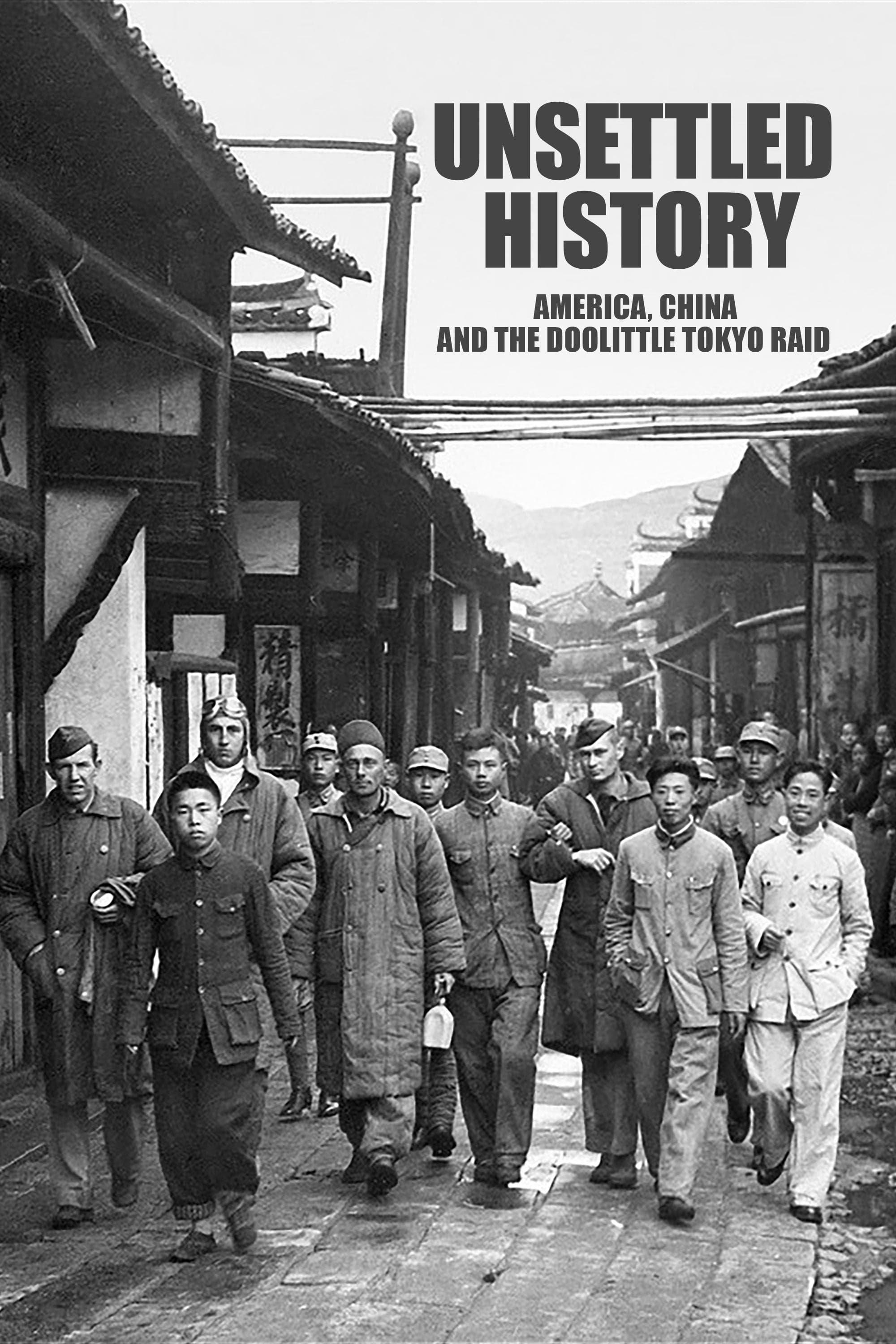
Doolittle's Raiders pull off a one-way bombing run over Tokyo and ditch their planes in and along the coast of China, where they are rescued by Chinese villagers, guerrillas, and missionaries. That generosity triggers horrific retaliation by the Japanese that claims an estimated quarter-million lives and prompts comparisons to the 1937-38 Rape of Nanking. The memory of the Raiders and their rescuers is kept alive by their children and grandchildren.
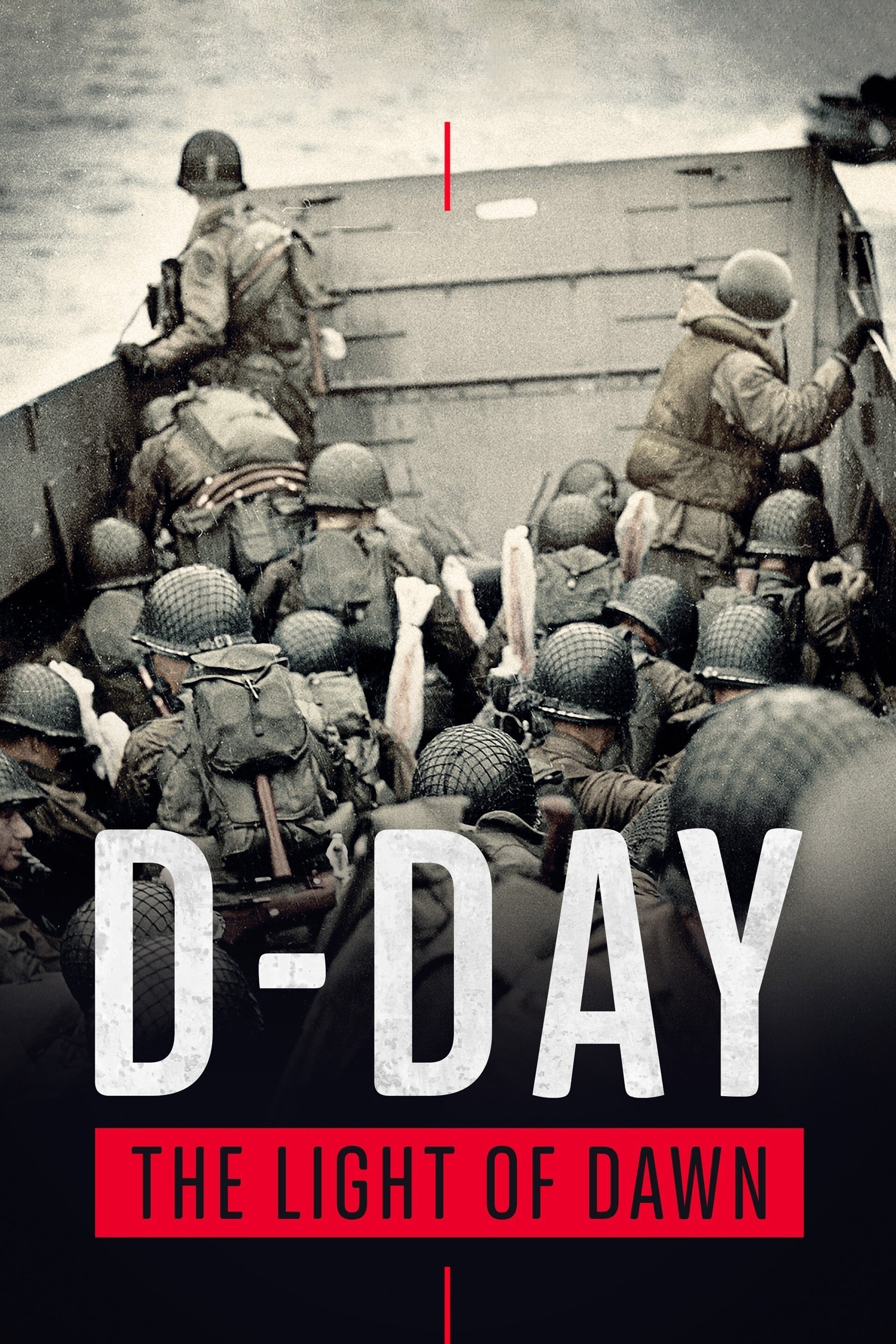
The Normandy landings of 6 June 1944 were pivotal to the outcome of WW2. We learn when Churchill and Roosevelt first proposed the operation and how preparations started—finishing with the key events of D-Day and the far-reaching effects of its outcome.
TV-Documentary on German history
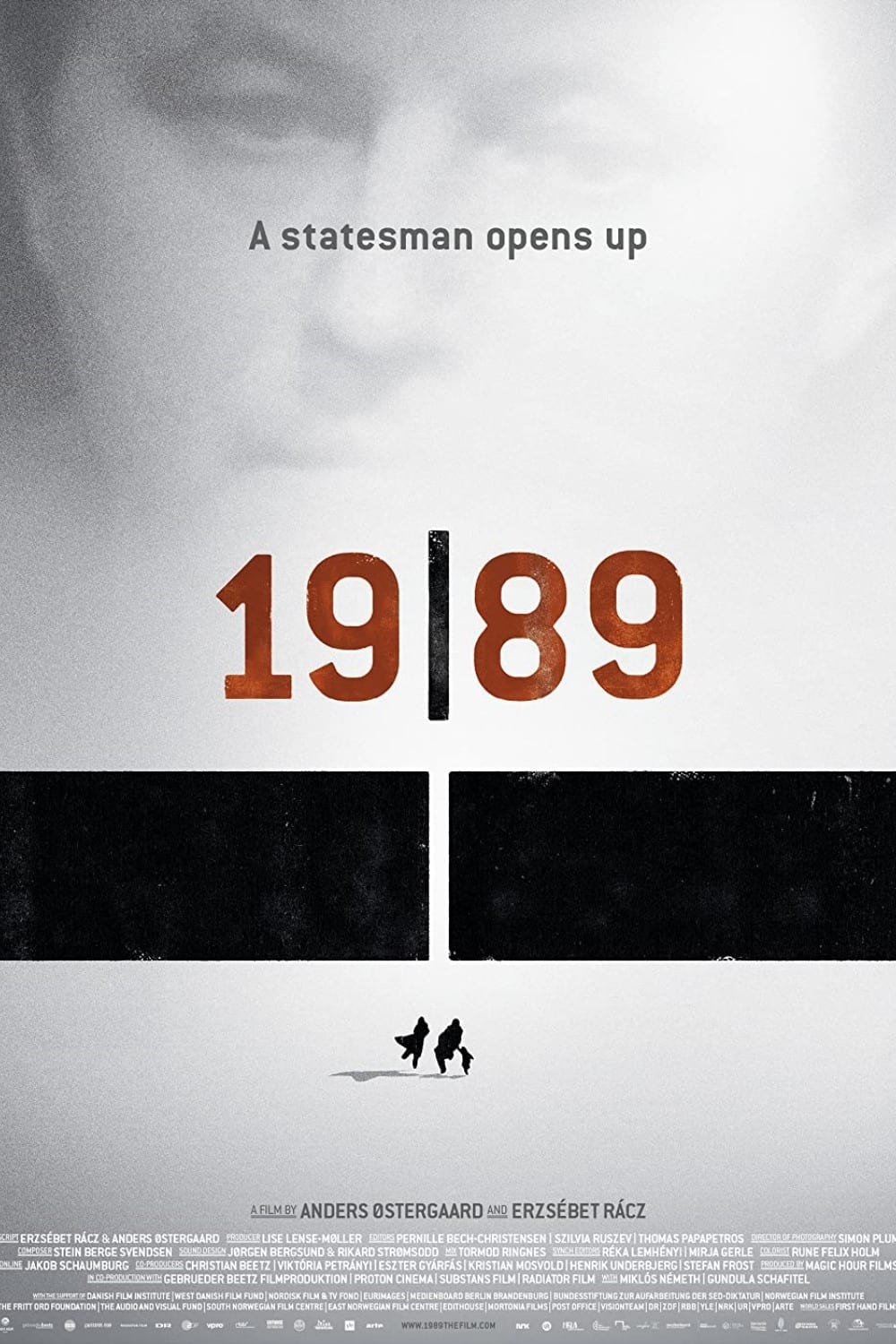
Anders Østergaard’s film is an investigative look at the year the Berlin Wall fell, documenting the events that took place in Hungary as a prelude to the dramatic changes in November 1989. The director recreates the events and leads the audiences deep into the politicians’ secret meeting rooms by using a mix of interviews, archive material and reconstructed scenes and dialogues.
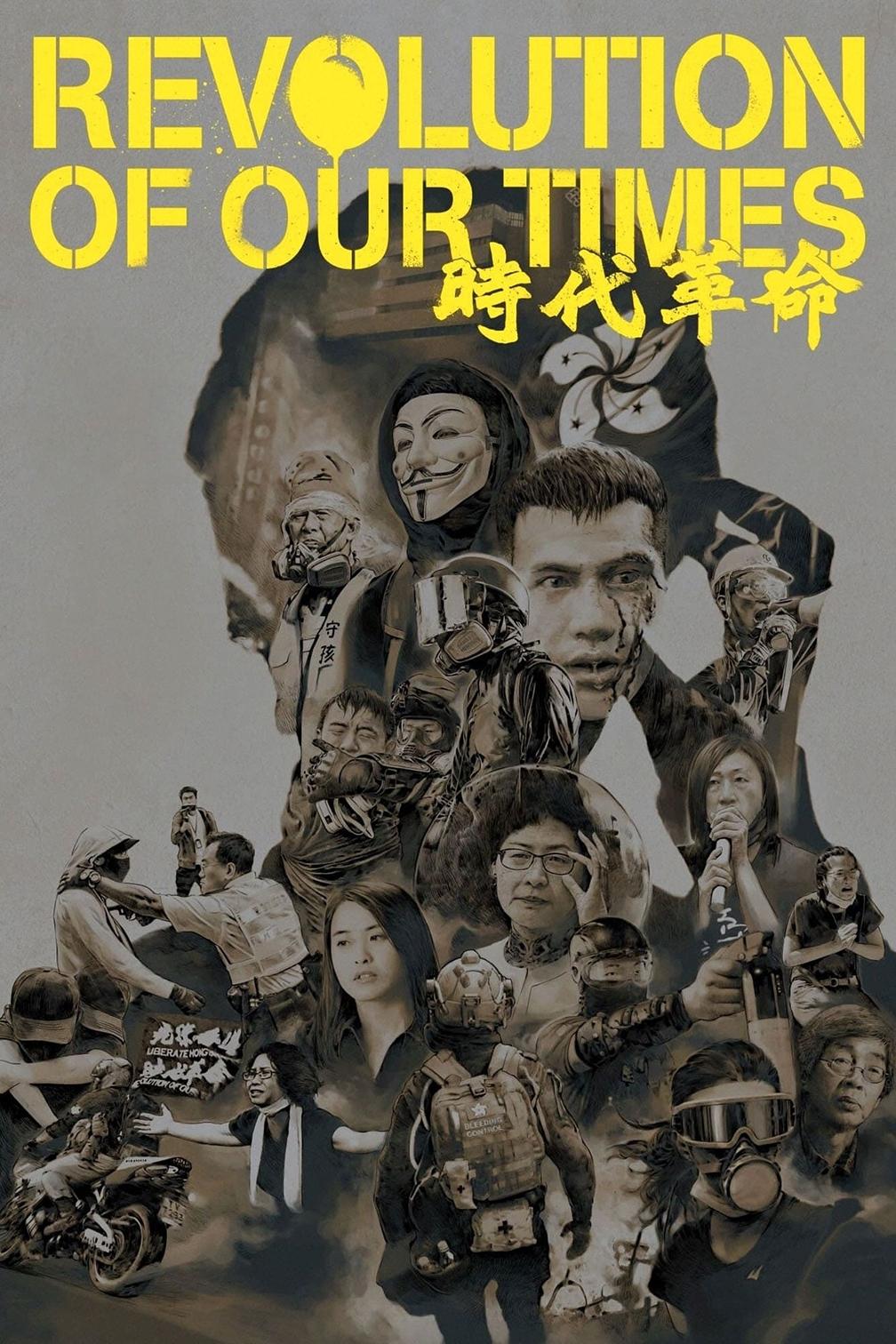
Throughout Hong Kong’s history, Hongkongers have fought for freedom and democracy but have yet to succeed. In 2019, a controversial extradition bill was introduced that would allow Hongkongers to be tried in mainland China. This decision spurred massive protests, riots, and resistance against heavy-handed Chinese rule over the City-State. Award-winning director Kiwi Chow documents the events to tell the story of the movement, with both a macro view of its historical context and footage and interviews from protestors on the front lines.
For twelve years he stood as America's 32nd President, a man who overcame the ravages of polio to pull America through the Great Depression and WWII. From his legendary Fireside Chats to his sweeping New Deal, Franklin Delano Roosevelt revolutionized the American way of life. FDR: A Presidency Revealed examines one of history's most compelling figures. Inspired by his cousin Teddy Roosevelt, Franklin D. Roosevelt rose to the nation's highest office during the depths of one of its darkest periods. A man of few words, he brought a nation together through his revolutionary Fireside Chats. He introduced vast reforms like Social Security and work relief for the unemployed. At the same time, his administration hid a dark underbelly teeming with covert maneuvers, spy rings, and powerful enemies.
Rüdiger was a child, Aki two months old and Kurt, the deputy of the pedophile leader of the sect. In 1961 they came to Chile together with 500 other German sect members and for over 40 years they lived secluded from the rest of the world. The film tells about the attempt to survive as a collective after decades of crimes such as torture and murder and shows different ways in which the individual copes with the history of the community.
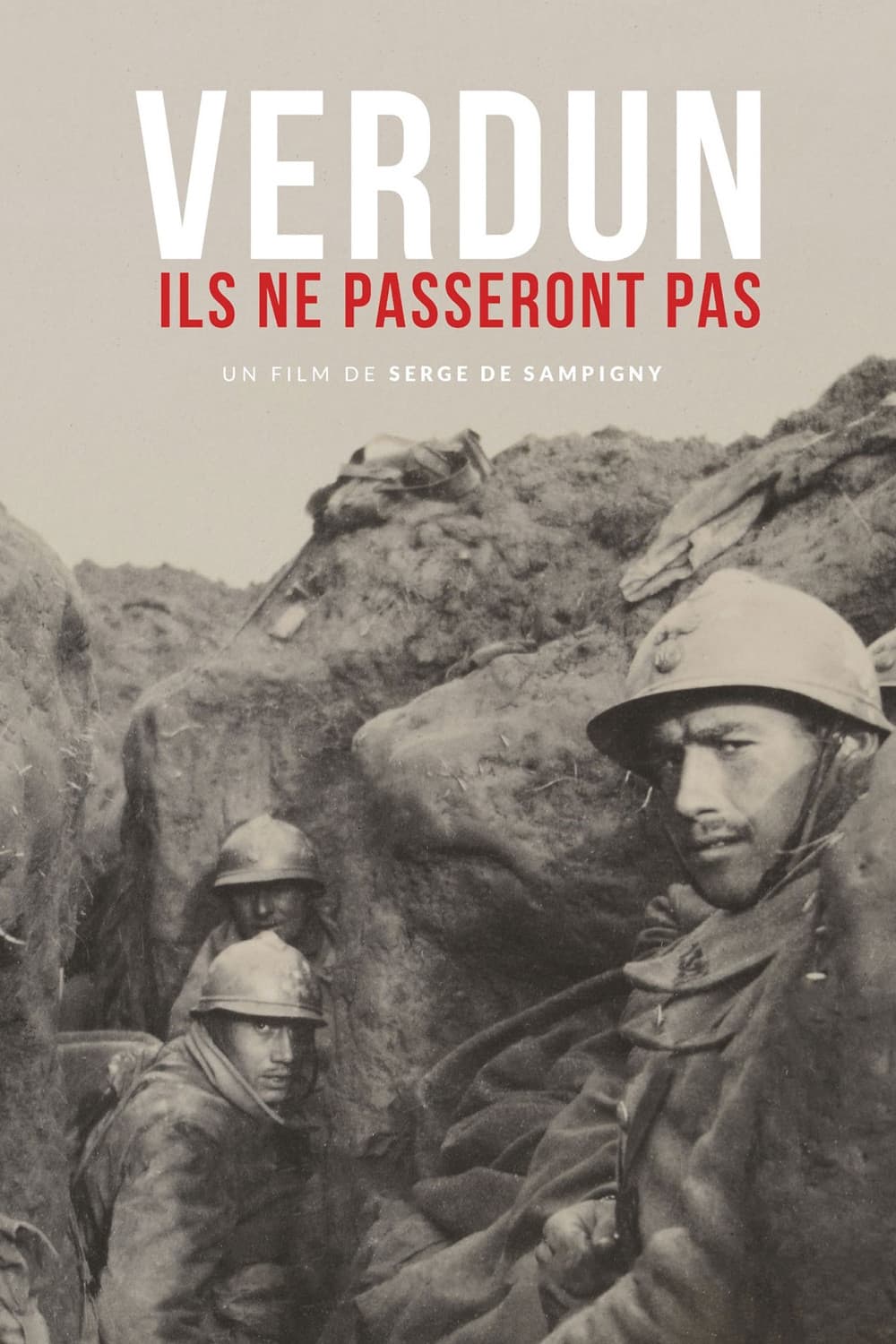
A century ago, from February to December 1916, the French and Germans provided a superhuman effort to control a few hills in eastern France, located in front of Verdun . A frontal confrontation, conducted without the help of their allies, army against army, nation against nation. Today, this battle seems absurd to us. Because it has caused almost as many casualties in each camp and its strategic utility has never really been demonstrated. But in 1916, soldiers on both sides did not consider it absurd: they agreed to fight. Why ? By reliving the rare Herculean confrontation of our ancestors, using reconstructions made in the 1920s, using a large number of animated computer-generated images that recreate the topography of the battlefield, this documentary returns, with the help of the historical adviser Paul Jankowski , on the last great victory won alone by France against Germany.
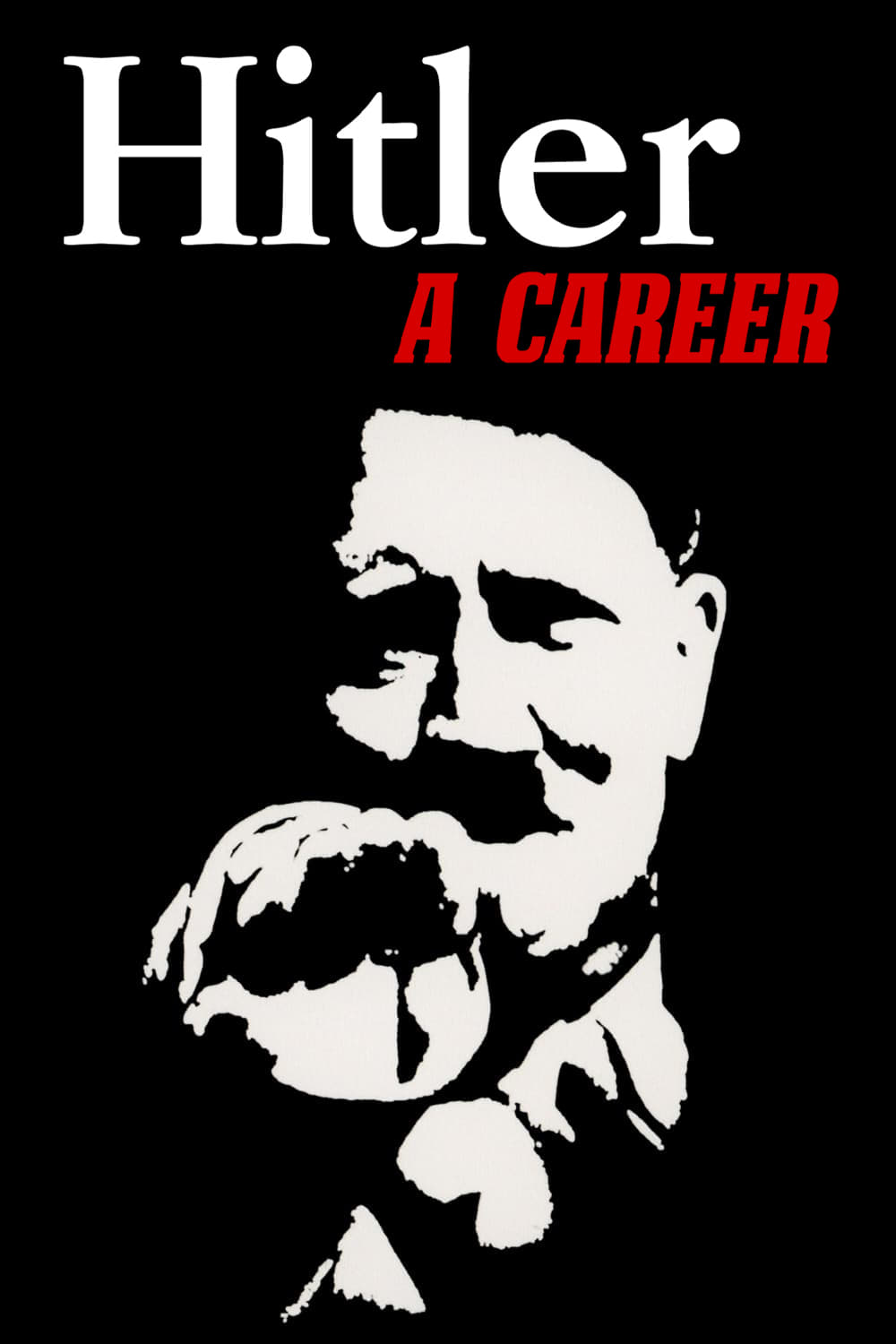
A keen chronicle of the unlikely rise to power of Adolf Hitler (1889-1945) and a dissection of the Third Reich (1933-1945), but also an analysis of mass psychology and how the desperate crowd can be deceived and shepherded to the slaughterhouse.
“The Soviet Story” is a story of an Allied power, which helped the Nazis to fight Jews and which slaughtered its own people on an industrial scale. Assisted by the West, this power triumphed on May 9th, 1945. Its crimes were made taboo, and the complete story of Europe’s most murderous regime has never been told. Until now...
Amid the failing counteroffensive, a journalist follows a Ukrainian platoon on their mission to traverse one mile of heavily fortified forest and liberate a strategic village from Russian occupation. But the farther they advance through their destroyed homeland, the more they realize that this war may never end.
Meet the real-life airmen who inspired Masters of the Air as they share the harrowing and transformative events of the 100th Bomb Group.
The history of cinematic sound, told by legendary sound designers and visionary filmmakers.
Through deeply personal interviews with her siblings and an examination of the photographs, letters, and belongings left behind, Mariska assembles a new portrait of her mother Jayne Mansfield, an extraordinary and complex woman.
A documentary about the life and films of director John Ford.
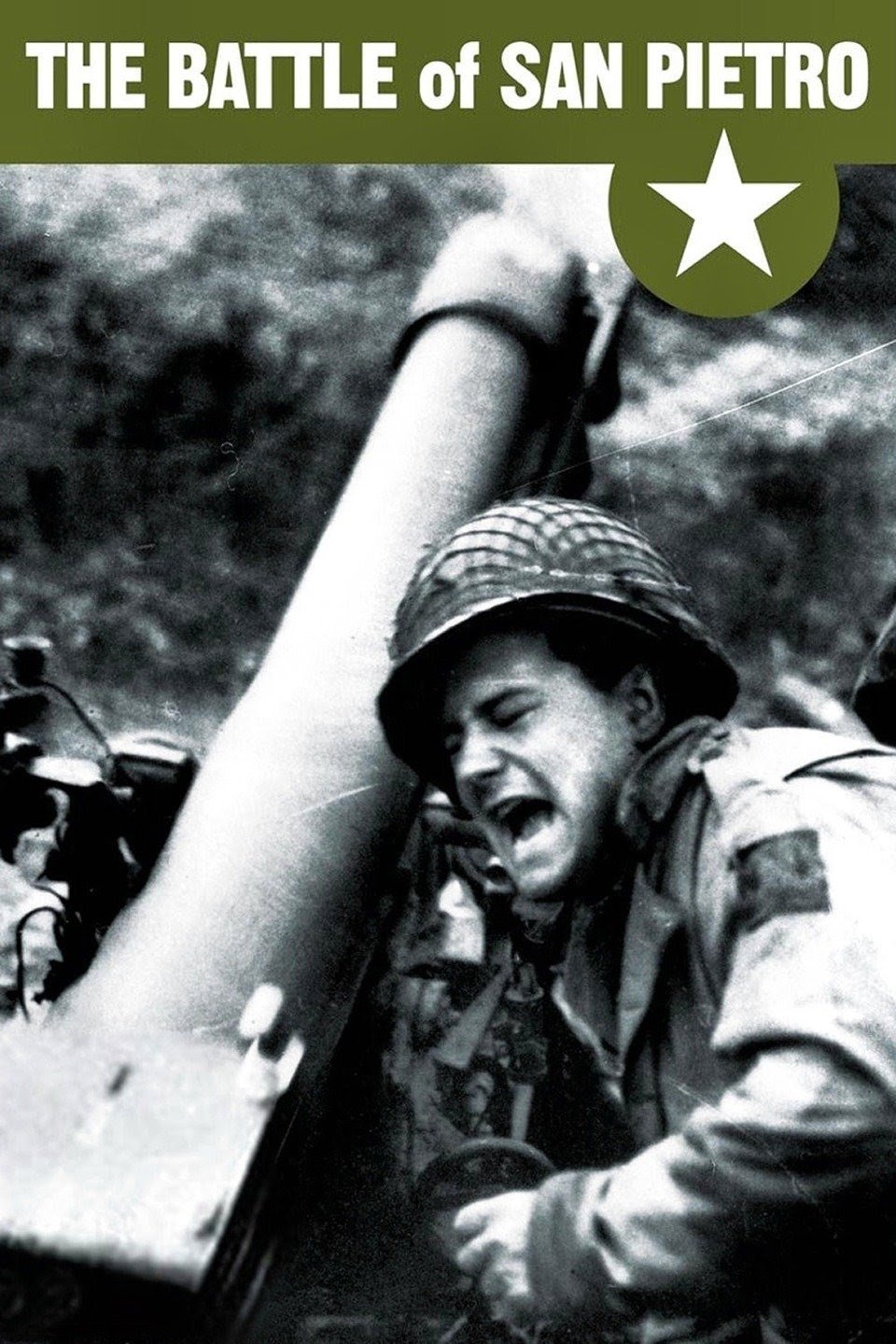
This documentary movie is about the battle of San Pietro, a small village in Italy. Over 1,100 US soldiers were killed while trying to take this location, that blocked the way for the Allied forces from the Germans. Preserved by the Academy Film Archive in 2005.
A documentary about World War I with never-before-seen footage to commemorate the centennial of Armistice Day, and the end of the war.
Journey into the extraordinary world of "The Witcher" — from casting the roles to Jaskier's catchy song — in this behind-the-scenes look at the series.
An inside look at one of the most anticipated movie sequels ever with James Cameron and cast.
A documentary about the making of season five of the acclaimed AMC series Breaking Bad.
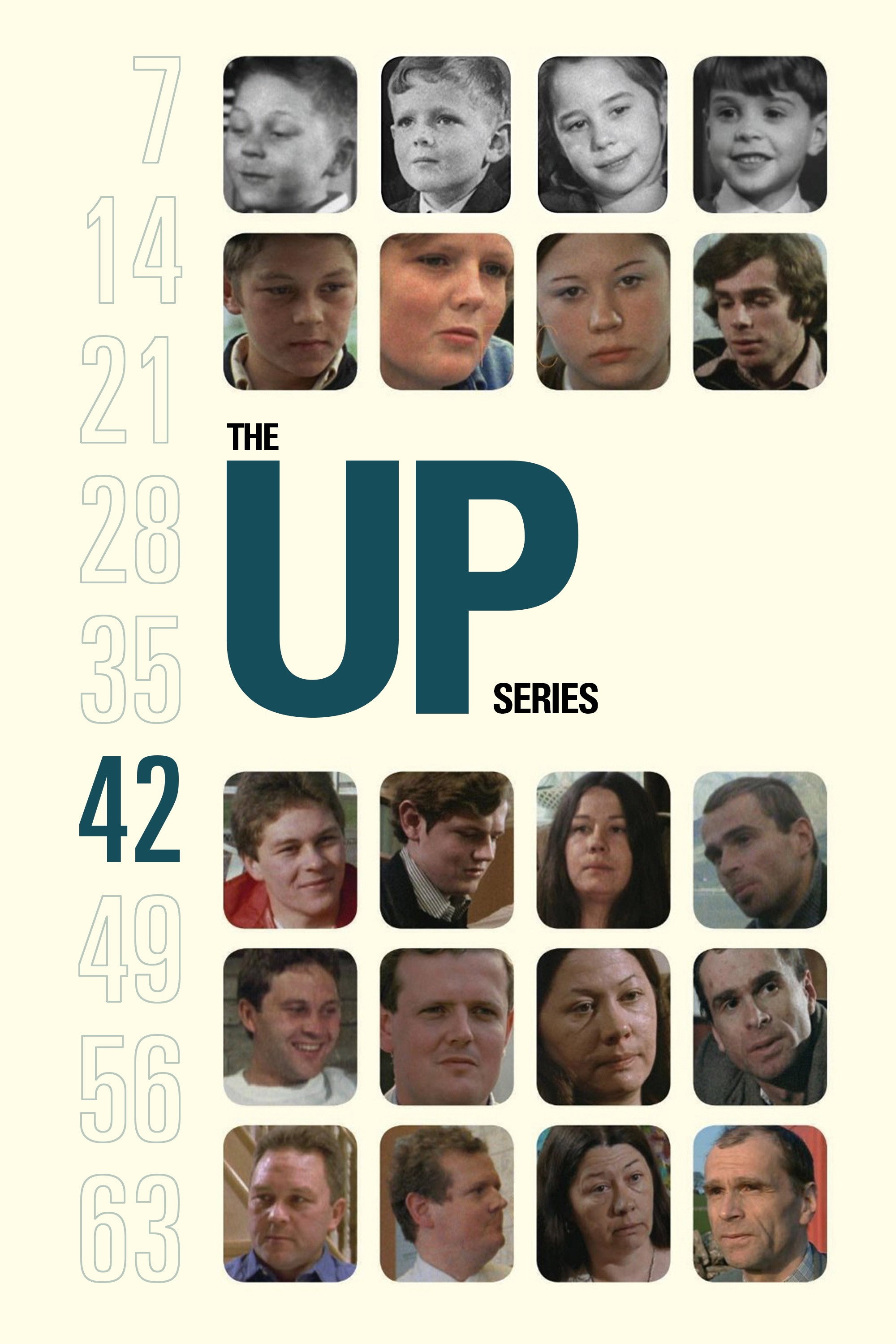
Director Michael Apted revisits the same group of British-born adults after a 7 year wait. The subjects are interviewed as to the changes that have occurred in their lives during the last seven years.
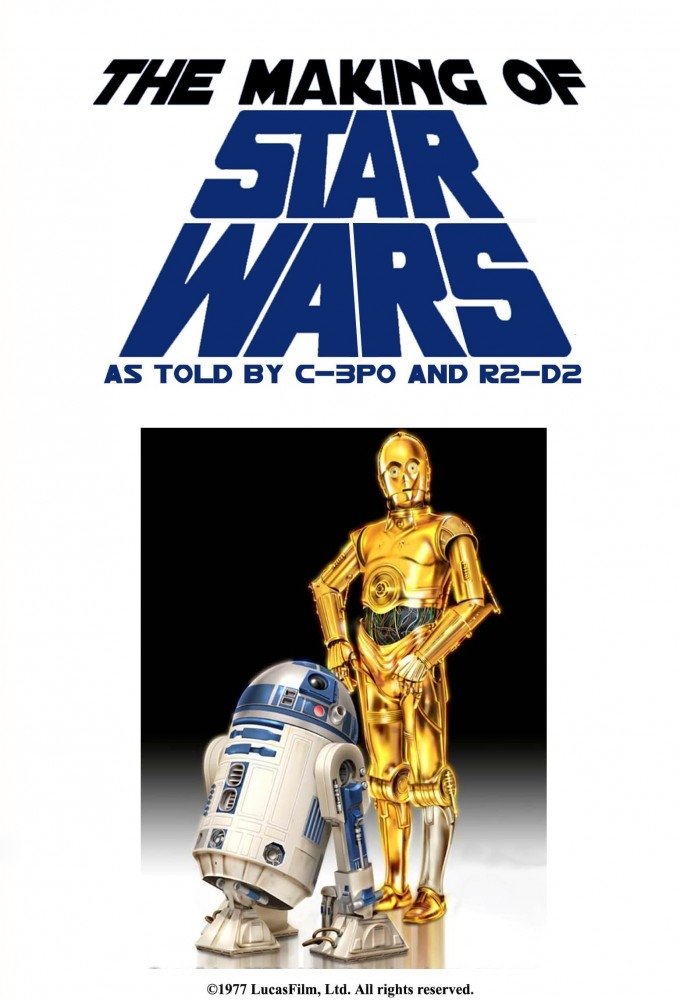
Learn the incredible behind-the-scenes story of how the original Star Wars movie was brought to the big screen in this fascinating documentary hosted by C-3PO and R2-D2 which includes interviews with George Lucas and appearances by Mark Hamill, Harrison Ford and Carrie Fisher.
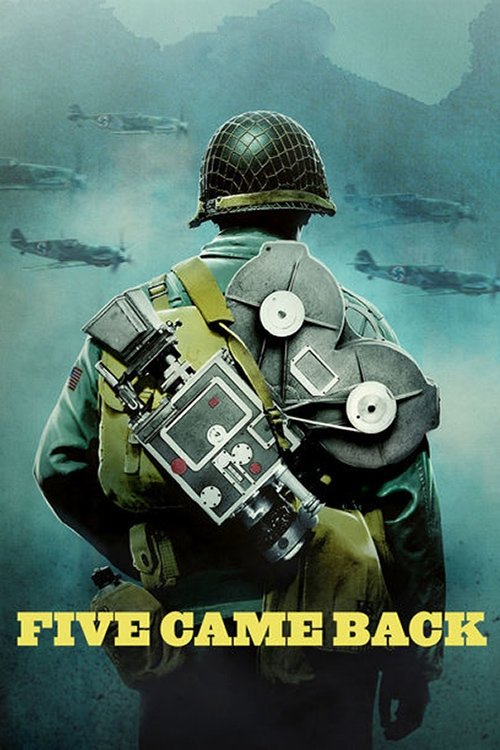
The extraordinary story of how Hollywood changed World War II – and how World War II changed Hollywood, through the interwoven experiences of five legendary filmmakers who went to war to serve their country and bring the truth to the American people: John Ford, William Wyler, John Huston, Frank Capra, and George Stevens. Based on Mark Harris’ best-selling book, “Five Came Back: A Story of Hollywood and the Second World War.”
Explores Leni Riefenstahl's artistic legacy and her complex ties to the Nazi regime, juxtaposing her self-portrayal with evidence suggesting awareness of the regime's atrocities.
Retrospective documentary about the making of the horror cult classic "The Return of the Living Dead."
This documentary focuses on the actors and their journey over two summers to create the remake to the original IT, by Stephen King. The documentary originally released as bonus material, bundled with IT: Chapter Two.
Filmed over 14 months with unprecedented access into the inner circle of the man and the sport, this is the first official and fully authorised film of one of the most celebrated figures in football. For the first time ever, the world gets vividly candid and un-paralleled, behind-closed-doors access to the footballer, father, family-man and friend in this moving & fascinating documentary. Through in-depth conversations, state of the art football footage and never before seen archival footage, the film gives an astonishing insight into the sporting and personal life of triple Ballon D'Or winner Cristiano Ronaldo at the peak of his career. From the makers of ‘Senna’ and ‘Amy’, Ronaldo takes audiences on an intimate and revealing journey of what it’s like to live as an iconic athlete in the eye of the storm.
From a prolific career in film and television, Anton Yelchin left an indelible legacy as an actor. Through his journals and other writings, his photography, the original music he wrote, and interviews with his family, friends, and colleagues, this film looks not just at Anton's impressive career, but at a broader portrait of the man.