The film shows demonstrations against building the second airport in Jeju Island the performances of environmentalists very closely and in detail, by which it develops a desperate love story.
Social & External
The people behind it
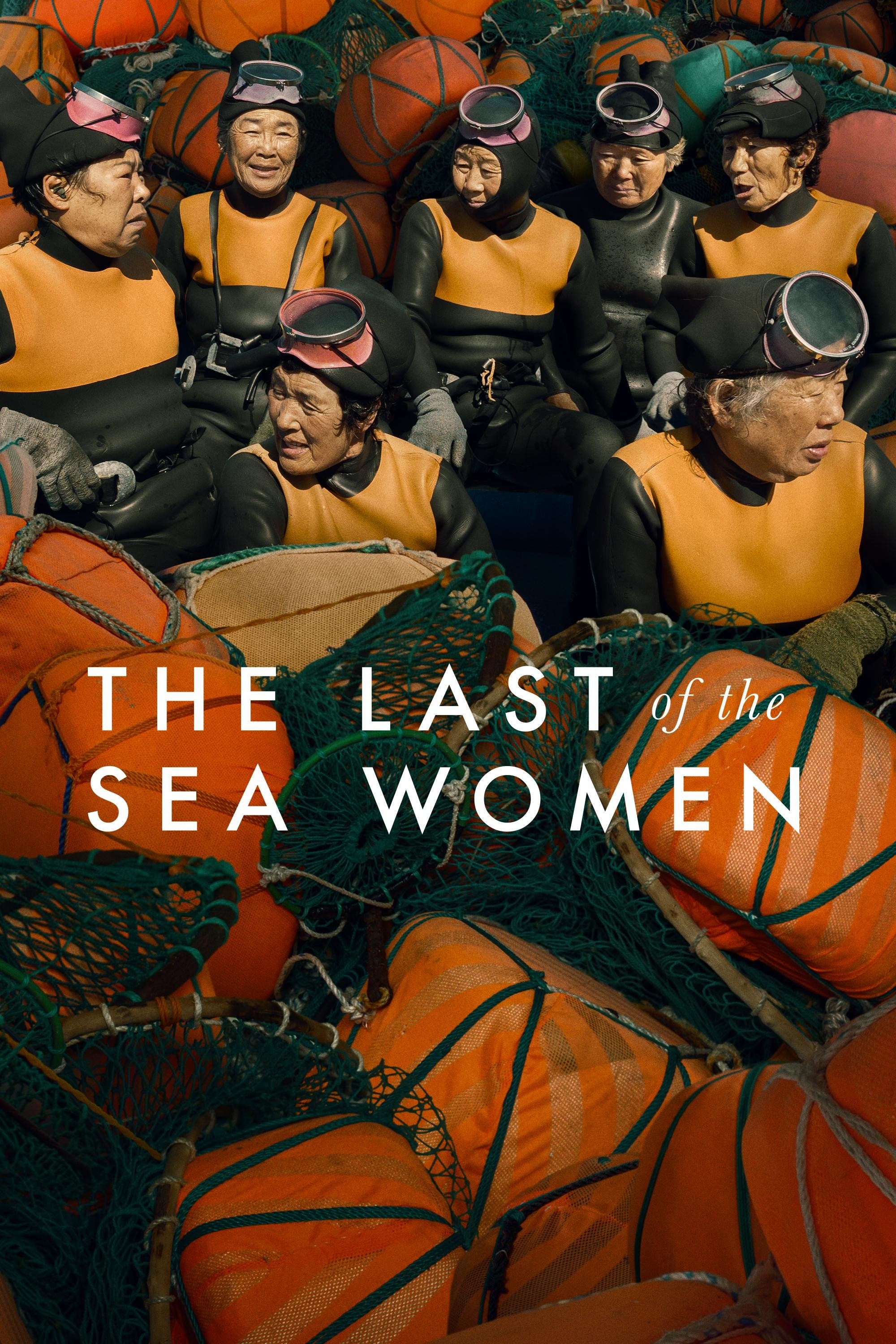
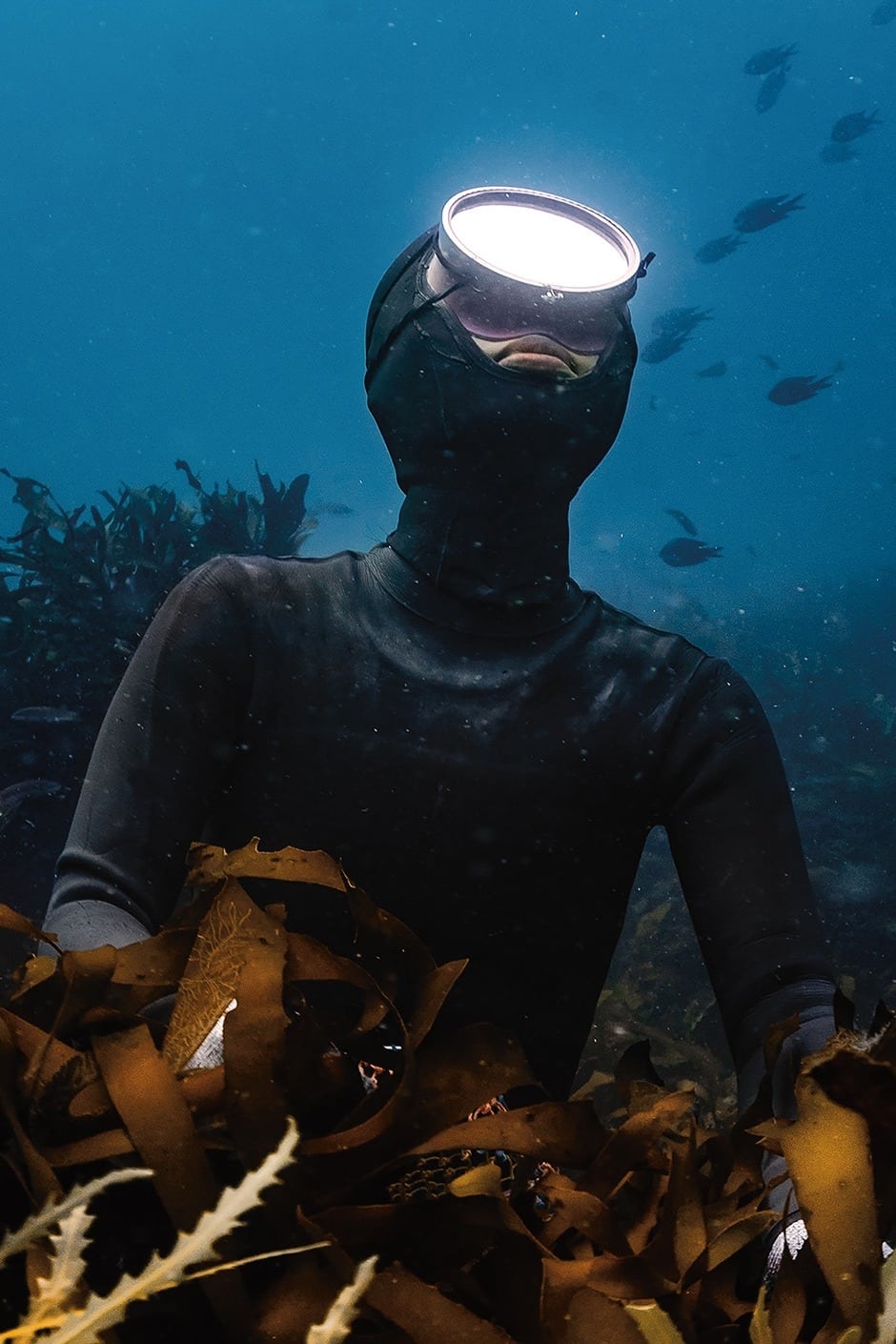
On the shores of Jeju Island, a fierce group of South Korean divers fight to save their vanishing culture from looming threats.
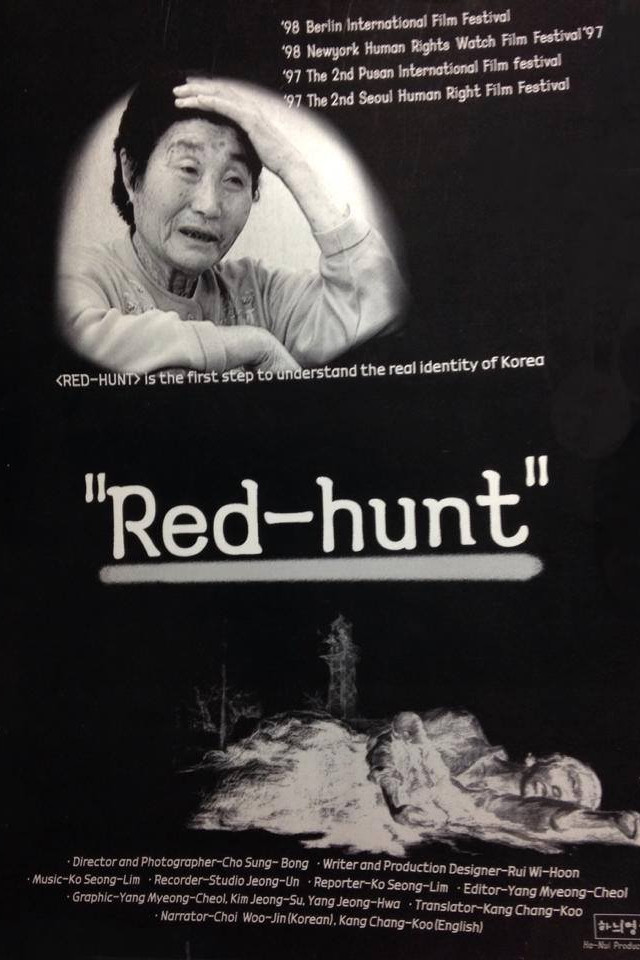
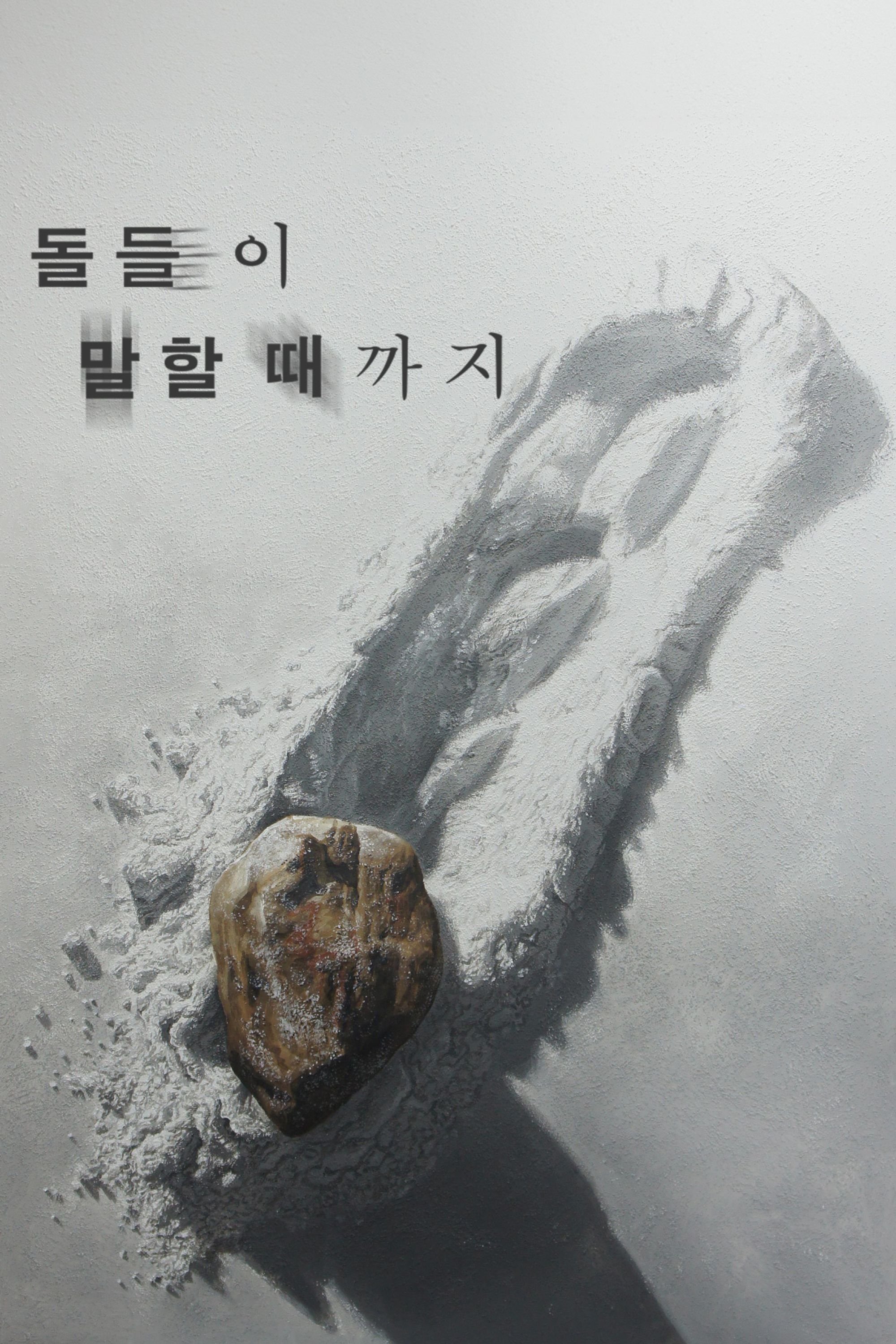
70 years ago, a massacre called ‘Red Hunt’ occurred in Jeju island. Over 6 years, countless lives were murdered in the Daranshi cave, Jungbang waterfall, and Ompang field. There was no line between life and death. There were only ideological and political strategies that surrounded Jeju. After 49 years, survivors can finally testify the memories that could not be forgotten.
A follow-up to 1996's documentary on the massacre at Cheju island, Red Hunt 2 exposes the real facts of the outrage upon personal rights and the brutal butchering occurred 50 years ago. Lives of nine survivors with their grieving testimony expose the horror of six yearlong massacres by Rhee Seung-man regime which still lingers today.
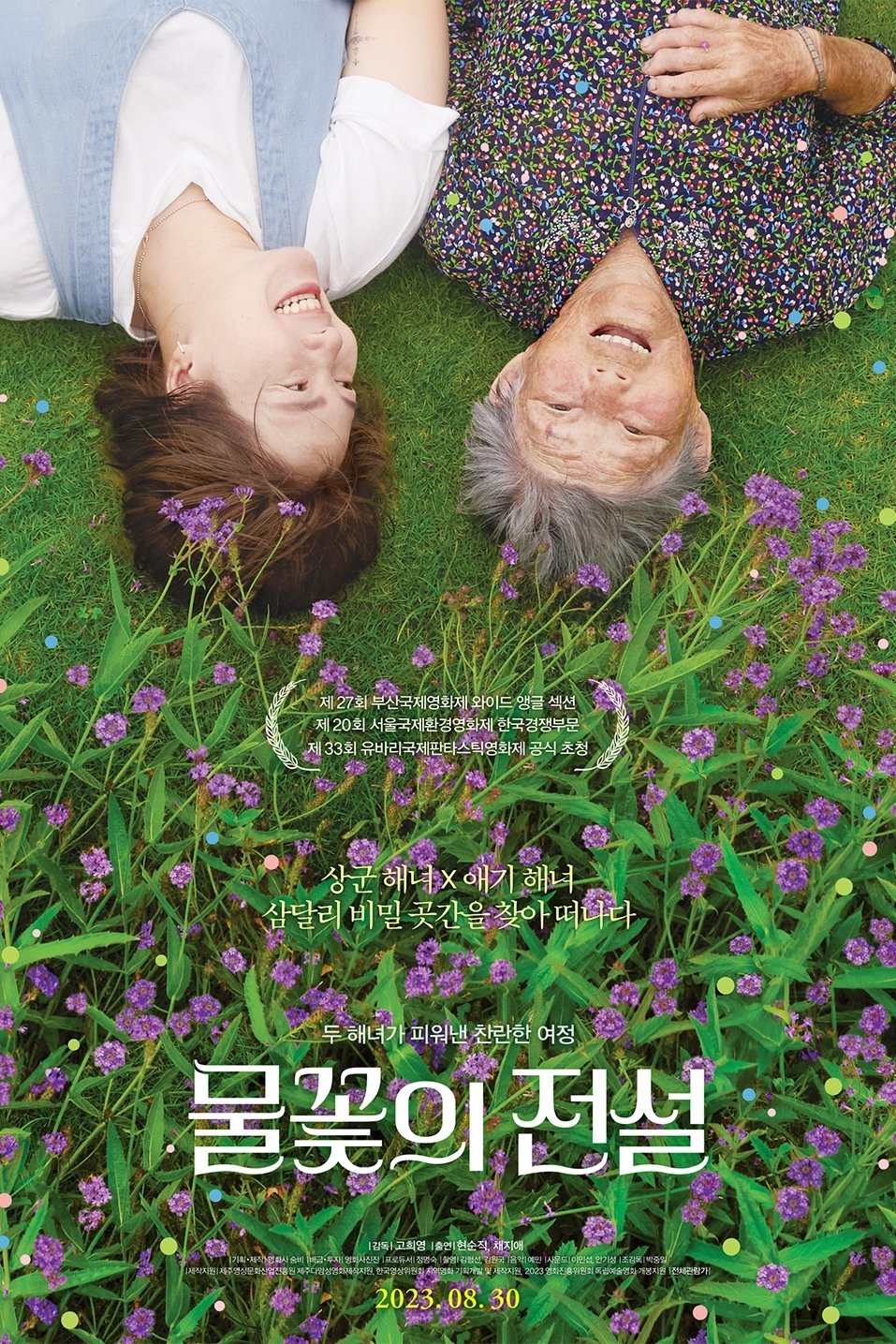
Hyun Soonjik is the oldest living resident in Jeju Island. A natural diver with good skills, she became a high rank Haenyeo at an early age and has led an astonishing career of diving for eighty-seven years. Though she looks more comfortable when she is under water than when she is at home, she quit diving in October, 2020, and goes to sea every day, missing her old life as a diver. When she does, Chae Jiae who has been disciplined by Hyun, accompanies her and looks after her. Together they head for Deulmoolyeo, a place that only Hyun can find, to see the water flowers that bloom under water.
There are five grandmothers, four of whom went to Jeonju Prison due to the Jeju 4.3. All of them were young people around the age of 20 at the time of the incident in 1948. The outline of the incident is formed when hearing the experiences of those who were sent to prison without trial particularly as women. The audience feels indescribable emotions by the fact that they have lived on despite what they had gone through, things that are just too much for a human being to bear.
Focusing on Mrs. Kang Sang-hee’s life, she lost her husband in the Jeju Uprising (March 3rd, 1948). The film views the dark-side of Jeju Island, a huge grave, which is completely opposite of the other side of the island, the famous tourist attraction. It says that the tragedy has been going on about the recent Gang-jeong village situation.
Immediately after liberation, an incident called 'Jeju Uprising' took place on Jeju Island, the Hawaii of Korea, under the control of the US military government. As a result, about one-tenth of the total population of the island at that time was sacrificed. The children who survived the massacre record the memories of that day in an animated film 70 years later.
Following water's flow through the volcanic body of Jeju Island, the film traces resilience across geological, historical, and mythical time. A lone visitor enters a cave where submerged memories—of militarization and exploitation—surface through sound.
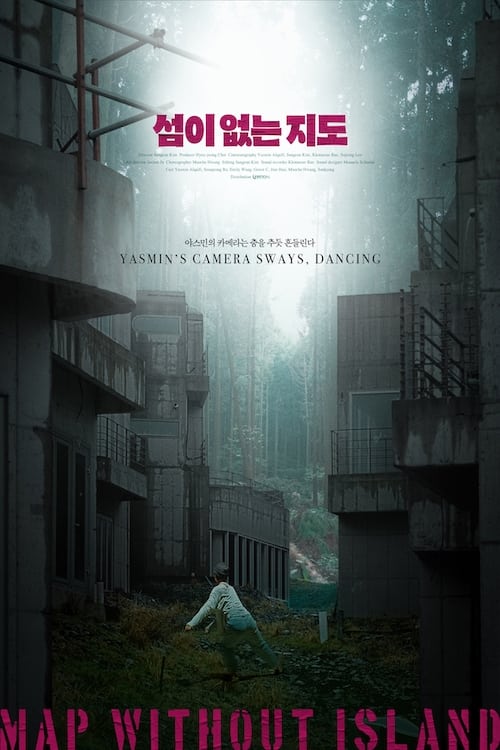
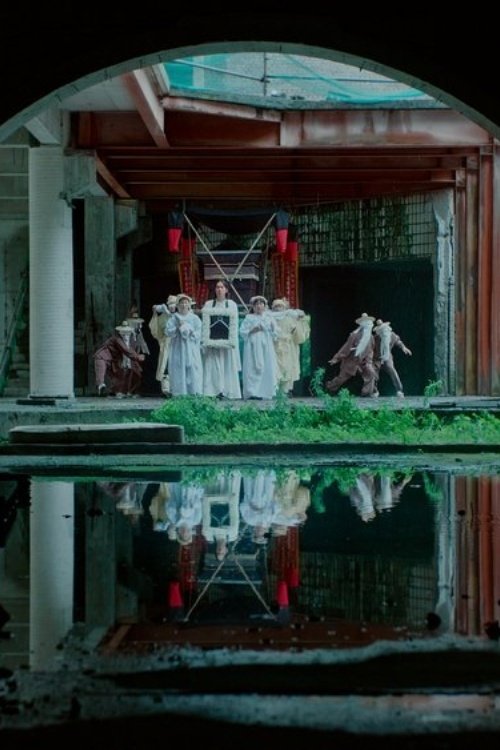
In an abandoned resort on the South Korean island of Jeju, a group of people perform a symbolic funeral ritual to end a world built on hierarchies, division and destruction.
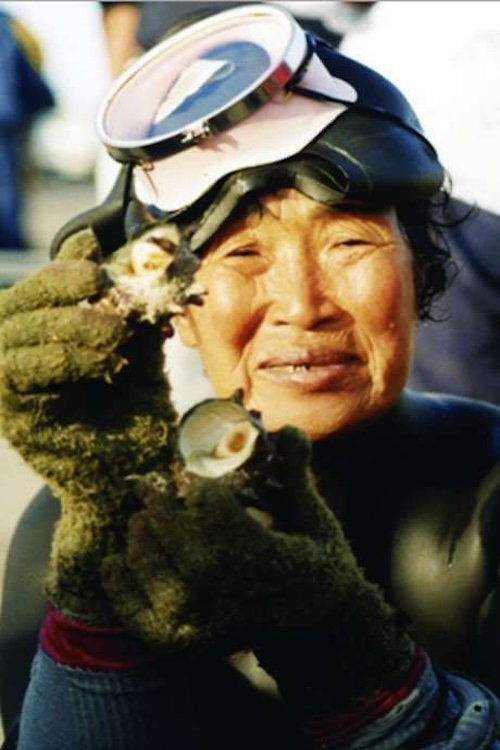
Jeju-do is the largest of Korean islands and lies between Korea and Japan. There, for hundreds of years, women dive without breathing apparatus, to the ocean floor and collect shellfish, octopus, and urchins that they sell. The divers are in their sixties and seventies and their daughters do not want to inherit their work, lifestyle, and health problems that go with diving. As a filmmaker I was privileged to meet many of these women and dive with them. Their stories of hardship and pride confirmed my desire to record this unique and ancient tradition.
Battling deep depression, Jaeyoun returns to her roots on the island of Marano, South Korea, to visit her family of female free fivers known as haenyeo. To her surprise, she finds a connection to nature and her ancestors that literally saves her life.
In the summer of 2021, film students shot a short film titled ‘In the Dry Stream’ on Jeju Island. This film reconstructs the filmmaking process from pre-production through production, utilizing outtakes from the short film, various production materials, and behind-the-scenes footage captured by the crew.
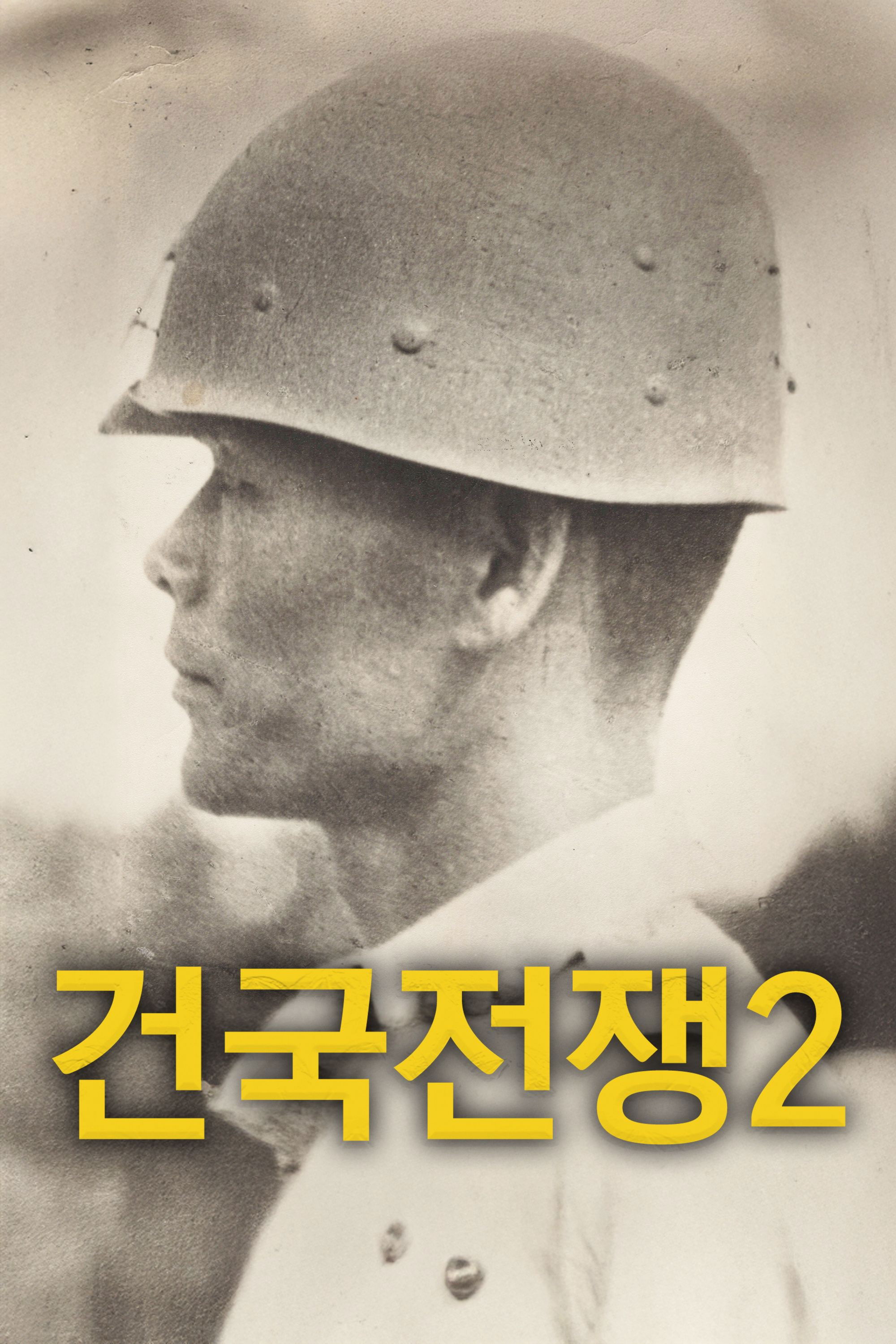
How did South Korea, after liberation in 1945 defend liberal democracy against leftist and communist forces? The door to that secret is now revealed.
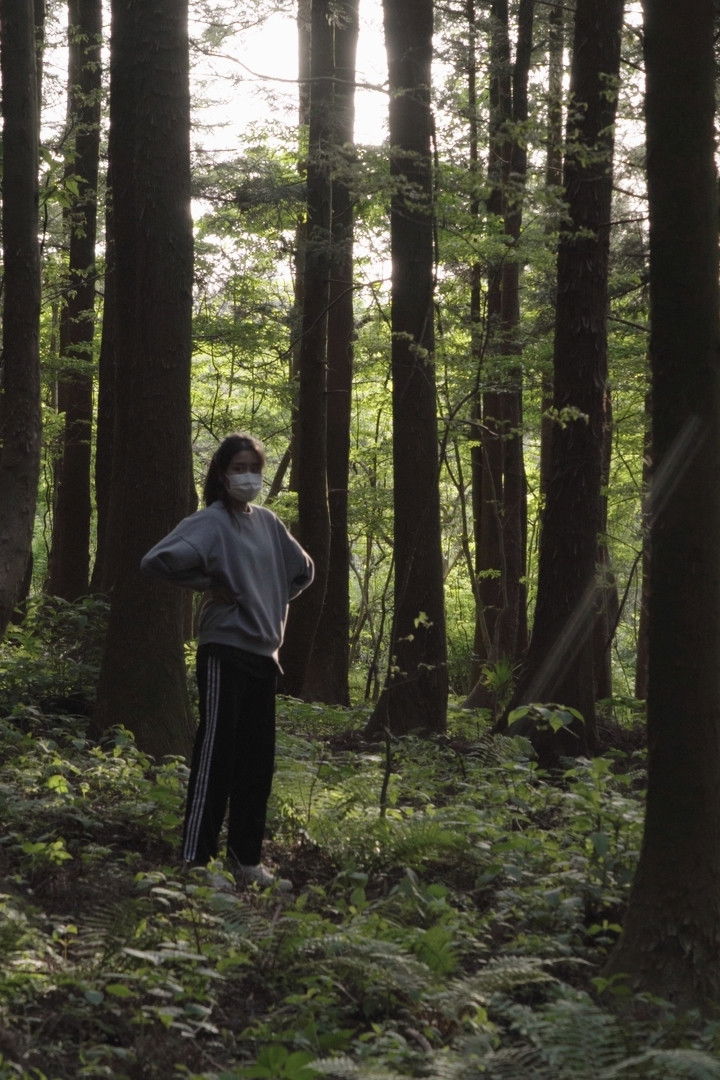
The folk duo 'Yeoyu and Seolbin' completed their third album, 「Comedy」, while living in Jeju. The record swept the Folk category at the Korean Music Awards and was praised as "a single album that has it all—regret and sympathy, rage and sorrow, and hope." Exploring what it means to be alive in the face of life's tragedies, the duo weaves a subtle yet powerful narrative through Jeju's landscapes: an old house and its yard, a Chinese restaurant where they once worked, and the recording studio.
This is a record of people who face up to the big change.
Mother to daughter. Generation after generation. For over 2000 years, the women of Jeju Island dove deep into the ocean - the refuge that has given them life, shielded them from war and allowed them to educate their daughters. Now they want the tradition to stop. These are The Last Mermaids.
Seven months pregnant and apprehensive of the effect motherhood would have on her career as a professional freediver, Kimi Werner took a trip to the island of Jeju in South Korea to meet her heroes, the haenyeo – a group of freediving and fishing women often regarded as Korea’s first working mother’s whose culture dates back centuries.
If you look into the entrance of one of the huge caves on the Korean island of Jeju, it looks like a camera lens. If you walk into the cave, it looks like a screen, a rectangle showing clouds and white light, just like a film. Director Kim Minjung delves into the bloody history of Jeju, where tens of thousands were killed in a massacre in 1948. The camera follows the traces in the landscape, sometimes transformed by a strident, distance-creating red light, accompanied by a commentary by avant-garde filmmaker Hollis Frampton. Film as a means to address history and its taboos.
A string of threatening emails escalates into a revenge plot involving a newly married US marshal and his ex-girlfriend.
In an intimate and joyful story of love in the face of loss, celebrated poets Andrea Gibson and Megan Falley find strength—and unexpected hilarity—in what might be their final year together.
An inside look at one of the most anticipated movie sequels ever with James Cameron and cast.
A documentary that explores the downloading revolution; the kids that created it, the bands and the businesses that were affected by it, and its impact on the world at large.
A visual montage portrait of our contemporary world dominated by globalized technology and violence.
Rising musician Jeff Buckley had only released one album when he died suddenly in 1997. Now, never-before-seen footage, exclusive voice messages, and accounts from those closest to him offer a portrait of the captivating singer.
The film follows adventurer Jeff Johnson as he retraces the epic 1968 journey of his heroes Yvon Chouinard and Doug Tompkins to Patagonia.
Join the likes of Jeremy Renner, Hailee Steinfeld, Florence Pugh, and Vincent D’Onofrio as they reveal how Marvel Studios’ “Hawkeye” was conceived and created. Witness firsthand what it took to pull off the show’s pulse-pounding action set pieces, and discover how iconic characters from the pages of Marvel Comics such as Kate Bishop were adapted and brought to life for the six-episode series.
Through deeply personal interviews with her siblings and an examination of the photographs, letters, and belongings left behind, Mariska assembles a new portrait of her mother Jayne Mansfield, an extraordinary and complex woman.
Takes us to locations all around the US and shows us the heavy toll that modern technology is having on humans and the earth. The visual tone poem contains neither dialogue nor a vocalized narration: its tone is set by the juxtaposition of images and the exceptional music by Philip Glass.
A documentary on the expletive's origin, why it offends some people so deeply, and what can be gained from its use.
Using the book 'Fragments', which collects Marilyn Monroe's poems, notes and letters, and with participation from the Arthur Miller and Truman Capote estates who have contributed more material, each of the actresses will embody the legend at various stages in her life.
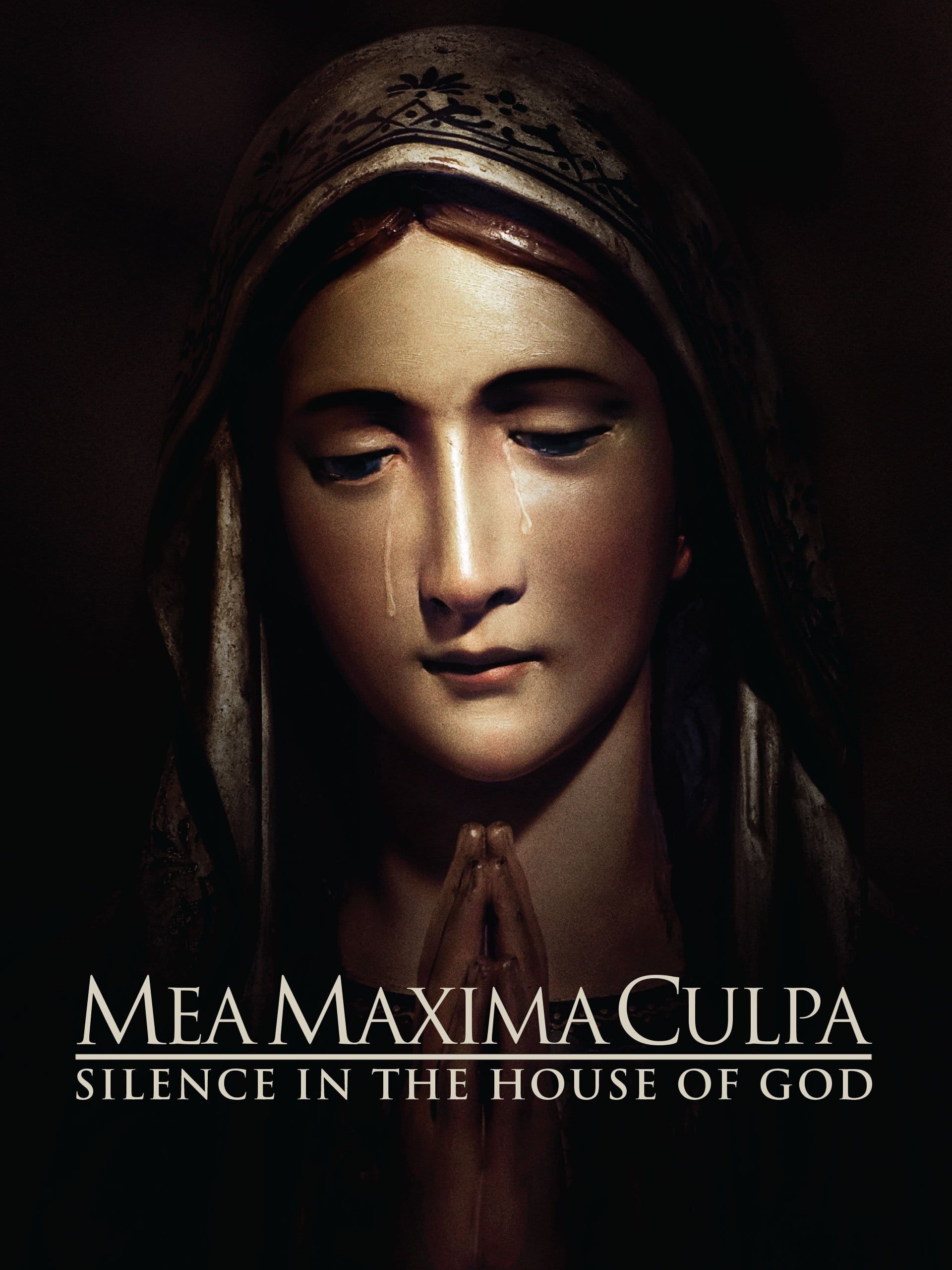
Alex Gibney explores the charged issue of pedophilia in the Catholic Church, following a trail from the first known protest against clerical sexual abuse in the United States and all way to the Vatican.
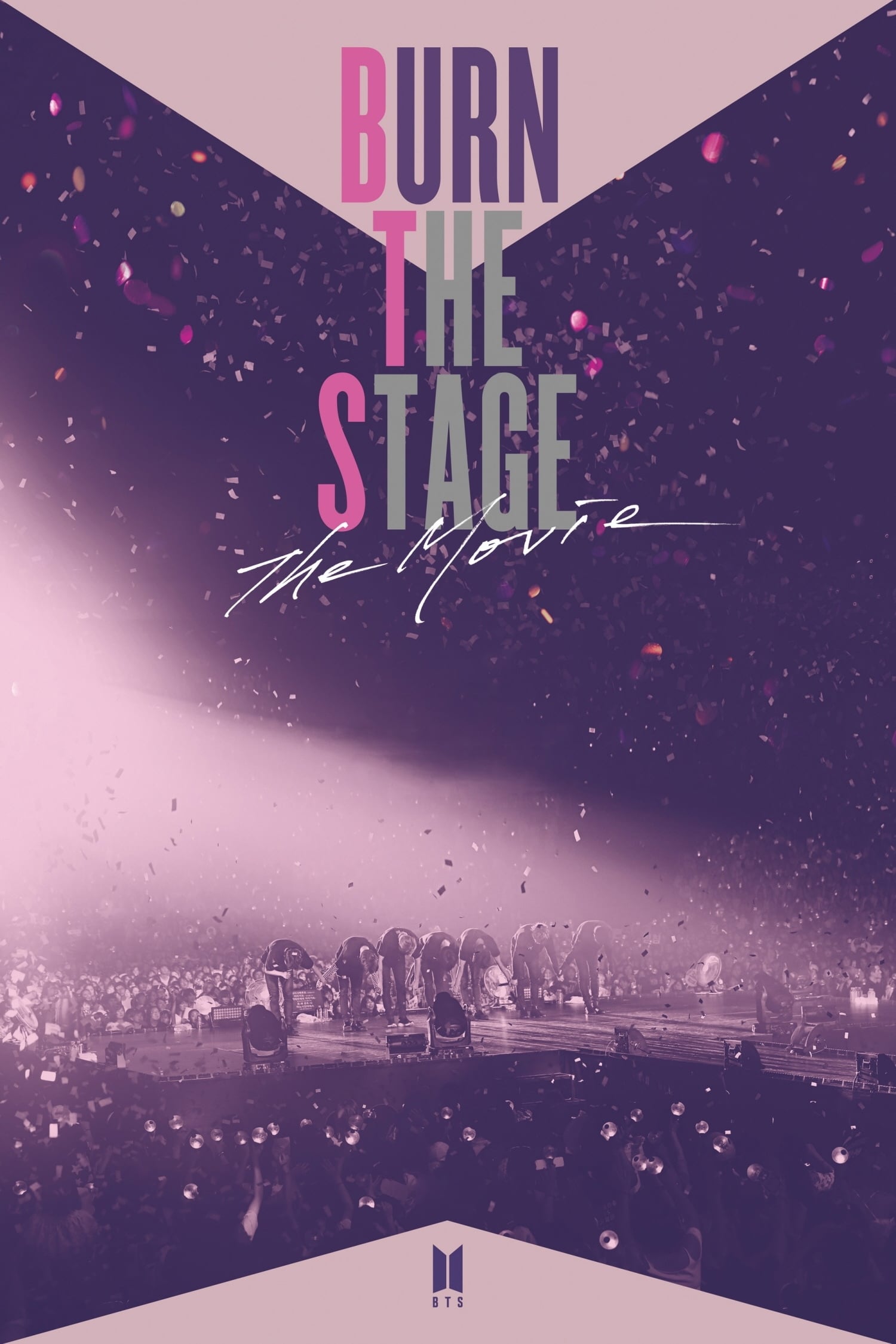
Burn the Stage: the Movie is the first movie from BTS, going behind-the-scenes of the BTS WINGS TOUR to reveal the full story of the band’s meteoric rise to fame. This unmissable film provides an intimate look at what happens when the most successful global boy band of all time breaks down barriers and invades the mainstream music scene. Exclusive tour footage and brand-new one-on-one interviews with BTS members give fans an unprecedented glimpse into their lives and an opportunity for everyone to celebrate together worldwide.
Daniel Craig candidly reflects on his 15 year adventure as James Bond. Including never-before-seen archival footage from Casino Royale to the upcoming 25th film No Time To Die, Craig shares his personal memories in conversation with 007 producers, Michael G Wilson and Barbara Broccoli.
Musician and performance artist Laurie Anderson reflects on the deaths of her husband Lou Reed, her mother and her beloved dog.
Al Pacino's deeply-felt rumination on Shakespeare's significance and relevance to the modern world through interviews and an in-depth analysis of "Richard III."
This revealing documentary honors the legendary Sidney Poitier—iconic actor, filmmaker, and civil rights activist. Featuring interviews with Denzel Washington, Spike Lee, Halle Berry, and more.
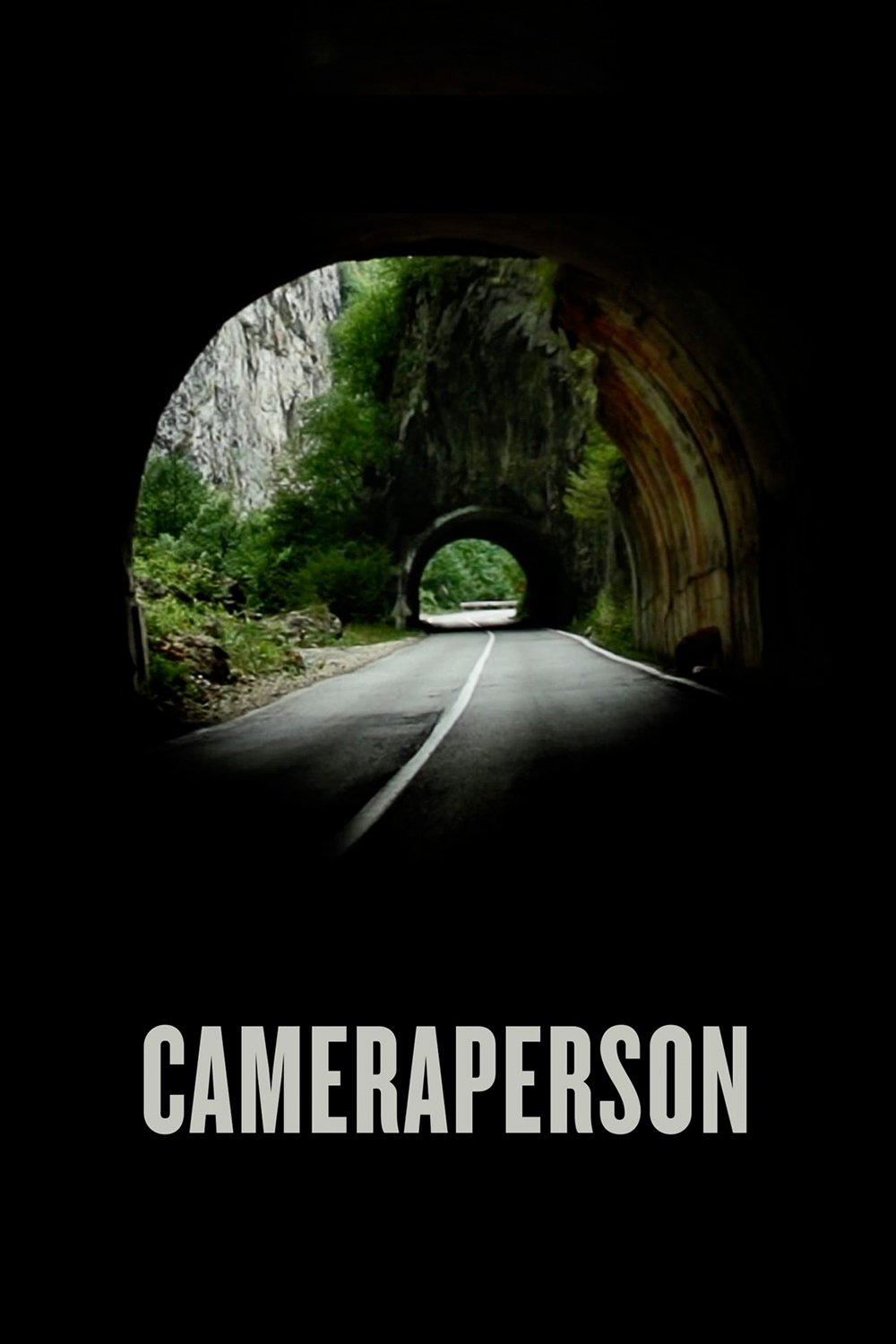
As a visually radical memoir, CAMERAPERSON draws on the remarkable footage that filmmaker Kirsten Johnson has shot and reframes it in ways that illuminate moments and situations that have personally affected her. What emerges is an elegant meditation on the relationship between truth and the camera frame, as Johnson transforms scenes that have been presented on Festival screens as one kind of truth into another kind of story—one about personal journey, craft, and direct human connection.
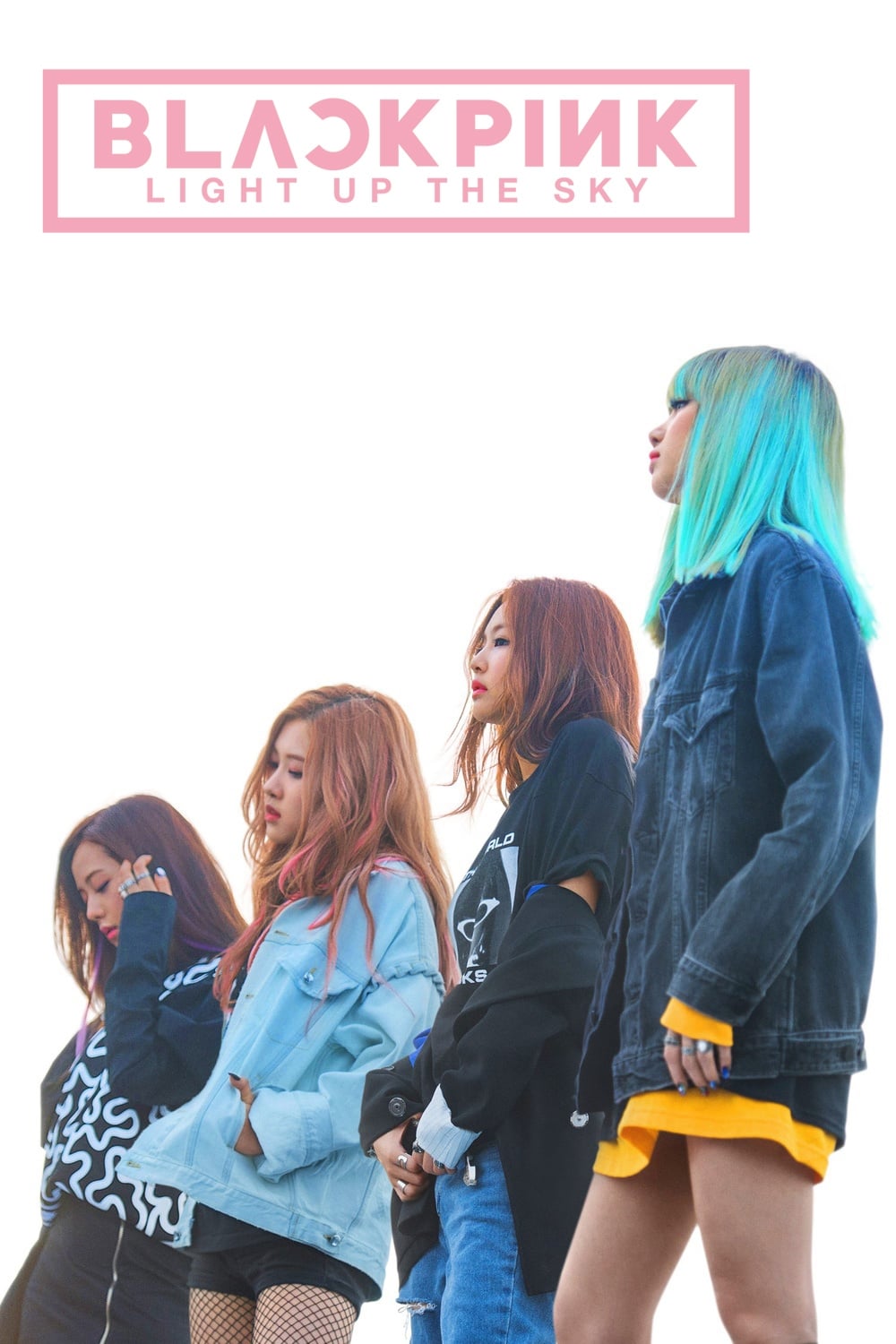
Record-shattering Korean girl band BLACKPINK tell their story — and detail the hard fought journey of the dreams and trials behind their meteoric rise.


![Yeoyu and Seolbin - [Comedy]](https://image.tmdb.org/t/p/original/54eOGR6nQtTKl9rGLTMMGsSd4FE.jpg)