Social & External
The people behind it
Kenji Sawada
Shinsuke Ashida
Kaoru Yachigusa
Ryūnosuke Kaneda
Yukiyo Toake
Mayumi Asaka
Ayumi Ishida
Jun Fubuki
A school girl visits a house to take a koto lesson. She meets her teacher and her son and they seem to be playing "HIDE and SEEK" in the house. Koto lesson starts but the girl soon realizes that there's something very odd about the teacher.
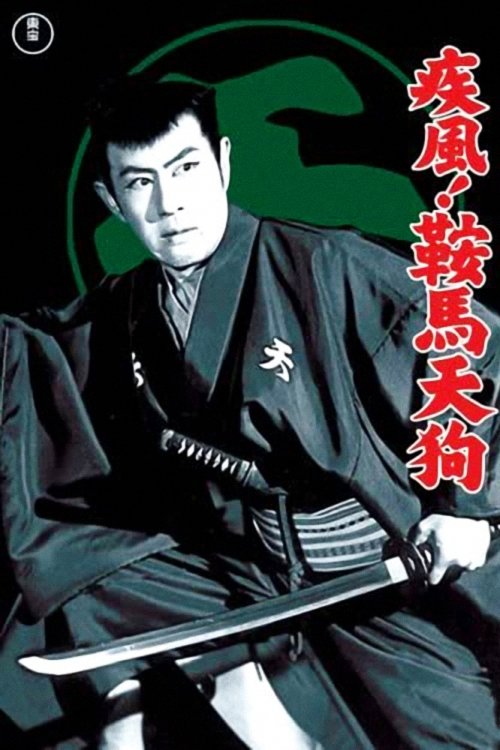
The 40th and final "Tengu Kurama" feature starring Kanjuro Arashi.
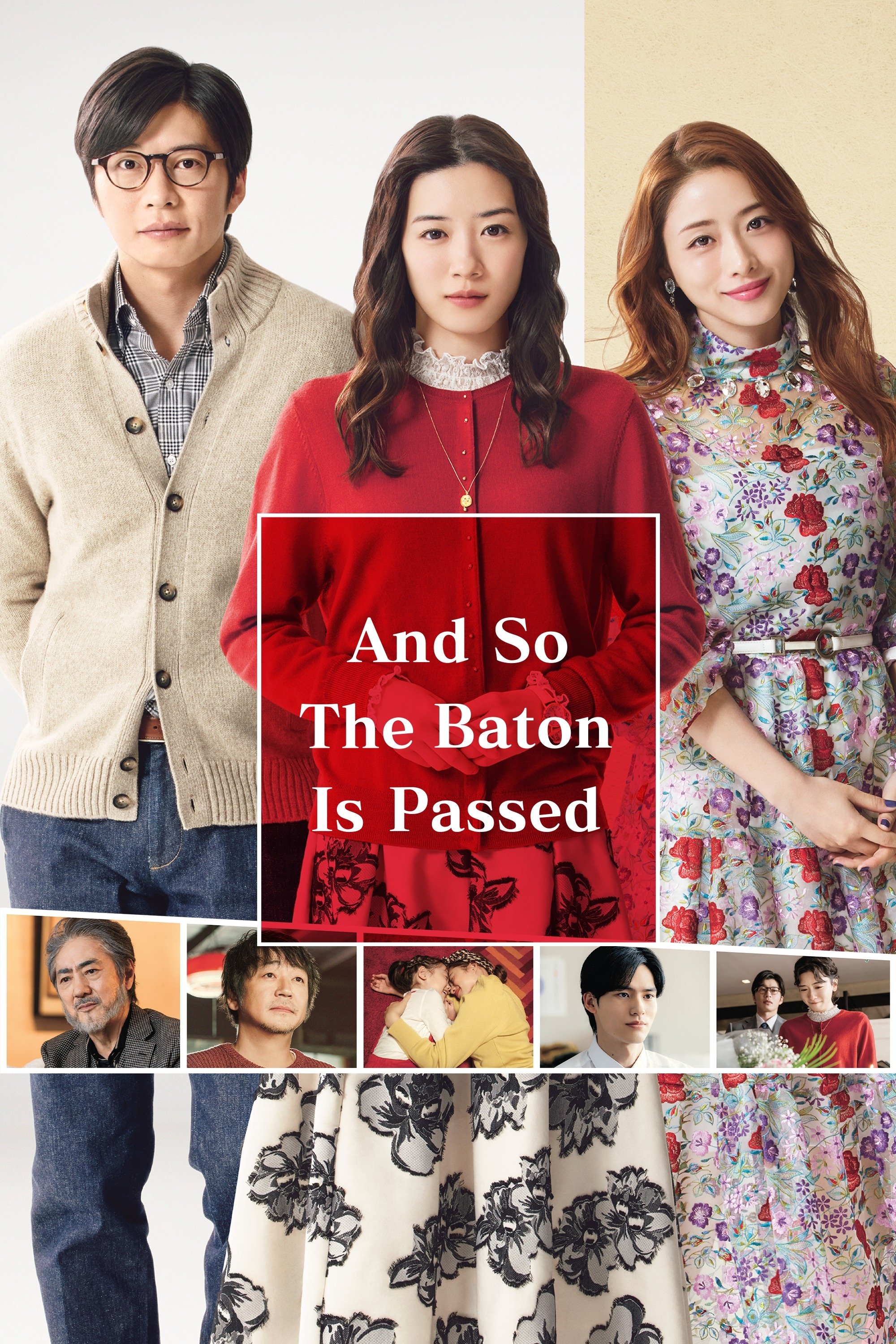
The happy home life of a high school student who lives with her loving stepfather is put in jeopardy by a painful family secret.
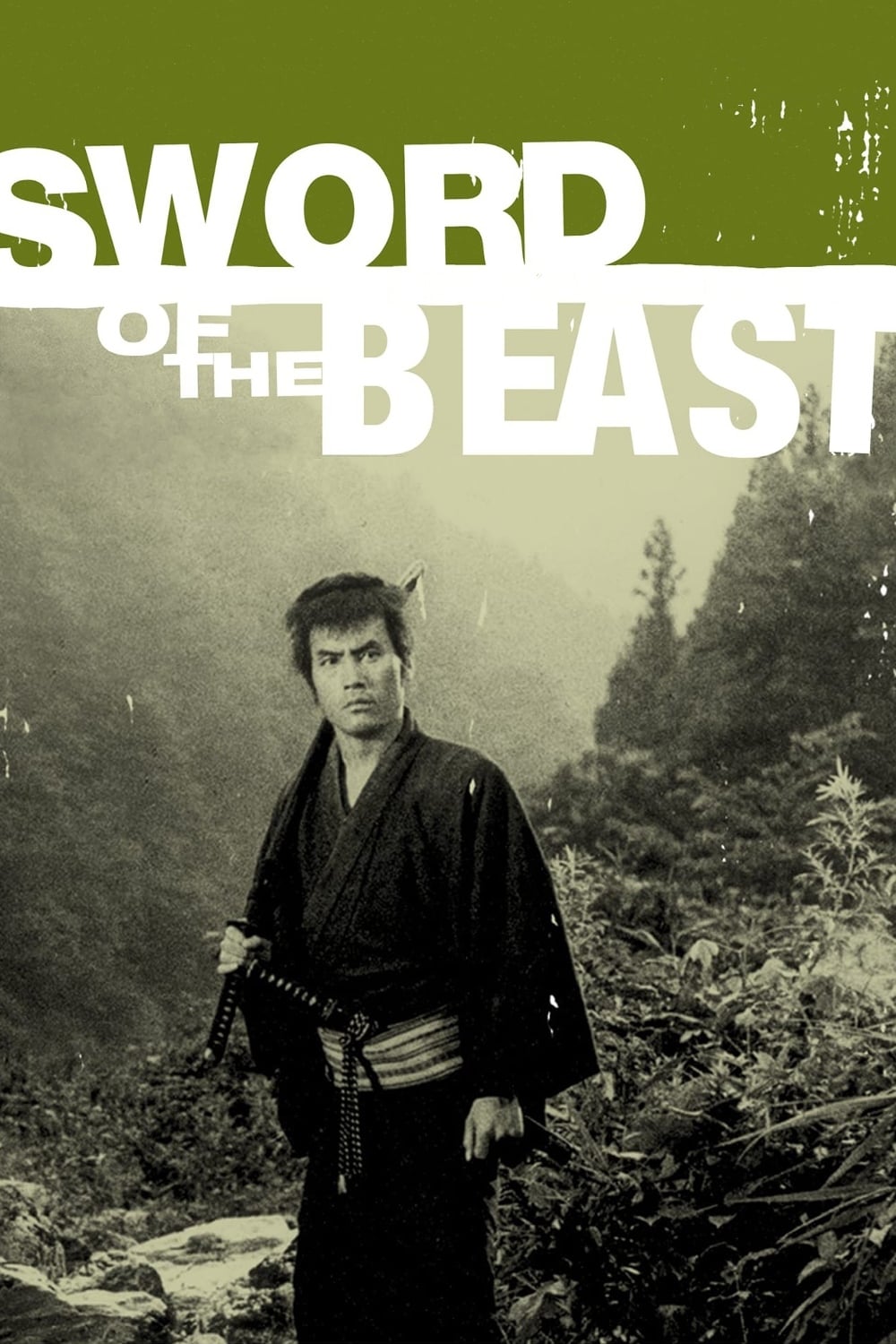
Legendary swordplay filmmaker Hideo Gosha's Sword of the Beast chronicles the flight of the low-level swordsman Gennosuke, who kills one of his ministers as part of a reform plot. His former comrades then turn on him, and this betrayal so shakes his sense of honor that he decides to live in the wild, like an animal. There he joins up with a motley group who are illegally mining the shogun’s gold, and, with the aid of another swordsman, gets a chance not just at survival but to recover his name and honor.
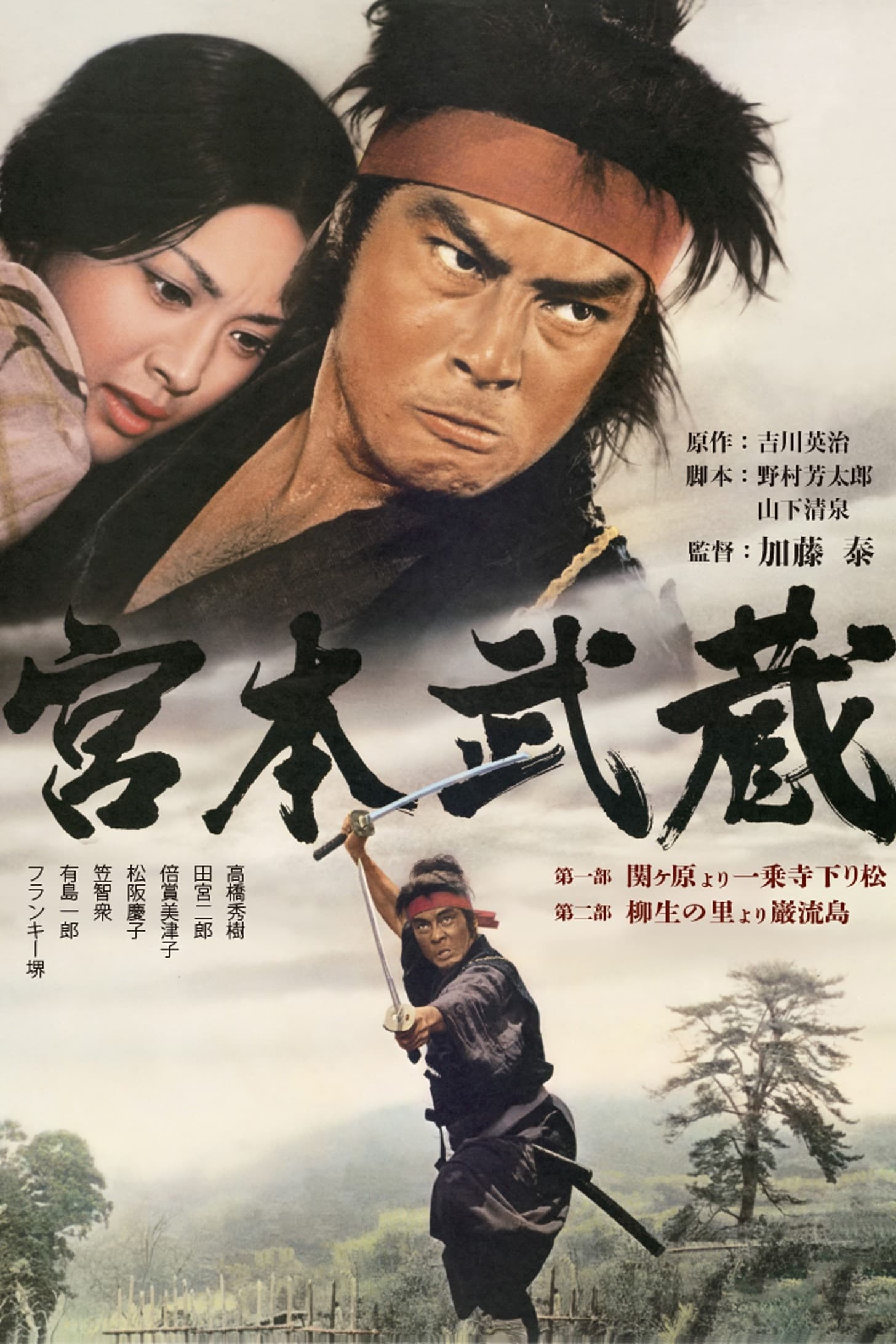
In Part I we see the young would-be swordsman setting out to achieve greatness in war, achieving nothing because fighting on the losing side, & then beginning his long period of wandering & training, with the goal always in mind of his duel with Kojiro. Part II builds toward that great duel on Ganryu Island, with considerable focus on Musashi's planning & forethought as to how to gain an advantage.
East meets West as the Japanese Yakuza battle drug lords and the LAPD in the streets of Los Angeles...
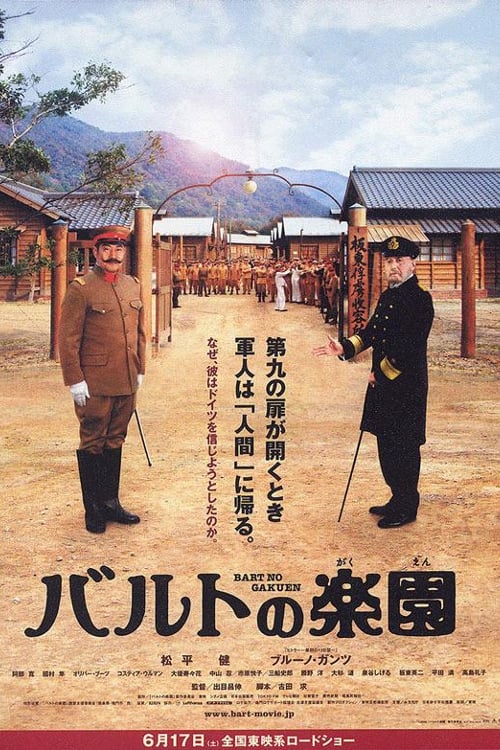
Based on the true story of the Bandō prisoner-of-war camp in World War I. It depicts the friendship of the German POWs with the director of the camp and local residents at the stage of Naruto, Tokushima Prefecture, in Japan.
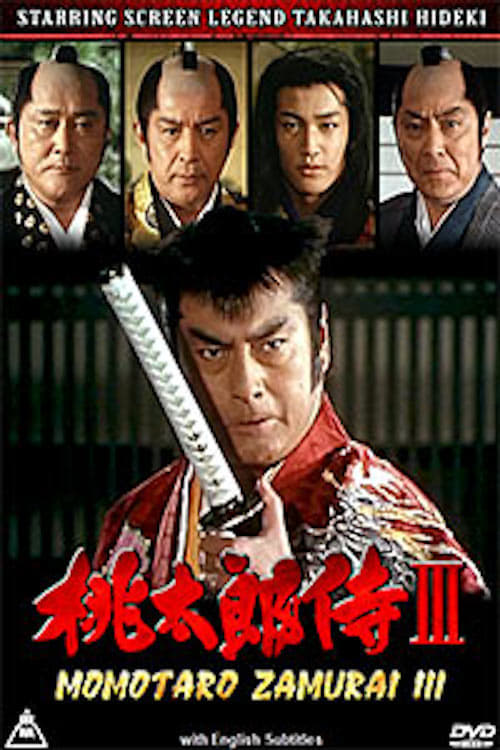
Momotaro carries this sword into battle against injustice in shogunate Japan. Aided by ninja he must now wage a furious battle against the terrible “Ran” clan, villains in league with Ohara Ukon, a bitter samurai nursing a grudge against the shogunate. Together the ruthless conspirators will threaten the foundations of shogunate rule over Japan. Only the relentless slashing sword of Momotaro may save the nation from the Ran clan's army of killers.
High schooler Haruna befriends loner Yamada, then is drawn into the tangled relationship between him, a model and the girl who loves him unreasonably.
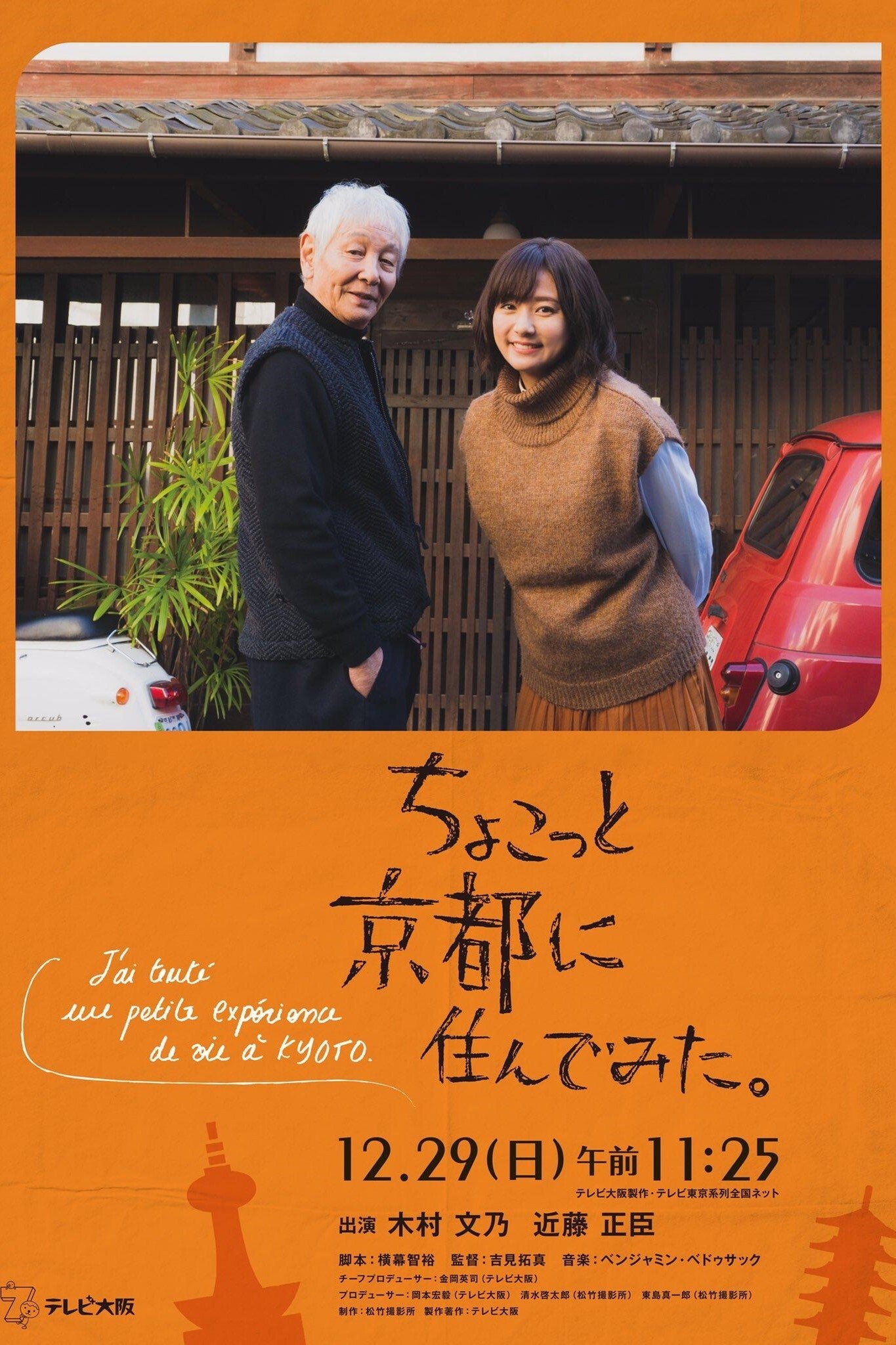
27-year-old Eto Kana lives in Tokyo and has never been out of the city before. She used to work as a designer and stay in a company dormitory but moved back to her family home after resigning due to the stress from interpersonal relationships. Meanwhile, Kana’s family gets a call about an elderly granduncle who got injured. She goes to Kyoto where he lives at the request of her worried mother and stays there for several days to take care of him.
Minori is a head-strong photographer who is romantically involved with Kushida, her editor. On a photography assignment she gets into an argument with her subject, Ageha, a female erotic manga artist who, like Minori, is 30 and single. Shin'ichi, the journalist on the assignment, receives most of the blame for the failure of the project. Minori sleeps with Shin'ichi, then discovers that her own position is not as secure as she thought, when she suspects that Kushida is also involved with Ageha. The series of events causes Minori to reconsider her own lifestyle.
One day, Shiro's all-time favorite idol Mami Mitsuya suddenly appears right in front of him! Even though this meeting left him excited, his partner Kenji ends up unhappy. Moreover, the appearance of a new partner and Shiro's work situation have led to the relationship between the two changing...
Devastated at the death of her four-year-old daughter, a grieving middle school teacher is horrified to discover that her students aren't as innocent as she thinks.
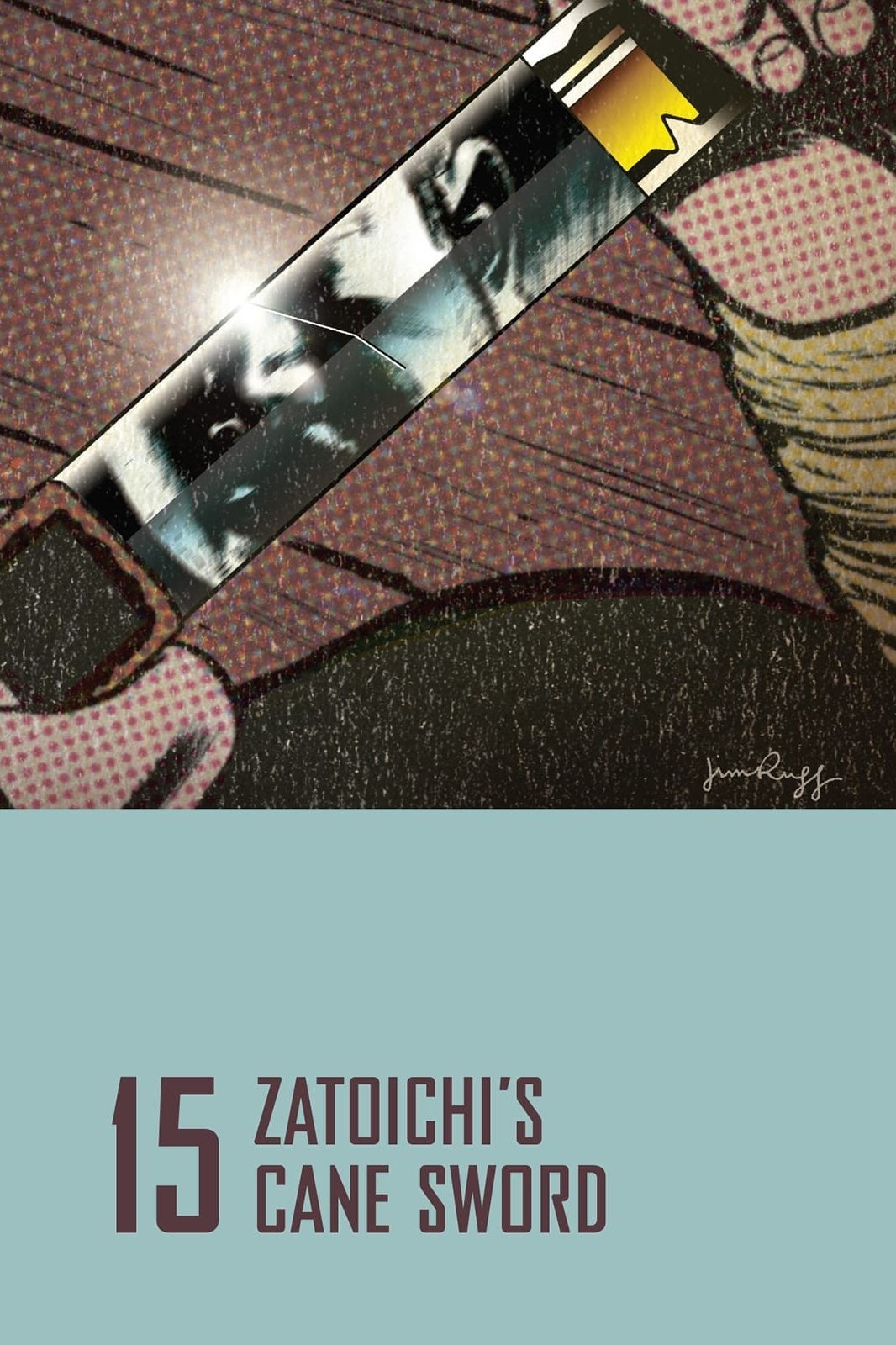
Zatoichi comes upon the town of Tonda, overrun by gangsters. Using one of his favorite techniques, Zatoichi proceeds to win 8 ryo in a rigged gambling game. Of course, the local gangsters attempt to kill him, and the adventure begins. It turns out a blacksmith named Senzo examines Zatoichi's cane sword, and discovers it to be forged by his old mentor. Senzo discovers the sword is at the end of its usefulness and will break when it is used next.
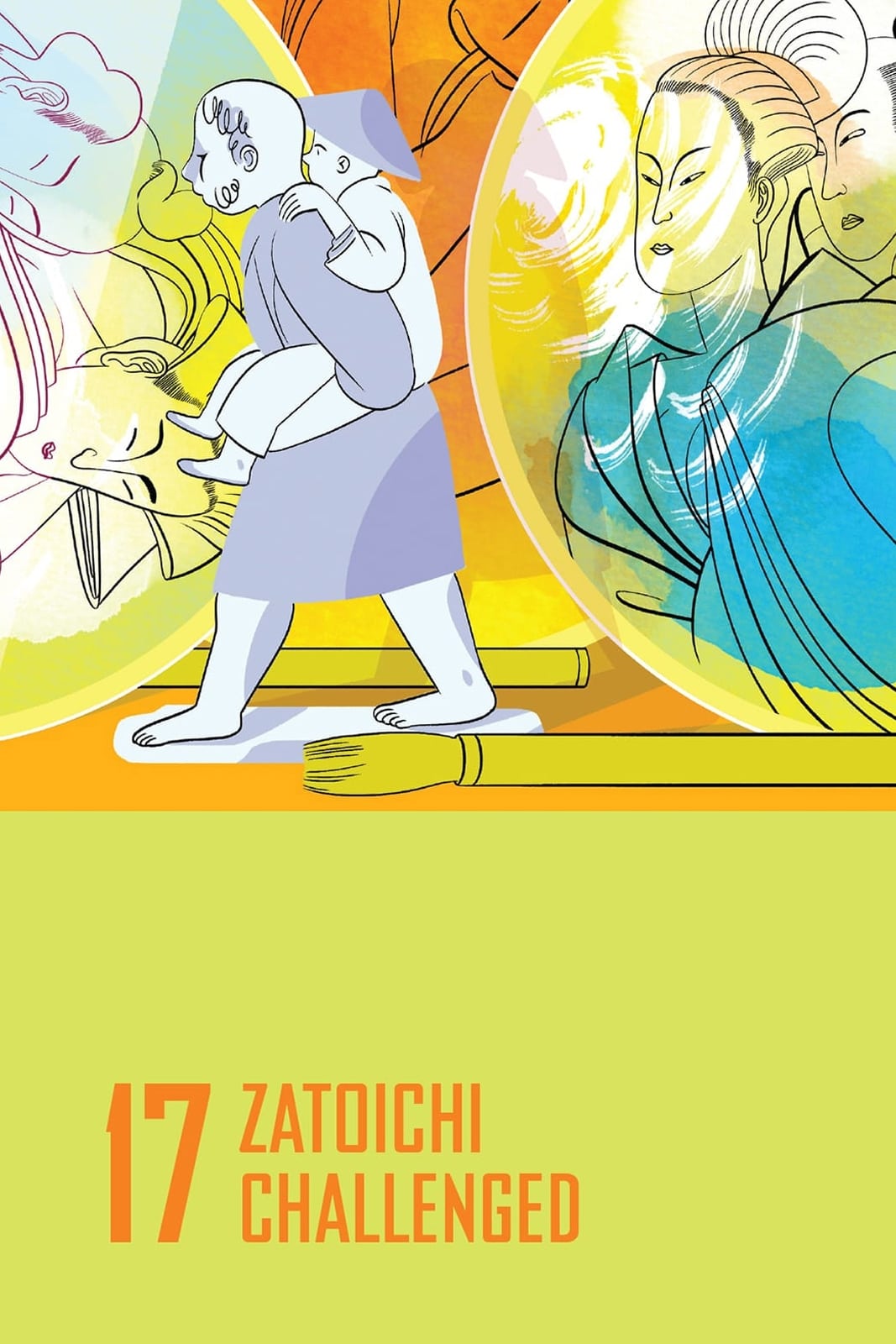
Ichi is staying at an inn when a woman dies. Her dying wish is that Ichi take her son to his father, an artist living in a nearby town. After arriving in the town, Ichi finds out that the father has been forced by a local boss to create illegal pornography to pay off his gambling debts. Ichi makes it his mission to save the man and reunite the family, even though it brings him into conflict with a samurai he sort of befriended on his way to the town.
Tatsuo, a reverent lumberjack, seeks to disrupt plans to build a marine park on his family land, instead promoting his traditions in reactionary ways.
Saotome Mondonosuke is Hatamoto (a high-class warrior who is allowed to see the Shogun in person) who has a crescent-moon-shaped scar on his forehead with flashy clothes and a handsome face, and is proficient in all the military arts and called Bored Hatamoto. Mikijiro Hira acts as such a hero in history. Mondonosuke is secretly ordered to look into the suspicious movement in Nagoya castle by the Ometsuke, and he found out about the misconduct and sole it. This is a period movie about the hero!
A young samurai stuck at the bottom of the hierarchical order attempts to rescue his childhood sweetheart from an evil clan lord after learning of a plot to kill her and her infant child. Bunshiro Maki is a skilled swordfighter who's lethal with a blade, yet still can't rise through the ranks of the system. After his father is accused of plotting against his clan and forced to commit ritual suicide, his longtime love Fuku is sent to Edo to become the clan lord's concubine. A few years later, Fuku has bore the clan lord a son. When Maki learns that the clan has hatched a plan to kill Fuku and her son to secure succession to the throne, he recruits two childhood friends to help thwart the diabolical plot.
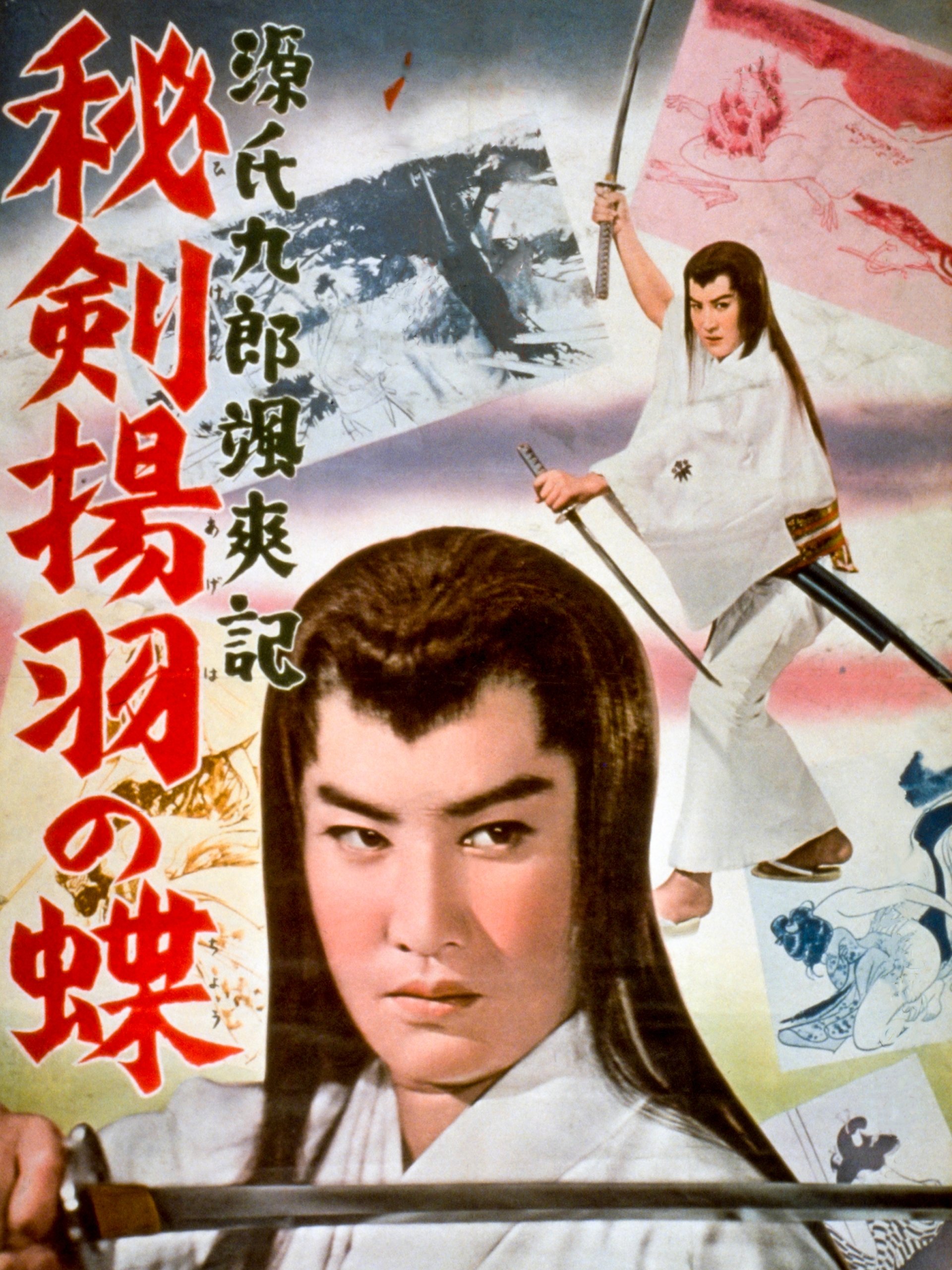
In the third, and final chapter of this epic tale, handsome swordsman Genji helps a vulnerable princess who is in search of a missing scroll that belongs to the Shogun. This is one of the most highly regarded trilogies featuring a youthful Nakamura Kinnosuke in one of his best roles. This was Kinnosuke at the height of his career, with charm, honor and a vicious sword. If you enjoyed the first two films in the series, you can't miss the exciting conclusion. Even without know-ledge of the first two films, this movie stands on its own with great action throughout!
Toma (Go Kato) is a son of a doctor in Takane, Yoshitomo Monzen. He was ordered by the sick federal lord and travel to Edo. It was said that Tsurunosuke, the man supposed to be the next federal lord, got a heavy disease, and the order aimed to make sure if it is true or not. On his way to Edo, Toma gave a hand to Kiku (Mayumi Okamura) who had a stomachache. However, she seemed to be in big trouble, and there were many warriors on the roads… This is the remade drama of “Wakasamamono” written by a popular novelist Tatsuji Satte. Go Kato as Dr. Waka brandishes a sword to come up against the plot of Karo, related to the inheritance of Takane Han.
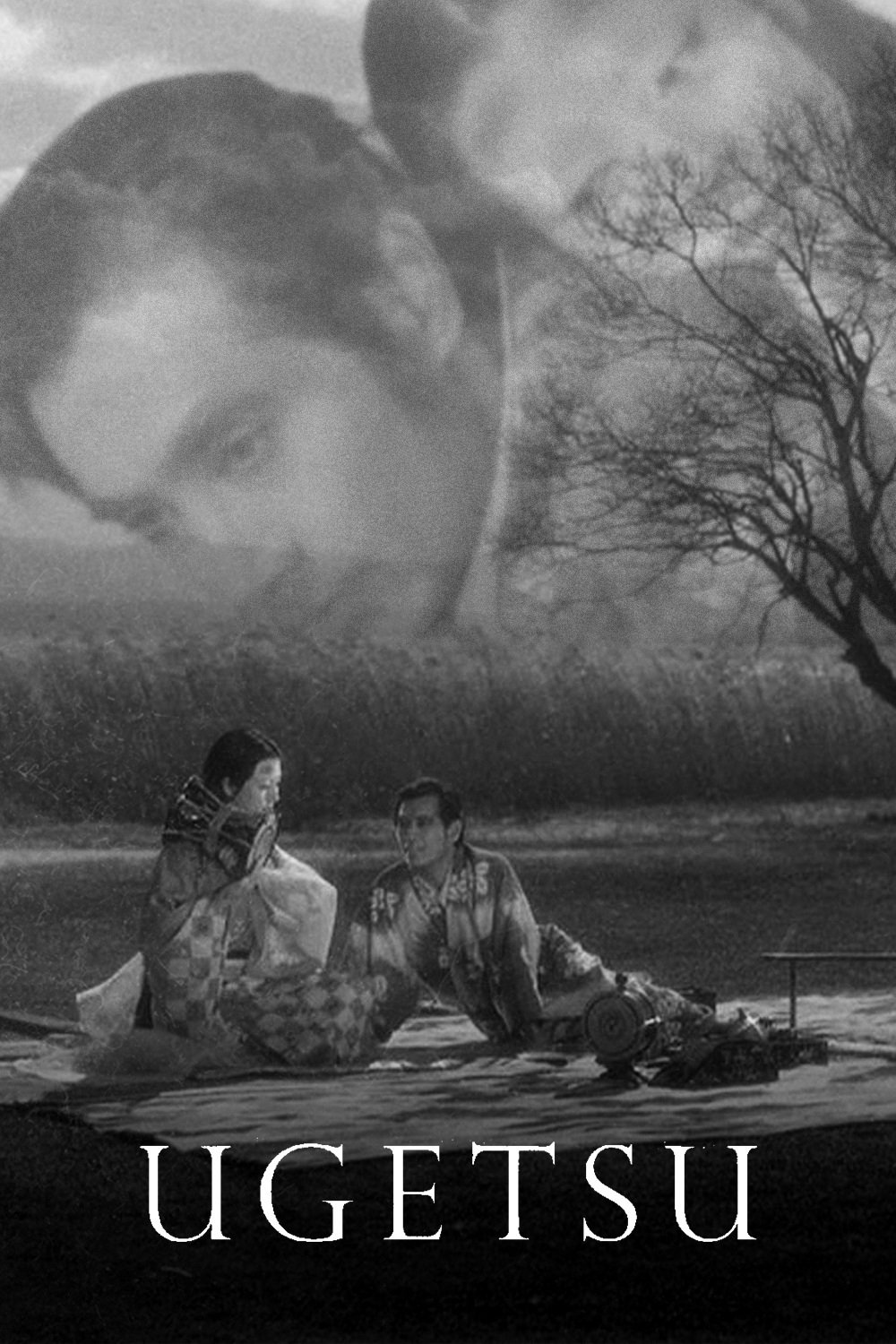
In 16th century Japan, peasants Genjuro and Tobei sell their earthenware pots to a group of soldiers in a nearby village, in defiance of a local sage's warning against seeking to profit from warfare. Genjuro's pursuit of both riches and the mysterious Lady Wakasa, as well as Tobei's desire to become a samurai, run the risk of destroying both themselves and their wives, Miyagi and Ohama.
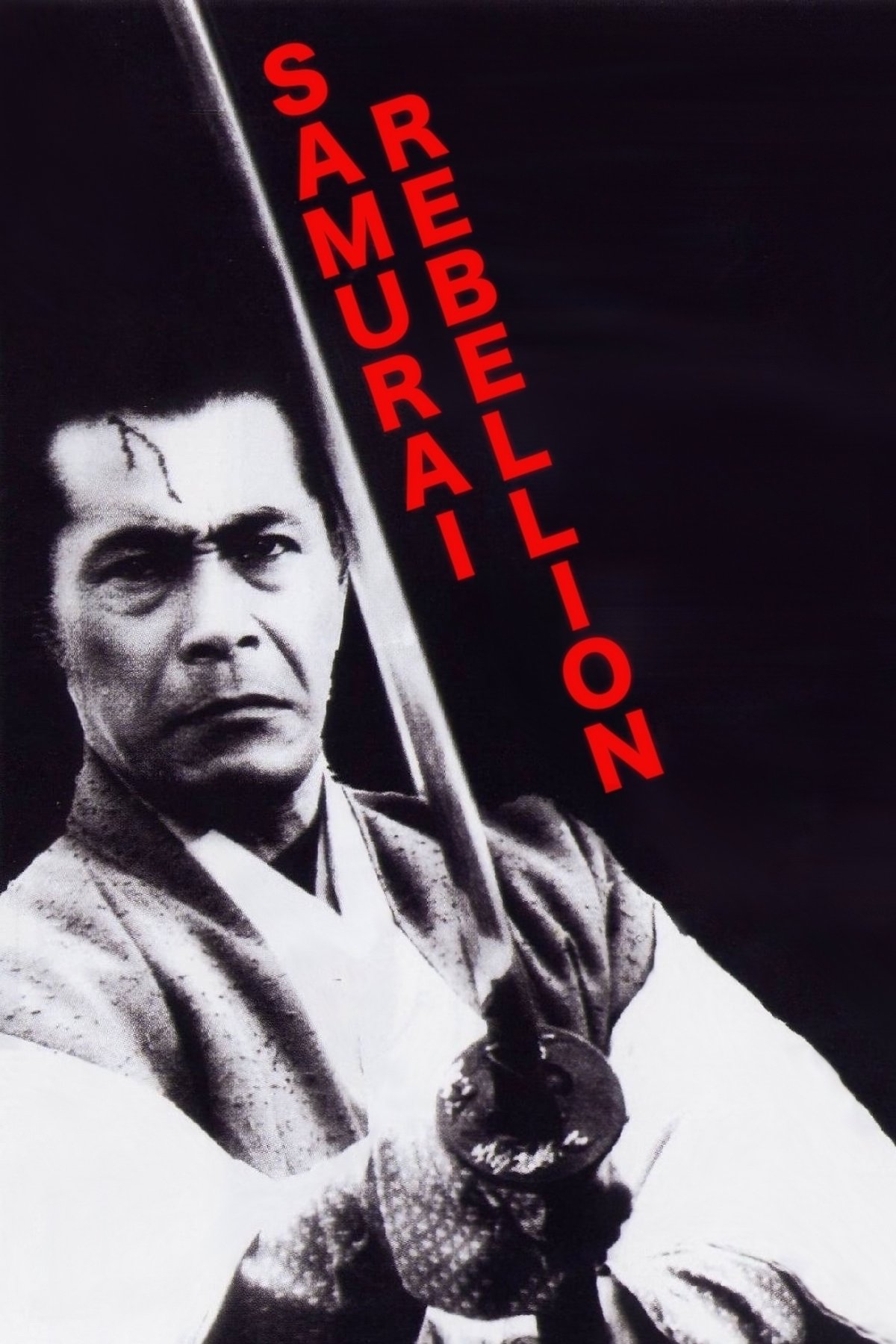
The mother of a feudal lord's only heir is kidnapped by the lord. Her husband and his samurai father must decide whether to accept the unjust decision, or risk death to rescue her.
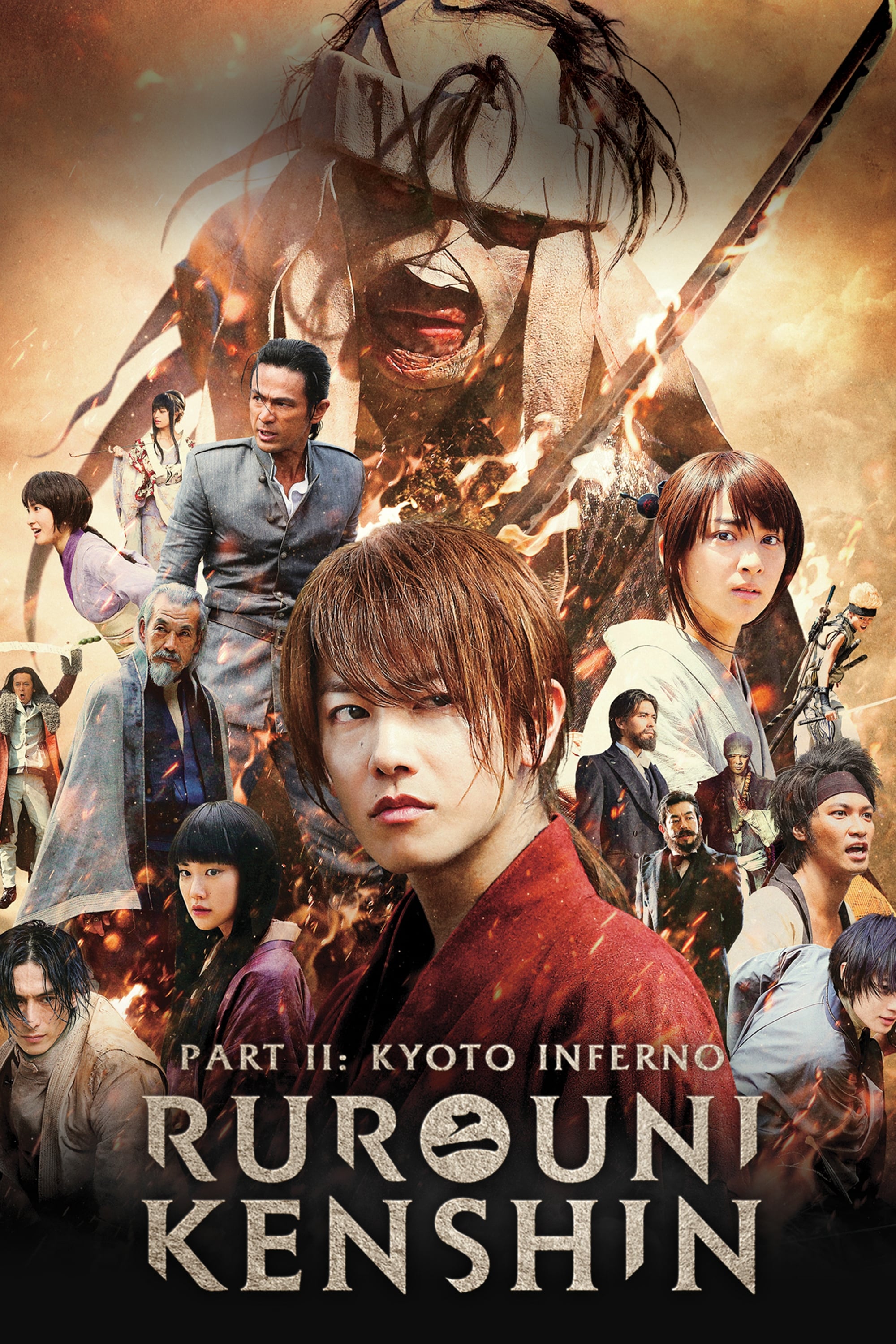
Kenshin has settled into his new life with Kaoru and his other friends when he is approached with a request from the Meiji government. Makoto Shishio, a former assassin like Kenshin, was betrayed, set on fire and left for dead. He survived, and is now in Kyoto, plotting with his gathered warriors to overthrow the new government. Against Kaoru's wishes, Kenshin reluctantly agrees to go to Kyoto and help keep his country from falling back into civil war.
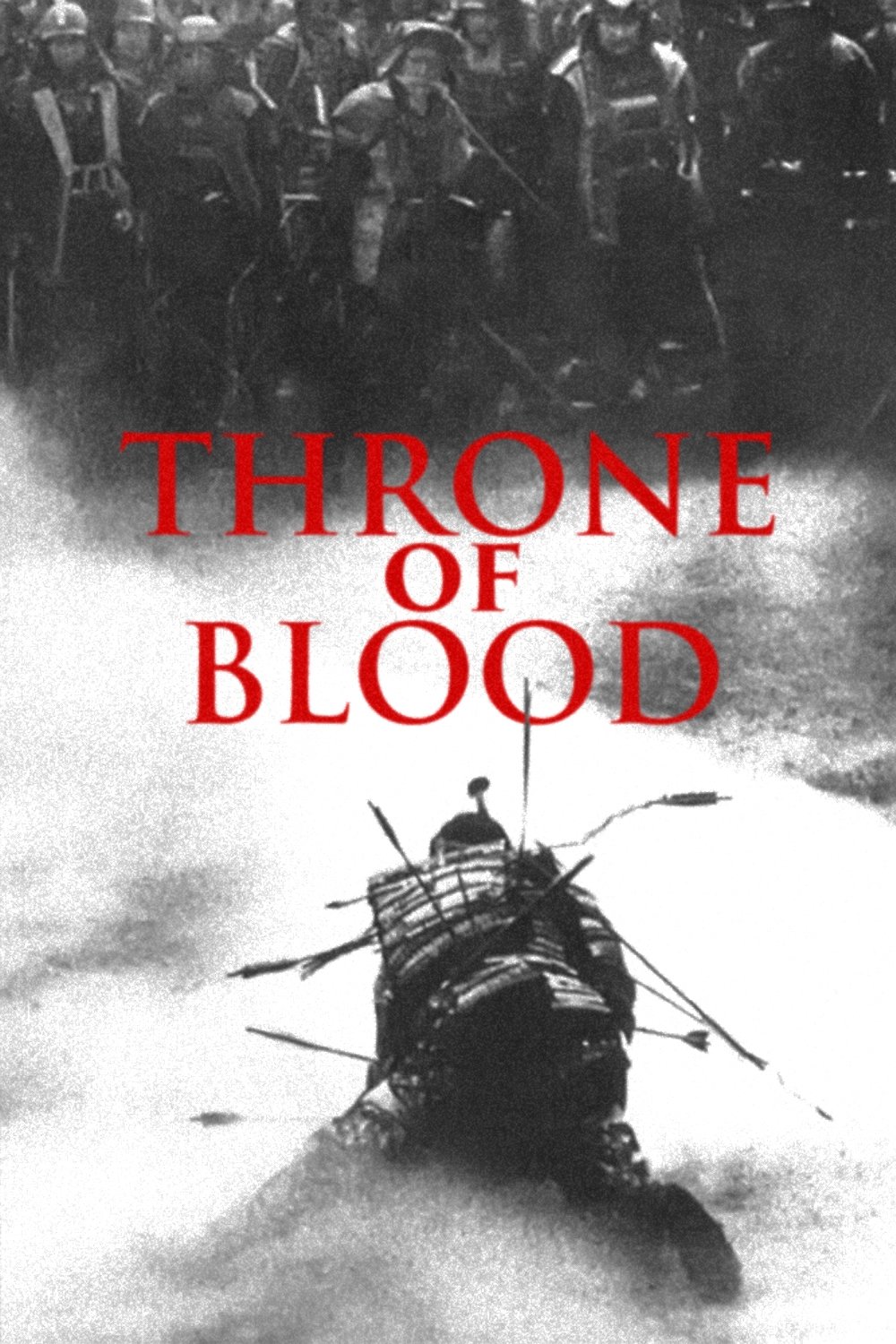
Returning to their lord's castle, samurai warriors Washizu and Miki are waylaid by a spirit who predicts their futures. When the first part of the spirit's prophecy comes true, Washizu's scheming wife, Asaji, presses him to speed up the rest of the spirit's prophecy by murdering his lord and usurping his place. Director Akira Kurosawa's resetting of William Shakespeare's "Macbeth" in feudal Japan is one of his most acclaimed films.
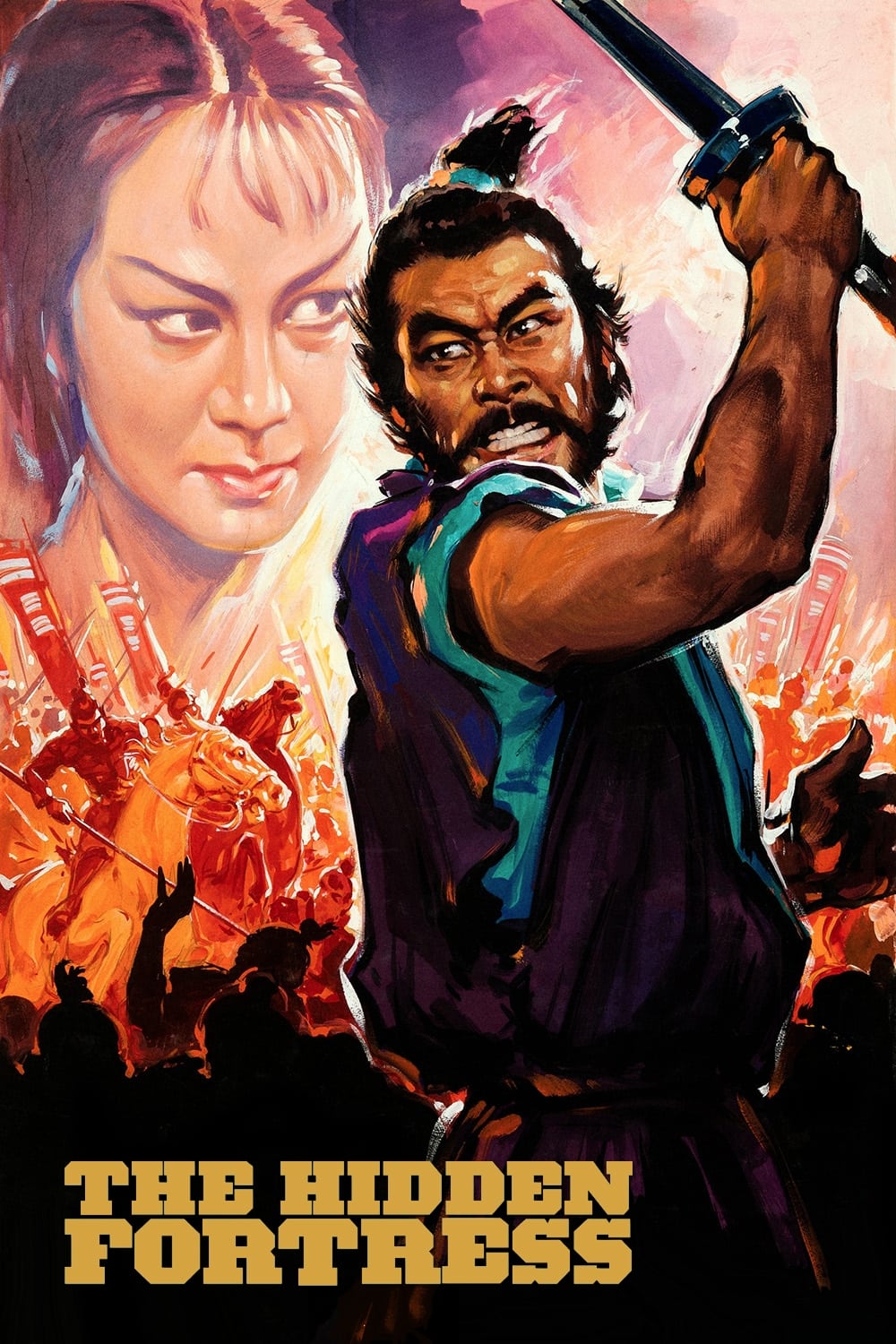
In feudal Japan, during a bloody war between clans, two cowardly and greedy peasants, soldiers of a defeated army, stumble upon a mysterious man who guides them to a fortress hidden in the mountains.
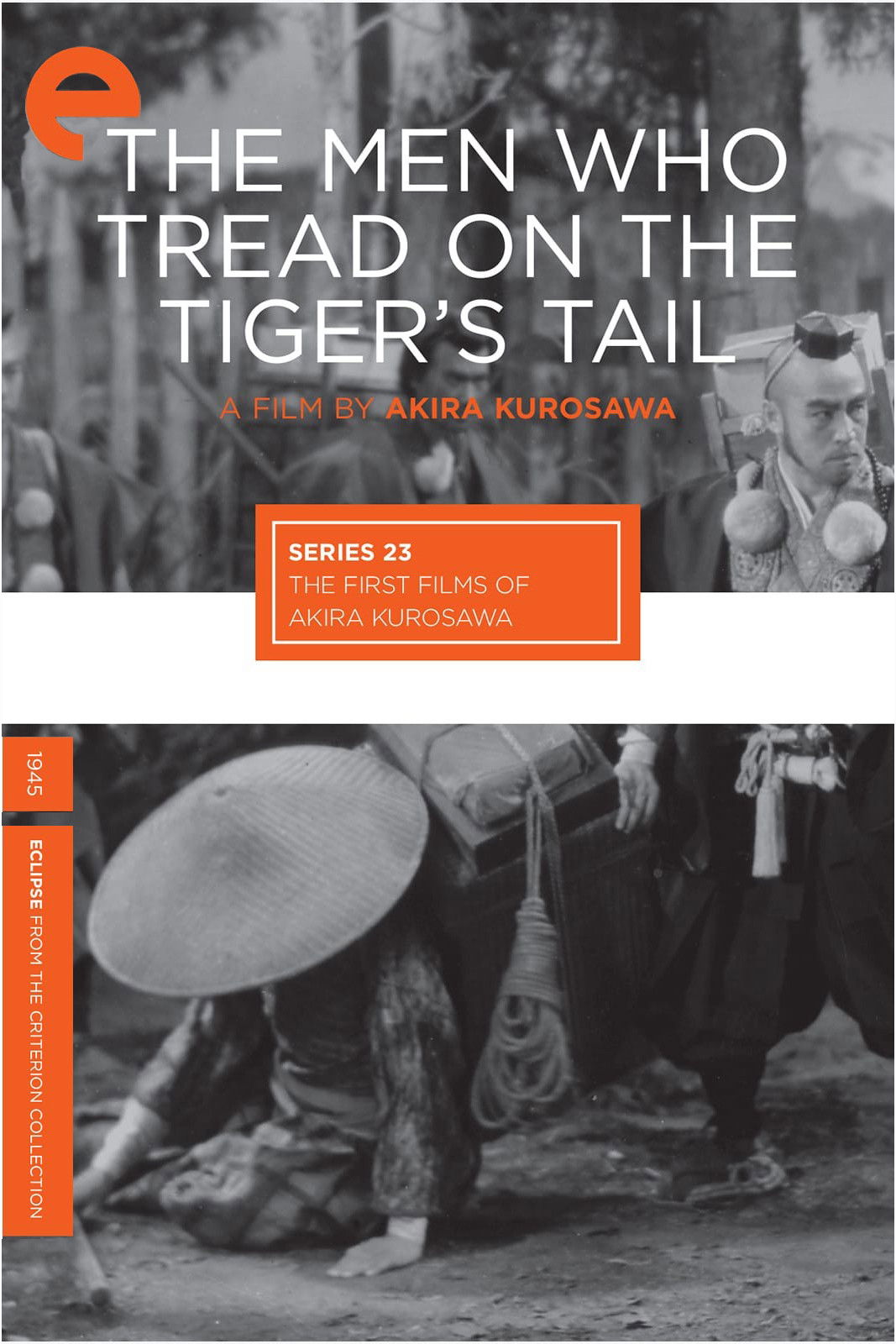
A fugitive lord and his six retainers disguise themselves as monks to bluff their way through a hostile checkpoint.
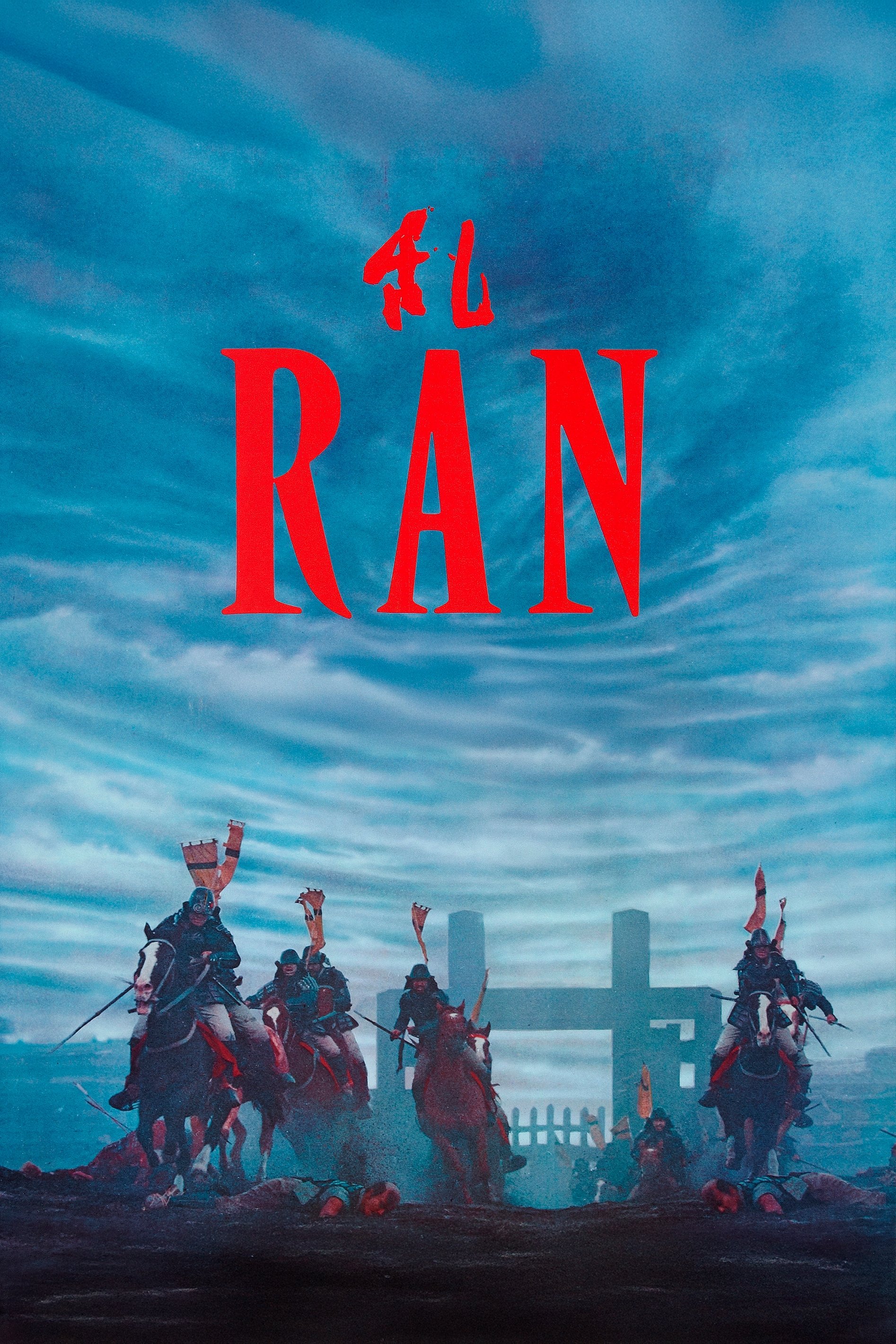
Shakespeare's King Lear is reimagined as a singular historical epic set in sixteenth-century Japan where an aging warlord divides his kingdom between his three sons.
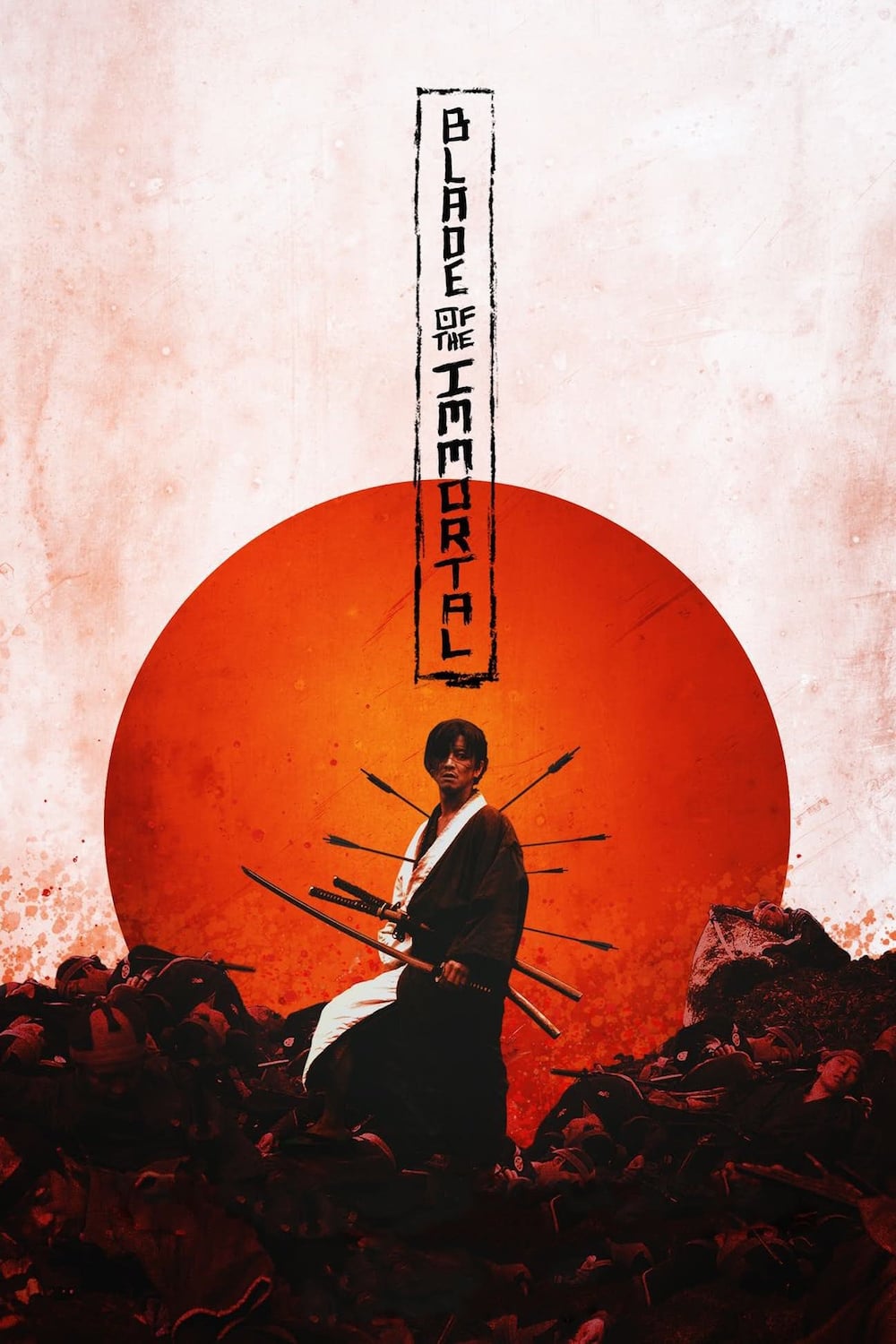
Manji, a highly skilled samurai, becomes cursed with immortality after a legendary battle. Haunted by the brutal murder of his sister, Manji knows that only fighting evil will regain his soul. He promises to help a young girl named Rin avenge her parents, who were killed by a group of master swordsmen led by ruthless warrior Anotsu. The mission will change Manji in ways he could never imagine.
A rebellious ninja in 17th century Japan takes refuge with a fisherman and his family.
Set during Japan's Shogun era, this film looks at life in a samurai compound where young warriors are trained in swordfighting. A number of interpersonal conflicts are brewing in the training room, all centering on a handsome young samurai named Sozaburo Kano. The school's stern master can choose to intervene, or to let Kano decide his own path.
A cursed dancer and a blind musician — both ostracized by society — become business partners and inseparable friends as their larger-than-life concerts propel them to stardom in 14th century Japan.
A group of travelers is stranded in a small country inn when the river floods during heavy rains. As the bad weather continues, tensions rise amongst the trapped travelers.
When the brutal Boshin War breaks out in Japan, a group of inmates on death row unite to defend a fortress against the Imperial army.
Struggling to elevate himself from his low caste in 17th century Japan, Miyamoto trains to become a mighty samurai warrior.
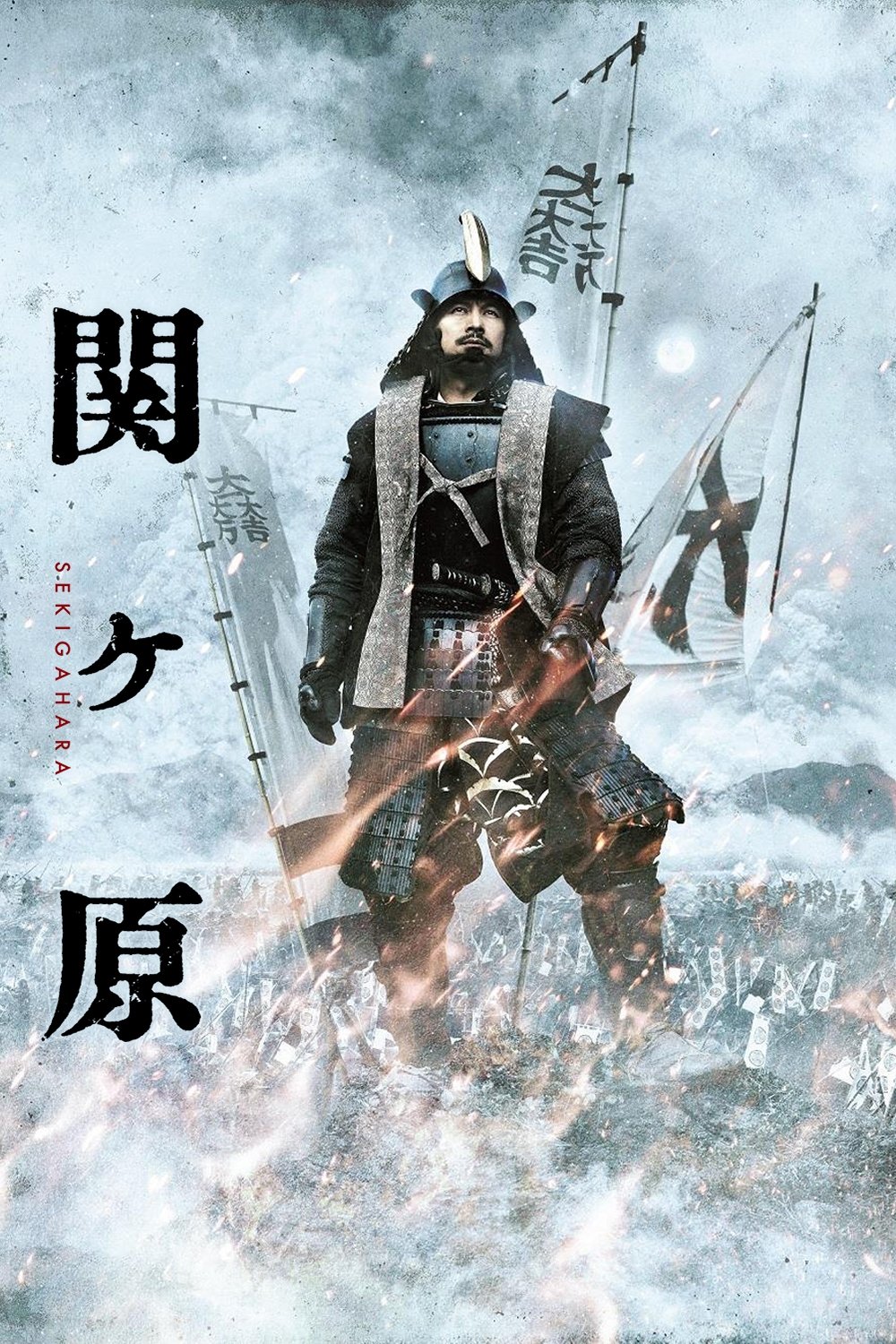
The background to and depiction of a watershed battle in Japanese history, at Sekigahara in 1600, when Tokugawa Ieyasu's Army of the East defeated the Army of the West of Ishida Mitsunari. The story includes the intrigues and shifting loyalties of the various retainers, family members, and samurai.
Ryunosuke, a gifted swordsman plying his trade during the turbulent final days of Shogunate rule, has no moral code and kills without remorse. It’s a way of life that leads to madness.
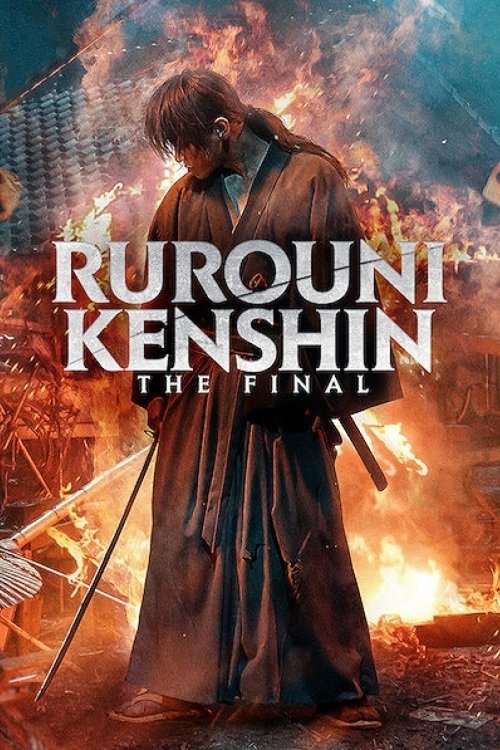
In 1879, Kenshin and his allies face their strongest enemy yet: his former brother-in-law Enishi Yukishiro and his minions, who've vowed their revenge.
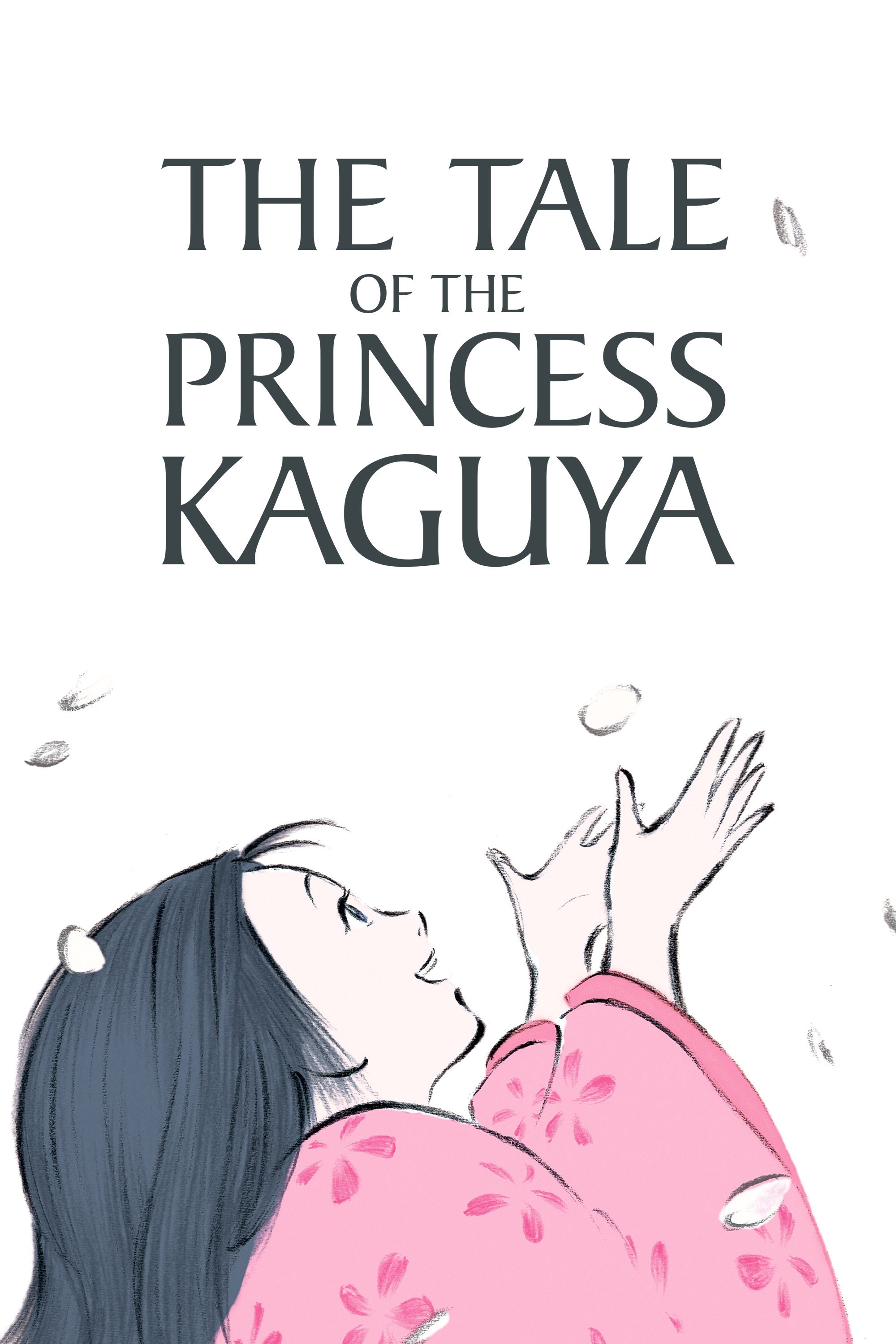
Found inside a shining stalk of bamboo by an old bamboo cutter and his wife, a tiny girl grows rapidly into an exquisite young lady. The mysterious young princess enthrals all who encounter her. But, ultimately, she must confront her fate.
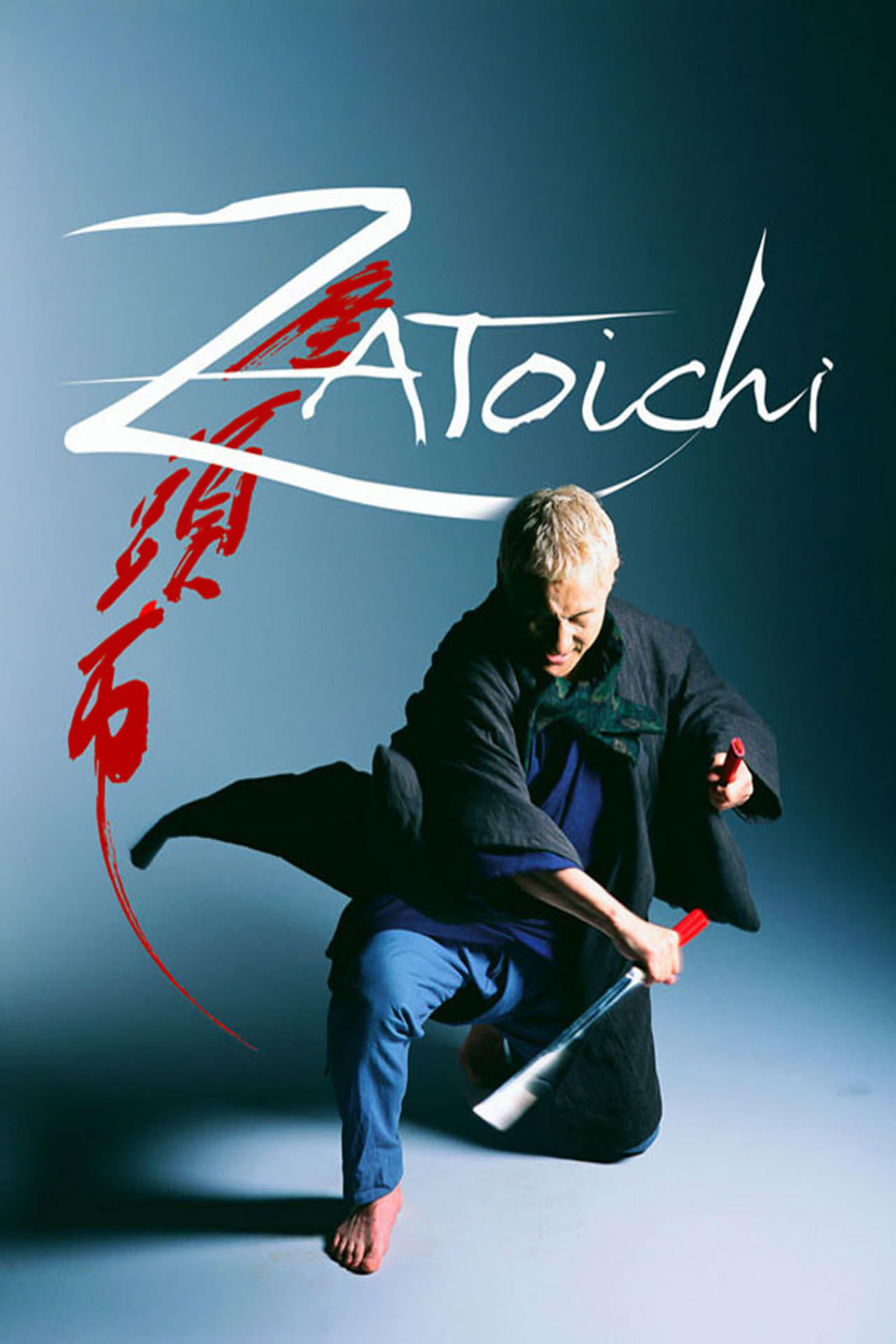
Blind traveler Zatoichi is a master swordsman and a masseur with a fondness for gambling on dice games. When he arrives in a village torn apart by warring gangs, he sets out to protect the townspeople.
Older, wiser but still a wandering loner, the blind, peace-loving masseur Ichi seeks a peaceful life in a rural village. When he's caught in the middle of a power struggle between two rival Yakuza clans, his reputation as a deadly defender of the innocent is put to the ultimate test in a series of sword-slashing showdowns.