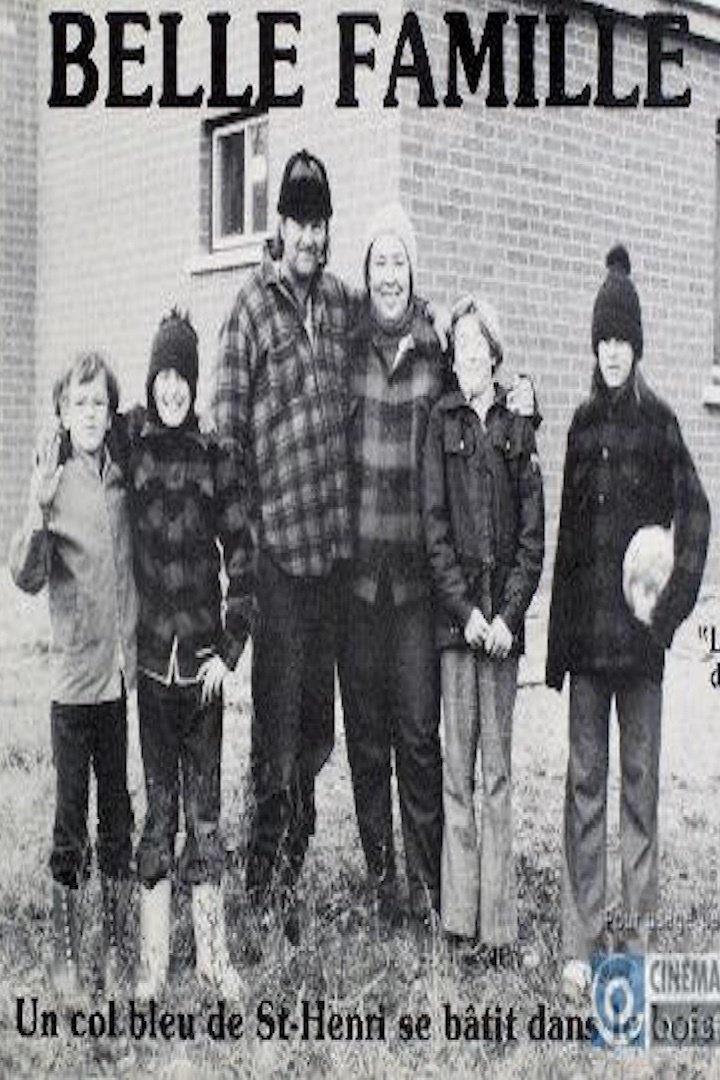
A working class family leaves St-Henri quarter in Montréal to build a new home in the countryside.
Social & External
The people behind it
Gérard Duffault
Himself
Feature-length documentary as part of Pierre Perrault's Abitibian Cycle. The filmmaker questions the past and present of Abitibi and draws up, face to face, the promises of colonization in the 1930s and the great disappointment caused by the closing of the land in the 1970s. There are witnesses to the heroic era, including the cultivator Hauris Lalancette, as well as extracts from films by Father Maurice Proulx (1934-1940).
Life is a movie.
A documentary about direct-cinema from its very beginnings (Nanook of the North) to the fake-direct-cinema of the Blair Witch Project. All the important direct-cinema filmmakers are portrayed and/or interviewed: Leacock, Wiseman, Maysles, Pennebaker, Reisz and others.
Images of love and freedom personified by a man who like to travel, a man who has made a profession of doing nothing and who constantly comes up against the structures of a society he rejects.
A first look at Strobus / Banksiana: a musical and visual work supported by two important protagonists of the Quebec forest: the white pine and the jack pine. Duu's second album, first double album : each half is distinguished by its sonic palette, its writing style, and the type of conifer that surrounds it. This short documentary offers an intimate glimpse into the creator's journey through the paths that led him to conceive this personal diptych, where he embraces his duality in this visceral desire to celebrate nature every day.
"Montréal under the snow and the cold winter. It is the period of the year when the garage owners strike it rich. The automobile at the service of man? This small opus would rather show the contrary. This is one in a series of eight films titled “Chronicle of Everyday Life,” a project that filmmaker Jacques Leduc took four years to realize, and whose goal was to revisit Direct Cinema at a moment when it was already heavily “contaminated” by mainstream TV." - Anthology Film Archives
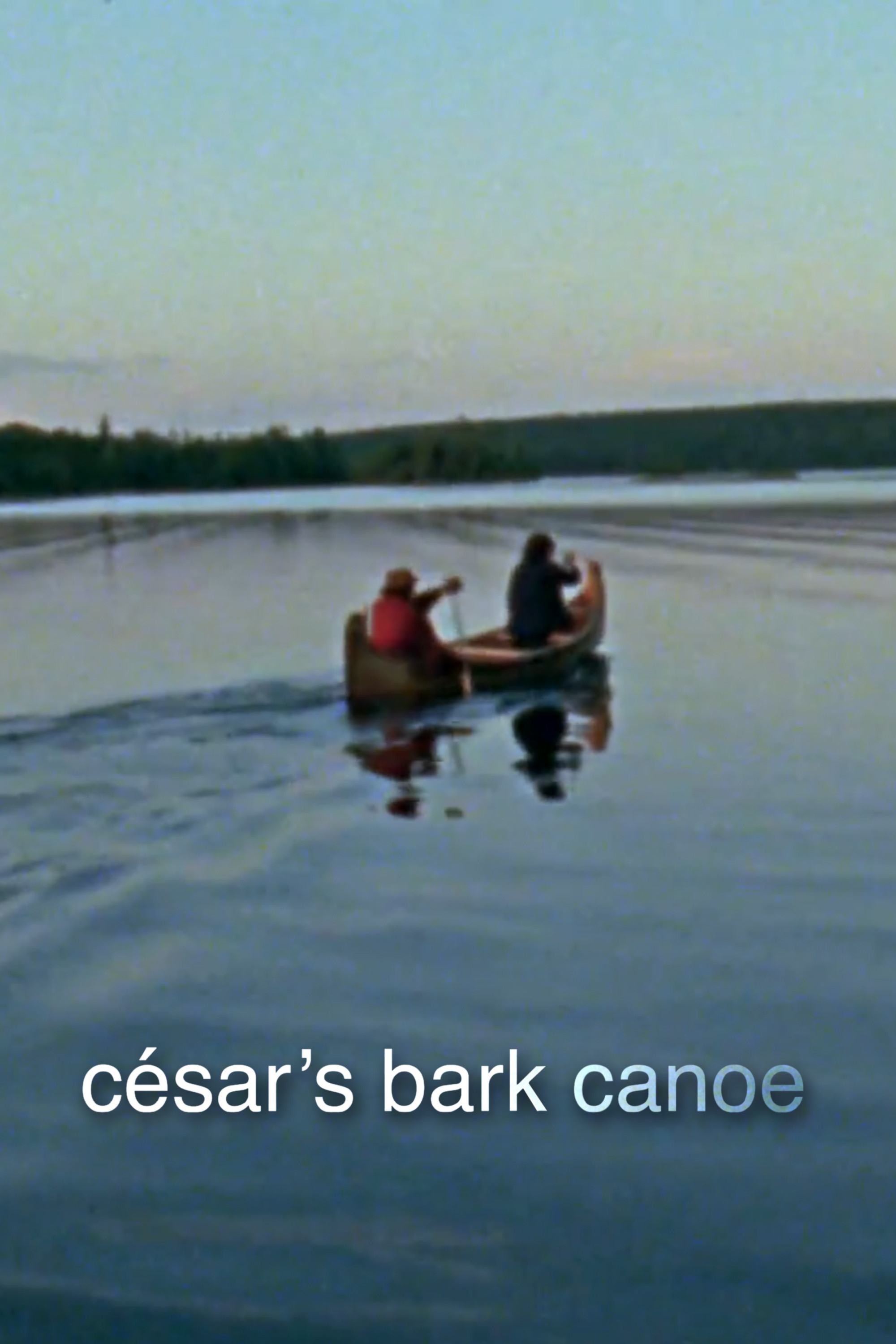
"This documentary depicts a canoe being built in the traditional manner. Cesar Newashish, a 67-year-old Attikamek of the Manawan Reserve North of Montréal, uses only birchbark, cedar splints, spruce roots, and gum. With a sure hand he works methodically to fashion a craft unsurpassed in function or beauty of design. Building a canoe solely from the materials that the forest provides may become a lost art, even among the Native Peoples whose traditional craft it is. The film is free of spoken commentary but text appears on the screen in Cree, French, and English." - Anthology Film Archives
"This feature documentary is considered to be the forerunner of the NFB's Challenge for Change Program. The film offers in inside look at 3 weeks in the life of the Bailey family. Trouble with the police, begging for stale bread, and the birth of another child are just some of the issues they face. Through it all, the father tries to explain his family's predicament. Although filmed in Montreal, the film offers an anatomy of poverty as it occurs throughout North America." - NFB
"This film is one of the first French Unit productions of the “Société Nouvelle/Challenge for Change” program. When an old area of Montréal is to be demolished to make way for a new low-income housing development, is there anything the residents can do to protect their own interests? The film documents such a situation in the Little Burgundy district of Montréal and shows how the residents organized themselves into a committee that successfully influenced the city’s housing policy." - Anthology Film Archives
A German Documentary about the “village of friendship” that was created by American Veteran George Mizo to help the Vietnamese kids suffering from the Vietnam War.
Warsaw's Central Railway Station. 'Someone has fallen asleep, someone's waiting for somebody else. Maybe they'll come, maybe they won't. The film is about people looking for something.
María Luisa is a transgender woman living in a staunchly catholic town. The horrors of rural life in Colombia with all its morality have done nothing but increase the power of this solitary soul. Shunned from birth, from the womb, she has found in the secrets she holds, in her love of animals, in the labyrinth of her faith, a way of dealing with a world that has done nothing but despite her for reasons beyond her control, reasons that have victimized her from the start. But our Miss is as mighty as a stalk of wheat, impervious even to earthquakes, and although she has known much sorrow, there is none powerful enough to exhaust her tears or wipe away her smile.
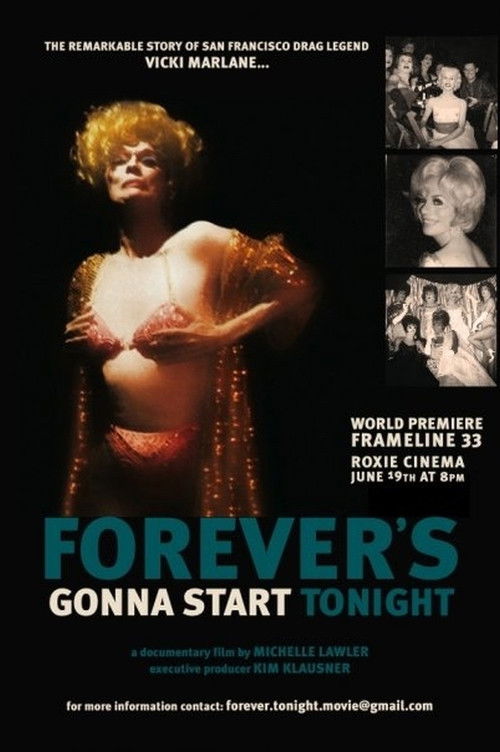
The film tells the astounding life story of San Francisco living legend Vicki Marlane, America's oldest professional transgender drag entertainer. It explores the theme that creative expression is a transformative experience that allows one to overcome virtually insurmountable obstacles -- social, biological, economic and personal.
A documentary of the German national soccer team’s 2006 World Cup experience that changed the face of modern Germany.
‘Wall Piano’ takes us into a daydream of a child who lives under the shadow of a separation wall. Artists Asma Ghanem (Palestine), Christopher Marianetti (USA), and Alexia Webster (South Africa) worked with a group of children living near the Qalandia checkpoint in Ramallah, Palestine, a frontline of the West Bank conflict. The idea for this short film came from 12 year-old ‘Nada’, featured in the film, and is scored by Christopher Marianetti.
“COMEDY CENTRAL’s Last Laugh ’05” takes an irreverent look back at some of the most controversial and outrageous events of this year from the infamous Tom Cruise couch dance to the Terri Schiavo saga, bird flu to Courtney Love’s melt-down, “Last Laugh ’05” unleashes its fury on our most laughable newsmakers and news fakers.
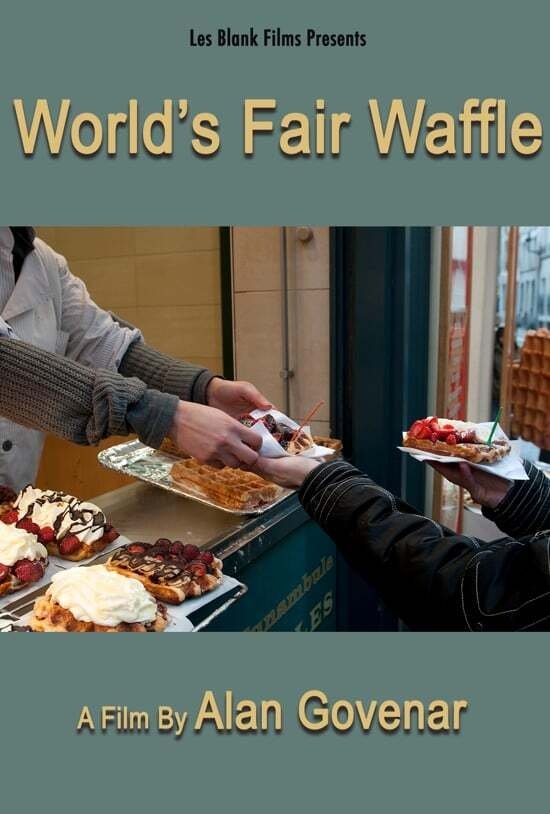
In 1964, Mariepaul Vermersch and her parents, Maurice and Rose, arrived at the World's Fair site in Queens and set up a booth serving the popular street food from their home in Brussels, Belgium's capital. They wanted to call them Brussels Waffles, but Rose discovered that Americans didn't know where Brussels was. They began calling them Bel-Gems or Belgian Waffles. They were unlike almost every other waffle served in the United States until then: These were light and fluffy but thick; crispy on the outside and sweet; topped with powdered sugar and/or whipped cream and fresh strawberries. For 55 years, only one place in the United States still serves "authentic" Belgian waffles exactly as that treat, Maurice's Belgian Waffles at the New York State Fair.
A story about human passions hidden behind the apparent sleepiness and tranquility of a small European town. Each of us strives for happiness. We seek fulfillment in love, children, religion, and work. How can we prolong our lives, live them to the fullest, and achieve lasting health and youth? It seems that disappointment and despair will never touch us...
In the Realms of the Unreal is a documentary about the reclusive Chicago-based artist Henry Darger. Henry Darger was so reclusive that when he died his neighbors were surprised to find a 15,145-page manuscript along with hundreds of paintings depicting The Story of the Vivian Girls, in What is Known as the Realms of the Unreal, of the Glodeco-Angelinnian War Storm, Cased by the Child Slave Rebellion.
An inside look at one of the most anticipated movie sequels ever with James Cameron and cast.
SEDUCED AND ABANDONED combines acting legend Alec Baldwin with director James Toback as they lead us on a troublesome and often hilarious journey of raising financing for their next feature film. Moving from director to financier to star actor, the two players provide us with a unique look behind the curtain at the world's biggest and most glamourous film festival, shining a light on the bitter-sweet relationship filmmakers have with Cannes and the film business. Featuring insights from directors Martin Scorsese, 'Bernando Bertolucci' and Roman Polanski; actors Ryan Gosling and Jessica Chastain and a host of film distribution luminaries.
Alexander McQueen's rags-to-riches story is a modern-day fairy tale, laced with the gothic. Mirroring the savage beauty, boldness and vivacity of his design, this documentary is an intimate revelation of McQueen's own world, both tortured and inspired, which celebrates a radical and mesmerizing genius of profound influence.
A documentary about the life and films of director John Ford.
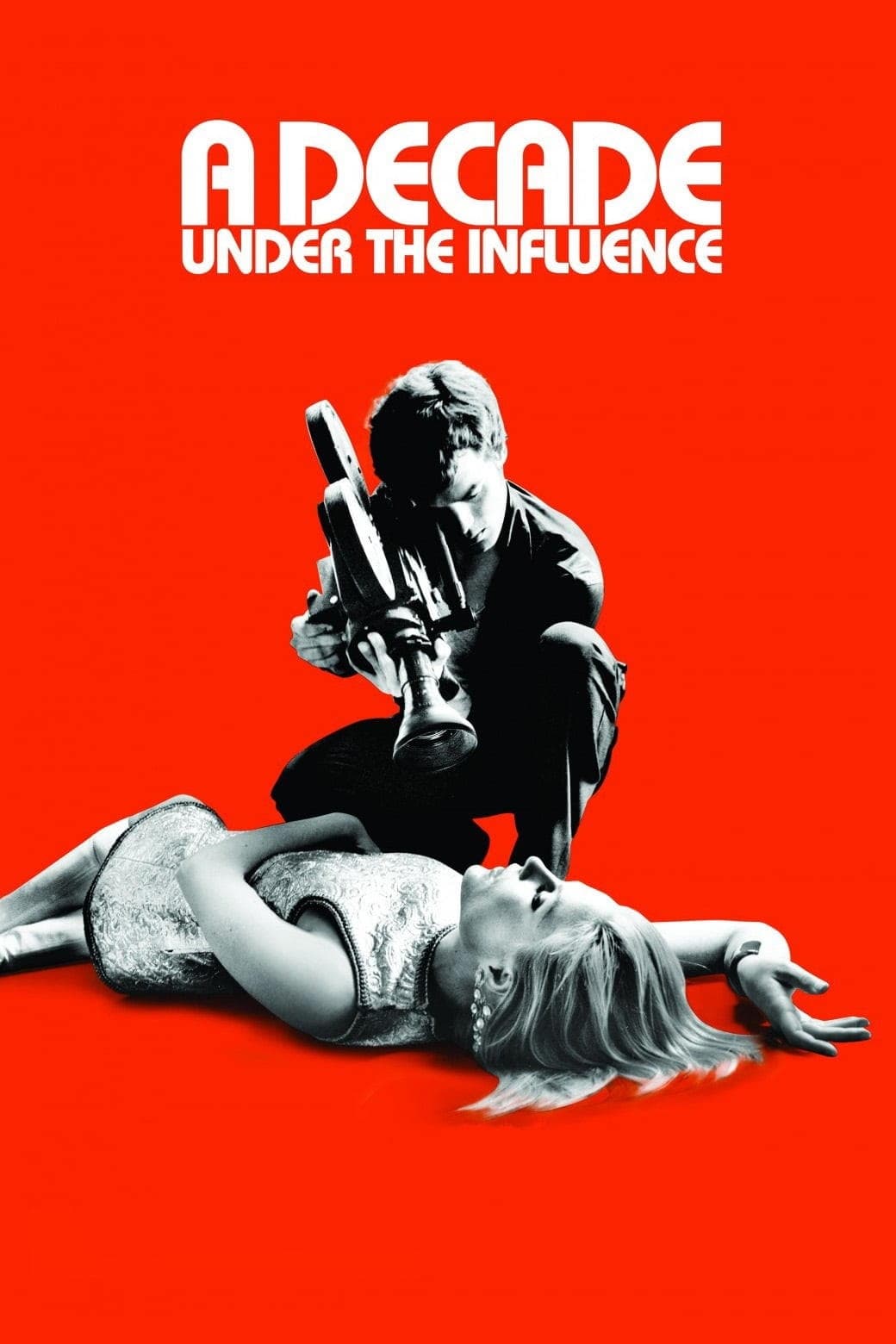
A documentary examining the decade of the 1970s as a turning point in American cinema. Some of today's best filmmakers interview the influential directors of that time.
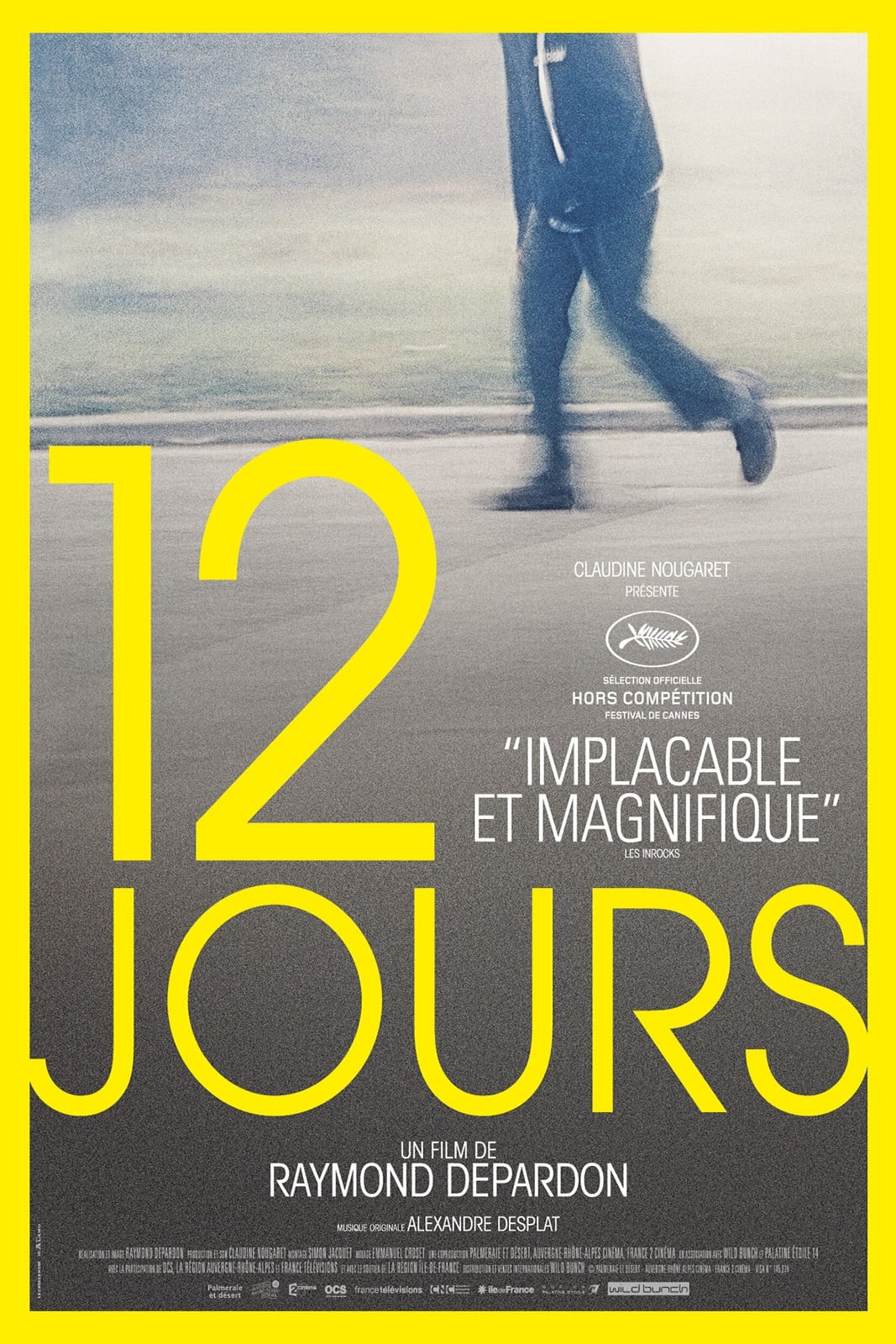
A new documentary by filmmaker-photographer Raymond Depardon – where justice and psychiatry meet.
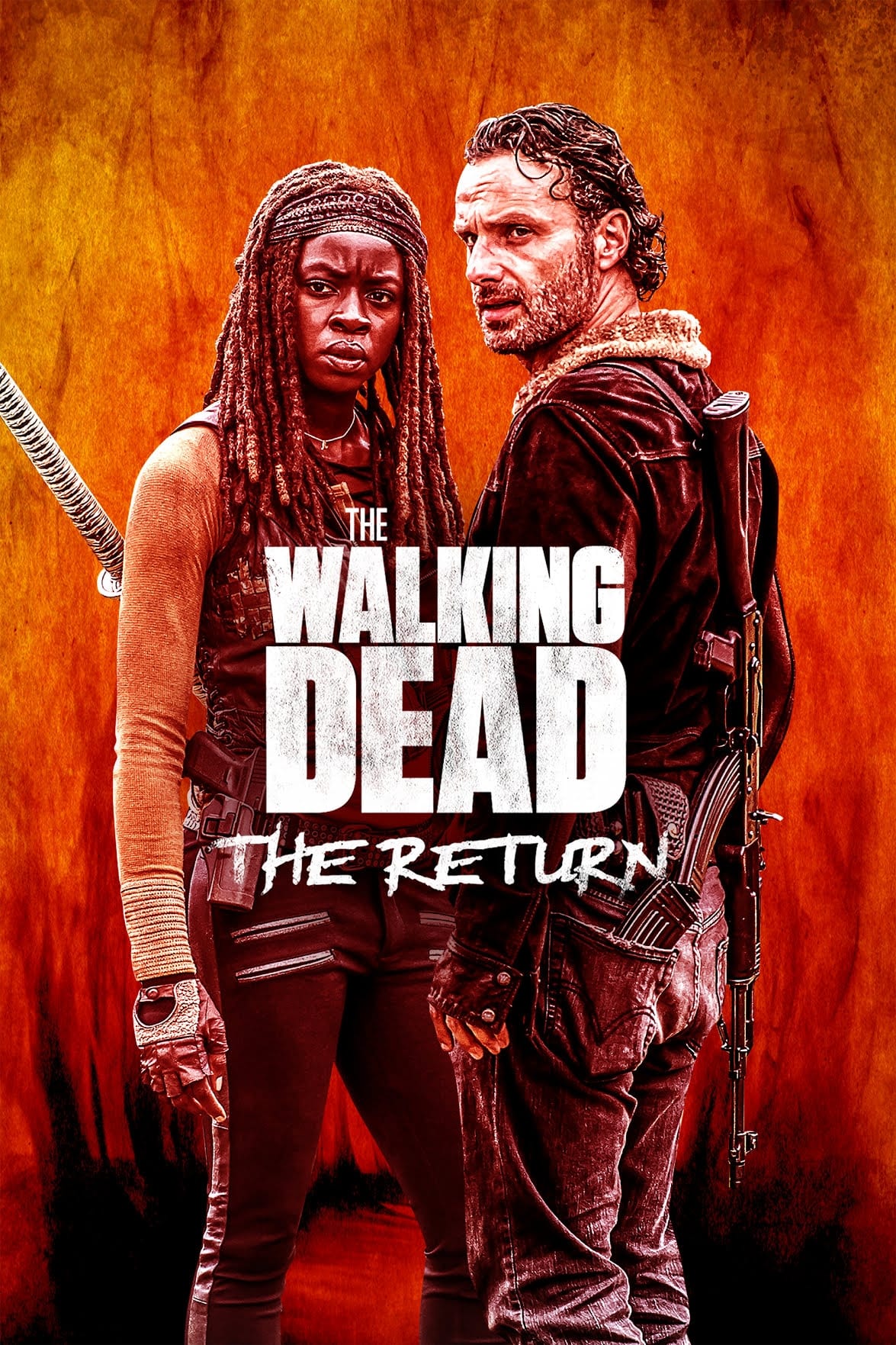
Stars of "The Walking Dead," Andrew Lincoln and Danai Gurira, walk down memory lane and visit iconic locations where pivotal moments between their characters, Rick and Michonne, were filmed.
The film follows adventurer Jeff Johnson as he retraces the epic 1968 journey of his heroes Yvon Chouinard and Doug Tompkins to Patagonia.
Through deeply personal interviews with her siblings and an examination of the photographs, letters, and belongings left behind, Mariska assembles a new portrait of her mother Jayne Mansfield, an extraordinary and complex woman.
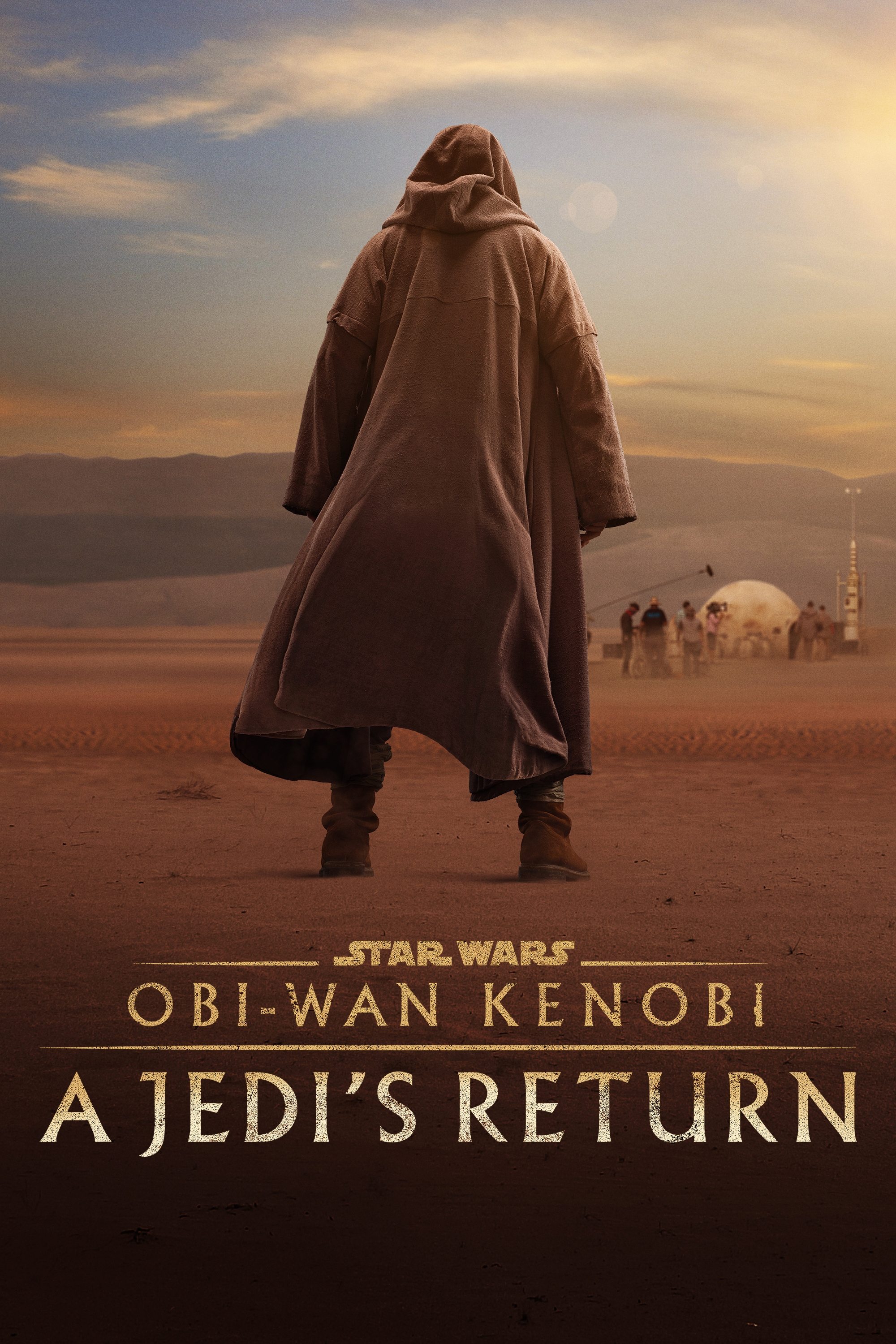
This special explores the return of Obi-Wan Kenobi and Anakin Skywalker to the screen, as well as Ewan McGregor and Hayden Christensen to their classic roles. Director Deborah Chow leads the cast and crew as they create new heroes and villains that live alongside new incarnations of beloved Star Wars characters, and an epic story that dramatically bridges the saga films.
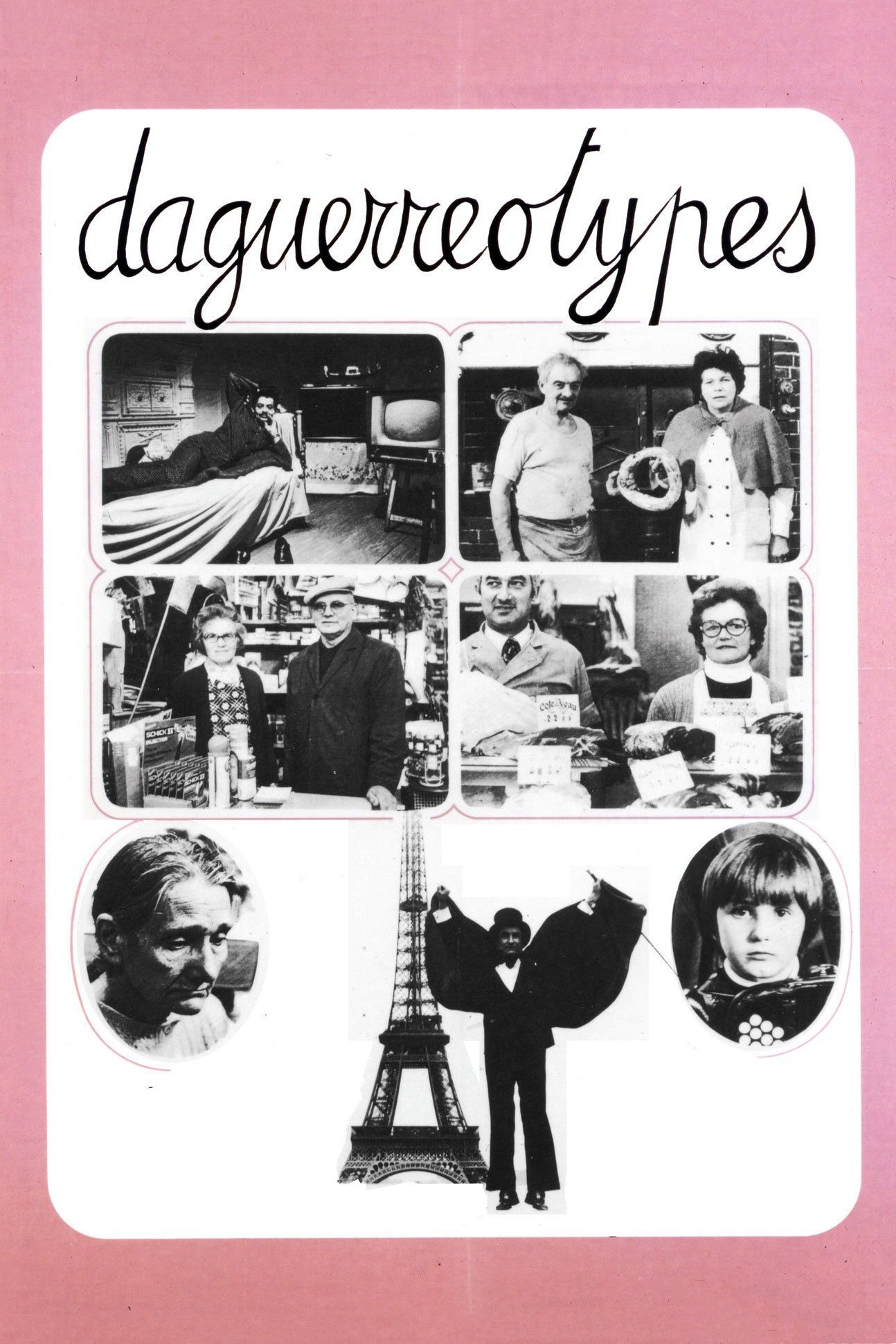
An intimate portrait of the small shops and shopkeepers of the Rue Daguerre in Paris, a picturesque street that has been the filmmaker’s home for more than 50 years.
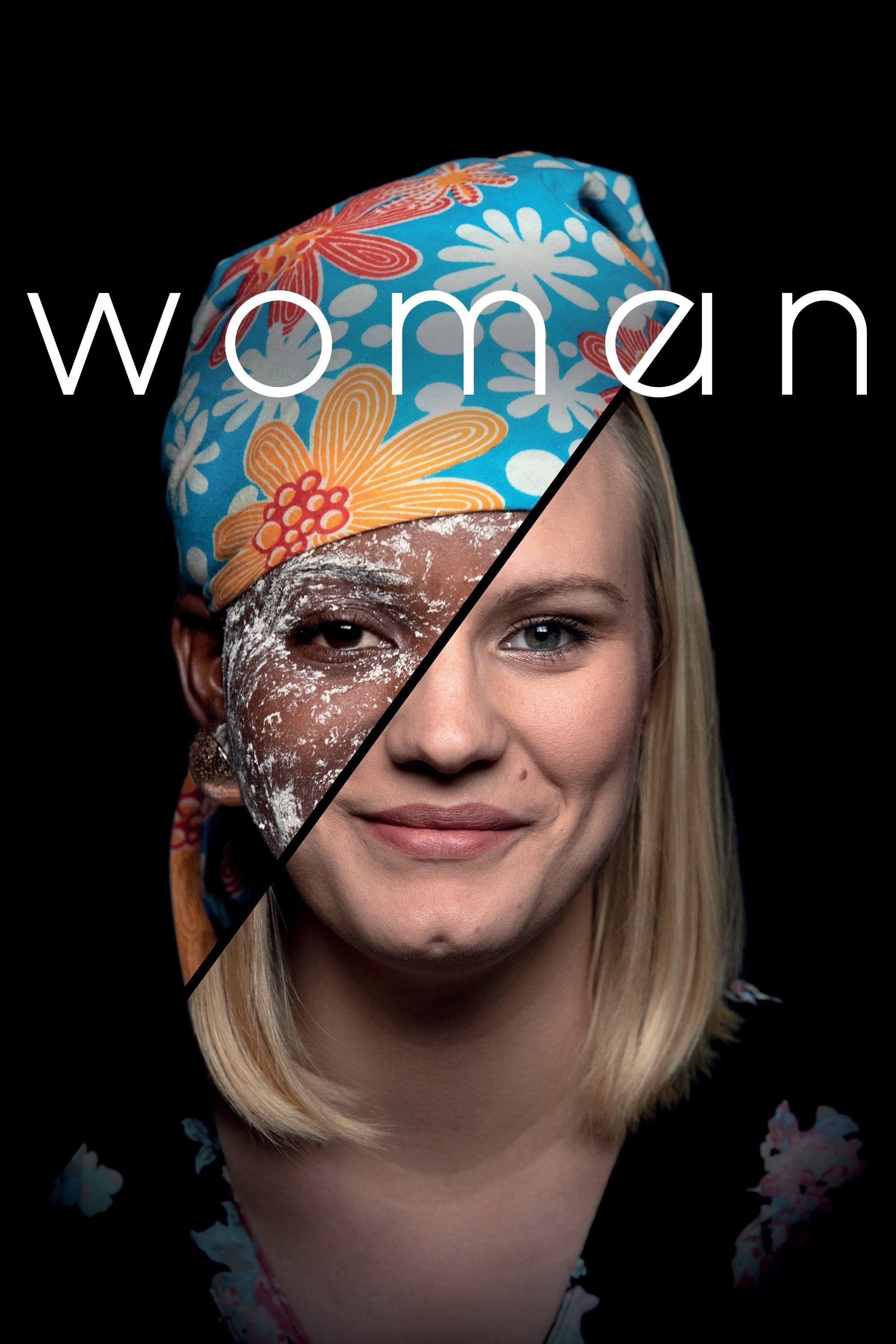
The film is based on interviews with 2,000 women from 50 countries, and covers the status of women all over the world. The topics covered include forced marriages, sexual assault, female genital mutilation, acid attacks, motherhood, sexuality, menstruation, education and the professional success of women.
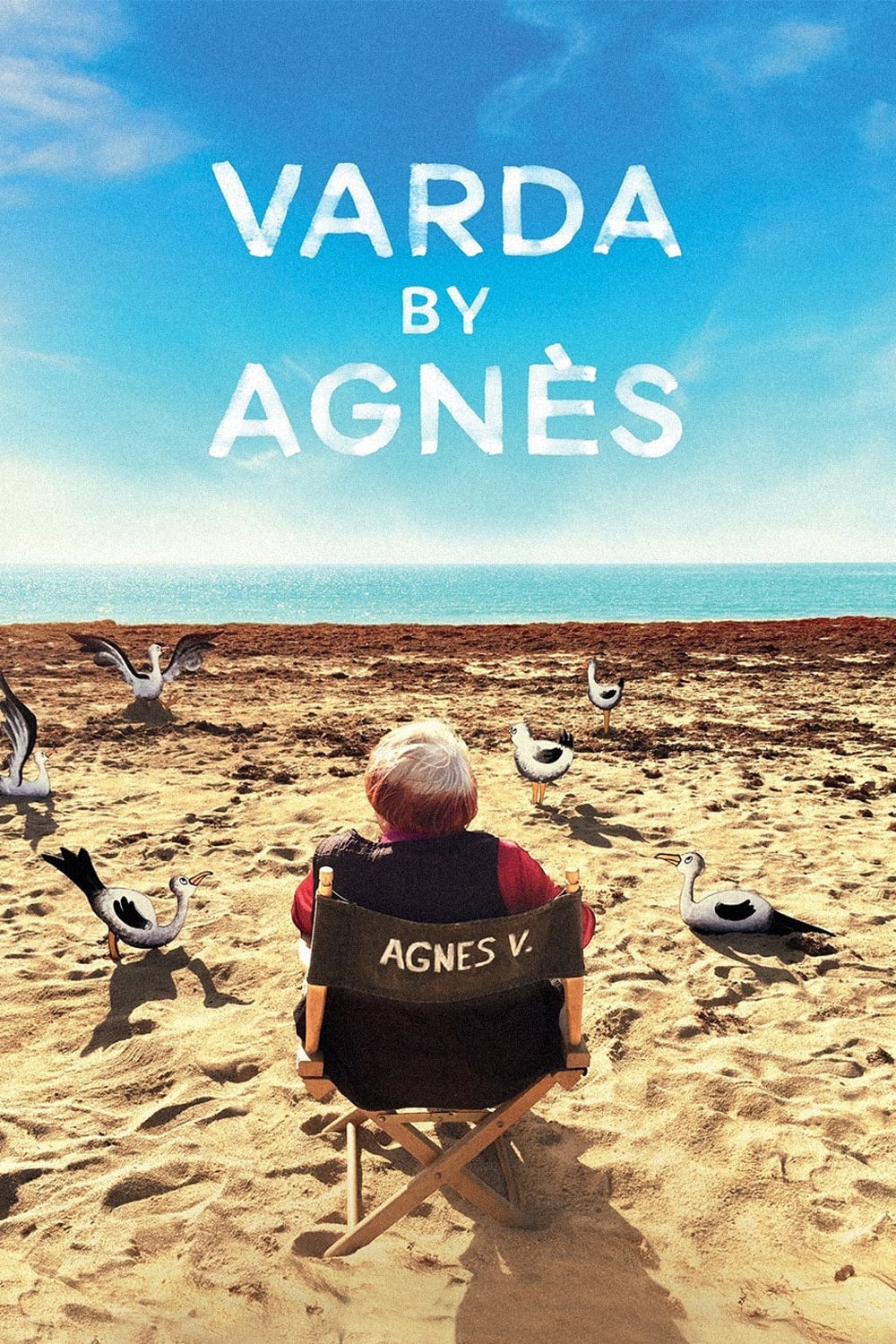
An unpredictable documentary from a fascinating storyteller, Agnès Varda’s last film sheds light on her experience as a director, bringing a personal insight to what she calls "cine-writing," traveling from Rue Daguerre in Paris to Los Angeles and Beijing.
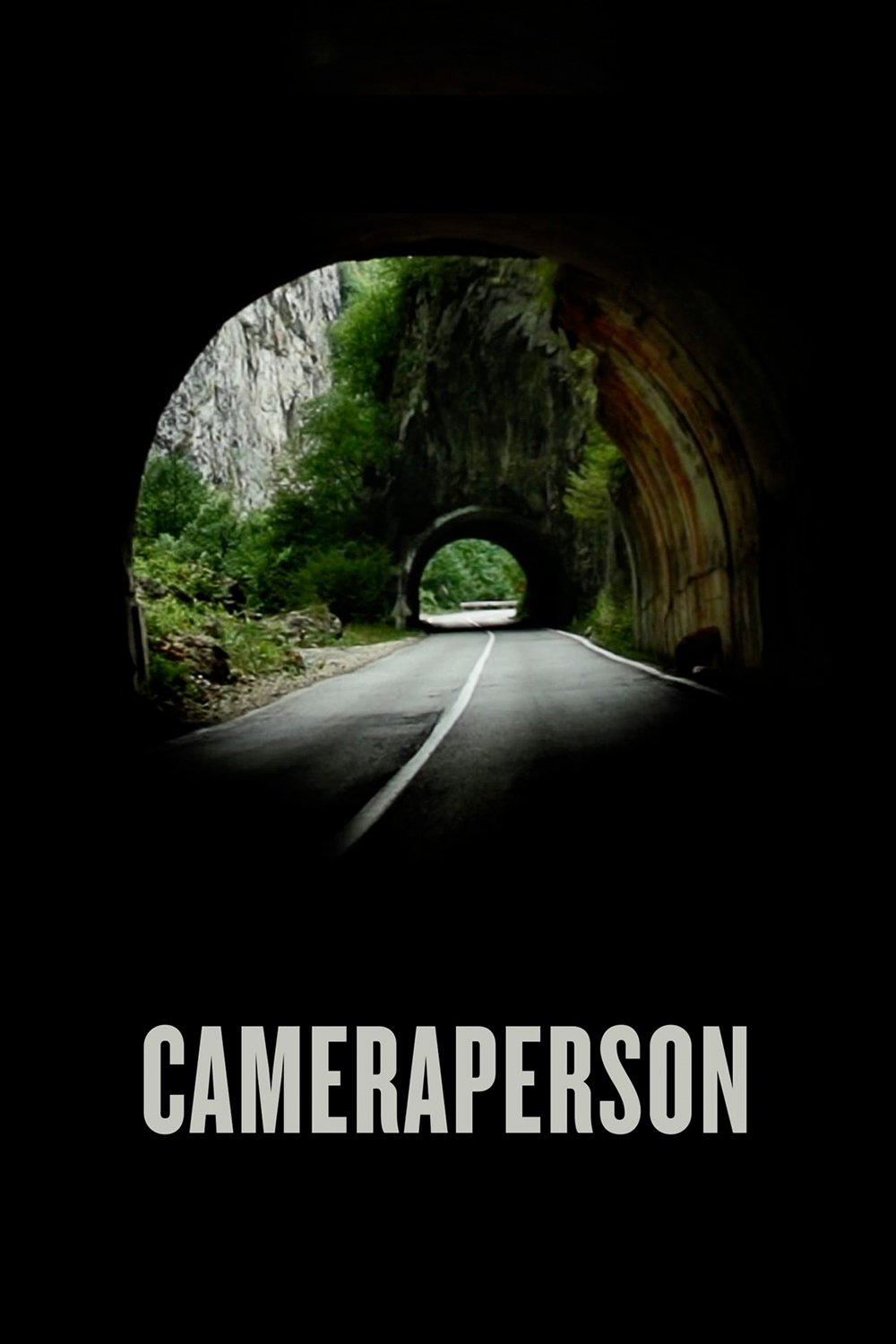
As a visually radical memoir, CAMERAPERSON draws on the remarkable footage that filmmaker Kirsten Johnson has shot and reframes it in ways that illuminate moments and situations that have personally affected her. What emerges is an elegant meditation on the relationship between truth and the camera frame, as Johnson transforms scenes that have been presented on Festival screens as one kind of truth into another kind of story—one about personal journey, craft, and direct human connection.
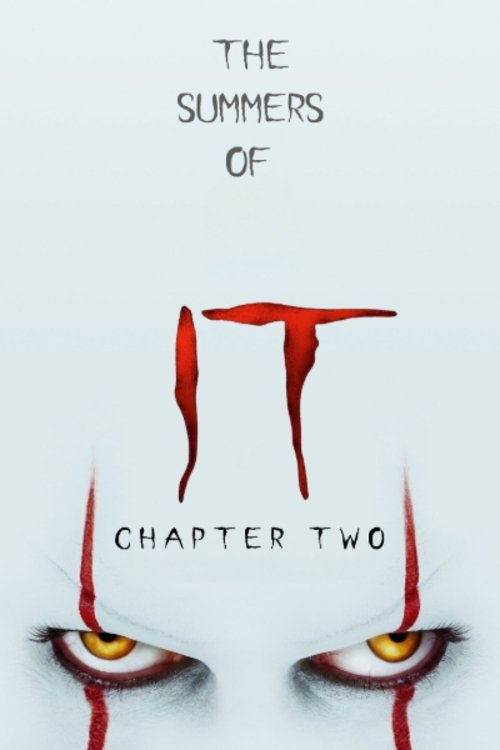
This documentary focuses on the actors and their journey over two summers to create the remake to the original IT, by Stephen King. The documentary originally released as bonus material, bundled with IT: Chapter Two.
Director Michael Apted revisits the same group of British-born adults after a 7 year wait. The subjects are interviewed as to the changes that have occurred in their lives during the last seven years.
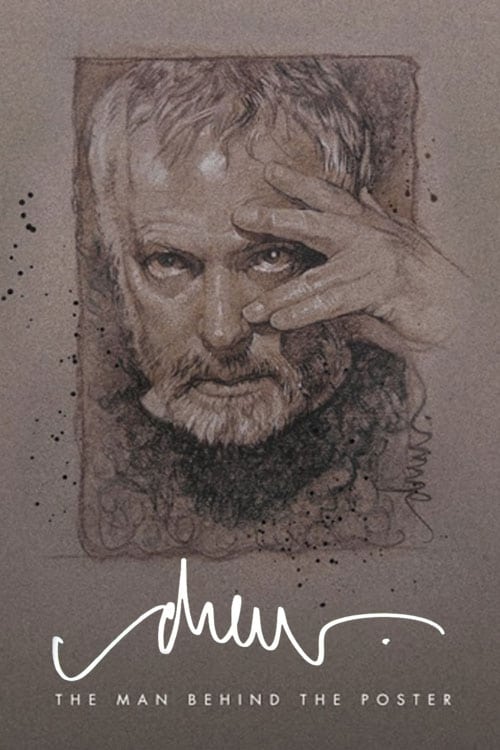
A documentary on legendary movie-poster artist Drew Struzan.
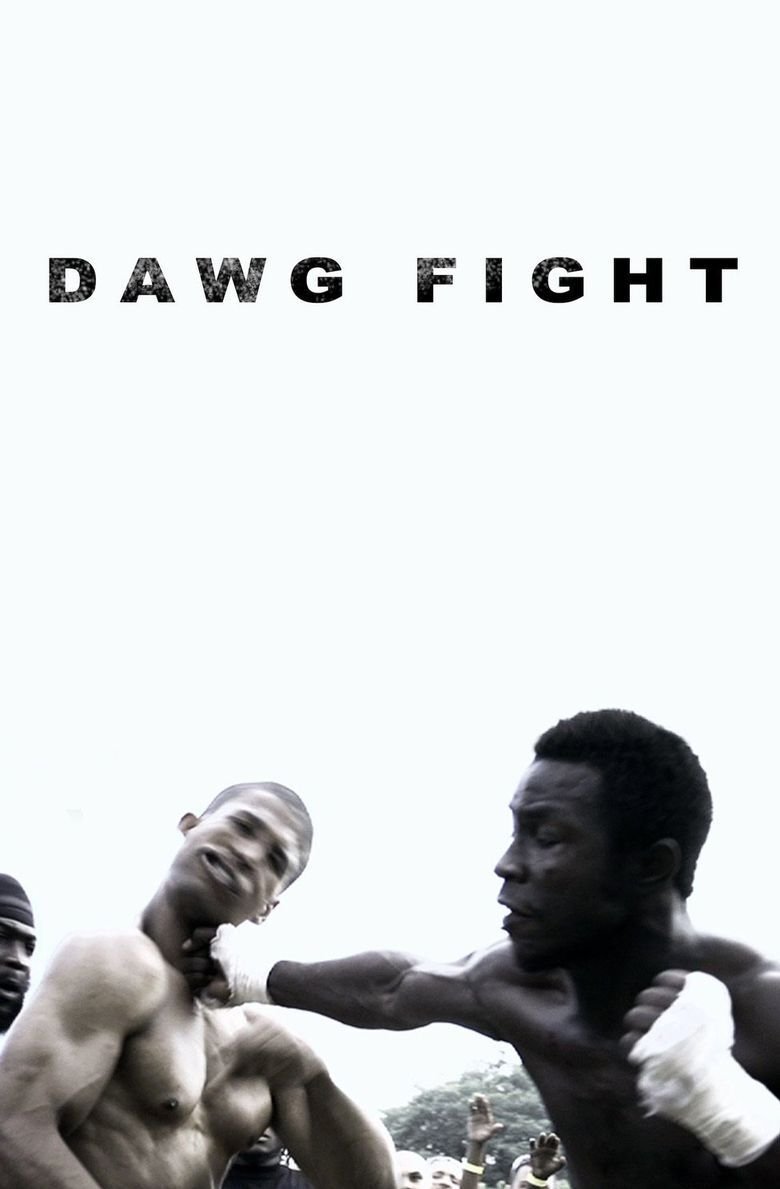
In a crime-plagued neighborhood near Miami, brutal, bare-knuckled backyard fights give young men a chance to earn money -- and self-respect.
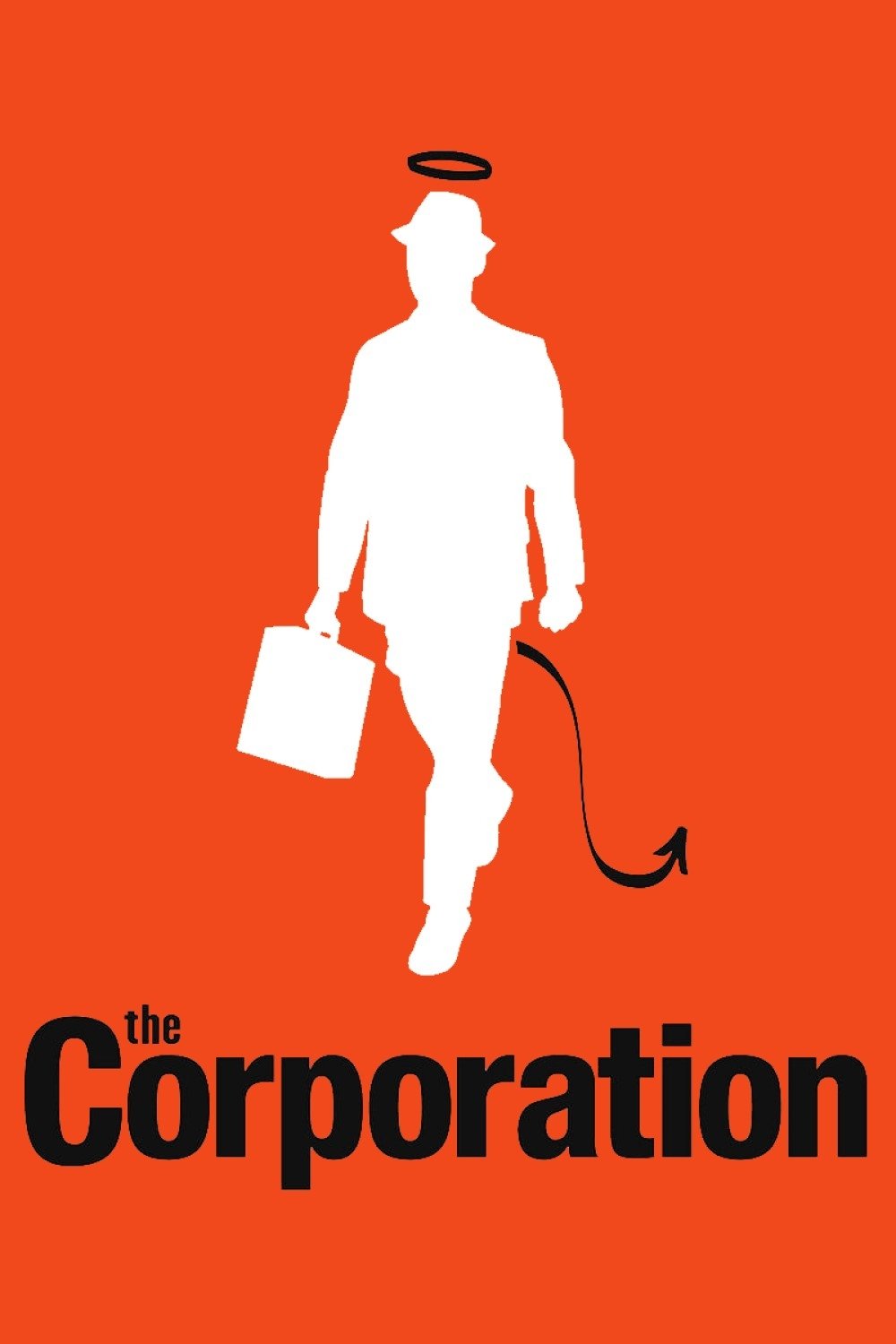
Since the late 18th century American legal decision that the business corporation organizational model is legally a person, it has become a dominant economic, political and social force around the globe. This film takes an in-depth psychological examination of the organization model through various case studies. What the study illustrates is that in the its behaviour, this type of "person" typically acts like a dangerously destructive psychopath without conscience. Furthermore, we see the profound threat this psychopath has for our world and our future, but also how the people with courage, intelligence and determination can do to stop it.