Social & External
The people behind it
Yu Xiuhua was raised to hope for little from her life in the rural Chinese province of Hubei. At 19, Xiuhua’s mother encouraged her to marry a man nearly twice her age, fearful no one else would accept a wife with Xiuhua’s condition — cerebral palsy. But as her 20th anniversary approaches, Xiuhua’s poetry goes viral, and she becomes the voice of a rising feminist movement throughout China.
Since the cult success of Merci Patron!, activist/journalist/filmmaker François Ruffin has become an MP. Here, he attempts to table a law aimed at upholding the rights of what in Quebec are known as caregivers, and shows us in passing how a law whose need seems patently obvious is put together, debated, voted on and . . . dies on the battleground of French politics. A stirring documentary about social injustice that somehow manages to make us bust a gut laughing as we rage with indignation. And also cry at the beauty of it all, thanks to the director’s humanist sensibility and a deft play between reality and fiction.
The artist Johanna Faust is about to leave her children to finally devote herself to her art again. A vague memory comes to her mind: Didn't her grandmother do the same thing, with terrible consequences? The intimate road movie tells of lost mothers and abandoned children, of the temptations and the price of self-fulfilment, of the abysses of motherhood and of the deep longing for another life.
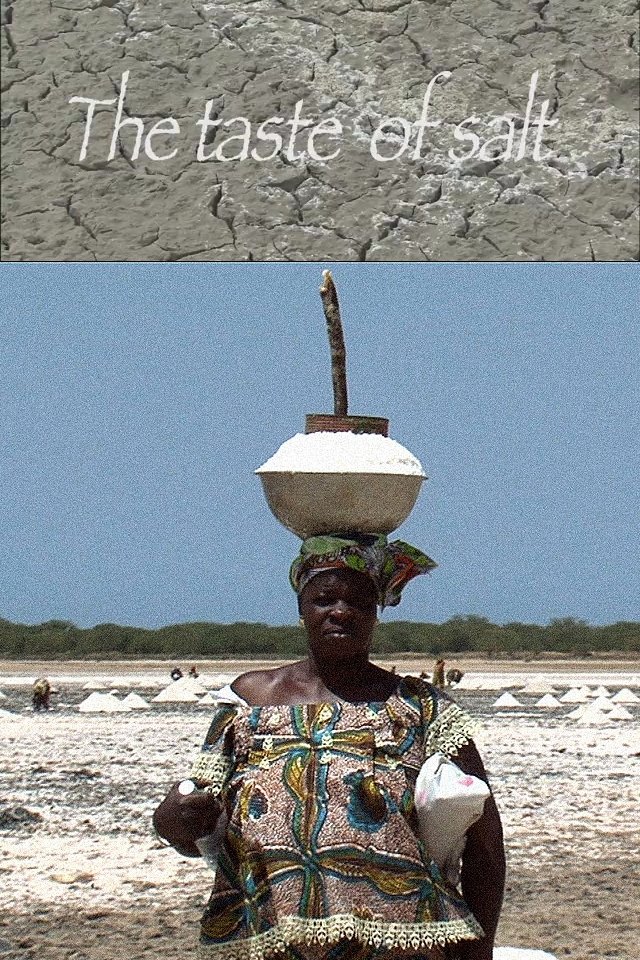
At Ngay Ngay, a village in northern Senegal, there are real natural evaporative basins in which depending on the year large or small quantities of sea salt dry out. Located 15 kilometres from Saint-Louis, the village is living around a complex community organisation: men divide the salt fields into plots, and women are those who harvest. In the end, the men receive a share of the crop, while women are those who took great pains over the harvesting.
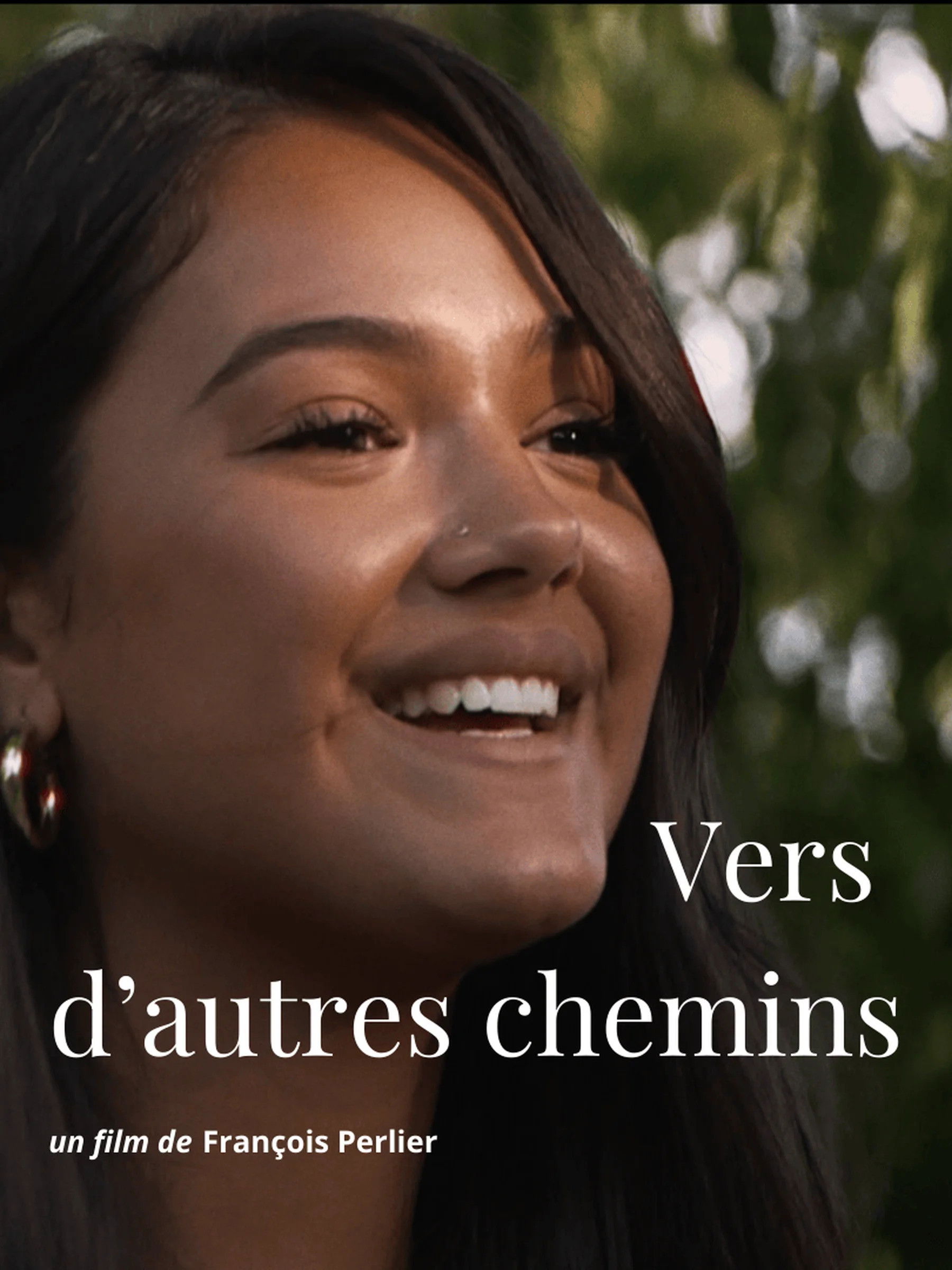
Milana, Sephora, and Mario are between seventeen and twenty-six years old. They grew up in modest, stigmatized rural Manouche families. Unlike their parents, they have degrees and work as employees. They have dreams to fulfill.
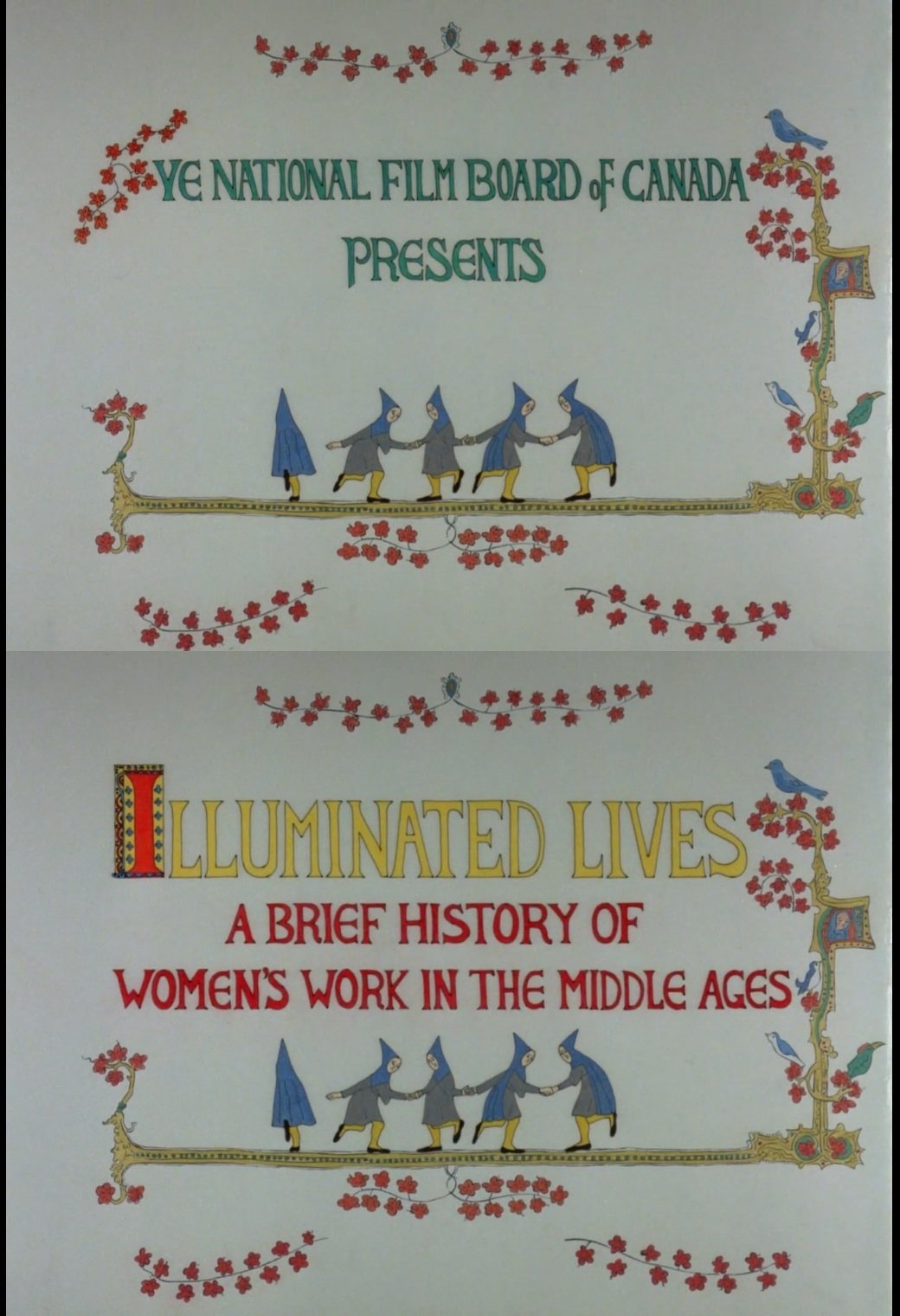
This animated short challenges enduring myths, spawned by fairy tales and romances, about women in medieval society. It explores the differences and similarities between that distant period and our own, and shows what medieval women’s lives were really like.
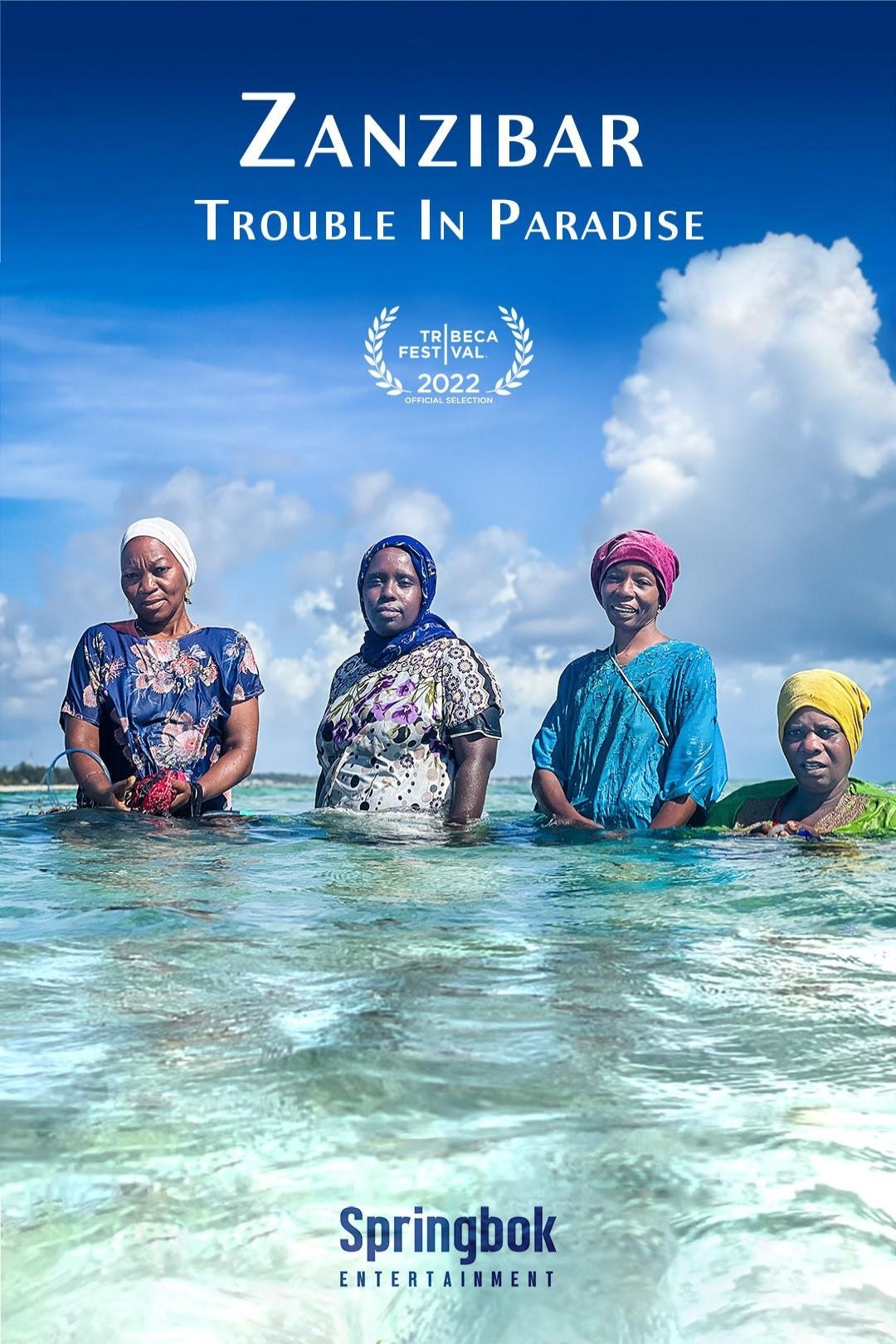
Zanzibar: Trouble in Paradise depicts a group of women who gained financial independence and stability in an otherwise male dominated culture through seaweed farming, until climate change killed the seaweed. The film follows the women, whose ingenuity led them to a new crop, more resistant to climate change: sea sponges. However, new challenges occurred; combating bacteria and climate change threatening their new product as well. In bringing the story of these women to light, the film demonstrates their resiliency and individual struggles facing the effects of climate change. While many documentaries focus on the science, Zanzibar shines a light on the disaster's impact upon those least likely to be heard.
"TDS, derrière l'écran des travailleuses du sexe" is a deep dive into the lives of Betty, Anaïs, Noochka, Manon, and Barty. They have all ventured into the world of selling sexual content online. What pushes someone to take the step of signing up on these platforms? What are their motivations? What are the consequences on their personal lives? Why do some choose to stick with it for years, while others decide to stop for good?
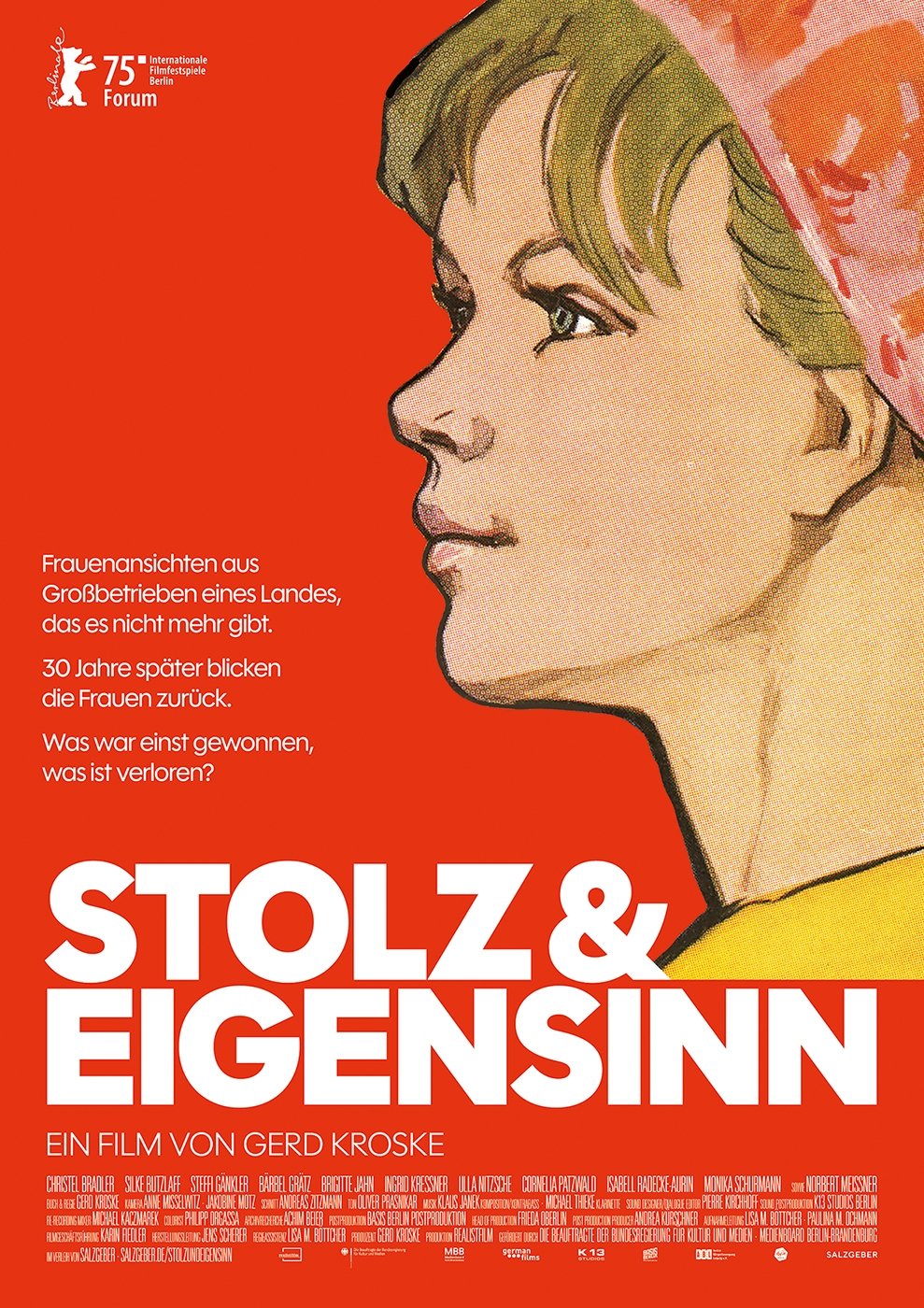
The viewpoints of women from a country that no longer exists preserved on low-band U-matic tape. GDR-FRG. Courageous, self-confident and emancipated: female industry workers talk about gaining autonomy.
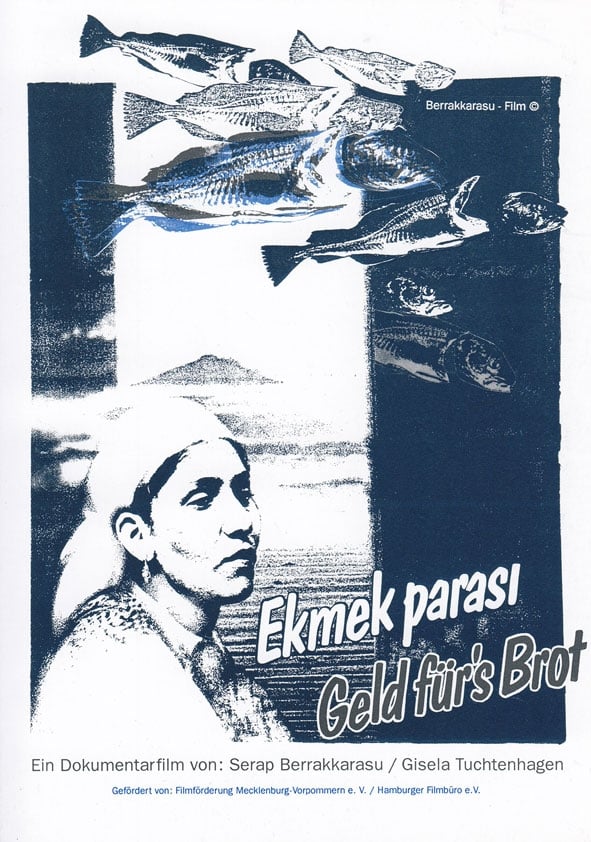
Women from Turkey and Mecklenburg are working together side-by-side at a fish-processing factory in Lübeck. As they work, they share stories about their lives, including their sorrows, griefs, hopes, and dreams, while expressing their longing for home and feelings of being lost in a foreign place.
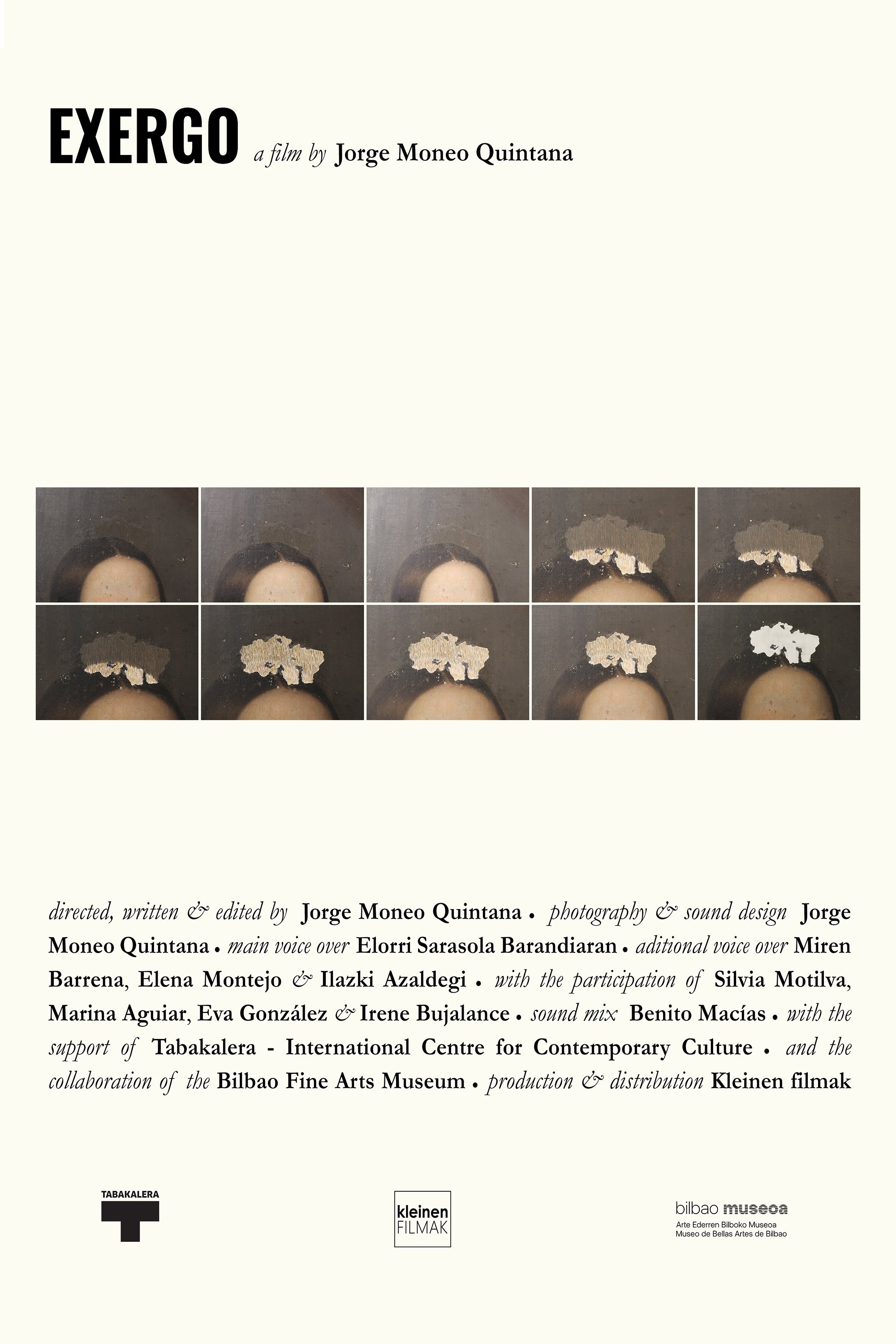
Departing from peripheral details of some paintings of the Bilbao Fine Arts Museum, a female narrator unravels several stories related to the economic, social and psychological conditions of past and current artists.
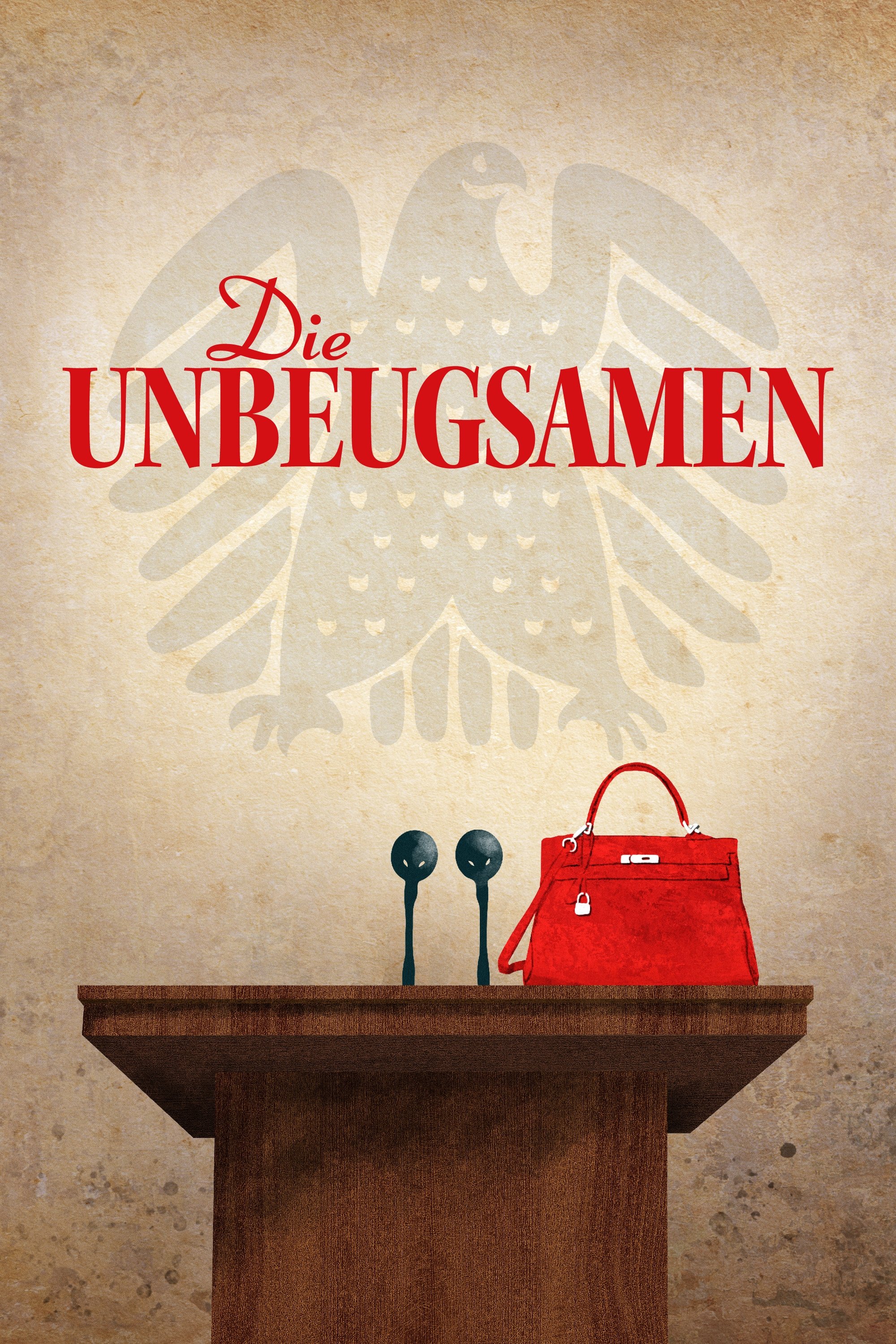
For a long time, the Bonn Republic was a smoke-filled place with heavy leather armchairs occupied by old men. Women were largely excluded from the “men’s sport” of politics. In *THE UNYIELDING*, the leading female politicians of that era now recount how they fought for a voice and power in the face of all opposition—throughout, and indeed especially during, the major crises and debates of the Bonn Republic. “Women, if we do nothing today, we will live tomorrow as we did the day before yesterday.” Annemirl Bauer, 1988
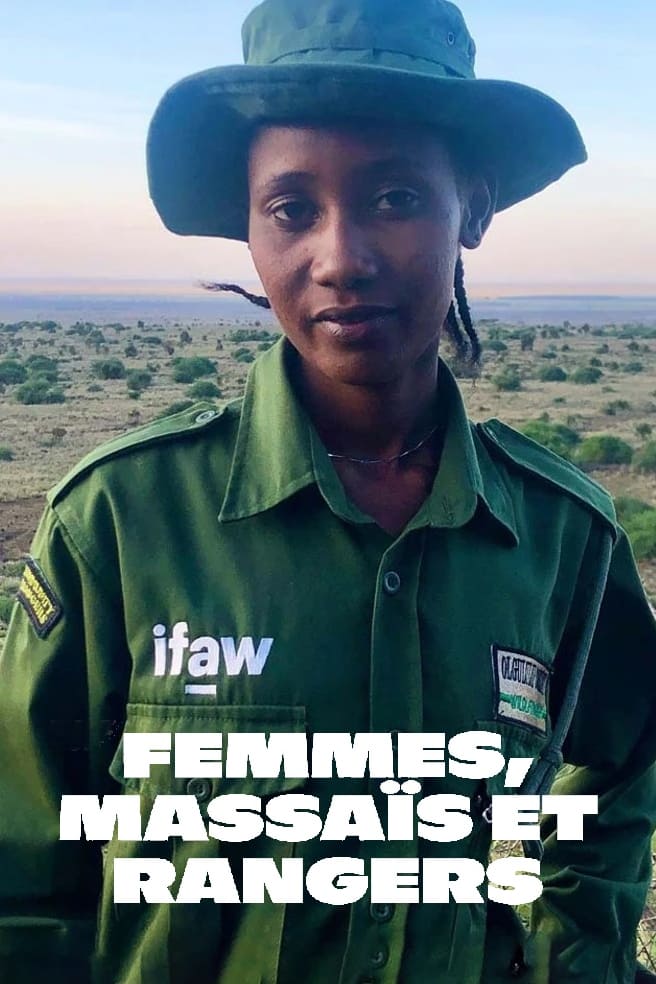
Leah and Purity are rangers in the Kenyan bushland. They roam around Amboseli National Park every day to track down wildlife. The Maasai shepherds also have their villages here. Conflicts can hardly be avoided. The young women are often called to missions to mediate or comfort. The two Maasai women themselves have to fight against discrimination
Two men are in dialogue with each other. It's implied dialogue, an attempt to give structure to what lies beneath the surface, yet always brewing and active. Of course, there are women all around.
Ayşe Polat grows up in Hafenstraße in Hamburg in the 1980s. The 15-year-old is surrounded by crime and is quickly pigeonholed by outsiders because of her living situation. However, the criminal environment doesn't say much about the person.
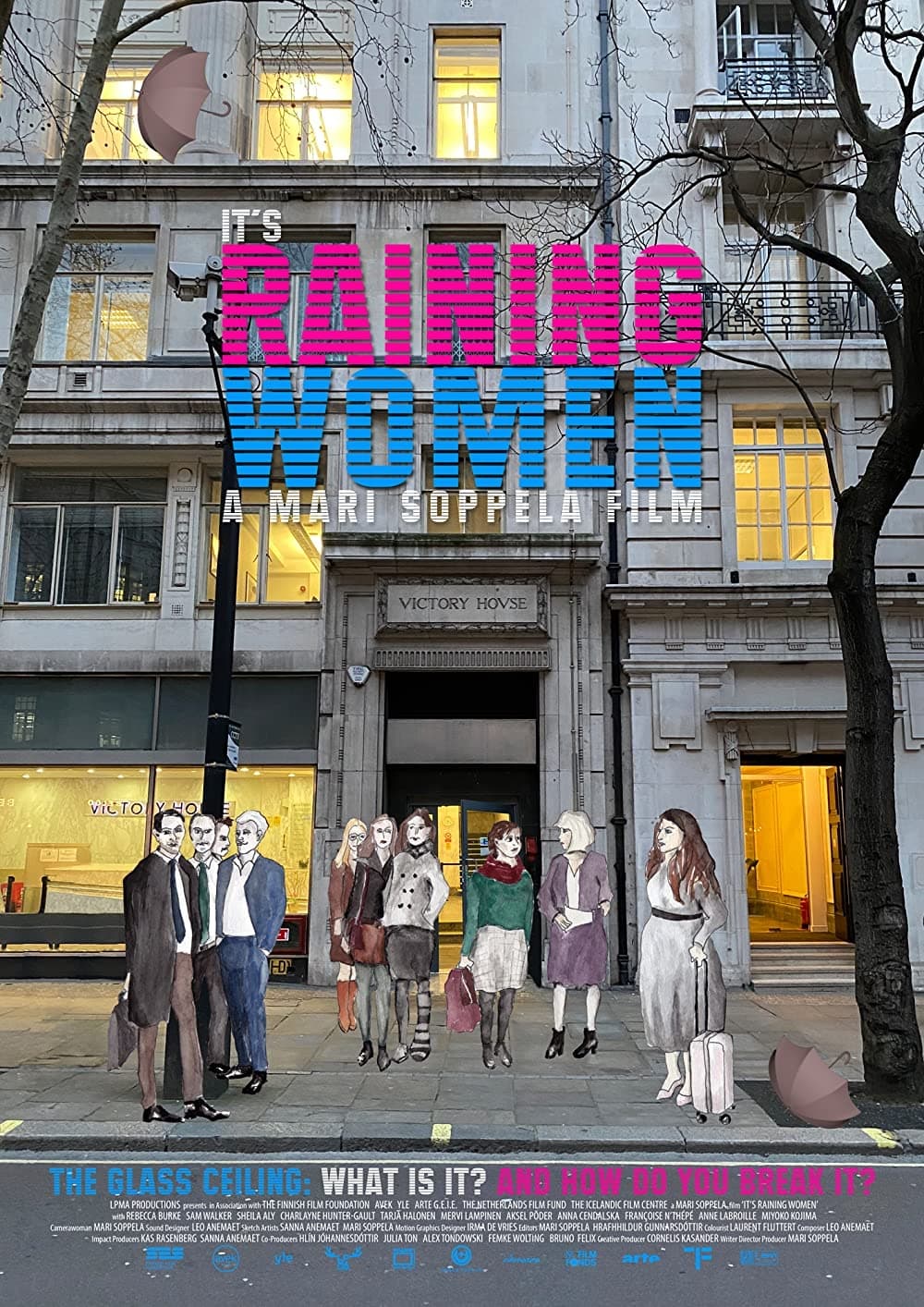
The documentary by Mari Soppela focuses on glass ceilings, a metaphor for the invisible borders between men and women in work life. Talk about glass ceilings is usually associated with women’s opportunities to advance to well paid managerial positions, but the documentary connects itself more broadly to the structural problems of work life from women’s perspective. Glass ceilings are long trials about equal pay, having to continually prove one’s skills, and 85-cent euros. The topic cannot be handled without intersectional crossings: what are invisible glass ceilings for some, are solid concrete for others.
In an intimate and joyful story of love in the face of loss, celebrated poets Andrea Gibson and Megan Falley find strength—and unexpected hilarity—in what might be their final year together.
Through deeply personal interviews with her siblings and an examination of the photographs, letters, and belongings left behind, Mariska assembles a new portrait of her mother Jayne Mansfield, an extraordinary and complex woman.
Those who knew iconic funnyman John Candy best share his story, in their own words, through never-before-seen archival footage, imagery, and interviews.
Over 35 years after Bob Lazar's revelations, this documentary exposes secrets of a facility the government still denies. Featuring Lazar's testimony, recreations, and new evidence, it reopens a case that continues to spark global curiosity
A string of threatening emails escalates into a revenge plot involving a newly married US marshal and his ex-girlfriend.
In 1977, a book of photographs captured an awakening - women shedding the cultural restrictions of their childhoods and embracing their full humanity. This documentary revisits those photos, those women and those times and takes aim at our culture today that alarmingly shows the need for continued change.
Lyrical and powerfully personal essay film that reflects on the deaths of her husband Lou Reed, her mother, her beloved dog, and such diverse subjects as family memories, surveillance, and Buddhist teachings.
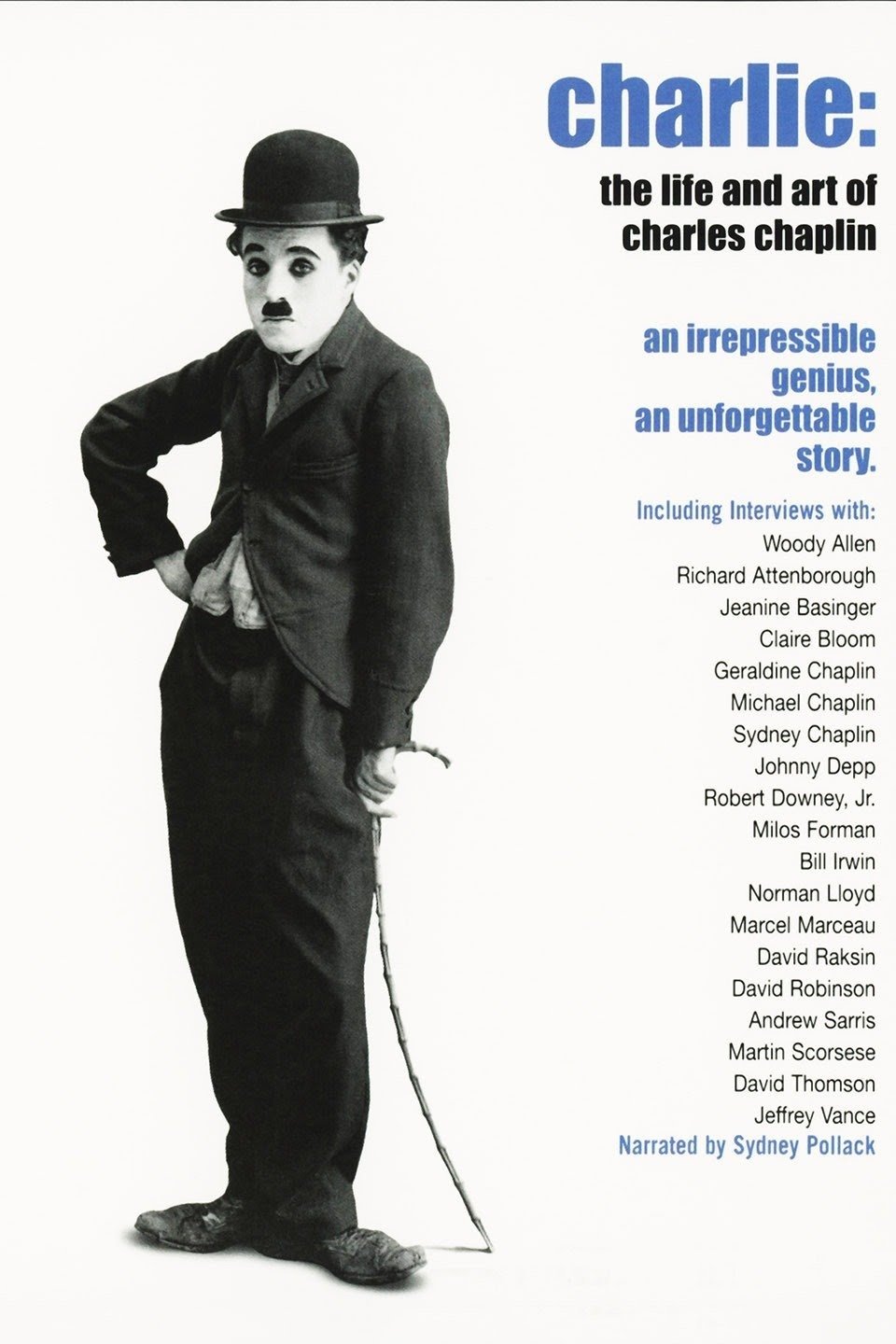
Brilliant, long in-the-works story of the life and art of the world's greatest comedian and the cinema's first genius, Charlie Chaplin. Produced, written and directed by renowned film critic Richard Schickel.
SEDUCED AND ABANDONED combines acting legend Alec Baldwin with director James Toback as they lead us on a troublesome and often hilarious journey of raising financing for their next feature film. Moving from director to financier to star actor, the two players provide us with a unique look behind the curtain at the world's biggest and most glamourous film festival, shining a light on the bitter-sweet relationship filmmakers have with Cannes and the film business. Featuring insights from directors Martin Scorsese, 'Bernando Bertolucci' and Roman Polanski; actors Ryan Gosling and Jessica Chastain and a host of film distribution luminaries.
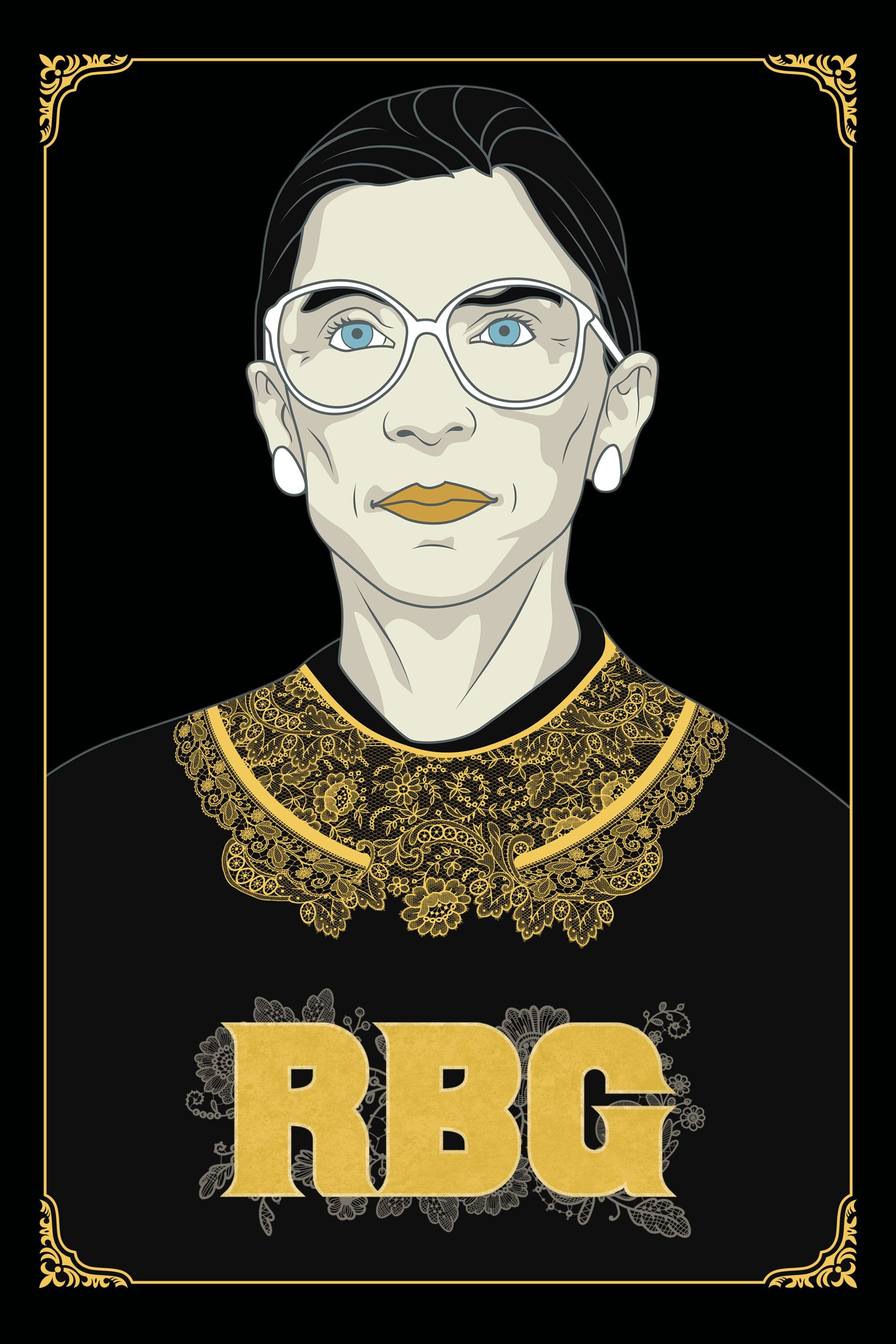
Justice Ruth Bader Ginsburg now 84, and still inspired by the lawyers who defended free speech during the Red Scare, Ginsburg refuses to relinquish her passionate duty, steadily fighting for equal rights for all citizens under the law. Through intimate interviews and unprecedented access to Ginsburg’s life outside the court, RBG tells the electric story of Ginsburg’s consuming love affairs with both the Constitution and her beloved husband Marty—and of a life’s work that led her to become an icon of justice in the highest court in the land.
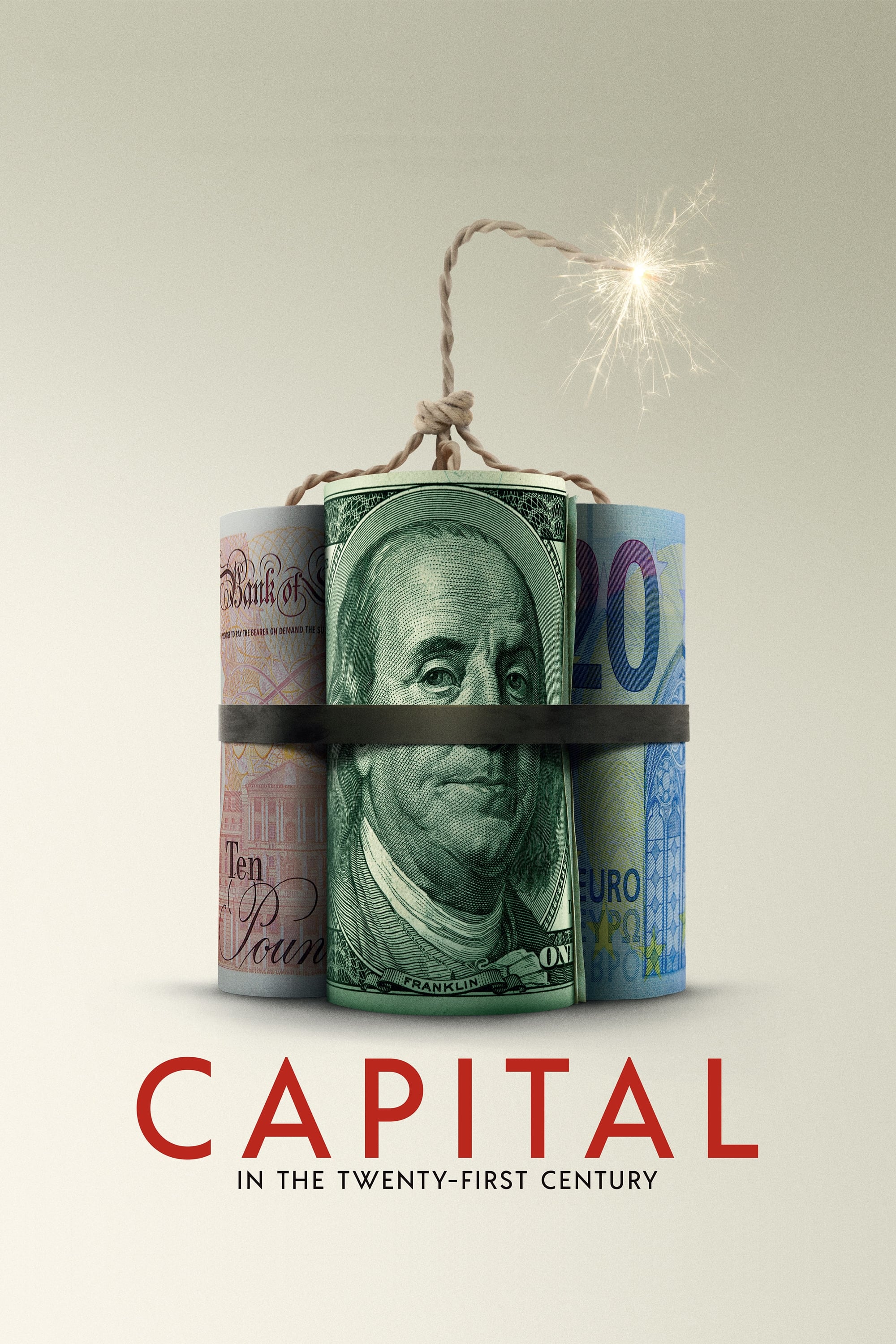
Film adaptation of French economist Thomas Piketty's ground-breaking global bestseller of the same name: an eye-opening journey through wealth and power.
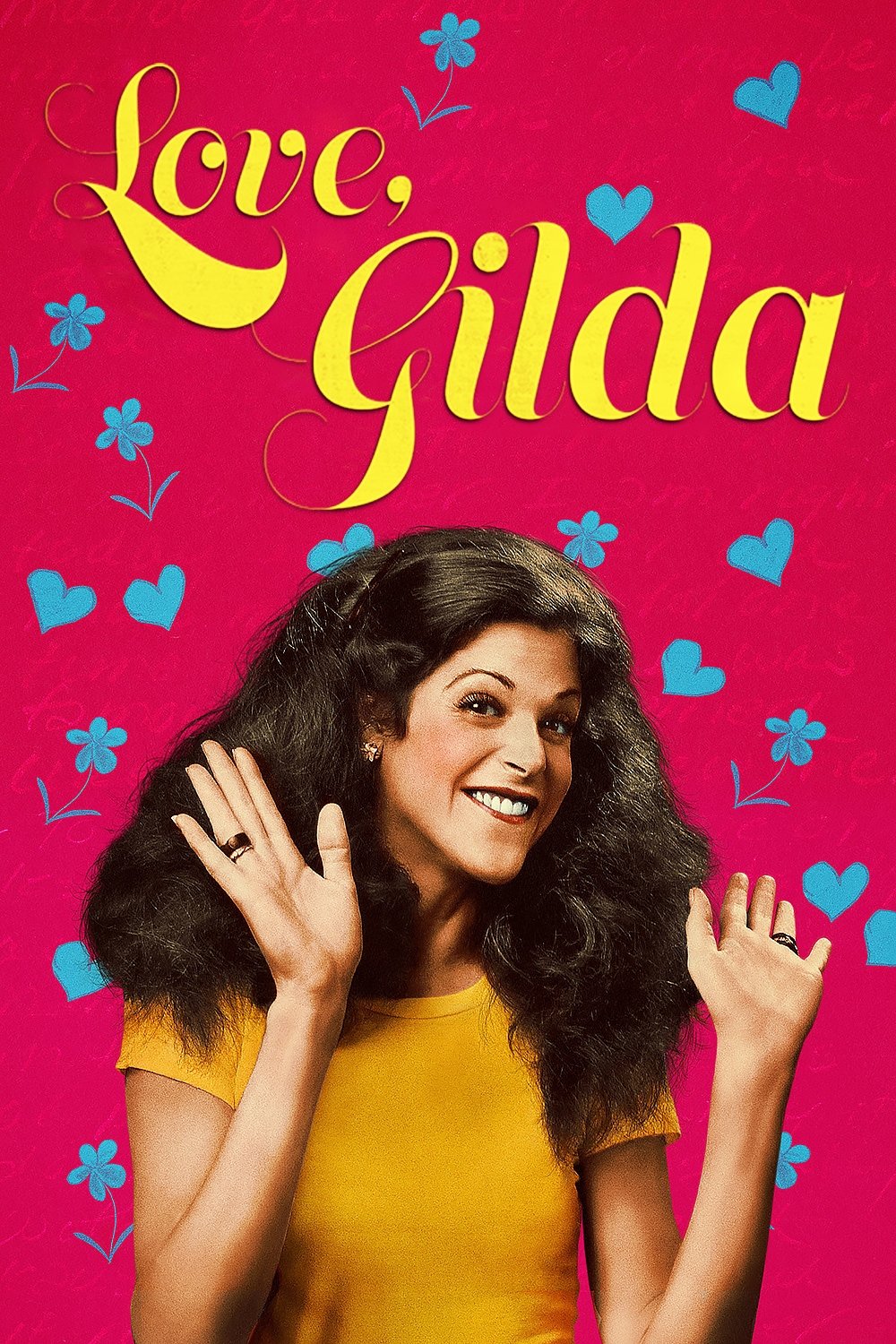
Diaries, audiotapes, videotapes and testimonials from friends and colleagues offer insight into the life and career of Gilda Radner -- the beloved comic and actress who became an icon on Saturday Night Live.
Al Pacino's deeply-felt rumination on Shakespeare's significance and relevance to the modern world through interviews and an in-depth analysis of "Richard III."
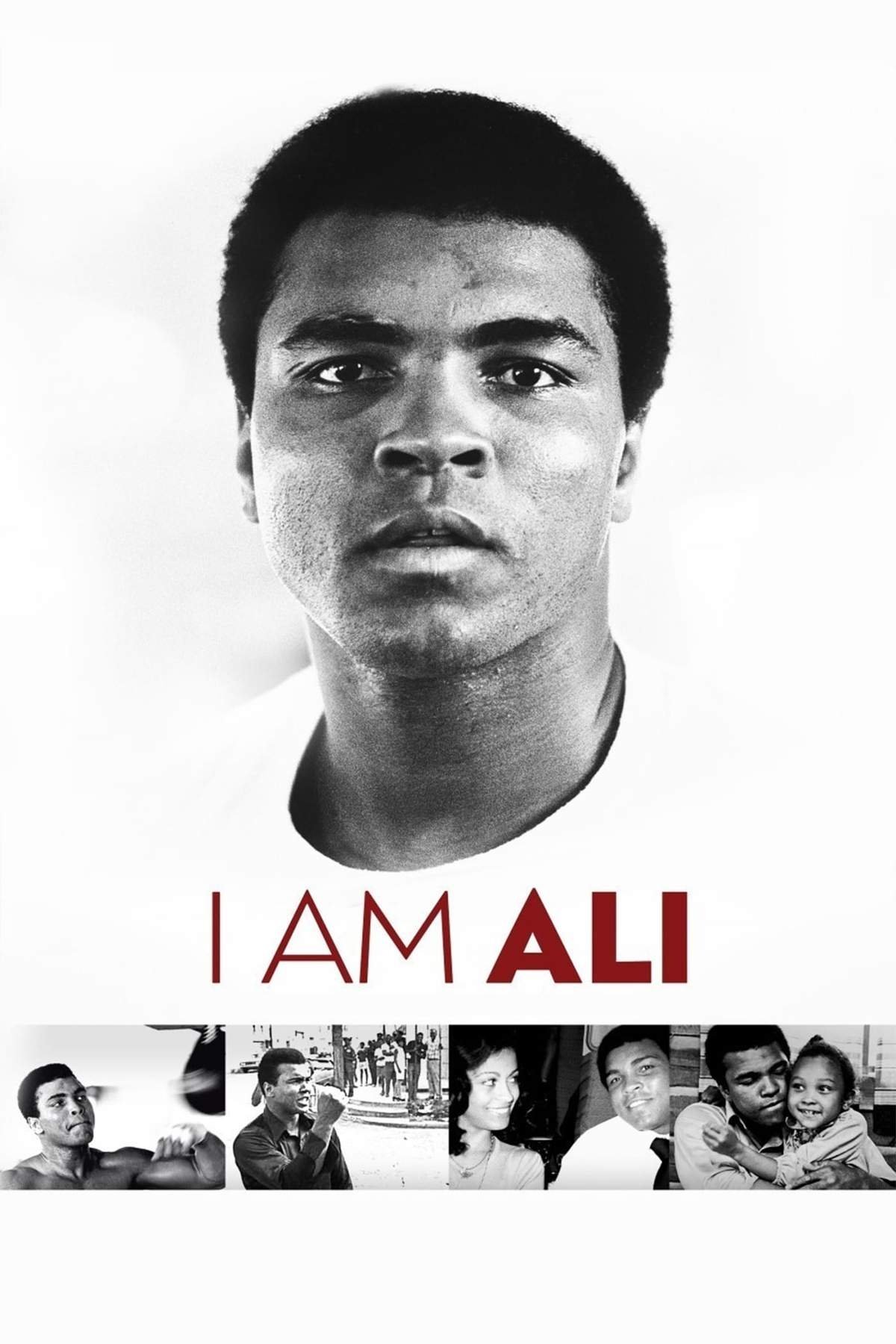
Unprecedented access to Muhammad Ali's personal archive of "audio journals" as well as interviews and testimonials from his inner circle of family and friends are used to tell the legend's life story.
A documentary about the life and films of director John Ford.
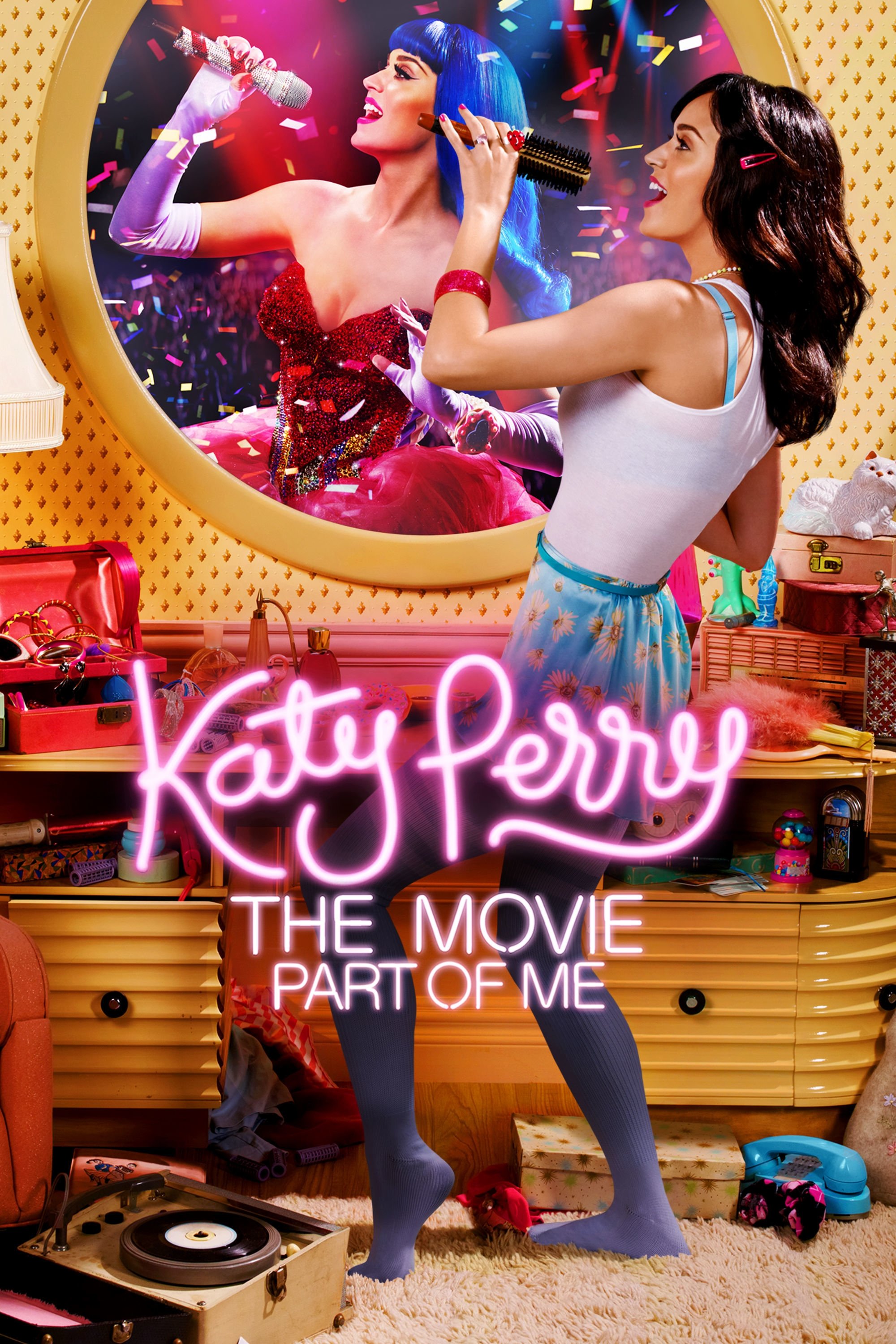
Giving fans unprecedented access to the real life of the music sensation, Katy Perry: Part of Me exposes the hard work, dedication and phenomenal talent of a girl who remained true to herself and her vision in order to achieve her dreams. Featuring rare behind-the-scenes interviews, personal moments between Katy and her friends, and all-access footage of rehearsals, choreography, Katy’s signature style and more, Katy Perry: Part of Me reveals the singer’s unwavering belief that if you can be yourself, then you can be anything.
A documentary on the expletive's origin, why it offends some people so deeply, and what can be gained from its use.
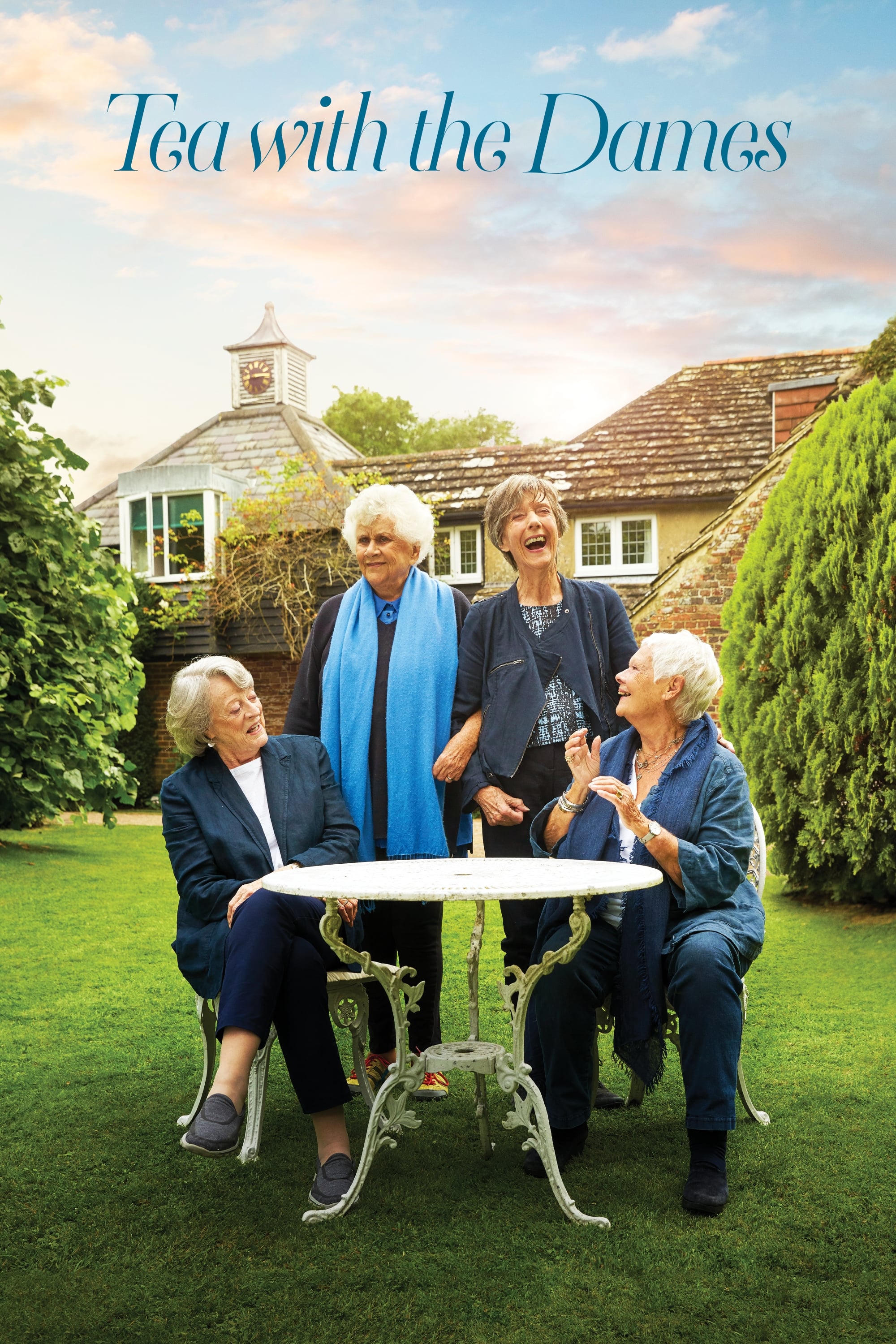
BBC Arena's documentary on the Dames of British Theatre and film featuring Maggie Smith, Eileen Atkins, Judi Dench and Joan Plowright on screen together for the first time as they reminisce over a long summer weekend in a house Joan once shared with Sir Laurence Olivier.
A purely observational non-fiction film that takes viewers into the ethically murky world of end-of-life decision making in a public hospital.
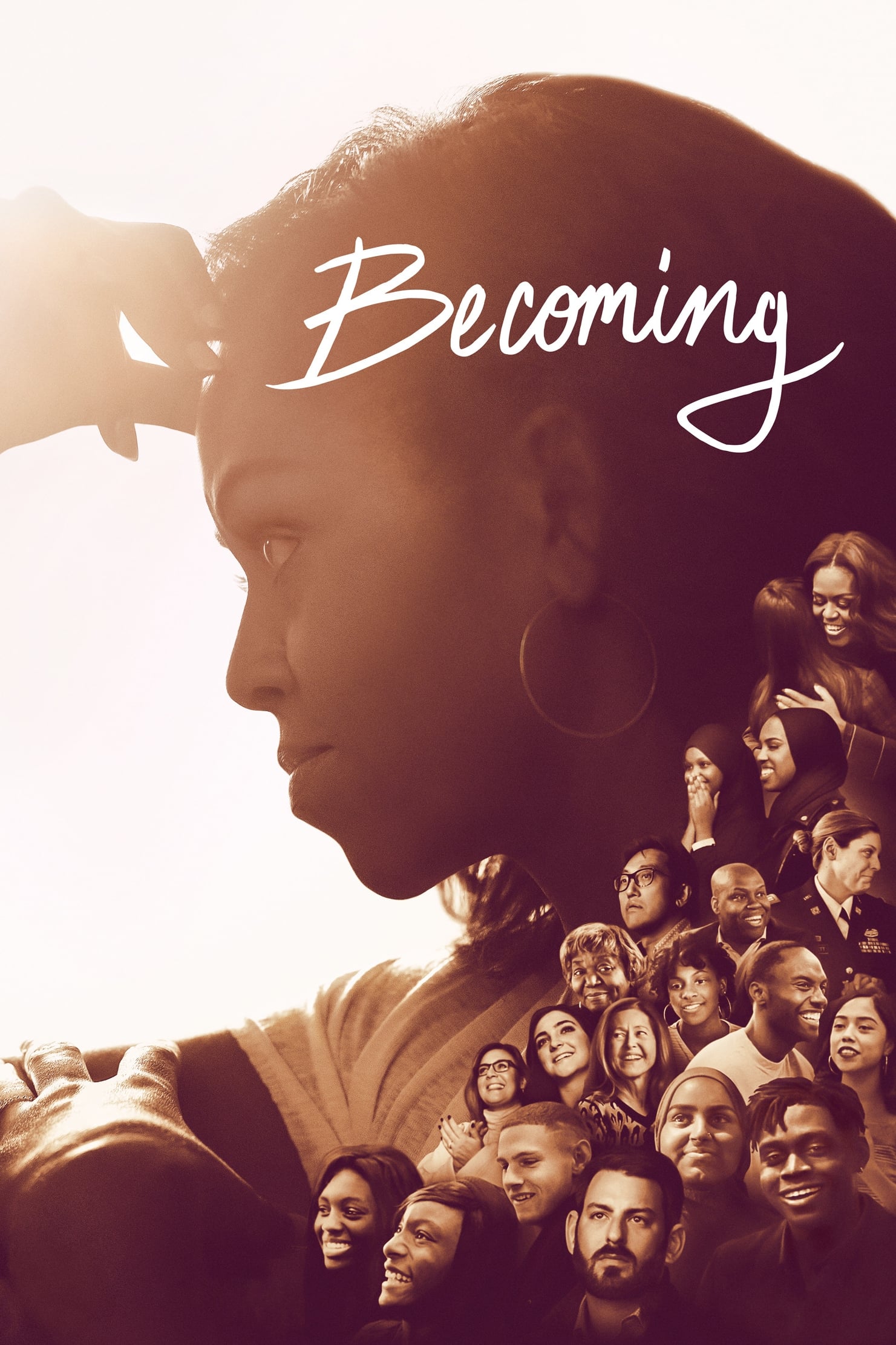
Join former first lady Michelle Obama in an intimate documentary looking at her life, hopes and connection with others.