One day, I walked from my childhood apartment to the transformer in Clichy-sous-Bois where Zyed Benna and Bouna Traoré were electrocuted on October 27, 2005.
Social & External
The people behind it
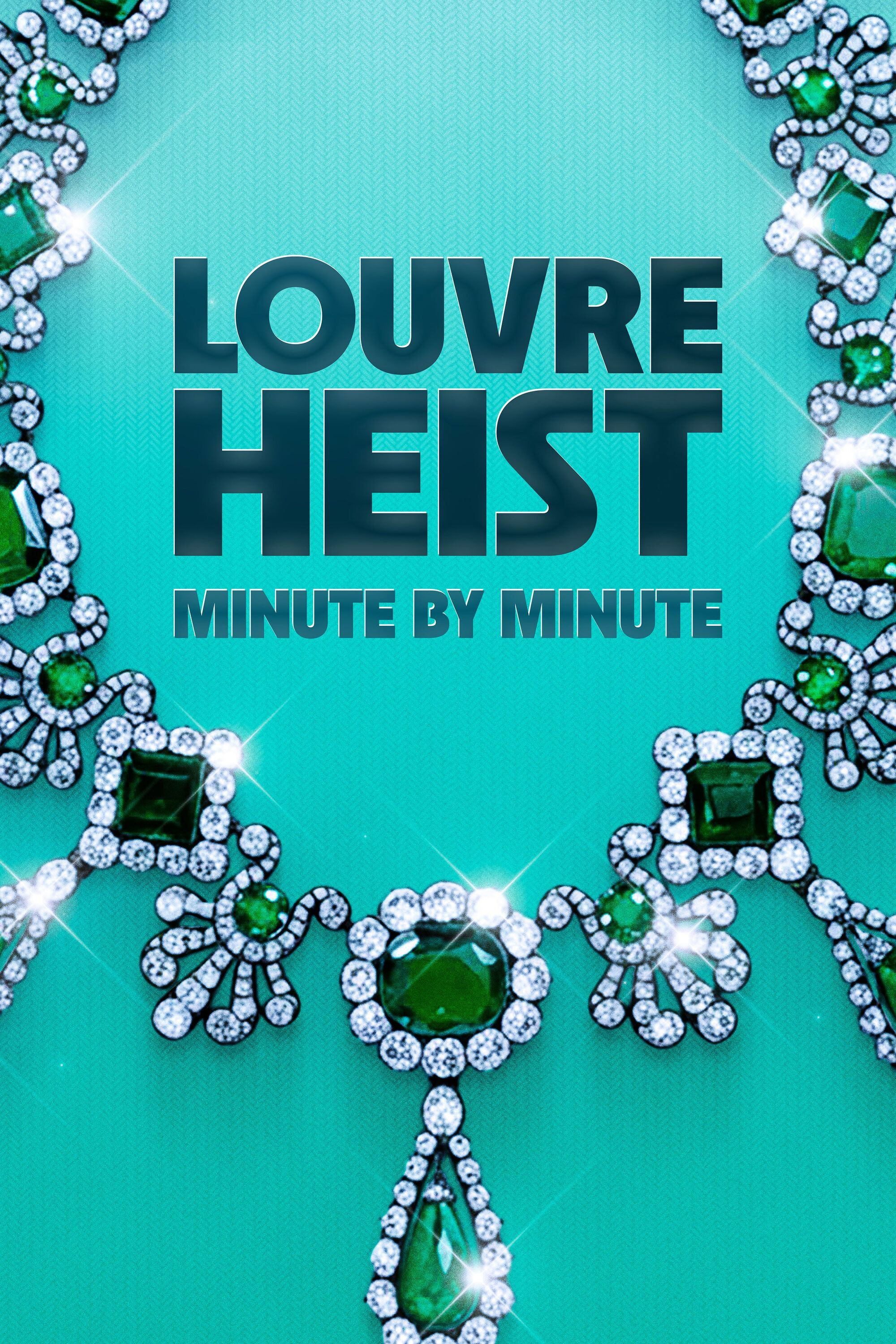
Dive into a real-time investigation of the shocking daylight robbery at Paris' Louvre Museum. Former thieves, security staff, eyewitnesses and investigators piece together the crime and ongoing chase to recover France's crown jewels before it's too late.
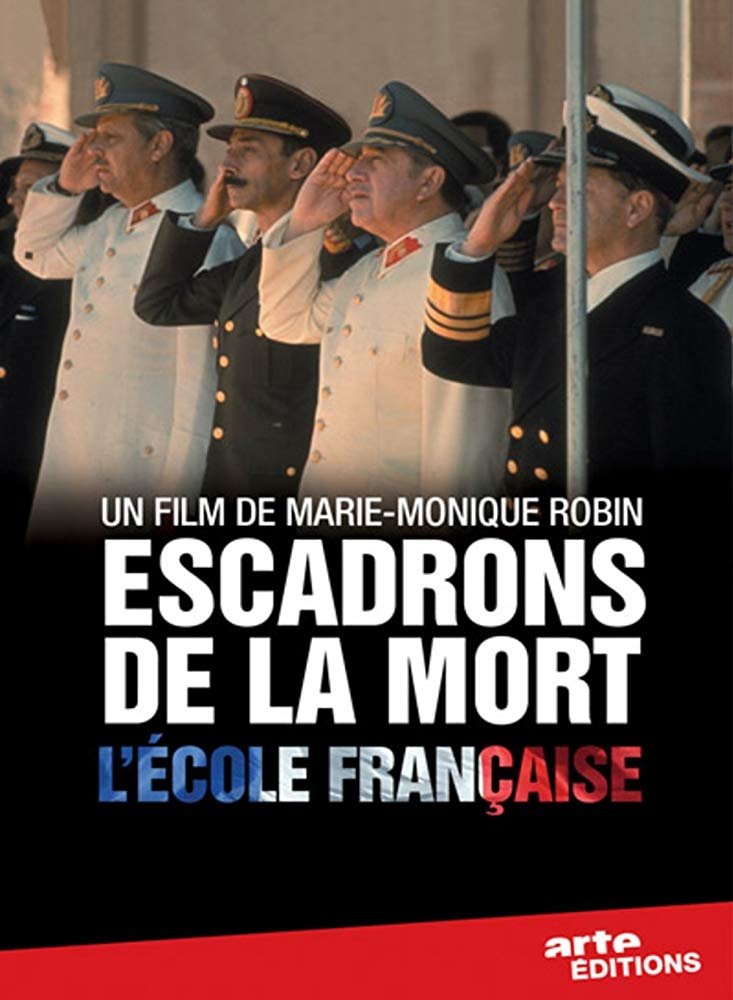
After the Battle of Algiers, France and its army exported, as true experts, anti-subversive methods to Latin America and the United States in the 1960s. After more than a year of investigation in Argentina , in Chile, Brazil, the United States and France, the director collected, sometimes under the cover of a hidden camera, recorded conversations, the exclusive testimonies of the main protagonists. From General Aussaresses to former Minister of the Armed Forces Pierre Messmer, including General Reynaldo Bignone (head of the military junta in Argentina from 1982 to 1984), General Albano Harguindéguy, General Manuel Contreras, and Generals John Johns and Carl Bernard, this investigation gives us a hidden reality of the country of Human Rights.
In 1946, Isaac Woodard, a Black army sergeant on his way home to South Carolina after serving in WWII, was pulled from a bus for arguing with the driver. The local chief of police savagely beat him, leaving him unconscious and permanently blind. The shocking incident made national headlines and, when the police chief was acquitted by an all-white jury, the blatant injustice would change the course of American history. Based on Richard Gergel’s book Unexampled Courage, the film details how the crime led to the racial awakening of President Harry Truman, who desegregated federal offices and the military two years later. The event also ultimately set the stage for the Supreme Court’s landmark 1954 Brown v. Board of Education decision, which finally outlawed segregation in public schools and jumpstarted the modern civil rights movement.
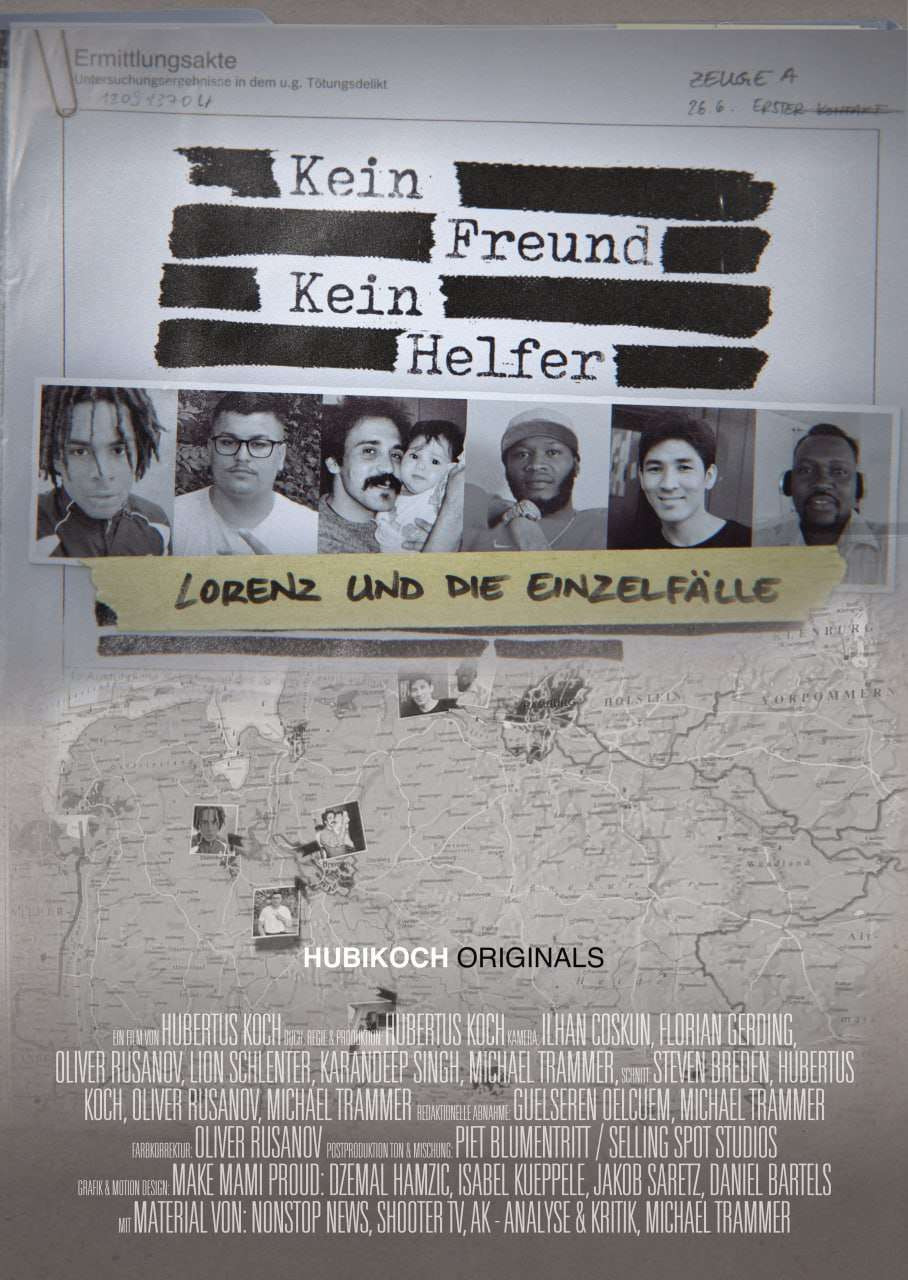
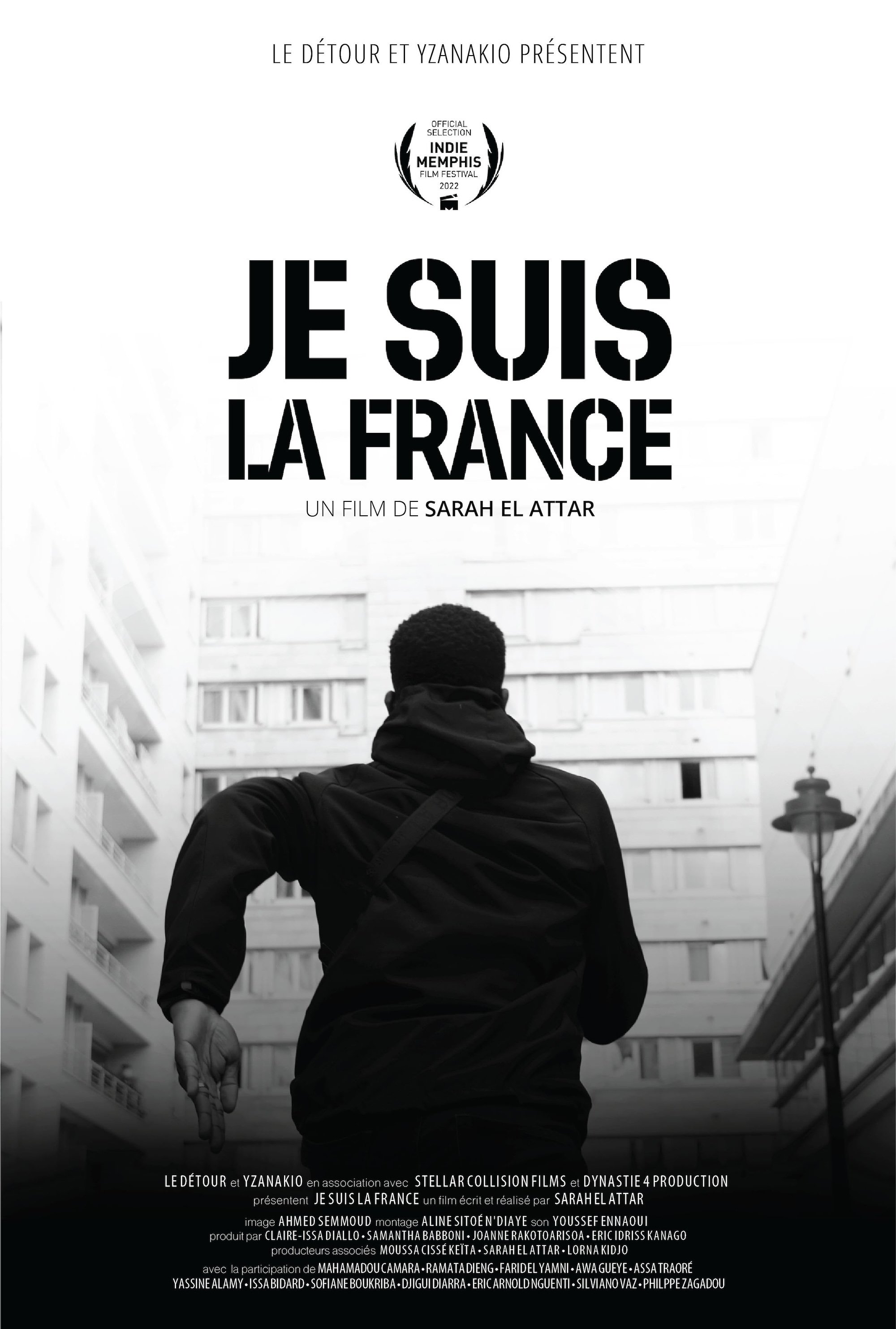
The film features emblematic figures of the fight against police brutality in France: Ramata Dieng, sister of Lamine Dieng, Assa Traoré, sister of Adama Traoré, as well as Mahamadou Camara, brother of Gaye Camara, Farid El Yamni, brother of Wissam El Yamni, and Awa Gueye, sister of Babacar Gueye. The film also includes rare intimate interviews of young men of color from 'Banlieues' (working class neighborhoods) who expose how they have endured police repression throughout their lives and how it has impacted them.
A girl from St. Petersburg walks around protest-ridden Moscow, talking to riot police and believing that sooner or later they will go over to the side of the demonstrators. An 18-year-old student of a St. Petersburg college introduces herself as Alice and tells about herself that from the age of four she lived in an orphanage and in foster families. In Moscow, Alisa, for whom this is the first rally in her life, walks along the police cordons and looks under the OMON helmet. "Under the mask you can't see, are you even human?"
A documentary about to police situation in France after the institution of a prolonged state of emergency. From the anger of the police to that of the victims of their violence, through the words of activists and inhabitants of working-class neighborhoods, everyone expresses here a moment of unease in the face of order and its maintenance.
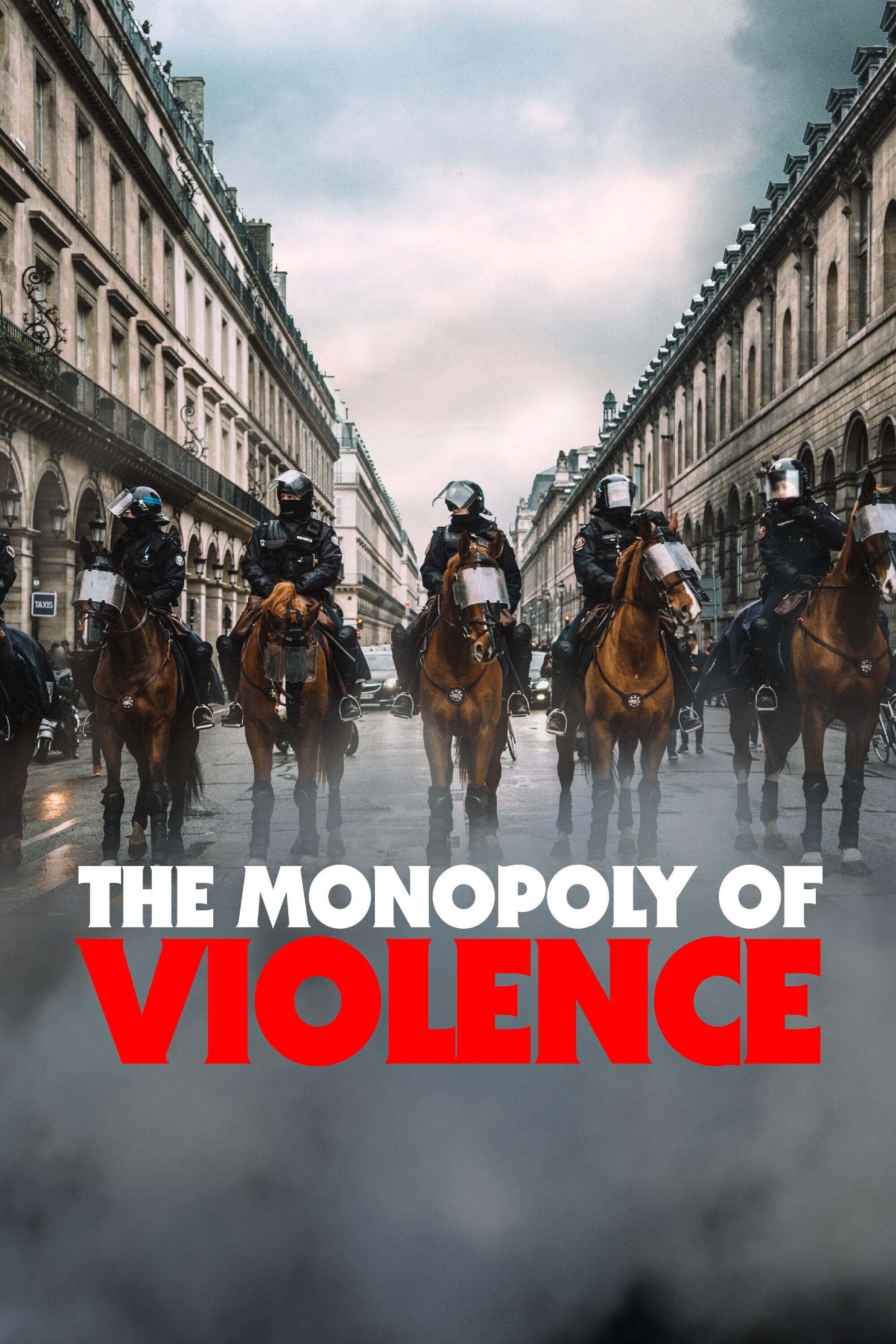
As anger and resentment grow in the face of social inequalities, many citizens-led protests are being repressed with an ever-increasing violence. In this documentary, David Dufresne gathers a panel of citizens to question, exchange and confront their views on the social order and the legitimacy of the use of force by the State.
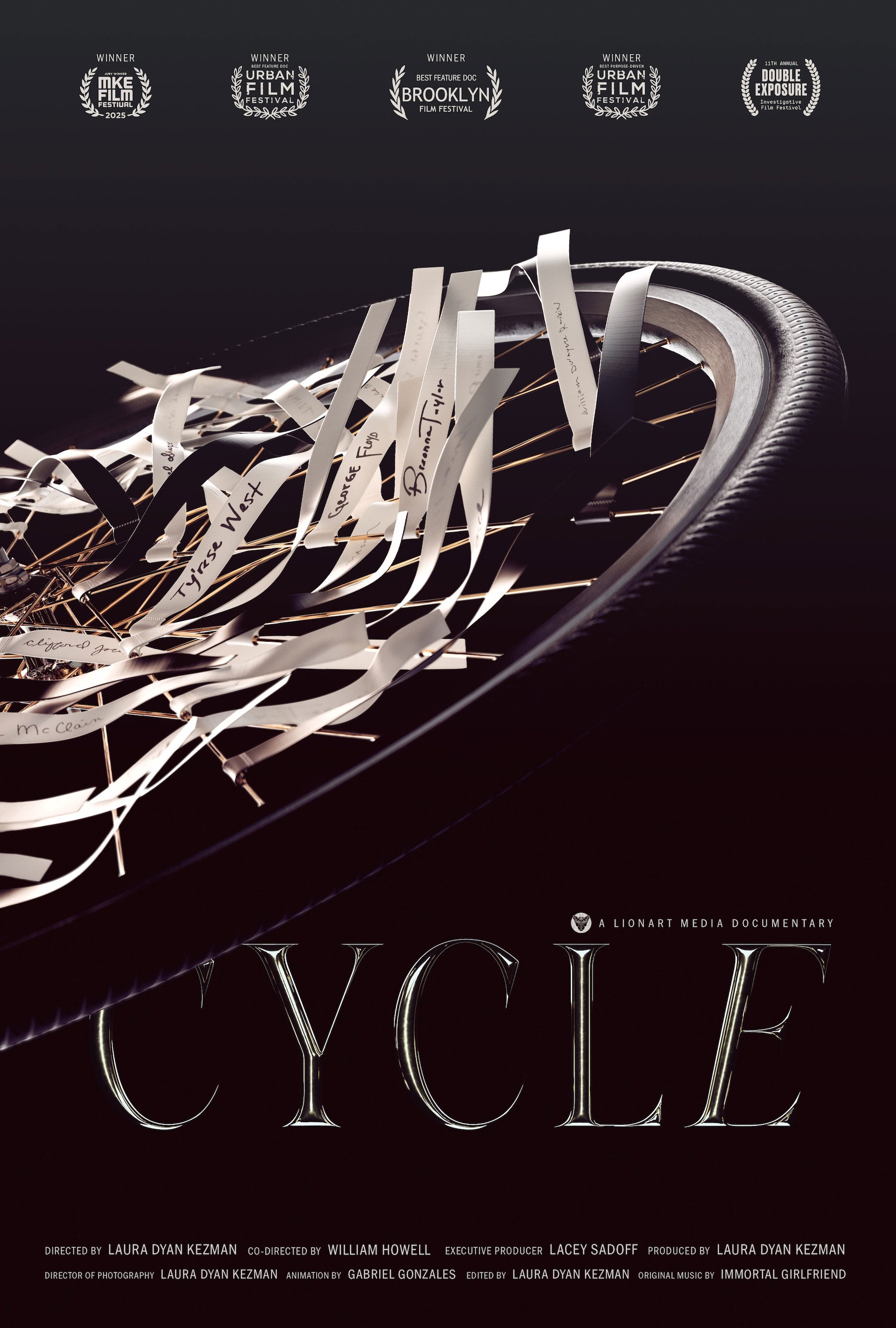
CYCLE pierces the silence surrounding police violence in America through the killing of Ty’rese West, an 18-year-old Black teenager whose death at the hands of police occurred without cameras, witnesses, or public scrutiny. In the absence of visual evidence, his case slipped quietly out of view—mirroring a broader pattern in which accountability depends on what can be seen. The film follows the aftermath of an unseen death: closed courtrooms, shifting official narratives, and the toll of pursuing answers within opaque systems of power. Rather than relying on the virality of a moment, CYCLE examines how silence functions within institutions, and how families are left to carry truth forward when justice fails.
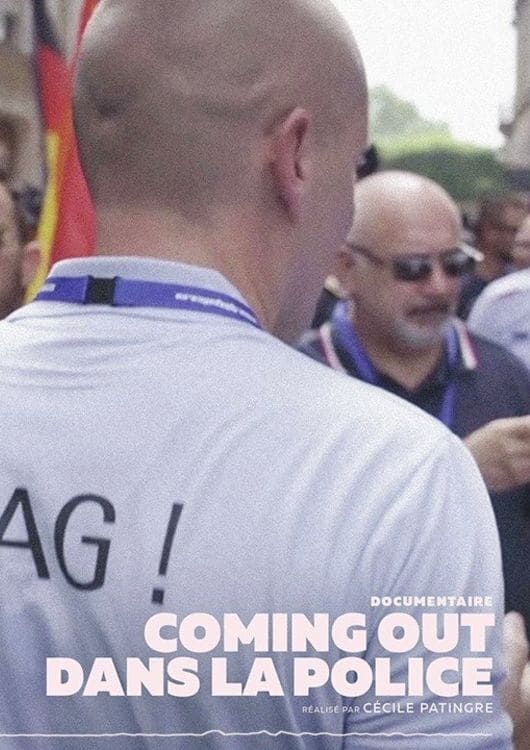
They are police officers, they are homosexuals. How to assume one's sexual orientation within an institution little known for its tolerance? Through a series of portraits of men and women, the film collects answers and follows in the footsteps of FLAG !, the association that a few have founded to fight internal discrimination. More visible than elsewhere, the difficulties these police officers face speak of a society that is changing or that must change.
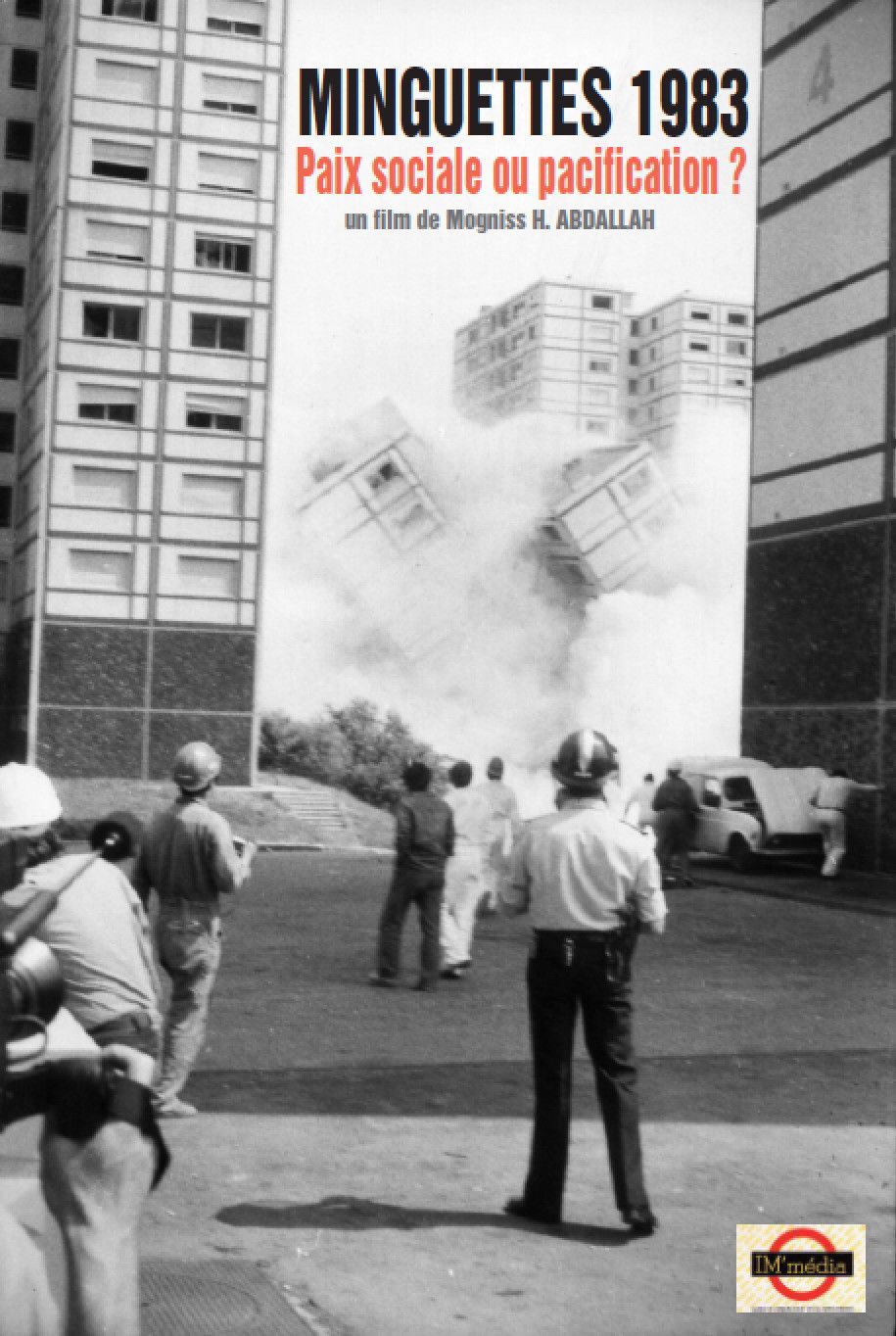
This documentary bears witness to the events that took place more than thirty years before the filming of this movie, on October 17, 1961, in Paris, during the Algerian War. It is a work not only about historical truth but also about memory. Constructed primarily from interviews conducted with those involved in the events, along with archival footage, photographs, and radio broadcasts from the time, our investigation proves that nearly 200 Algerians were killed (drowned, tortured) that night and in the days that followed by the French police. "A Missing Day" seeks to ask two key questions: how could such events have unfolded in the capital of a Western democracy barely thirty years ago? And why have they been silenced ever since?
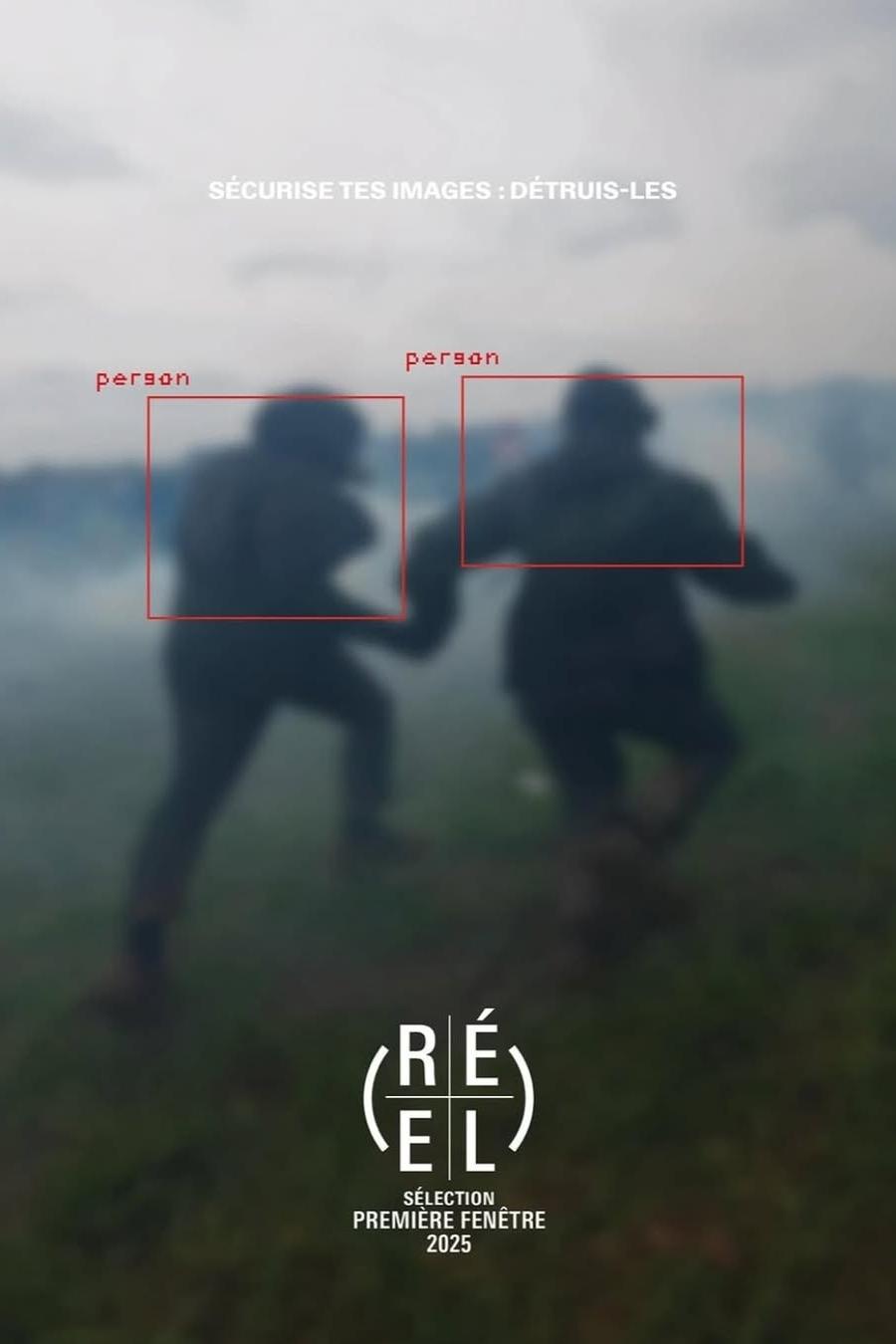
On march 25, 2023, I'm filming from within the ecological protest against water reservoirs taking place in Sainte-Soline, France. The police repression is so violent that after the event, I have repressed many of the experiences of the protest. The images I captured retrace my path within the protest and give me back my memories.
On May 25th, 2020, Derek Chauvin, a European-American Minneapolis police officer, murdered George Floyd, a black man, by driving his knee into George's neck for 8 minutes and 45 seconds until he died. This film chronicles New York City's overwhelming response.
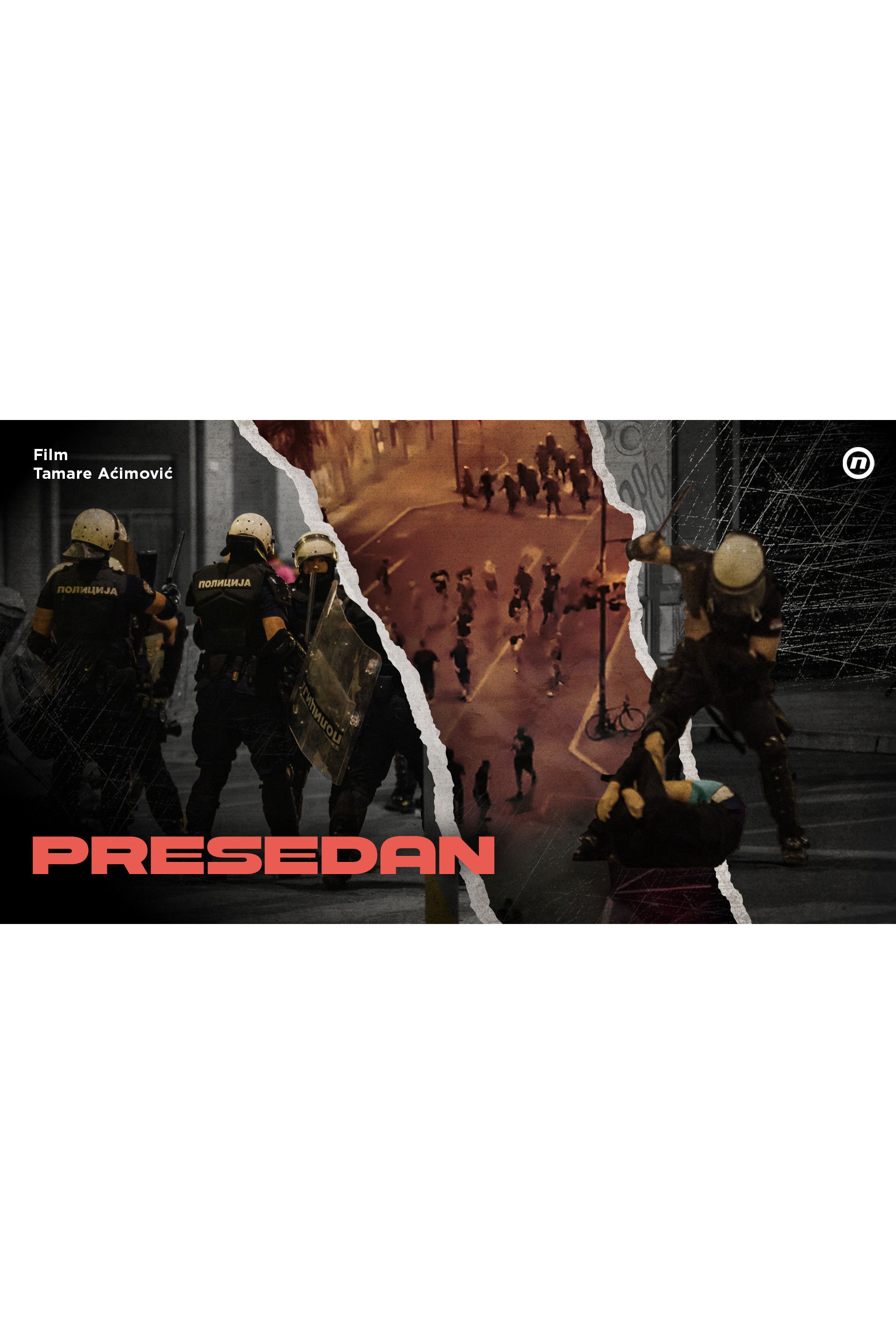
A documentary on police brutality during the anti-corruption protest in Valjevo, Serbia on August 14th, 2025.
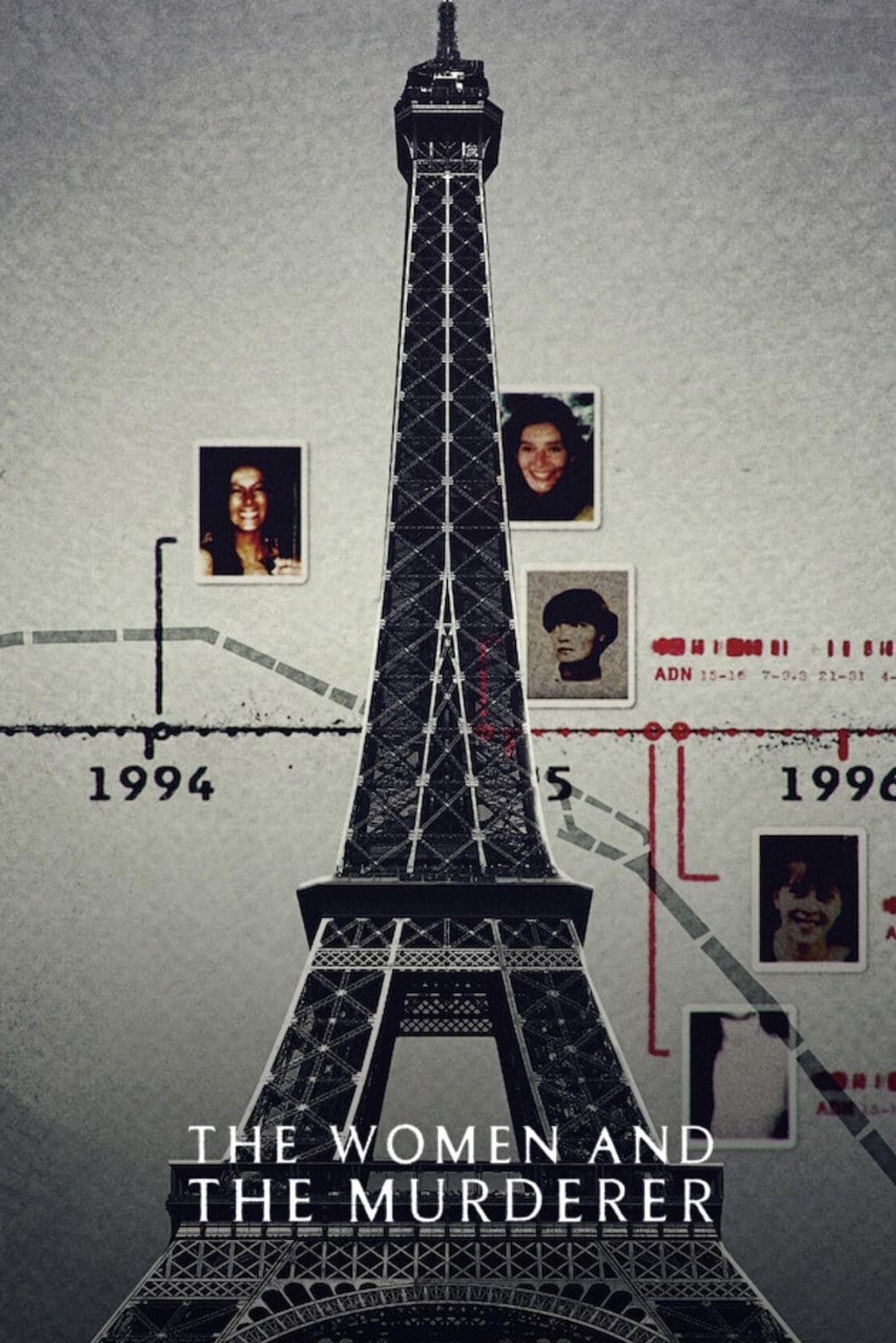
This documentary traces the capture of serial killer Guy Georges through the tireless work of two women: a police chief and a victim's mother.
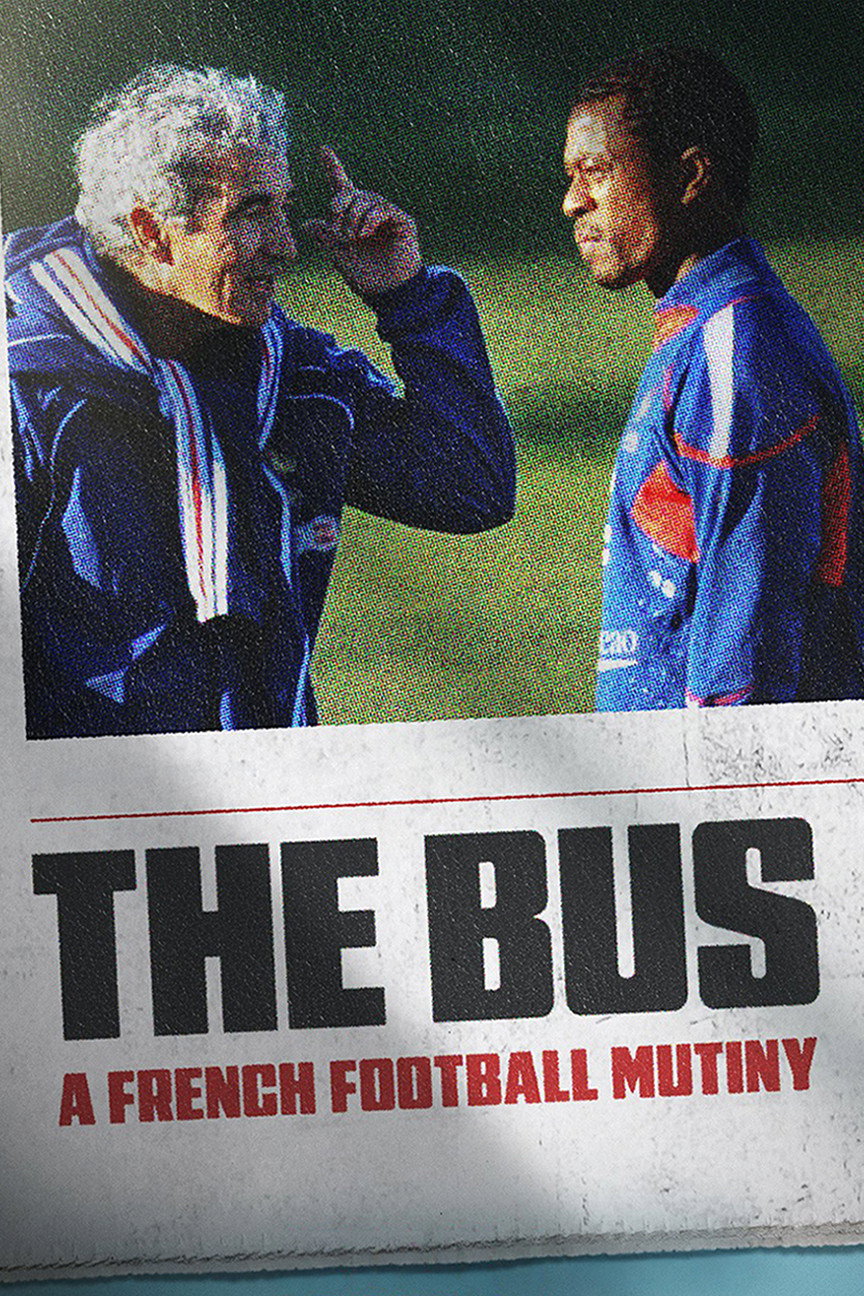
This documentary revisits the French football team's controversial 2010 World Cup and the bus strike that sparked global headlines and national outrage.
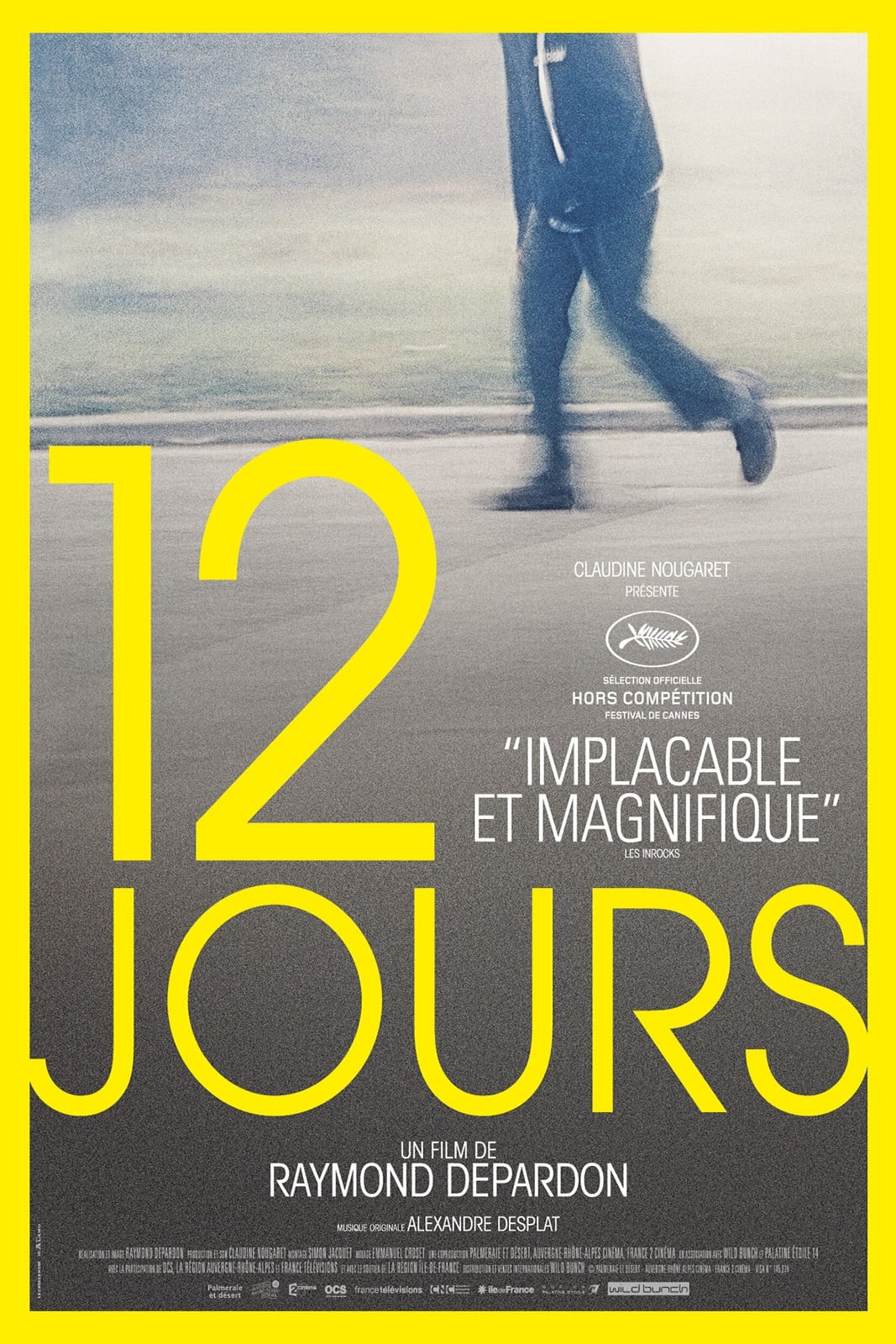
A new documentary by filmmaker-photographer Raymond Depardon – where justice and psychiatry meet.
Through deeply personal interviews with her siblings and an examination of the photographs, letters, and belongings left behind, Mariska assembles a new portrait of her mother Jayne Mansfield, an extraordinary and complex woman.
The life and career of an actor, artist, and icon. His own journey through his own camera.
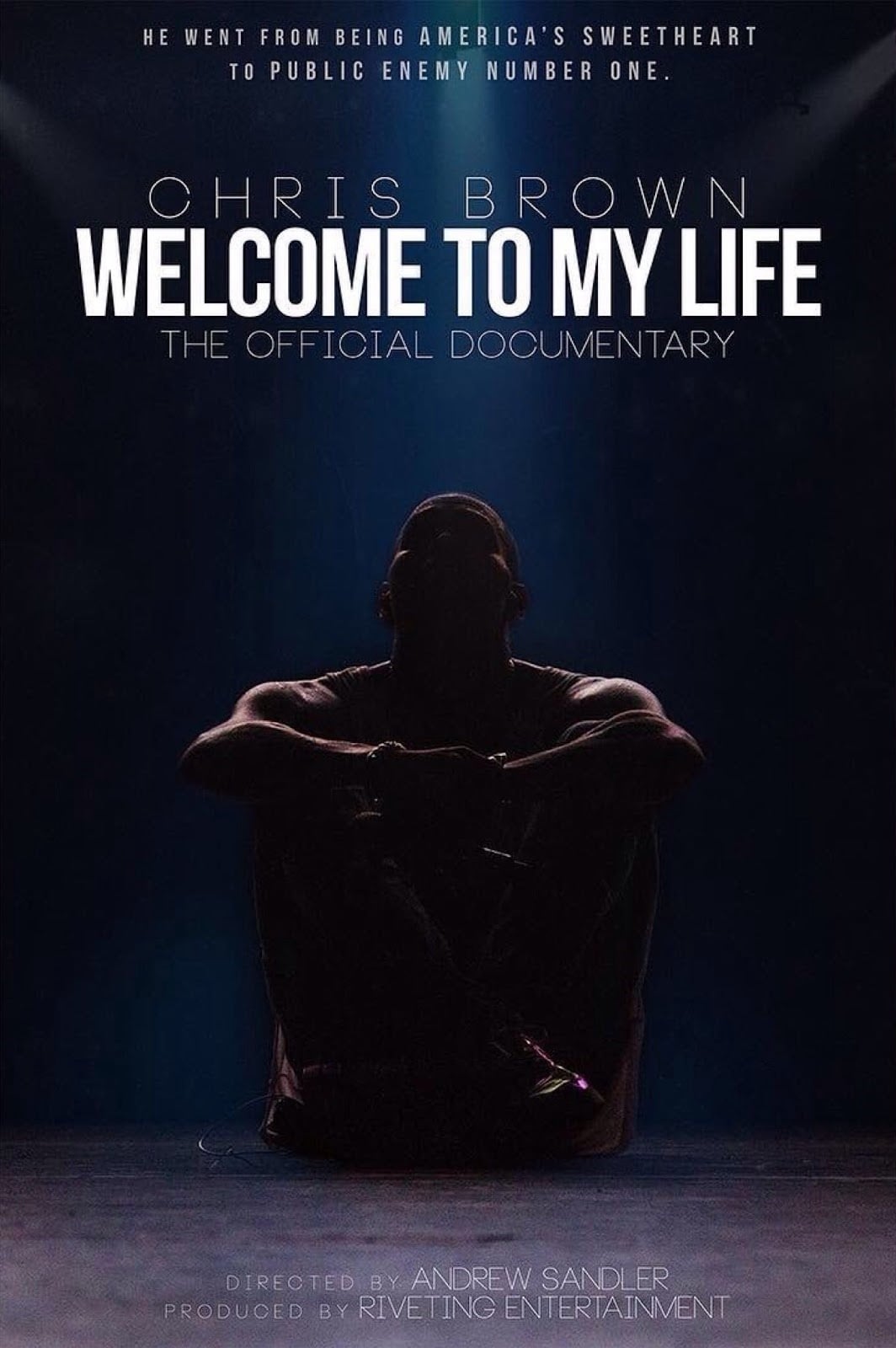
This compelling Documentary moves beyond the spotlight and past the attention-grabbing headlines to give pop superstar Chris Brown a chance to tell his own story. New interviews with the international phenomenon reveal long-awaited answers about his passion for making music, his tumultuous and much publicized relationships, and the pitfalls of coming of age in the public eye. Also included is new concert footage, behind-the-scenes access, and special interviews from Usher, Jennifer Lopez, DJ Khaled, Mike Tyson, Jamie Foxx and others.
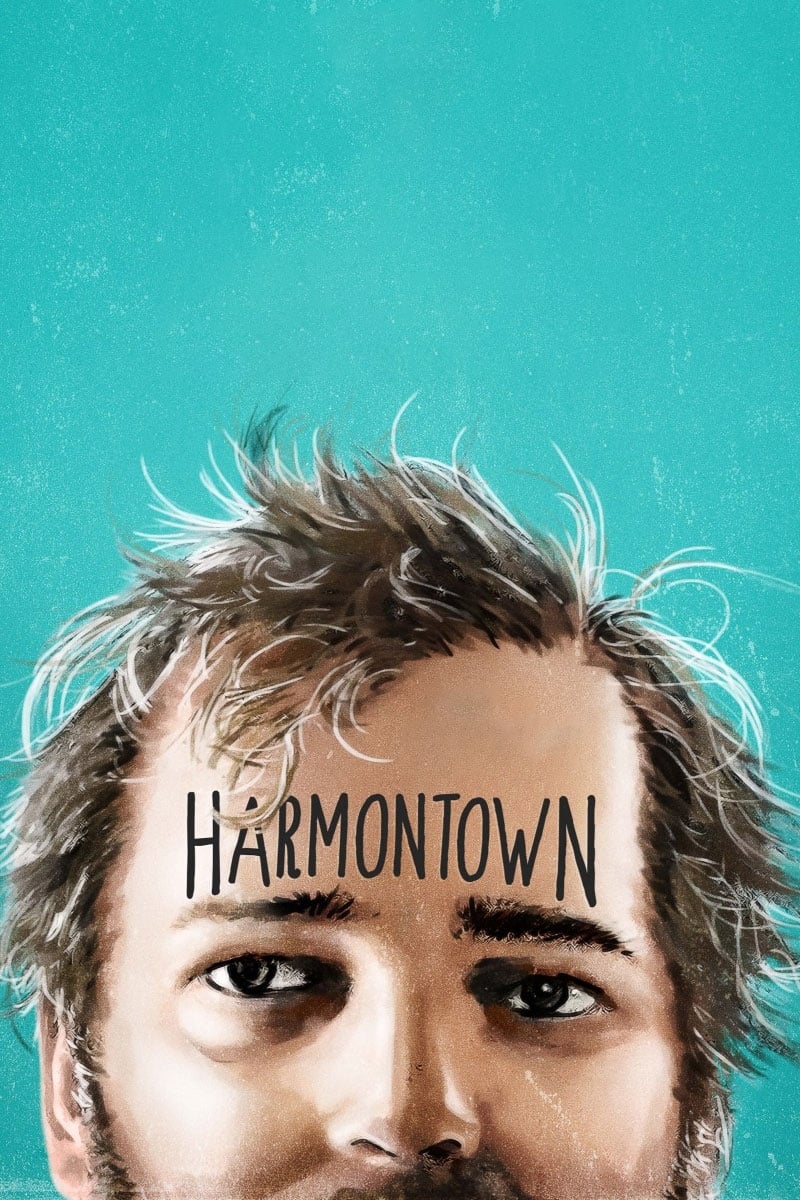
A comedic, brutally honest documentary following self-destructive TV writer Dan Harmon as he takes his live podcast on a national tour.
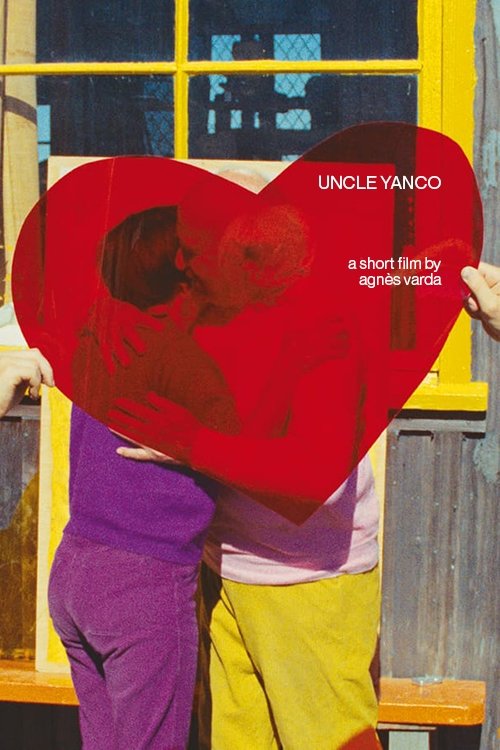
While in San Francisco for the promotion of her last film in October 1967, Agnès Varda, tipped by her friend Tom Luddy, gets to know a relative she had never heard of before, Jean Varda, nicknamed "Yanco". This hitherto unknown uncle lives on a boat in Sausalito, is a painter, has adopted a hippie lifestyle and loves life. The meeting is a very happy one.
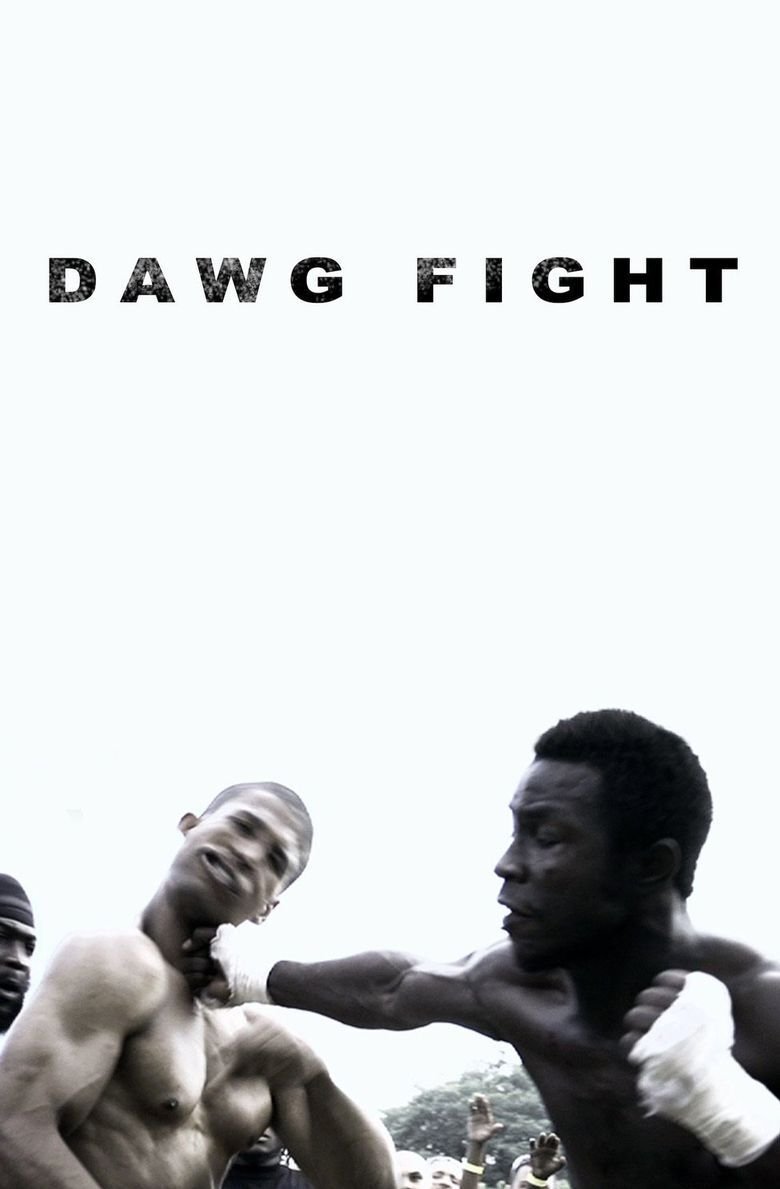
In a crime-plagued neighborhood near Miami, brutal, bare-knuckled backyard fights give young men a chance to earn money -- and self-respect.
Over 35 years after Bob Lazar's revelations, this documentary exposes secrets of a facility the government still denies. Featuring Lazar's testimony, recreations, and new evidence, it reopens a case that continues to spark global curiosity
Those who knew iconic funnyman John Candy best share his story, in their own words, through never-before-seen archival footage, imagery, and interviews.
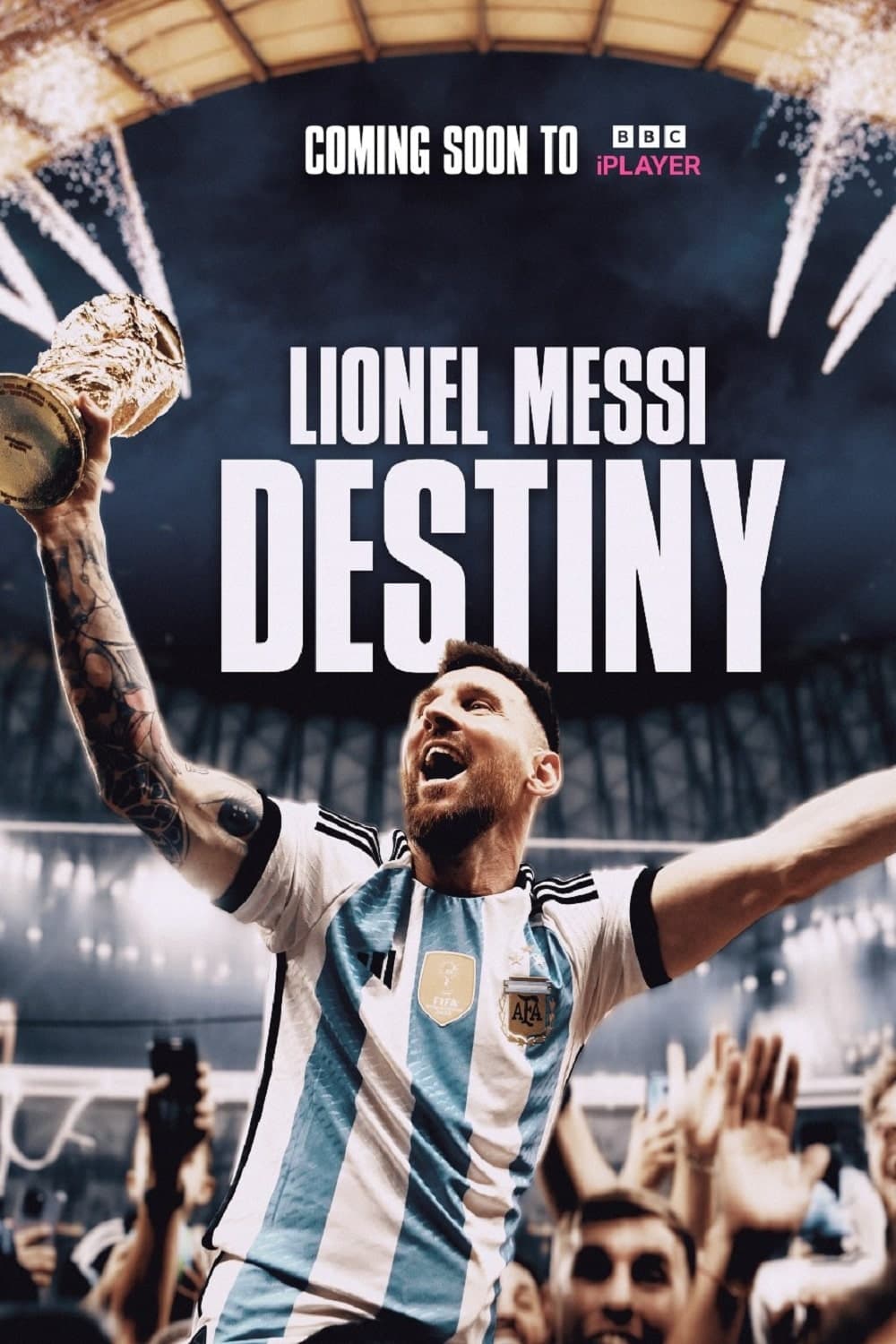
Behind-the-scenes documentary about how Lionel Messi succeeded in lifting the World Cup – the only trophy to have eluded him in an incredible career.
Daniel Craig candidly reflects on his 15 year adventure as James Bond. Including never-before-seen archival footage from Casino Royale to the upcoming 25th film No Time To Die, Craig shares his personal memories in conversation with 007 producers, Michael G Wilson and Barbara Broccoli.
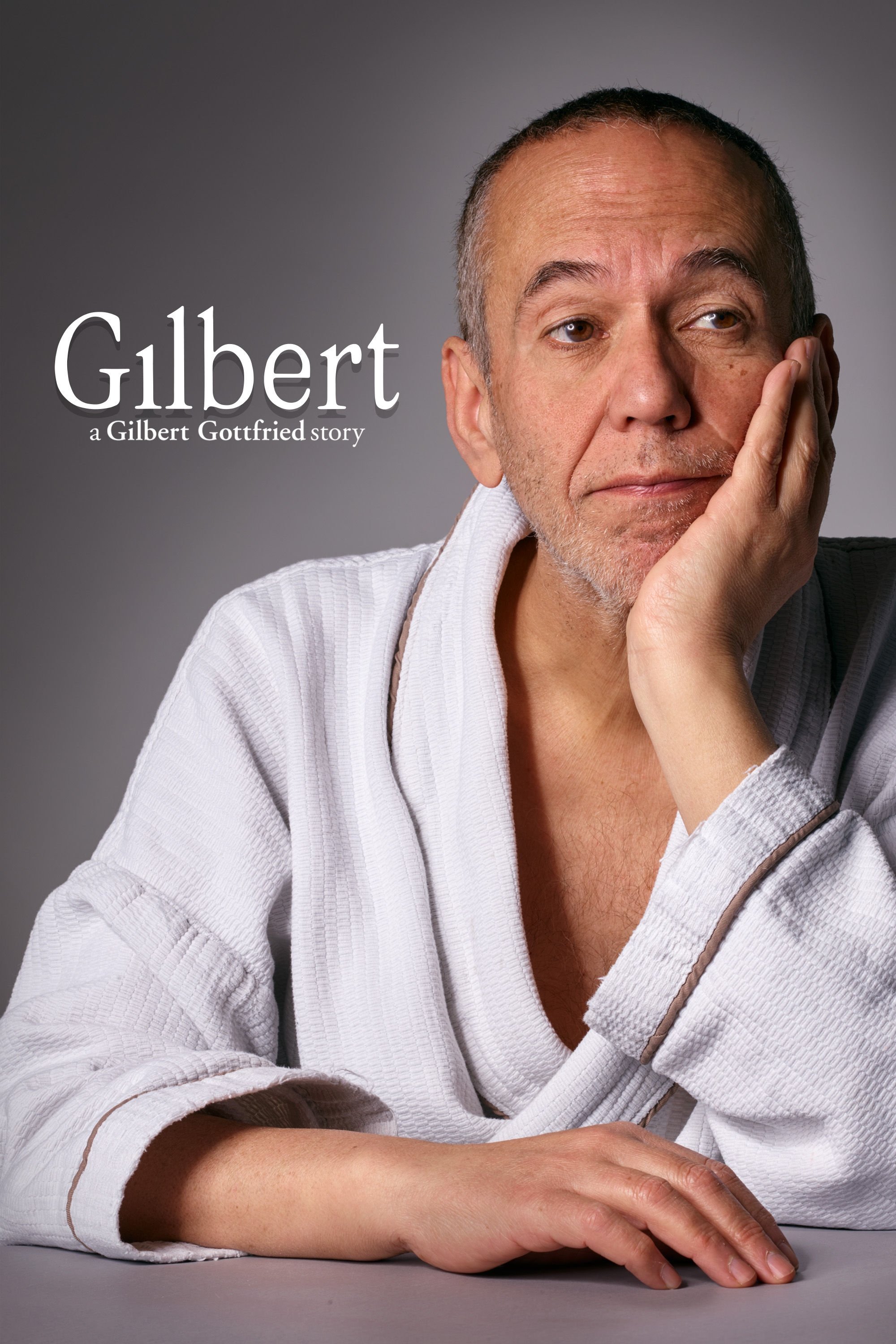
The life and career of one of comedy's most inimitable modern voices, Mr. Gilbert Gottfried.
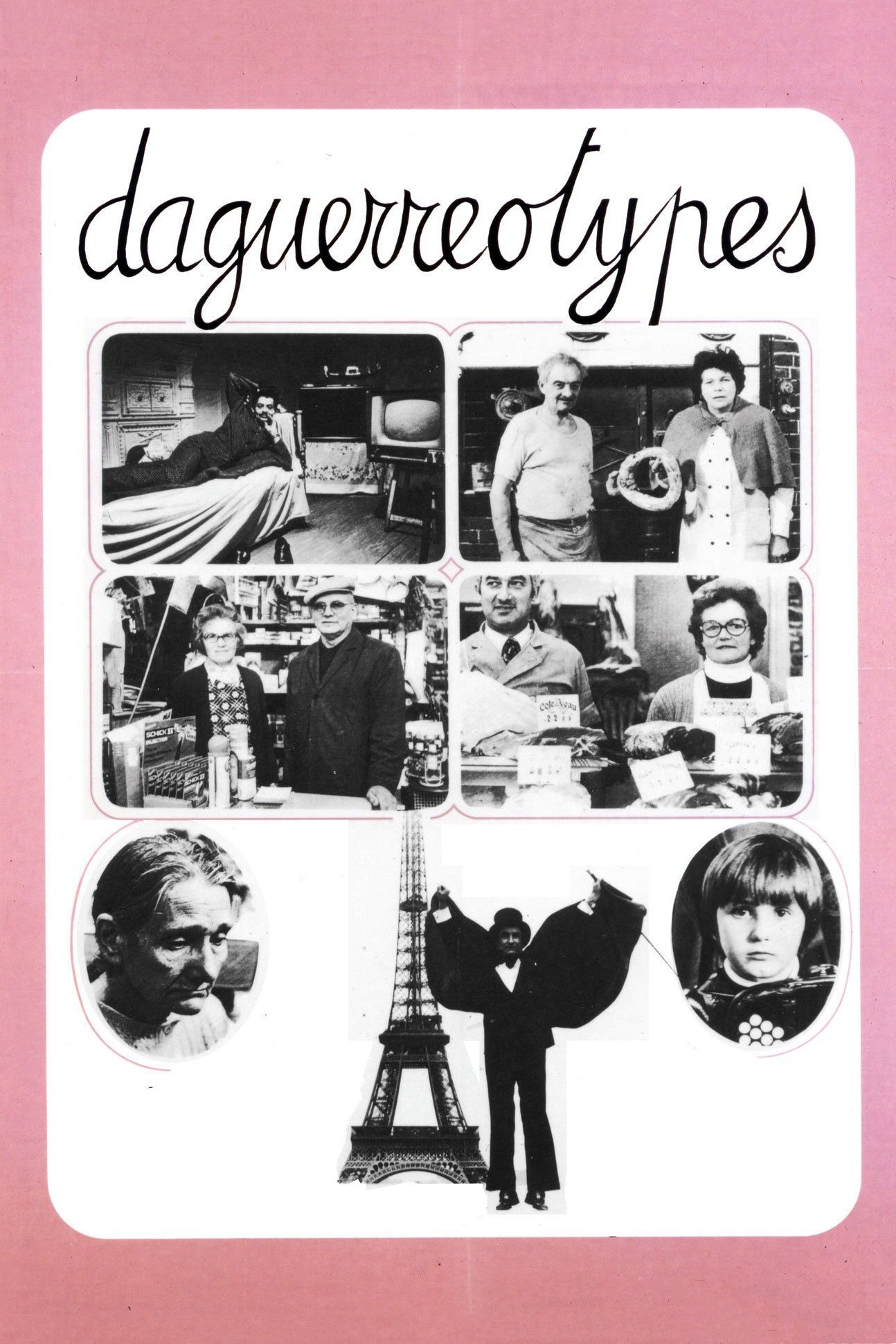
An intimate portrait of the small shops and shopkeepers of the Rue Daguerre in Paris, a picturesque street that has been the filmmaker’s home for more than 50 years.
This revealing documentary honors the legendary Sidney Poitier—iconic actor, filmmaker, and civil rights activist. Featuring interviews with Denzel Washington, Spike Lee, Halle Berry, and more.
From a prolific career in film and television, Anton Yelchin left an indelible legacy as an actor. Through his journals and other writings, his photography, the original music he wrote, and interviews with his family, friends, and colleagues, this film looks not just at Anton's impressive career, but at a broader portrait of the man.
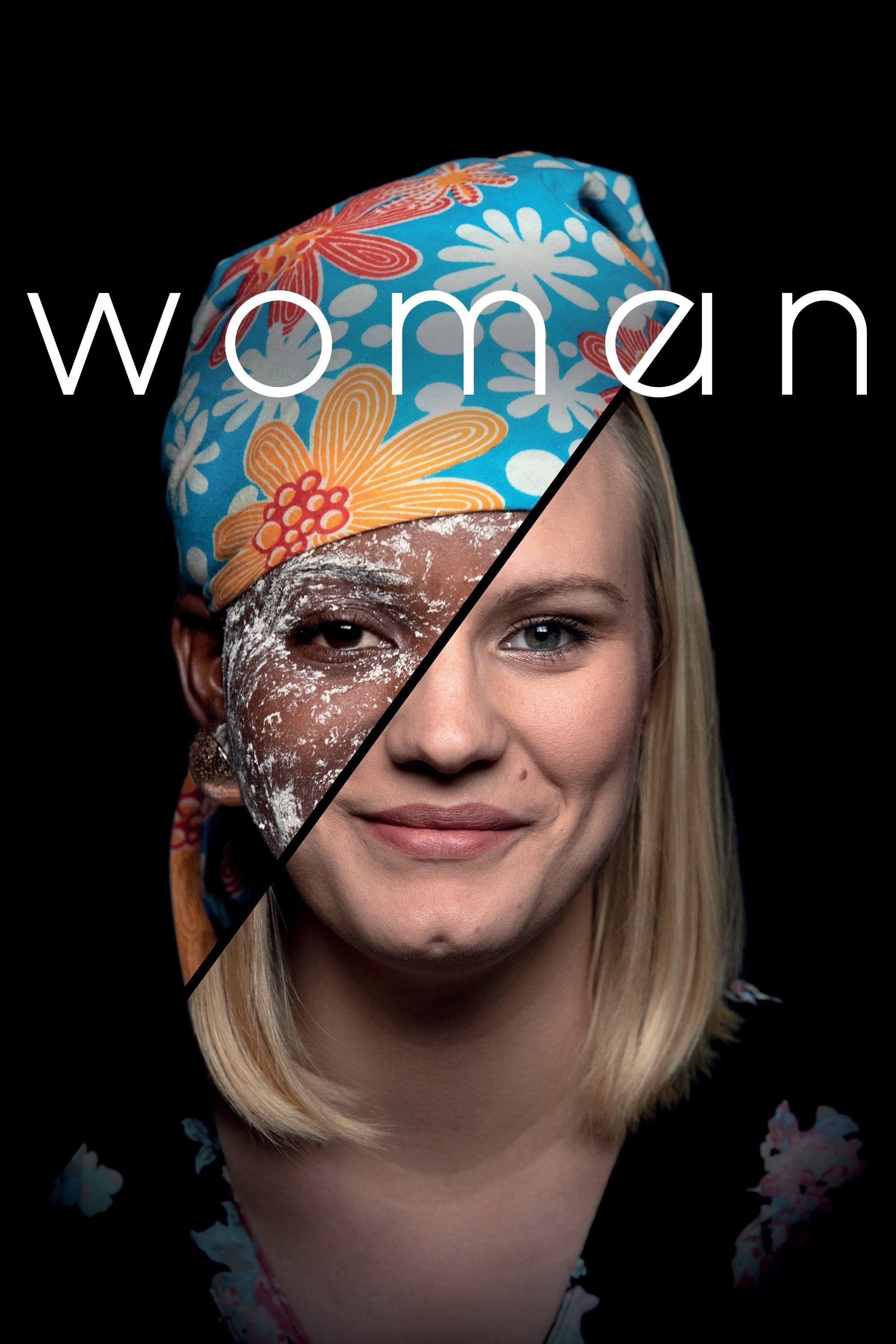
The film is based on interviews with 2,000 women from 50 countries, and covers the status of women all over the world. The topics covered include forced marriages, sexual assault, female genital mutilation, acid attacks, motherhood, sexuality, menstruation, education and the professional success of women.
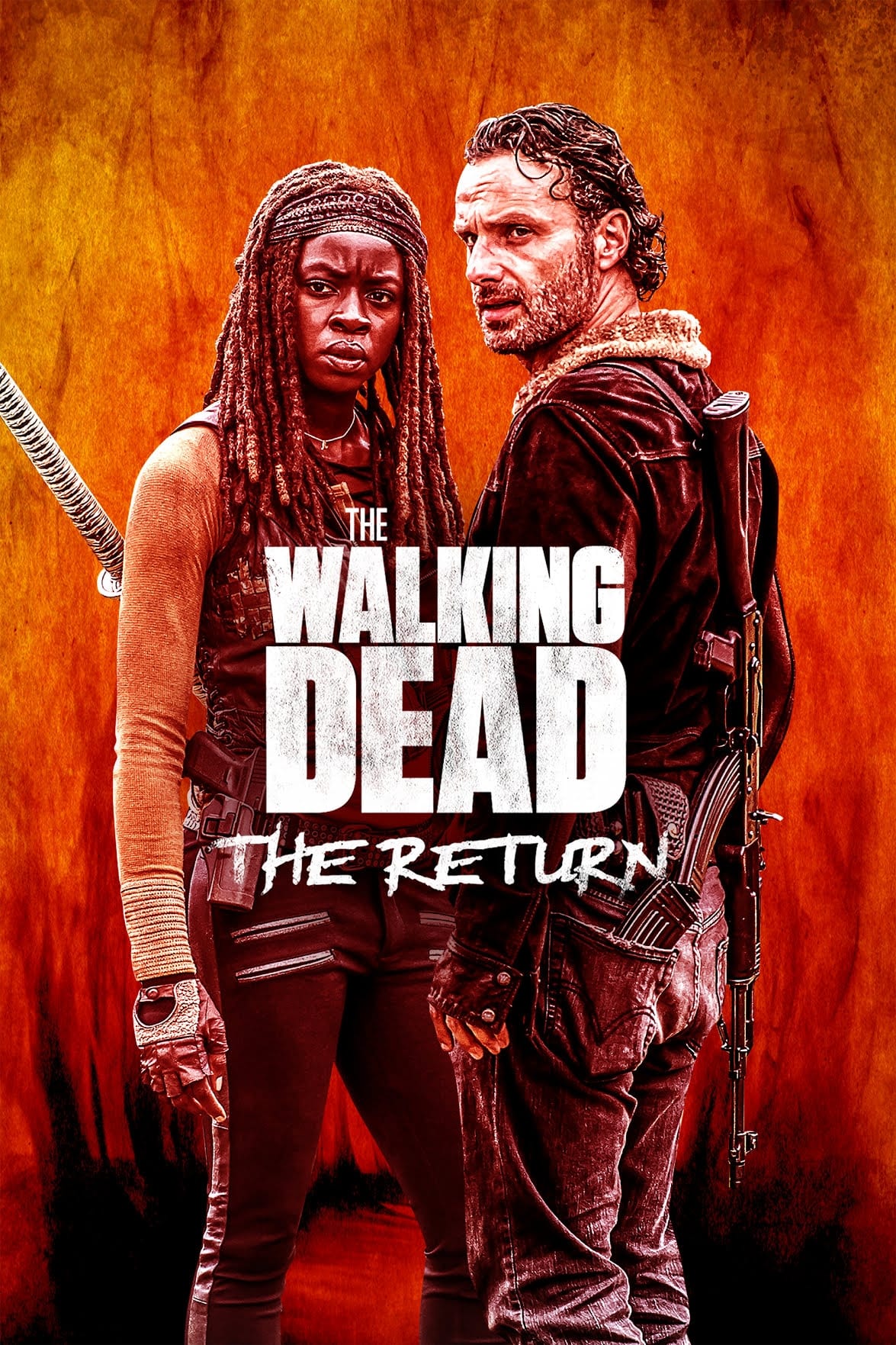
Stars of "The Walking Dead," Andrew Lincoln and Danai Gurira, walk down memory lane and visit iconic locations where pivotal moments between their characters, Rick and Michonne, were filmed.
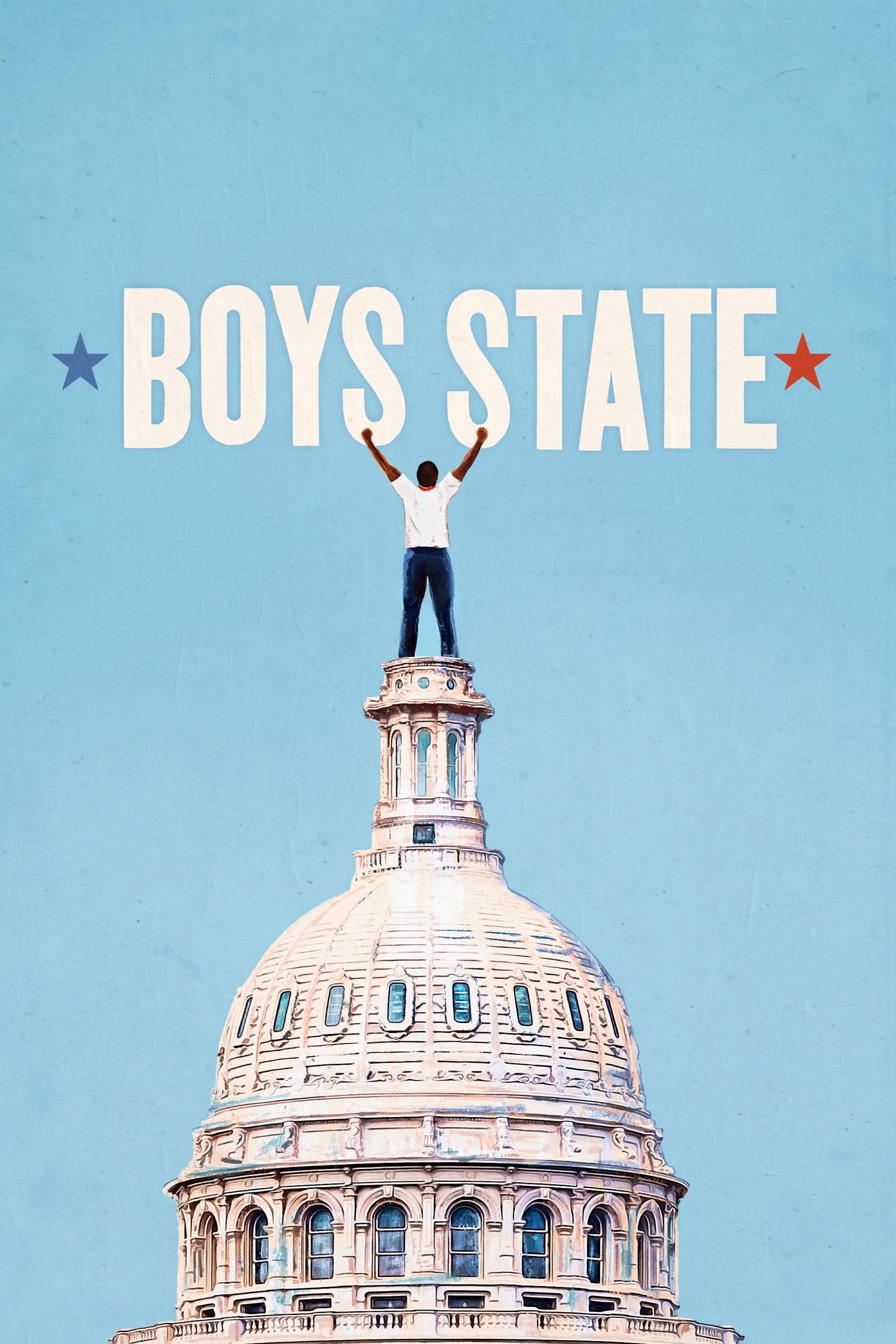
This raucous journey into the heart of democracy captures an unusual rite of passage: 1,100 teenage boys from across Texas coming together to build a representative government from the ground up.