Social & External
The people behind it
Su Friedrich's personal essay charting the destruction of Williamsburg, Brooklyn. After living in the neighborhood for 20 years, the filmmaker was one of many who were forced out after the city passed a rezoning plan allowing developers to build luxury condos where there were once thriving industries, working-class families, and artists. Filmed over many years, it is a scathing portrait of one neighborhood's demolition and transformation.
An ancestral house builds itself, comes to life, and shows us its story spanning one hundred fifty years. Through the ages, it allows us to perceive the passage of time.
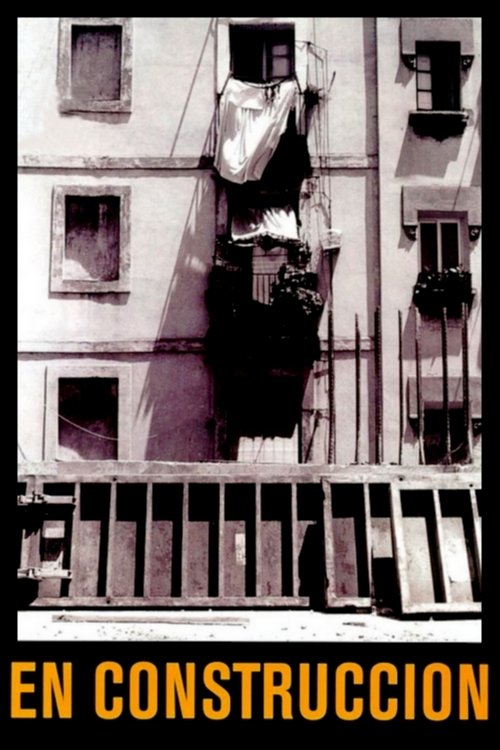
An author spends a year and a half filming what happens as a new apartment building is built in a neighborhood of Barcelona.
"Arkansas is one of the worst places to be a renter in America. It is the only state in the US where tenants are treated as criminals for paying rent late and landlords are not required by law to maintain their properties. "Its failure-to-vacate law lets landlords give tenants a 10-day eviction notice if they are even one day overdue. Tenants who can't or won't leave within that span face fines for every day they remain on the property and up to 90 days in jail. "This makes things difficult for the third of Arkansas's residents who are renters and have legitimate concerns about the properties they are occupying. The combination of failure-to-vacate and the lack of warranty of habitability make it almost impossible for tenants to challenge their landlords for legitimate reasons. It's estimated that criminal evictions occur everyday in Arkansas, resulting in over 2000 failure-to-vacate cases being filed each year."
In the global competition between cities, Hamburg is competing with other metropolises. Urban development should ensure favorable location factors for companies, investors, and tourism, and the last gaps in the so-called “string of pearls” along the banks of the Elbe are being closed to enhance the city's image. Over 50 interviews were conducted for the film. No external experts were consulted. A wide variety of St. Pauli residents have their say: residents, employees, artists, restaurateurs, master brewers, major investors, social workers, hoteliers, lawyers, the district administrator, and many more. Thus, beyond the red-light district, petty criminals, and poor people clichés, the film presents a diverse spectrum of opinions.
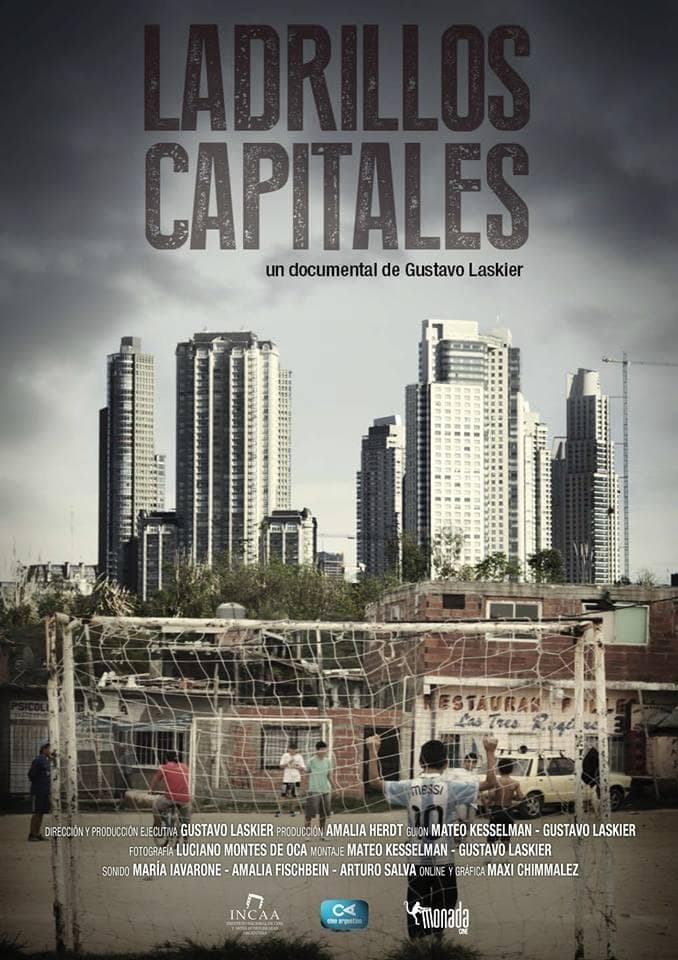
Villa Rodrigo Bueno, a poor neighborhood located on some sough after lands in Buenos Aires, in their struggle for urbanization and their fight against gentrification.
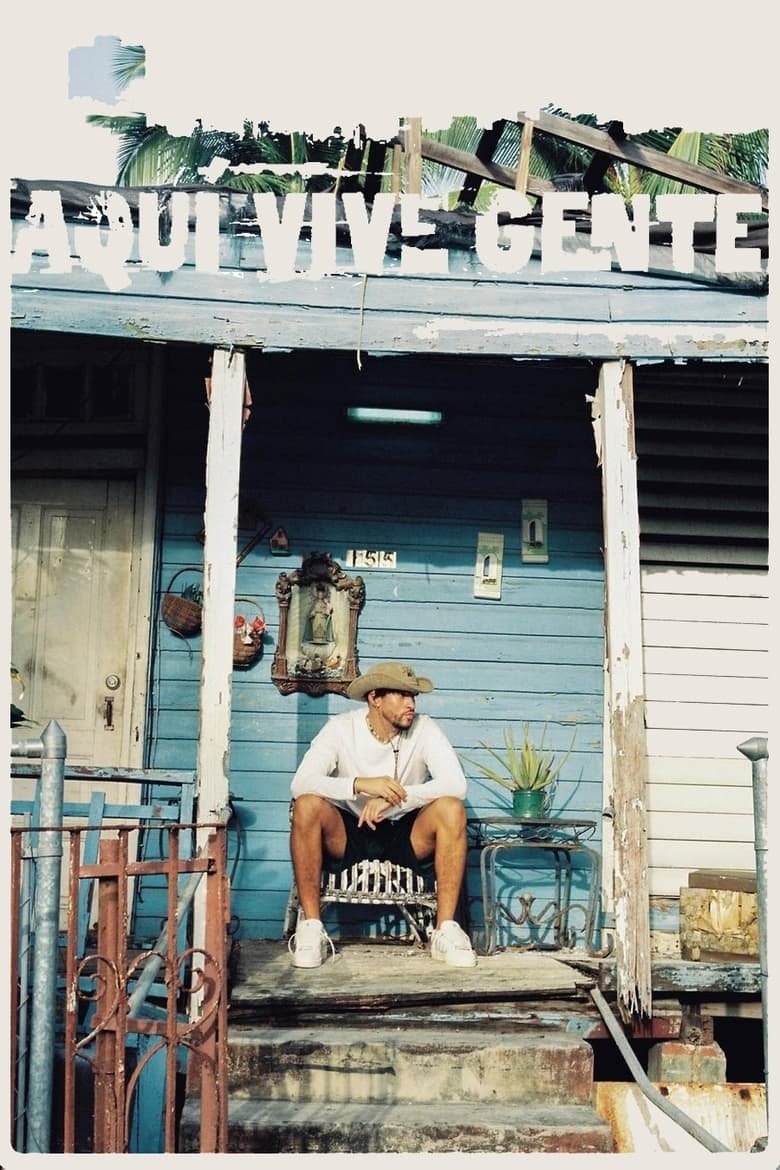
“El apagón: Aquí vive gente” is a 23-minute film that explores the socio-economic challenges in Puerto Rico, focusing on the effects of power outages and gentrification driven by the real estate and energy sectors. Through visuals and personal stories, the documentary highlights the experiences of Puerto Rican communities facing these issues.
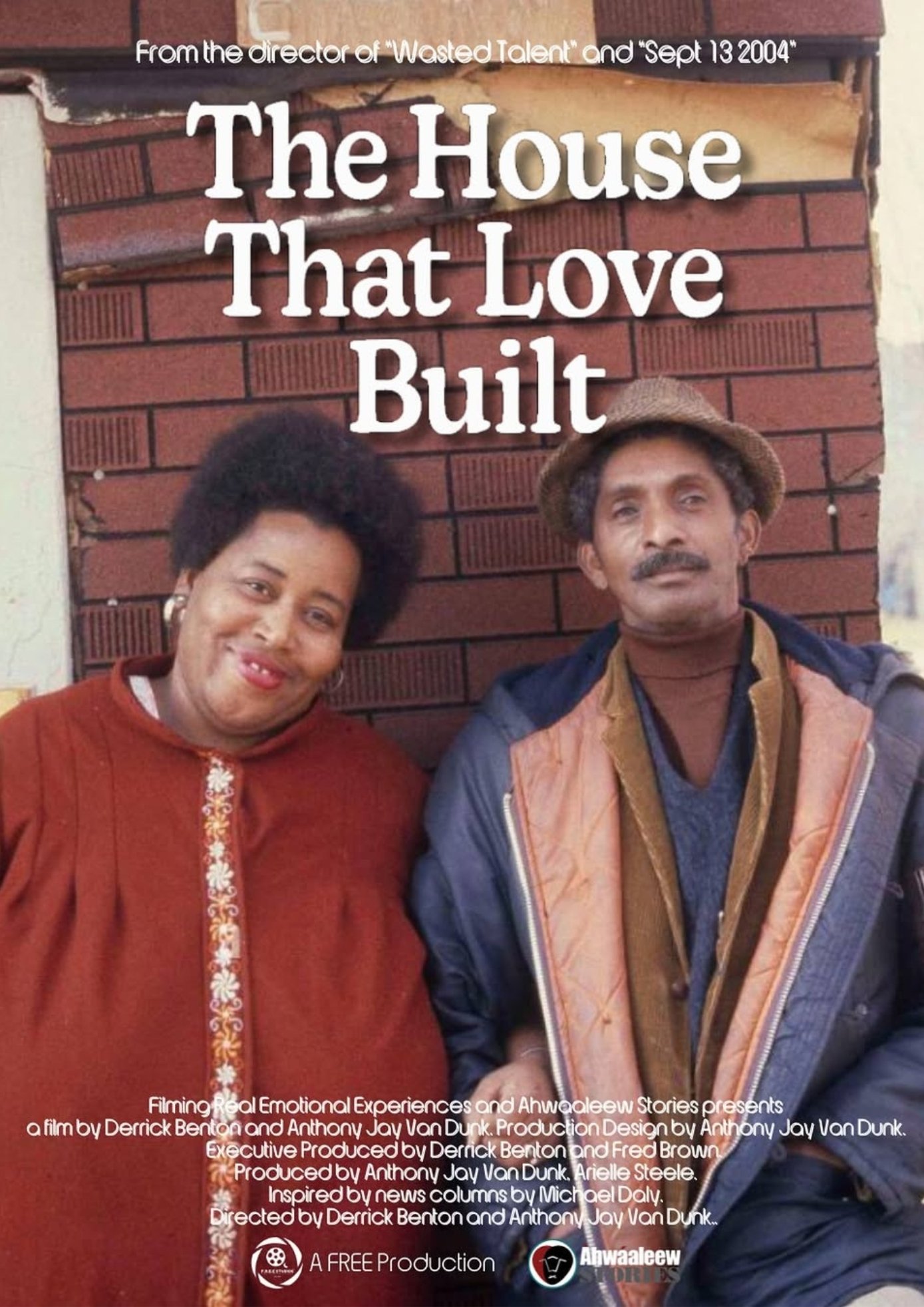
In 1980s Brooklyn, a resilient family, evicted from public housing, refuses to succumb to homelessness or welfare. Instead, they construct their own home-one scrap of discarded wood at a time.
Director Kelly Anderson's personal journey as a Brooklyn 'gentrifier' to understand the forces reshaping her neighborhood along lines of race and class. The film reframes the gentrification debate to expose the corporate actors and government policies driving displacement and neighborhood change.
In an historically Black neighborhood of Cincinnati, a family closes shop as new residents roll in on their Segways and craft beer carts.
A short documentary on the gentrification of Hackney.
A documentary chronicling the history and final days of the Crayola House, a legendary DIY punk venue in Harrisonburg, Virginia. Through archival footage, live performances, and interviews with musicians, artists, and former residents, the film captures the spirit of a community built on music, creativity, and collective resistance as it faces displacement and the end of an era.
Toronto filmmaker Charles Officer profiles the young people of Villaways Park, a housing project on brink of historic change.
A prescient portrait of late-1970s Washington, D.C., that chronicles the city's creeping gentrification, the systematic expulsion of poor Black residents, and the community response in the form of the Seaton Street Project, in which tenants banded together to purchase buildings.
Rua de Santa Catarina, a street that was formerly home to dozens of local businesses and hundreds of Porto residents, now sees a crowd of tourists attracted by the cheap, disposable amenities that are popping up everywhere at once. Gentrification has decontextualized Portuguese culture, rendering the landscape uncanny. The Basin Woman, a symbol of the female workers of the historic Bolhão Market, is chased down by seagulls in the midst of this transcendent chaos.
Through deeply personal interviews with her siblings and an examination of the photographs, letters, and belongings left behind, Mariska assembles a new portrait of her mother Jayne Mansfield, an extraordinary and complex woman.
An inside look at one of the most anticipated movie sequels ever with James Cameron and cast.
Witness the never-before-seen footage and true story behind the John Wick phenomenon – from independent film to billion-dollar franchise.
A compilation of over 30 years of private home movie footage shot by Lithuanian-American avant-garde director Jonas Mekas, assembled by Mekas "purely by chance", without concern for chronological order.
With mesmerizing footage and time lapses of animators at work, this behind-the-scenes special captures the artistry of a unique tale years in the making.
The Making-of James Cameron's Avatar. It shows interesting parts of the work on the set.
Over 35 years after Bob Lazar's revelations, this documentary exposes secrets of a facility the government still denies. Featuring Lazar's testimony, recreations, and new evidence, it reopens a case that continues to spark global curiosity
This documentary focuses on the actors and their journey over two summers to create the remake to the original IT, by Stephen King. The documentary originally released as bonus material, bundled with IT: Chapter Two.
The story of the insane scandals related to the remake of “Island of Dr. Moreau” —originally a novel by H. G. Wells—, which was brought to the big screen in 1996. How director Richard Stanley spent four years developing the project just to find an abrupt end to his work while leading actor Marlon Brando pulled the strings in the shadows. Now for the first time, the living key players recount what really happened and why it all went so spectacularly wrong.
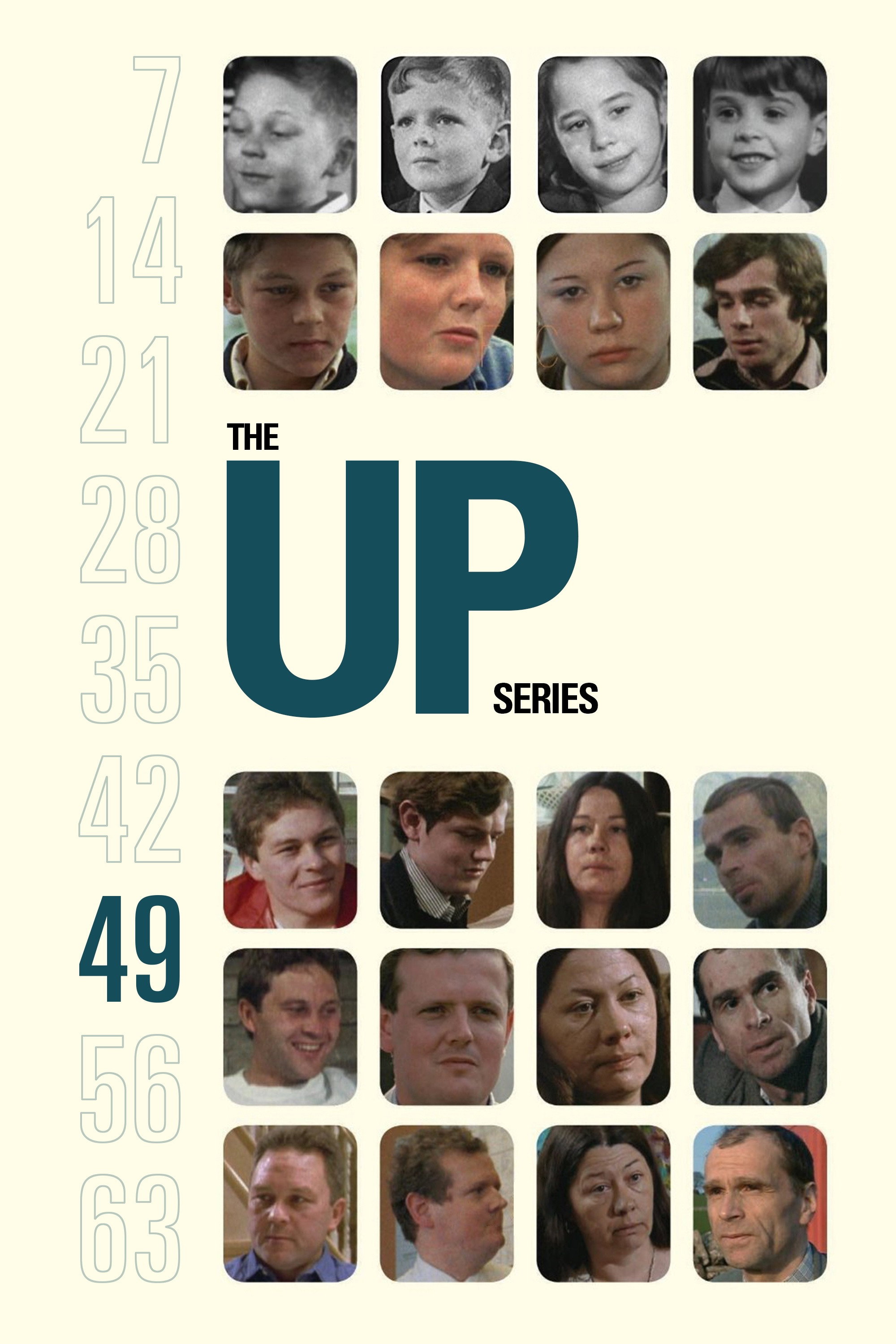
49 Up is the seventh film in a series of landmark documentaries that began 42 years ago when UK-based Granada's World in Action team, inspired by the Jesuit maxim "Give me the child until he is seven and I will give you the man," interviewed a diverse group of seven-year-old children from all over England, asking them about their lives and their dreams for the future. Michael Apted, a researcher for the original film, has returned to interview the "children" every seven years since, at ages 14, 21, 28, 35, 42 and now again at age 49.In this latest chapter, more life-changing decisions are revealed, more shocking announcements made and more of the original group take part than ever before, speaking out on a variety of subjects including love, marriage, career, class and prejudice.
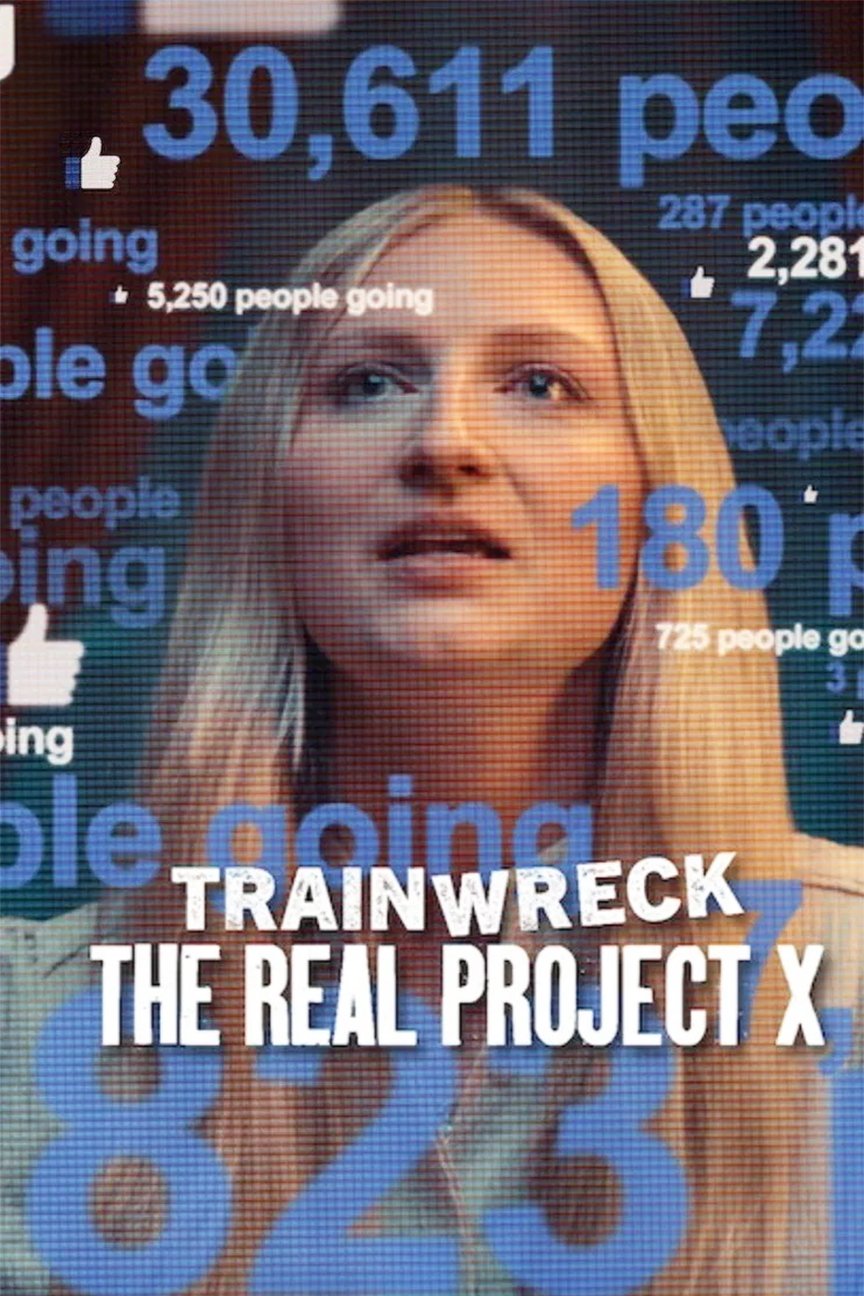
A night of drunken chaos rocks a quiet Dutch town in this shocking documentary about a teen's birthday invite that accidentally went viral on Facebook.
A string of threatening emails escalates into a revenge plot involving a newly married US marshal and his ex-girlfriend.
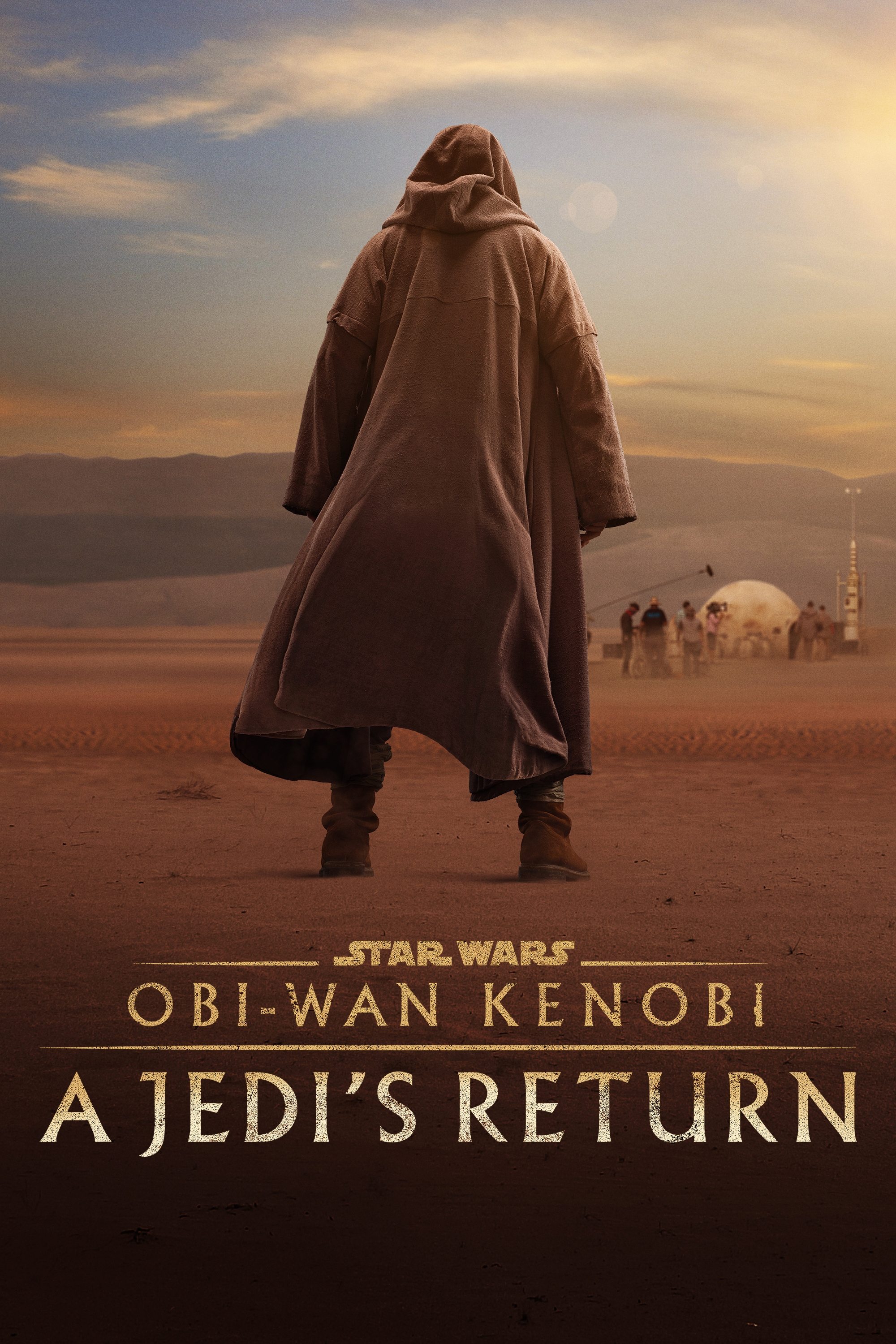
This special explores the return of Obi-Wan Kenobi and Anakin Skywalker to the screen, as well as Ewan McGregor and Hayden Christensen to their classic roles. Director Deborah Chow leads the cast and crew as they create new heroes and villains that live alongside new incarnations of beloved Star Wars characters, and an epic story that dramatically bridges the saga films.
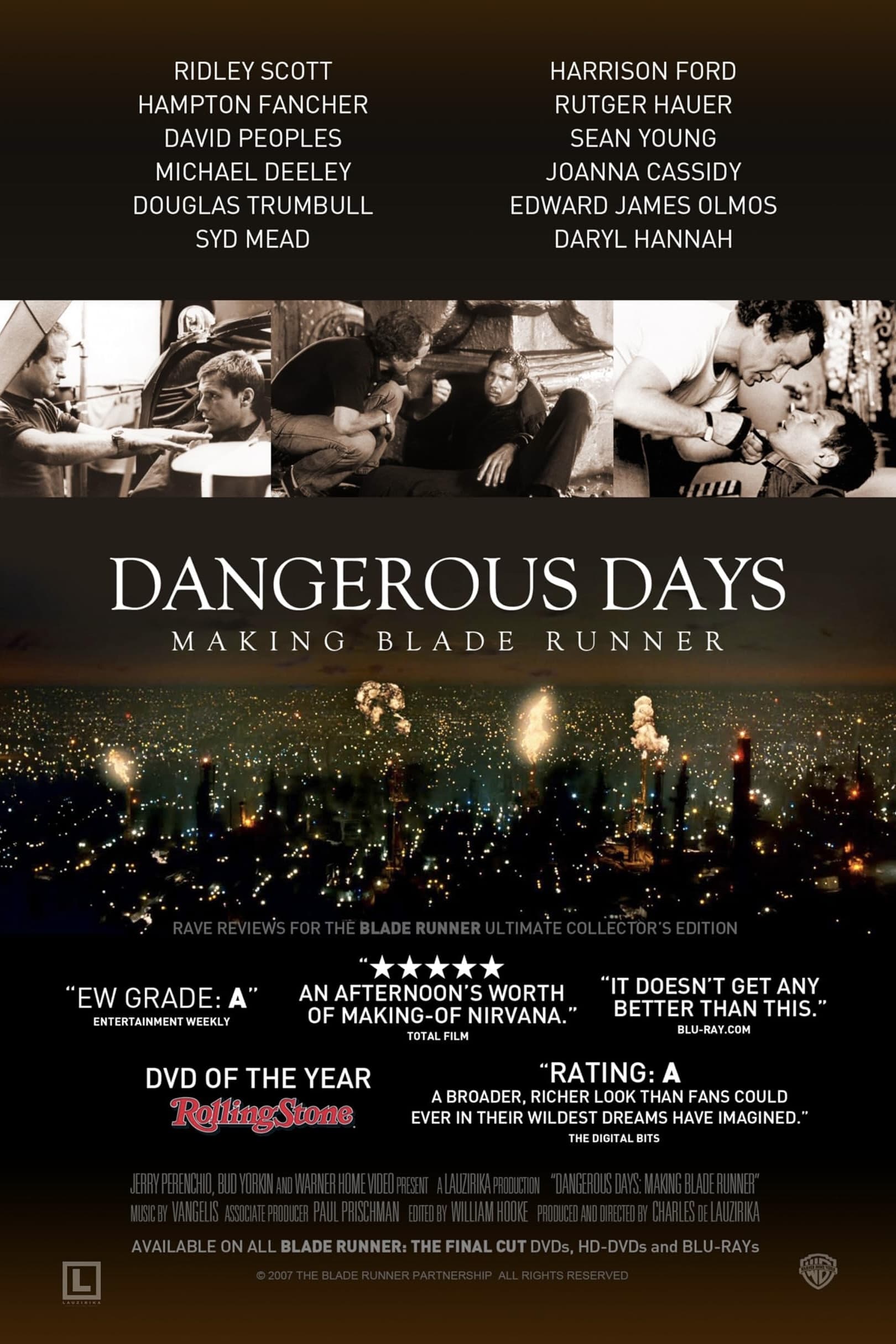
The definitive 3½-hour documentary about the troubled creation and enduring legacy of the science fiction classic 'Blade Runner', culled from 80 interviews and hours of never-before-seen outtakes and lost footage.
Ranjit, a farmer in India, takes on the fight of his life when he demands justice for his 13-year-old daughter, the victim of a brutal gang rape. His decision to support his daughter is virtually unheard of, and his journey unprecedented.
Al Pacino's deeply-felt rumination on Shakespeare's significance and relevance to the modern world through interviews and an in-depth analysis of "Richard III."
Unravel the case of Utah therapist Jodi Hildebrandt, whose child abuse arrest with parenting YouTuber Ruby Franke exposed a twisted tale of manipulation.
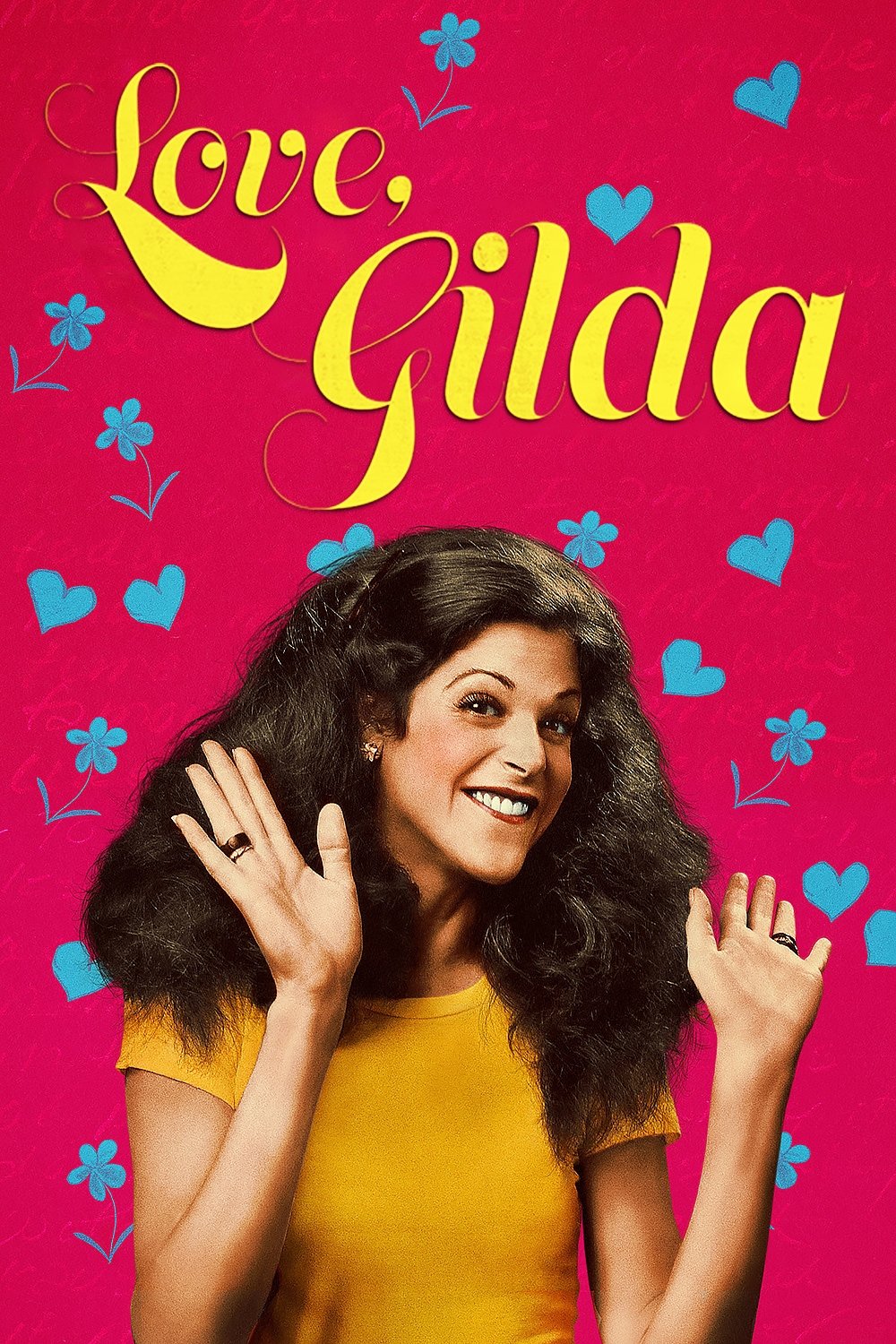
Diaries, audiotapes, videotapes and testimonials from friends and colleagues offer insight into the life and career of Gilda Radner -- the beloved comic and actress who became an icon on Saturday Night Live.
A visual montage portrait of our contemporary world dominated by globalized technology and violence.
Interviews with leading authors, philosophers and scientists, with an in-depth discussion of the Law of Attraction. The audience is shown how they can learn and use 'The Secret' in their everyday lives.