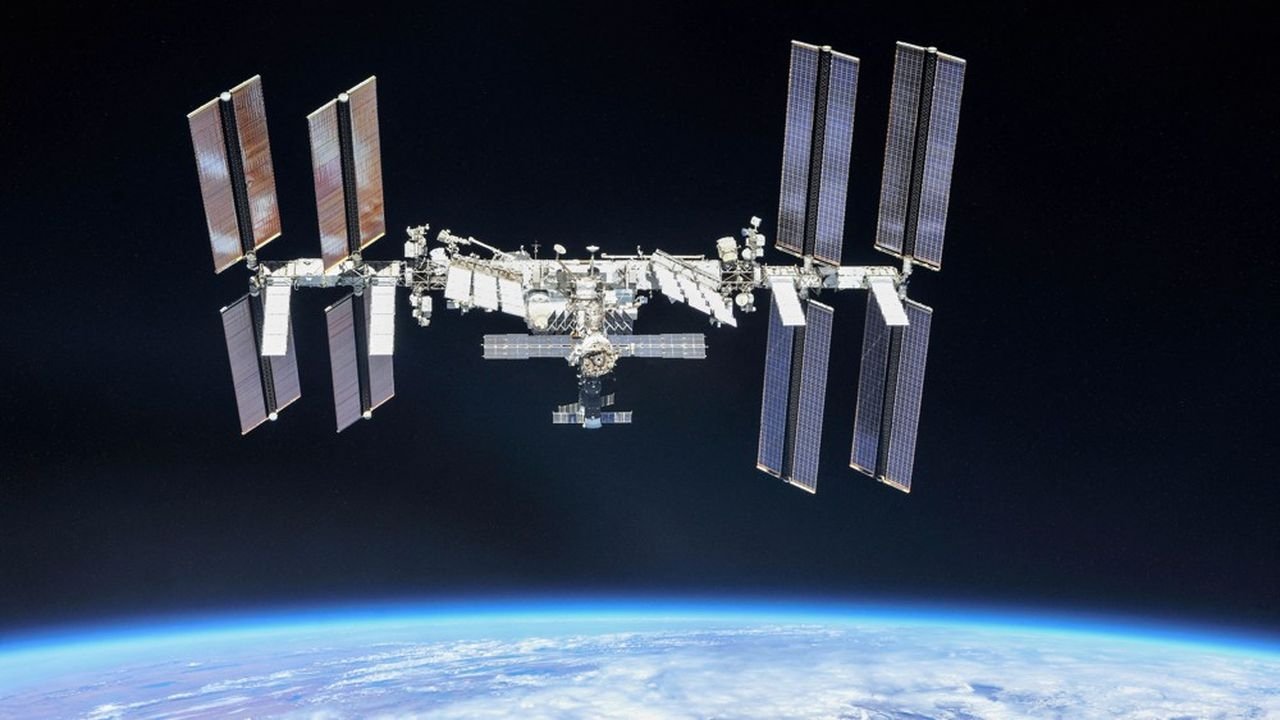
A virtual visit aboard the International Space Station, making the dreams of millions of people around the world come true.
Social & External
The people behind it
Liam Neeson
Self - Narrator
A testament to NASA's Apollo program of the 1960s and '70s. Composed of actual NASA footage of the missions and astronaut interviews, the documentary offers the viewpoint of the individuals who braved the remarkable journey to the moon and back.
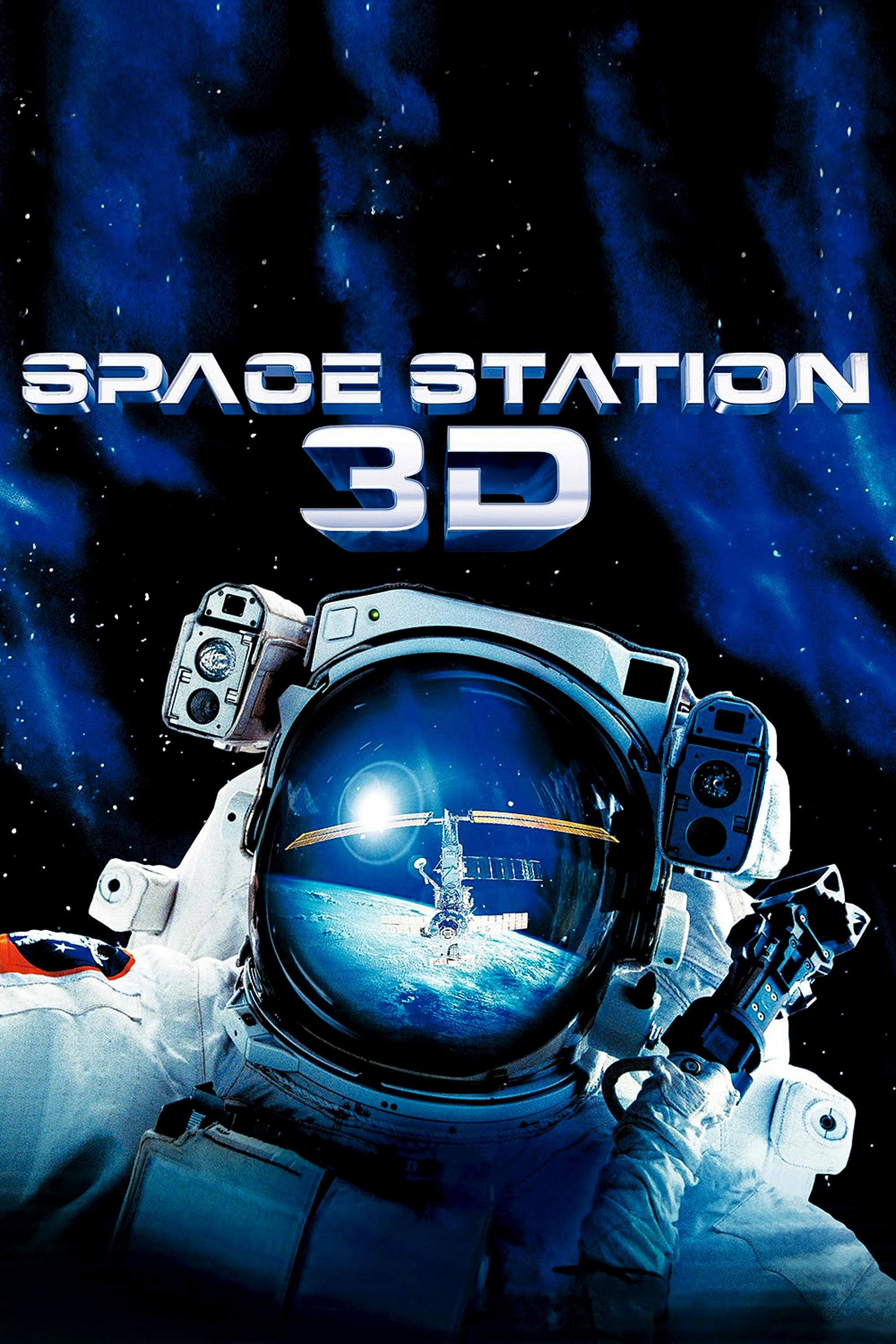
Some 220 miles above Earth lies the International Space Station, a one-of-a-kind outer space laboratory that 16 nations came together to build. Get a behind-the-scenes look at the making of this extraordinary structure in this spectacular IMAX film. Viewers will blast off from Florida's Kennedy Space Center and the Baikonur Cosmodrome in Russia for this incredible journey -- IMAX's first-ever space film. Tom Cruise narrates.
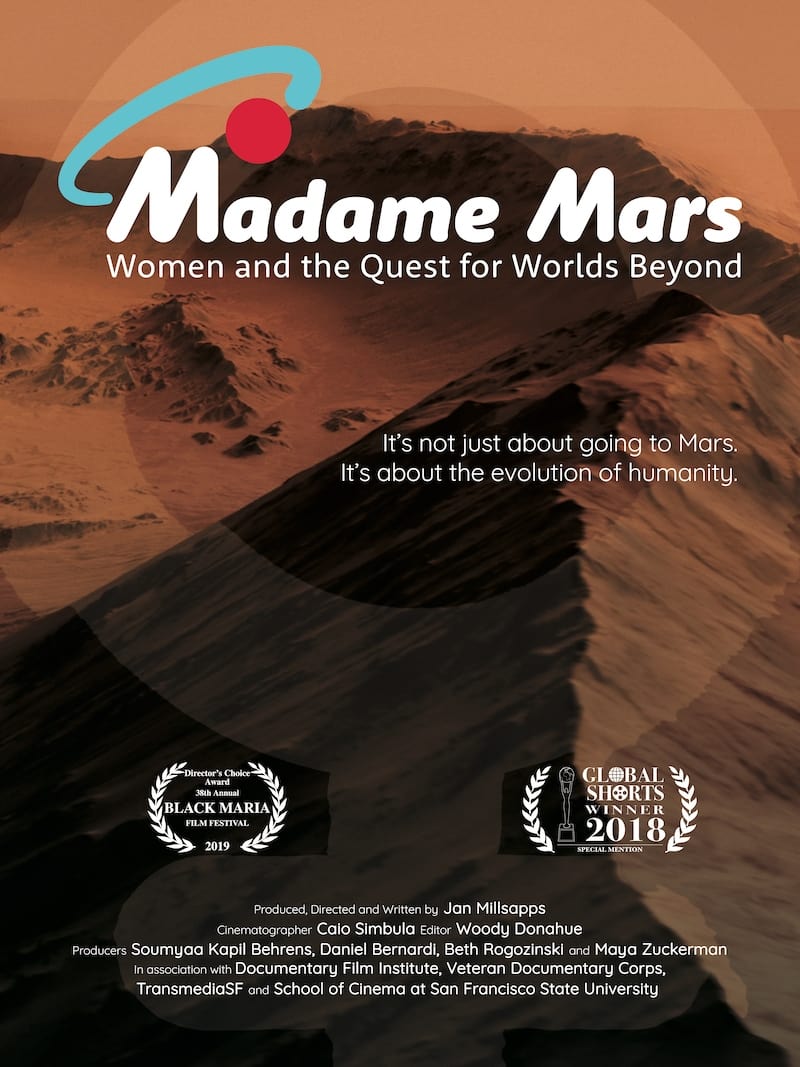
As a new space age dawns, have women come far enough to go farther than they ever have before? This film tells the story of the role women have played in the exploration of Mars.
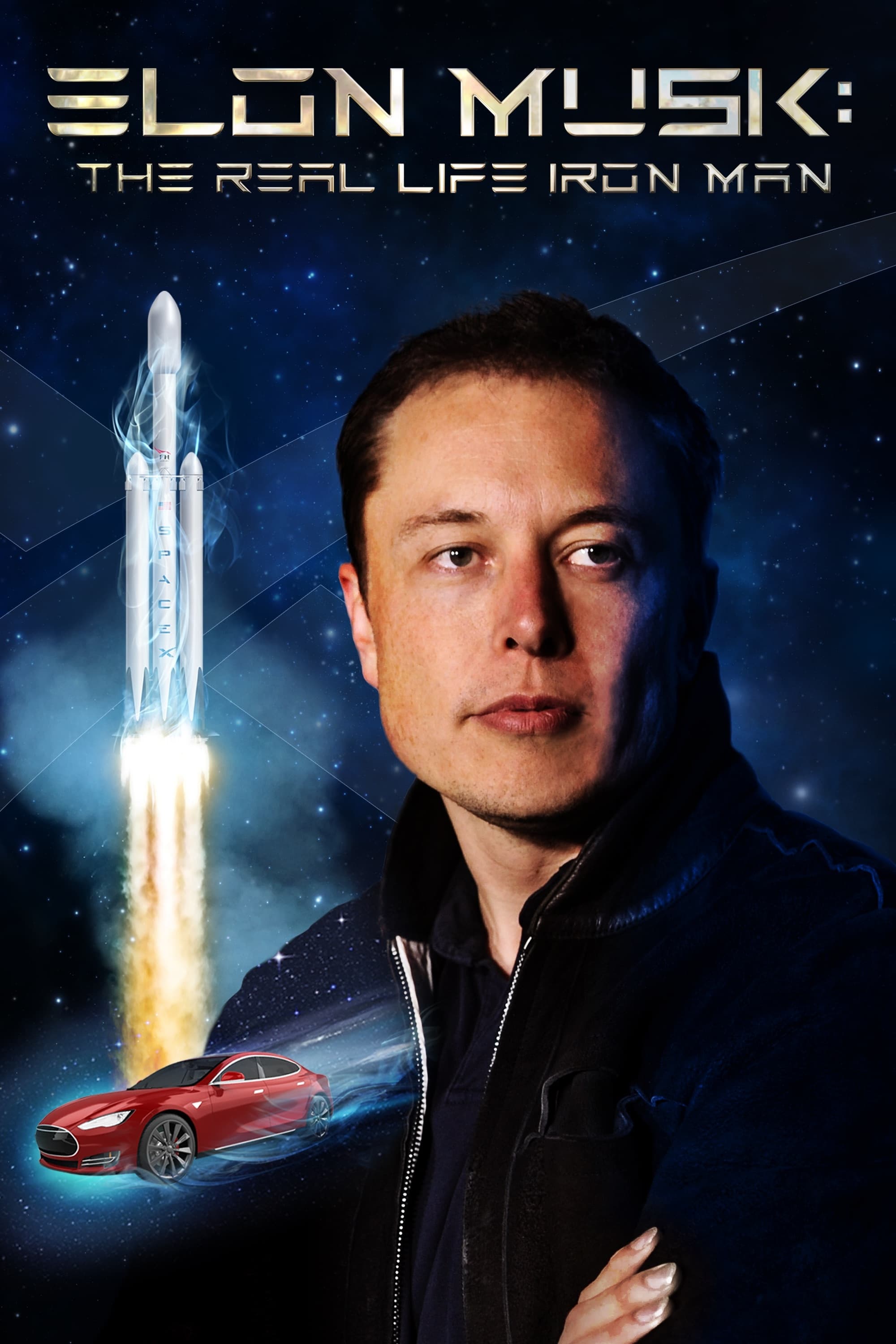
Discover the meteoric rise of Elon Musk, the man who is transforming the way we think about travel technology through electric cars, the Hyperloop, and revolutionary ideas on how we live through artificial intelligence and colonizing Mars.
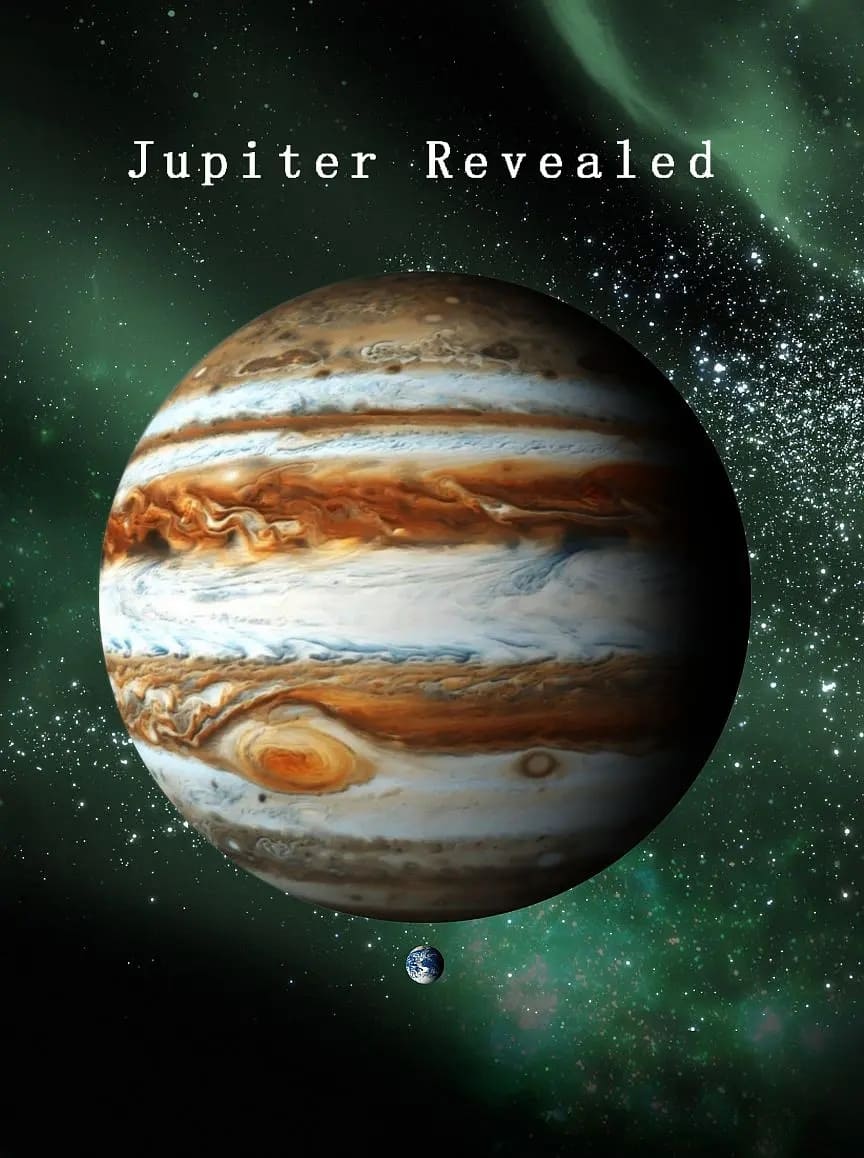
BBC Horizon Documentary. Jupiter, the largest and fastest rotating planet among the eight major planets in the solar system, is the fifth planet from the inside out. This film tells the latest information from NASA's Juno Jupiter probe, unveiling the wonders of Jupiter.
Taking the legacy of 17th century Dutch explorer Abel Tasman as its point of departure, Revival Roadshow takes its audience on a surreal journey through a variety of narratives that explore the complexities of colonial history, its present, and potential future legacies. Blending cinema, theatre and visual art, this absurd, humorous and speculative roadshow allows each viewer to experience their own unique journey.
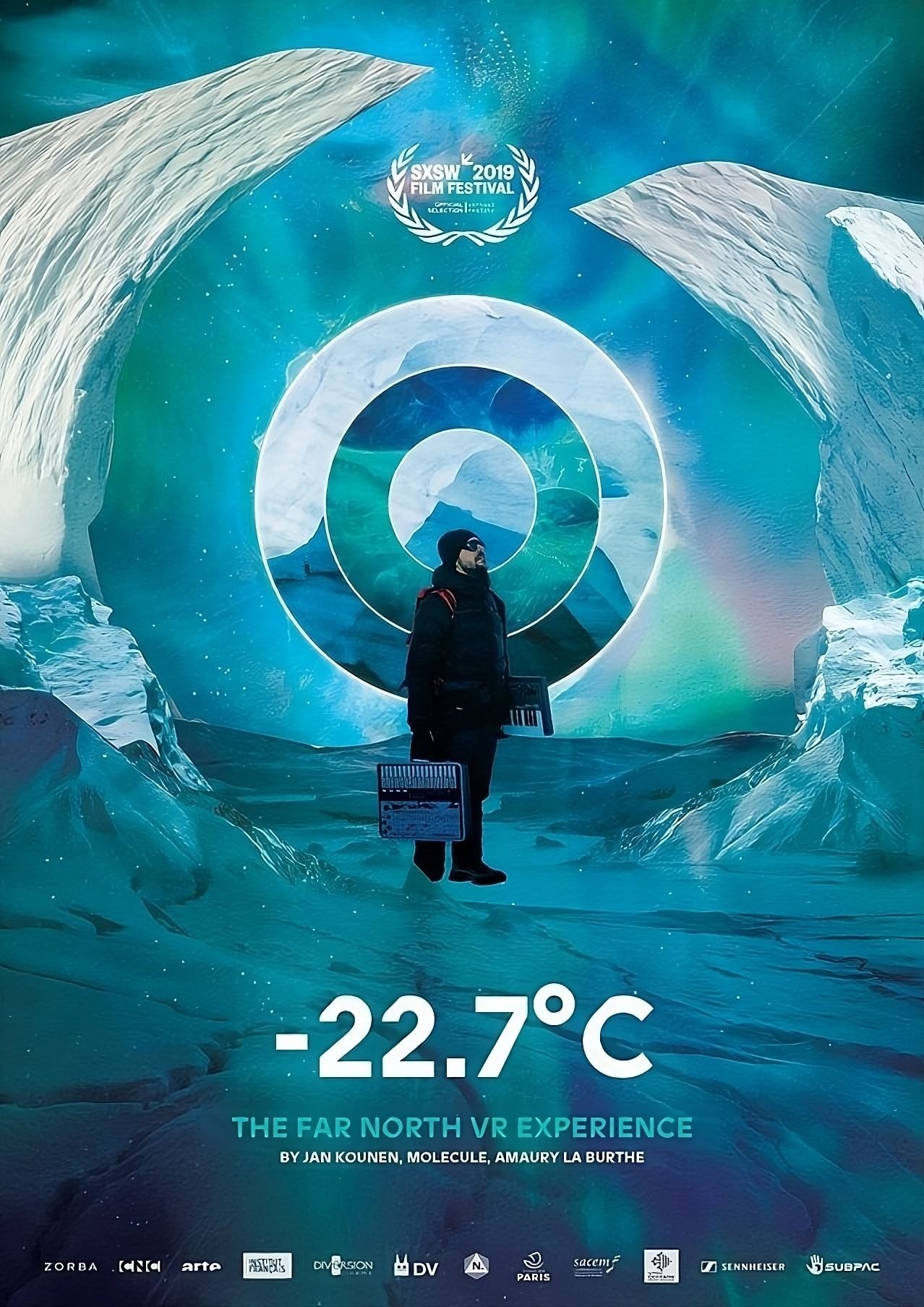
The music producer Molécule stayed in a village in Greeland, where he recorded the sounds of the Artic to compose music. The viewer follows Molécule in his adventure in the extreme North, in a sensorial and musical immersion.
The power of an unbreakable bond between a mother and her daughter during the Holocaust. Her heartbreaking separation from her mother, her escape with help from the French Resistance in Paris, and her vivid memories of the D-Day bombings.
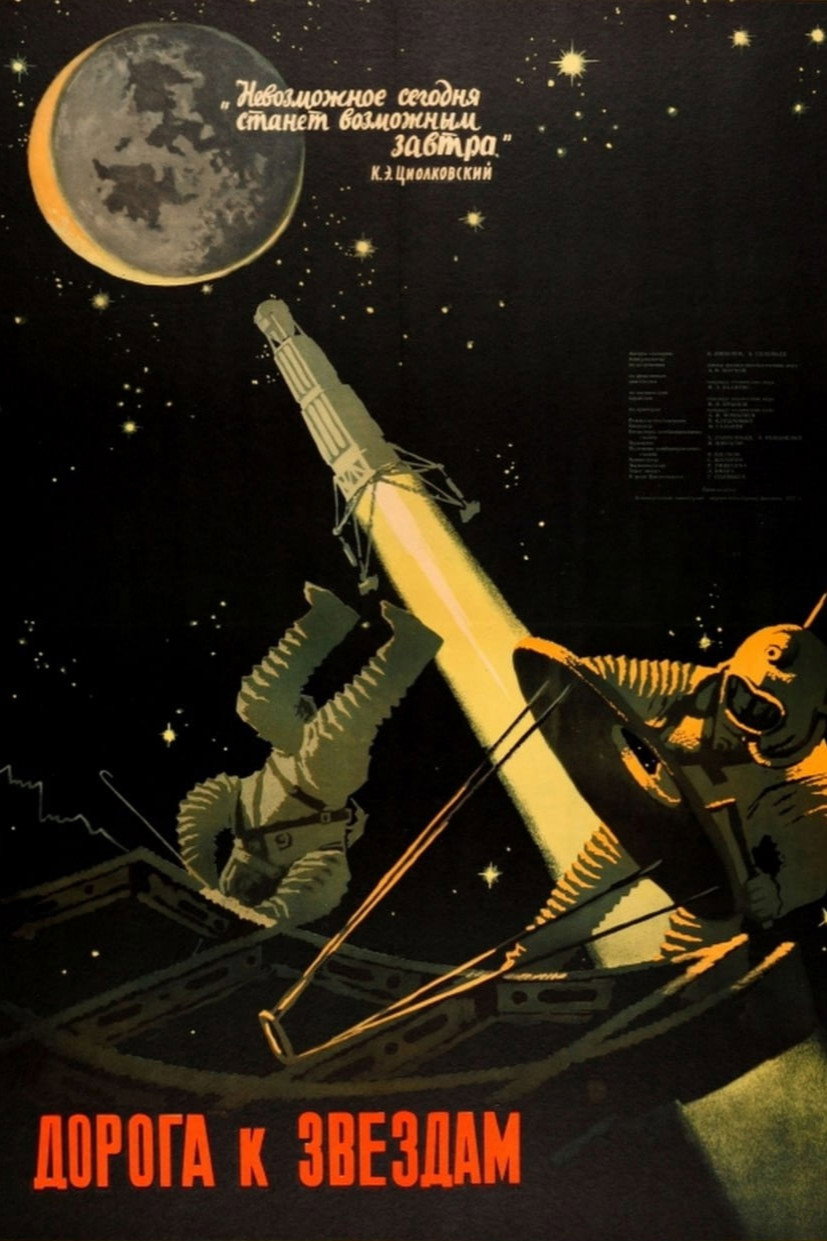
This film consists of three parts. The first dramatizes the life of the founder of Soviet astronautics, Konstantin Tsiolkovsky; the second describes the development of rocket technology; and the third visualizes the future with enactments of the first manned spaceflight, spacewalk, space station construction and humans on the moon.
The Hubble Space Telescope has spent more than 30 years scrutinizing the cosmos in an attempt to unravel the secrets of the Universe and go as close as possible to its origin. But Hubble has also become the superstar of space, offering us magnificent paintings of the Universe.
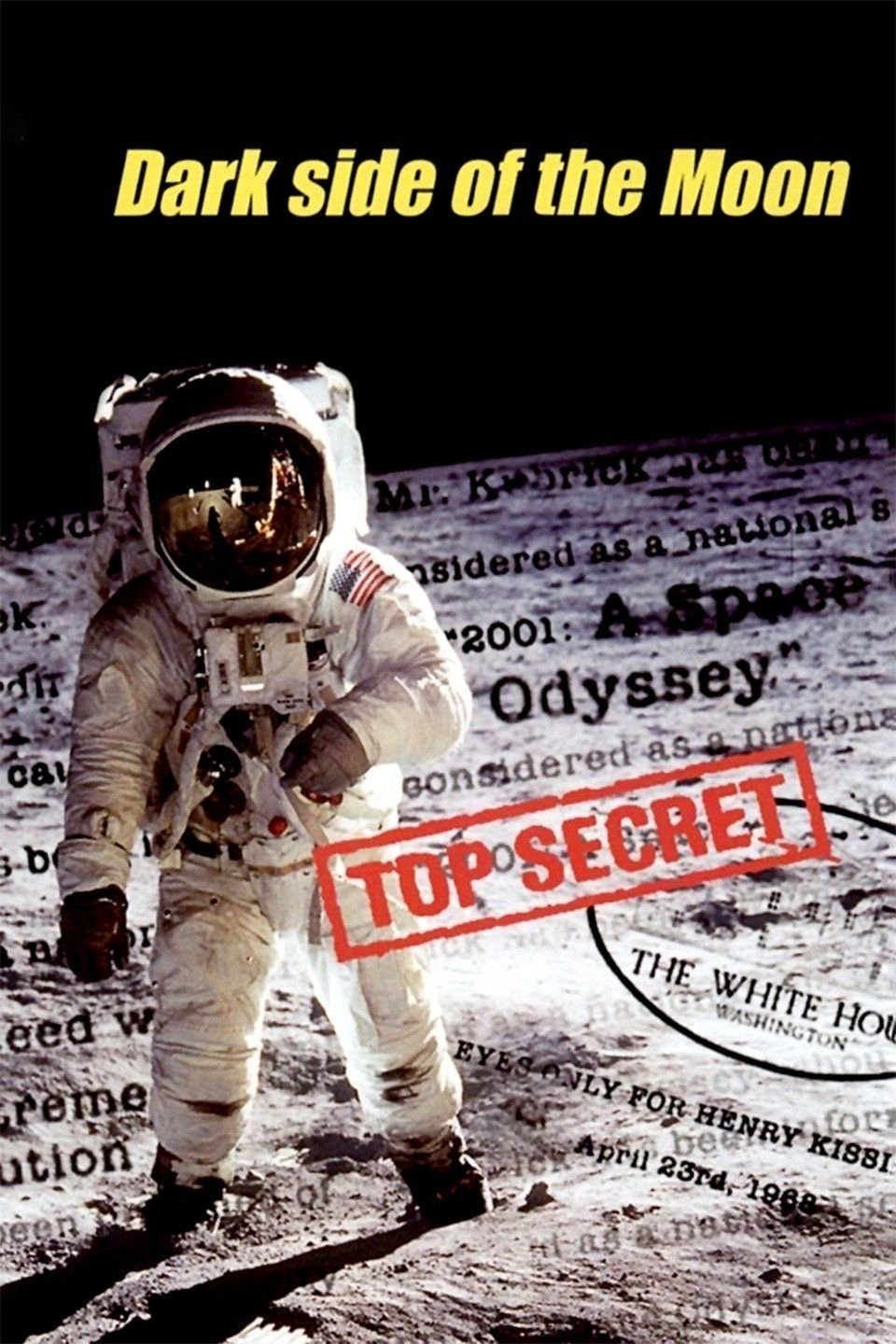
A French documentary or, one might say more accurately, a mockumentary, by director William Karel which originally aired on Arte in 2002 with the title Opération Lune. The basic premise for the film is the theory that the television footage from the Apollo 11 Moon landing was faked and actually recorded in a studio by the CIA with help from director Stanley Kubrick.
Mango explores her own sensuality through the screens of her devices, coincidentally leading her to make money from sexual content, becoming Ronette. As her performance matures, she meets other creators who share their experiences with her in confidentiality, revealing how they got into the business, the challenges they had to face and how they creatively overcame them.
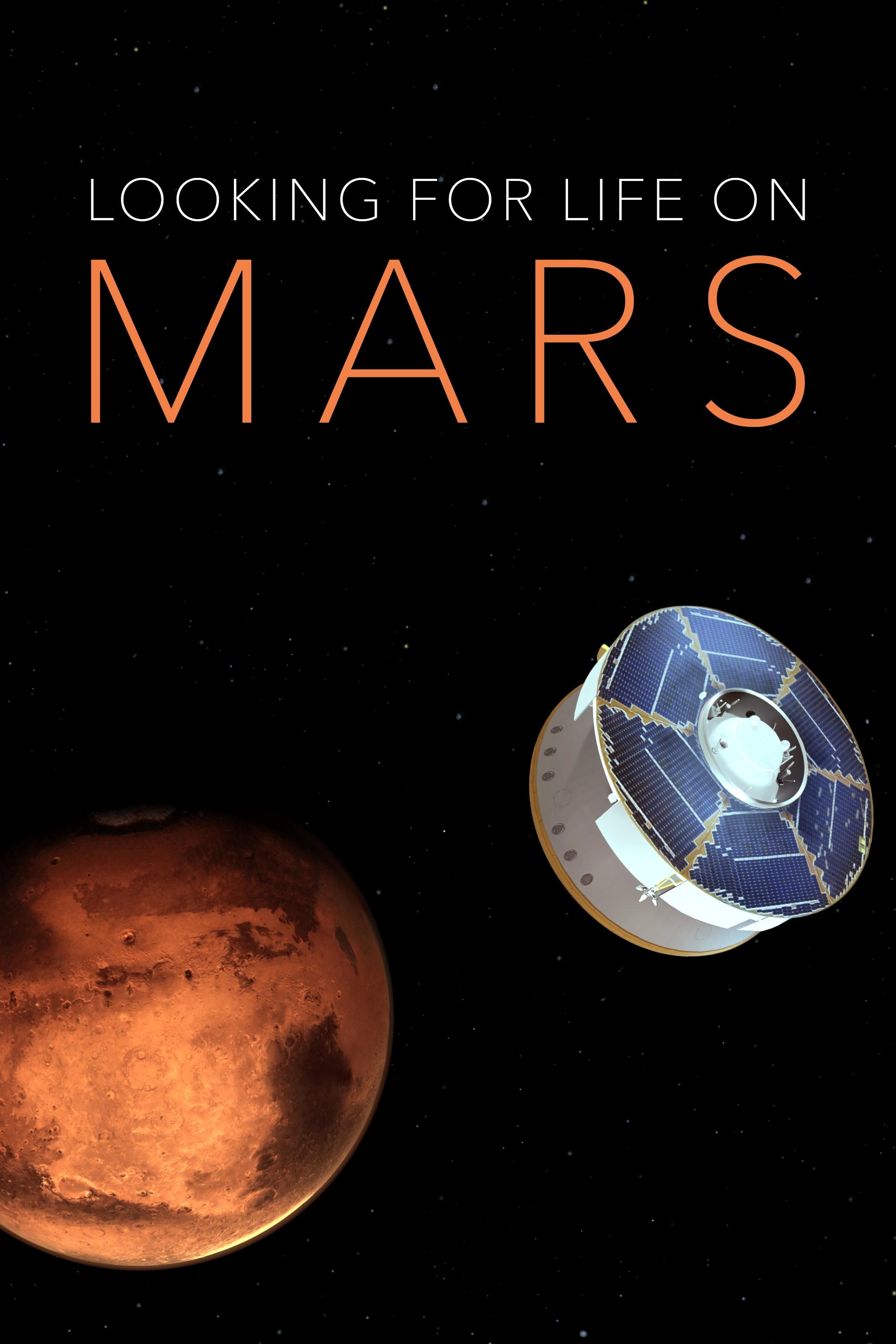
NASA launches its most ambitious hunt for traces of life on Mars, landing a car-sized rover in a rocky, ancient river delta. The rover will stow samples for possible return to Earth and test technology that may pave the way for human travel to Mars.
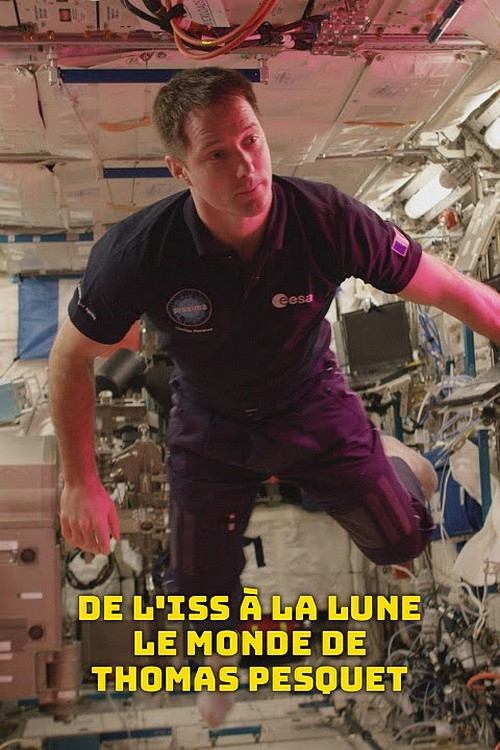
From space, 400 kilometers above our heads, one man has won the hearts of the French: Thomas Pesquet. Traveling to the stars is an almost impossible dream, but for Thomas Pesquet it is a reality that he recounts in detail in an exclusive interview. You will discover the magic of living in space, the wonder of our planet, but also the reality of everyday life in zero gravity: how they sleep, how they wash, what happens to their bodies. Why do they have to exercise for two hours a day? How do they communicate with their families? With Thomas Pesquet and the help of specialists, scientists, doctors, instructors, directors, and computer-generated images, you will discover what goes on behind the scenes of a mission and understand how the International Space Station works.
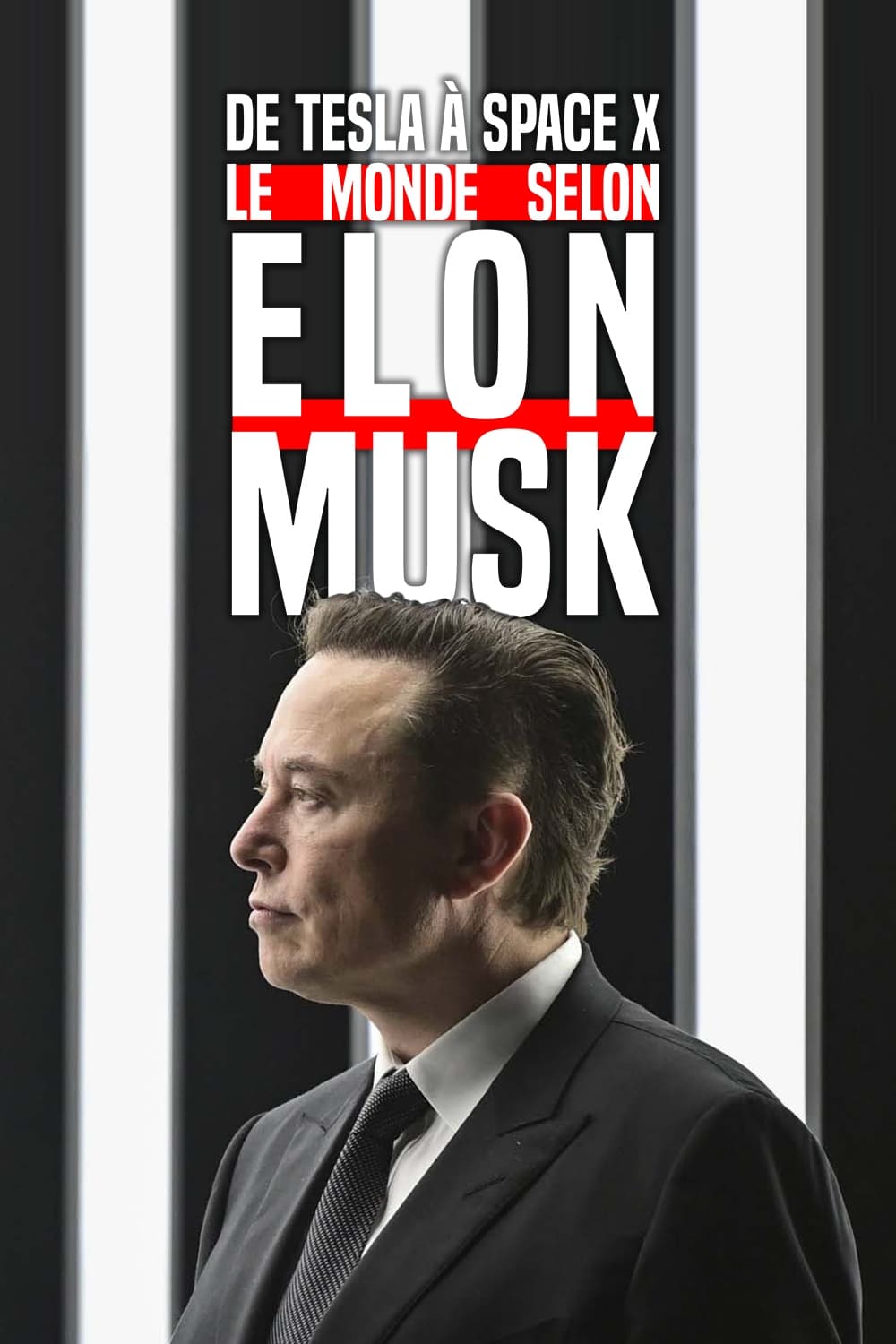
In just a few years, Elon Musk has become one of the most influential and wealthy men on the planet. Although the Tesla brand has revolutionized the image of the electric car, Elon Musk remains a great innovator in the business world. For him, there are no limits: satellites, houses, urban tunnels... But what attracts Elon Musk the most is space, which remains his favorite playground. Recently, he developed reusable rockets that have transformed space travel.
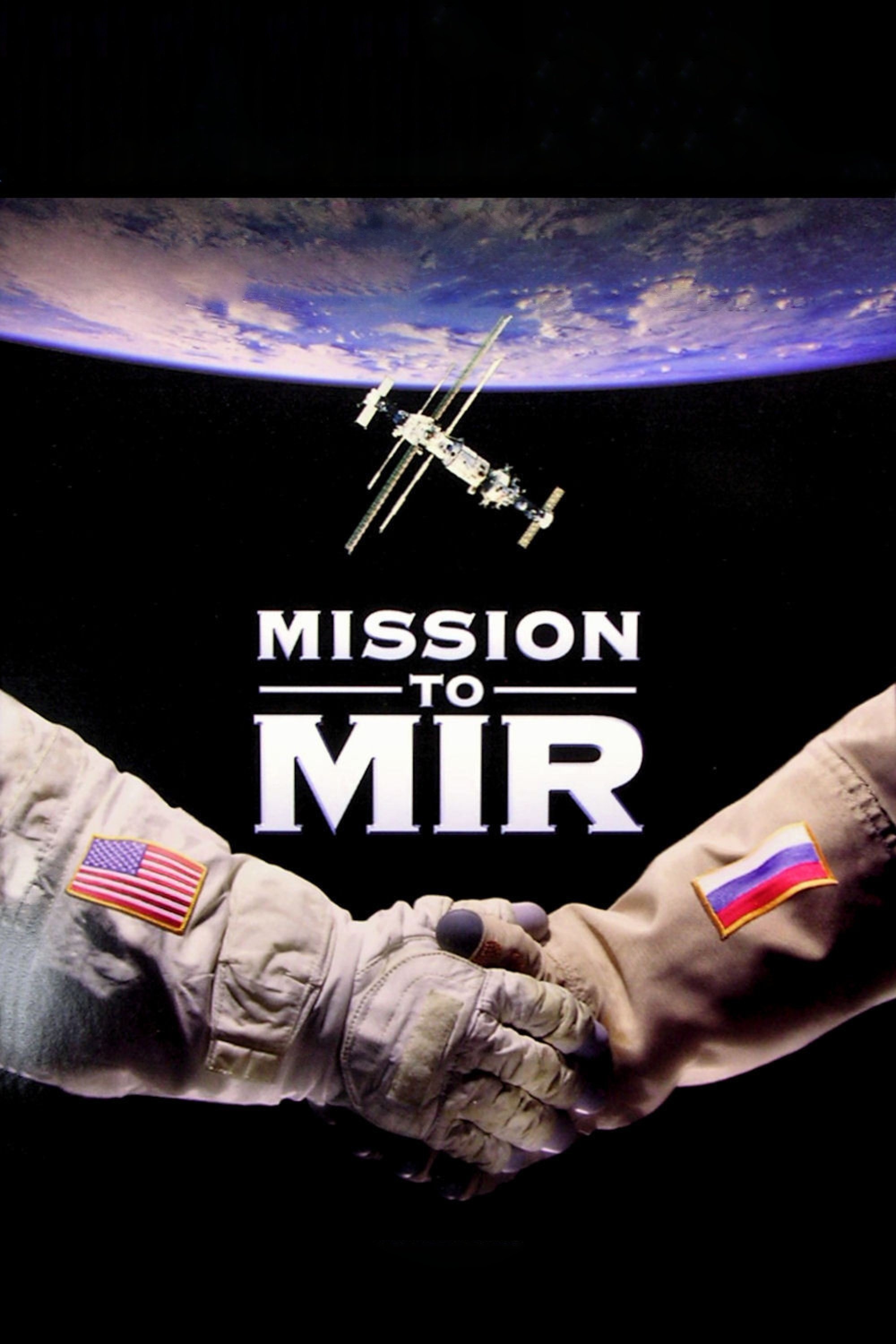
This film shows how far we have come since the cold-war days of the 50s and 60s. Back then the Russians were our "enemies". And to them the Americans were their "enemies" who couldn't be trusted. Somewhere in all this a young girl in Oklahoma named Shannon set her sights on becoming one of those space explorers, even though she was told "girls can't do that." But she did.
A featurette detailing NASA's plans for putting humans on Mars over the next twenty or thirty years, featuring interviews with several NASA staffers.
Billions of years ago, Venus may have harbored life-giving habitats similar to those on the early Earth. Today, Earth's twin is a planet knocked upside down and turned inside out. Its burned-out surface is a global fossil of volcanic destruction, shrouded in a dense, toxic atmosphere. Scientists are now unveiling daring new strategies to search for clues from a time when the planet was alive.
A breathtaking portrait of Earth from space, providing a unique perspective and increased understanding of our planet and galaxy as never seen before. Made in cooperation with the National Aeronautics and Space Administration (NASA), the film features stunning footage of our magnificent blue planet — and the effects humanity has had on it over time — captured by the astronauts aboard the International Space Station (ISS).
In one single, epic camera move we journey from Earth's surface to the outermost reaches of the universe on a grand tour of the cosmos, to explore newborn stars, distant planets, black holes and beyond.
A documentary about ten very different lives connected by having appeared onscreen wearing masks or helmets in Star Wars.
Take a virtual vacation to some of the Star Wars films' most iconic and beloved locations like Hoth, Tatooine, and Sorgan, as this charming series whisks you off for fly-through tours of the Galaxy Far, Far Away.
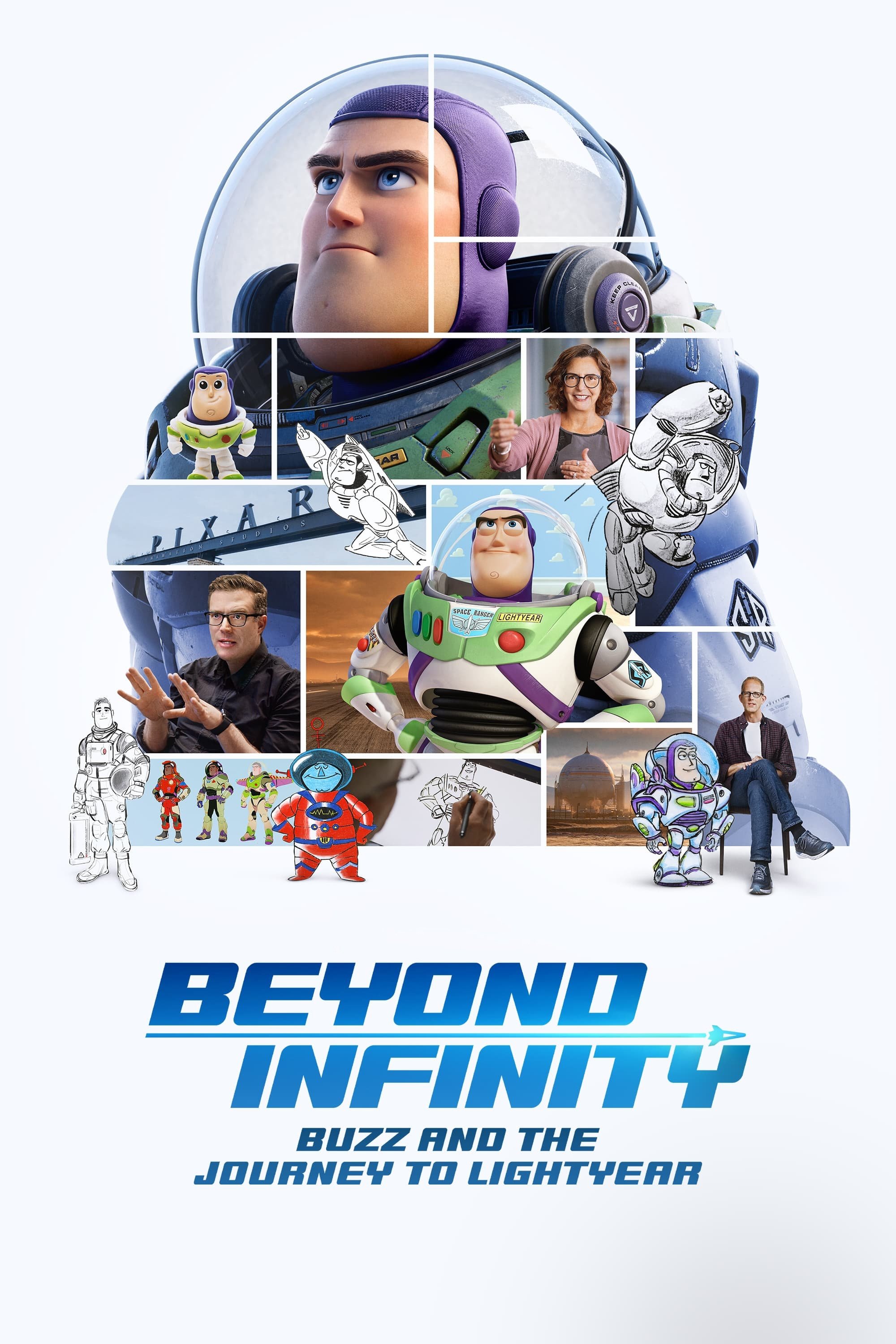
Explore the evolution of Buzz Lightyear from toy to human in the making of Pixar’s Lightyear. Dive into the origin and cultural impact of everyone’s favorite Space Ranger, the art of designing a new “human Buzz,” and the challenges faced by the Lightyear crew along the way.
Aspiring teenage astronauts reveal that a journey to Mars is closer than you think.
Captured during Billie Eilish's sold-out world tour, a concert experience from one of the most celebrated and successful artists of her generation, presented in immersive 3D.
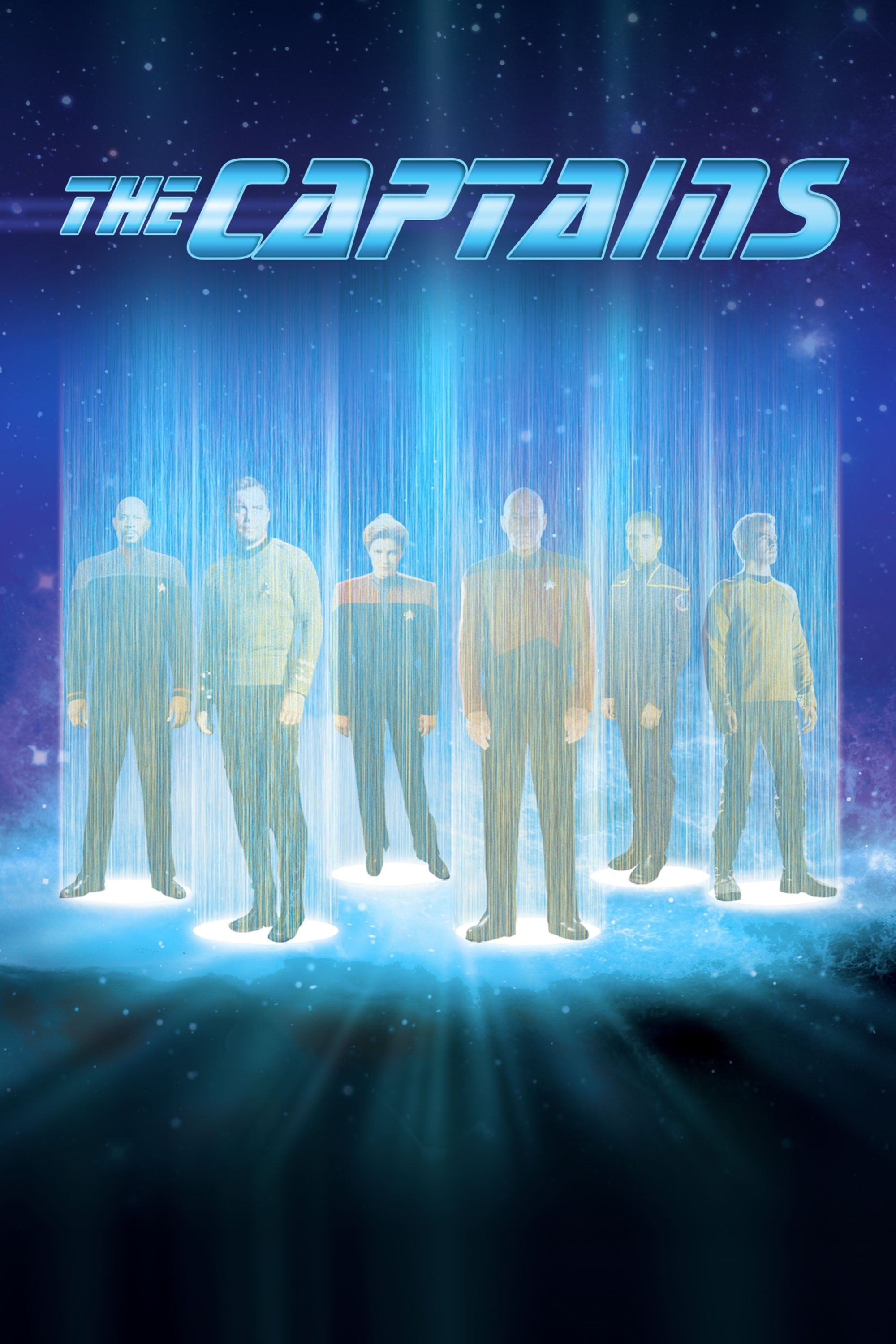
The Captains is a feature-length documentary film written and directed by William Shatner. The film follows Shatner as he interviews the other actors who have portrayed starship captains in the Star Trek franchise.
Denise Crosby takes a first look at the huge fans of "Star Trek" from around America and how the series has affected and shaped their lives.
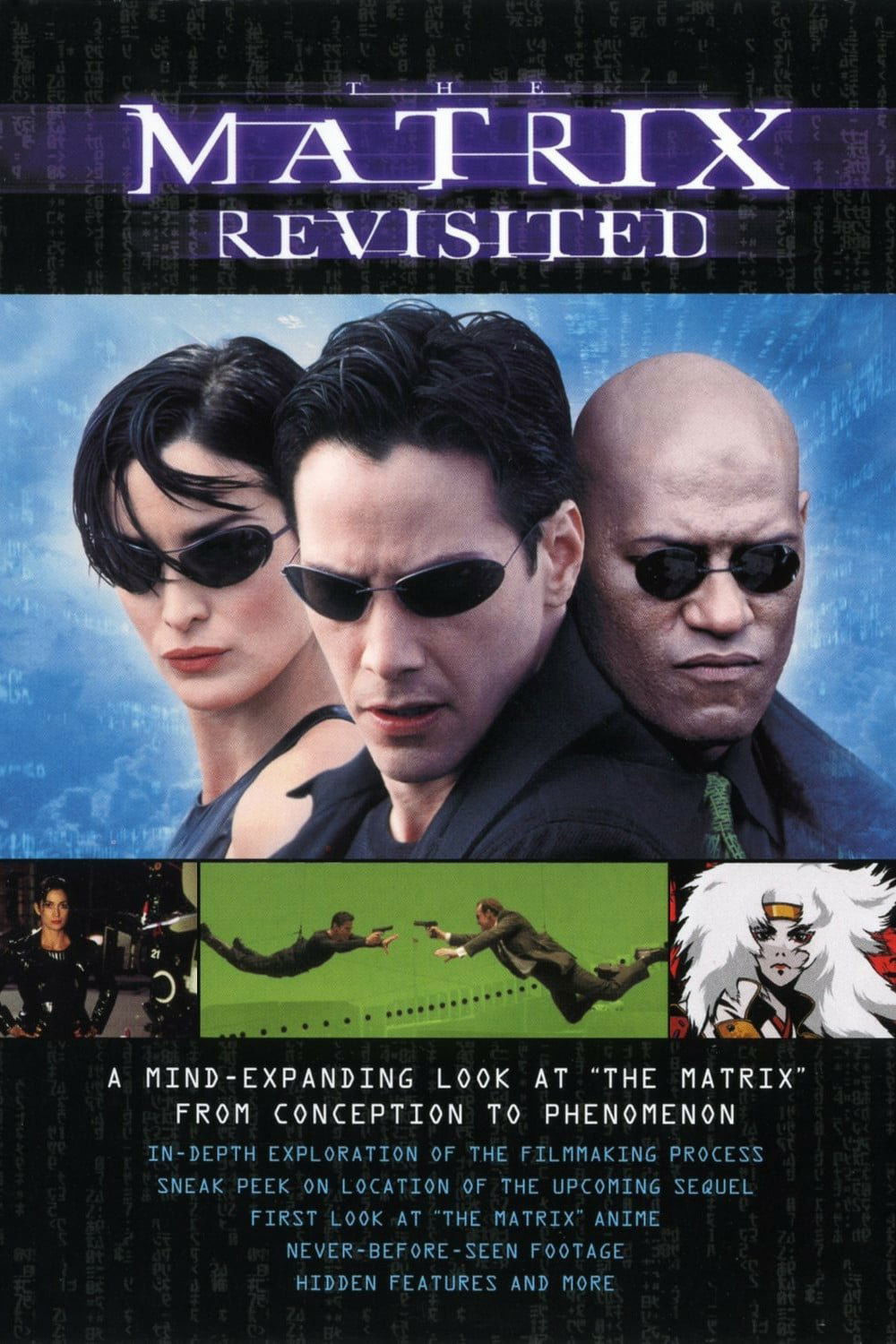
The film goes behind the scenes of the 1999 sci-fi movie The Matrix.
The inside story of SpaceX's plan to get humanity to Mars, providing an unprecedented glimpse into one of the world's most revolutionary companies. A behind-the-scenes journey with Elon Musk and his engineers as they persevere amidst both disheartening setbacks and huge triumphs to advance the space industry faster than we ever thought possible.
With mesmerizing footage and time lapses of animators at work, this behind-the-scenes special captures the artistry of a unique tale years in the making.
Join the likes of Jeremy Renner, Hailee Steinfeld, Florence Pugh, and Vincent D’Onofrio as they reveal how Marvel Studios’ “Hawkeye” was conceived and created. Witness firsthand what it took to pull off the show’s pulse-pounding action set pieces, and discover how iconic characters from the pages of Marvel Comics such as Kate Bishop were adapted and brought to life for the six-episode series.
An IMAX 3D camera chronicles the effort of 7 astronauts aboard the Space Shuttle Atlantis to repair the Hubble Space Telescope.
An inside look at one of the most anticipated movie sequels ever with James Cameron and cast.
A special celebrating the origins and legacy of Star Wars' legendary bounty hunter, Boba Fett.
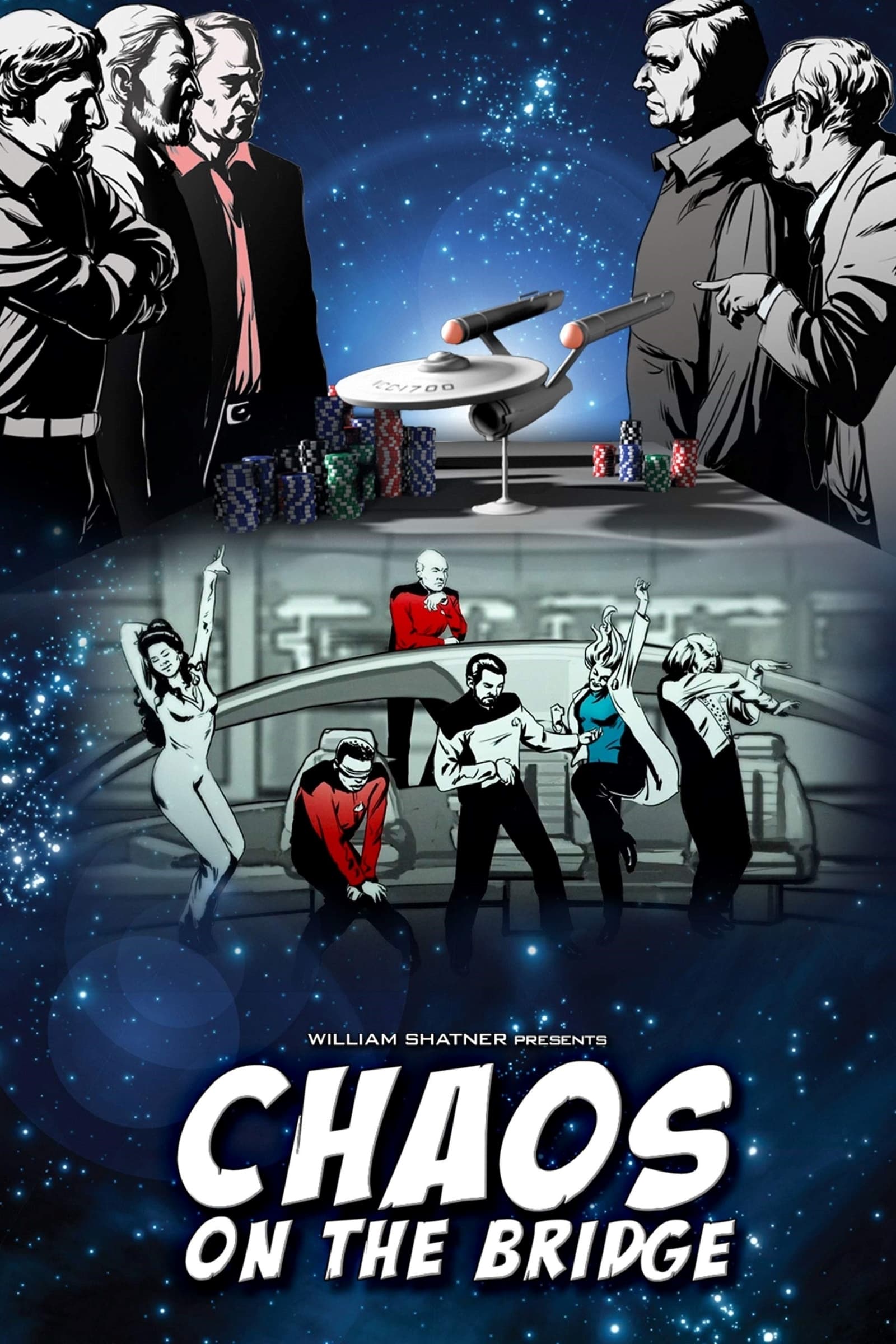
Canadian acting legend William Shatner takes viewers inside the creation of Star Trek: The Next Generation, the bold attempt in 1986 to recreate the success of the original television series, in which Shatner played Captain James T. Kirk.
The life and career of an actor, artist, and icon. His own journey through his own camera.
Filmed in front of a live studio audience and hosted by Alex Cooper of 'Call Her Daddy' fame, Miley Cyrus reflects on the creation and impact of the series with never-before-seen archival footage, all the while interacting and reminiscing on some of the show's most memorable sets 'brought back to life' — including the Stewart family living room and the legendary Hannah Montana closet.