Social & External
The people behind it
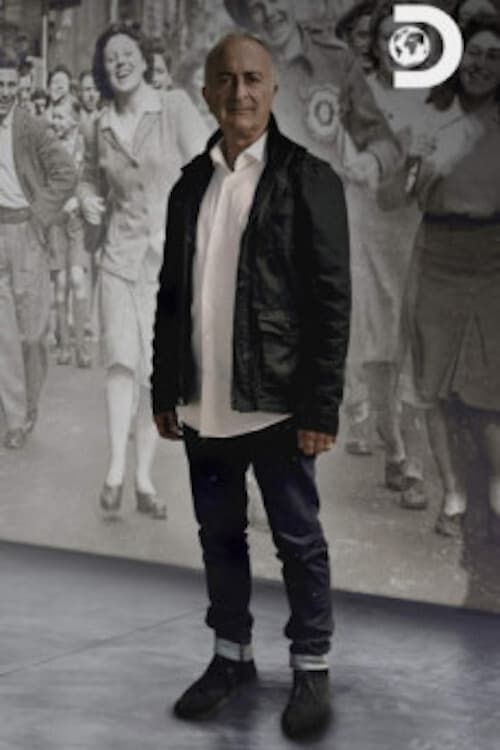
Tony Robinson’s VE Day: Minute By Minute will take a unique look at a pivotal day in the history of the modern world, delving into the key events that made VE Day such a momentous twenty-four hours. This is the story of what happened on that most celebrated and important day, including original interviews with historians and veterans who tell their stories and share their first-hand experiences. Using unseen archive footage and stills, plus never told accounts from veterans who were there, this one-off special will chart the moment the clock struck midnight, to 24 hours later, when fighting officially stopped across Europe. Up and down the country it was dawning on people that they were waking up not with fear or anxiety, but with relief and excitement. This was a Great Britain no one had experienced for six years. A Britain at peace. At almost no notice street celebrations were being prepared and tens of thousands were flocking to London and other city centres.
The role of African American soldiers during the World War II Allied invasion of Normandy.
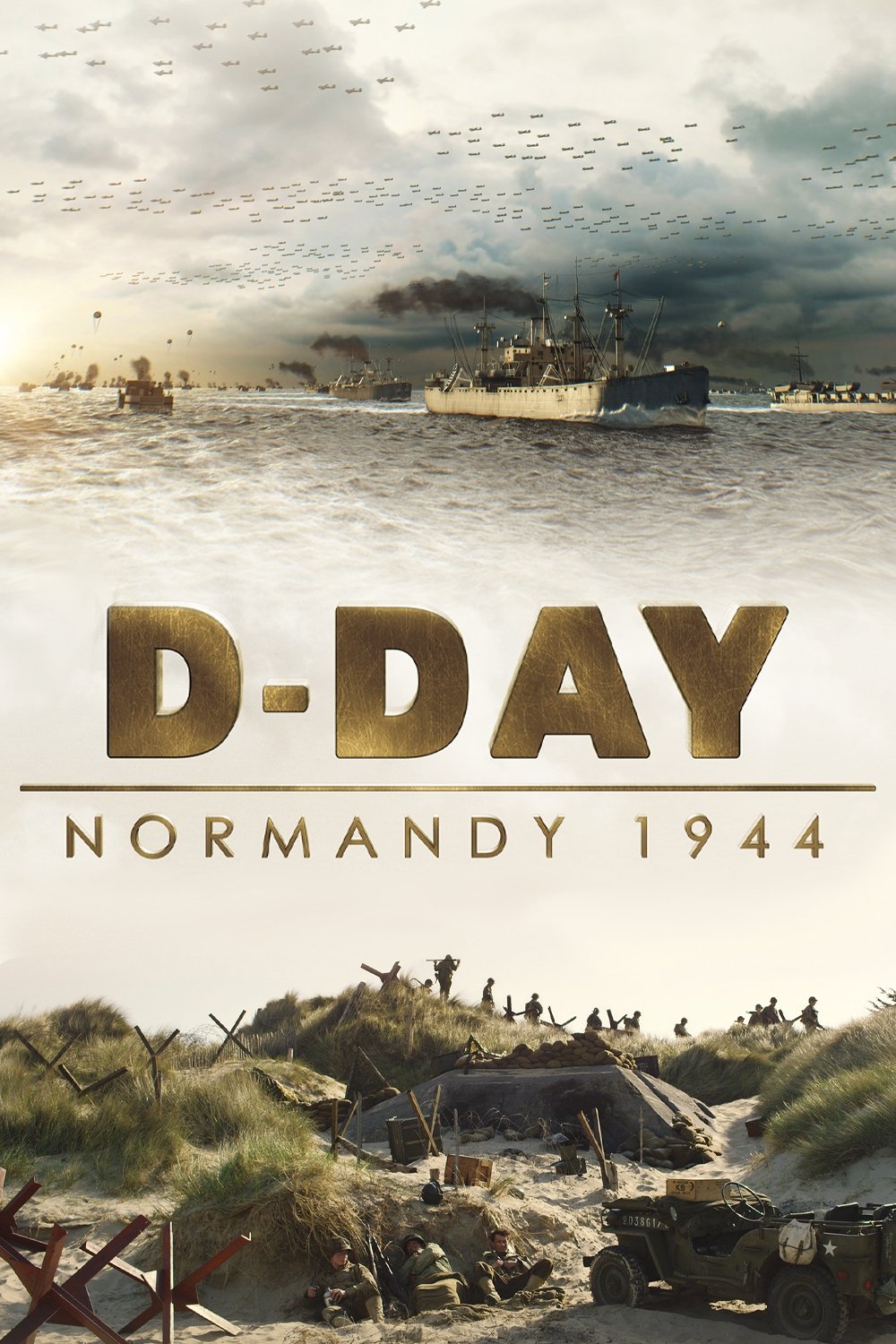
June 6, 1944: The largest Allied operation of World War II began in Normandy, France. Yet, few know in detail exactly why and how, from the end of 1943 through August 1944, this region became the most important location in the world. Blending multiple cinematographic techniques, including animation, CGI and stunning live-action images, “D-Day: Normandy 1944” brings this monumental event to the world’s largest screens for the first time ever. Audiences of all ages, including new generations, will discover from a new perspective how this landing changed the world. Exploring history, military strategy, science, technology and human values, the film will educate and appeal to all. Narrated by Tom Brokaw, “D-Day: Normandy 1944” pays tribute to those who gave their lives for our freedom… A duty of memory, a duty of gratitude.
The background to, events of and consequences of the Battle of Mers-El-Kebir on 3 July 1940. In that battle, Royal Navy ships fired on the French Fleet in order to prevent it from falling into German hands. A French battleship was sunk and several other ships damaged. Nearly 1,300 French sailors were killed.
Bajo el signo libertario is a propaganda documentary, with the script and direction of Les (known for his articles in Solidaridad Obrera and the magazine Espectáculo) whose central theme is the reconstruction of the development of life in a libertarian community in the Aragonese town of Pina de Ebro.
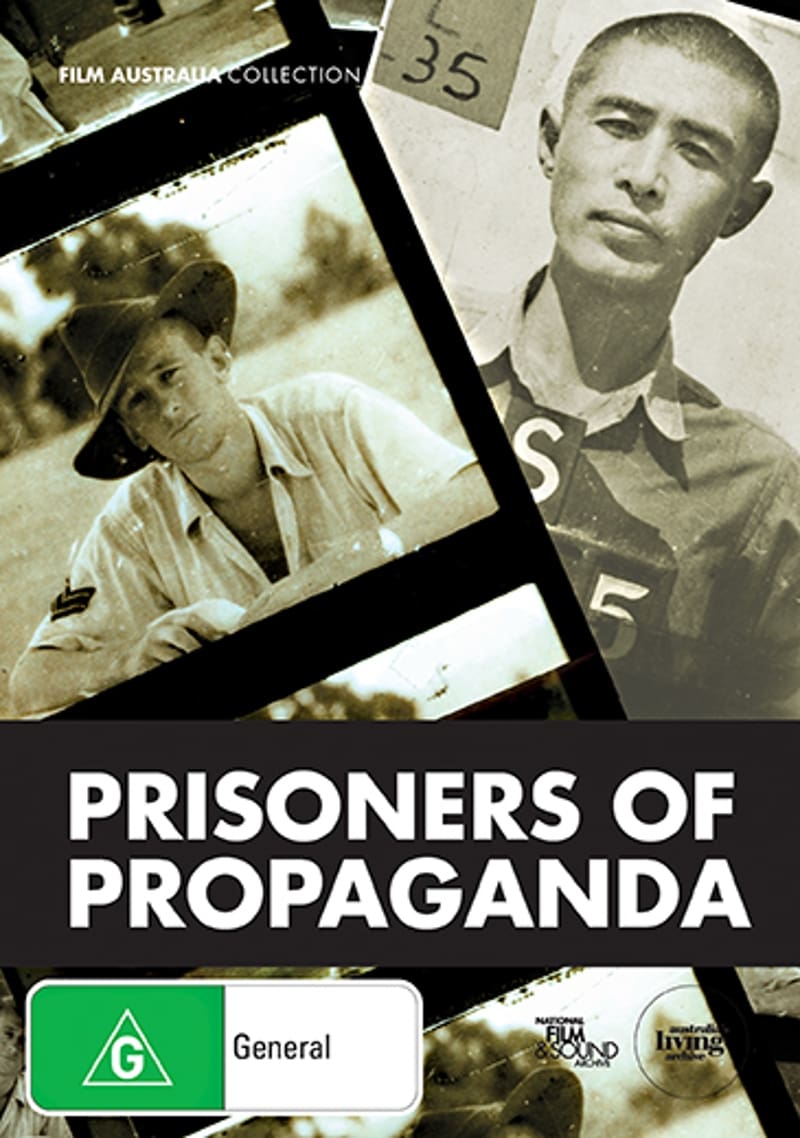
In 1943, the Imperial Japanese Secret Service made a film called Calling Australia! to show the "exemplary conditions" under which prisoners of war were kept, and to "soften up" the Australian public for the anticipated occupation of their country by Japanese forces. Prisoners of Propaganda tells why the film was made, and how it came to be forgotten.
Produced by the Army Pictorial Service, Signal Corps, with the cooperation of the Army Air Forces and the United States Navy, and released by Warner Bros. for the War Activities Committee shortly after the surrender of Japan. Follow General Douglas MacArthur and his men from their exile from the Philippines in early 1942, through the signing of the instrument of surrender on the USS Missouri on September 1, 1945. Preserved by the Academy Film Archive in 2013.
"Letters from Europe" brings to light the words of men and women who gave their lives resisting the Nazi and fascist conquest from 1939 to '45 across the European continent. The moving goodbyes penned by a few of those sentenced to death are sometimes true spiritual testaments that explore the meaning of civic responsibility, human existence, fraternity, and life and death. Their words, which the film mingles with footage of the present day, can perhaps restore meaning to a humanist ideal and to the ever-changing idea of a united Europe.
September 3rd, 1939. Britain and France declare war on Nazi Germany, only two days after the Wehrmacht invades Poland. This day, the sad date when the fate of the world changed forever, the Phoney War began: eight months of uncertainty, preparations, evacuations and skirmishes.
Filmmaker Alain Resnais documents the atrocities behind the walls of Hitler's concentration camps.
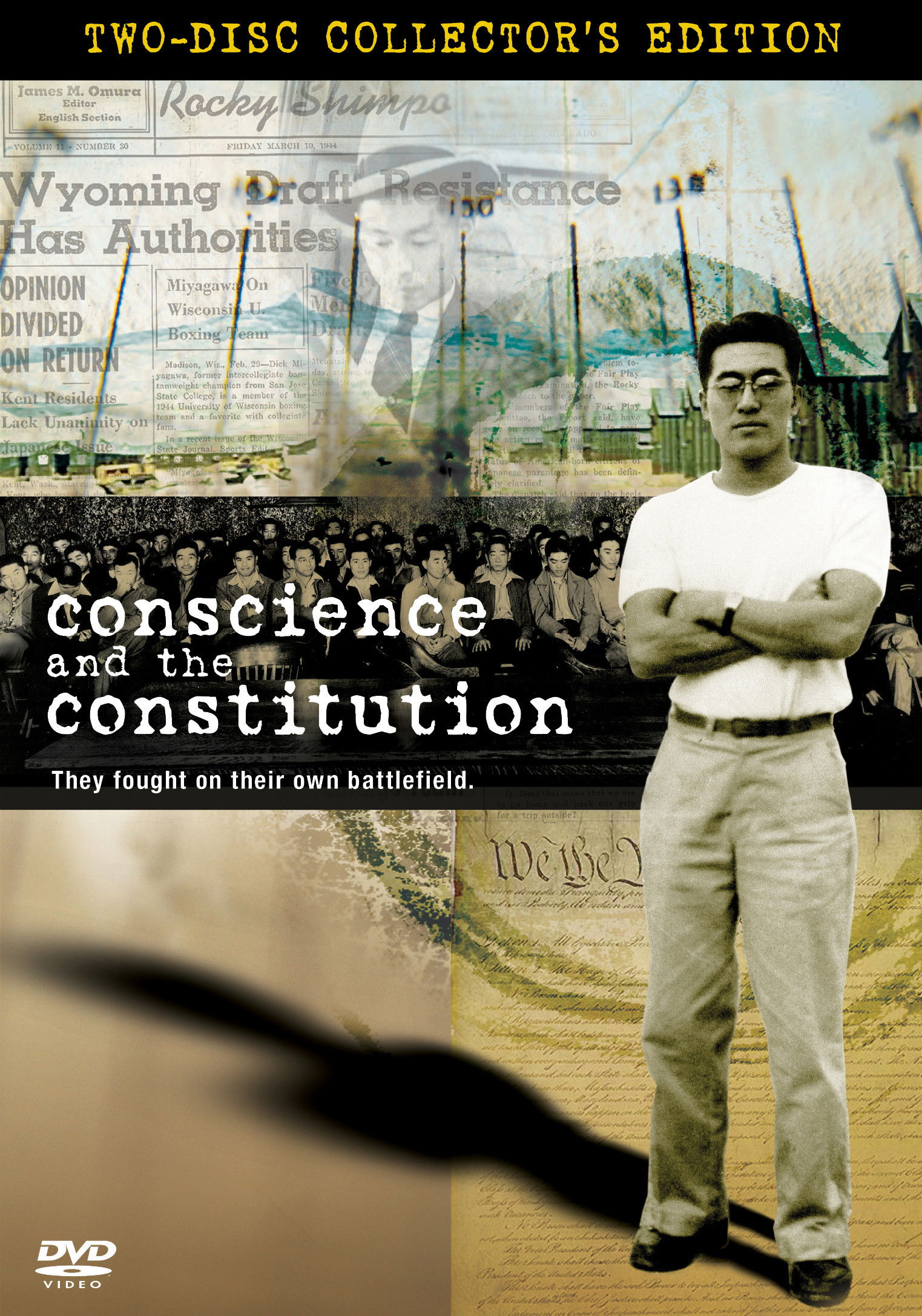
Americans refused to be drafted from the concentration camp at Heart Mountain, Wyoming. Ready to fight, but not before their rights as U.S. citizens were restored and families released.
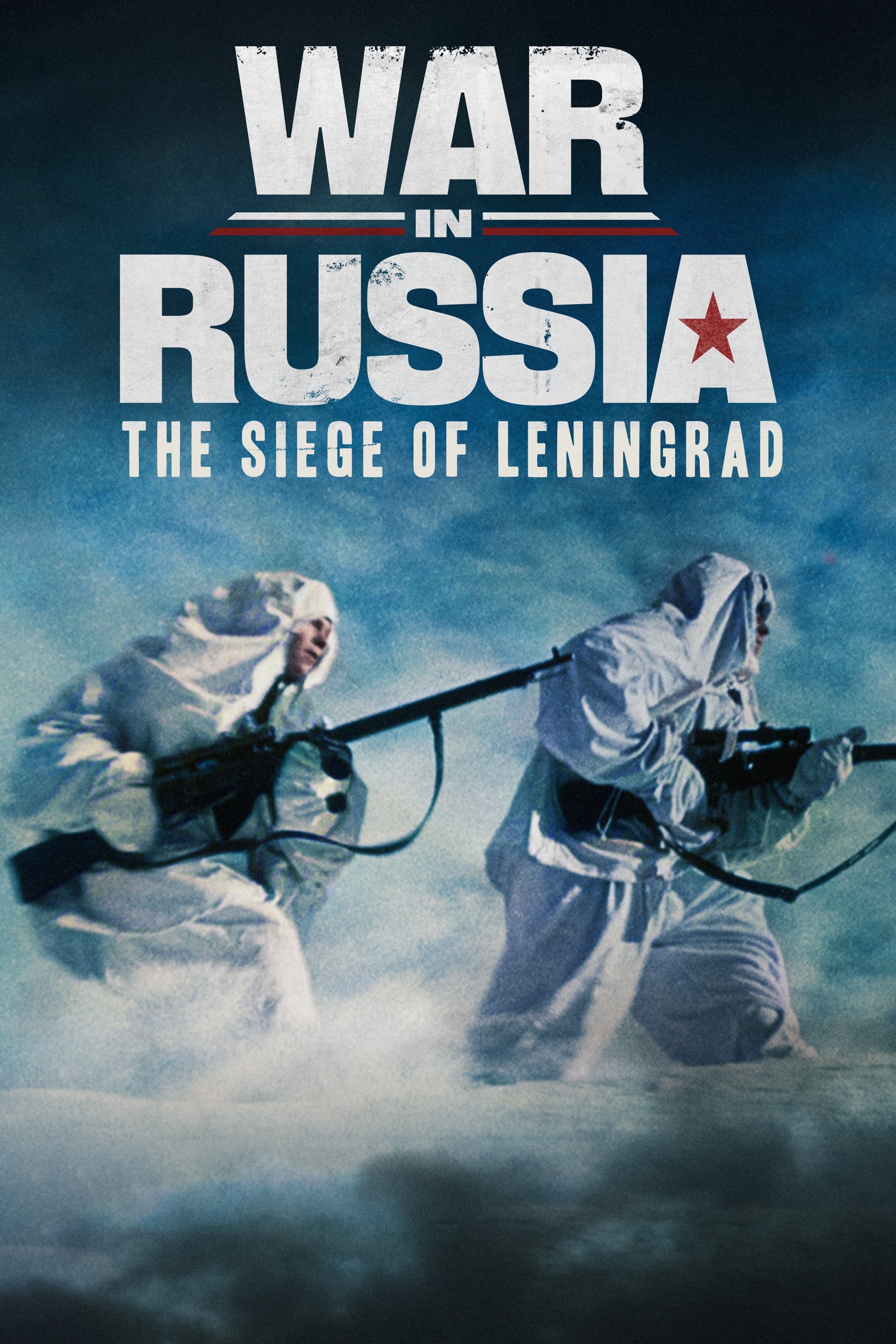
Relive one of the longest and most destructive sieges in history that led to the systematic starvation and destruction of the human population.
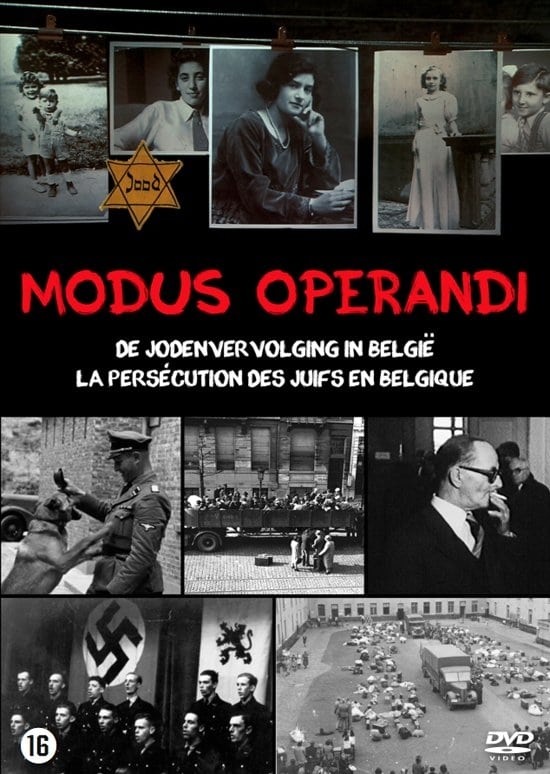
Between 1942 and 1944 some 24,916 Jews were deported from Belgium to Auschwitz. The roundups and deportations were organized and carried out by the Nazis with the - not always conscious - cooperation of Belgian authorities. The attitude of the authorities here varied from outright resistance to voluntary or unwitting collaboration.
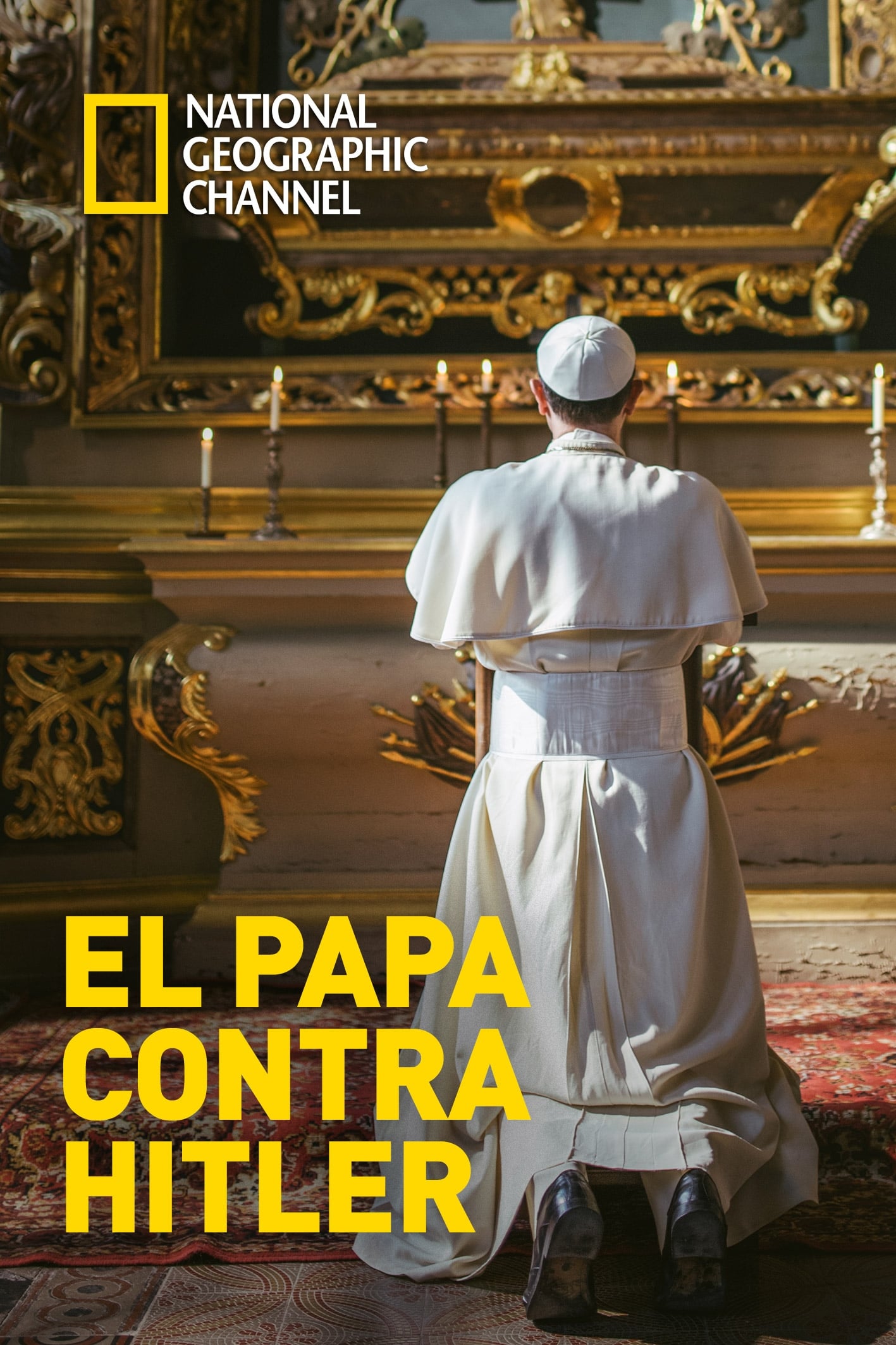
In the darkest days of World War II, St. Peter's was shrouded in the shadow of the swastika. But even as the Führer surrounded him, the Pope was plotting a secret counter-offensive. Wartime Pontiff Pius XII has been derided for his public silence about the Holocaust. But evidence suggests his silence may have been subterfuge.
The documentary mixes reenactments with true accounts from four characters/actors who tell the stories of six black gay men, their experiences and their romantic relationships crossed by racism and homophobia.
Evocation of the Oradour-sur-Glane Massacre on 10 June 1944, when 642 of its inhabitants were slaughtered by a Nazi Waffen SS company, based on a visit to Diors' Museum of the Three Wars" and archive photographs.
This revealing documentary honors the legendary Sidney Poitier—iconic actor, filmmaker, and civil rights activist. Featuring interviews with Denzel Washington, Spike Lee, Halle Berry, and more.
A string of threatening emails escalates into a revenge plot involving a newly married US marshal and his ex-girlfriend.
In an intimate and joyful story of love in the face of loss, celebrated poets Andrea Gibson and Megan Falley find strength—and unexpected hilarity—in what might be their final year together.
Ranjit, a farmer in India, takes on the fight of his life when he demands justice for his 13-year-old daughter, the victim of a brutal gang rape. His decision to support his daughter is virtually unheard of, and his journey unprecedented.
An inside look at one of the most anticipated movie sequels ever with James Cameron and cast.
The film follows adventurer Jeff Johnson as he retraces the epic 1968 journey of his heroes Yvon Chouinard and Doug Tompkins to Patagonia.
A documentary about the making of season five of the acclaimed AMC series Breaking Bad.
When Allied forces liberated the Nazi concentration camps in 1944-45, their terrible discoveries were recorded by army and newsreel cameramen, revealing for the first time the full horror of what had happened. Making use of British, Soviet and American footage, the Ministry of Information’s Sidney Bernstein (later founder of Granada Television) aimed to create a documentary that would provide lasting, undeniable evidence of the Nazis’ unspeakable crimes. He commissioned a wealth of British talent, including editor Stewart McAllister, writer and future cabinet minister Richard Crossman – and, as treatment advisor, his friend Alfred Hitchcock. Yet, despite initial support from the British and US Governments, the film was shelved, and only now, 70 years on, has it been restored and completed by Imperial War Museums under its original title "German Concentration Camps Factual Survey".
A look at the origins, history and conspiracies behind the "Majestic 12", a clandestine group of military and corporate figureheads charged with reverse-engineering extraterrestrial technology.
Alexander McQueen's rags-to-riches story is a modern-day fairy tale, laced with the gothic. Mirroring the savage beauty, boldness and vivacity of his design, this documentary is an intimate revelation of McQueen's own world, both tortured and inspired, which celebrates a radical and mesmerizing genius of profound influence.
14-year-old Laura Dekker sets out on a two-year voyage in pursuit of her dream to become the youngest person ever to sail around the world alone.
A road trip across five countries to explore the social and political movements as well as the mainstream media's misperception of South America while interviewing seven of its elected presidents.
Using the book 'Fragments', which collects Marilyn Monroe's poems, notes and letters, and with participation from the Arthur Miller and Truman Capote estates who have contributed more material, each of the actresses will embody the legend at various stages in her life.
Alex Gibney explores the phenomenon of Stuxnet, a self-replicating computer virus discovered in 2010 by international IT experts. Evidently commissioned by the US and Israeli governments, this malware was designed to specifically sabotage Iran’s nuclear programme. However, the complex computer worm ended up not only infecting its intended target but also spreading uncontrollably.
An unprecedented and intimate look at the life, work and enduring legacy of British actress Audrey Hepburn (1929-1993).
“The Soviet Story” is a story of an Allied power, which helped the Nazis to fight Jews and which slaughtered its own people on an industrial scale. Assisted by the West, this power triumphed on May 9th, 1945. Its crimes were made taboo, and the complete story of Europe’s most murderous regime has never been told. Until now...
The life and career of one of comedy's most inimitable modern voices, Mr. Gilbert Gottfried.
Over 35 years after Bob Lazar's revelations, this documentary exposes secrets of a facility the government still denies. Featuring Lazar's testimony, recreations, and new evidence, it reopens a case that continues to spark global curiosity
Unravel the case of Utah therapist Jodi Hildebrandt, whose child abuse arrest with parenting YouTuber Ruby Franke exposed a twisted tale of manipulation.
Prelude to War was the first film of Frank Capra's Why We Fight propaganda film series, commissioned by the Pentagon and George C. Marshall. It was made to convince American troops of the necessity of combating the Axis Powers during World War II. This film examines the differences between democratic and fascist states.