Social & External
Commentary (voice)
Notorious killer whale Tilikum is responsible for the deaths of three individuals, including a top killer whale trainer. Blackfish shows the sometimes devastating consequences of keeping such intelligent and sentient creatures in captivity.
On his documentary journey along the Black Sea coast, documentary filmmaker Stanislaw Mucha paints an idiosyncratic picture of the interface between Europe and Asia.
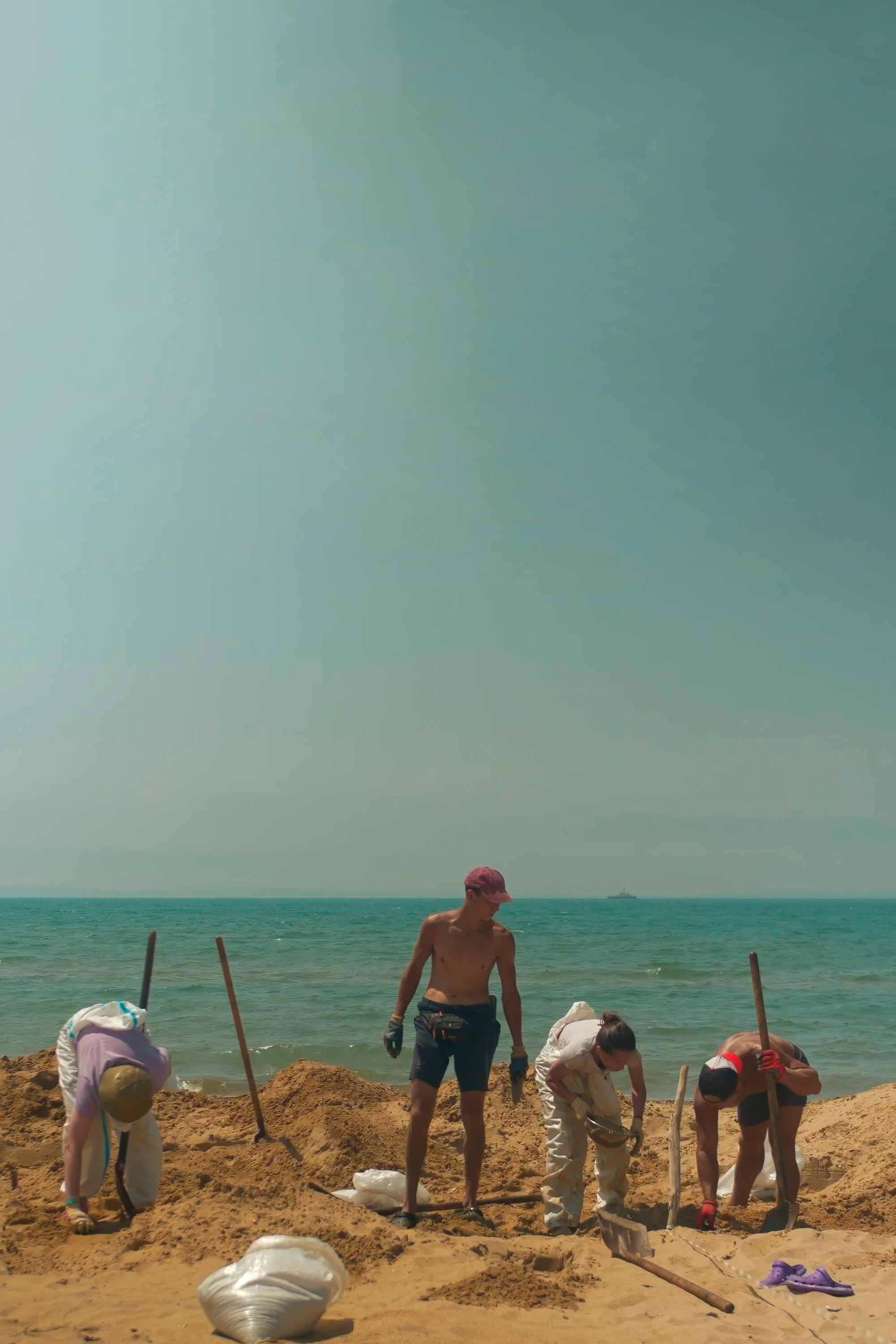
On December 15, 2024, the collision and sinking of two fuel oil tankers in the Kerch Strait caused one of the most devastating environmental disasters in the history of the Black Sea. Six months later, the tankers lying on the seabed are still leaking fuel oil, and of the thousands of volunteers who initially took part in the cleanup, only a few dozen remain along a 30-kilometer stretch of beach. The film was shot on the Taman Peninsula in early summer 2025, against the backdrop of a formally lifted, yet in reality already underway, beach season. In the face of scarce resources, the departure of their own leaders, and the daily release of fuel oil, the volunteers talk about themselves, rescue animals, combat the ignorance of those around them, and try to find the motivation to continue their fight against a disaster that at times seems endless.
The adventures of three friends from East Germany on the Black Sea.
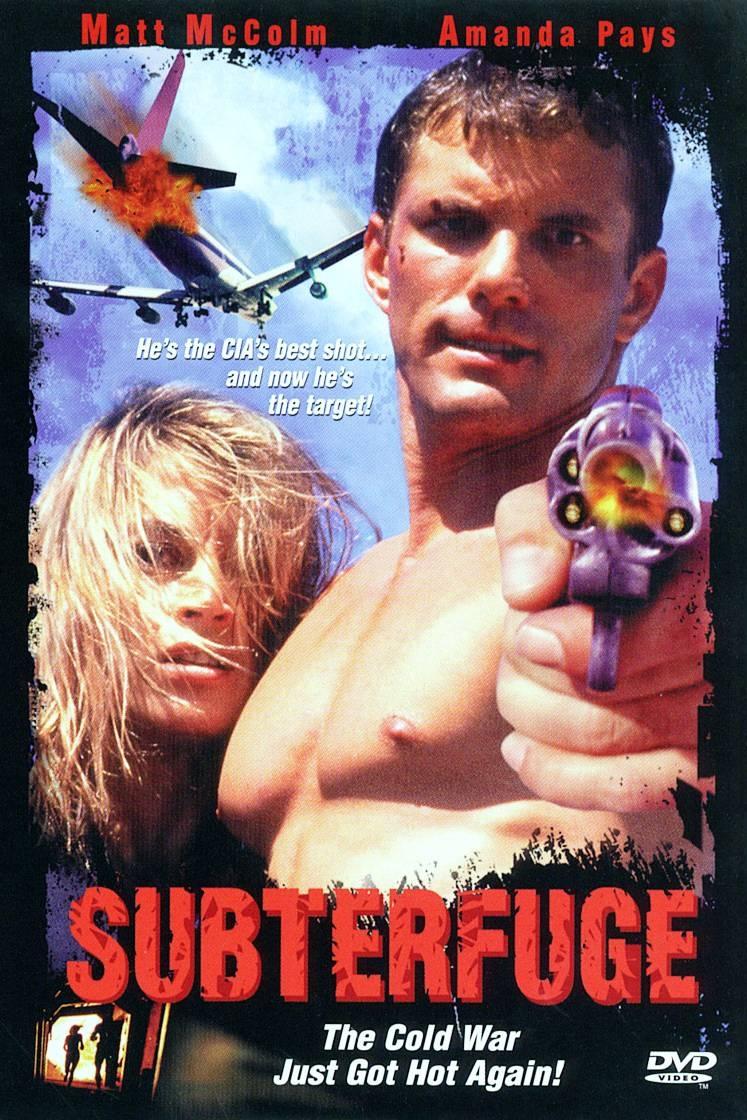
Scuba-diver turned beach-bum Jonathan Slade is forced back into his previous milieu - the world of international espionage - in order to retrieve Black Boxes from an American jetliner that crashed under mysterious circumstances into the Black Sea. With his computer-hacker younger brother, Slade travels to a resort on the Russian-Turkish border to begin his quest. To his surprise and dismay, he's now joined by another secret agent, a beautiful but highly-skilled woman named Alex. As they begin diving in search of the downed jetliner, Slade and Alex begin to suspect they're being manipulated by higher-ups who may not be committed to American interests.
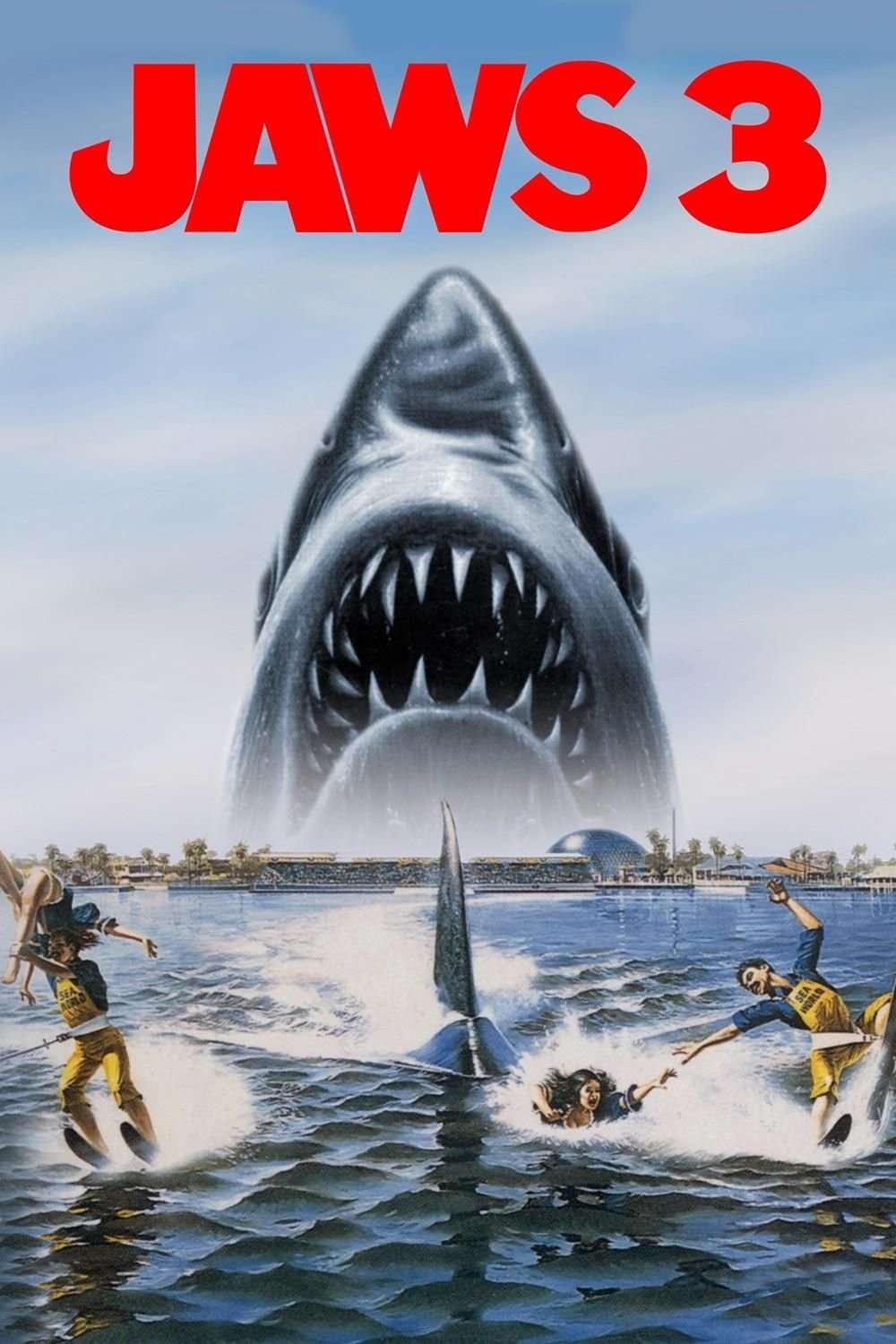
A giant thirty-five-foot shark becomes trapped in a SeaWorld theme park and it's up to the sons of police chief Brody to rescue everyone.
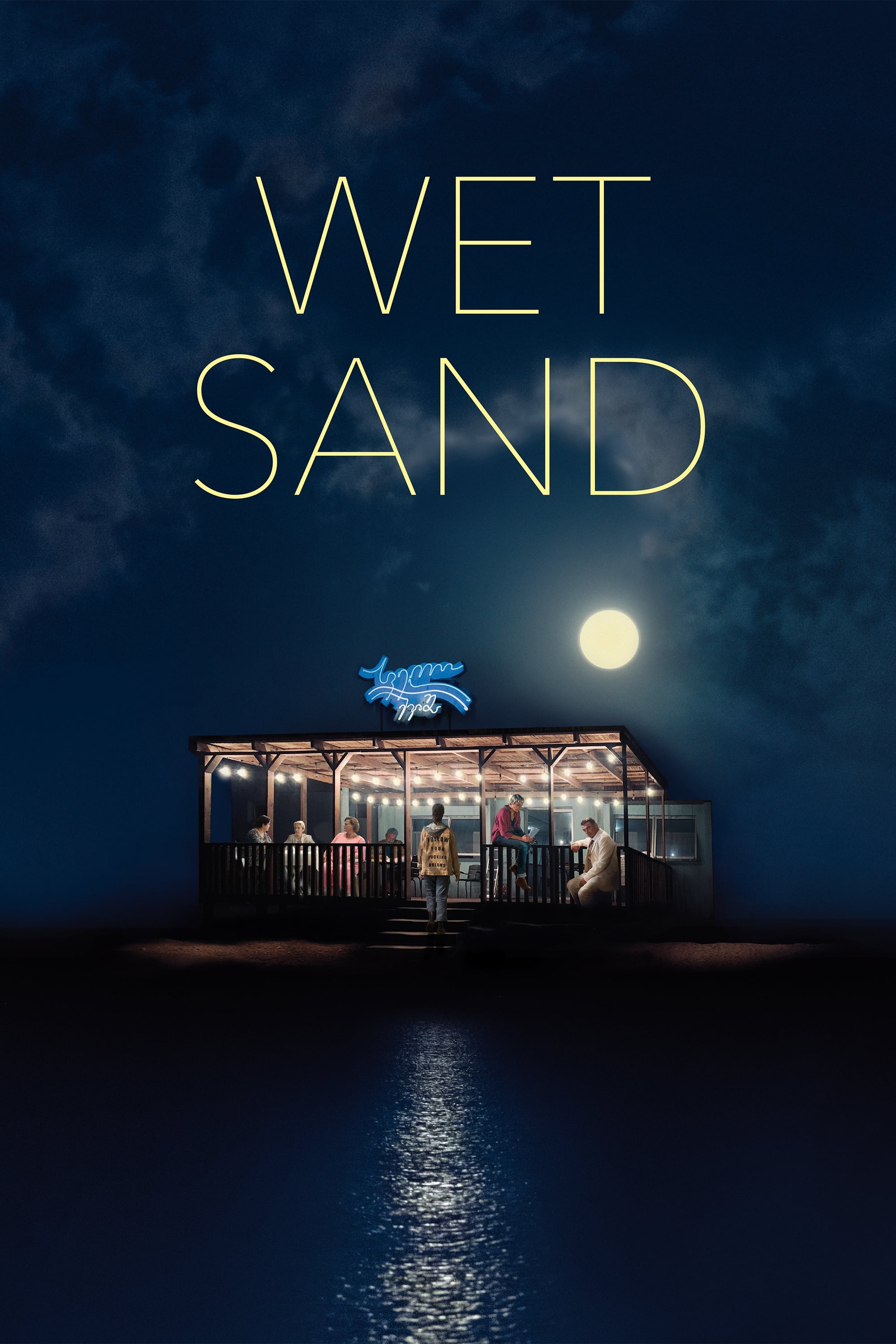
A village on the Georgian Black Sea is full of friendly people convinced they know each other. One day, Eliko is found hanged. His granddaughter Moe comes to organize his funeral. She is confronted with a web of lies and the tragic consequences of Eliko's hidden love life with Amnon, which lasted 22 years. The truth however frees Moe’s capability to love and forces the villagers to take a stand.
People from all over the world spend their summer holidays at the Black Sea. German Walter and his girlfriend Gisela check in at the hotel as spouses. Walter uses the passport of his wife. The police find the body of a young woman washes up by the waves. Inspector Damyanov begins an investigation. Walter is not under suspicion, but he is ill at ease. It is because of his wife passport? Ex-Nazi officer Kunze has his own little secret and causes for worry. Dutch musician Jan has something on his conscience, too, after a little love with a Bulgarian girl. Having penetrated the unsavory secrets of all those people, Damyanov leads them to the conviction that it is difficult to live a life of deception.
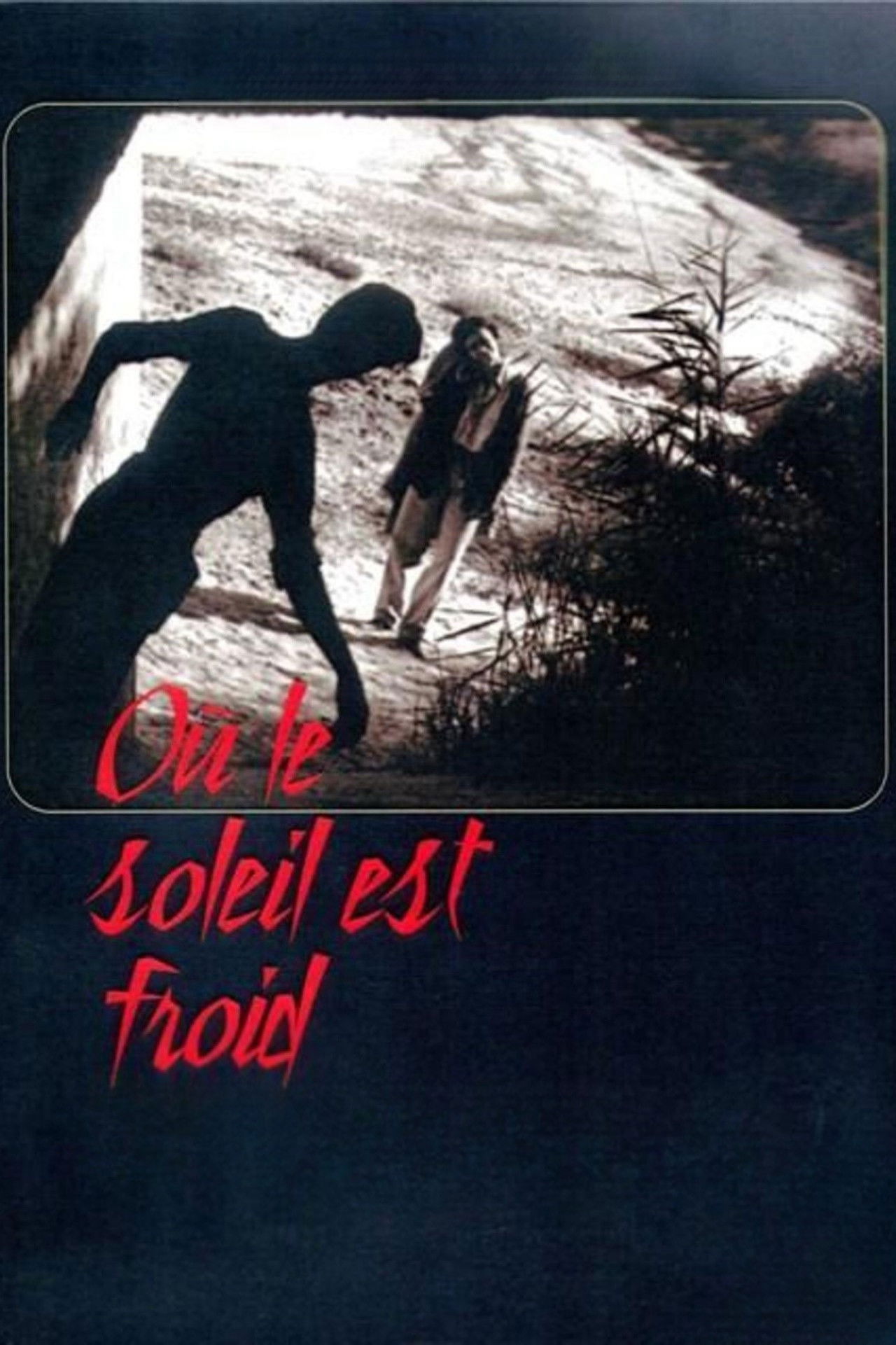
Along the Black Sea coast, we see a man and a woman arguing. They are apparently vacationers. Before long, the man has gotten back into their car and driven off, stranding the woman in a remote area. She hitches a ride with a delivery truck driver. At one of his stops, she gets off his truck to go to get some water. When the driver comes back to his truck and sees her gone, he assumes she has found another ride, and leave her. Once again, she is stranded. This time, the location is a lighthouse. She and the keeper have no recourse but to become acquainted, and for the next few days, that is what they do. Eventually, the man who left her in the lurch comes back to look for her, and finds her at the lighthouse.
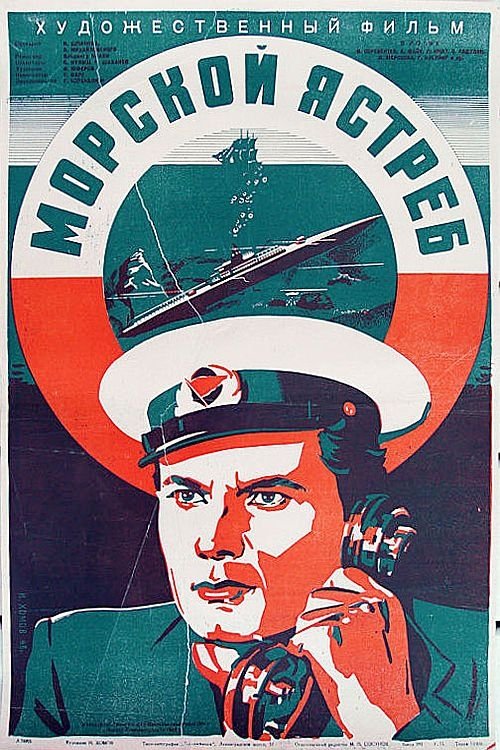
During a WWII a duel starts between Soviet war ship and Nazi submarine.
In this farcical dark comedy/melodrama, Lena manages to lose her place at college by virtue of throwing a minor hissy-fit when she catches her erstwhile boyfriend in bed with another girl. Instead of penalizing the boy for his behavior, Lena gets stuck with a court appearance and must pay a small fine, in addition to losing a boyfriend, her college career, and an apartment. Lena belongs to a film club which occasionally hands out awards, and the membership of it decides to send her into the Russian hinterlands to hand out an award to an obscure filmmaker. Throughout the film, Lena has been associated with a bizarre con man named Stepanych who, when his cons fall through, comes to her in the distant town she has gone to seeking her help in committing suicide.
During the summer of 1937, Emanuel, a young man in his early twenties, is committed to a sanatorium on the Black Sea coast for treatment of his bone tuberculosis. The treatment consists of painful spine punctures that confine him to a plaster on a stretcher-bed. Little by little, as Emanuel gets accustomed to the sadness of his new life, he discovers that inside the sanatorium there is still a life to be lived to the fullest.
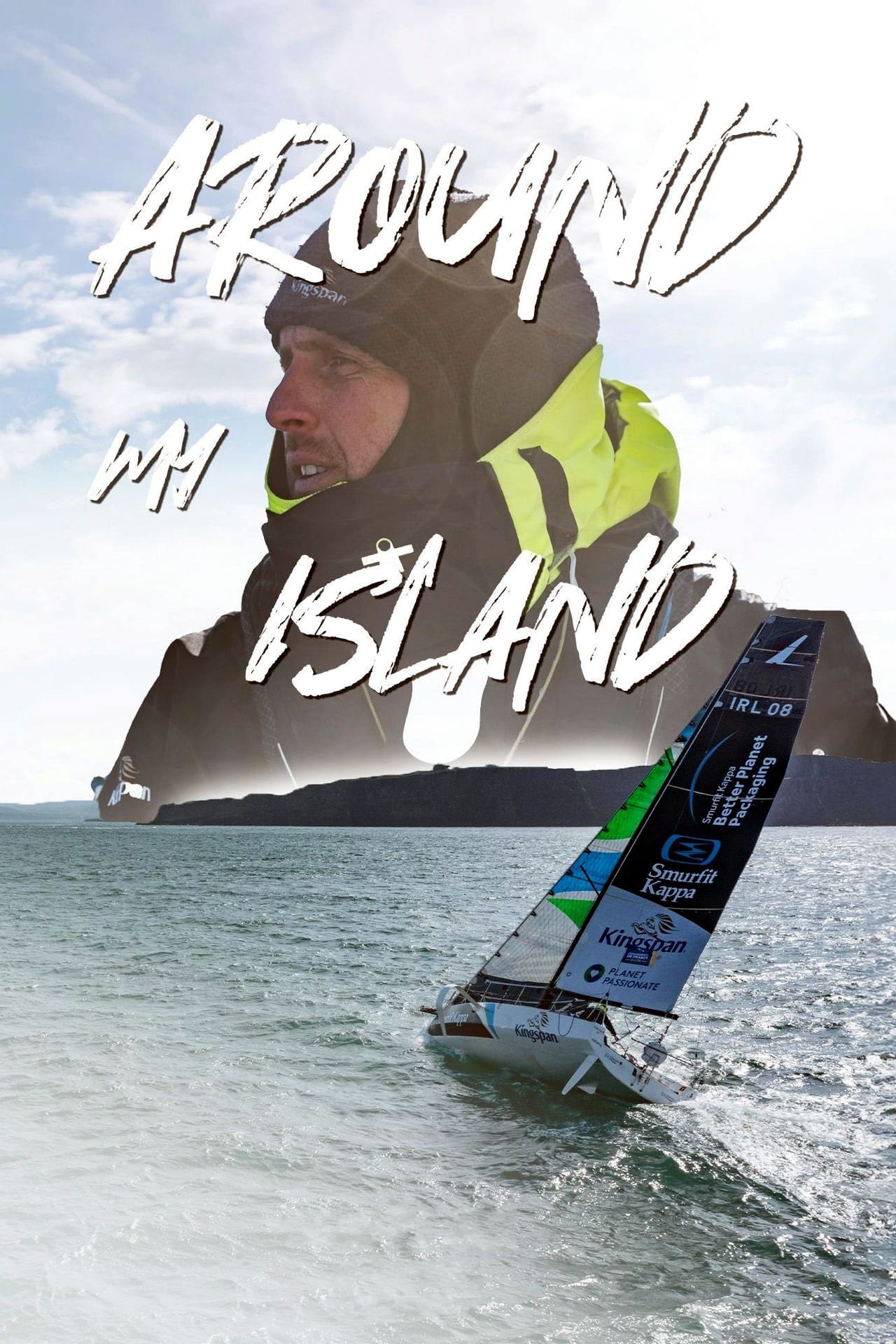
Cameras follow Irish solo sailor Tom Dolan as he attempts to sail single-handed around the island of Ireland, which is one of the toughest feats in sailing.
Nicolas Cage dies all the way from Hollywood to Direct-To-DVD.
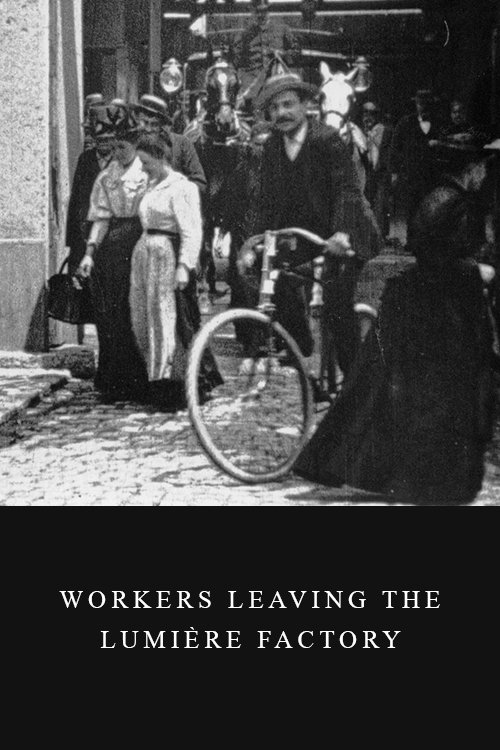
Working men and women leave through the main gate of the Lumière factory in Lyon, France. Filmed on 22 March 1895, it is often referred to as the first real motion picture ever made, although Louis Le Prince's 1888 Roundhay Garden Scene pre-dated it by seven years. Three separate versions of this film exist, which differ from one another in numerous ways. The first version features a carriage drawn by one horse, while in the second version the carriage is drawn by two horses, and there is no carriage at all in the third version. The clothing style is also different between the three versions, demonstrating the different seasons in which each was filmed. This film was made in the 35 mm format with an aspect ratio of 1.33:1, and at a speed of 16 frames per second. At that rate, the 17 meters of film length provided a duration of 46 seconds, holding a total of 800 frames.
It often happens that at the moment of death, transgender individuals are shorn of their identity. Their families are ashamed, the funeral takes place in secret, and on the tomb appears the name the deceased had before their transition, in one stroke nullifying the entire life path they had chosen. The same thing happened to Antonia. Her girlfriends gather to honor her memory and give her back her identity denied. In telling her story, the film’s stars, all drawn from the variegated transgender world, interweave the narrative with tales of their own lives, experiences, and memories.
Tom Angelripper narrates the struggles of the band in the mid-Nineties, his many side projects, and yet another drastic line-up overhaul.
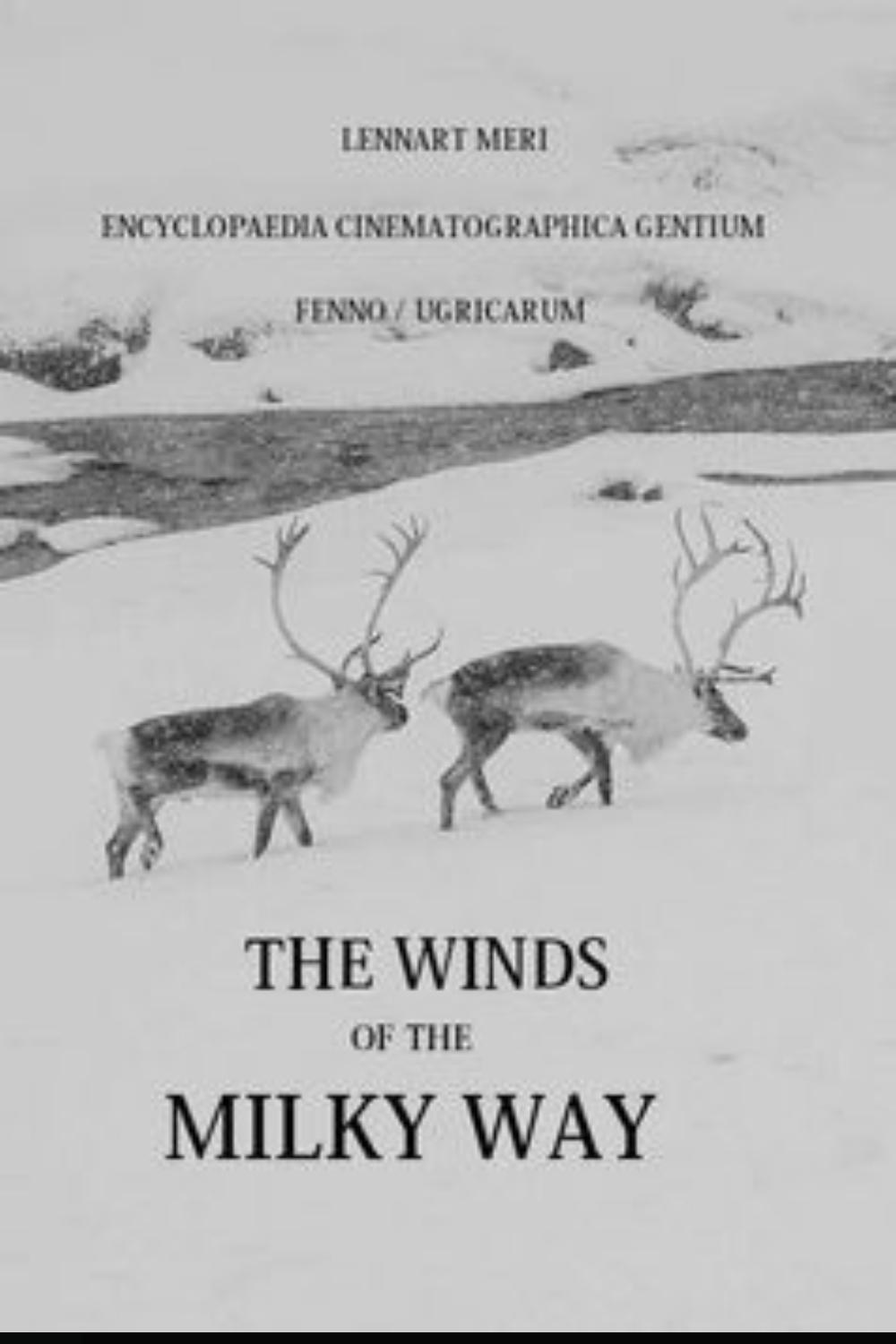
Sequel to the "The Waterfowl People". The author interprets the kinship, linguistic and cultural relationships of the Finno-Ugric peoples. Finns, Vepsians, Votes, Setos, Erzya-Mordvinians, Mansi, Hungarians, Sami, Nganasans, and Estonians appear in the film. The film was shot in 1977 on location in northern Finland, Sapmi, Vepsia, Votia, Mordovia, Khantia-Mansia, Hungary, the Taymyr Peninsula, the Setomaa region in Estonia, and on the Estonian islands of Saaremaa and Muhu. Footage was also shot in 1970 in the Nenets Okrug. The second documentary in Lennart Meri's "Encyclopaedia Cinematographica Gentium Fenno - Ugricarum" series.
Made famous by the 1957 Hollywood movie, the bridges of the River Kwai emblematize one of the most misunderstood events in history. Contrary to the romanticized film version, the structures represent a period of terror, desperation, and death for over 16,000 POWs and 100,00 local slaves. The Thailand - Burma Railway was the vision of the Japanese Imperial Army: a 250-mile track cut through dense jungle that would connect Bangkok and Rangoon. To accomplish this nearly impossible feat, the fanatical and ruthless Japanese engineers used POWs and local slaves as manpower. Candid interviews with men who lived through the atrocity - including Dutch, Australian, British, and American POWs - illuminate the violence and horror of their three-and-a-half-year internment. From Britain's surrender of Singapore the enduring force of friendship, The True Story Of The Bridge On The River Kwai narrates a moving and unforgettable account of a period in history that must be remembered.
When Allied forces liberated the Nazi concentration camps in 1944-45, their terrible discoveries were recorded by army and newsreel cameramen, revealing for the first time the full horror of what had happened. Making use of British, Soviet and American footage, the Ministry of Information’s Sidney Bernstein (later founder of Granada Television) aimed to create a documentary that would provide lasting, undeniable evidence of the Nazis’ unspeakable crimes. He commissioned a wealth of British talent, including editor Stewart McAllister, writer and future cabinet minister Richard Crossman – and, as treatment advisor, his friend Alfred Hitchcock. Yet, despite initial support from the British and US Governments, the film was shelved, and only now, 70 years on, has it been restored and completed by Imperial War Museums under its original title "German Concentration Camps Factual Survey".
A visual montage portrait of our contemporary world dominated by globalized technology and violence.
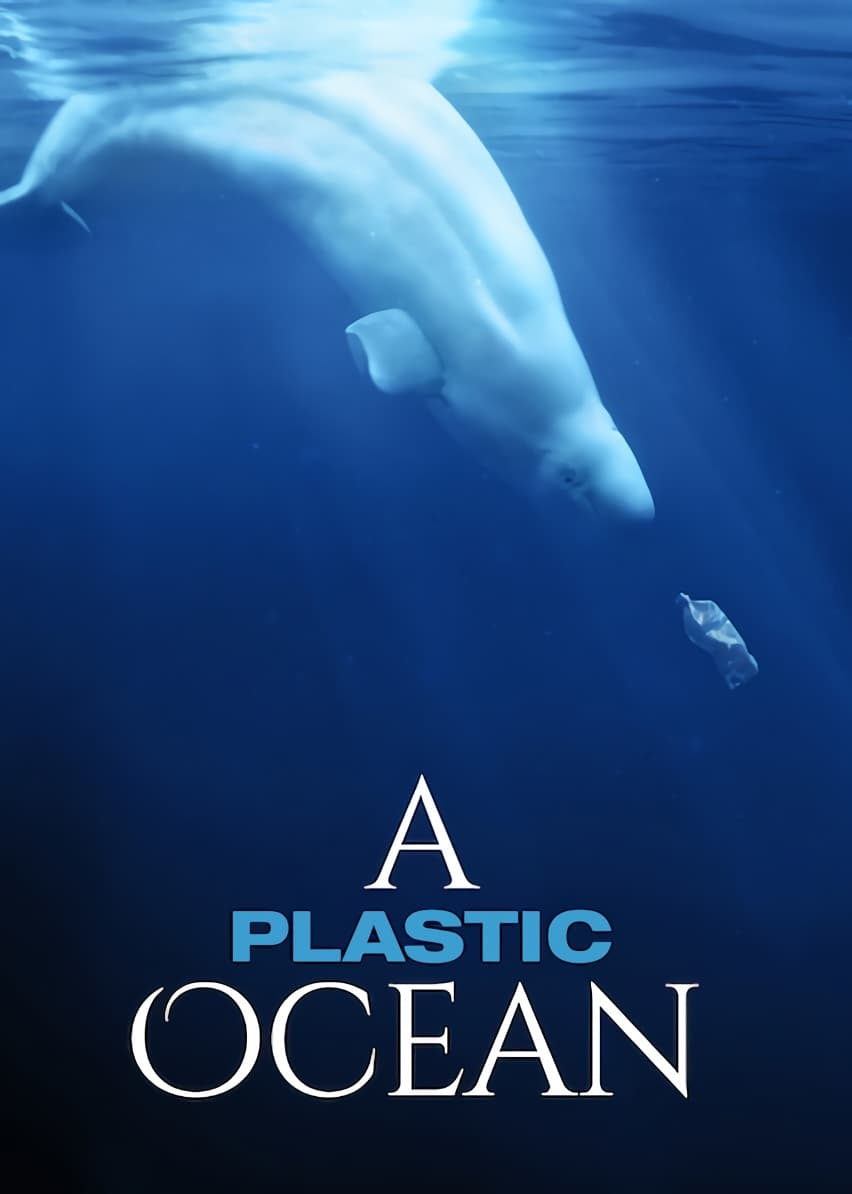
A documentary focused on plastic pollution in the world's oceans.
JB Smoove and Martin Starr host a celebration of 20 years of "Spider-Man" movies, from the Sam Raimi trilogy to Marc Webb's movies and the trio from Jon Watts.
Al Pacino's deeply-felt rumination on Shakespeare's significance and relevance to the modern world through interviews and an in-depth analysis of "Richard III."
The life and career of one of comedy's most inimitable modern voices, Mr. Gilbert Gottfried.
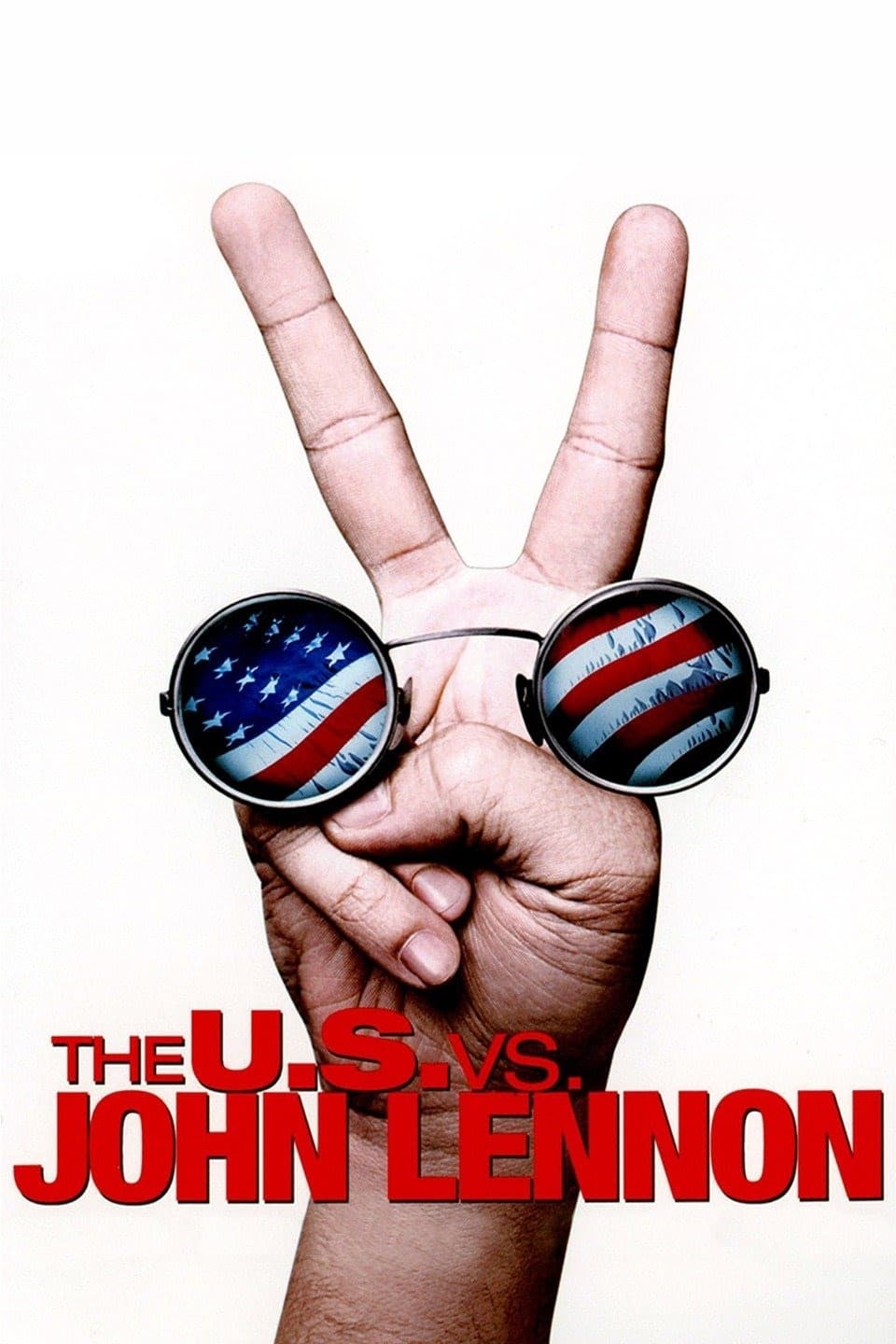
A documentary on the life of John Lennon, with a focus on the time in his life when he transformed from a musician into an antiwar activist.
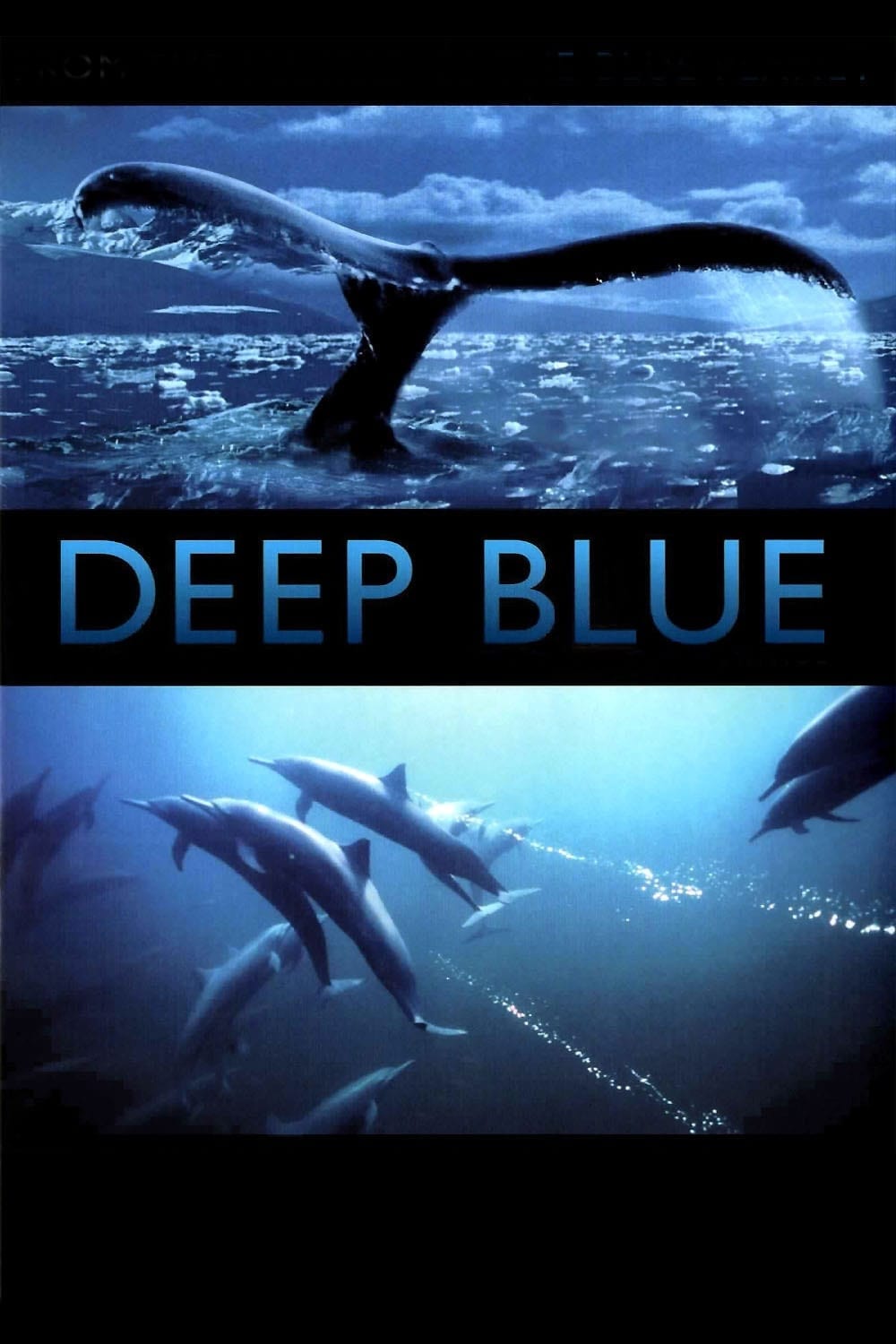
Deep Blue is a major documentary feature film shot by the BBC Natural History Unit. An epic cinematic rollercoaster ride for all ages, Deep Blue uses amazing footage to tell us the story of our oceans and the life they support.
This revealing documentary honors the legendary Sidney Poitier—iconic actor, filmmaker, and civil rights activist. Featuring interviews with Denzel Washington, Spike Lee, Halle Berry, and more.
Follow the evolution of the 'Halloween' movies over the past twenty-five years. It examines why the films are so popular and revisits many of the original locations used in the films - seeing the effects on the local community. For the first time, cast, crew, critics and fans join together in the ultimate 'Halloween' retrospective.
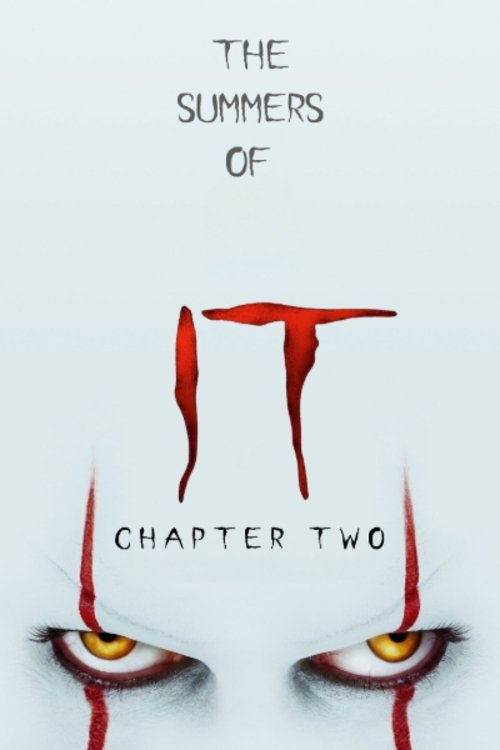
This documentary focuses on the actors and their journey over two summers to create the remake to the original IT, by Stephen King. The documentary originally released as bonus material, bundled with IT: Chapter Two.
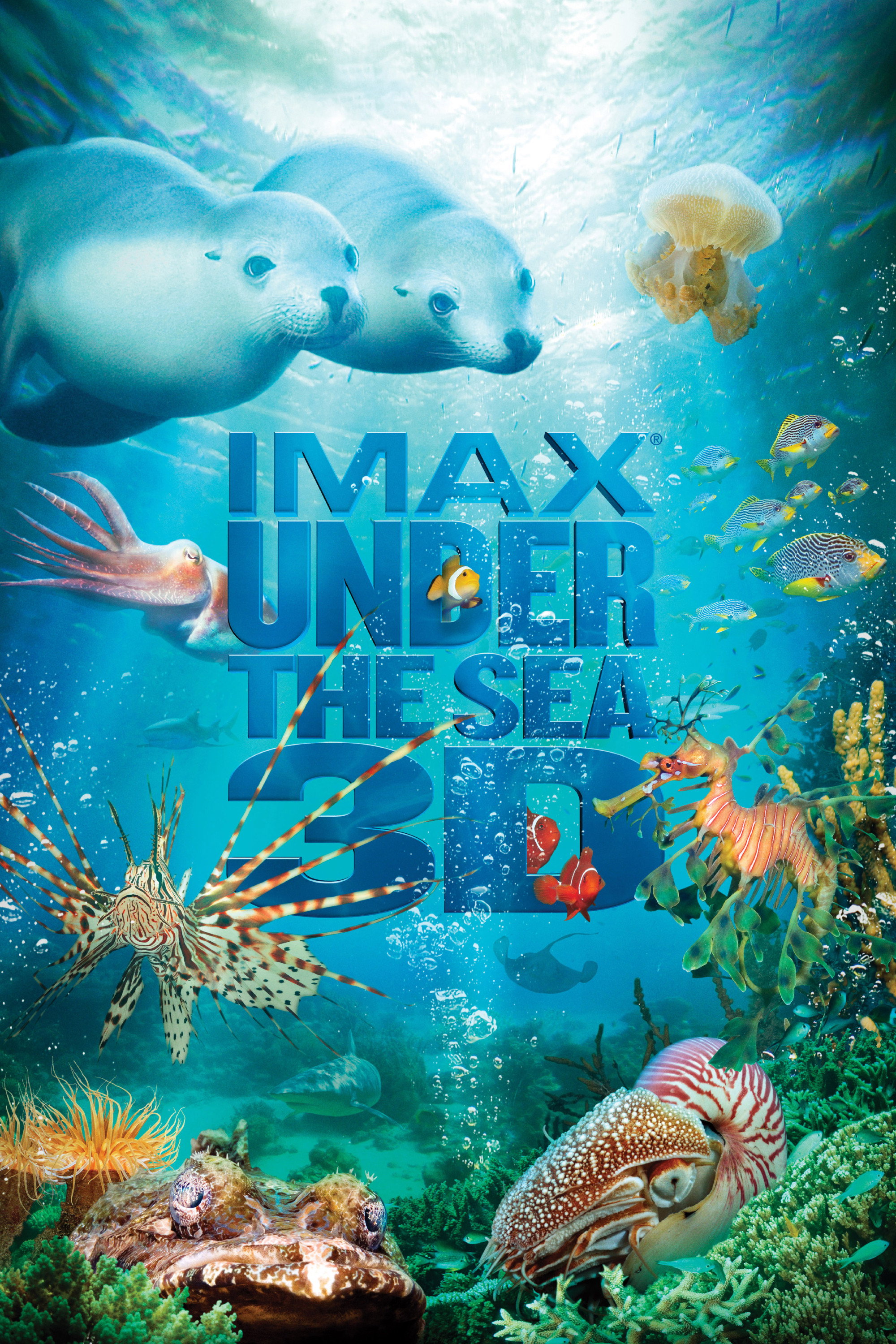
Imagine a world of incredible color and beauty. Of crabs wearing jellyfish for hats. Of fish disguised as frogs, stones and shag carpets. Of a kaleidoscope of life dancing and weaving, floating and darting in an underwater wonderland. Now, go explore it! Howard Hall and his filmmaking team, who brought you Deep Sea and Into the Deep, take you into tropical waters alive with adventure: the Great Barrier Reef and other South Pacific realms. Narrated by Jim Carrey and featuring astonishing camerawork, this amazing film brings you face to fin with Nature's marvels, from the terrible grandeur (and terrible teeth) of a Great White to the comic antics of a lovestruck cuttlefish. Excitement and fun run deep Under the Sea!
An inside look at one of the most anticipated movie sequels ever with James Cameron and cast.
Behind the scenes look at fight choreography and action training.
Martin Scorsese’s portrait of writer and social commentator Fran Lebowitz, celebrated for her sharp wit and observations on modern life. Filmed at New York’s Waverly Inn and intercut with archival footage and interviews, the documentary captures Lebowitz’s distinctive worldview through her spontaneous monologues and public appearances.
Through deeply personal interviews with her siblings and an examination of the photographs, letters, and belongings left behind, Mariska assembles a new portrait of her mother Jayne Mansfield, an extraordinary and complex woman.
A candid look at rehearsal footage in support of a focus on pre-viz.
A tribute to Chadwick Boseman, celebrating his life and legacy.
A documentary about how a dominant cultural and demographic institution both sustains their traditional activities and adapts to the digital revolution.
Performance artist Marina Abramovic prepares for a major retrospective of her work at the Museum of Modern Art in New York.