Social & External
The people behind it
This haunting, personal film offers a firsthand perspective on the hereditary neurodegenerative Huntington’s Disease. The condition typically shows up in mid-adult life, and DNA testing has shown Wellington film editor and screenwriter Bridget Lyon is likely to fall prey. She and her husband, director Jeff McDonald, are forced to face the disease’s horrors head-on while watching her mother’s deterioration.
Working-class father John Crowley is finally on the fast track to corporate success when his two young children are diagnosed with Pompe disease—a condition that prevents the body from breaking down sugar. With the support of his wife, John ditches his career and teams with unconventional specialist, Dr. Robert Stonehill to found a bio-tech company and develop a cure in time to save the lives of his children. As Dr. Stonehill works tirelessly to prove the theories that made him the black sheep of the medical community, a powerful bond is forged between the two unlikely allies.
Selma, a Czech immigrant on the verge of blindness, struggles to make ends meet for herself and her son, who has inherited the same genetic disorder and will suffer the same fate without an expensive operation. When life gets too difficult, Selma learns to cope through her love of musicals, dreaming up little numbers to the rhythmic beats of her surroundings.
After their mother dies during a violent break-in, two siblings move in with their estranged father discover their family's sinister heritage.
While walking along the beach, Christian and his girlfriend discover a mysterious woman washed ashore. The following day, Christian meets the woman again at a yacht party and soon finds himself entangled in a web of lust, intrigue and murder.
The true story of parents who discover that their two young daughters have a genetic disease that makes it fatal for them to be exposed to ordinary light.
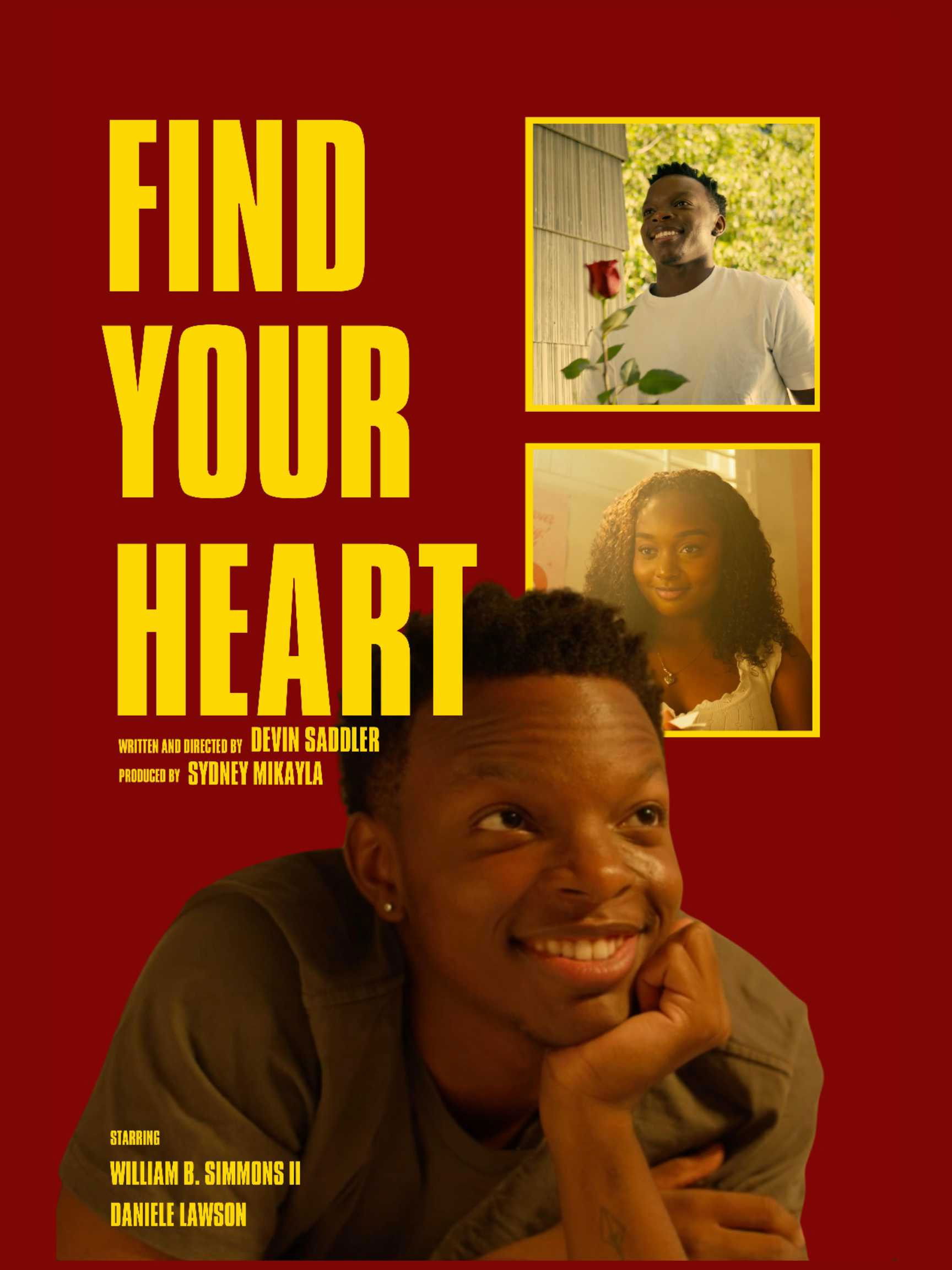
After discovering he shares his mother’s fatal heart condition, a desperate medical student follows her advice to confess his love to his lifelong crush and “find his heart” before time runs out.
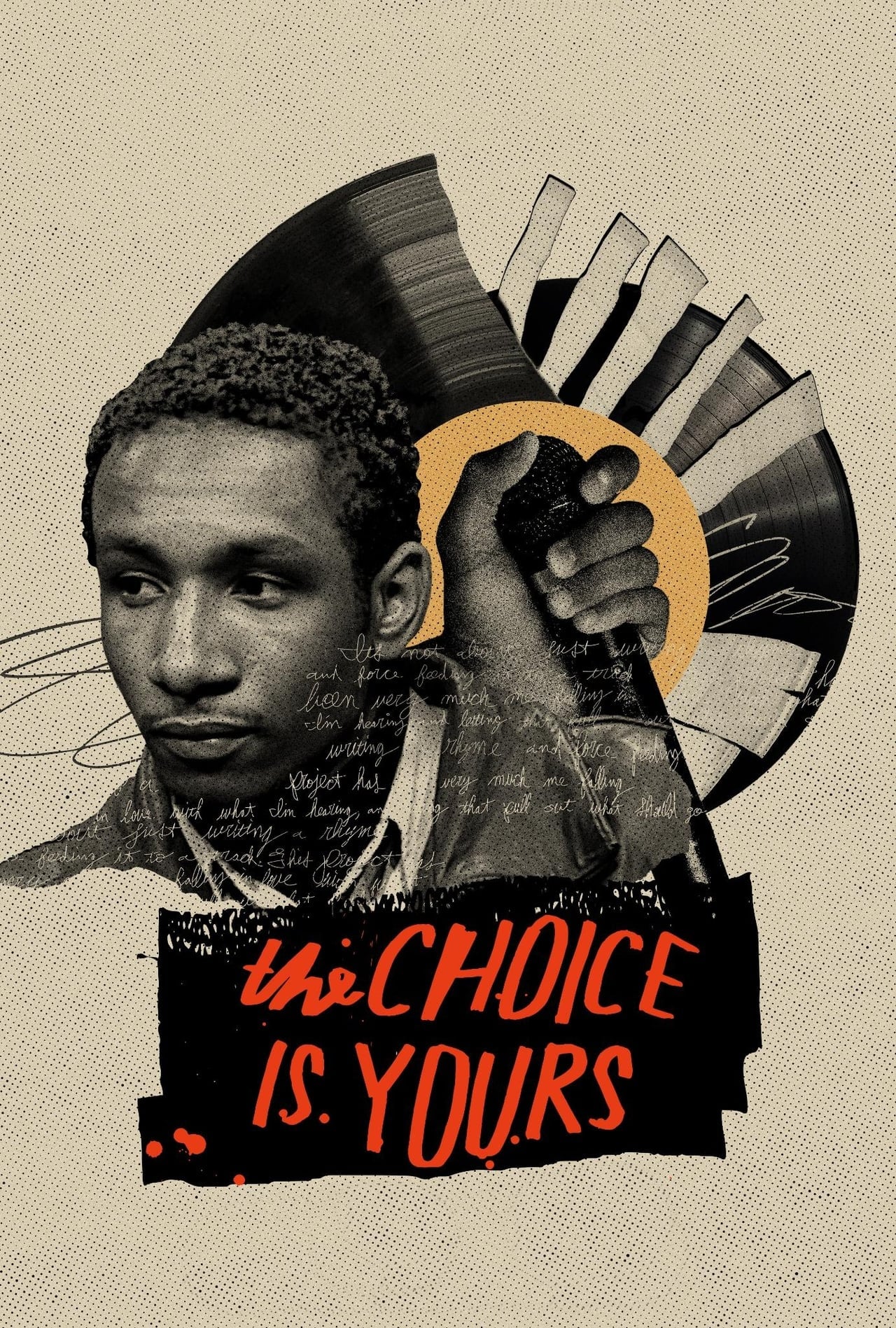
The story of rapper and artist Andres “Dres” Vargas-Titus, part of the legendary 90’s hip hop duo Black Sheep, and his incredible journey from being on top of the game to struggling with civilian life and staring down the barrel of his last chance at success.
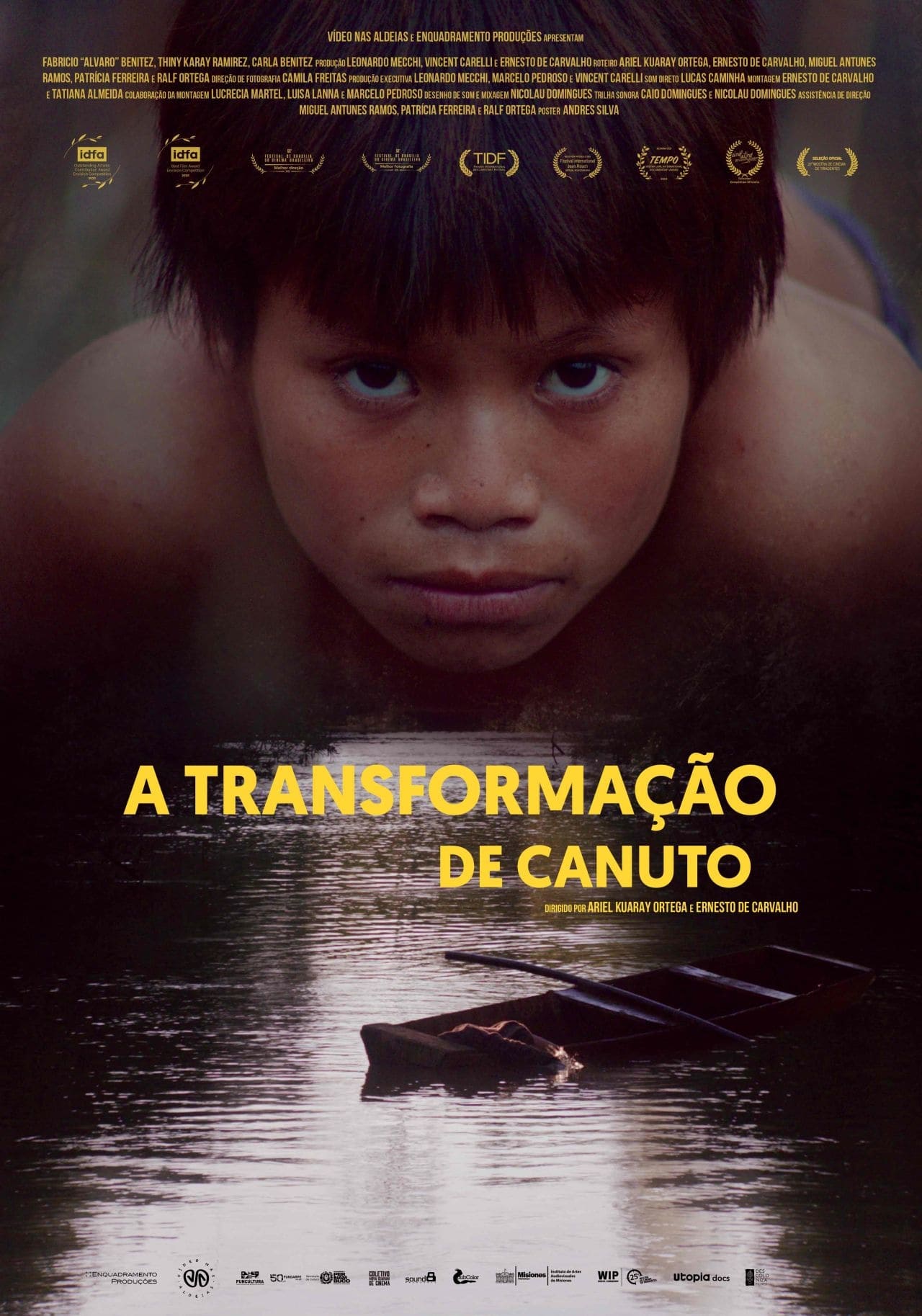
Ariel Kuaray Ortega returns to his hometown to visit his grandfather in a region of Brazil bordering Argentina. He wants to finally hear the full story of Canuto, a fellow villager who turned into a jaguar and then died a tragic death. A plan soon arises to make a film about the mysterious Canuto, with the villagers playing all the roles.
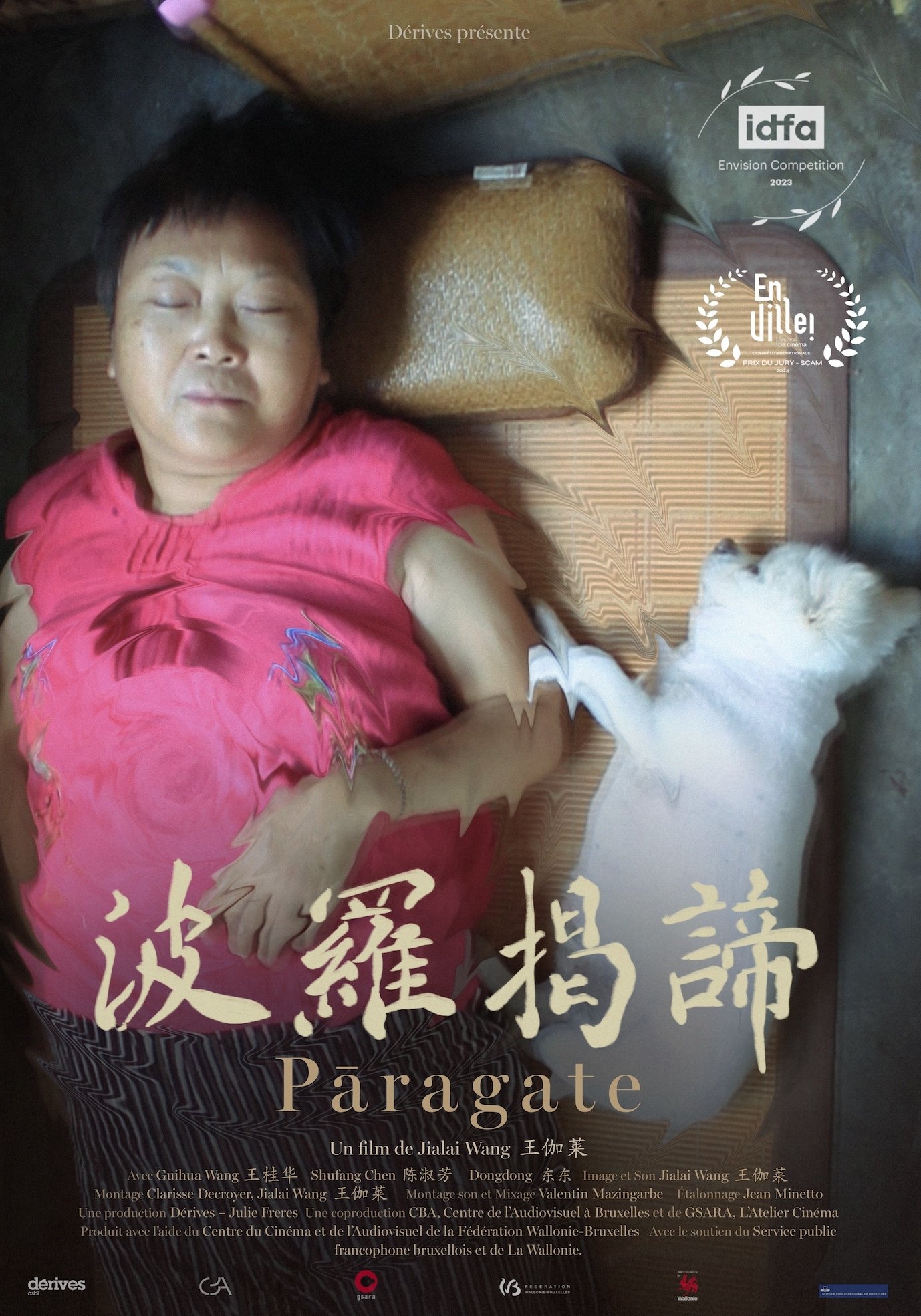
From Belgium, Jialai Wang maintains contact via smartphone and camera with her mother and grandmother in China. When her grandmother’s health deteriorates, Jialai returns to Shanghai, but when she arrives, her grandmother has already died, and she is left alone with her mother. A devout Buddhist, her mother seems to pay more attention to her daily prayers, Maoist past and dog Dongdong than she does to her daughter. She herself had been abandoned as a child by her own mother, when she divorced Jialai’s grandfather and moved to the city.
10.35 p.m. – the start of the night shift at the University Hospital in Zurich. We accompany a midwife who, during her long and intense shift, empathetically helps the mothers and babies under her watch, taking into account all their individual differences.
East German short documentary
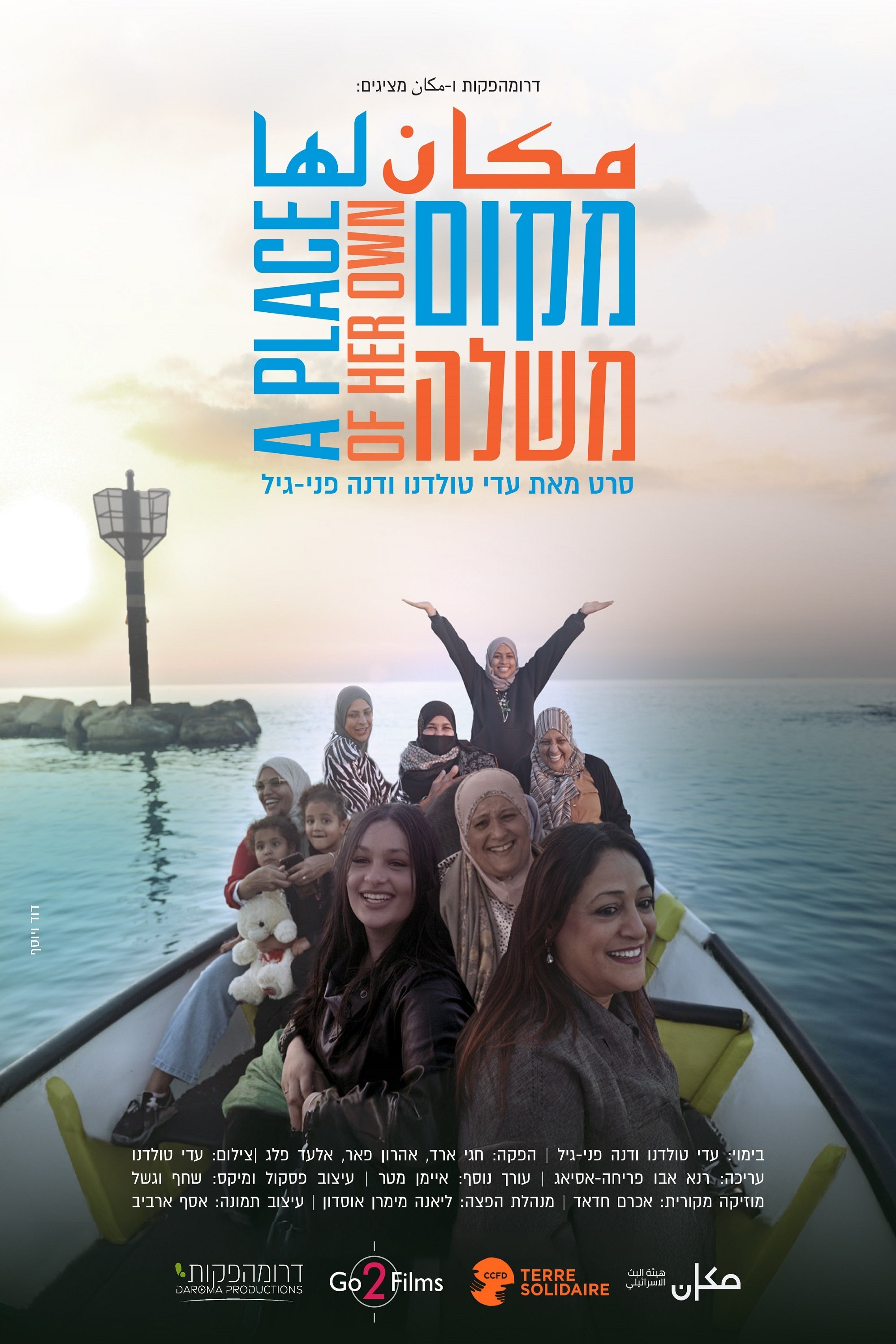
In the Arab village of Jisr az-Zarqa, against a backdrop of rising tensions and threats to the place's identity, three women embark on a personal and collective journey for change. As a new Jewish neighborhood is being built nearby, threatening the village's character, Amina (45), Munira (46), and Ruya (19) unite in an attempt to reshape their future and the future of their community. Through their personal stories, the film exposes the daily struggle of Arab women for identity, self-realization, and social justice within a complex and challenging reality.
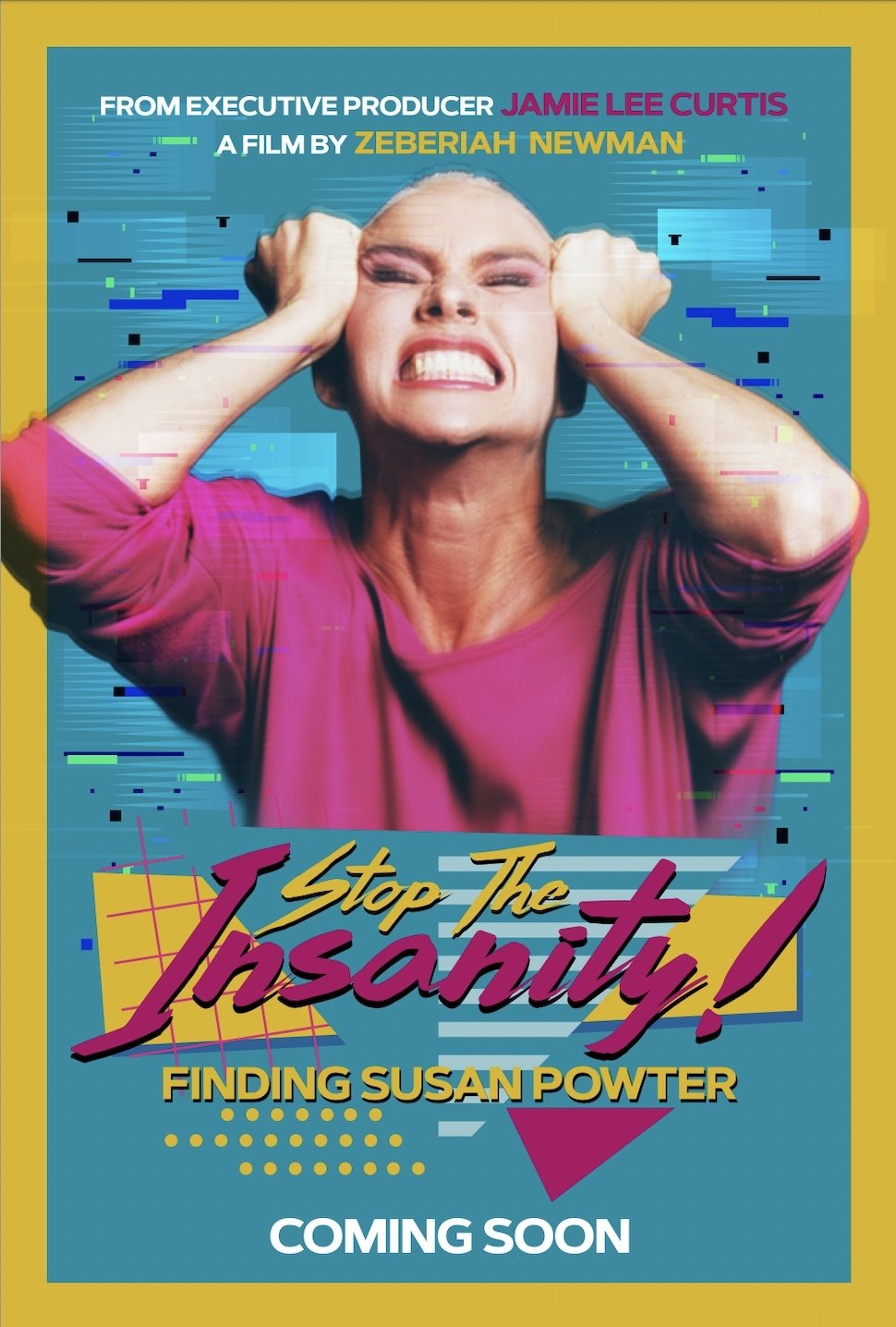
In the ’90s, pop culture icon Susan Powter burst onto the scene with her signature bleach-blonde buzz cut and bold message of health and wellness. After conquering infomercials, becoming a New York Times bestselling author, hosting her own talk show, and seeing her face on thousands of products, she dramatically walked away from Hollywood and into obscurity. Crippling lawsuits with her business partners left her bankrupt, and she has since lived as a total recluse below the poverty line in Las Vegas, where the filmmaker ultimately finds her. This documentary explores the meteoric rise and subsequent fall of Susan Powter while asking what it will take to bring her back to audiences—and whether her message, Stop The Insanity, is still as relevant and powerful today as it was in the early ’90s.
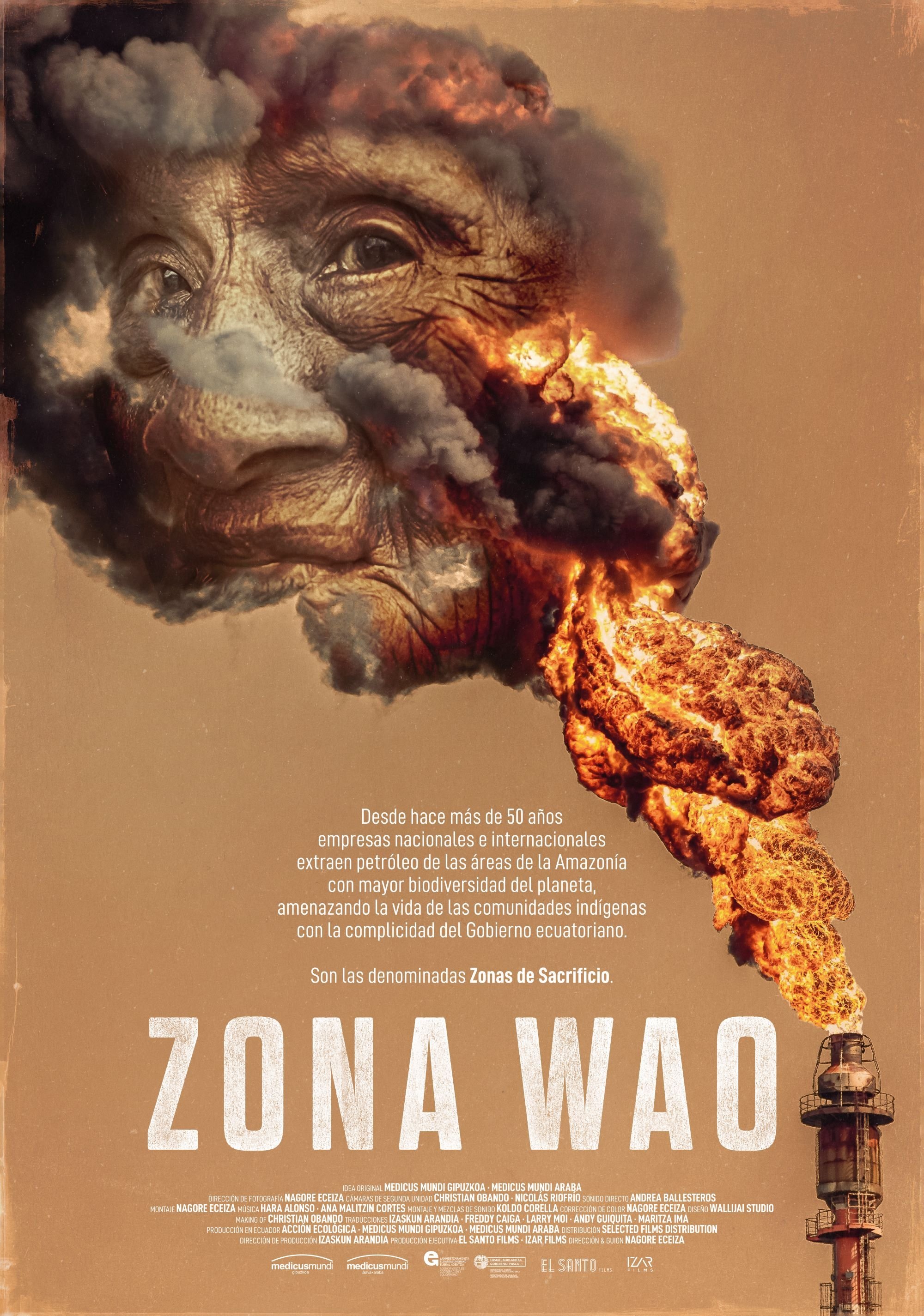
National and international oil companies have been extracting oil for more than 50 years from the Amazon, the area with the greatest biodiversity on the planet, threatening the lives of communities indigenous people with the complicity of the Ecuadorian government. They are the so-called: Sacrifice zones.
A string of threatening emails escalates into a revenge plot involving a newly married US marshal and his ex-girlfriend.
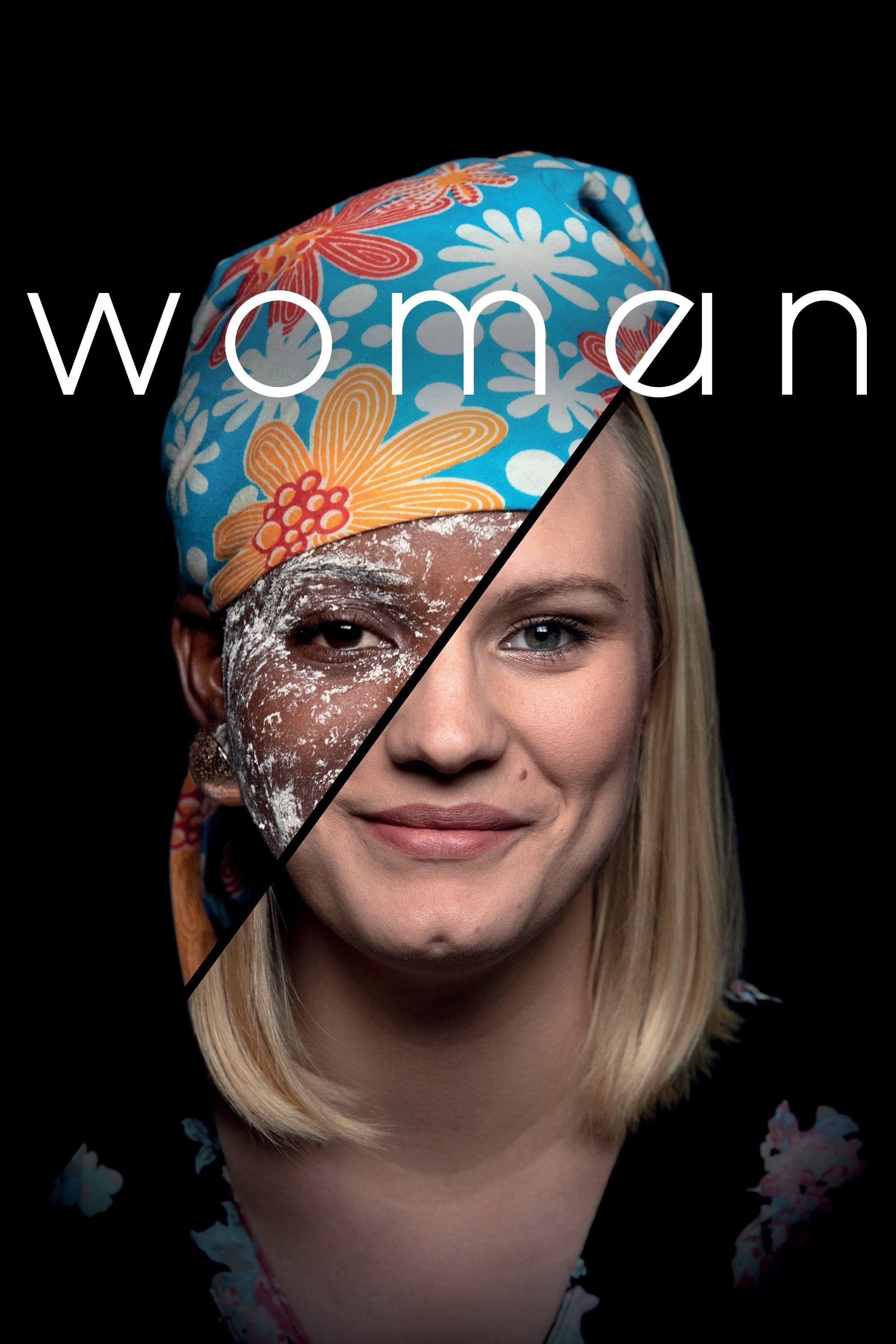
The film is based on interviews with 2,000 women from 50 countries, and covers the status of women all over the world. The topics covered include forced marriages, sexual assault, female genital mutilation, acid attacks, motherhood, sexuality, menstruation, education and the professional success of women.
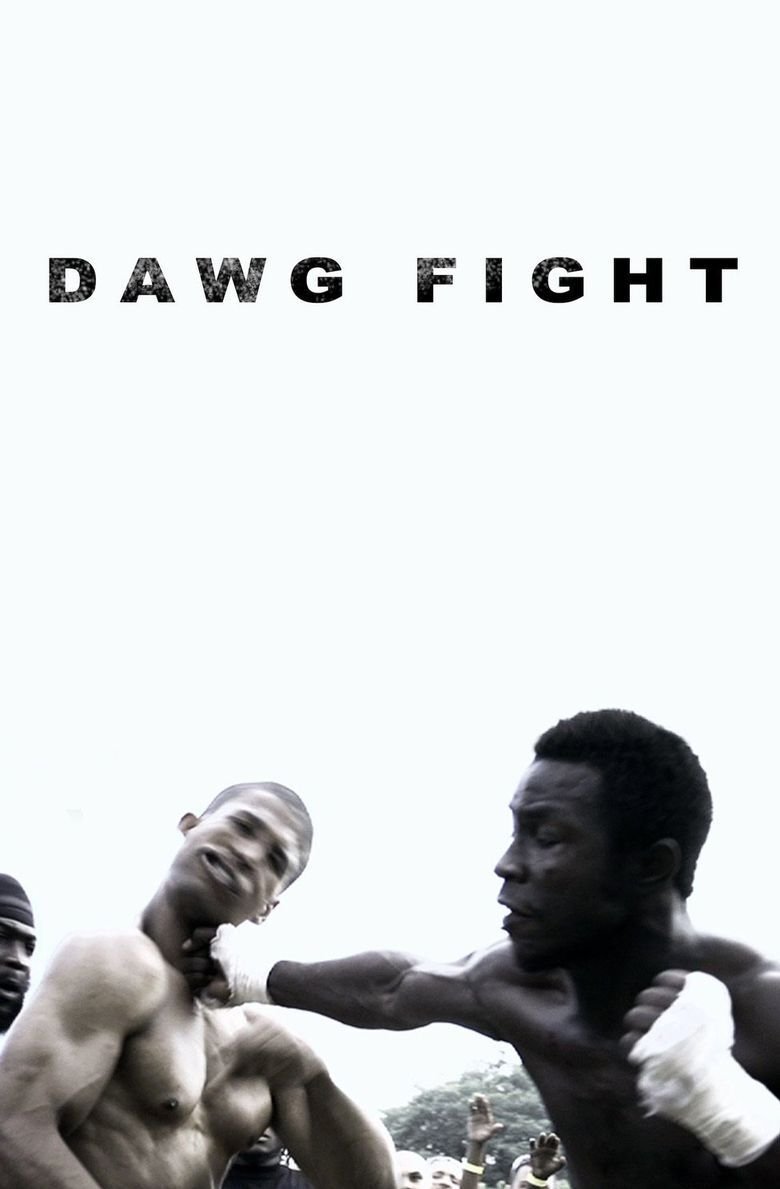
In a crime-plagued neighborhood near Miami, brutal, bare-knuckled backyard fights give young men a chance to earn money -- and self-respect.
An inside look at one of the most anticipated movie sequels ever with James Cameron and cast.
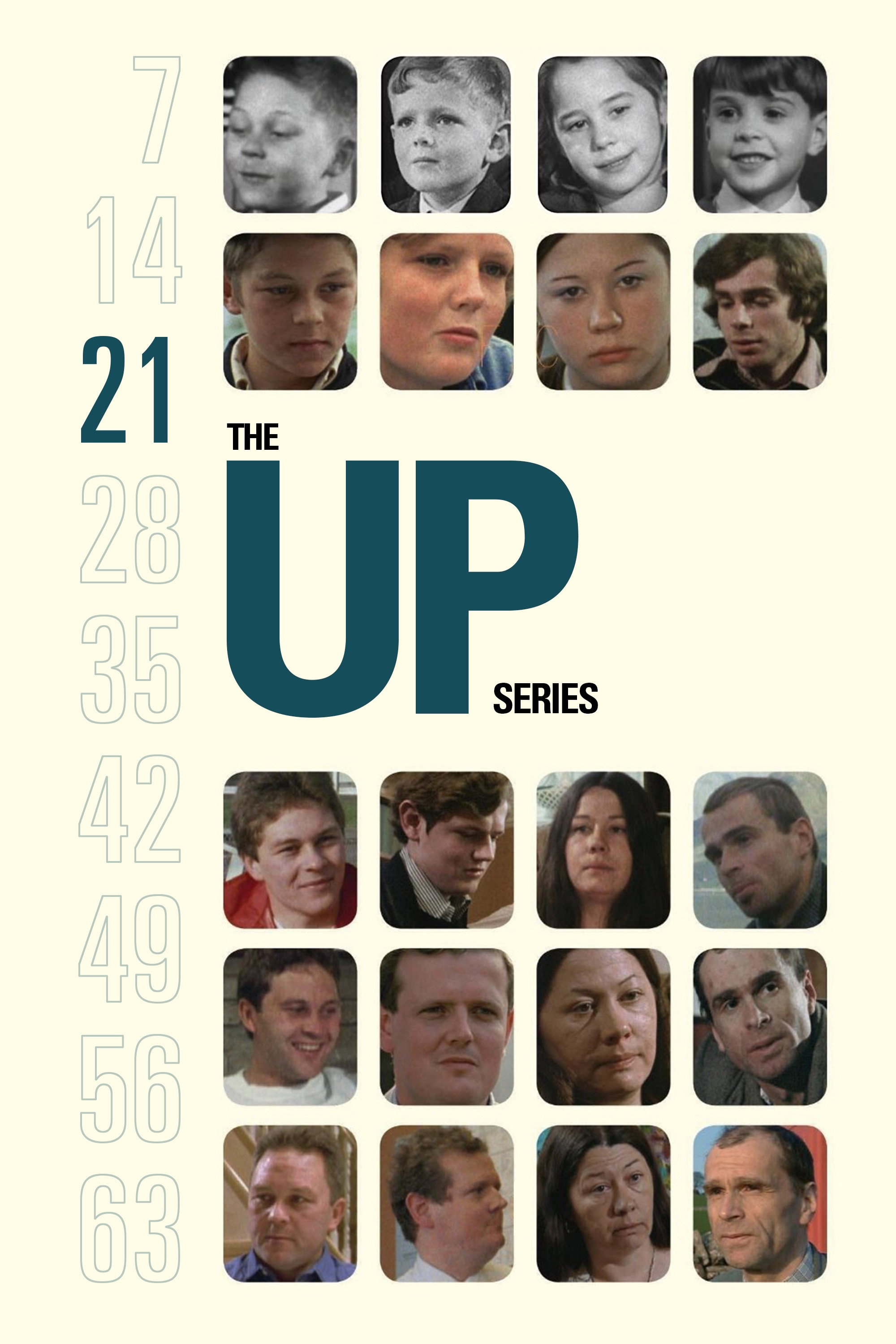
Director Michael Apted revisits the same group of British-born adults after a 7 year wait. The subjects are interviewed as to the changes that have occurred in their lives during the last seven years.
After another 7 year wait, director Michael Apted revisits the same group of British-born children from Seven Up! and 7 Plus Seven. The subjects are interviewed as to the changes that have occurred in their lives during the last seven years.
A documentary about the making of season five of the acclaimed AMC series Breaking Bad.
A documentary about the life and films of director John Ford.
Through deeply personal interviews with her siblings and an examination of the photographs, letters, and belongings left behind, Mariska assembles a new portrait of her mother Jayne Mansfield, an extraordinary and complex woman.
A look at the origins, history and conspiracies behind the "Majestic 12", a clandestine group of military and corporate figureheads charged with reverse-engineering extraterrestrial technology.
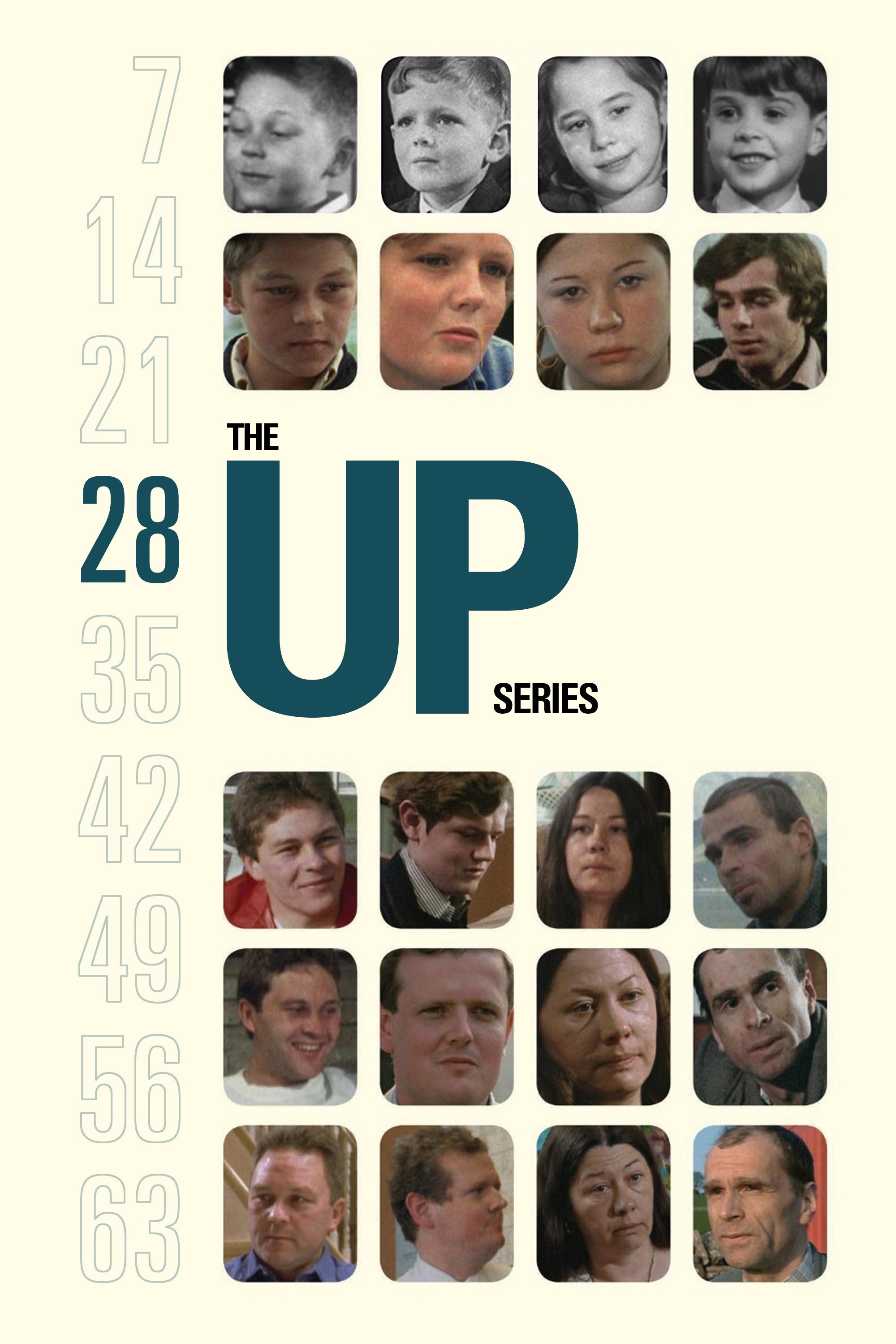
Just two years away from turning 30, participants in Michael Apted's documentary series are facing serious questions of identity and purpose, wondering whether they've found their place in the world.
Those who knew iconic funnyman John Candy best share his story, in their own words, through never-before-seen archival footage, imagery, and interviews.
The film follows adventurer Jeff Johnson as he retraces the epic 1968 journey of his heroes Yvon Chouinard and Doug Tompkins to Patagonia.
A documentary on the expletive's origin, why it offends some people so deeply, and what can be gained from its use.
Ranjit, a farmer in India, takes on the fight of his life when he demands justice for his 13-year-old daughter, the victim of a brutal gang rape. His decision to support his daughter is virtually unheard of, and his journey unprecedented.
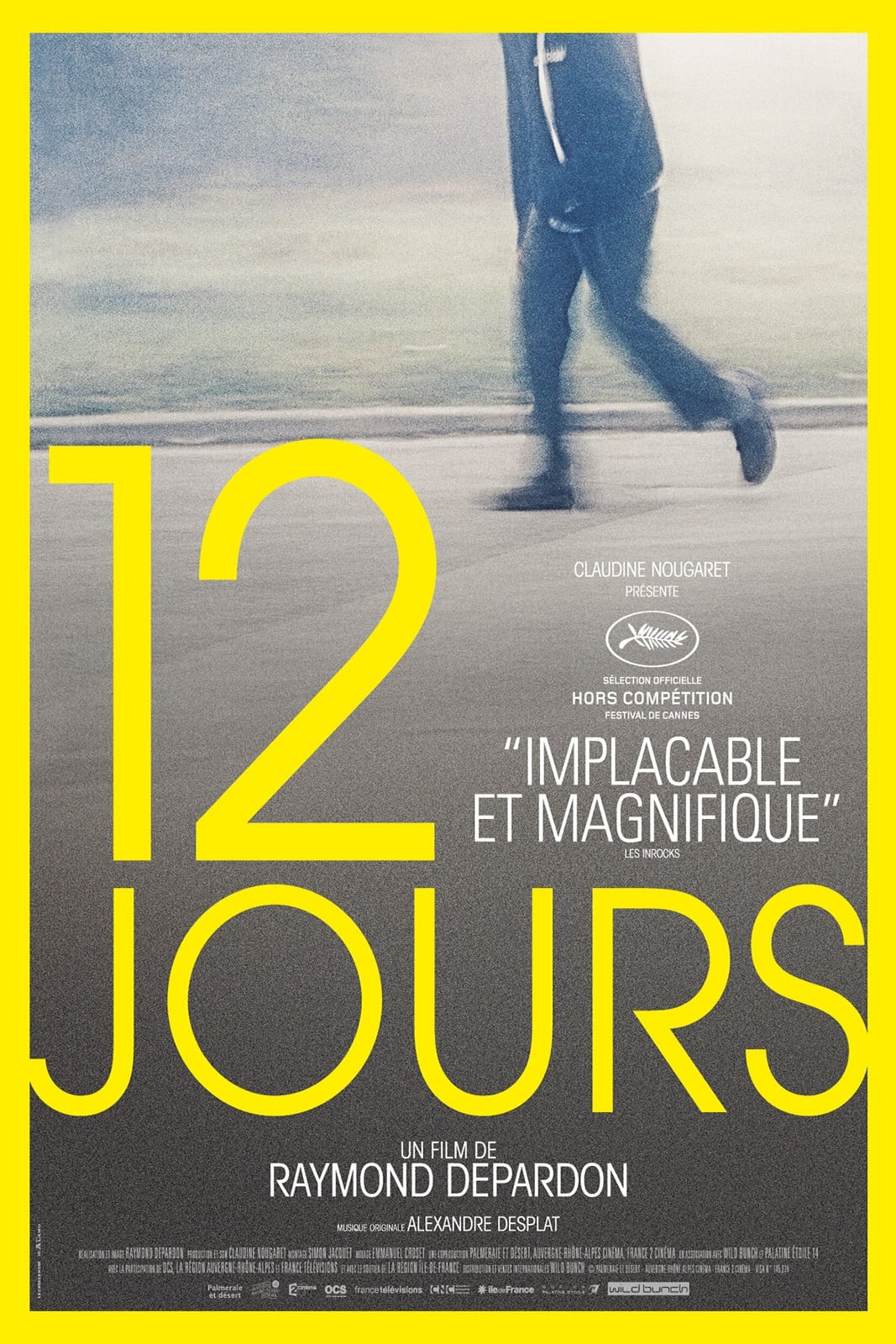
A new documentary by filmmaker-photographer Raymond Depardon – where justice and psychiatry meet.
Daniel Craig candidly reflects on his 15 year adventure as James Bond. Including never-before-seen archival footage from Casino Royale to the upcoming 25th film No Time To Die, Craig shares his personal memories in conversation with 007 producers, Michael G Wilson and Barbara Broccoli.
A comedic, brutally honest documentary following self-destructive TV writer Dan Harmon as he takes his live podcast on a national tour.
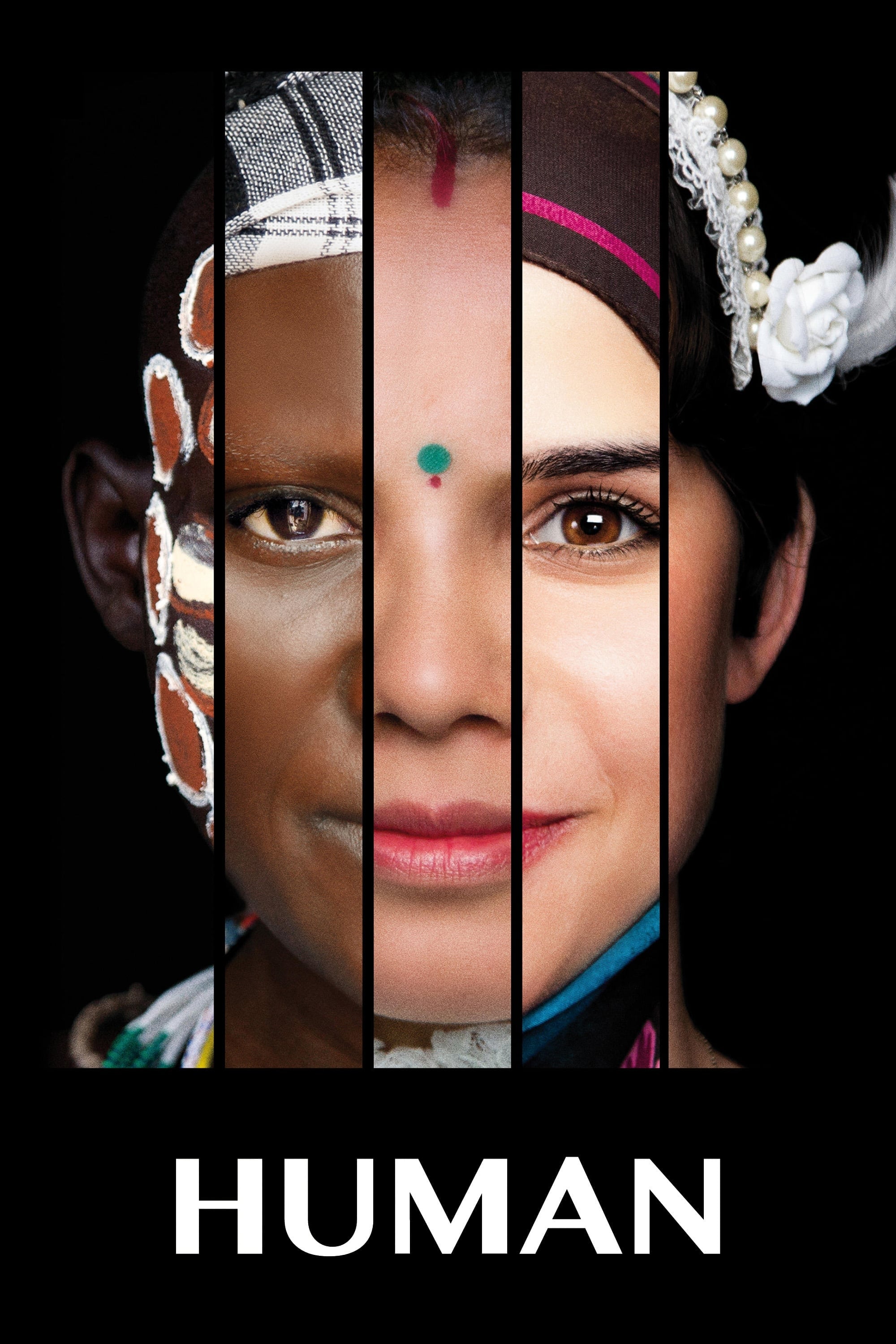
A collection of stories about and images of our world, offering an immersion to the core of what it means to be human. Through these stories full of love and happiness, as well as hatred and violence, it brings us face to face with the Other, making us reflect on our lives. From stories of everyday experiences to accounts of the most unbelievable lives, these poignant encounters share a rare sincerity and underline who we are – our darker side, but also what is most noble in us, and what is universal. Our Earth is shown at its most sublime through never-before-seen aerial images accompanied by soaring music, resulting in an ode to the beauty of the world, providing a moment to draw breath and for introspection. This film is a politically engaged work which allows us to embrace the human condition and to reflect on the meaning of our existence.