Social & External
The people behind it
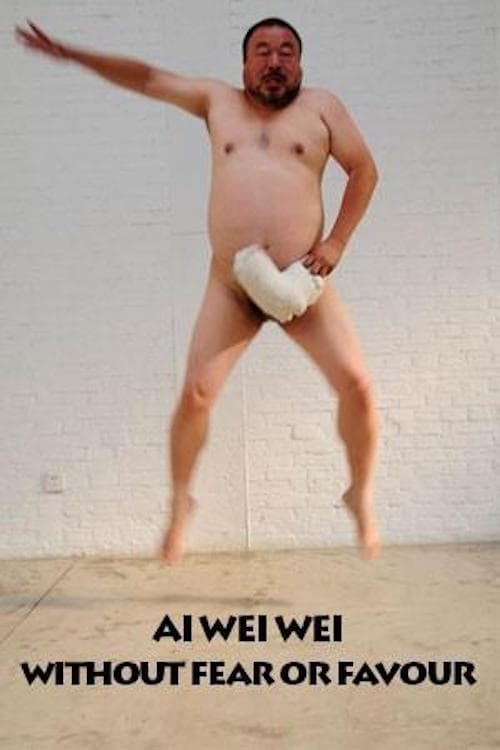
Arts documentary, first broadcast before Ai Weiwei's arrest by the Chinese authorities in April 2011, and his subsequent release after being detained for 11 weeks. Architect, photographer, curator and blogger, Ai Weiwei is China's most famous and politically outspoken contemporary artist. Alan Yentob explores the story of Ai Weiwei's life and art, and reveals how this most courageous and determined of artists continues to fight for artistic freedom of expression while living under the restrictive shadows of authoritarian rule.
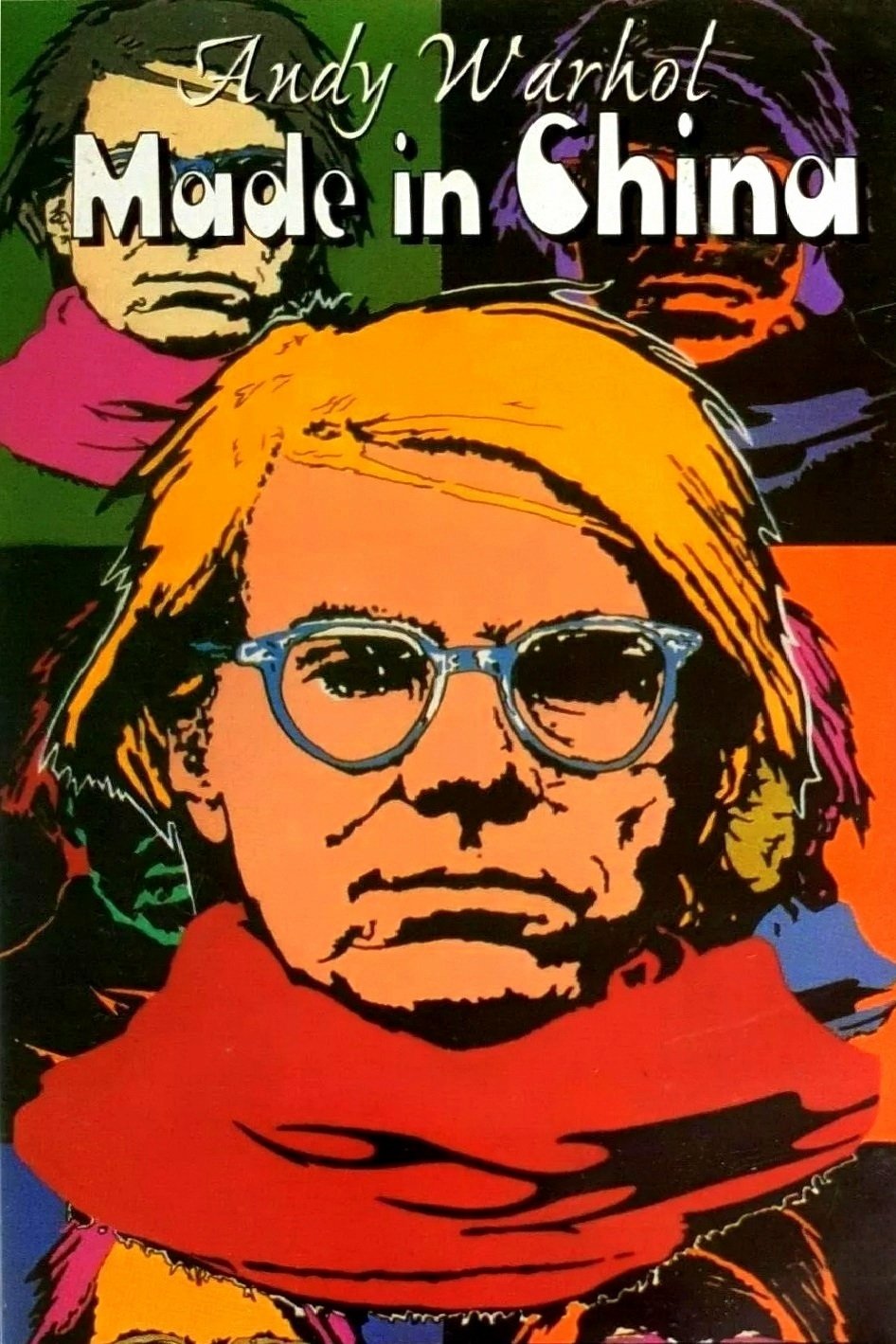
A look at the man behind the legend, capturing the real Andy Warhol, as an artist and as a person, as he travels through China, from Hong Kong's glitter to the mystique of Peking's Forbidden City. Set in the Far East, the story begins with the opening of the most elegant jet set watering hole in Asia, Hong Kong's “I Club,” whose owner, a young Chinese millionaire, decided to try an experiment: to transplant the most advanced, far-out Western culture to the Far East in a multimillion-dollar club that offers everything from restaurants and bars, to a health club and even an art gallery. Warhol is invited to attend the opening as a guest of honor showing his “Celebrity Portraits.” The result of this cultural experiment was varied. Emotions from the “I Club” and Warhol's work ranged from outrage to indifference to wonder.
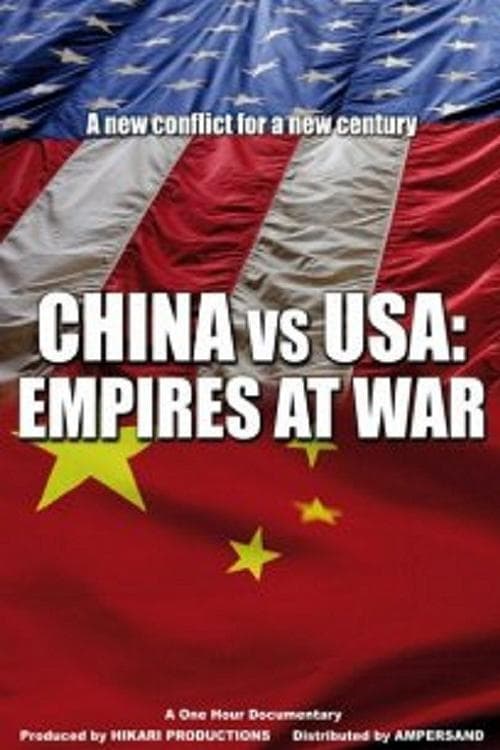
China keeps claiming sovereignty over Taiwan. The USA believes the Tech industry of the island nation needs to be protected. Prominent international experts from both sides, China vs. USA, Empires At War explores all the issues that could lead to war.
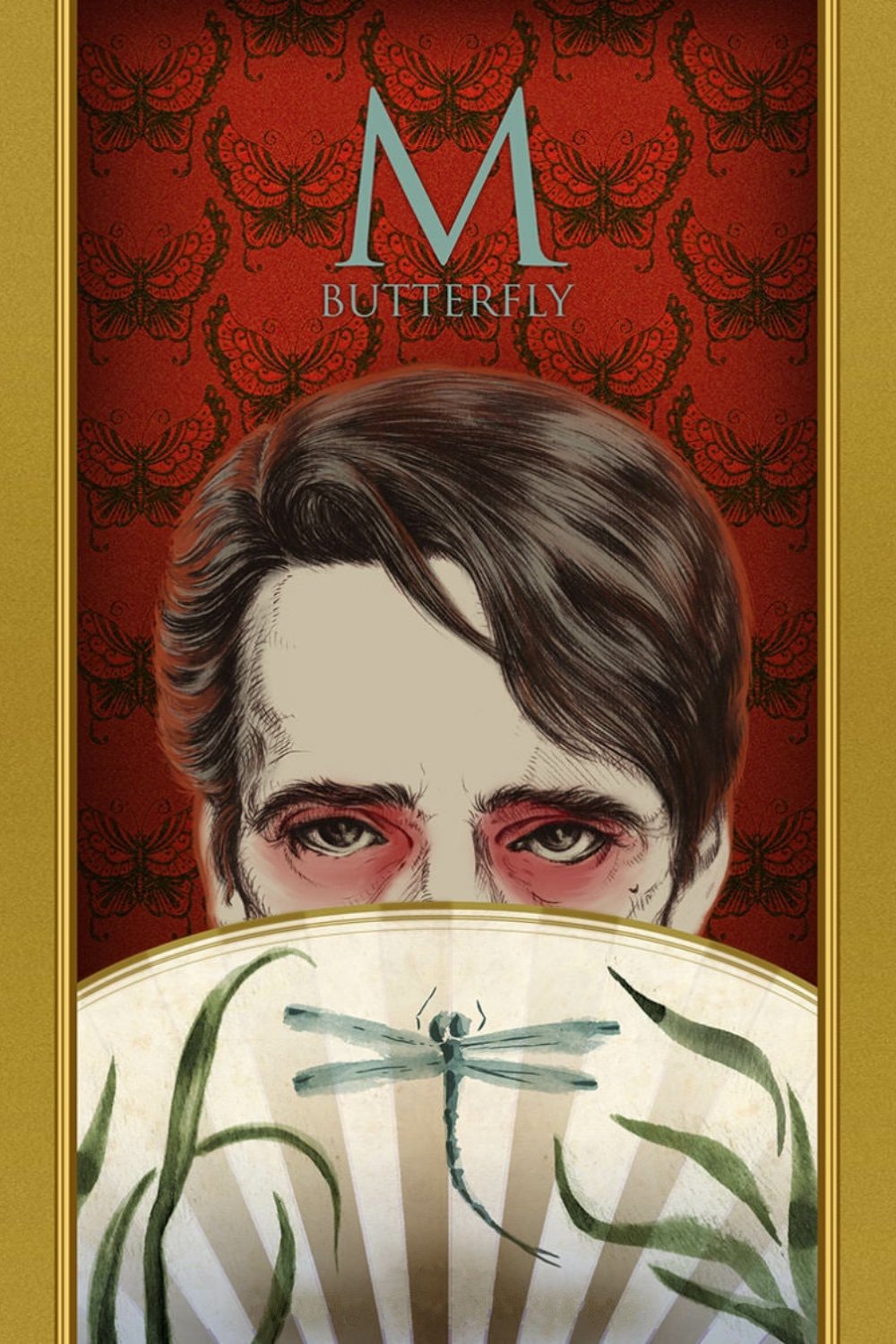
In 1960s China, French diplomat Rene Gallimard falls in love with opera singer Song Liling – but Song is not at all who Gallimard thinks.
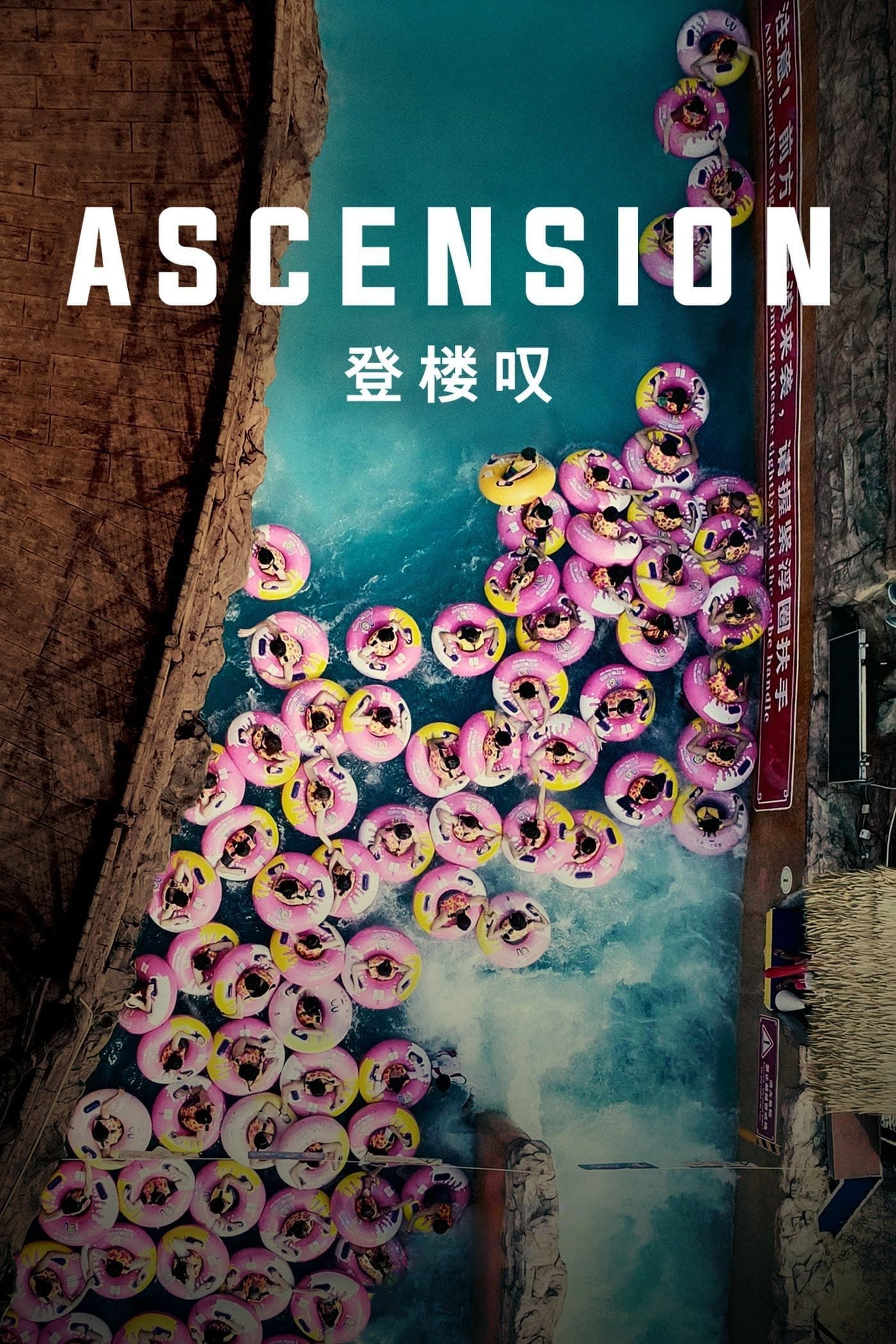
The film explores the pursuit of the “Chinese Dream.” Driven by mesmerizing—and sometimes humorous—imagery, this observational documentary presents a contemporary vision of China that prioritizes productivity and innovation above all.
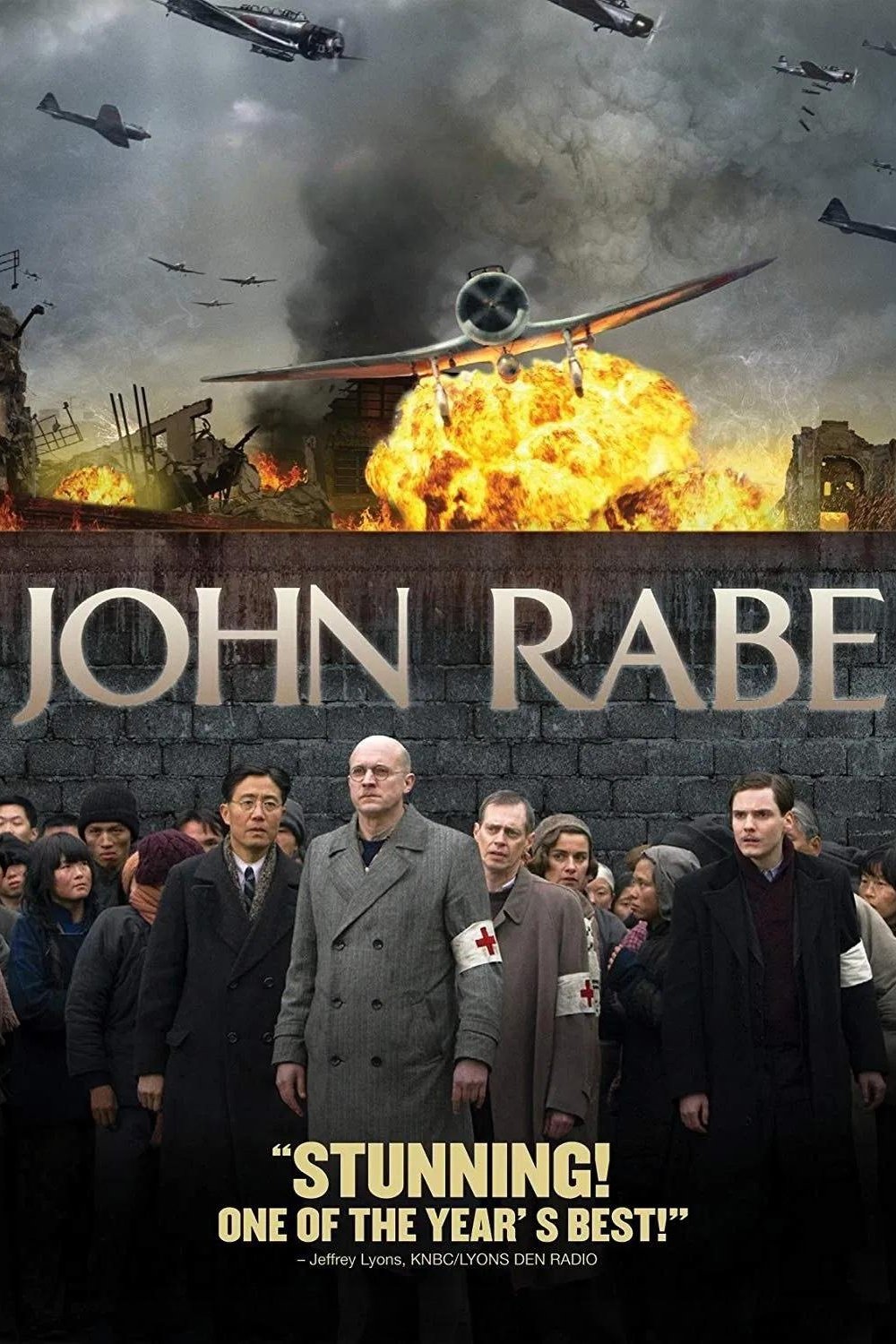
A true-story account of a German businessman who saved more than 200,000 Chinese during the Nanjing massacre in 1937-38.
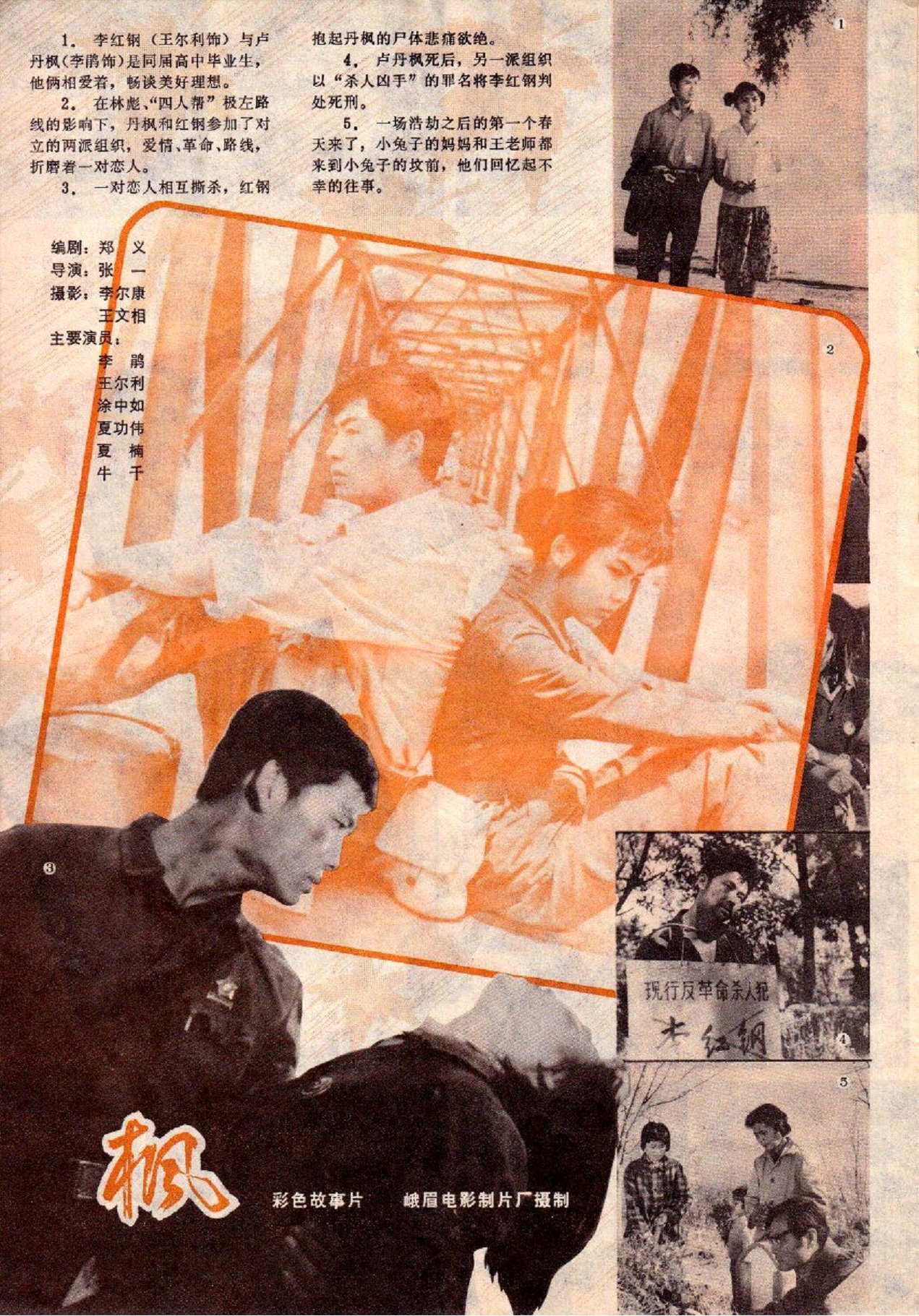
A Chinese drama set in 1966, during the Cultural Revolution.
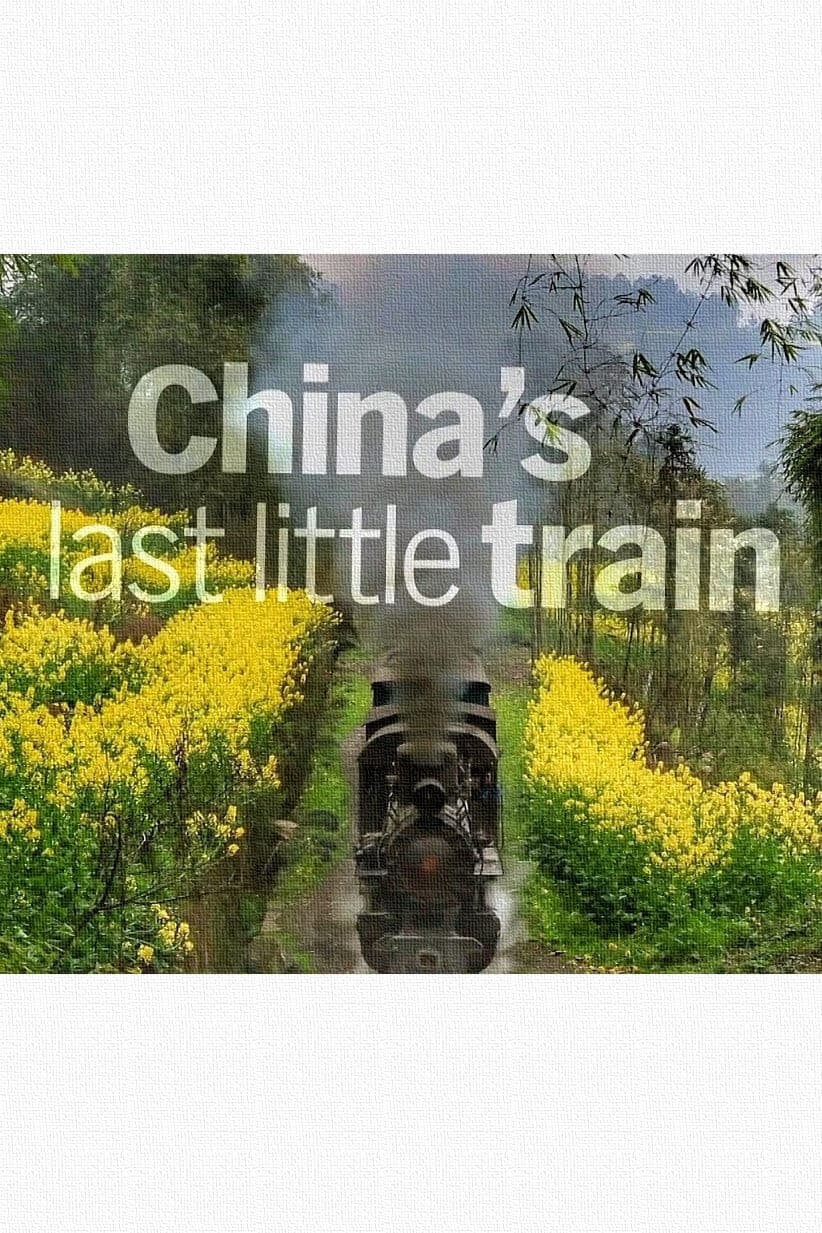
This is the last working narrow gauge steam railway in China. Built 70 years ago to haul coal out of the valley, the 19 km line has evolved to be the main source of transport in the valley carrying children to school, workers to their jobs and pigs to market; all fighting for space in the train's small, unglazed carriages. Now the railway is at a critical point. The mine has shut down and the villagers are fighting to keep the line - and its aging steam locomotives - running. Already the villagers have to make replacement parts by hand. When the boiler goes they face catastrophe. Too large to fabricate themselves, they search far and wide for a company to make a new boiler for them. But even if they can find a new boiler, how can they get it to Jiayang Valley? At a time when attention is focused on China's great leaps in technology, on its maglev and bullet trains, Little Train takes viewers on a journey to the quiet backwaters that are still home to half of China’s population.
An artist looks back on his younger years at the Chongqing Art Academy in the turbulent 1990s. The selection and demands used to be killing. He was close friends with two boys and a girl. They fought with local youngsters and tried to give each other pep talks. Parallels with the childhood years of his parents, during the Cultural Revolution, also show violence and gun battles. Semi-autobiographical, with motion capture.
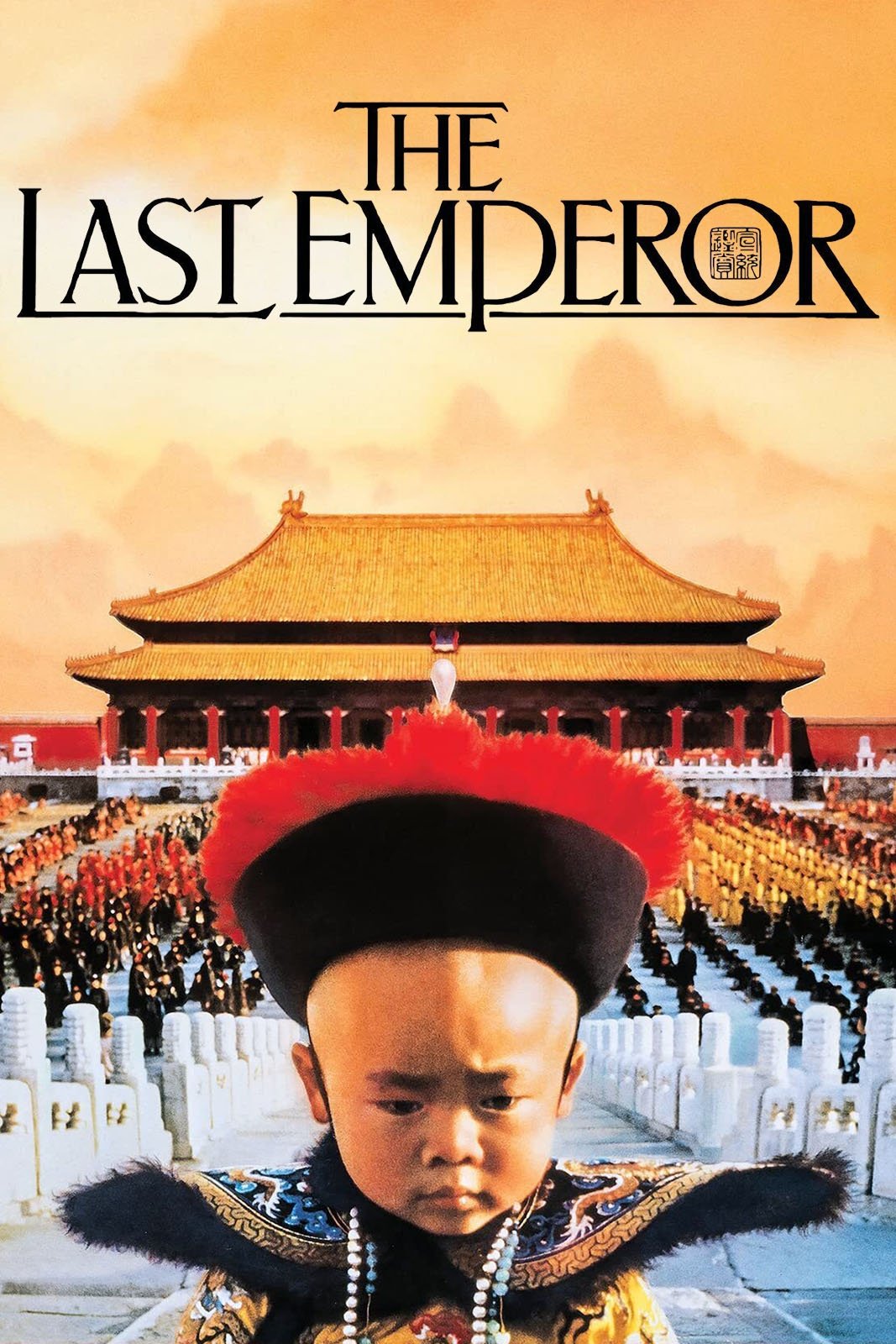
A dramatic history of Pu Yi, the last of the Emperors of China, from his lofty birth and brief reign in the Forbidden City, the object of worship by half a billion people; through his abdication, his decline and dissolute lifestyle; his exploitation by the invading Japanese, and finally to his obscure existence as just another peasant worker in the People's Republic.
In 1375, China was in chaos between Yuan Dynasty and Ming Dynasty. Coryo (an ancient kingdom of Korea then) sent a delegation of many diplomats, soldiers and a silent slave to make peace with the new Chinese government. However, this delegation got charged as spies and sent in exile to a remote desert.
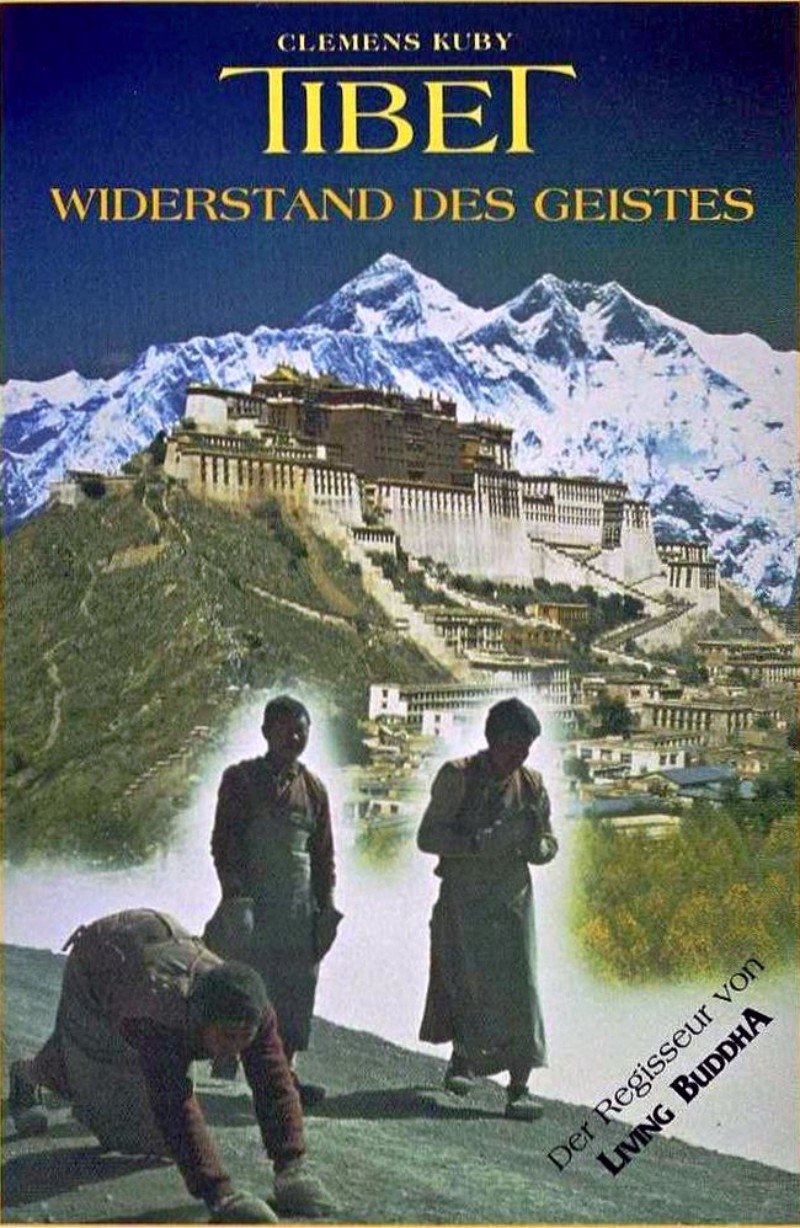
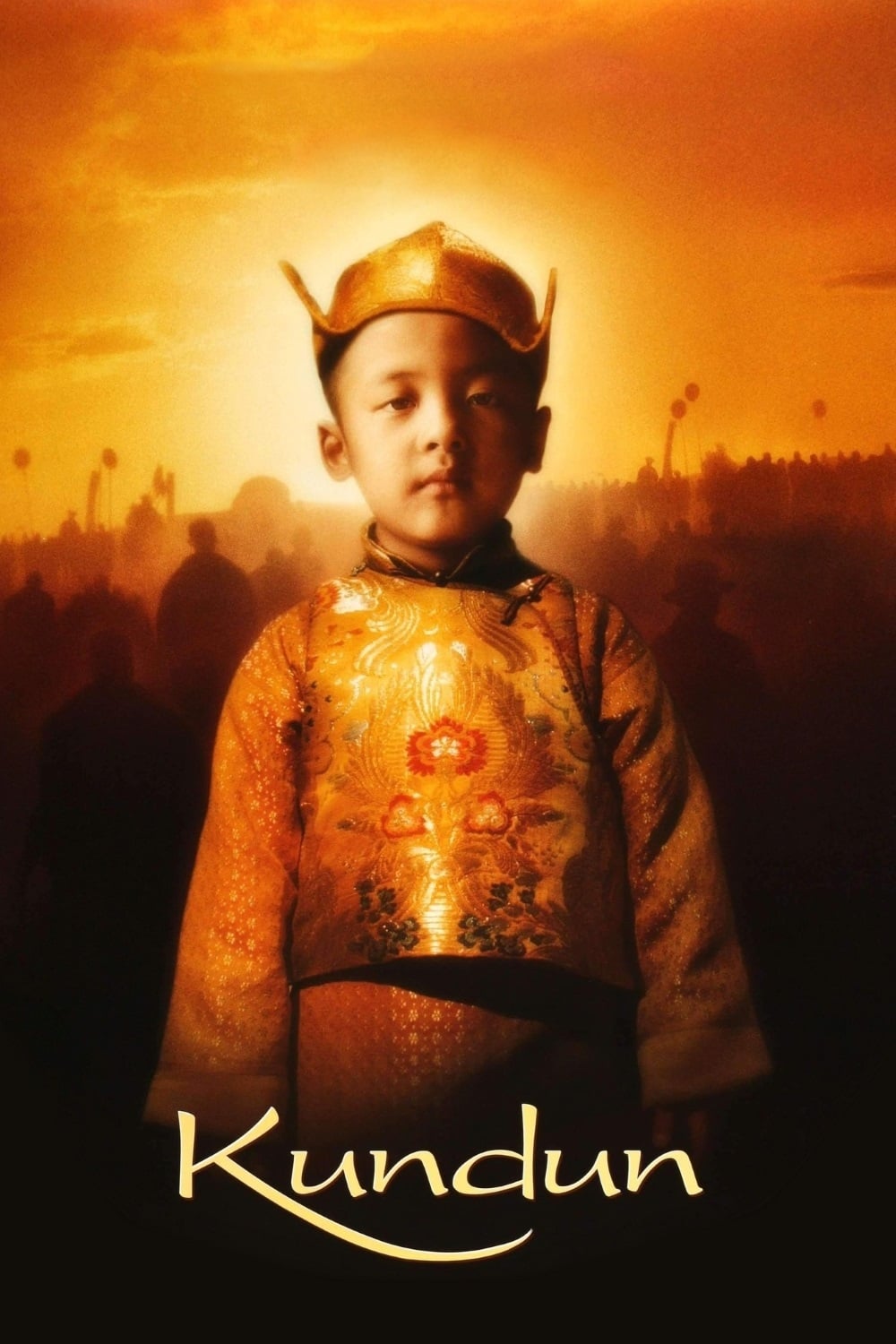
From childhood to adulthood, Tibet's fourteenth Dalai Lama deals with Chinese oppression and other problems.
The battle of Red Cliff continues and the alliance between Xu and East Wu is fracturing. With Cao Cao's massive forces on their doorstep, will the kingdoms of Xu and East Wu survive?
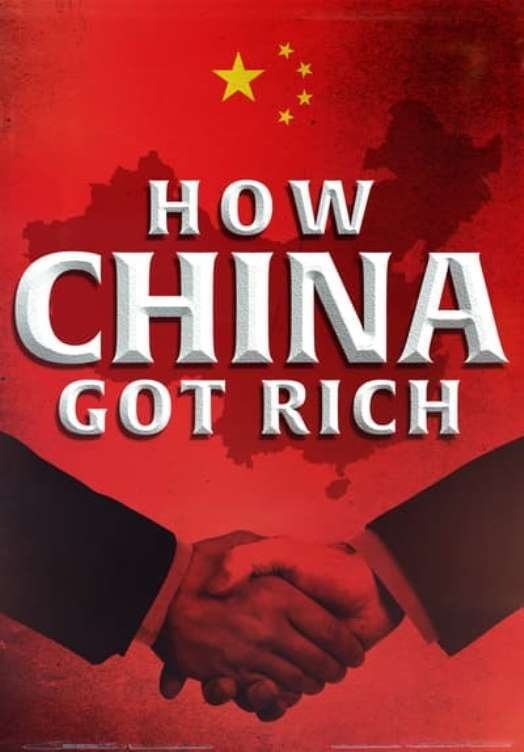
Over the last 40 years, China has been transformed out of all recognition. The scale of its growth and the sheer speed of change has been astonishing. The country has seen the largest lifting of people out of poverty that has ever taken place in human history. How did an impoverished and backward communist country become an engine of global capitalism? What lies ahead for this economic behemoth?
The film uses a documentary approach to tell the stories of 12 Chinese pioneers, chosen from the fields of business and the arts. The protagonists reflect upon their life journeys against the backdrop of modern China.
The film begins following the British victory of the first Opium War and the seizure of Hong Kong. Although the island is largely uninhabited and the terrain unfriendly, it has a large port that both the British government and various trading companies believe will be useful for the import of merchandise to be traded on mainland China, a highly lucrative market.
MANUFACTURED LANDSCAPES is the striking new documentary on the world and work of renowned artist Edward Burtynsky. Internationally acclaimed for his large-scale photographs of “manufactured landscapes”—quarries, recycling yards, factories, mines and dams—Burtynsky creates stunningly beautiful art from civilization’s materials and debris.
Oliver Stone charts the history of the United States from the Second World War to the present.
The history of cinematic sound, told by legendary sound designers and visionary filmmakers.
Experience the events of September 11, 2001 through the eyes of President Bush and his closest advisors as they personally detail the crucial hours and key decisions from that historic day.
In an intimate and joyful story of love in the face of loss, celebrated poets Andrea Gibson and Megan Falley find strength—and unexpected hilarity—in what might be their final year together.
A documentary about the making of season five of the acclaimed AMC series Breaking Bad.
“The Soviet Story” is a story of an Allied power, which helped the Nazis to fight Jews and which slaughtered its own people on an industrial scale. Assisted by the West, this power triumphed on May 9th, 1945. Its crimes were made taboo, and the complete story of Europe’s most murderous regime has never been told. Until now...
An inside look at one of the most anticipated movie sequels ever with James Cameron and cast.
Through deeply personal interviews with her siblings and an examination of the photographs, letters, and belongings left behind, Mariska assembles a new portrait of her mother Jayne Mansfield, an extraordinary and complex woman.
He's devoted his career to uncovering stories the powerful want buried. From My Lai to Abu Ghraib, dig into the life's work of journalist Seymour Hersh.
A visual montage portrait of our contemporary world dominated by globalized technology and violence.
A string of threatening emails escalates into a revenge plot involving a newly married US marshal and his ex-girlfriend.
Exuberant, eye-opening movie that serves up a dazzling hundred-year history of the role of gay men and lesbians have had on the silver screen. Film contains fabulous footage from 120 films showing the changing face of cinema sexuality, from cruel stereotypes to covert love to the activist triumphs of the 1990s.
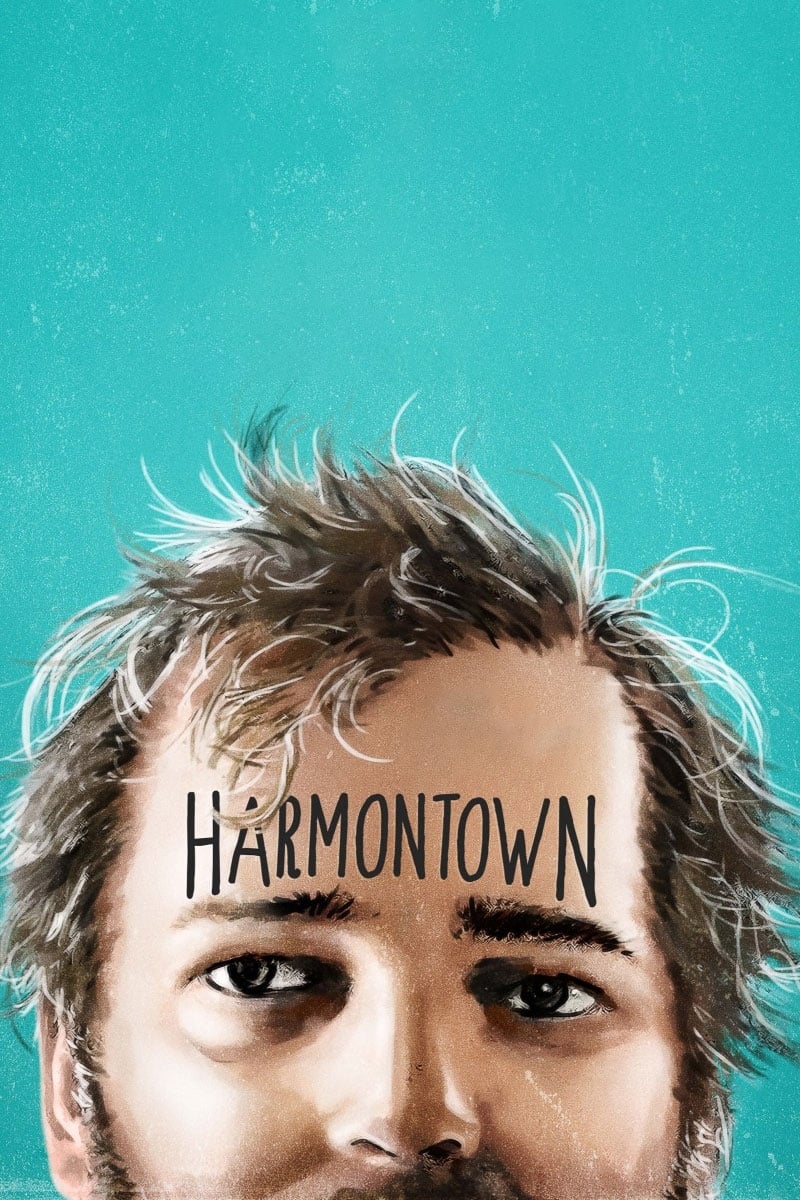
A comedic, brutally honest documentary following self-destructive TV writer Dan Harmon as he takes his live podcast on a national tour.
A documentary on the expletive's origin, why it offends some people so deeply, and what can be gained from its use.
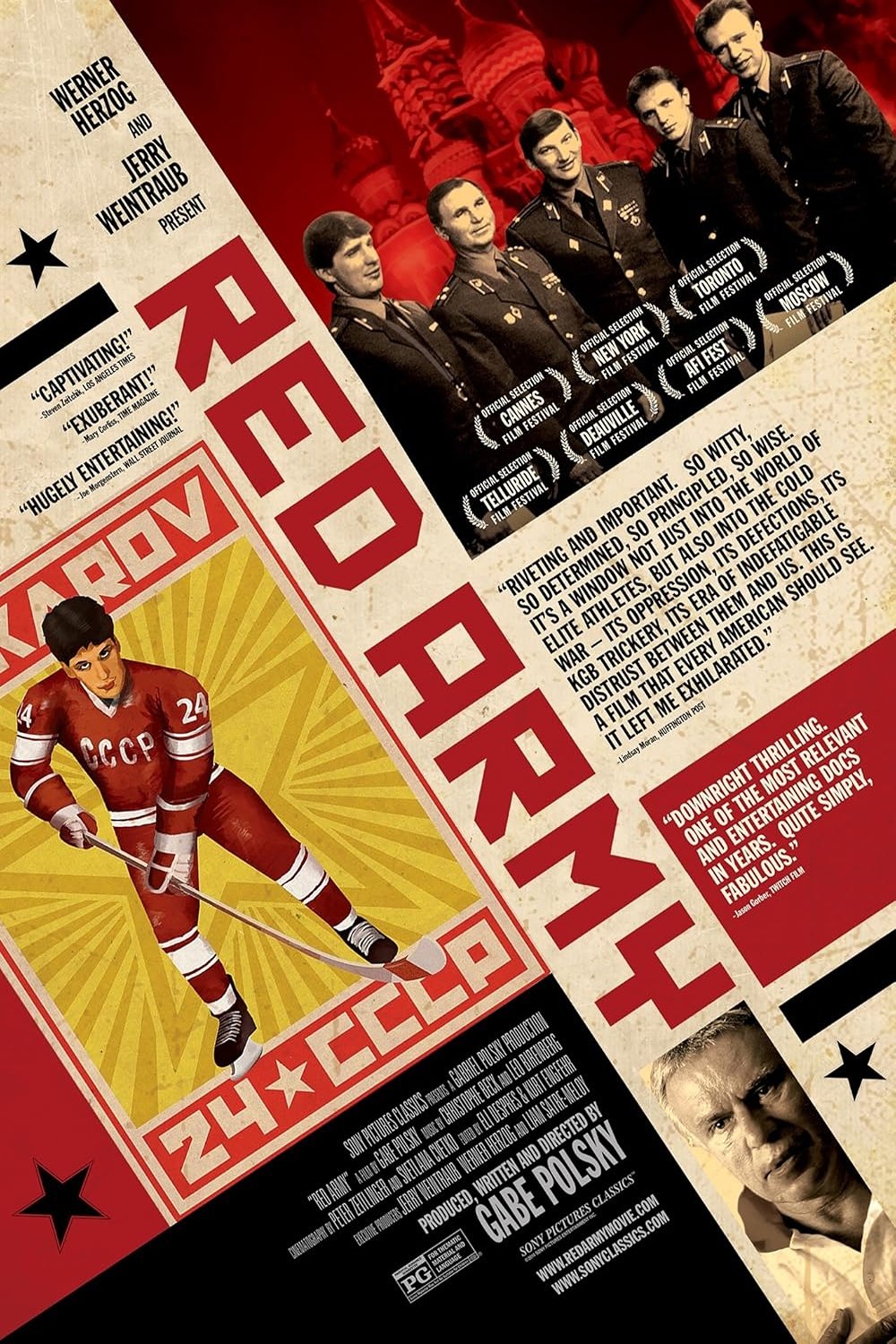
A documentary highlighting the Soviet Union's legendary and enigmatic hockey training culture and world-dominating team through the eyes of the team's Captain Slava Fetisov, following his shift from hockey star and celebrated national hero to political enemy.
Rising musician Jeff Buckley had only released one album when he died suddenly in 1997. Now, never-before-seen footage, exclusive voice messages, and accounts from those closest to him offer a portrait of the captivating singer.
The life and career of an actor, artist, and icon. His own journey through his own camera.
Over 35 years after Bob Lazar's revelations, this documentary exposes secrets of a facility the government still denies. Featuring Lazar's testimony, recreations, and new evidence, it reopens a case that continues to spark global curiosity
A documentary about the life and films of director John Ford.
Daniel Craig candidly reflects on his 15 year adventure as James Bond. Including never-before-seen archival footage from Casino Royale to the upcoming 25th film No Time To Die, Craig shares his personal memories in conversation with 007 producers, Michael G Wilson and Barbara Broccoli.