Social & External
The people behind it
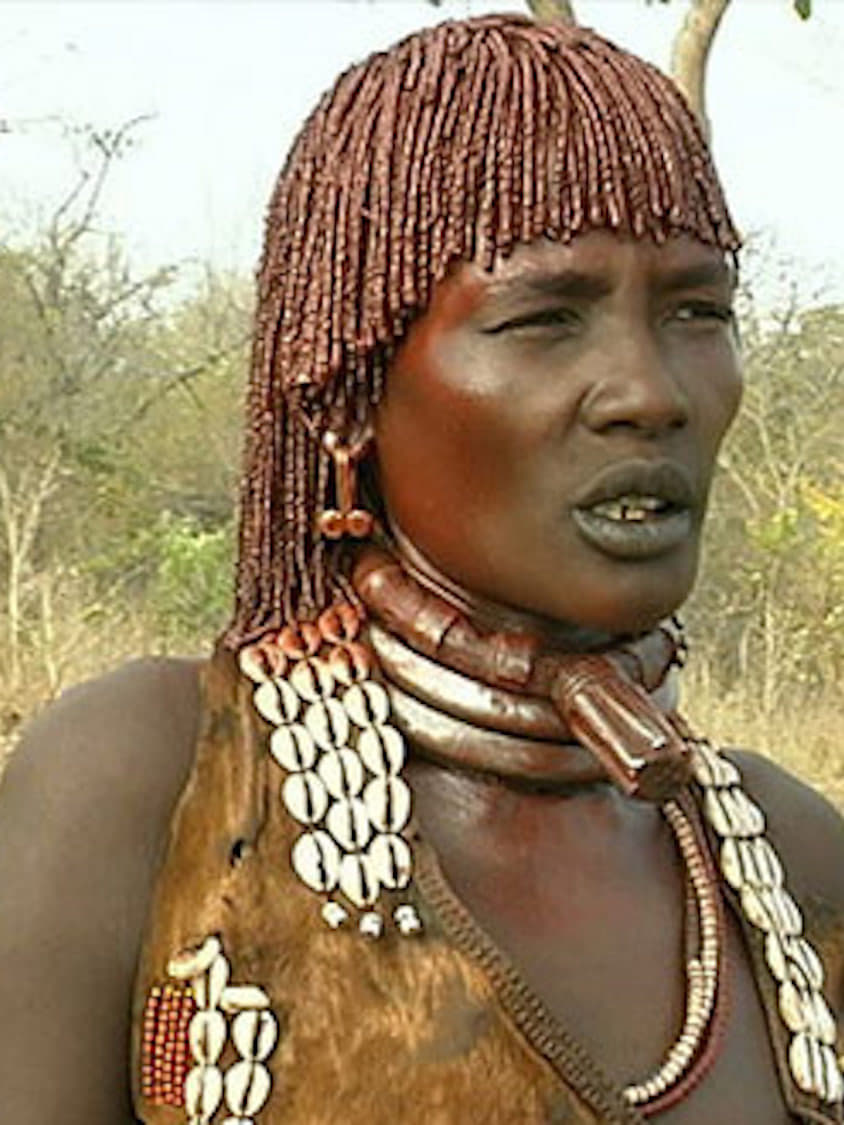
Early Mondo film featuring primitive rituals, animals being butchered, unusual birth defects, and a legit trepanation scene.
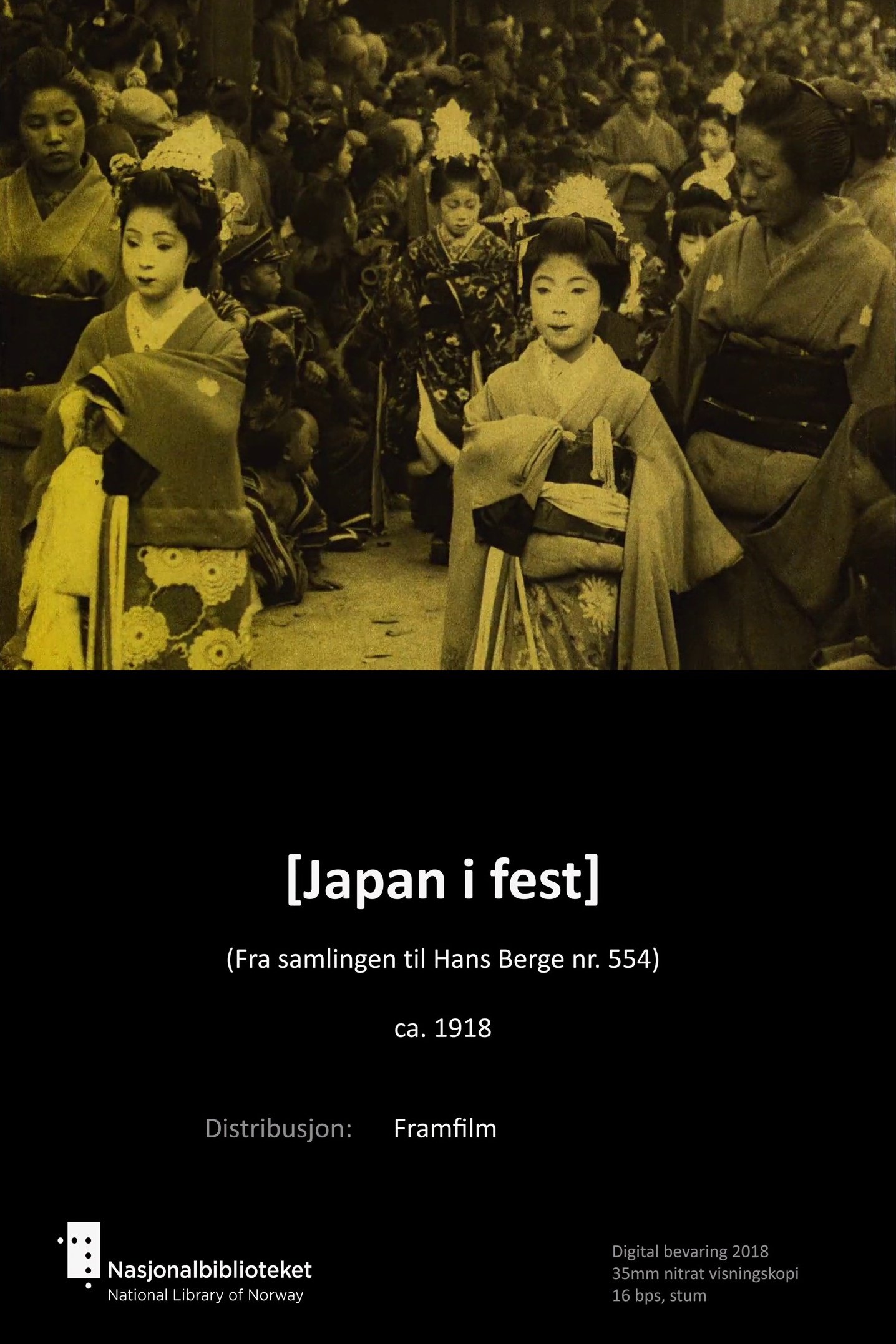
An actuality film showing a Buddhist festival in Kyoto. The procession includes Buddhist monks, geishas, and others dressed coordinately to the Japanese tradition.
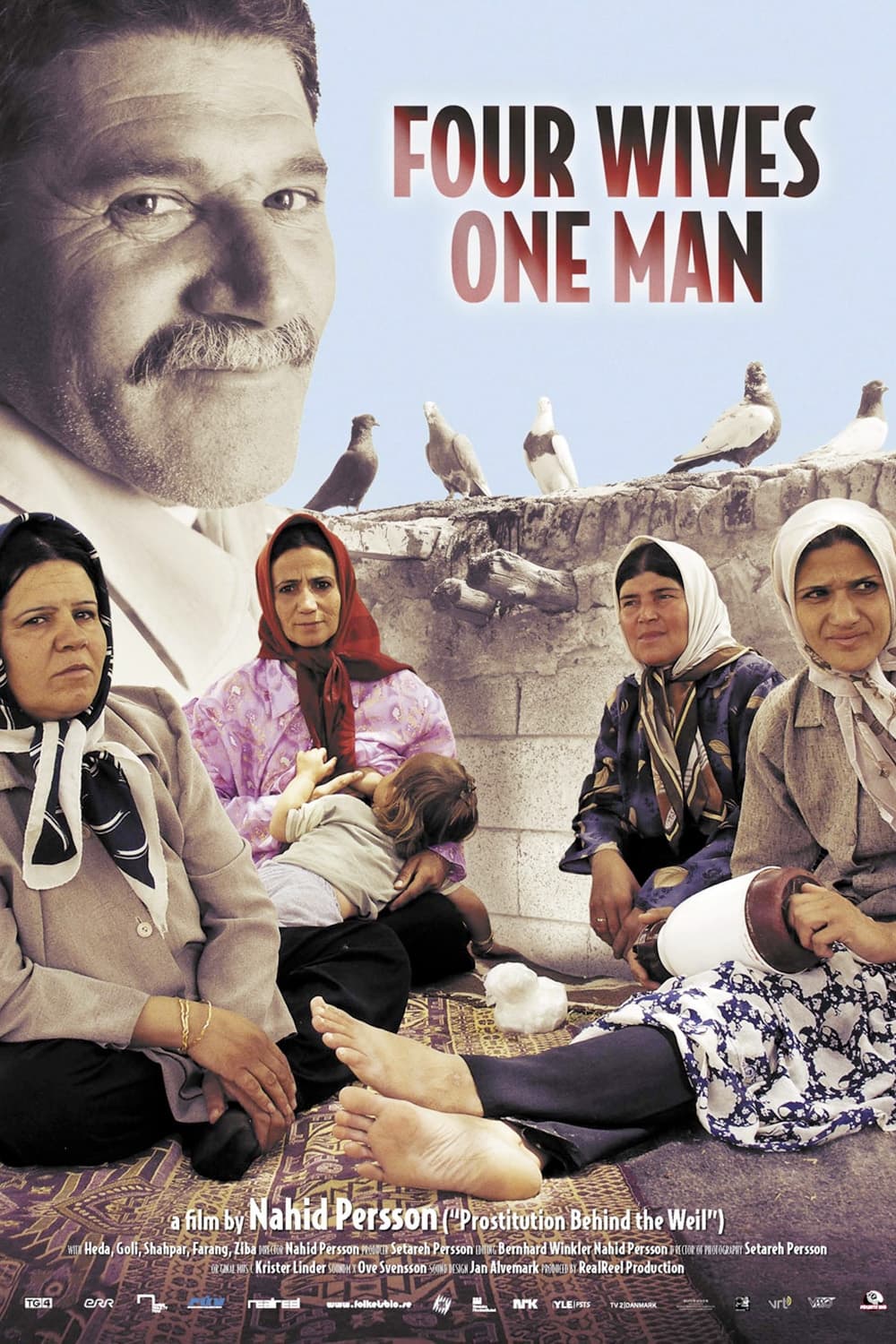
Documentary examining the strained dynamic between the three wives of the polygamous Mohammadi family, as cash-strapped Heda seeks to add a fourth wife.
Haile Gerima and Ryszard Kapuscinski travel around Ethiopia talking to people about their current situations and what needs to be done for a prosperous country.
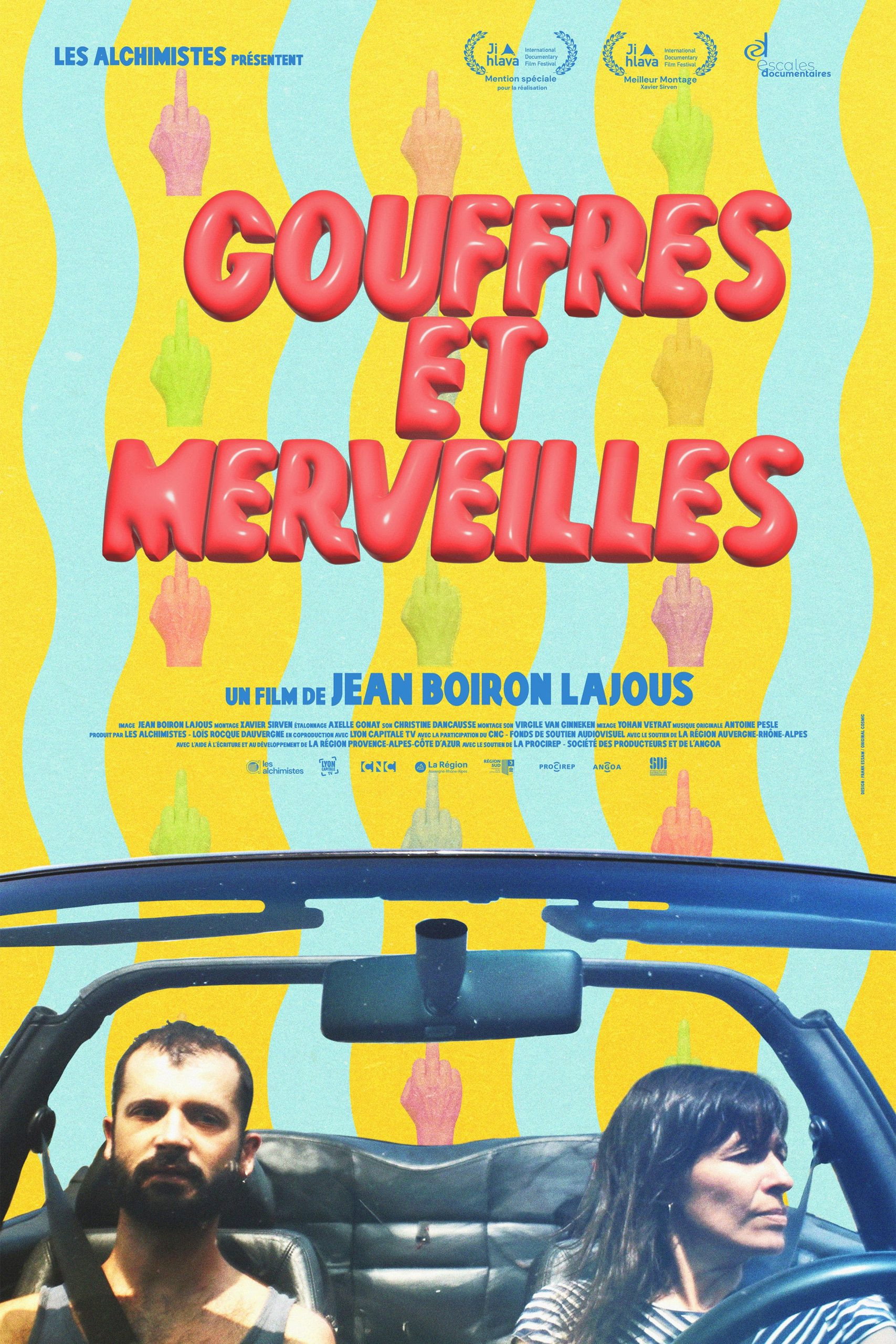
Christine’s father died when she was still a small child, and she remained in the care of her sadistic mother, who beat her and abused her psychologically. Christine is still convinced that her mother hid a farewell letter from her beloved father. Jean’s father committed suicide several years ago, and left behind a lengthy letter, but Jean never found the courage to read it. Together, Christine and Jean embark on a unique road trip across the French countryside to visit Christine’s mother, and try to confront the past.
This documentary looks at the stories of a few people in Aspen Colorado and how they contribute to the community.
An ethnographic documentary following the Folia de Reis party that is celebrated every year at Morro de Santa Marta on Rio de Janeiro.
An experimental ethnographic documentary that criticizes the colonizer view of anthropology.
Thomas Haemmerli is about to celebrate his fortieth birthday when he learns of his mother's death. A further shock follows when he and his brother Erik discover her apartment, which is filthy and full to bursting with junk. It takes the brothers an entire month to clean out the place. Among the chaos, they find films going back to the 1930s, photos and other memorabilia.
On January 8, 2020, Ukraine International Airlines Flight 752 went down as it was leaving Iranian air space. All 176 people on board were killed, many of them Iranian Canadians. For weeks Iranian authorities vociferously denied responsibility, but foreign governments and agencies were certain the plane was shot down by Iranian military, a fact Iran’s government eventually admitted. There were no answers as to why the plane was fired on or even why it was allowed to take off, since hostilities had broken out in the region in preceding days.
An intimate look inside the immigrant community in Portland, Maine, as told by Nyamuon Nguany Machar who arrived as refugee in 1995 and David Zwalita Mota who came as an asylum seeker in 2019.
Experimental ethnographic digital feature exploring International student and teacher identity expressed through musical performance at the University of Jinan, Shandong, China.
Ivory Coast, the Democratic Republic of Congo, and Senegal – when it comes to love and sex, these African countries are caught between tradition and modernity.
"A Walk to Beautiful" tells the story of five women in Ethiopia suffering from devastating childbirth injuries. Rejected by their husbands and ostracized by their communities, these women are left to spend the rest of their lives in loneliness and shame. The trials they endure and their attempts to rebuild their lives tell a universal story of hope, courage, and transformation.
This provocative and profound film documents the Choqela ceremony, an agricultural ritual and song of the Aymara Indians of Peru. By offering several different translations of the proceedings, the film acknowledges the problems of interpretation as an inherent dilemma of anthropology.
Speed, emotion, dream. Smoke and Rubber follows the drivers of Istanbul who dedicate it all to modified car culture. Beyond the noise, it traces how speed, sound, and the performance of masculinity define a way of living, from the garage to the streets. Based on ongoing research, this is a reflective portrait of a noisy world.
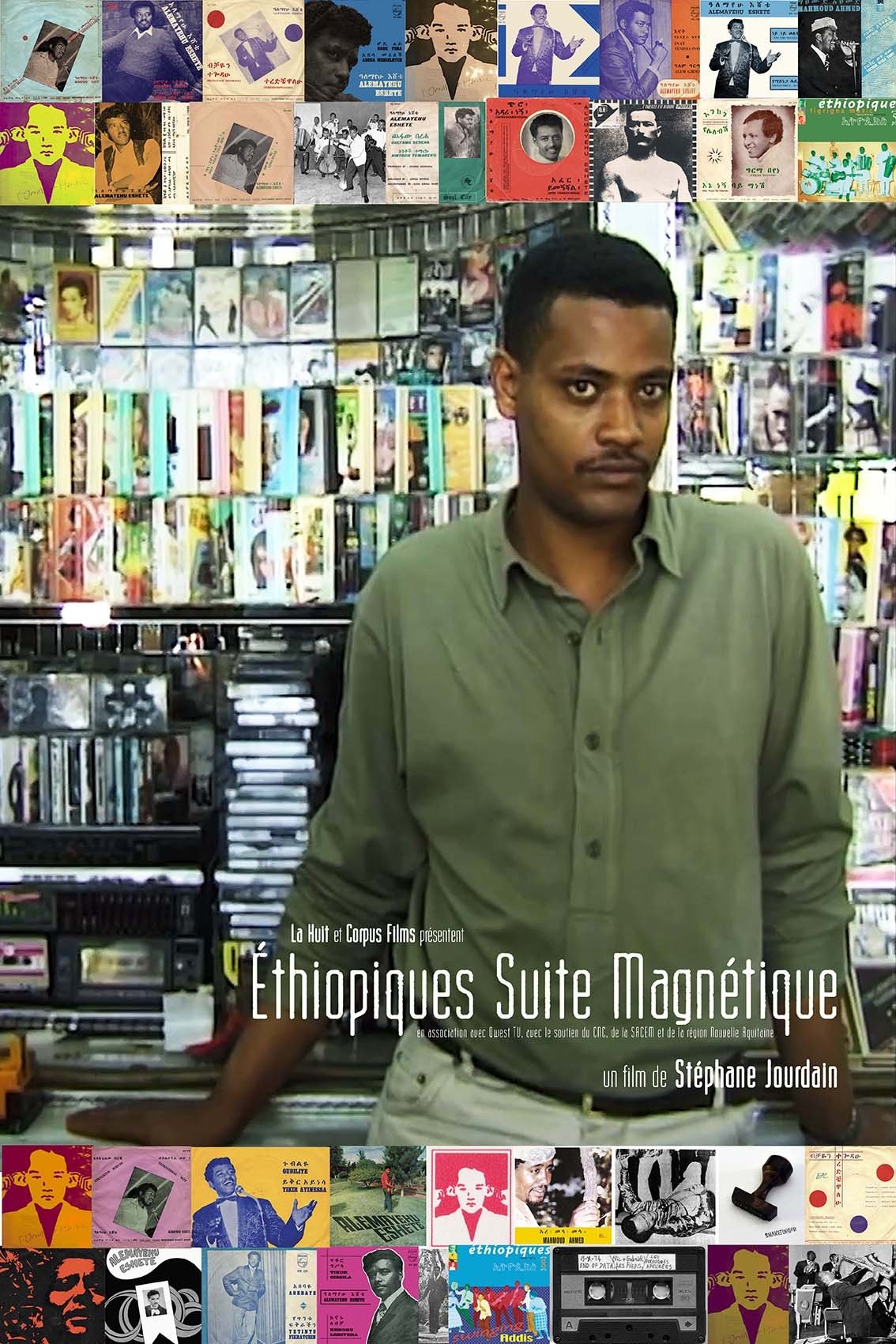
Dazzled by the surrealist movement, Francis Falceto decided at the age of 17 to live an extraordinary life. In the 1980s, co-created l'Oreille est Hardie and Le Confort Moderne in Poitiers, leaving his mark on French underground culture. A record he discovered by chance opened another important chapter in his life: Ethiopian music, of which he became a great champion. "Ethiopiques Magnetic Suite" is the portrait of a discreet and essential man, a plunge into the counterculture, an invitation to live his his life.
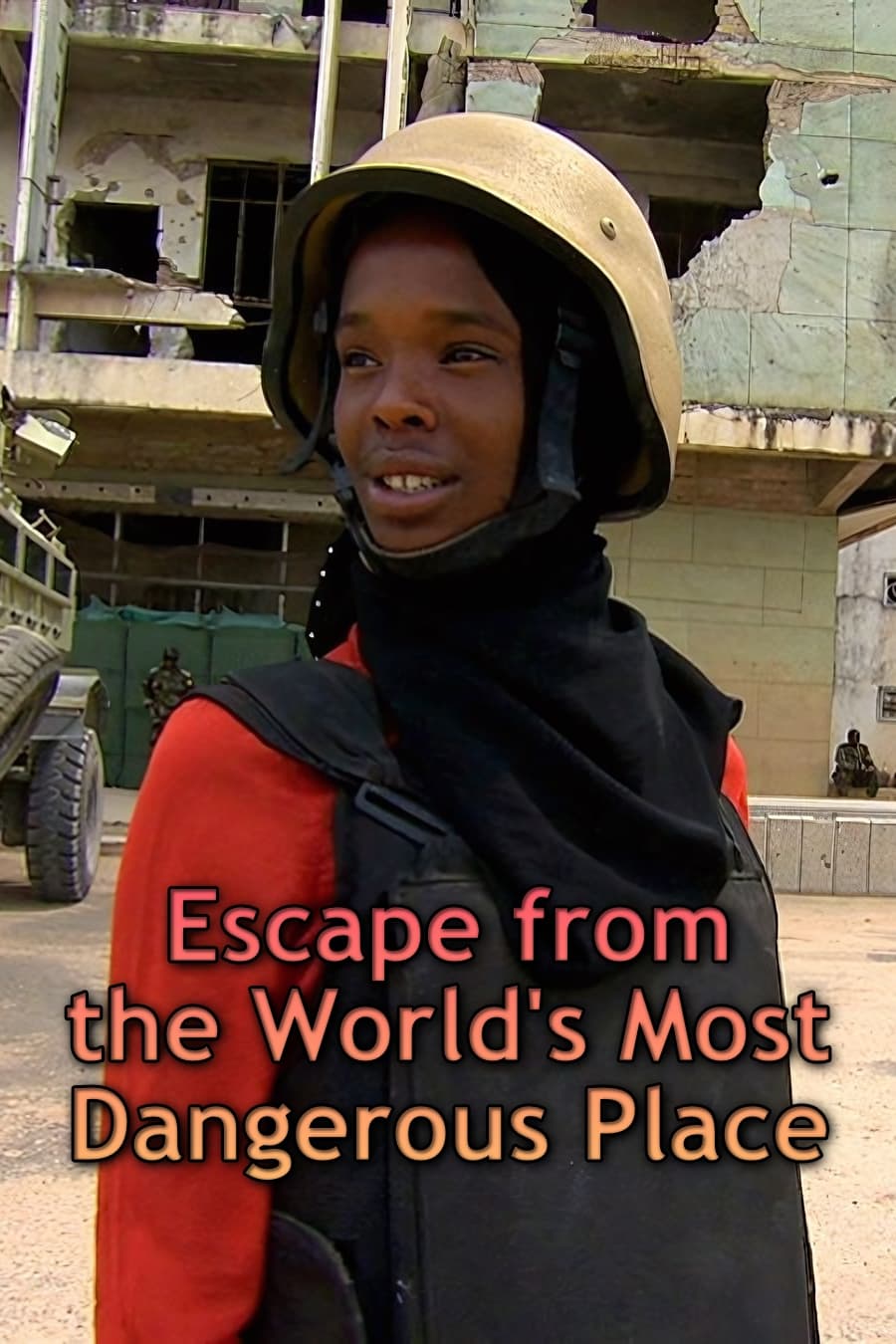
Successful model Samira Hashi makes an emotional return to Somalia, one of the most dangerous places in the world and the place she was born. Civil war broke out in 1991, 10 days after Samira's birth, but two years later her family managed to flee the country and she grew up in the UK.Now, as Samira and the war both turn 21, she's going back for the first time to visit the people and places she left behind. The contrast with her safe and glamorous life in London could not be starker as she experiences firsthand the war's effect on a generation of young people growing up in conflict.
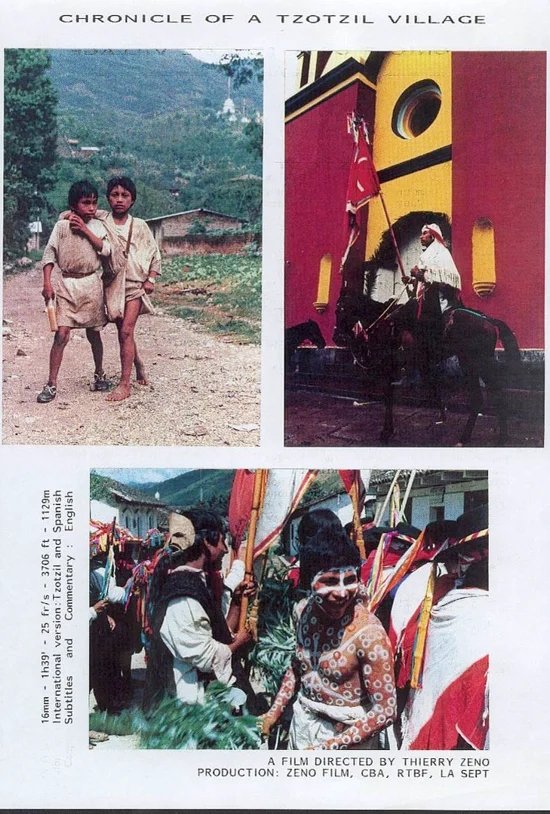
A documentary about the daily life of a native Tzotzil community in southern Mexico, shot over a period of eight years.
A string of threatening emails escalates into a revenge plot involving a newly married US marshal and his ex-girlfriend.
Through deeply personal interviews with her siblings and an examination of the photographs, letters, and belongings left behind, Mariska assembles a new portrait of her mother Jayne Mansfield, an extraordinary and complex woman.
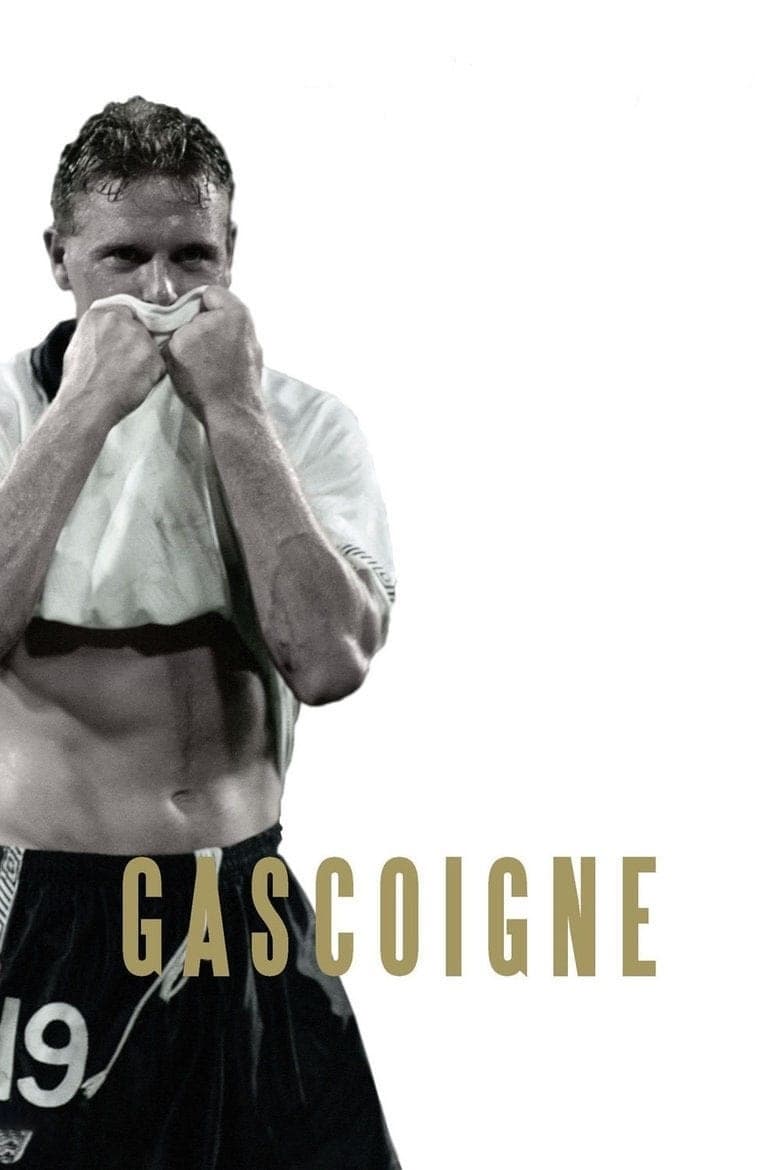
A feature length, theatrical documentary on the life of Paul Gascoigne, one of the greatest footballers that ever lived: delving deep into his psyche, vulnerabilities, fears and triumphs.
As England reach the final of the Euros at last, 6,000 ticketless football fans storm Wembley stadium, leaving destruction in their wake.
This searing investigative work shadows a group of activists risking unimaginable peril to confront the ongoing anti-LGBTQ program raging in the repressive and closed Russian republic. Unfettered access and a remarkable approach to protecting anonymity exposes this under-reported atrocity–and an extraordinary group of people confronting evil.
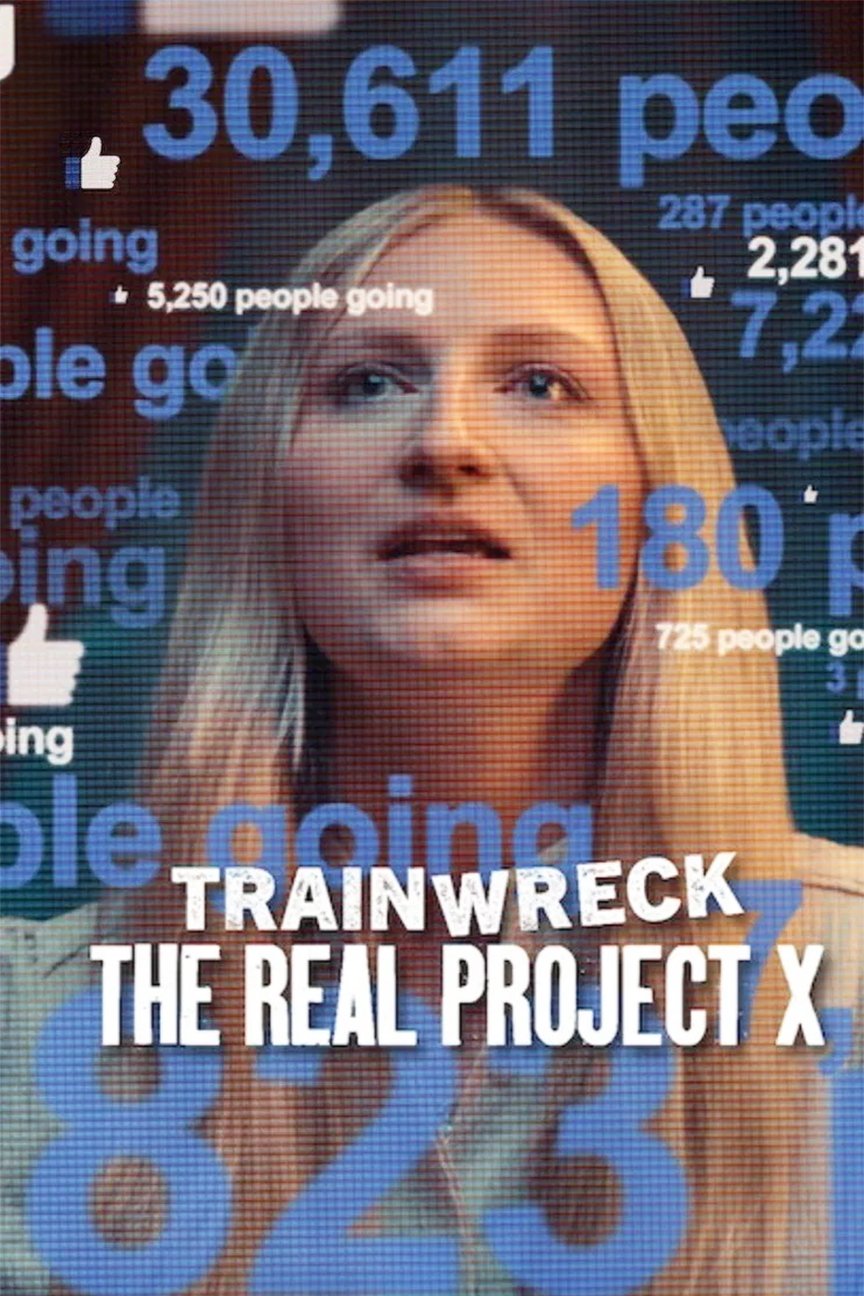
A night of drunken chaos rocks a quiet Dutch town in this shocking documentary about a teen's birthday invite that accidentally went viral on Facebook.
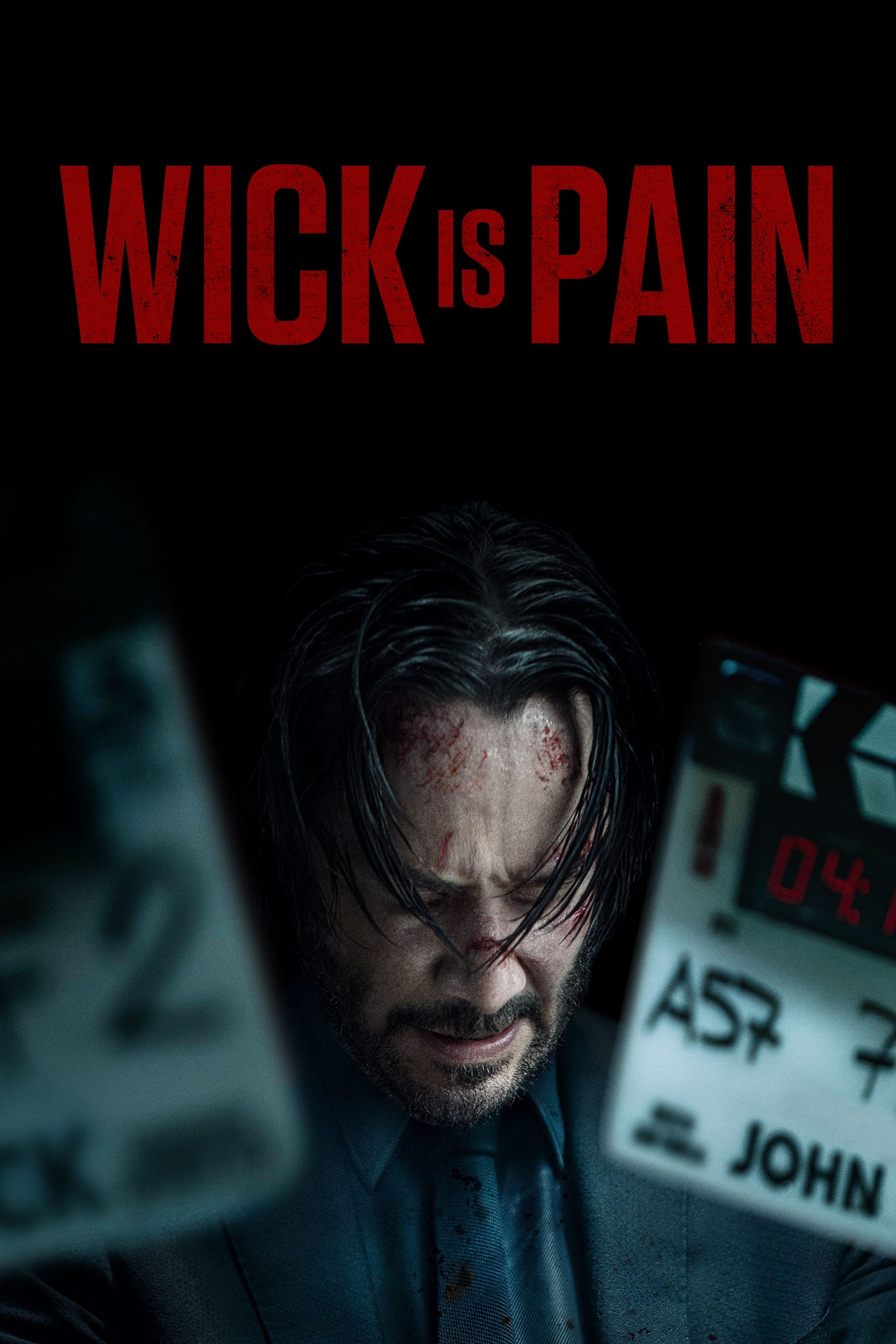
Witness the never-before-seen footage and true story behind the John Wick phenomenon – from independent film to billion-dollar franchise.
A love letter from a young mother to her daughter, the film tells the story of Waad al-Kateab’s life through five years of the uprising in Aleppo, Syria as she falls in love, gets married and gives birth to Sama, all while cataclysmic conflict rises around her. Her camera captures incredible stories of loss, laughter and survival as Waad wrestles with an impossible choice– whether or not to flee the city to protect her daughter’s life, when leaving means abandoning the struggle for freedom for which she has already sacrificed so much.
A documentary about how a dominant cultural and demographic institution both sustains their traditional activities and adapts to the digital revolution.
Alexander McQueen's rags-to-riches story is a modern-day fairy tale, laced with the gothic. Mirroring the savage beauty, boldness and vivacity of his design, this documentary is an intimate revelation of McQueen's own world, both tortured and inspired, which celebrates a radical and mesmerizing genius of profound influence.
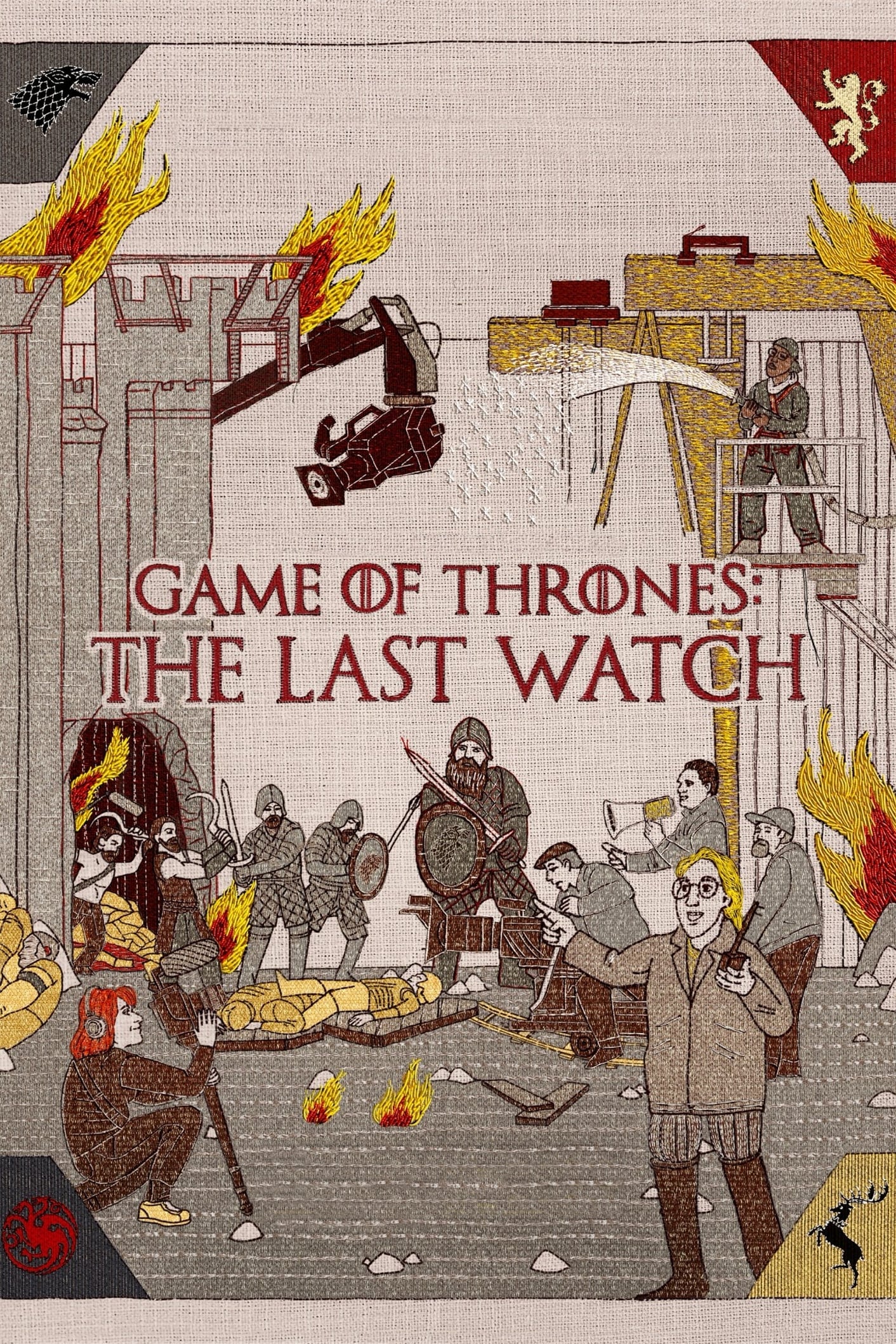
For a year, acclaimed British filmmaker Jeanie Finlay was embedded on the set of the hit HBO series “Game of Thrones,” chronicling the creation of the show’s most ambitious and complicated season. Debuting one week after the series 8 finale, GAME OF THRONES: THE LAST WATCH delves deep into the mud and blood to reveal the tears and triumphs involved in the challenge of bringing the fantasy world of Westeros to life in the very real studios, fields and car-parks of Northern Ireland. Made with unprecedented access, GAME OF THRONES: THE LAST WATCH is an up-close and personal portrait from the trenches of production, following the crew and the cast as they contend with extreme weather, punishing deadlines and an ever-excited fandom hungry for spoilers. Much more than a “making of” documentary, this is a funny, heartbreaking story, told with wit and intimacy, about the bittersweet pleasures of what it means to create a world – and then have to say goodbye to it.
Nine filmmakers each profile a young girl from a different part of the world to weave a global tapestry of youth in the 21st century.
A documentary examining the decade of the 1970s as a turning point in American cinema. Some of today's best filmmakers interview the influential directors of that time.
Legendary journalist Gay Talese unmasks a motel owner who spied on his guests for decades. But his bombshell story soon becomes a scandal of its own.
Serving life in prison for murdering their parents, Lyle and Erik Menendez speak out in this documentary explaining the shocking crime and ensuing trials.
A documentary on the expletive's origin, why it offends some people so deeply, and what can be gained from its use.
Police pull over a woman who claims she just gave birth. But the baby — and the blood — aren't hers. Twisted lies unravel in this true-crime documentary.
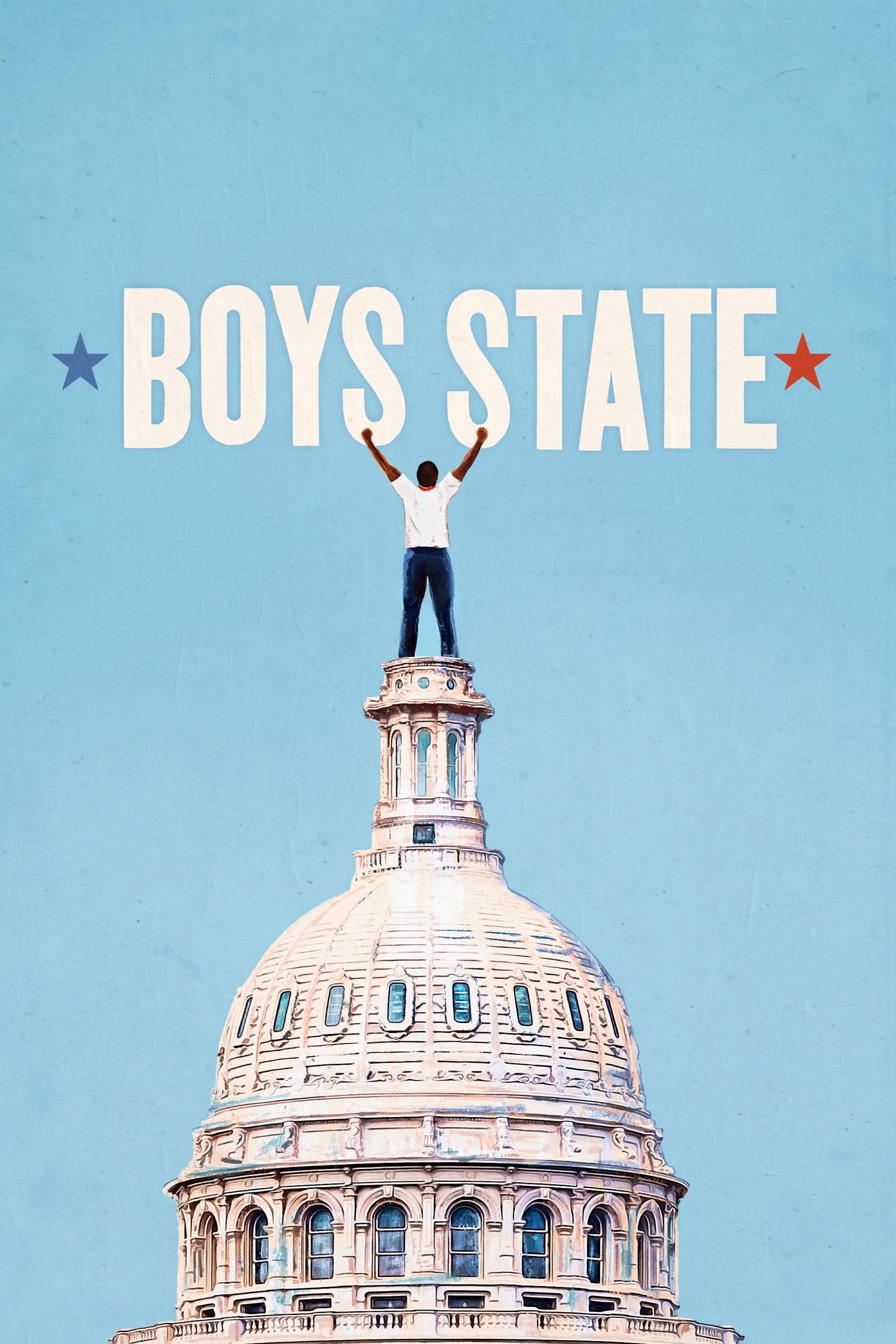
This raucous journey into the heart of democracy captures an unusual rite of passage: 1,100 teenage boys from across Texas coming together to build a representative government from the ground up.
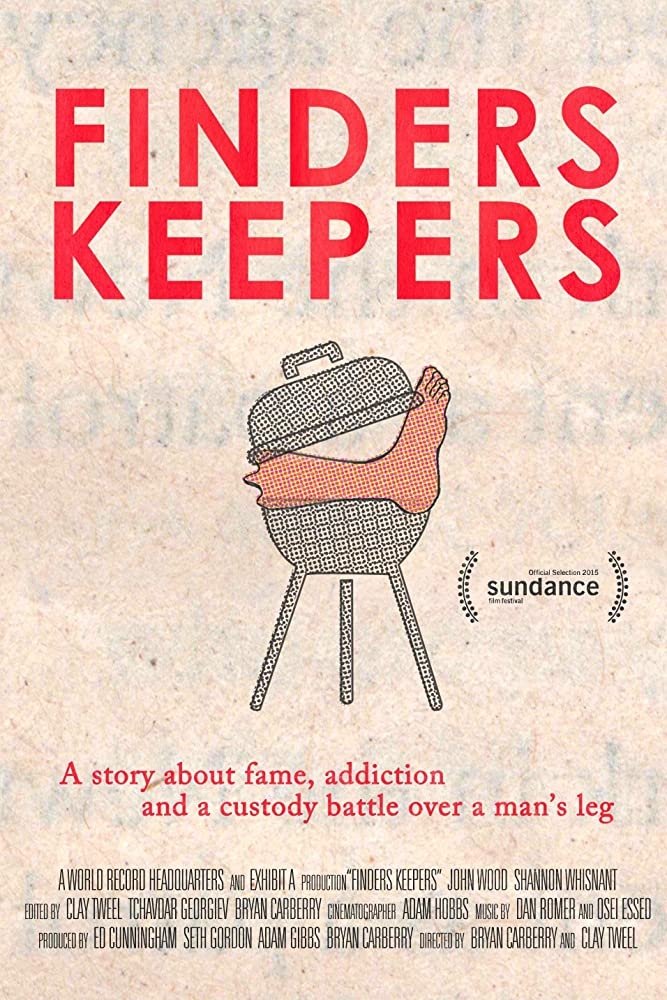
In this documentary, recovering addict and amputee John Wood finds himself in a stranger-than-fiction battle to reclaim his mummified leg from Southern entrepreneur Shannon Whisnant, who found it in a grill he bought at an auction and believes it therefore to be his rightful property.
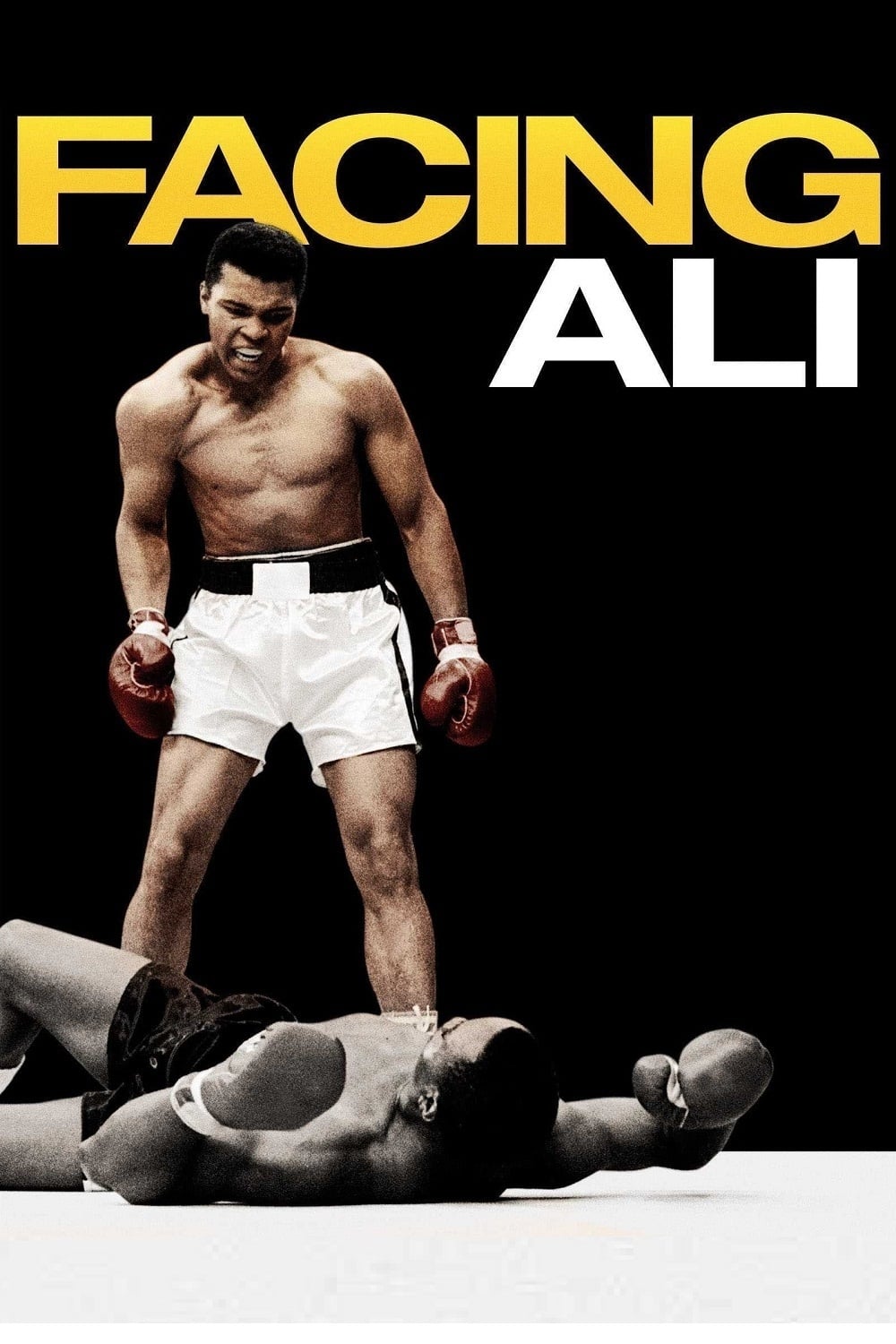
Ten of Muhammad Ali's former rivals pay tribute to the three-time world heavyweight champion.