Social & External
In 1935, German scientists dug for bones; in 1943, they murdered to get them. How the German scientific community supported Nazism, distorted history to legitimize a hideous system and was an accomplice to its unspeakable crimes. The story of the Ahnenerbe, a sinister organization created to rewrite the obscure origins of a nation.
An exploration —manipulated and staged— of life in Las Hurdes, in the province of Cáceres, in Extremadura, Spain, as it was in 1932. Insalubrity, misery and lack of opportunities provoke the emigration of young people and the solitude of those who remain in the desolation of one of the poorest and least developed Spanish regions at that time.
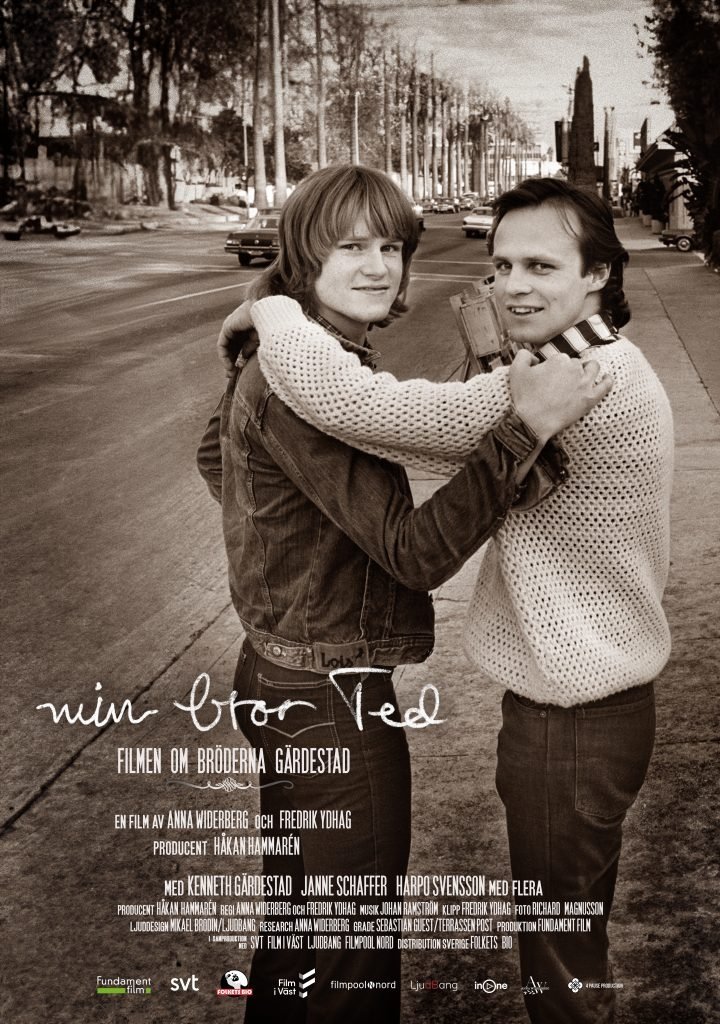
For Ted, music and creation are the most important things in life. And around him he has a small group of friends who never hesitate to do everything they can to help him. My Brother Ted is a touching declaration of love from a big brother to his little brother.
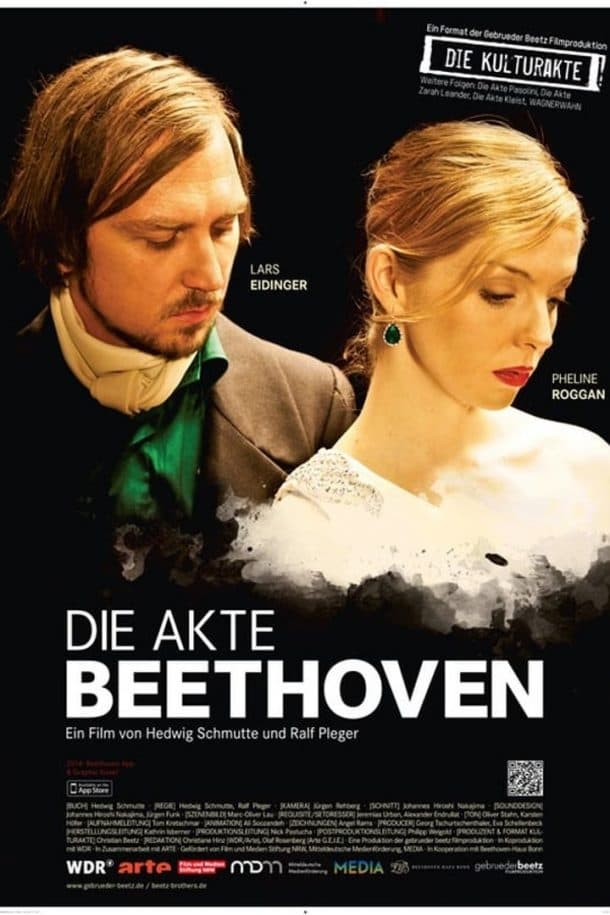
In a mixture of feature film, music documentary and animated comics, historical facts are retold, analyzed and interpreted in modern settings. Ludwig van Beethoven, played by Lars Eidinger, becomes a contemporary of today's audience. Quick-tempered, irascible, curmudgeonly - that is the common image of Ludwig van Beethoven, the composer with the wild lion's mane. But there is also another Beethoven - young, seductive, spirited and, above all, combative.
Tells the story of the tragic events in Ukraine in 1932-33, the genocidal Great Famine or the Holodomor, and one Welshman's attempts to tell the world what was happening.
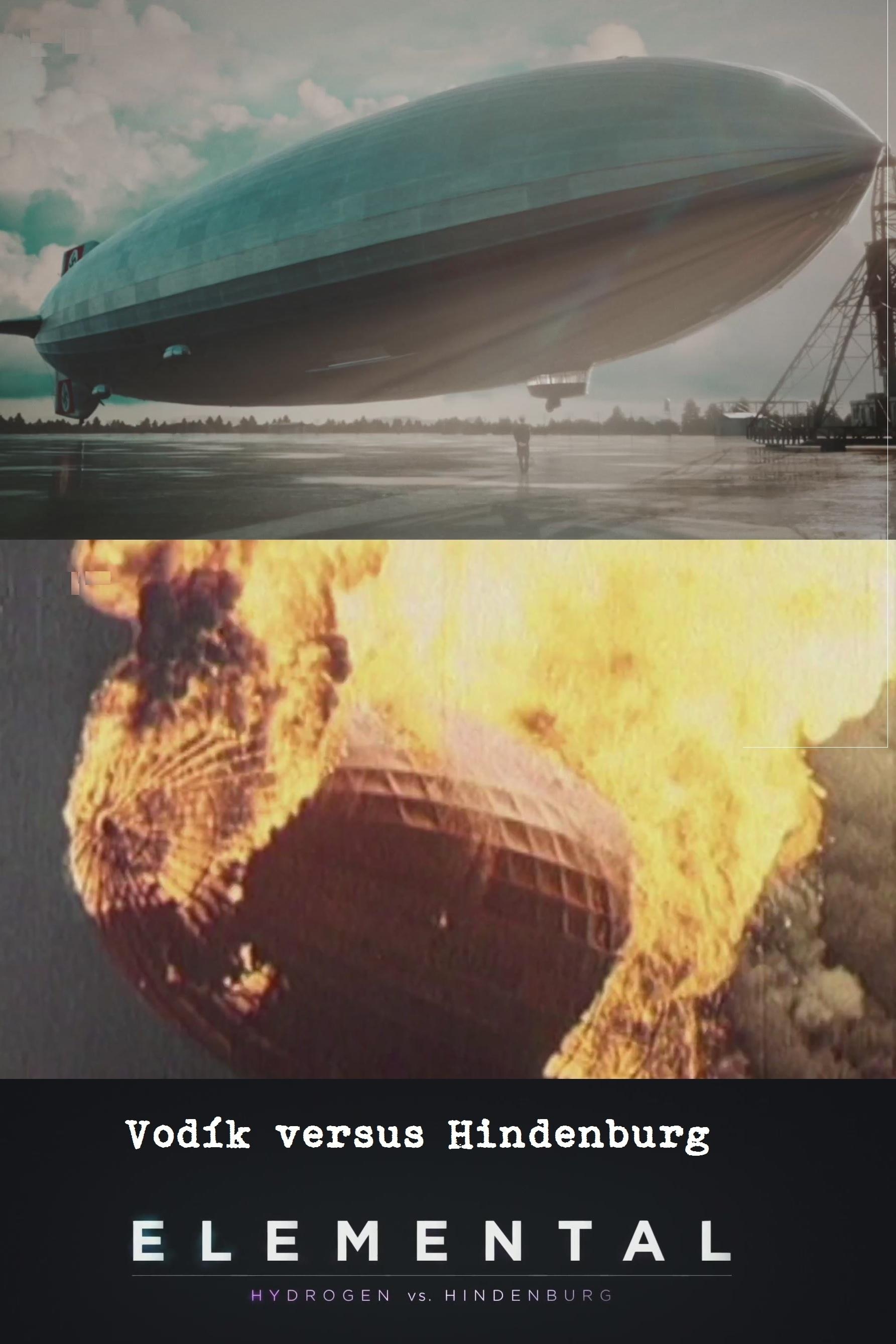
"Elemental" is the groundbreaking television event from Academy Award-winning executive producer Robert Zemeckis that reveals how the elements of the periodic table have controlled the outcome of human history. This one-hour drama tells the harrowing story of the Hindenburg disaster. Sophisticated cinematography, animation and spectacular visual effects bring this fiery saga to life in a way no audience has seen before.
Tom Volf invites you to delve into the fascinating world of Véronique Sanson, a living legend of French chanson. After several years of research and immersion, he is unveiling an intimate and sincere portrait of the artist in a film event. The fruit of his encounter with the singer, this project highlights the raw emotion and beauty of her career.
Presents the history of the U S from the inauguration of Franklin D Roosevelt to the eve of World War II, including the Great Depression and New Deal legislation designed to overcome it. Emphasizes events that had lasting effects on the nation, such as the Tennessee Valley Authority, the strengthening of organized labor and the growing power of the Federal government.. Continues the story of 20th century America from the inauguration of Franklin D. Roosevelt to the eve of World War II. Footage shows the Great Depression, strengthening of organized labor, Social Security Act and growing powers of the federal government.
A profile of composing team John Kander and Fred Ebb, who have written many Broadway musicals. Highlights include interviews with Lauren Bacall, Joel Grey and others, as well as the two men themselves, plus clips of performances of their songs.
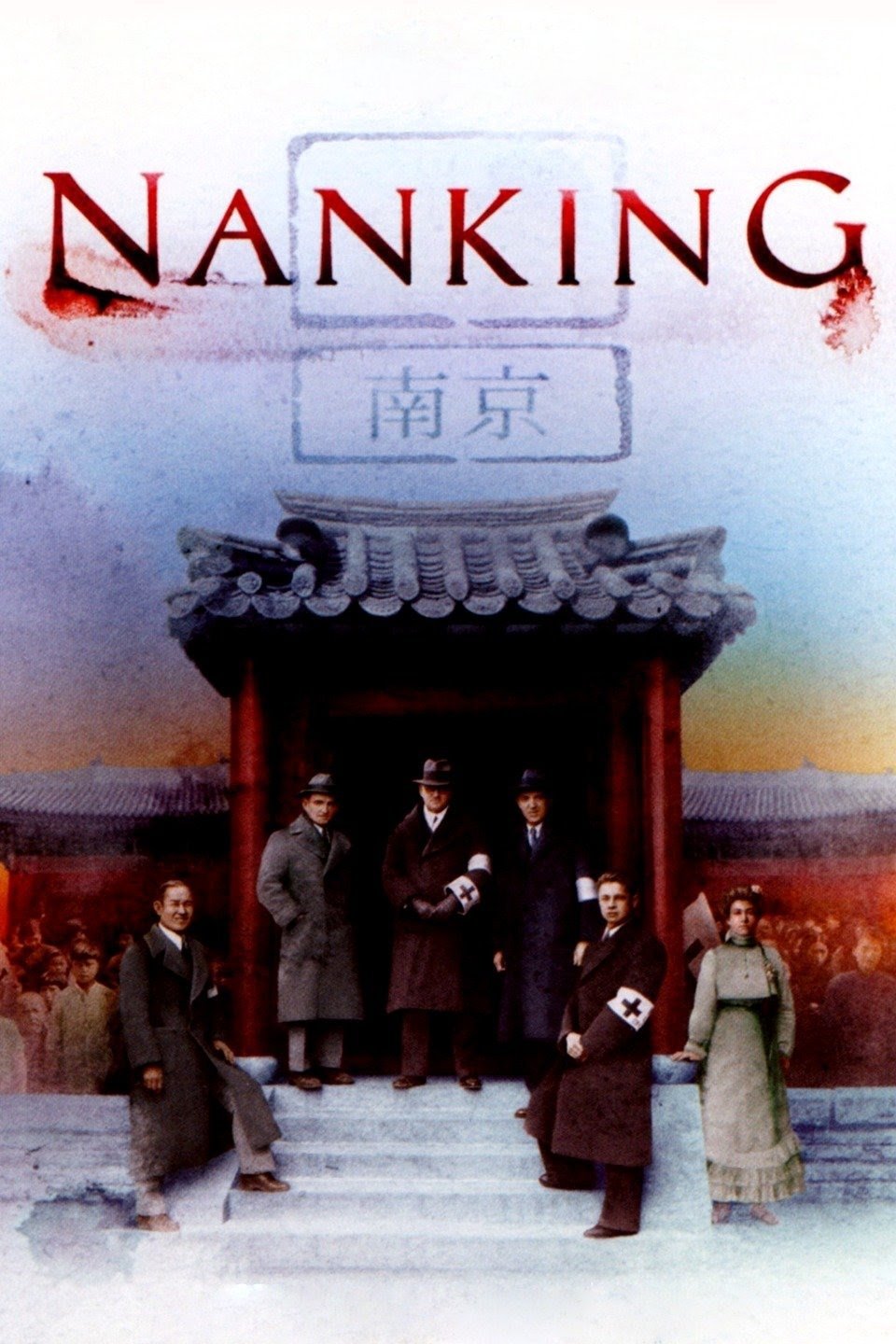
The story of the rape of Nanking, one of the most tragic events in history. In 1937, the invading Japanese army murdered over 200,000 and raped tens of thousands of Chinese. In the midst of this horror, a small group of Western expatriates banded together to save 250,000. Nanking shows the tremendous impact individuals can make on the course of history.
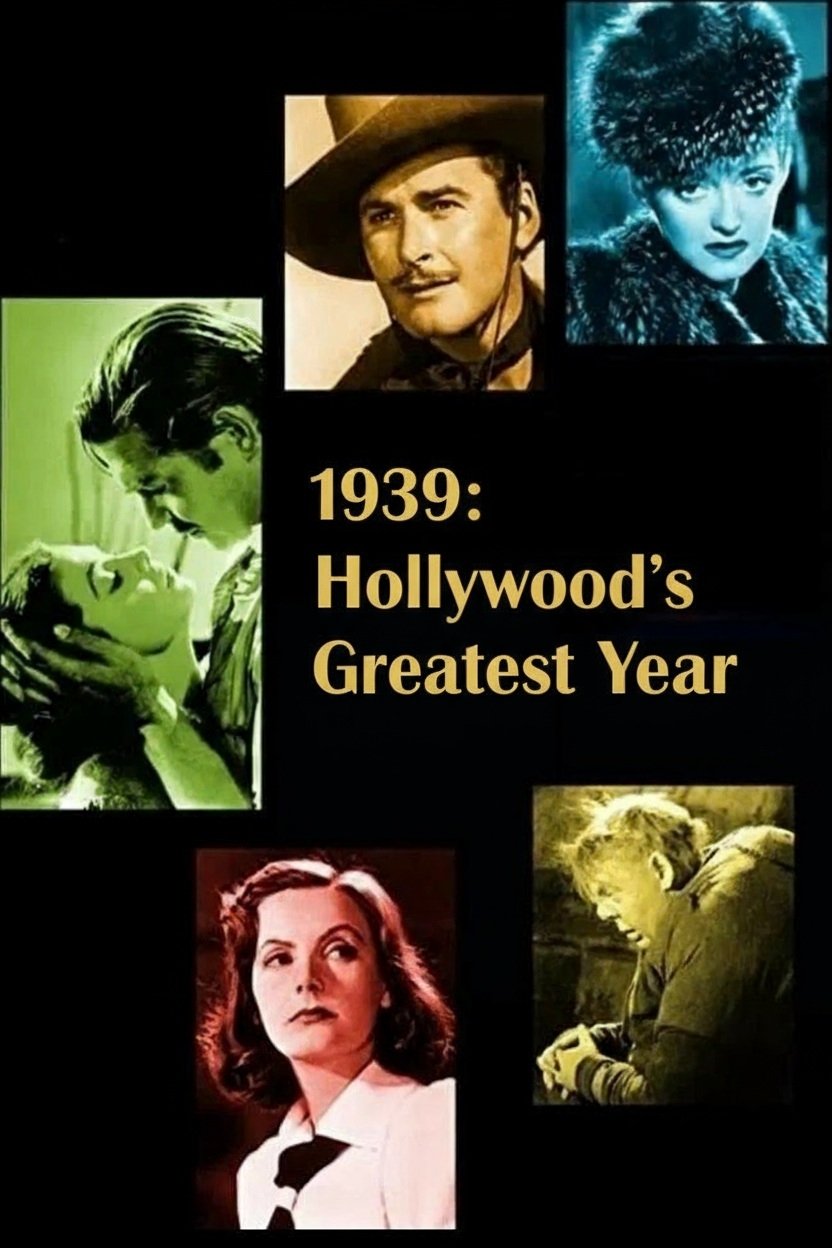
This documentary focuses on 1939, considered to be Hollywood's greatest year, with film clips and insight into what made the year so special.
Explores the life and innovations of composer and electronic music pioneer Suzanne Ciani.
The story of the Bugattis of Milan and Molsheim, the eccentric family behind the brand: Carlo, the patriarch and furniture designer; Rembrandt, the troubled sculptor; Ettore, the gifted engineer; Jean, the unfortunate heir. Art and design. Beauty and luxury. The fastest cars. Races. The need for speed.
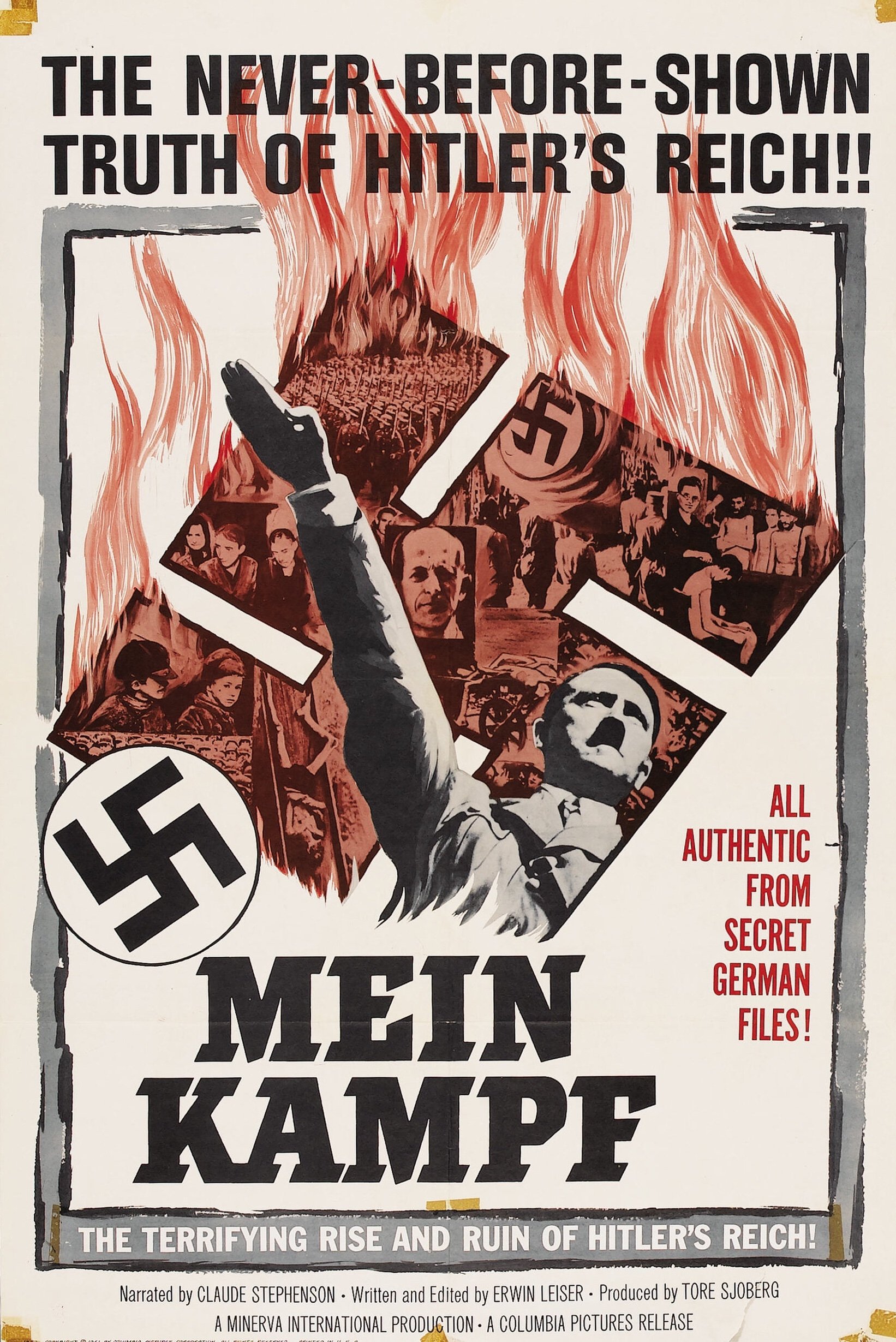
Using exclusively archival footage, Erwin Leiser traces the rise and collapse of the Third Reich, from Adolf Hitler’s early years to the devastation of Europe and his suicide in 1945. The film draws heavily on material produced and preserved by the Nazi propaganda apparatus to confront the mechanisms, imagery, and consequences of totalitarian power.
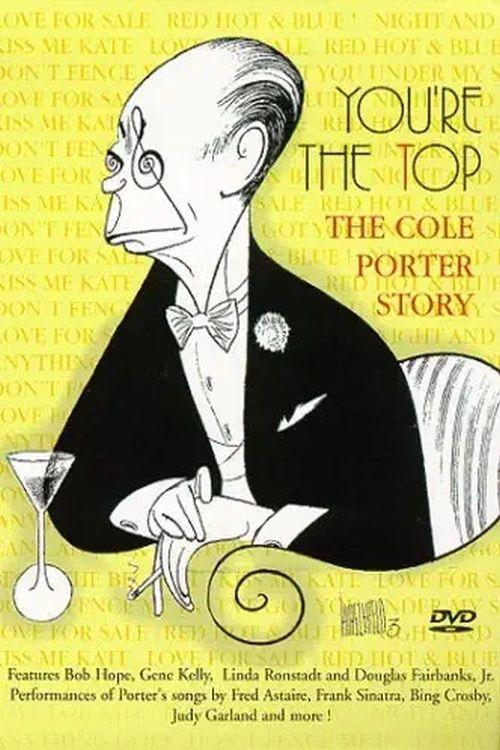
Biographical portrait of one of Broadway's most brilliant songwriters. Told through the use of archival material and interviews with the rich and famous that knew him, this portrait concentrates on his career and his public life events.
The life and career of the hailed Hollywood movie star and underappreciated genius inventor, Hedy Lamarr.
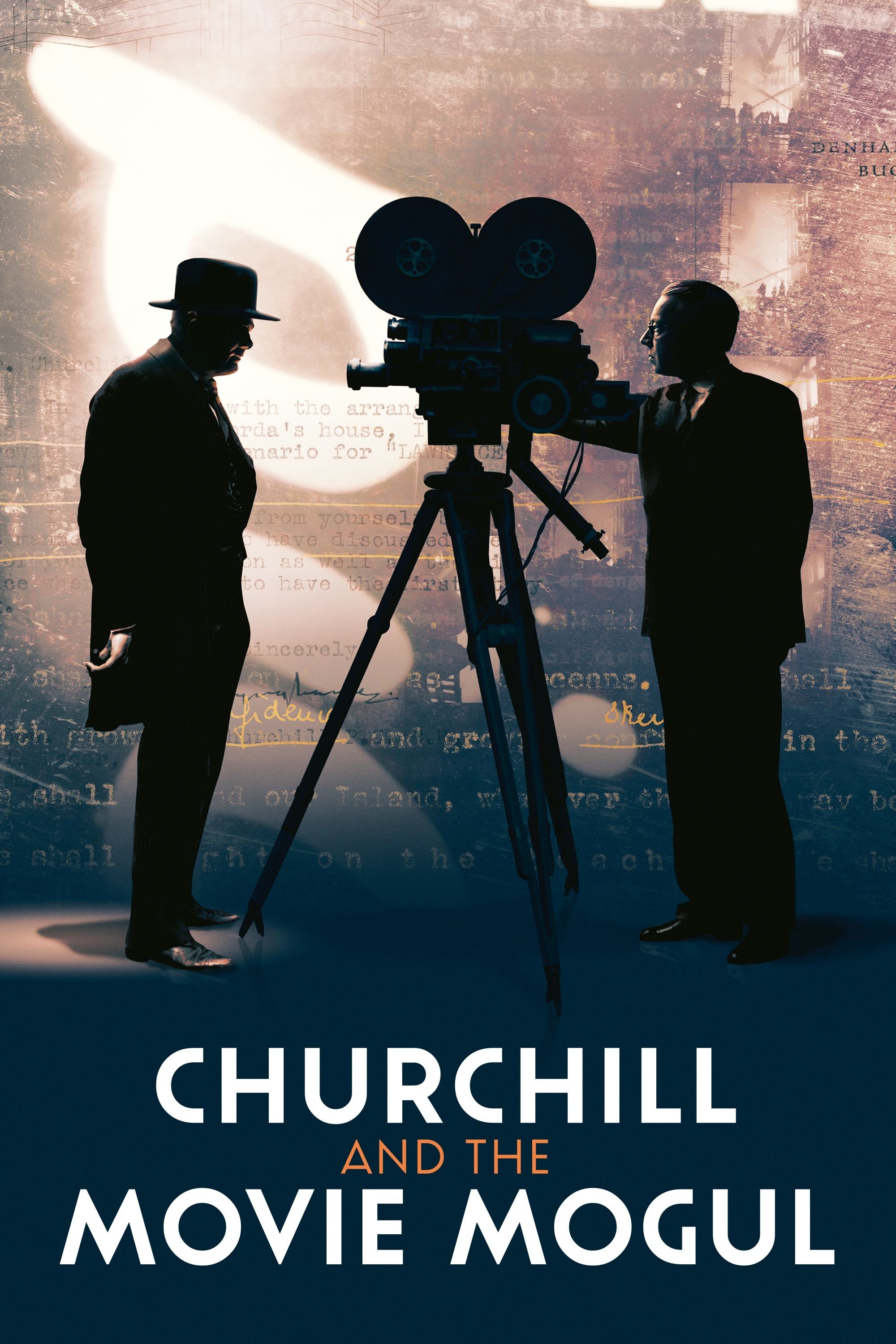
Winston Churchill understood the power of films, but the true extent of his use of cinema as a propaganda tool is rarely explored. In 1934, one of Britain's most celebrated film producers, Alexander Korda, signed Churchill up as a screenwriter and historical advisor. It was the start of a unique collaboration. Churchill provided script notes for Korda's productions and penned an epic screenplay. When war broke out, their collaboration took on national importance. Korda was sent on a mission to Hollywood to help bring America into the war, with positive results. With access to previously undiscovered documents, this film documentary examines that mission and a friendship that underpinned a unique, creative partnership.
Sam Green's intimate portrait of Annea Lockwood shares with us a glimpse into the enthralling world of sound that she has been exploring and creating for many years. It is a touching and personal story of imagination and love.
The life and career of one of comedy's most inimitable modern voices, Mr. Gilbert Gottfried.
When Allied forces liberated the Nazi concentration camps in 1944-45, their terrible discoveries were recorded by army and newsreel cameramen, revealing for the first time the full horror of what had happened. Making use of British, Soviet and American footage, the Ministry of Information’s Sidney Bernstein (later founder of Granada Television) aimed to create a documentary that would provide lasting, undeniable evidence of the Nazis’ unspeakable crimes. He commissioned a wealth of British talent, including editor Stewart McAllister, writer and future cabinet minister Richard Crossman – and, as treatment advisor, his friend Alfred Hitchcock. Yet, despite initial support from the British and US Governments, the film was shelved, and only now, 70 years on, has it been restored and completed by Imperial War Museums under its original title "German Concentration Camps Factual Survey".
The surviving Resistance faces the First Order once again as the journey of Rey, Finn and Poe Dameron continues. With the power and knowledge of generations behind them, the final battle begins.
Performance artist Marina Abramovic prepares for a major retrospective of her work at the Museum of Modern Art in New York.
A woman’s Holocaust memoir takes the world by storm, but a fallout with her publisher-turned-detective reveals her story as an audacious deception created to hide a darker truth.
With exclusive access to his extraordinary unseen and unheard personal archive including hundreds of hours of audio recorded over the course of his life, this is the definitive Marlon Brando cinema documentary. Charting his exceptional career as an actor and his extraordinary life away from the stage and screen with Brando himself as your guide, the film will fully explore the complexities of the man by telling the story uniquely from Marlon's perspective, entirely in his own voice. No talking heads, no interviewees, just Brando on Brando and life.
Artists in LA discover the work of forgotten Polish sculptor Stanislav Szukalski, a mad genius whose true story unfolds chapter by astounding chapter.
A documentary portrait chronicling the incredible life of Dr. Ruth Westheimer, a Holocaust survivor who became the United States' most famous sex therapist. As her 90th birthday approaches, Dr. Ruth revisits her painful past and her career at the forefront of the sexual revolution.
Exiled artist and poet Mustafa embarks on a journey home with his housekeeper and her daughter; together the trio must evade the authorities who fear that the truth in Mustafa's words will incite rebellion.
A retired detective accepts a simple task, unaware that it will tear open old, forgotten, but deadly wounds.
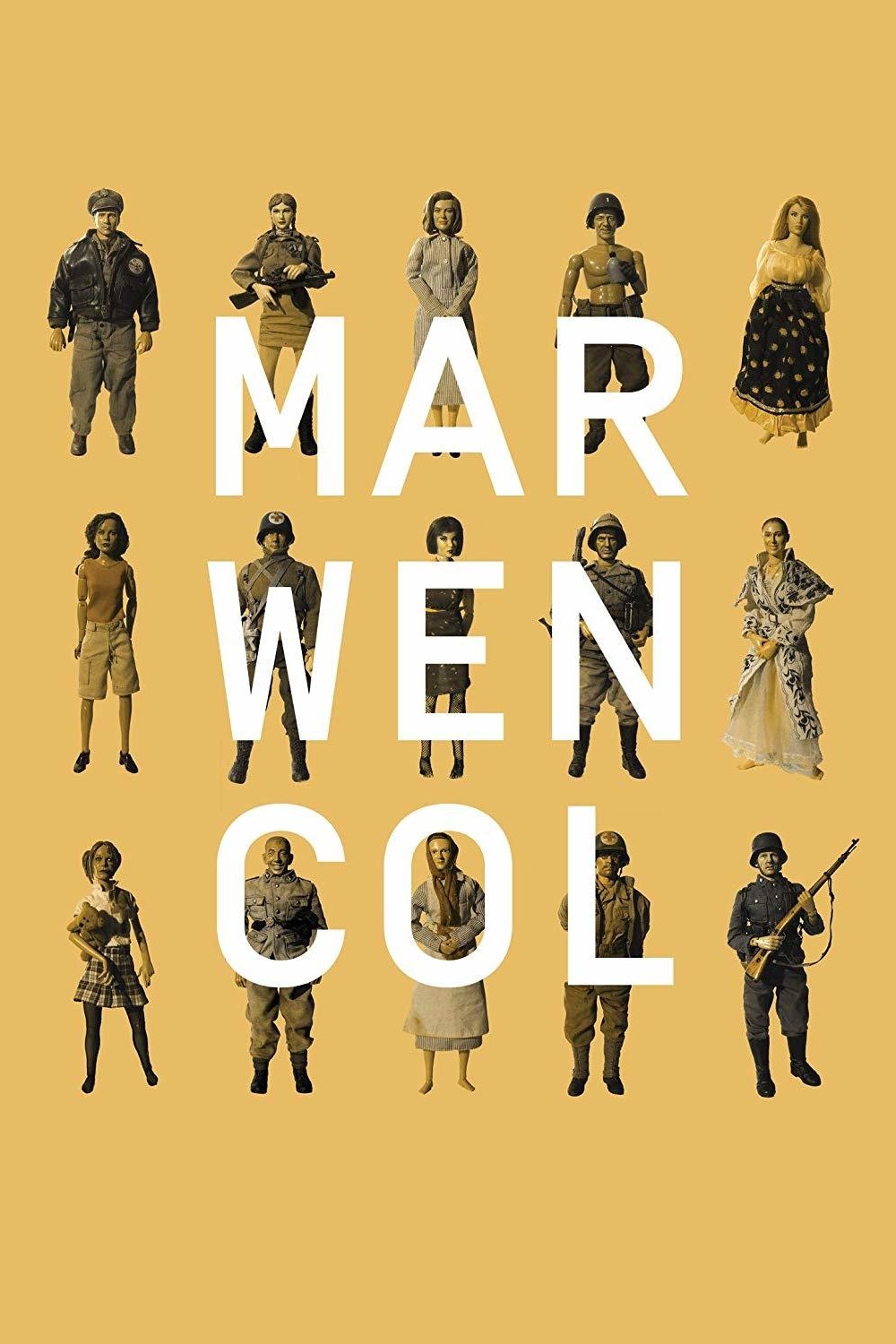
After a vicious attack leaves him brain-damaged and broke, Mark Hogancamp seeks recovery in "Marwencol", a 1/6th scale World War II-era town he creates in his backyard.
A man trapped in an automated prison must outsmart a computer in order to escape and try and find his way back to the outside world that may already be wiped out.
A presentation of a case for a needed transition out of the current socioeconomic monetary paradigm which governs the entire world society. This subject matter will transcend the issues of cultural relativism and traditional ideology and move to relate the core, empirical 'life ground' attributes of human and social survival, extrapolating those immutable natural laws into a new sustainable social paradigm called a 'Resource-Based Economy'.
Desperate to find refuge for her children, Chloe Marvino runs away from her Mafia tied husband, and finds shelter in a cabin with a recluse drifter named Jake. But as her husband's henchmen draw closer to her, it turns out that Jake is the biggest enemy of them all.
Al Pacino's deeply-felt rumination on Shakespeare's significance and relevance to the modern world through interviews and an in-depth analysis of "Richard III."
Sergei Polunin is a breathtaking ballet talent who questions his existence and his commitment to dance just as he is about to become a legend.
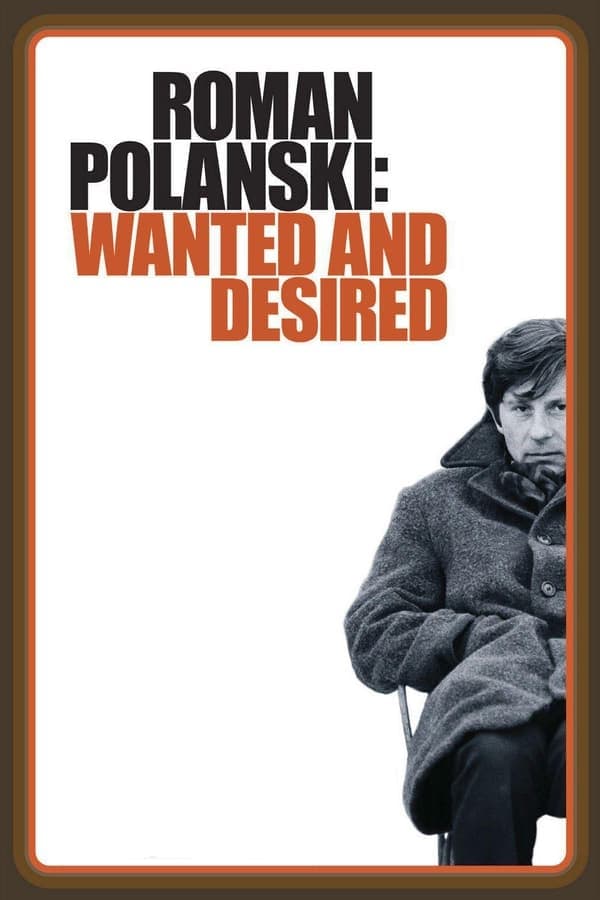
Examines the public scandal and private tragedy which led to legendary director Roman Polanski's sudden flight from the United States.
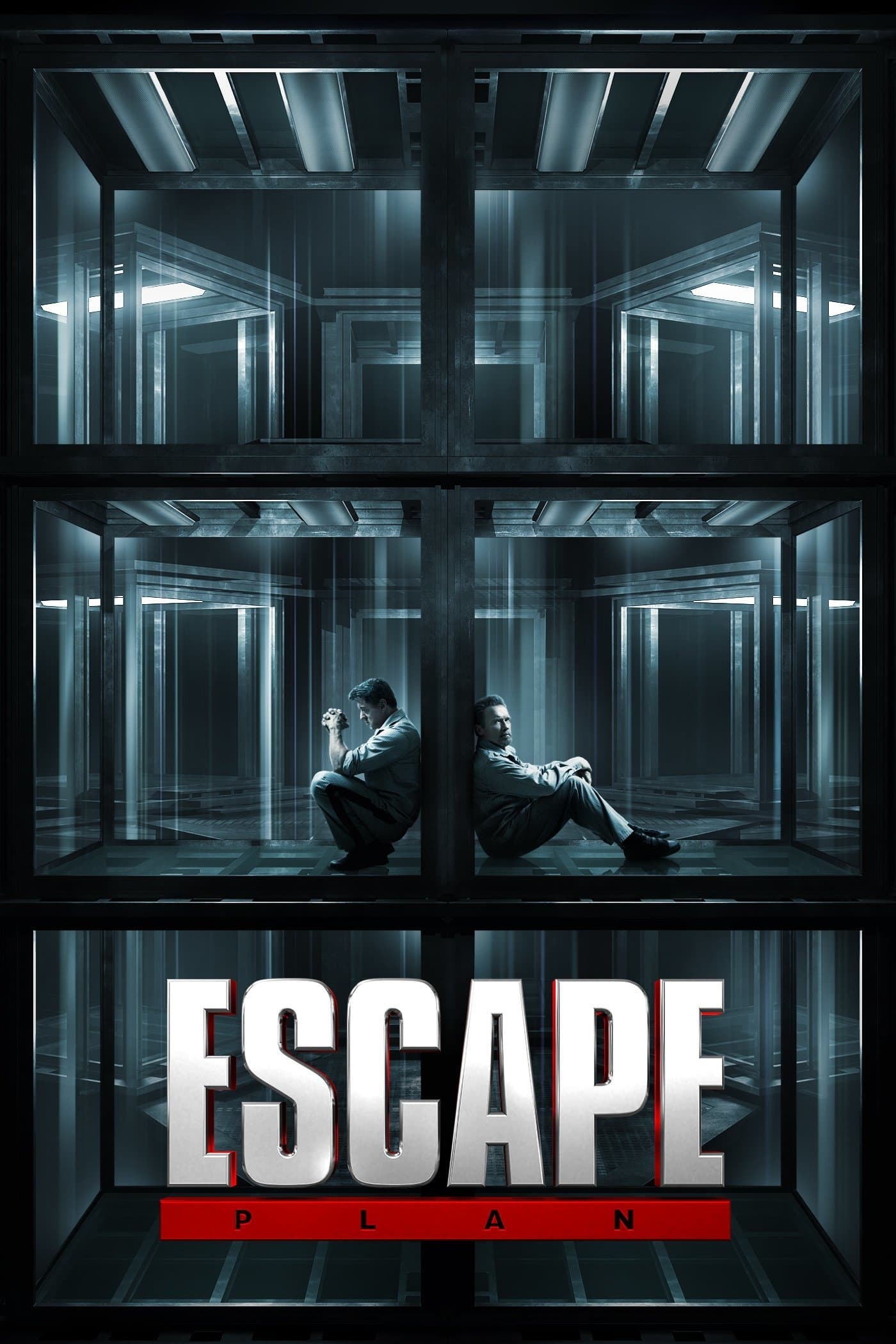
Ray Breslin is the world's foremost authority on structural security. After analyzing every high security prison and learning a vast array of survival skills so he can design escape-proof prisons, his skills are put to the test. He's framed and incarcerated in a master prison he designed himself. He needs to escape and find the person who put him behind bars.
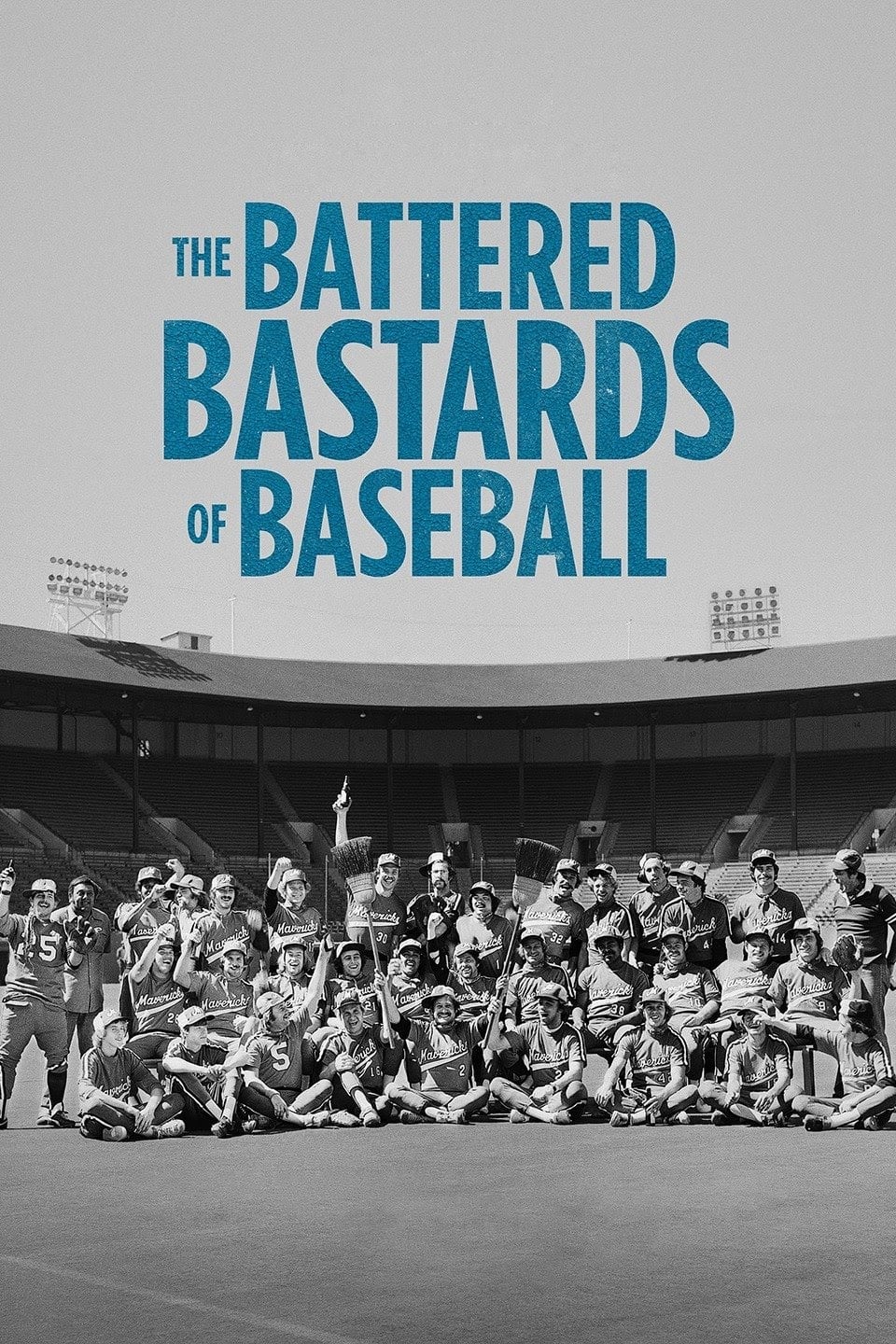
Hollywood veteran Bing Russell creates the only independent baseball team in the country—alarming the baseball establishment and sparking the meteoric rise of the 1970s Portland Mavericks.
Four talented alien musicians are kidnapped by a record producer who disguises them as humans. Shep, a space pilot in love with bass player Stella, follows them to Earth. Reprogrammed to forget their real identities and renamed The Crescendolls, the group quickly becomes a huge success playing soulless corporate pop. At a concert, Shep manages to free all the musicians except Stella, and the band sets out to rediscover who they really are — and to rescue Stella.