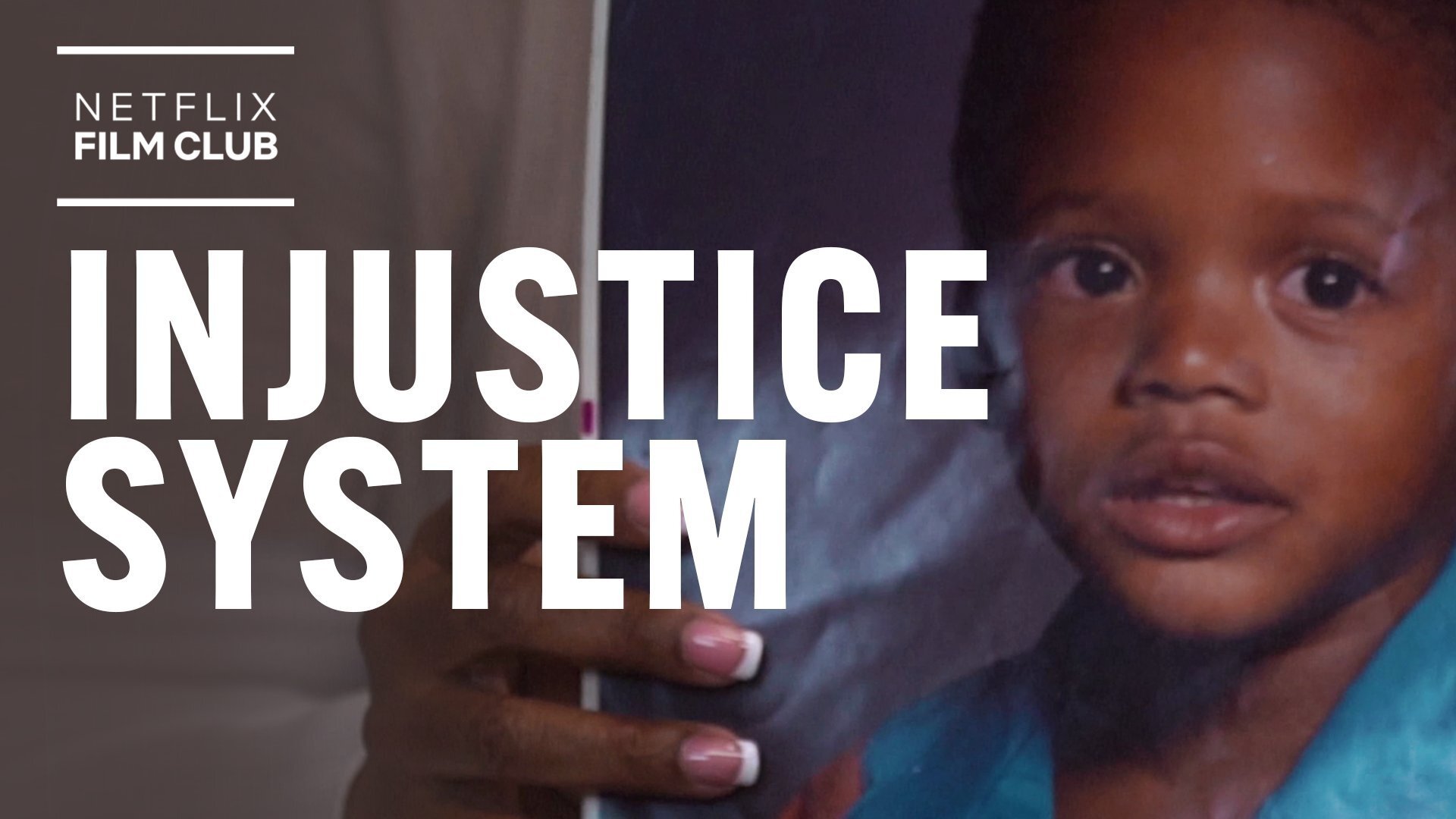
A Mother struggles to deal with the unknown condition of her incarcerated son during the worst pandemic in over 100 years.
Social & External
In 1936, 18 African American athletes dubbed the "black auxiliary" by Hitler defied Nazi Aryan Supremacy and Jim Crow Racism to win hearts and medals at the 1936 Summer Olympic Games in Berlin. The world remembers Jesse Owens. But, Olympic Pride American Prejudice shows how all 18 are a seminal precursor to the modern Civil Rights Movement.
The Black Contribution – Literature and Theater 1978 is a rare documentary highlighting the voices and cultural impact of African American writers and performers during the civil rights era. Introduced by NAACP leader Benjamin Hooks and narrated by Roscoe Lee Brown, the film weaves together dramatic readings, theatrical excerpts, and candid urban street footage. Margaret Walker’s poem For My People is performed alongside scenes of daily Black life in New York City — children playing, families on stoops, open fire hydrants, and the realities of poverty in 1970s neighborhoods. James Baldwin appears in interview footage, while signs for his play The Amen Corner and stage excerpts from Lorraine Hansberry’s A Raisin in the Sun underscore the powerful presence of Black voices in American theater. With rare shots of Harlem life, literature, and performance, this film documents the enduring contributions of African American artists to U.S. culture and history.
The history of warfare as it relates to global Black society, broken down into 7 chapters that examines the ways the system of racism wages warfare from a historical, psychological, sexual, biological, health, educational, and military perspective.
A look at the Black revolution in 1970s cinema, from genre films to social realism, from the making of new superstars to the craft of rising auteurs.
Paul Robeson was a celebrated African-American Actor, Athlete, Singer, Writer, and Civil Rights Activist. Robeson's many achievements are chronicled in this program, ranging from playing with the NFL to graduating from Columbia Law School, performing on Broadway and in Hollywood films to founding the American Crusade against Lynching as well as Council on African Affairs. Robeson was one of the most talented performers of his time and a dedicated humanitarian who ultimately sacrificed fame and fortune for what he believed in. His association with Leftist Politics during the era of the Cold War, and frequent denouncing of American political parties led to his eventual blacklisting with other prominent writers and artists during the McCarthy Era. His talents in all areas are remarkable, and his dedication to attaining a peaceful coexistence between all the people of the world is truly admirable.
This documentary speaks to local activist groups in the music industry and culture scene to find out why people are driven to fight back and speak out on subjects they’re passionate about. With an aim of inspiring the next generation, each activist gives their advice on how you can put a cause you are passionate about in the local scene into action. Hope Lynes spoke to Phil Douglas from LGBTQIA+ organisation Curious Arts; grassroots promoter Hana Harrison from Art Mouse; Tracks' Sarah Wilson, who campaigns for better female representation in the music scene with her project Noisy Daughters; Chantal Herbert from feminist Black and queer-led organisation Sister Shack; and disability activist and musician Ruth Lyon. It’s hoped that this intimate and personal documentary will explore the starting points to beginning your own activism.
Henry Browne, an African American farmer, and his family are profiled in this film. The important job of a farmer during times of war is highlighted, specifically his efforts growing peanuts and cotton. This role is made even more poingnant when they visit the eldest son who is a cadet in the 99th Pursuit Squadron.
The story of how Everett Leroy Jones became Amiri Baraka, from his childhood to the mid '60s, is told through interviews recorded in the late '90s.
The celebratory explosion of basketball history makers, legend shakers and lawbreakers; juxtaposed against important events in Civil & Human Rights. The 50 years of The Rucker's ripples reverberate throughout Basketball, Hip-Hop, Harlem, and life.
A haven for Black intellectuals, artists and revolutionaries—and path of promise toward the American dream—Black colleges and universities have educated the architects of freedom movements and cultivated leaders in every field. They have been unapologetically Black for 150 years. For the first time ever, their story is told.
This documentary captures the sounds and images of a nearly forgotten era in film history when African American filmmakers and studios created “race movies” exclusively for black audiences. The best of these films attempted to counter the demeaning stereotypes of black Americans prevalent in the popular culture of the day. About 500 films were produced, yet only about 100 still exist. Filmmaking pioneers like Oscar Micheaux, the Noble brothers, and Spencer Williams, Jr. left a lasting influence on black filmmakers, and inspired generations of audiences who finally saw their own lives reflected on the silver screen.
The true story of the neighborhood that inspired David Simon's fictional HBO television series "Tremé", from slave revolts and underground free black antebellum resistance through post-Katrina rebuilding, set to a fabulous soundtrack of New Orleans music through the ages.
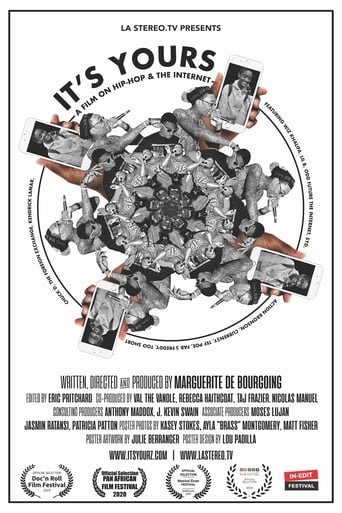
By the dawn of the 21st century, hip-hop sales had reached an all-time high, but one thing has remained the same. The doors were still locked, and the music industry held the keys. Young artists began to self-market on the Internet, ultimately helping to collapse the music industry as we knew it. It’s Yours explores how it became possible to become a rap star through a Twitter account, YouTube site or Myspace page. It tells this story through the unique perspectives of numerous artists, producers, record industry insiders, and music and cultural critics.
Black women had extremely limited options during Jim Crow. Odessa’s story explores how an African American woman born in a time with limited options leveraged her incredible mind and quick wit to become wealthier than she ever should have been able to This film takes a look at choices that were made, a wild ride Odessa had as an underworld queen, and consequences from her choices Odessa Madre’s life was a mix of resilience and bookend by the vicissitudes of luck, a contrast of economic success within
This film highlights moments in the long and rich African American cinema history in relation to social and political events, and how it affected Black viewers of the time.
Crownsville Hospital: From Lunacy to Legacy is a feature-length documentary film highlighting the history of the Crownsville State Mental Hospital in Crownsville, MD.
The Movie "Hebrews to Negroes: Wake Up Black America" uncovers the true identity of the Children of Israel by proving the true ethnicity of Abraham, Ishmael, Isaac, Jacob, the Sons of Ham, Shem & Japheth. Find out what Islam, Judaism and Christianity has covered up for centuries in regards to the true biblical identity of the so-called "Negro" in this movie packed with tons of research.
Since August 2024, in Martinique, a popular protest movement against the high cost of living has been reemerging under the leadership of the RPPRAC (Rassemblement Pour La Protection Des Peuples Et Des Ressources Afro-Caribéens – Gathering for the Protection of Afro-Caribbean Peoples and Resources). On the island, food prices are on average 54% higher than in mainland France.* Through various cultural figures, the people of Martinique are expressing their anger and seeking concrete solutions. *Source: Kiprix, Price comparison between supermarkets in the French overseas territories and mainland France.
From his Memphis studio, Ernest Withers’ nearly 2 million images were a treasured record of Black history but his legacy was complicated by decades of secret FBI service revealed only after his death. Was he a friend of the civil rights community, or enemy—or both?
A short film entitled "A Letter To Claudette Colvin", written and directed by Victoria Wilson bringing awareness to Colvin's involvement in the Montgomery Bus Boycott which ignited due to her refusal on March 2, 1955.