Two councils with two different approaches to LGBT rights.
Social & External
The people behind it
John Taylor
Self - Presenter
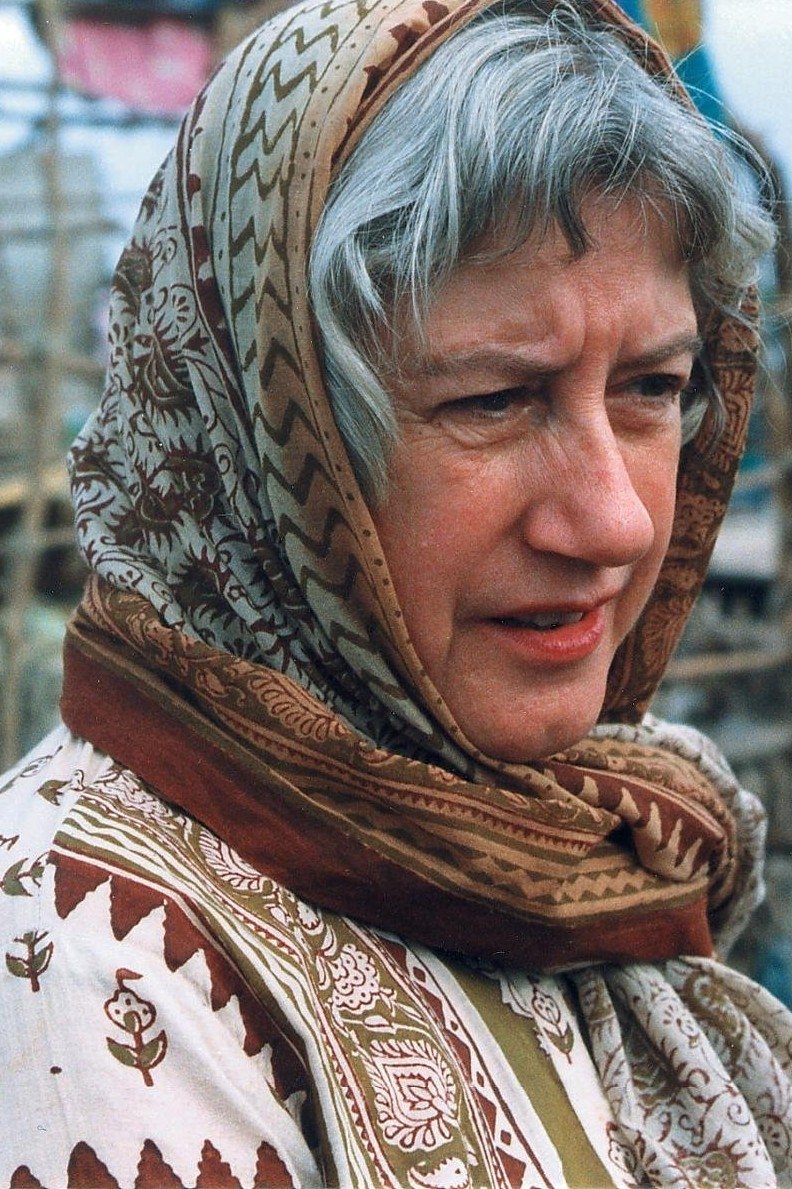
A Calling to Care is the inspiring story of 55 year-old Grace Stanley, a Canadian nurse who left her home and prestigious career behind to answer a calling halfway around the world in Karachi, Pakistan. Teaching nursing to local women in a strict Muslim culture that forbids them to even to touch men is a formidable task. However, Grace challenges her own values and belief systems to find common ground with her students, helping them to excel and feel respect for themselves in a culture that doesn't respect them. Whether it is getting her hands painted with henna, swimming fully-clothed in the ocean, or marching bravely with them on International Women's Day, Grace bonds with her students in a very special way, and ultimately discovers how the West can learn a lot more from the Third World than she ever thought.
Famous Spanish film critic Alfonso Sánchez talks about his personal life, his work and Anouk Aimée. A sentimental tribute to one of the most relevant figures on the Spanish film scene.
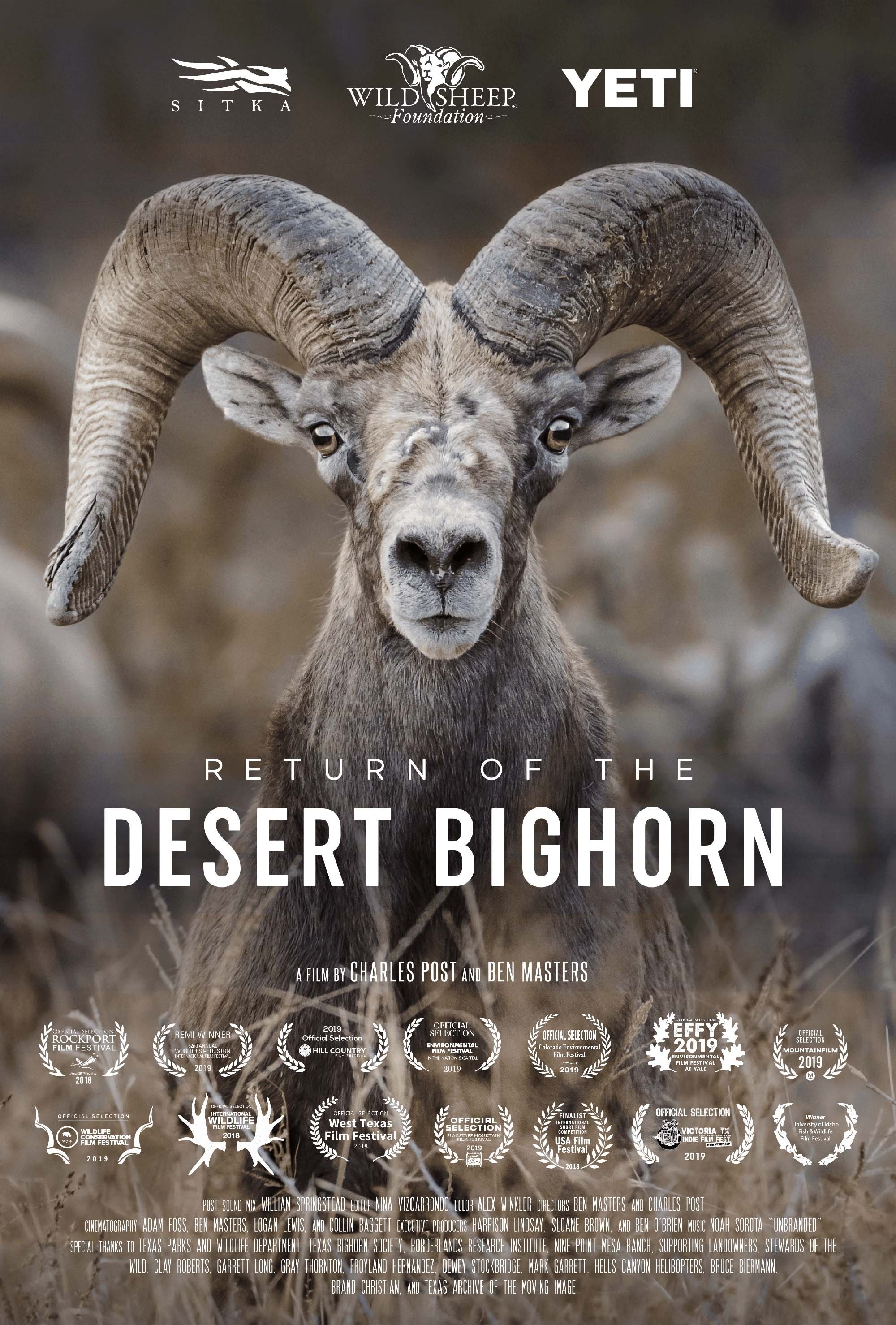
After all native desert bighorn sheep were eliminated from Texas by the 1960s, conservationists began the long fight for their return. Now, after many years of hard work and trial and error, healthy populations roam parts of the state. Return of the Desert Bighorn follows wildlife biologists as they capture, collar, and relocate desert bighorn to restore populations in West Texas.
An accurate depiction of the basic tenets of northern Mahayana Buddhism, cast into living or "experiential" form, consistent with powerful mantras heard on the soundtrack of the film. Tarthang Tulku, a Tibetan Lama, was the advisor.
The first film made by Markopoulos after moving to Europe, Bliss was shot over the course of two days using only available light to create a lyrical study of the interior of the Church of St. John on the island of Hydra.
Madhavpur: A Cinematic Journey" stands as a singular testament to the beauty and allure of Madhavpur village and does not encompass multiple seasons or episodes. Therefore, there is no season overview or main events per season to provide.
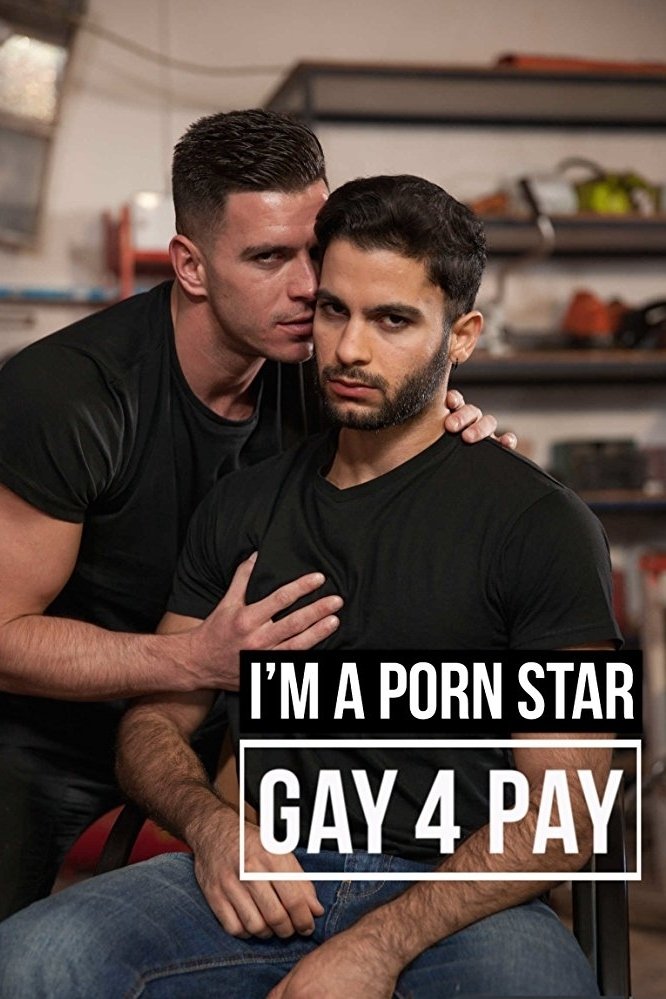
Welcome to the curious, surprising and always outspoken world of straight men who go Gay4Pay. Curiously, there is a disproportionate percentage of men working in gay porn who identify as straight. Why would a straight man do gay porn? What motivates him to try this or make a career of it? Why is there such keen interest and debate into the sexuality and personal lives of these men? And what does it say about us, the viewer that so much of gay porn is dominated by images of straight men?
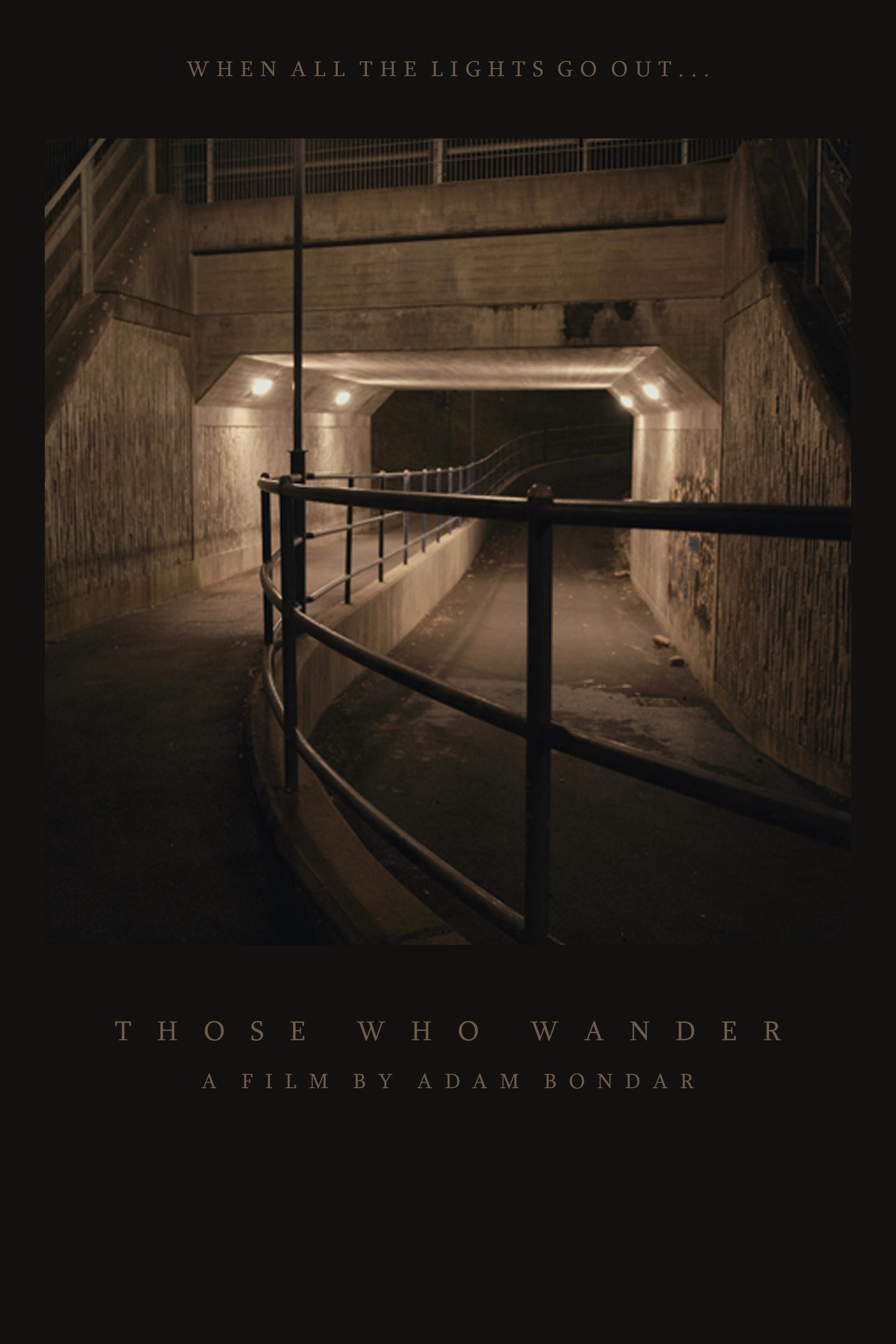
What are they? What do they seek? When all the lights go out, they will wander. And you will never see them.
Adults reflect on the experience of losing a parent at a young age.
A collage of five people from different cultures living in Switzerland. They reflect on life by looking at their origins. The liveliness and diversity of life can be divined.
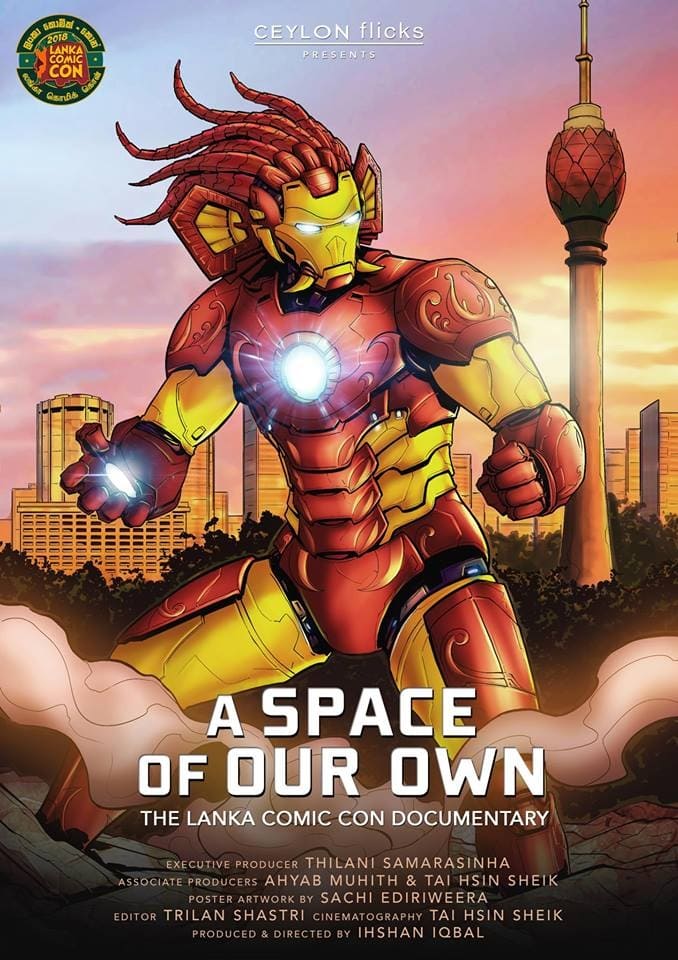
A Documentary about the Lanka Comic Con, history of how it started, and its community.
Journey into the unique world of male stripping at a small gay strip club located in America's Second Gayest City per capita in this follow up to the popular 2017 feature documentary All Male, All Nude. All Male, All Nude: Johnsons is set in Florida's newest gay strip club, Johnsons, located in Wilton Manors, Florida and new home to the creator and owner of Johnsons - Matt Colunga, an award-winning body builder, who has been in the male entertainment industry for 23 years and was introduced in the first film. From 42-year-old Matt, to 26-year-old Alexander, who spends his days dressed as Spider-Man creating early memories for children at kid parties and spends his nights stripping down to his G-String for gay men, to single fathers and young men putting themselves through college with their stripping income, to entertainers in the adult film world - the men who compose the heart of Johnsons are diverse, unique and captivating.
On the surface, this collection of shorts by up-and-coming African American filmmakers arrived at a perfect time. The cutting-edge products of the New Black Cinema of the early '90s had disappeared, giving way to embarrassingly stereotypical, scatological fare such as Booty Call and Next Friday. This feature-packed compilation (which includes production notes, interviews with all of the filmmakers, and audio commentary by four) attempts to prove that African American cinema is intent on moving past the lowbrow humor, as six of the seven shorts steer clear of any comedy.
Tattooed hands gently glide over a rock face, probing it with the tips of the fingers. Three women, arms raised to a high boulder, appear to be in prayer. Hidden in a cave, two others stare at their bloody palms. Touching Rocks depicts bouldering as a pagan ritual.
In Nigeria, a young Canadian doctor serves in a local mission hospital and learns much from the experience. Stationed abroad under the Canadian University Service Overseas Plan, Dr. Alex McMahon and his schoolteacher wife find every day a fresh challenge. An interesting study of intercultural help.
Originating in Europe in the 16th century, the Mennonites are a Protestant religious sect, related to the Amish. Instead of compromising their way of life, they have been continually forced to migrate around the world to maintain their freedom to live as they choose and have found a home in Mexico.
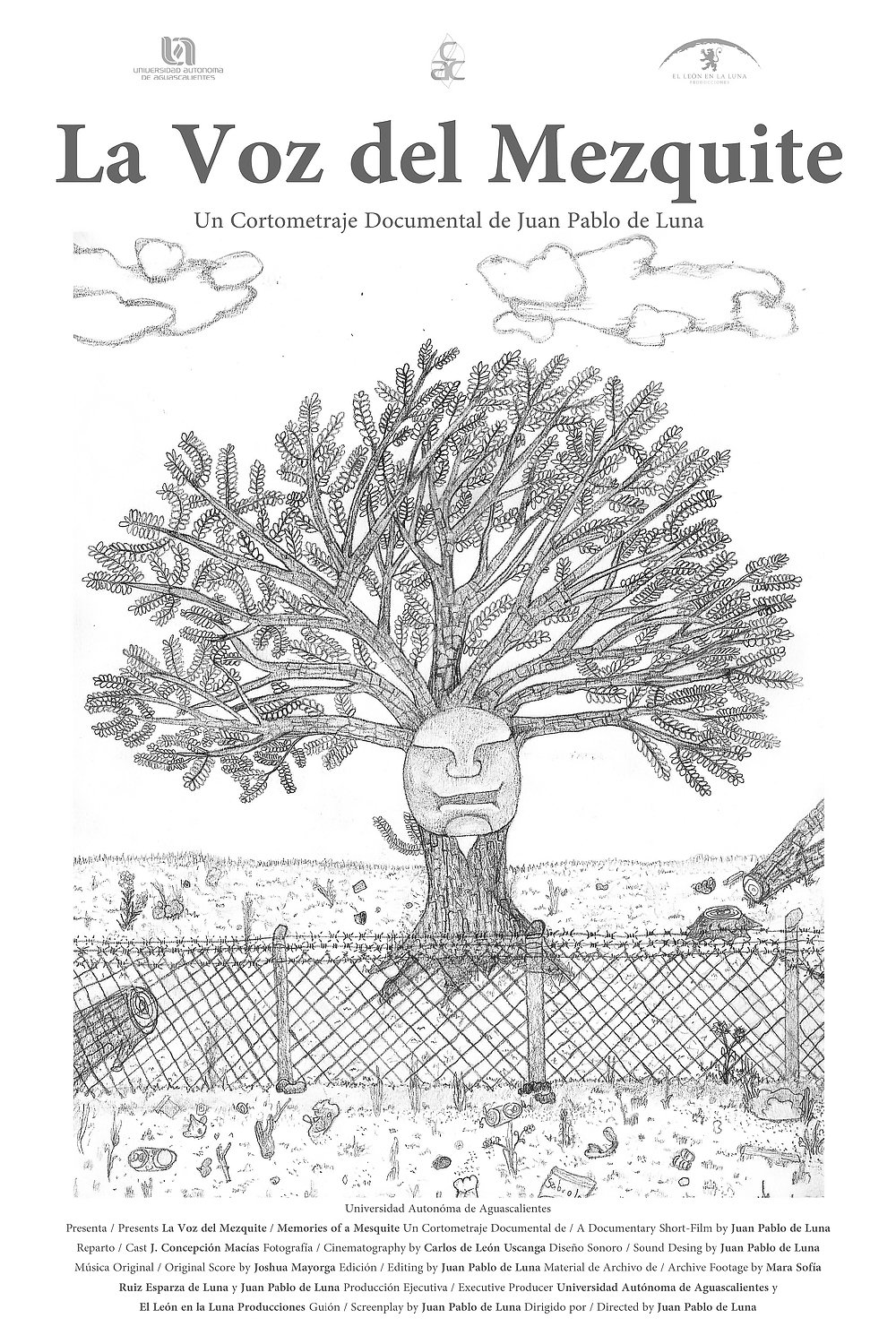
The life of a last mesquite is in danger right after an ecocide took place to build a shopping mall. Against an uncertain future, it´s voice will combine past and present to remember the cutting down of it’s equals and the fight for their preservation.
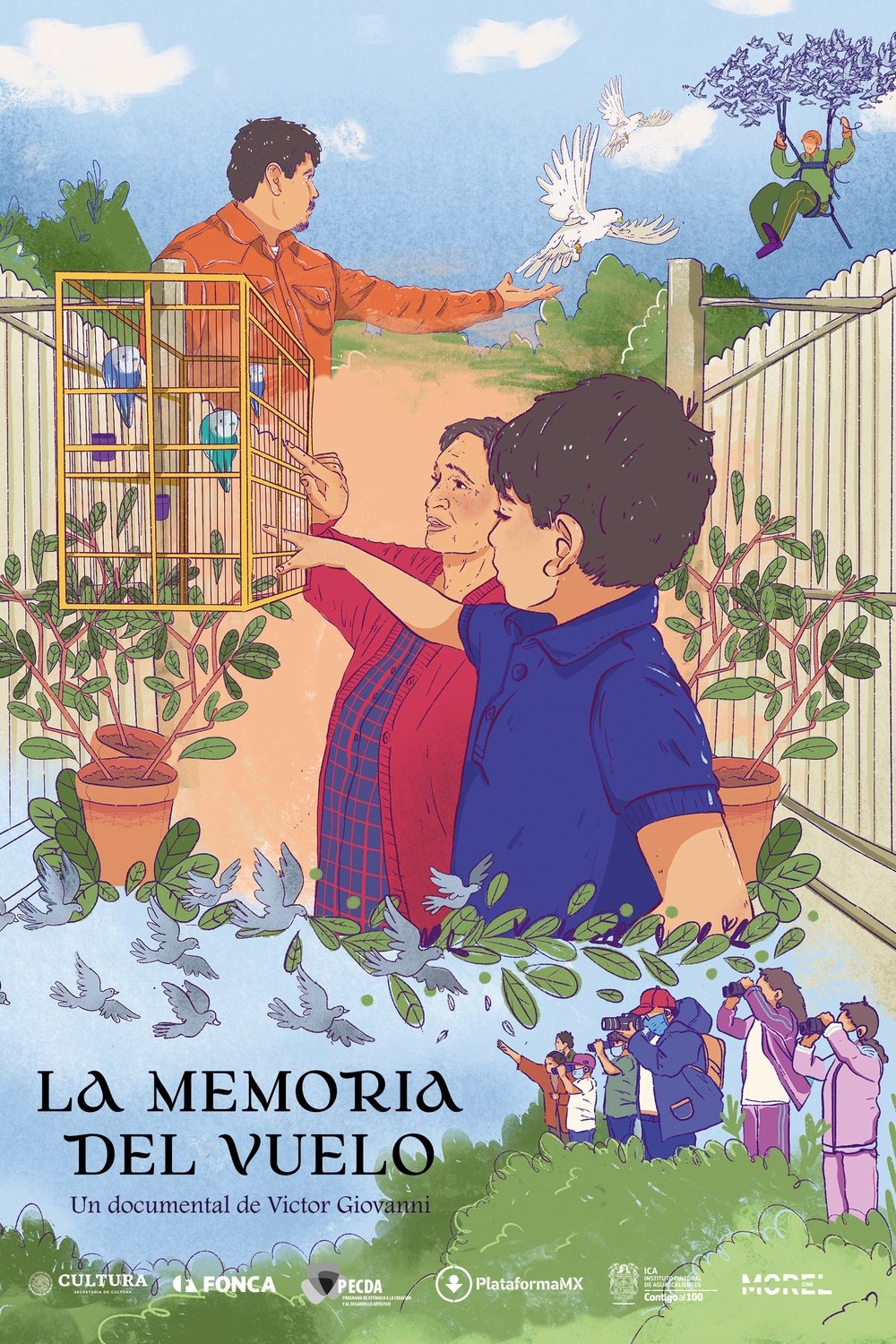
Somehow we are all birders and birds at the same time. We capture moments, but don't we live caged in our memories?
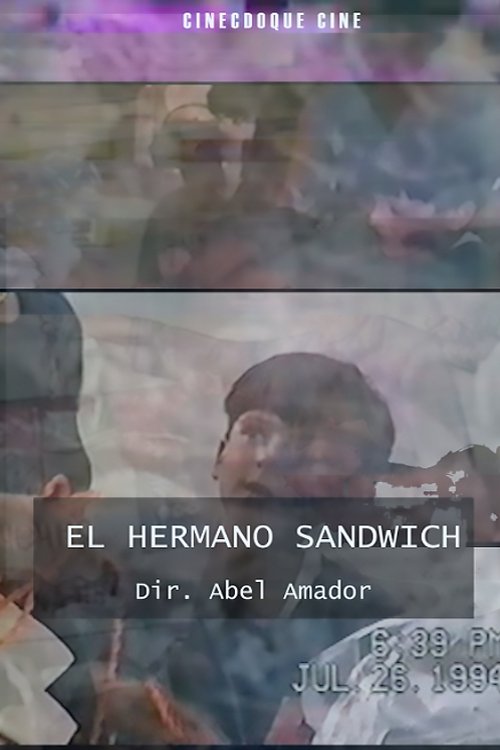
What's in the middle of the year 1994? The memories recorded on cassette of a birthday party in the midst of a convulsive context.
An investigative look and analysis of gender disparity in Hollywood, featuring accounts from well-known actors, executives and artists in the Industry.
Daniel Craig candidly reflects on his 15 year adventure as James Bond. Including never-before-seen archival footage from Casino Royale to the upcoming 25th film No Time To Die, Craig shares his personal memories in conversation with 007 producers, Michael G Wilson and Barbara Broccoli.
Al Pacino's deeply-felt rumination on Shakespeare's significance and relevance to the modern world through interviews and an in-depth analysis of "Richard III."
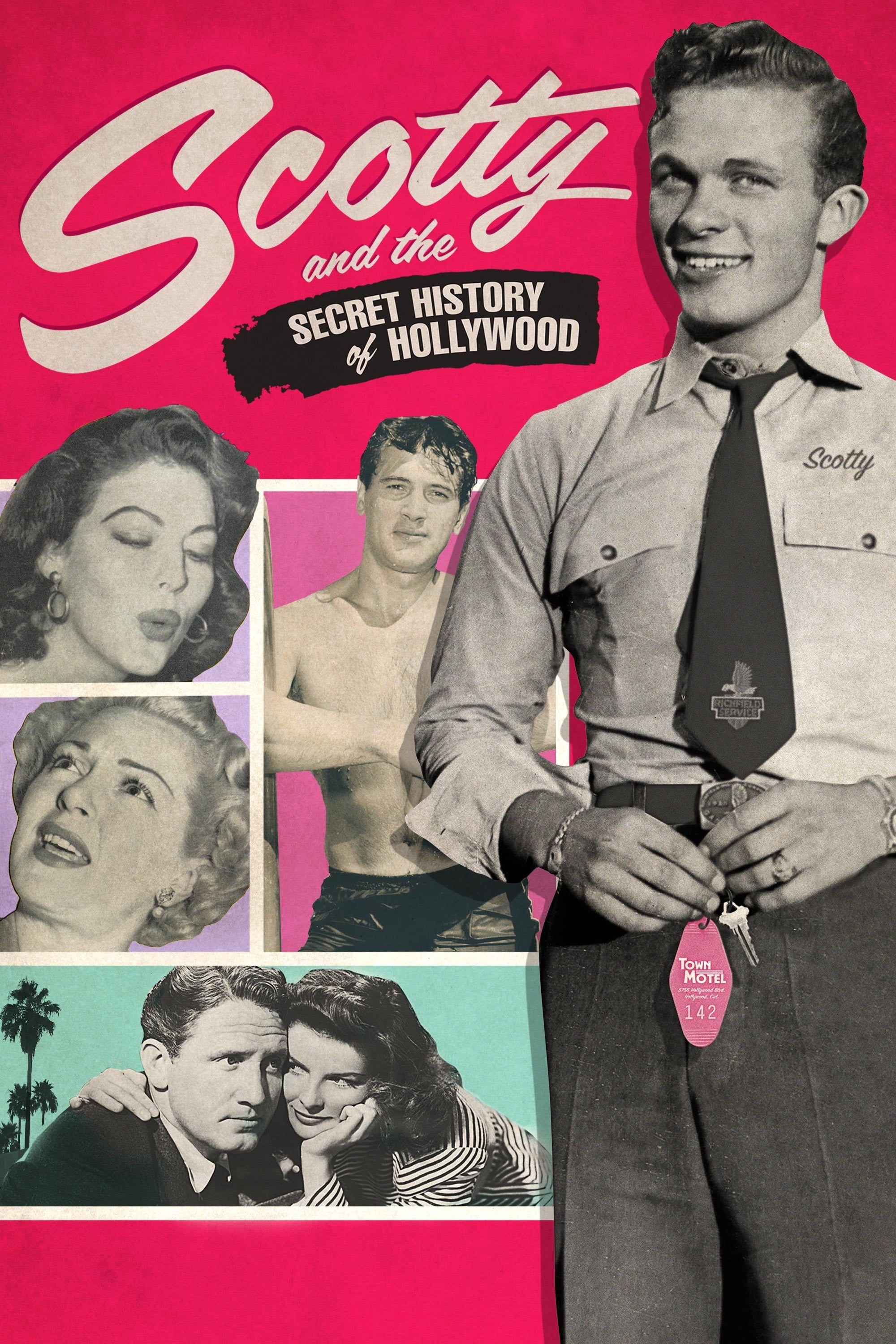
A deliciously scandalous portrait of unsung Hollywood legend Scotty Bowers, whose bestselling memoir chronicled his decades spent as sexual procurer to the stars.
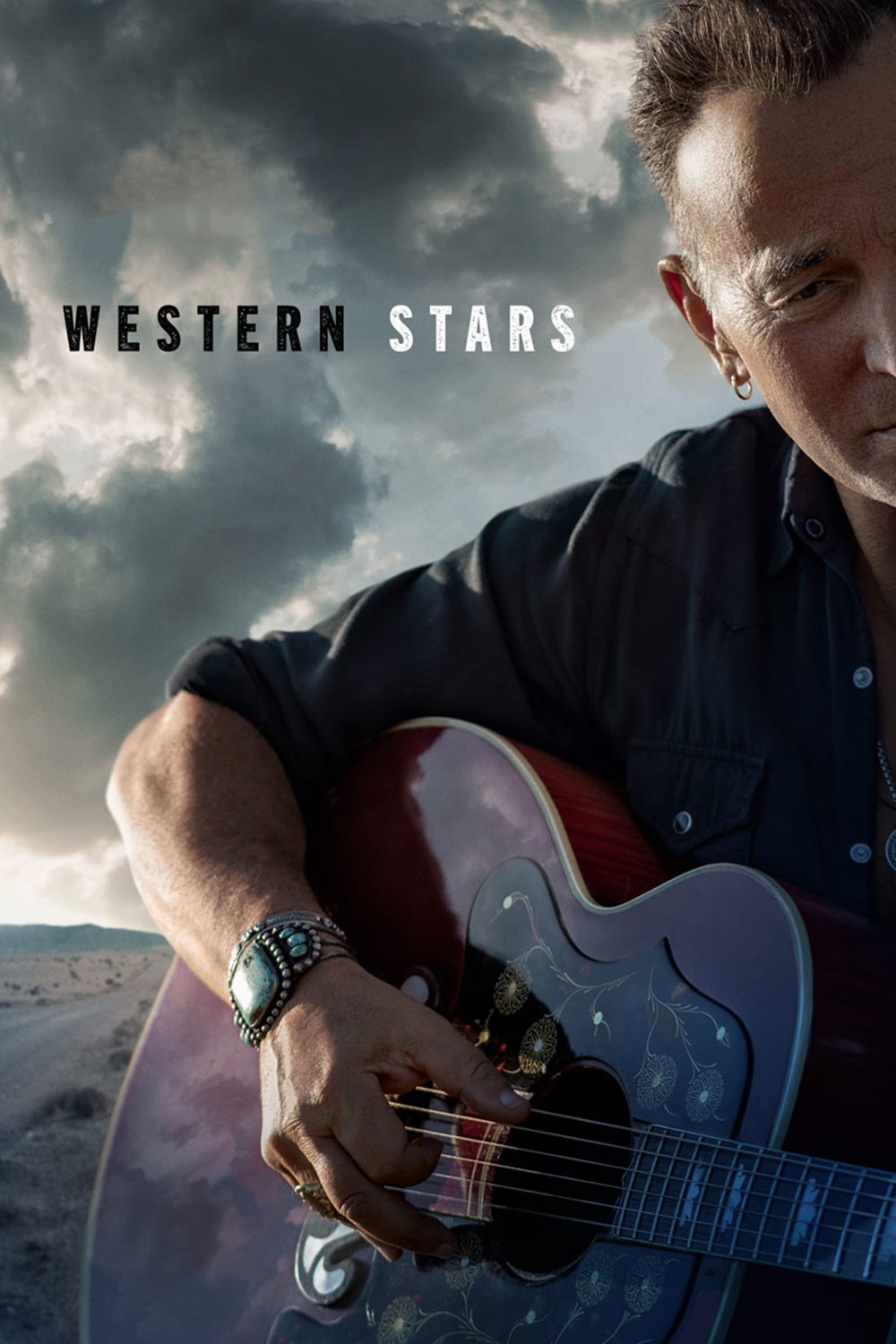
The incomparable Bruce Springsteen performs his critically acclaimed latest album and muses on life, rock, and the American dream, in this intimate and personal concert film co-directed by Thom Zimny and Springsteen himself.
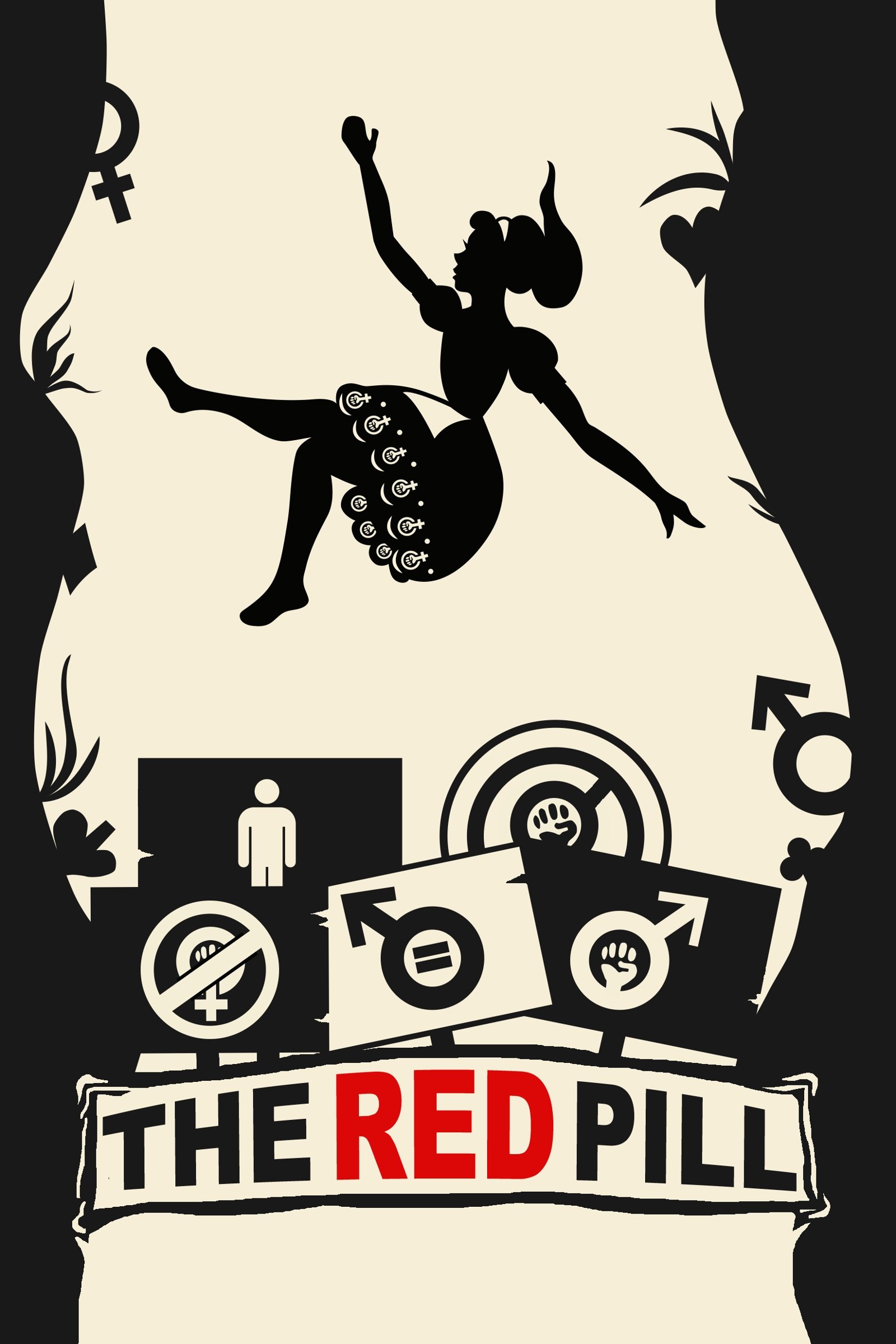
When a feminist filmmaker sets out to document the mysterious and polarizing world of the Men’s Rights Movement, she begins to question her own beliefs. Chronicling Cassie Jaye’s journey exploring an alternate perspective on gender equality, power and privilege.
A celebration of the universe, displaying the whole of time, from its start to its final collapse. This film examines all that occurred to prepare the world that stands before us now: science and spirit, birth and death, the grand cosmos and the minute life systems of our planet.
A concert documentary shot during the Glee Live! In Concert! summer 2011 tour, featuring song performances and fans' life stories and how the show influenced them.
Lyrical and powerfully personal essay film that reflects on the deaths of her husband Lou Reed, her mother, her beloved dog, and such diverse subjects as family memories, surveillance, and Buddhist teachings.
JB Smoove and Martin Starr host a celebration of 20 years of "Spider-Man" movies, from the Sam Raimi trilogy to Marc Webb's movies and the trio from Jon Watts.
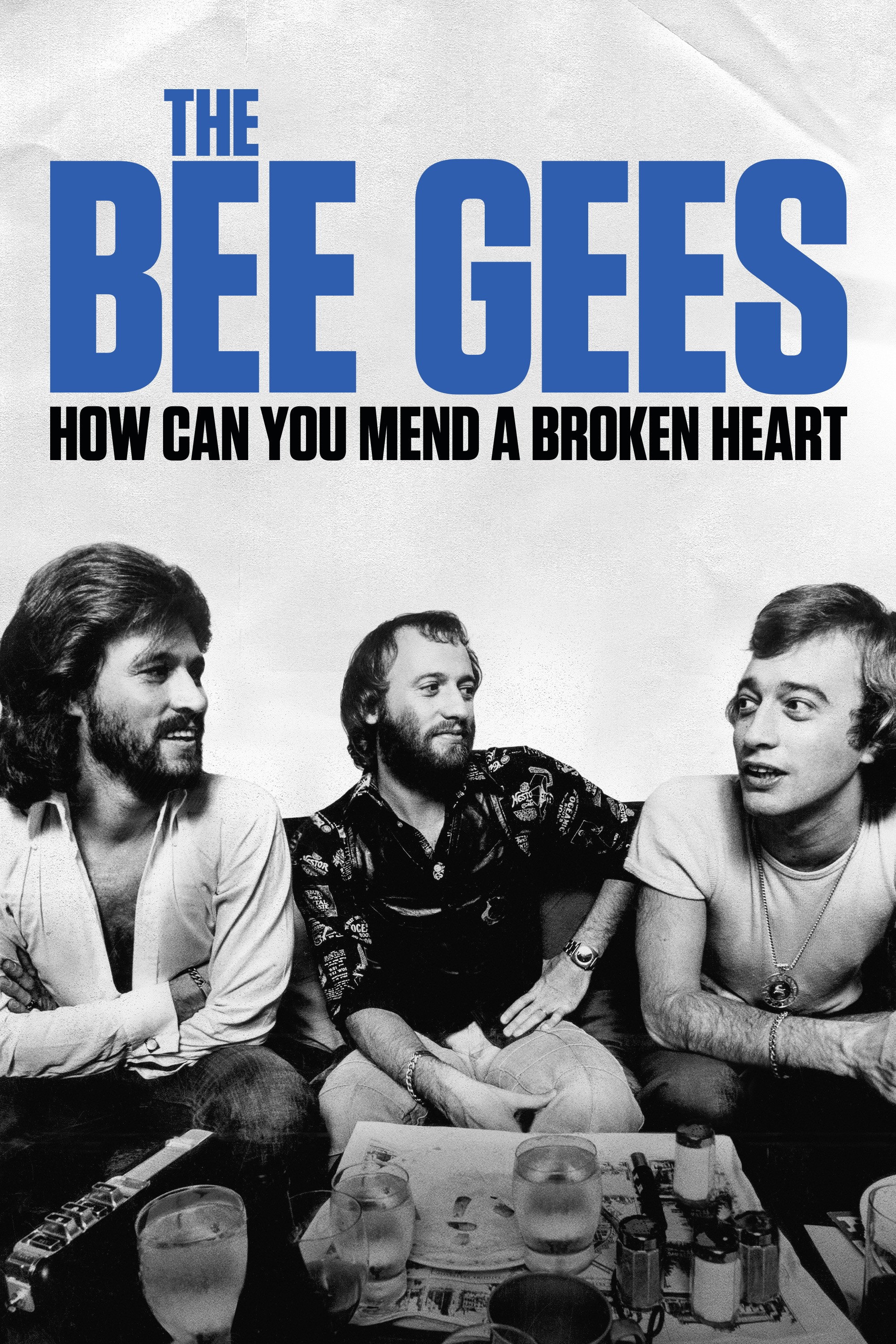
The story of the triumphs and hurdles of brothers Barry, Maurice, and Robin Gibb, otherwise known as the Bee Gees. The iconic trio, who found early fame in the 1960s, went on to write over 1,000 songs and have 20 No. 1 hits throughout their career, transcending more than five decades of changing tastes and styles.
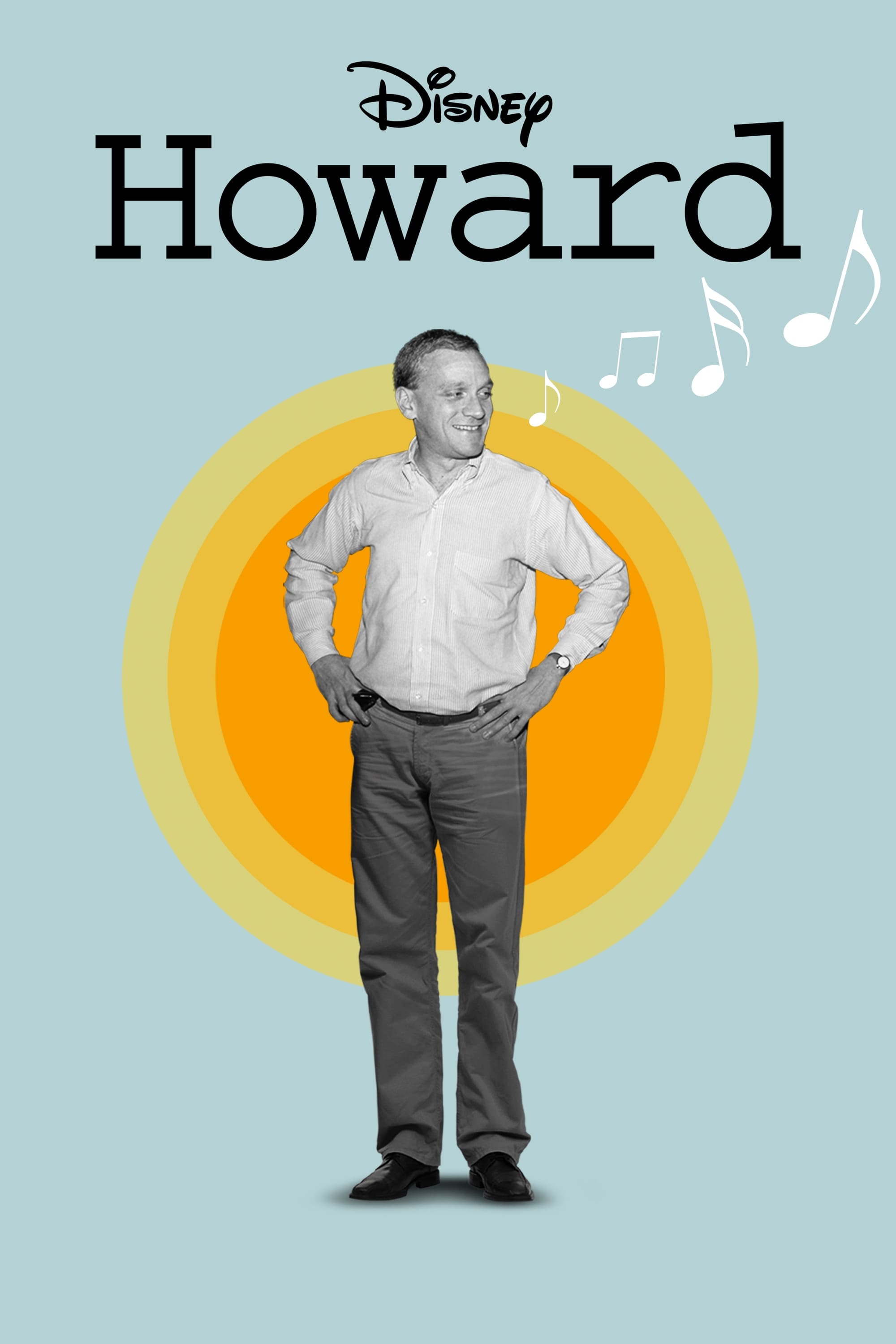
Though legendary lyricist Howard Ashman died far too young, his impact on Broadway, movies, and the culture at large were incalculable. Told entirely through rare archival footage and interviews with Ashman’s family, friends, associates, and longtime partner Bill Lauch, Howard is an intimate tribute to a once-in-a-generation talent and a rousing celebration of musical storytelling itself.
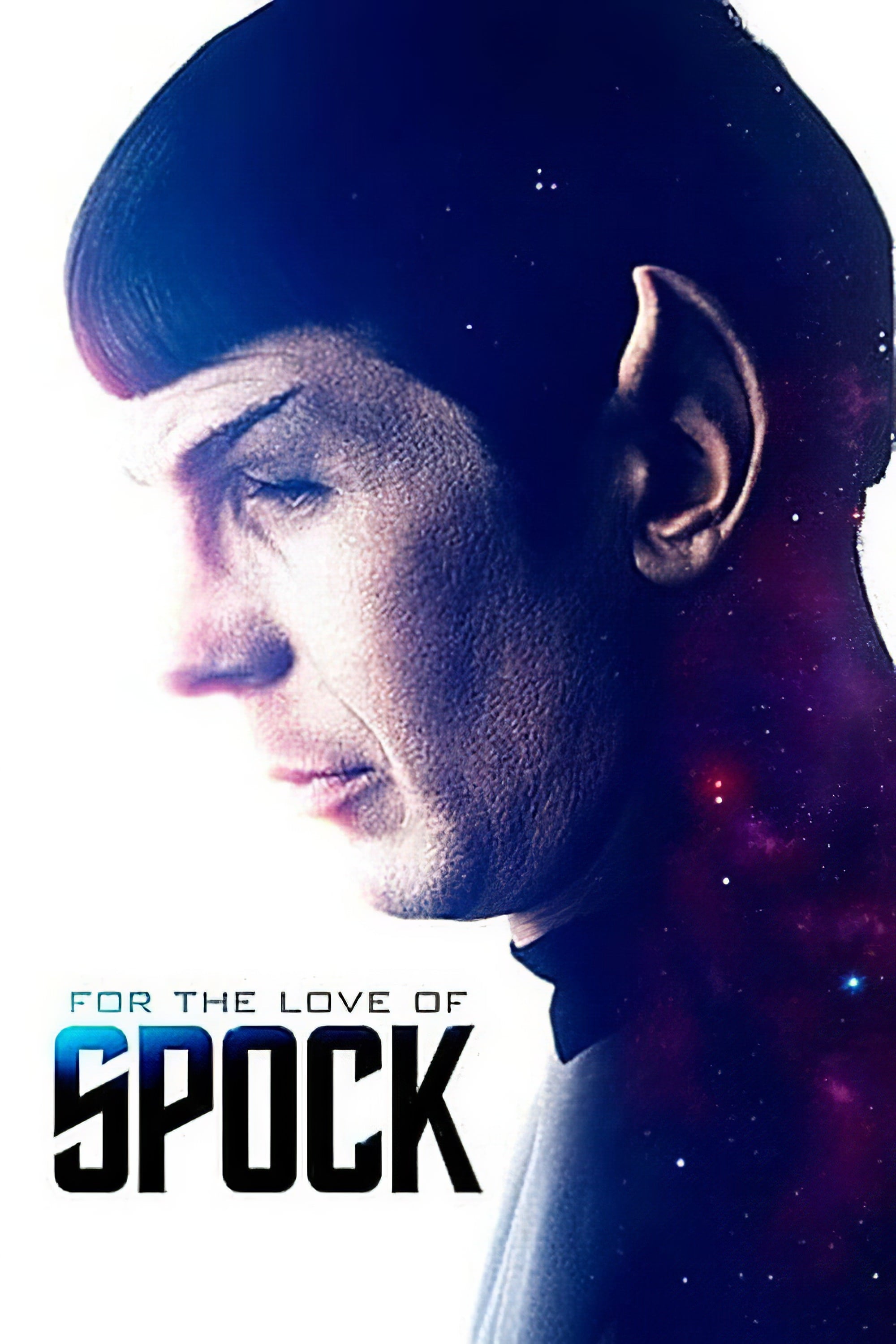
The life of Mr. Spock, as well as that of Leonard Nimoy, the actor who played him for almost fifty years, written and directed by his son: Adam.
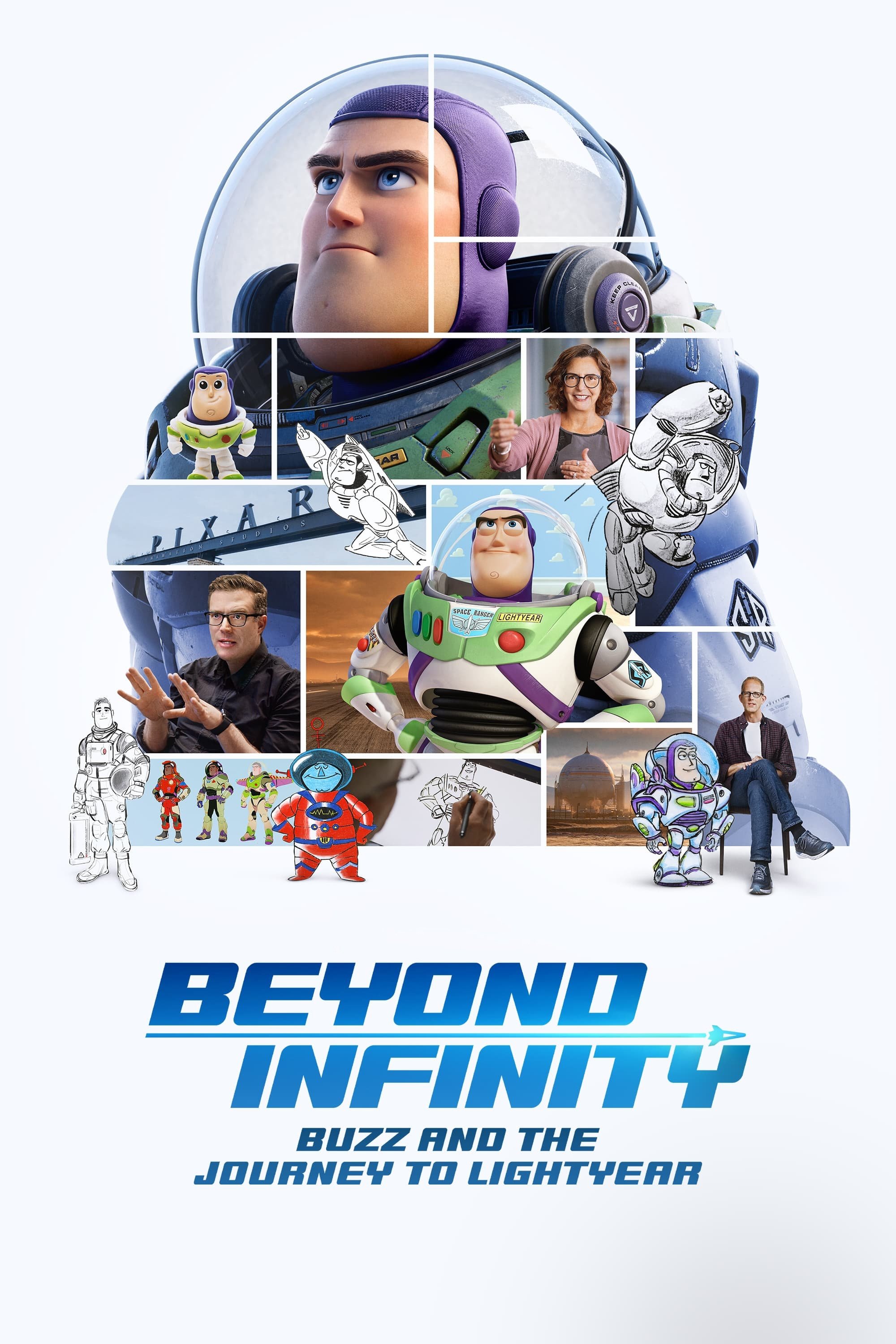
Explore the evolution of Buzz Lightyear from toy to human in the making of Pixar’s Lightyear. Dive into the origin and cultural impact of everyone’s favorite Space Ranger, the art of designing a new “human Buzz,” and the challenges faced by the Lightyear crew along the way.
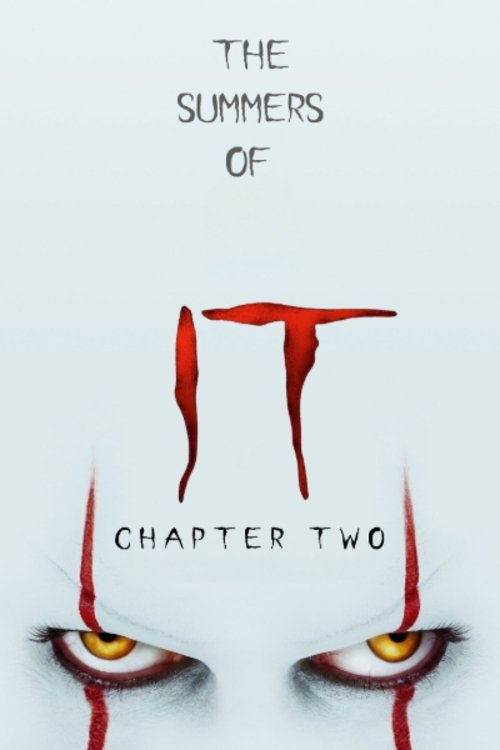
This documentary focuses on the actors and their journey over two summers to create the remake to the original IT, by Stephen King. The documentary originally released as bonus material, bundled with IT: Chapter Two.
The life and career of an actor, artist, and icon. His own journey through his own camera.
Join director Clint Eastwood and his creative team, along with Bradley Cooper and Sienna Miller, as they overcome enormous creative and logistic obstacles to make a film that brings the truth of Navy SEAL Chris Kyle's story to the screen.
A primetime special with performances from the superstar including Adele’s first new material in six years plus her chart-topping hits. The special will also feature an exclusive interview with Adele by Oprah Winfrey from her rose garden, in Adele’s first televised wide-ranging conversation.
Captured during Billie Eilish's sold-out world tour, a concert experience from one of the most celebrated and successful artists of her generation, presented in immersive 3D.
A feature length documentary about the all-women team at the helm of Pixar's original feature, Turning Red. With unprecedented behind-the-scenes access to Director Domee Shi and her core leadership crew, this story shines a light on the powerful professional and personal journeys that brought this incredibly comical, utterly relatable, and deeply heartfelt story to the screen.