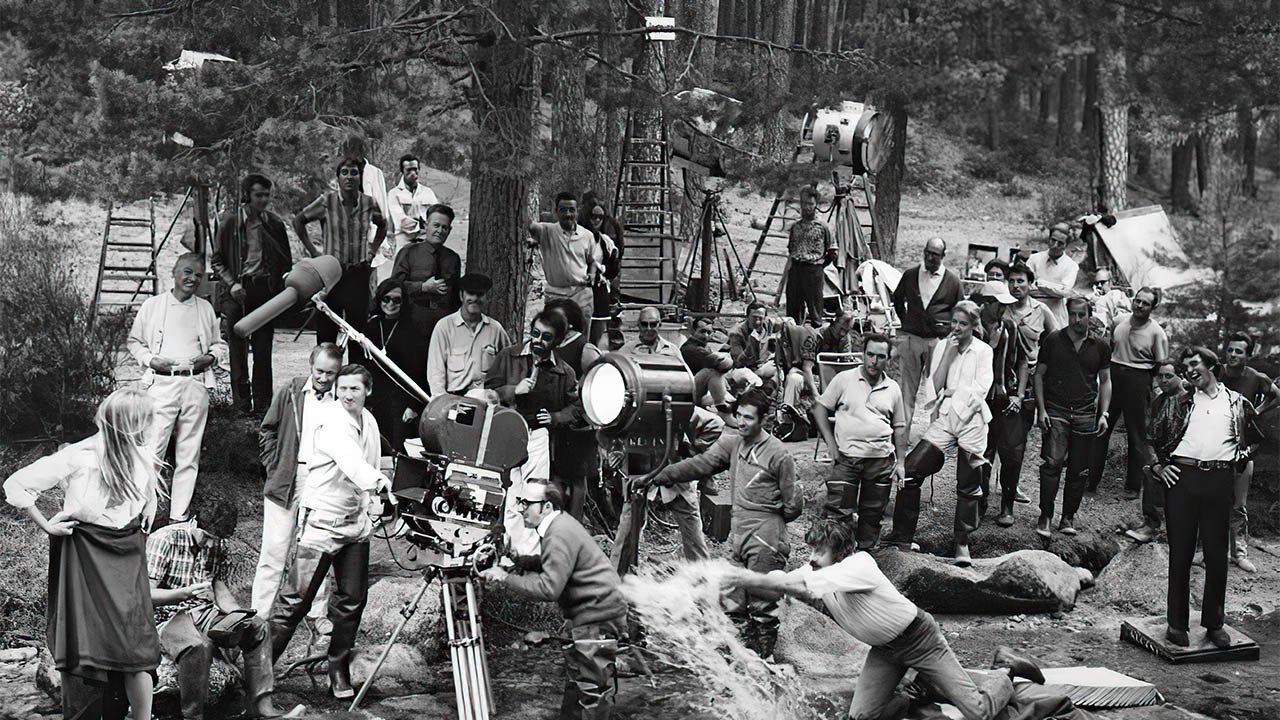
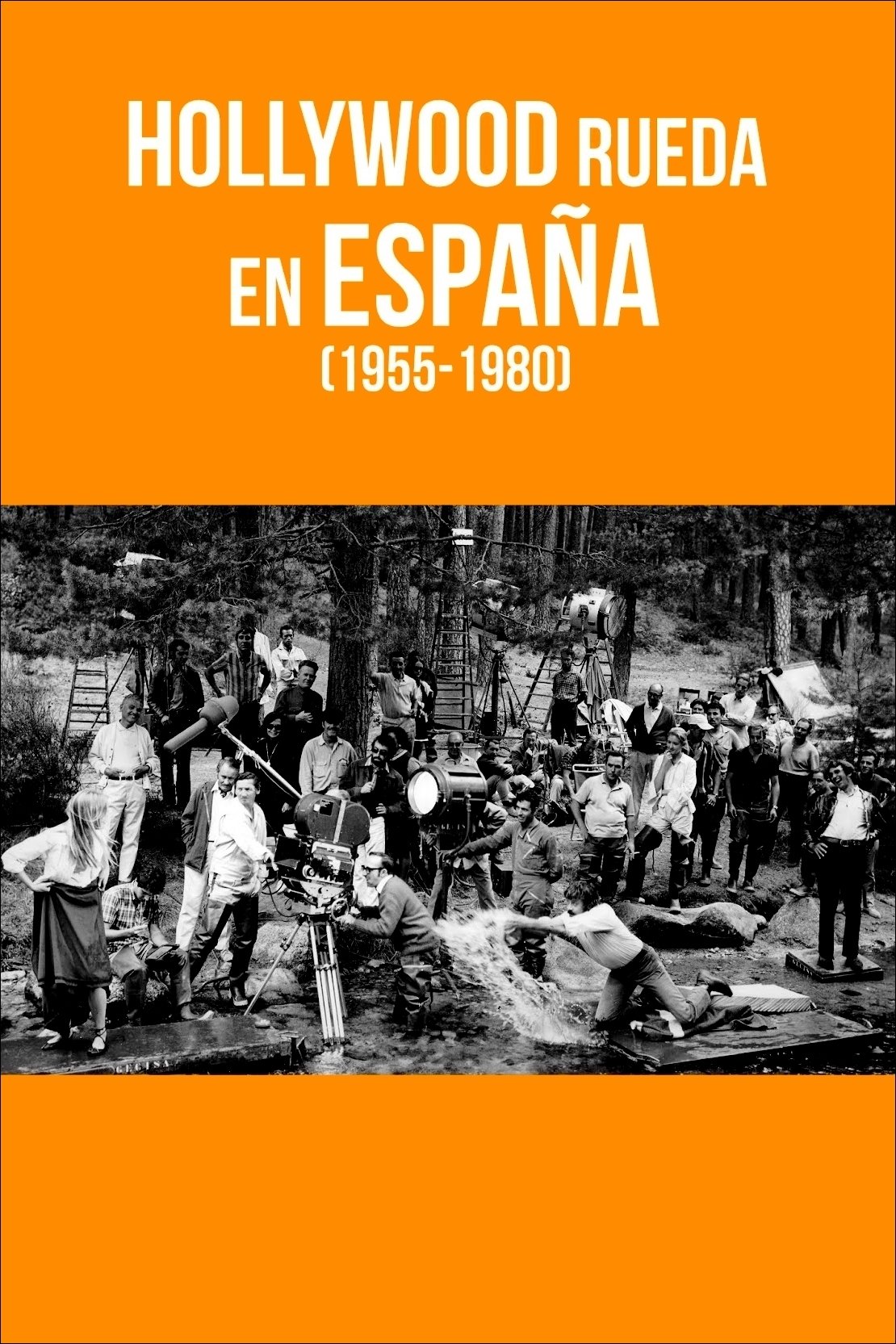
The turbulent history of the twenty-five years during which, in the midst of Franco's dictatorship, Spain was turned into an immense movie set on which many foreign production companies shot dozens of films, from westerns to historical epics.

Social & External
‘VIGO 1972’ narrates the events which took place in Vigo in September 1972, when the firing of five Citröen auto workers resulted in the largest general strike in the history of Galicia — with over thirty thousand workers — all of this during the Franco dictatorship in Spain.
Film director and screenwriter Seijun Suzuki (1923-2017), who in the sixties was the great innovator of Japanese cinema; and his collaborator, art director and screenwriter Takeo Kimura (1918-2010), recall how they made their great masterpieces about the Yakuza underworld for the Nikkatsu film company.
In 1981, a film about the misadventures of a German U-boat crew in 1941 becomes a worldwide hit almost four decades after the end of the World War II. Millions of viewers worldwide make Das Boot the most internationally successful German film of all time. But due to disputes over the script, accidents on the set, and voices accusing the makers of glorifying the war, the project was many times on the verge of being cancelled.
The video revolution of the 1970s offered unprecedented access to the moving image for artists and performers. This Is Not a Dream explores the legacies of this revolution and its continued impact on contemporary art and performance. Charting a path across four decades of avant-garde experiment and radical escapism, This Is Not a Dream traces the influences of Andy Warhol, John Waters and Jack Smith to the perverted frontiers of YouTube and Chatroulette, taking in subverted talk shows and soap operas, streetwalker fashions and glittery magic penises along the way.

Film journalist and critic Rüdiger Suchsland examines German cinema from 1933, when the Nazis came into power, until 1945, when the Third Reich collapsed. (A sequel to From Caligari to Hitler, 2015.)
Kim Novak never dreamed on being a star, but she became one. Most famous for her enigmatic performance in Hitchcock’s Vertigo (1958), the Chicago-born actress never quite fitted into the Hollywood mould and wanted to do things her own way.
After many years of confrontation, the treasures of Spain and France are empty. In 1721, the regent of France draws up an ambitious plan to inaugurate an era of peace and prosperity that will heal the economies of both nations: his intention is to build a solid network of marriage alliances that will involve four children of very different ages who know nothing of betrayals and power games…
Fulton and Pepe's 2000 documentary captures Terry Gilliam's attempt to get The Man Who Killed Don Quixote off the ground. Back injuries, freakish storms, and more zoom in to sabotage the project.
The history of the comic book superhero, Superman, in his various media incarnations.
The personal and professional story of Ilona Staller, known as Cicciolina, is probably unique: she left communist Hungary and moved to Italy, where she found a fertile environment for a life dedicated to scandal.
On February 26, 1920, Robert Wiene's world-famous film The Cabinet of Dr. Caligari premiered at the Marmorhaus in Berlin. To this day, it is considered a manifesto of German expressionism; a legend of cinema and a key work to understand the nature of the Weimar Republic and the constant political turmoil in which a divided society lived after the end of the First World War.
Besieged by cancer and nearing the end, the genius Argentine-Brazilian filmmaker Héctor Babenco (1946-2016) asks Bárbara Paz, his wife, for one last wish: to be the protagonist of his own death.
An account of the life and work of Russian filmmaker Andrey Tarkovsky (1932-86) in his own words: his memories, his vision of art and his reflections on the fate of the artist and the meaning of human existence; through extremely rare audio recordings that allow a complete understanding of his inner life and the mysterious world existing behind his complex cinematic imagery.
An intimate portrait of the superb actress Gena Rowlands, icon of independent cinema. Together with her husband, legendary director John Cassavetes (1929-89), she lived an unusual life beyond the dream factory, a life in which reality and fiction were so perfectly intertwined that it made possible films that still today seem incredibly real.
Famous French director Tavernier tells us about his fantastic voyage through the cinema of his country.
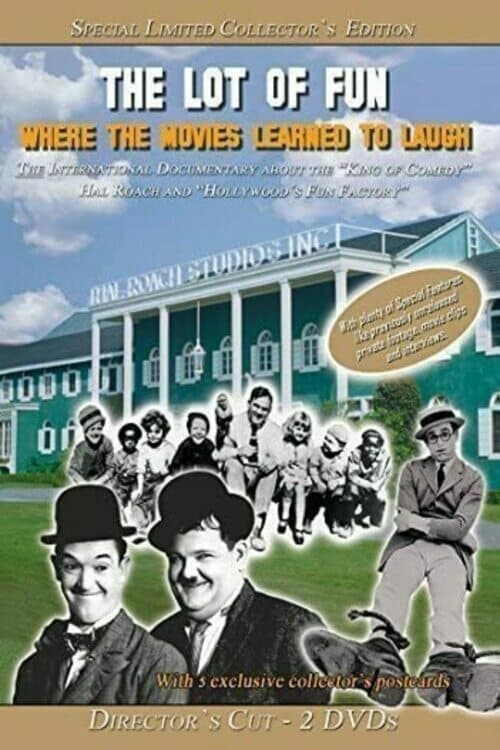
Jack L. Warner, Harry Warner, Albert Warner and Sam Warner were siblings who were born in Poland and emigrated to Canada near the turn of the century. In 1903, the brothers entered the budding motion picture business. In time, the Warner Brothers moved into film production and would open their own studio in 1923.
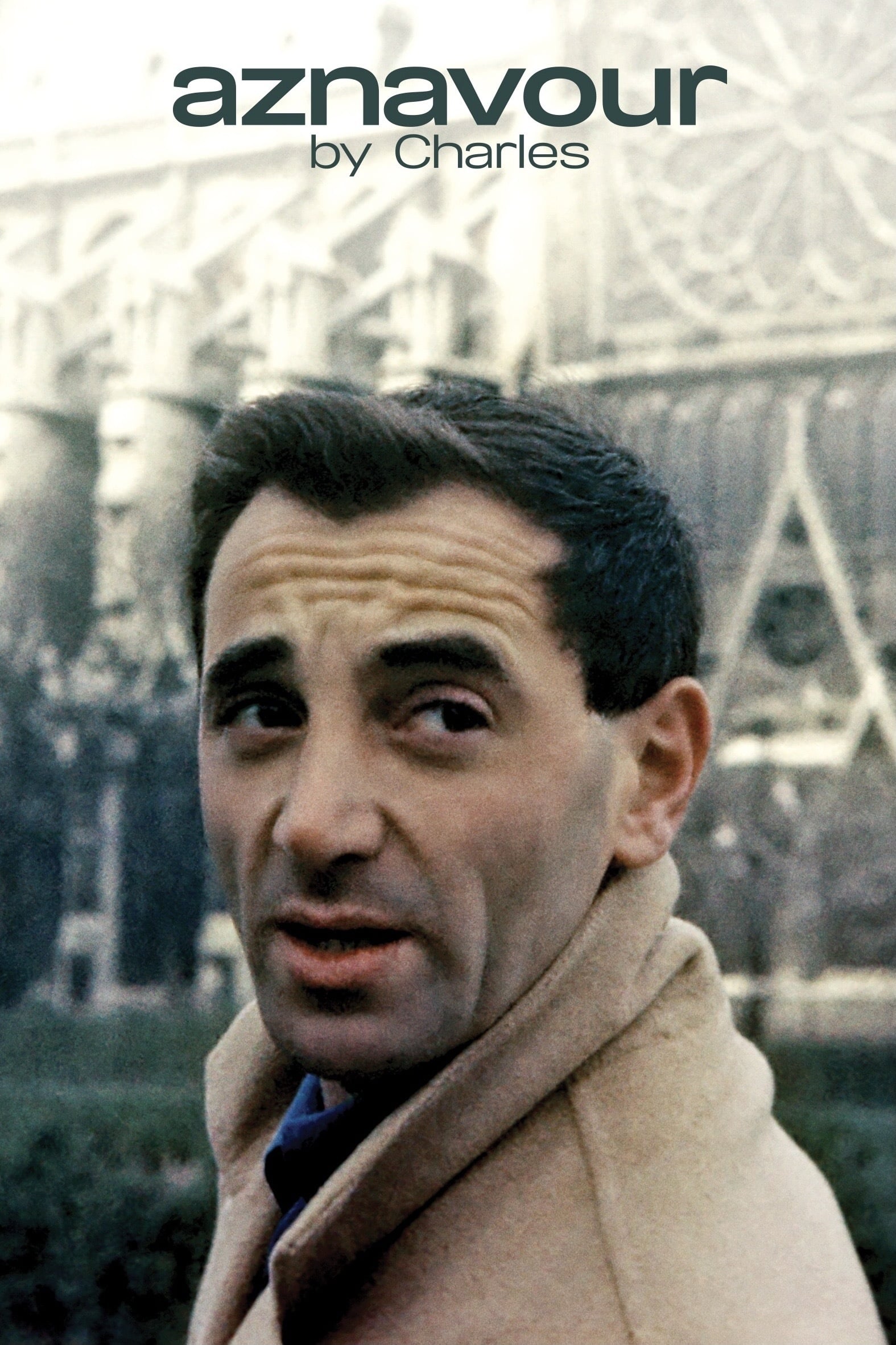
In 1948, French singer Charles Aznavour (1924-2018) receives a Paillard Bolex, his first camera. Until 1982, he will shoot hours of footage, his filmed diary. Wherever he goes, he carries his camera with him. He films his life and lives as he films: places, moments, friends, loves, misfortunes.
Documentary illustrating the birth of sound cinema.
An account of the life of actress Jeanne Moreau (1928-2017), a true icon of the New Wave and one of the most idolized French movie stars.
The history of cinematic sound, told by legendary sound designers and visionary filmmakers.
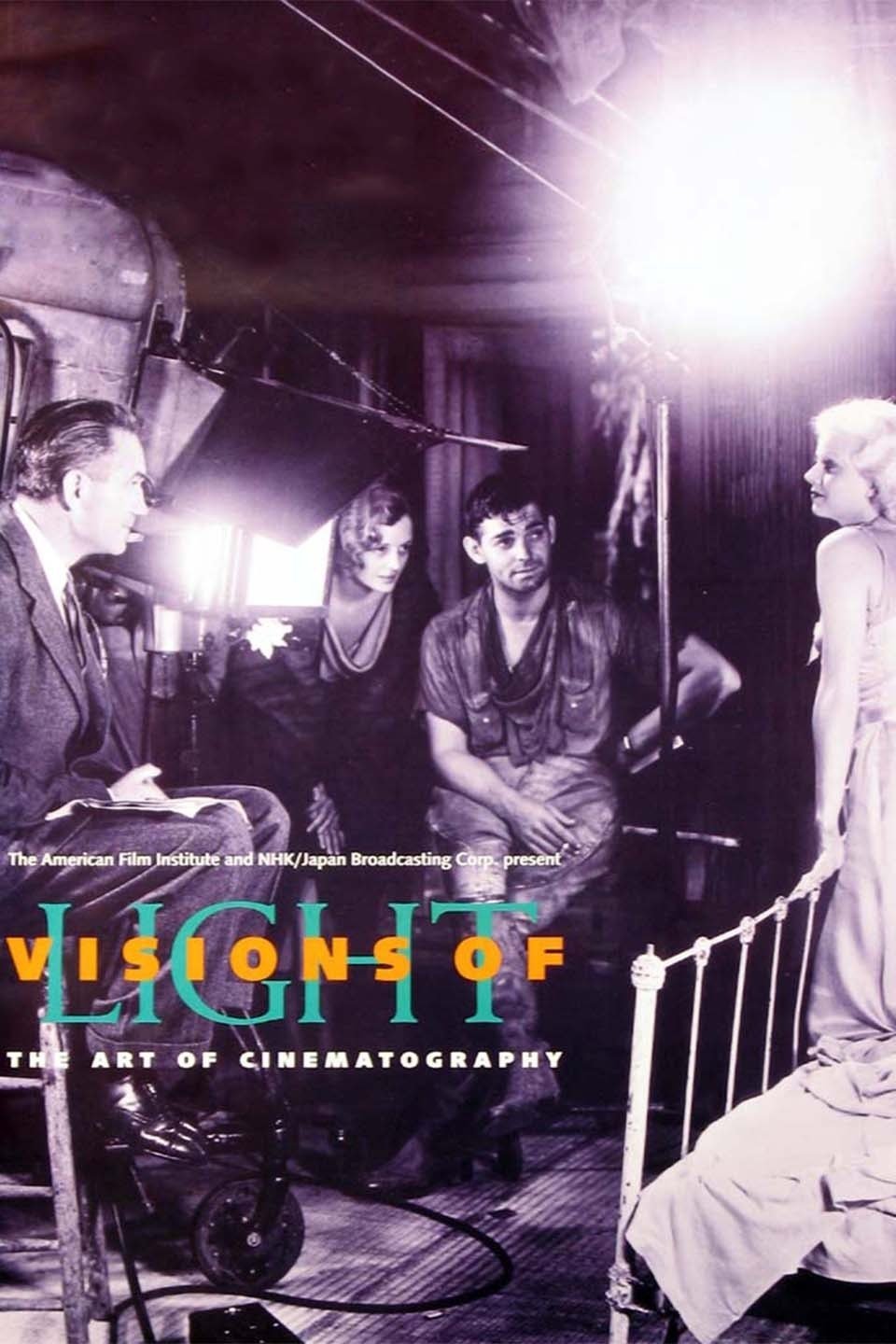
Cameramen and women discuss the craft and art of cinematography and of the "DP" (the director of photography), illustrating their points with clips from 100 films, from Birth of a Nation to Do the Right Thing. Themes: the DP tells people where to look; changes in movies (the arrival of sound, color, and wide screens) required creative responses from DPs; and, these artisans constantly invent new equipment and try new things, with wonderful results. The narration takes us through the identifiable studio styles of the 30s, the emergence of noir, the New York look, and the impact of Europeans. Citizen Kane, The Conformist, and Gordon Willis get special attention.
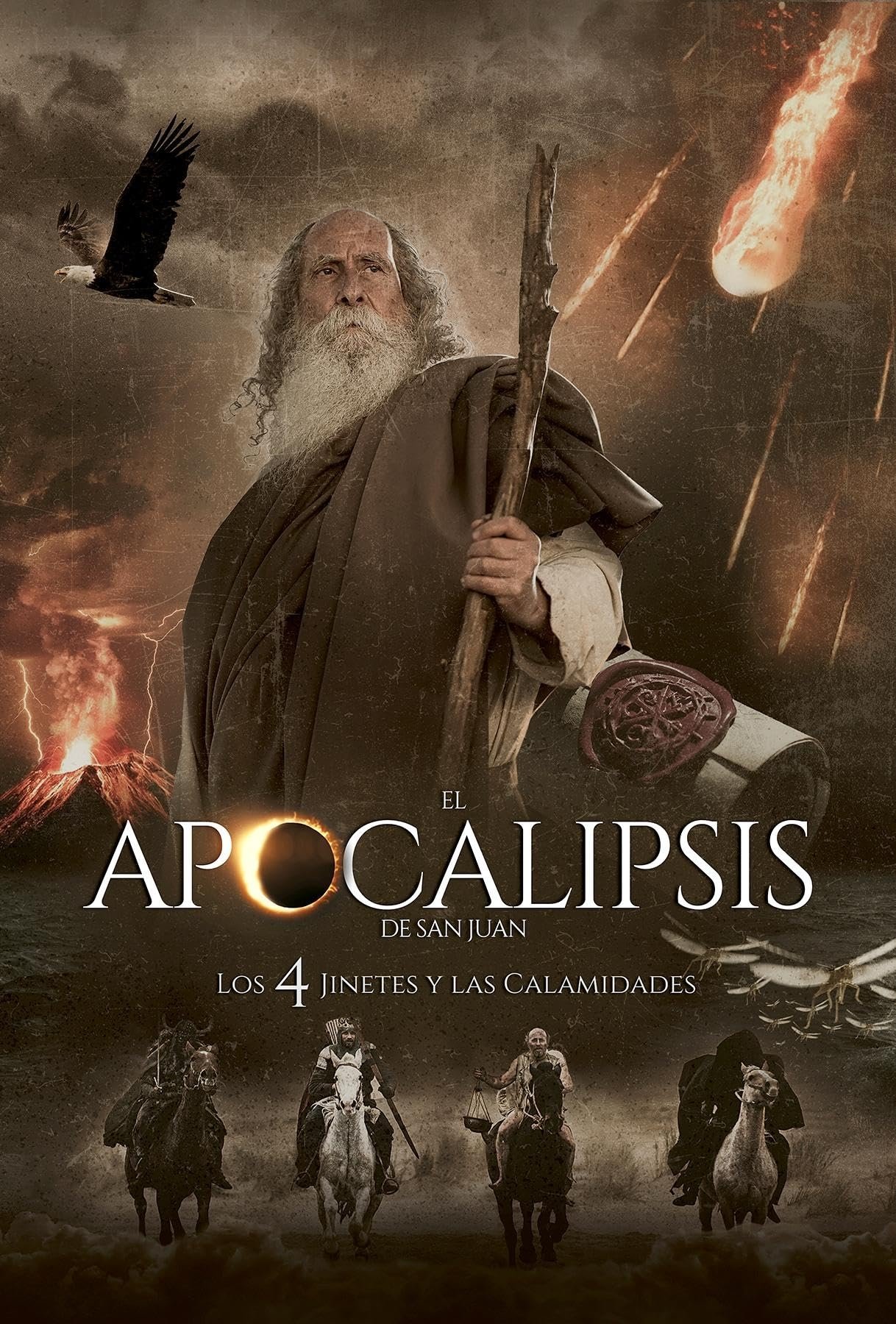
Embark on an epic journey through time and faith with 'The Apocalypse of Saint John.' Join the Apostle John in a stunning visual narrative that unravels the visions of the End Times. Experience each vision like never before, with striking visual effects and epic scenes that immerse you in the apocalyptic narrative.
Province of Burgos, northern Spain, October 2015. A group of fans undertake the titanic task of restoring the location of the last scene of The Good, the Bad and the Ugly, the mythical spaghetti western directed by Italian filmmaker Sergio Leone in 1966.
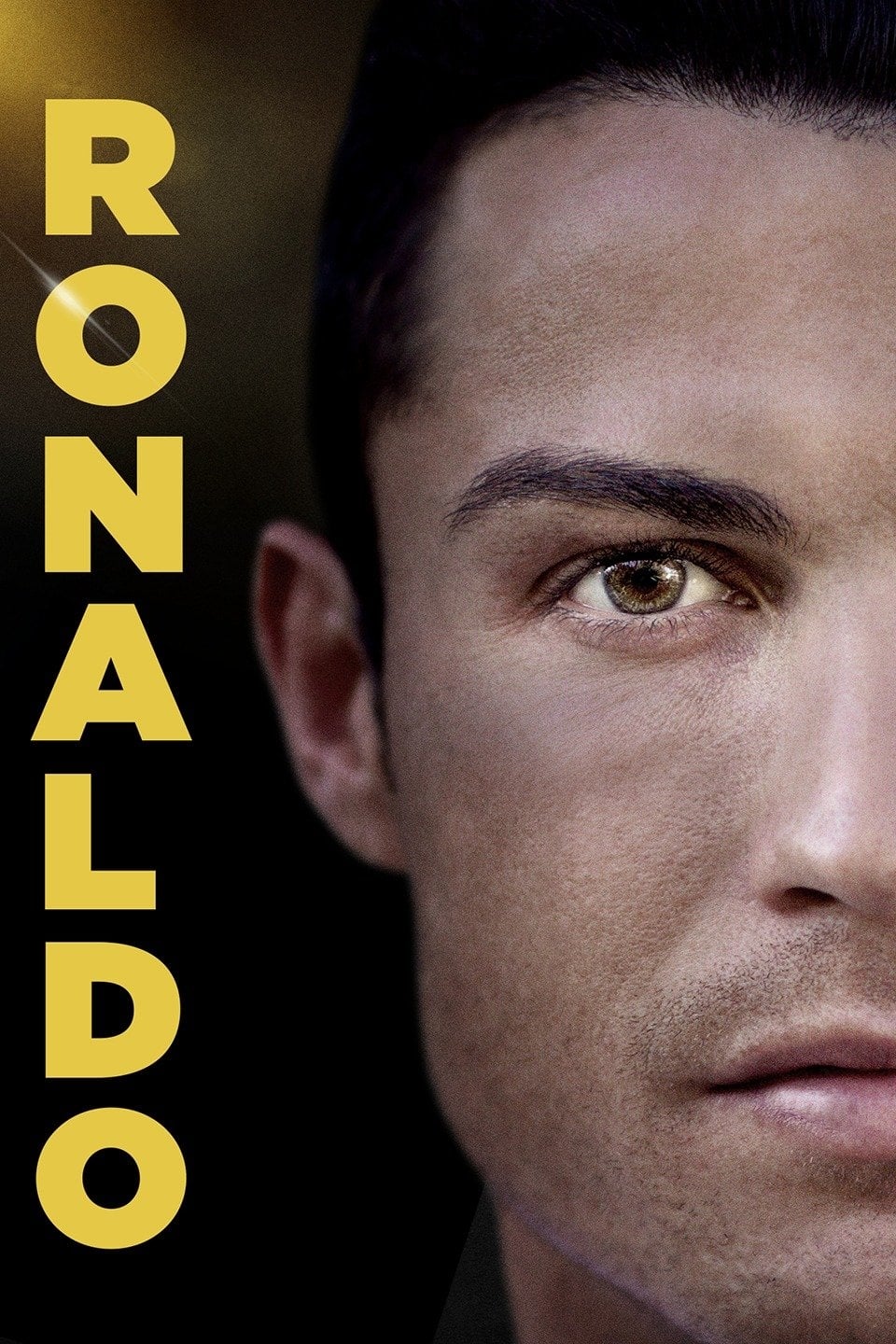
Filmed over 14 months with unprecedented access into the inner circle of the man and the sport, this is the first official and fully authorised film of one of the most celebrated figures in football. For the first time ever, the world gets vividly candid and un-paralleled, behind-closed-doors access to the footballer, father, family-man and friend in this moving & fascinating documentary. Through in-depth conversations, state of the art football footage and never before seen archival footage, the film gives an astonishing insight into the sporting and personal life of triple Ballon D'Or winner Cristiano Ronaldo at the peak of his career. From the makers of ‘Senna’ and ‘Amy’, Ronaldo takes audiences on an intimate and revealing journey of what it’s like to live as an iconic athlete in the eye of the storm.
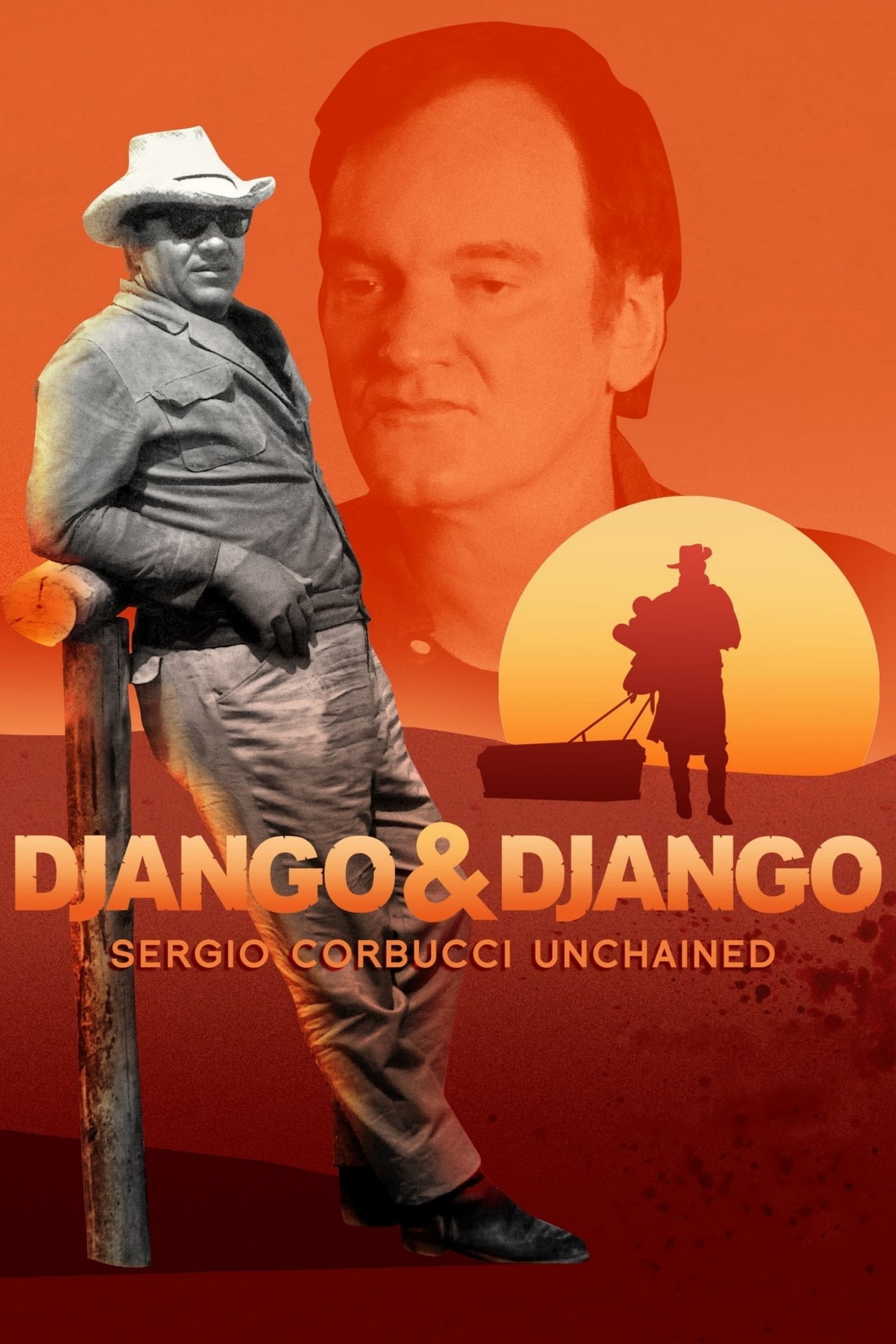
A tribute to Italian filmmaker Sergio Corbucci (1926-90), presented by American filmmaker Quentin Tarantino.
In a remote South American colony in the late 18th century, officer Zama of the Spanish crown waits in vain for a transfer to a more prestigious location. He suffers small humiliations and petty politicking as he increasingly succumbs to lust and paranoia.
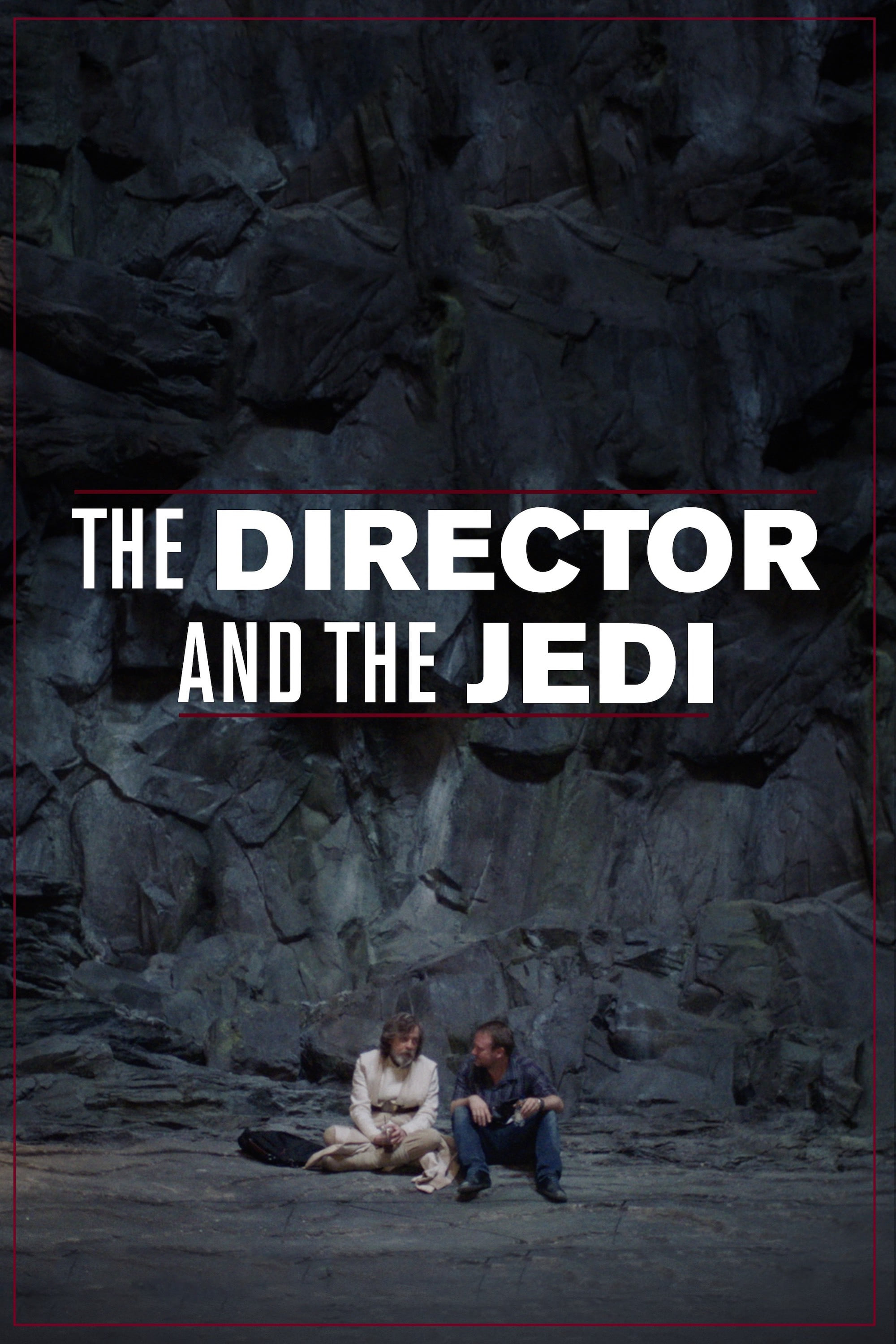
An intimate documentary delving into Rian Johnson's process as he comes in as a director new to the Star Wars universe.
The story of Margaret Humphreys, a social worker from Nottingham, who uncovers one of the most significant social scandals in recent times – the forced migration of children from the United Kingdom to Australia and other Commonwealth countries. Almost singlehandedly, Margaret reunited thousands of families, brought authorities to account and worldwide attention to an extraordinary miscarriage of justice.
Spanish photographer Francesc Boix, imprisoned in the Mauthausen-Gusen concentration camp, works in the SS Photographic Service. Between 1943 and 1945, he hides, with the help of other prisoners, thousands of negatives, with the purpose of showing the freed world the atrocities committed by the Nazis, exhaustively documented. He will be a key witness during the Nuremberg Trials.
A subjective documentary that explores various theories about hidden meanings in Stanley Kubrick's classic film The Shining. Five very different points of view are illuminated through voice over, film clips, animation and dramatic reenactments.
María Margarita is the youngest of four siblings in a family living in a mining town in the Atacama Desert (Chile). The most special time of the week for this family is Sunday, when they all go to the movies to enjoy stories that let them escape their everyday lives by transporting them to other worlds. The girl’s parents soon realise that the little girl has a very special gift: an almost uncanny ability to recount movies. The girl’s extraordinary talent will spread throughout the village, changing the fortunes of her family as the country is transformed forever.
In the 1980s, a team of lawyers takes on the heads of Argentina's bloody military dictatorship in a battle against odds and a race against time.
Documentary about the art of film editing. Clips are shown from many groundbreaking films with innovative editing styles.
The story lives forever in this feature-length documentary that charts the making of Star Wars: The Rise of Skywalker.
Young women toiling in a factory are exposed to hazardous material which takes a disastrous toll on their health.
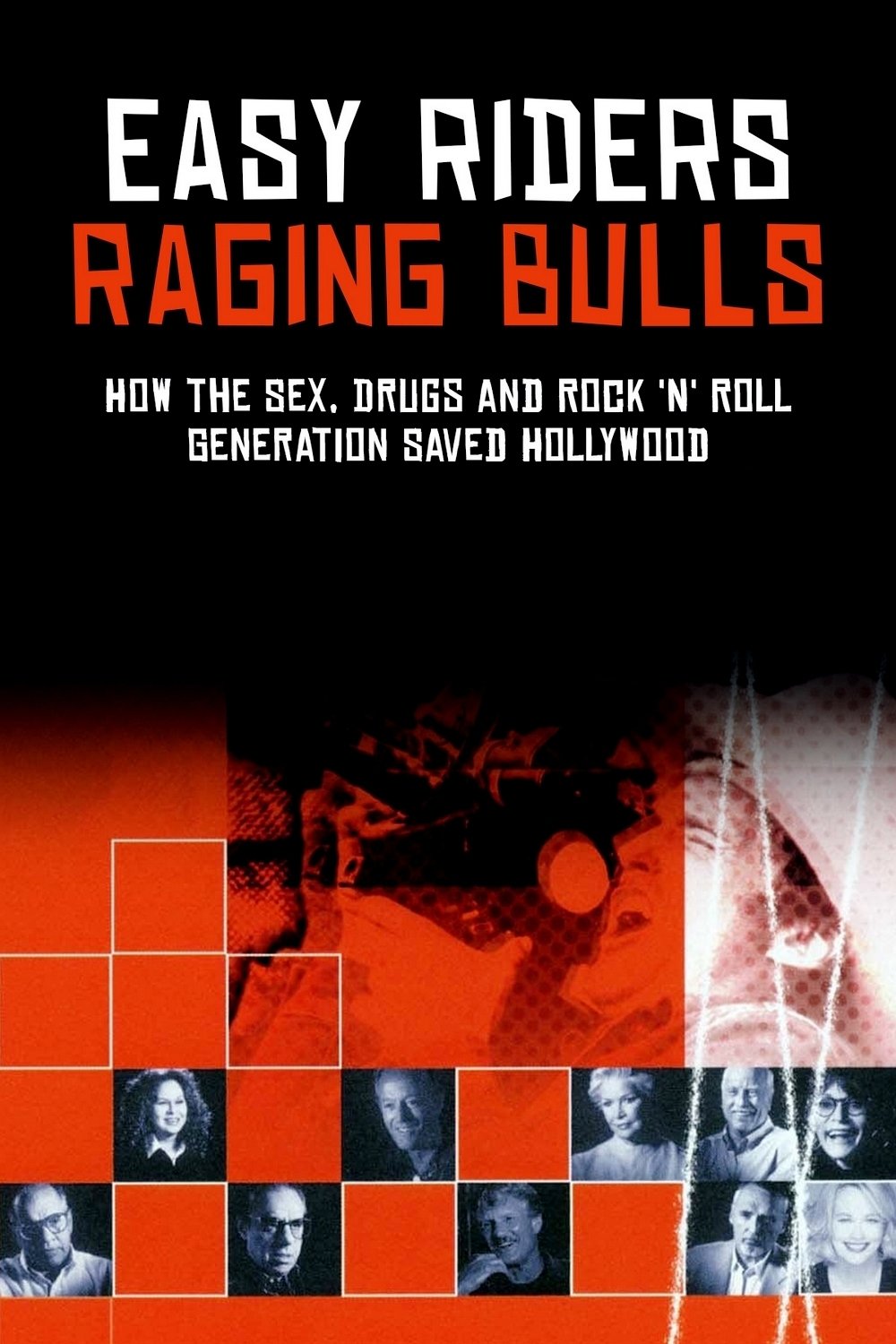
A documentary examining the decade of the 1970s as a turning point in American cinema. Some of today's best filmmakers interview the influential directors of that time.
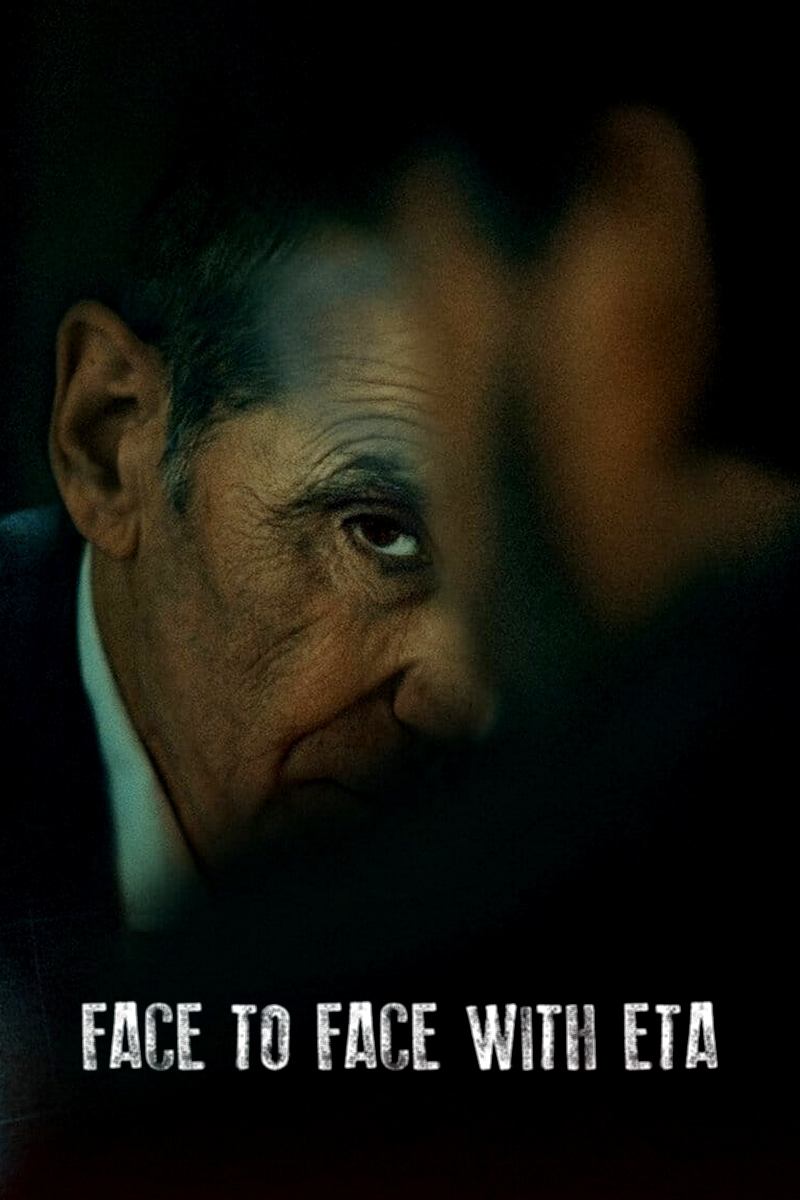
Spain, 1973. Dictator Francisco Franco has ruled the country since 1939 with an iron fist; but he is now a very old and sick man. The future of the weakened regime is in danger. Admiral Carrero Blanco is his natural successor. The Basque terrorist gang ETA decides that he must die to prevent the dictatorship from continuing.
The chronicle of the mind-blowing journey that was Hollywood during the seventies; the true and gripping story of the last golden age of American cinema, an exalted celebration of creativity and experimentation; but also of sex, drugs and rock 'n' roll: a turbulent and dark tale of ambition, envy, betrayal, hatred and self-destruction.
Delving into a century of genre films that by turns utilized, caricatured, exploited, sidelined, and finally embraced them, this is the untold history of black Americans in Hollywood through their connection to the horror genre.