Documentary about refugees from Western Sahara living in Algeria.
Social & External
For over 40 years, the Sahrawi population, as refugees, has been waiting peacefully to return to their homeland after Morocco's illegal invasion of their territory in 1976. In the Sahrawi refugee camps, located in a portion of Algerian territory, two young men meet by chance where they share a conversation that leads them to reflect on the fleetingness of life and the urgency of making dreams possible. The dream of returning home.
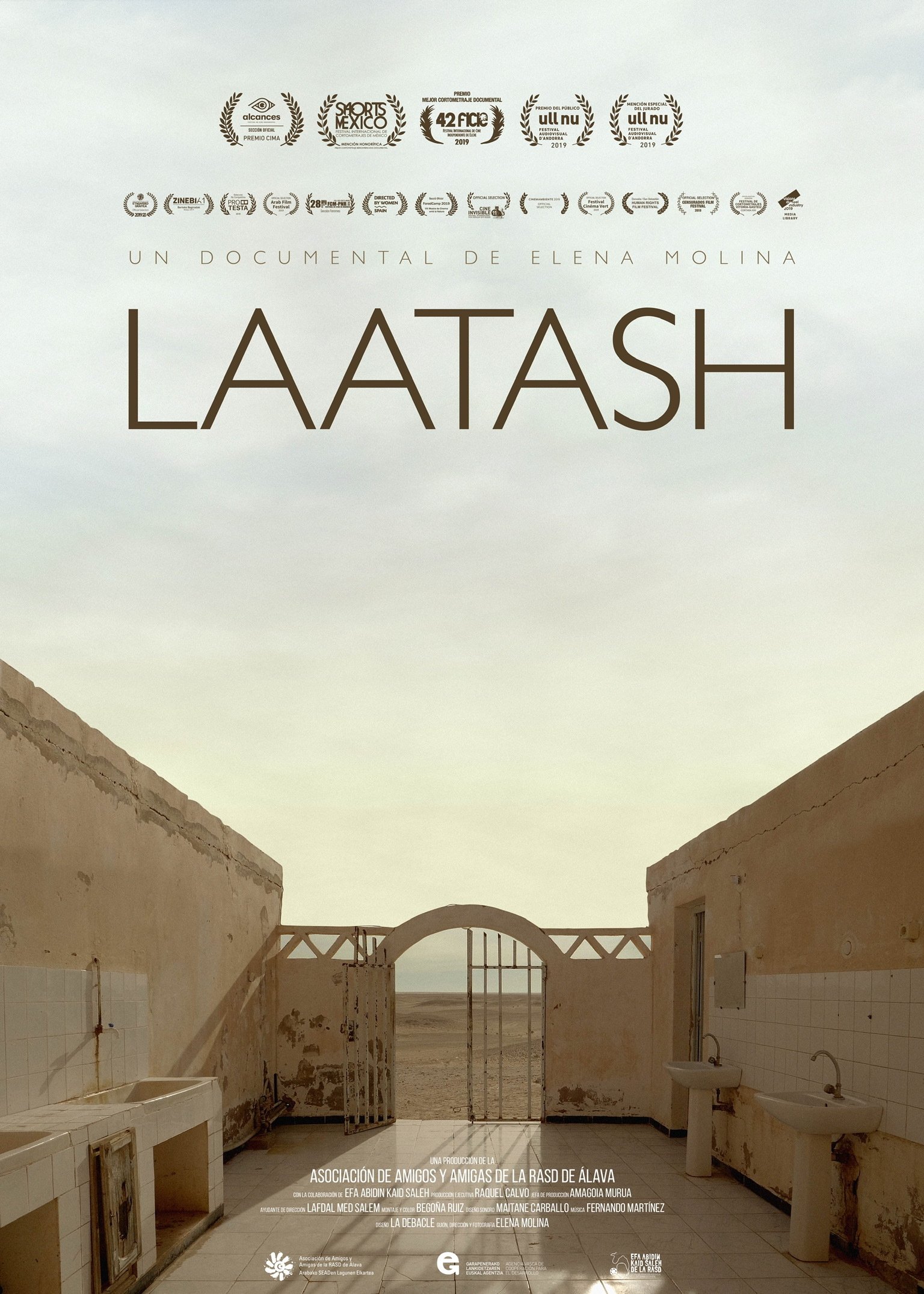
The Saharawi women face the thirst of the hamada, the curse of the desert, every day. They’ve built their refuge in a land where no one could survive before. For more than forty years they’ve been holding out and taking care of their people there. They ensure every drop of water is distributed according to the needs of each family … and they wait. But there’s an even more terrible thirst in their throats, for which they find no relief.
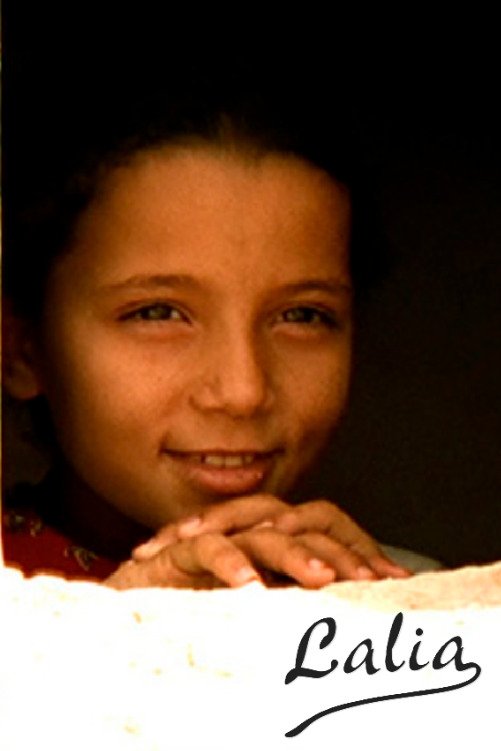
Lalia is a Saharaui girl who lives in a refugee camp in Algiers. She has only heard her grandmother and grandfather talk about her country, about the Sahara, that was taken away by Morroco. She dreams of one day seeing the ocean, seeing her real country. The reality she lives in is different... the uncertainty of the refugee camps, the political unbalance... but she is strong... and she knows that there can be change... she won't stop dreaming, and she won't stop longing..
The relevant NGOs and the Spanish film industry have organized the First International Sahara Film Festival, with the official objective of bringing films to refugee camps for the first time for a few days. With a humorous tone and a self-critical intention, the aim is to include a range of shades of gray in a world dominated by black, white, and slogans.
Refugees in Algeria since 1975, the Saharawi have had to forge another life path, fighting to return home. Their children, a generation born in exile to parents born in exile, tell the story and struggle of their people, the Saharawi, through their dreams, hopes, and strength.
Straddling a 2,400-kilometer-long wall constructed by the Moroccan army, the Western Sahara is today divided into two sections — one occupied by Morocco, the other under the control of the Sahrawi National Liberation Movement’s Polisario Front. Drawing from stories of flight, exile, interminable waiting and the arrested, persecuted lives on both sides of that wall, this film bears witness to the Sahrawi people, their land, their entrapment in other people’s dreams. In an esthetic that sublimates the real, Lost Land resonates like a score that juxtaposes sonorous landscapes, black-and-white portraits and nomadic poetics.
The political upheaval in North Africa is responsibility of the Western powers —especially of the United States and France— due to the exercise of a foreign policy based on practical and economic interests instead of ethical and theoretical principles, essential for their international politic strategies, which have generated a great instability that causes chaos and violence, as occurs in Western Sahara, the last African colony according to the UN, a region on the brink of war.
After the military occupation of Western Sahara in 1976, Moroccan government attacked the civil population with hard repression, forcing hundreds of Saharan people to “disappear” in clandestine jails. An invisible and slow death was the only horizon. However, some prisoners were able to survive after suffering their own “extinction” for more tan 10 years, ripped from their families, suffering torture, in total isolation. When they finally were released, their known world had changed radically.
Documentary about the arduous early years of the Sahrawi cause (1977)
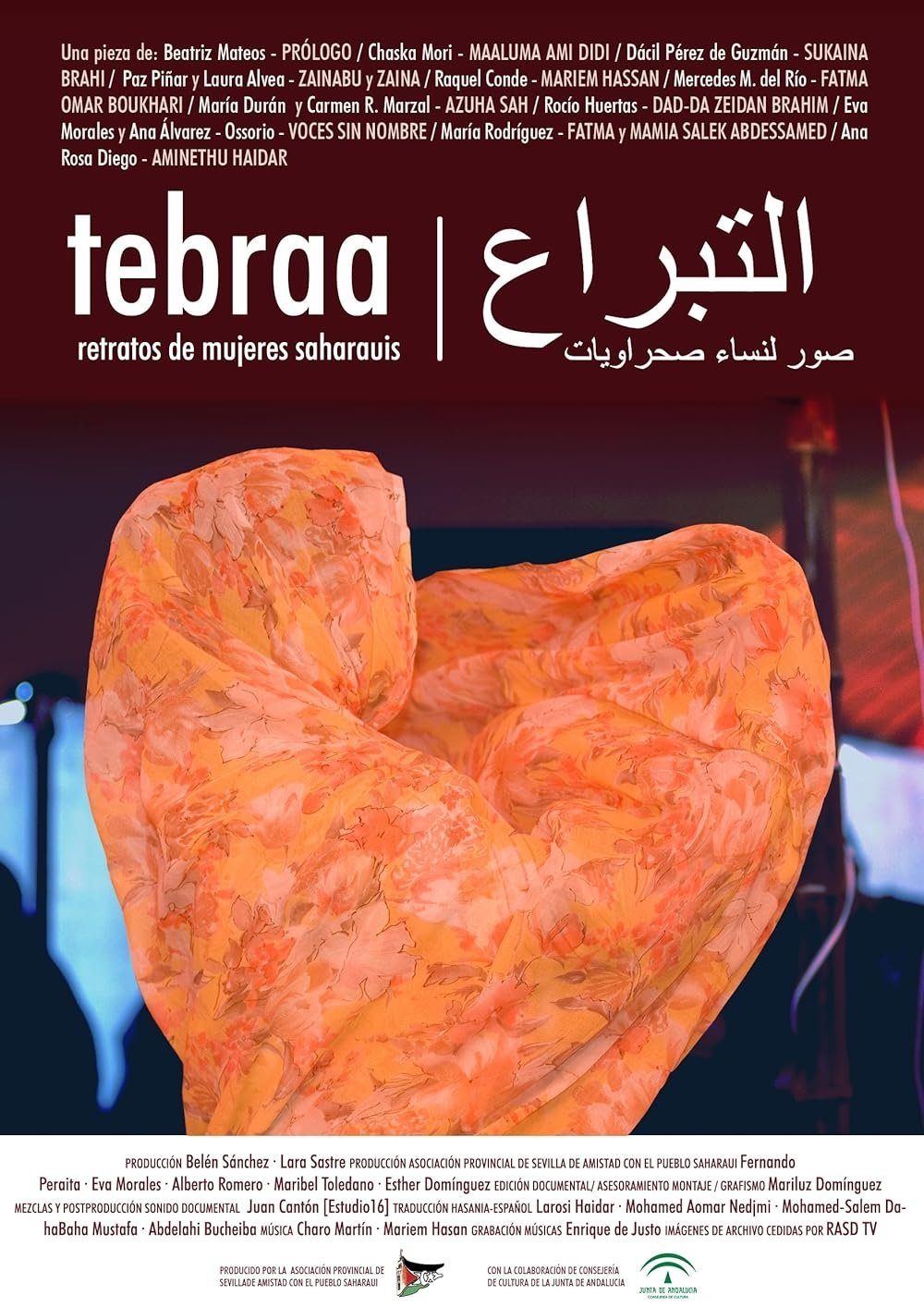
Tebraa is the song of the women of the Sahara desert. Songs of love or lamentation that they sing when they are alone. This collective documentary made by a group of Andalusian women tells the life and injustices that Sahrawi women experience in the adverse conditions of exile and in the occupied territories of Western Sahara.
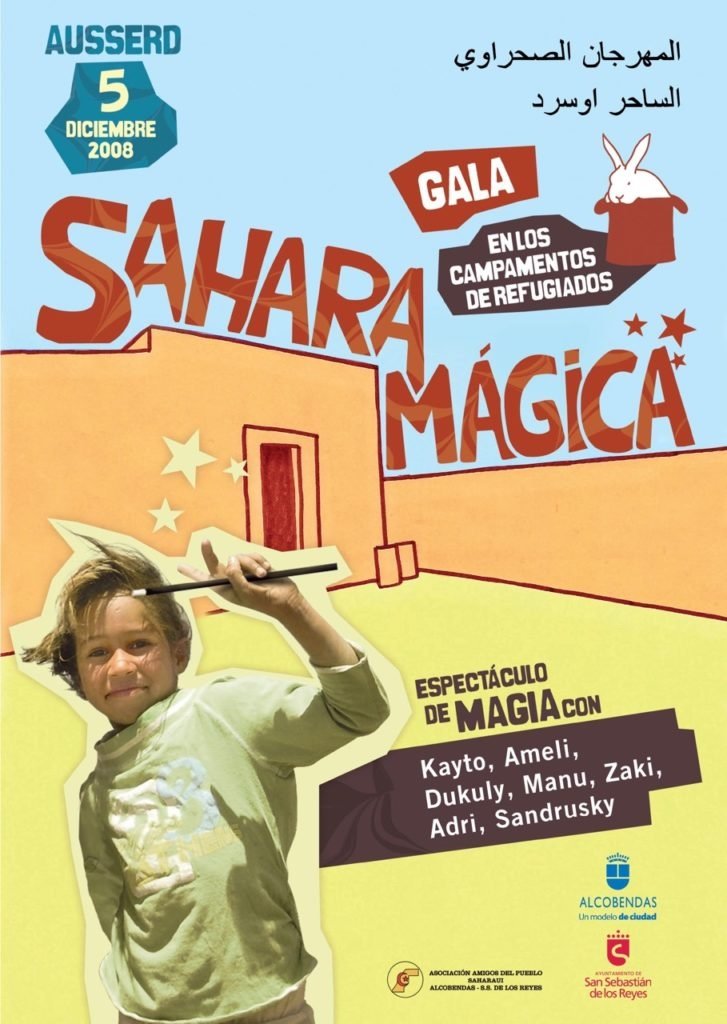
The magic of life in the desert and that which takes place on a stage, the tricks that one has to learn in order to survive and those that bring a smile to your face. Two worlds that you find behind a clown’s nose and 1500 excited children.
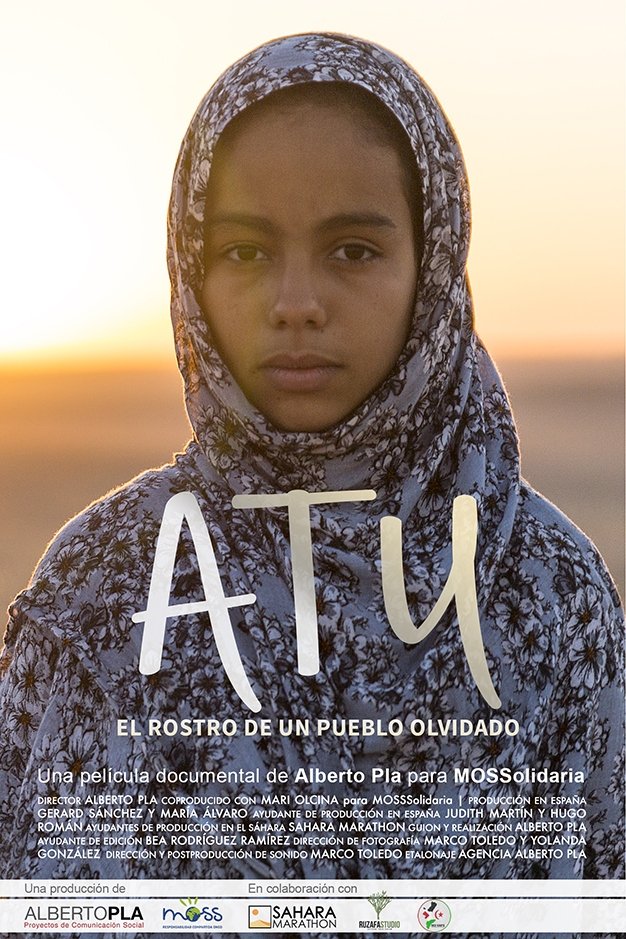
Atu is a 12-year-old Saharawi girl who comes to Valencia every summer to escape the suffocating desert summer in exile. Two opposing worlds between a conflict that has driven hundreds of thousands of people away from Western Sahara forcing them to live in southwestern Algeria. At her young age, with little resources and no homeland, she courageously faces the future.
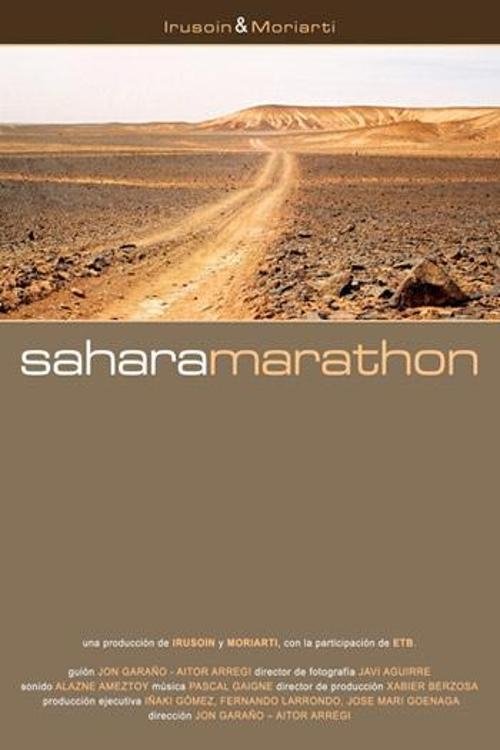
This film offers a picture of the tense situation in which the Sahrawi people have lived for more than 30 years. The yearly celebration of a marathon in the Sahrawi refugee camps serves as the central focus of the story.
Spanish actor Pepe Viyuela embarks on a personal journey on the trail of his grandfather Gervasio, a soldier in the Republican Army during the Spanish Civil War.
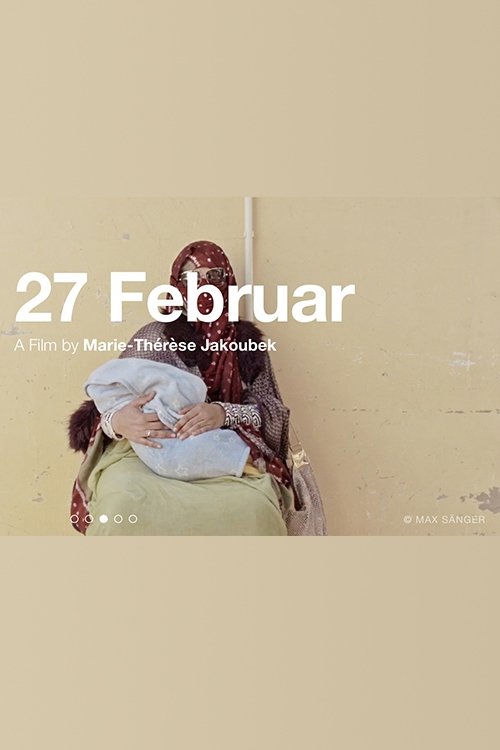
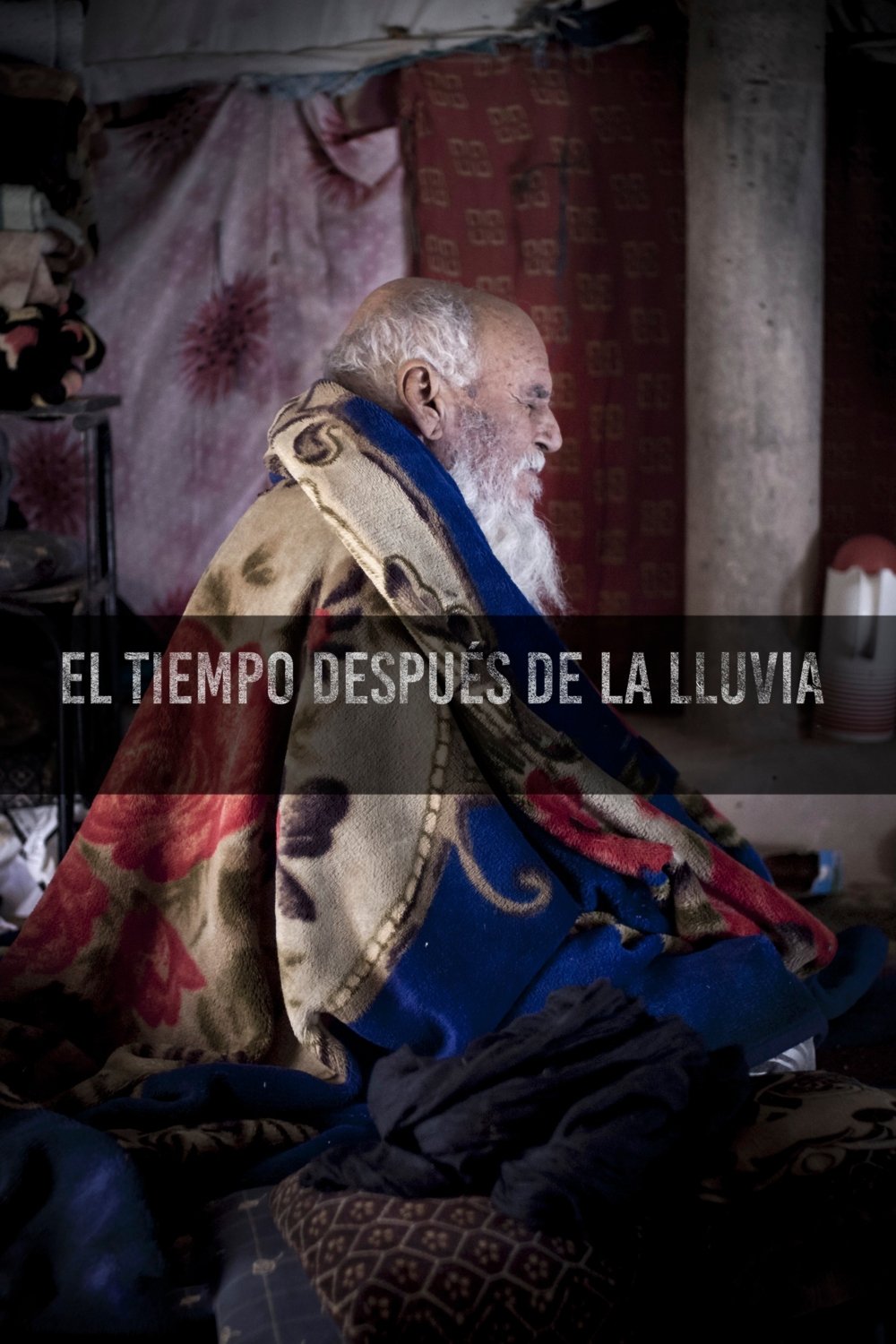
Young Mohamed Dih, who in Seville, returns to his birthplace – a refugee camp in Western Sahara. Time flows differently here: the times of the day are marked by calls to prayer and the seasons – by the rainfall. When a torrential downpour destroys his family’s home, the protagonist stays in the camp for longer to help to rebuild it.
It describes the way of life of the Sahara people in the Western Sahara Desert, in particular it tells the story of a child bitten by a snake.
Through images and testimonies of Sahrawi women, this film introduces us to the situation and the living conditions the Sahrawi people have been subjected to since, in 1975, Western Sahara was occupied by Morocco and thousands of men, women and children were forced to flee and look for refuge in Algerian territory, in the inhumane "hamada" (rocky desert) of Tindouf. Sahrawi women, exiled to the refugee camps of Tindouf since 1975, have been the driving force behind a genuine revolution in all areas of Sahara society. They have carried out the miracle of reviving the spirit of a devastated community in the middle of a hostile, rocky desert.
This film presents, through the eyes four students - Gemma, Colo, Cristian and Mireia - their experience of the trip, the feelings that moved them, the work carried out in the camps and, above all, their contribution to raising awareness of the unresolved difficulties the Sahrawi people face.
The strength and will of a girl with physical difficulties in Sahrawi society.
Taleb, who came to a refugee camp at the age of five in 1975 and returned there after his studies abroad, tells of his life as a displaced person, his gratitude for the reception and support in Algeria, and his hope that the Sahrawis may one day return to their homeland. For Taleb, this hope drives him to actively prepare for better times: as a graduate in agricultural sciences, he conceived a successful small-scale closed-loop economy in a desert under the most difficult conditions, producing enough food for self-sufficiency.
A detailing of the rise to prominence and global sporting superstardom of six supremely talented young Manchester United football players (David Beckham, Nicky Butt, Ryan Giggs, Paul Scholes, Phil and Gary Neville). The film covers the period 1992-1999, culminating in Manchester United's European Cup triumph.
A documentary on the expletive's origin, why it offends some people so deeply, and what can be gained from its use.
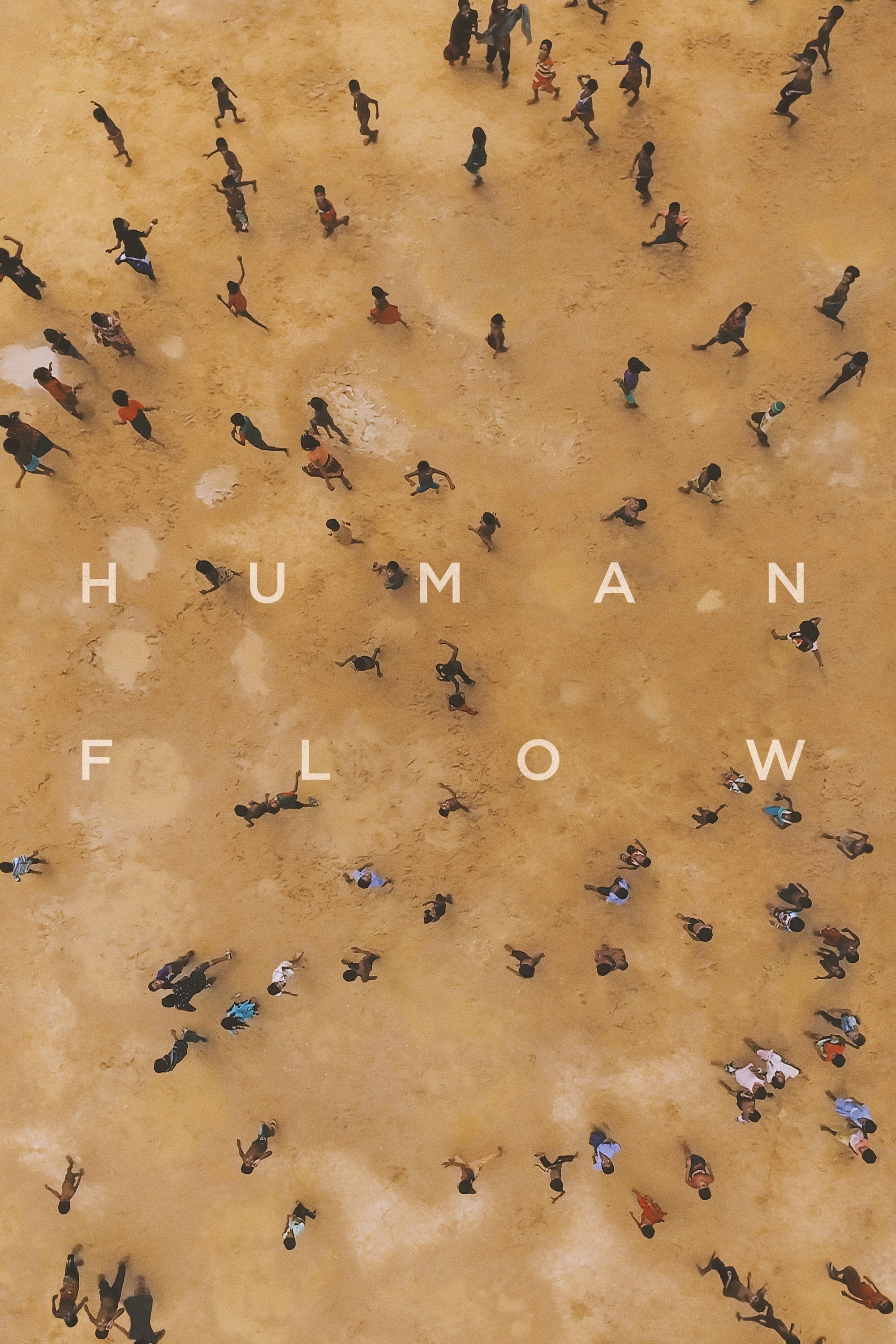
More than 65 million people around the world have been forced from their homes to escape famine, climate change and war, the greatest displacement since World War II. Filmmaker Ai Weiwei examines the staggering scale of the refugee crisis and its profoundly personal human impact. Over the course of one year in 23 countries, Weiwei follows a chain of urgent human stories that stretch across the globe, including Afghanistan, France, Greece, Germany and Iraq.
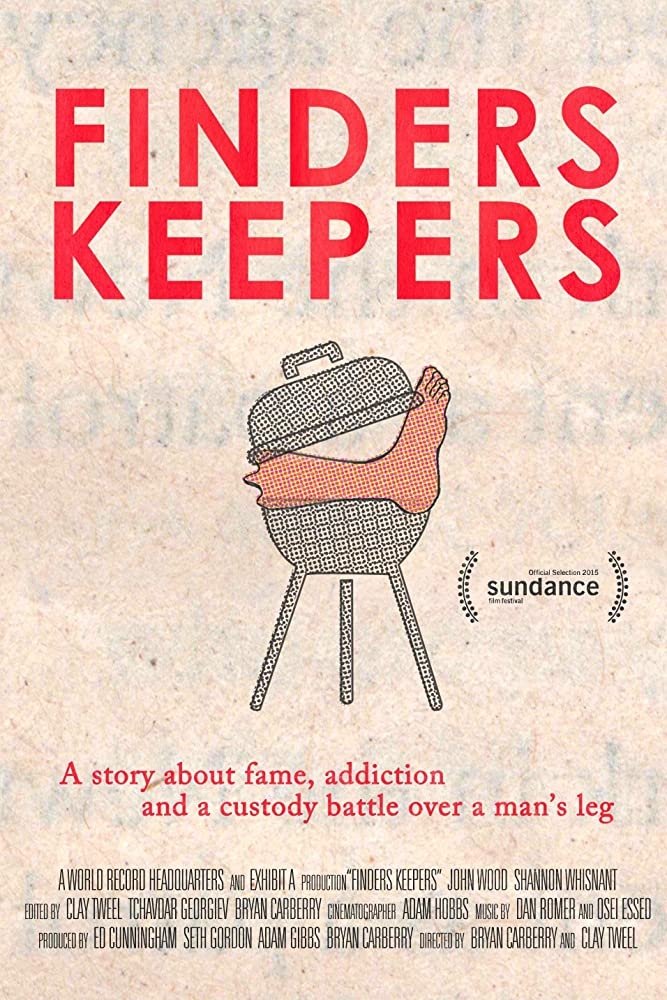
In this documentary, recovering addict and amputee John Wood finds himself in a stranger-than-fiction battle to reclaim his mummified leg from Southern entrepreneur Shannon Whisnant, who found it in a grill he bought at an auction and believes it therefore to be his rightful property.
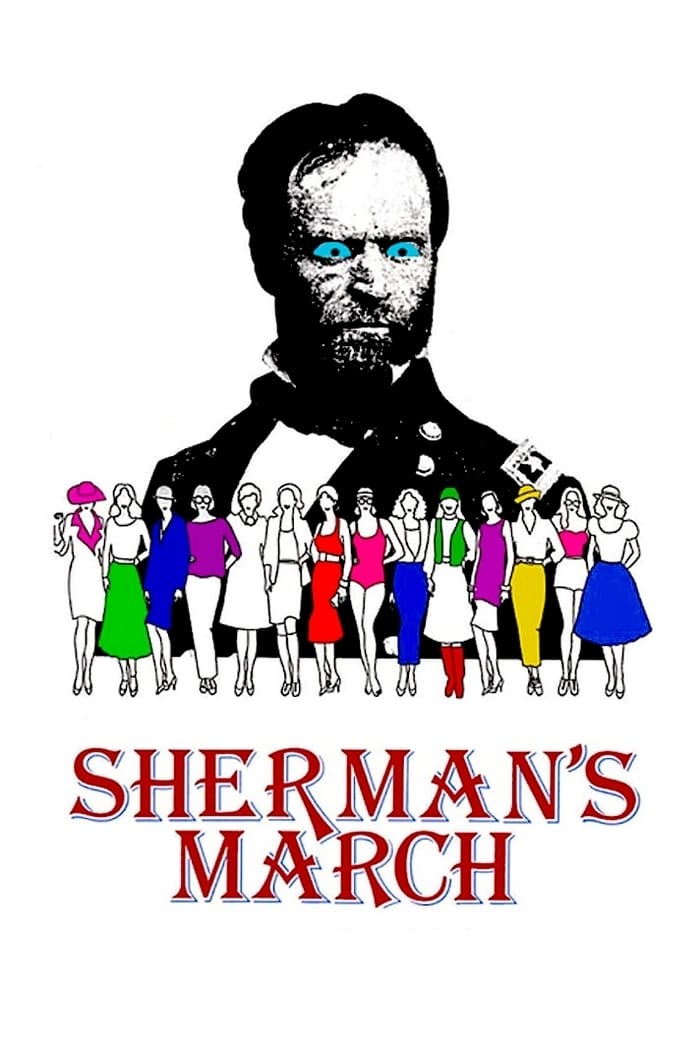
Ross McElwee sets out to make a documentary about the lingering effects of General Sherman's march of destruction through the South during the Civil War, but is continually sidetracked by women who come and go in his life, his recurring dreams of nuclear holocaust, and Burt Reynolds.
Stars of "The Walking Dead," Andrew Lincoln and Danai Gurira, walk down memory lane and visit iconic locations where pivotal moments between their characters, Rick and Michonne, were filmed.
The film follows adventurer Jeff Johnson as he retraces the epic 1968 journey of his heroes Yvon Chouinard and Doug Tompkins to Patagonia.
When Allied forces liberated the Nazi concentration camps in 1944-45, their terrible discoveries were recorded by army and newsreel cameramen, revealing for the first time the full horror of what had happened. Making use of British, Soviet and American footage, the Ministry of Information’s Sidney Bernstein (later founder of Granada Television) aimed to create a documentary that would provide lasting, undeniable evidence of the Nazis’ unspeakable crimes. He commissioned a wealth of British talent, including editor Stewart McAllister, writer and future cabinet minister Richard Crossman – and, as treatment advisor, his friend Alfred Hitchcock. Yet, despite initial support from the British and US Governments, the film was shelved, and only now, 70 years on, has it been restored and completed by Imperial War Museums under its original title "German Concentration Camps Factual Survey".
Alexander McQueen's rags-to-riches story is a modern-day fairy tale, laced with the gothic. Mirroring the savage beauty, boldness and vivacity of his design, this documentary is an intimate revelation of McQueen's own world, both tortured and inspired, which celebrates a radical and mesmerizing genius of profound influence.
JB Smoove and Martin Starr host a celebration of 20 years of "Spider-Man" movies, from the Sam Raimi trilogy to Marc Webb's movies and the trio from Jon Watts.
This revealing documentary honors the legendary Sidney Poitier—iconic actor, filmmaker, and civil rights activist. Featuring interviews with Denzel Washington, Spike Lee, Halle Berry, and more.
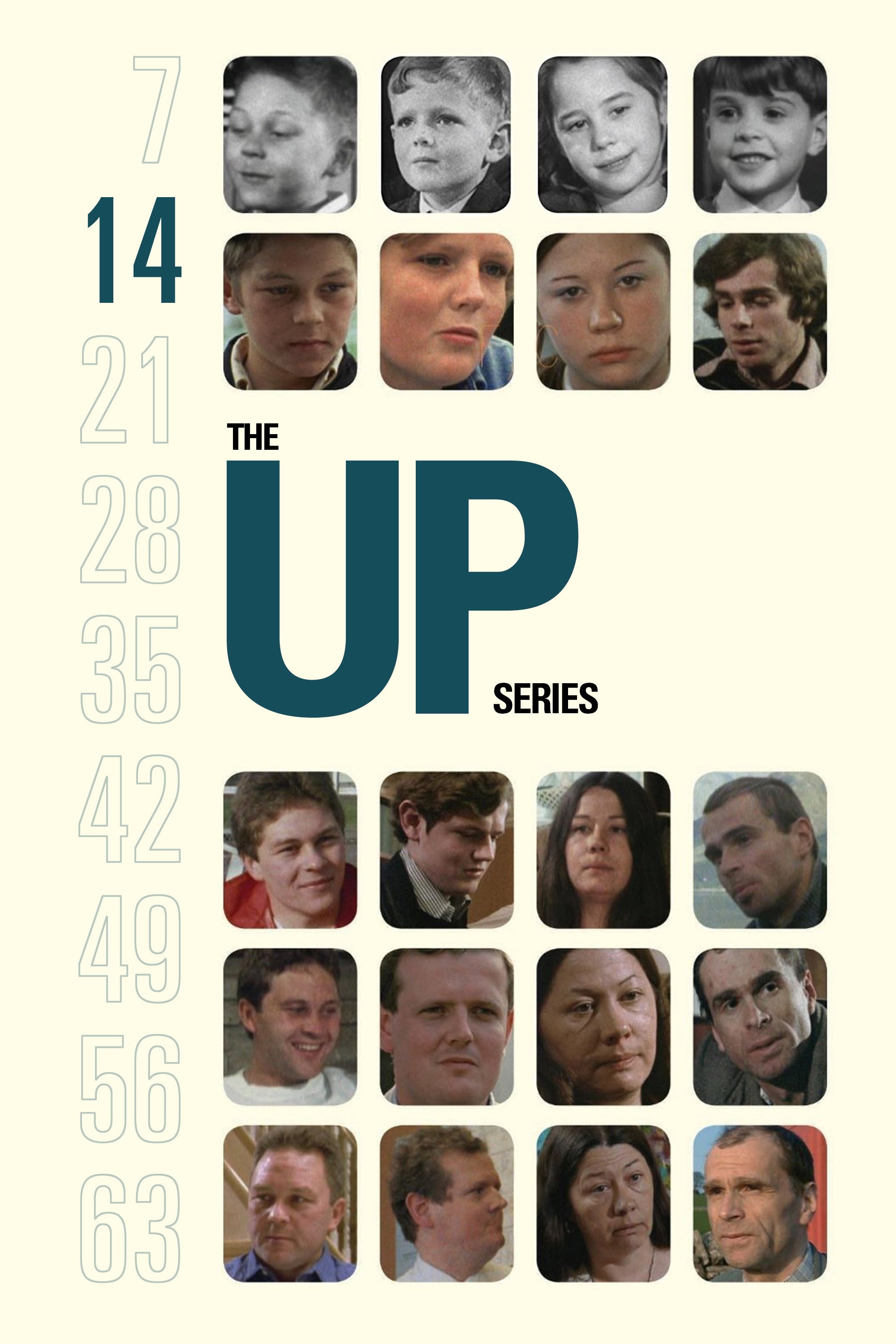
After a 7 year wait, director Michael Apted revisits the same group of British-born children from Seven Up! The subjects are interviewed as to the changes that have occurred in their lives during the last seven years.
Behind-the-scenes documentary about how Lionel Messi succeeded in lifting the World Cup – the only trophy to have eluded him in an incredible career.
A documentary on a former Miss Wyoming who is charged with abducting and imprisoning a young Mormon Missionary.
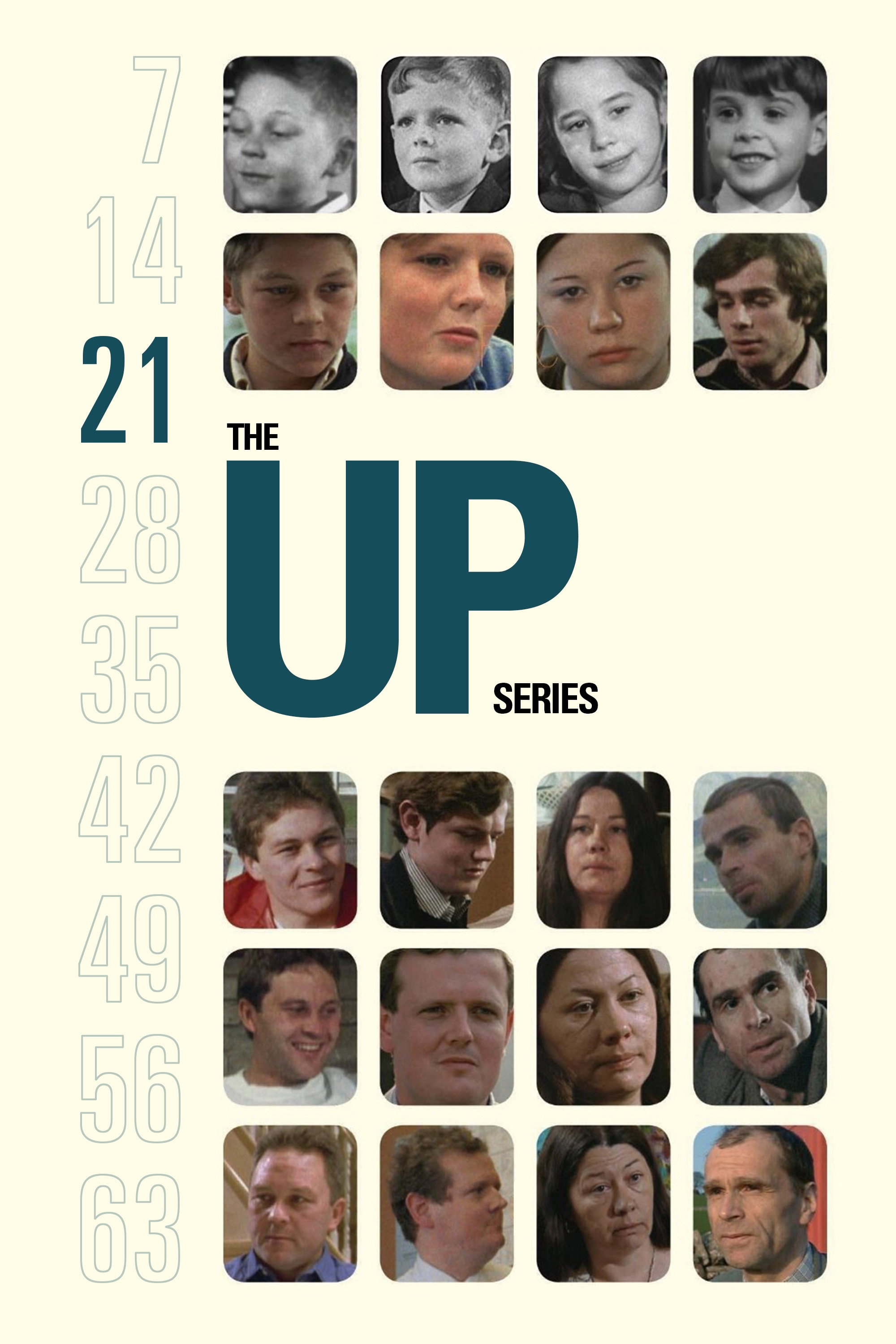
After another 7 year wait, director Michael Apted revisits the same group of British-born children from Seven Up! and 7 Plus Seven. The subjects are interviewed as to the changes that have occurred in their lives during the last seven years.
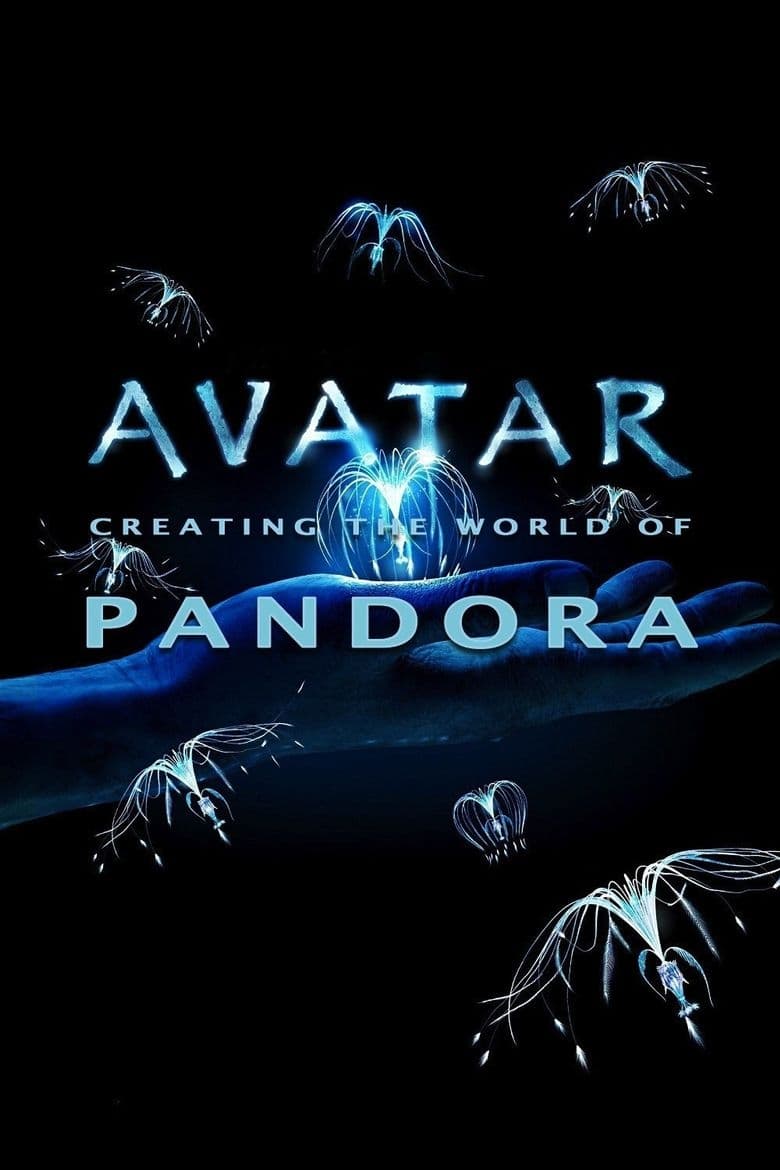
The Making-of James Cameron's Avatar. It shows interesting parts of the work on the set.
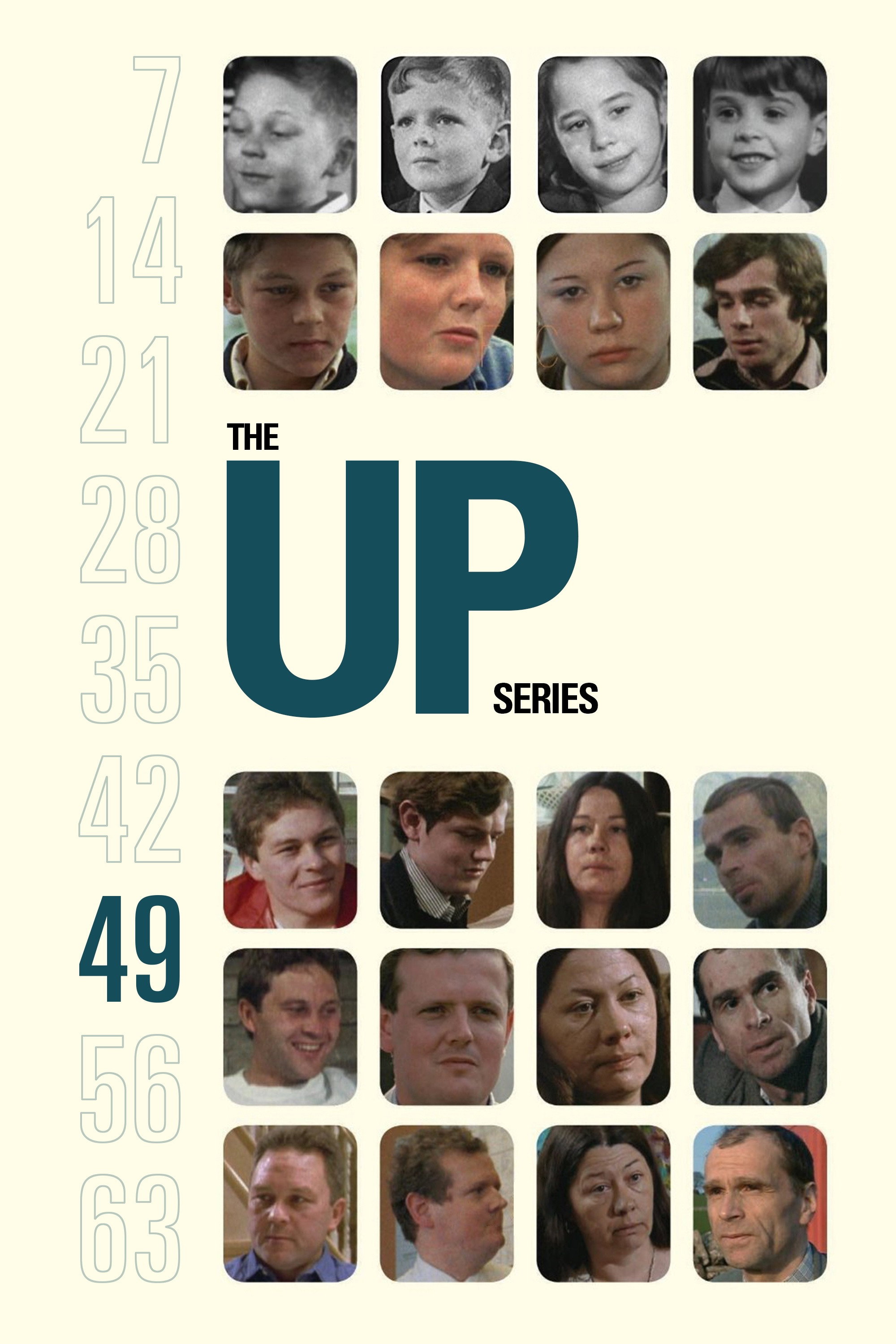
49 Up is the seventh film in a series of landmark documentaries that began 42 years ago when UK-based Granada's World in Action team, inspired by the Jesuit maxim "Give me the child until he is seven and I will give you the man," interviewed a diverse group of seven-year-old children from all over England, asking them about their lives and their dreams for the future. Michael Apted, a researcher for the original film, has returned to interview the "children" every seven years since, at ages 14, 21, 28, 35, 42 and now again at age 49.In this latest chapter, more life-changing decisions are revealed, more shocking announcements made and more of the original group take part than ever before, speaking out on a variety of subjects including love, marriage, career, class and prejudice.
Explore the evolution of Buzz Lightyear from toy to human in the making of Pixar’s Lightyear. Dive into the origin and cultural impact of everyone’s favorite Space Ranger, the art of designing a new “human Buzz,” and the challenges faced by the Lightyear crew along the way.
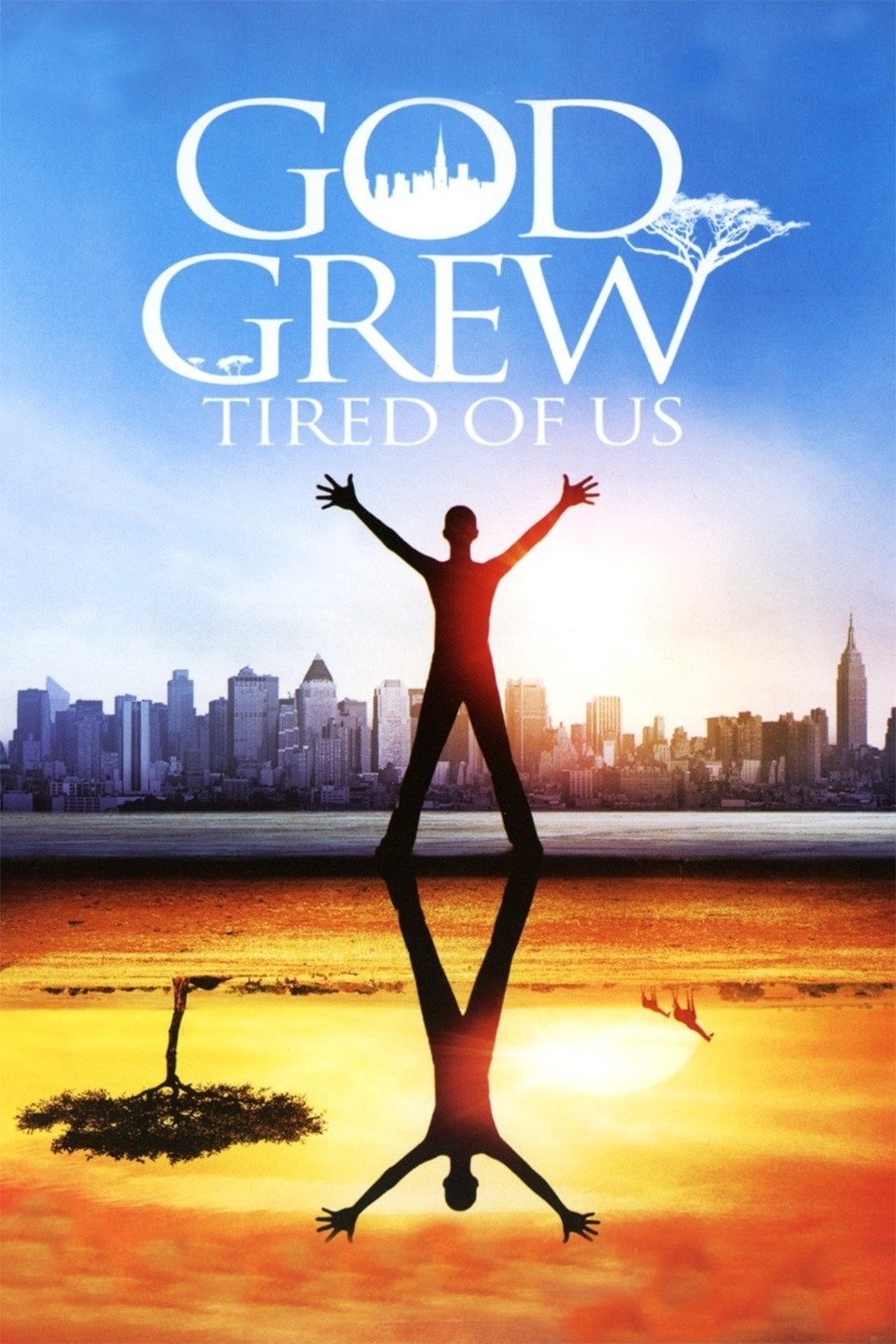
Filmmaker Christopher Quinn observes the ordeal of three Sudanese refugees -- Jon Bul Dau, Daniel Abul Pach and Panther Bior -- as they try to come to terms with the horrors they experienced in their homeland, while adjusting to their new lives in the United States.
In this concert film, 'Hannah Montana' star Miley Cyrus performs a slew of hit songs, including 'Just Like You' and 'Life's What You Make It.'