Social & External
The people behind it
Renan Motta
Woman
Leno Sacramento
Chorus
Sérgio Laurentino
Shirlei Sanjeva
Heraldo de Deus
Taimara Luz
Vanessa Carvalho
Jonahthan Alisson
Kid
Born June 8, 1964, Frank Matter films four "twins", born the same day as him, but in other latitudes. Interweaving their life stories with rich archival material, the filmmaker links these Parallel Lives with elements from his own biography, to compose a fascinating fresco where intimate trajectories are part of the advent of the global village.
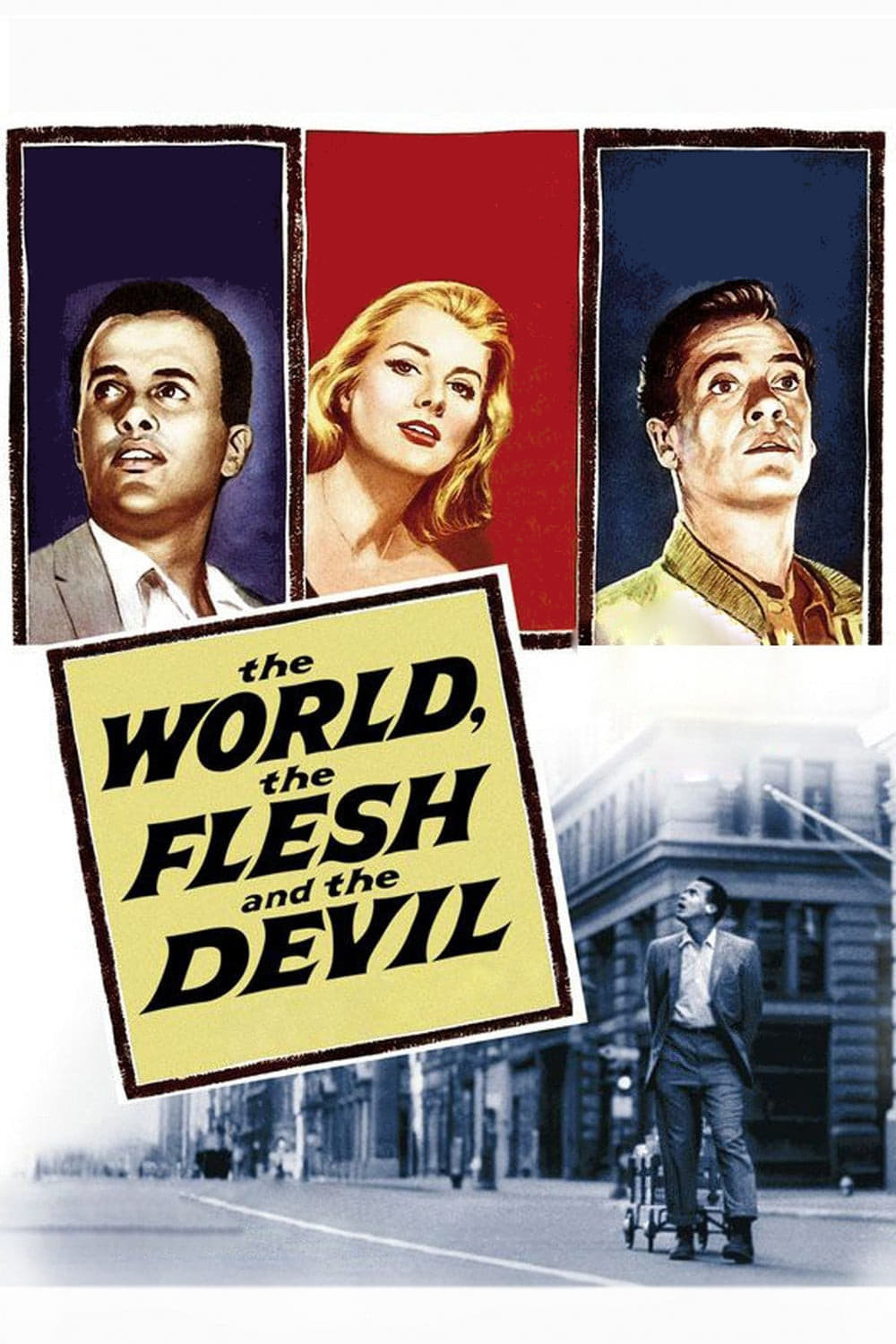
Ralph Burton is a miner who is trapped for several days as a result of a cave-in. When he finally manages to dig himself out, he realizes that all of mankind seems to have been destroyed in a nuclear holocaust. He travels to New York City only to find it deserted. Making a life for himself there, he is flabbergasted to eventually find Sarah Crandall, who also managed to survive. Together, they form a close friendship until the arrival of Benson Thacker who has managed to pilot his small boat into the city's harbor. At this point, tensions rise between the three, particularly between Thacker, who is white, and Burton, who is black.
The duty manager of a seaside cinema, who is struggling with her mental health, forms a relationship with a new employee on the south coast of England in the 1980s.
Set in the mid-1950s when Tangier was still an international zone, El Chergui presents the city on the eve of its independence, as Aïcha resorts to magical practices to try to prevent her husband from taking a second wife. Around her, a society of women creates its own form of active resistance even as the larger independence movement grows around it. Through his unique use of montage, Smihi creates arresting images that present a society torn by the contradictions of colonialism, religion, patriarchy, and resistance. (Block Cinema)
Exploring how punk influenced politics in late-1970s Britain, when a group of artists united to take on the National Front, armed only with a fanzine and a love of music.
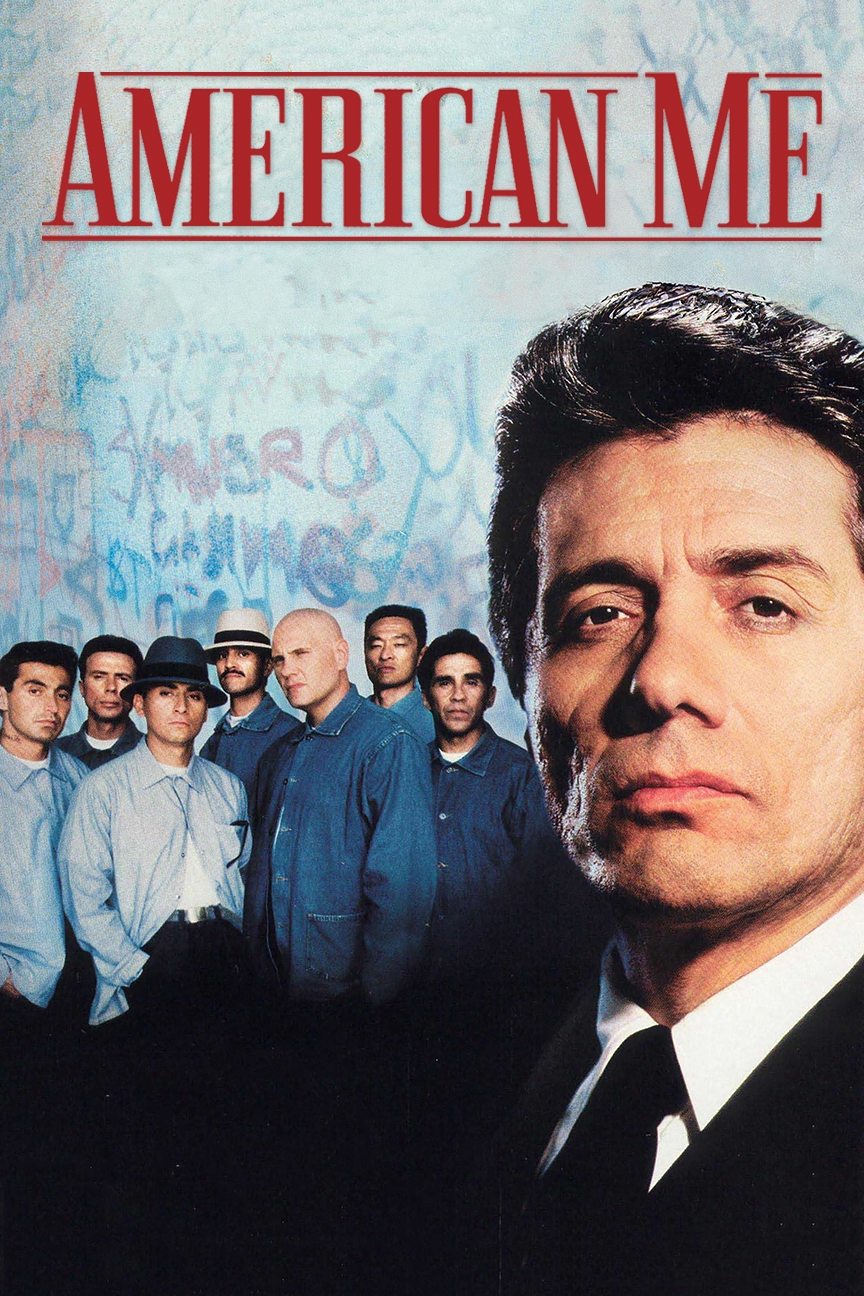
During his 18 years in Folsom Prison, street-gang leader Santana rules over all the drug-and-murder activities behind bars. Upon his release, Santana goes back to his old neighborhood, intending to lead a peaceful, crime-free life. But his old gang buddies force him back into his old habits.
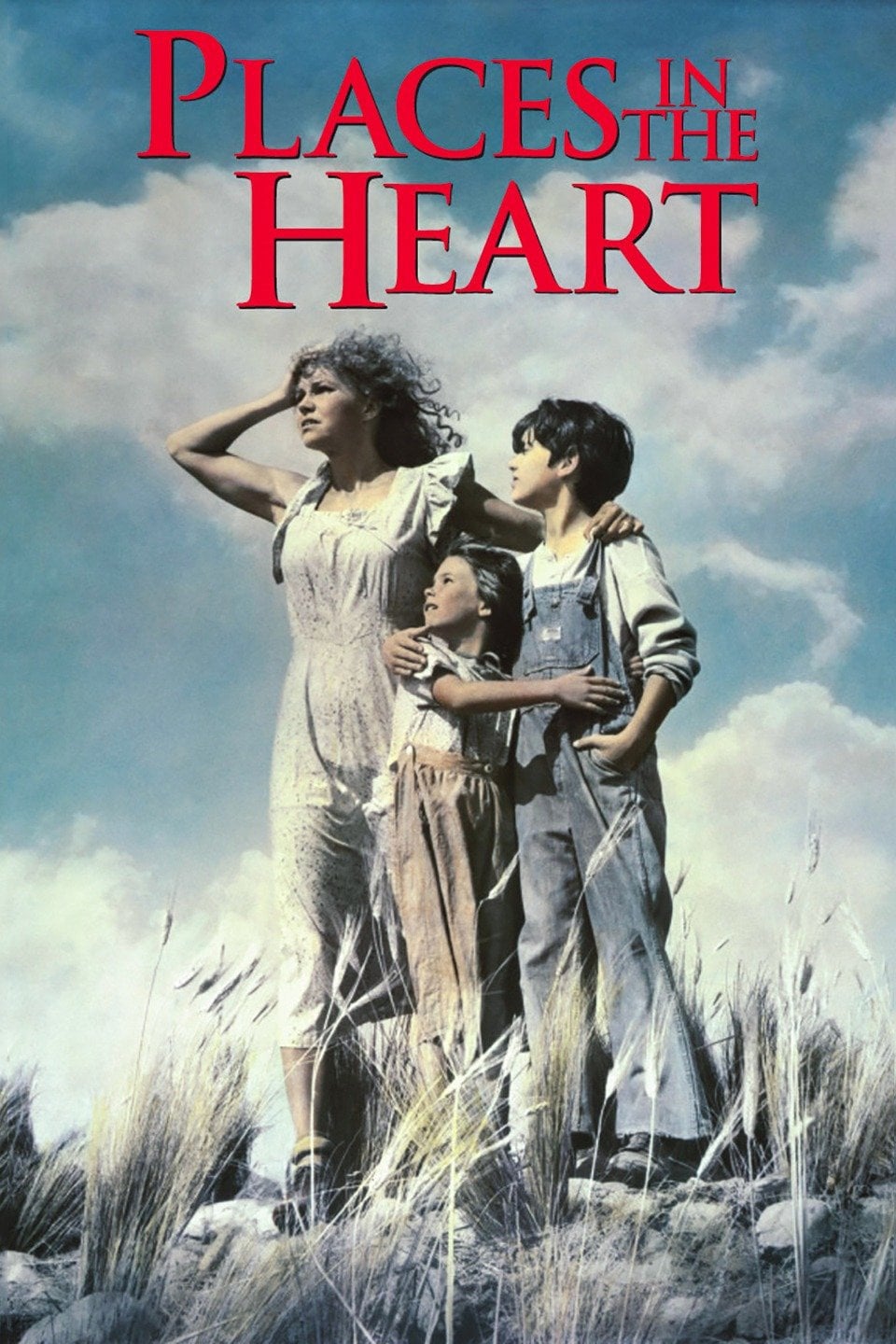
In 1935 rural Texas, recently widowed Edna Spaulding struggles to survive with two small children, a farm to run, and very little money in the bank - not to mention a deadly tornado and the unwelcome presence of the Ku Klux Klan. Edna is aided by her beautician sister, Margaret; a blind boarder, Mr. Will; and a would-be thief, Moze, who decides to teach Edna how to plant and harvest cotton.
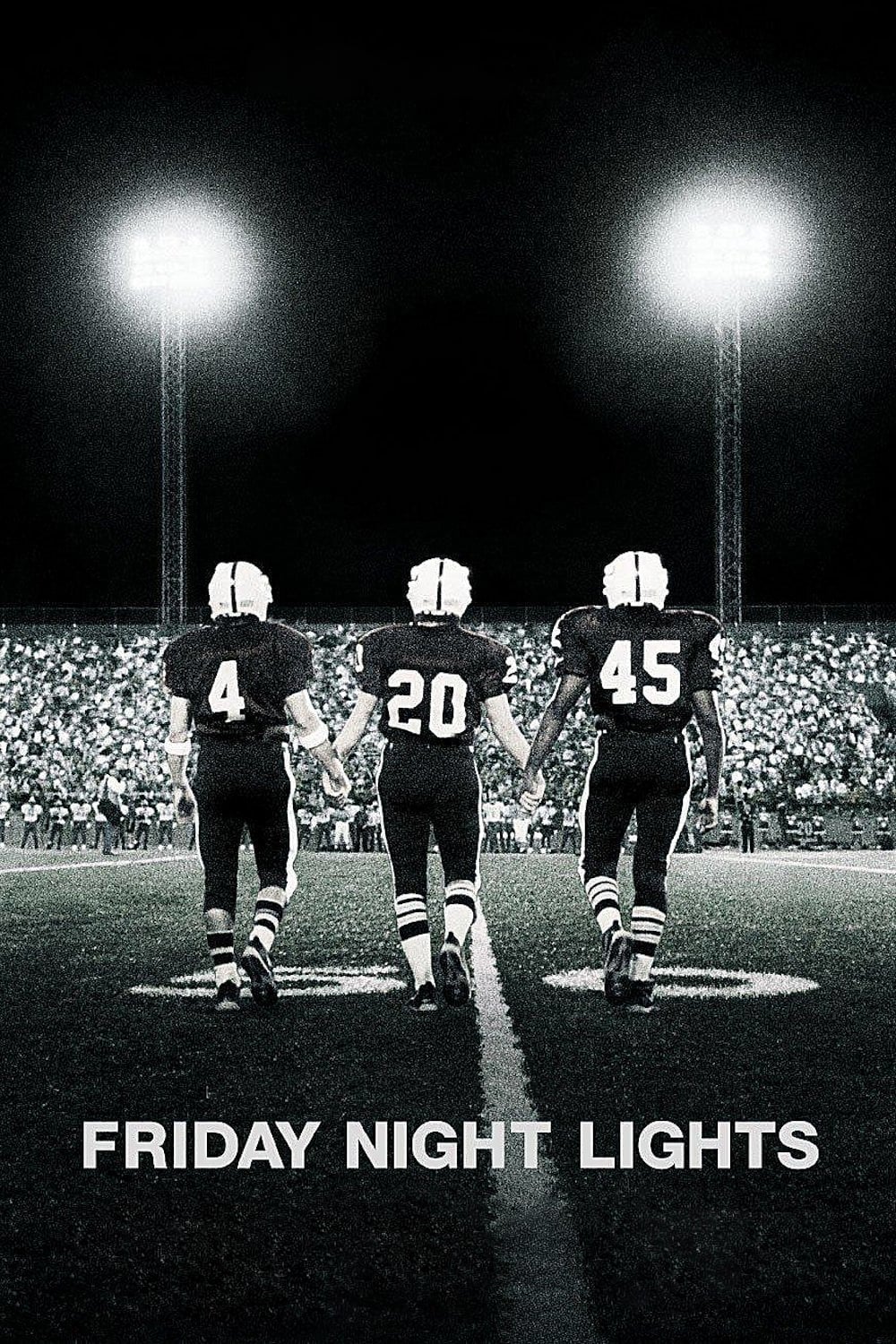
A small, turbulent town in Texas obsesses over their high school football team to an unhealthy degree. When the star tailback, Boobie Miles, is seriously injured during the first game of the season, all hope is lost, and the town's dormant social problems begin to flare up. It is left to the inspiring abilities of new coach Gary Gaines to instill in the other team members -- and, by proxy, the town itself -- a sense of self-respect and honor.
Somewhere in Australia in the early 20th century outback, an Aboriginal man is accused of murdering a white woman. Three white men are on a mission to capture him with the help of an experienced Indigenous man.
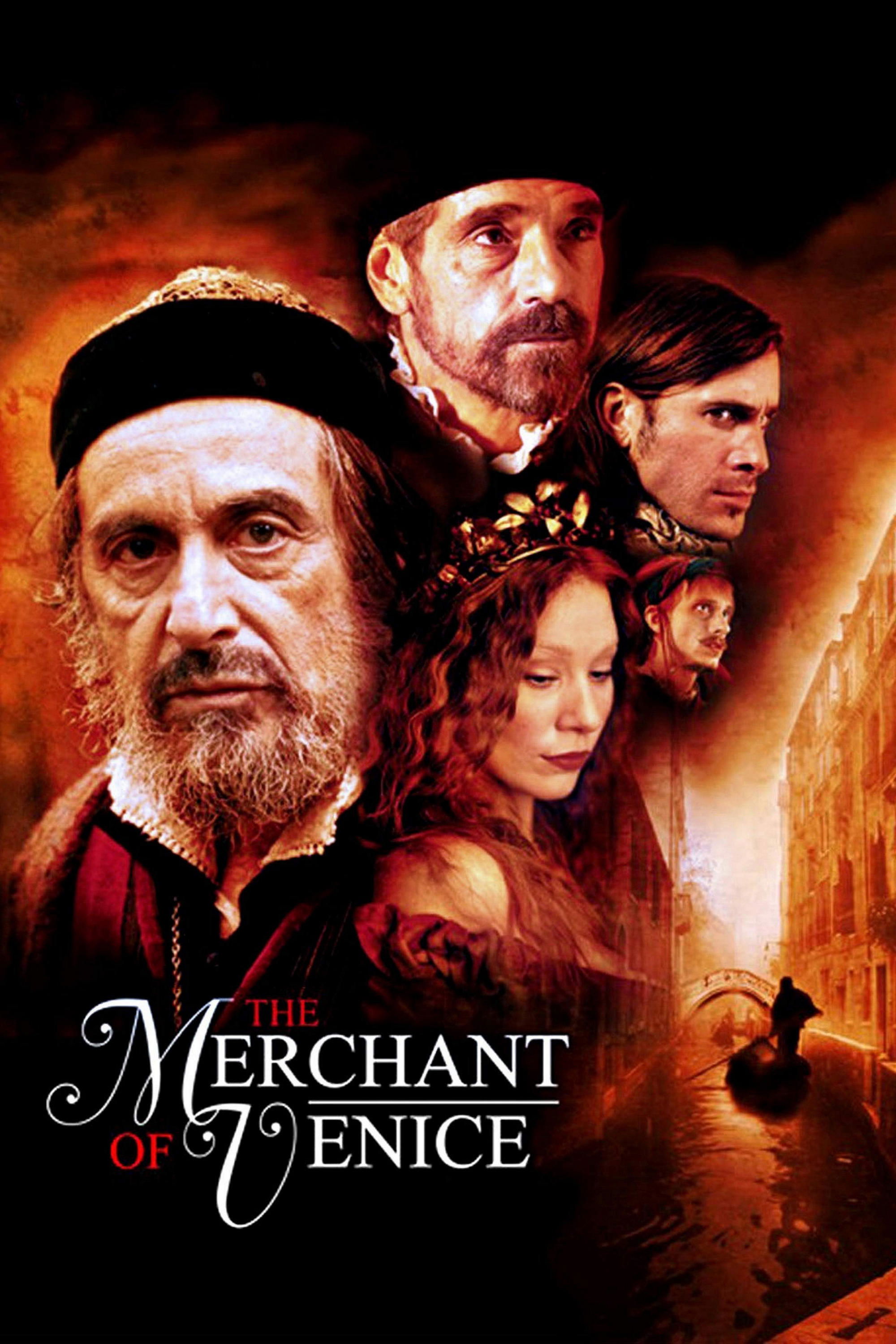
Venice, 1596. Bassanio begs his friend Antonio, a prosperous merchant, to lend him a large sum of money so that he can woo Portia, a very wealthy heiress; but Antonio has invested his fortune abroad, so they turn to Shylock, a Jewish moneylender, and ask him for a loan.
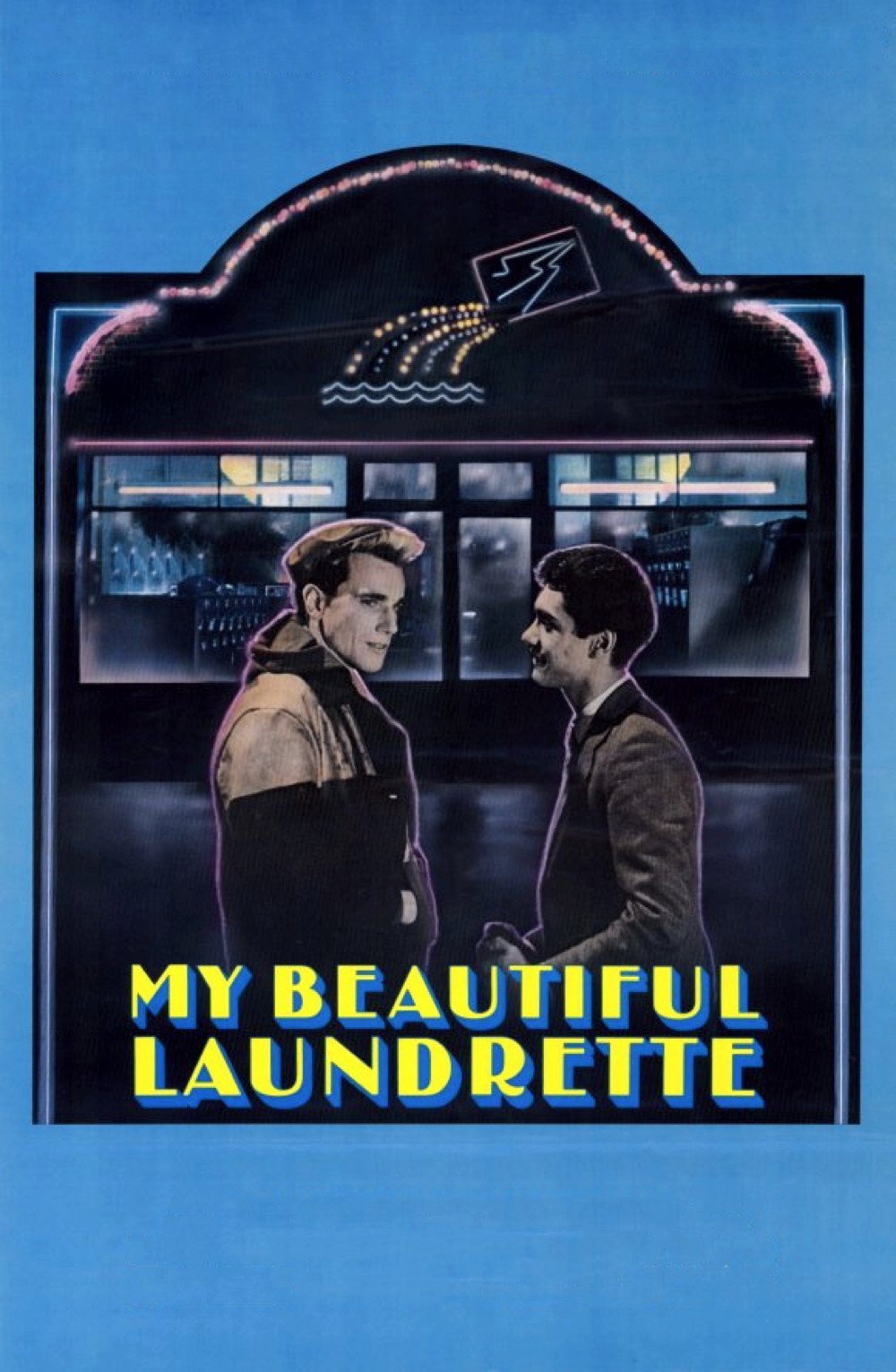
A young Pakistani Briton manages a rundown laundrette with his lover while dealing with tension in his family, the local Pakistani community, and a persistent mob of skinheads.
A documentary about rap artists from Ceilândia, a satellite-city of Brazil capital, Brasilia. The film portrait the struggle of the lives of the rapers and makes a parallel with the violent building of the city designed to settle the outcast from Brasilia after its completion.
In the run-up to parliamentary elections in mid-October, Polish filmmaker Marcin Wierzchowski travelled across his country to gauge the atmosphere in a society that is more divided than ever.
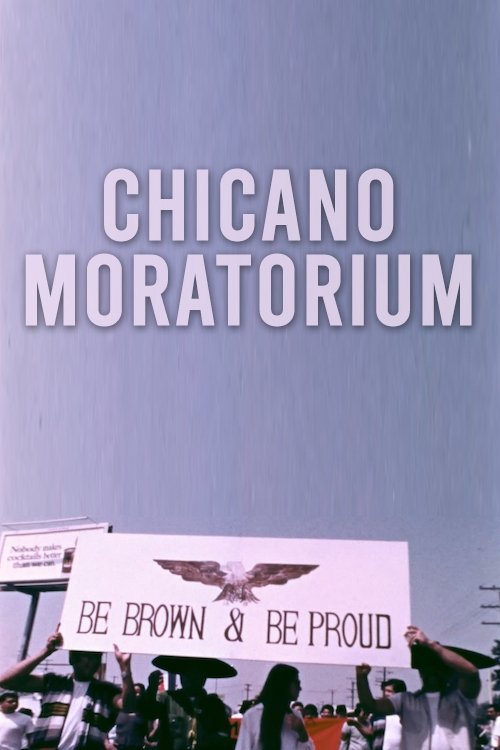
On August 29, 1970 in East Los Angeles, a peaceful march of over 20,000 Chicanas/os, united in protest against the Vietnam War as part of the National Chicano Moratorium movement, was violently interrupted by an extreme, unjustifiable response by law enforcement. The tragic events of that day left four dead. Chicano Moratorium: A Question of Freedom is a harrowing, eyewitness documentary of the events of August 29, 1970 and their immediate aftermath, including the murder of Chicano journalist, Ruben Salazar. In contrast to biased TV news reports of the period, this student-made short offers an impassioned, unvarnished community account of the unrest and violence unleashed by the Los Angeles Sheriff’s Department in response to the otherwise peaceful march in protest of disproportionate Chicano casualties in the Vietnam War.
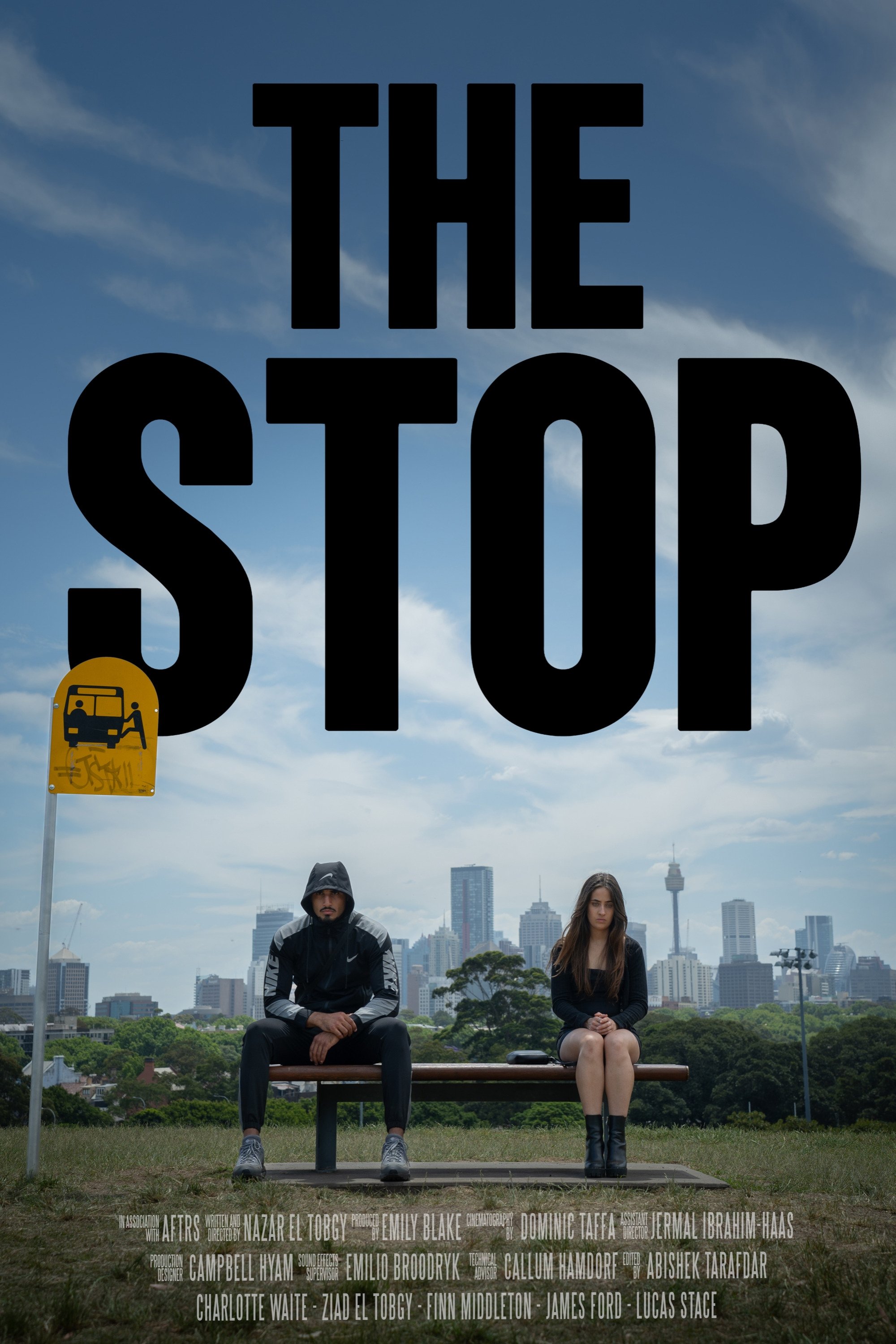
On a cold bus stop bench a young woman evening takes a terrifying turn when she faces relentless and disgusting harassment from a group of young men. But when a stranger she once regarded as threatening and dangerous steps in to defend her, she is compelled to re-evaluate her preconceived judgements of people.
OJ: TRIAL OF THE CENTURY, premiered on June 12, 2014 and it chronicles the twists and turns of the OJ Simpson murder trial and allows viewers to relive every moment of the investigation first-hand.
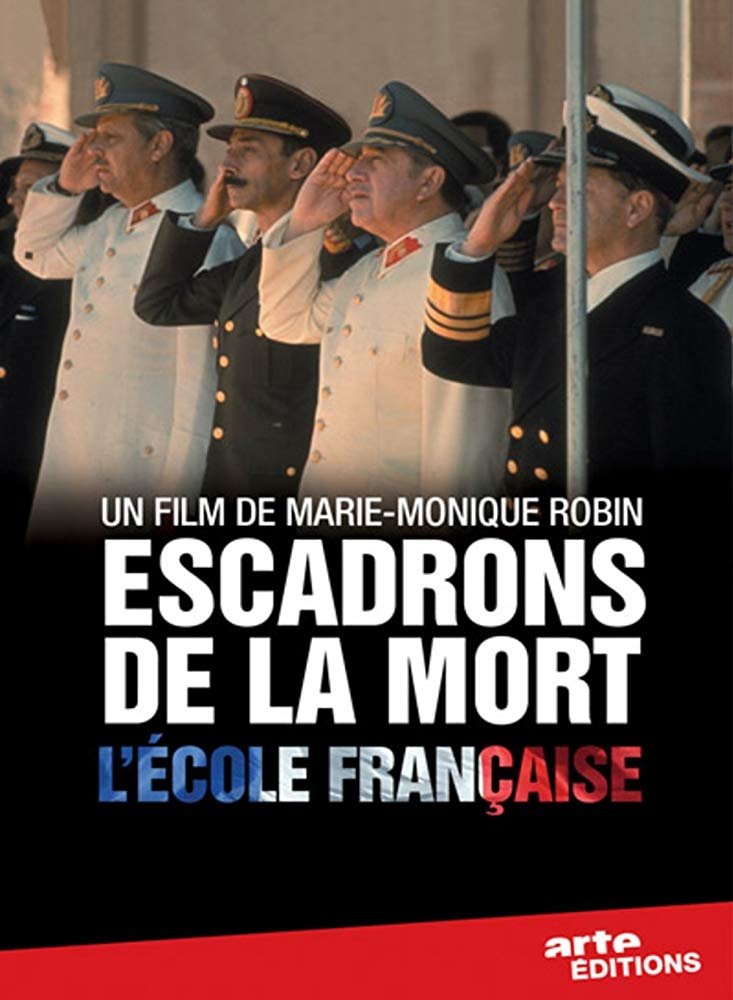
After the Battle of Algiers, France and its army exported, as true experts, anti-subversive methods to Latin America and the United States in the 1960s. After more than a year of investigation in Argentina , in Chile, Brazil, the United States and France, the director collected, sometimes under the cover of a hidden camera, recorded conversations, the exclusive testimonies of the main protagonists. From General Aussaresses to former Minister of the Armed Forces Pierre Messmer, including General Reynaldo Bignone (head of the military junta in Argentina from 1982 to 1984), General Albano Harguindéguy, General Manuel Contreras, and Generals John Johns and Carl Bernard, this investigation gives us a hidden reality of the country of Human Rights.
A key overview of twentieth-century American fascism and antifascism produced in 1991 by the John Brown Anti-Klan Committee.
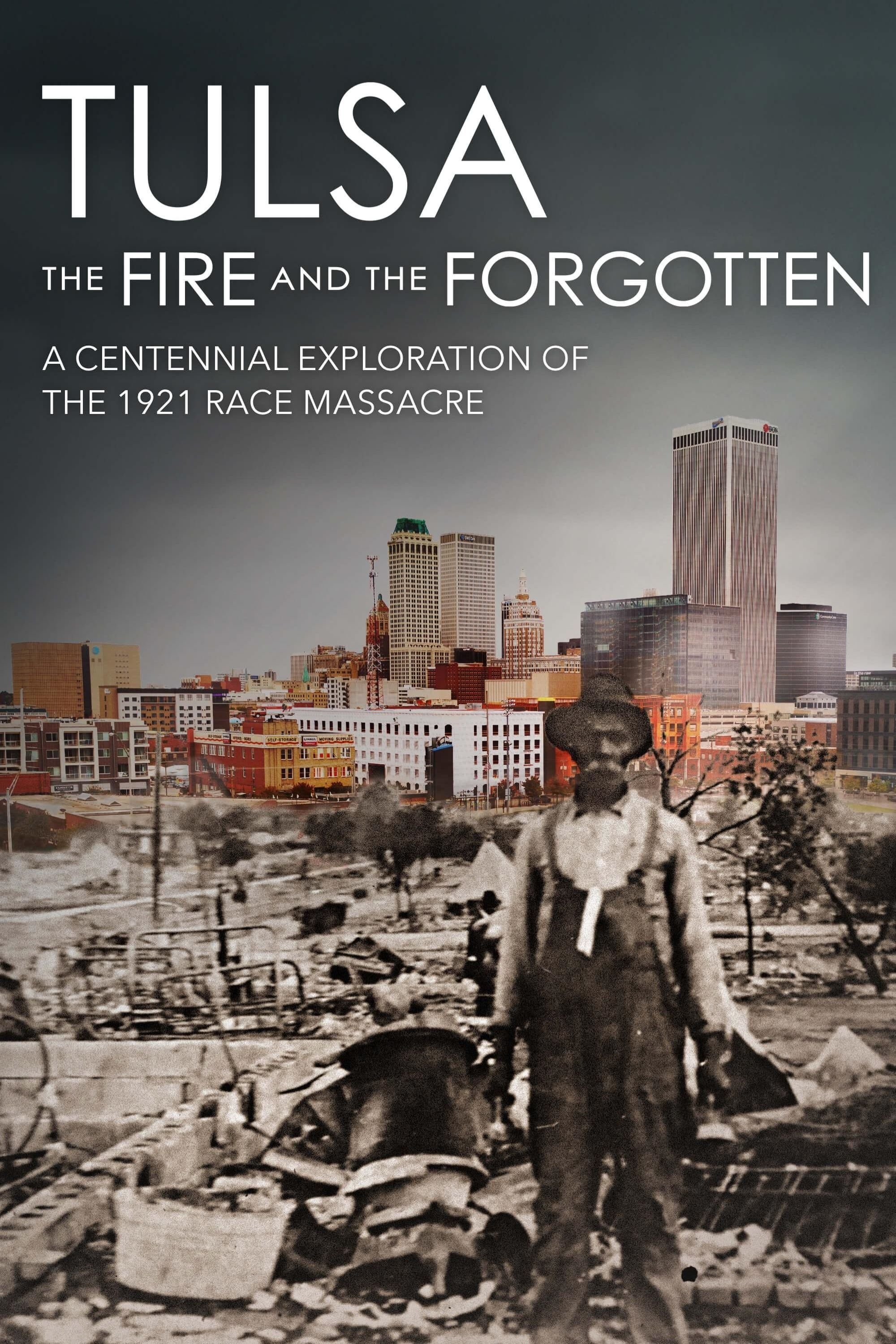
Learn about the 1921 Tulsa Race Massacre, on the one hundredth anniversary of the crime, and how the community of Tulsa is coming to terms with its past, present, and future.
Chronicles the powerful friendship between two young Black teenagers navigating the harrowing trials of reform school together in Florida.
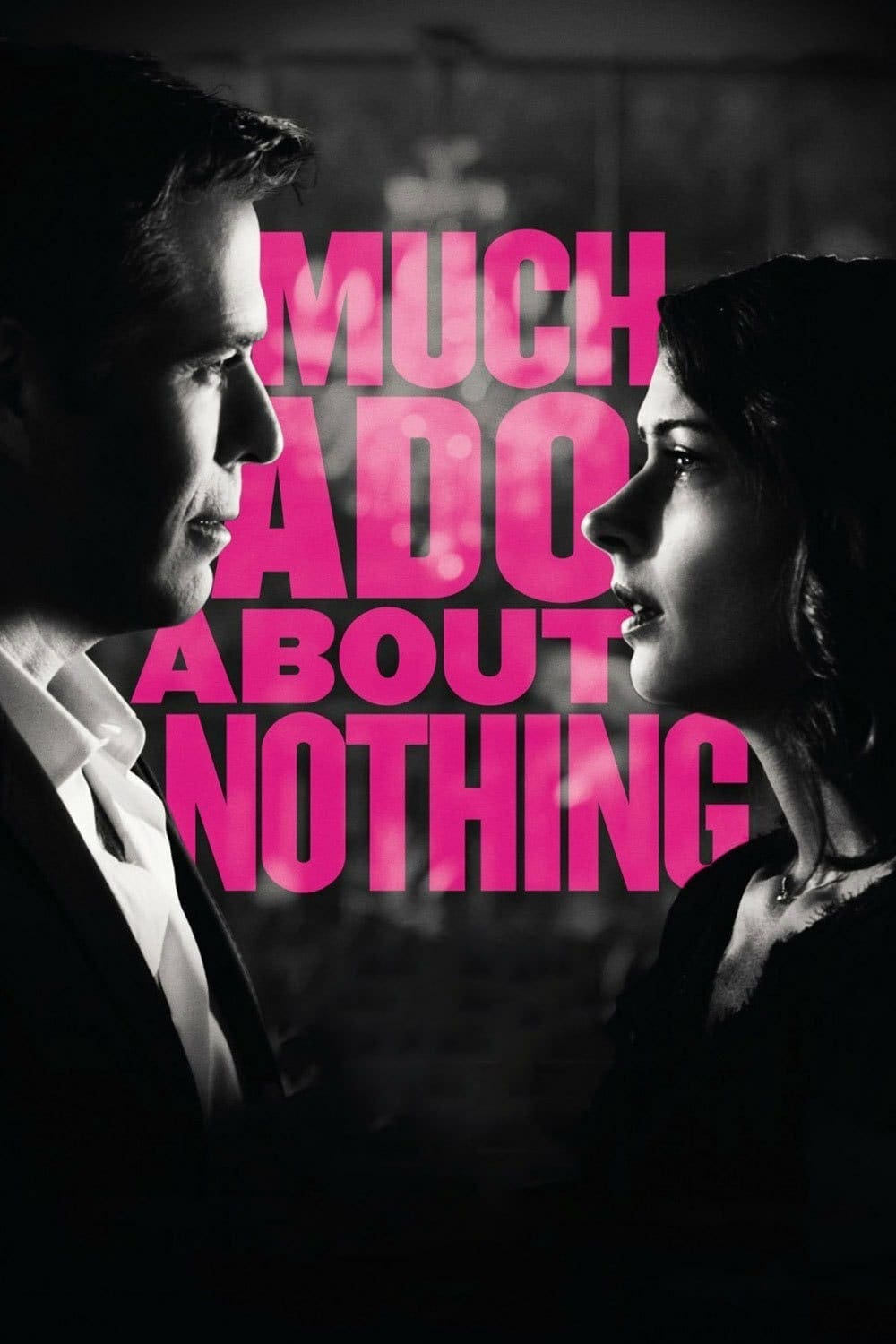
A modern retelling of Shakespeare's classic comedy about two pairs of lovers with different takes on romance and a way with words.
94-year-old Eleanor Morgenstein tries to rebuild her life after the death of her best friend. As a result, she moves back to New York City after living in Florida for decades.
Puppy mayhem turns the lives of newlywed Chihuahua parents Papi and Chloe upside down when their rambunctious, mischievous puppies present one challenge after another. But when their human owners end up in trouble, the tiny pups will stop at nothing to save them - because in good times and hard times, the family always sticks together. So Papi, Chloe and the puppies embark on a heroic adventure, proving once again that big heroes come in small packages.
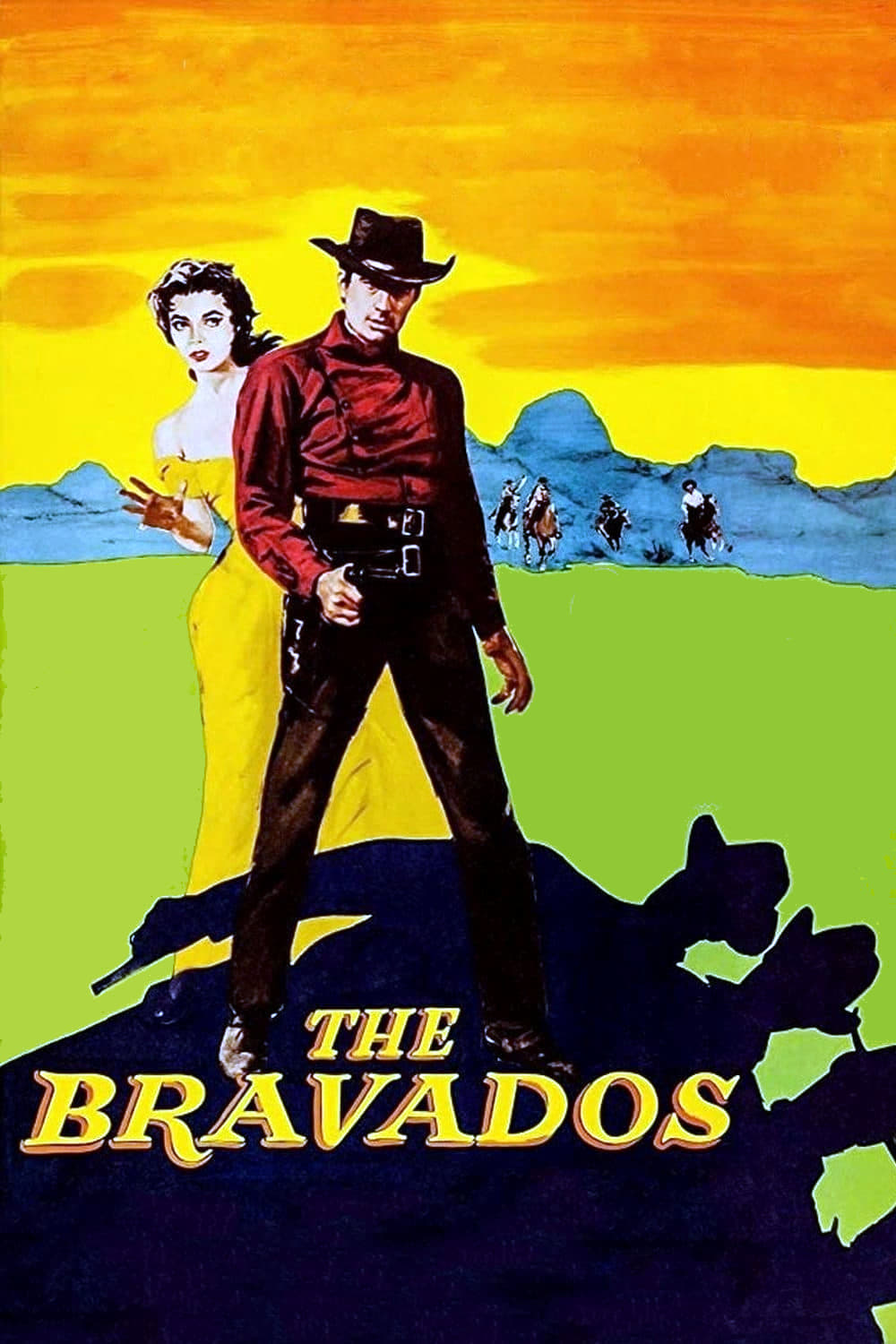
Jim Douglass arrives in the small town of Rio Arriba in order to witness the hanging of the four men he believes murdered his wife. When the convicts escape, Jim tracks them into Mexico, determined to see that justice is done. But the farther Jim goes in his quest for vengeance, the more merciless he becomes, losing himself in an unrelenting spiral of hatred and violence.
The villains from the popular animated Disney films are gathered at the House of Mouse with plans to take over. Soon, the villains take over the house and kick out Mickey, Donald and Goofy. It's all up to Mickey and his friends to overthrow evil and return the House of Mouse to normal--or as close to normal as it gets.
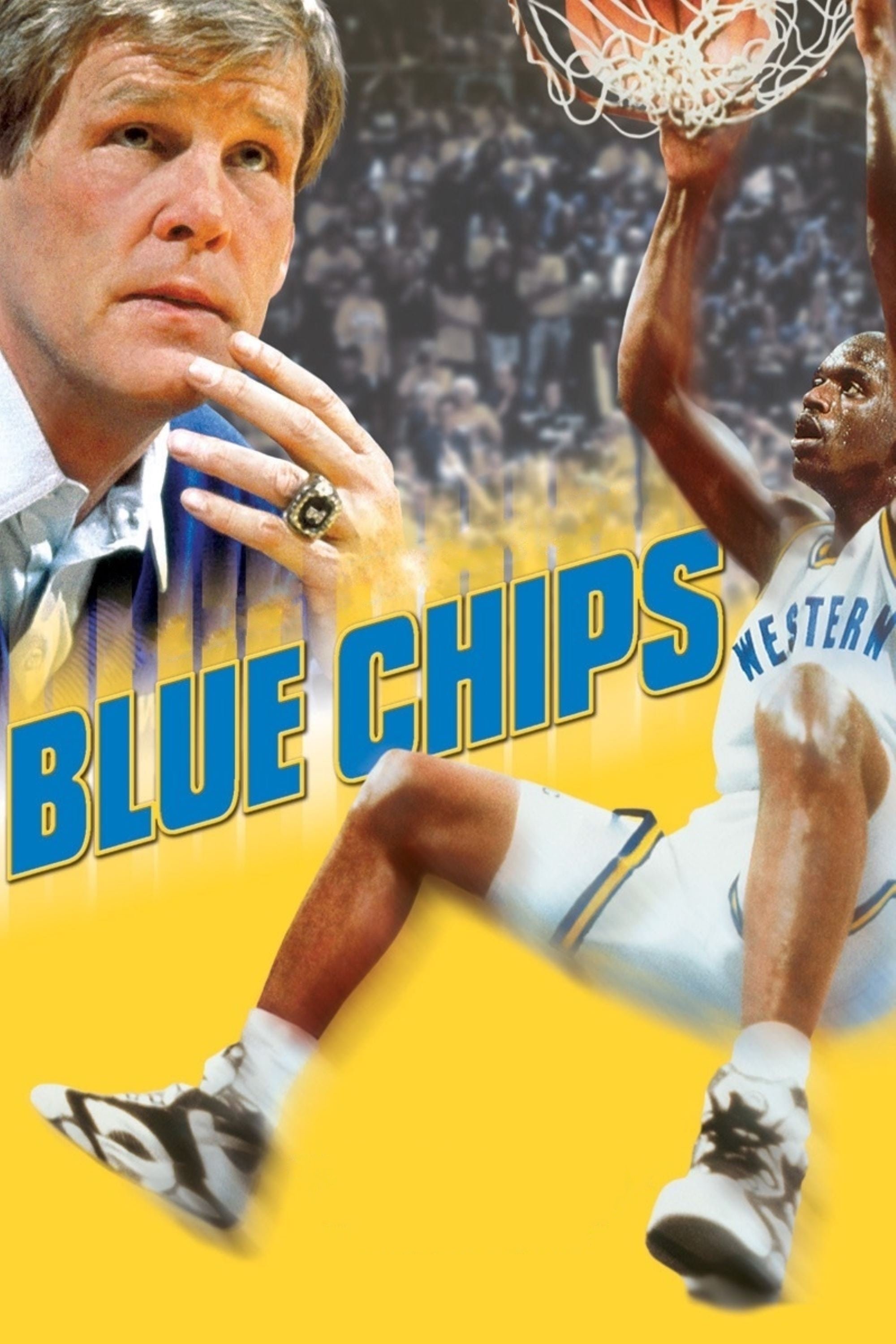
Pete Bell, a college basketball coach is under a lot of pressure. His team isn't winning and he cannot attract new players. The stars of the future are secretly being paid by boosters. This practice is forbidden in the college game, but Pete is desperate and has pressures from all around.
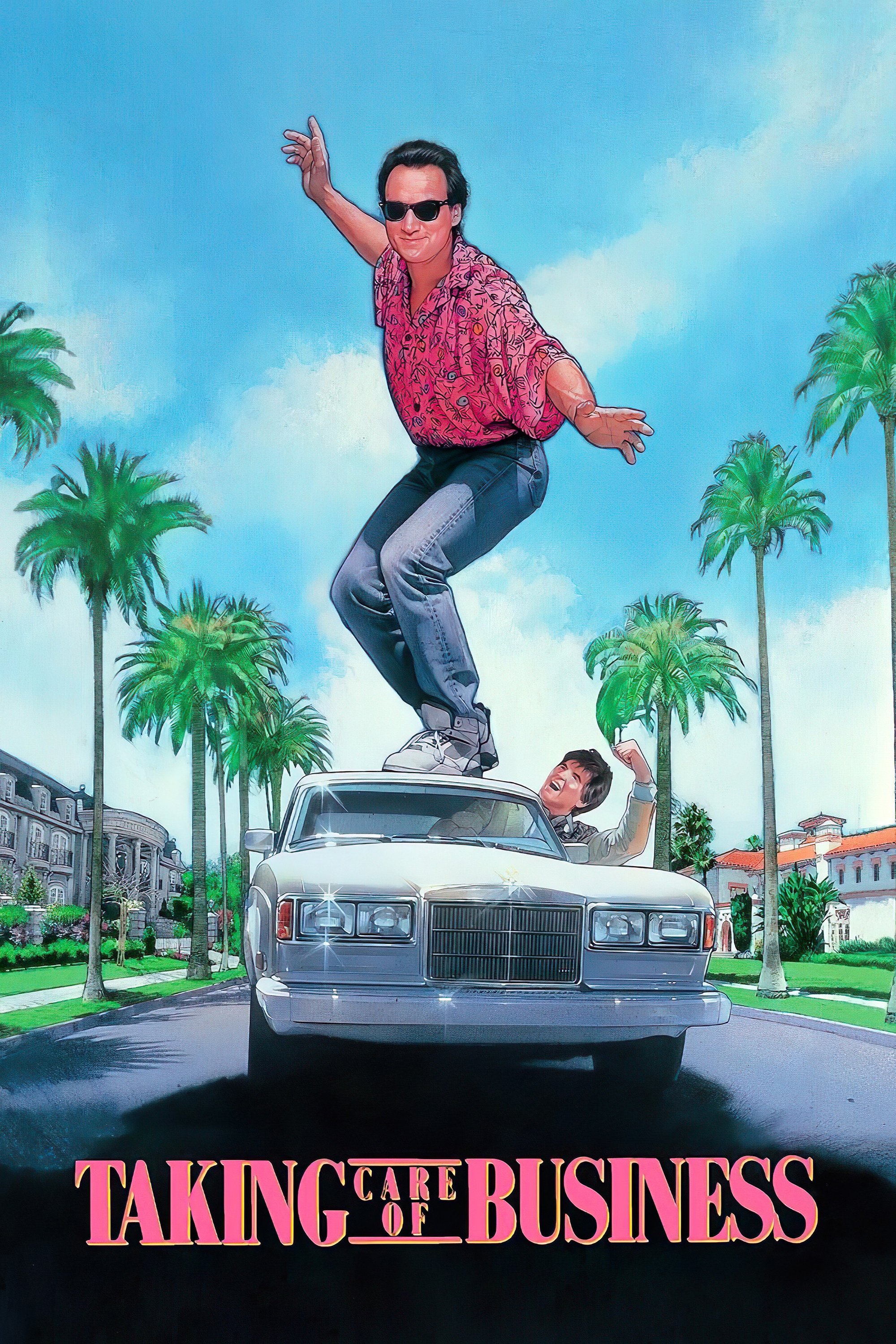
An uptight advertising exec has his entire life in a filofax organizer which mistakenly ends up in the hands of a friendly convict who poses as him.
In the main events of Ice Age: Collision Course, Scrat is captured by Scratazons who take away his acorn. Now, Scrat must rescue his Acorn and escape before the aliens can catch him.
Lizzie McGuire has graduated from middle school and takes a trip to Rome, Italy with her class. And what was supposed to be only a normal trip, becomes a teenager's dream come true.
The life of Mr. Spock, as well as that of Leonard Nimoy, the actor who played him for almost fifty years, written and directed by his son: Adam.
Katy McLaughlin desires to work on her family's mountainside horse ranch, although her father insists she finish boarding school. Katy finds a mustang in the hills near her ranch. The headstrong 16 year old then sets her mind to tame a mustang and prove to her father she can run the ranch. But when tragedy happens, it will take all the love and strength the family can muster to restore hope.
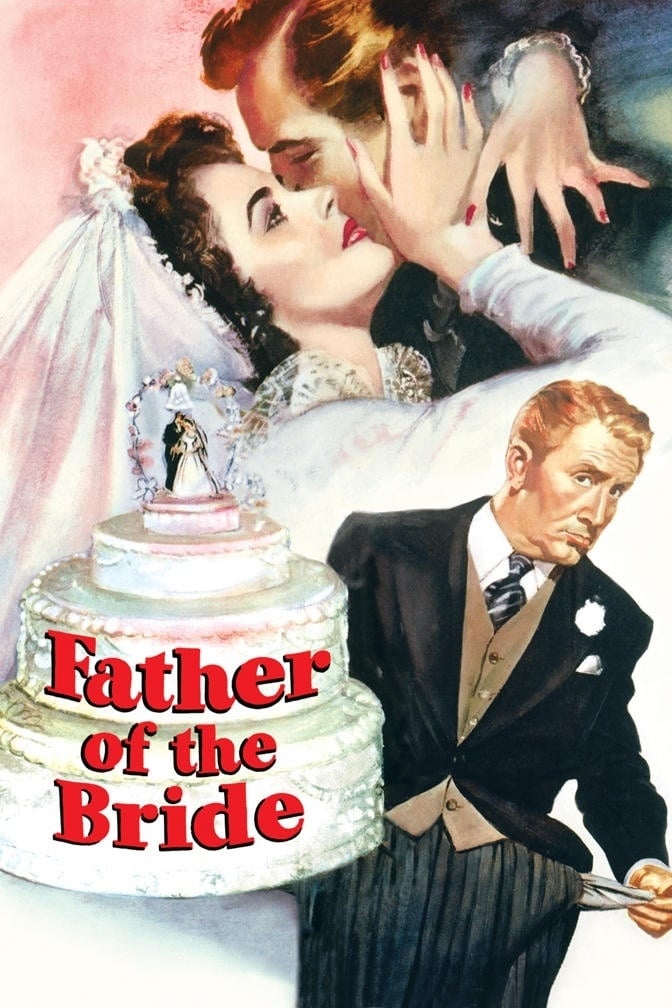
Proud father Stanley Banks remembers the day his daughter, Kay, got married. Starting when she announces her engagement through to the wedding itself, we learn of all the surprises and disasters along the way.
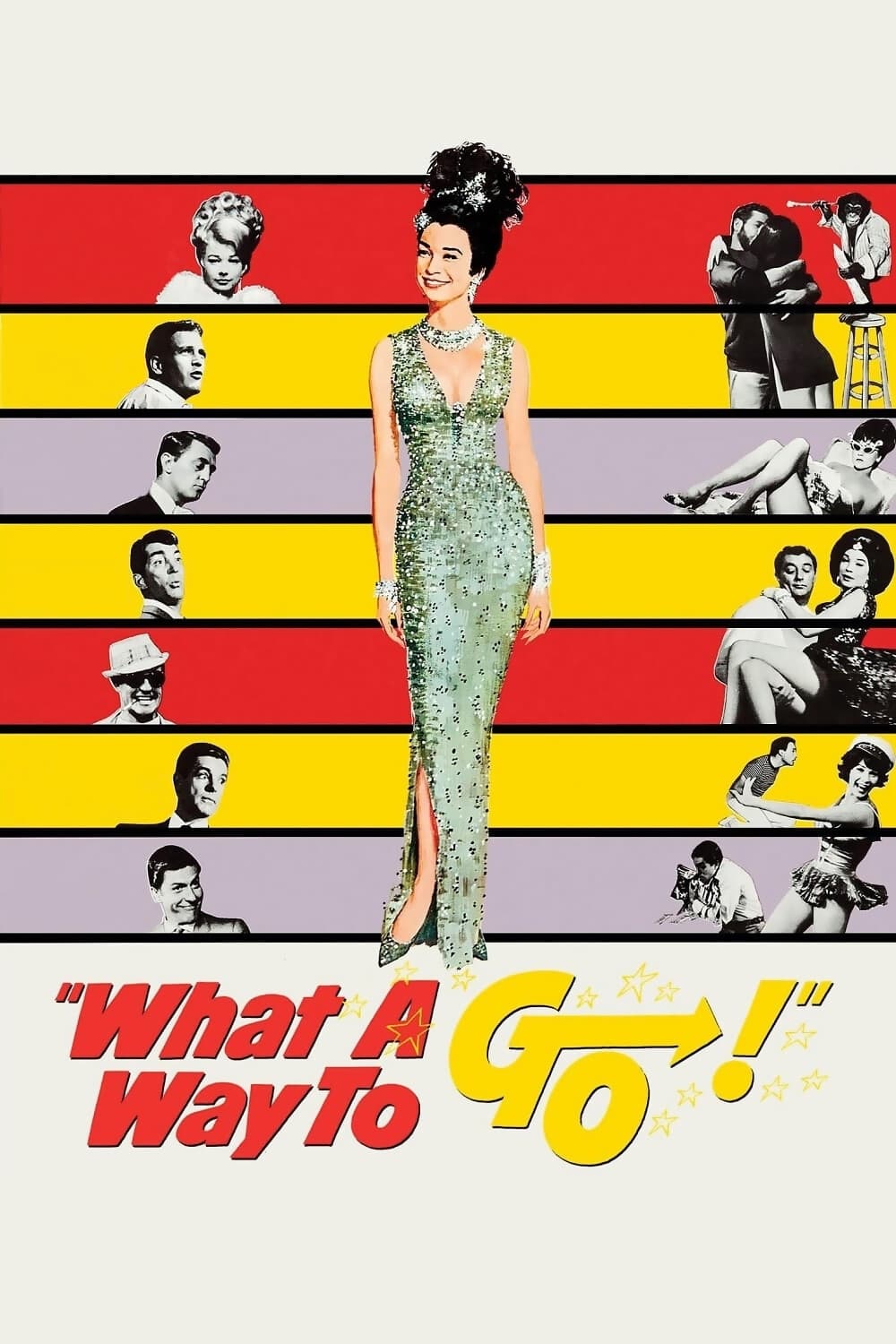
A four-time widow discusses her four marriages, in which all of her husbands became incredibly rich and died prematurely because of their drive to be rich.
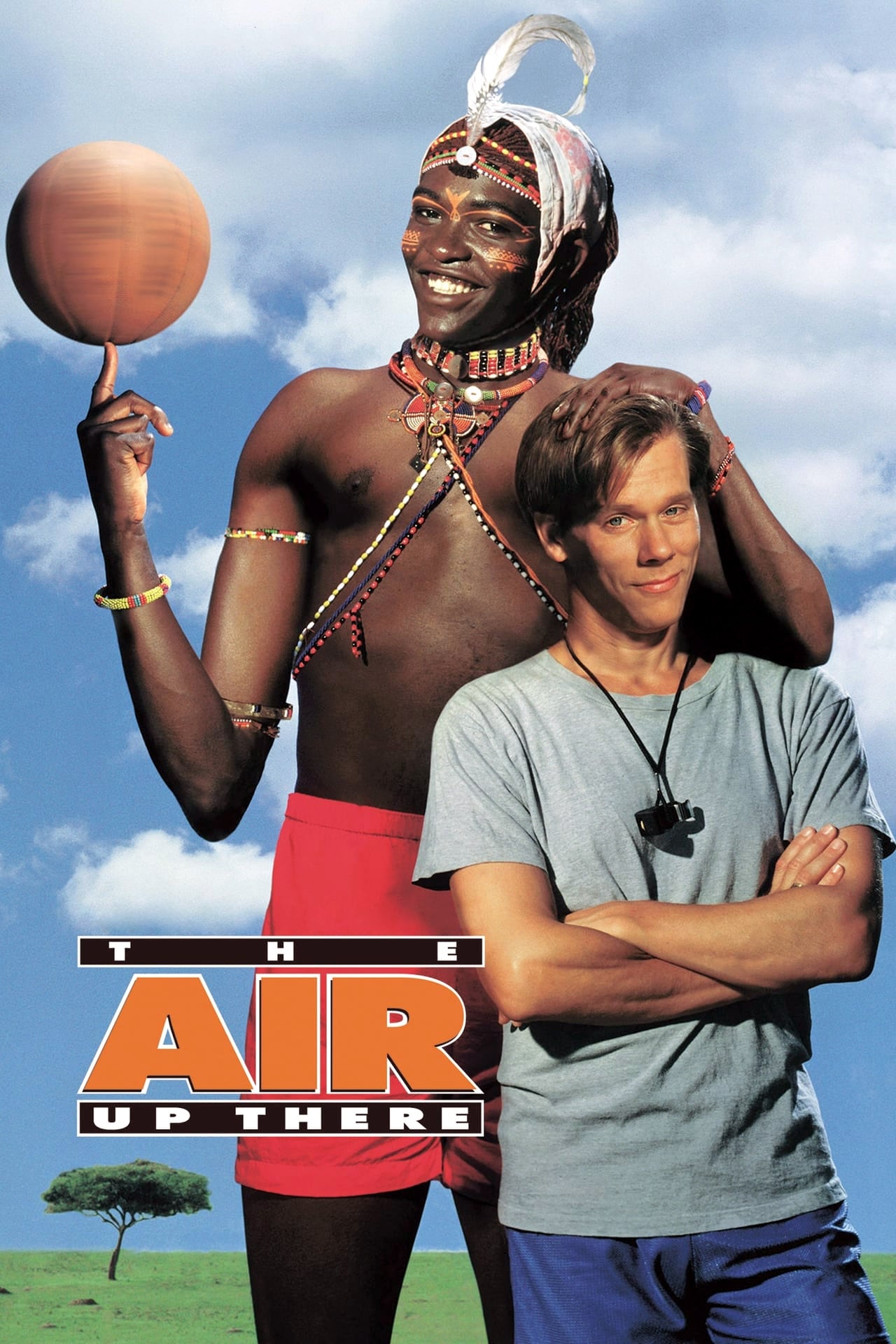
Jimmy Dolan is a college basketball coach who wants a big promotion. To get it, he needs to make a dramatic find. He ends up deep in Africa, hoping to recruit Saleh, a huge basketball prodigy Jimmy glimpsed in a home movie. But Saleh is the chief's son and has responsibilities at home, since the tribe's land is threatened by a mining company with its own hotshot basketball team.
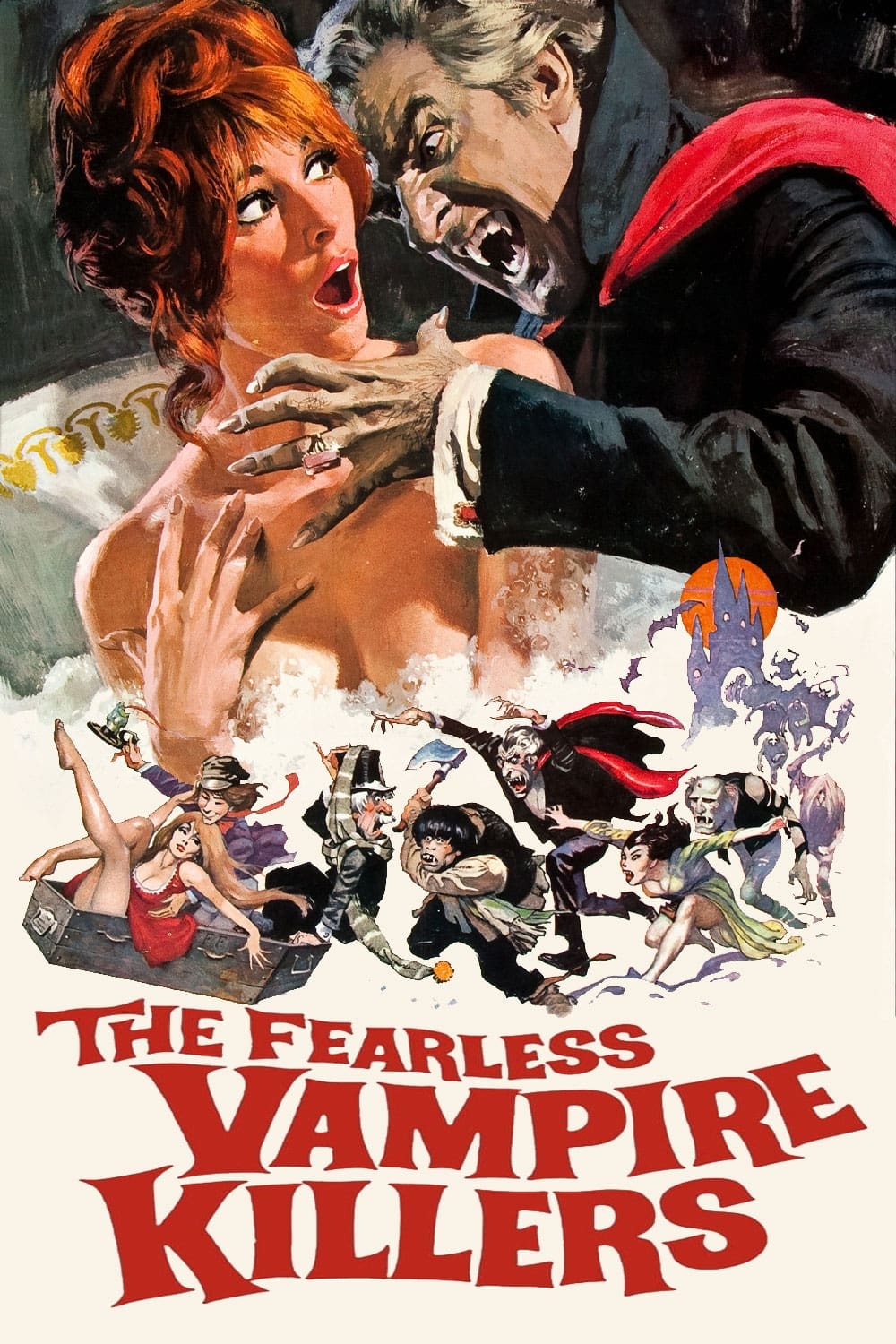
A noted professor and his dim-witted apprentice fall prey to their inquiring vampires, while on the trail of the ominous damsel in distress.
During the harrows of WWII, Jo, a young shepherd along with the help of the widow Horcada, helps to smuggle Jewish children across the border from southern France into Spain.
The Words follows young writer Rory Jansen who finally achieves long sought after literary success after publishing the next great American novel. There's only one catch - he didn't write it. As the past comes back to haunt him and his literary star continues to rise, Jansen is forced to confront the steep price that must be paid for stealing another man's work, and for placing ambition and success above life's most fundamental three words.
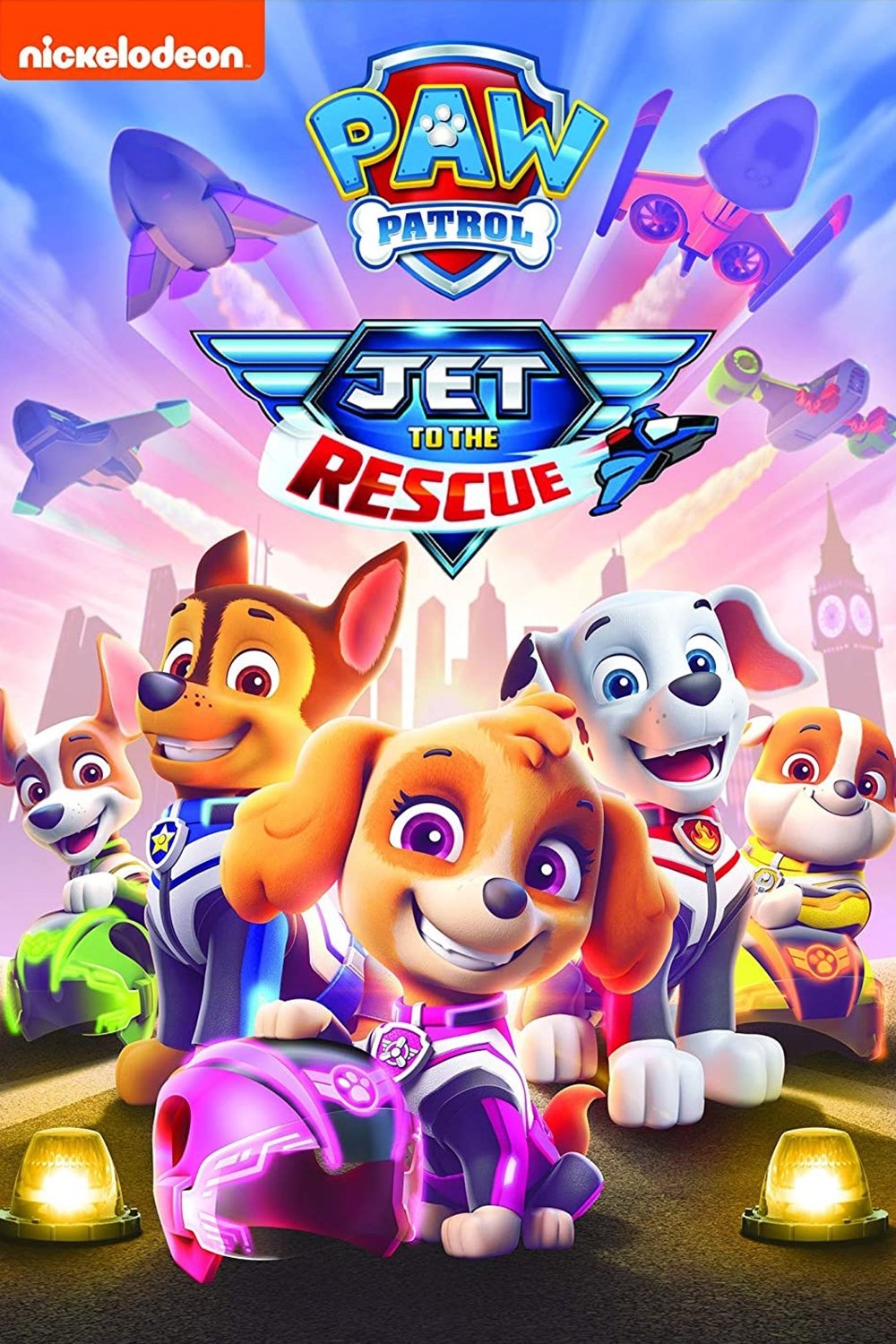
A royal relative steals a gem with the power to make things fly, the Paw Patrol takes to the skies to stop him and save Barkingburg.
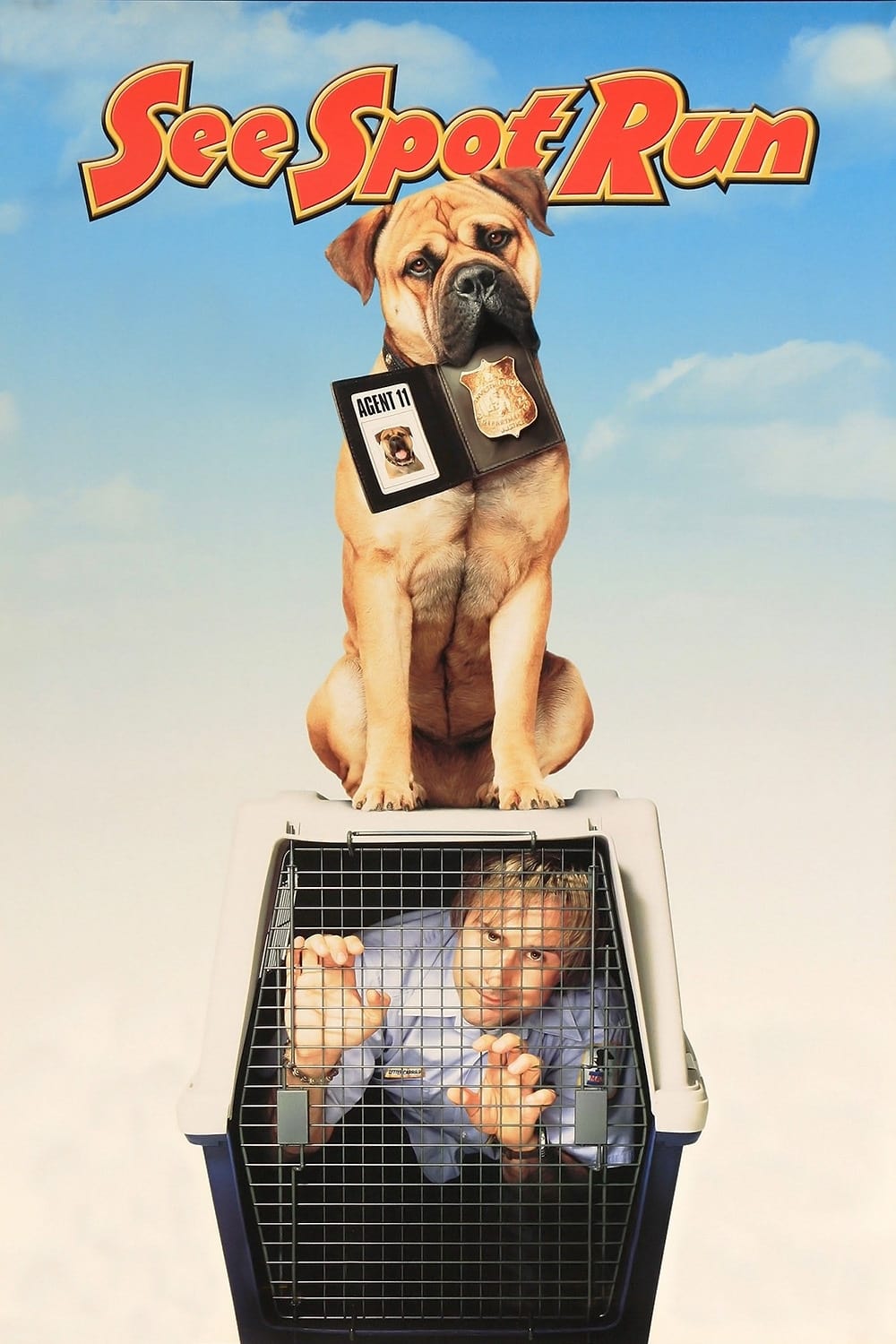
A drug sniffing agent canine is a target for an assassin boss so the FBI calls Witness Protection to send him somewhere else. Meanwhile a single Mom puts her 6 year old boy James in the care of her irresponsible, mailman, neighbor, Gordon, when the babysitter bails on her. Meanwhile, an assassin mob boss hires 2 goons to kill Agent 11. But when 11 escapes from the van when they tried to kill him, he hides in Gordon's Mailtruck that James is in too. And guess what they name him. Spot.
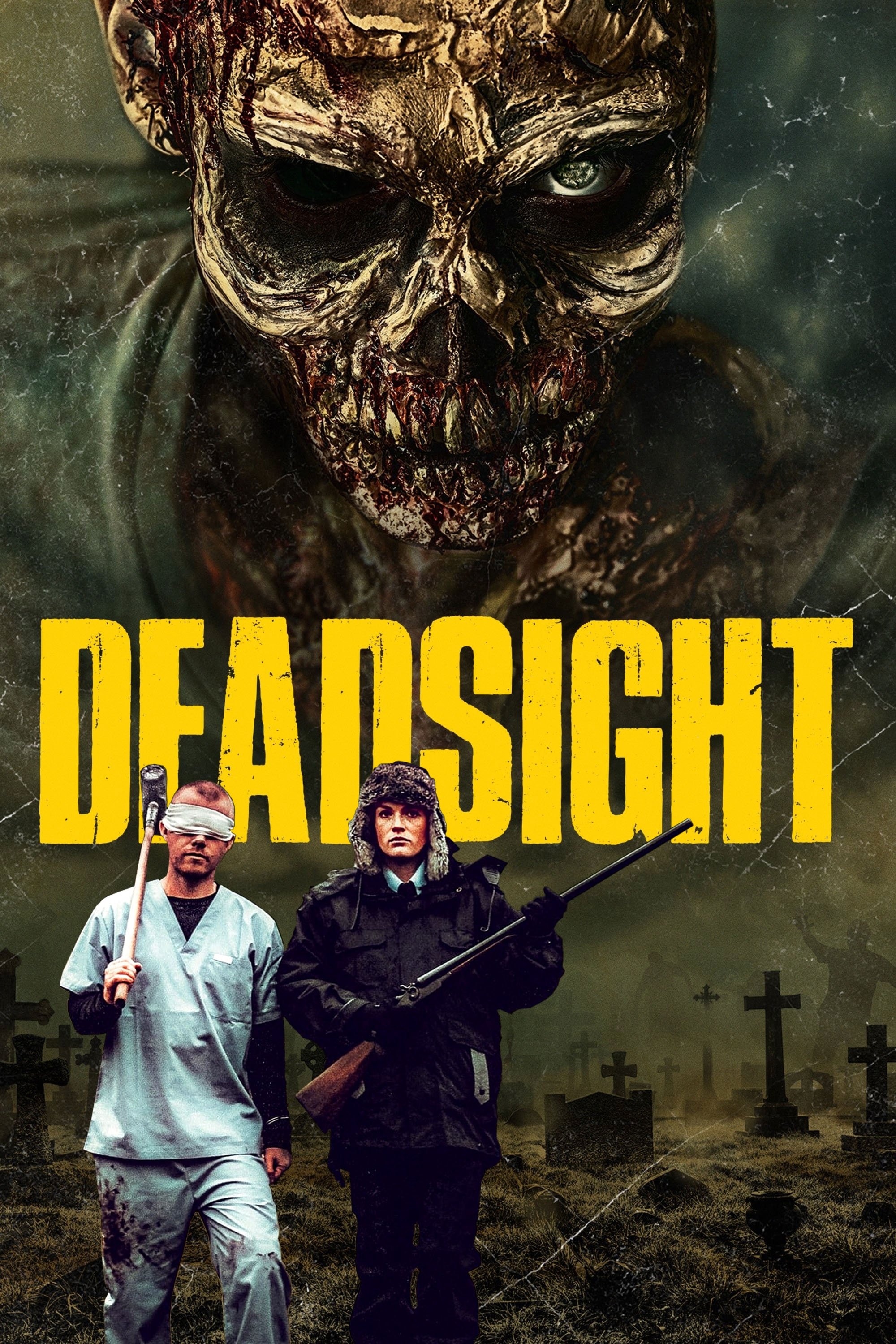
A man with partial blindness and a young pregnant police officer must work together to escape a deadly virus that has spread across Grey County.