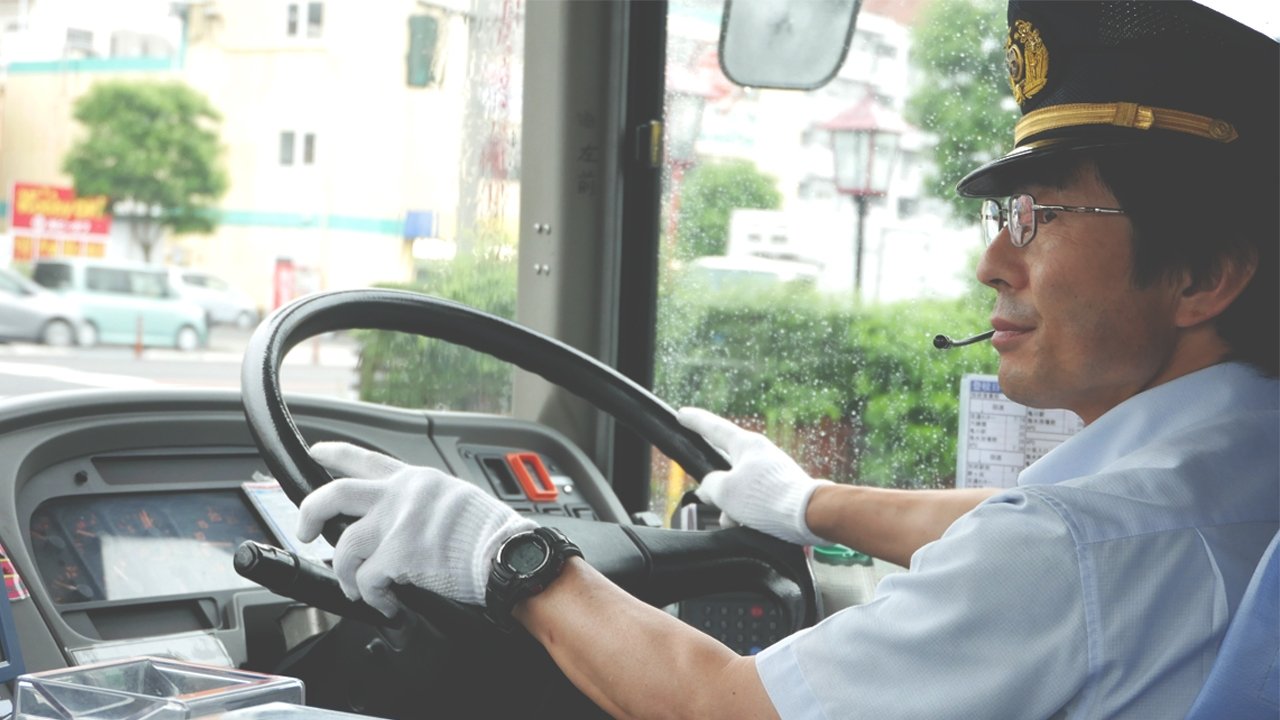

Follows the morning shift of Seiichi Tajima, a local bus driver in Beppu, Japan
Social & External
Self
Warsaw's Central Railway Station. 'Someone has fallen asleep, someone's waiting for somebody else. Maybe they'll come, maybe they won't. The film is about people looking for something.
How the Japanese process American pop culture and make it their own -- a mind-bending odyssey through cultural mixing.
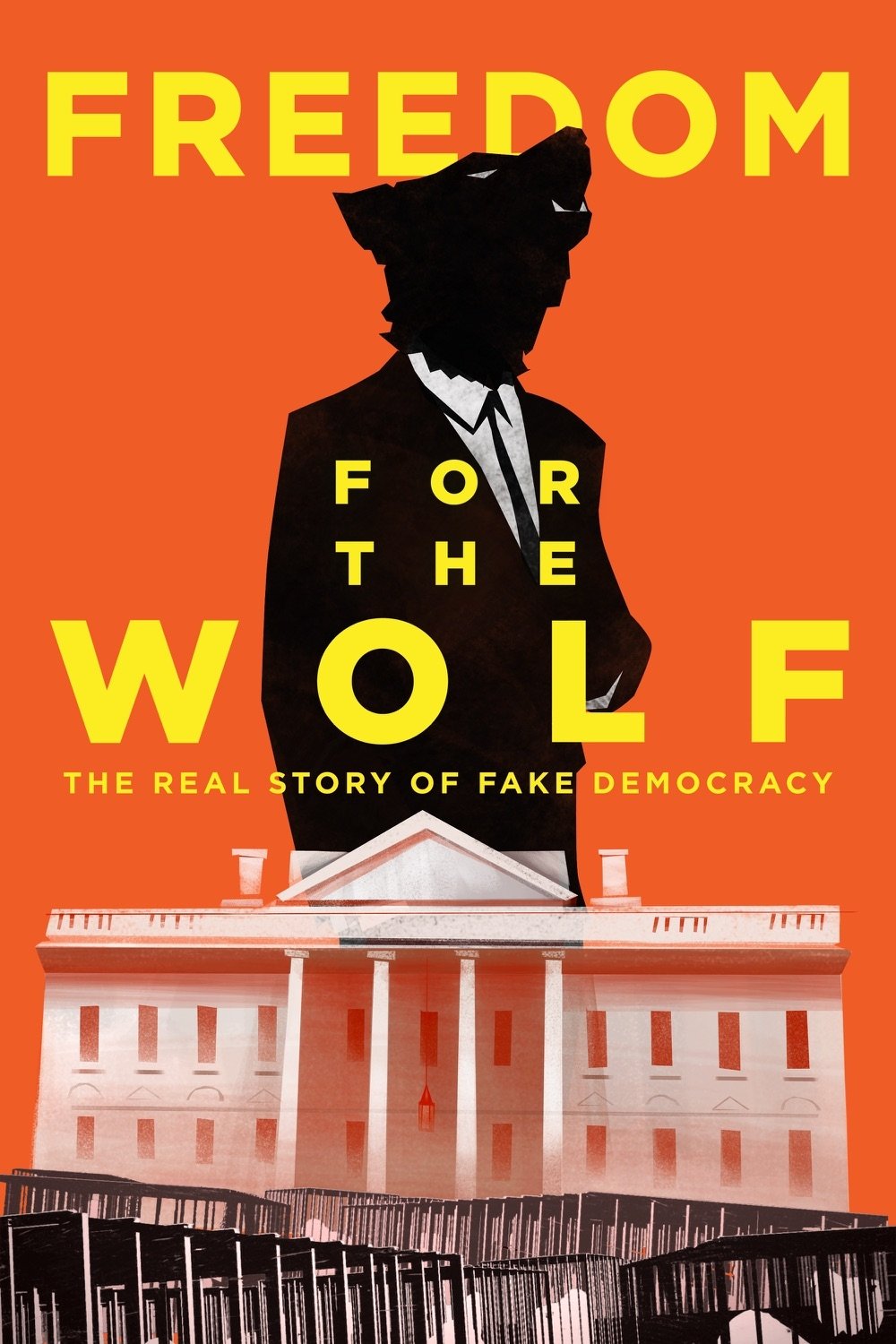
The Real Story of Fake Democracy. Filmed over three years in five countries, FREEDOM FOR THE WOLF is an epic investigation into the new regime of illiberal democracy. From the young students of Hong Kong, to a rapper in post-Arab Spring Tunisia and the viral comedians of Bollywood, we discover how people from every corner of the globe are fighting the same struggle. They are fighting against elected leaders who trample on human rights, minorities, and their political opponents.
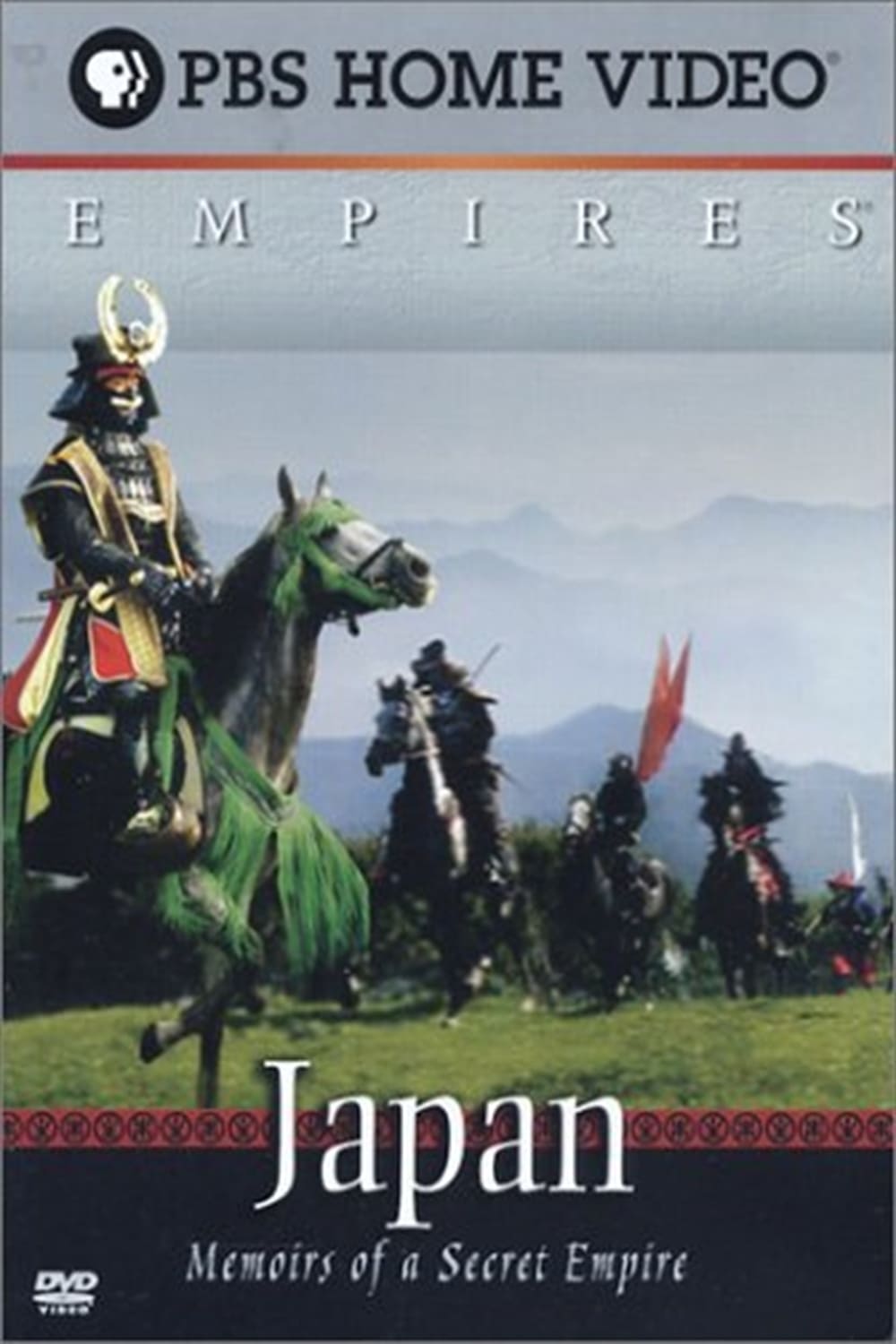
Japan blossomed into its Renaissance at approximately the same time as Europe. Unlike the West, it flourished not through conquest and exploration, but by fierce and defiant isolation. And the man at the heart of this empire was Tokugawa Ieyasu, a warlord who ruled with absolute control. This period is explored through myriad voices-- the Shogun, the Samurai, the Geisha, the poet, the peasant and the Westerner who glimpsed into this secret world.
A 3 hour Japanese documentary & Live gig video of the Osaka Noise/Weirdo Rock scene in 1994. Includes Boredoms & side projects (UFO or DIE, Hanatarash, Concrete Octopus), Masonna, Incapacitants & lots more! Yamatsuka Eye gives an interview in his apartment and plays a toy guitar in his bath tub.
Matsuko Deluxe explores the seemingly familiar yet overlooked facets of Japanese culture through real-life experiences.
Just after midnight on 10 March 1945, the US launched an air-based attack on eastern Tokyo; continuing until morning, the raid left more than 100,000 people dead and a quarter of the city eradicated. Unlike their loved ones, Hiroshi Hoshino, Michiko Kiyooka and Minoru Tsukiyama managed to emerge from the bombings. Now in their twilight years, they wish for nothing more than recognition and reparations for those who, like them, had been indelibly harmed by the war – but the Japanese government and even their fellow citizens seem disinclined to acknowledge the past.
Akina Nakamori's second video work "Hajimemashite" consists of 12 songs (including three singles "Slow Motion," "Girl A," and "Second Love") from her debut year (1982), filmed at Santa Monica Beach in Los Angeles and other locations where Akina Nakamori visited to record and interview for "Slow Motion" from March 11 to 17, 1982, just before her debut. It also includes the recording of her debut song "Slow Motion," and is full of valuable memorial footage from before her debut!
NEW AKINA Étranger Akina Nakamori in Europe is the first video release released by Nakamori Akina. It was released on October 12, 1983.
Megumi Odaka (小高恵美) idol VHS tape, Megumi the Campaign - Idol Roke Zenkoku Jyuudan, 1989. She is best known for the role of Miki Saegusa in six Godzilla films from 1989 to 1995.
In the last fifty years the culture of Zen has spread far beyond Japan. Zen centers and zen retreats have sprung up throughout America and Europe. When Dogen, the founder of Soto Zen, brought Zen to Japan from China 800 years ago, it quickly took root and became an integral part of Japanese life. Yet what do we know about zen practice in Japan today? The Zen Mind is a fascinating journey across Japan to explore zen in its natural habitat.
Documentary about two boys and a girl who travel to surfing spots around the world.
Thirty years ago, idol Okada Yukiko jumped off the Sun Music agency building in a desperate attempt to take her own life. Unfortunately, she was successful. Outside of Japan, not much is known about Yukko, aside from her music and her death. In this documentary series, we will document her short life in its entirety, beginning from her birth and ending with her legacy beyond death.
In 1908, the French banker and philanthropist Albert Kahn launched one of the most ambitious projects in the history of photography. A pacifist, internationalist and utopian idealist, Kahn decided to use his private fortune to improve understanding between the nations of the world. To this end, he created what he called his Archive of the Planet. For the next two decades, he dispatched professional photographers to document the everyday lives of people in more than 50 countries all around the world. Kahn's wealth enabled him to supply his photographers with the most advanced camera technology available. They used the autochrome - the first user-friendly camera system capable of producing true-colour photographs.
ONE OK ROCK with Orchestra Japan Tour 2018 features the final performance of the special concert held at Osaka-jo Hall in October 2018, where the band performed with a 53-member orchestra, alongside footage from the Saitama Super Arena show. The release also includes a 100-page booklet packed with newly shot member photos, commentary, live reports, and interviews with the production team, offering a deeply engaging read.
Samurai Japan won the 2023 World Baseball Classic for the first time in 14 years, and went all the way to the final undefeated. In addition to the never-before-seen footage of the team, the film also includes interviews with Manager Hideki Kuriyama, players, coaches, and team staff. What is the truth behind the glory and the suffering of the people involved?
After the disaster of March 2011, the Japanese authorities decided to build a gigantic 15 meter high, 500 kilometer long, anti-tsunami wall, separating the land and the ocean. But what is the environmental and human impact of this wall? The population is divided on their opinion: should they cut the island off from the sea or stay vulnerable to tsunamis? Is there another way?
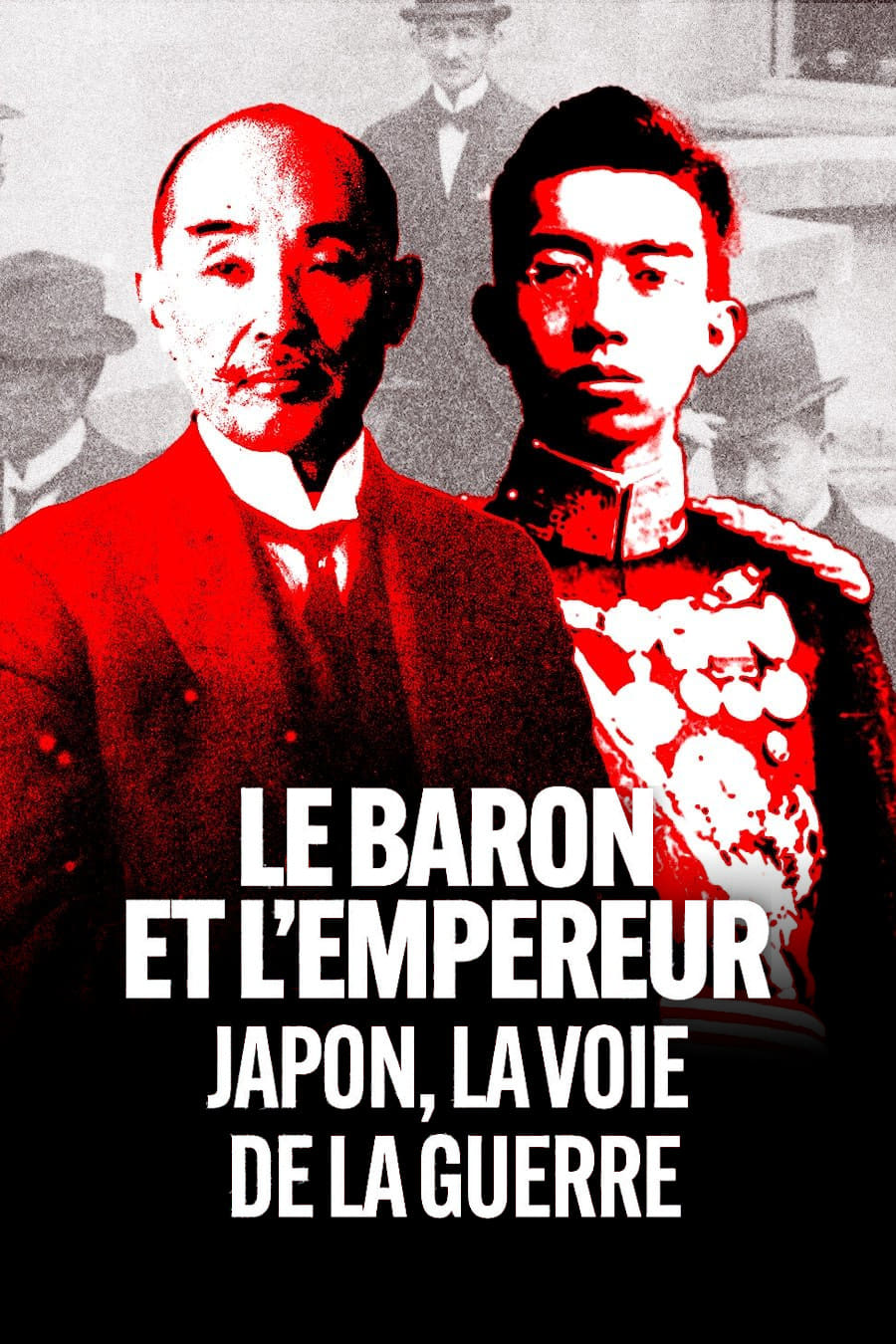
Using never-before-seen footage, Japan's War In Colour tells a previously untold story. It recounts the history of the Second World War from a Japanese perspective, combining original colour film with letters and diaries written by Japanese people. It tells the story of a nation at war from the diverse perspectives of those who lived through it: the leaders and the ordinary people, the oppressors and the victims, the guilty and the innocent. Until recently, it was believed that no colour film of Japan existed prior to 1945. But specialist research has now unearthed a remarkable colour record from as early as the 1930s. For eight years the Japanese fought what they believed was a Holy War that became a fight to the death. Japan's War In Colour shows how militarism took hold of the Japanese people; describes why Japan felt compelled to attack the West; explains what drove the Japanese to resist the Allies for so long; and, finally, reveals how they dealt with the shame of defeat.
What is peace? What is coexistence? And what are the basis for them? PEACE is a visual-essay-like observational documentary, which contemplates these questions by observing the daily lives of people and cats in Okayama city, Japan, where life and death, acceptance and rejection are intermingled.